Passoni Gnecchi Palace
- Home
- /
- Arte e cultura
- /
- Historical buildings
- /
- Passoni Gnecchi Palace
The neoclassical layout and the Passoni patronage
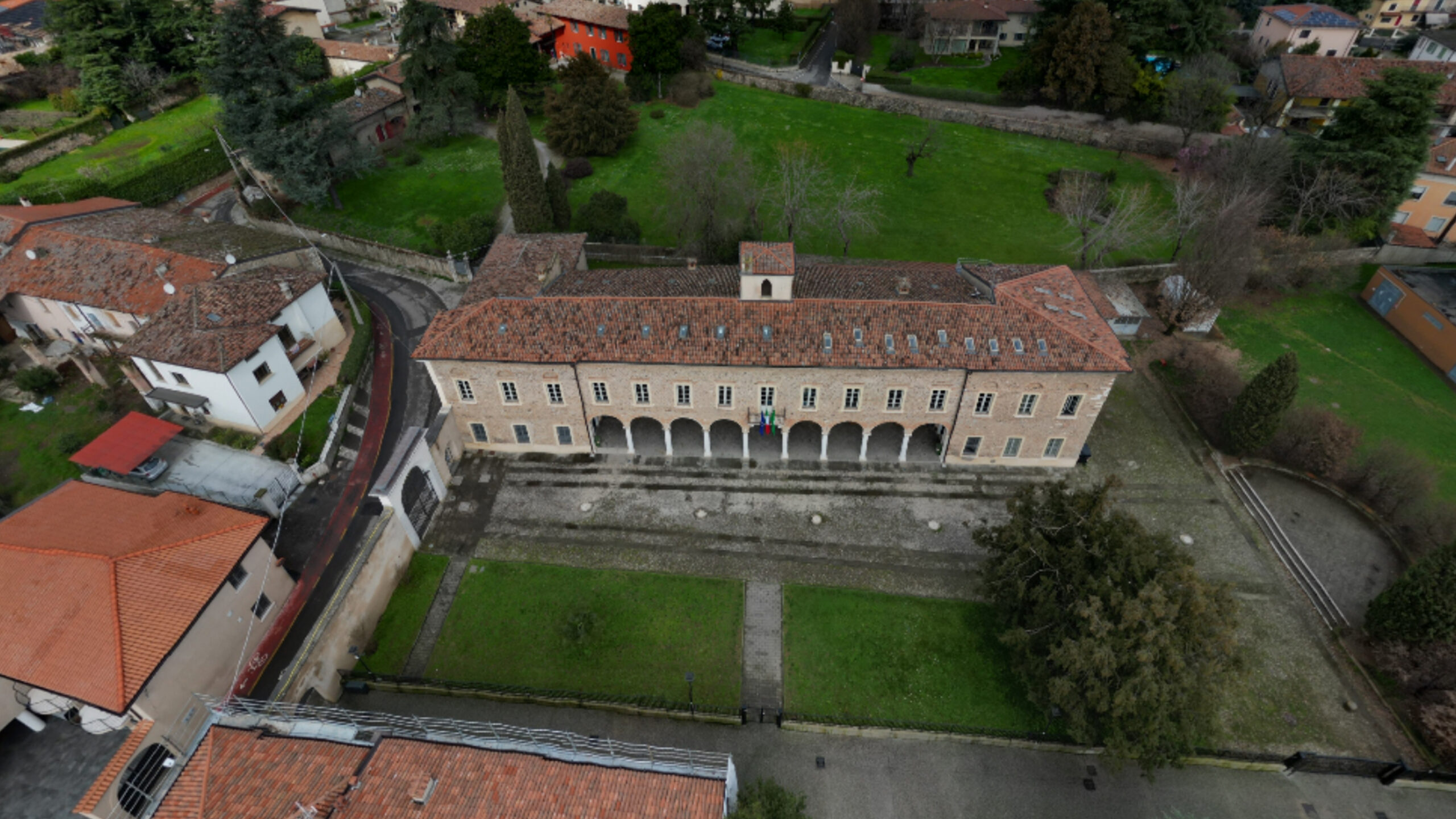
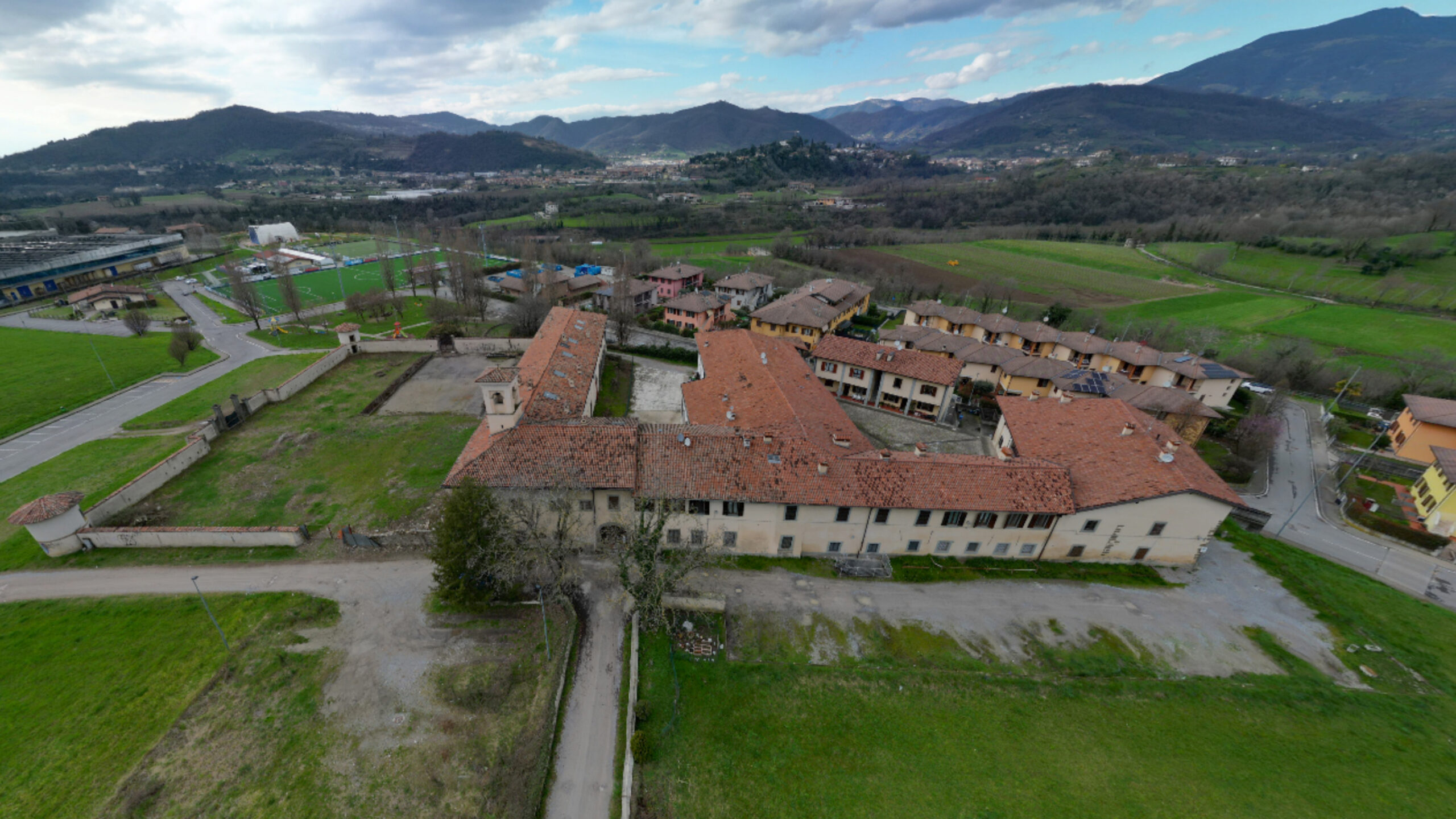
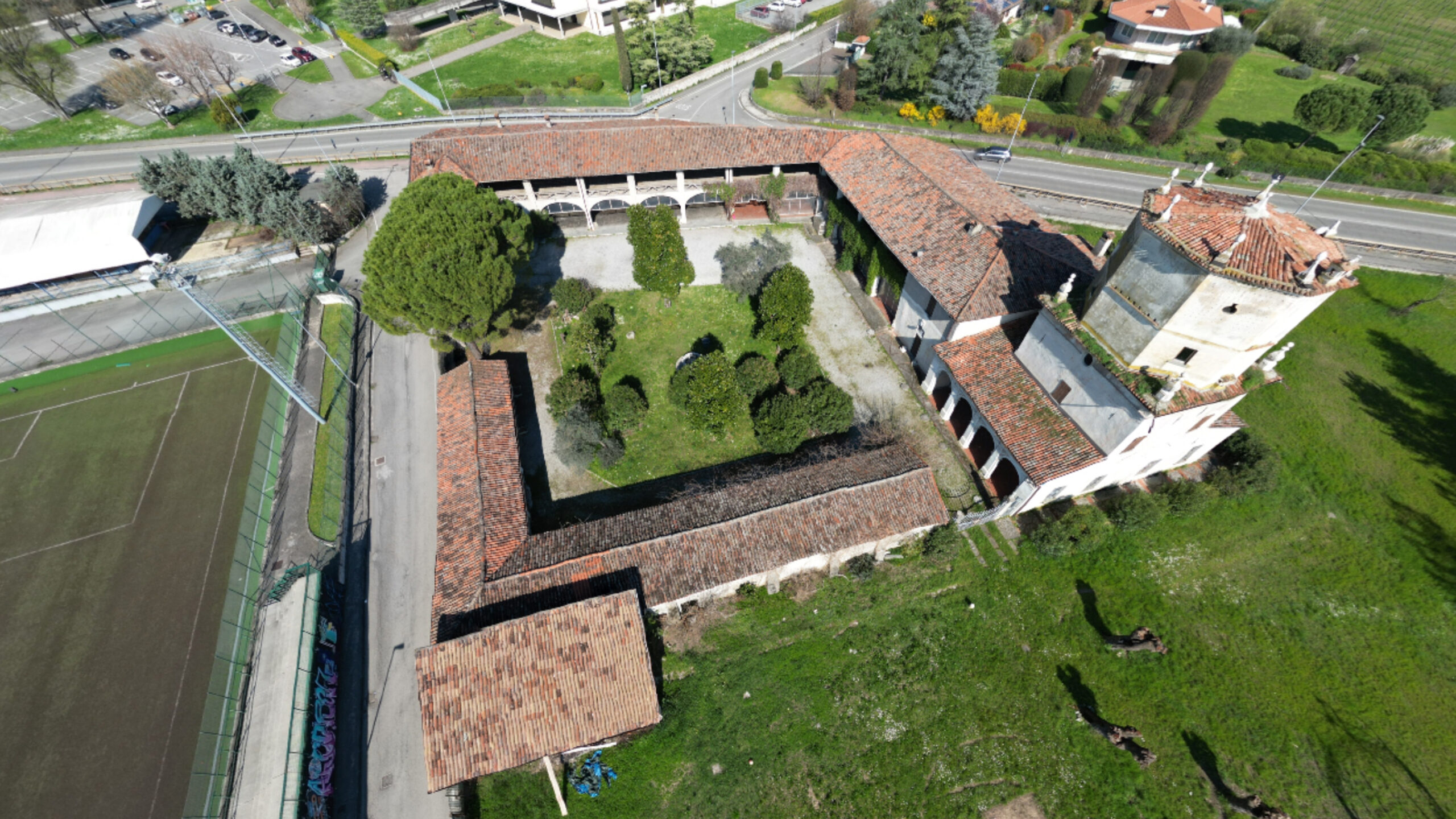
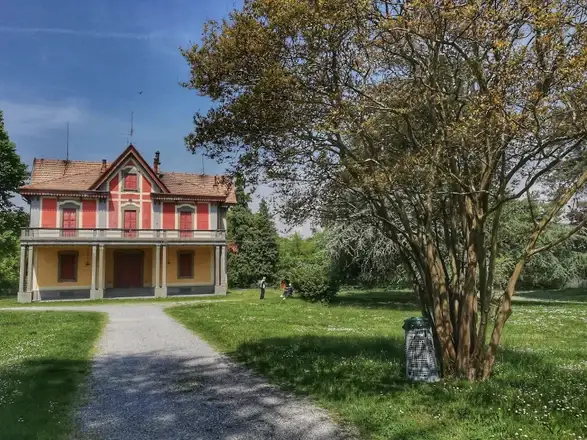
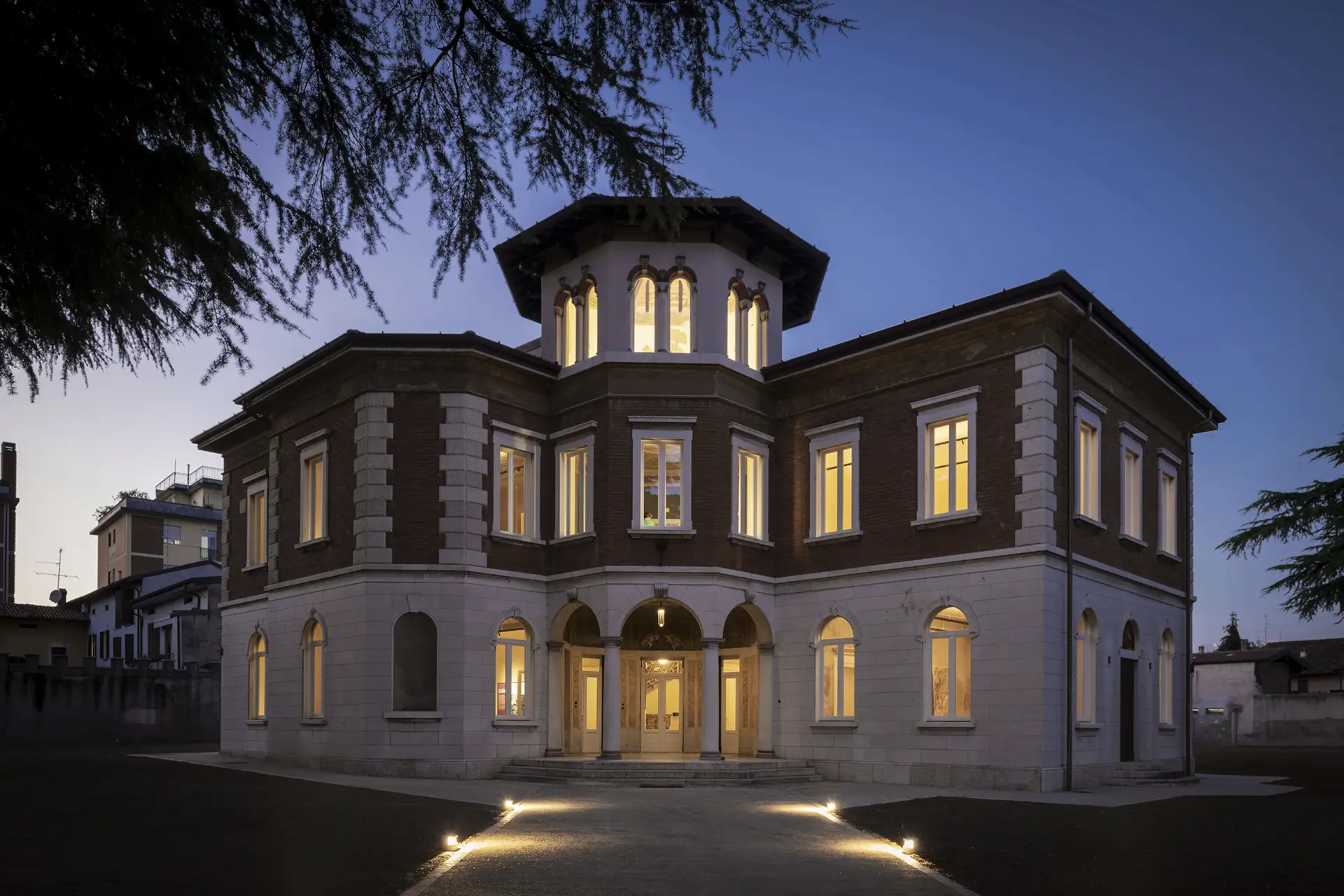
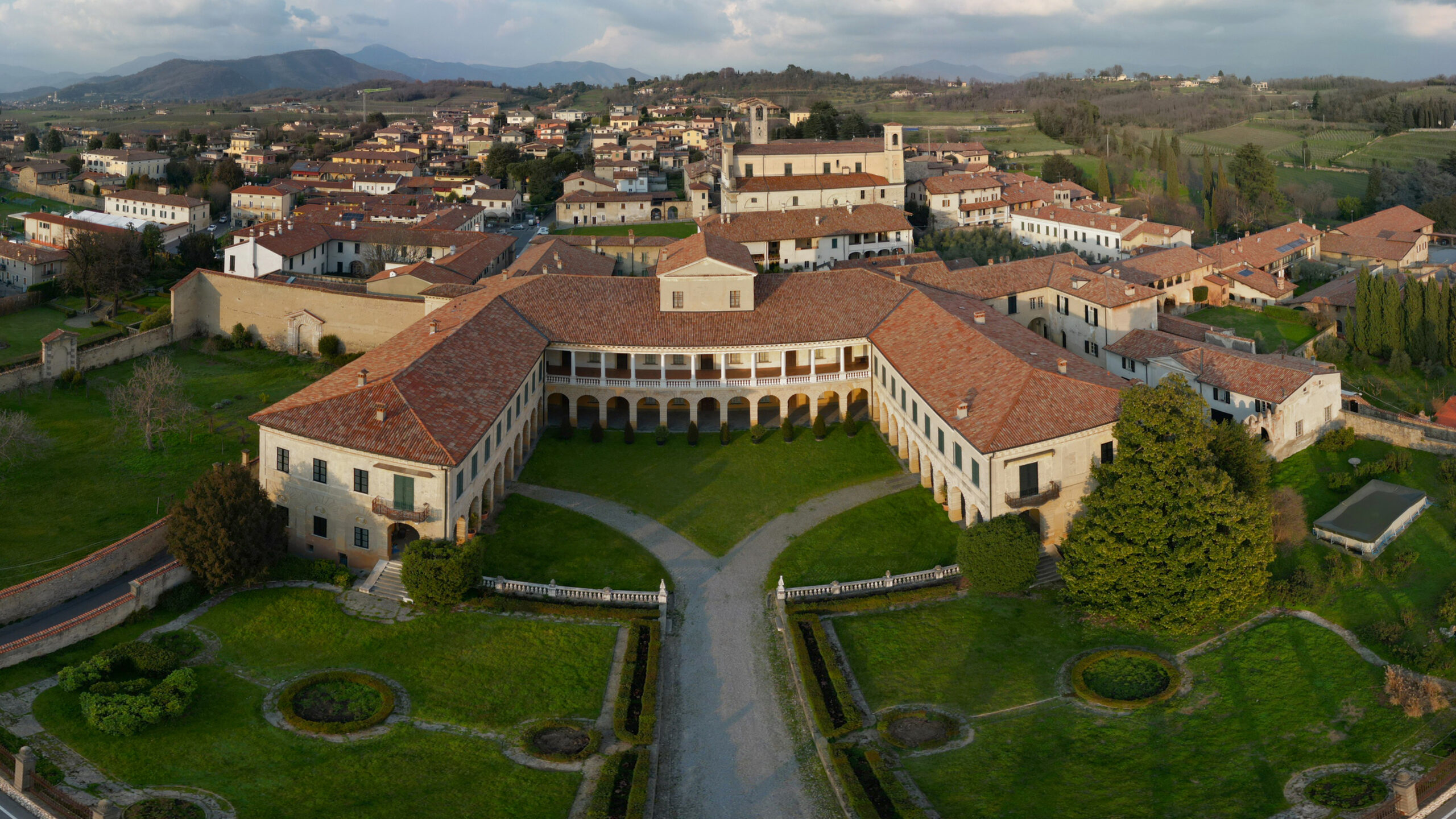
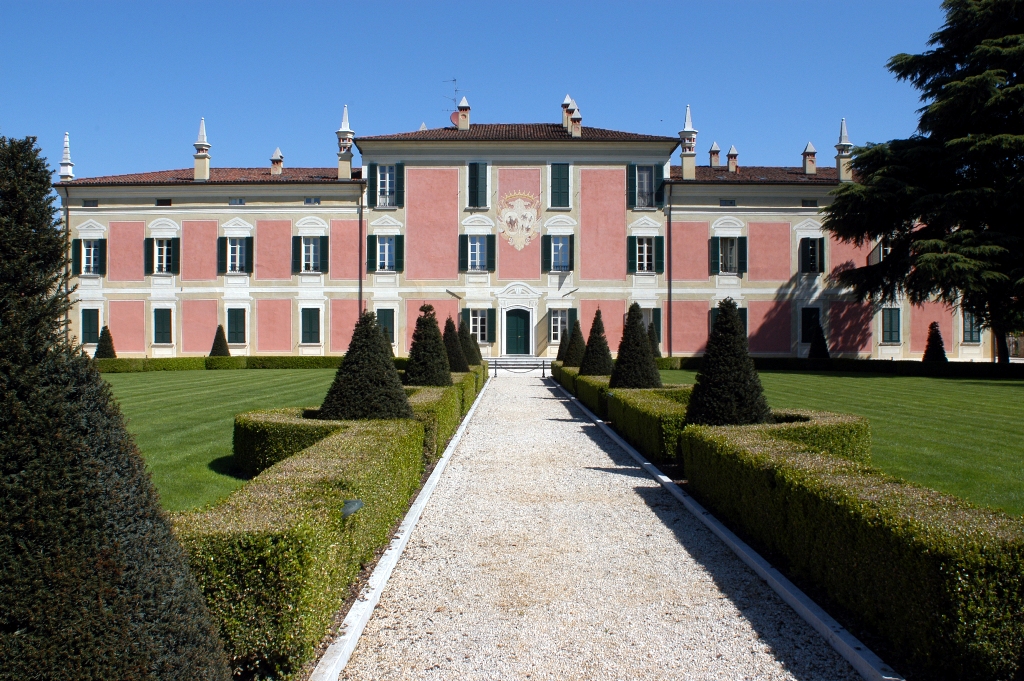
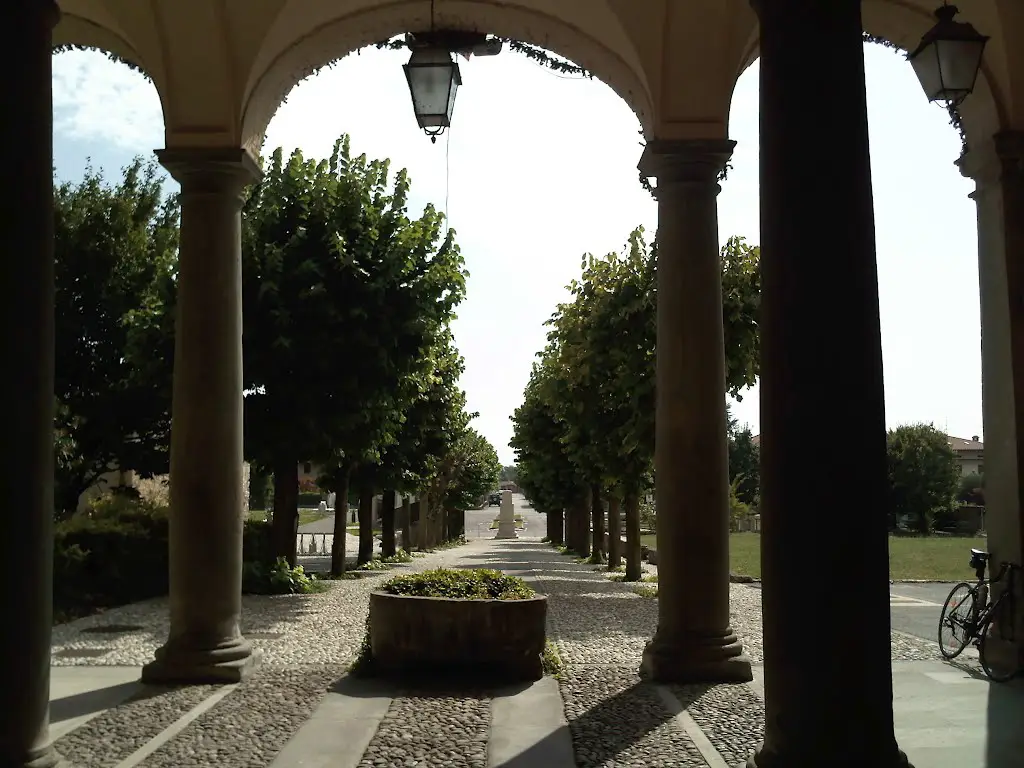
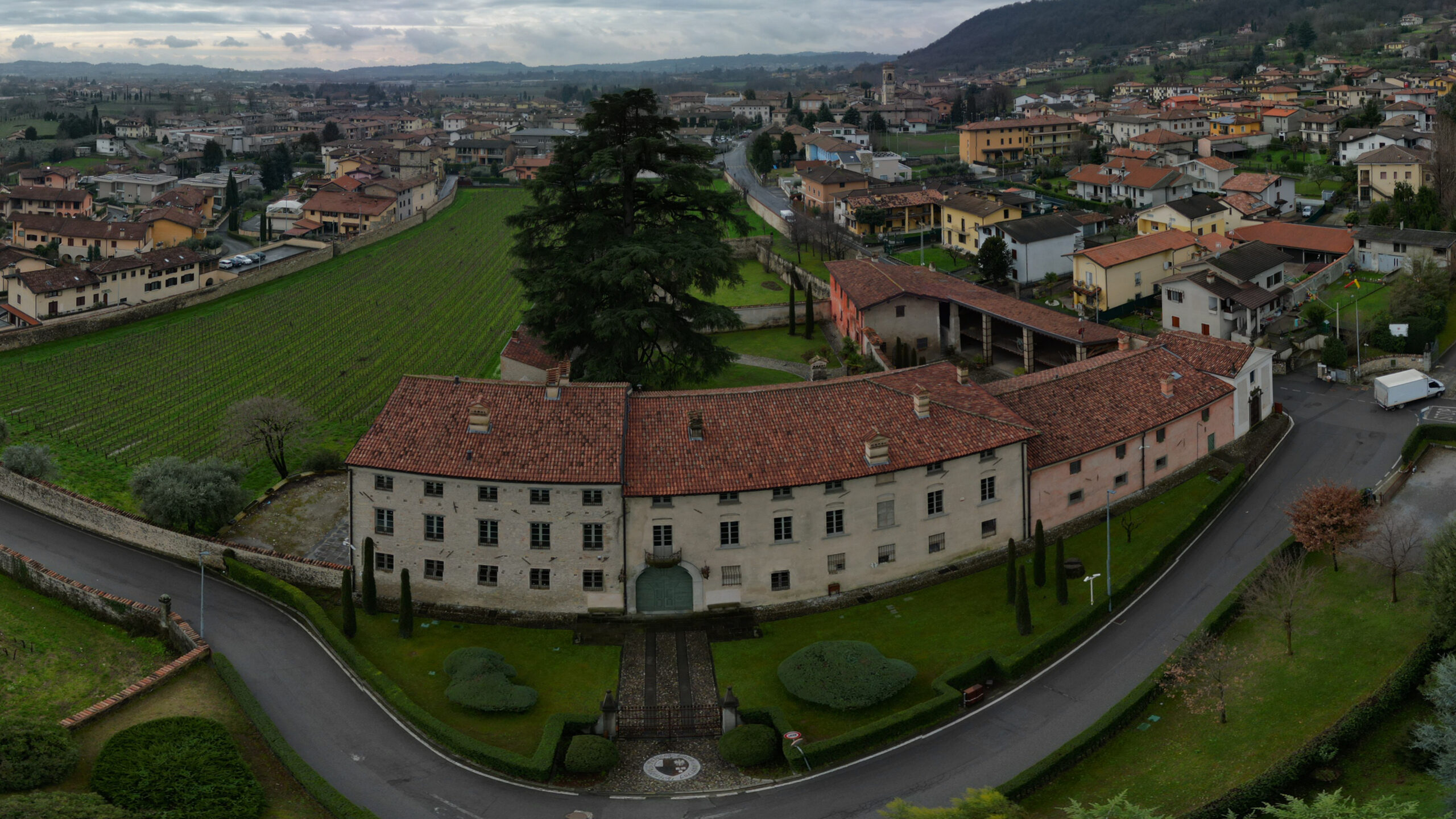
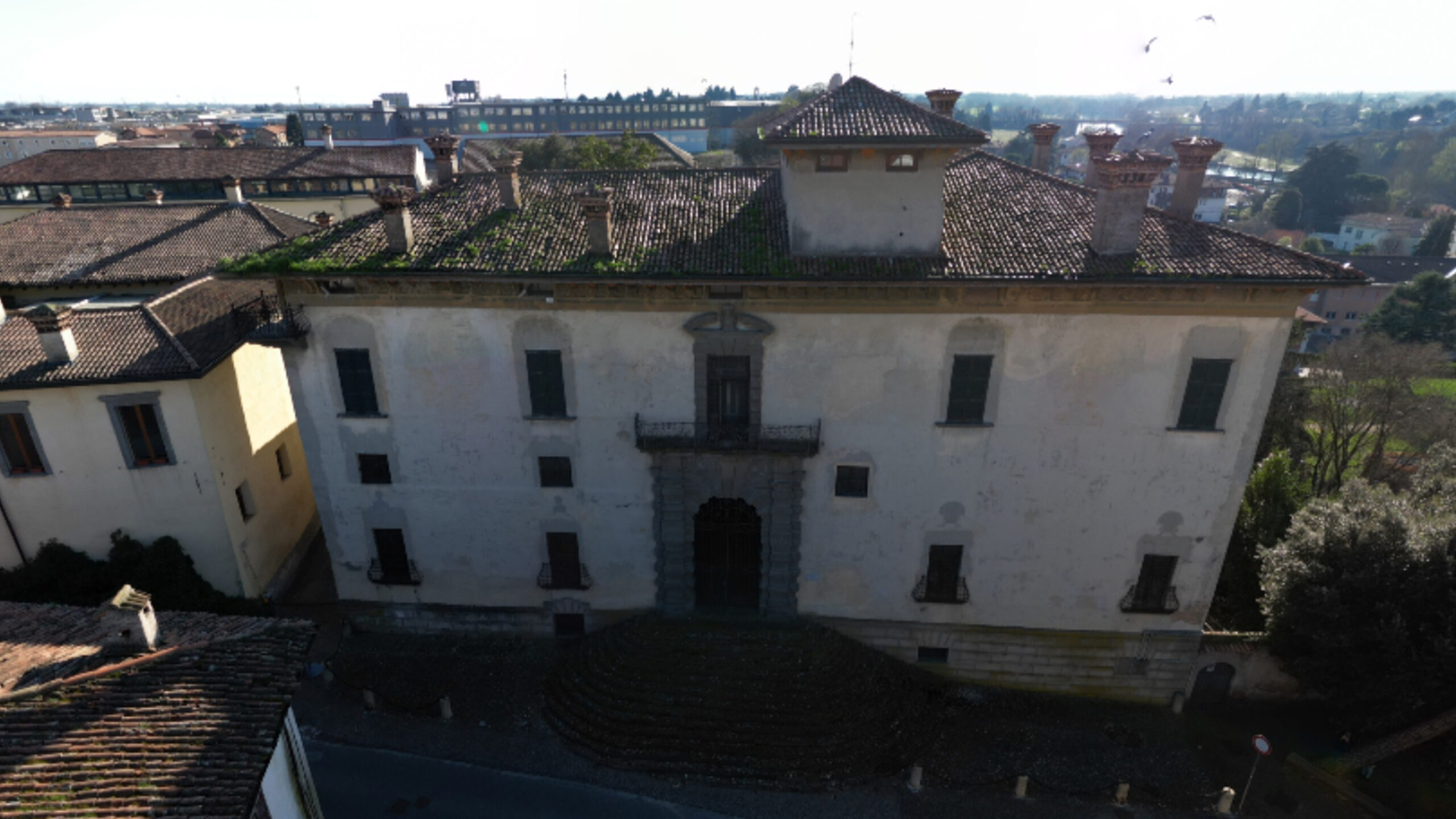
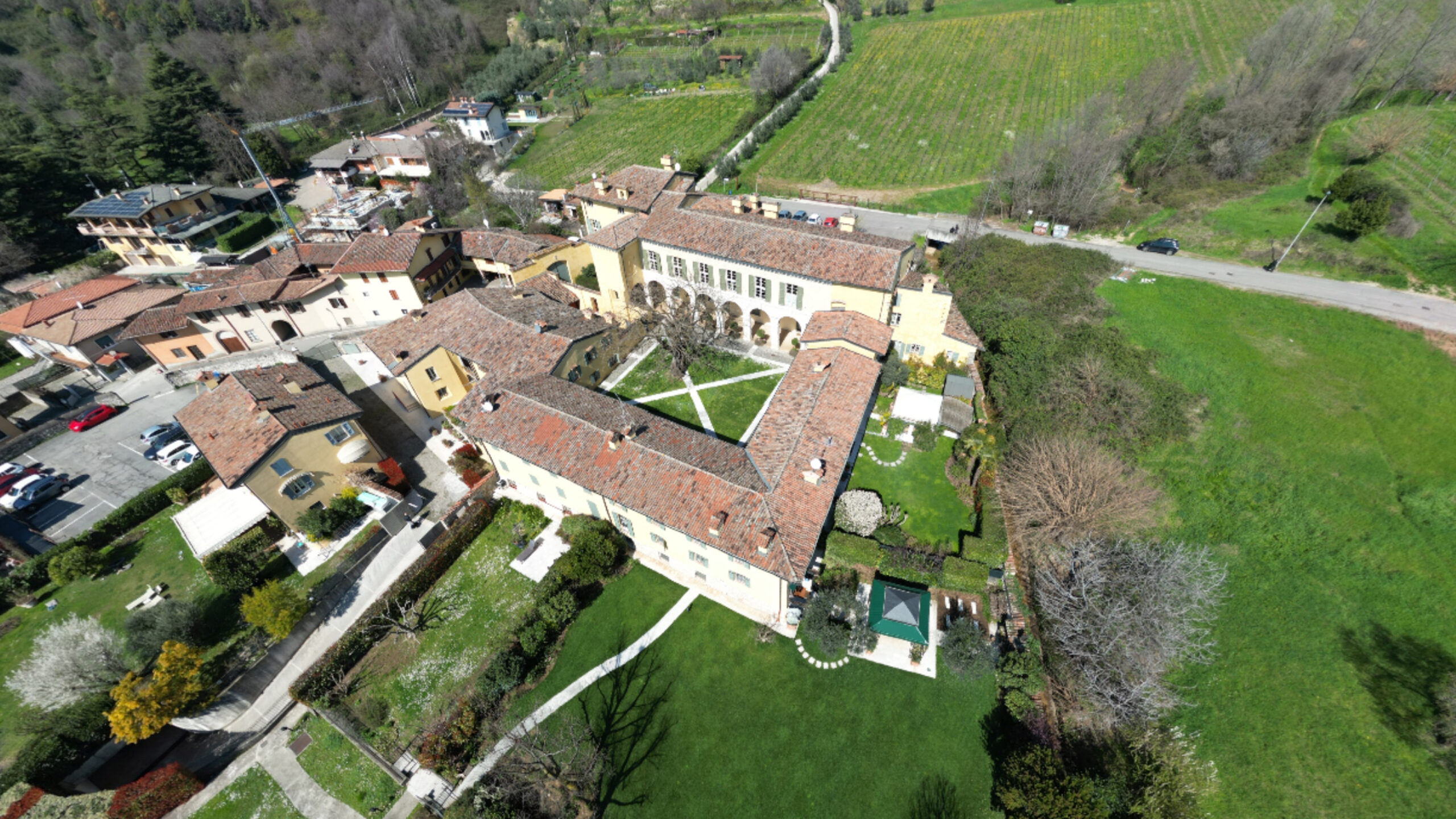
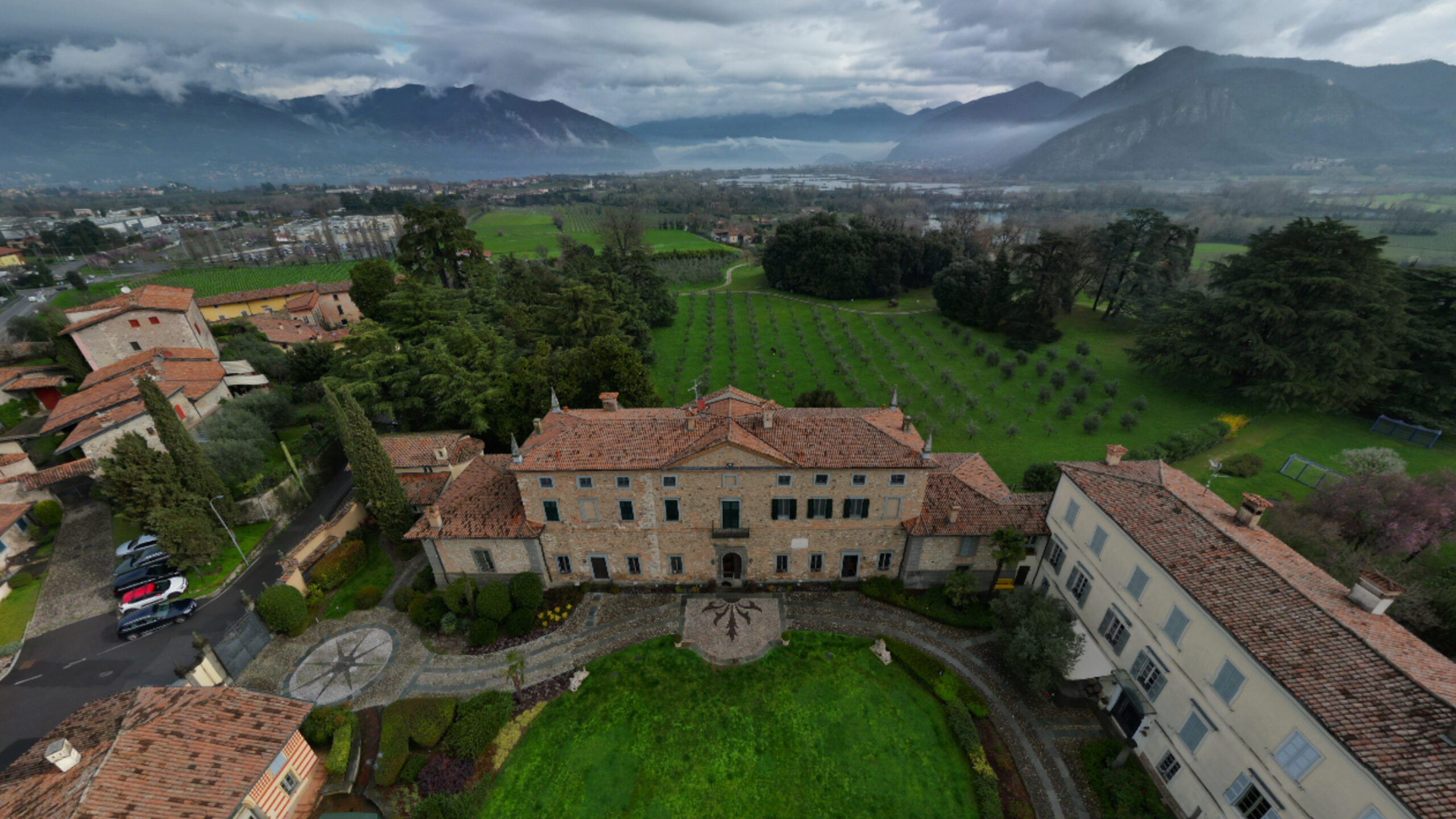
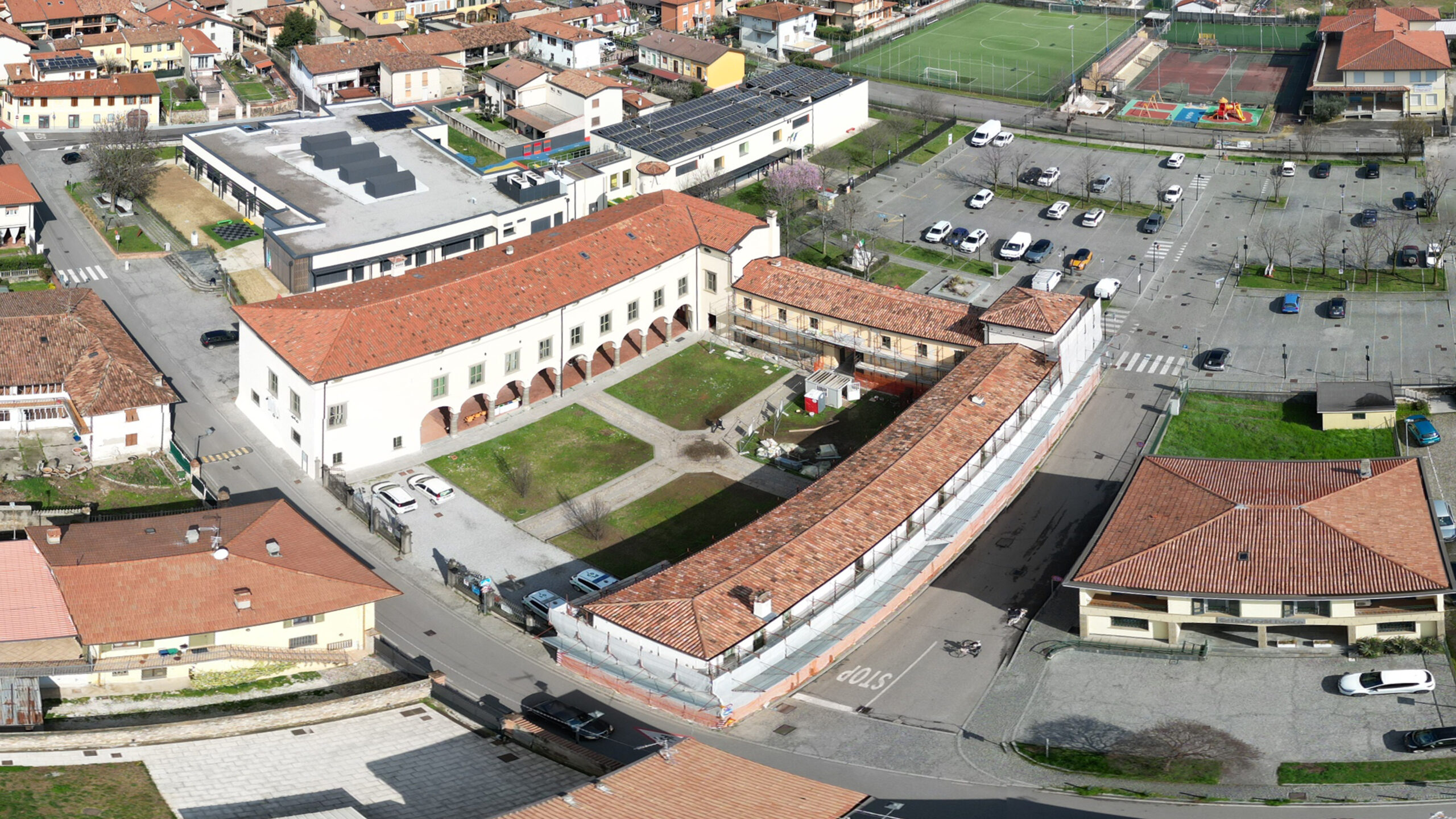
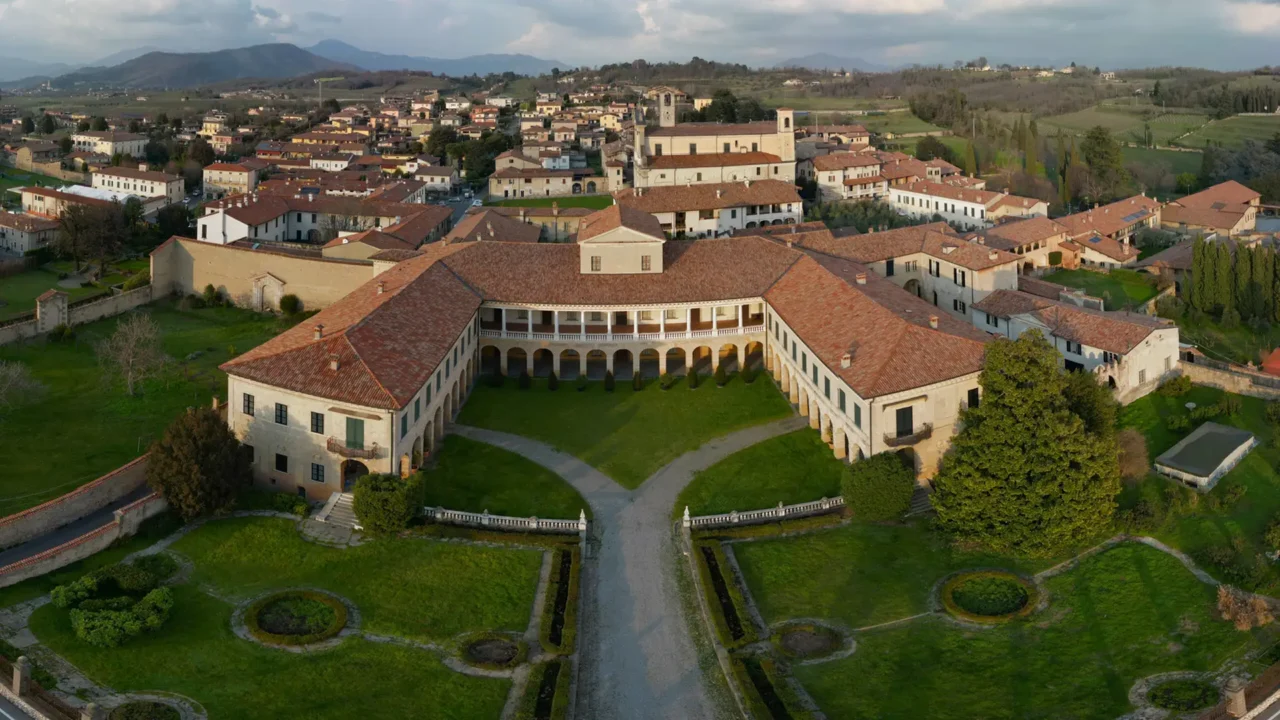
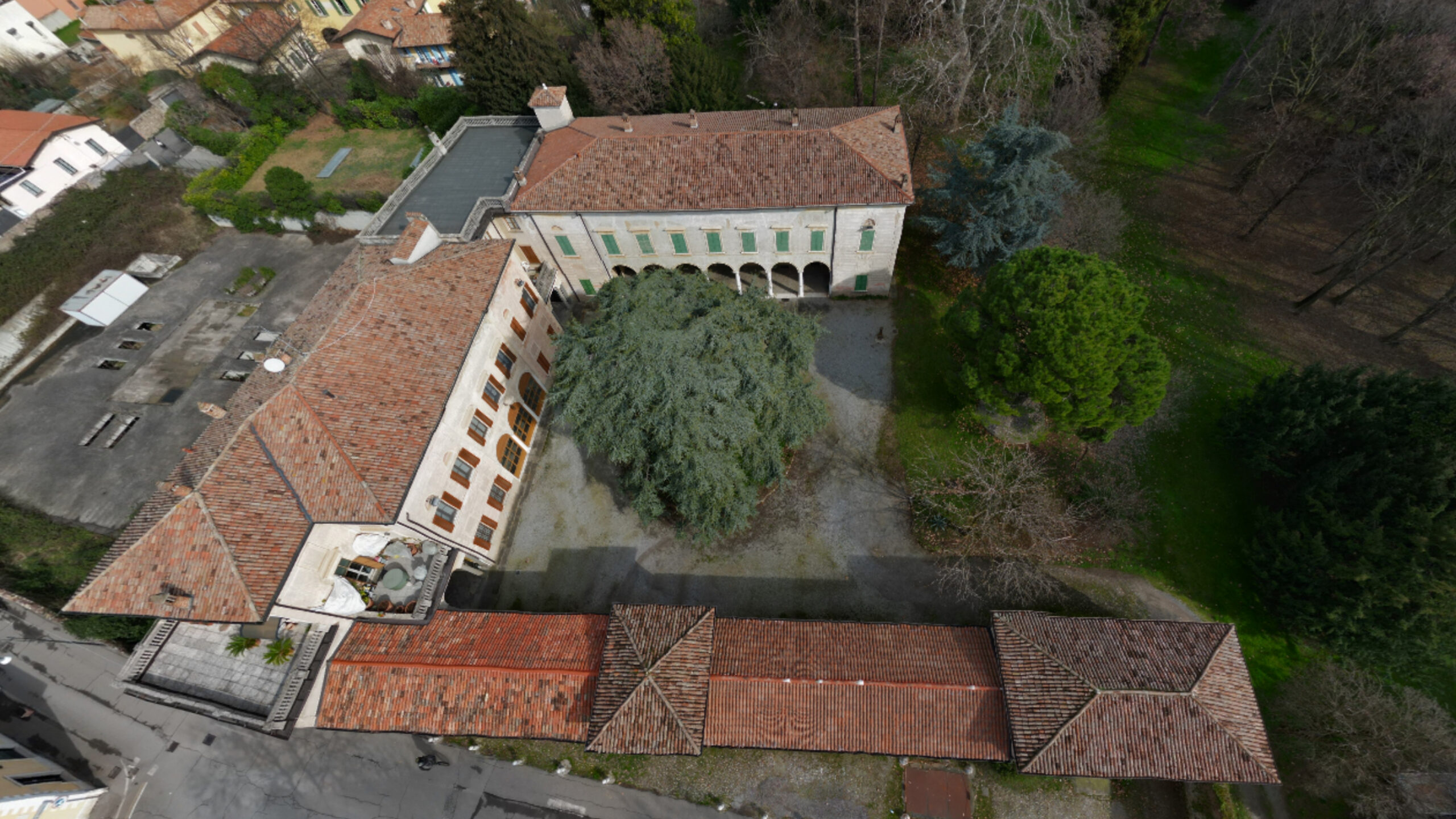
The villa today retains its neoclassical form, resulting from the 1810 construction project and commissioned by Carlo Antonio Passoni. The villa’s main core consists of a tripartite building: the central body features a large loggia on the lower level, with seven full-arched arches resting on white Tuscan columns, which correspond to seven windows on the upper level. The simple, continuous profile is flanked by two rusticated sections: a solution similar to that of Villa Pizzini, formerly Lana, in Corte Franca.
The garden and the dialogue with the landscape
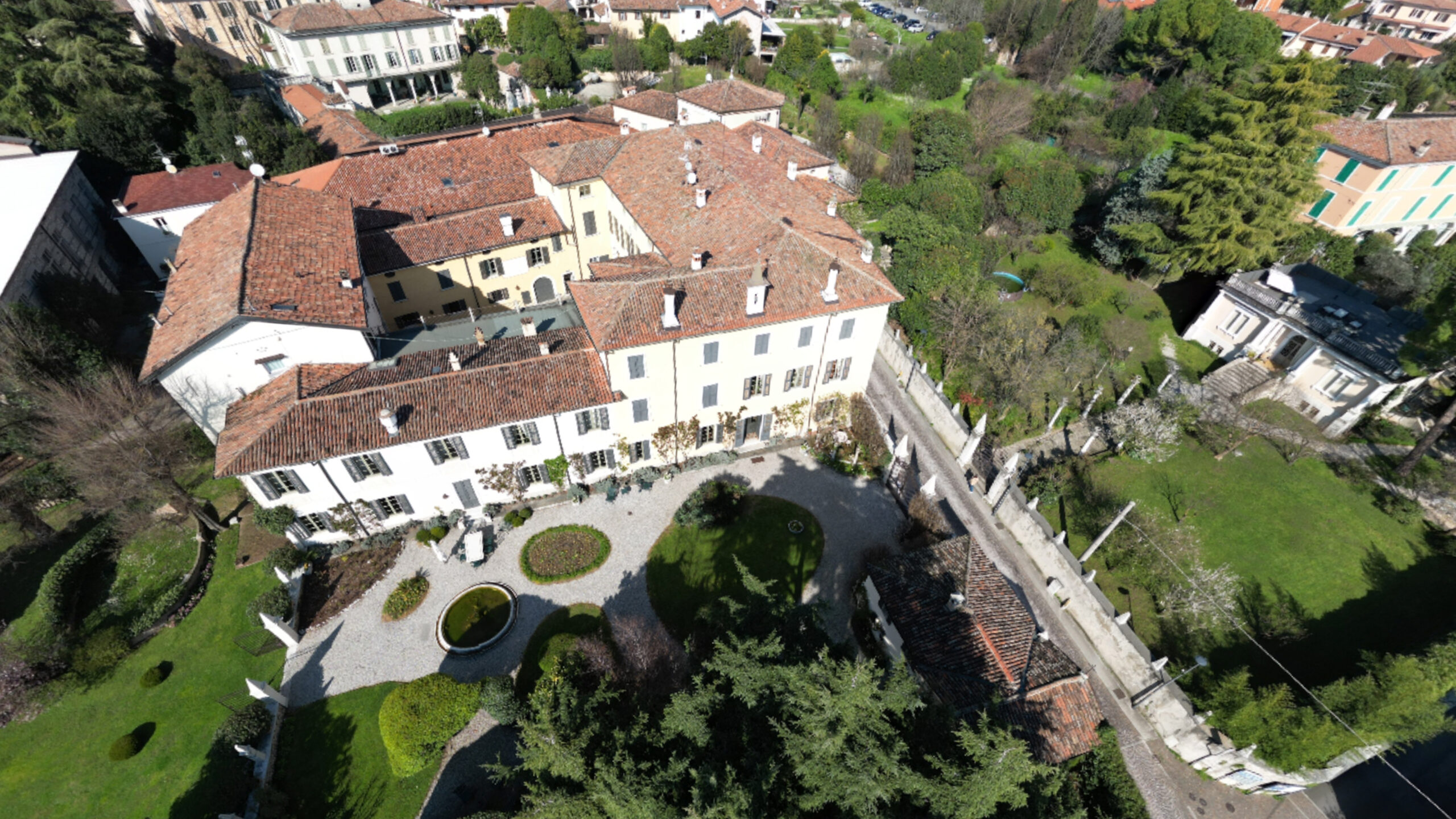
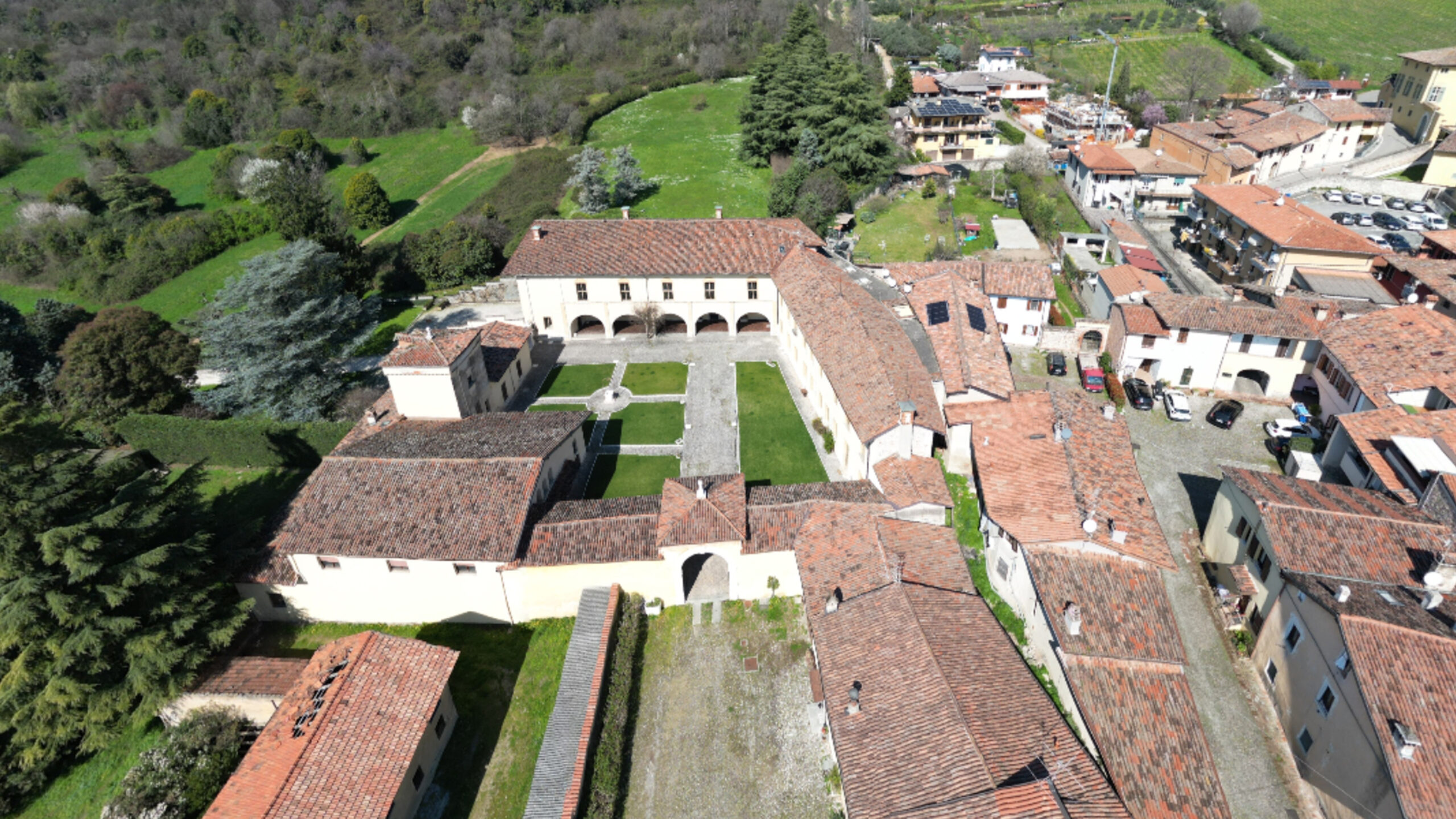
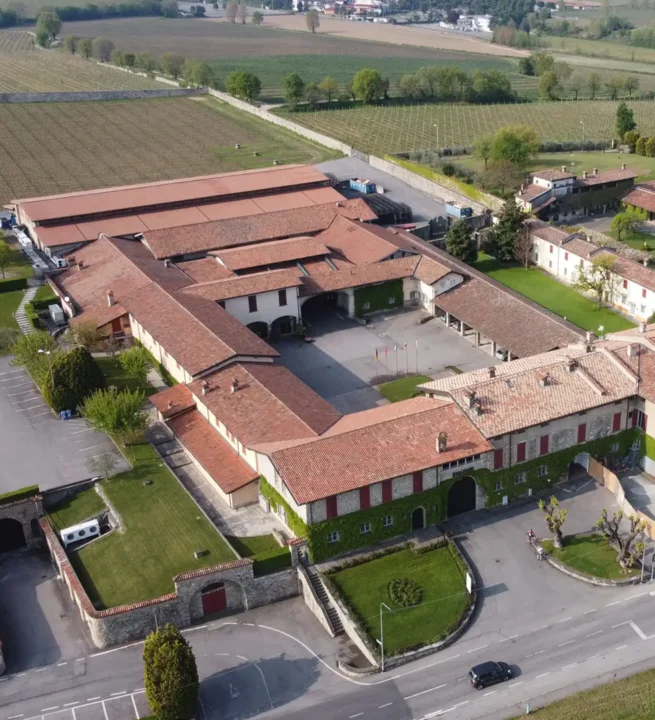
In perfect continuity with the surrounding landscape, the garden extends from the building to the slopes of Monte Orfano and establishes a dialogue with the interior decoration of the villa.
The neoclassical frescoes by Giuseppe Teosa
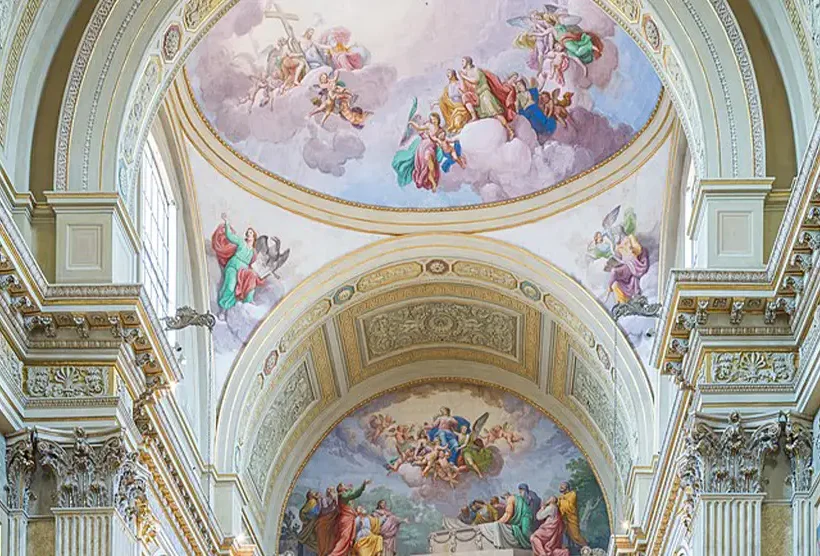
Of notable importance are the frescoes that decorate the interior of the villa, the work of one of the leading names of neoclassicism in the Brescia area: Giuseppe Teosa (1760-1848), a painter from Clare, author of numerous frescoed cycles in the city and provincial buildings, commissioned to complete the decorations of the Teatro Grande of Brescia between 1809 and 1810 and engaged, in 1813, in the execution of the frescoes of the parish church of Cologne. The frescoes in Villa Passoni perhaps date back to that date, or to 1824, when Teosa was once again employed for the work on the sacristy. The large room on the ground floor is magnificently decorated by a continuous colonnade, with fake Ionic columns of different marbles that support a continuous entablature, with a sculpted intrados: in this architectural frame, pleasant rural and lake landscapes open up, inhabited by shepherds and nymphs, with the representation of the Four Seasons, a theme very dear to rural villas and also present in Villa Pizzini in Corte Franca. Inserted in continuity with the frame are the entrances and windows of the room, surmounted by pairs of cherubs in a playful attitude and painted monochrome pilasters.
Aurora and the allegories of time
On the vault, the central emblem, occupied by the representation of Aurora as she climbs onto the chariot of the Sun, is set in a false ivory frame, with cherubs and grisaille plant festoons, alternating with mixtilinear medallions on each side, containing the allegorical representation of the four moments of day and night.
Links and useful information


Visiting hours: Reservation required
Free admission
Privately owned property