Villa Togni, formerly Averoldi
- Home
- /
- Arte e cultura
- /
- Historical buildings
- /
- Villa Togni, formerly Averoldi
Giulio Antonio Averoldi and life in the villa
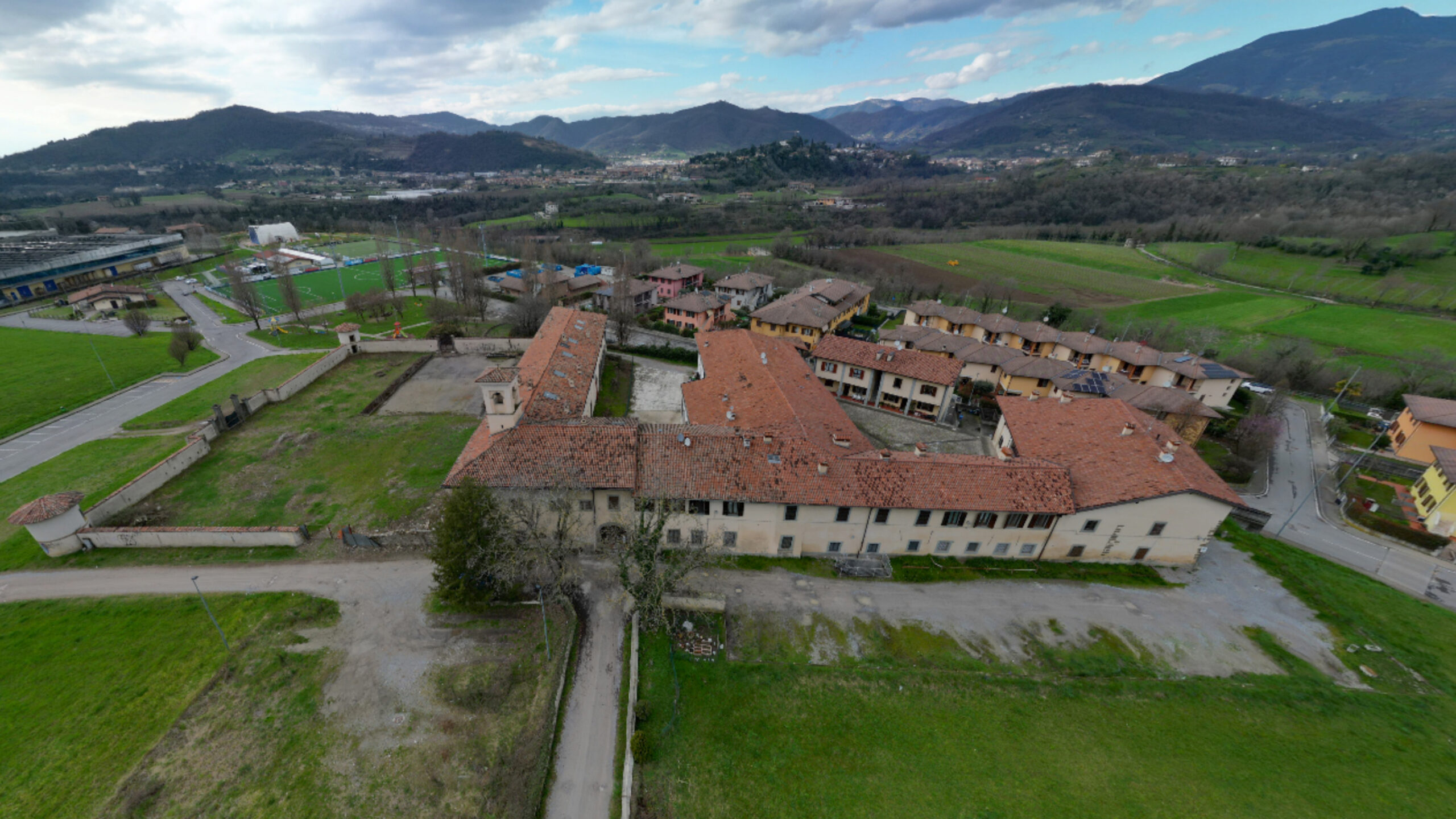
The residence is associated with the nobleman and intellectual Giulio Antonio Averoldi (Brescia, January 6th, 1651 – June 5th, 1717), whose letters reveal that he used to stay there solely for summer holidays or during the harvest season. In a letter to Muratori, dated July 26th, 1696, Averoldi explained the reasons that led him to spend his time in this magnificent country residence: “I am writing from the villa where the season invites me to enjoy the gentle breath of the zephyrs, where the land entices me not to let my hands lie idle whilst tending the citrus groves, and where the very setting itself encourages me to enjoy that freedom and amusement which are entirely absent from and far removed from the urban districts.”
The 17th-century façade and the temple-style pediment
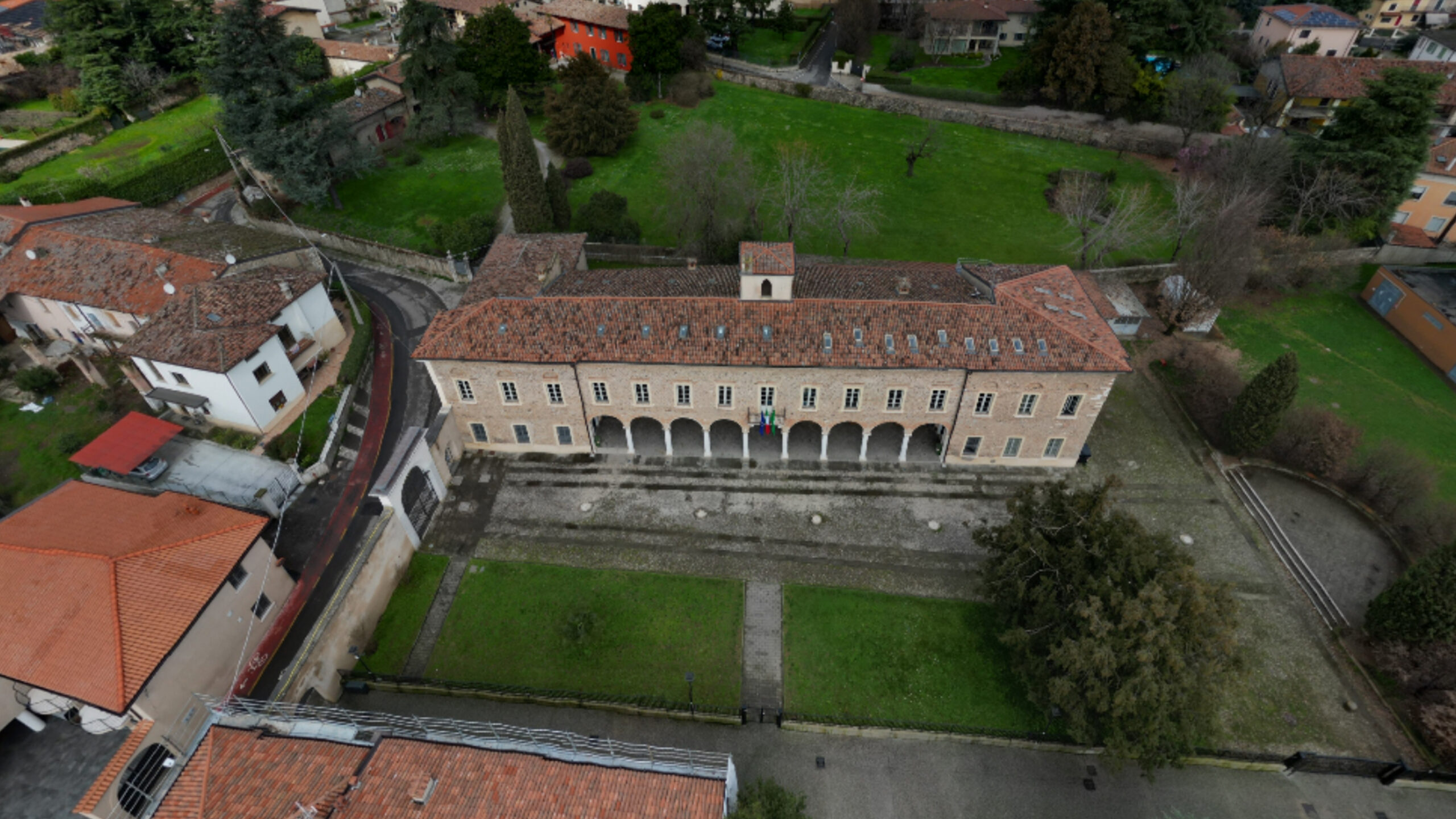
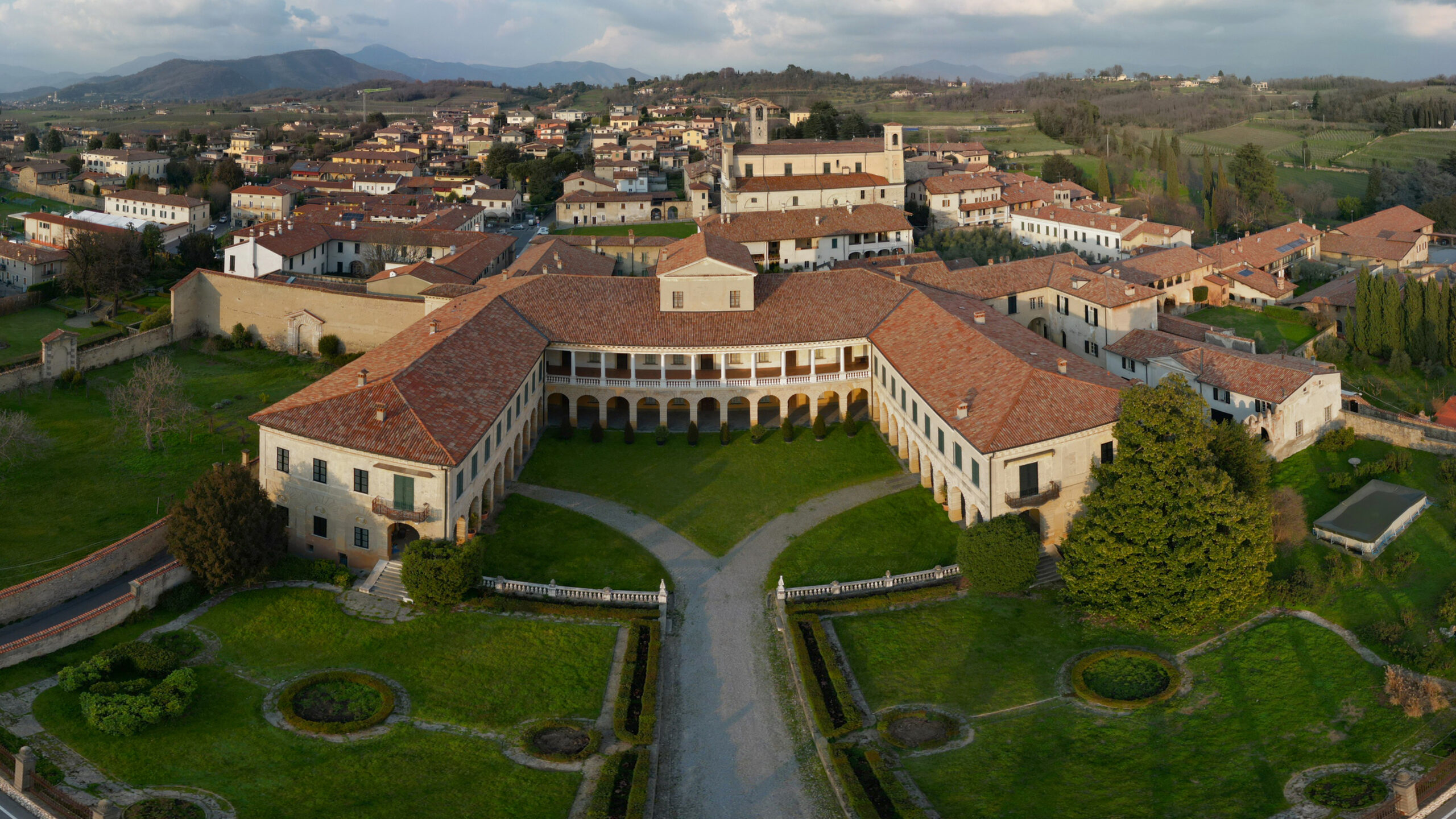
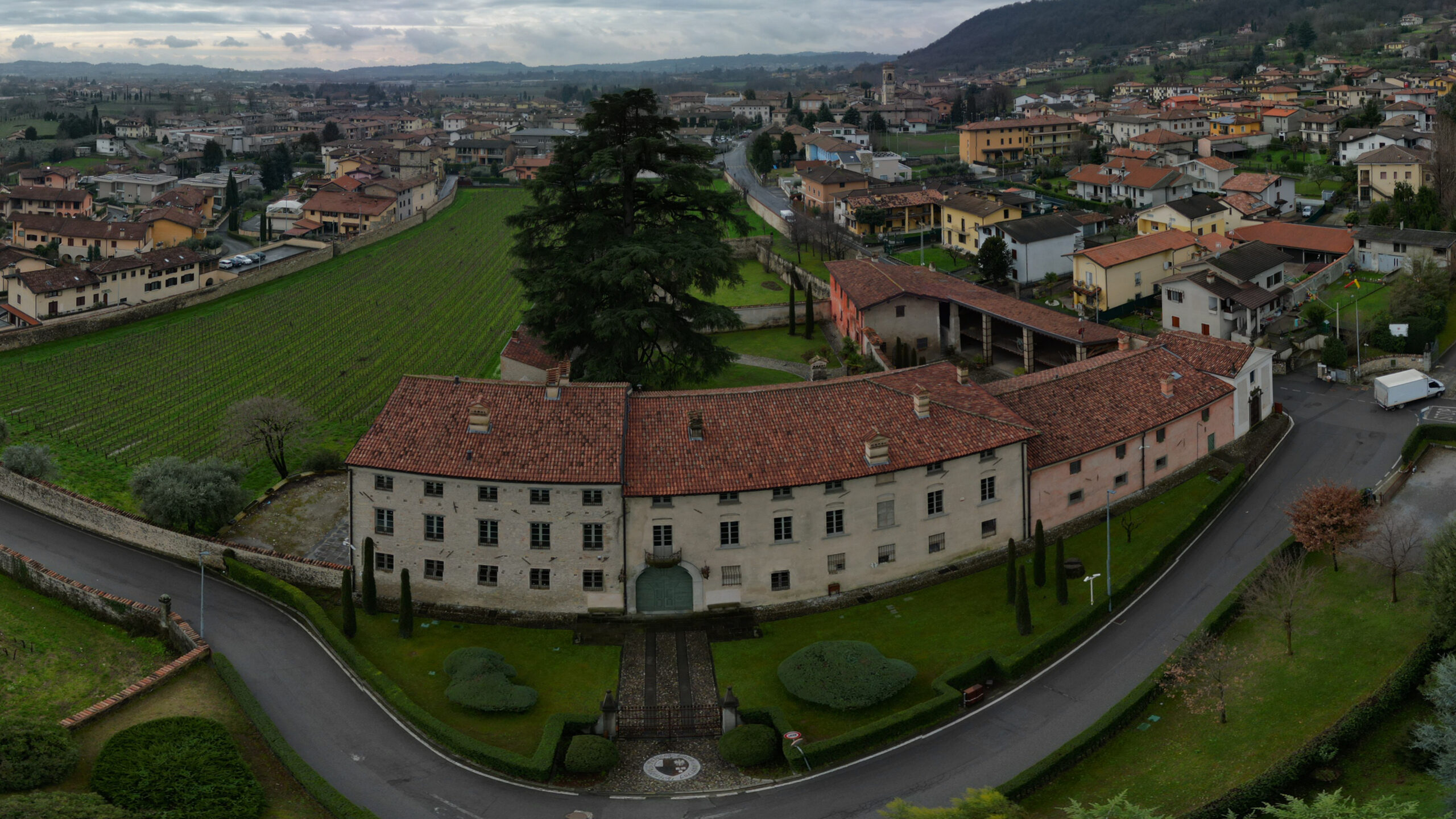
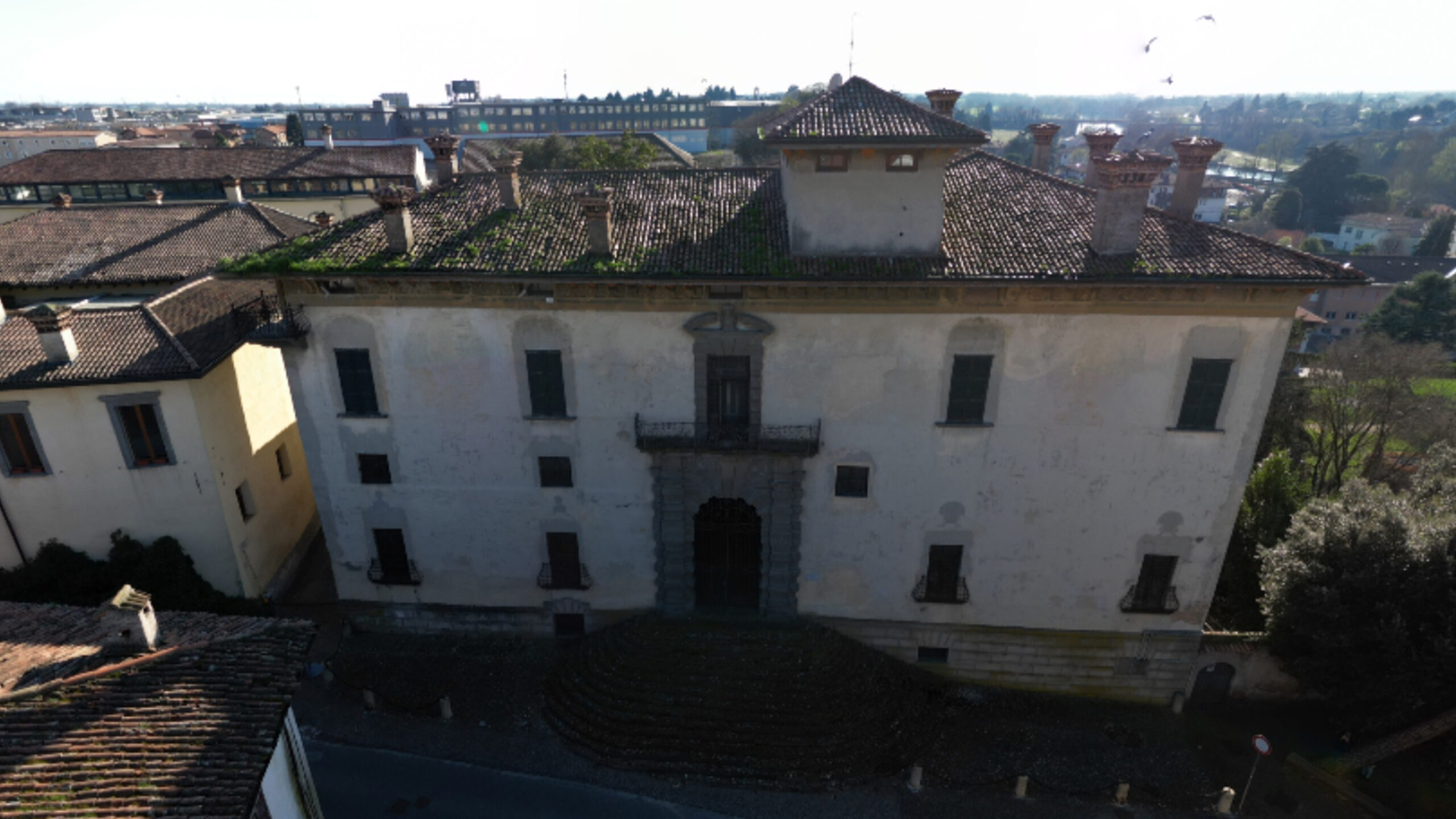
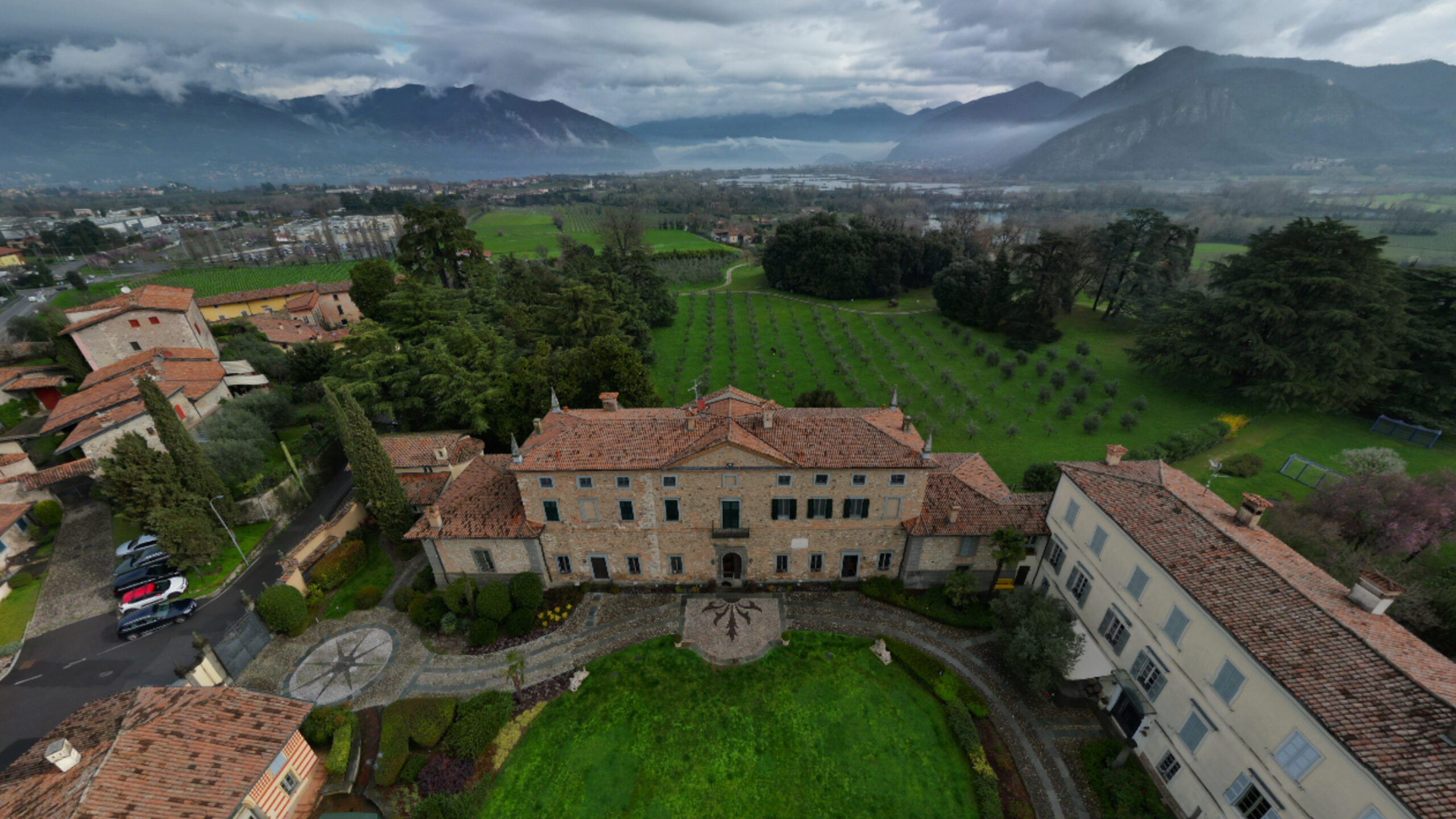
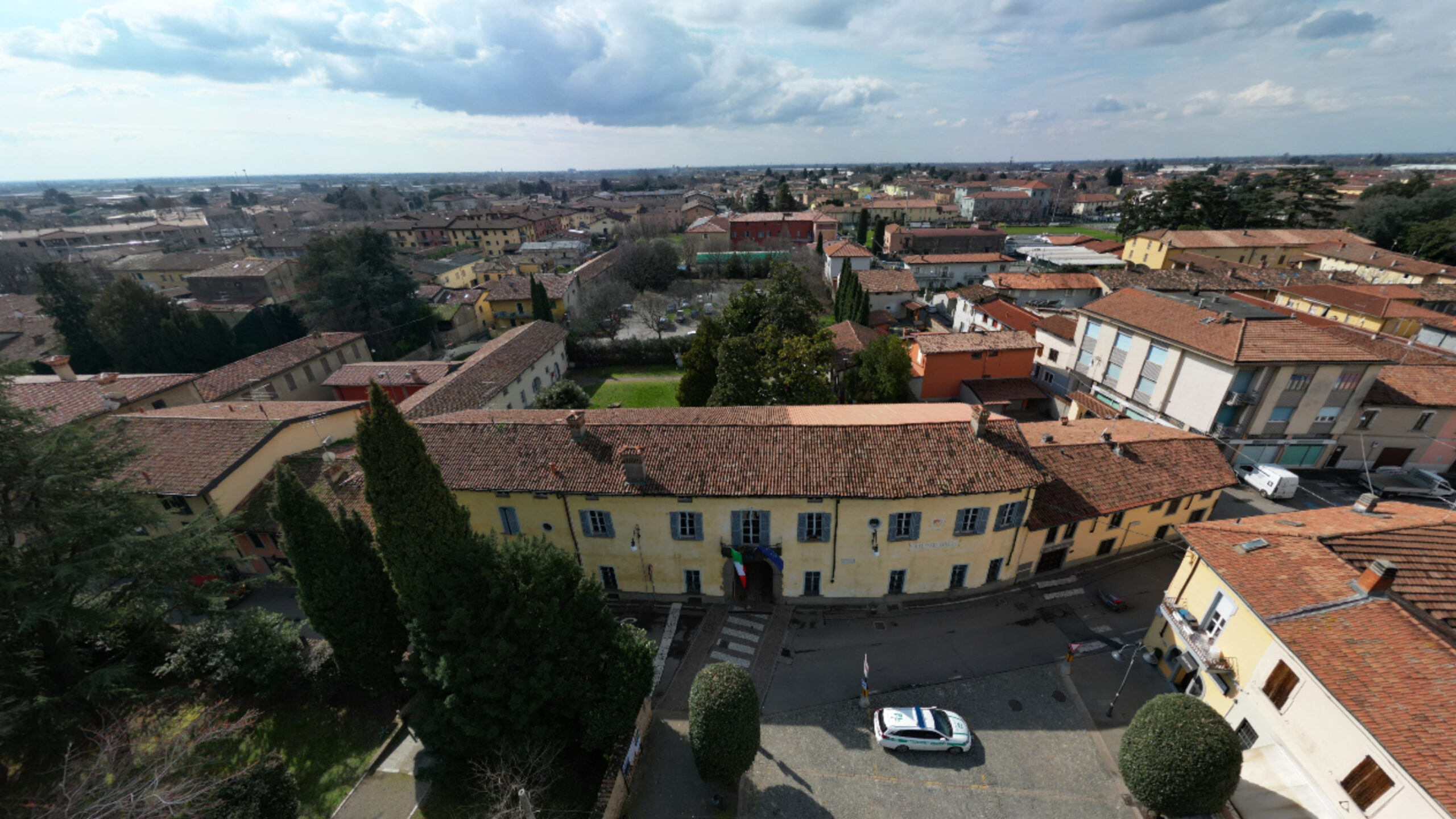
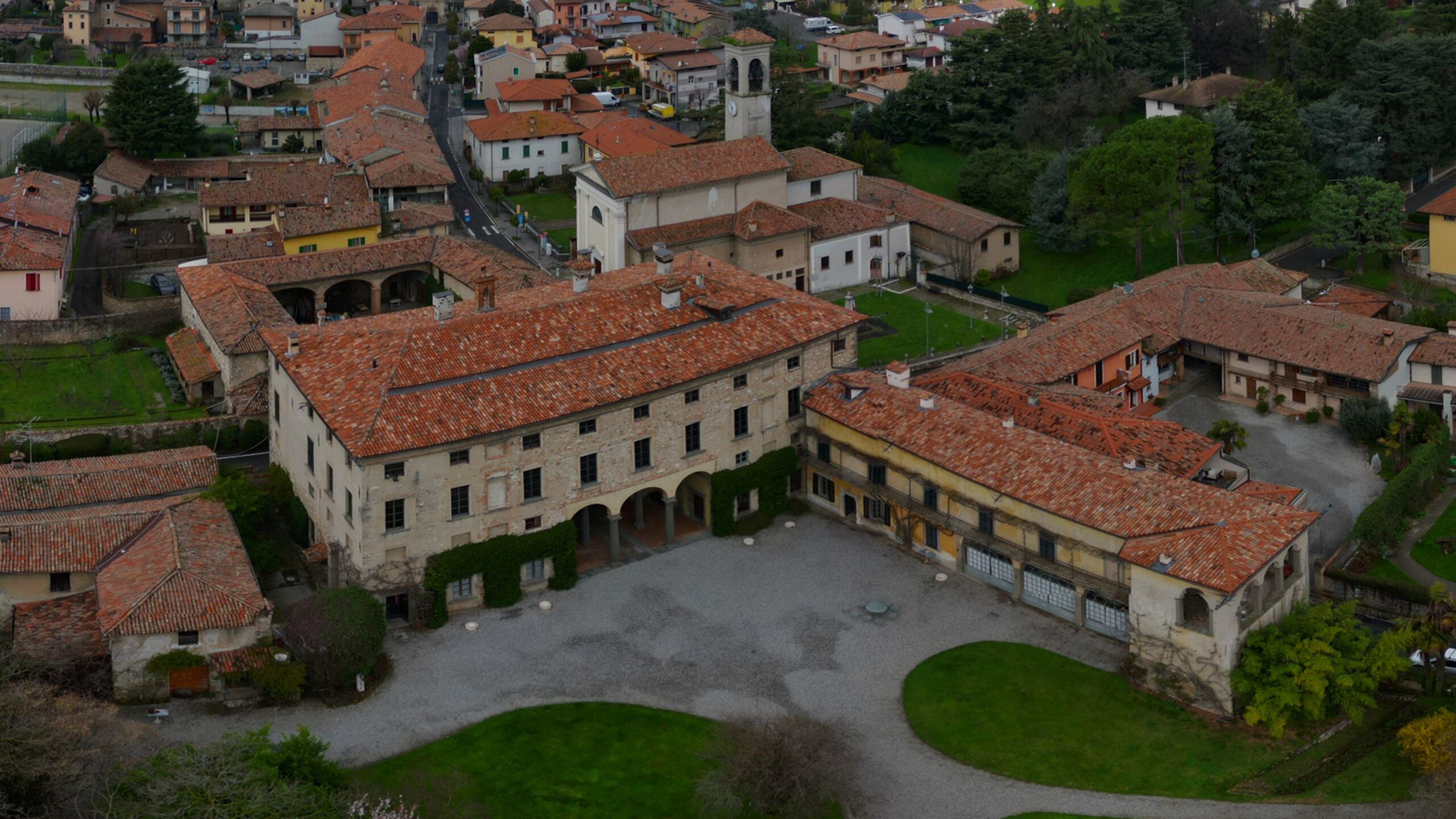
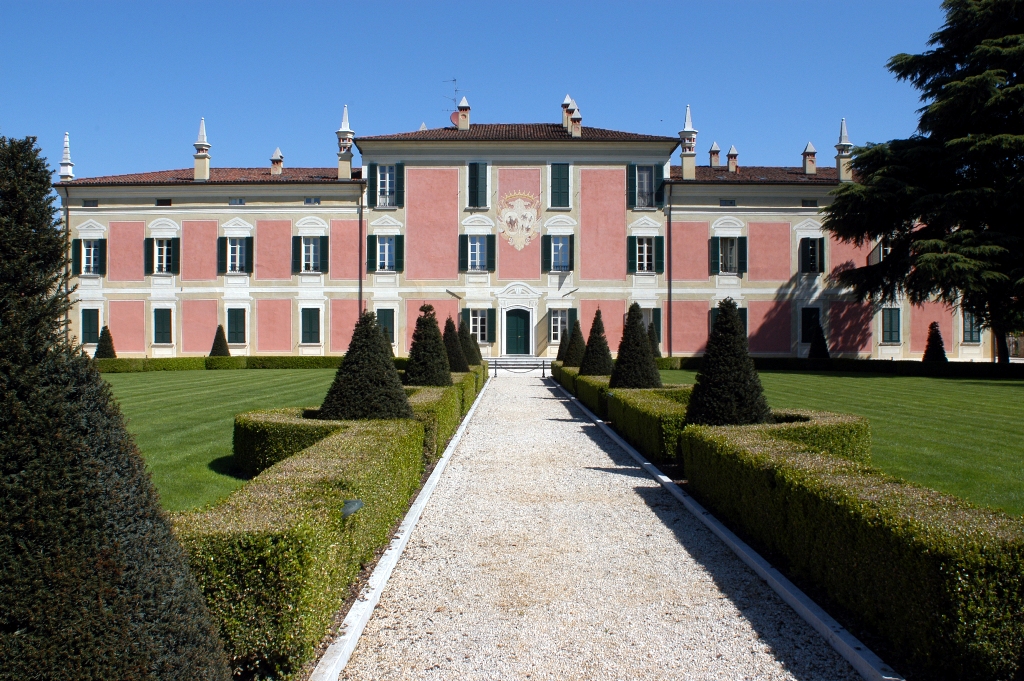
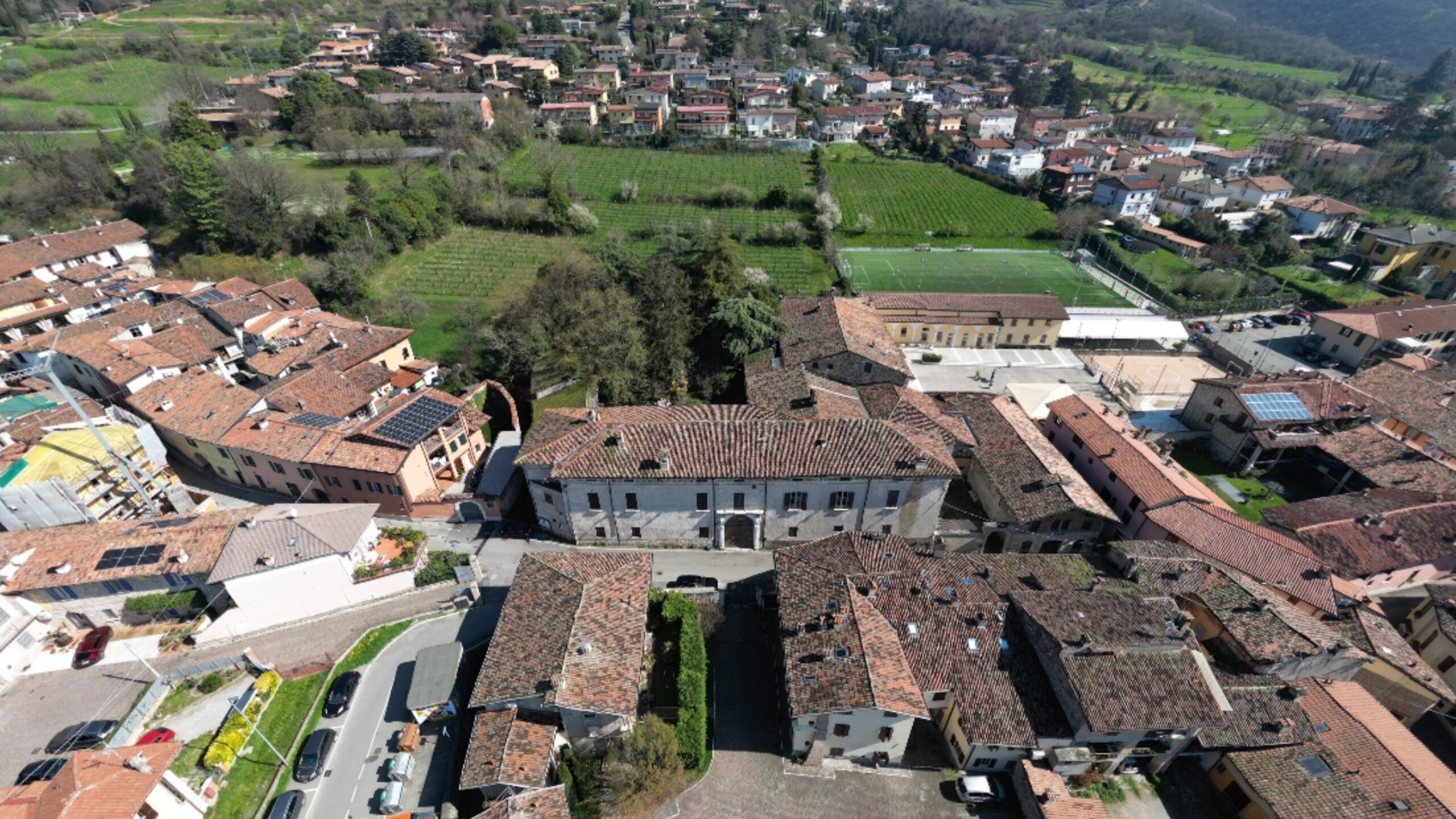
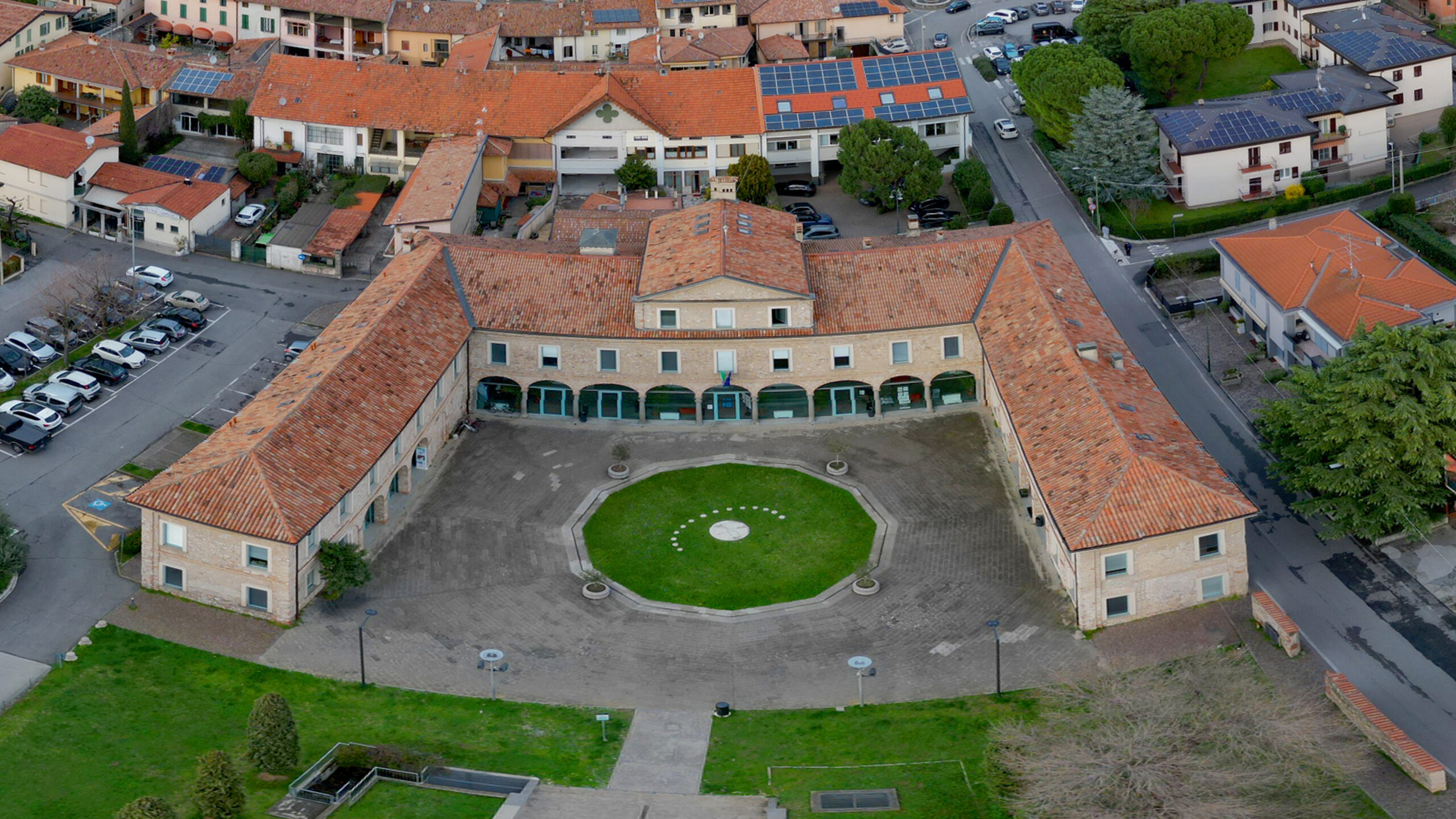
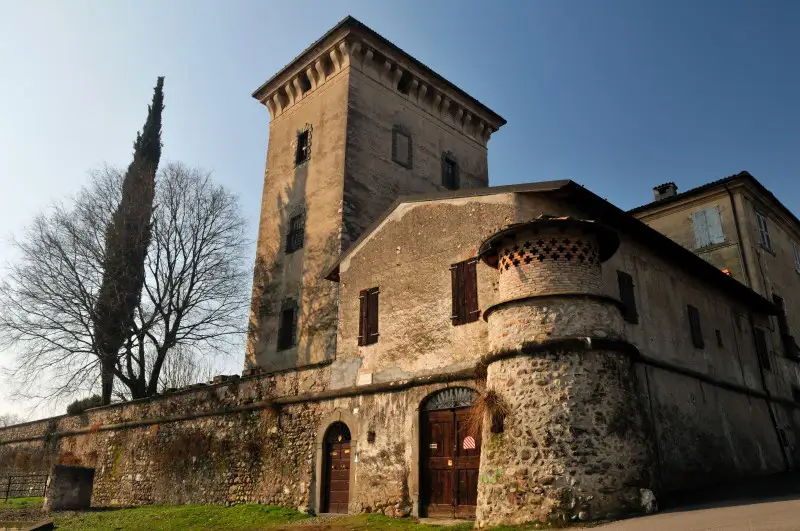
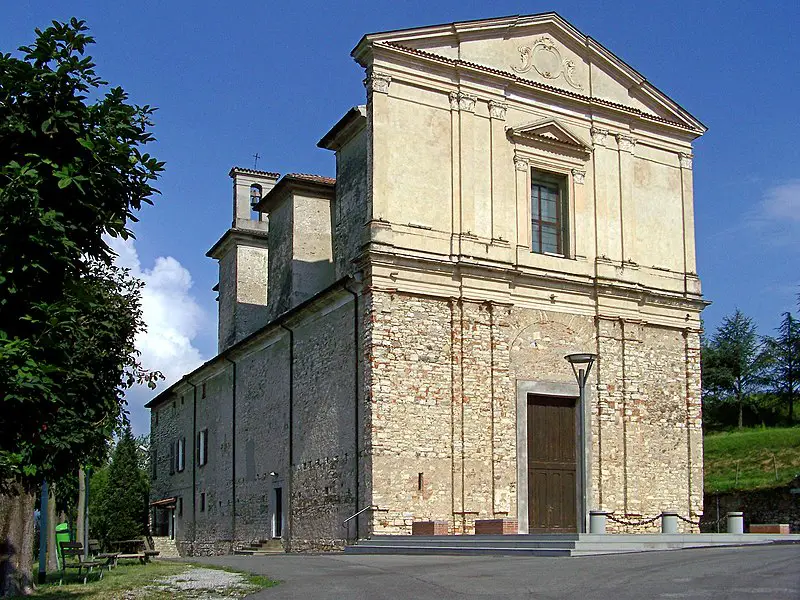
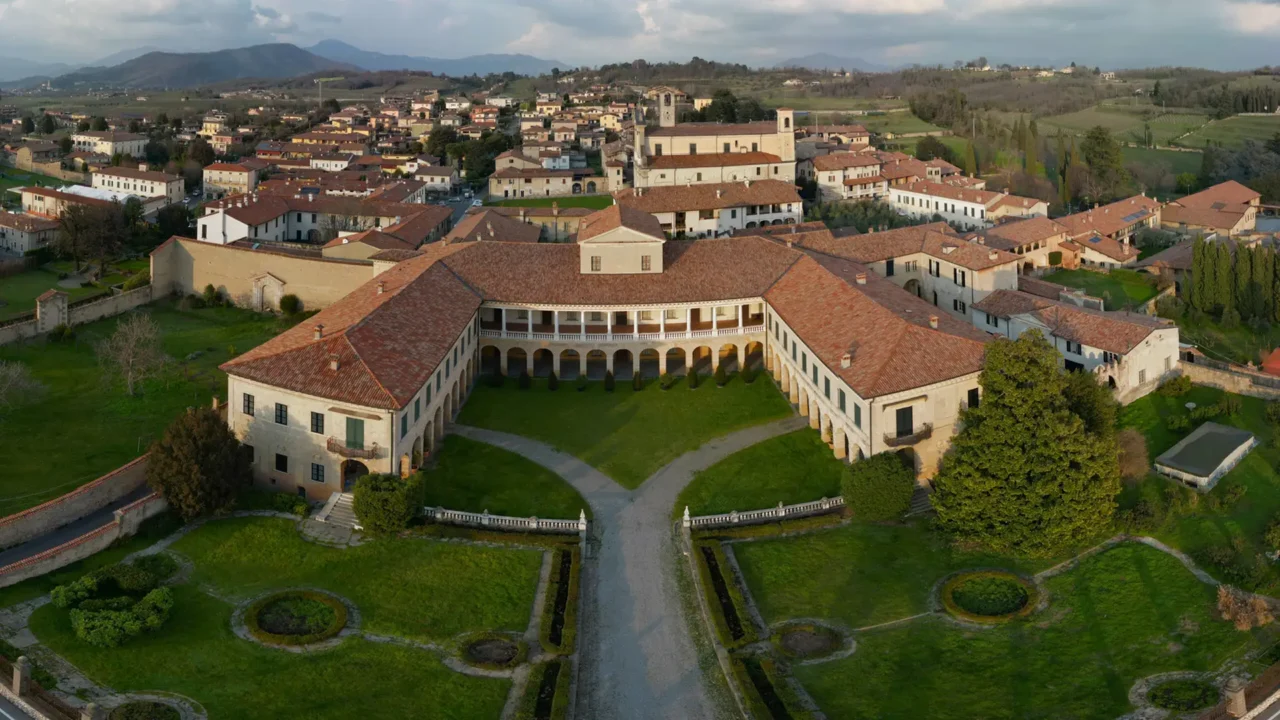
The simple, unadorned façade, dating from the 17th century, is divided into two sections and is only animated in the central part, where the openings are concentrated and where the outline becomes more complex, taking on the elegant form of a temple pediment: a common design feature found in other examples in the area, such as Villa Pizzini (formerly Villa Lana) in Corte Franca.
The frescoed hall and Ottavio Amigoni
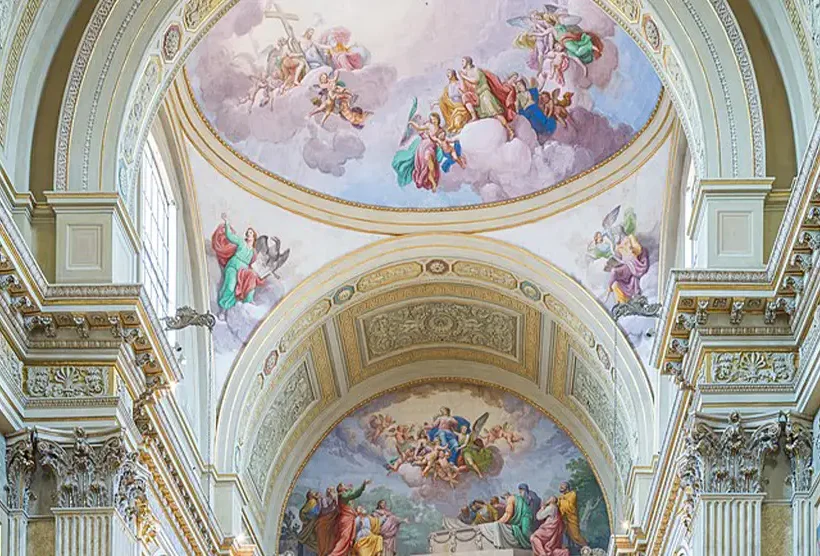
In contrast to the overall decorative restraint of the exterior, the villa’s main hall features remarkable frescoes, most likely painted in 1656 by the artist Ottavio Amigoni (1606–1661) on commission from Giovan Battista Averoldi. The two main panels depict two pivotal episodes from the history of Brescia, chosen to highlight the family’s moral virtues: The Assault on the Castle and “The Allegiance of the Brescian Nobility to the Republic of Venice in 1426”; the latter, according to the account of Giuseppe Averoldi, who initiated the restoration of the villa in 1836, contains the painter’s self-portrait, recognisable as the soldier standing on the right, wearing a helmet and holding a lance.
The Italian garden and perspective views
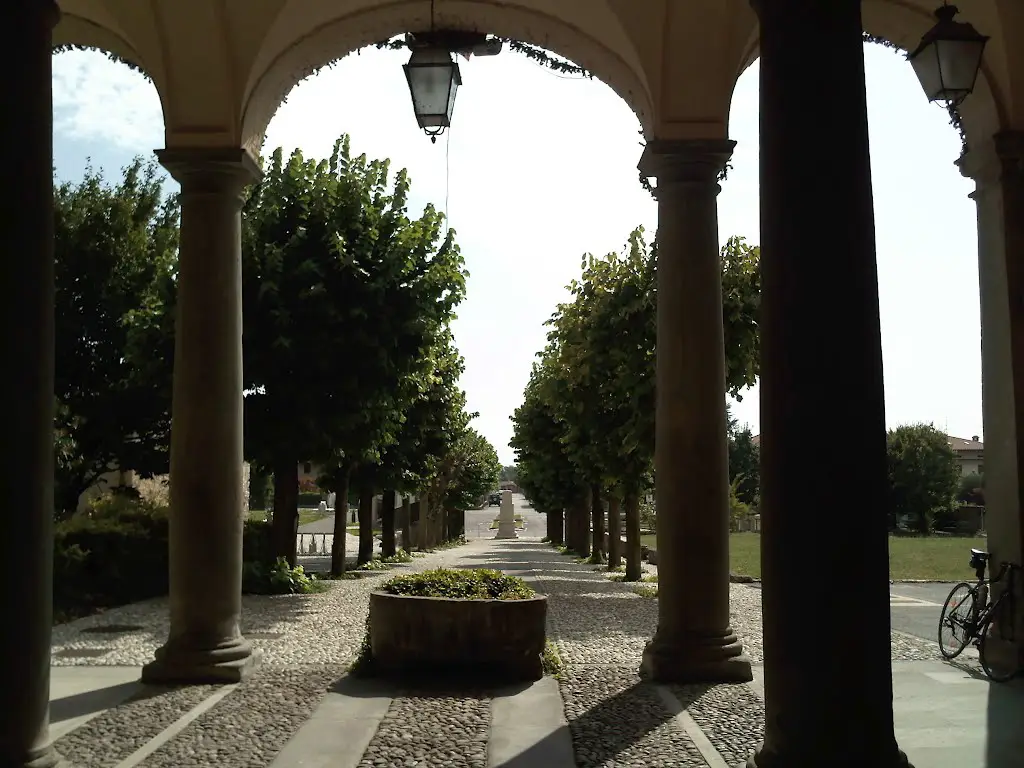
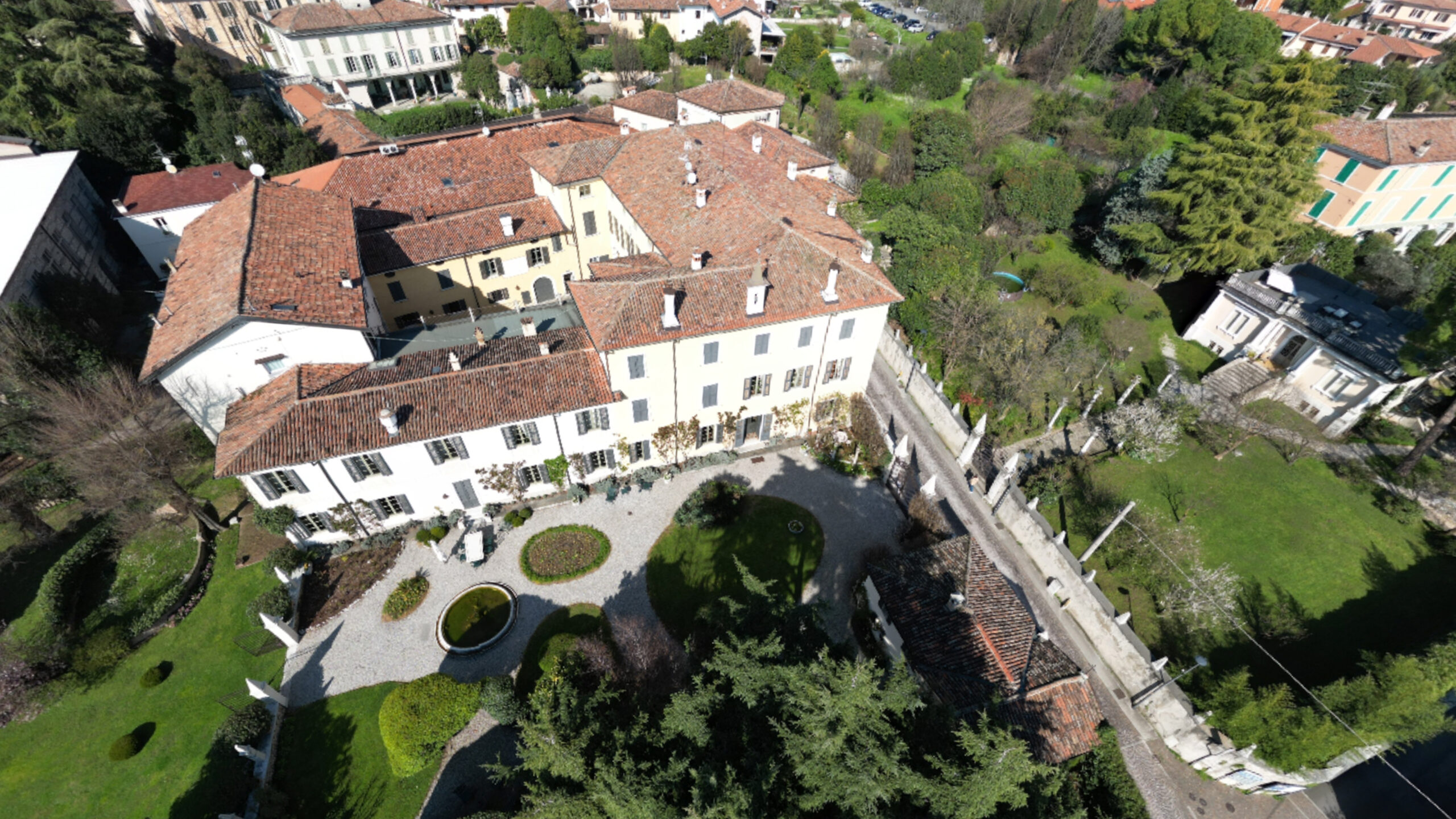
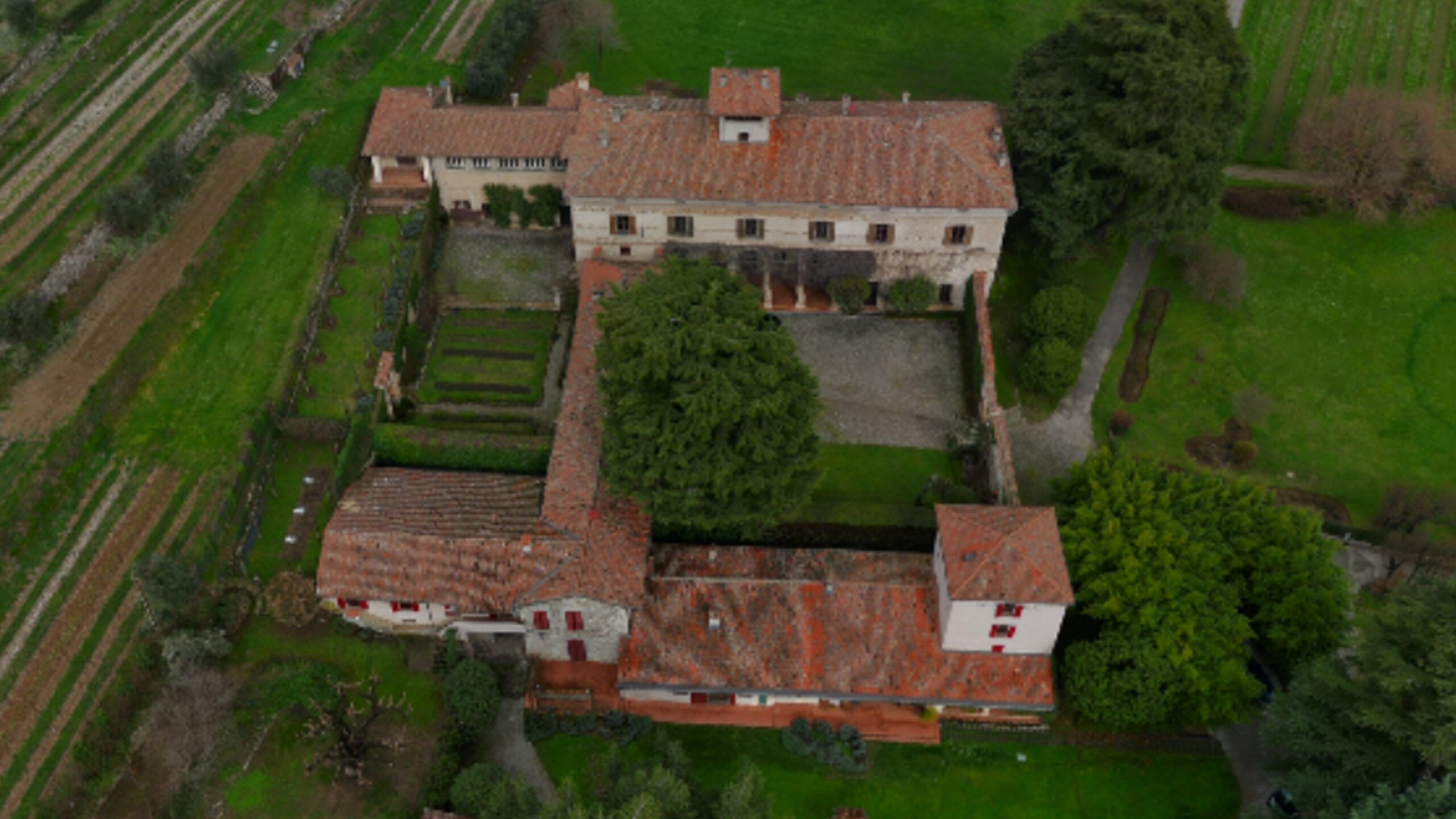
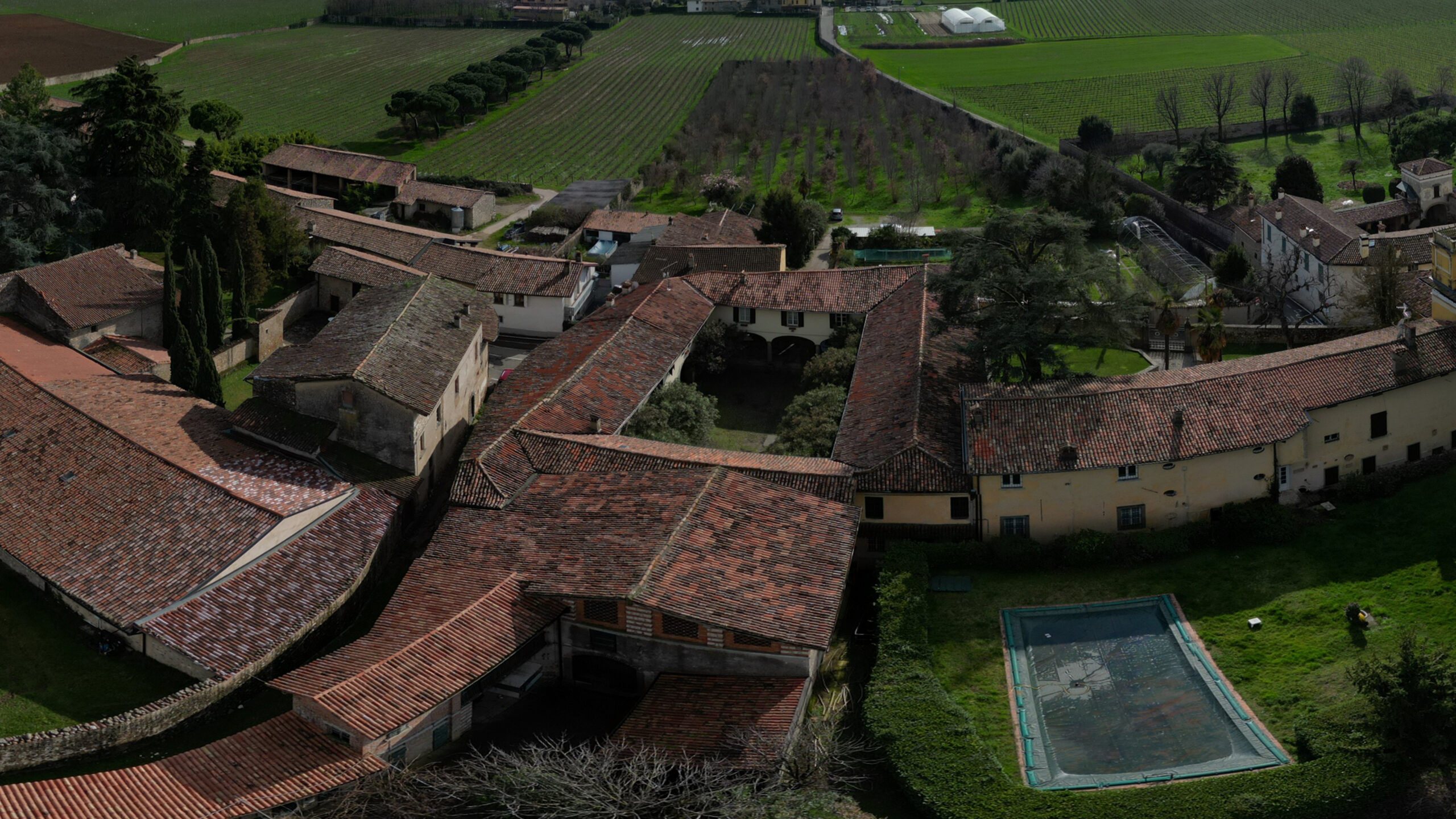
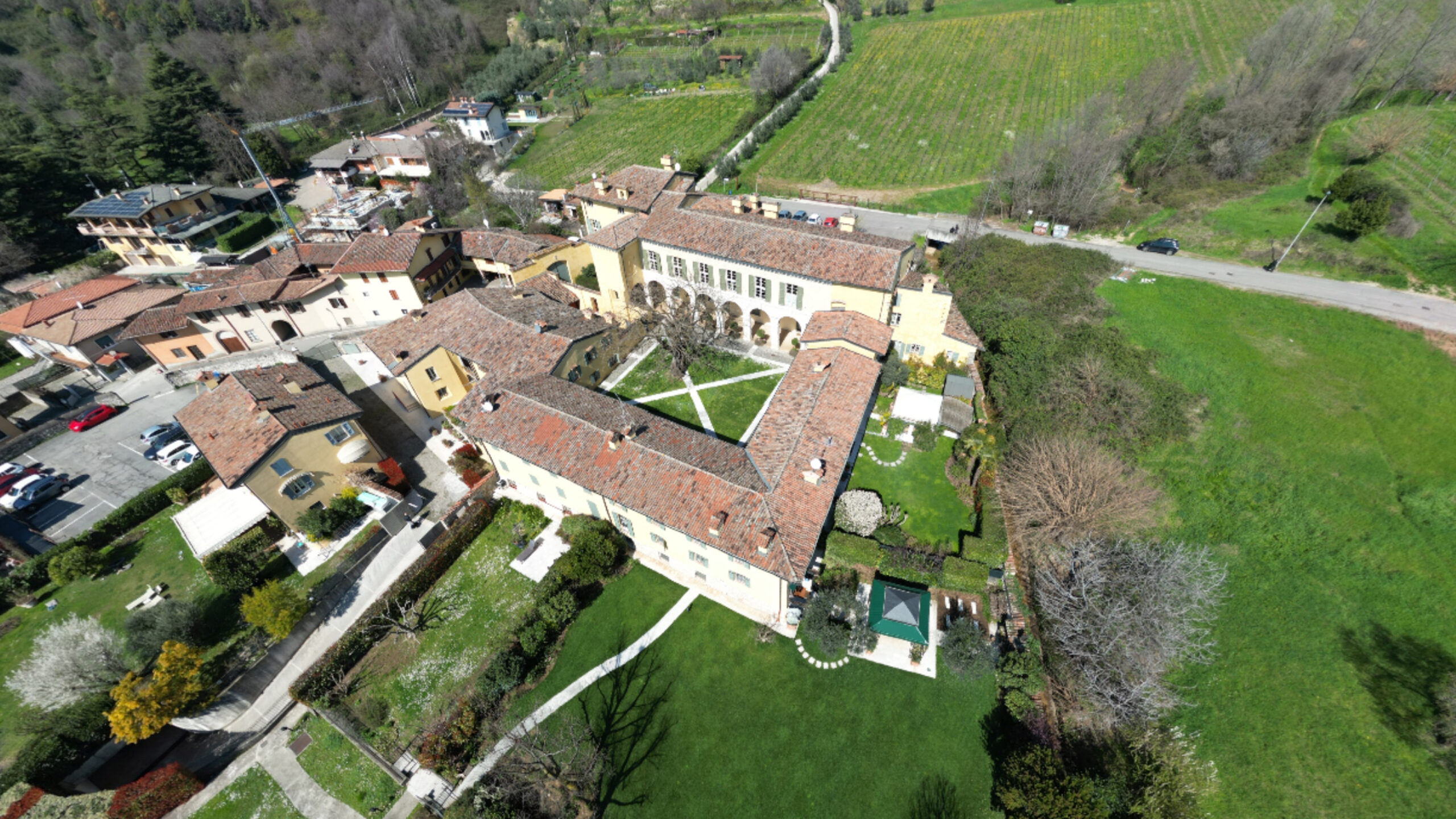
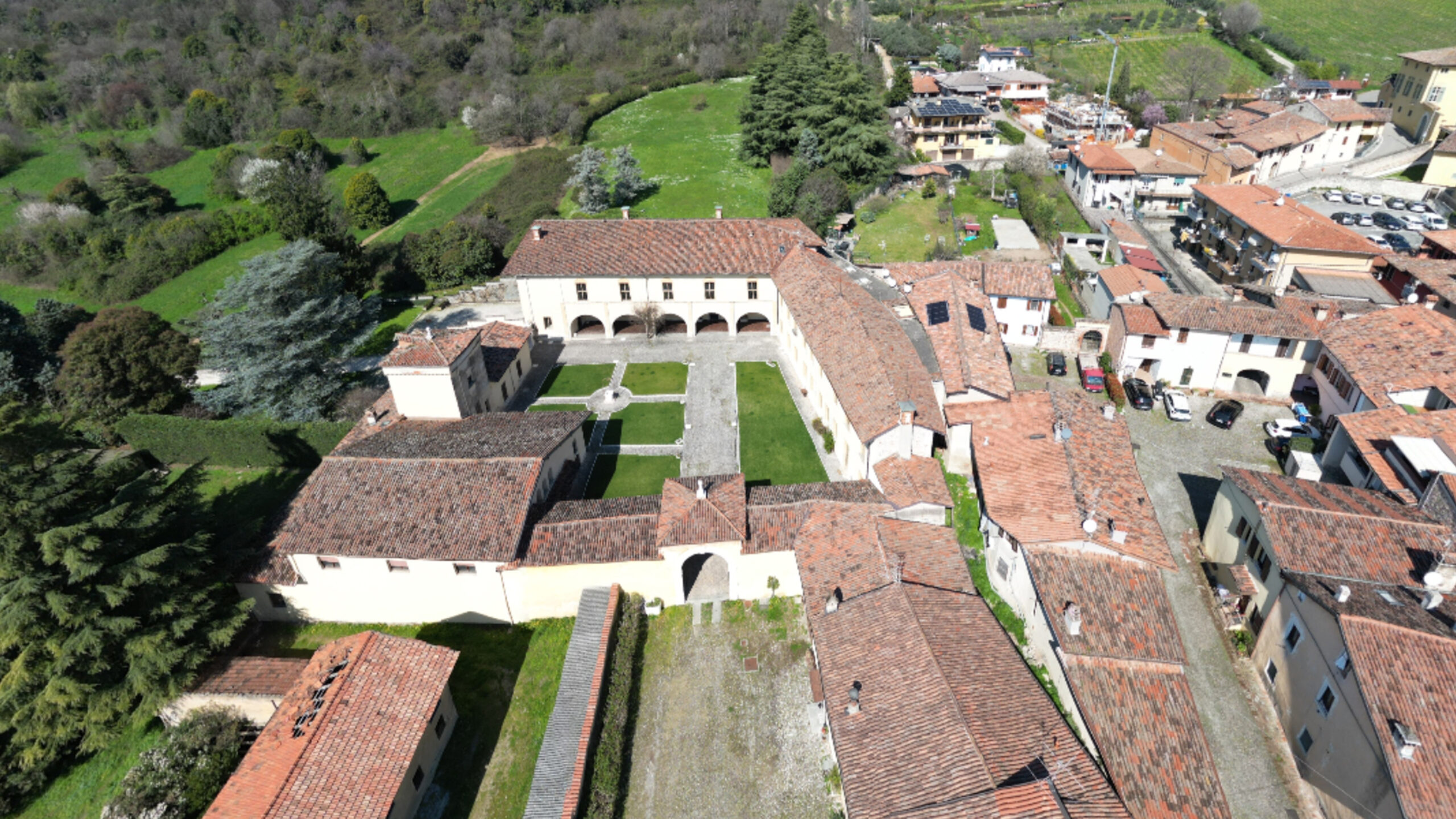
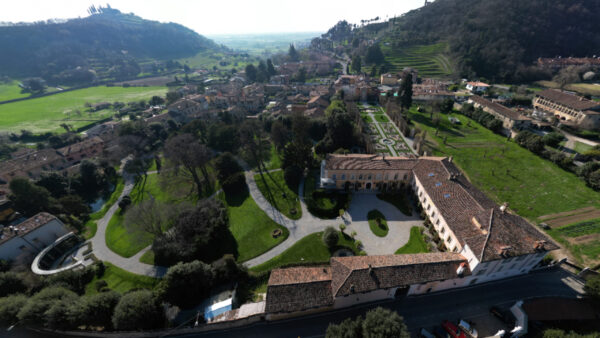
Of particular note is the garden, for which the villa seems to provide a backdrop with a theatrical feel, almost an architectural stage set for the skilful geometric patterns that characterise it: bordered by tall hornbeam hedges, the villa’s ‘Italian-style’ garden is characterised by a central axis, around which the greenery is arranged, framed by parterres whose layout is defined by gravel paths. The central axis is embellished with fountains featuring elaborate water features, which draw the eye from the villa’s architecture to the focal point of the exedra, enhanced by a decorative motif of classical architecture rendered in trompe-l’oeil. Further perspective views open up on either side, set within the hornbeam hedges, revealing additional perspective scenes, eight of which are attributed to the painter and ‘quadraturista’ Ludovico Inganni, grandfather of the better-known nineteenth-century artist Angelo Inganni.
The 20th Century, Camillo Togni and the Dabbeni restoration
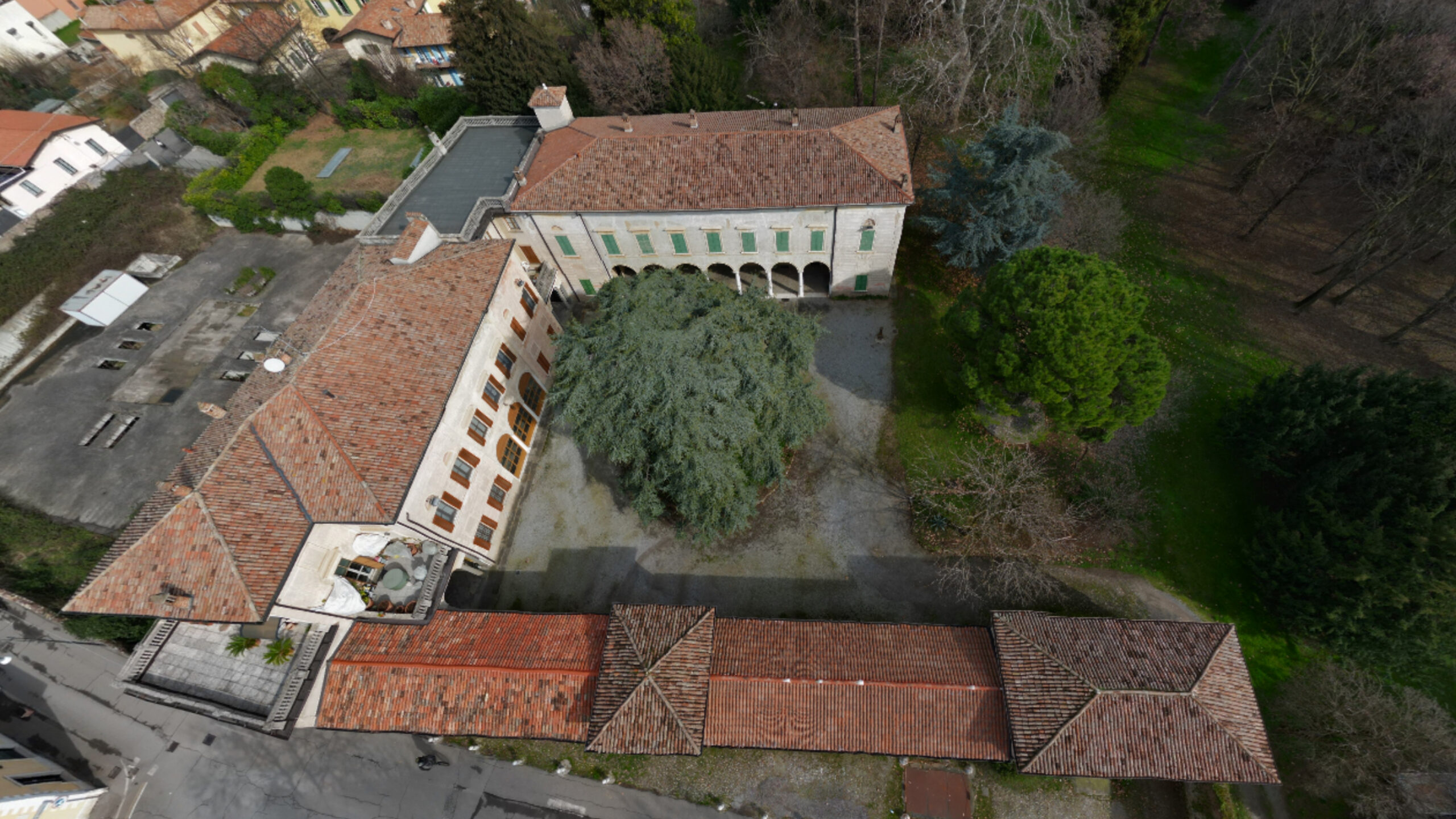
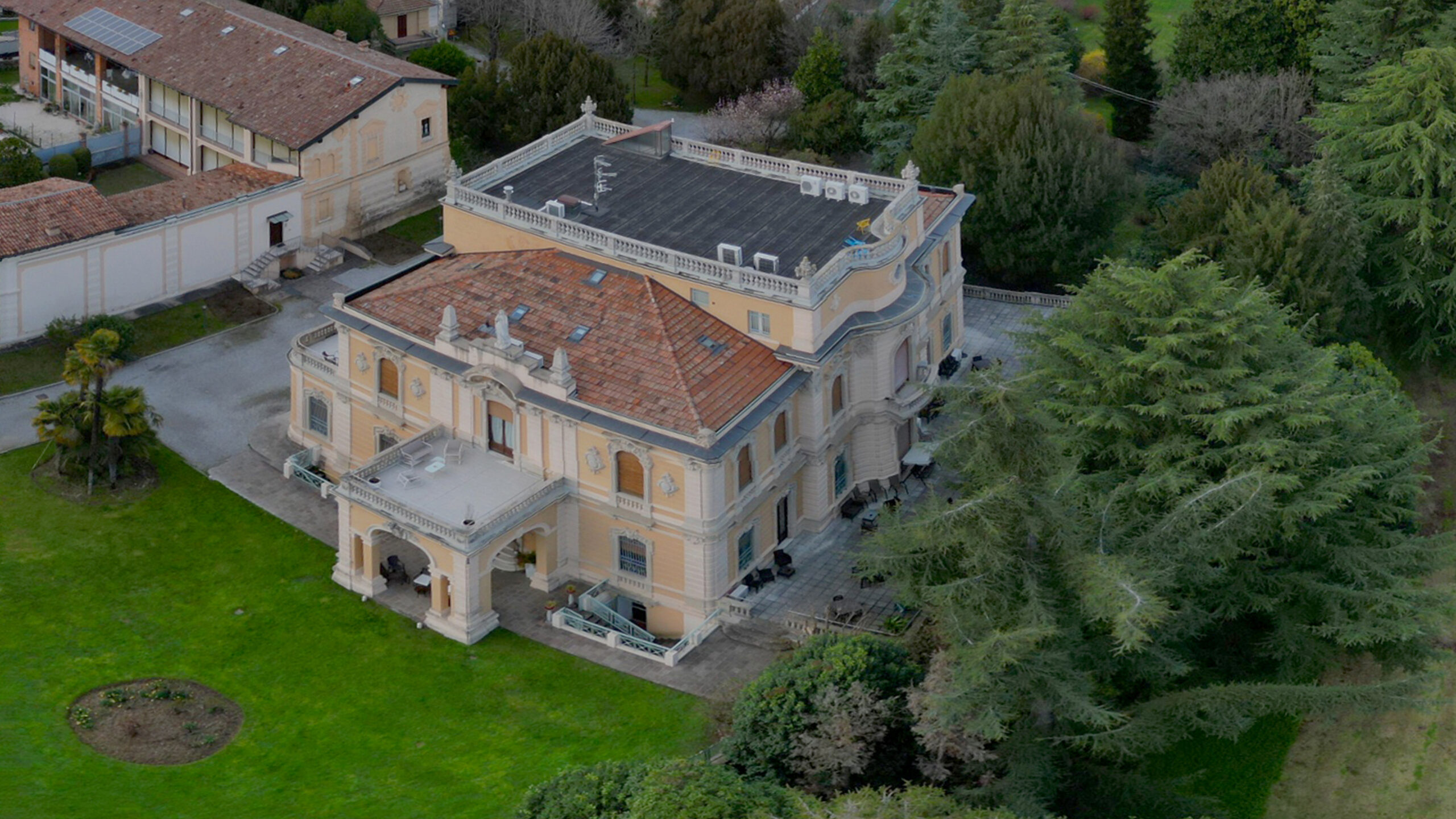
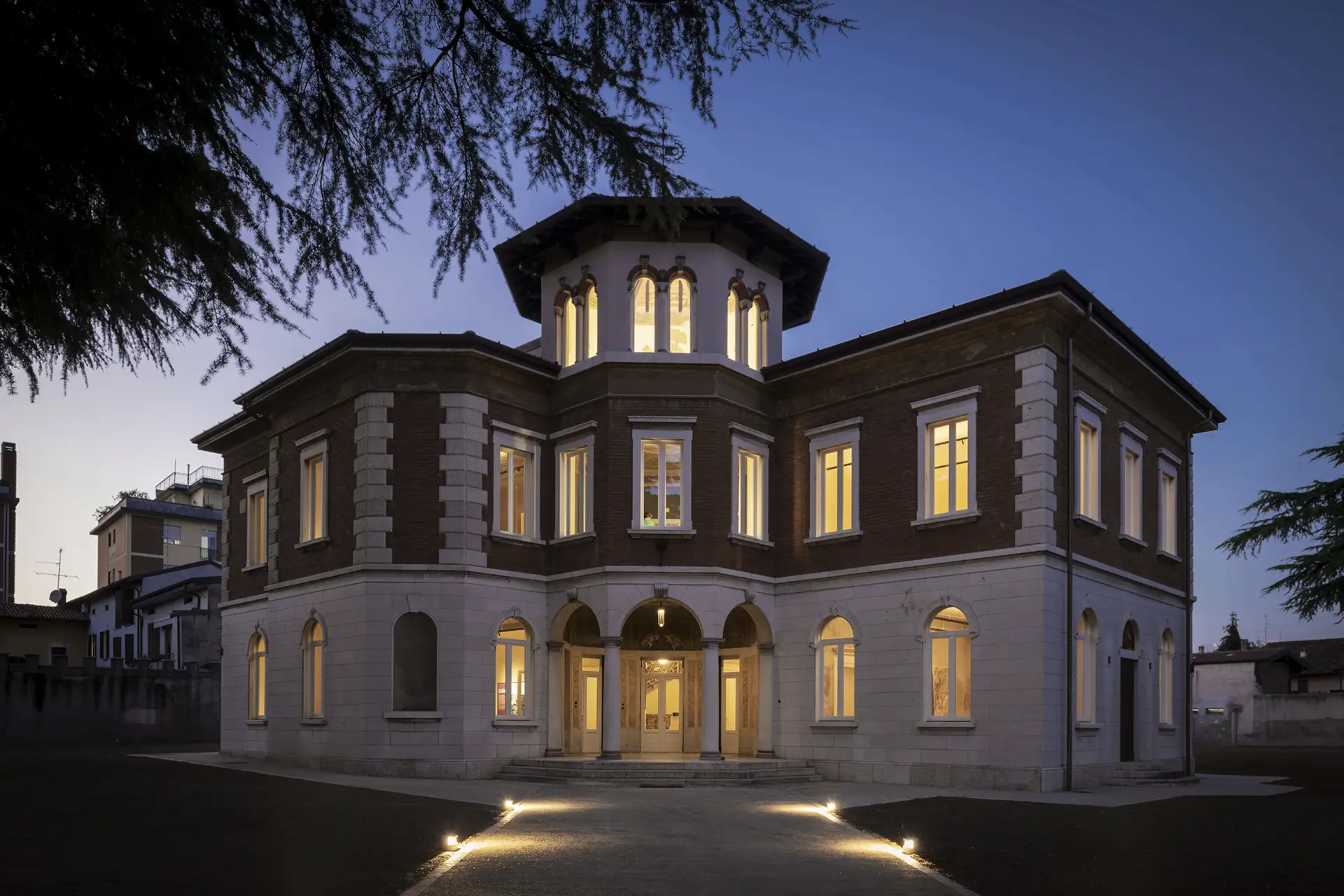
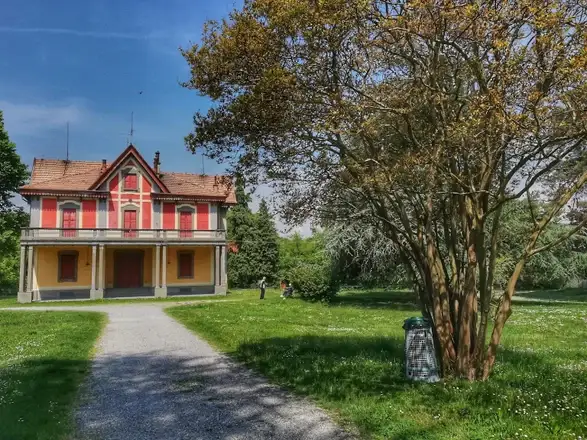
At the start of the 20th century, a new chapter began for the villa, transforming it into the place we know today: the residence and workplace of the famous composer Camillo Togni (1922–1993). The new owner, Giulio Togni, an industrialist and owner of a thriving steelworks, commissioned its restoration and modernisation, enlisting the services of the Brescia-based architect Egidio Dabbeni (1873–1974), who had previously collaborated with Togni on other industrial projects: the residence was also fitted out with a new English-style garden, designed by Pierre Andrè.
Links and useful information


Opening hours: Mondays and Tuesdays – regular visit with audio/video guide to the English Park (full price: €17.00; reduced price: €12.00); Wednesdays – guided tour led by an accredited guide of the English Park and French Garden (full price: €20.00; reduced price: €16.00)
Privately owned property