The Santissima
- Home
- /
- Arte e cultura
- /
- Historical buildings
- /
- The Santissima
The Santissima between landscape, ruins and romantic charm
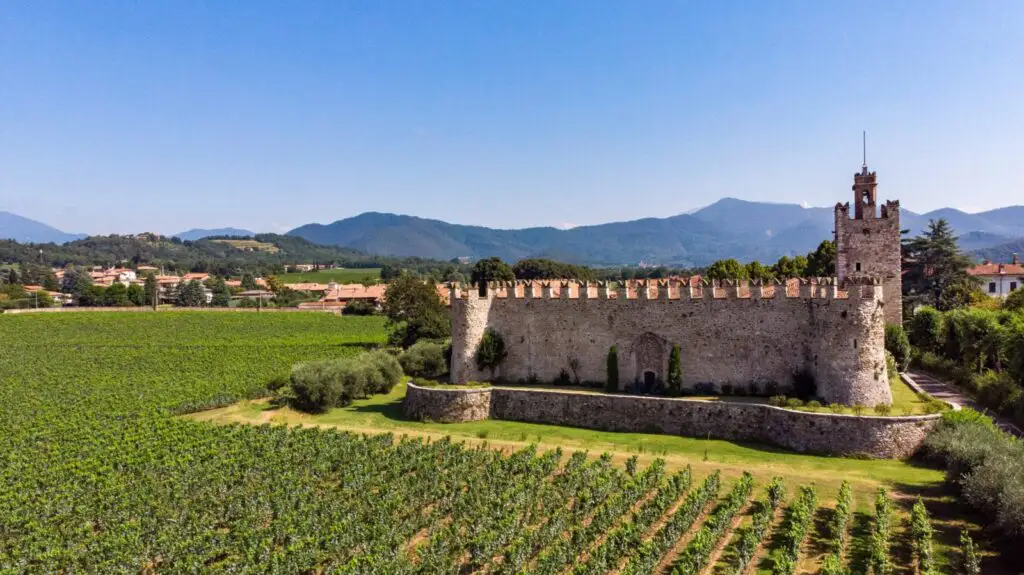
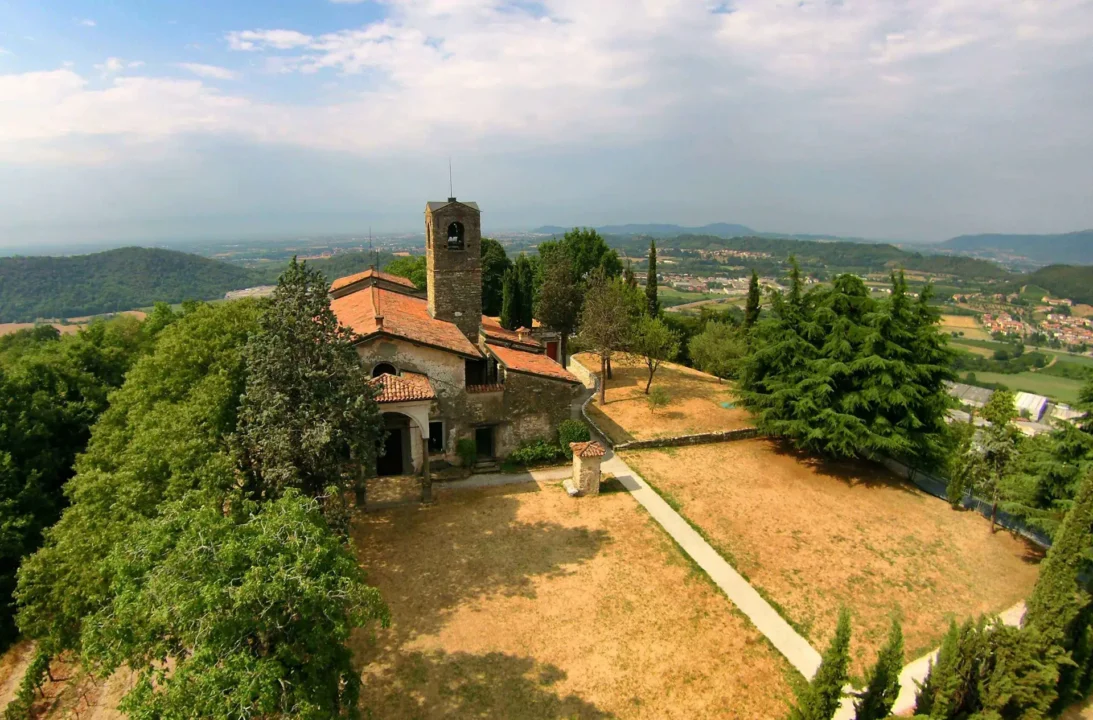
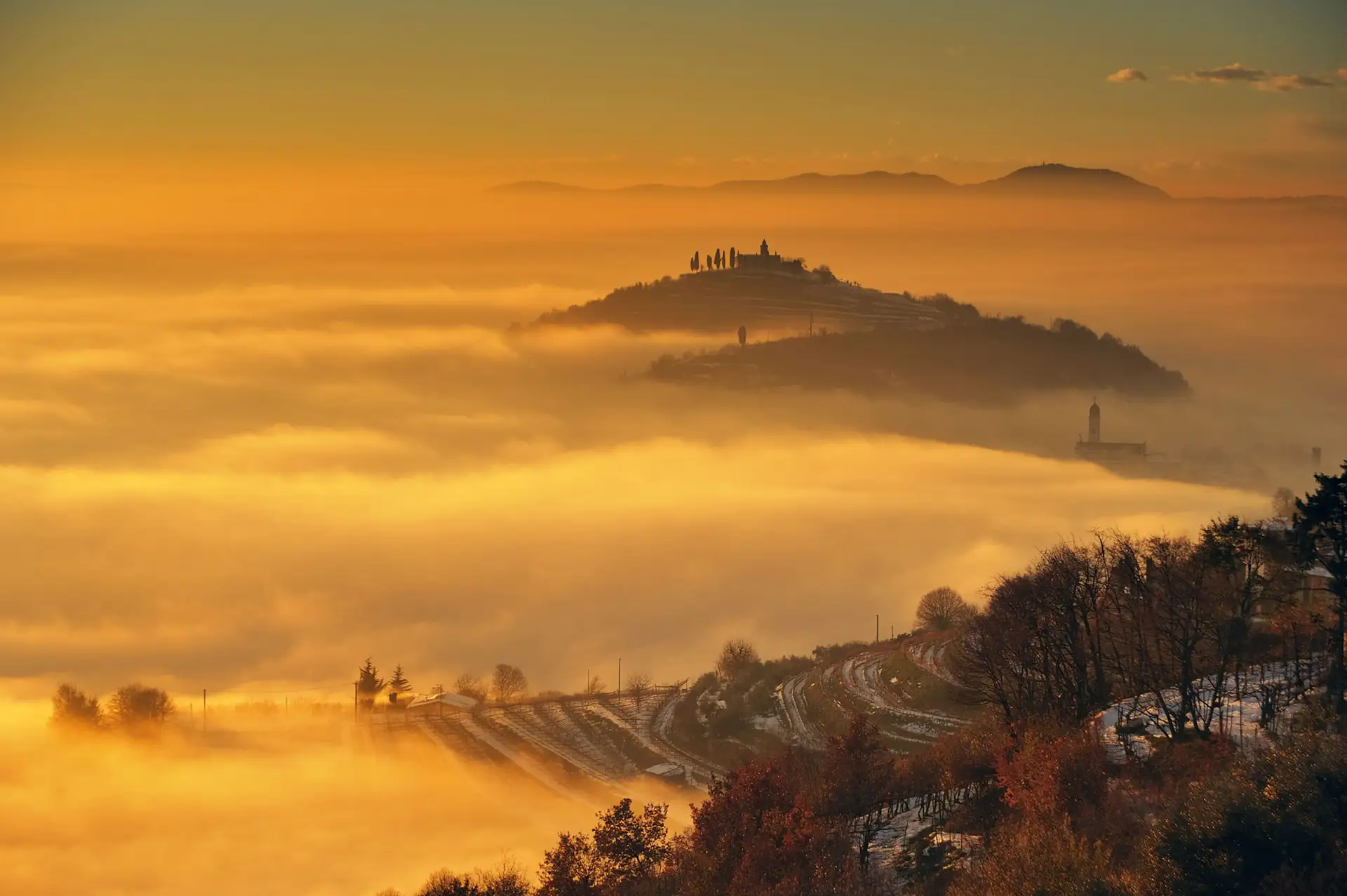
The Santissima is one of the most significant architectural works in Franciacorta, capable of inspiring illustrious artists such as Gian Battista Gigola and Angelo Inganni, who were fascinated by the beauty of the place and the romantic combination of landscape and ruin: a charm that still permeates today.
Origins and first attestations: the indulgence of Pius II and the arrival of the Dominicans
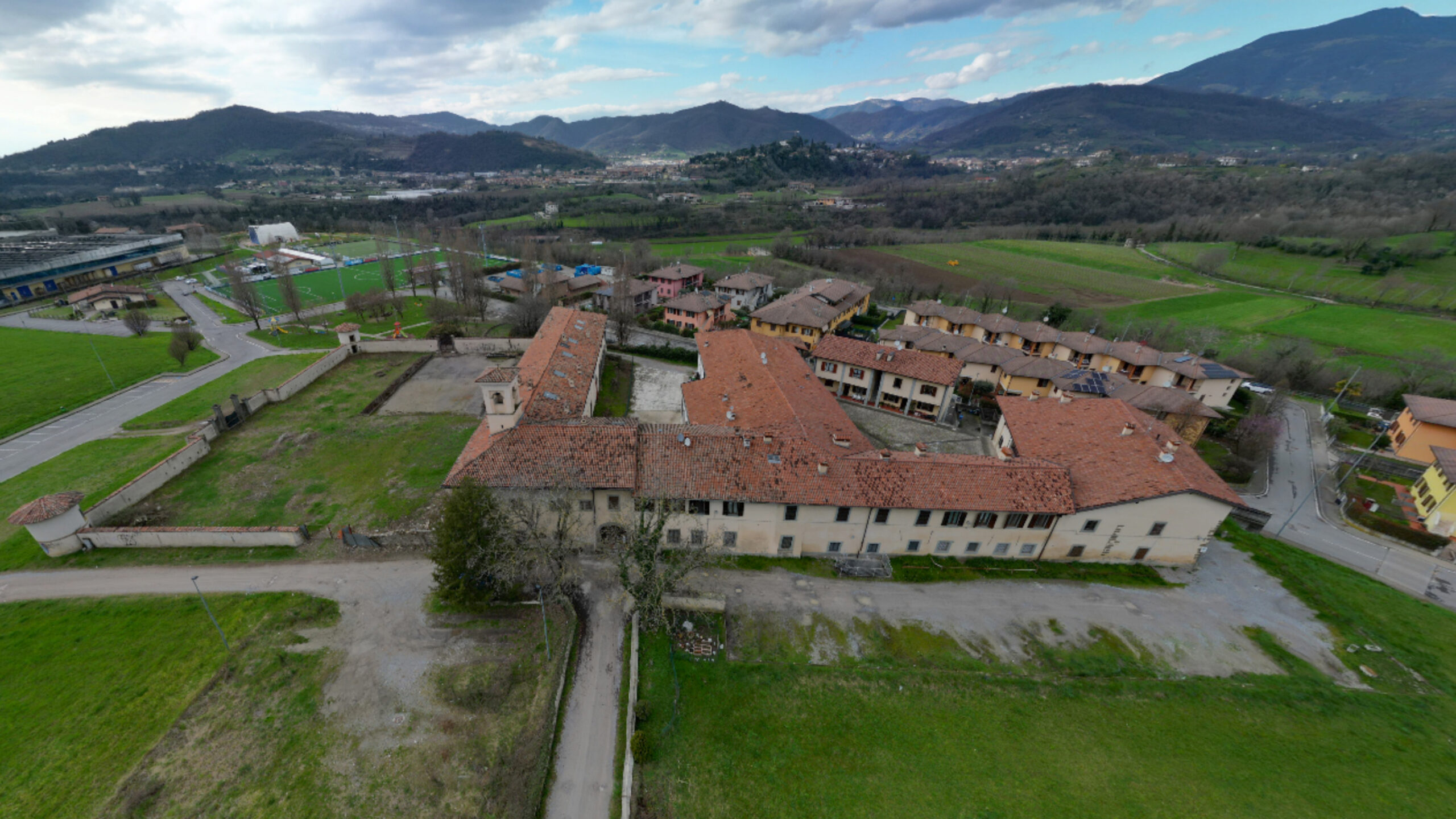
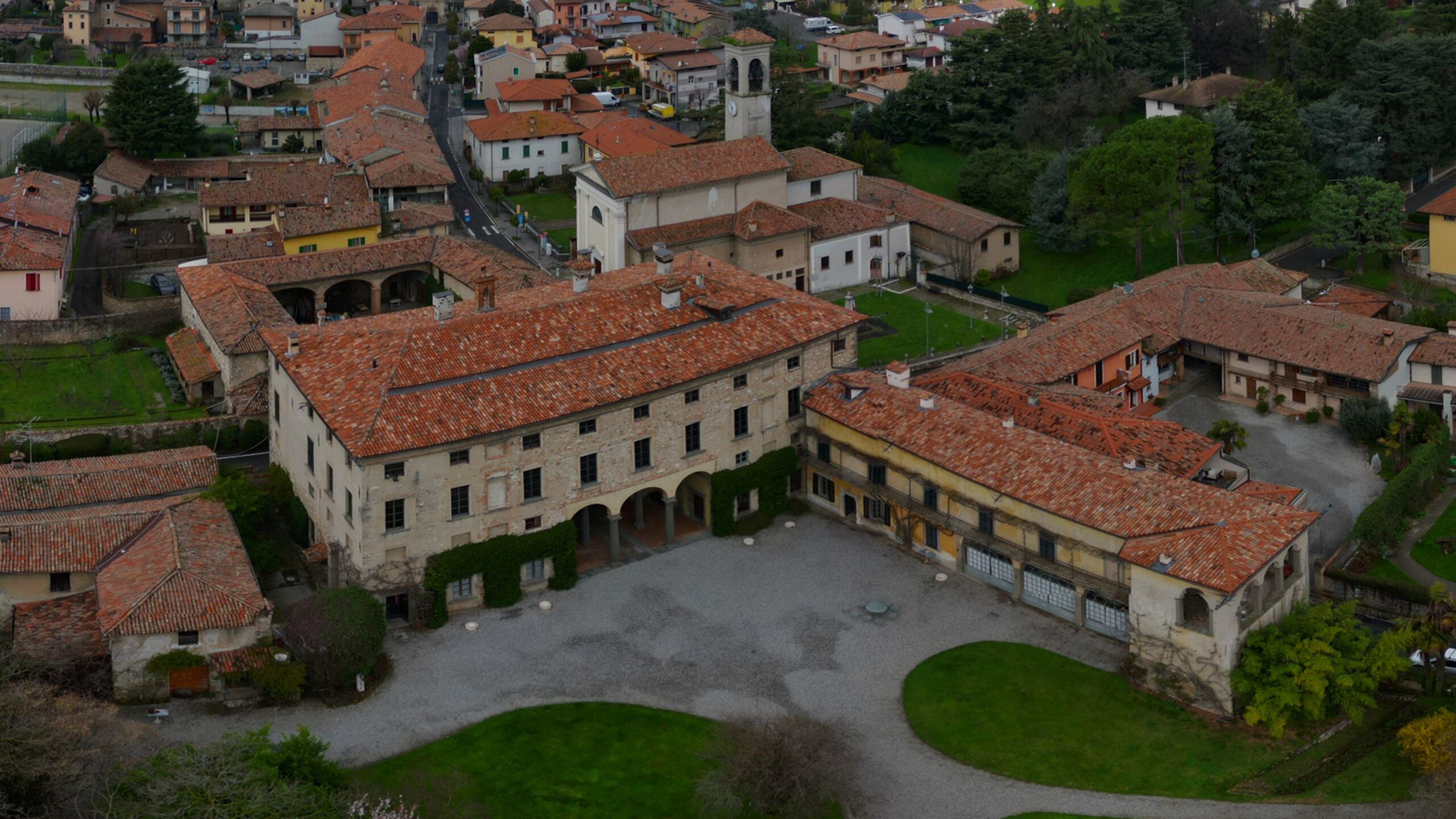
Situated atop a hill overlooking the town of Gussago, the Santissima boasts a centuries-old history: the site is mentioned for the first time in the indulgence issued by Pius II on January 11, 1460, shortly before leaving Mantua, where the pontiff had been engaged in the Council of Mantua, convened in 1459 to unite Christian forces against the Ottomans who had recently occupied Constantinople. The document issued an indulgence “pro loco Trinitatis Gussagi,” located “in Monte Barbisono”: the name Santissima therefore derives from its dedication to the Holy Trinity. The church was founded as a civic church, under the patronage of the community of Gussago, and was later entrusted, as evidenced by the papal bull of Sixtus IV of May 2, 1479, to the Order of Preachers of St. Dominenico.
Architecture, Dominican interventions and the pictorial cycle of Paolo da Caylina the Younger
The building has a Romanesque appearance, with a three-bay nave with cross vaults, while the presbytery is divided into three spaces: the larger central one with a barrel vault, flanked by two smaller chapels. From the 16th century, the Dominicans began a series of interventions on the church and the surrounding areas: they built the portico in front of the façade and commissioned a rich pictorial decoration from one of the leading Renaissance artists of the Brescian scene of the time, Paolo da Caylina the Younger. The artist frescoed the entire presbytery with figures of Dominican saints, surmounted, on the vault, by the Eternal Father blessing between the Evangelists and the Fathers of the Church. The decoration was completed by an altarpiece depicting the Holy Trinity adored by the Madonna and Saint John, now preserved in the Chapel of the Opera Pia Richiedei.
Nineteenth-century restorations: Gigola and Vantini
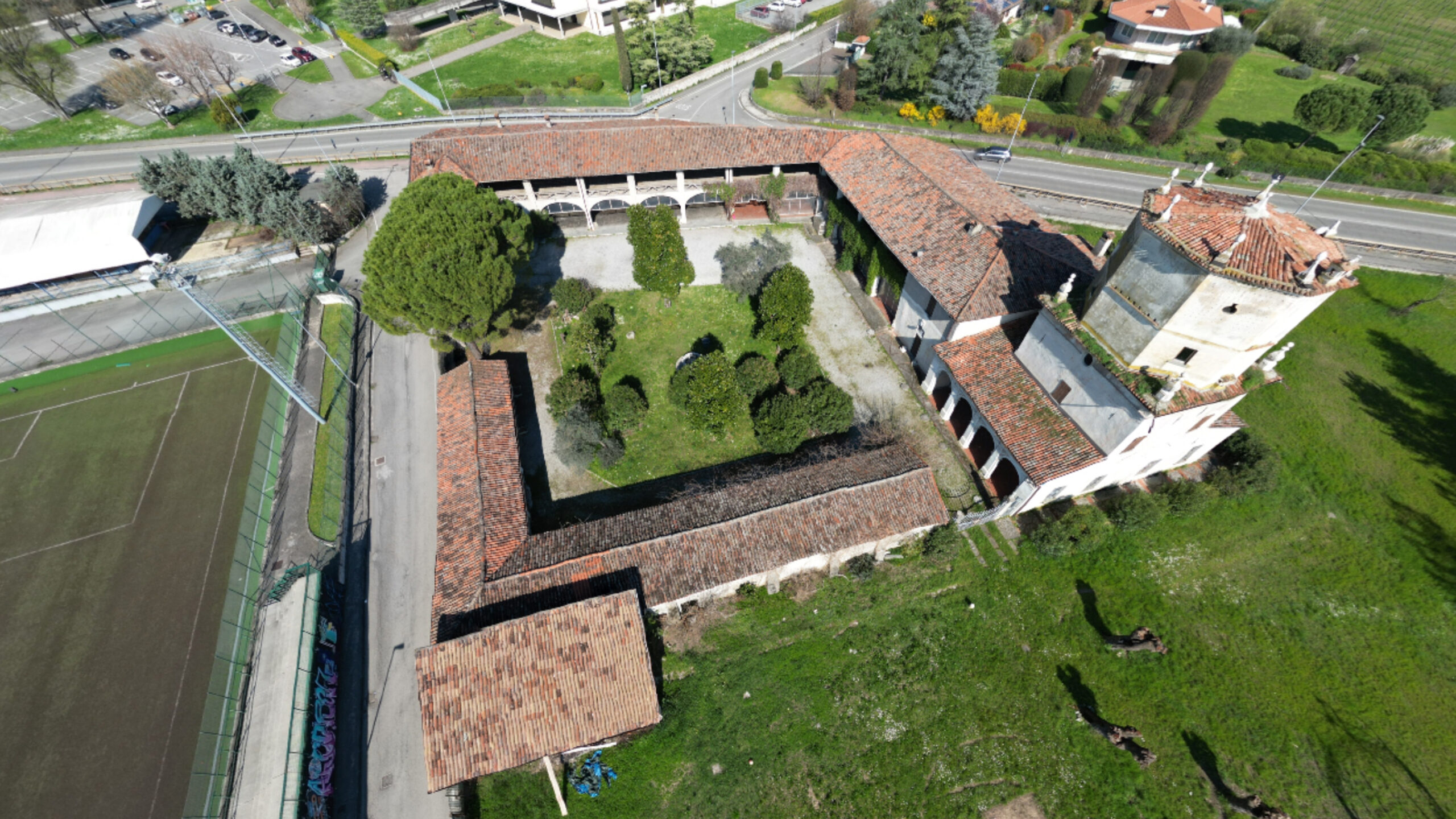
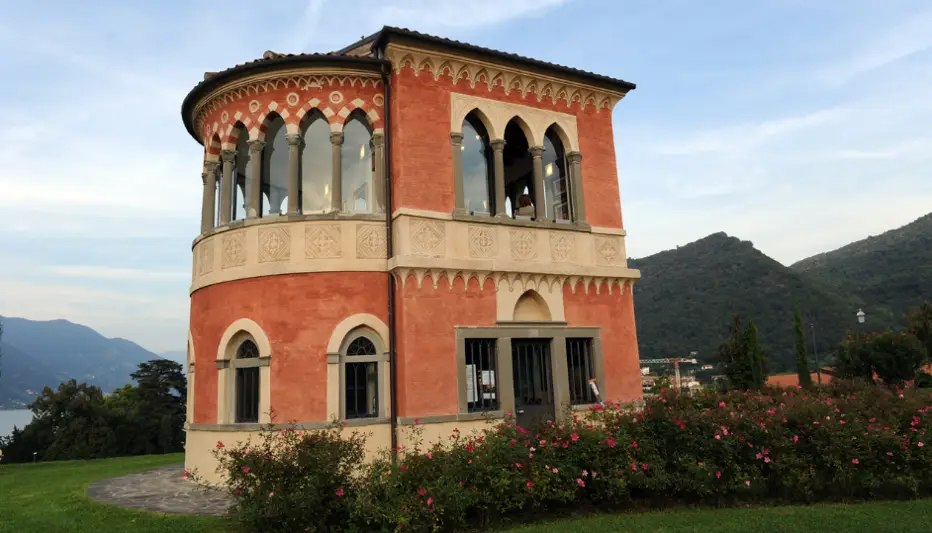
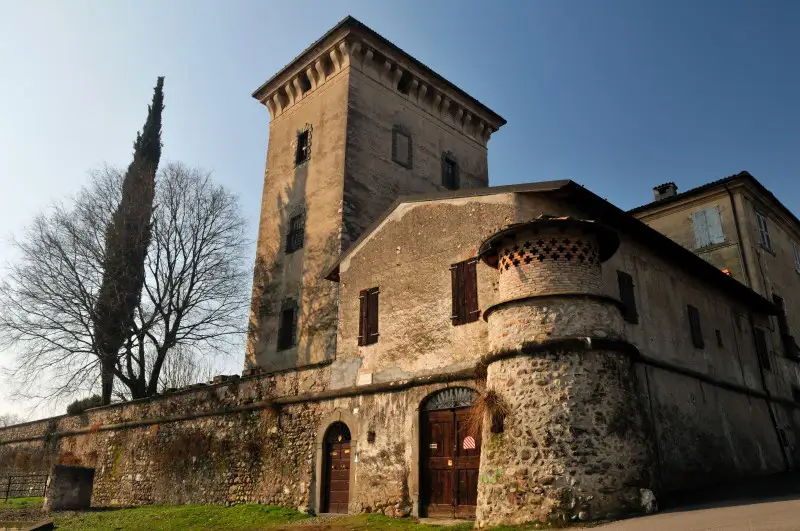
The latest architectural transformations of the Santissima are due to the initiative of Gian Battista Gigola, who, after the suppression of the Dominican order in 1797, had purchased it as a country residence: the famous miniaturist and portraitist entrusted the restoration work to the renowned architect Rodolfo Vantini, who between 1823 and 1830 enriched it with neo-Gothic elements, such as the ogival windows and the crowning with swallow-tailed battlements, giving it the appearance, very similar to a castle, that we know today.
Links and useful information


Visiting hours: First Sunday of the month (except August), winter hours (November-March) 10:00 am – 4:00 pm and summer hours (April-October): 10:00 am – 6:00 pm
Free admission
Publicly owned property