Monti della Corte Palace
- Home
- /
- Arte e cultura
- /
- Historical buildings
- /
- Monti della Corte Palace
Medieval origins and union between families
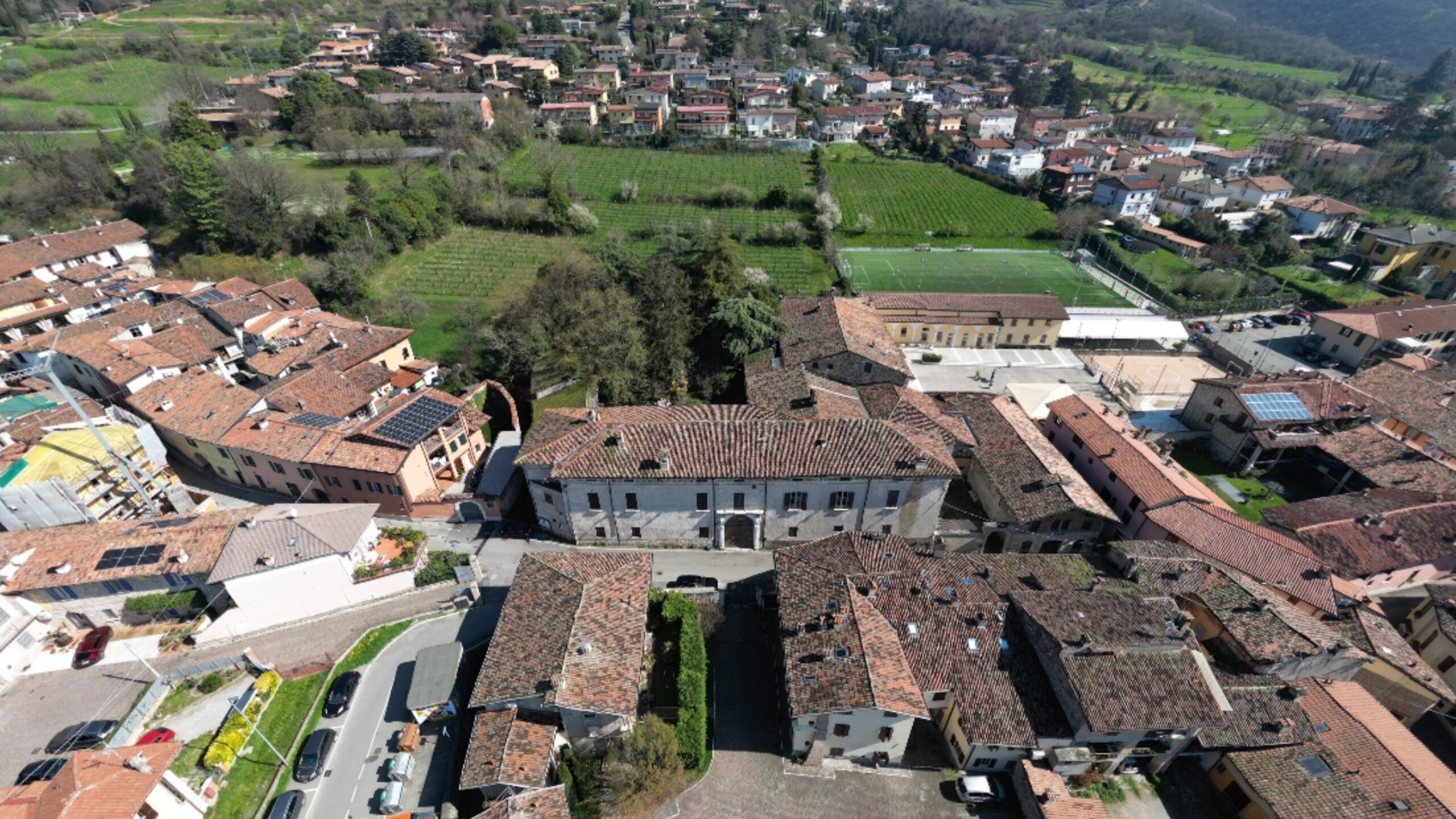
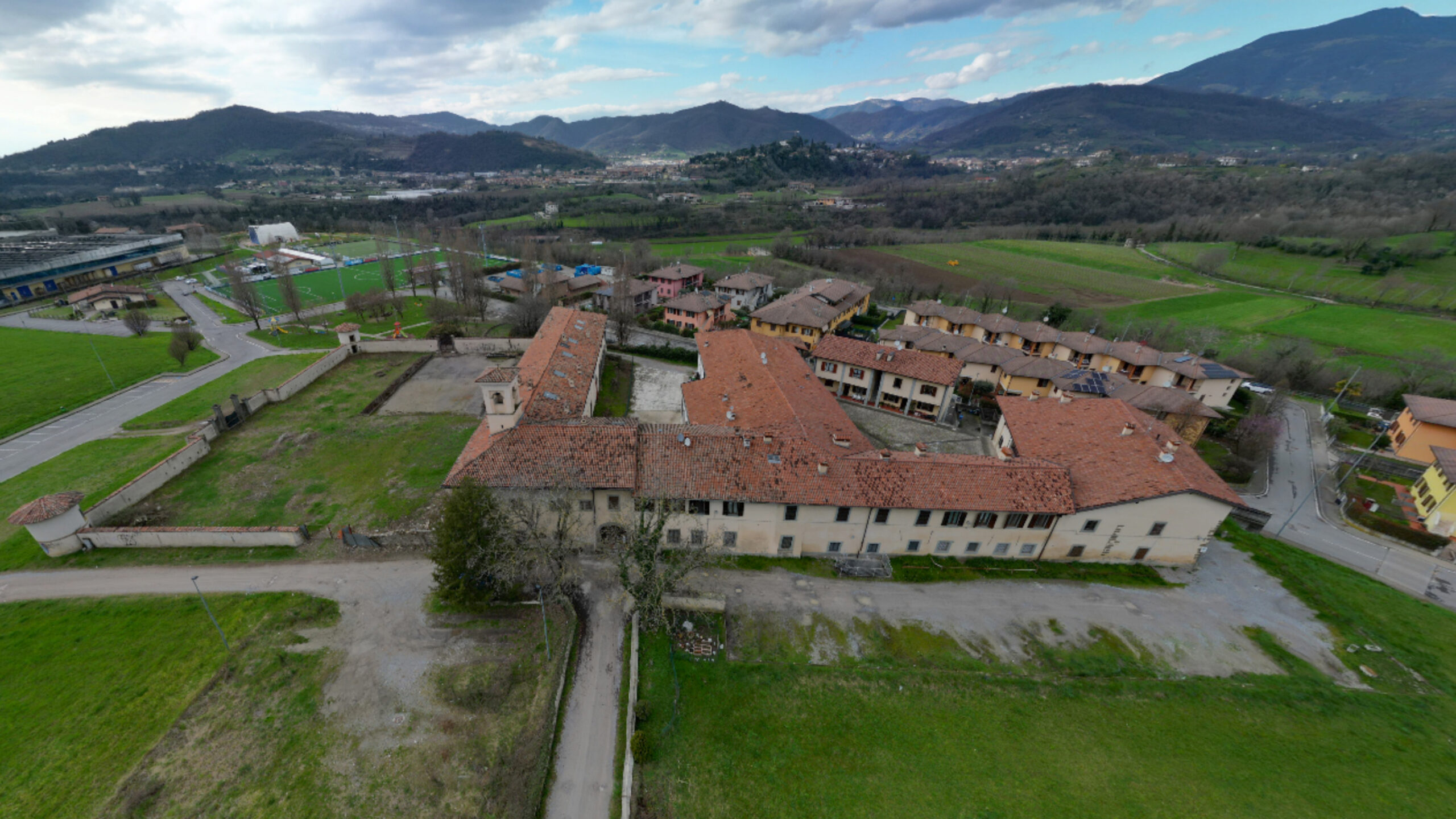
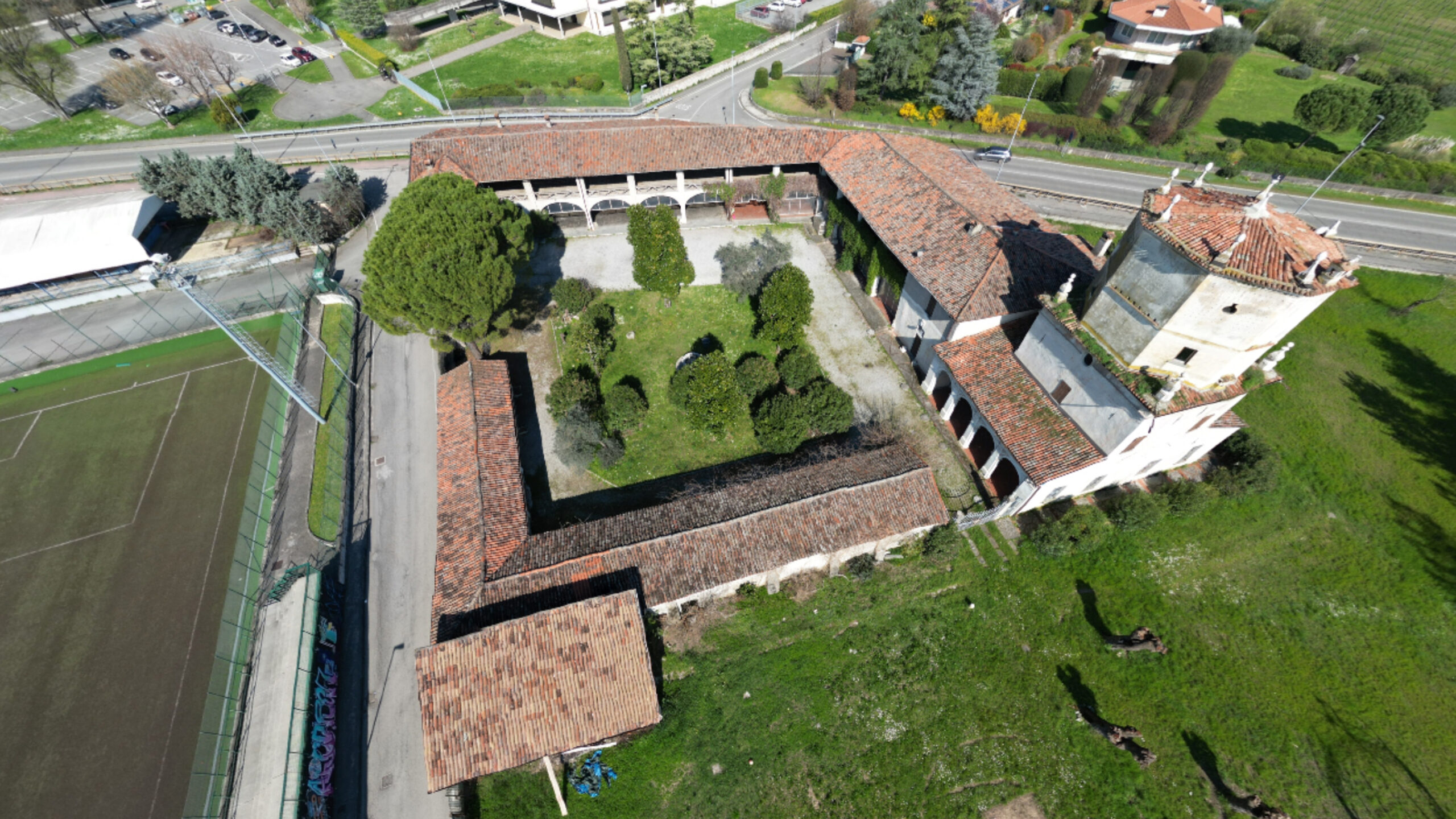
The origins of the first settlement likely date back to the noble Federici family, a prominent family in Valcamonica, particularly one of the secondary branches of the Oldofredi family of Iseo. This is where the name “della Corte” comes from, and the late Renaissance palace we know today would later be built on this first medieval settlement. In the mid-18th century, the marriage of the last descendant of the Della Corte family to Flaminia Monti brought the two families together.
The seventeenth-century front and the central portal
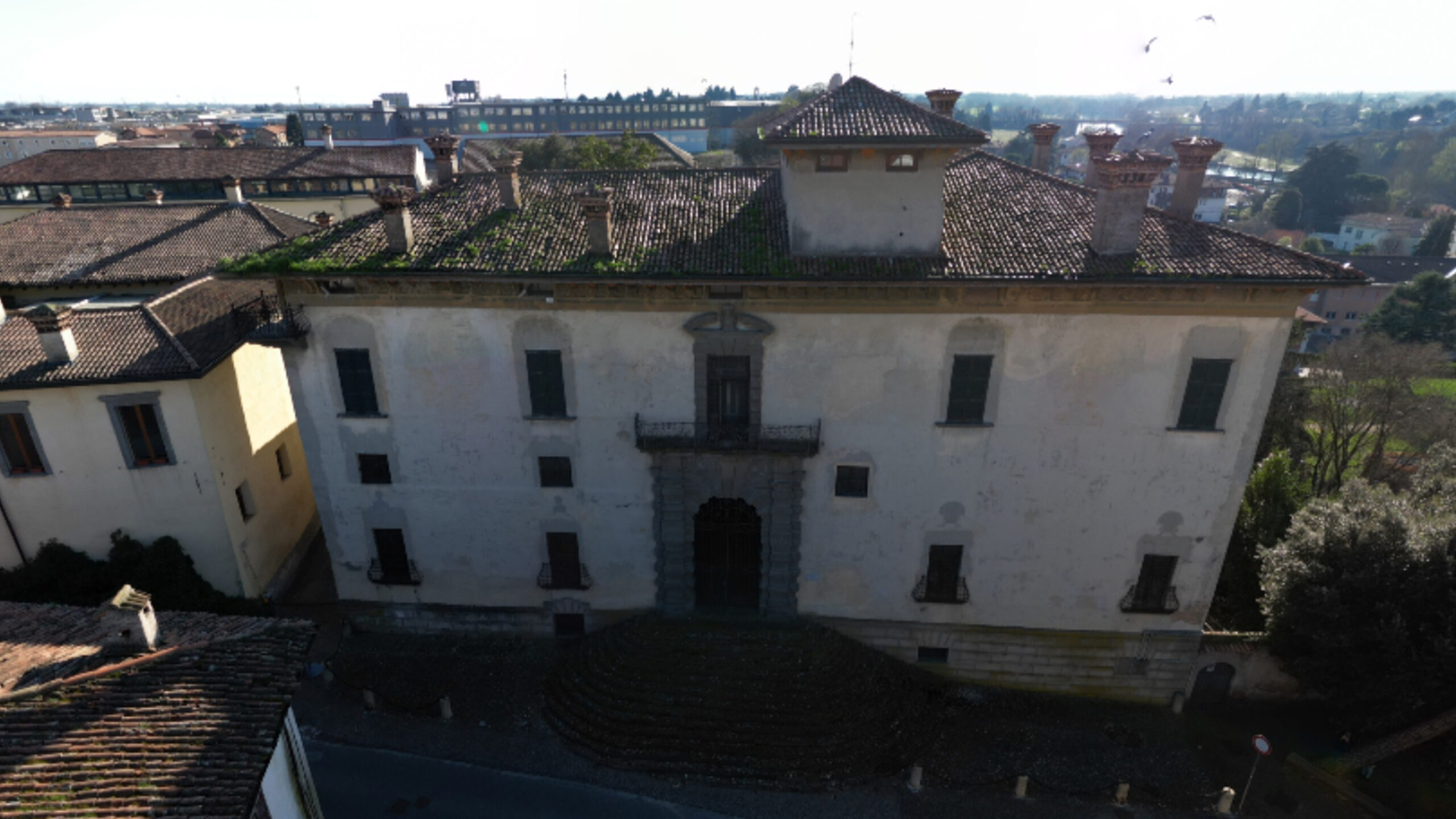
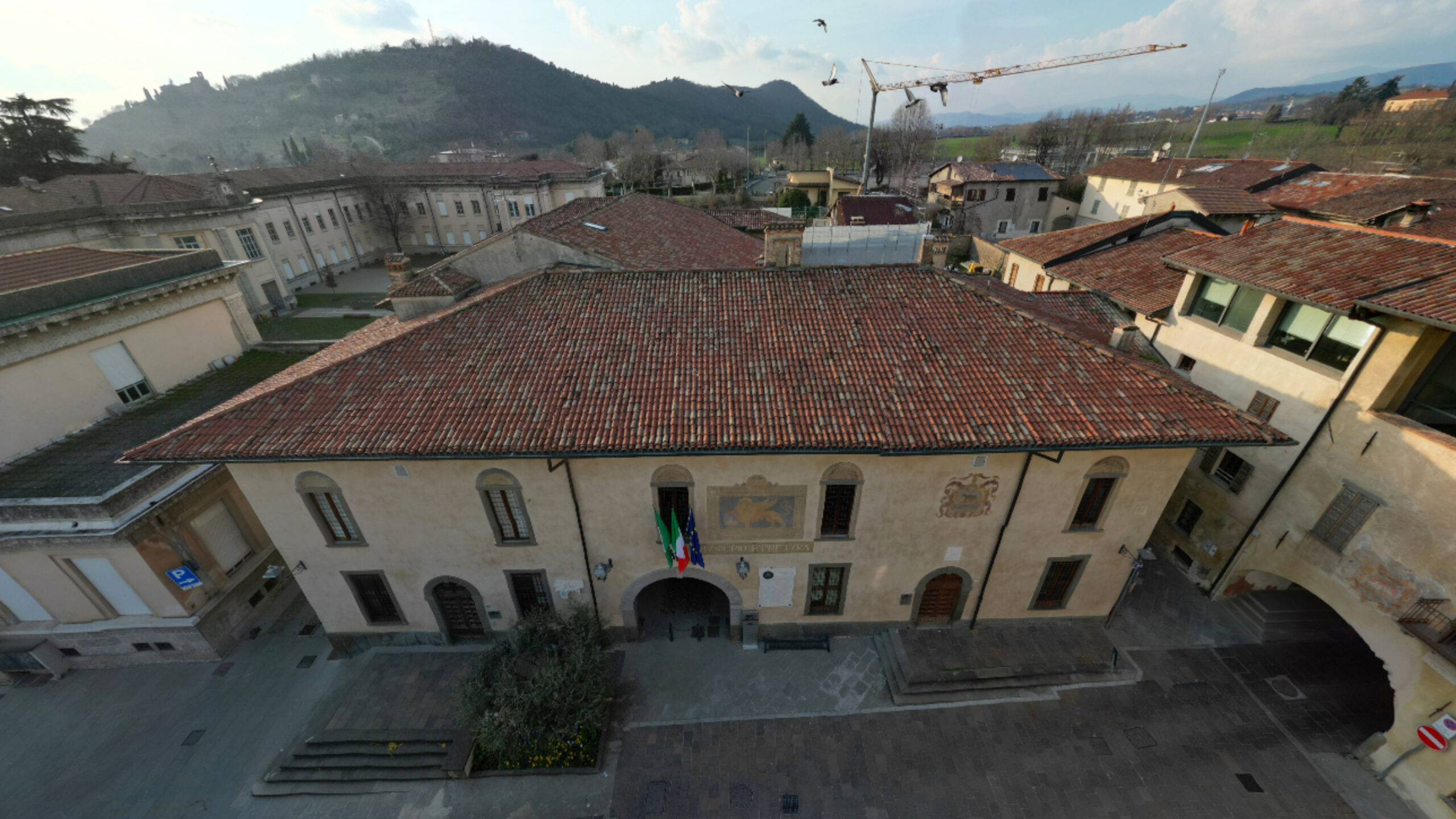
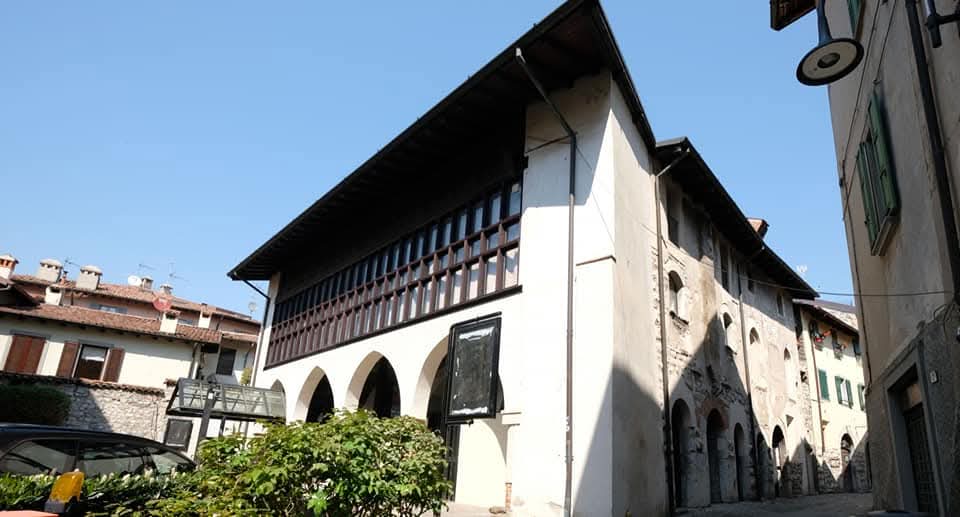
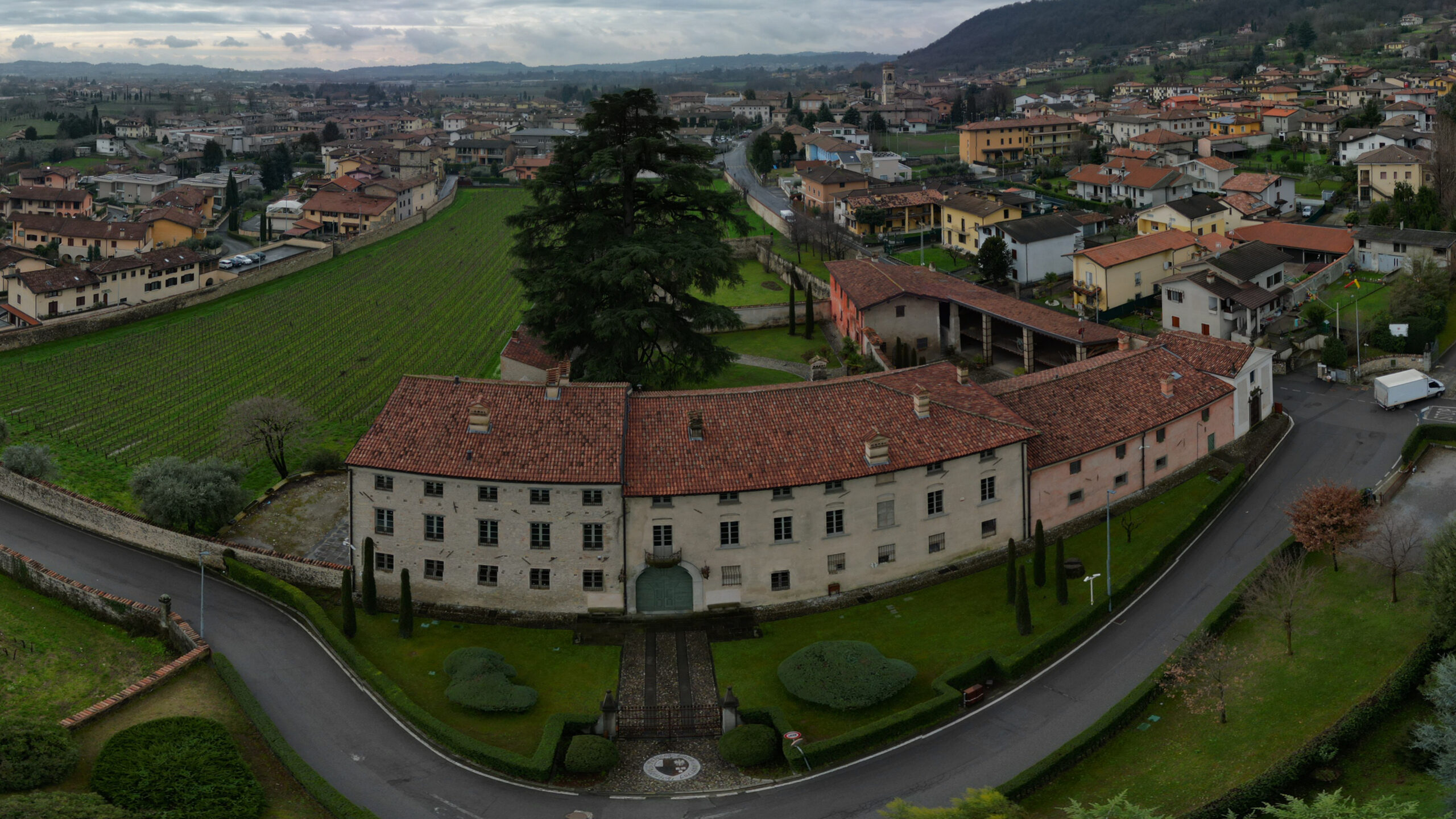
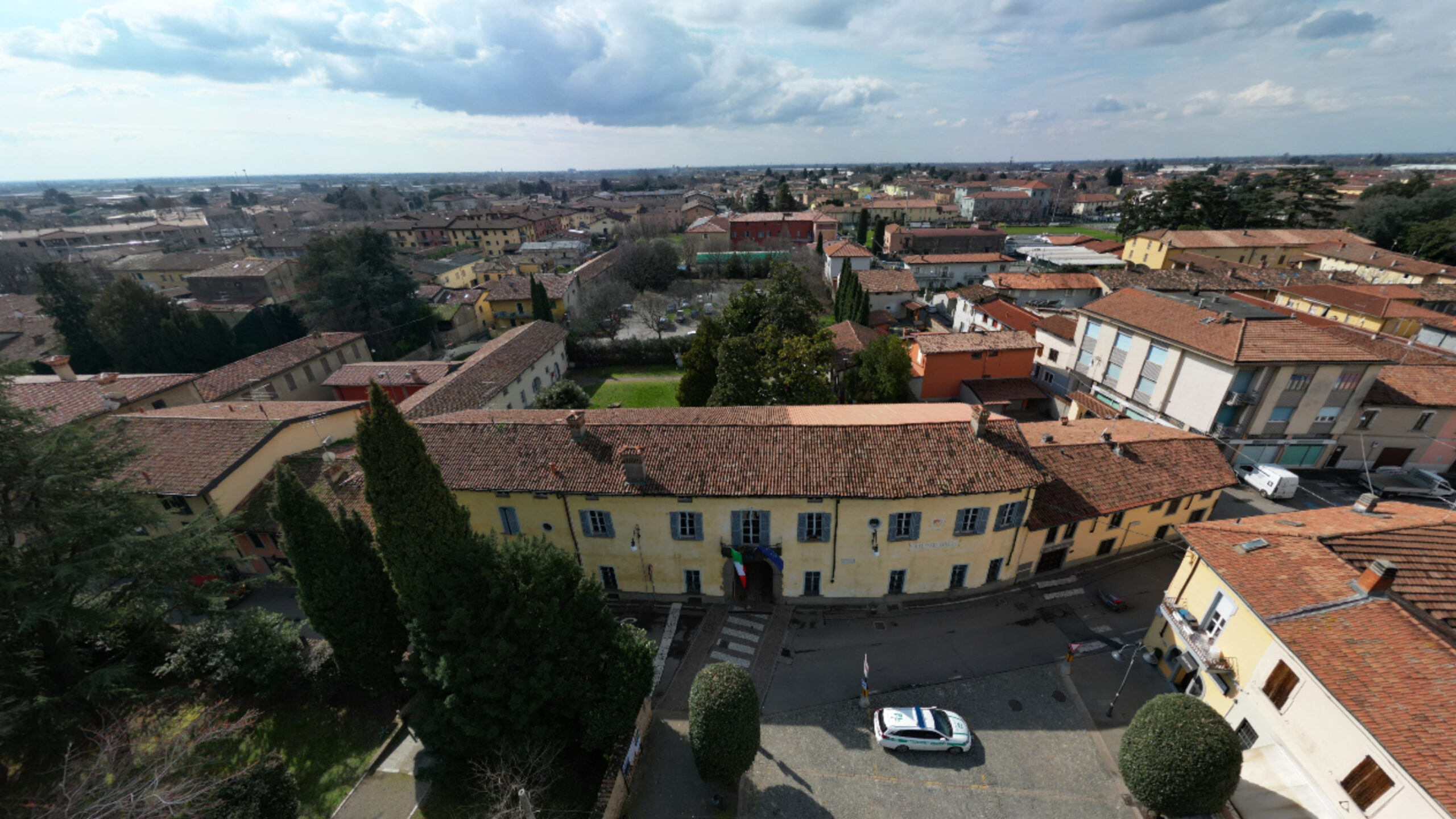
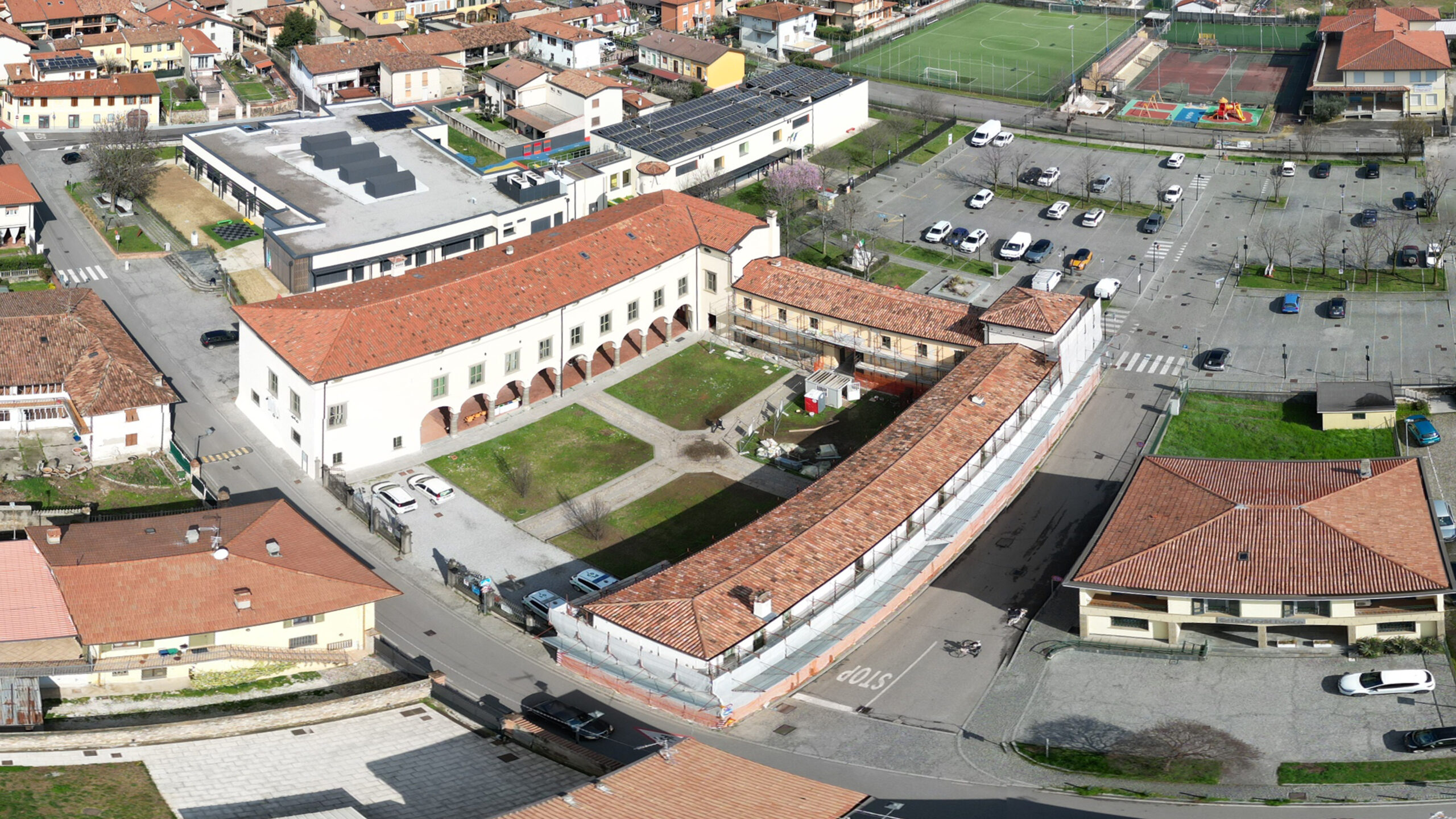
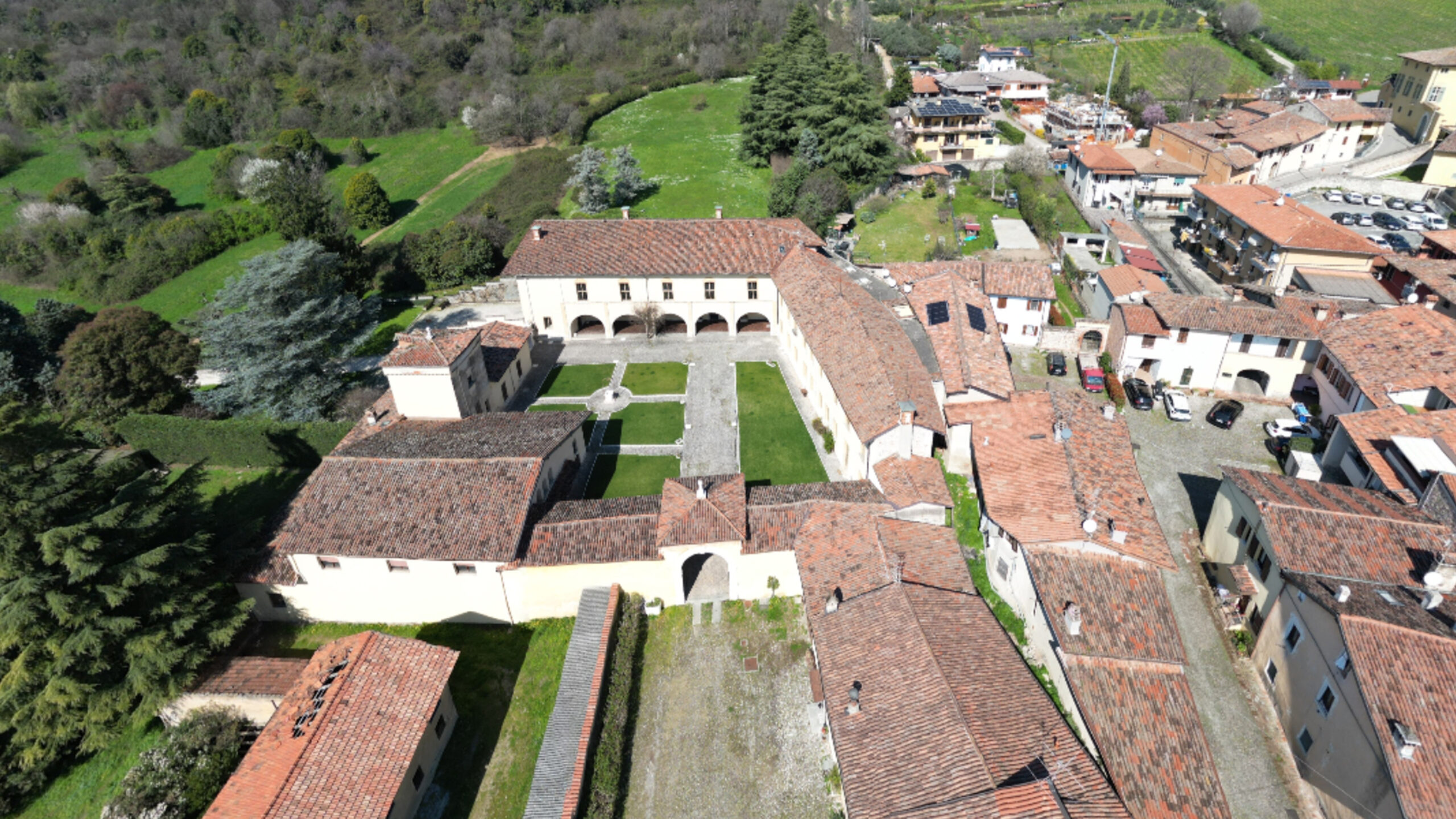
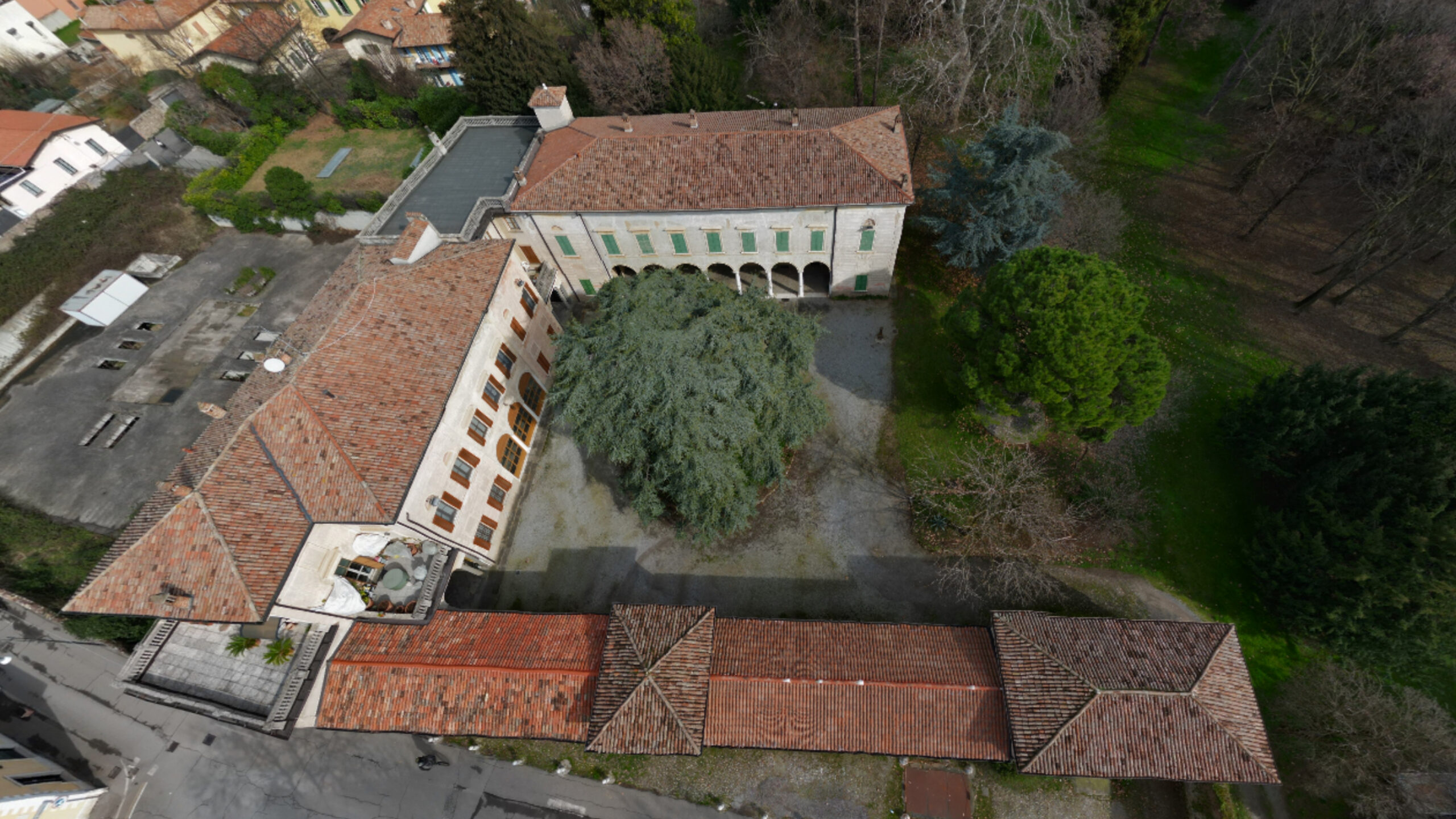
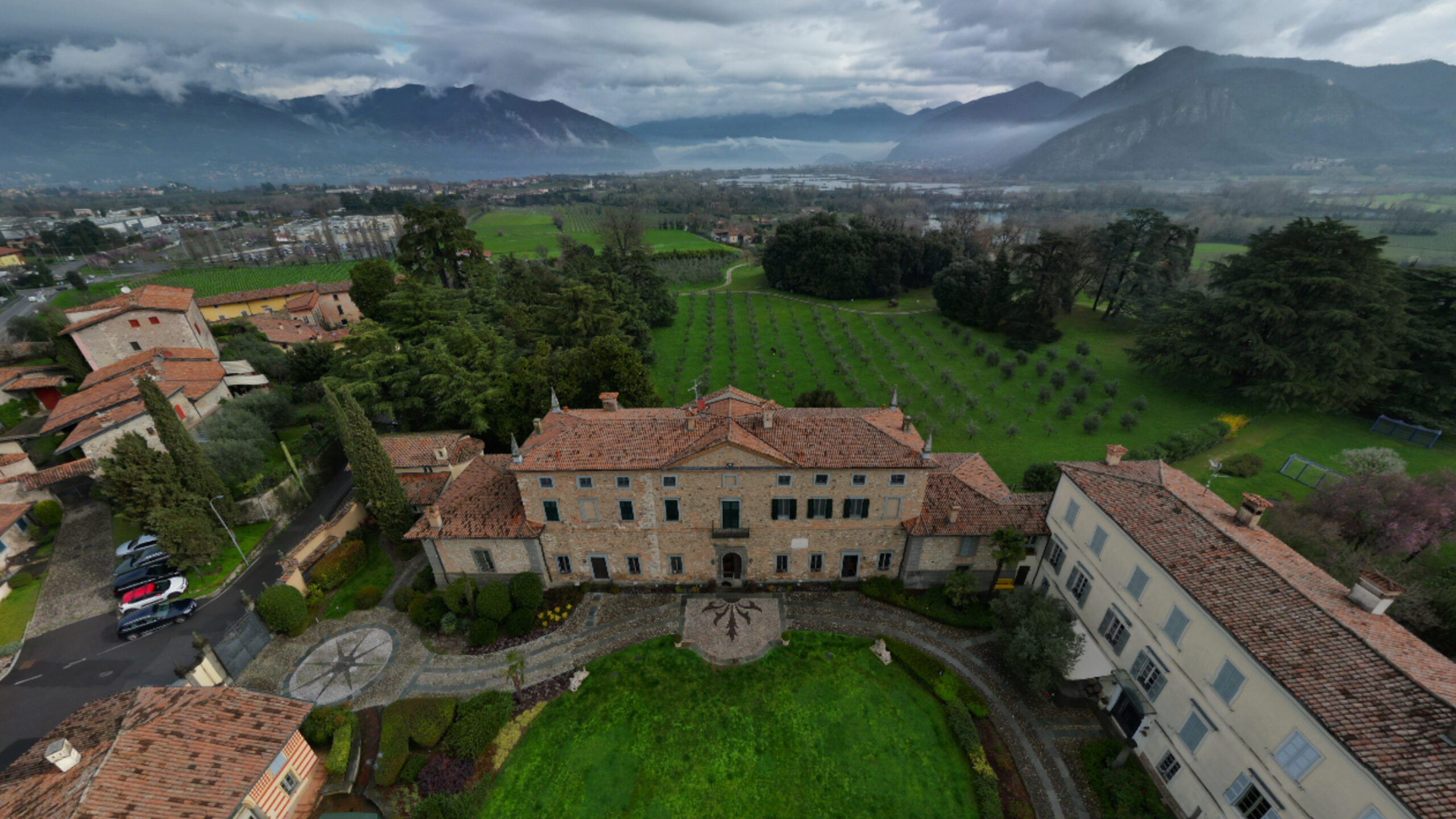
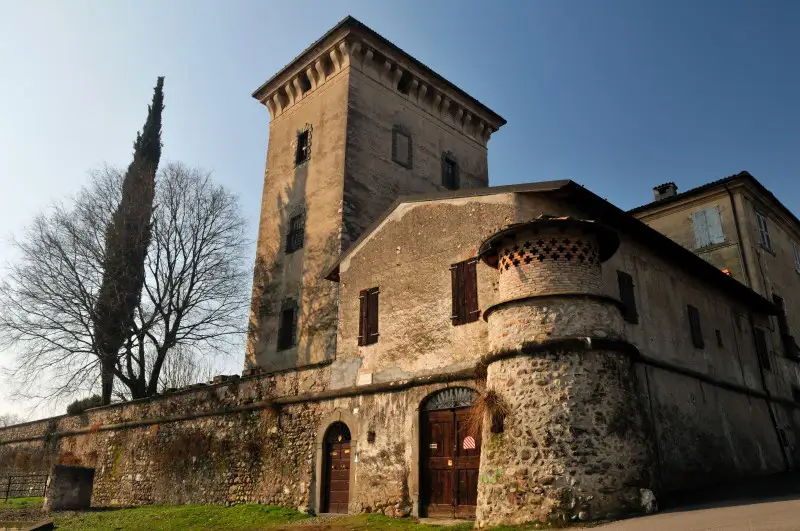
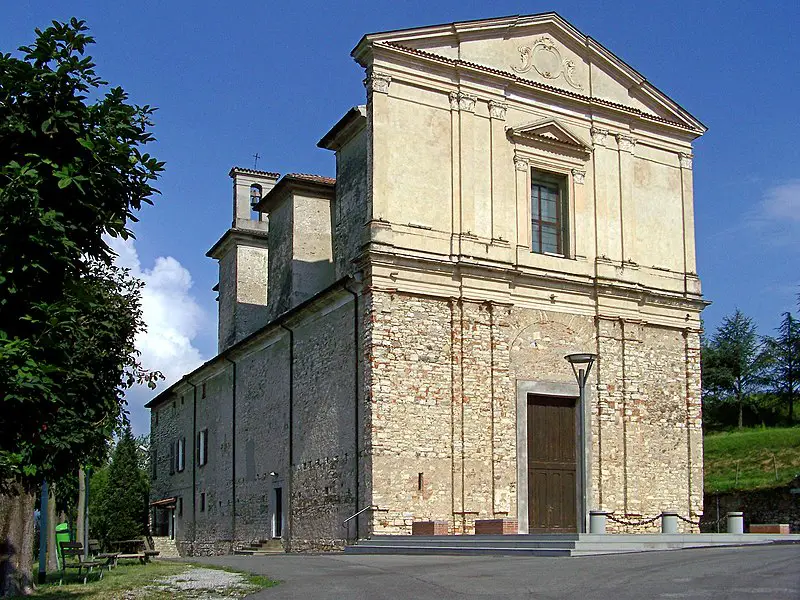
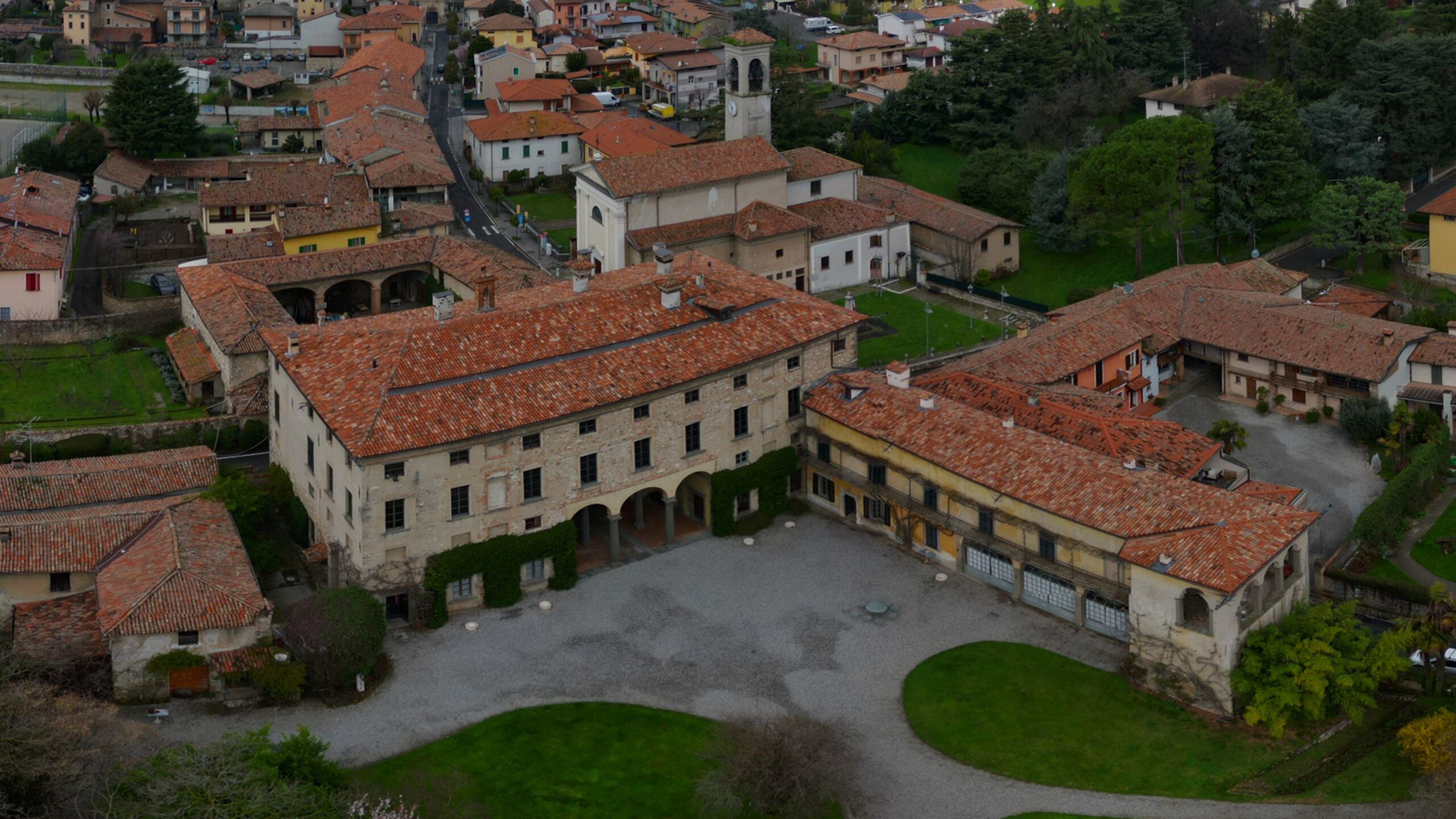
Despite numerous changes of ownership, the architecture essentially retains the forms of late 17th-century construction. On the exterior, the compact façade with continuous profiles is left unfinished, with exposed masonry and corners reinforced with squared stones. The division of the floors is suggested by the openings: two rows of windows alternate with two mezzanine floors, each featuring square openings. The only decorative element is the central portal, without steps and framed by an ornate architrave.
The view of the garden and the porticoed atrium
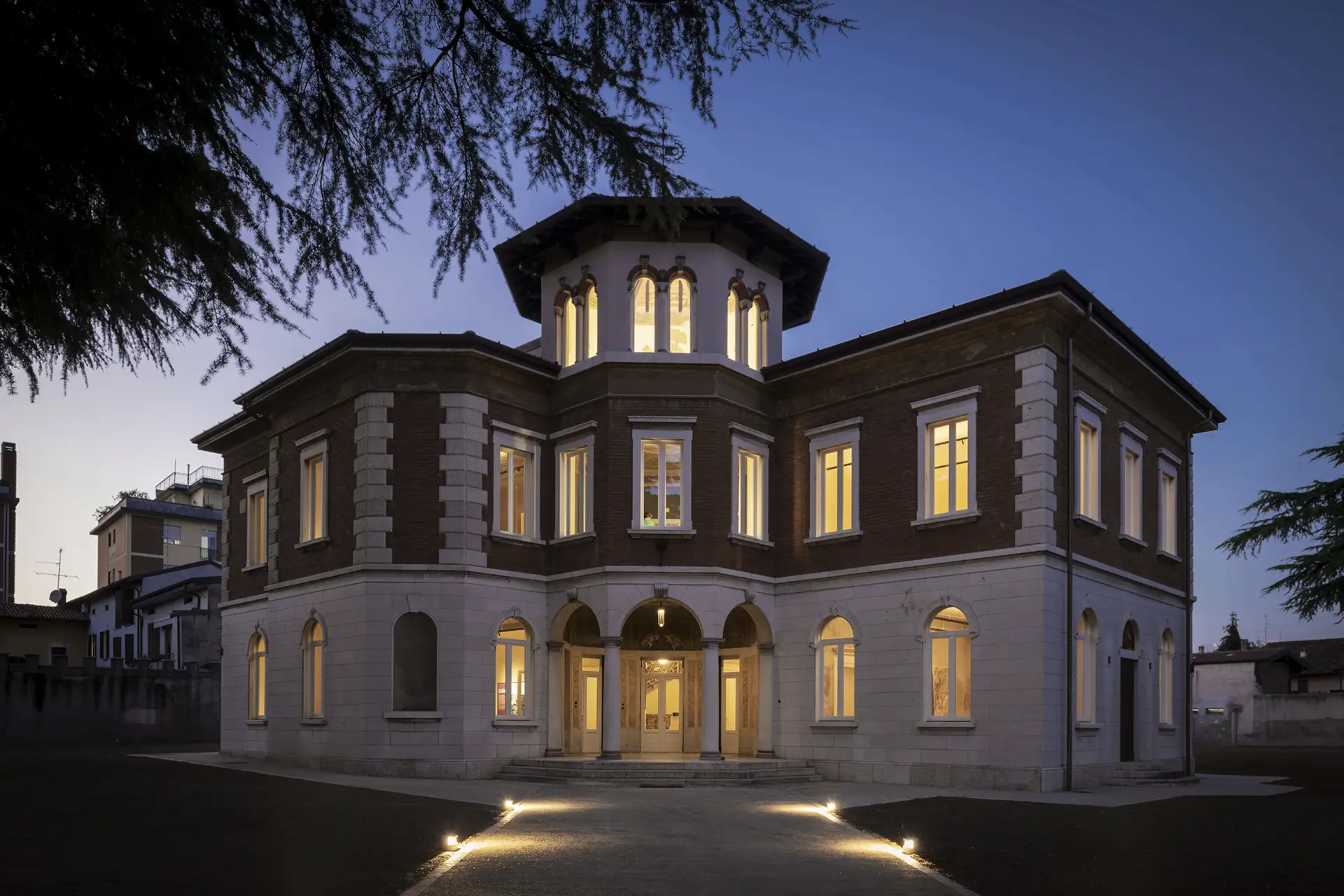
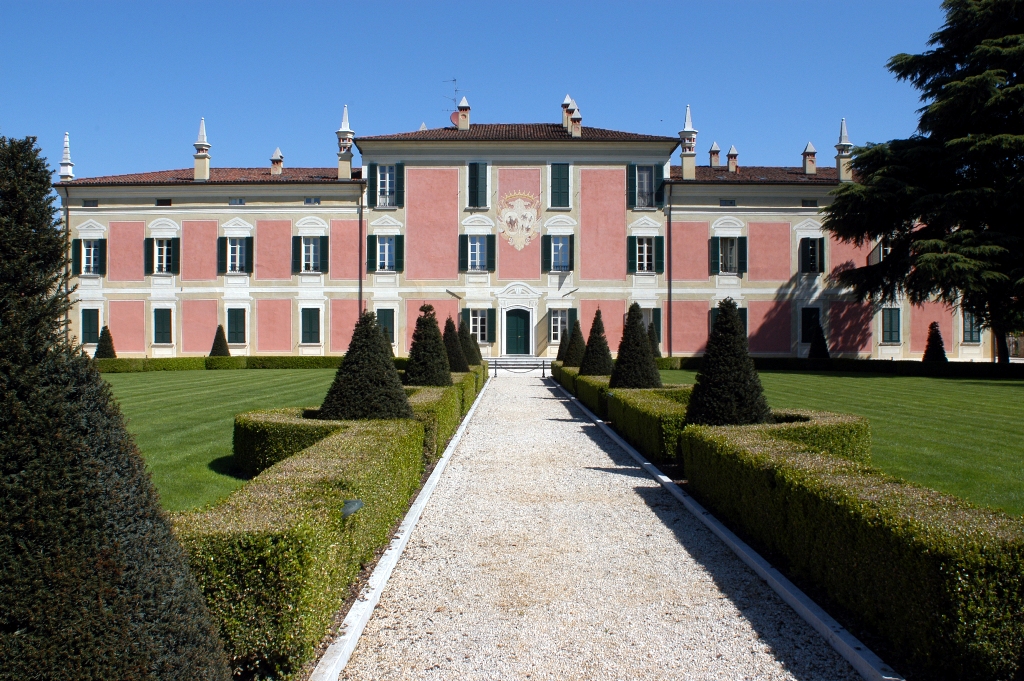
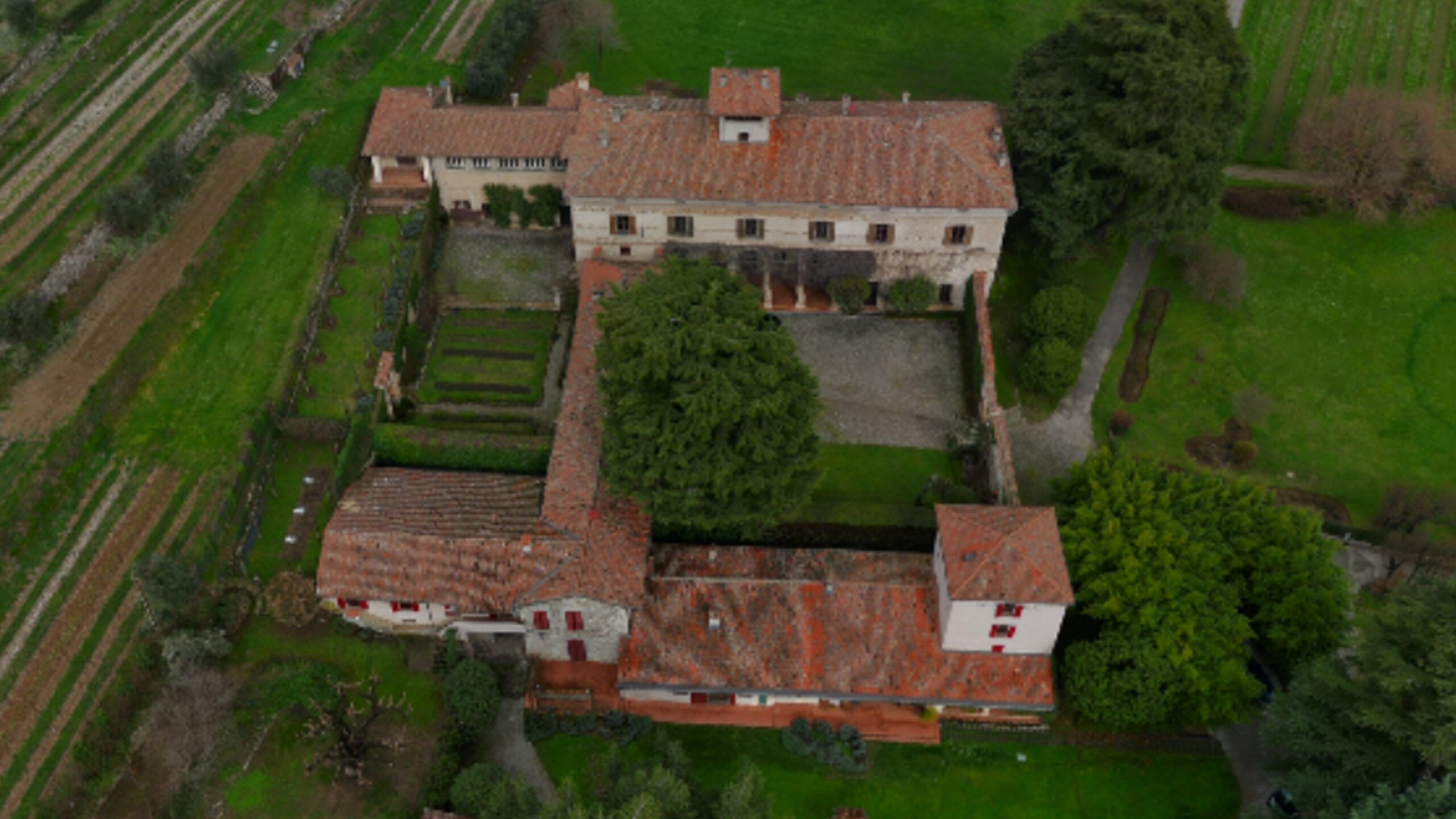
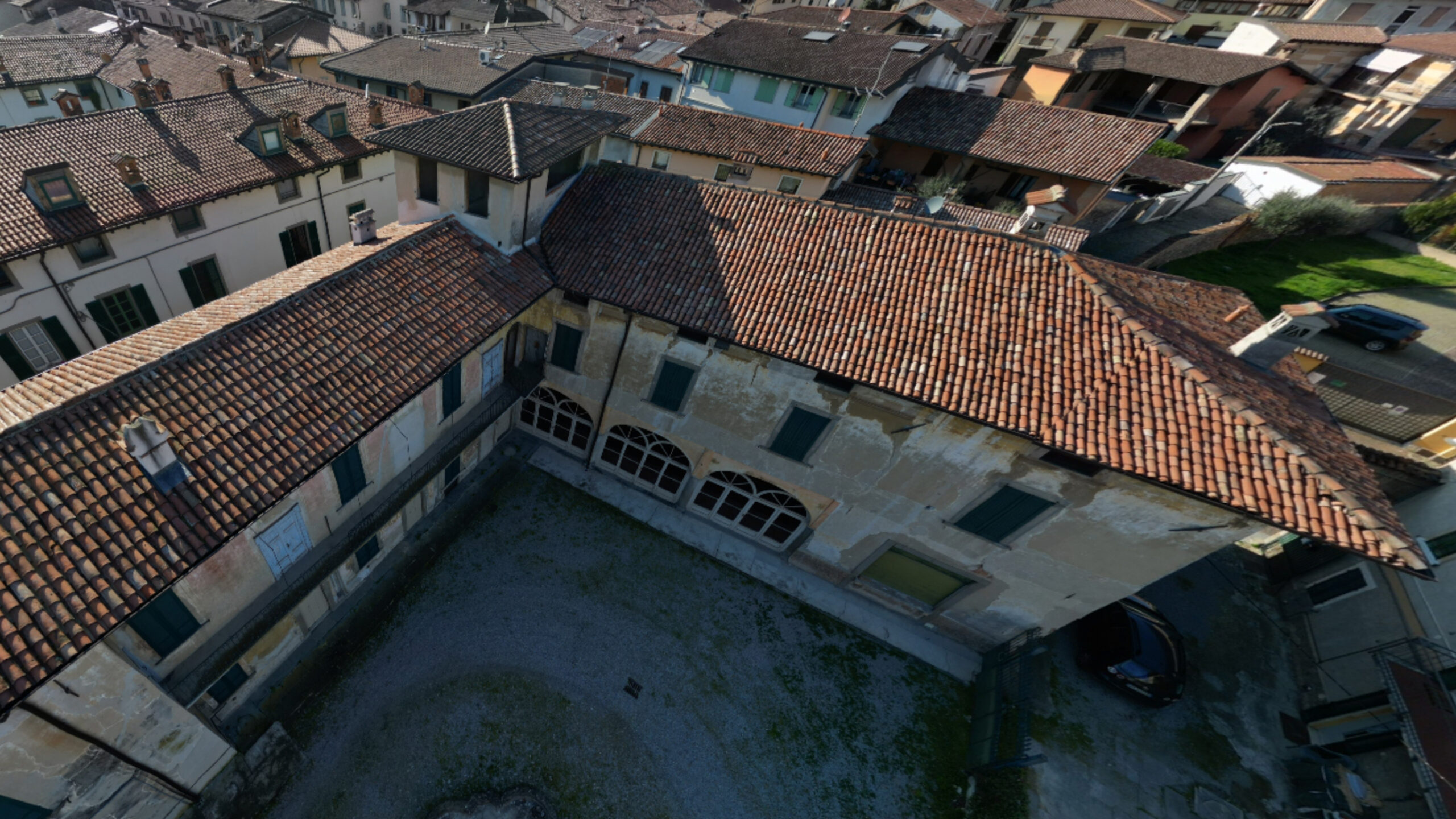
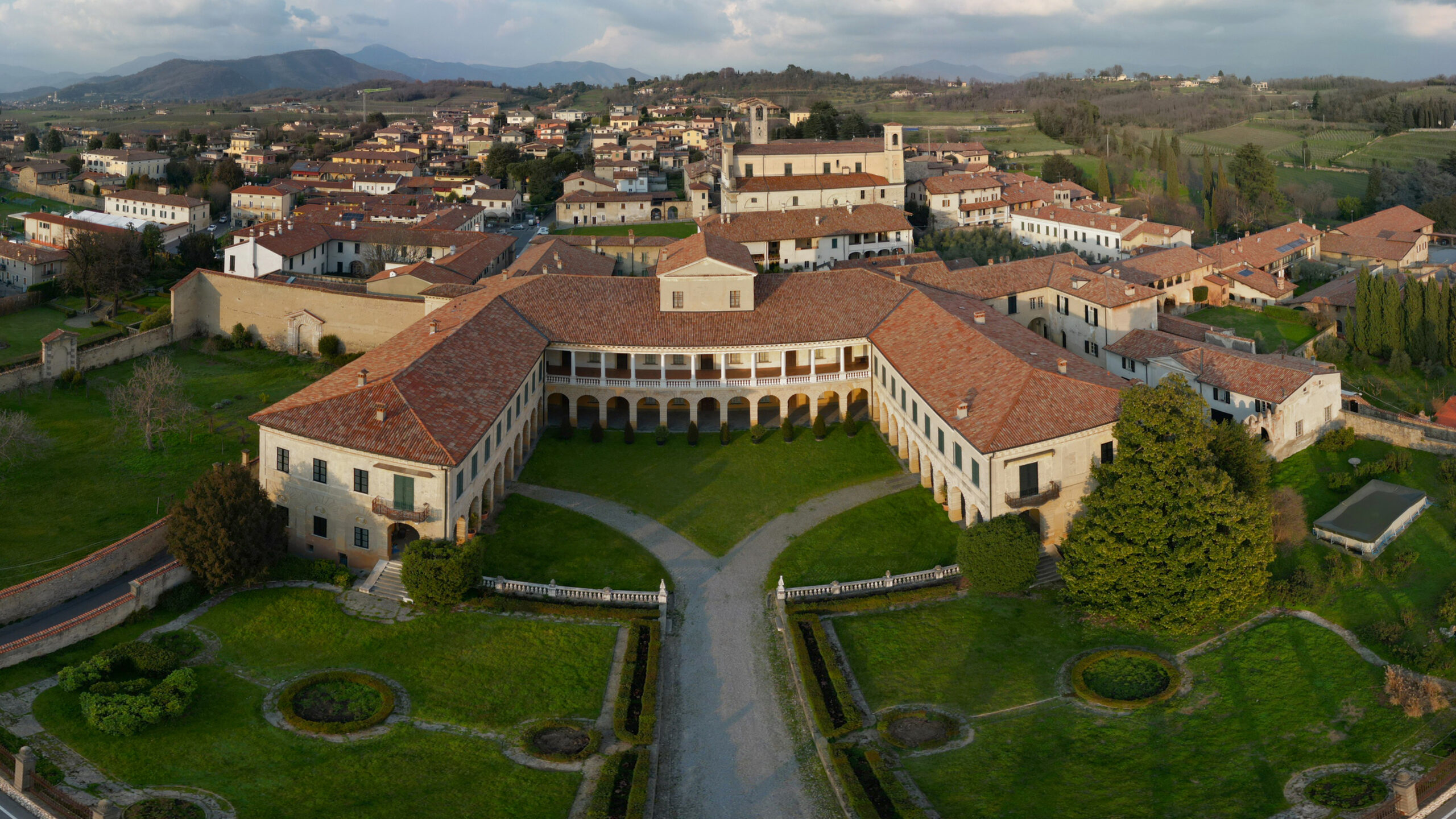
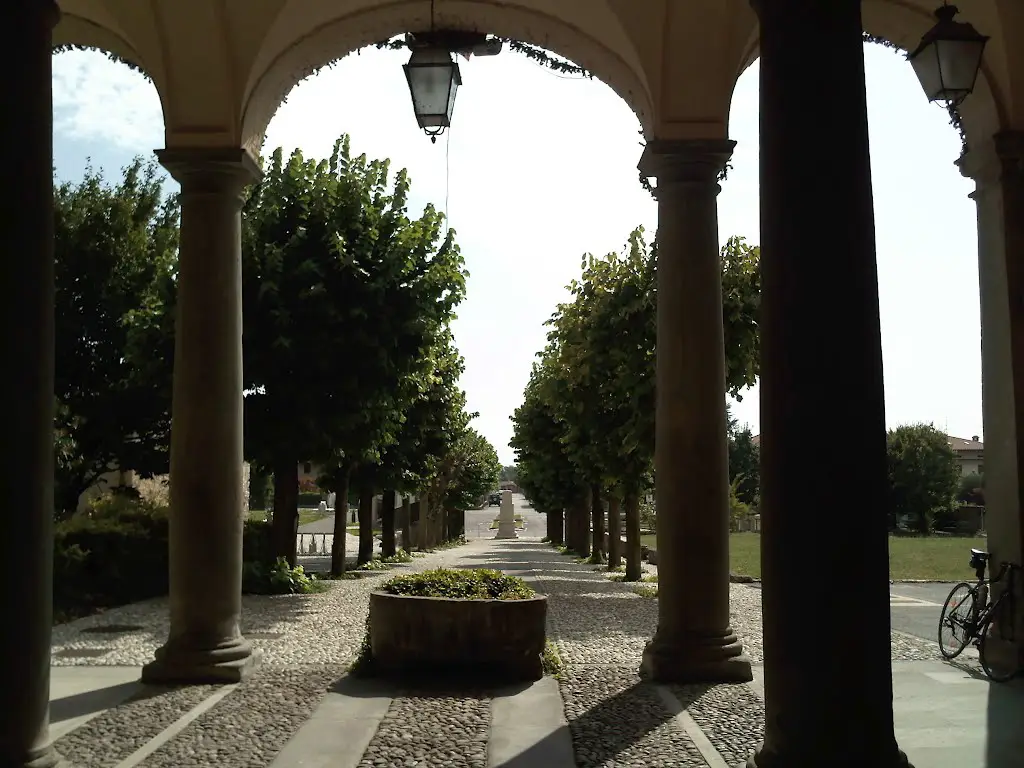
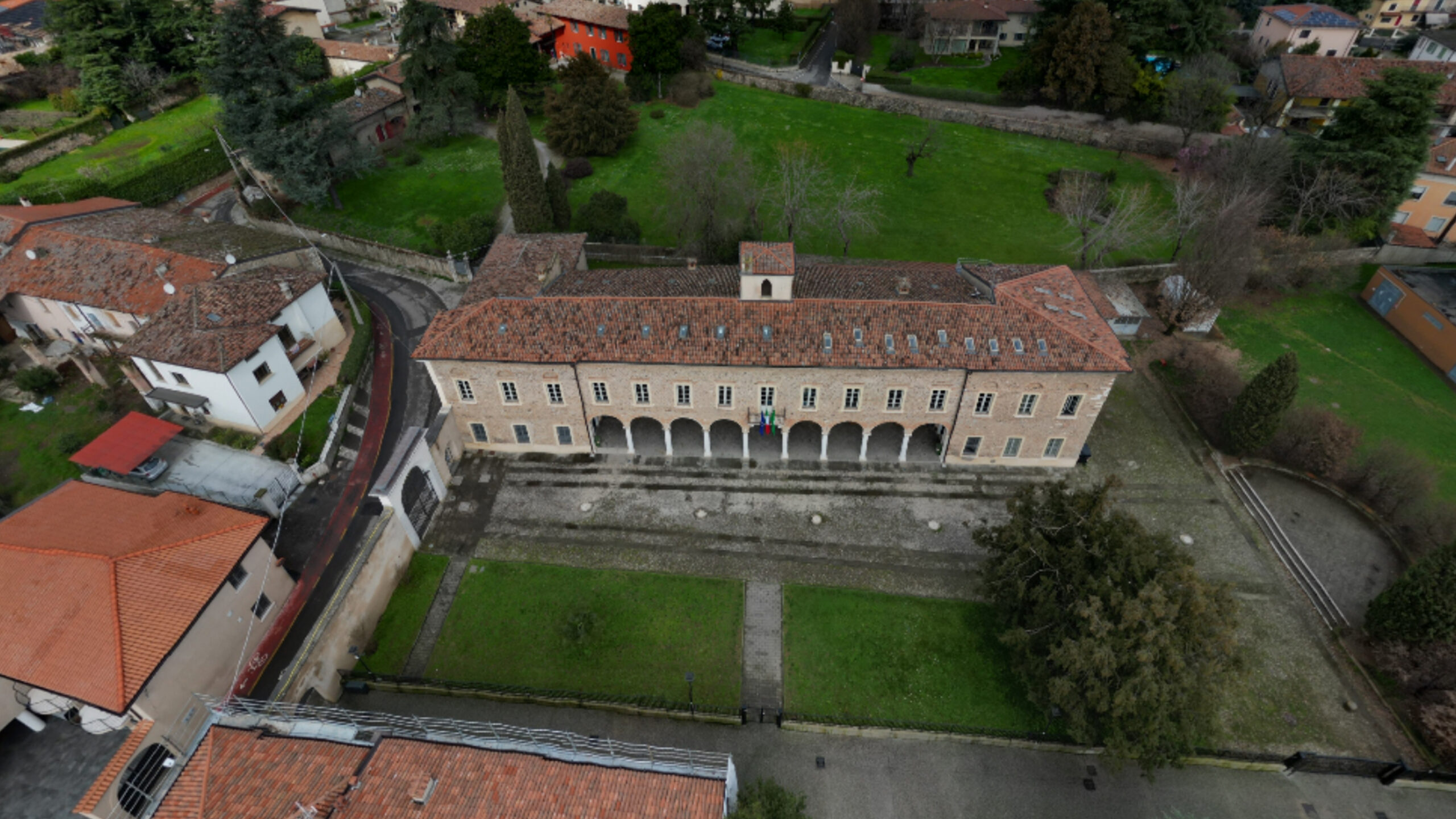
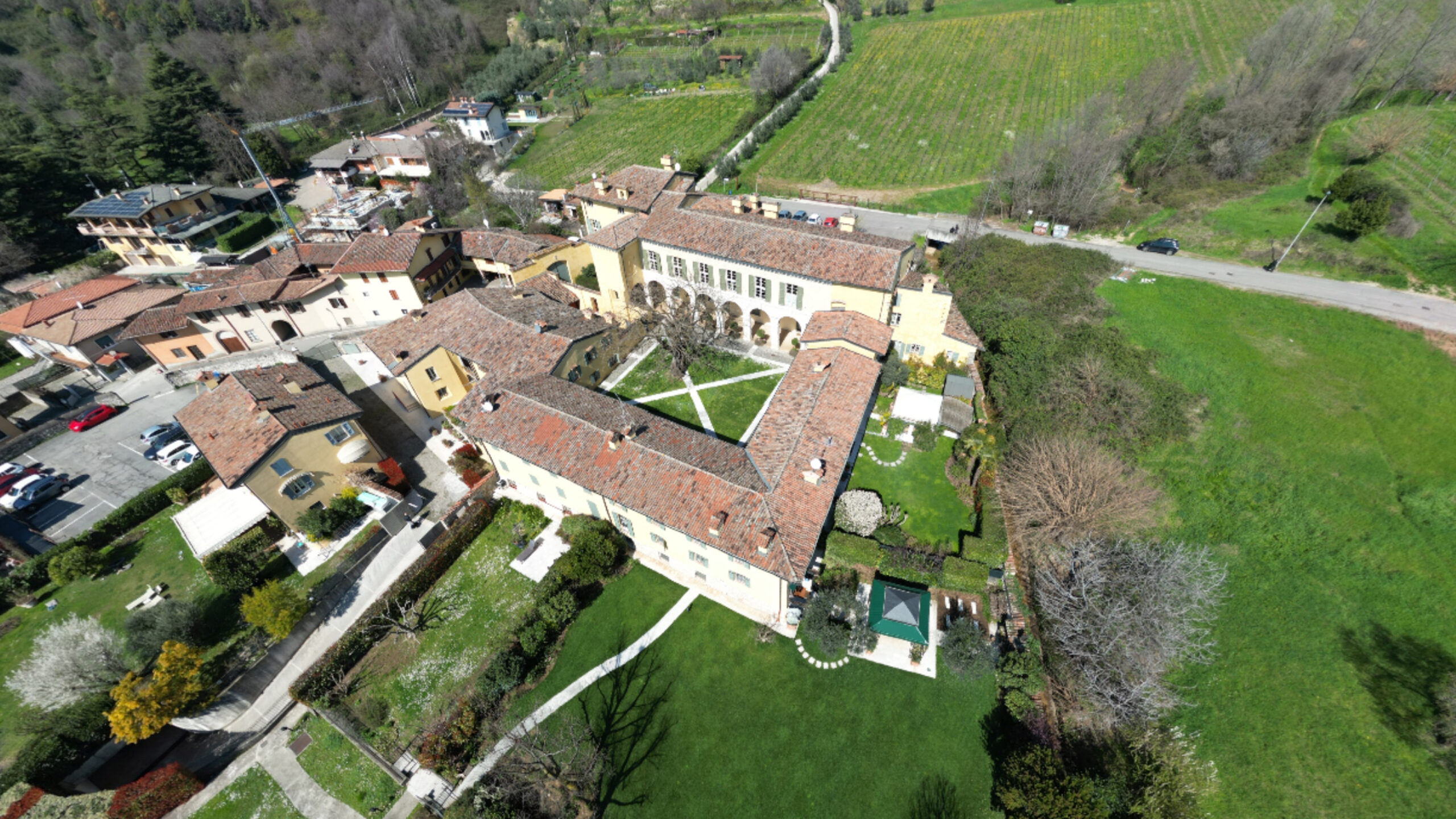
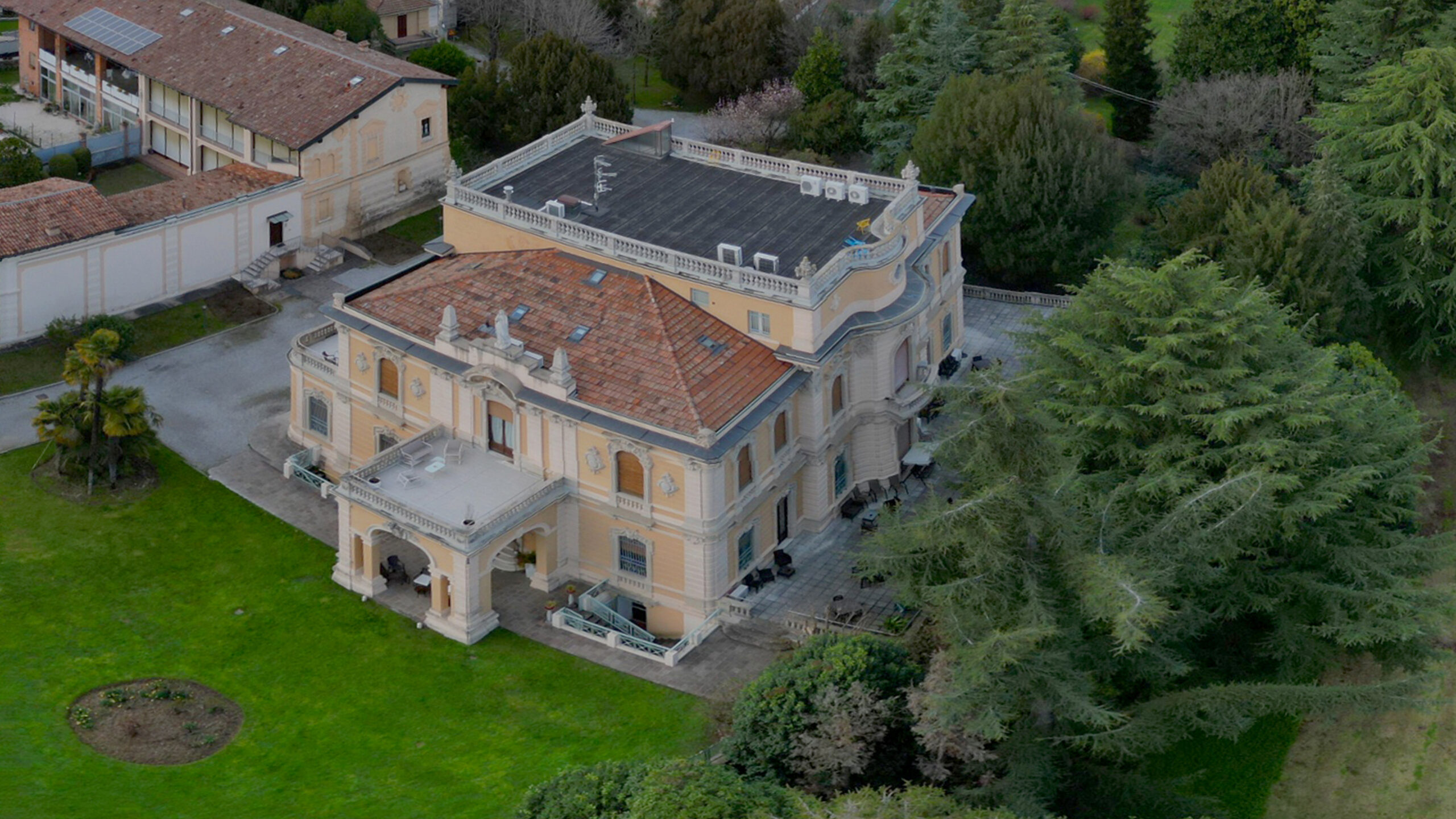
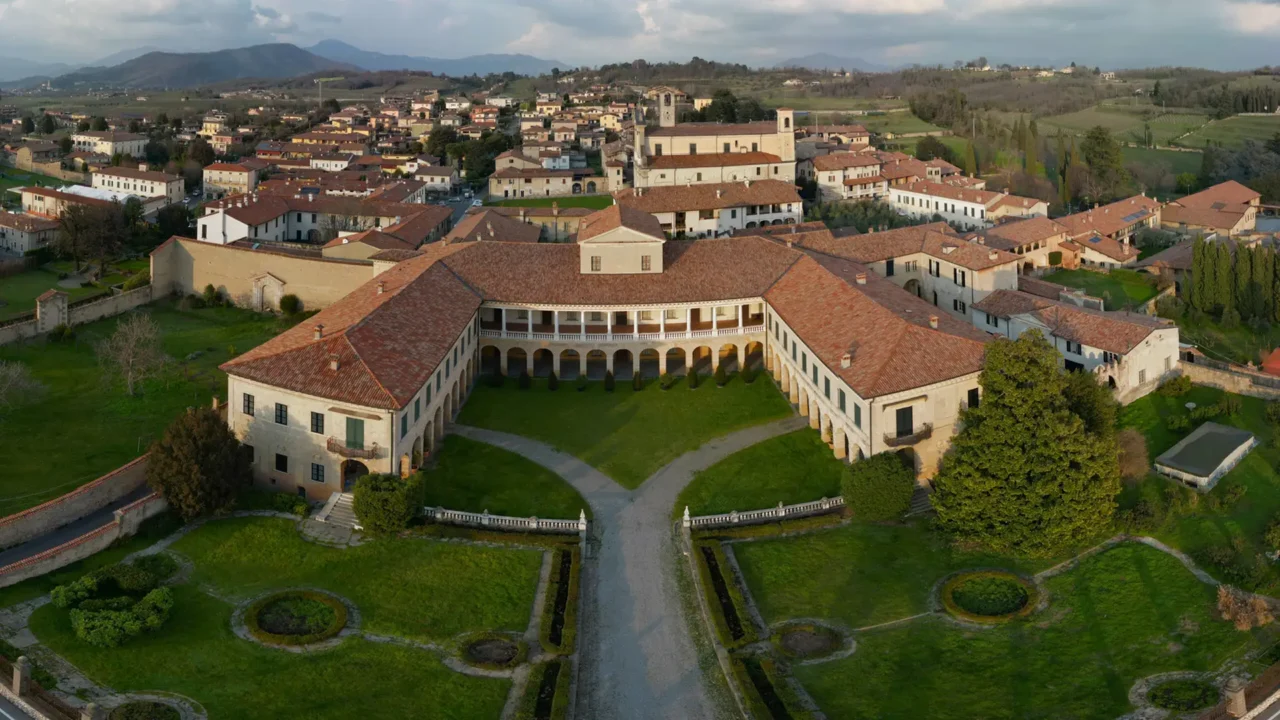
As with many historic homes in the area, the garden side, often graced with porticoes and larger openings to the outside, contrasts sharply with the austere façade. This is also true of Palazzo Monti della Corte: at the rear, an elegant porticoed atrium opens up, with large vaults supported by Tuscan columns, terminating in three luminous arches on the façade, overlooking a large landscaped garden. Above the arches, the second floor features a series of windows, surmounted by the small openings of the mezzanines.
The glass gallery and the neo-Renaissance loggia
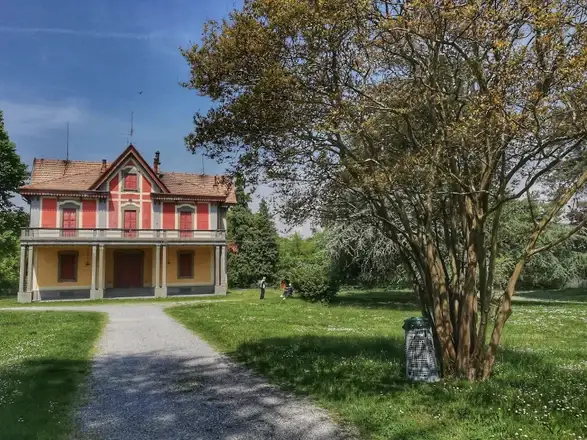
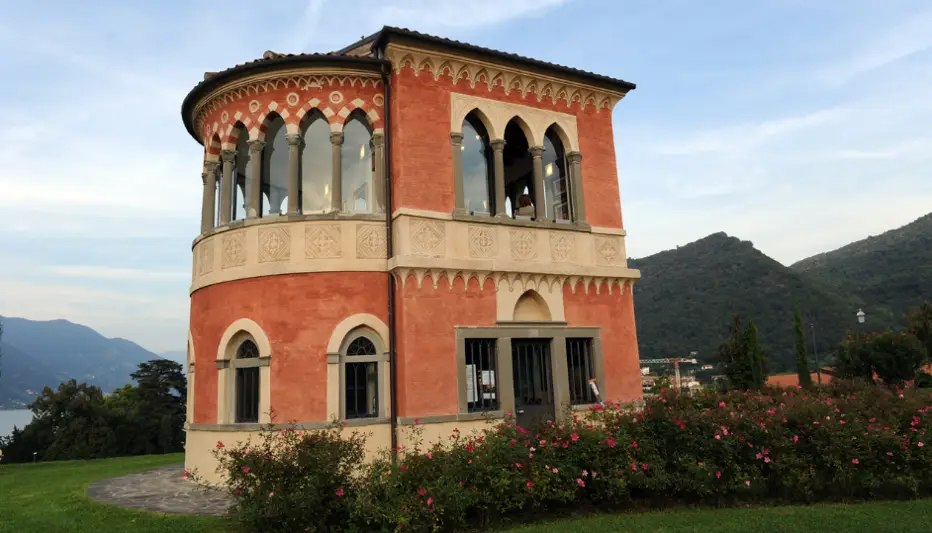
The result of a later addition is the delightful extension onto the garden, characterised by a gallery with glass arches and a neo-Renaissance-style loggia.
Grand Staircase and Blue Room
Inside, the villa still preserves numerous historic rooms: the grand staircase leads to the spacious and bright gallery on the main floor, which overlooks, right in the center, the Blue Room, so called because of the color of its walls, dominated by a large fireplace and richly furnished with period furnishings.
Links and useful information


Visiting Hours: Open for events and special openings of the Italian Historic Houses Association.
Privately owned property