Lana Palace, now Ragnoli
- Home
- /
- Arte e cultura
- /
- Historical buildings
- /
- Lana Palace, now Ragnoli
The commission for Guerriero II Lana
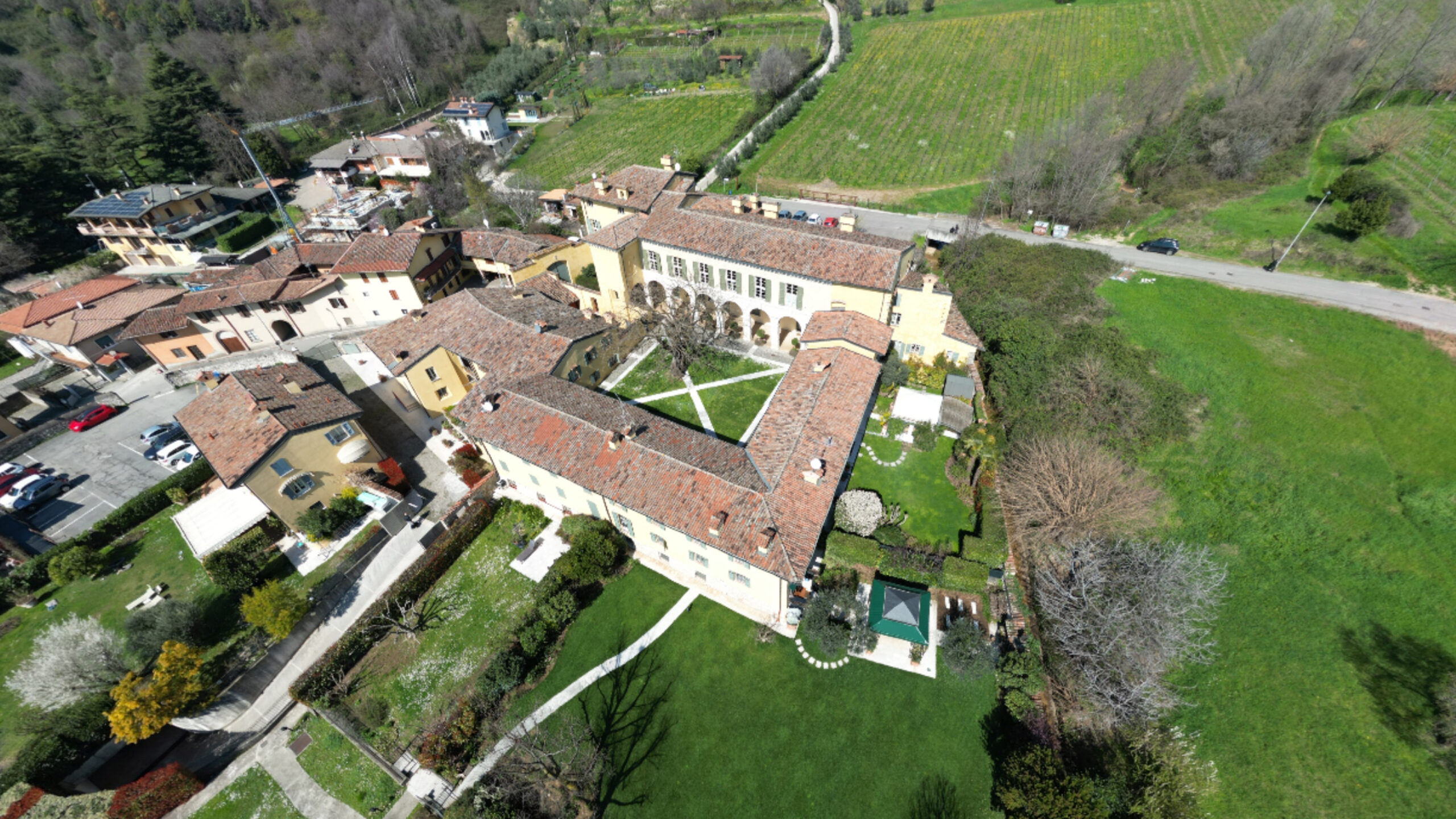
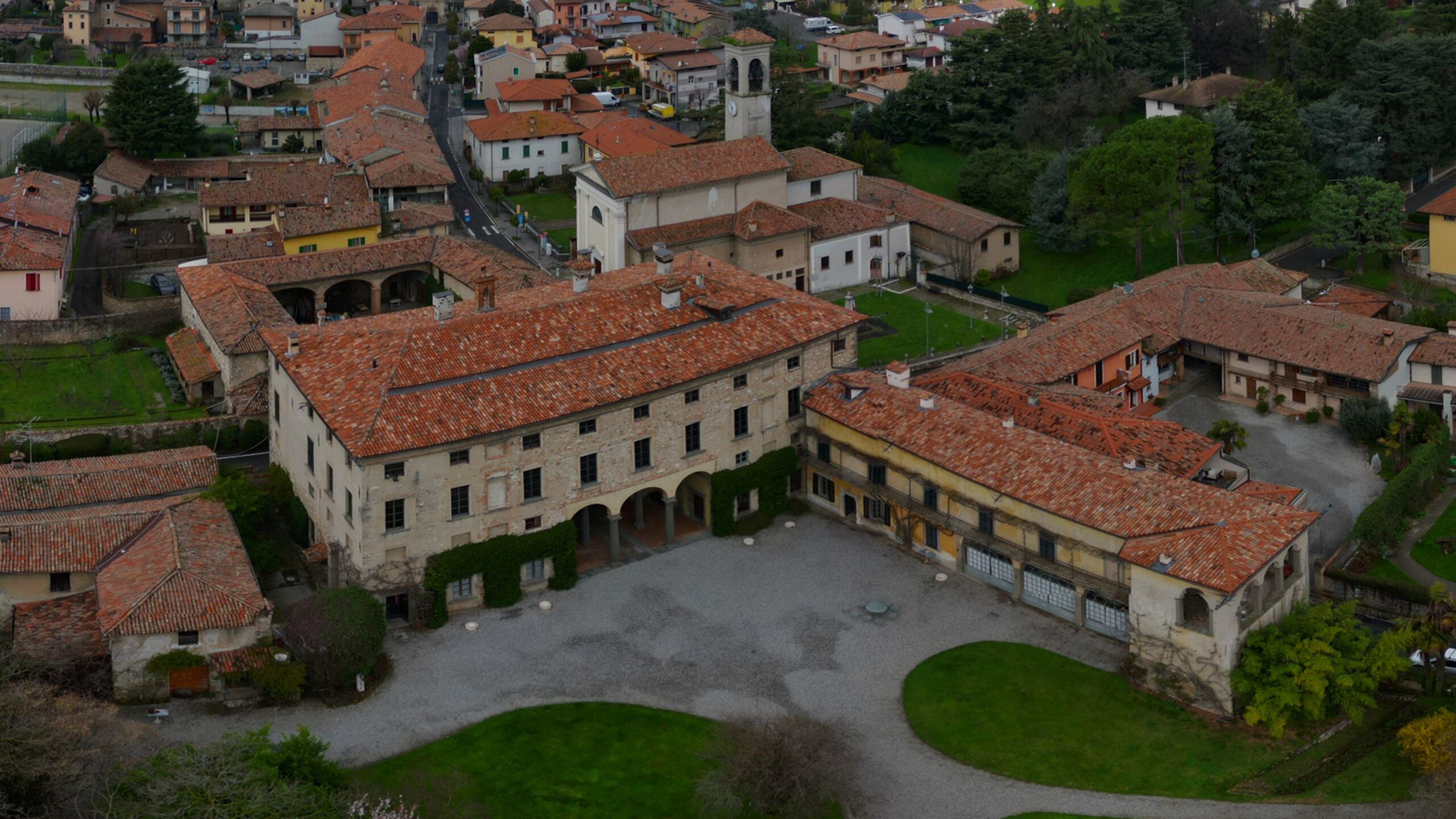
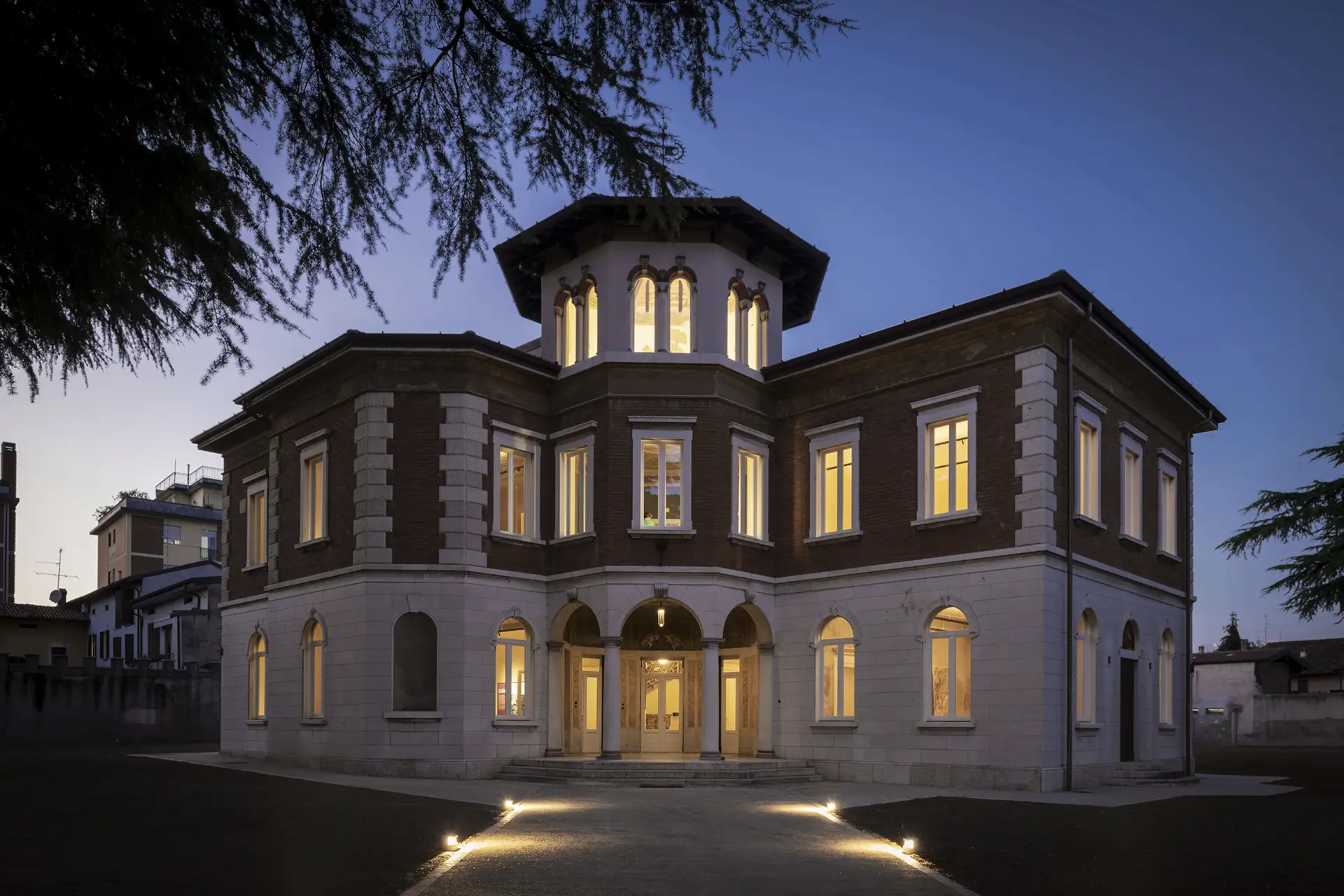
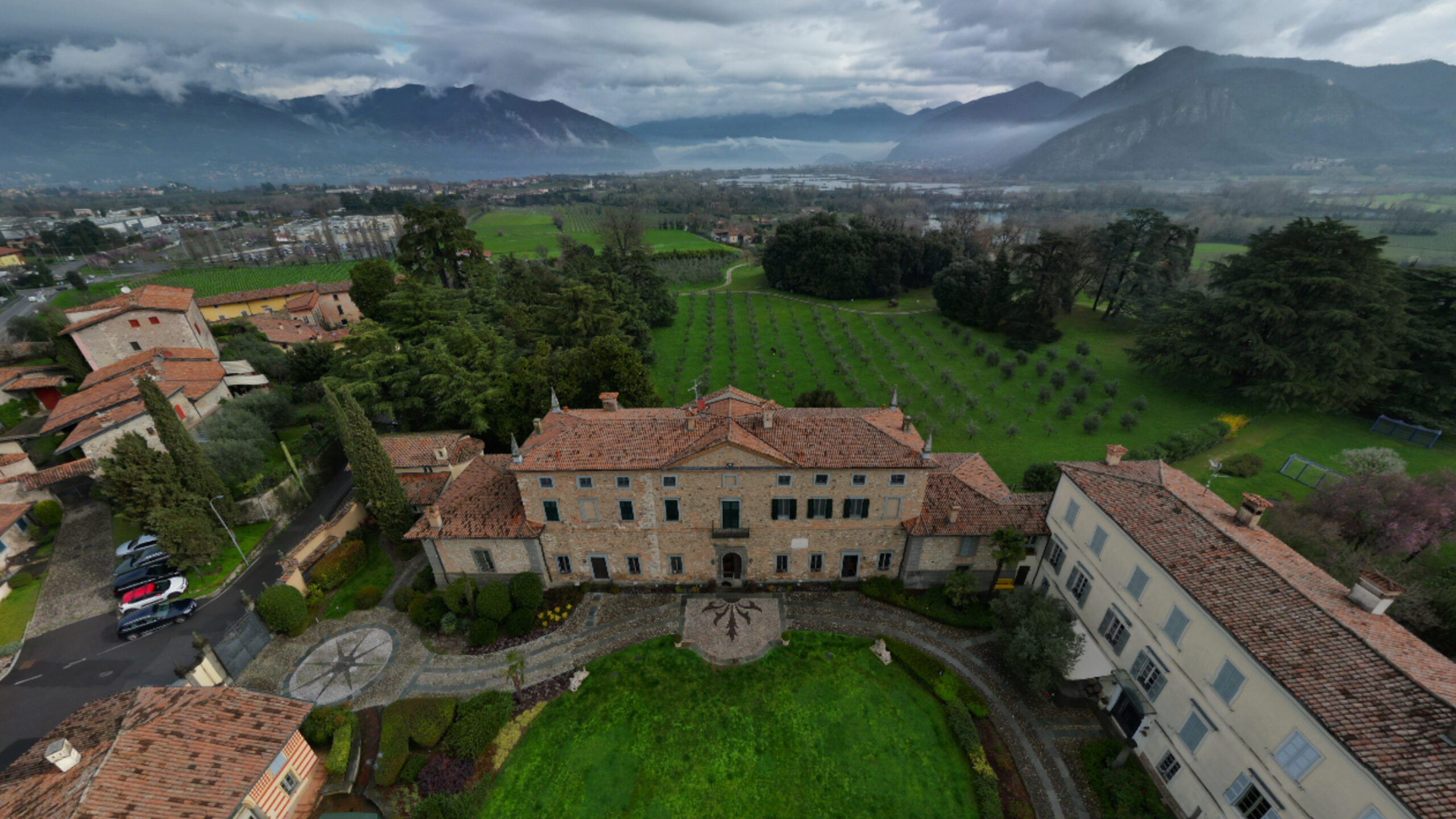
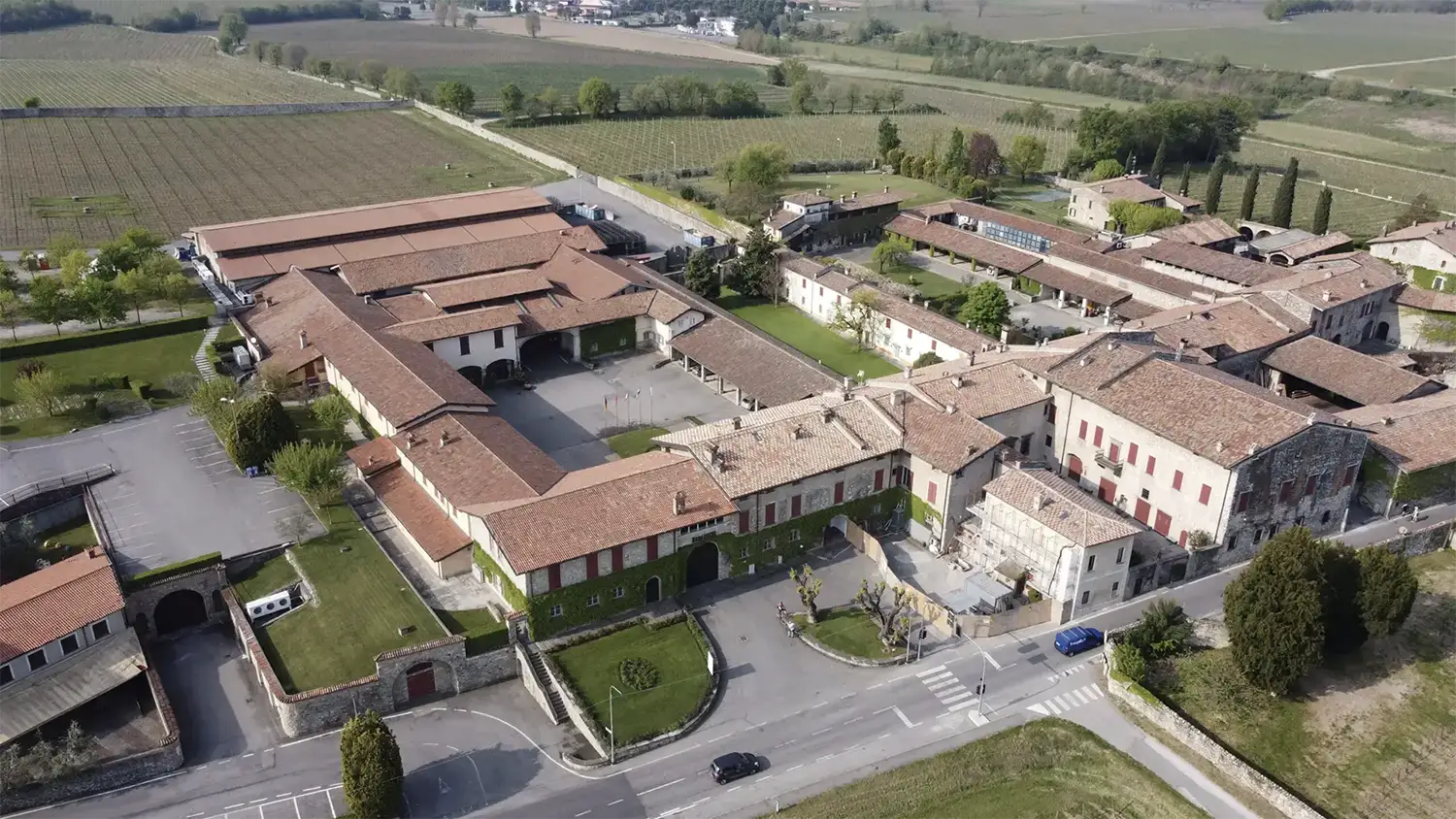
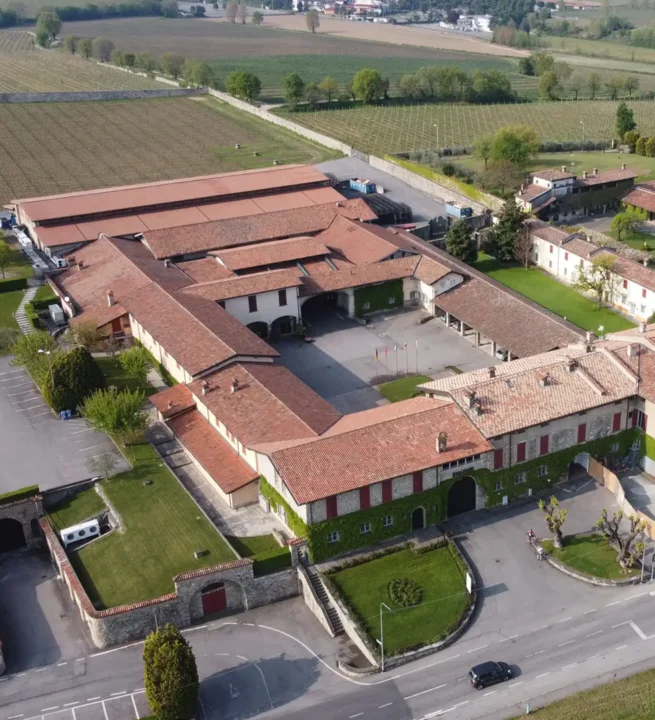
An important historic building in Colombaro, Palazzo Ragnoli owes its current appearance to the commission placed by Guerriero II Lana, a prominent figure from the noble Lana Terzi family.
Architectural layers from the 15th to the 17th centuries
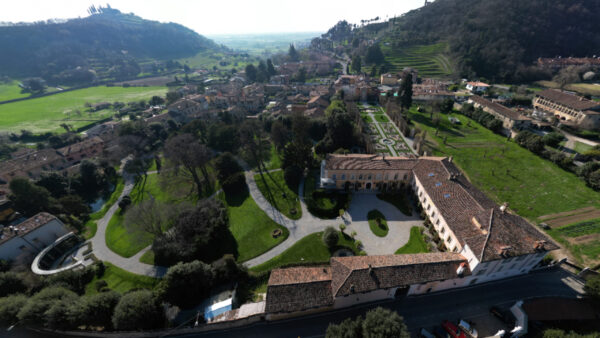
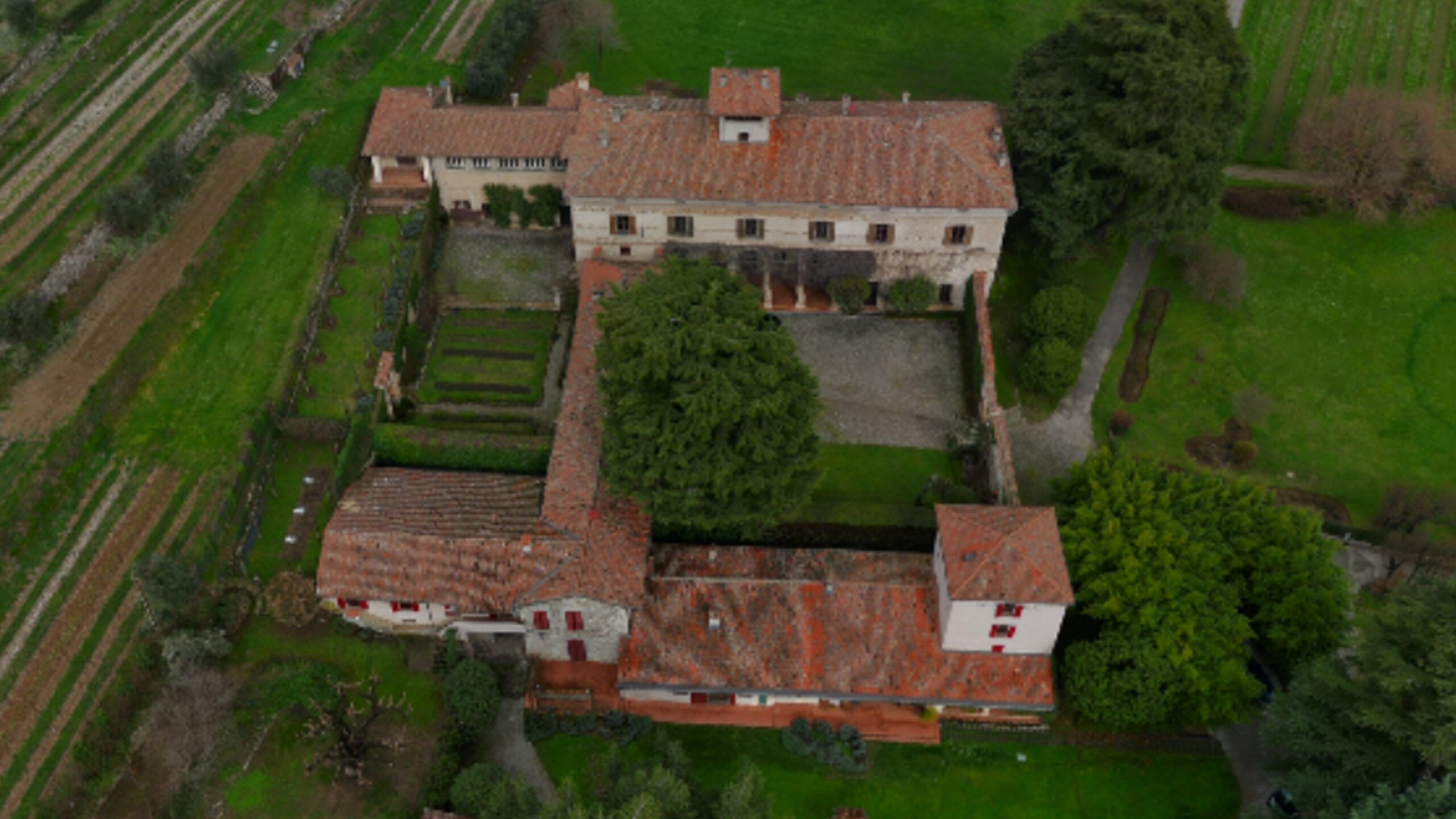
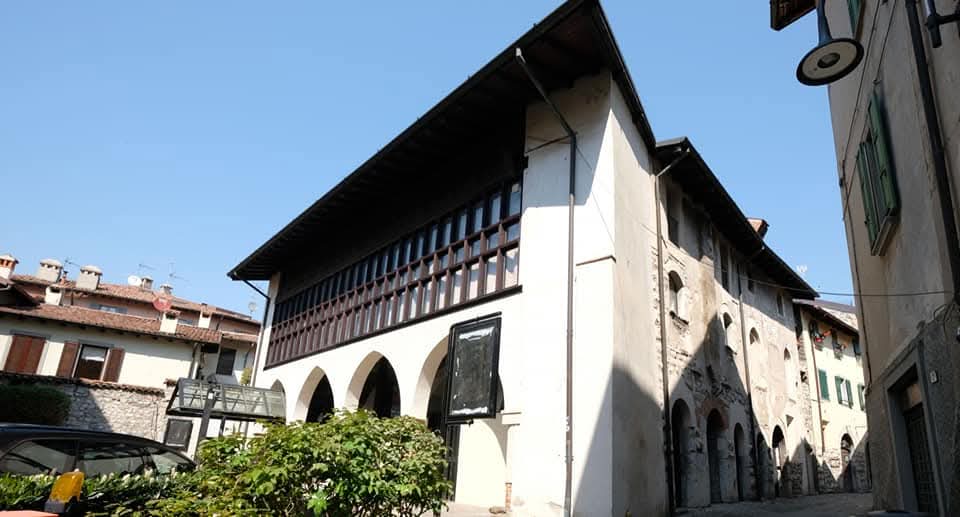
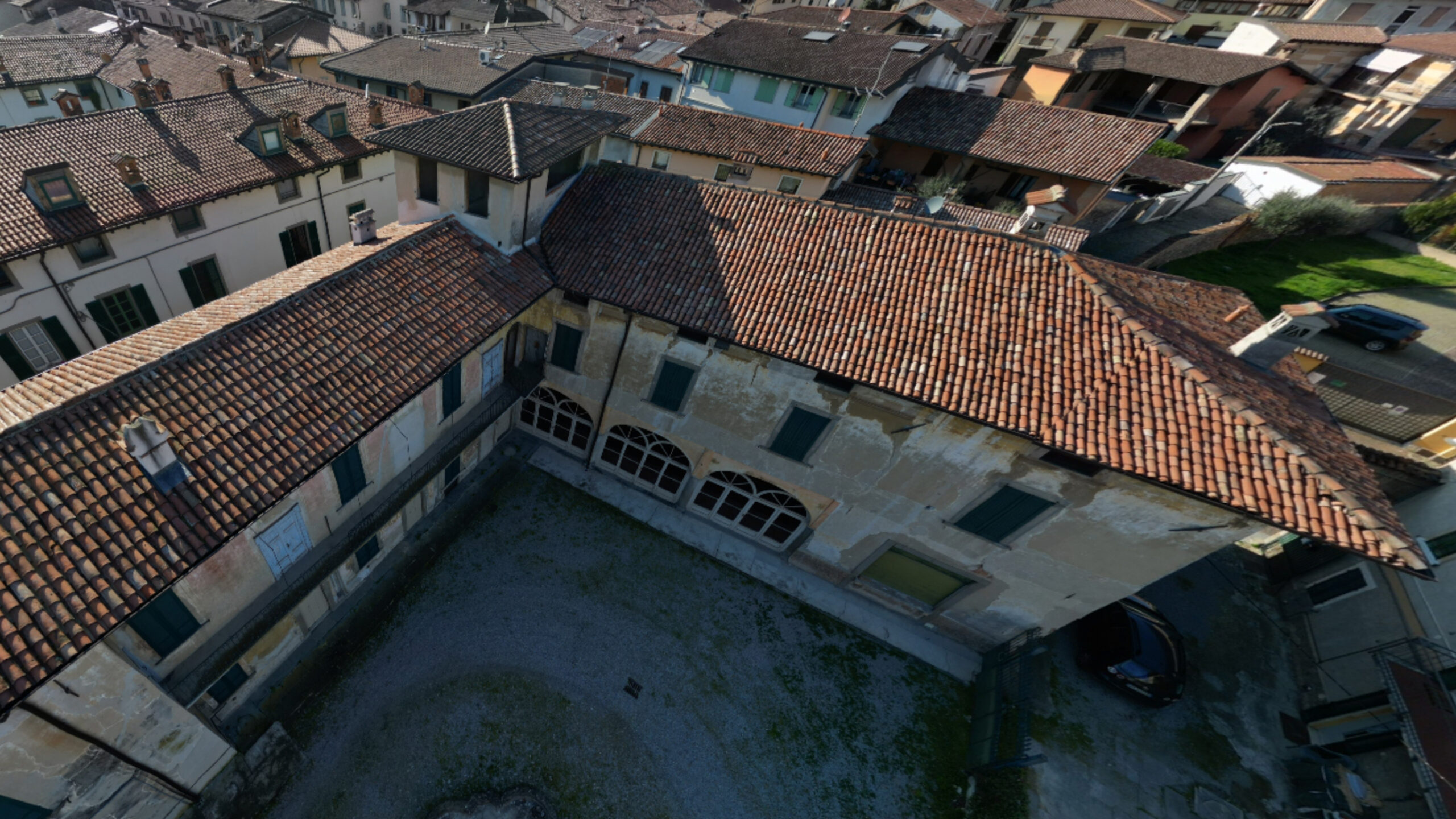
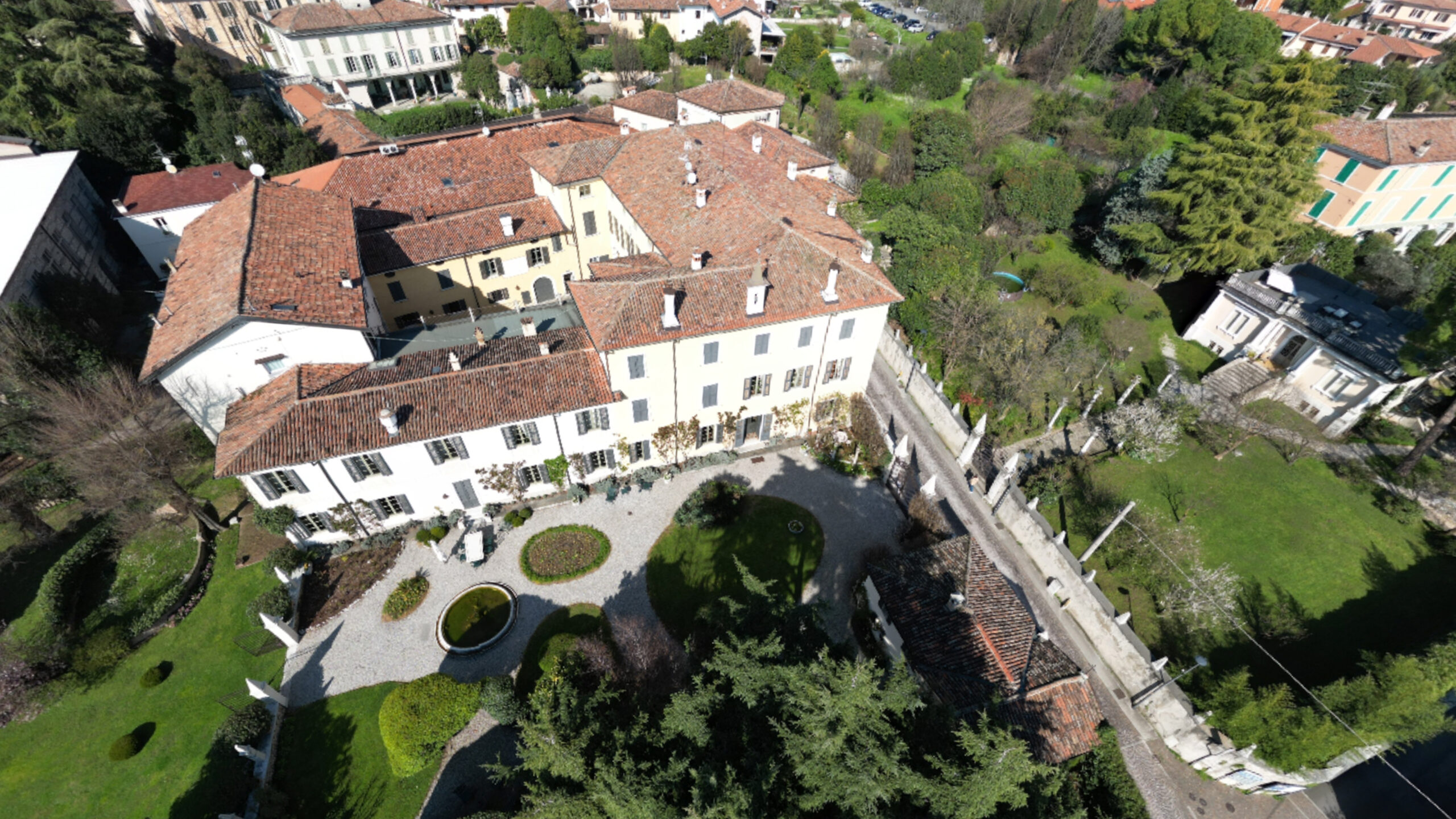
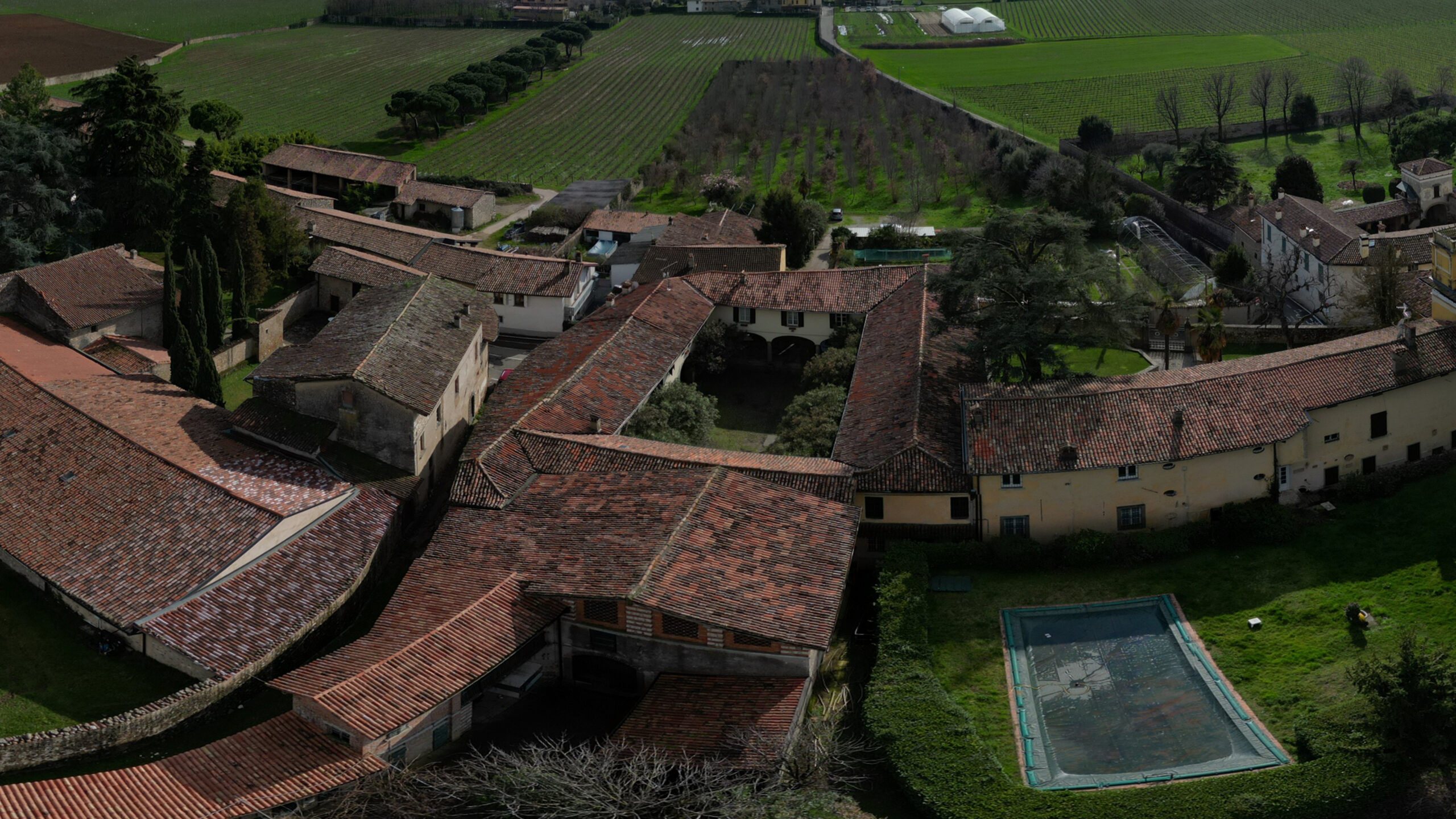
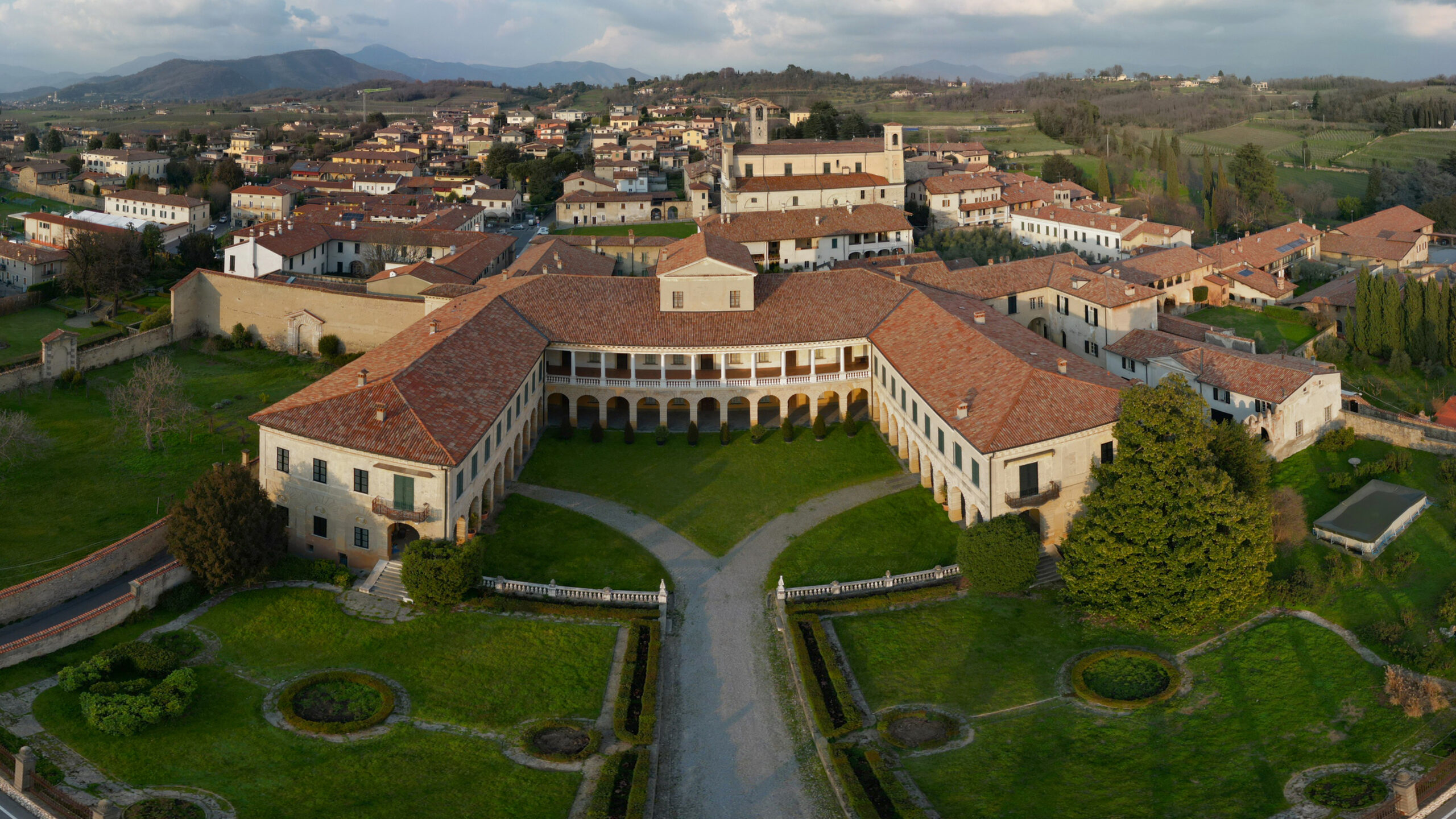
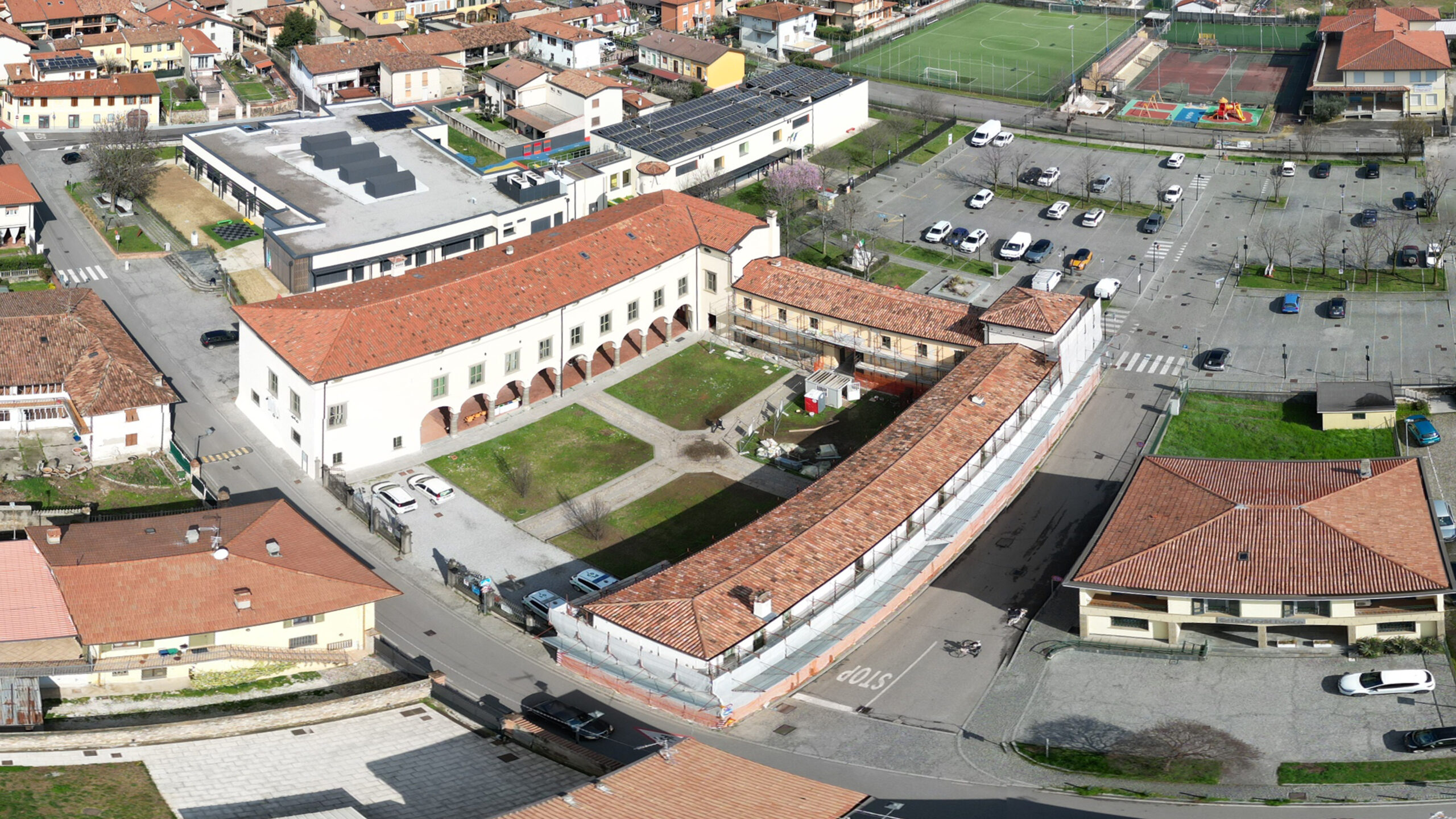
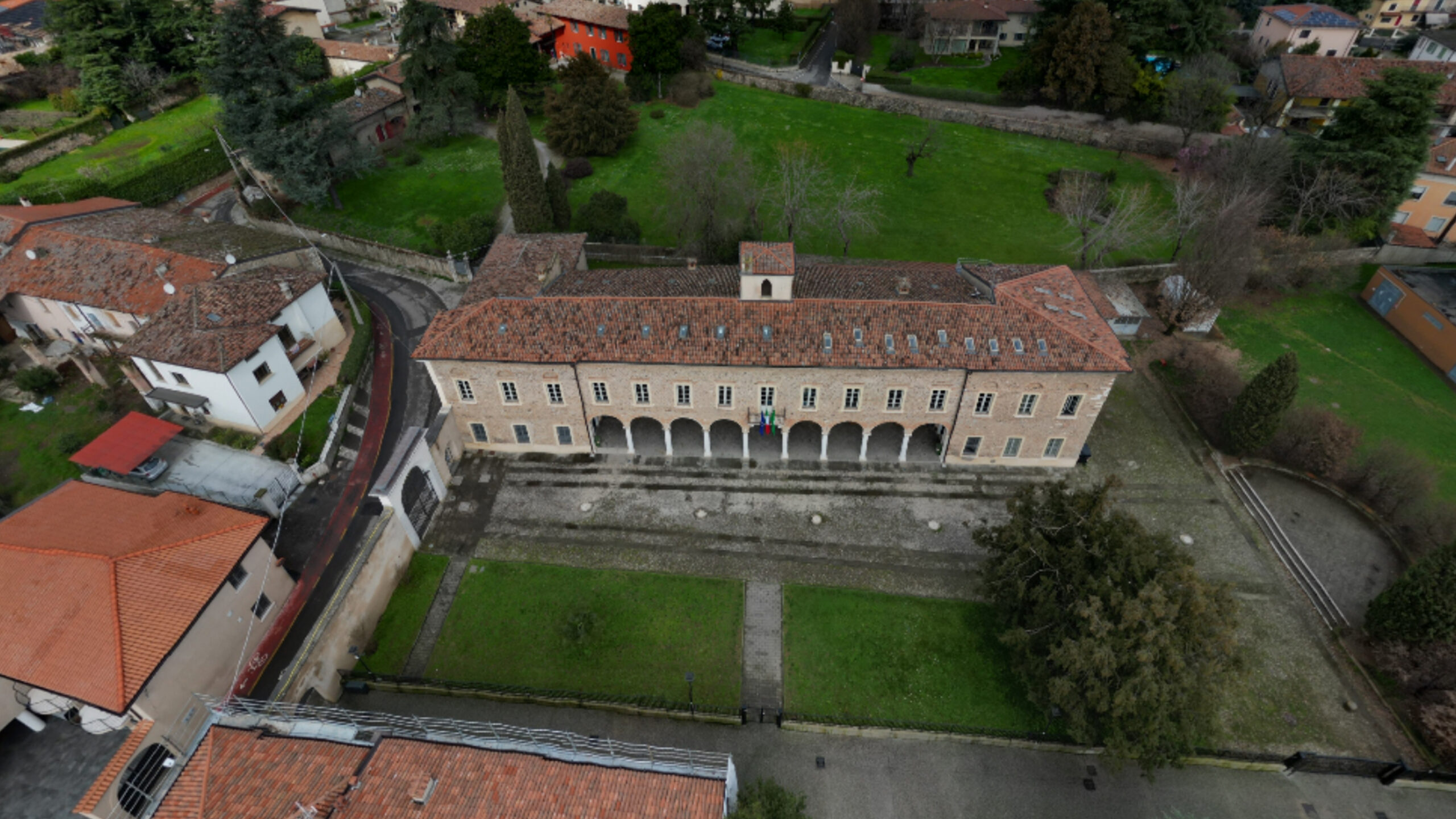
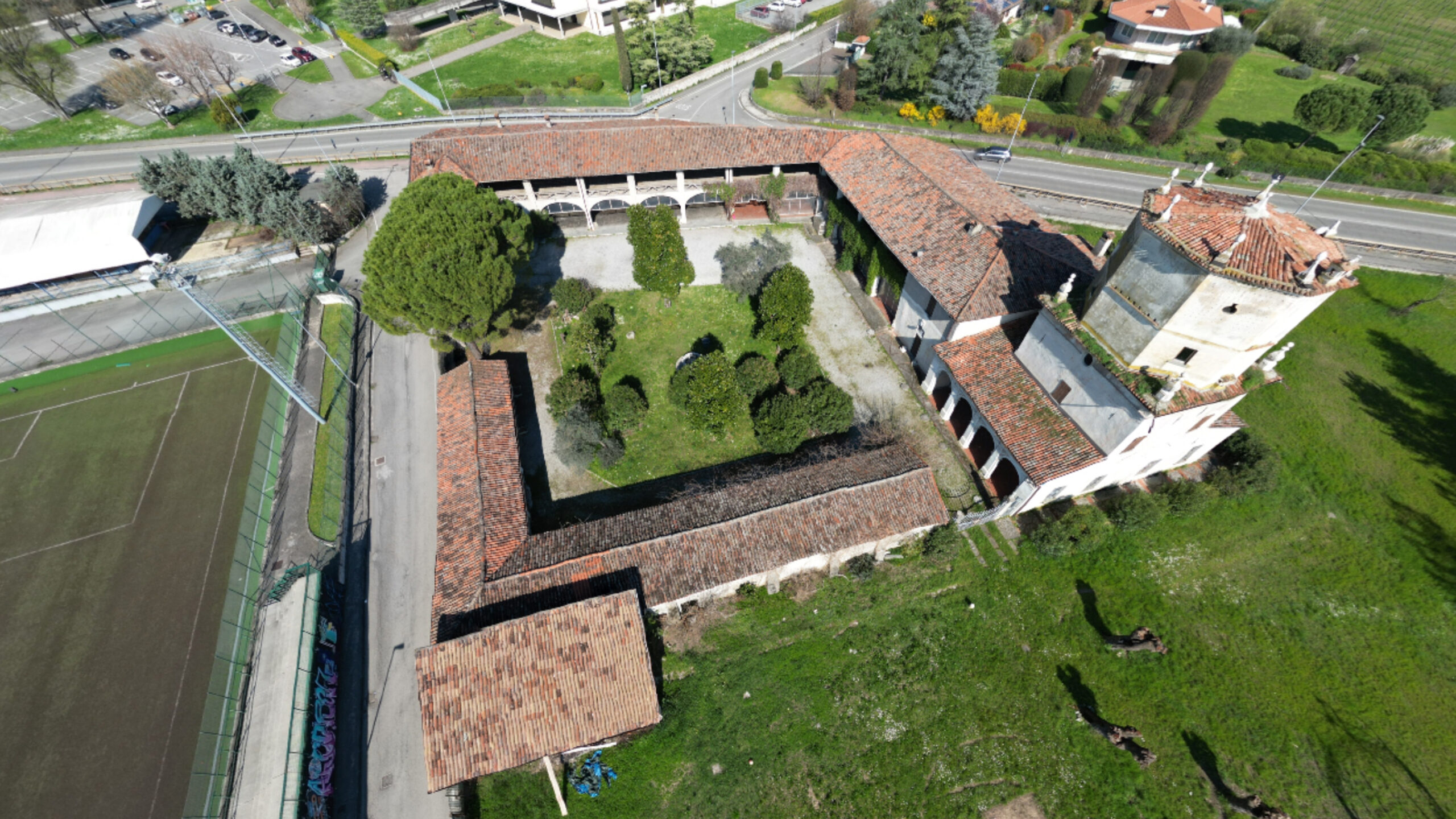
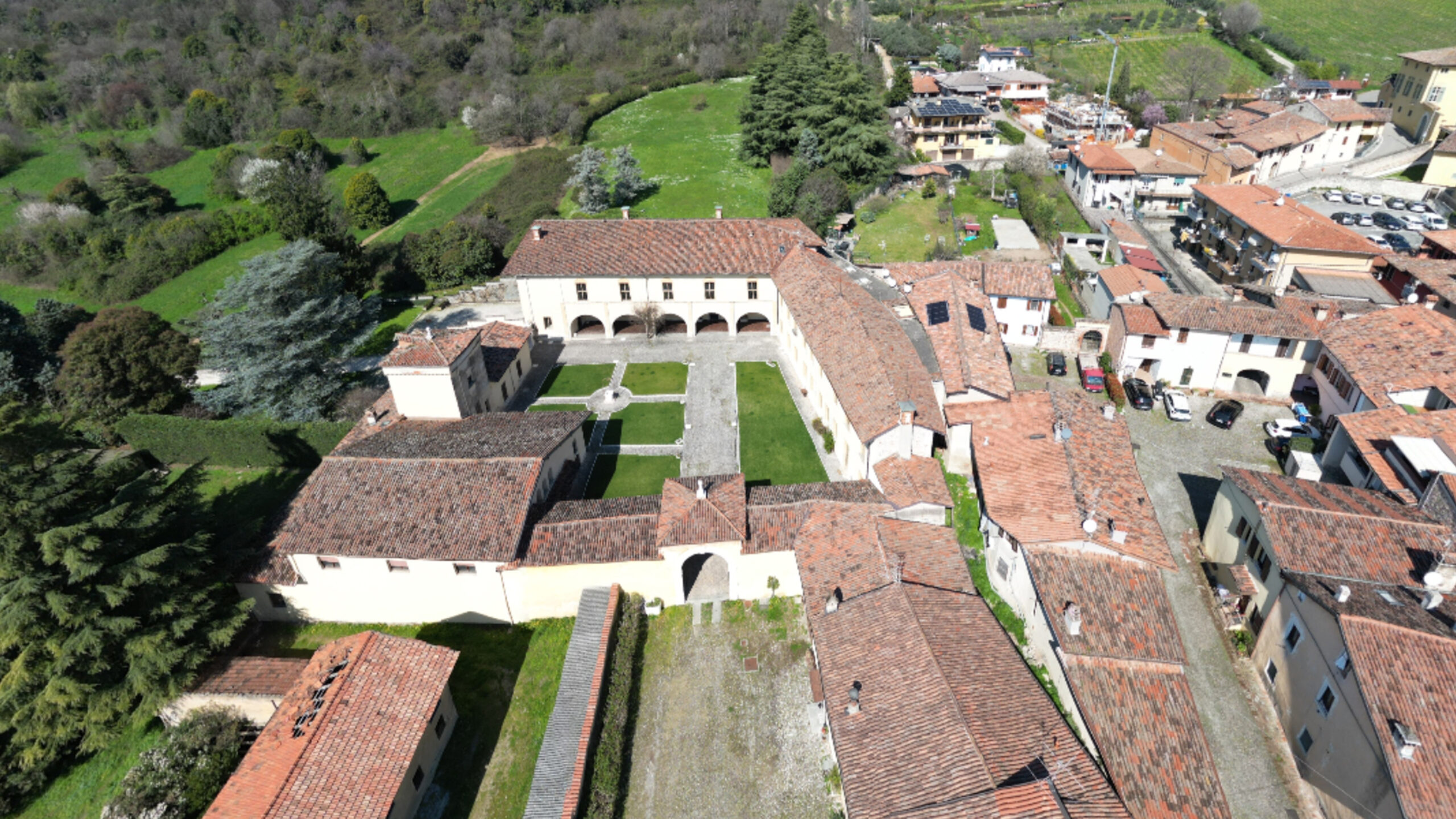
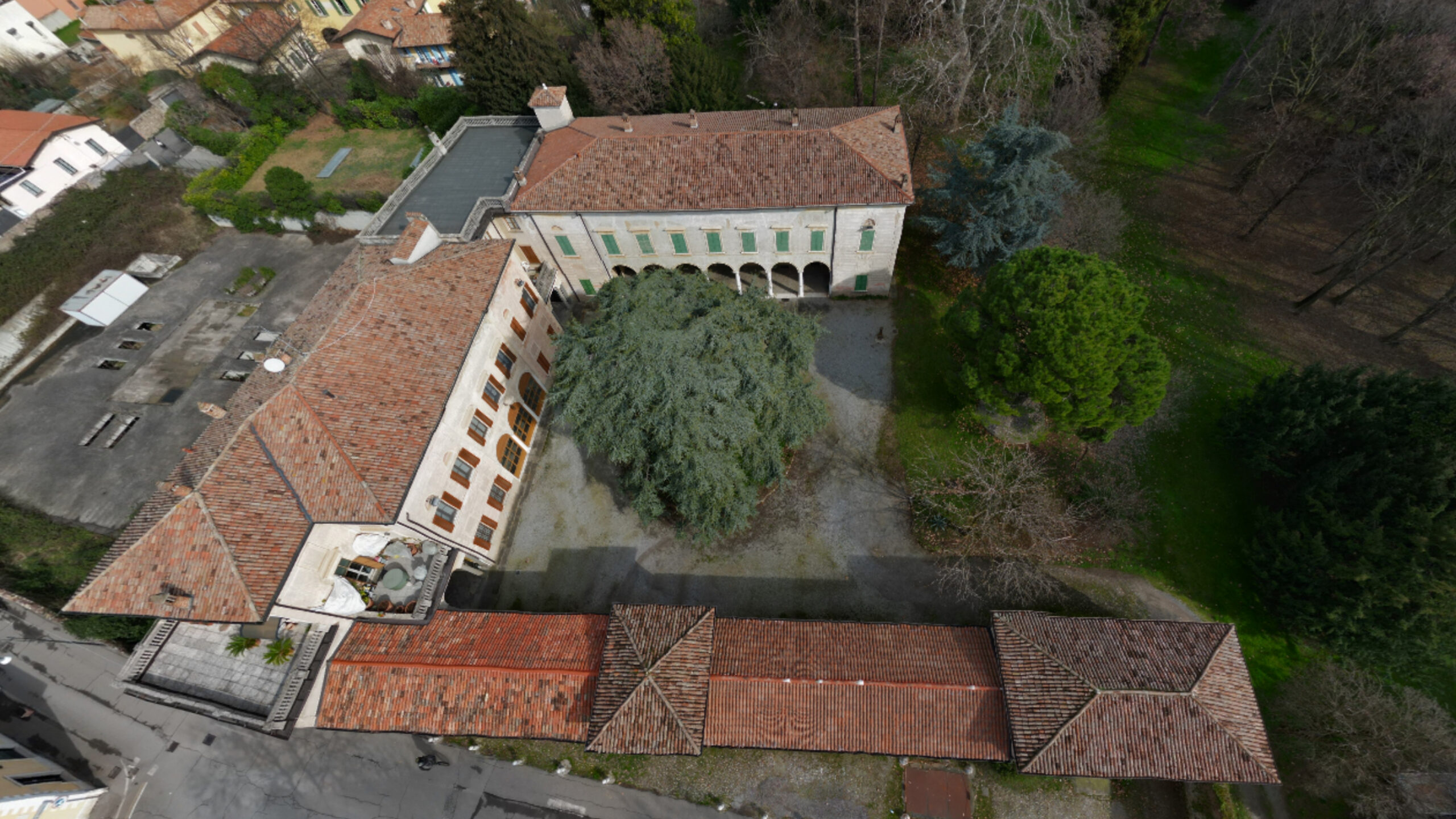
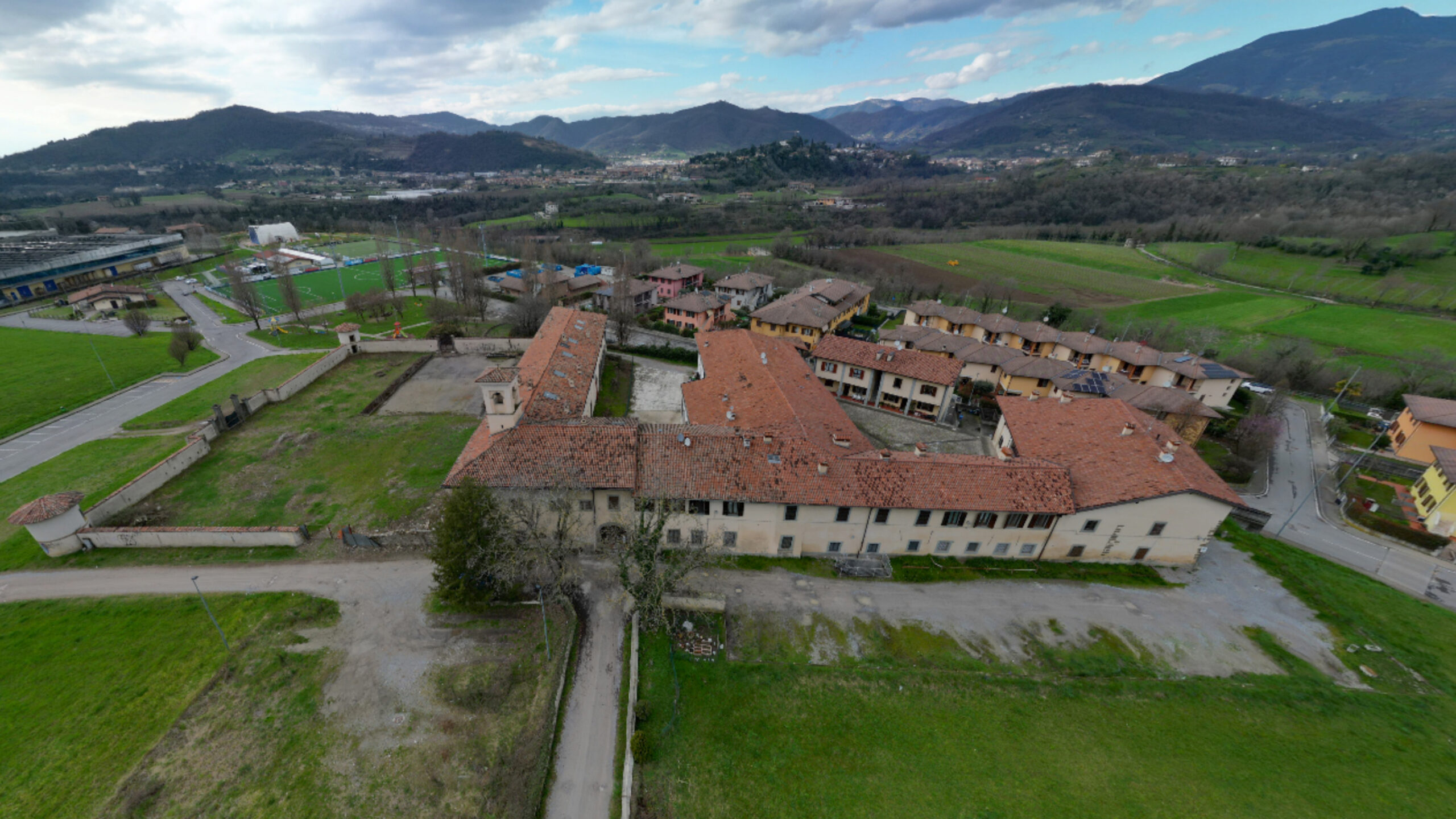
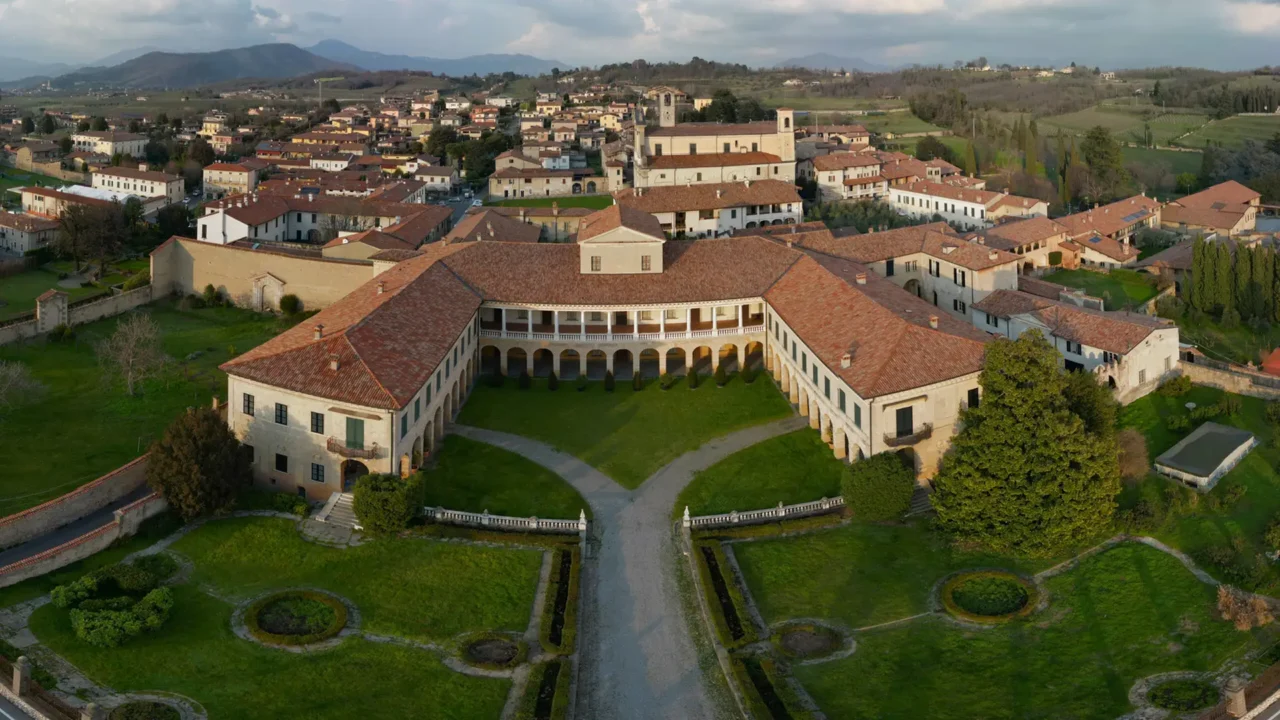
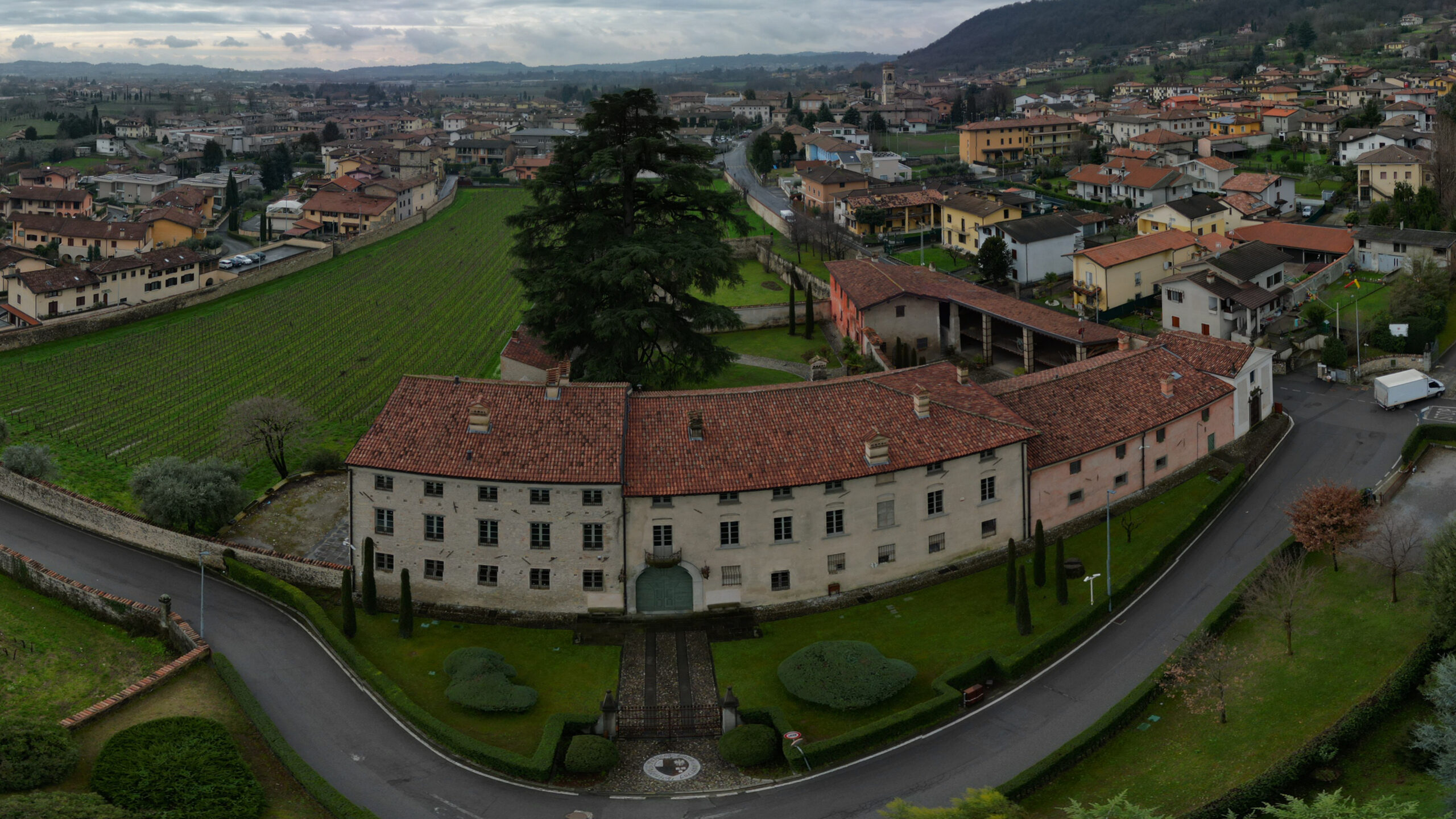
Rather than a single palace, it takes the form of a veritable building complex, comprising different structures with distinct functions: three distinct architectural elements follow one another on the north side, forming the main core of the palace, which, rebuilt or extended in the 17th century, is, in all likelihood, of an earlier origin. On the ground floor, in fact, the room facing the courtyard still bears visible traces of a portico belonging to an ancient building dating back to the 15th century, featuring a large portico formed by four cross-vaulted bays overlooking the garden. The exquisite painted wooden ceilings and the Renaissance-style floral decoration belong to this original structure.
The 17th-century layout and subsequent extensions
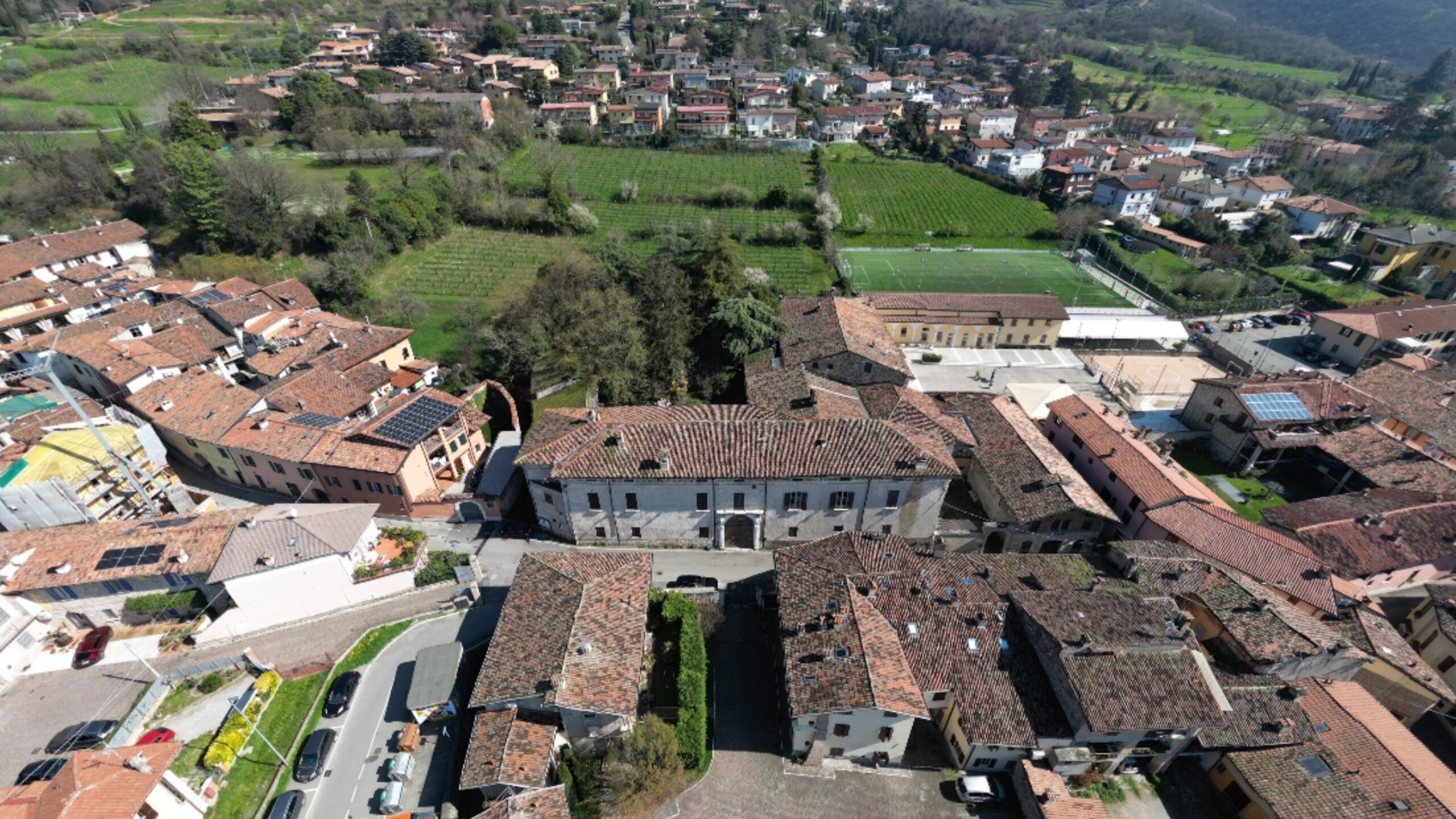
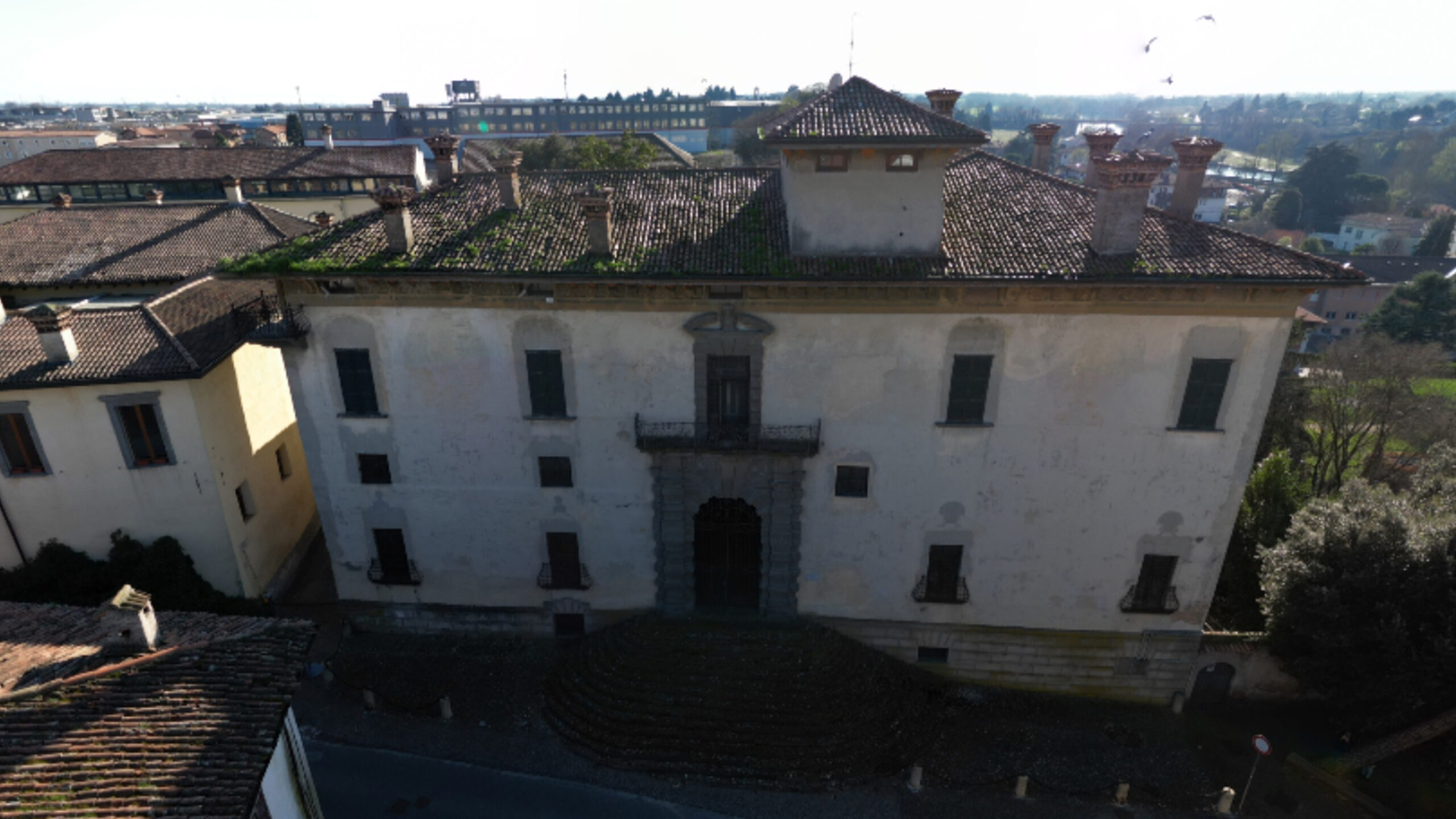
Like Palladian-style villas, this 17th-century residence, however, retains a precise division of its rooms according to function. The main part of the complex consists, in fact, of the residential building, which stands out for the evident compositional elegance of its façade, characterised by a central doorway facing the road leading to Clusane, surmounted by a small wrought-iron balcony. The façade is devoid of ornamental motifs and punctuated by regular windows, which mark the two main storeys, aligned with the small openings on the mezzanine level. This group of architectural blocks is joined by a second, later building, dating from the following century, which was never completed.
The noble family chapel and its dedication to Our Lady of Tirano
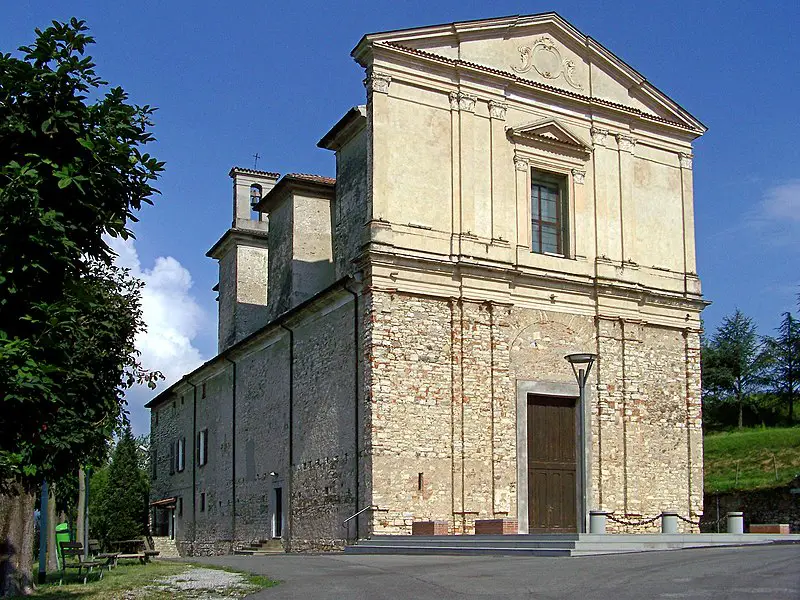
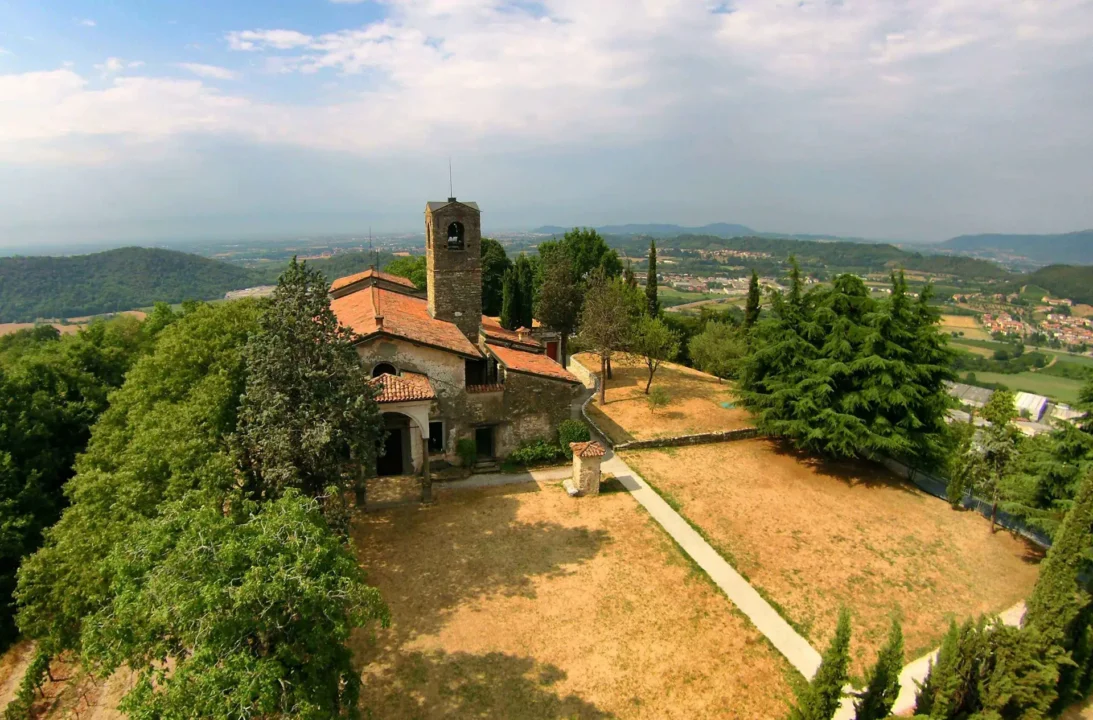
On the corner, acting as a dividing line between the two wings of the building, stands the family chapel, intended for the family’s private use, with a simple temple-style façade: its specific dedication to Our Lady of Tirano, to whom the most important Marian shrine in Valtellina is dedicated, is due to its patron, Anna Quadrio, a descendant of a noble family originally from that area, who married Count Guerriero II in 1687.
The post-wedding celebrations
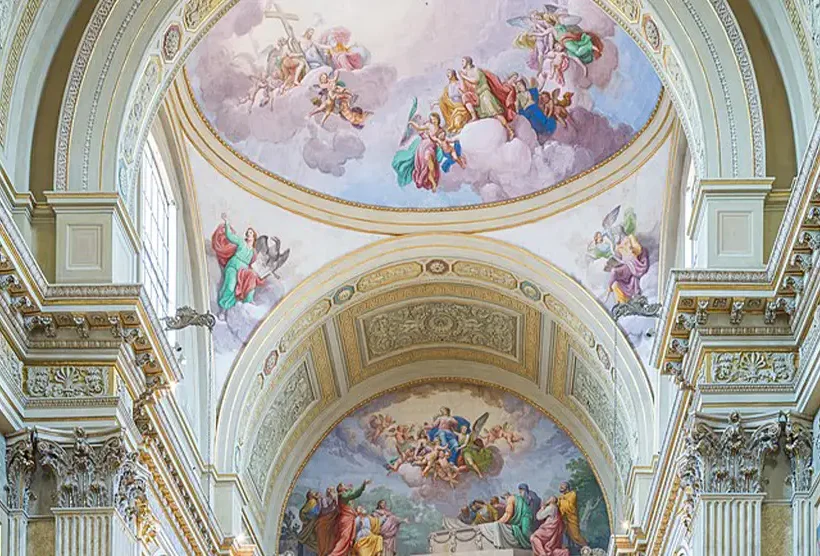
The marriage was of great importance to both families and, as was customary, to celebrate the union of the two houses, the Colombaro palace was decorated with a new cycle of frescoes, both inside and out, designed to honour the figures of the patrons. Inside, a succession of rooms is adorned with Sarnico stone entablatures surmounted by Baroque pediments and painted walls, where celebratory and military subjects are combined with sacred narratives. The rooms are marked by the combined coats of arms of the Lana and Quadrio families.
The dovecote tower and military campaigns
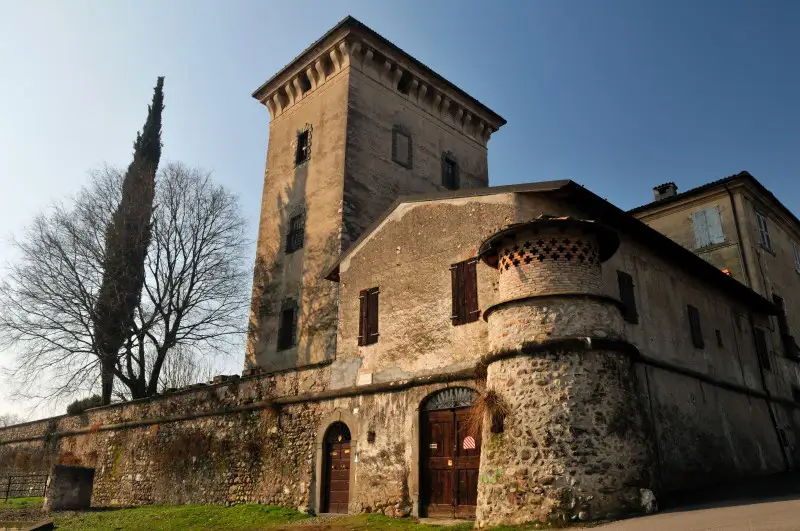
The walls of the dovecote tower, an architectural structure with a rectangular plan and a large open archway at ground level, aligned with the main entrance of the palace, are also adorned with the Lana family’s coats of arms and depictions of armed knights. These decorations celebrate the military achievements of Guerriero II, an officer in the Habsburg army who distinguished himself through his steadfast campaigns against the Ottomans and was consequently created a count in 1682 by Pope Innocent IX.
The Ornamental Garden, the Kitchen Garden, and the Monumental Exedra
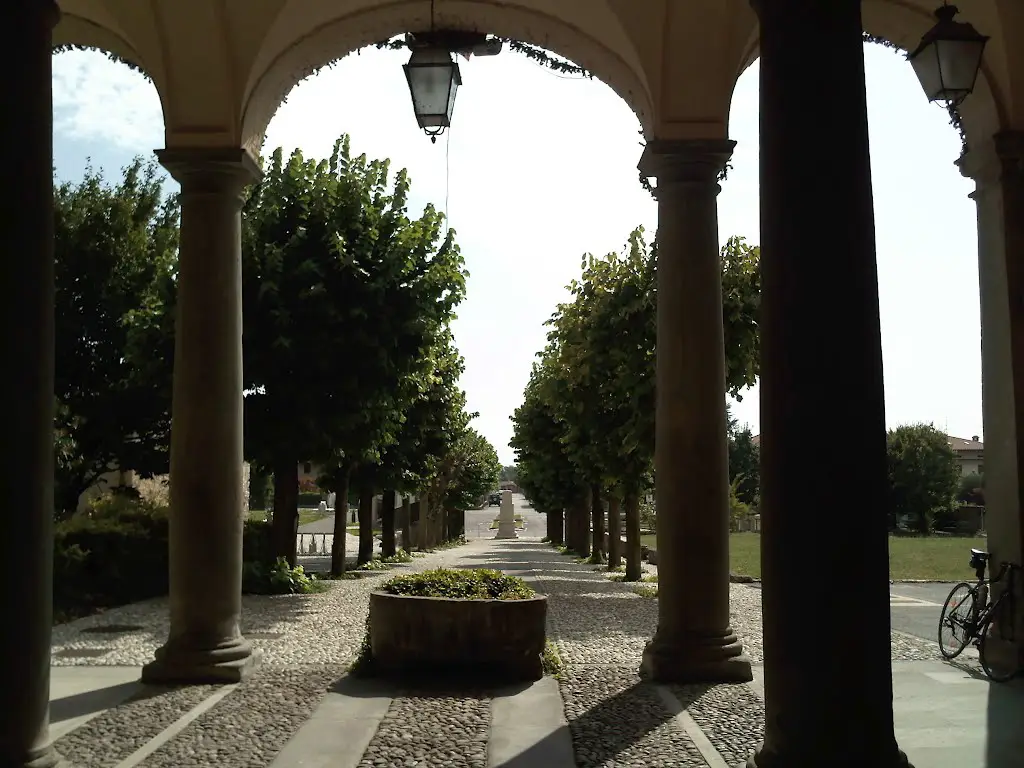
At the centre of the courtyard lies the lush ornamental garden, laid out according to the principles set forth in the flourishing horticultural treatises of the period. Dominated by a majestic centuries-old cedar, it comprises a formal garden, a kitchen garden, and, within an area once enclosed by a pergola, an orchard. The entire southern section is occupied by the brolo, a walled orchard and kitchen garden aligned with the central axis defined by the large archway of the tower. This perspective culminates in a remarkable monumental exedra, another tribute to the patrons. Beneath a depiction of the Annunciation with Saints Anne and Joachim, shown kneeling in prayer, appear the portraits of Guerriero II and Anna Quadrio.
Links and useful information


Opening hours: special viewings organised by FAI
Privately owned property