Folonari Palace, formerly Sala
- Home
- /
- Arte e cultura
- /
- Historical buildings
- /
- Folonari Palace, formerly Sala
A historical context between the town hall and the Sanctuary of the Star
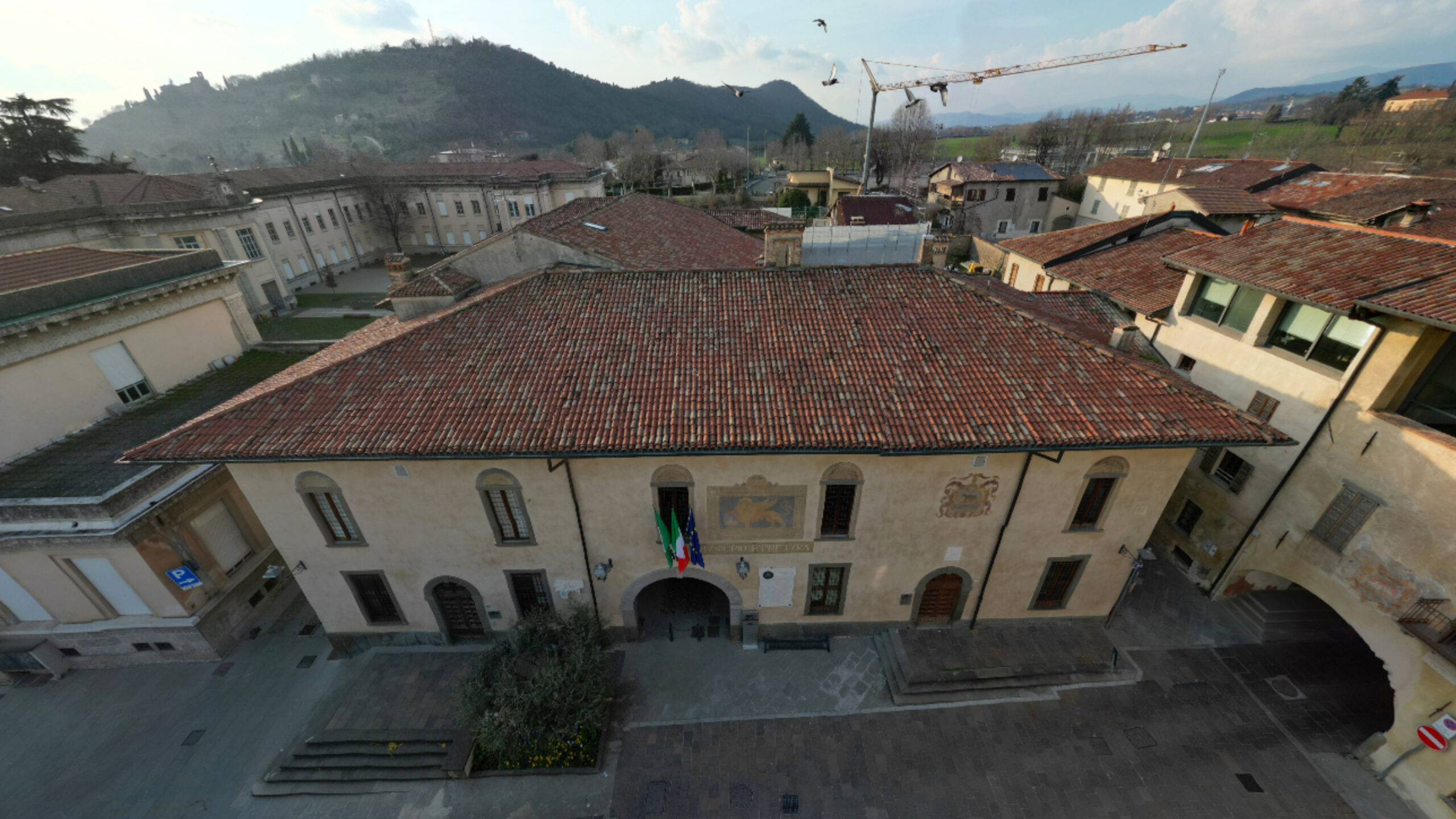
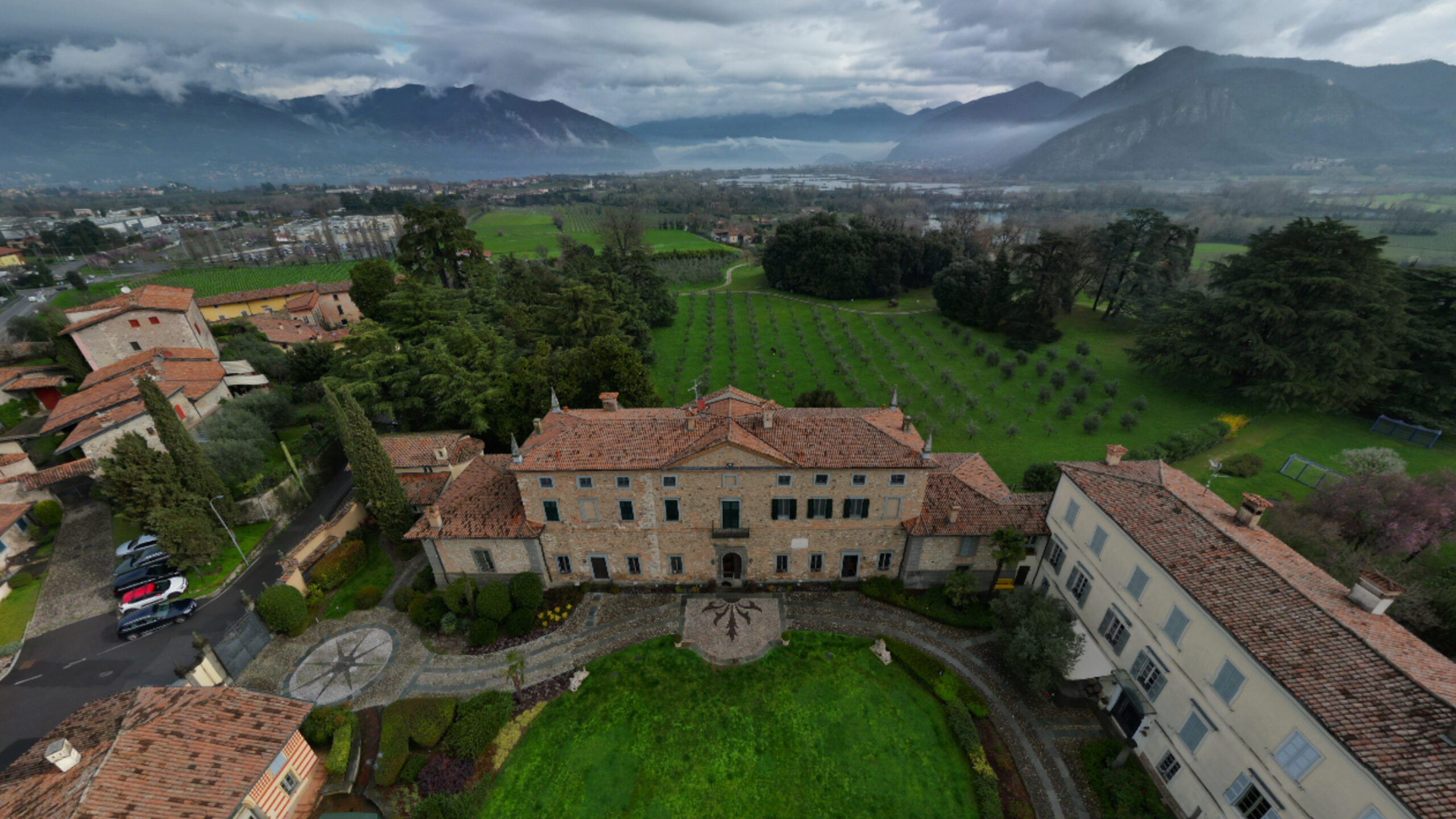
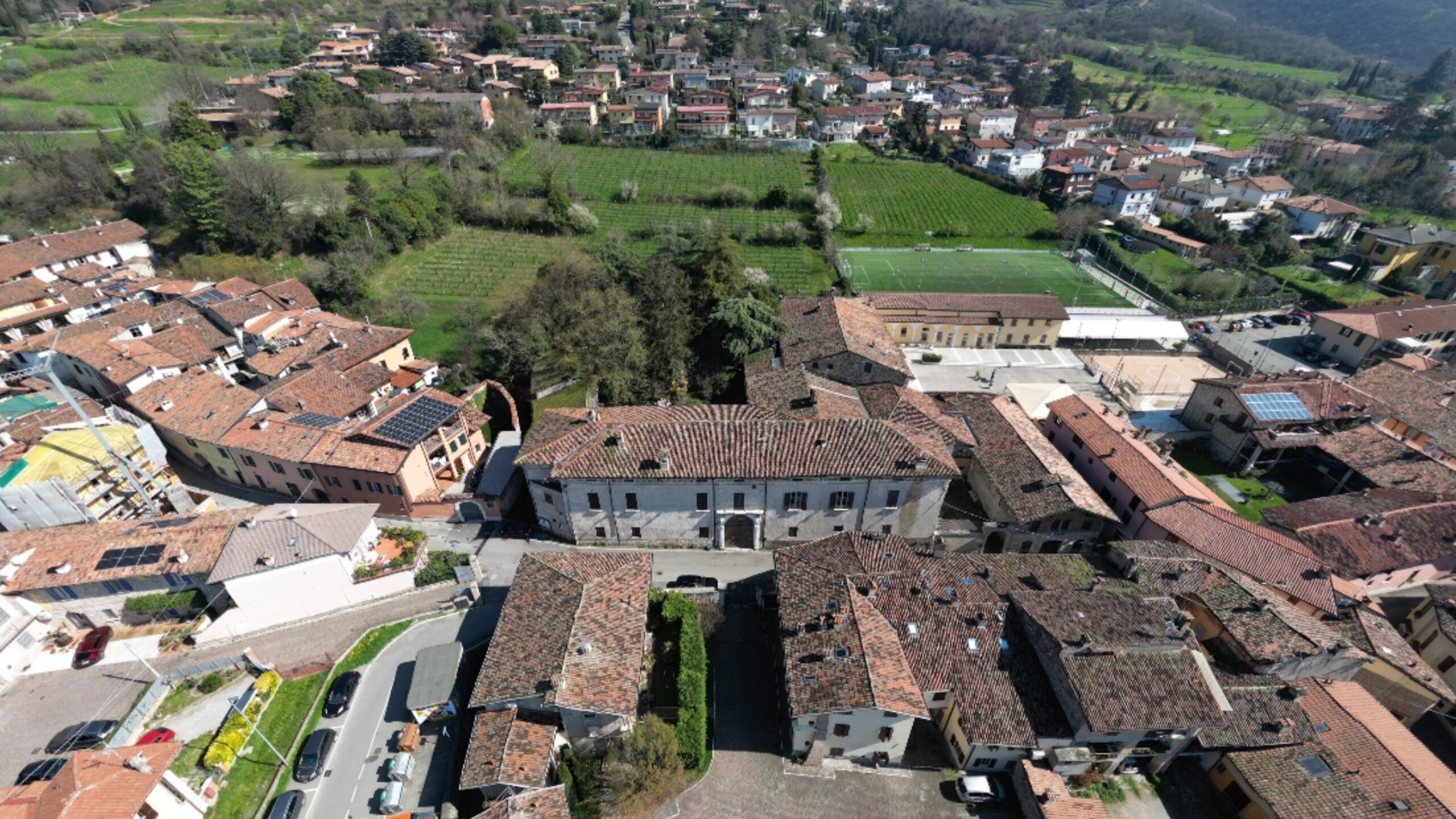
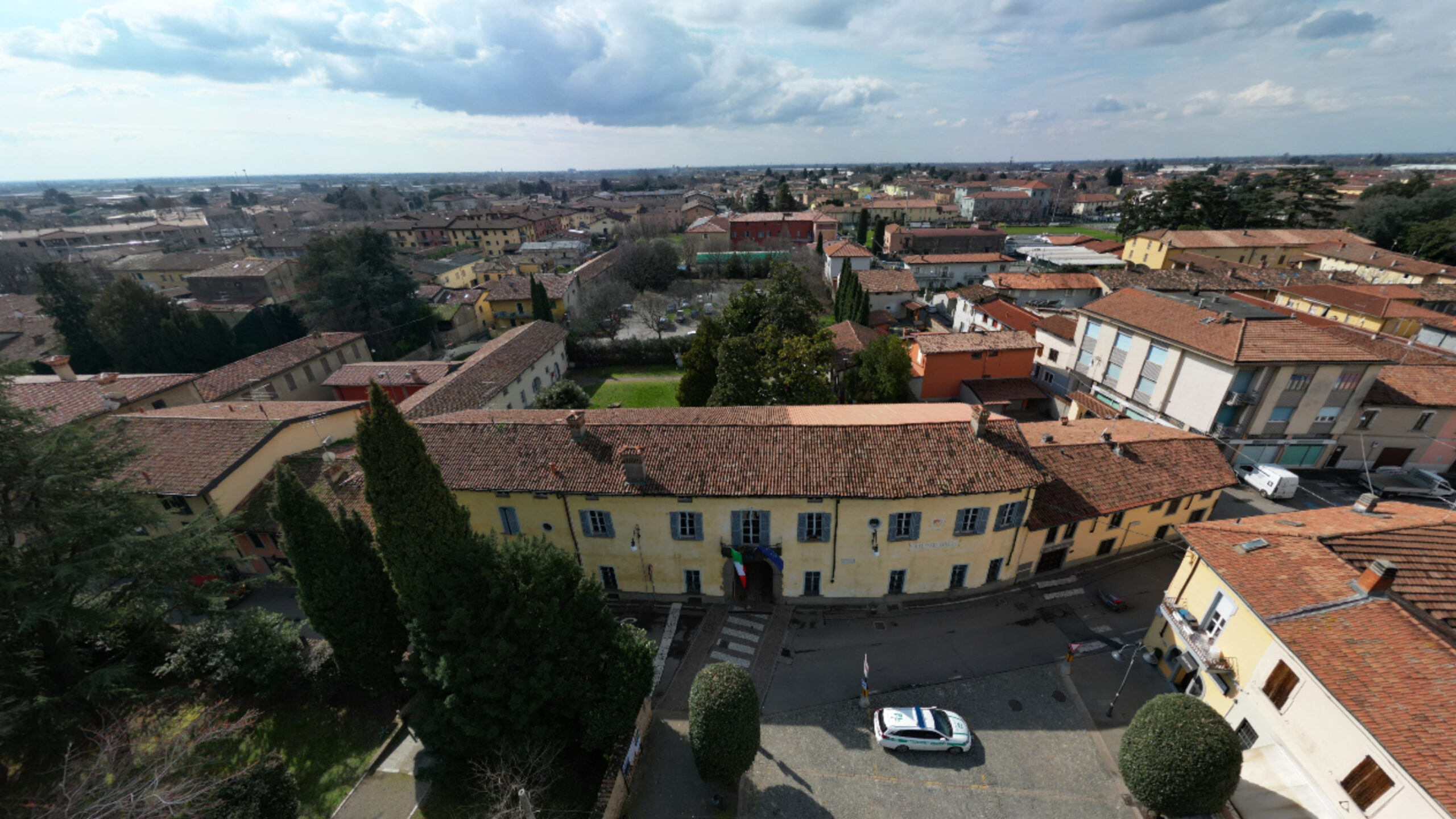
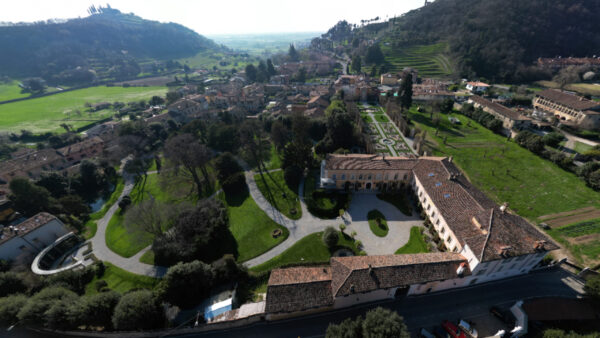
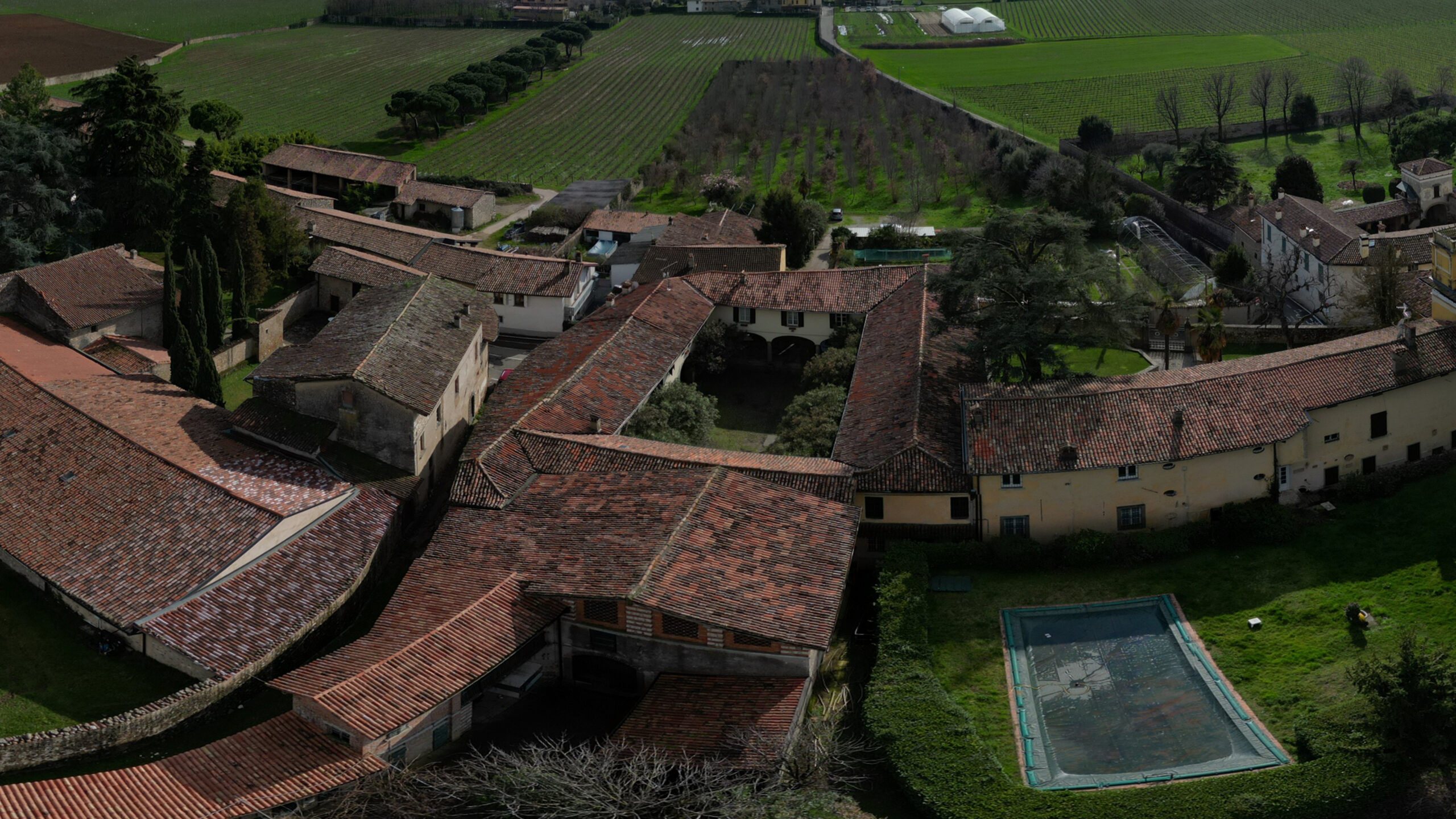
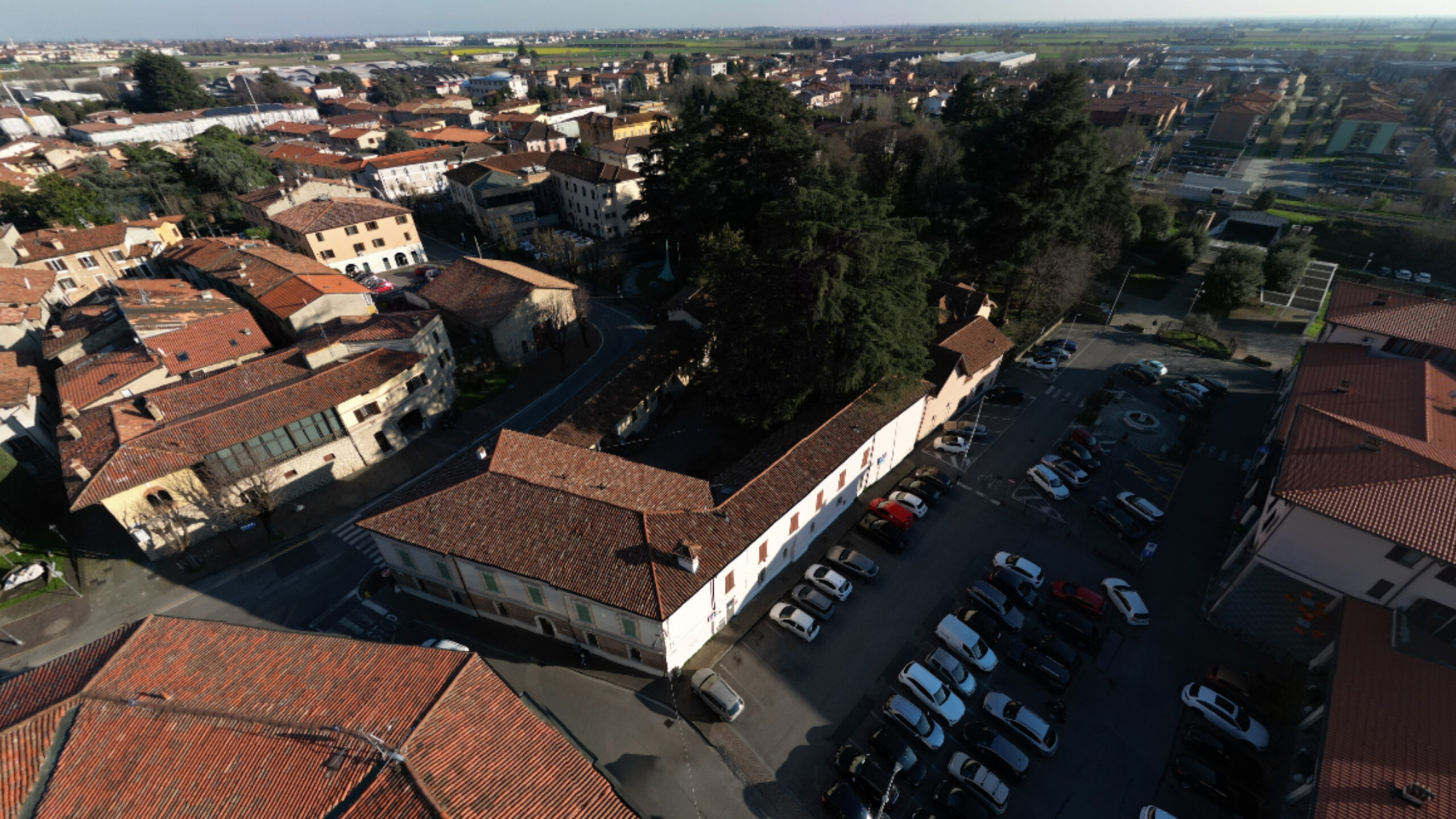
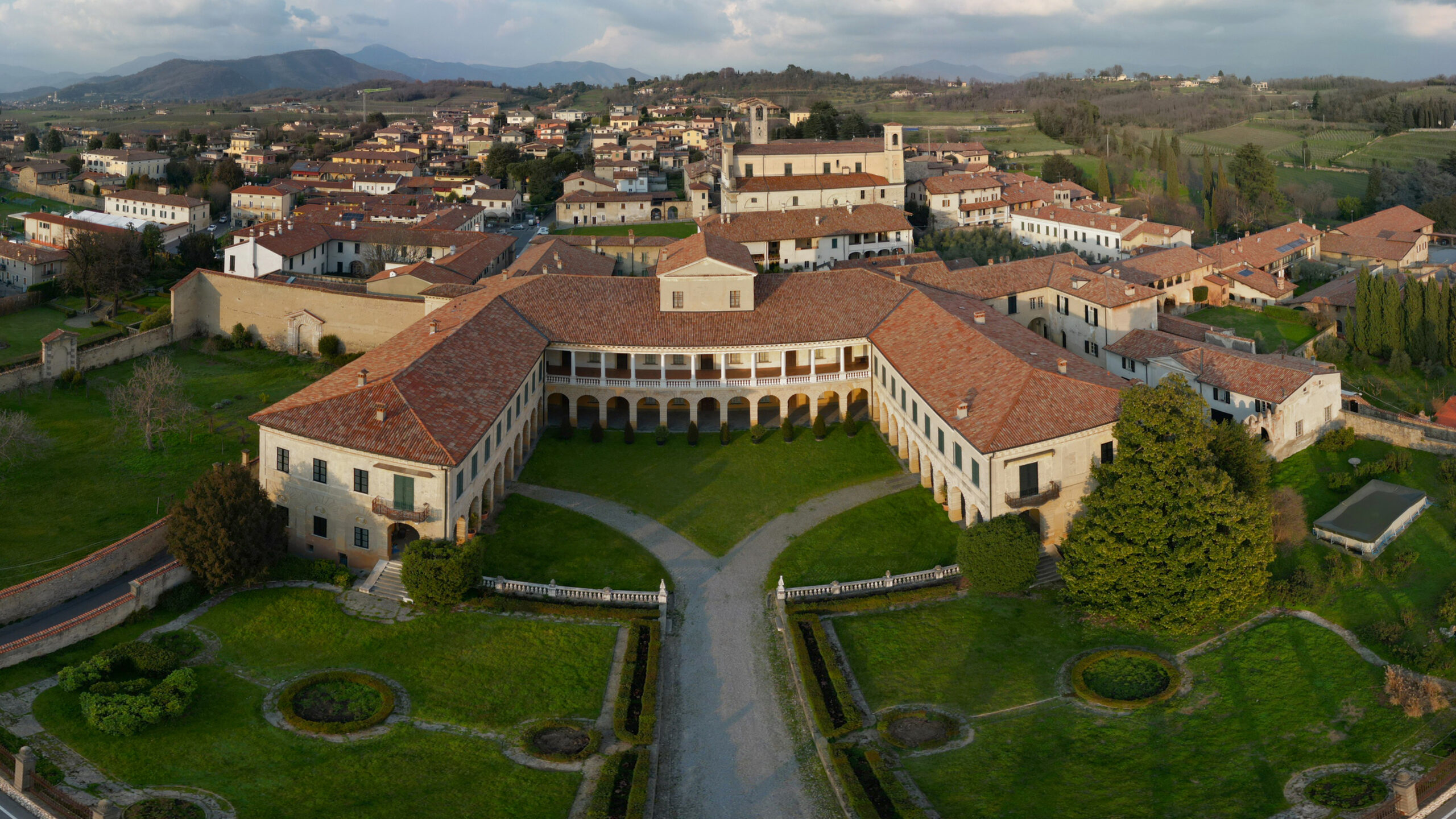
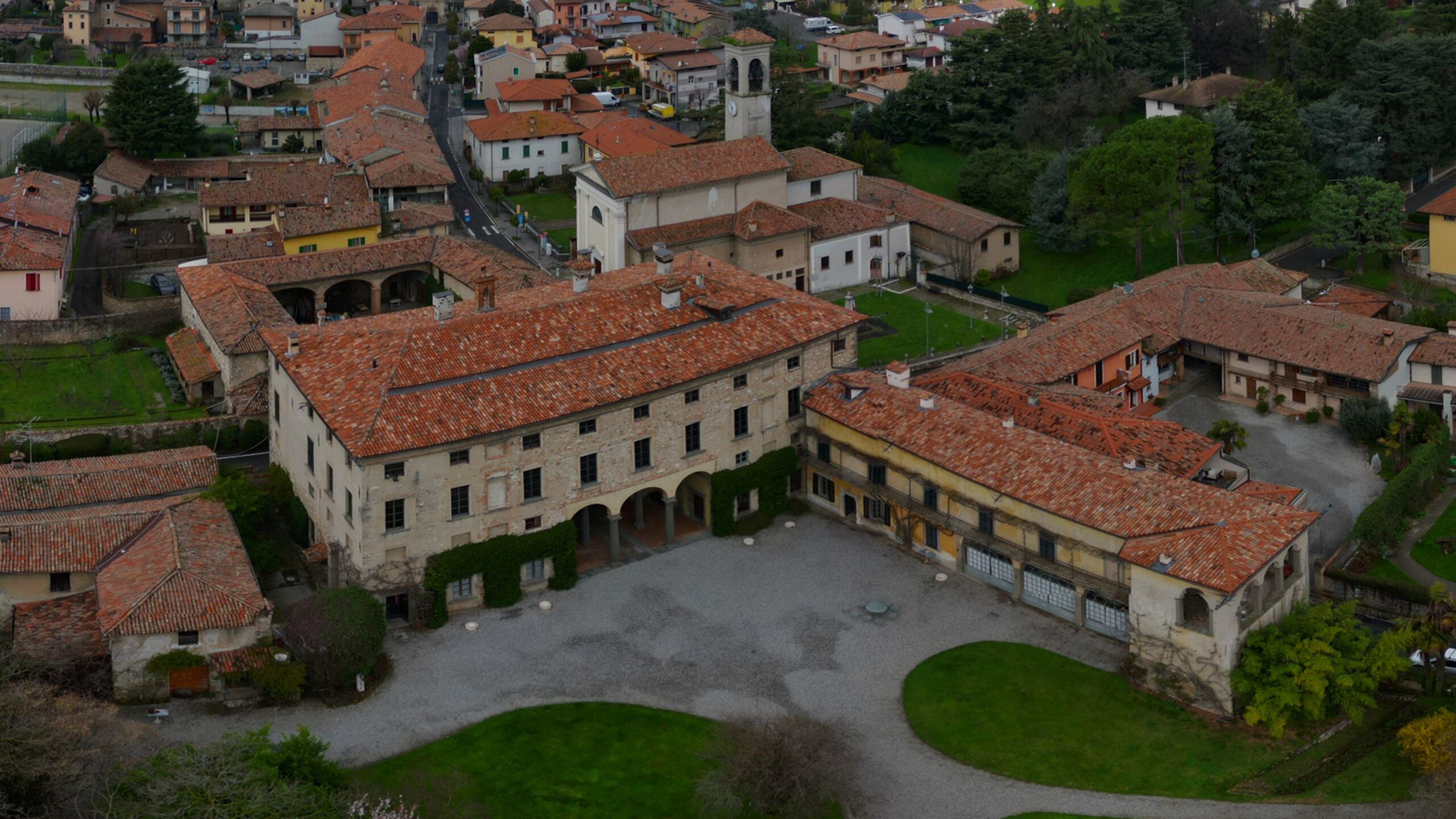
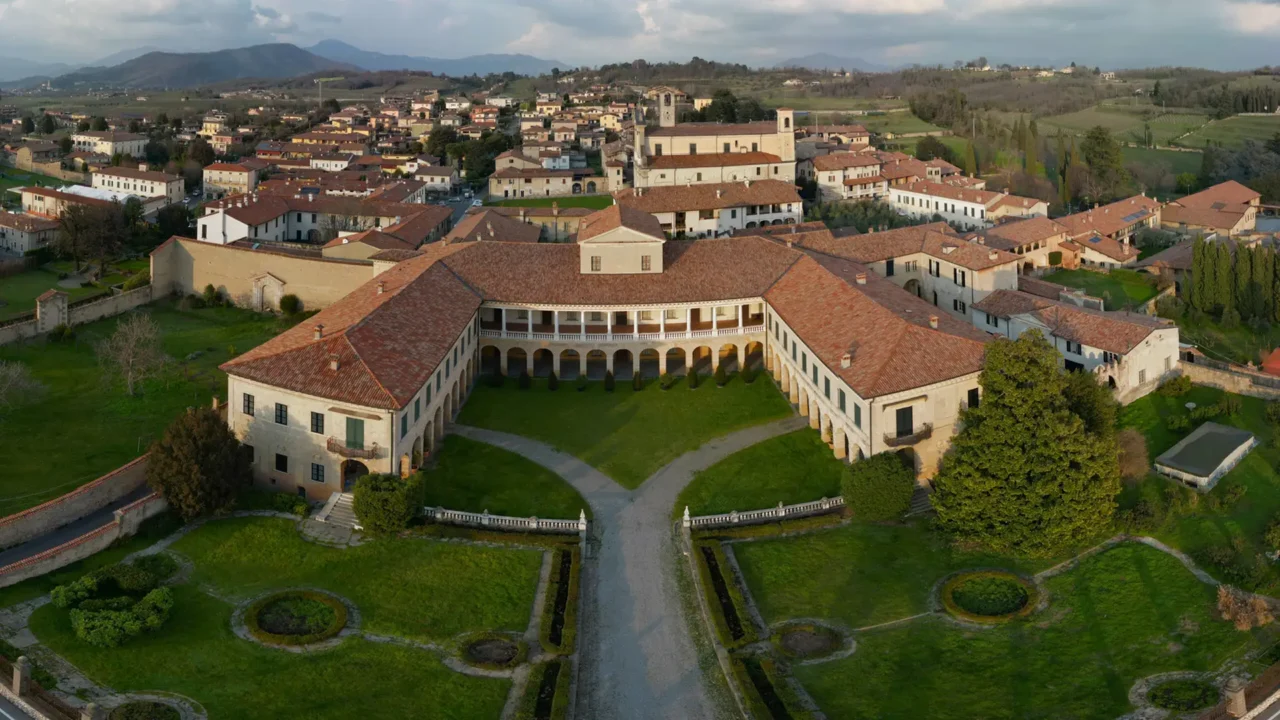
The road that climbs from the town hall and the parish church, towards the ledges overlooked by the Santuario della Stella, leads to a particularly evocative point in the town of Cellatica, where numerous historic buildings are concentrated and some ancient, perhaps medieval, walls can still be seen.
Origins and changes of ownership
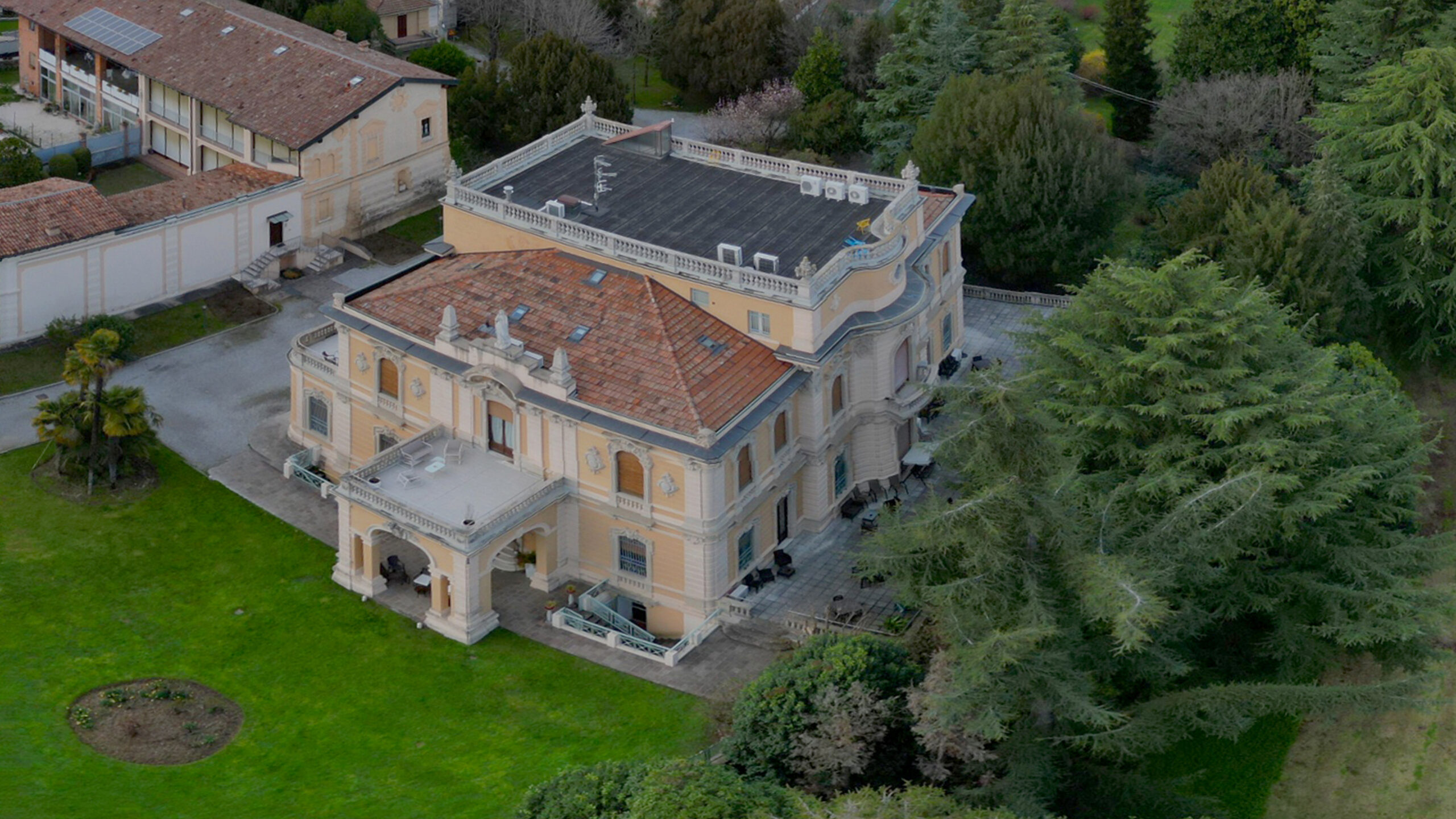
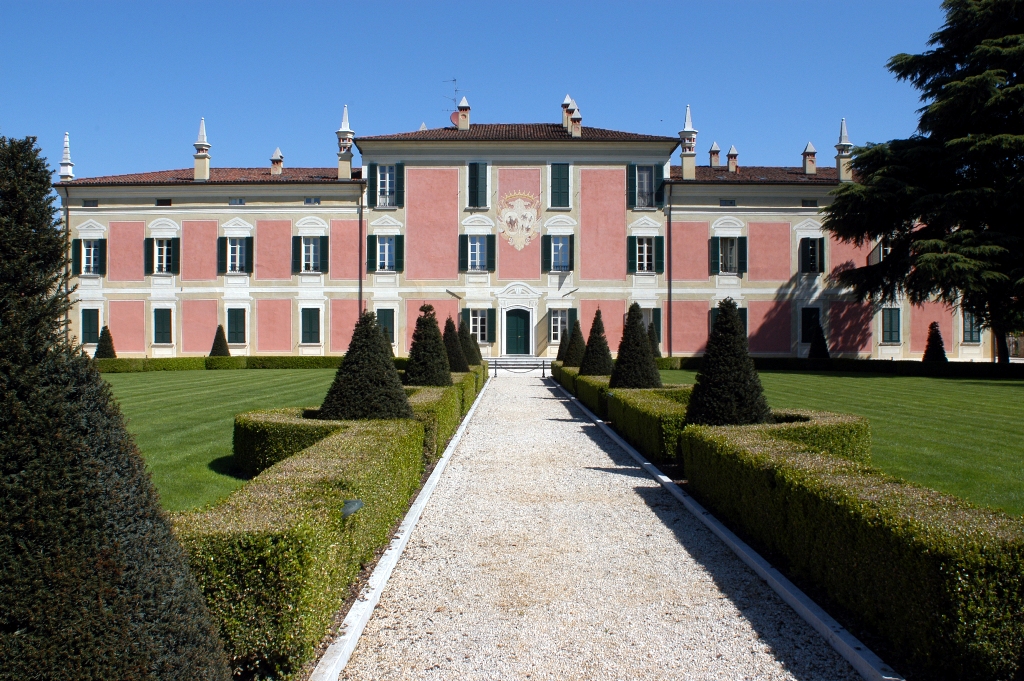
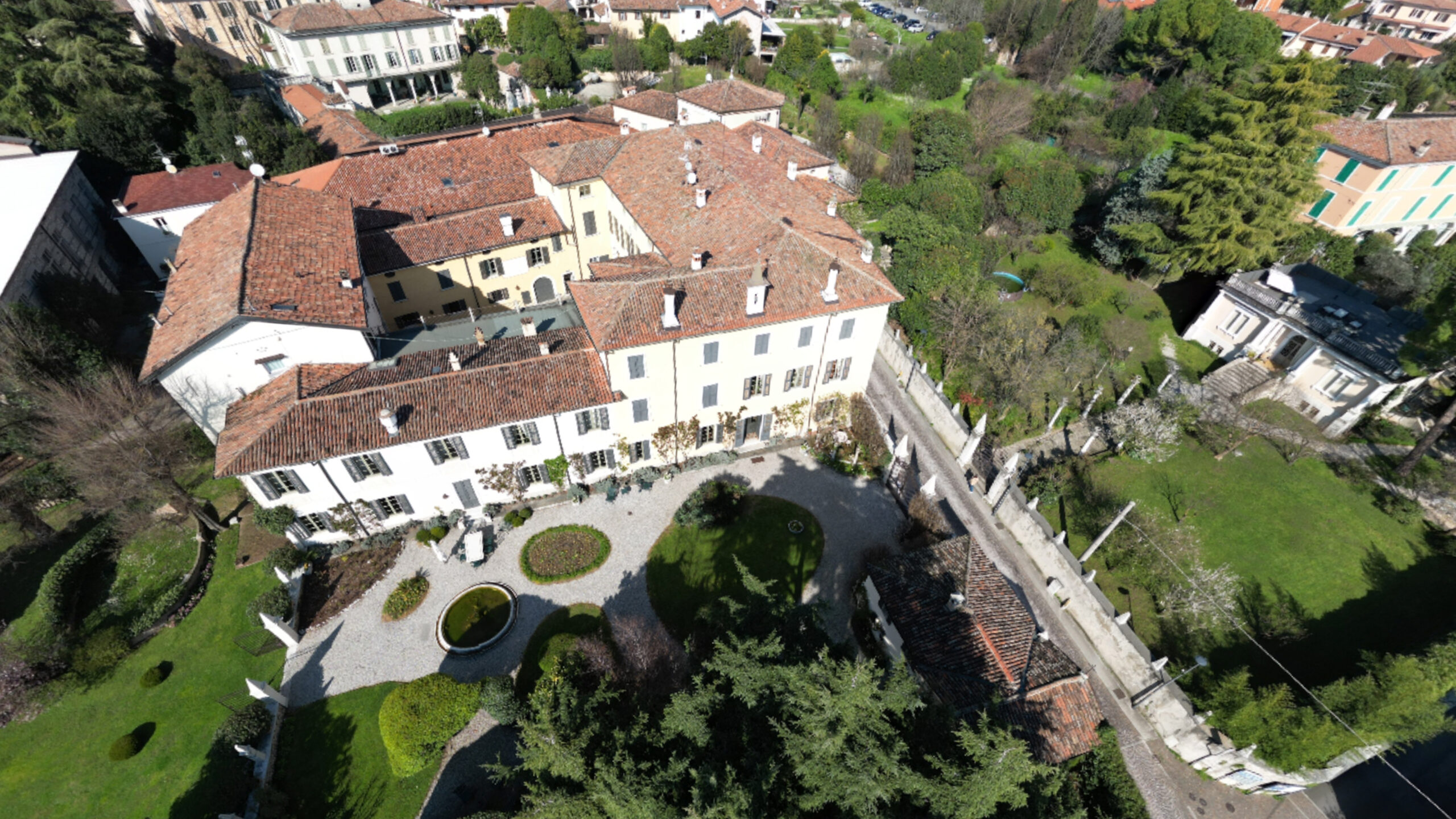
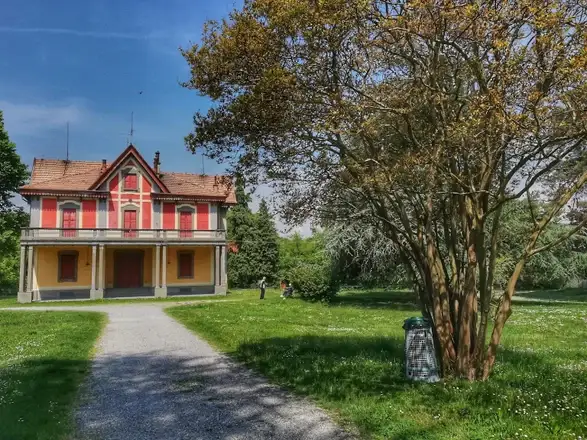
Located on Vicolo della Cinta, Palazzo Folonari owes its current name to the family that acquired it in 1920, but it originally belonged to the prominent Sala family, a family with several properties in nearby Gussago and present in Cellatica since the 15th century. It belonged to them until the end of the 18th century, when it passed to the Borgondio family.
The monumental entrance and the eighteenth-century portal
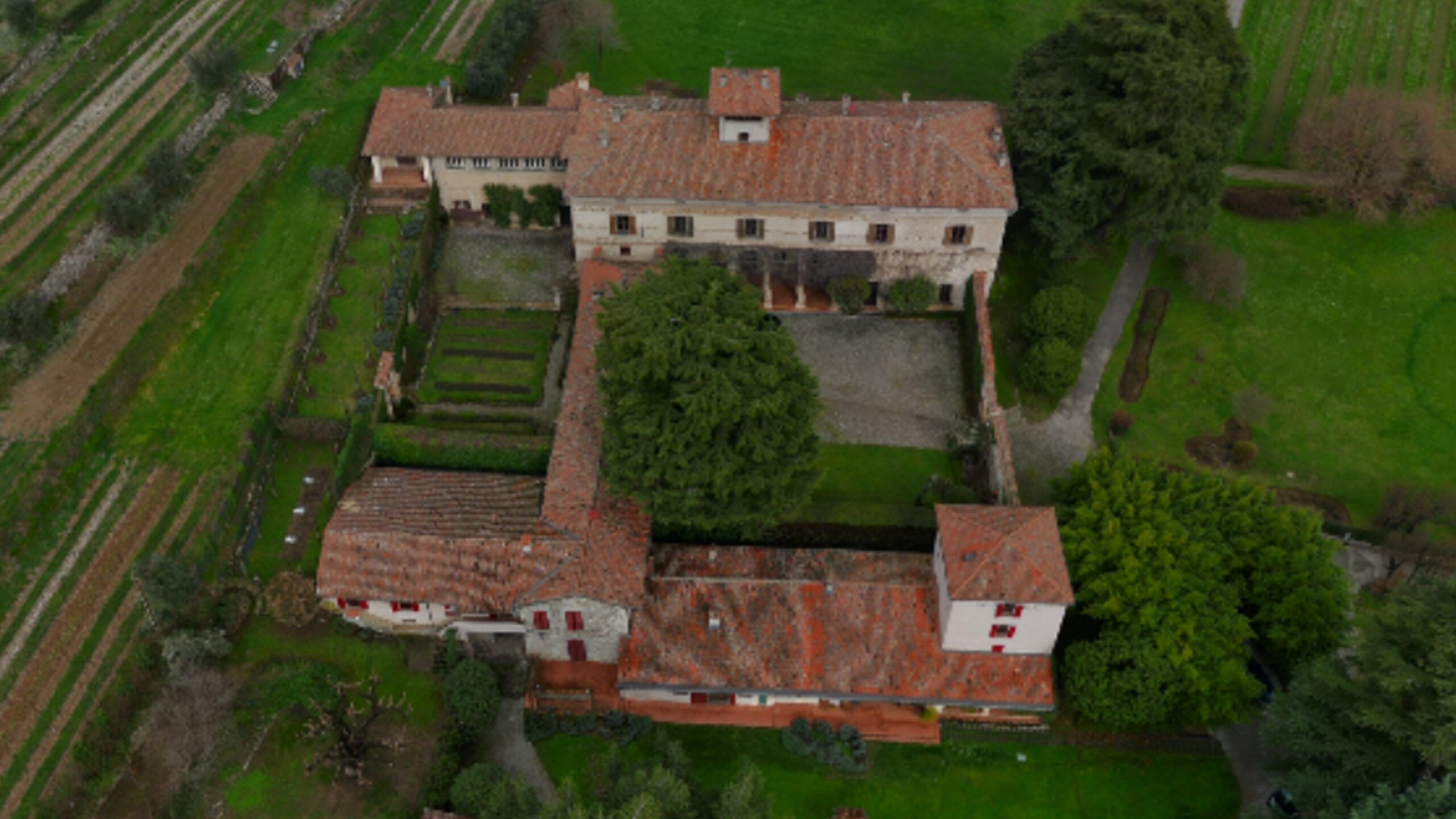
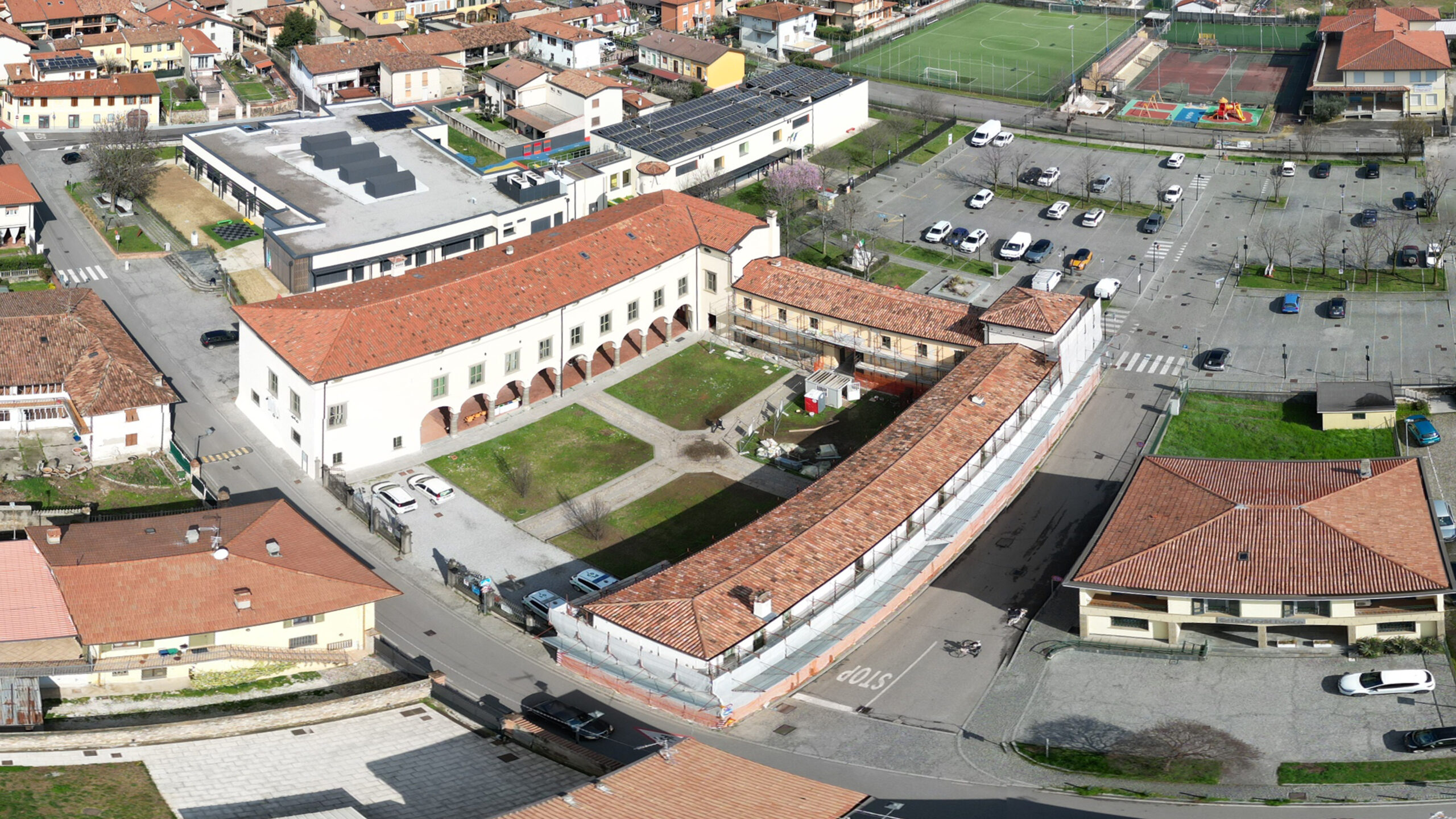
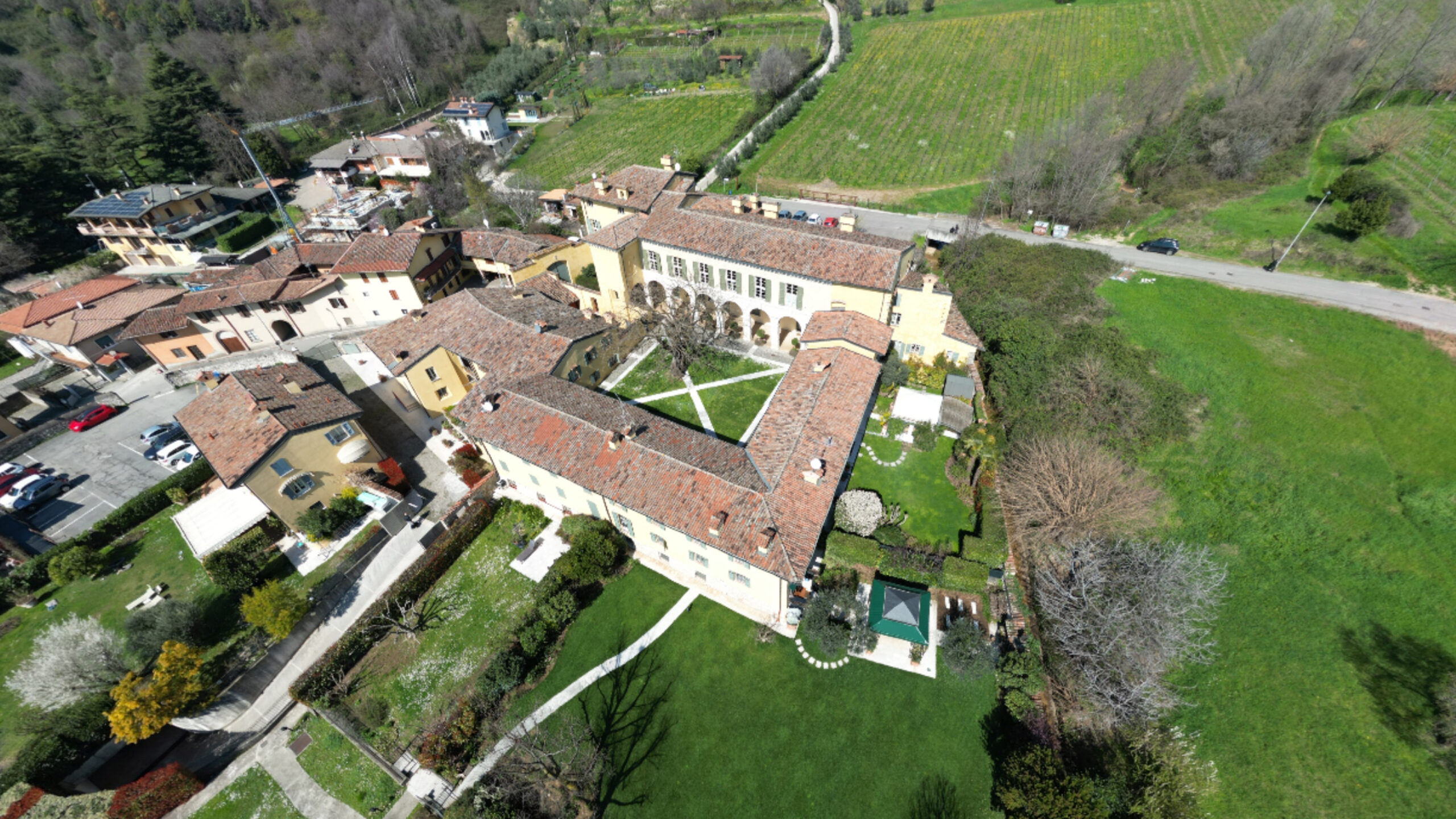
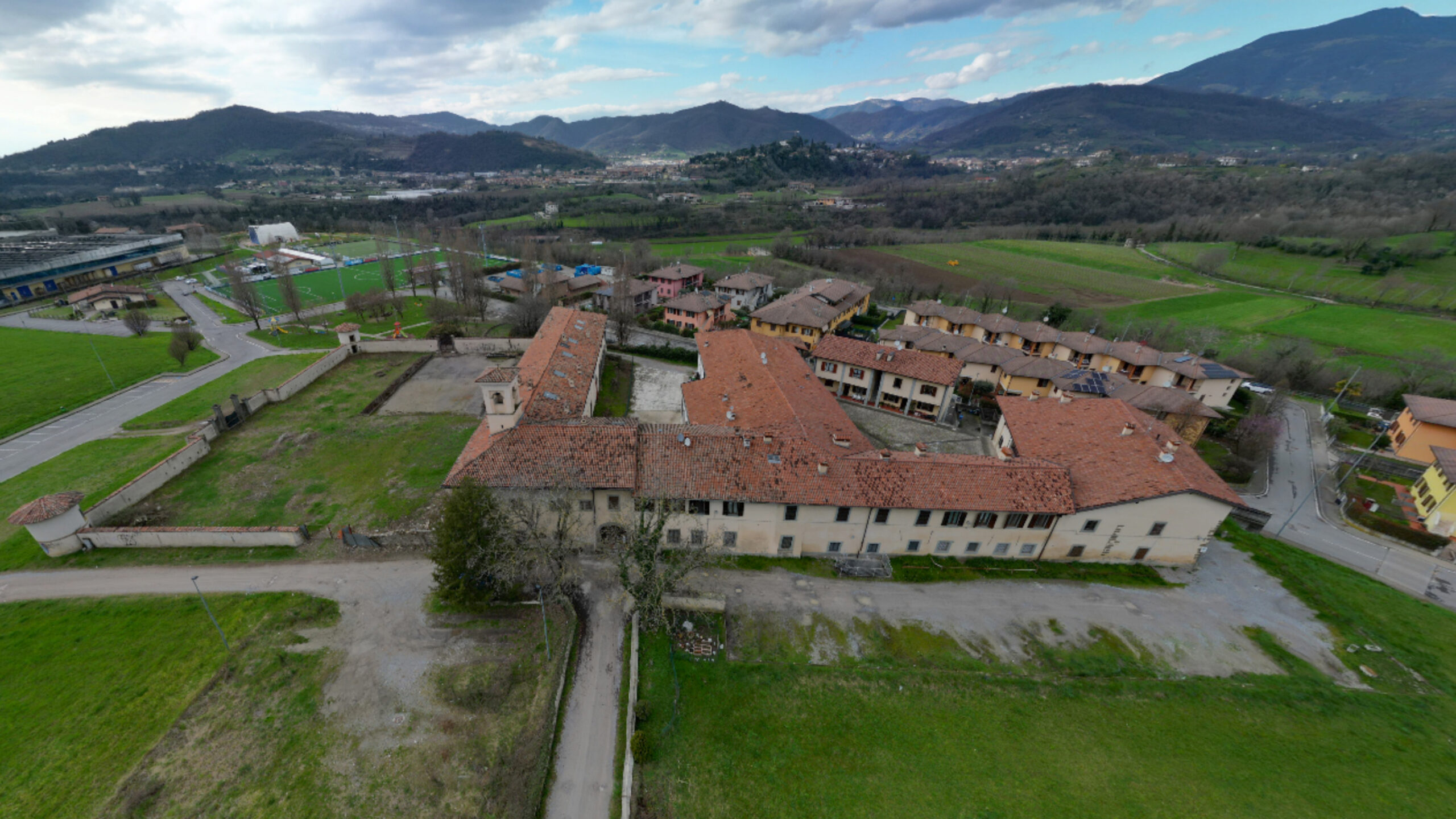
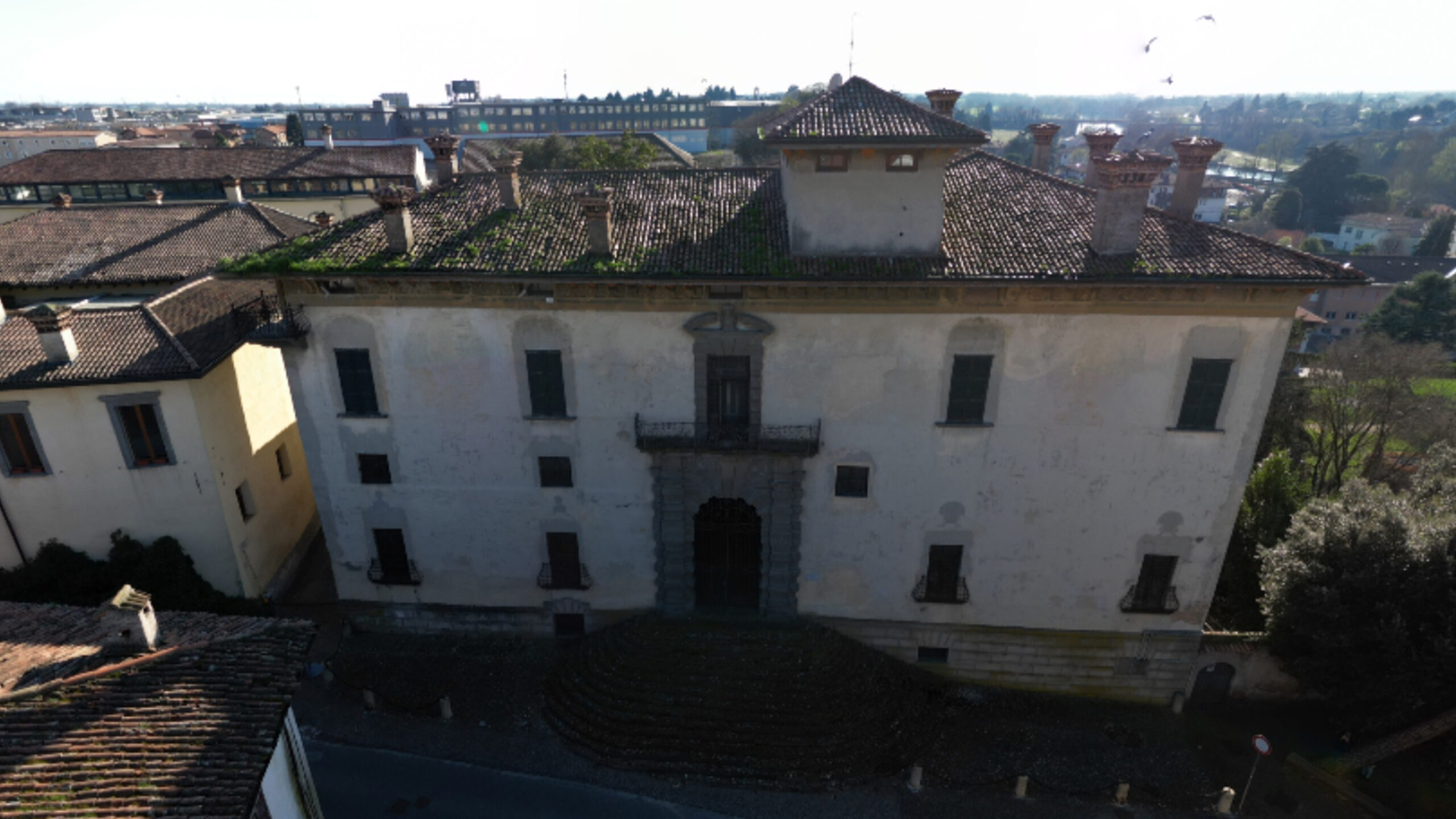
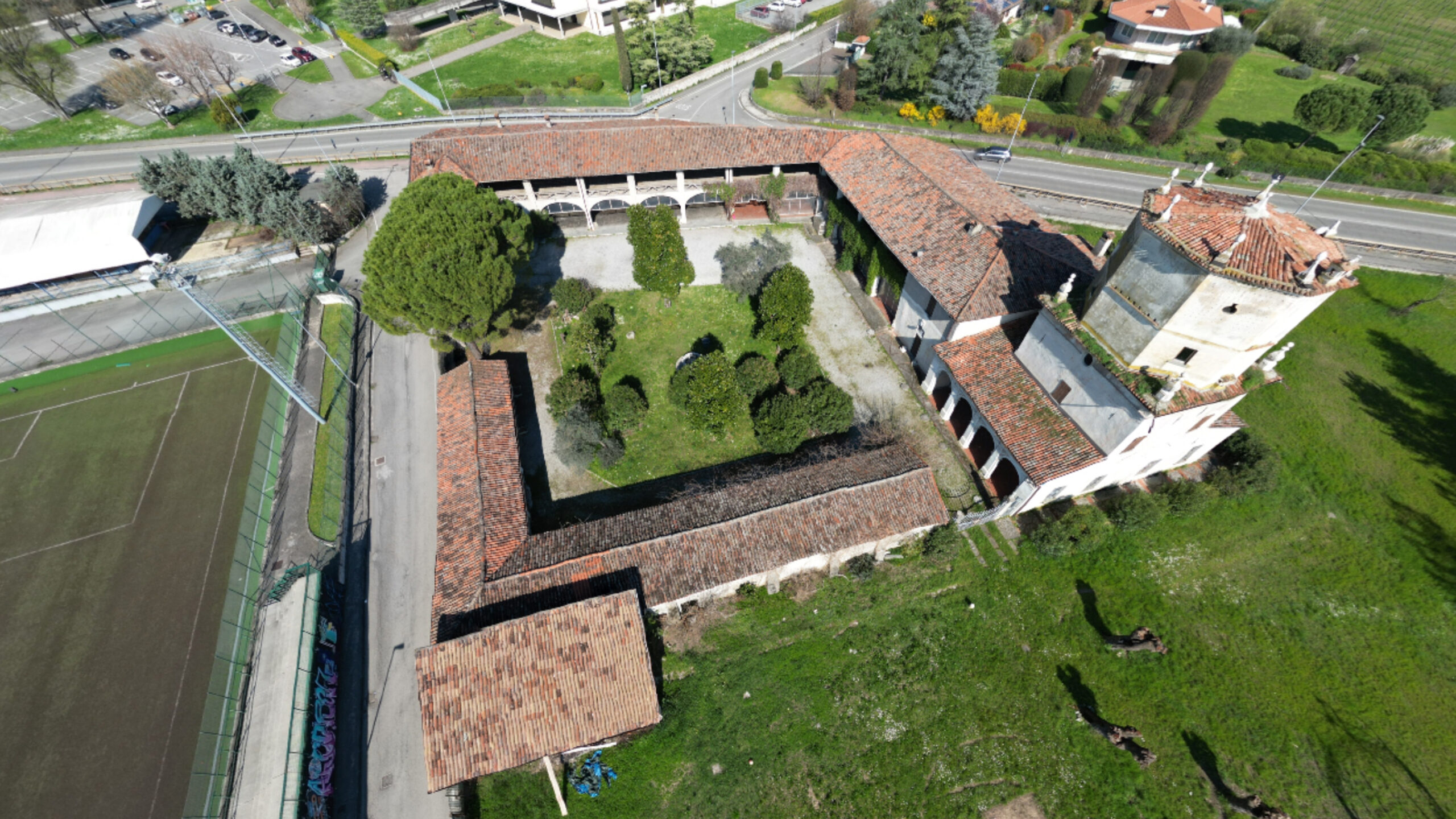
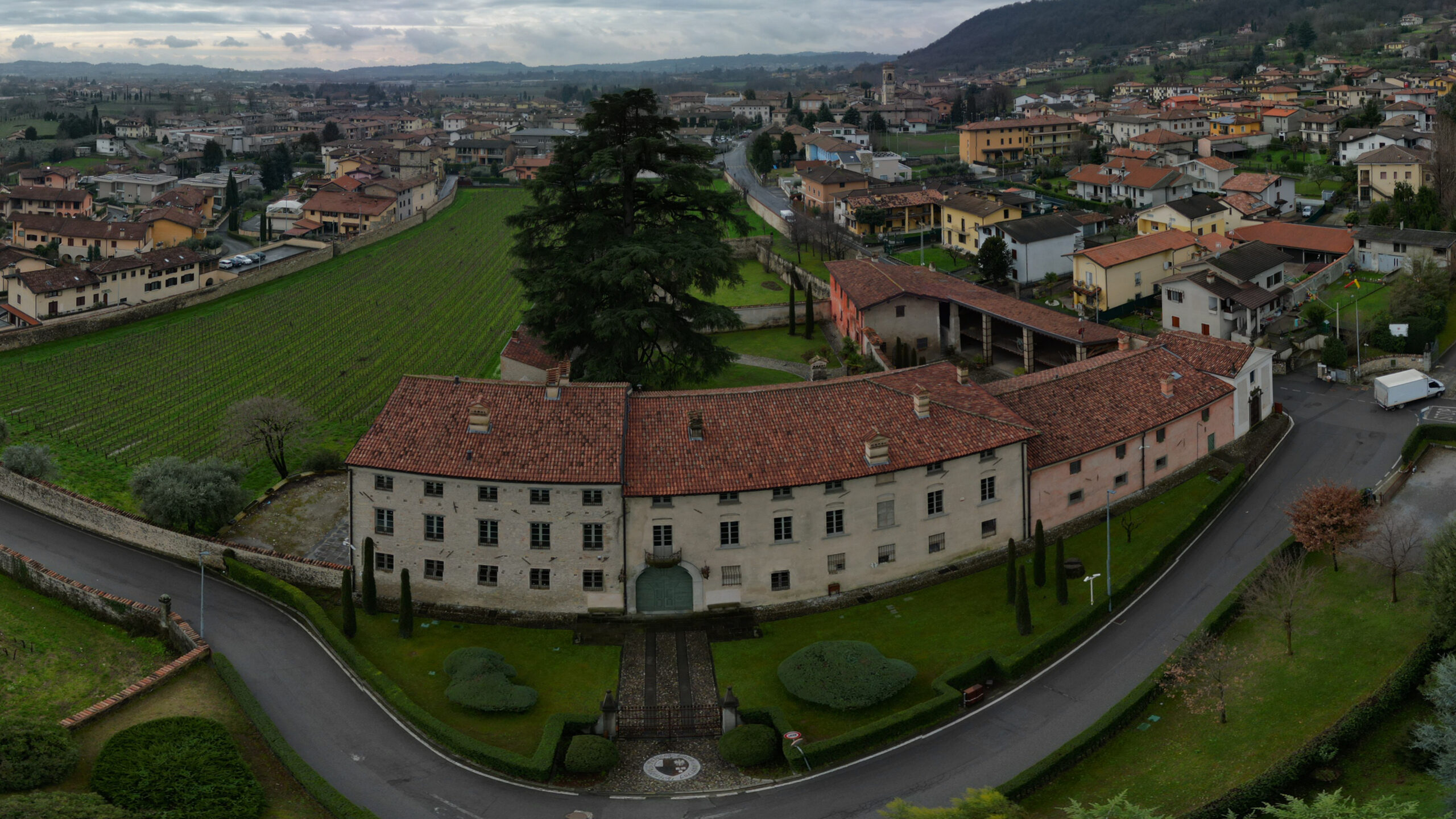
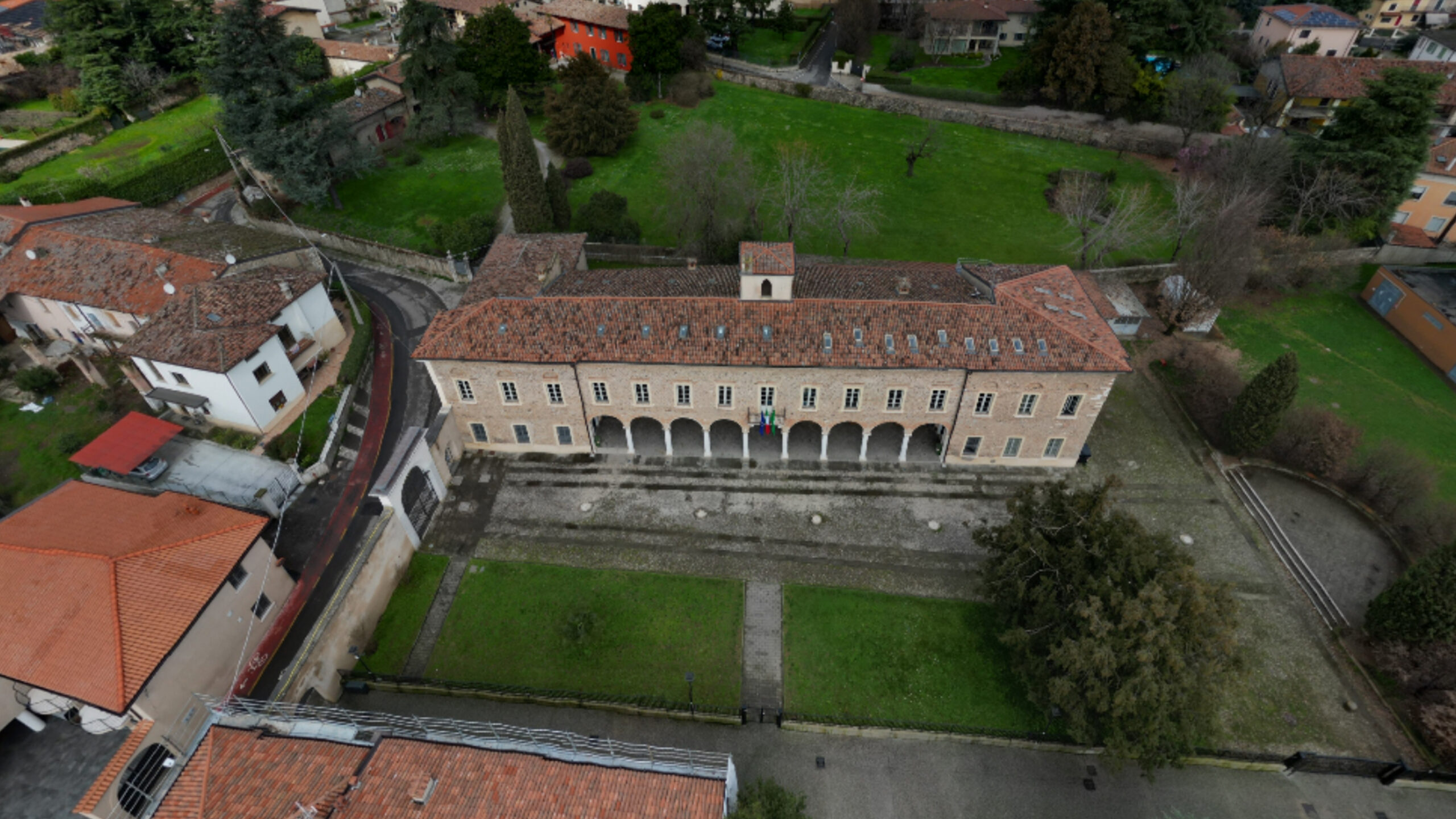
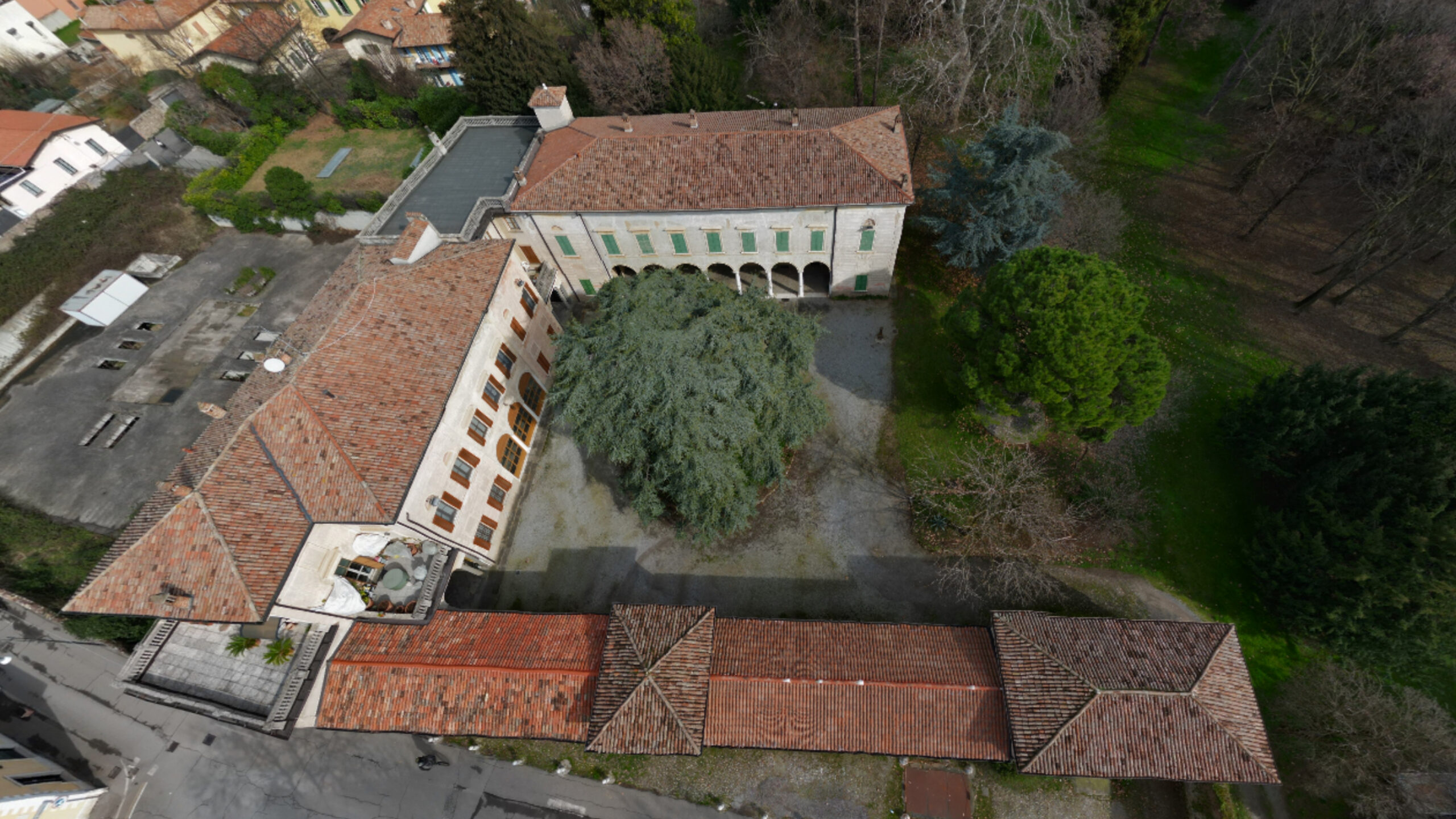
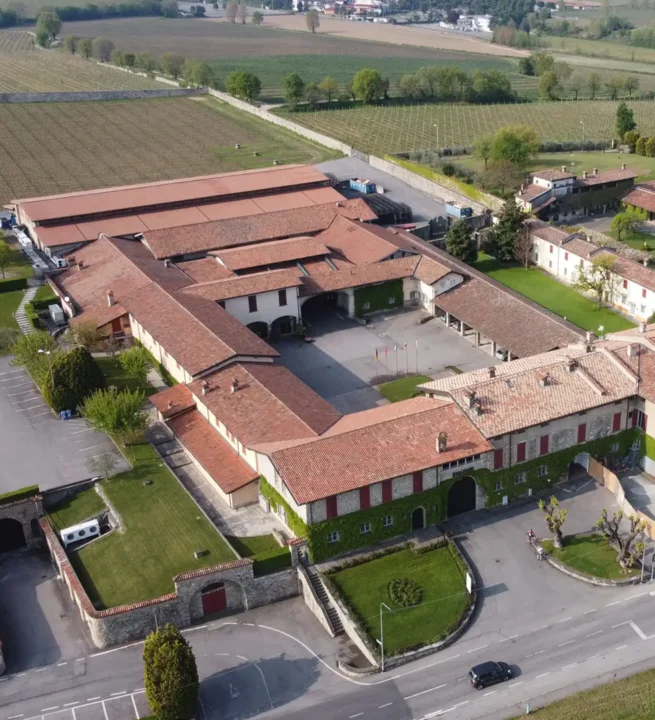
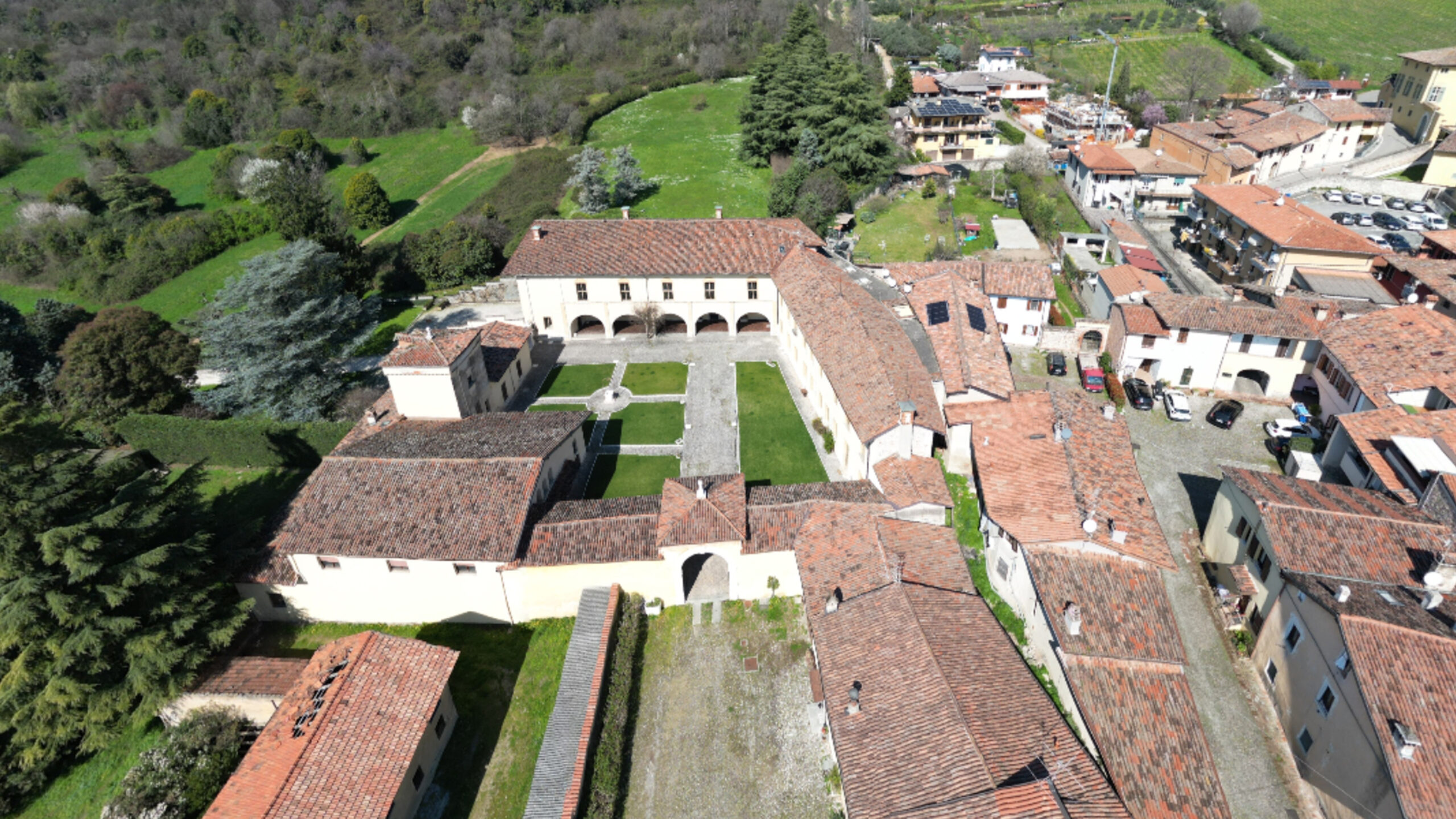
From the road, access to the villa, through a wrought-iron gate between square pillars, enclosed between two 19th-century guardhouses, is preceded by a courtyard surrounded by rustic buildings, used for agricultural purposes, beyond which is the monumental entrance: an elegant 18th-century portal with a rusticated arch, surmounted by a frescoed frieze in the Doric style, with painted metopes interspersed with triglyphs.
The internal courtyard and the sober portico
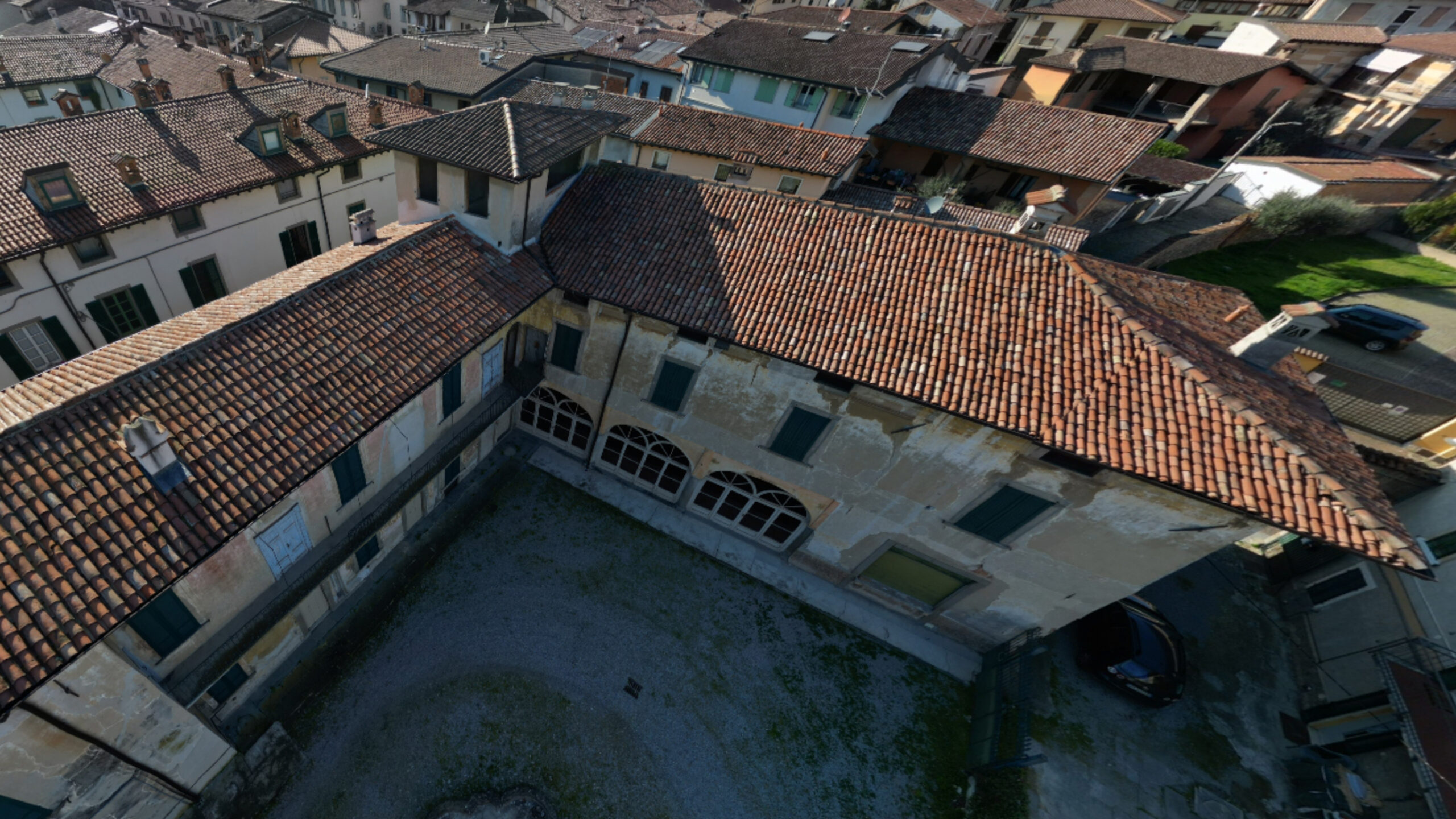
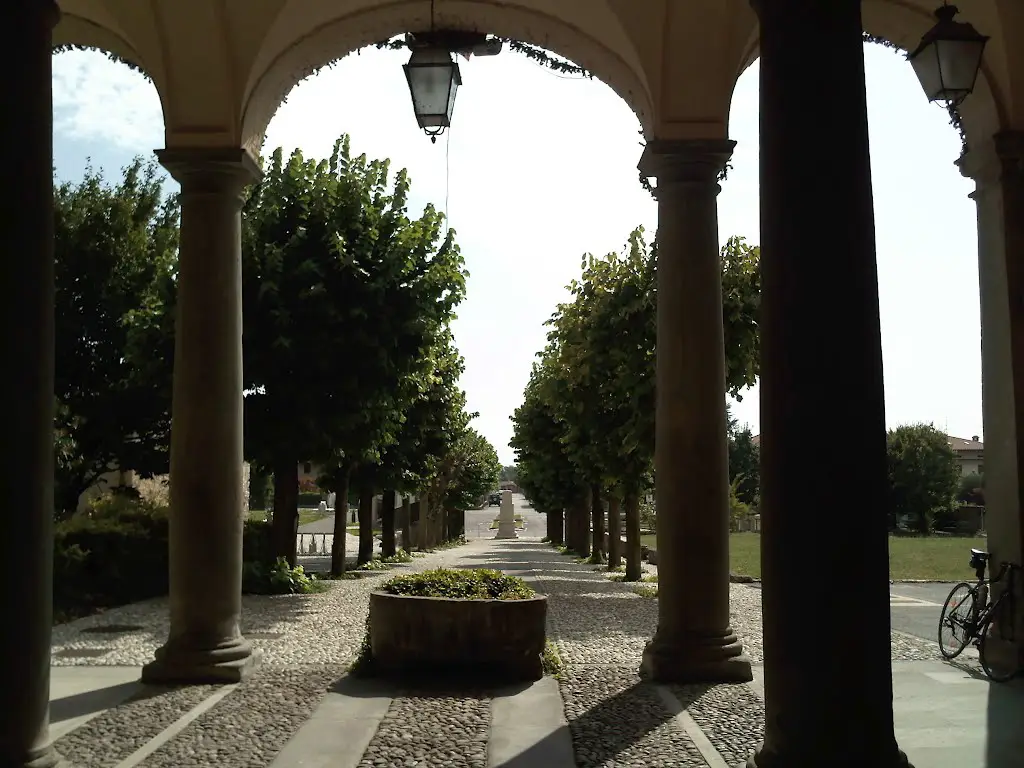
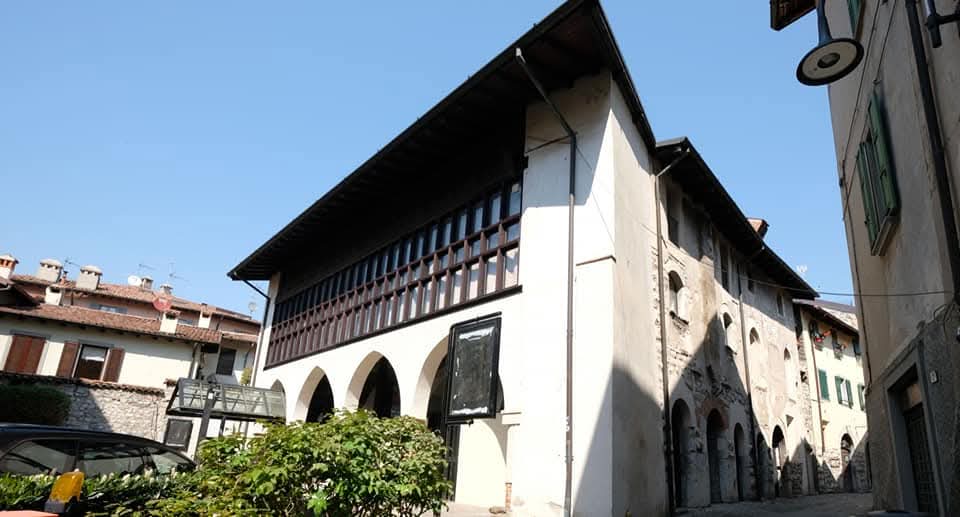
From the portal, you enter the villa’s internal courtyard, which has an L-shaped plan and a simple, unadorned façade. Following a widely used model throughout the area, the ground floor features a portico, devoid of columns and featuring round arches, punctuated by simple pilasters without capitals, terminating directly in the stringcourse with a light molding. A white stone wellhead, perhaps a reused piece of sculpture, with coats of arms unfortunately worn away, enhances the view of the portico.
The windows on the upper floor
On the second floor, simple windows are framed by a recent painted frame.
The Renaissance staircase and the mythological hall
The building retains several decorated rooms inside: access to the first floor is via a Renaissance-style spiral staircase, which leads to a gallery with a beamed ceiling the same size as the lower portico. The most interesting room is the 16th-century hall overlooking the gallery, featuring highly original mythological decoration: on the vault, with volute corbels and plaster frames, several panels feature full-length portraits, forming a gallery of illustrious men and women, a popular iconography in the decoration of stately homes. The vault is completed by lunettes with female figures from antiquity: Venus, Virginia, Cleopatra, and Leda. The reason for such an all-female celebration, dedicated to the mulieres of antiquity, deserves further exploration: typically, on the occasion of illustrious weddings, the rooms of palaces were newly decorated, and the choice to depict women from antiquity, including Venus, the goddess of love par excellence, carries a clear epithalamic meaning.
Links and useful information


Privately owned property