Villa Catturich Ducco
- Home
- /
- Arte e cultura
- /
- Historical buildings
- /
- Villa Catturich Ducco
A multi-layered complex and the fenced-off vineyard
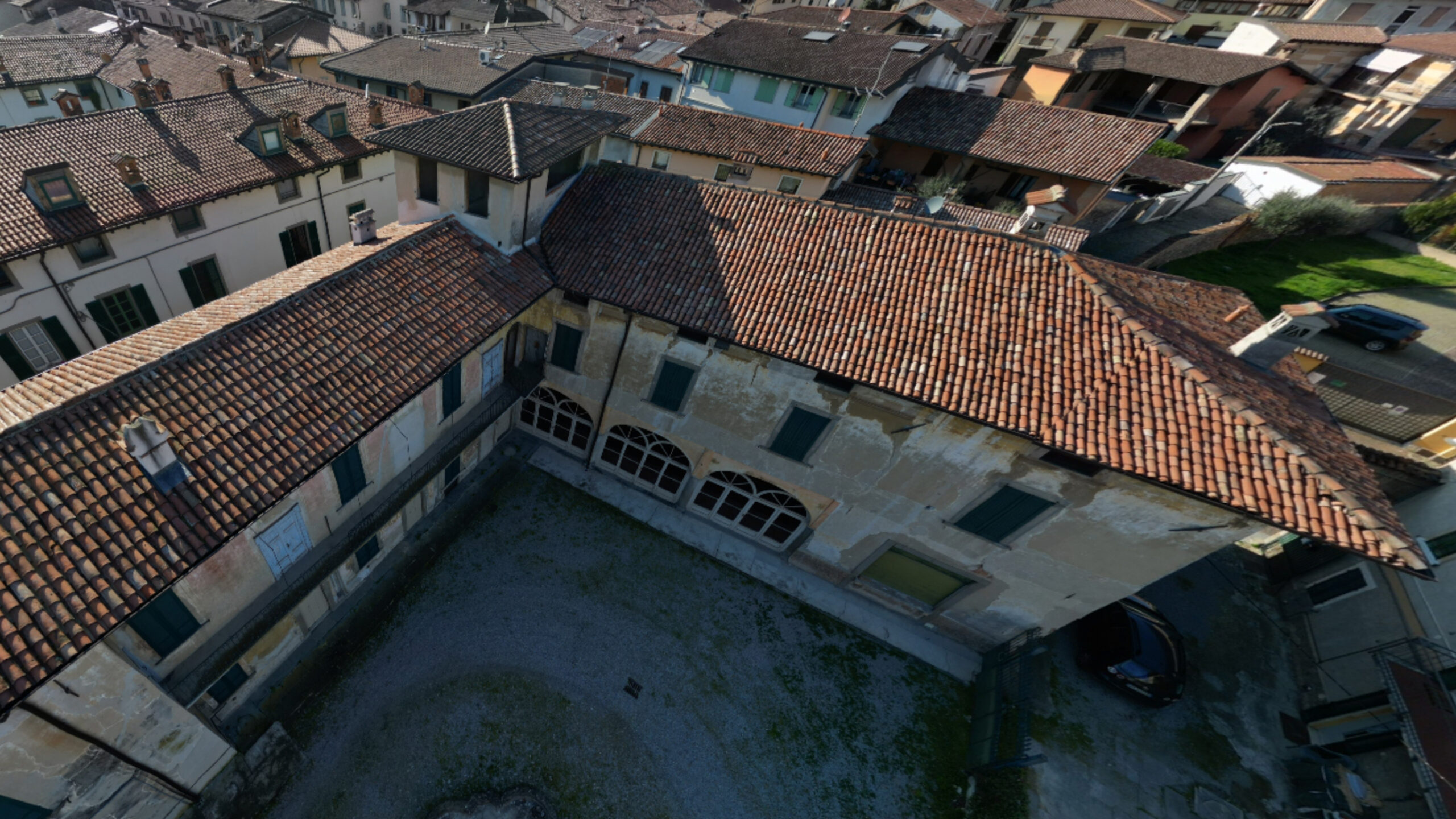
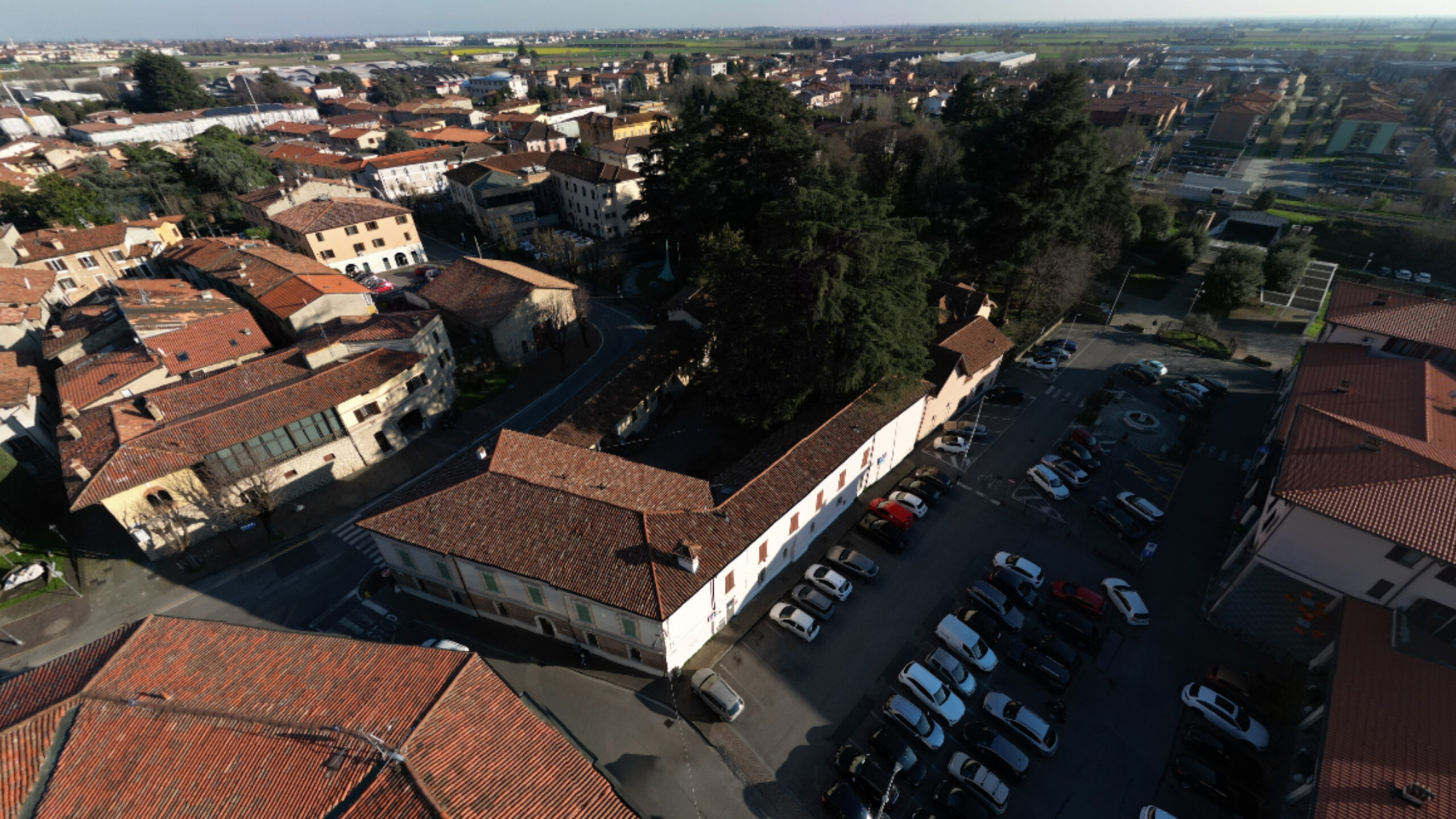
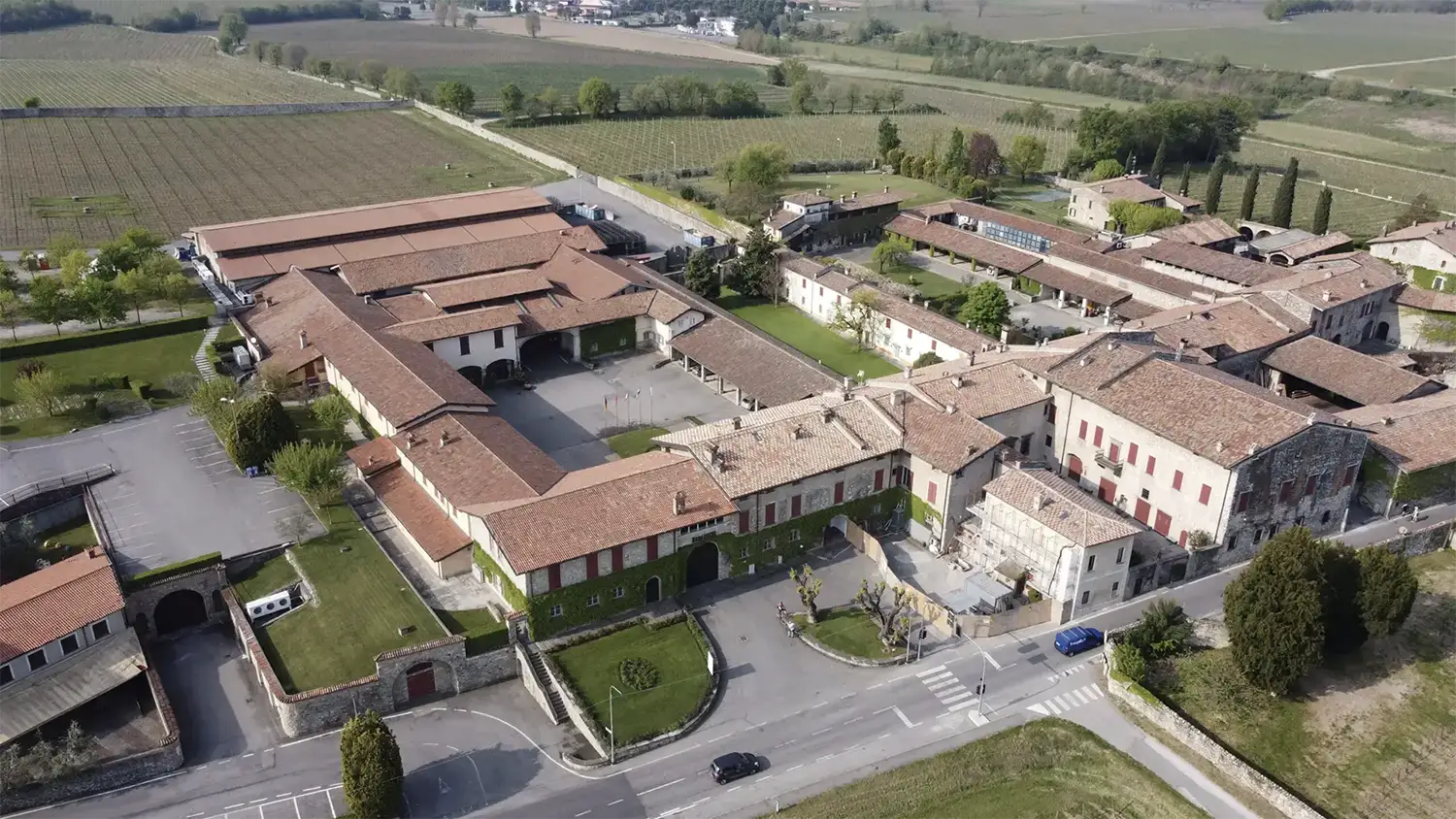
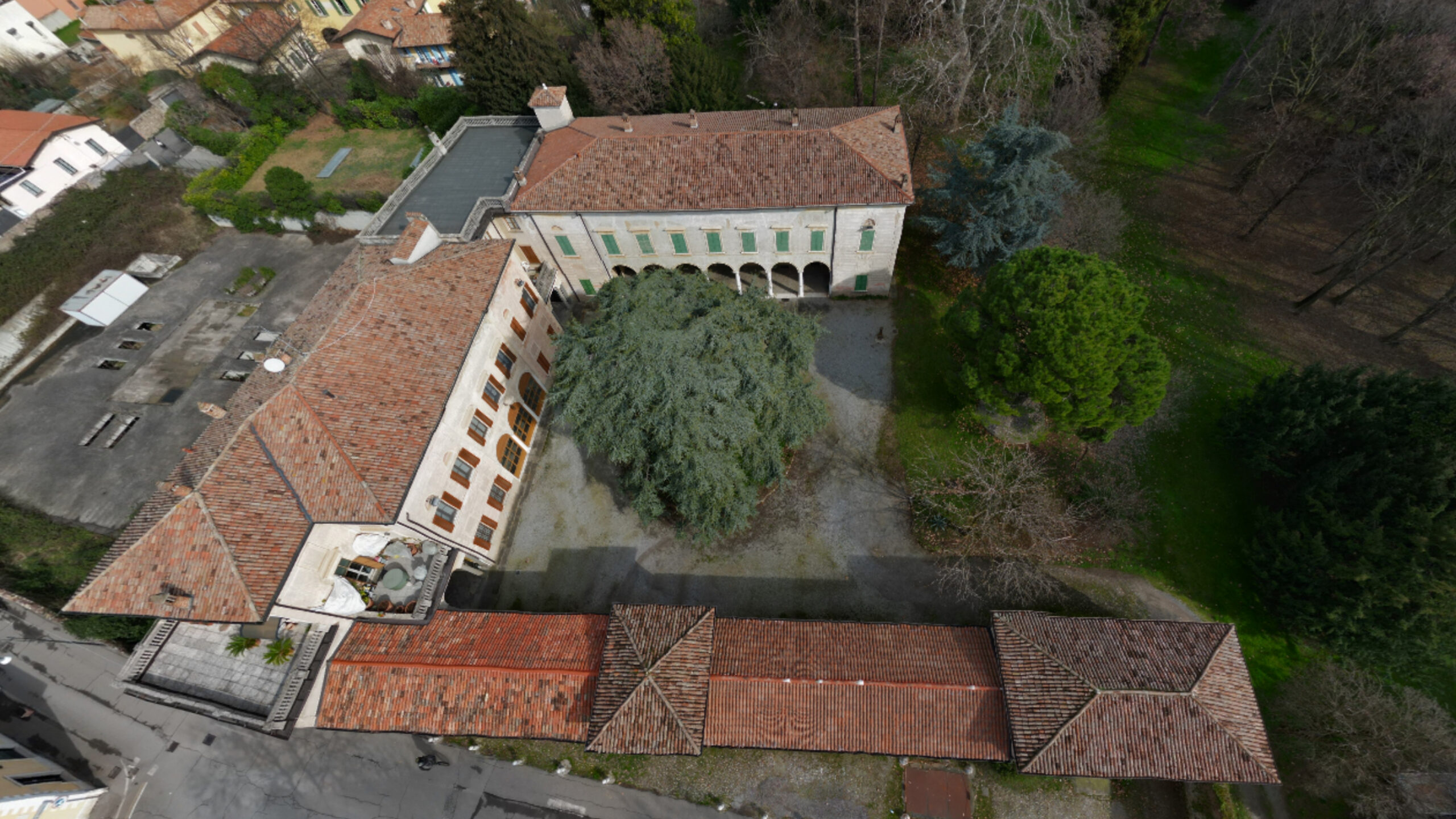
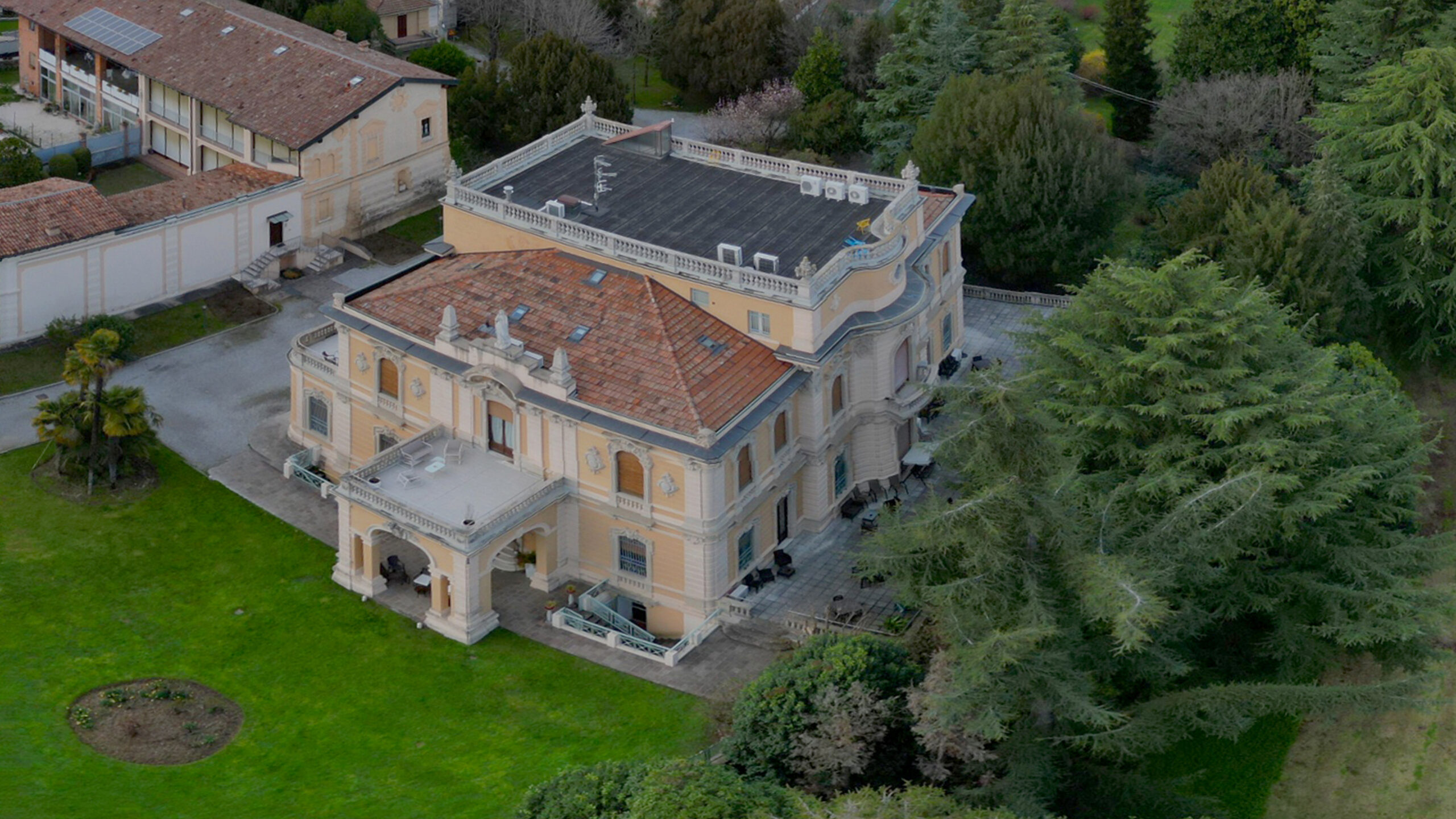
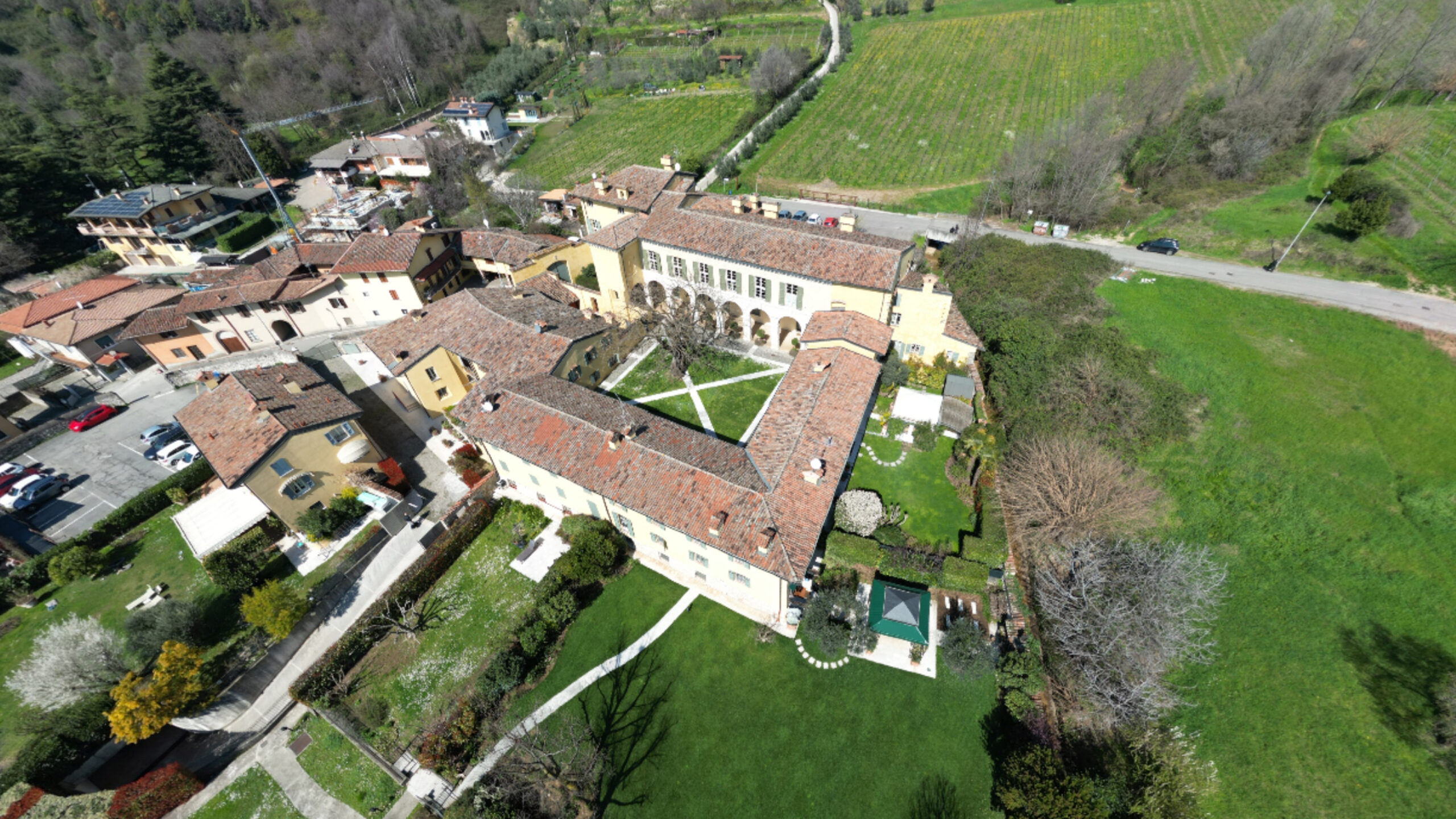
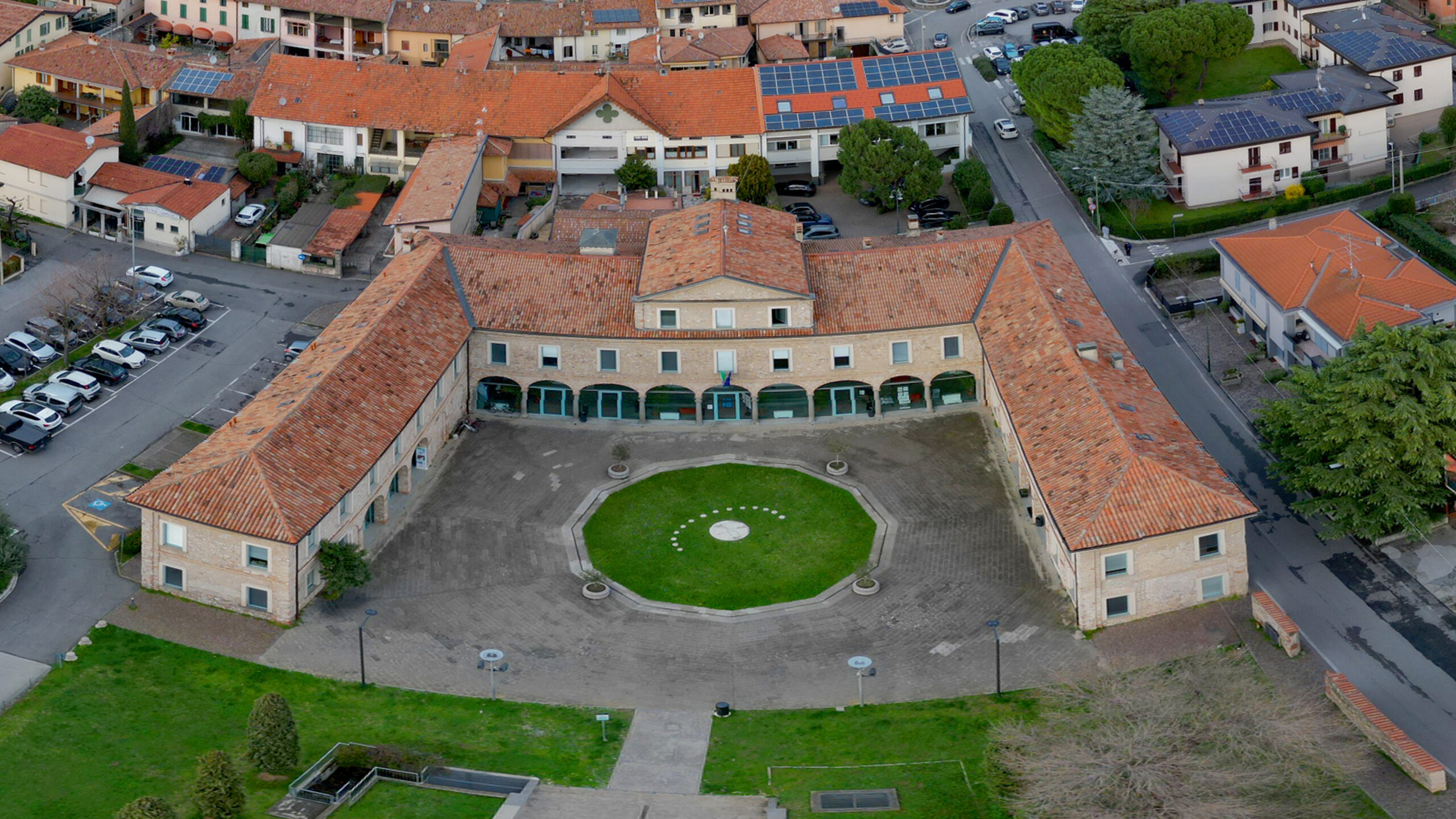
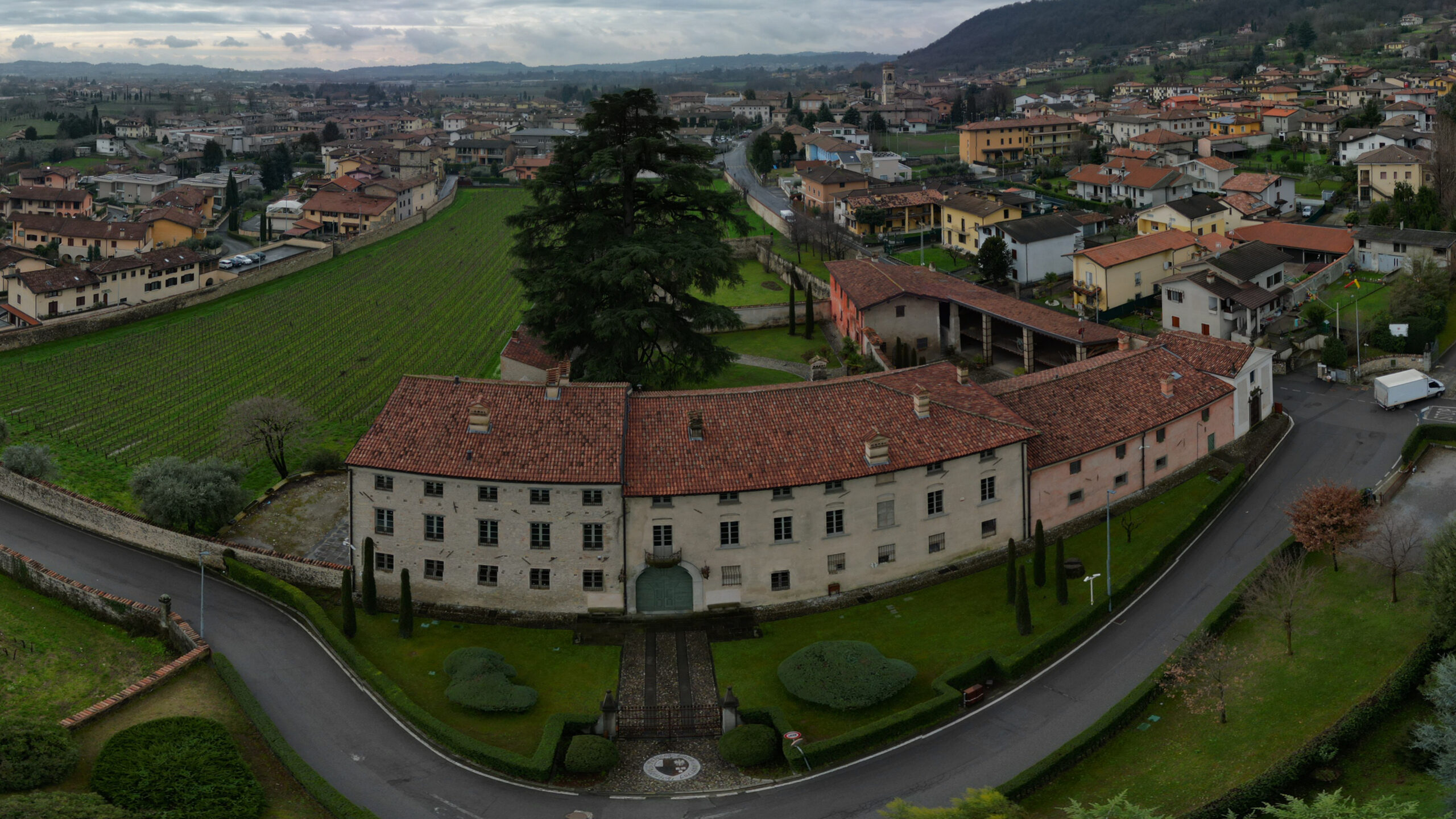
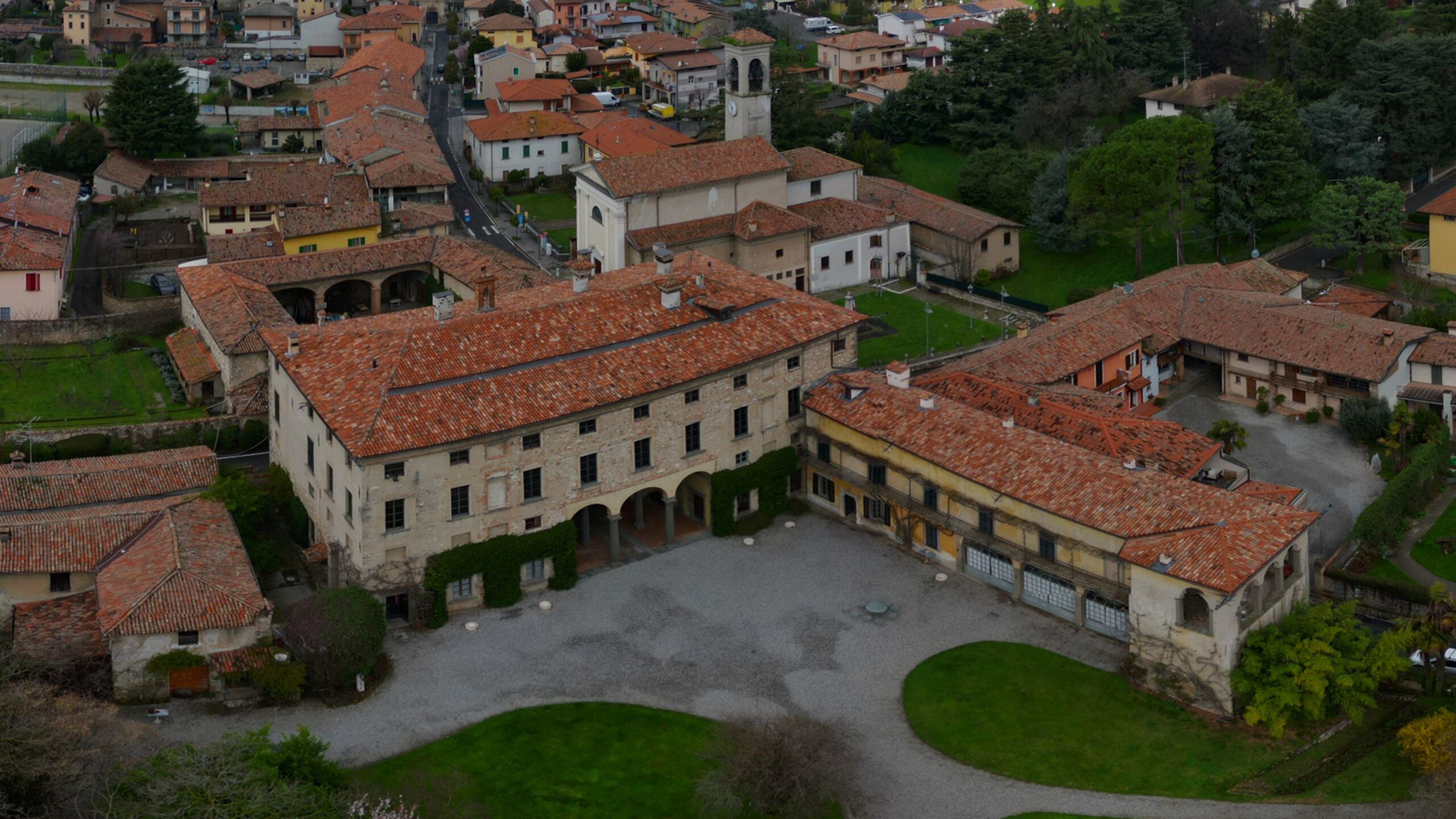
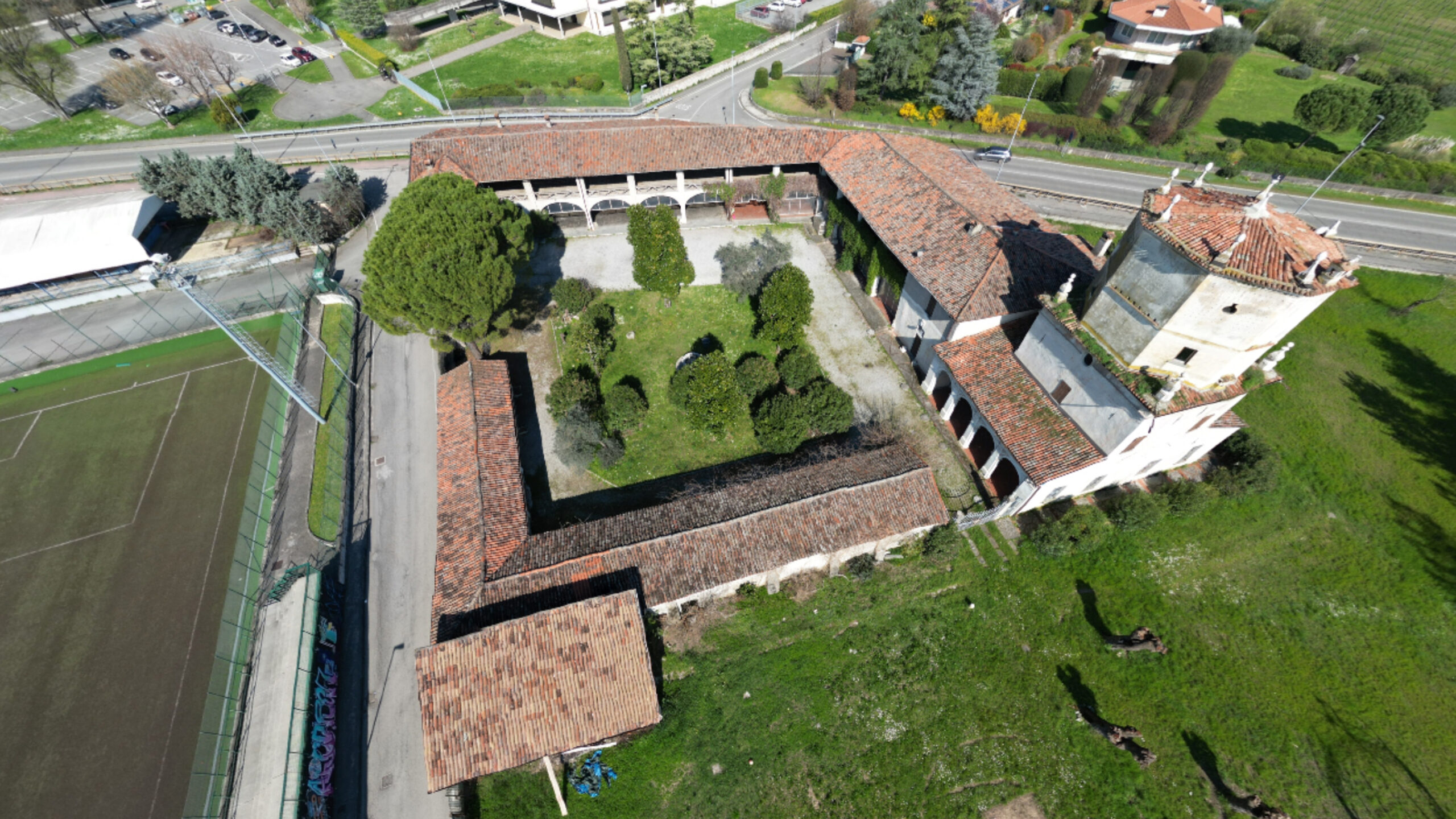
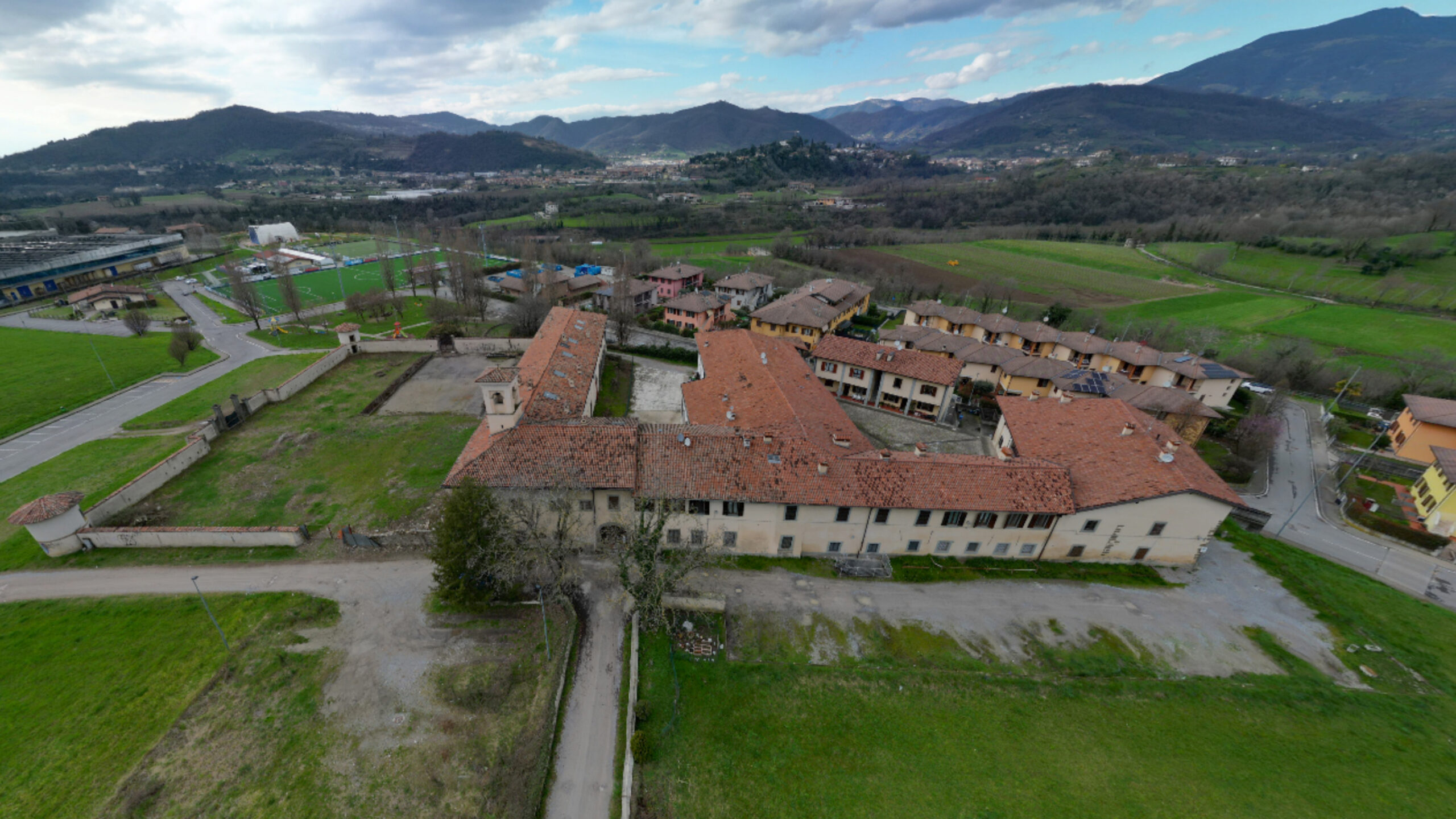
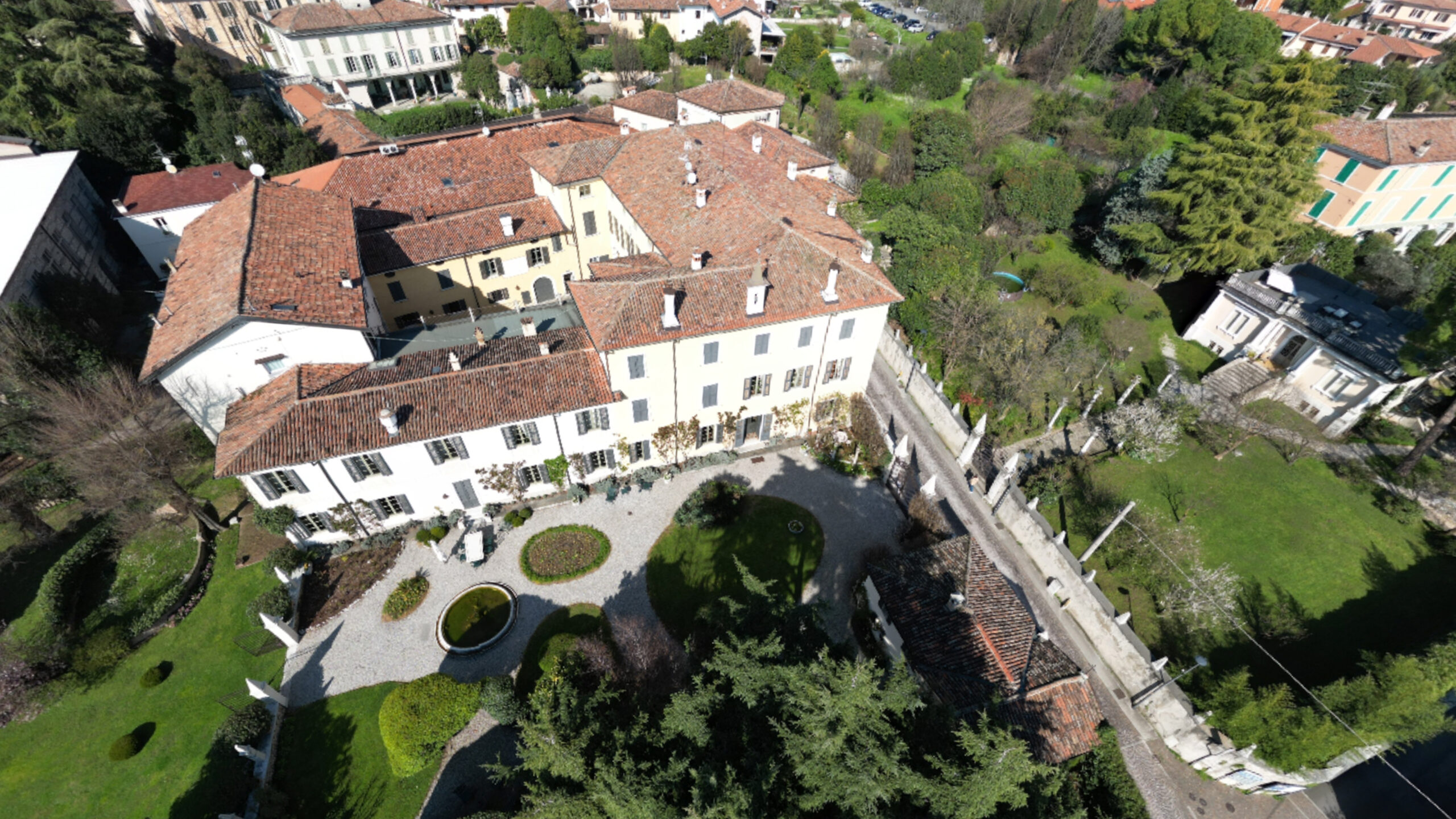
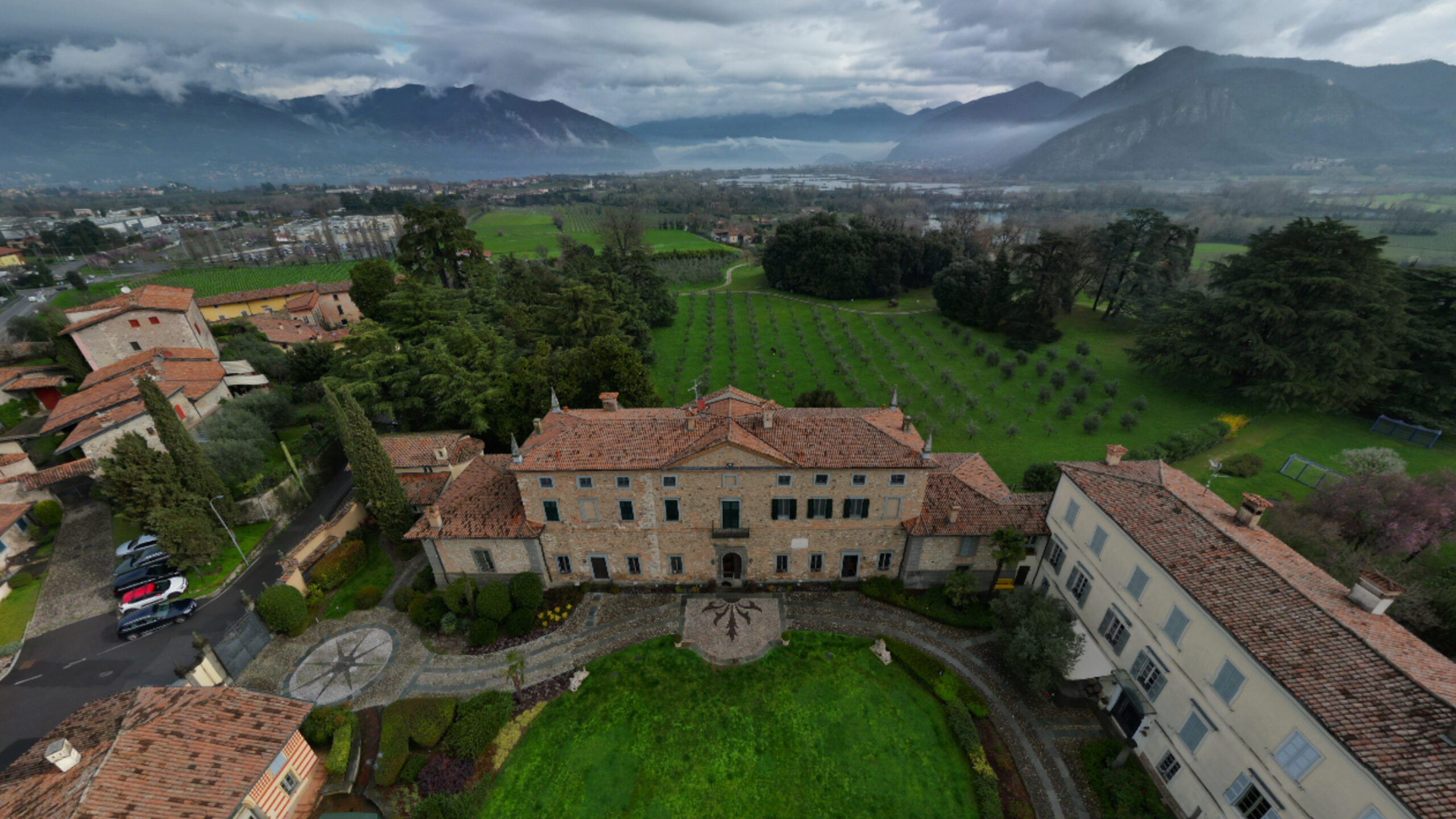
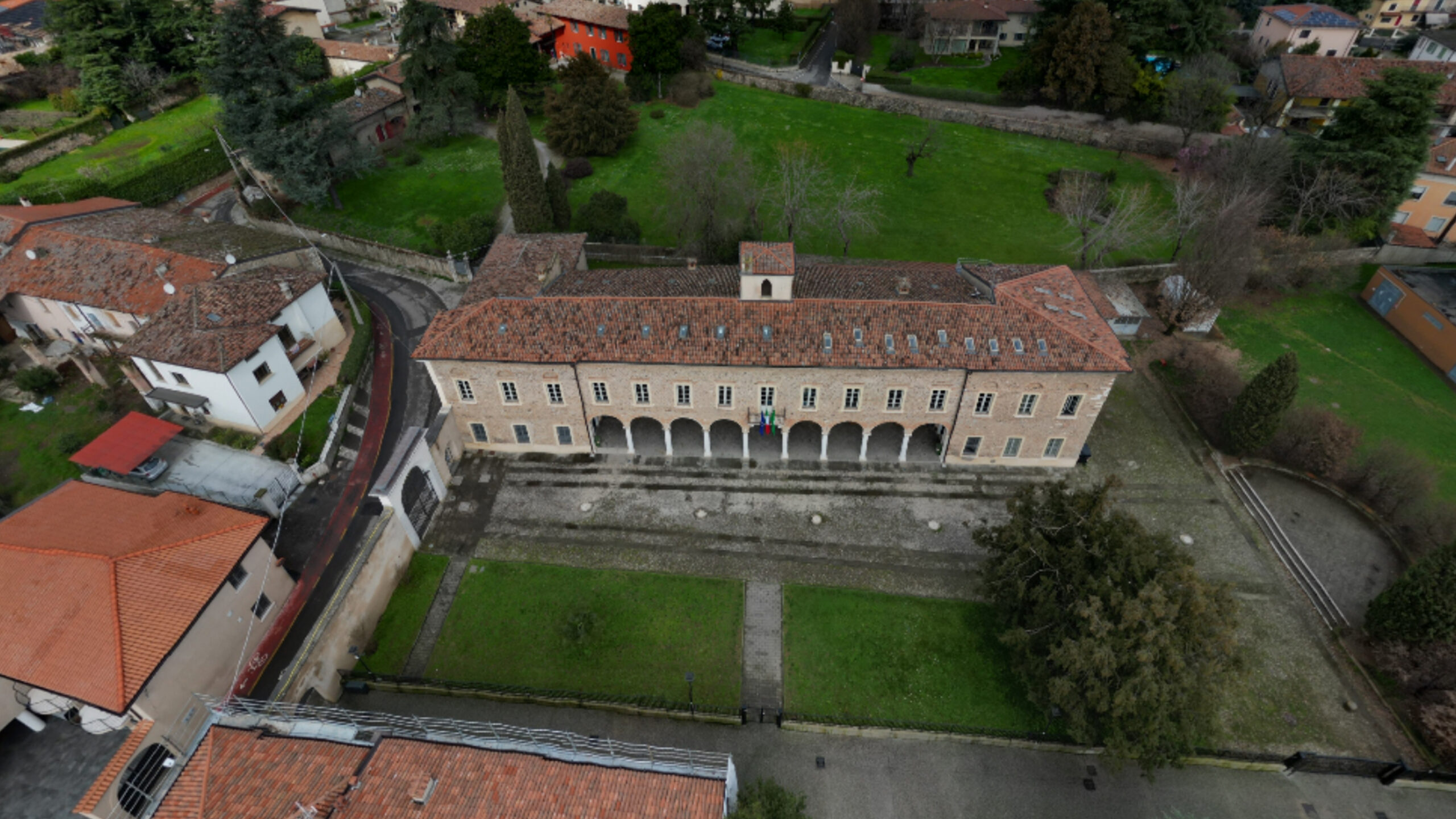
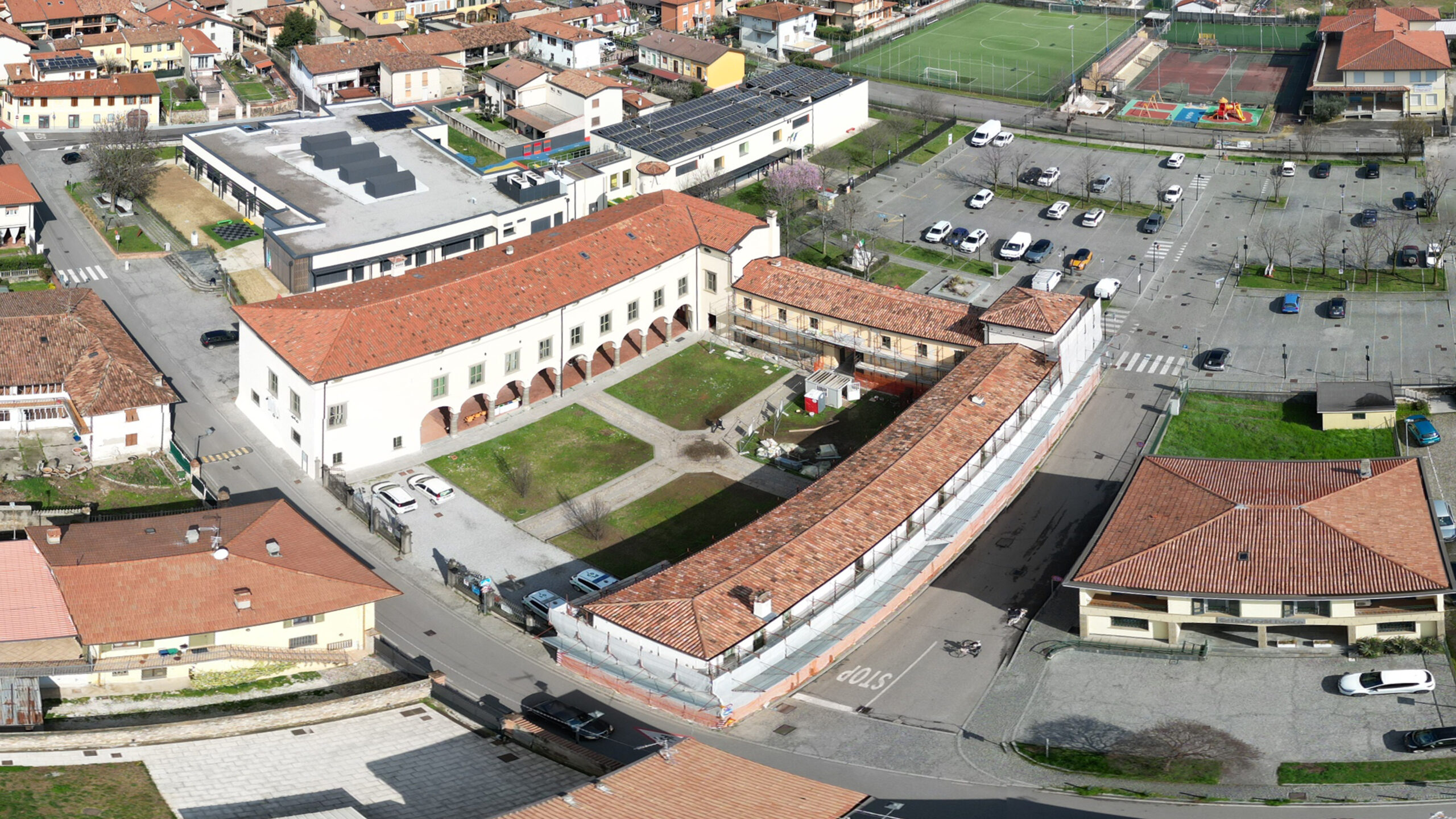
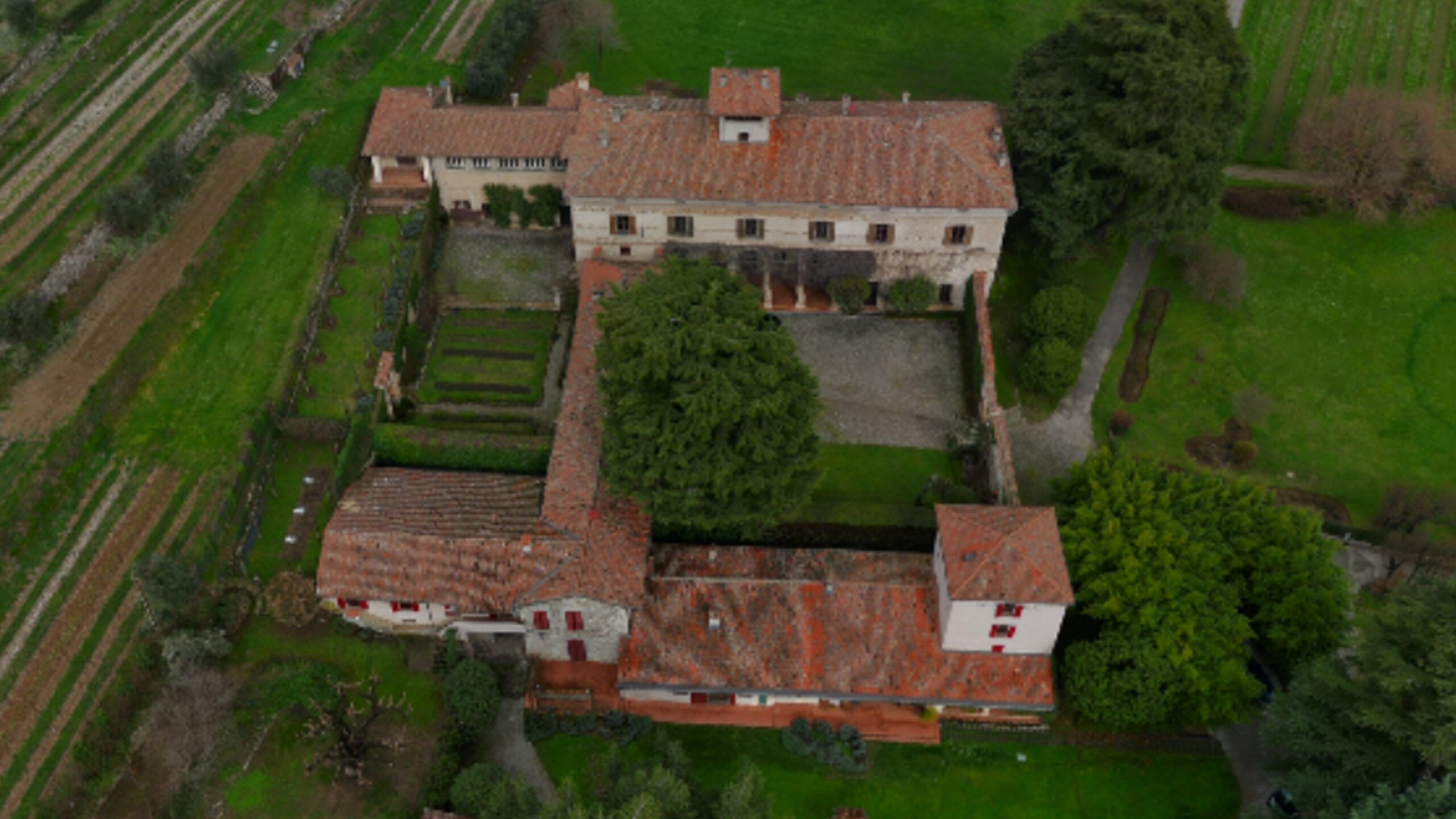
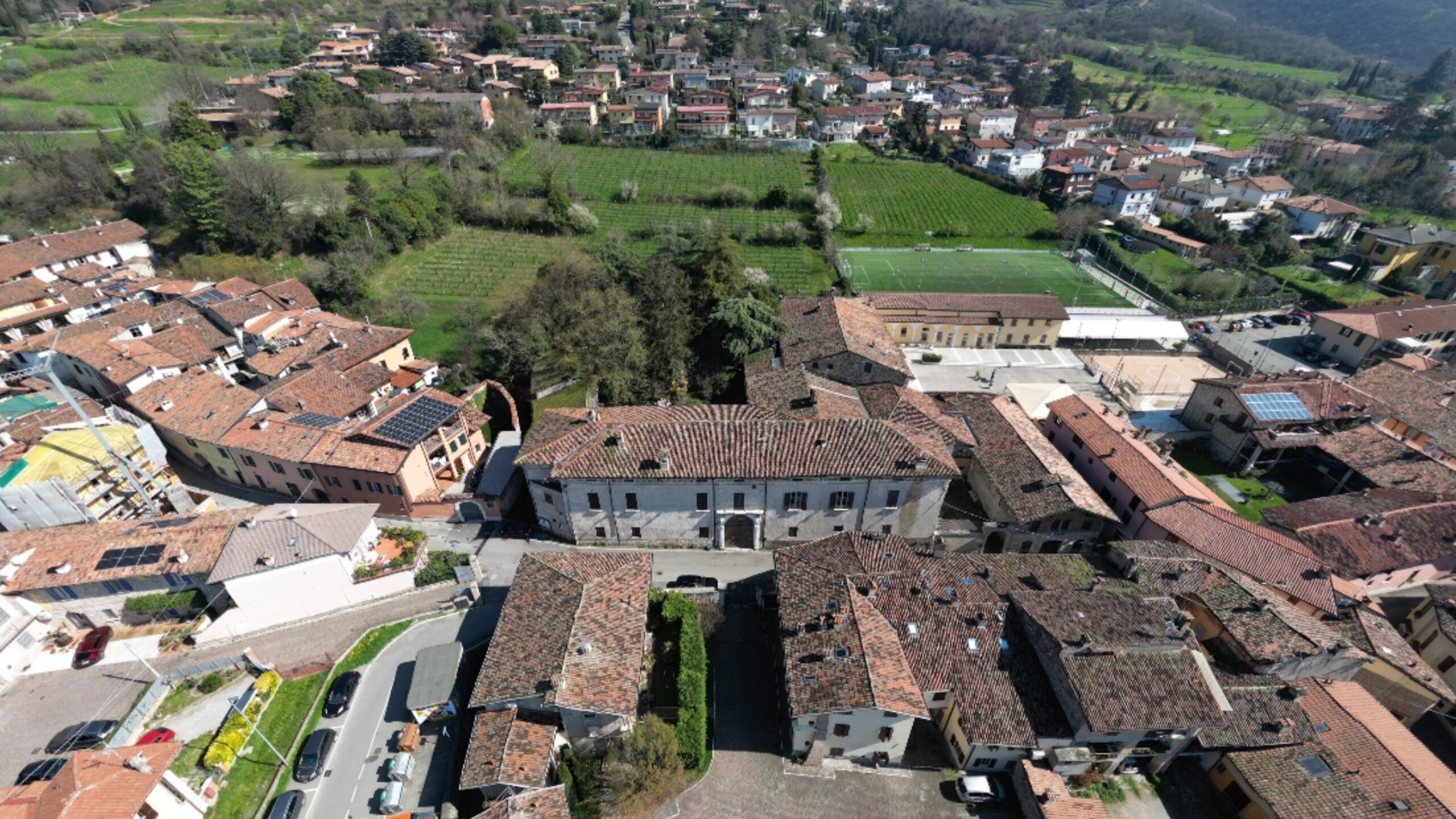
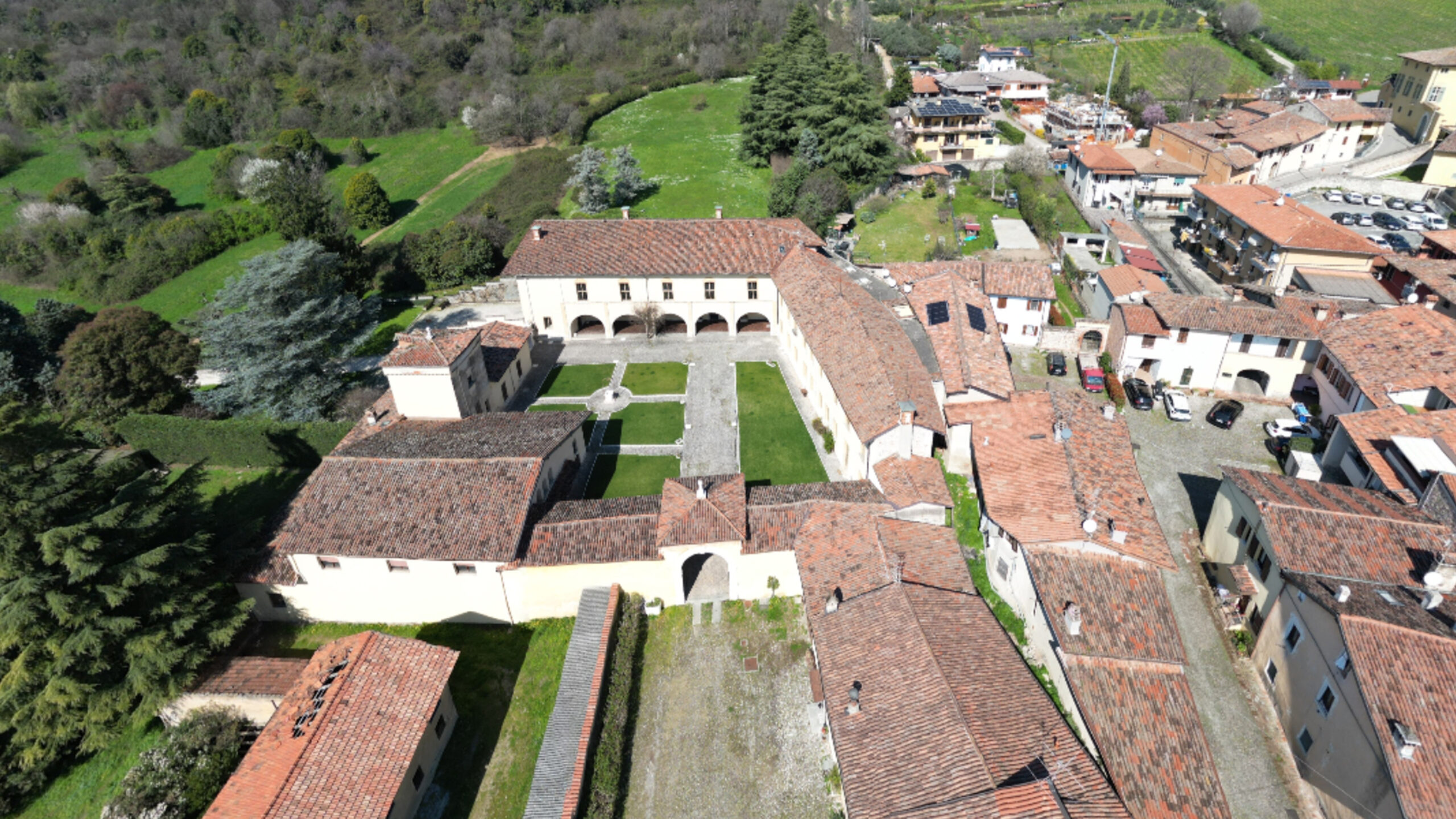
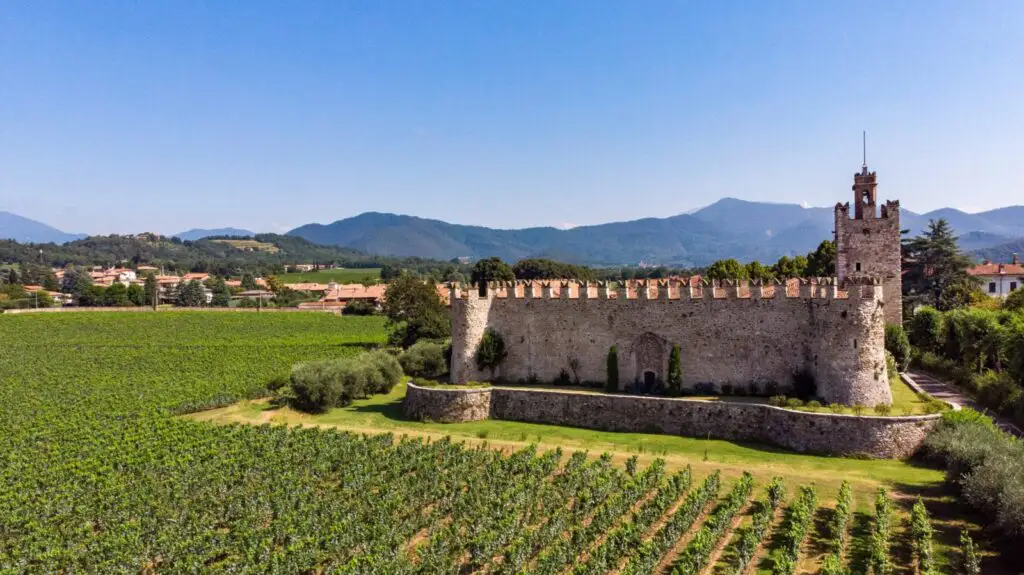
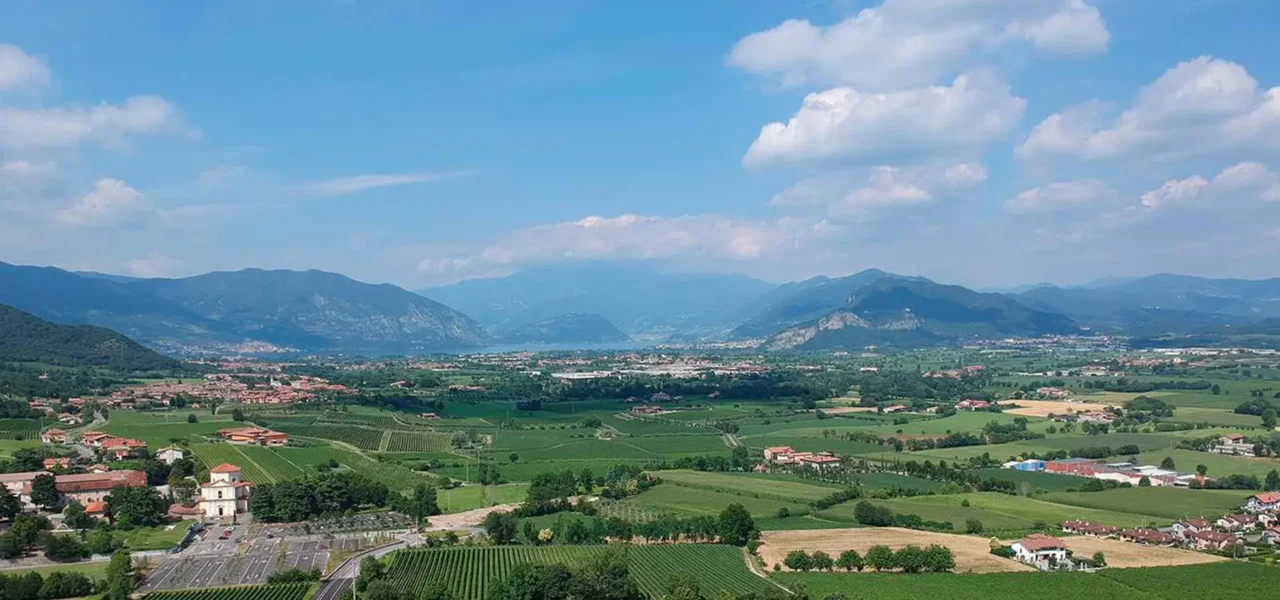
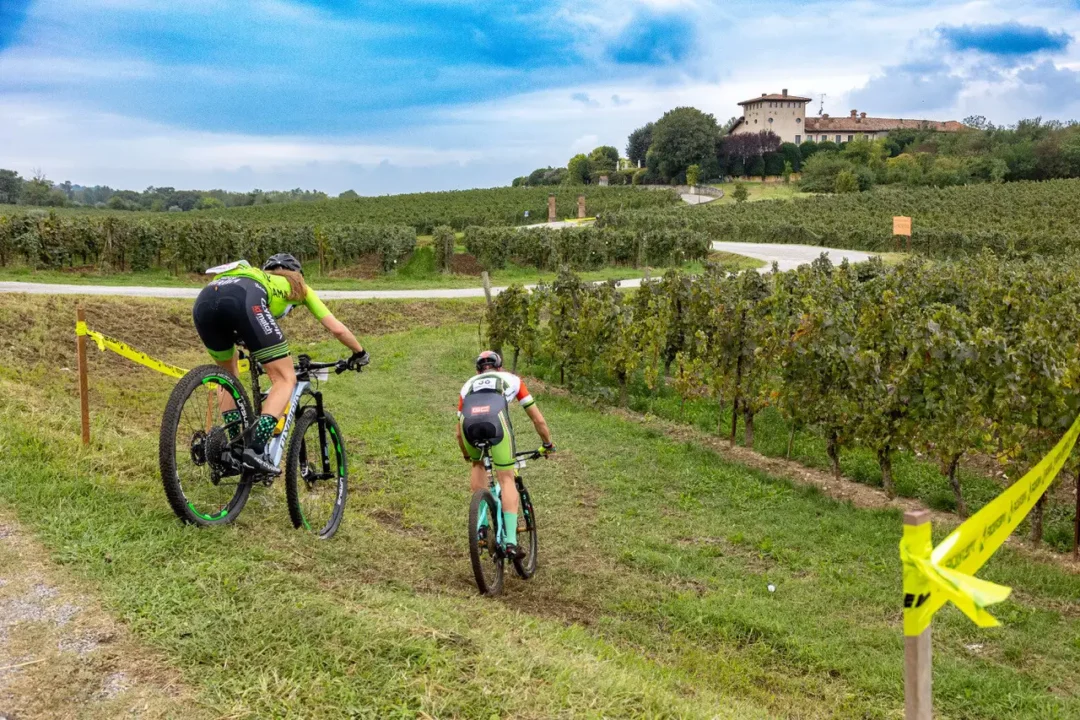
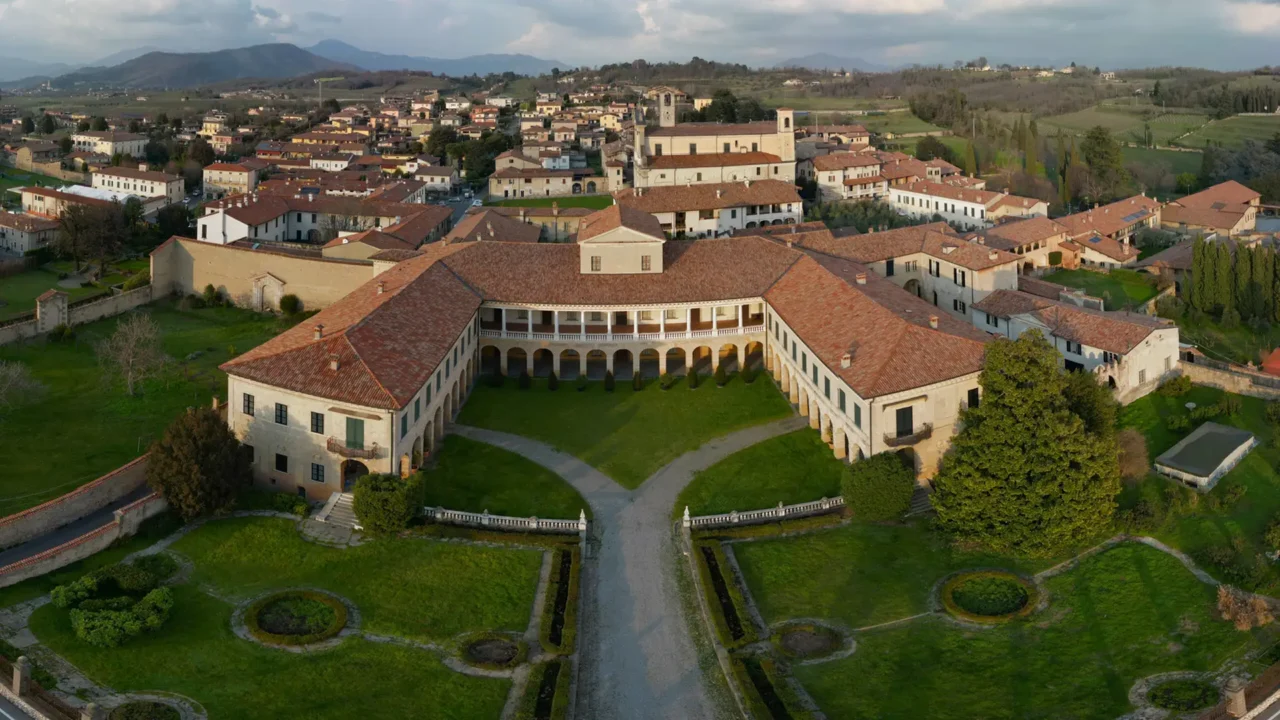
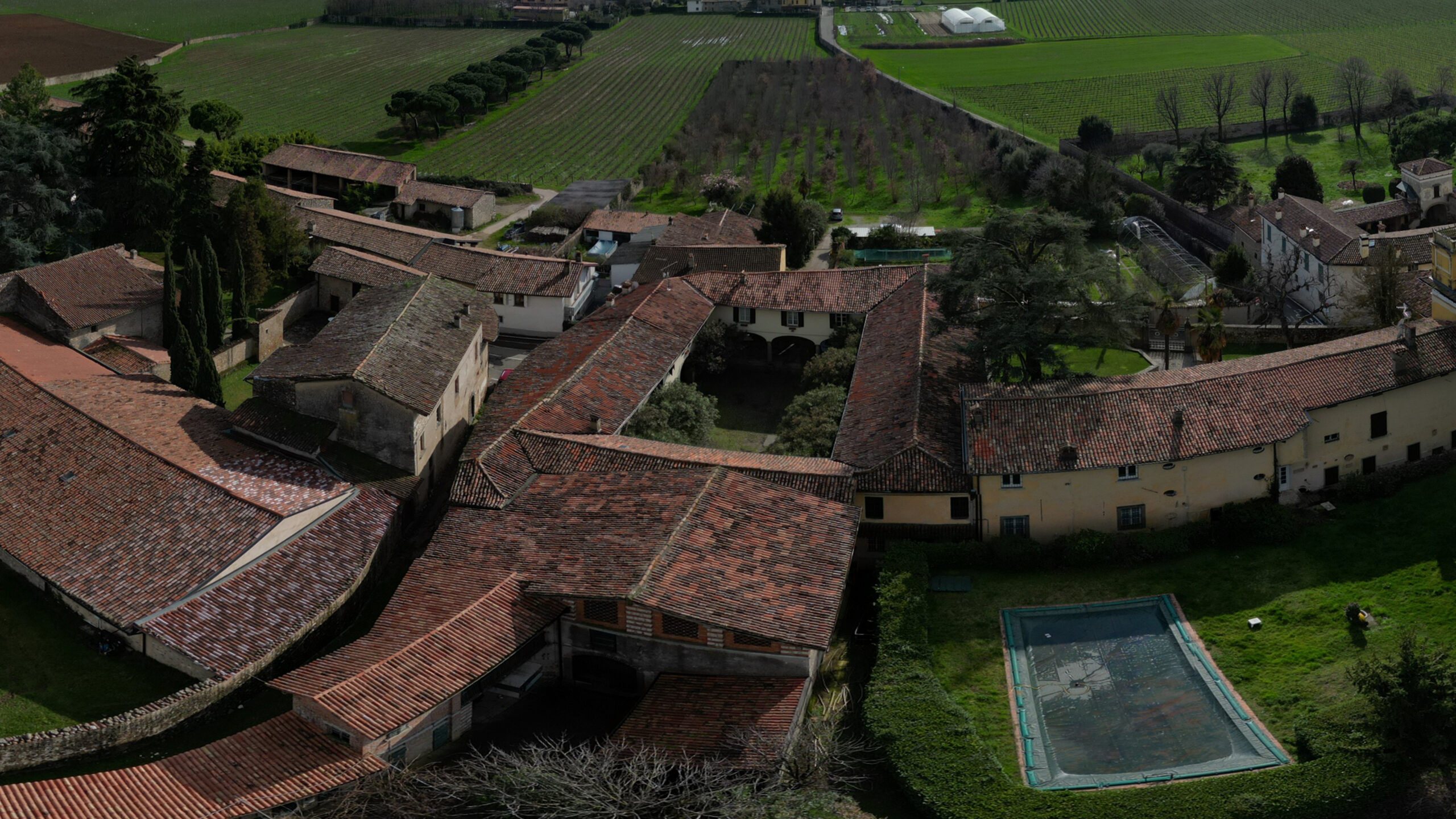
Villa Catturich Ducco in Passirano is in fact a complex comprising several structures of varying ages, which tell a story spanning from the fifteenth century right through to the mid-nineteenth century. The complex is bisected in the centre by Via degli Eroi and has no decorated façades facing the street, but rather a boundary wall that encircles the beautiful vineyard.
Ownership history and 20th-century restoration work
The first settlement dates back to the 15th century and consisted of a house belonging to the Calzaveglia family: an initial change of ownership in the 17th century saw it become the residence of the Foresti family, who owned the villa until the 18th century, when it passed to the Ducco family. In 1923, upon the death of the last descendant, Luigi, the villa was finally inherited by the Catturich family, and its history continued into the 20th century with a restoration carried out between 1969 and 1972.
The simple façade, the chapel and the medieval remains
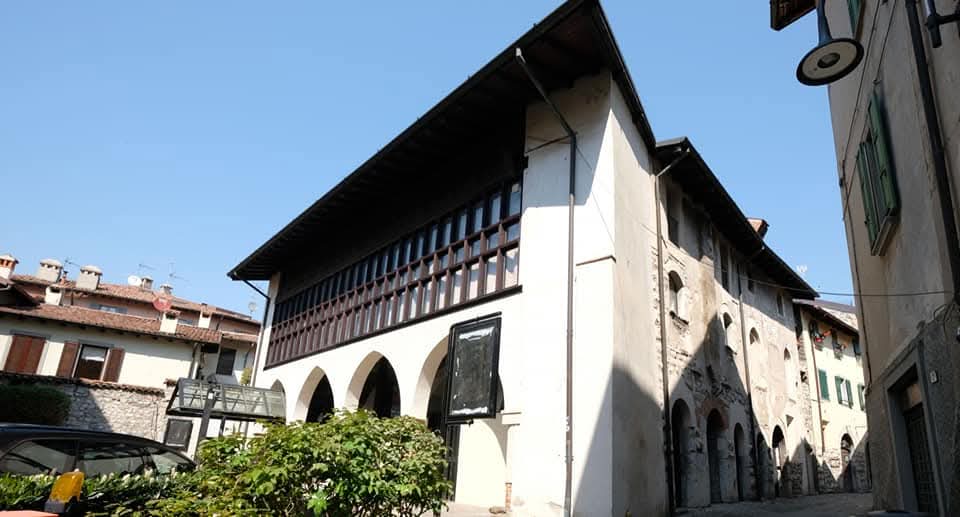
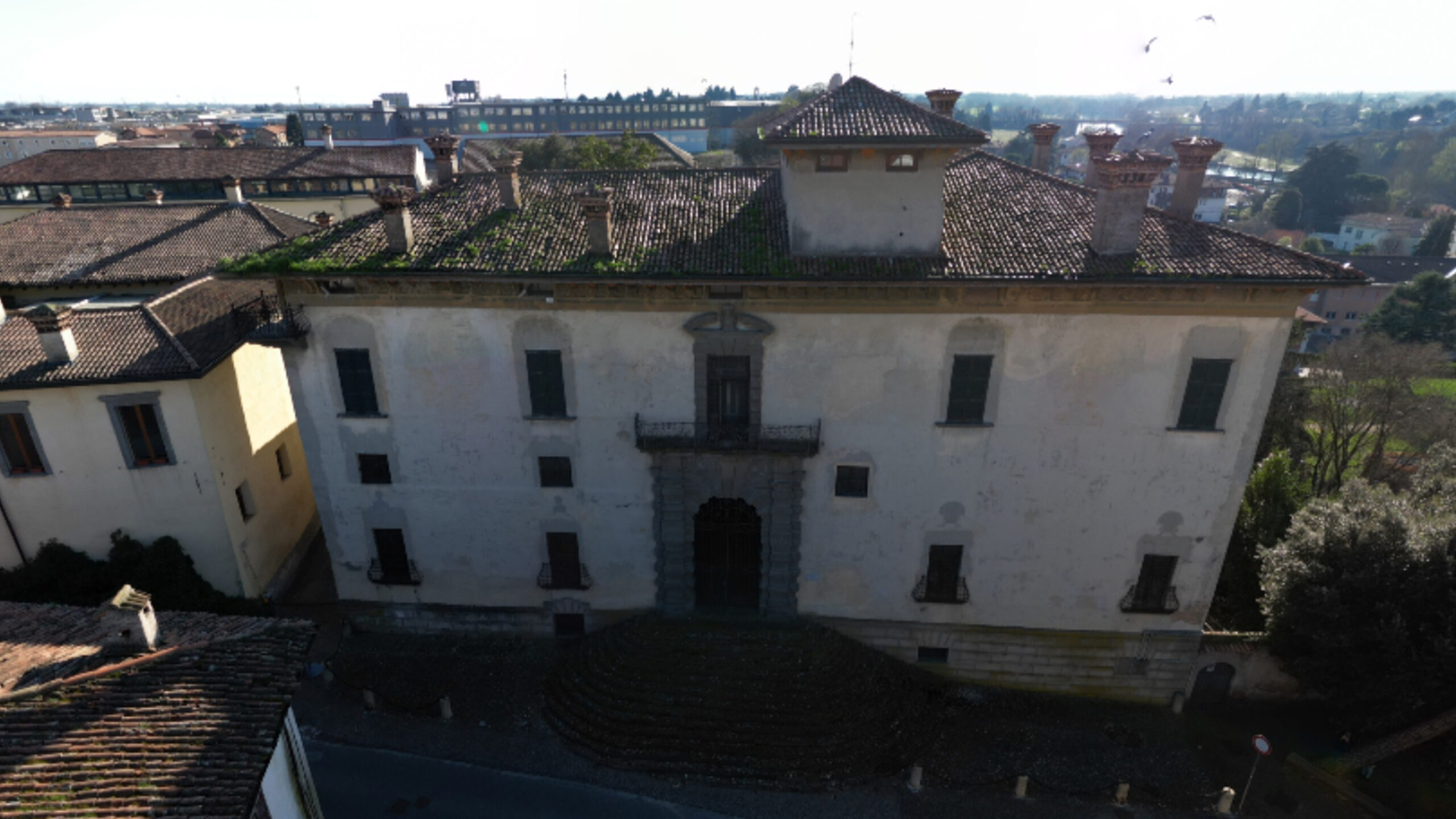
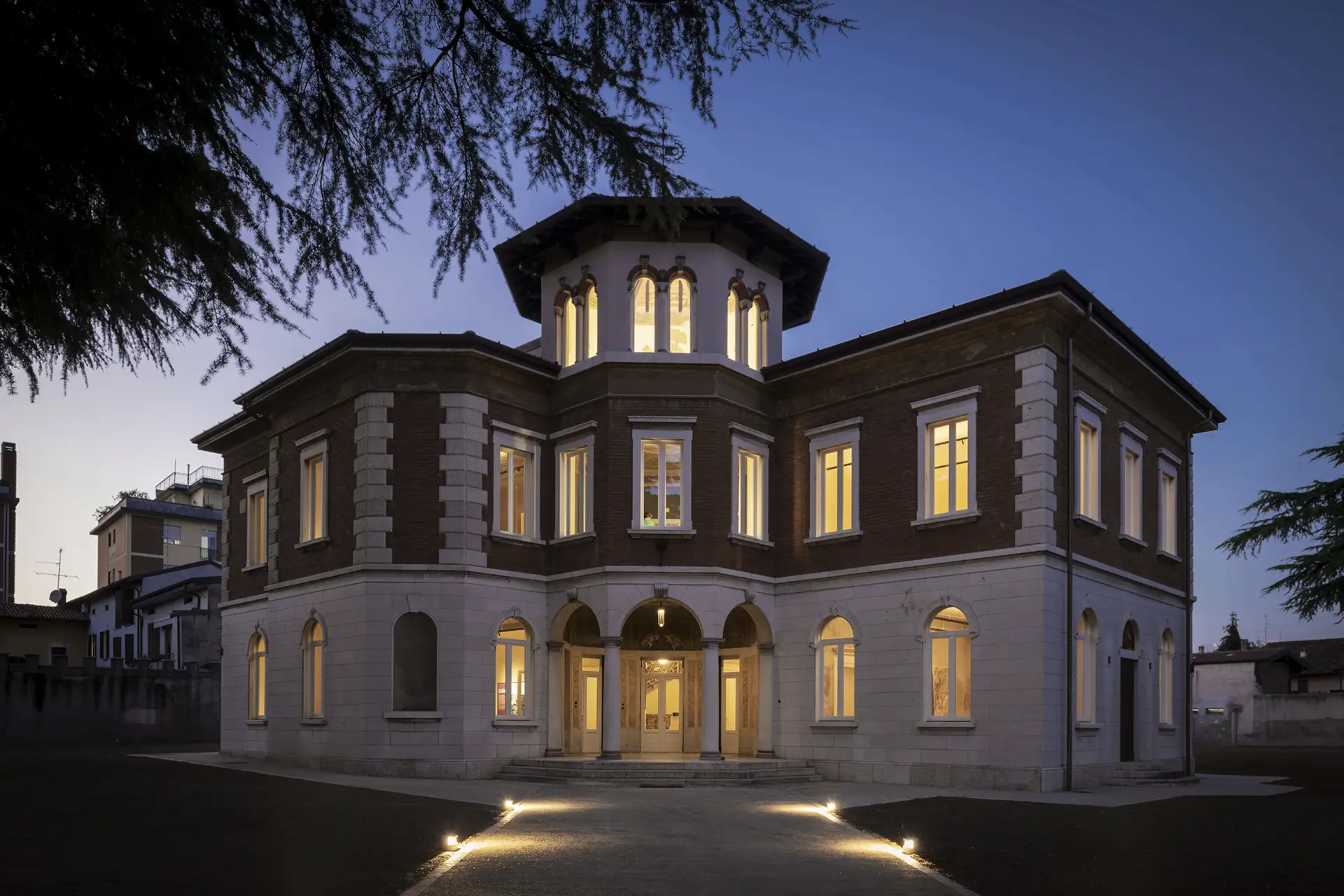
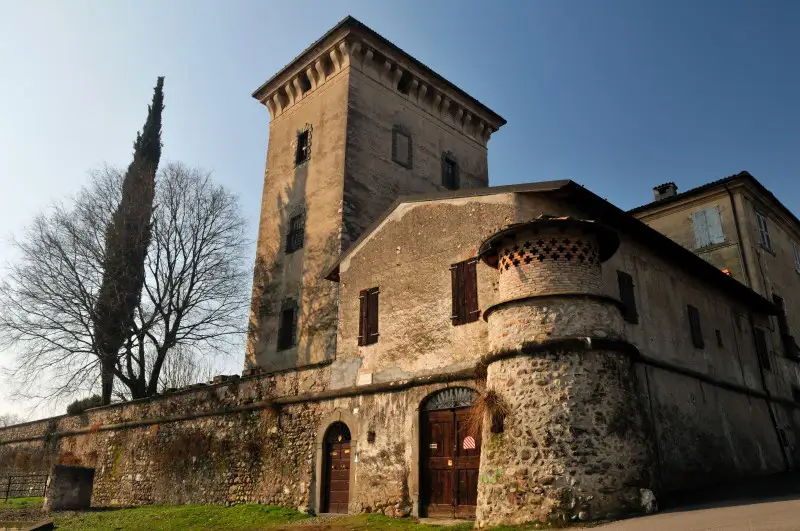
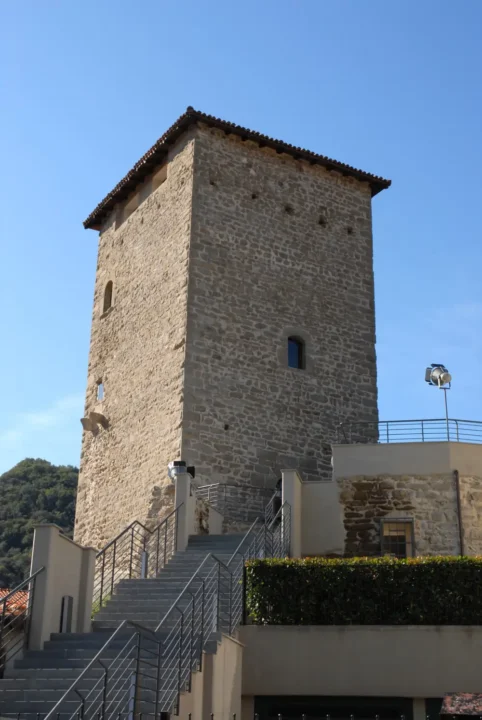
The main façade is unbroken and understated, devoid of decoration, yet enlivened by windows arranged irregularly in pairs across two overlapping bands, suggesting the division of the storeys, and surmounted by smaller openings beneath the eaves. On one side of the façade stands a small chapel, a building that may date back to the villa’s original core, with a pitched roof and multi-lobed arches beneath the eaves. Next to the chapel, one can see one of the shorter sides of the residence, which is particularly striking for its pitched profile and windows, interrupted at the top by a turret with a roof terrace. Other parts of the late medieval building are incorporated into the structures at the ends of the central block, where umbrella and pavilion vaults can be seen.
Landscape design and the Neoclassical style
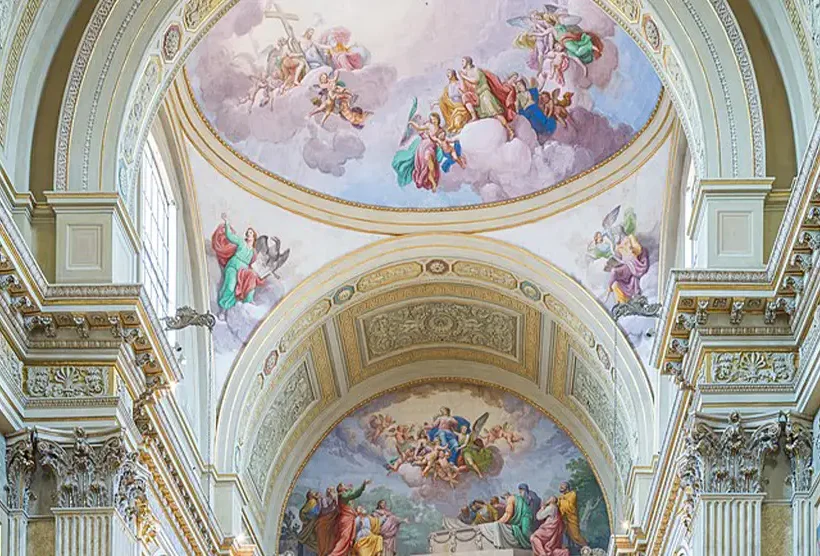
A notable feature of the villa is its painted decoration, and, in particular, its landscape paintings: the landscape motif is a common feature of Franciacorta residences, meaning that the naturalistic element is as important as an external feature, with which the architecture engages in a constant dialogue, as it is as an interior ornament. The views of natural scenes depicted on the walls seem to extend out into the open air, broadening the perception of the enclosed space and inviting the eye to continue its exploration beyond the villa’s walls. Splendid nineteenth-century landscape views characterise the ground-floor rooms, linking Villa Catturich Ducco with the nearby Villa Barboglio Barzanò in Camignone and Palazzo Pradella (formerly Pecchio) in Adro: unlike Villa Gnecchi in Cologne, here the views unfold continuously along the walls, uninterrupted by architectural features, occupying the entire available space right up to the vaulted ceiling. Among the magnificent trees with their wind-swept foliage, one can glimpse the ruins of classical temples: an element still strongly linked to the Neoclassical style.
Links and useful information


Privately-owned property