Villa San Giuseppe
- Home
- /
- Arte e cultura
- /
- Historical buildings
- /
- Villa San Giuseppe
Villa San Giuseppe between Art Nouveau and changes of ownership
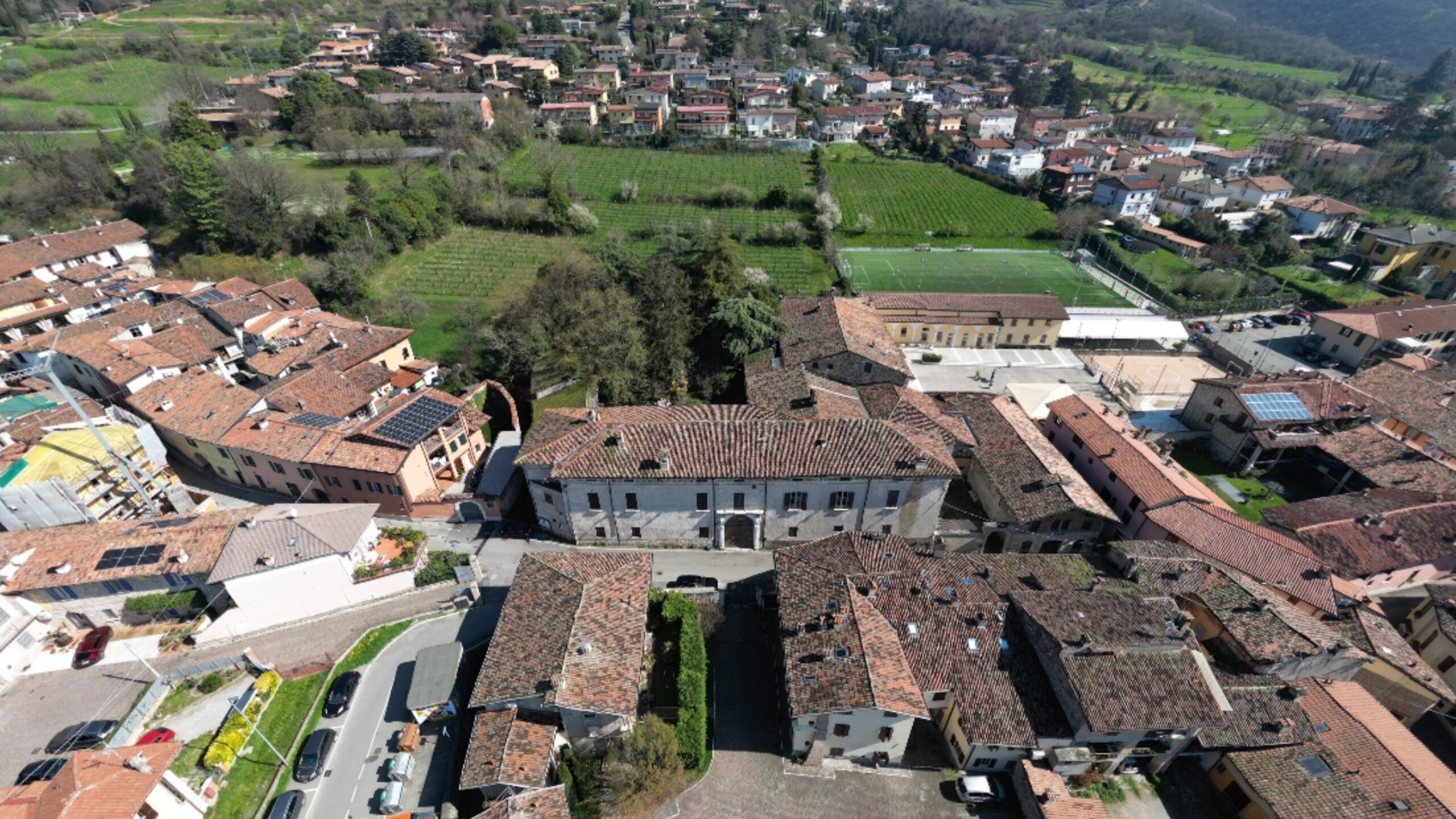
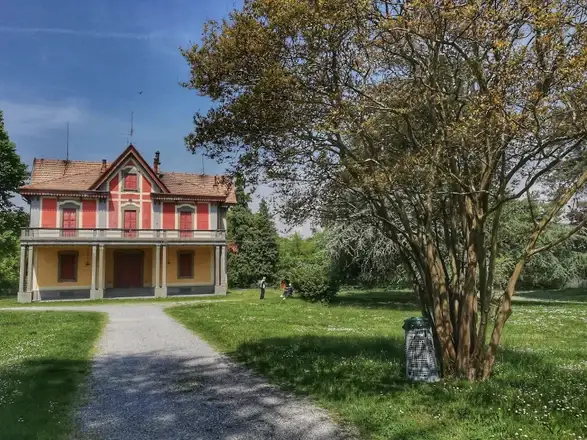
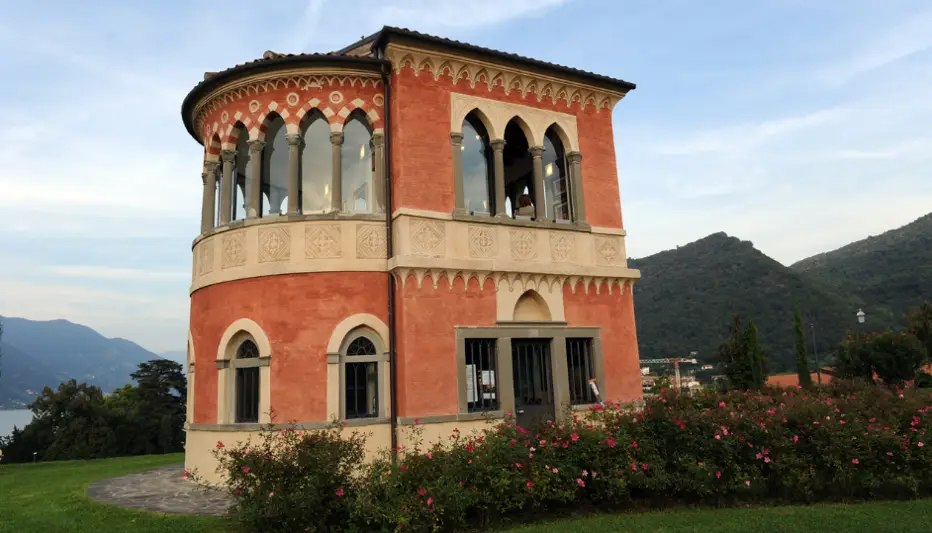
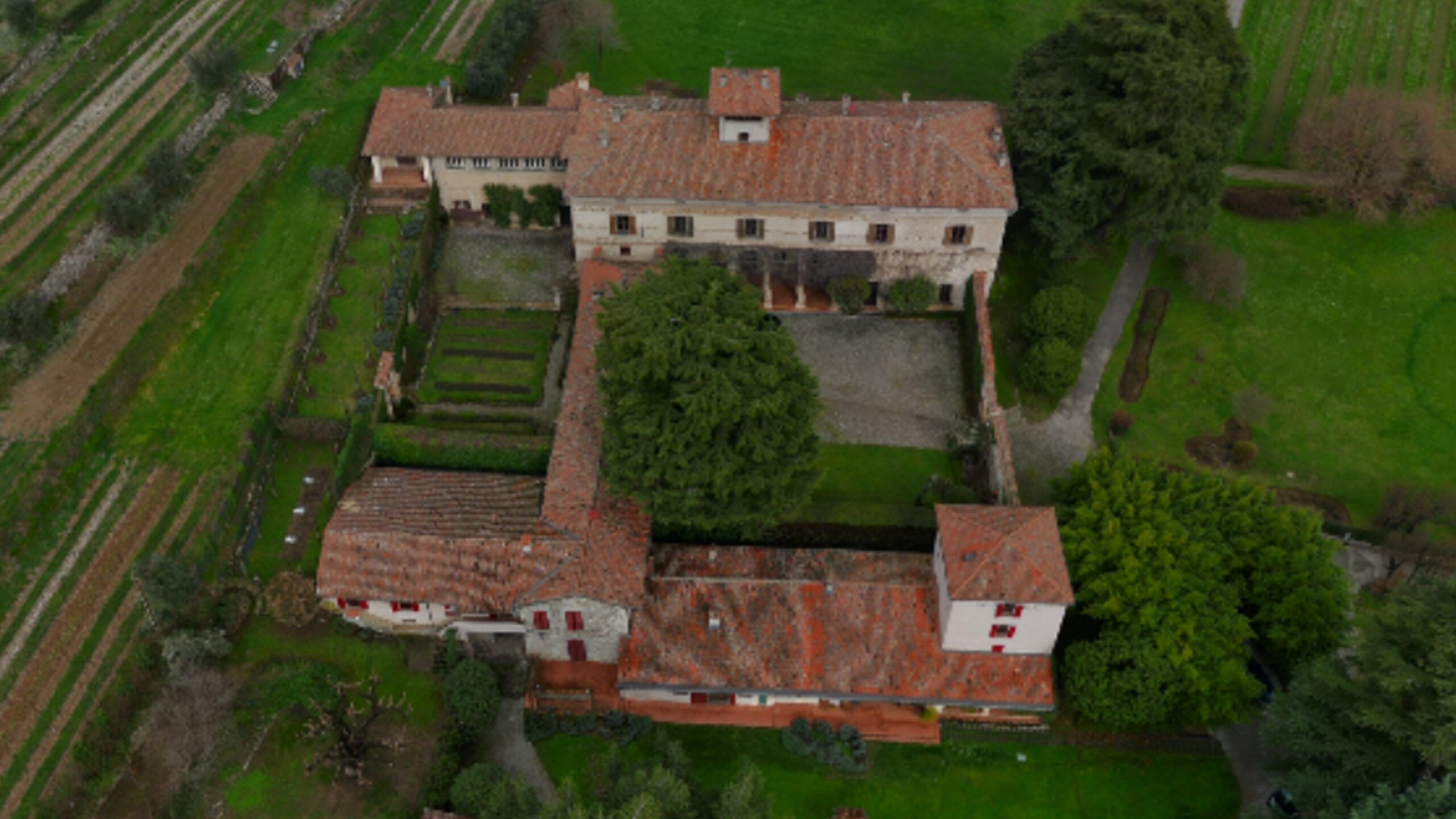
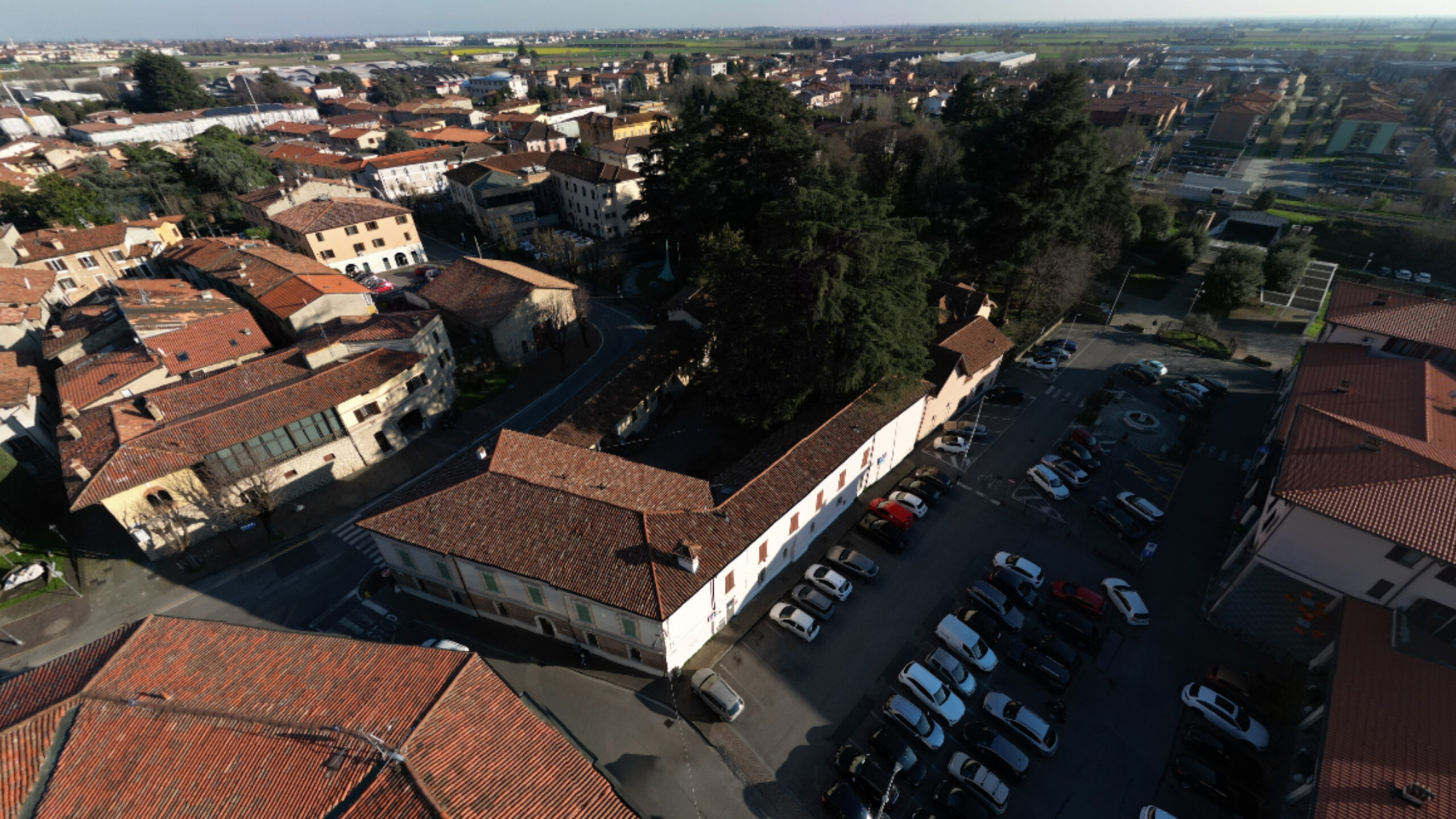
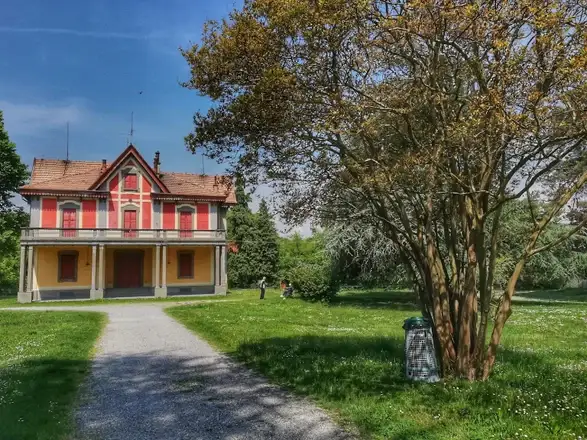
A splendid example of Italian Art Nouveau, symbolising a period when architecture was experiencing a genuine revival of ancient styles – in particular Romanesque, Gothic and Renaissance – the building now known as Villa San Giuseppe was constructed in the early 20th century a short distance from Villa Fenaroli, which had been restored in 1897 by the architect Tagliaferri. As is often the case in the Franciacorta area, the residence changed hands several times: originally owned by the Ferrante family, it subsequently passed to the Fenaroli family, before finally being bequeathed, in 1951, to the Working Sisters of the Holy House of Nazareth.
A Neo-Renaissance villa characterised by curved lines and vertical height
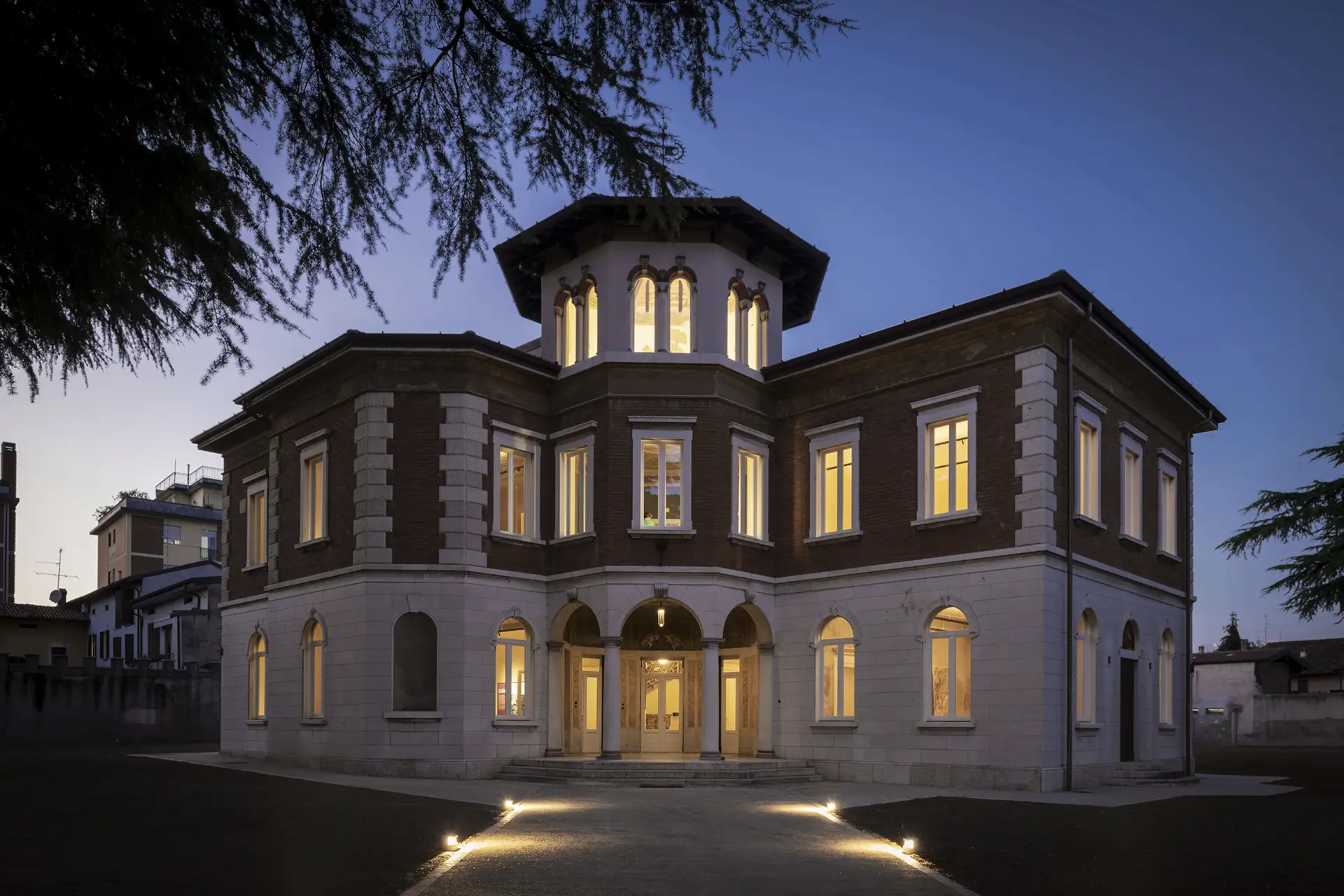
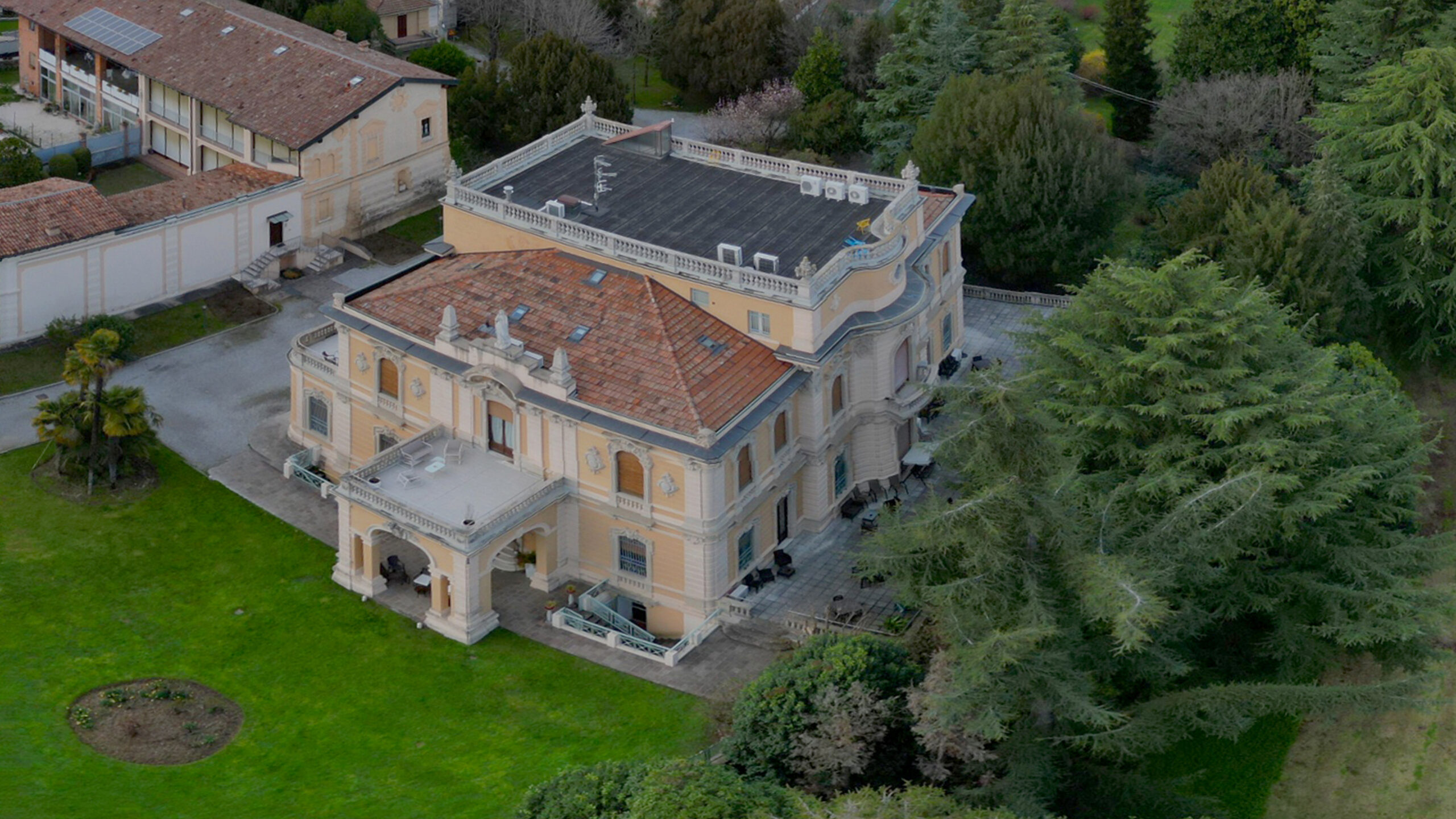
This imposing villa in the Neo-Renaissance style – an expression of an artistic movement that developed in parallel with the Neo-Gothic – presents itself as a compact structure, comprising a single parallelepiped form, whose massive outlines are enlivened by numerous decorative elements, such as cornices, windows and terraces. Horizontally, the building’s mass is enlivened by the elegant curved line of the cornices, which soften its austere contours, supported by projecting corbels. The vertical thrust, on the other hand, is suggested by the long windows, framed by single and double pilasters.
Facades, porch and terraces overlooking the garden
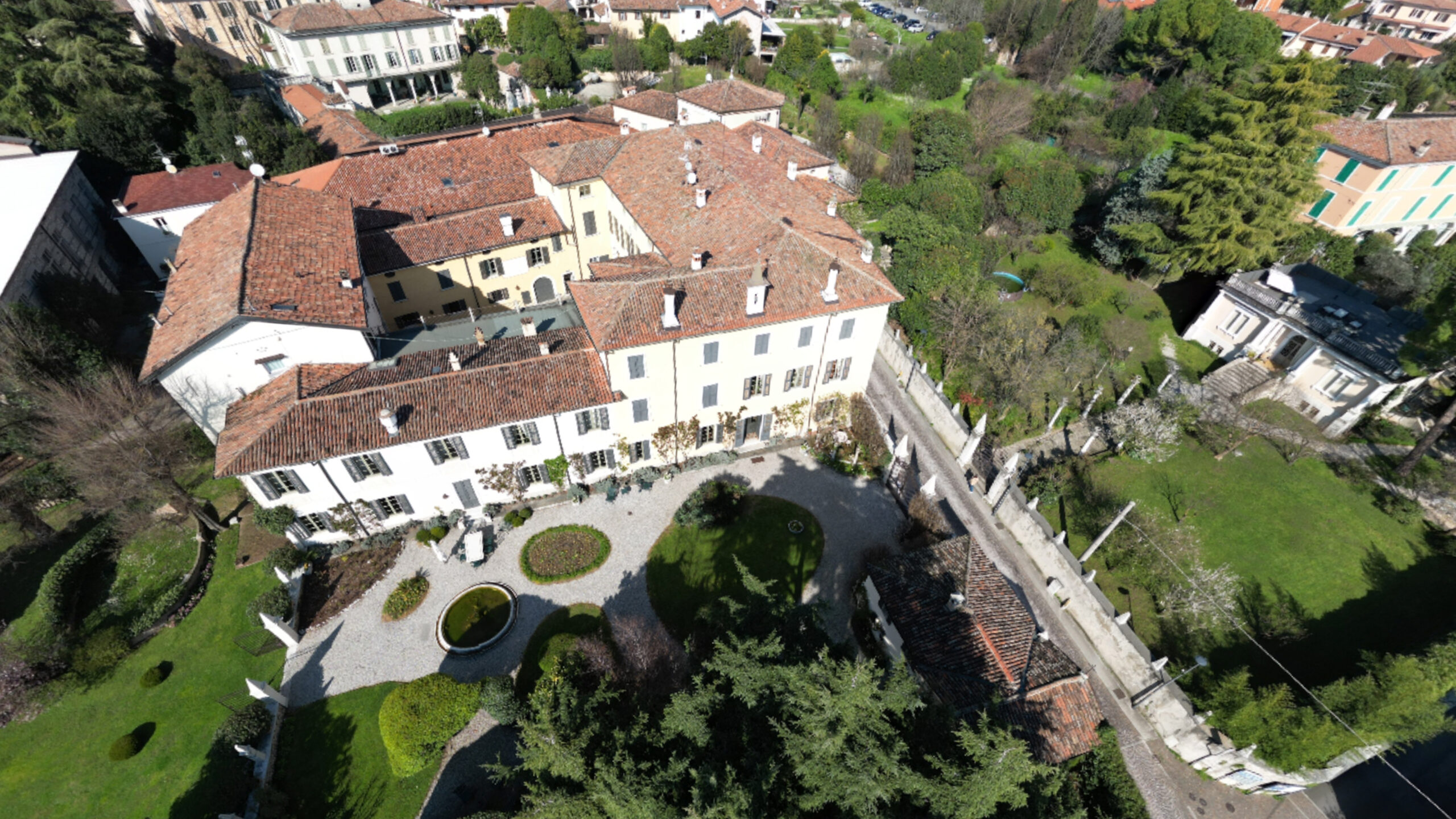
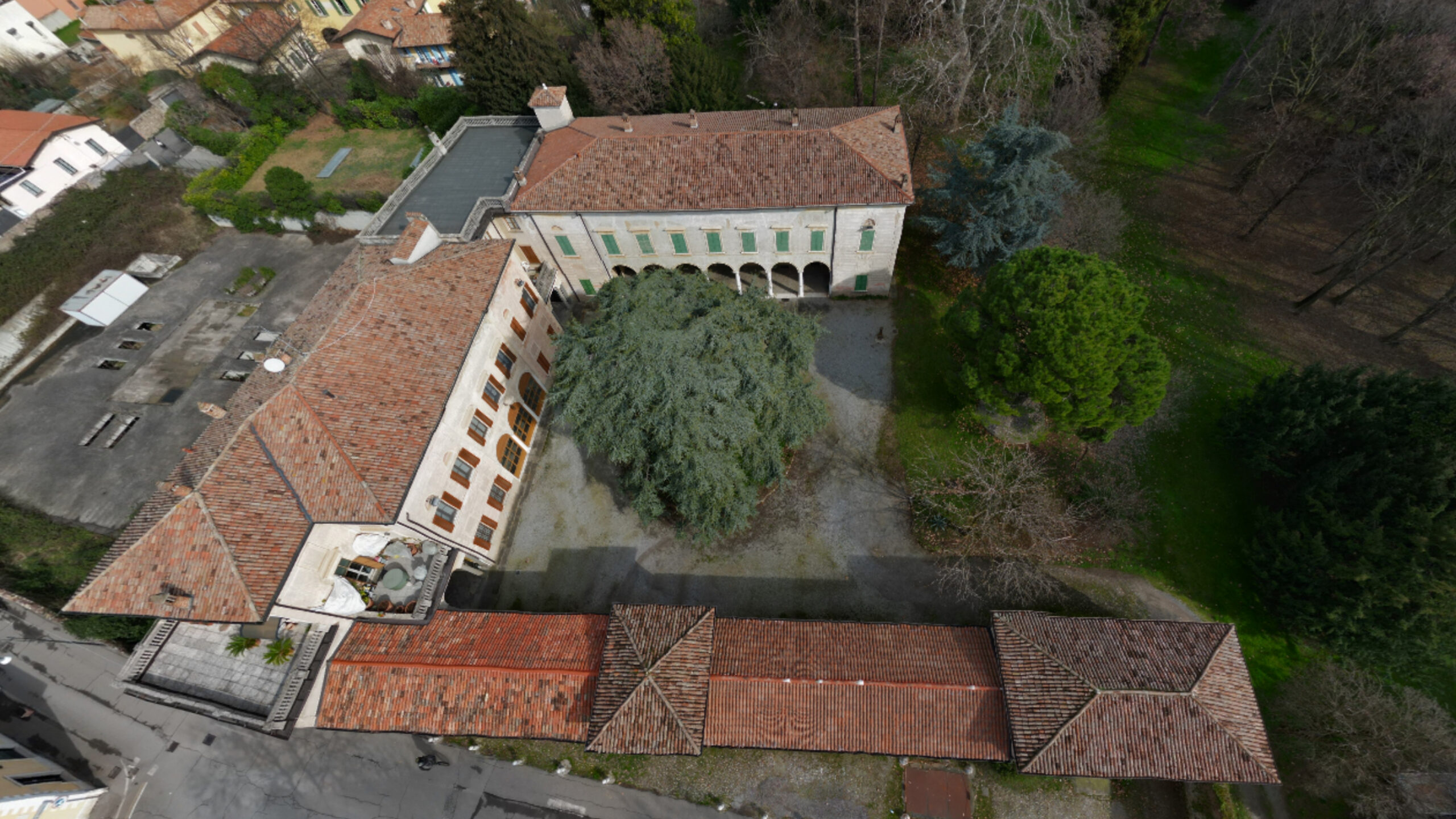
The main façade features, at its centre, an elegant, projecting square-plan porch which frames the entrance; this is preceded by three steps, surmounted by a terrace and a large window opening, and topped at the apex by a projecting pediment. On the opposite side, however, the horizontal lines are broken in the centre by a slightly projecting curved section, which includes a balcony and access to a terrace. Other terraces with beautiful balustrades run along one side and at the top of the house, offering views over the gently sloping garden.
Rusticated Masonry, Pediments, and Decorative Bichromy
The building’s external surfaces draw inspiration from the rusticated finish found in Renaissance palaces, as does the use of gables with a distinctly decorative style, which also evokes certain Baroque features of the city’s palaces, pilasters and columns. The choice of a two-tone colour scheme further emphasises these various decorative elements, with the contrast serving to highlight the rich window arrangements.
Links and useful information


Opening hours: open 24 hours a day.
Free admission
Private property