Villa Lechi
- Home
- /
- Arte e cultura
- /
- Historical buildings
- /
- Villa Lechi
Lechi Palace, between the built-up area and the landscape
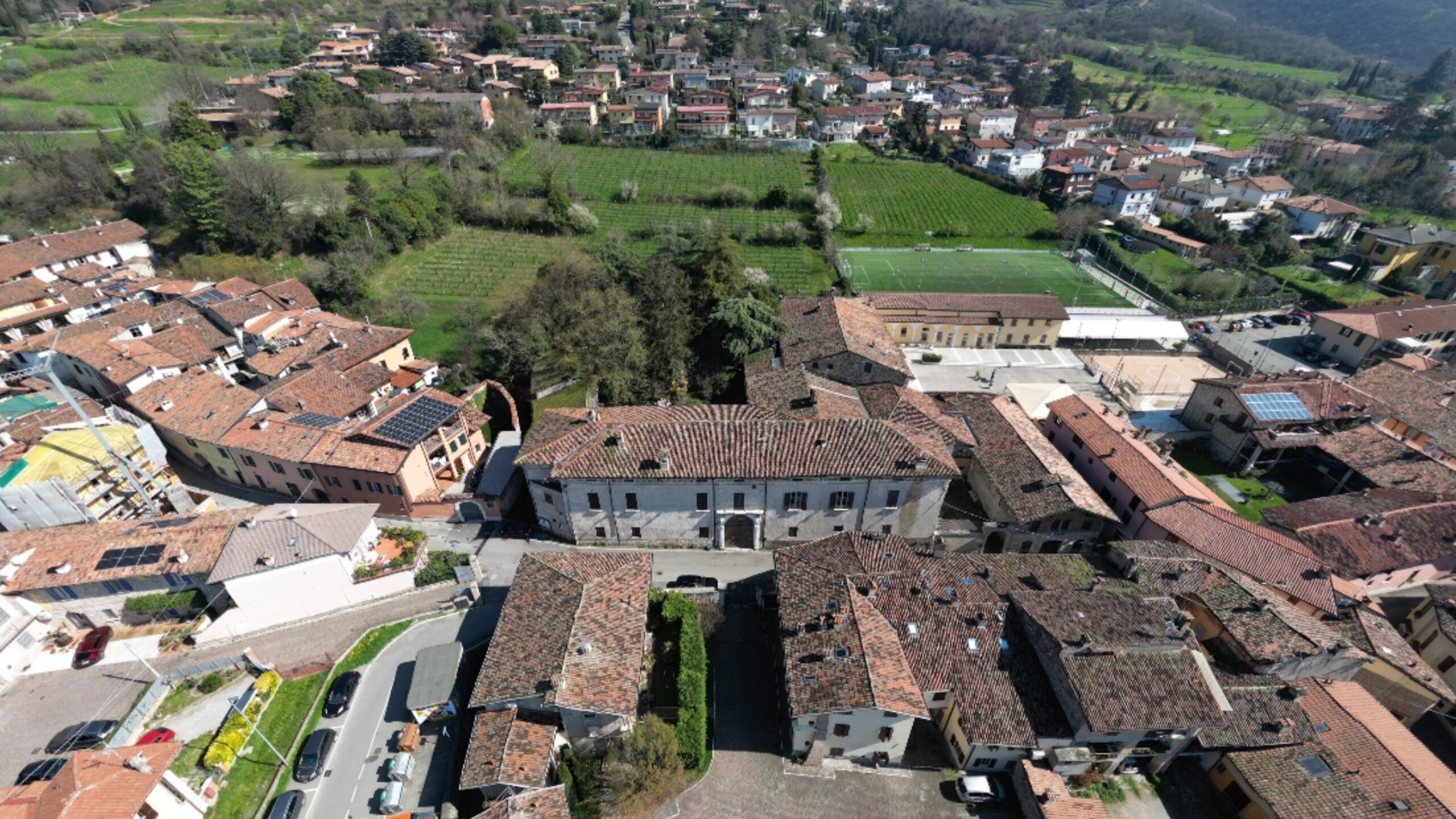
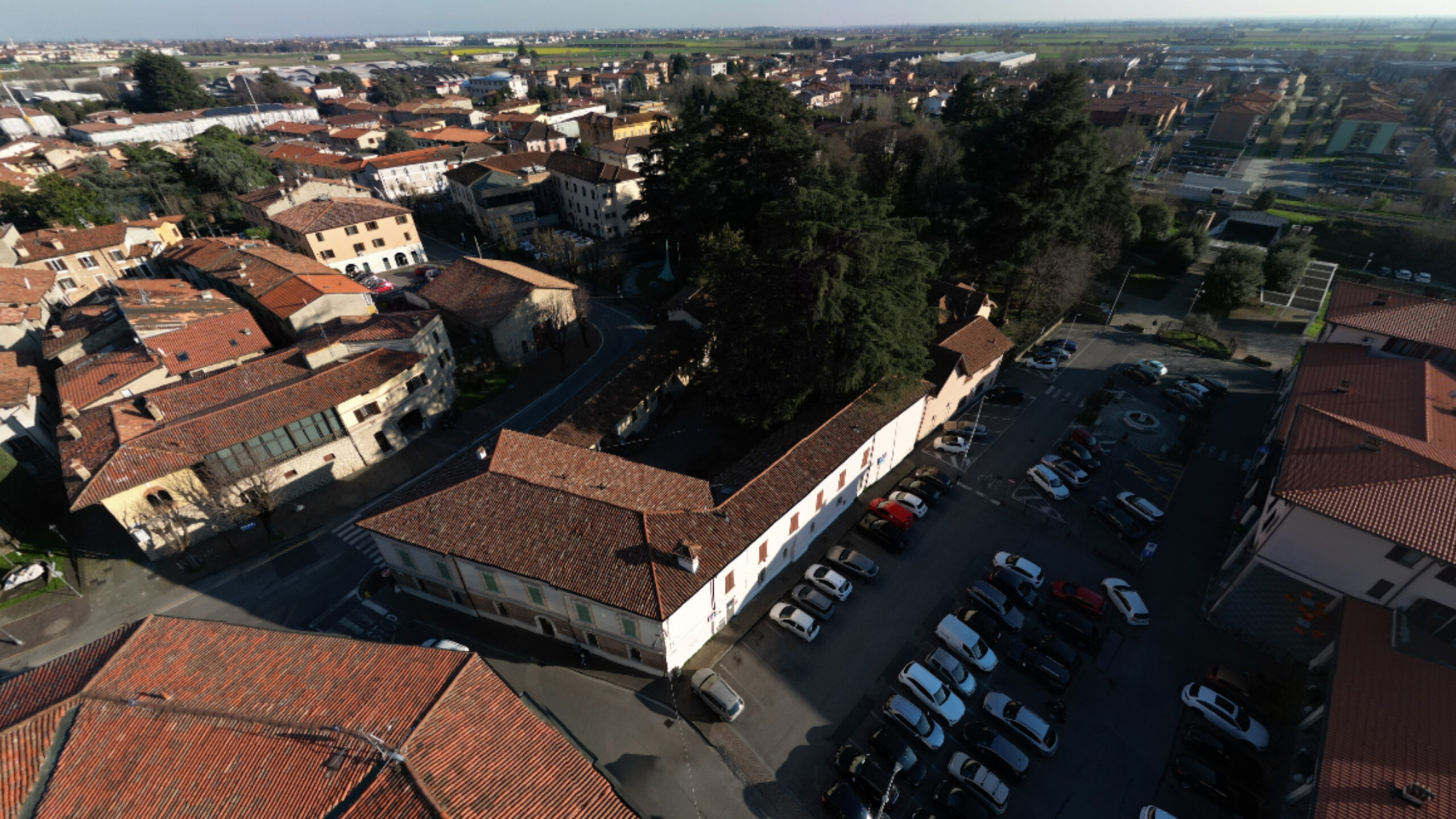
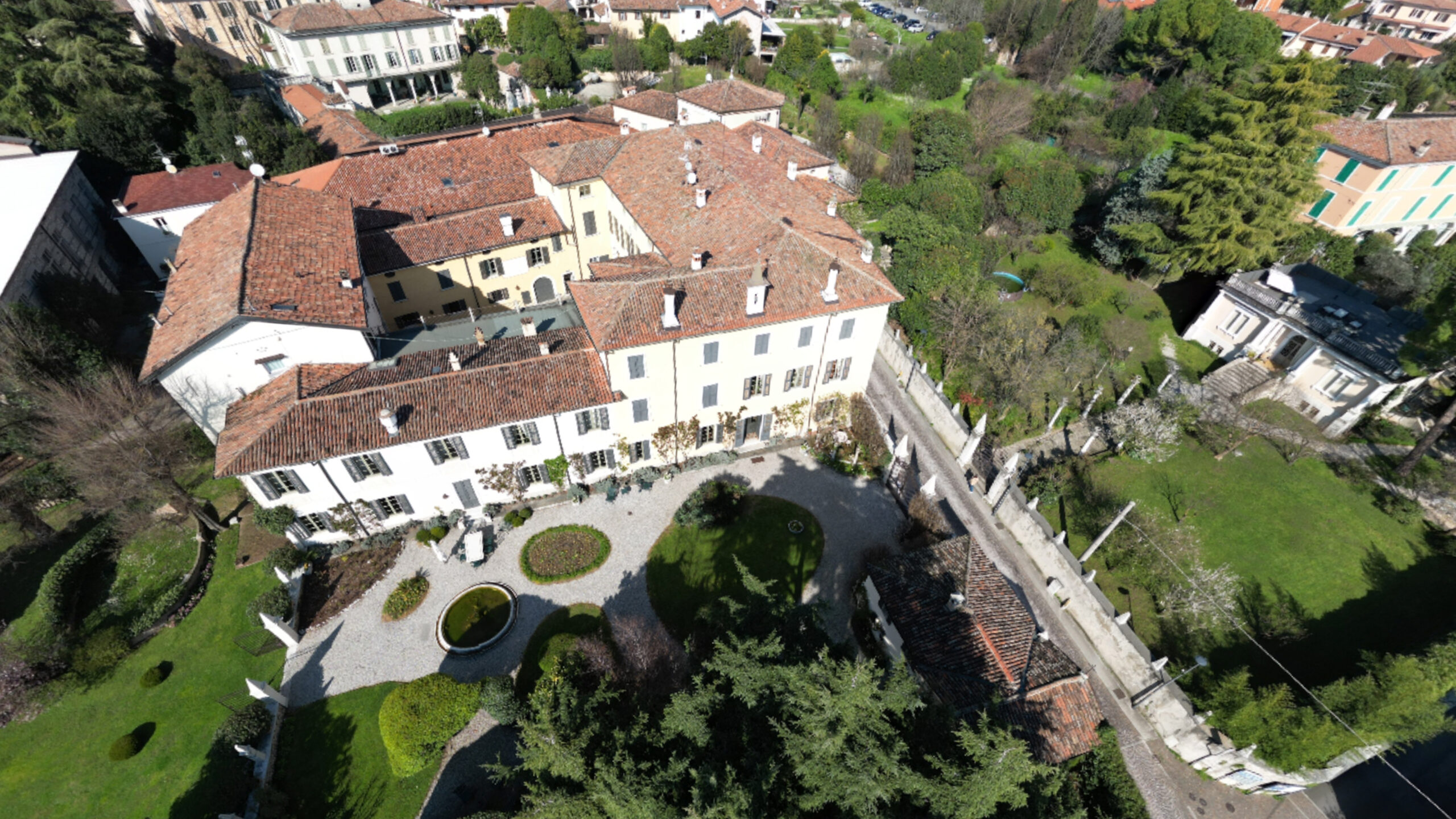
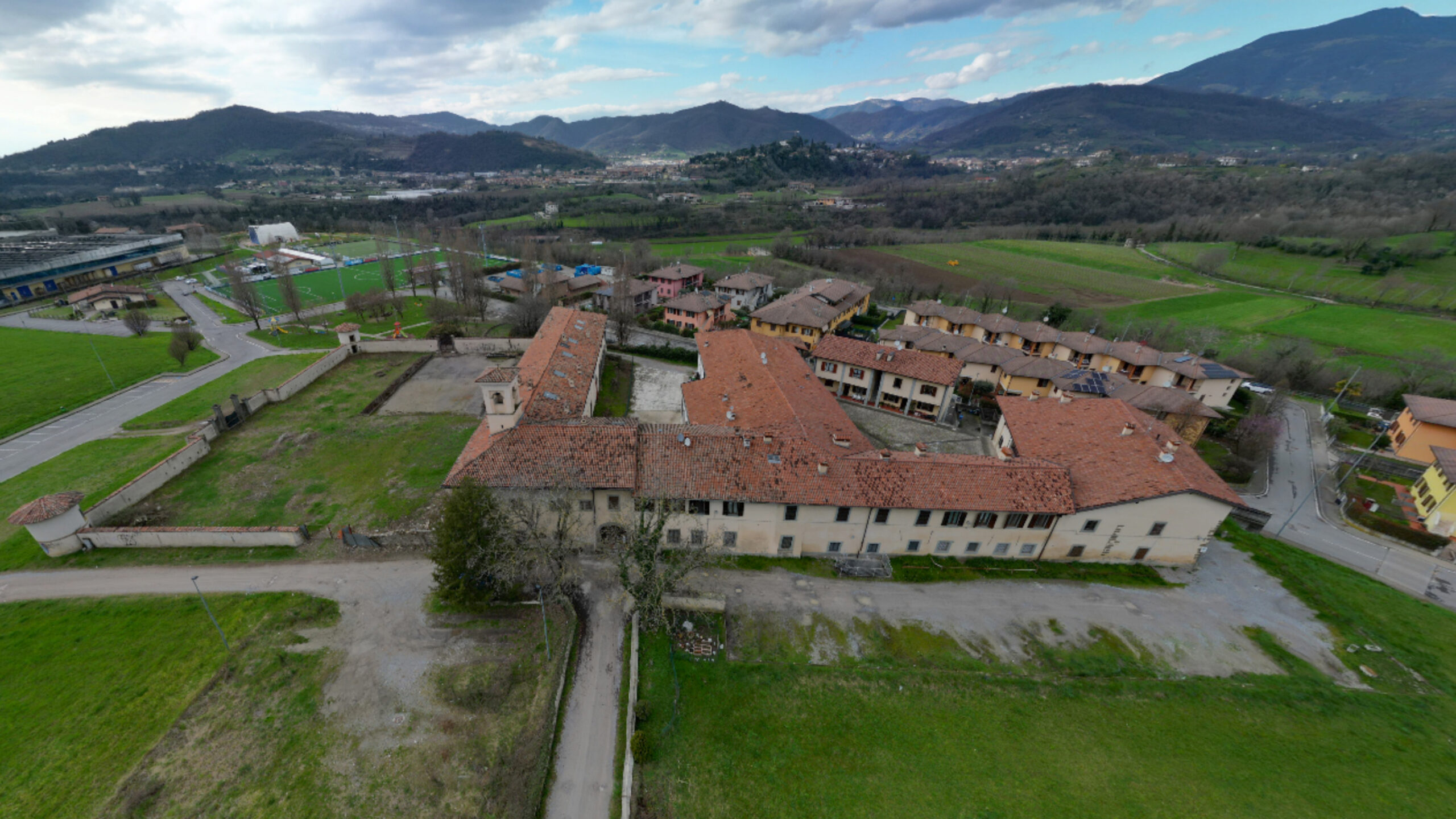
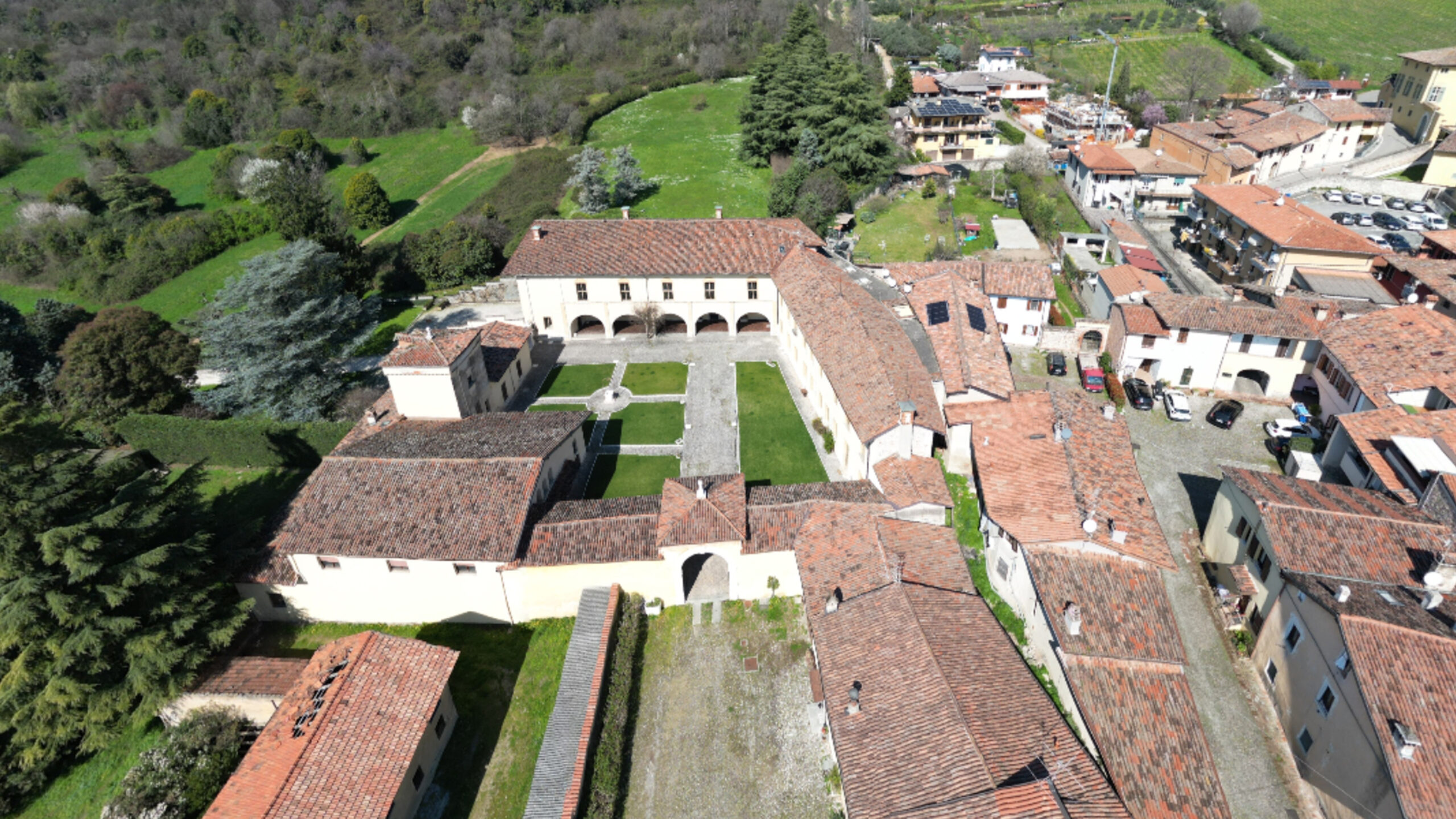
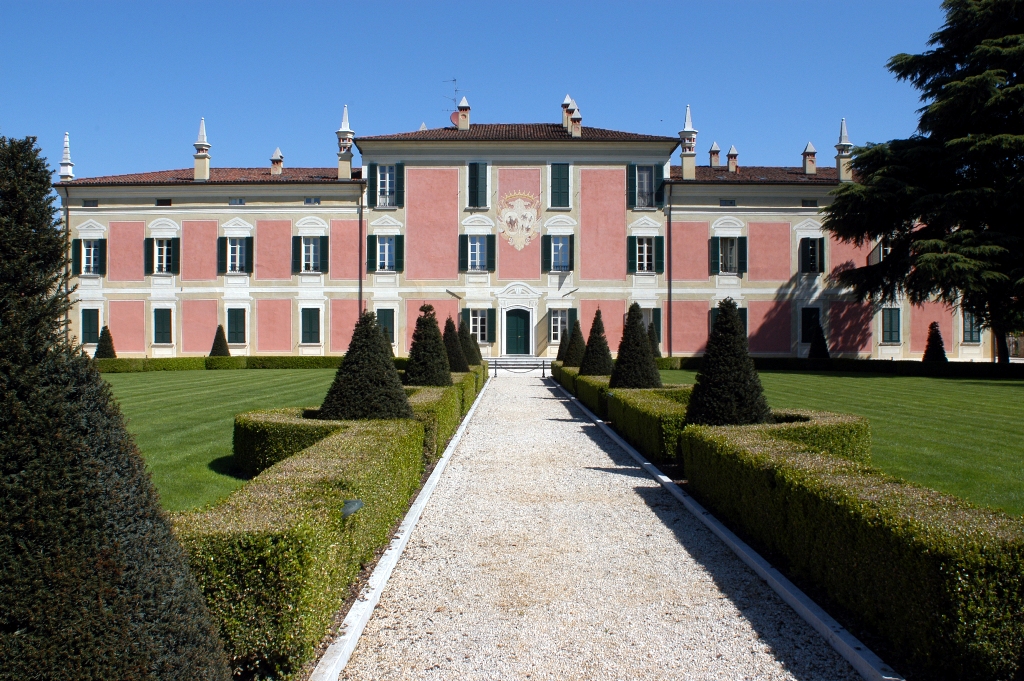
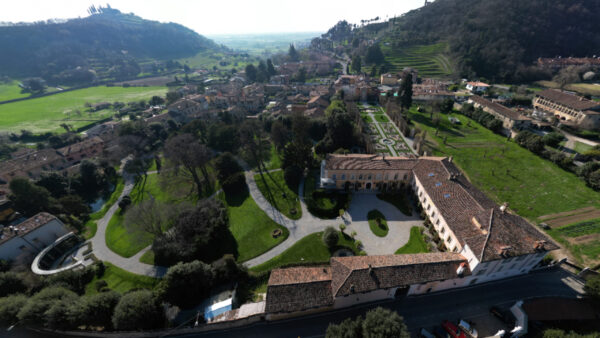
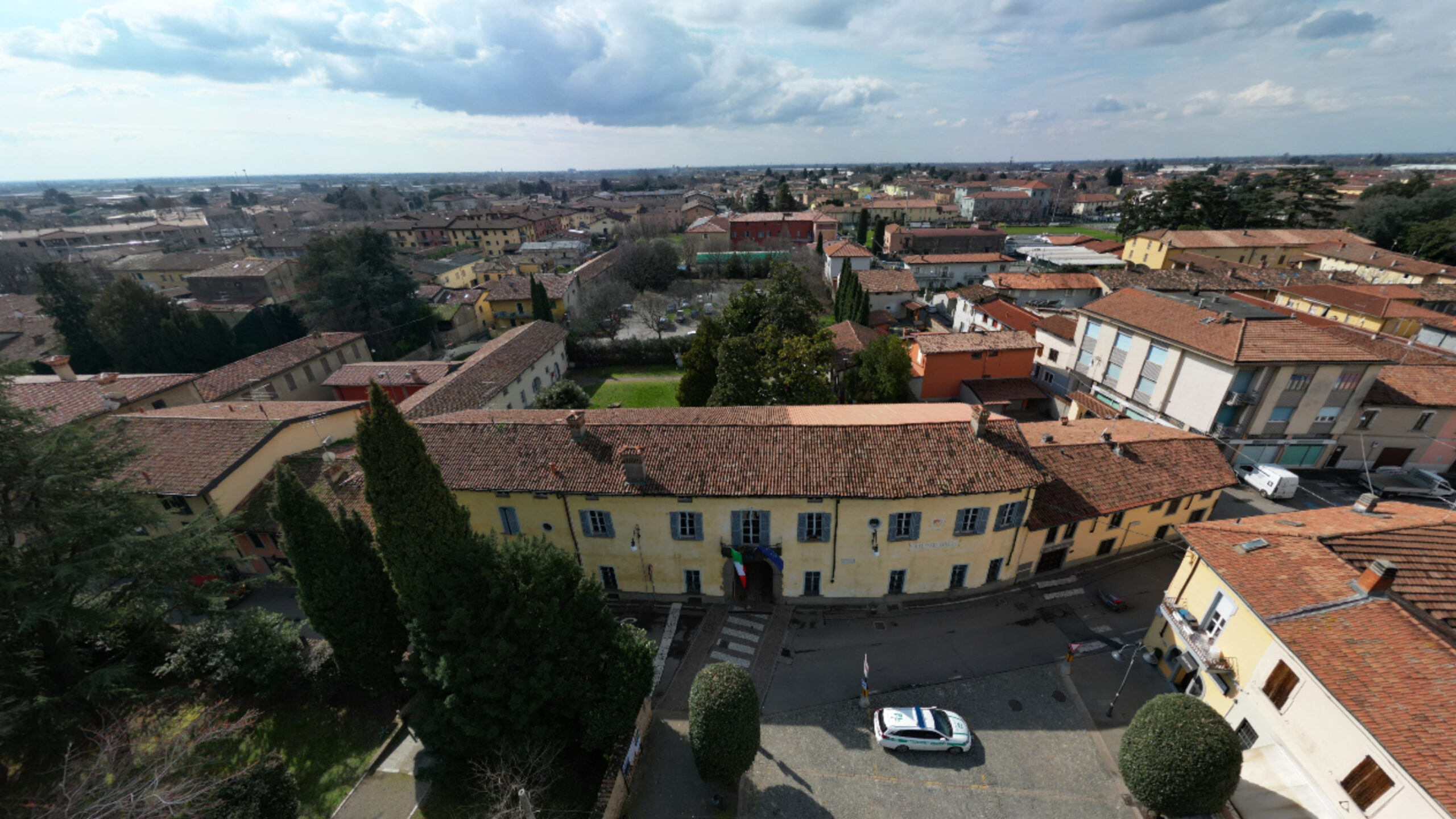
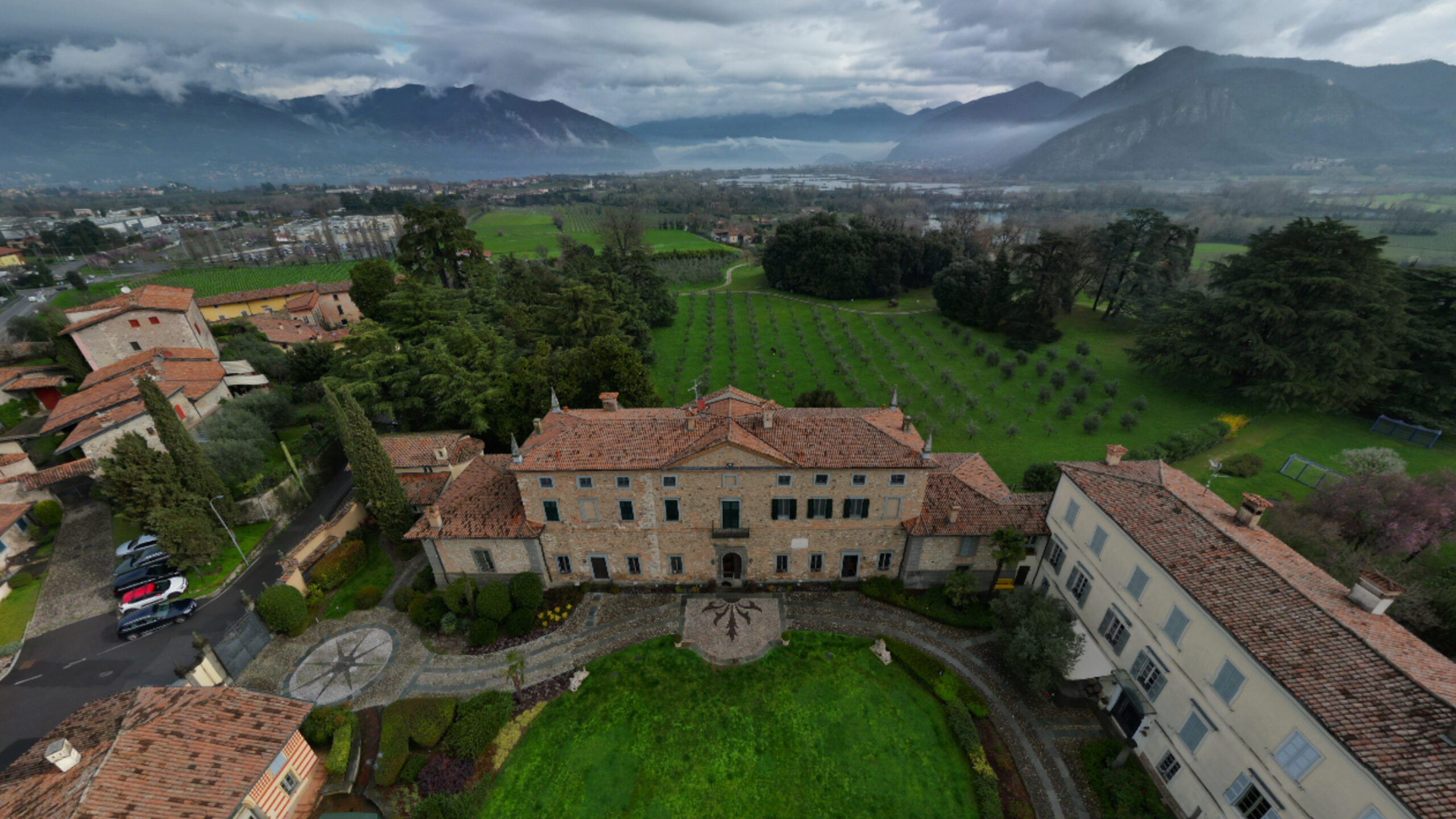
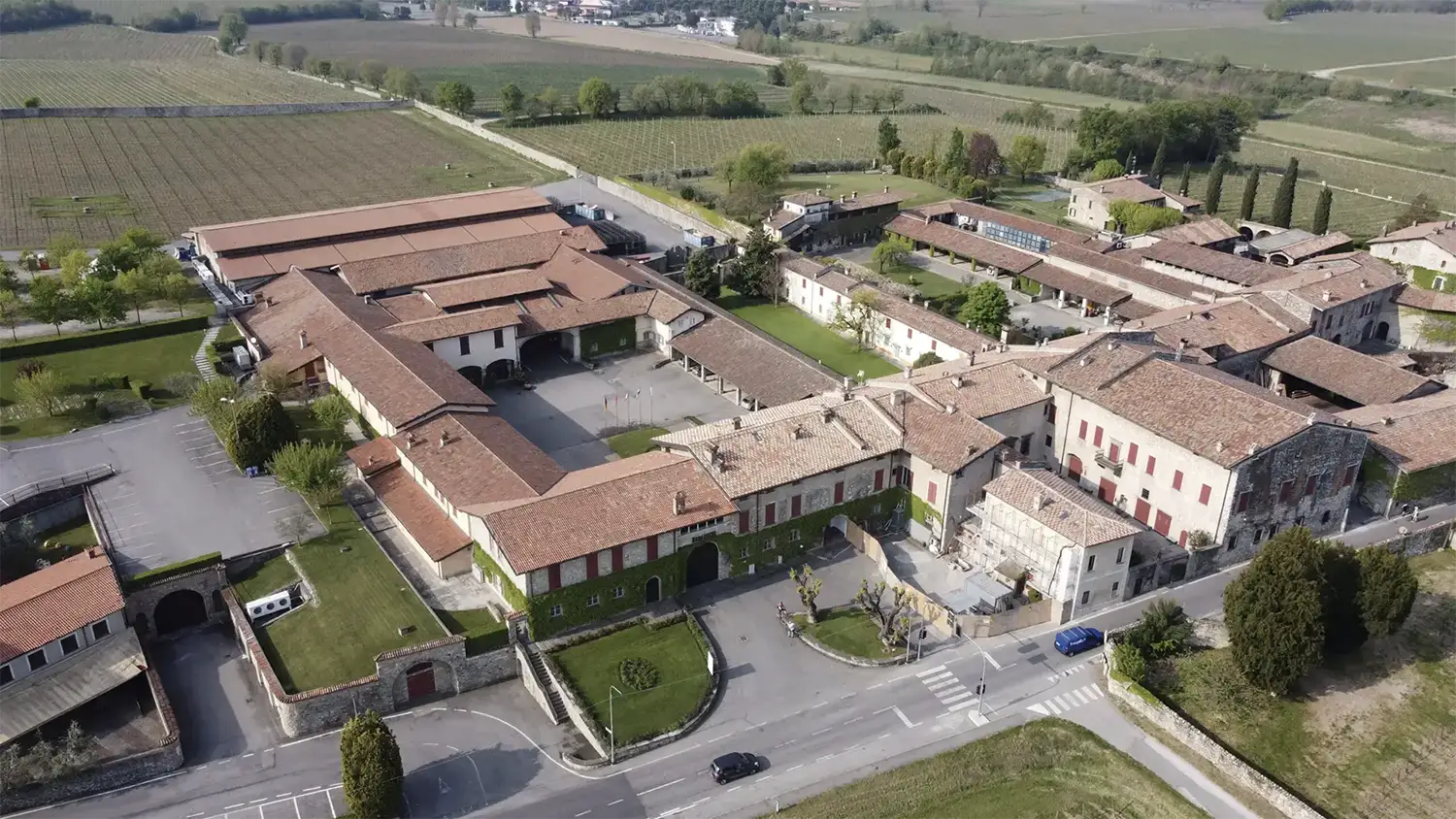
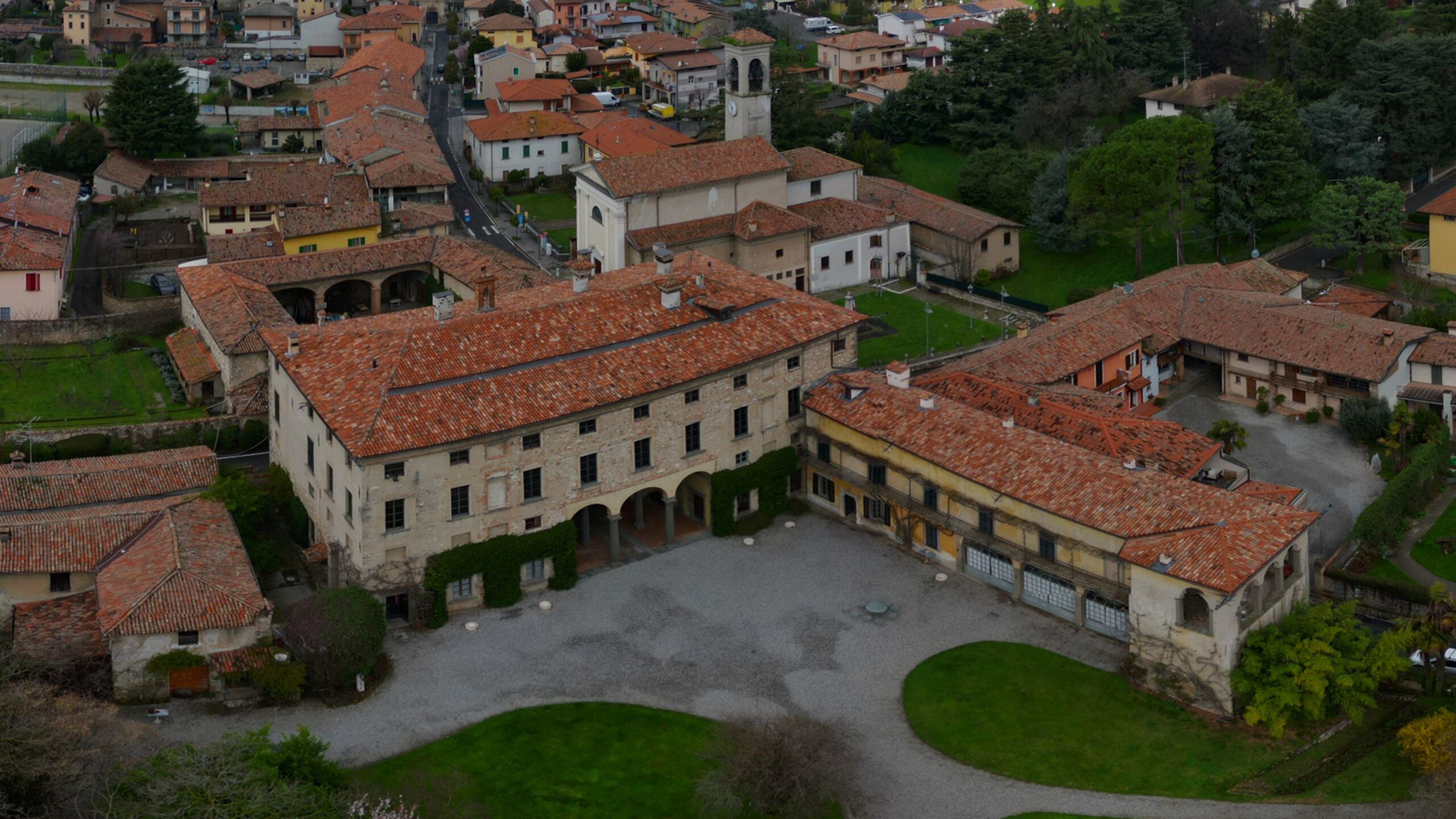
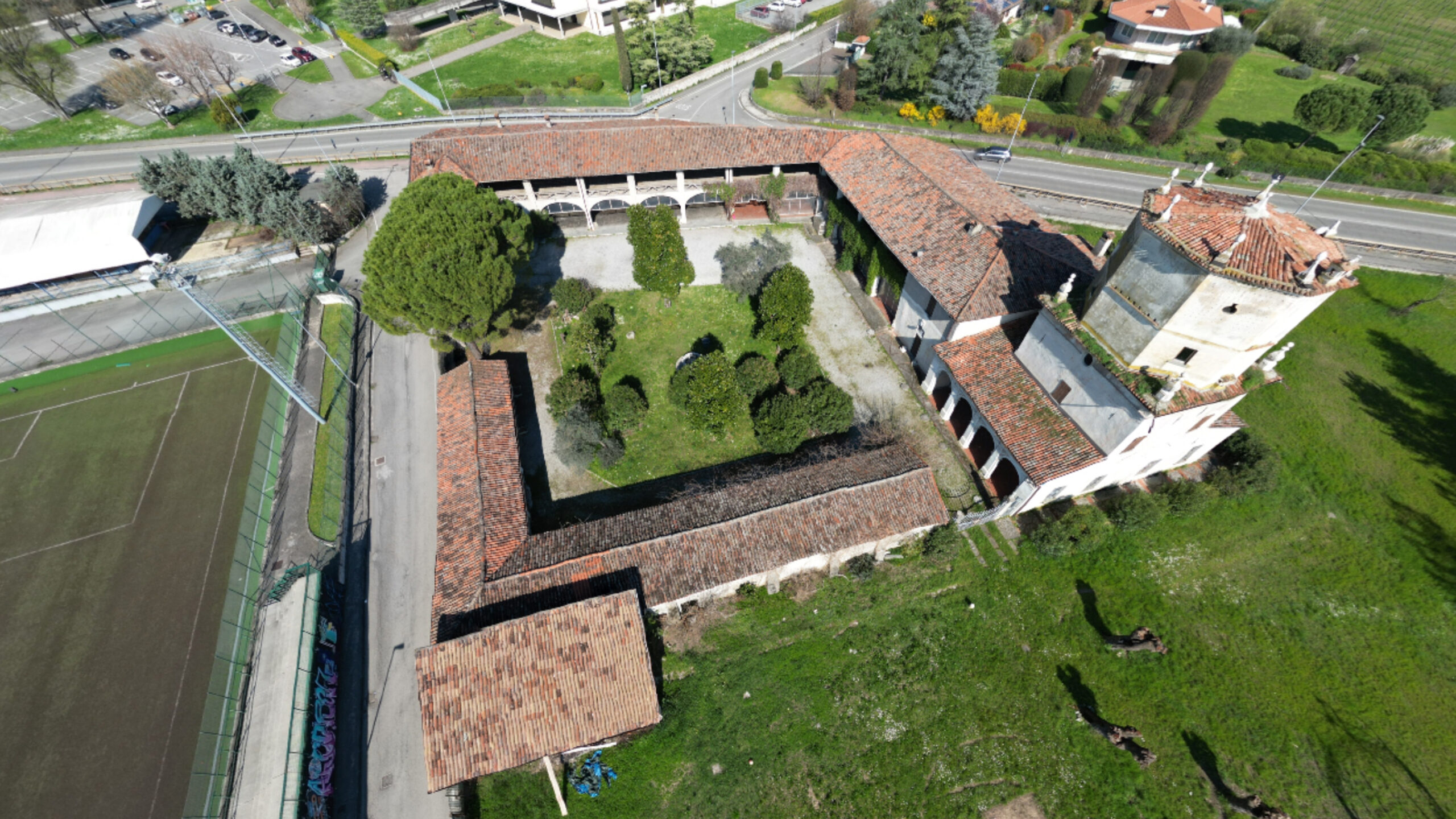
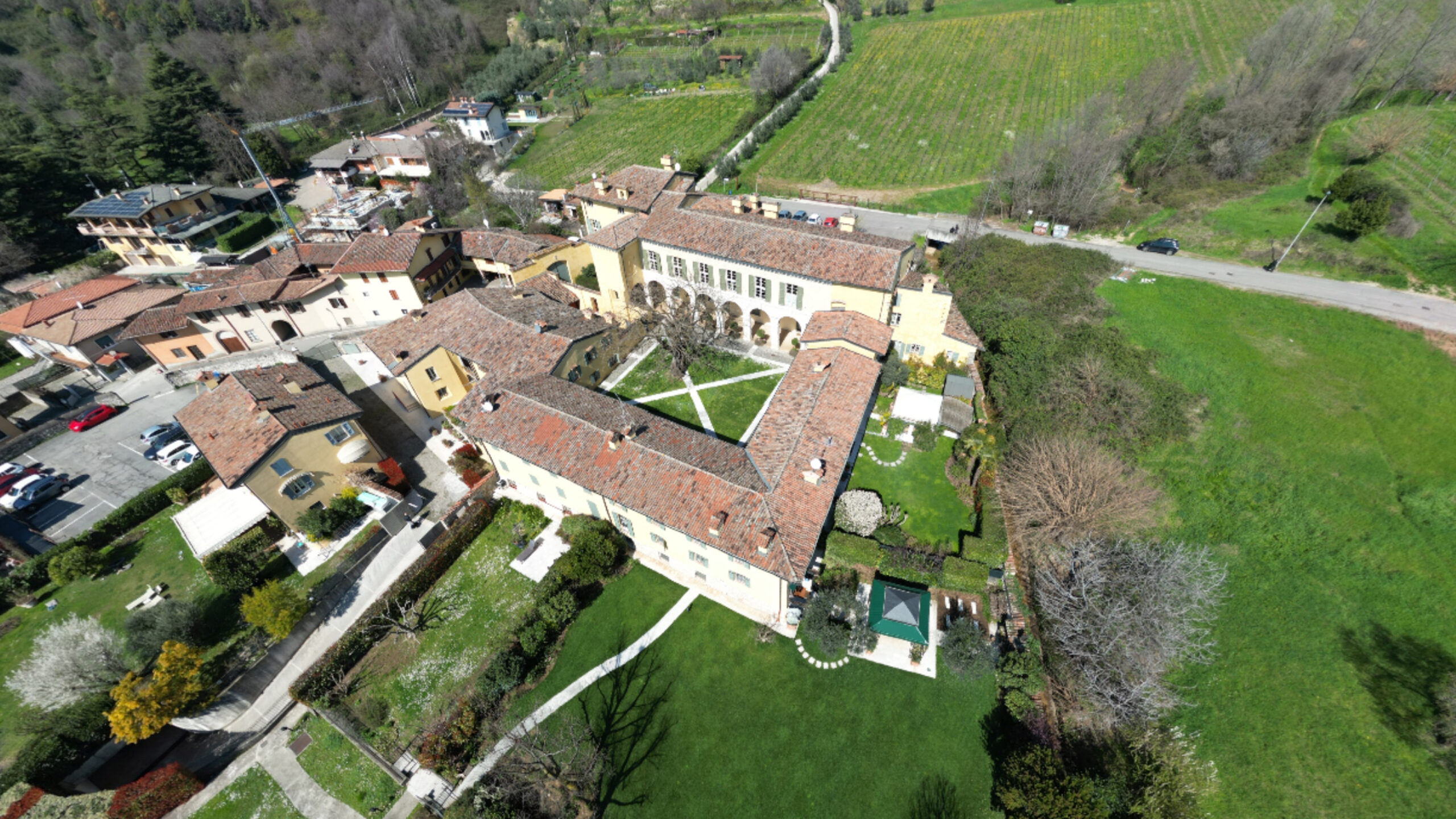
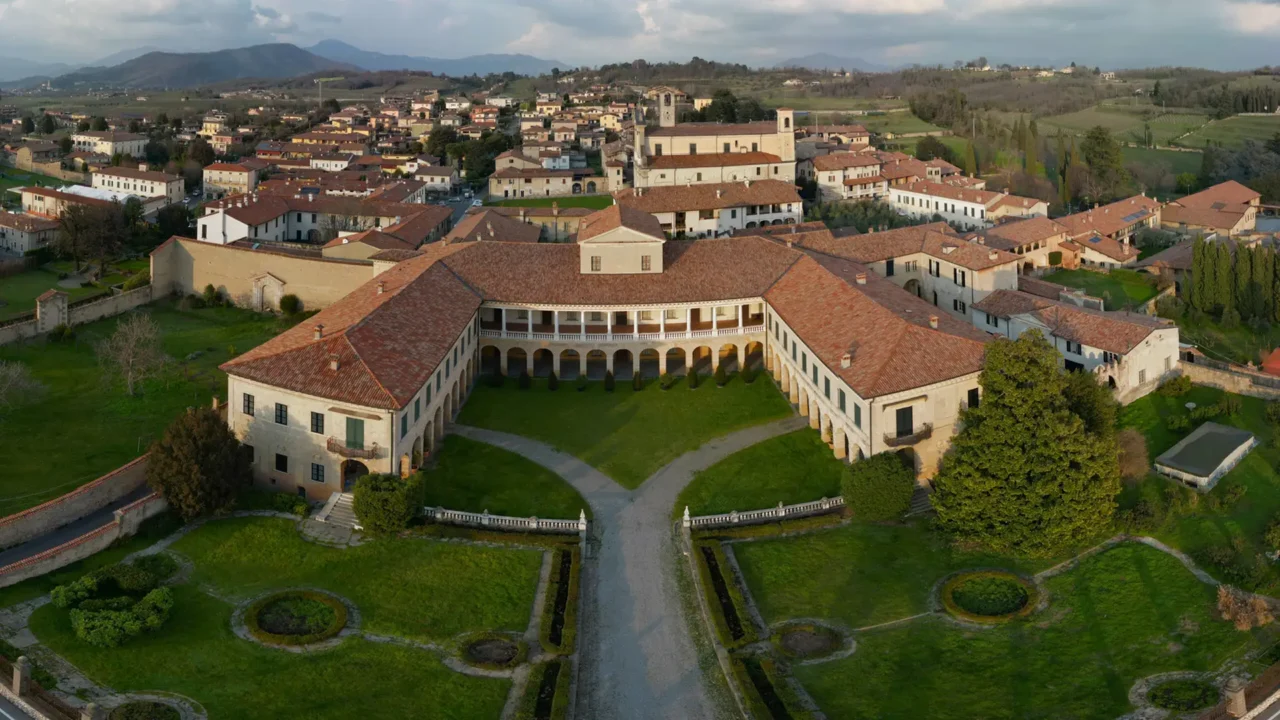
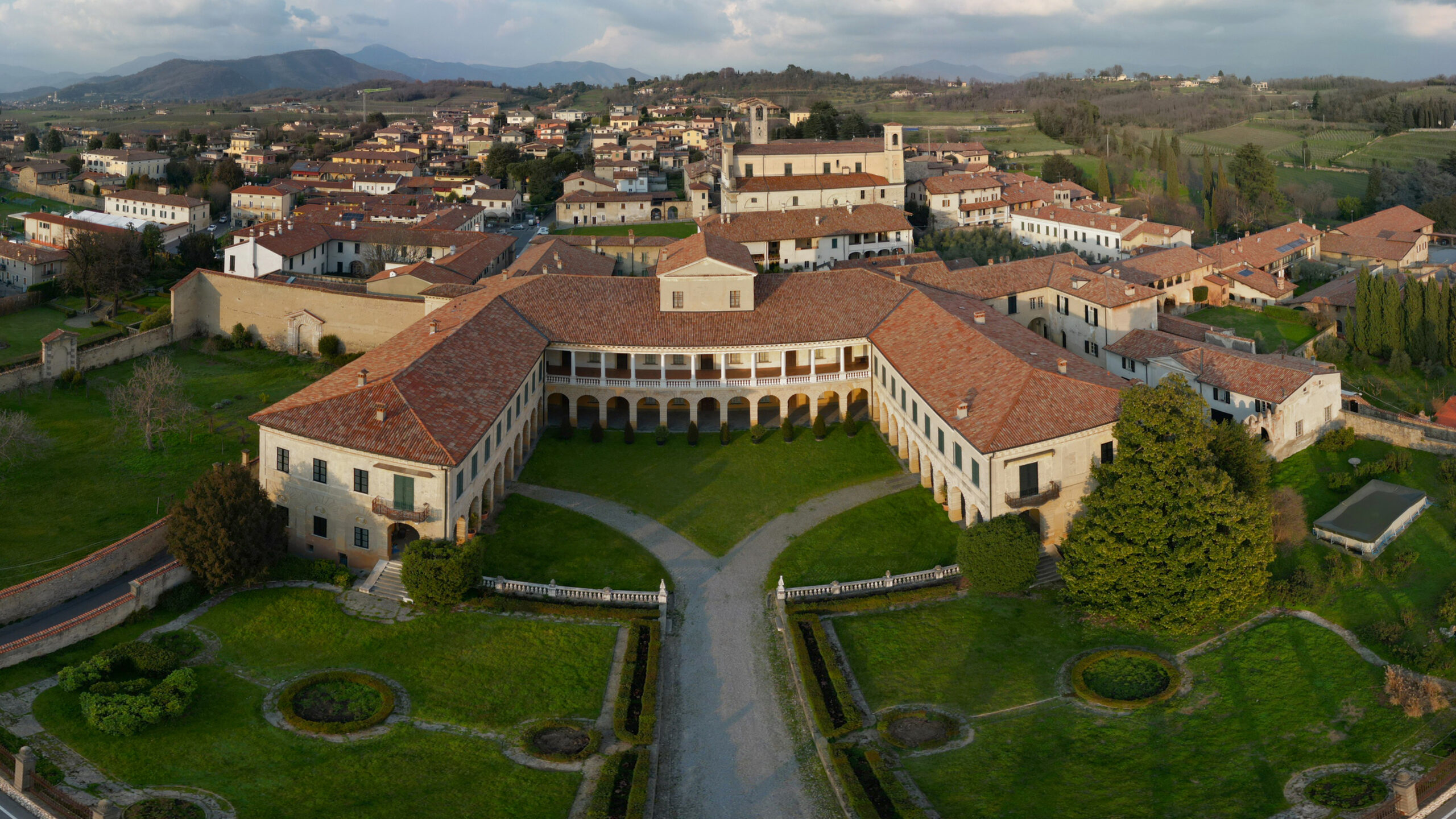
Blending seamlessly with the town centre and acting as a link to the pleasant surrounding countryside, Palazzo Lechi, formerly Martinengo, in Erbusco, is one of the finest examples of a Renaissance villa in the Brescia area. Its extraordinary visual appeal and the way it blends with the pleasant surrounding landscape make this residence a model that has been adopted over time and reinterpreted by other stately homes in Franciacorta.
Horseshoe-shaped layout, barns and an Italian-style garden
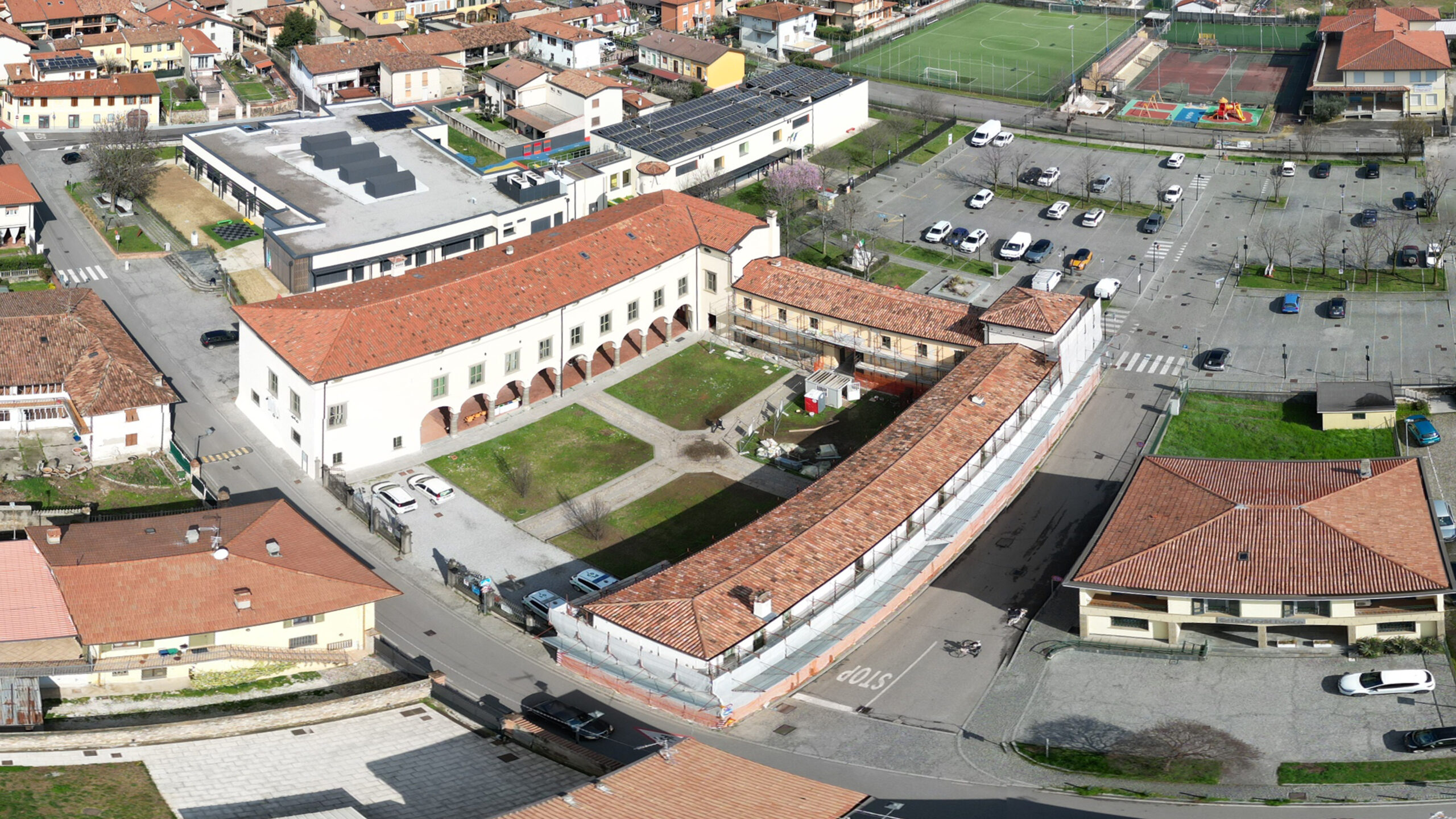
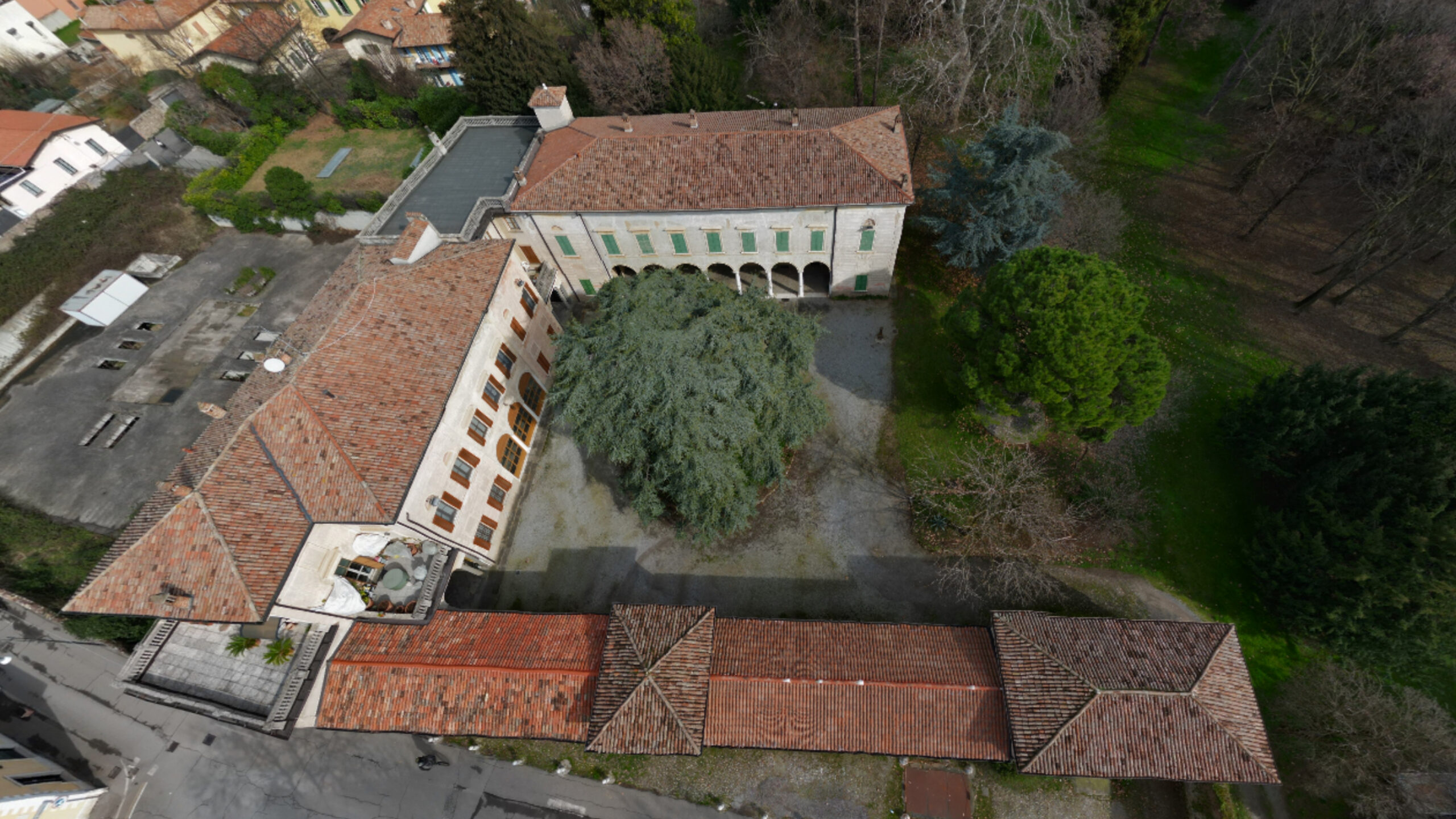
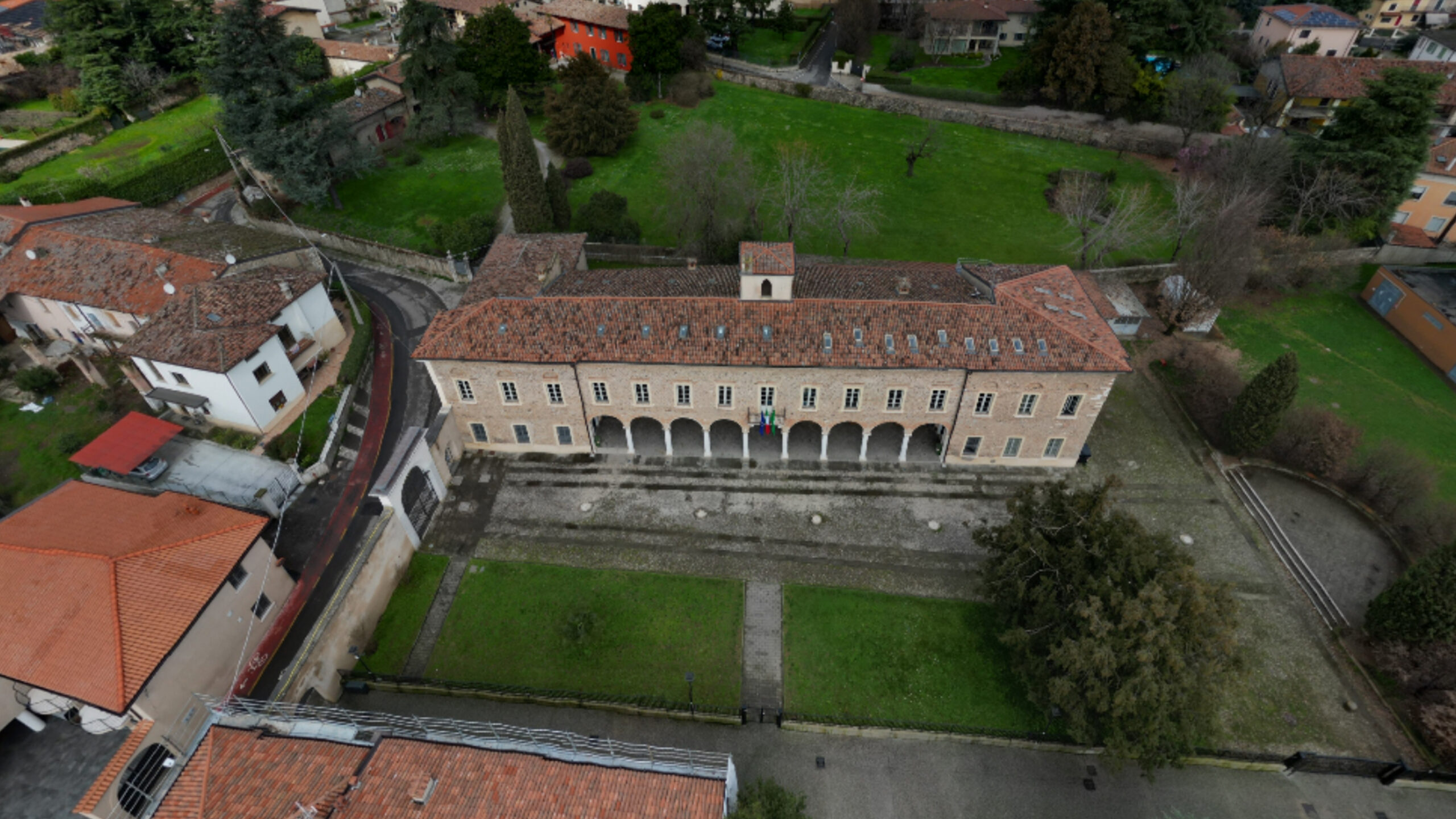
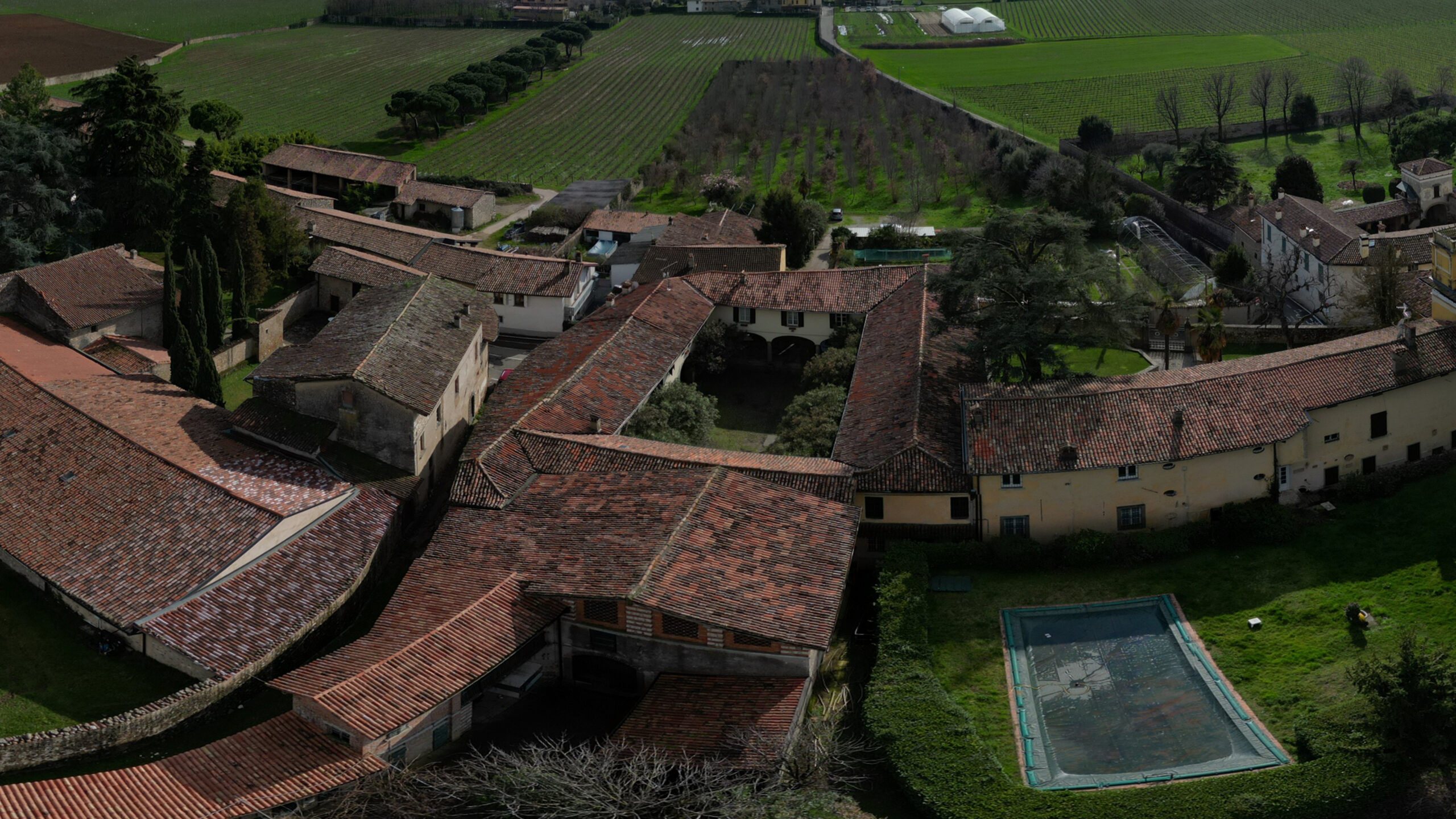
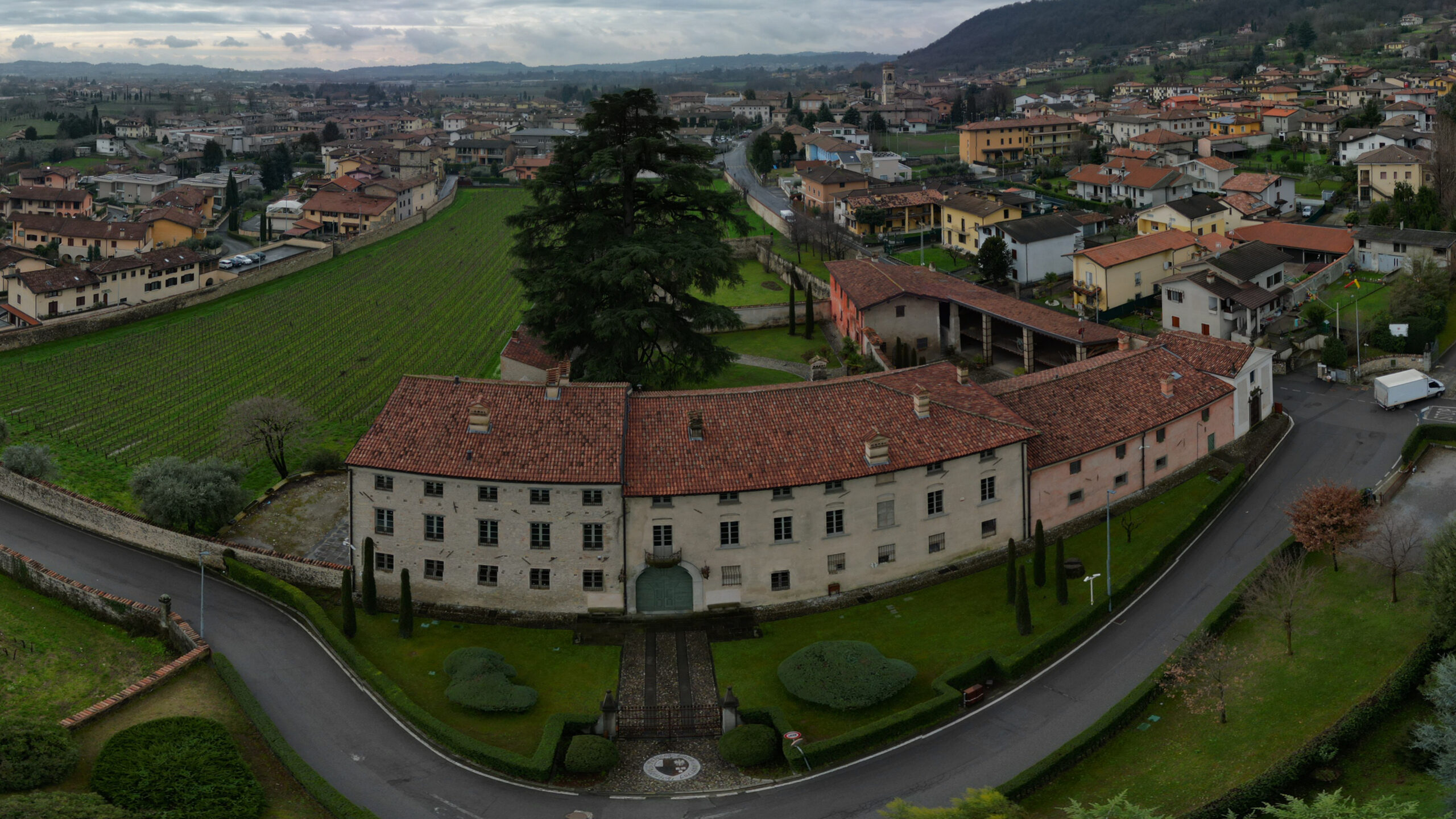
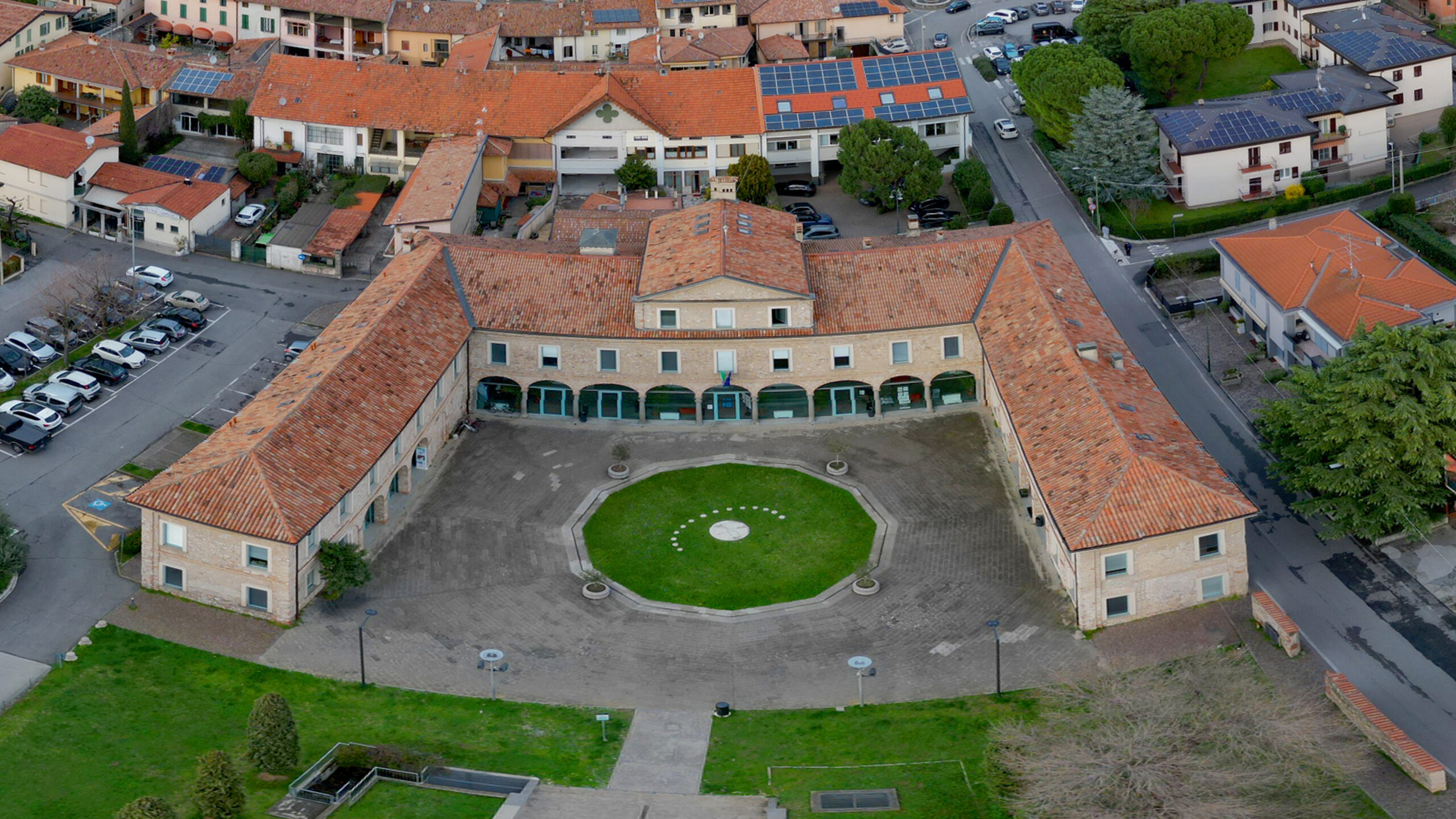
The villa, with its horseshoe-shaped plan, follows the principles set out in Renaissance architectural treatises and is a perfect example of the integration of the reception area – the central focus of the entire complex, with the barchesse structures, which have been converted here into other functional spaces but are distinguished from the central body by a different arrangement of the upper order: without a loggia but enclosed by a row of windows. As at Villa Barbaro in Maser, one of the most important and significant Palladian villas in the Venetian hinterland, the architecture is enhanced by an Italian-style garden, which once extended well beyond the road that now runs in front of the rusticated entrance, creating a perspective that emphasised the grandeur of the building.
The rusticated entrance and the portico overlooking the courtyard
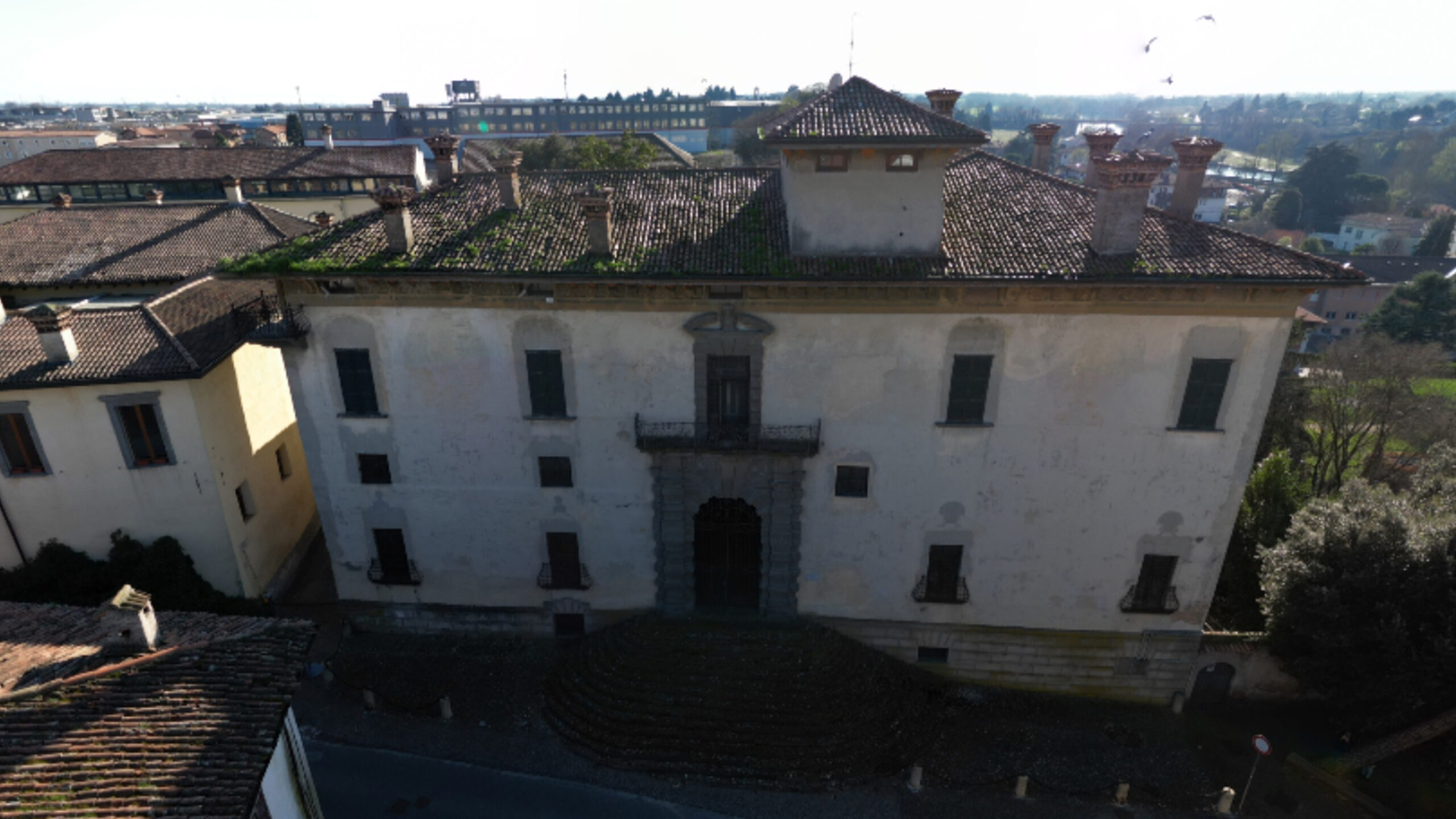
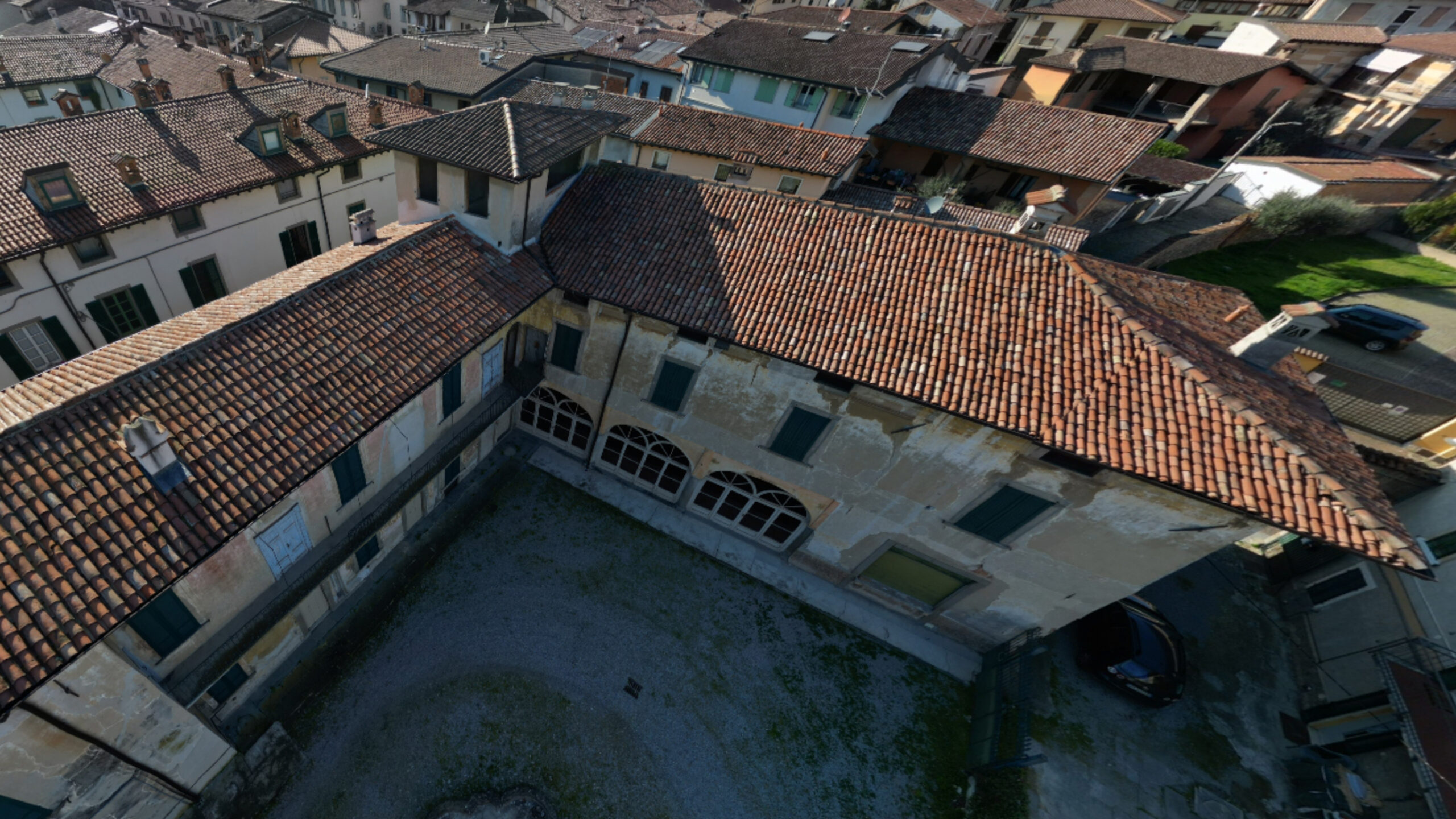
The entrance is marked by a monumental rusticated structure in the Mannerist style, featuring chained columns surmounted by a pediment with a broken profile. The rustication, which characterises the square pilasters of the gate, is echoed in the lower arches of the portico, which enclose the courtyard on three sides. The staircases leading to the upper floors are situated at either end of the central portico.
The Upper Loggia and the Martinengo Patronage
While rusticated stone dominates the entire ground floor, lending the villa an air of solid, imposing strength, white Rezzato stone is used for the upper loggia. Here, a row of Doric columns supports a continuous entablature, with metopes and triglyphs, creating a beautiful loggia open to the surrounding landscape: a typical feature of the Renaissance villa, the loggia was intended to lend an airy quality to the building’s otherwise overly austere façade and to illuminate the interior reception rooms. Such design expertise, combined with the pronounced formal elegance and a profound knowledge of classical architecture, reveals a close affinity with the projects realised during the same period by architects of the highest calibre, such as Scamozzi, Palladio and Sanmicheli, and has been attributed to the commissioning family’s ongoing contacts with the Venetian nobility and their frequent stays in Venice. For these reasons too, it has been hypothesised that the commission was given by Cesare Martinengo between 1580 and 1590 and subsequently completed by his son Lelio, by the end of the first two decades of the seventeenth century.
Links and useful information


Privately owned property