Bargnani Dandolo Palace
- Home
- /
- Arte e cultura
- /
- Hidden treasures
- /
- Bargnani Dandolo Palace
The 1904 testamentary legacy and the connection with the community of Adro
On January 31, 1904, with a testamentary legacy, Ermellina Maselli di Figino, widow of Count Tullio Dandolo, donated to the Municipality the palace that had been owned by Giulietta Pagani, Tullio’s first wife and heir of Count Cesare Bargnani, creating the foundation for a deep bond between the stately home and the community of Adro.
Architectural evolution of the palace between the seventeenth and eighteenth centuries and interior decorations
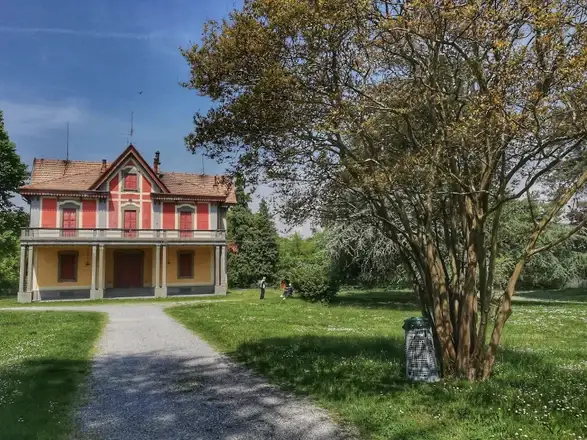
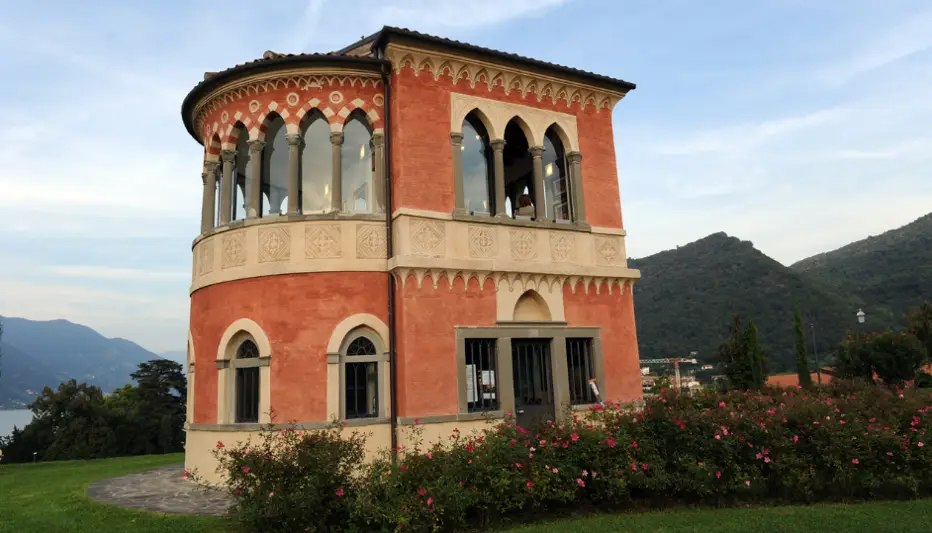
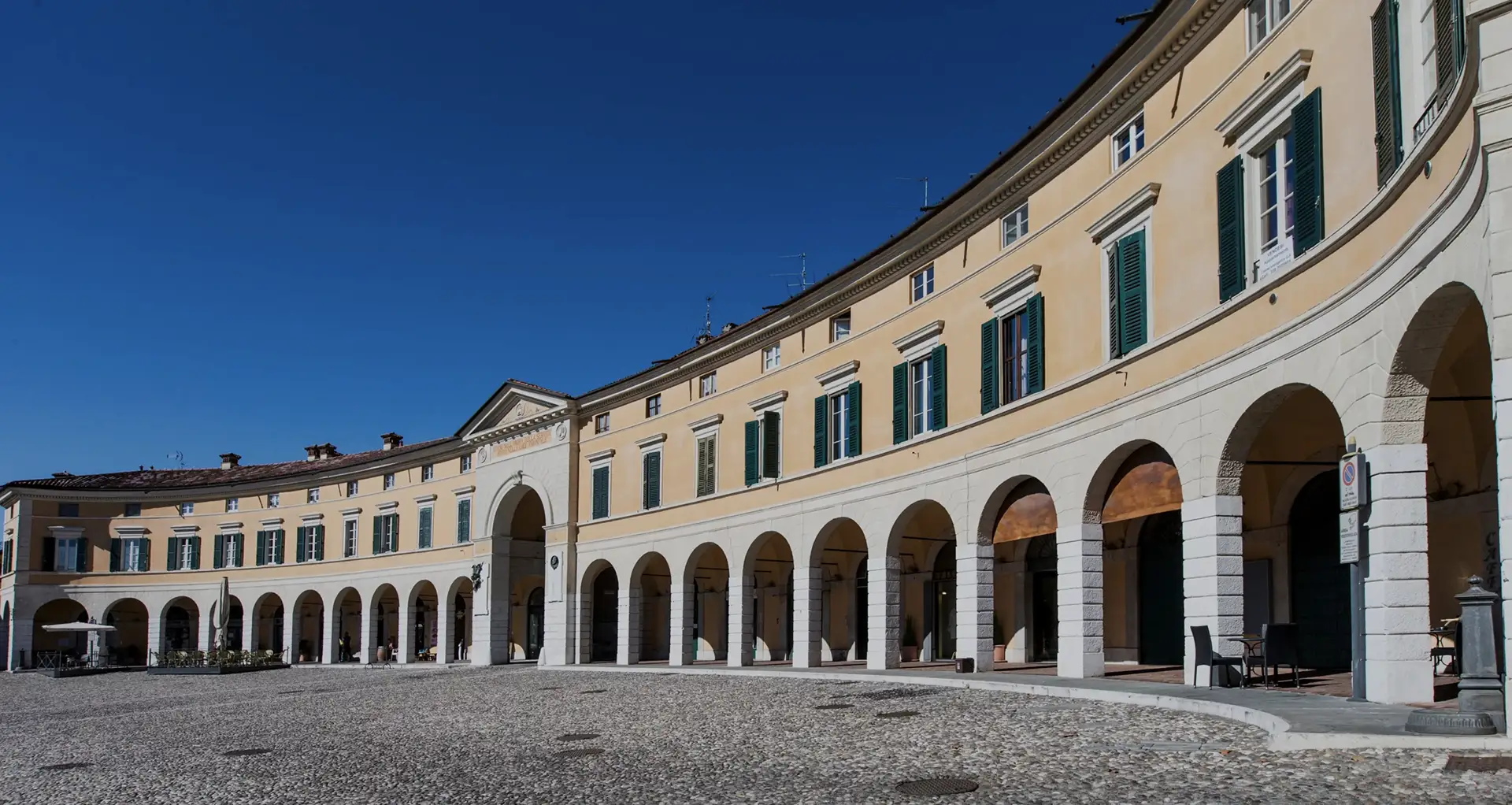
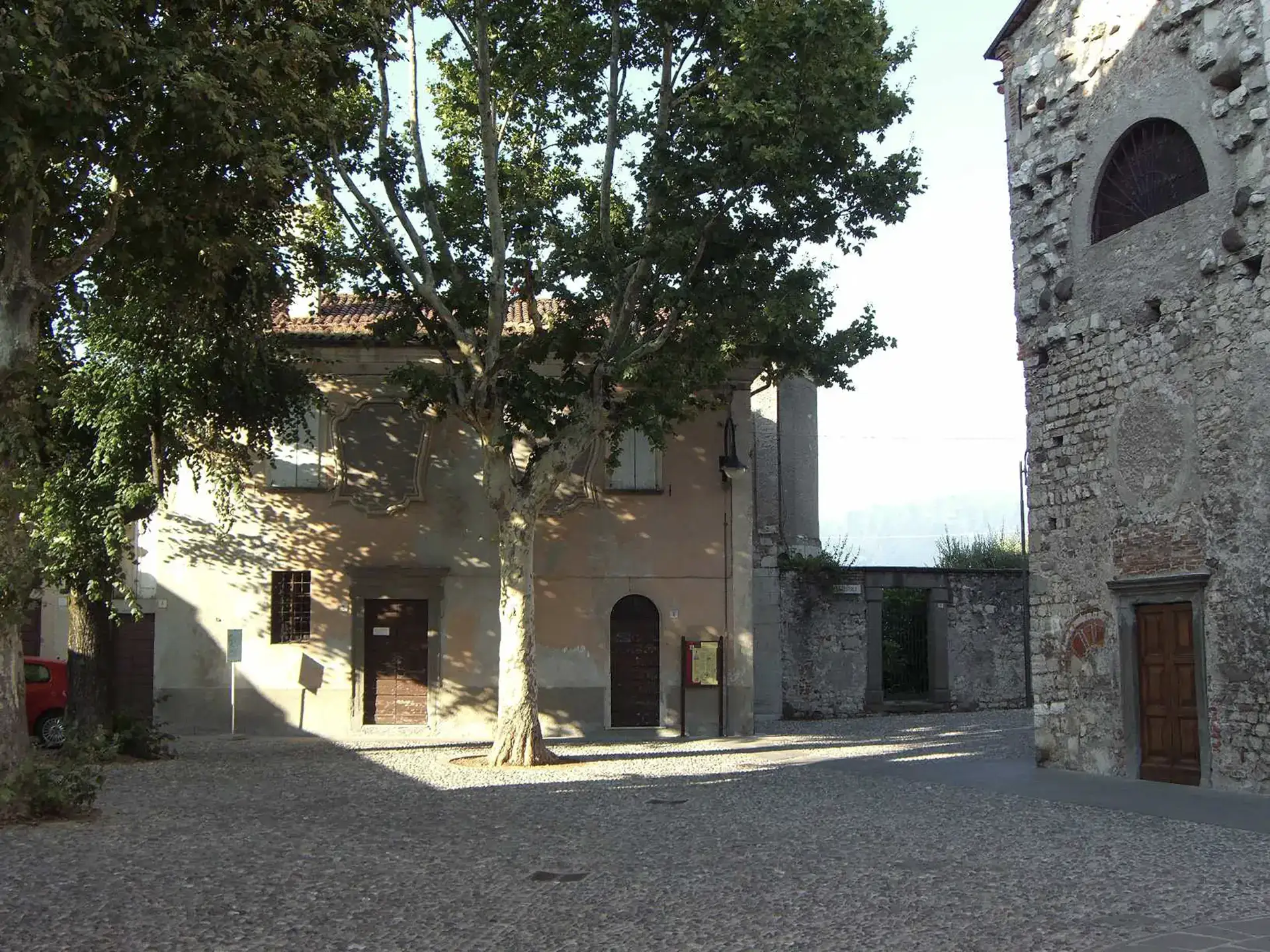
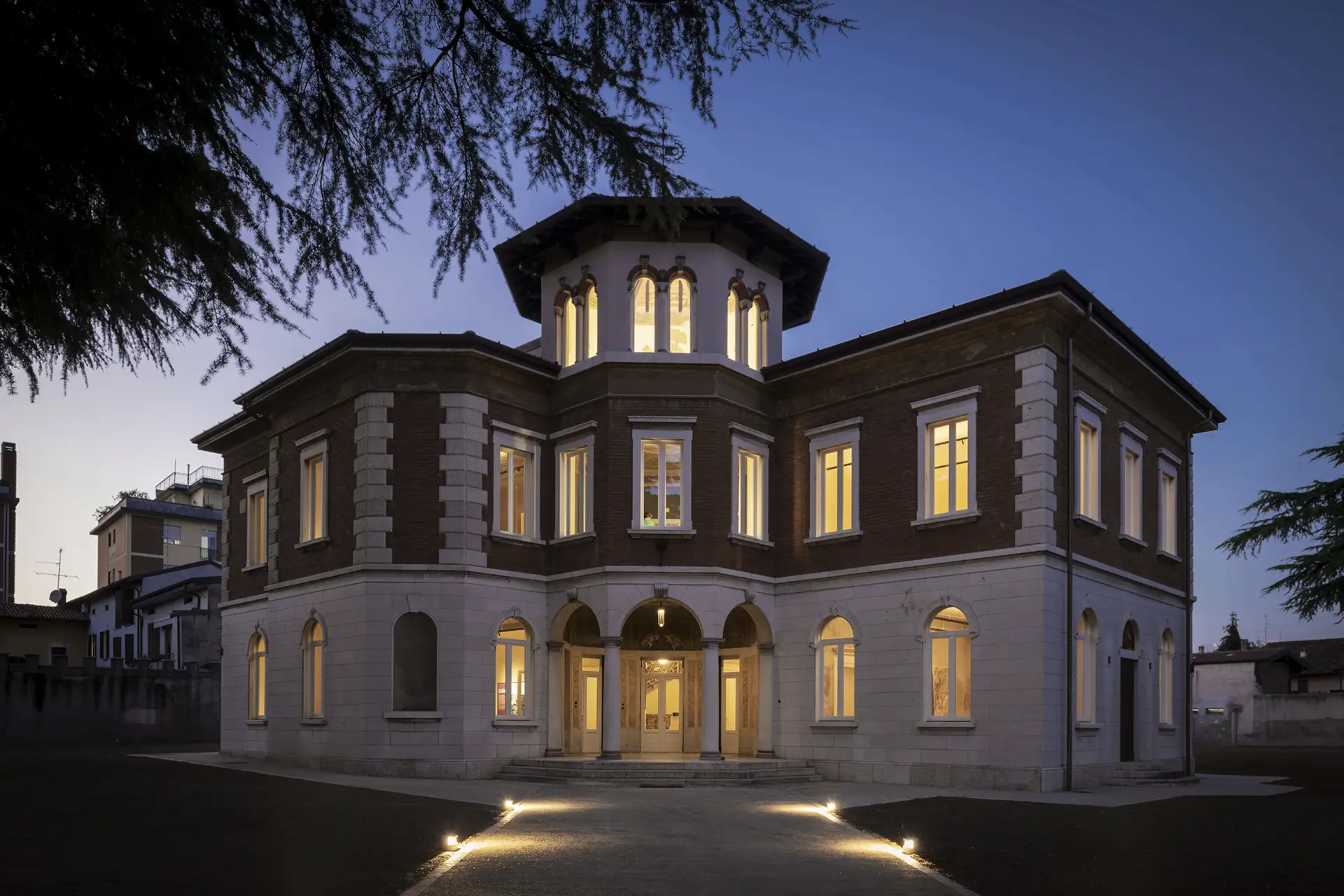
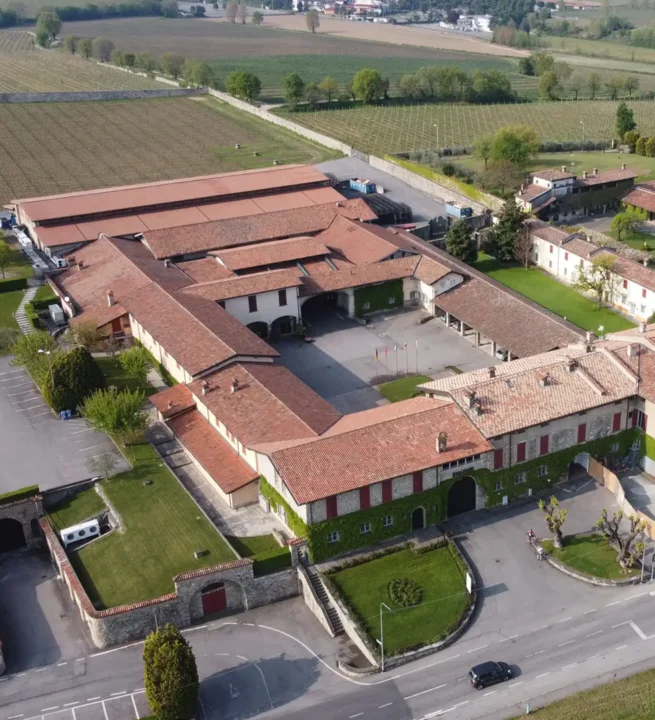
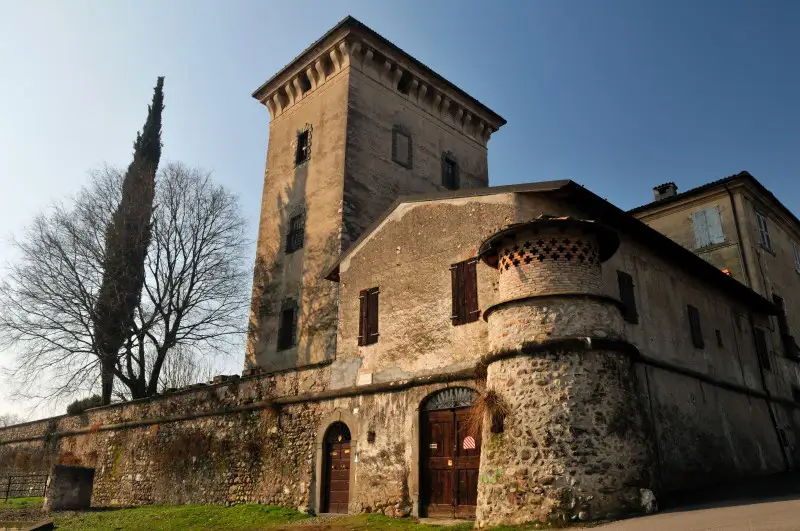
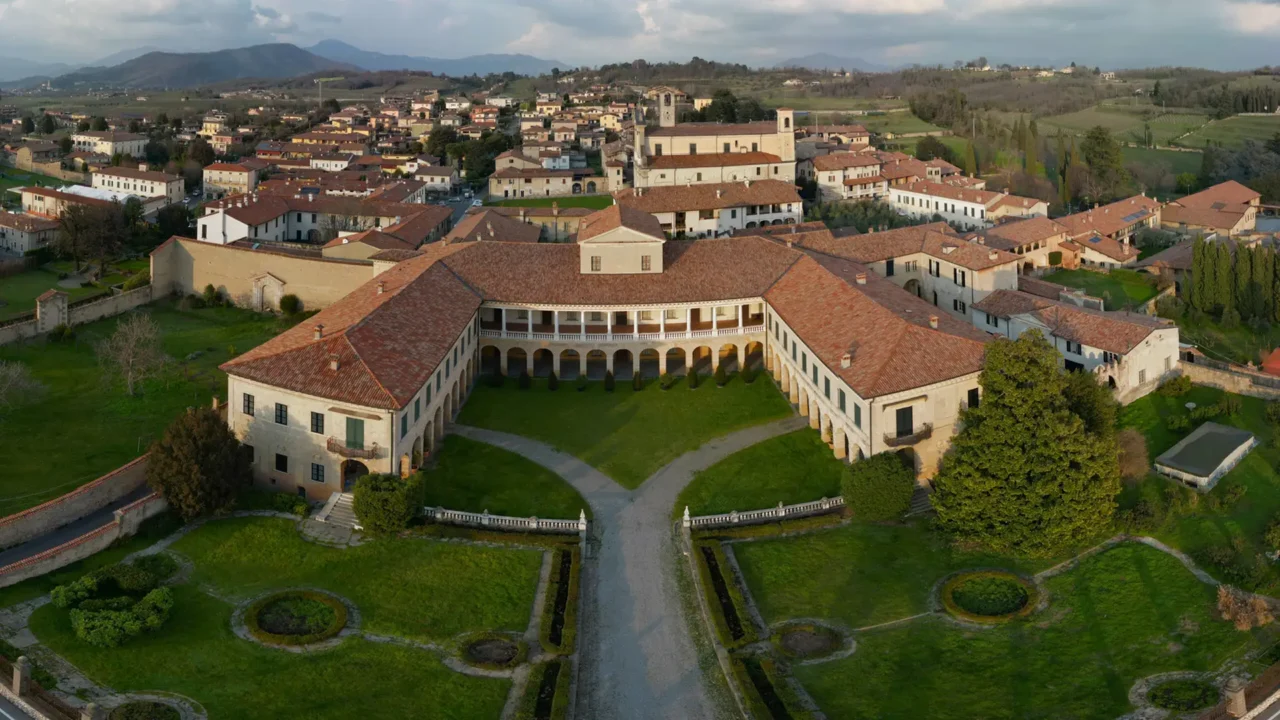
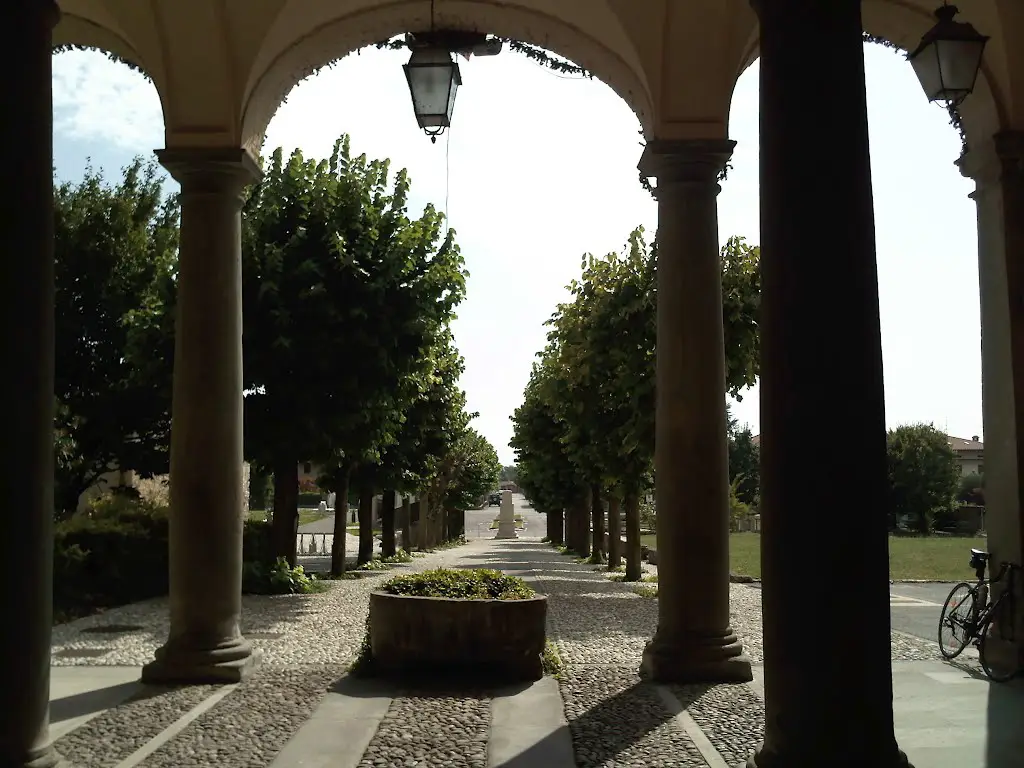
The palace, with its austere profiles, is the result of several construction projects that shaped its volumes, giving it an eclectic appearance. The first project likely dates back to 1670-80, commissioned by Nicola Bargnani, and was intended to include a complex flanking a colonnaded atrium with two buildings, extending halfway along the current western wing. This plan had to be modified in subsequent centuries: the main body of the building was interrupted to the west to make room for a second building, added in the eighteenth century. The final plan of the palace thus took on a horseshoe shape, with an open space behind the atrium to allow for the maneuvering of carriages. The sober appearance of the exterior, with its walls left unfinished and unplastered, is softened by the deep portico, crowning the main street leading to the palace, with Tuscan columns in gray Sarnico stone. The building’s austere façade contrasts with the interior, which still retains some of its original decoration. On the lower floor, used as a winter apartment, the hall retains a fireplace with a gray stone surround, surmounted by an intricate allegorical stucco decoration from the late 17th century, featuring the personifications of Abundance and War supporting the Dandolo coat of arms. On the upper floor, the large ballroom and several frescoed rooms remain, including the delightful alcove in the southeast corner, with its original floor and graceful floral frescoes in the Biedermeier style, typical of the post-Napoleonic period and a counterpoint to Neoclassicism.
The stained glass crescent and the homage to Vincenzo Dandolo
Also noteworthy is the crescent-shaped stained glass window (polychrome glass in a lead frame and wrought-iron grille) that dominates the palace’s double staircase, dedicated to the memory of Count Vincenzo Dandolo. At the center, in a space framed with precious Renaissance-style elements, appears the coat of arms granted to the family by Napoleon. The window is completed by a lunette with a grisalle portrait of Vincenzo, set amidst a range of allegorical elements that extol his intellectual qualities and interests in literature, science, and animal husbandry. Dated between 1850 and 1860, the window has been attributed to Milanese craftsmen from the workshop of a prominent artist of the time: Giuseppe Bertini (Milan 1825-1898), author, among many other works, of the Dante stained glass window in the Poldi Pezzoli Museum in Milan, completed in 1851.
Furniture and paintings: the Bargnani collection in the Maselli donation
Ermellina Maselli’s donation included, in addition to the residence, its furnishings and the painting collection, originating from the city palace located in Corso Matteotti and sold to Napoleon in 1813: the paintings, a veritable complete gallery of noble portraits of the Bargnani family, also include notable works, such as the portrait of Alessandro Bargnani, on an oval support, completed around 1725 and attributed to the Paglia circle.
Links and useful information


Visiting hours: by reservation
Free admission
Publicly owned property