Borgo del Maglio
- Home
- /
- Arte e cultura
- /
- Hidden treasures
- /
- Borgo del Maglio
The Borgo del Maglio in Ome: origins, context, and earliest records
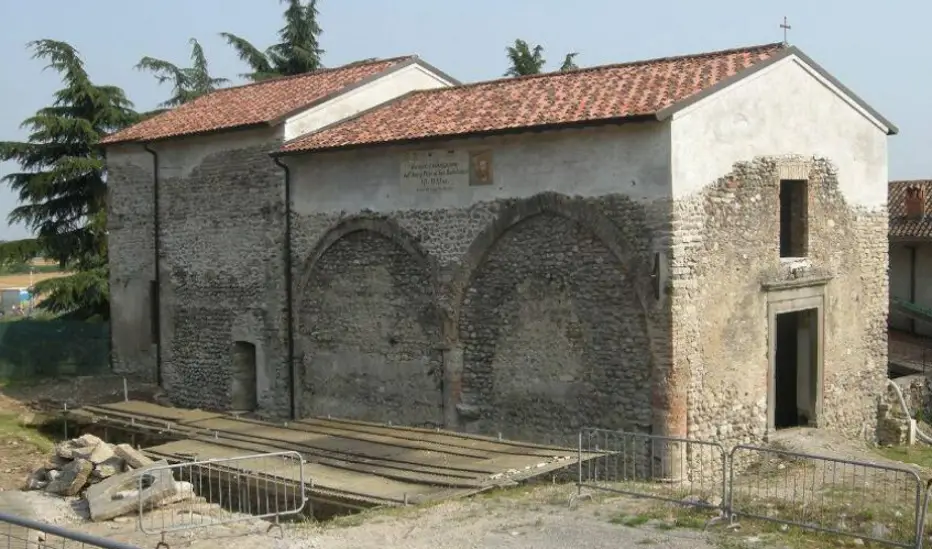
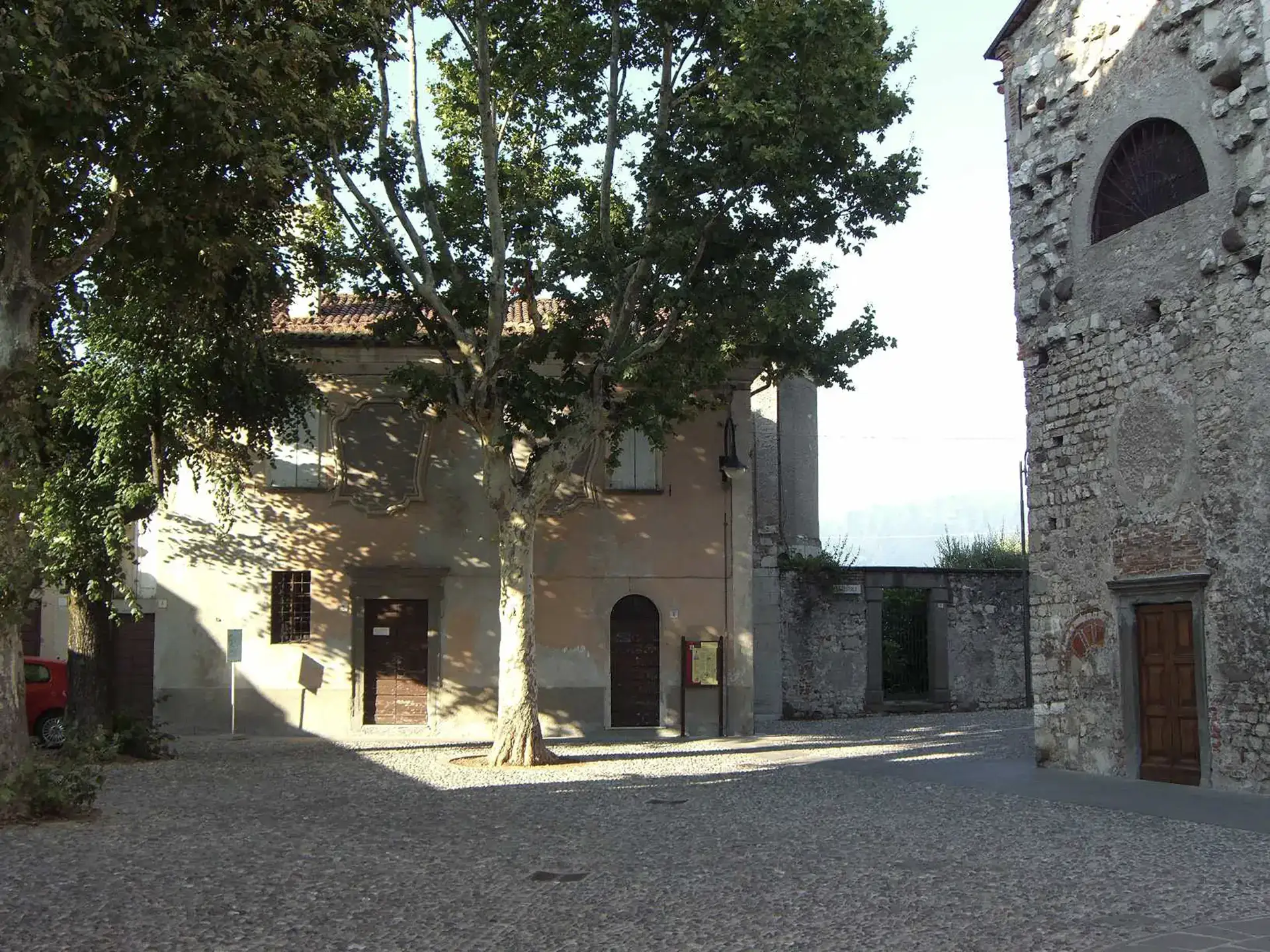
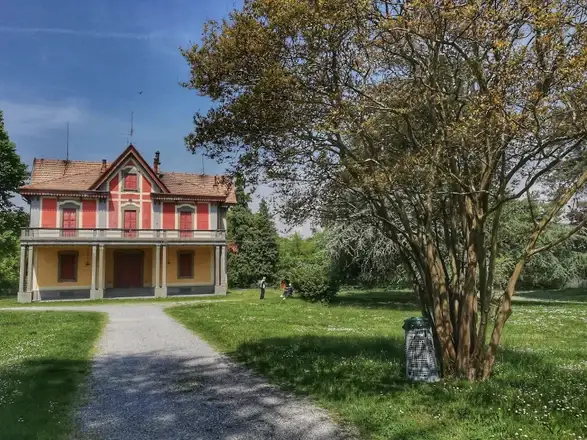
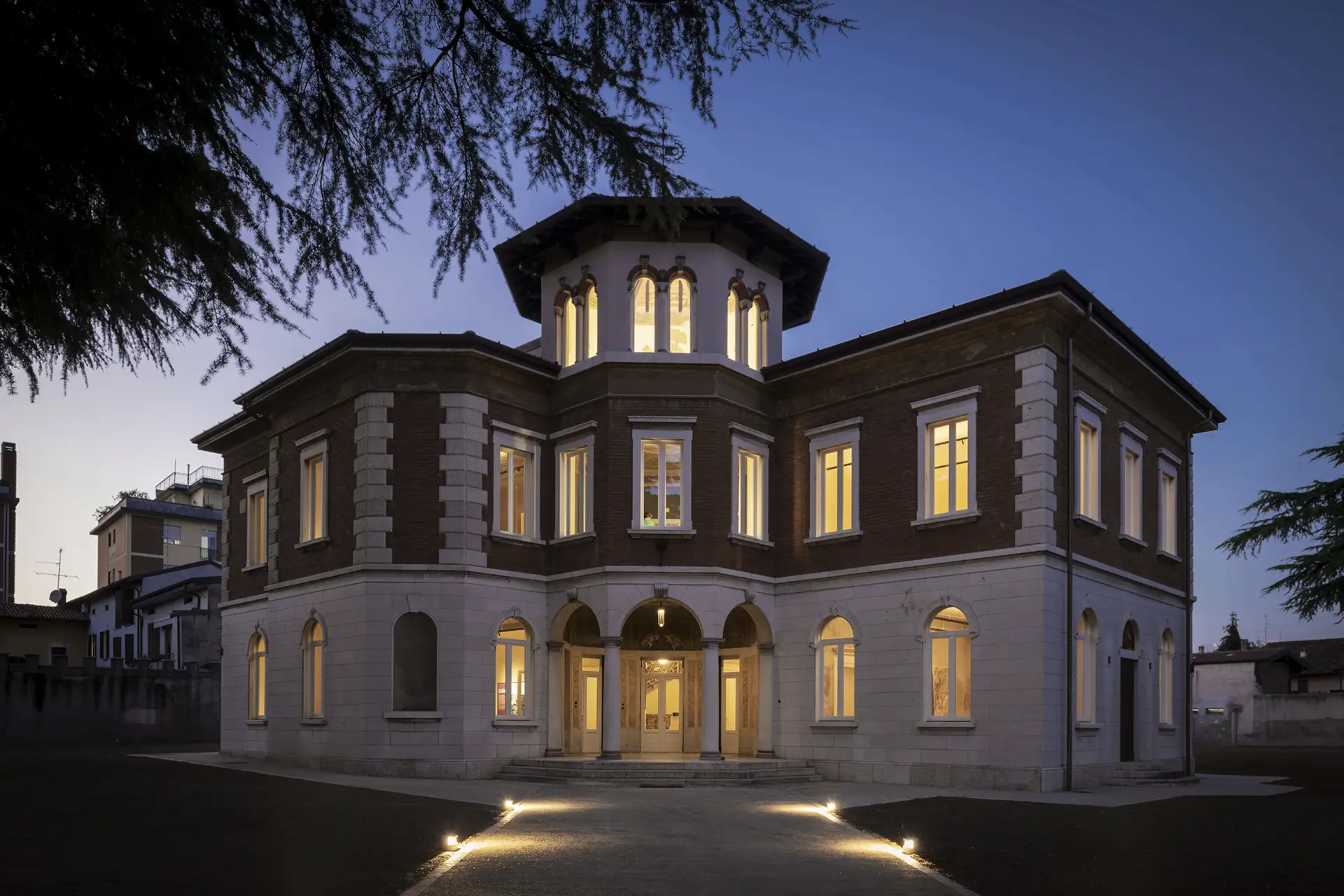
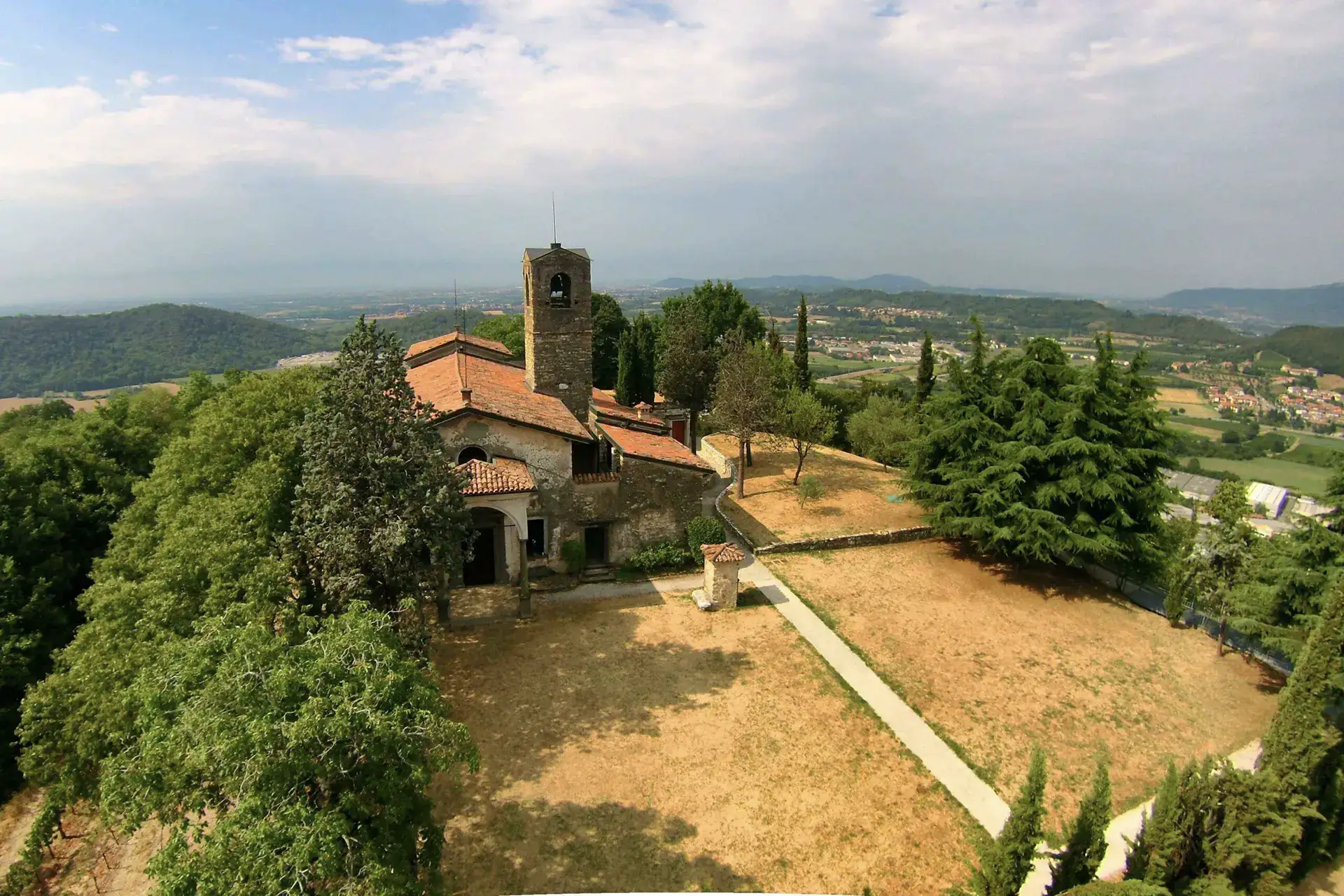
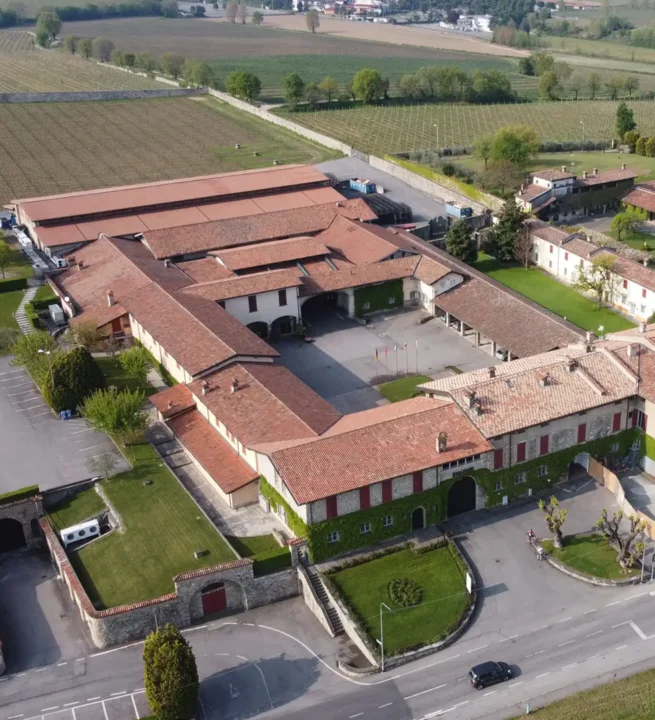
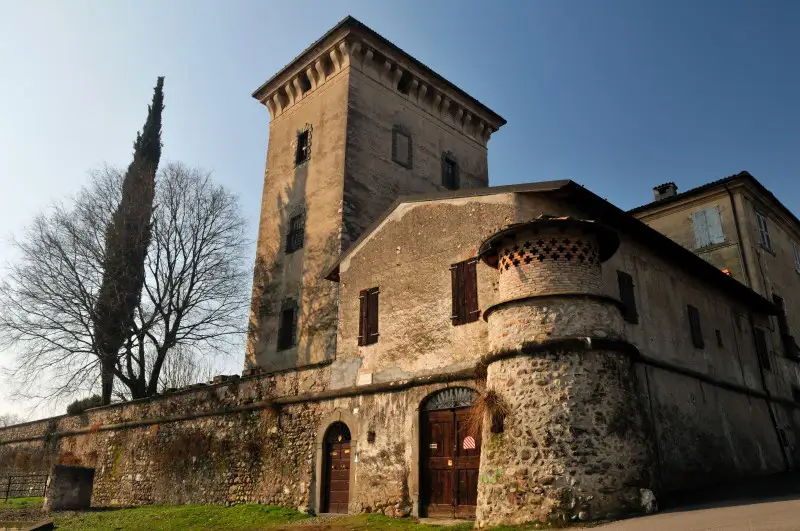
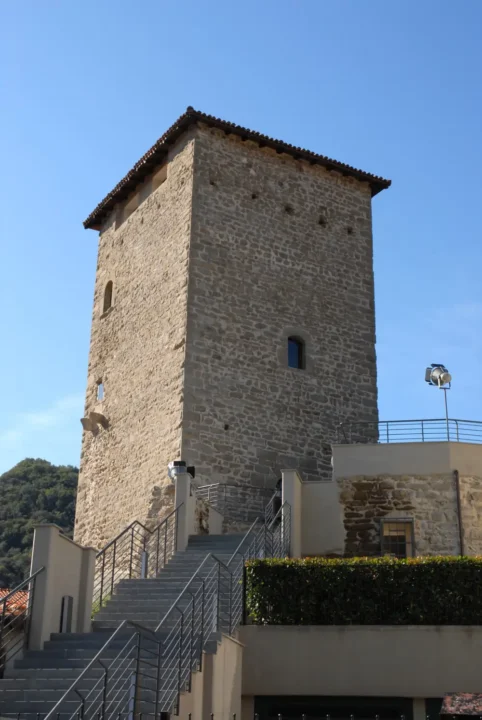
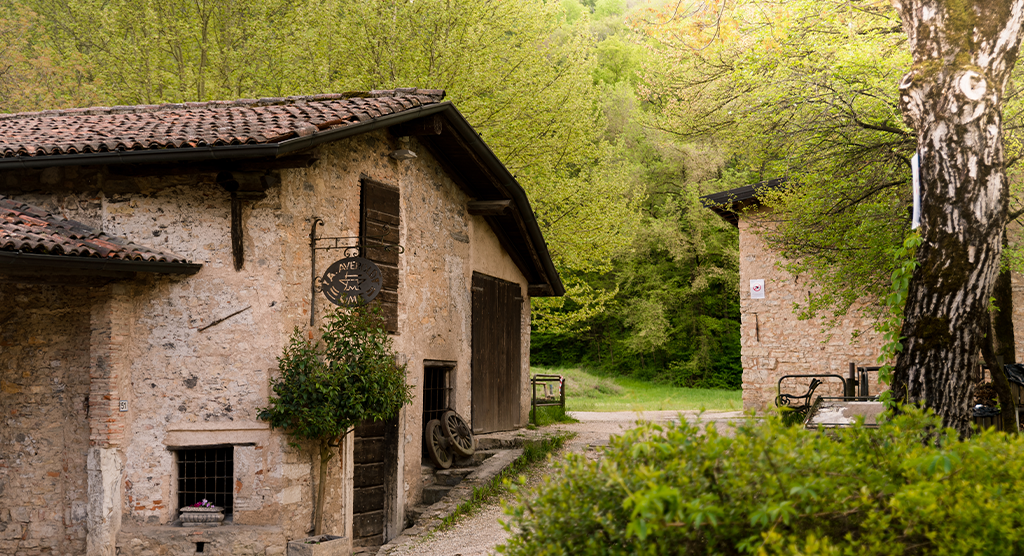
Nestled in the nature, on the slopes of Mount Delma, south of the town of Ome, stands the ancient village of Maglio, one of the landmarks dotting the Iron and Mining Route that winds its way from Franciacorta up toward the Valtrompia. The complex, located in the area known as “La Grotta”, a name perhaps linked to the epithet “Antro di Vulcano” (Vulcan’s Cave) by which the forge was known, includes the Maglio Averoldi and the Pietro Malossi House Museum, both of which have been restored, converted into museums, and opened to the public. The date 1430, once legible on an exterior wall of the building, confirms its ancient origins, but it was not until 1556 that the first documentary evidence regarding the “Mulino della Grotta” appeared, while the hammer mill is explicitly mentioned only in 18th-century documents.
The Averoldi mill and the power of water: the molinara irrigation ditch and the building’s structure
Water was an indispensable element for powering the complex mechanism that worked the iron, and the Ome Hammer Mill, known as the Averoldi Hammer Mill after the family that had acquired it in the late 19th century and to which the last master blacksmith, Andrea Averoldi, belonged, was built right next to the Molinara irrigation canal: the force of the water turned the wheel of the adjacent grain mill, now converted into a residence, and the waterwheel of the forge hammer. A fascinating mechanism that can still be admired in operation today.
The building was structured over three floors: the ground floor housed the hammer and the waterwheel; the middle floor served as a storage area, used to store wood and coal; the upper floor was the living quarters and now houses the exhibition space.
The Pietro Malossi House Museum: collections, rooms and the antique dealer’s studi
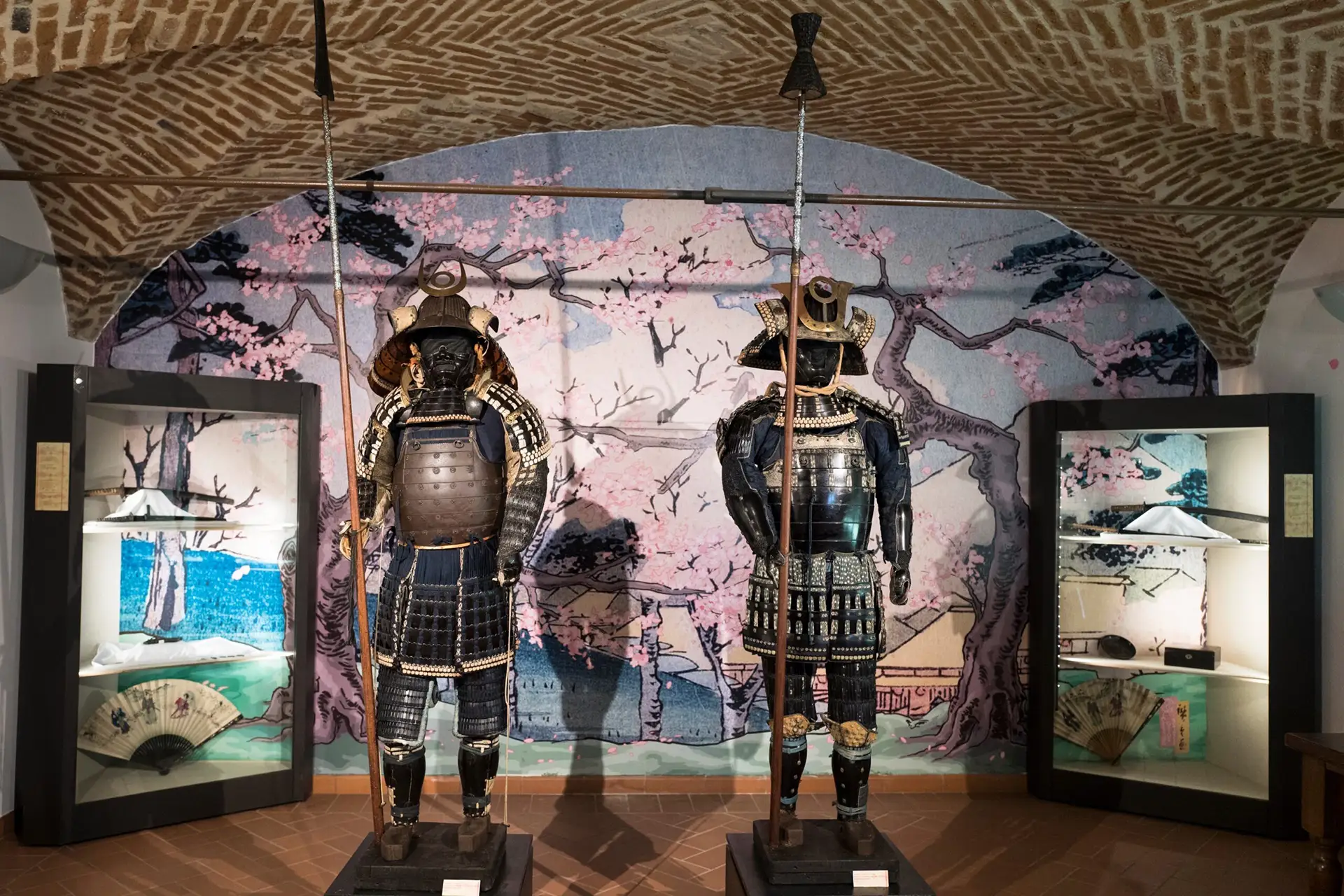
The Borgo del Maglio complex also includes an interesting house-museum, which displays the numerous objects, valuable books and works of art collected by the Brescia-based antiquarian Pietro Malossi (1903–2000) and donated to the Malossi Foundation in Ome. The various items, including furnishings, engravings, antique weapons, ivory sculptures and paintings, are displayed in rooms furnished with refined pieces of furniture, evoking the collector’s taste whilst retracing his life story. On the upper floor are the study and workshop, containing the tools used by Malossi in the art of chiselling and burin engraving, an art form which the antiquarian, trained first in the workshop of Napoleone Tomasotti and later at the Moretto School of Art, practised throughout his life, as evidenced by the works of inlay, repoussé and metal engraving that have survived to the present day.
Links and useful information


Opening hours: by appointment or without booking on Saturdays, Sundays and public holidays, from 10.00 am to 12.00 pm and from 3.00 pm to 6.00 pm
Ticket prices: full price €5, reduced price €3 (7–14 years, over 60s, military personnel, groups of at least 15 people), free for children aged 0–6, visitors with disabilities, residents of Ome and residents of municipalities belonging to the Valle Trompia Museum Network
Publicly owned property