Church of St Euphemia
- Home
- /
- Arte e cultura
- /
- Hidden treasures
- /
- Church of St Euphemia
From its early medieval origins to its 15th-century reconstruction and its new role as a parish church
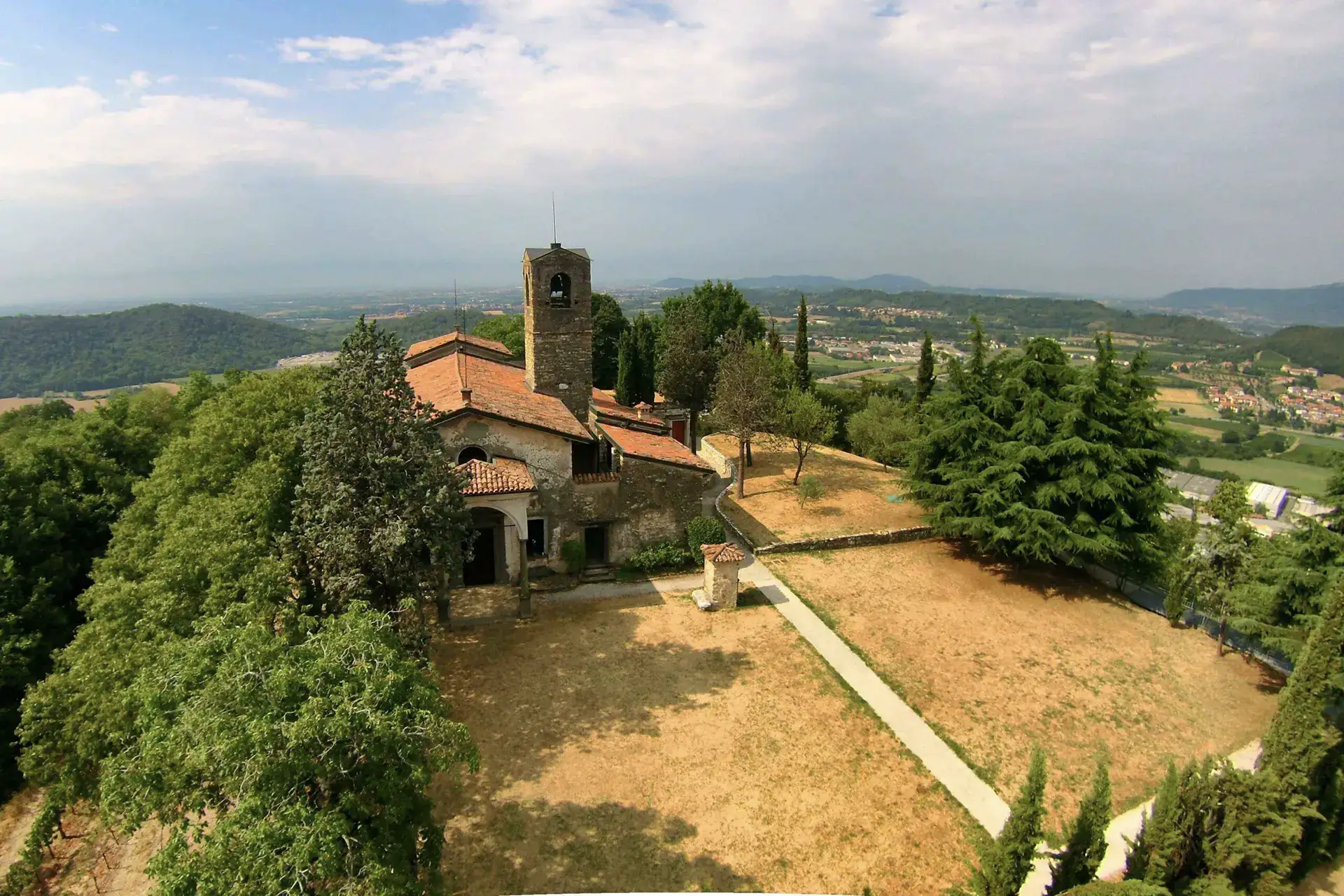
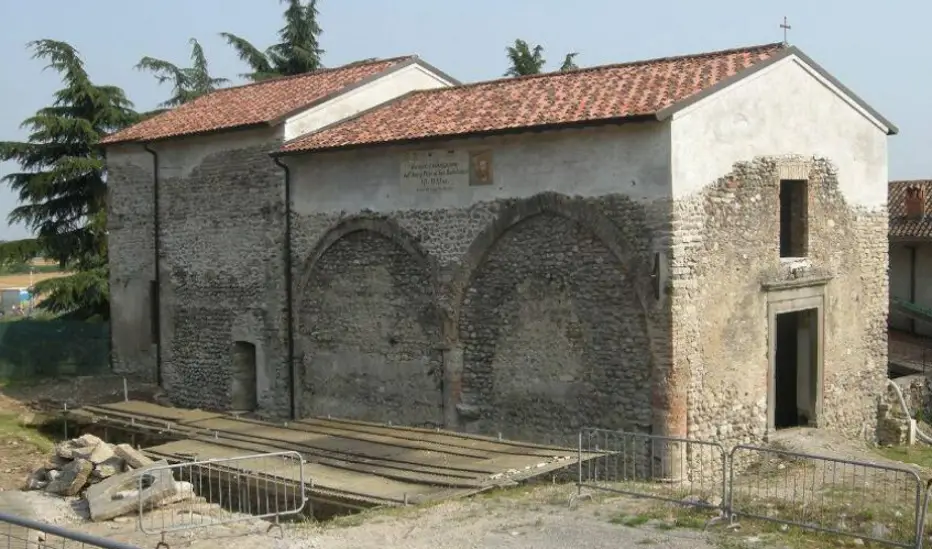
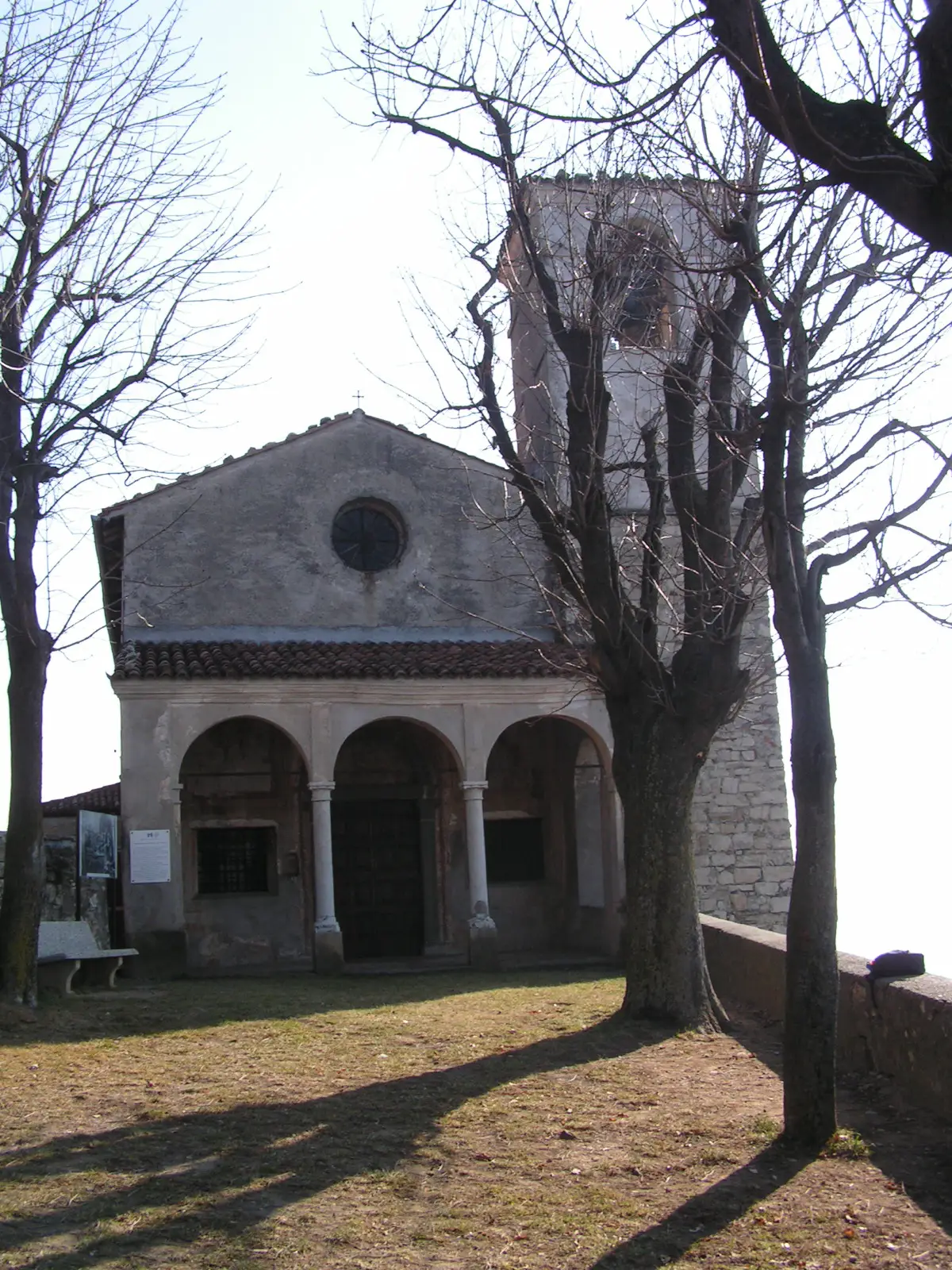
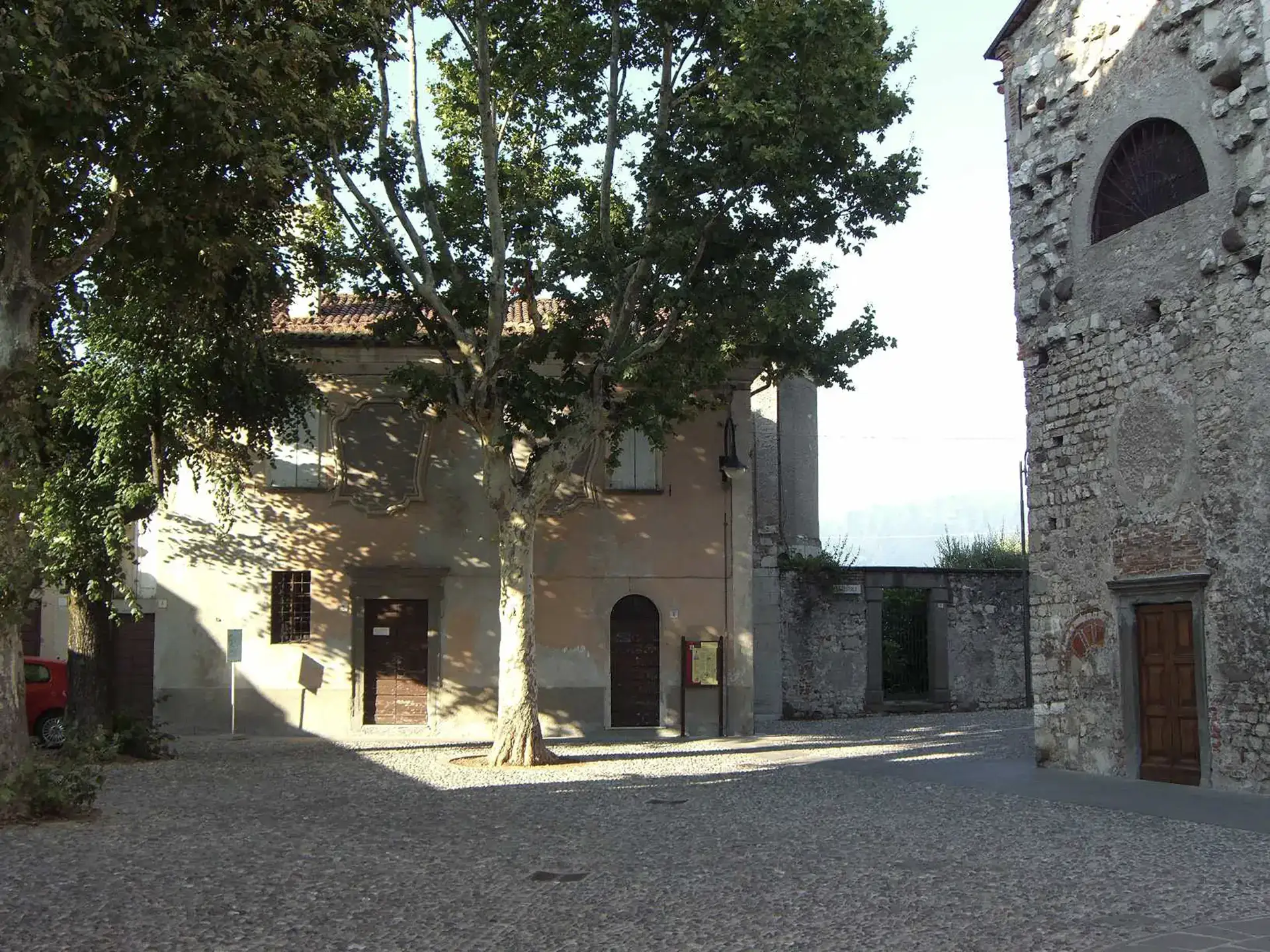
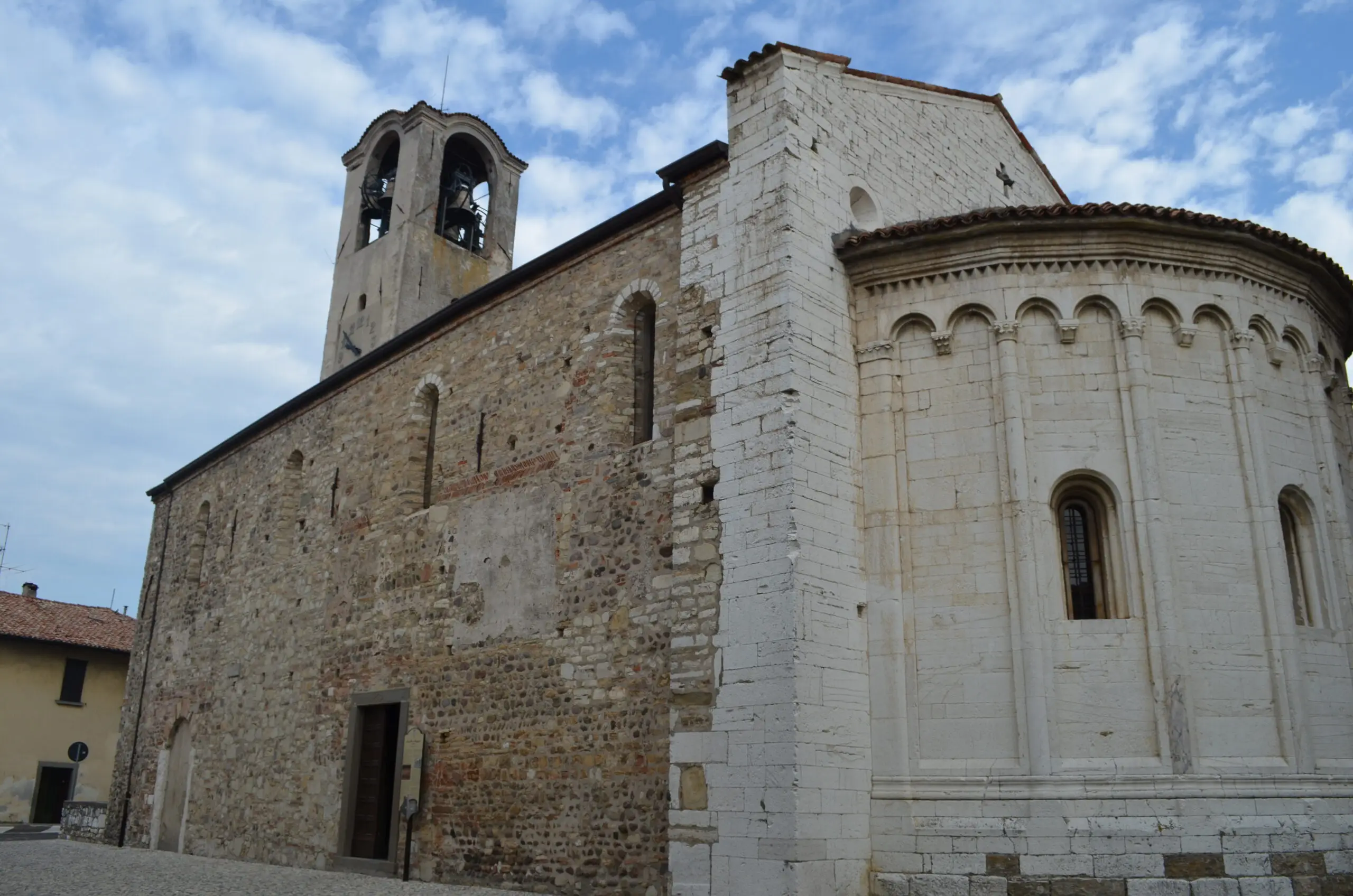
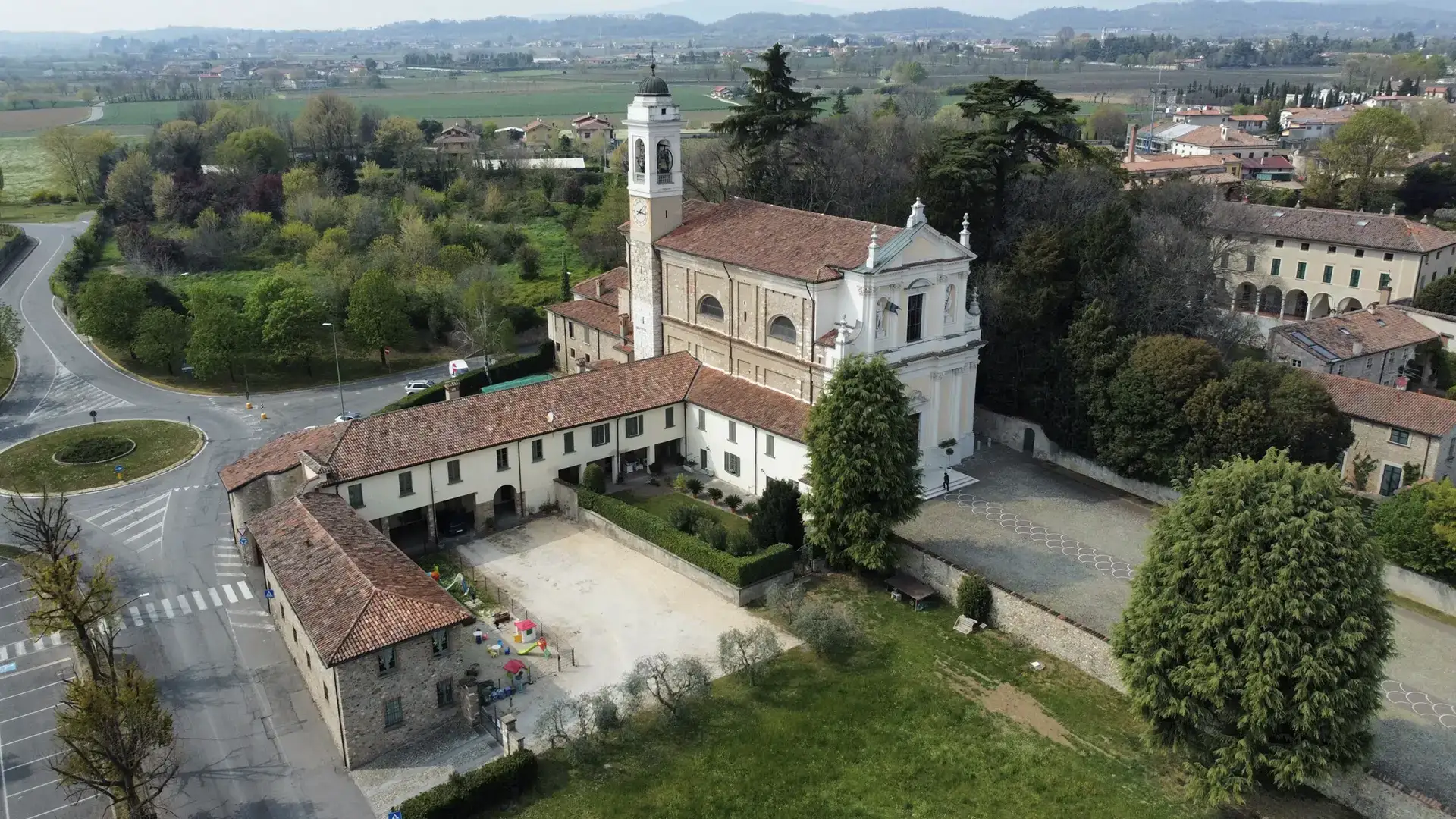
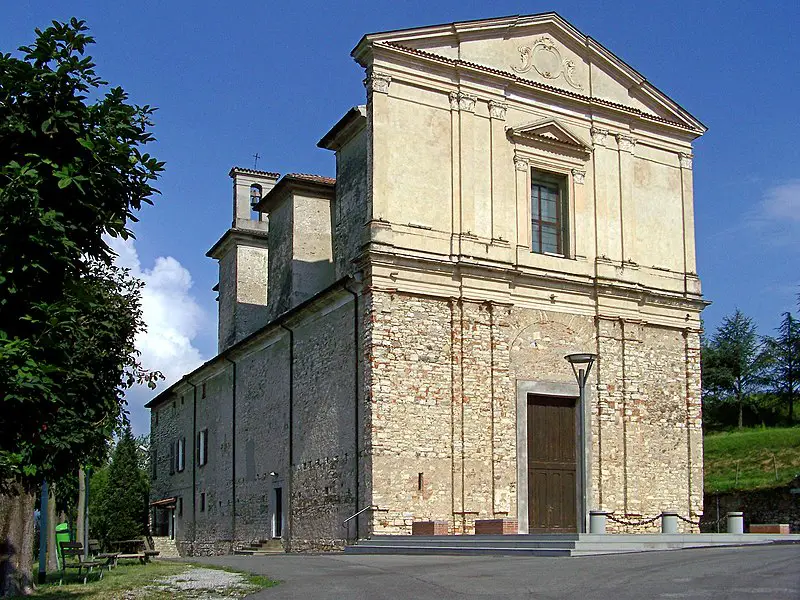
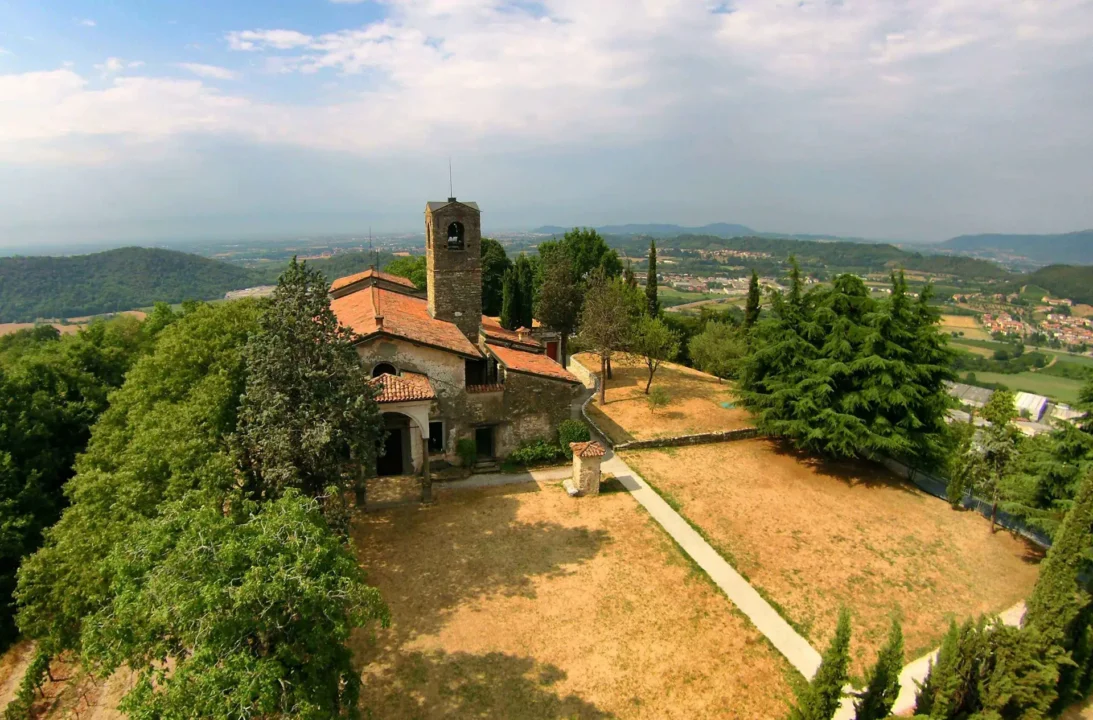
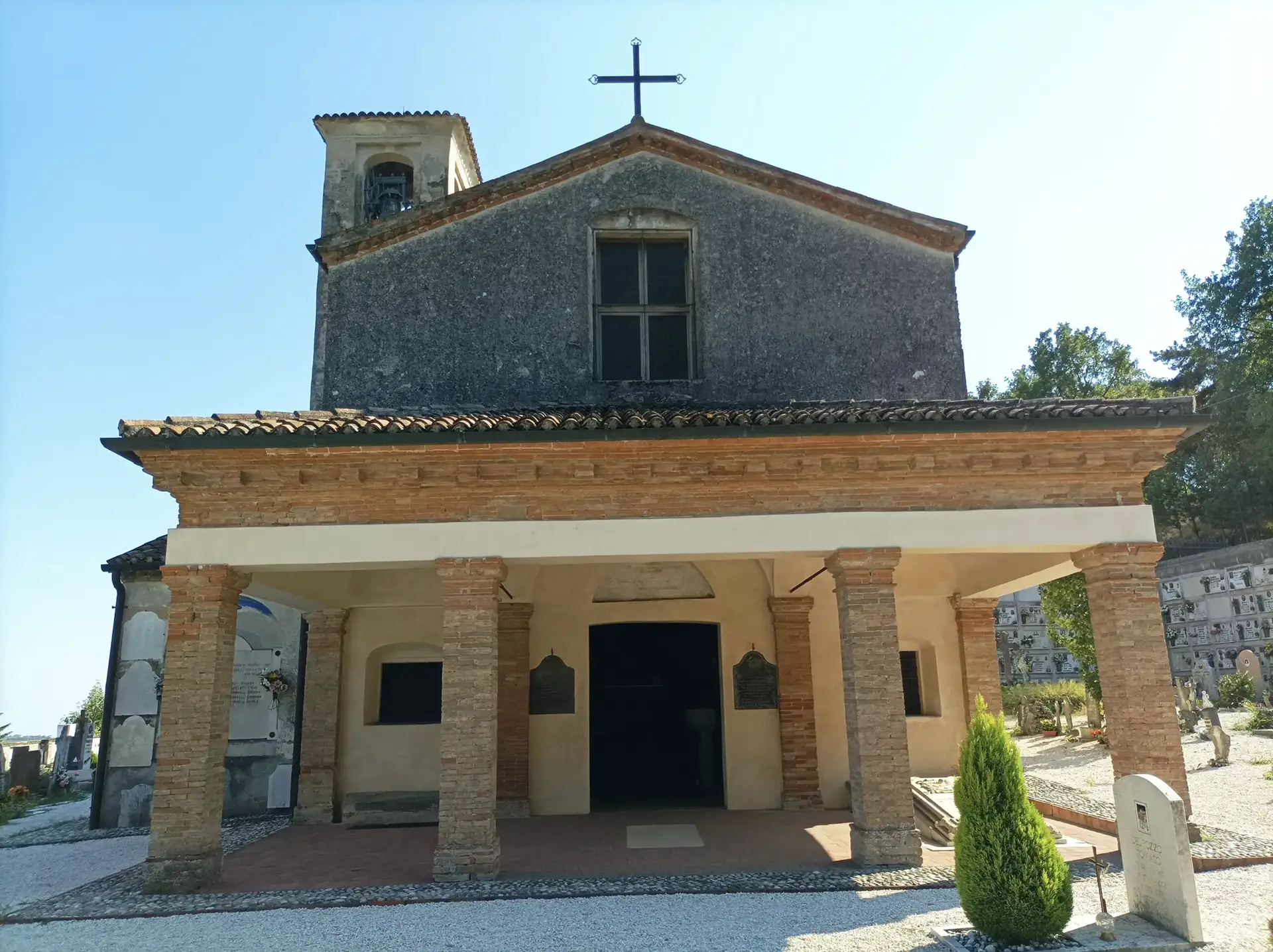
Situated at the heart of a cemetery, surrounded by nature, the church of St Euphemia, which dates back to the early Middle Ages (around the 8th century), was completely rebuilt in the 15th century when it was converted into a parish church: it therefore became necessary to enlarge it, giving it a single nave marked by pointed arches and a pitched roof with wooden beams. A space designed to accommodate painted decoration, consisting of individual panels in the form of votive offerings, or complete cycles.
The sacellum on the right-hand wall: a faux altarpiece and the tomb of the Della Corte and Federici families
On the right-hand wall, within a small chapel featuring a semicircular niche surmounted by an Annunciation, there is a painted altarpiece, modelled on the recessed altarpieces on wooden supports that were particularly common in central Italy for funerary monuments. And in the case of St Euphemia too, we are looking at a funerary tomb, built near the tomb of Federico della Corte, linked to the Della Corte and Federici families, whose coats of arms appear on the pilasters of the frame.
St Gotthard and the lost altarpiece: the faux frescoed altarpiece
The faux altarpiece, painted as a fresco on the wall, features a central figure of St Gotthard in bishop’s robes and bears witness to the presence of an altar dedicated to him: the space where it must once have stood is still clearly visible between two faux drapery panels.
Saints against the plague and attribution to the Master of St Cassian
The fact that St Gotthard is flanked by St Roch and St Sebastian, miracle-working saints invoked against the plague, testifies to the need for effective divine protection against disease. Although this fresco may seem archaic in style, it was almost certainly painted around 1524 and is attributed to a highly prolific artist, conventionally known as the Master of St Cassian: frescoes in the church of St Anthony in Sale Marasino, in St Mary’s in Favento in Adro and in the church of Our Lady of Avello in Ome can be attributed to him.
The presbytery: stories of St Euphemia and references to the Passion of Christ
The chancel, dating from the 1520s, is entirely dedicated to the patron saint of the church; her life story and martyrdom, depicted in the panels of the middle register, are juxtaposed with scenes from the Passion of Christ, set out in the lunettes. In the centre, above the altar, is a faux altarpiece dedicated to the saint who is the central figure of the cycle, surmounted by a Madonna and Child.
A Renaissance cycle by Lotto and the work attributed to Floriano Ferramola
The painter, who clearly kept fully abreast of the latest developments in the Lombard Renaissance of the early 16th century and was familiar with the cycle of paintings depicting the Stories of St Barbara created by Lorenzo Lotto at the oratory of Secco Suardi in Trescore Balneario (Bergamo), has been generally identified as Floriano Ferramola, who created in St Euphemia’s one of the most evocative painted spaces in the entire Franciacorta region.
Links and useful information


Opening hours: open by appointment or at specific times
Privately owned property