Sanctuary of Madonna della Rosa
- Home
- /
- Arte e cultura
- /
- Hidden treasures
- /
- Sanctuary of Madonna della Rosa
The Sanctuary’s legendary origins and its location on the Rosa headland
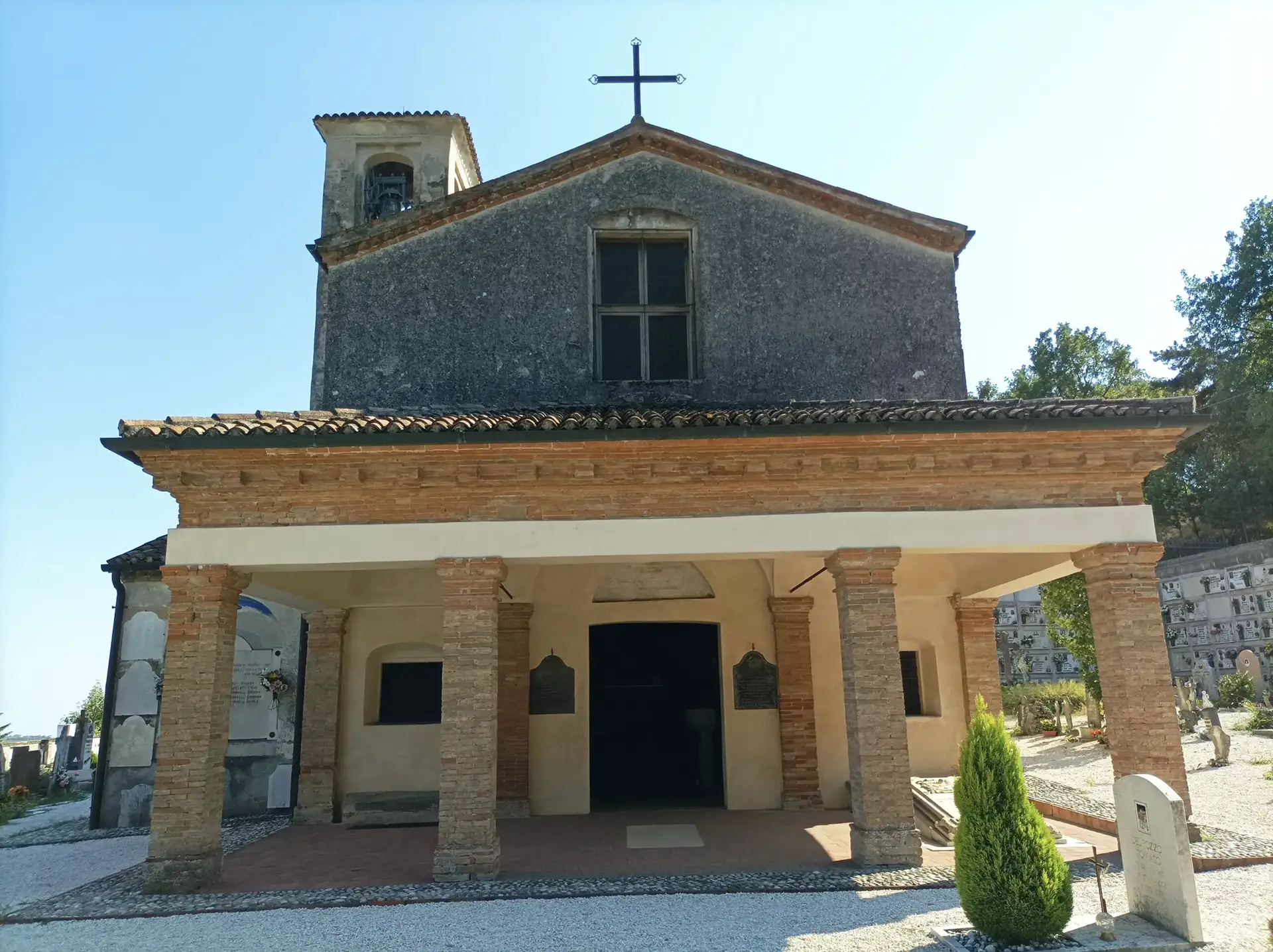
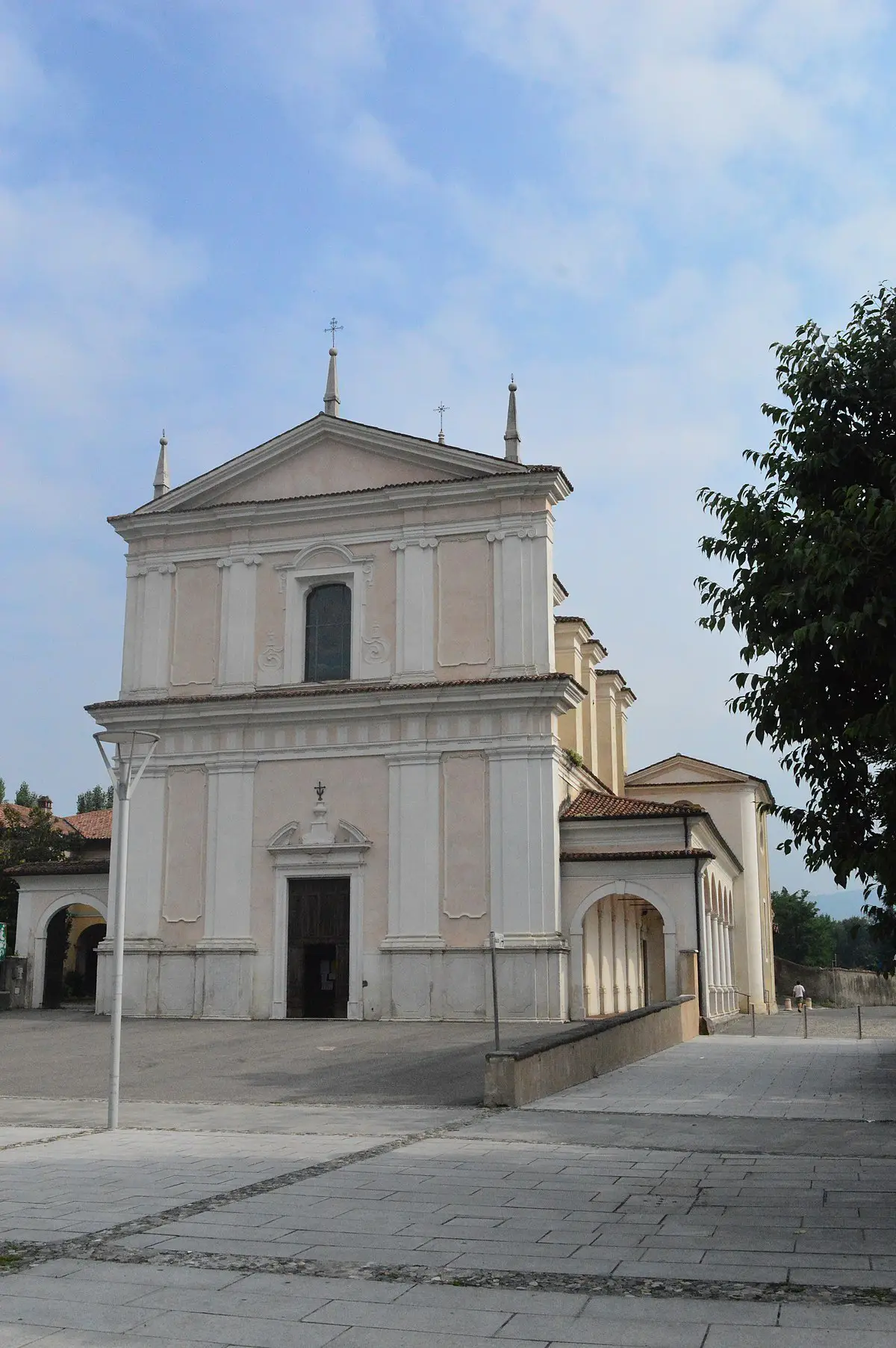
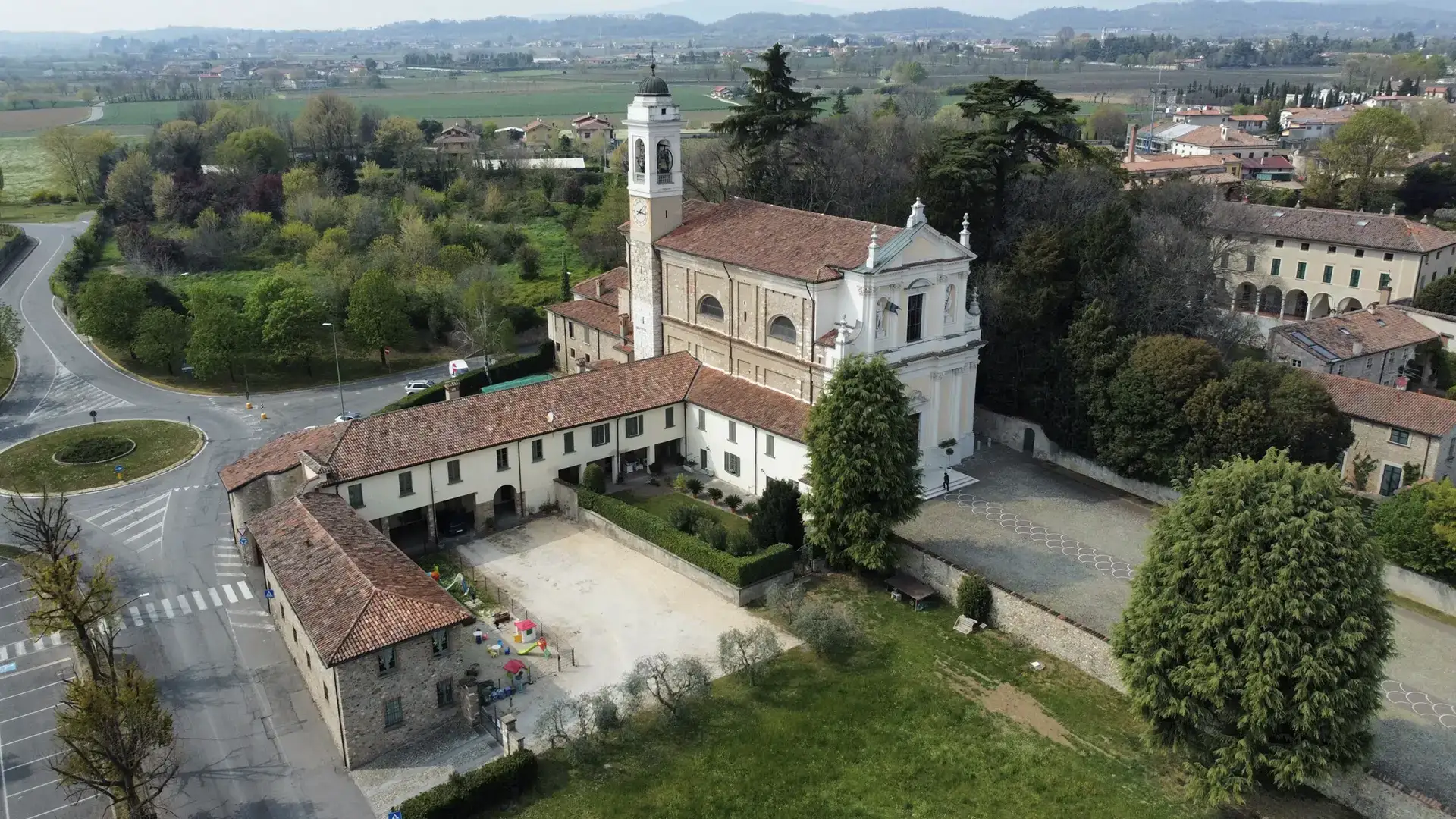
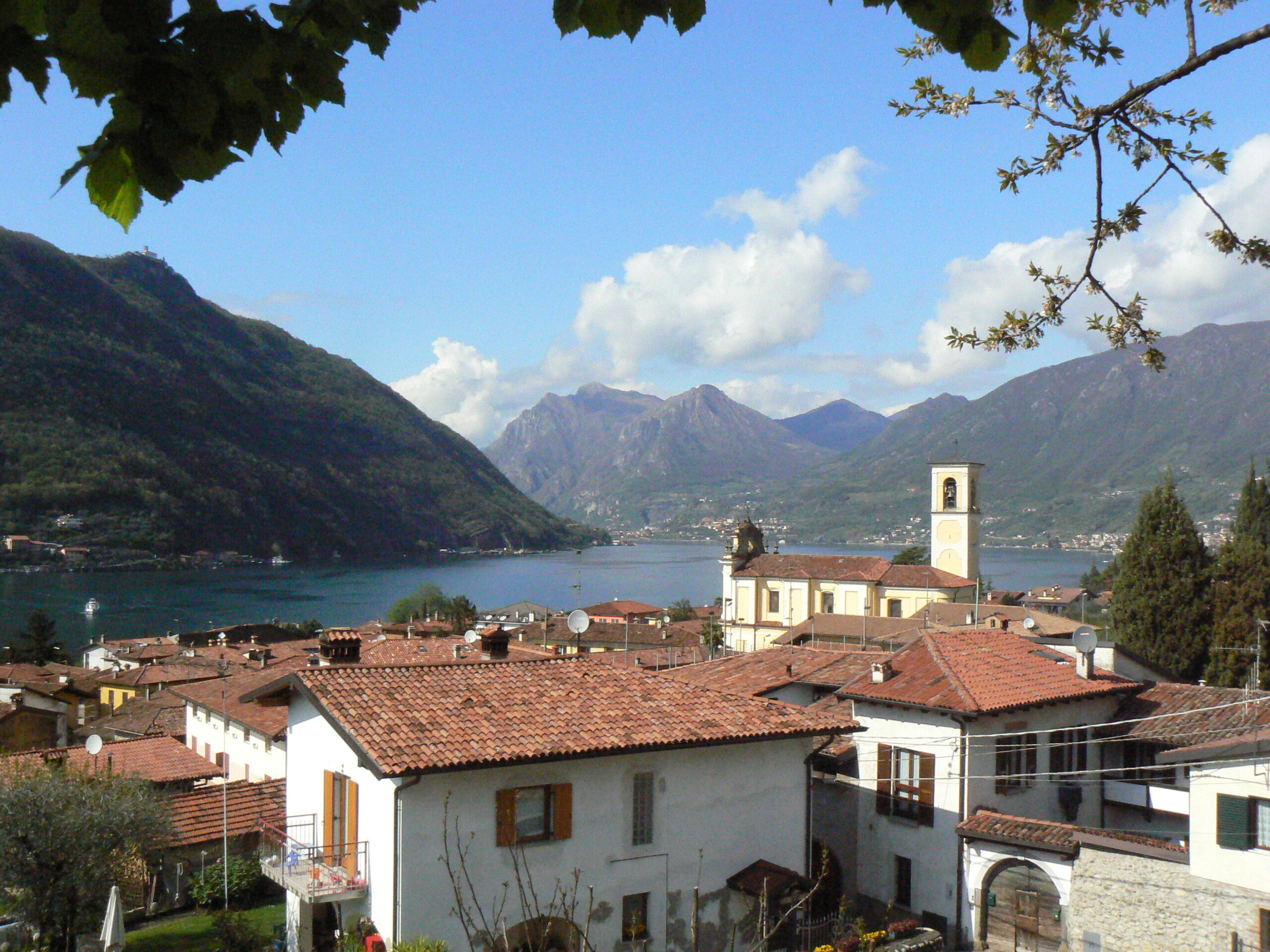
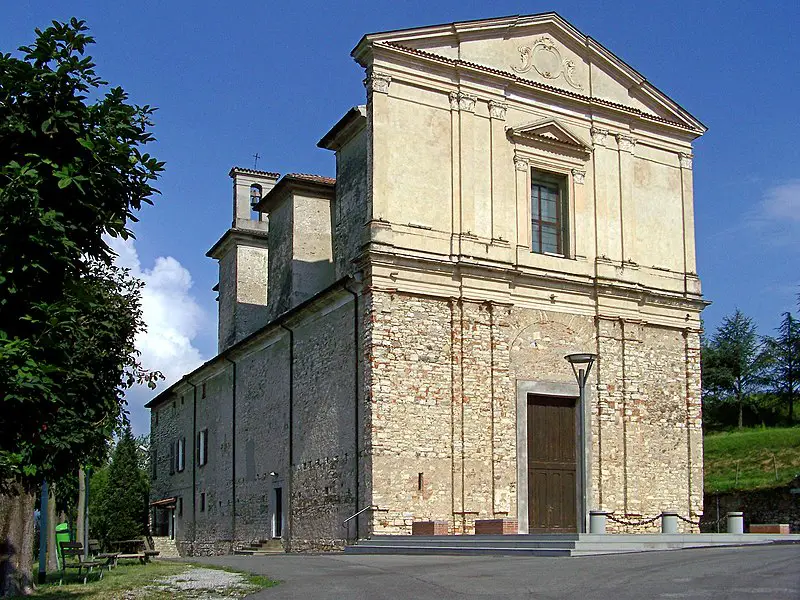
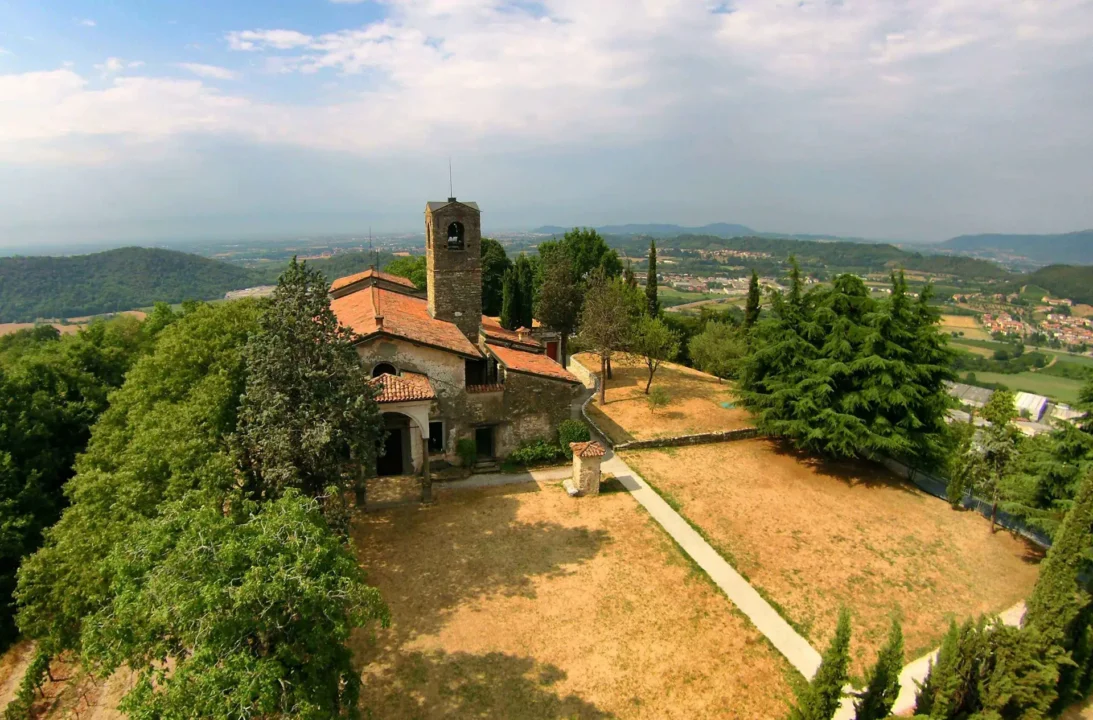
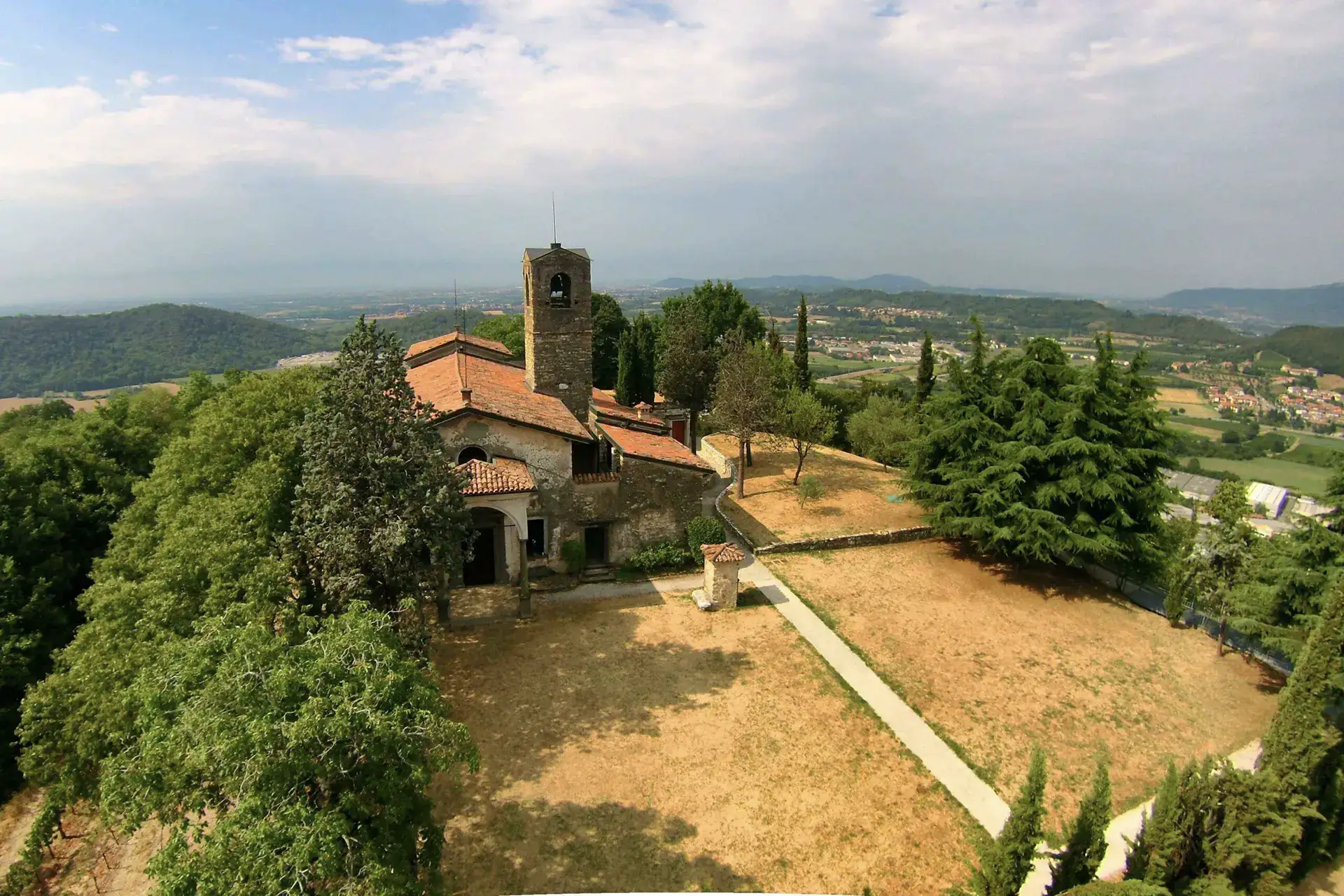
The Sanctuary of the Madonna della Rosa in Monticelli Brusati, situated on a picturesque promontory of the same name, surrounded by woods and set apart from the village, to which it has only been connected by a road since 1964, was built on a site where, according to a legend handed down through the generations, the Virgin Mary is said to have appeared to a thirsty farmer, pointing out the spring where he could quench his thirst.
15th-century layout, later extensions and a Renaissance pronaos
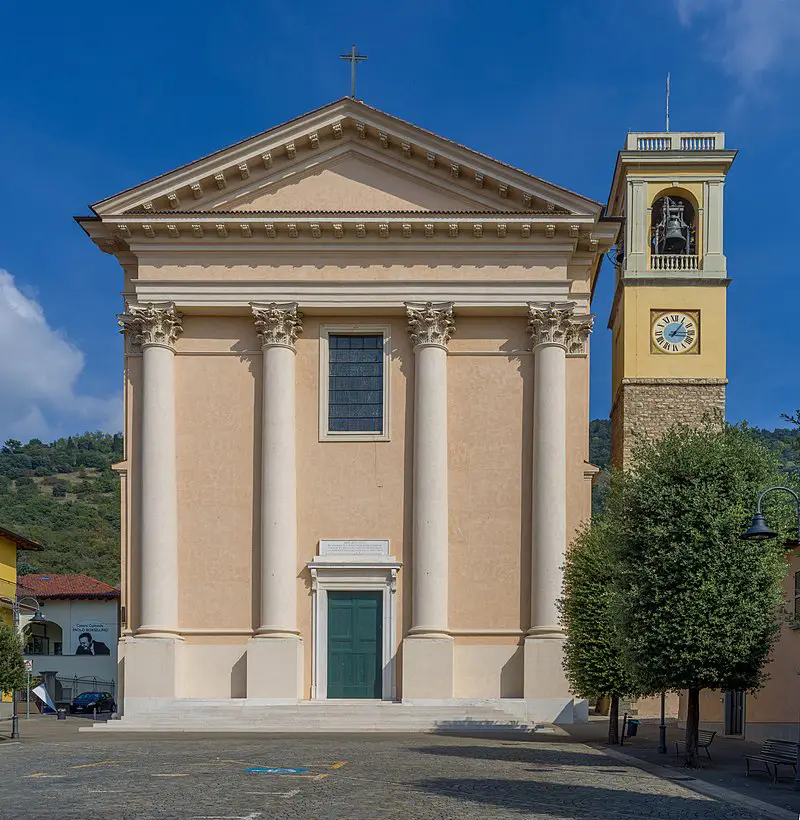
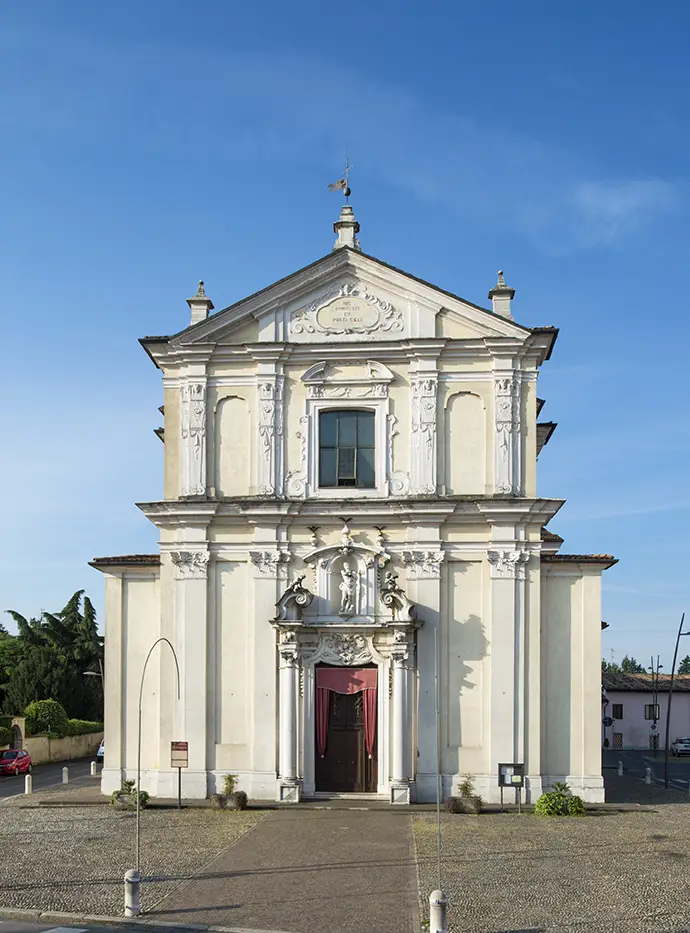
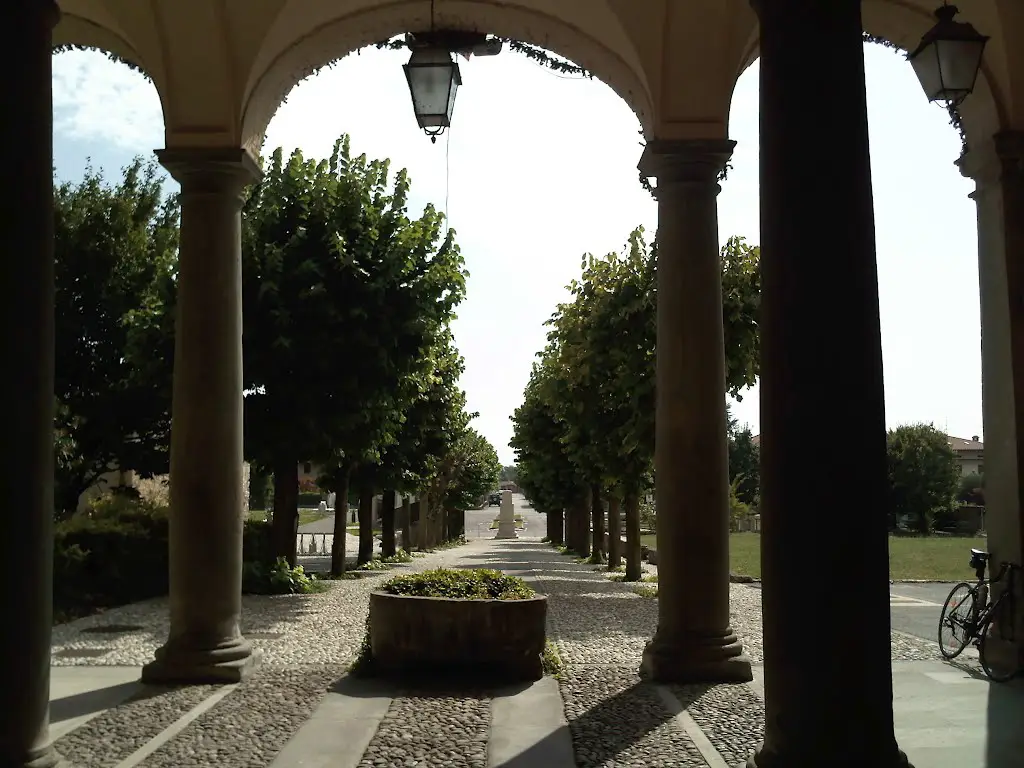
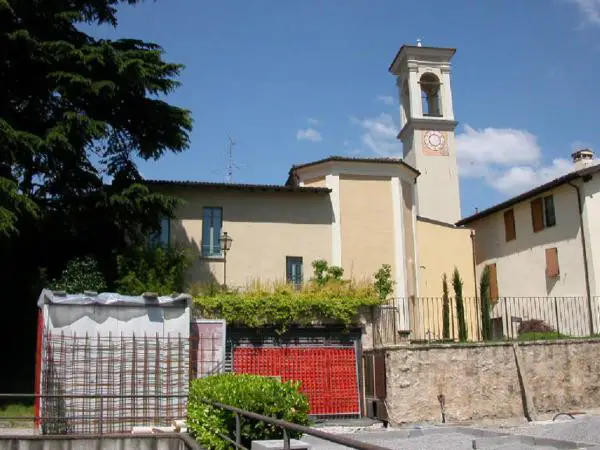
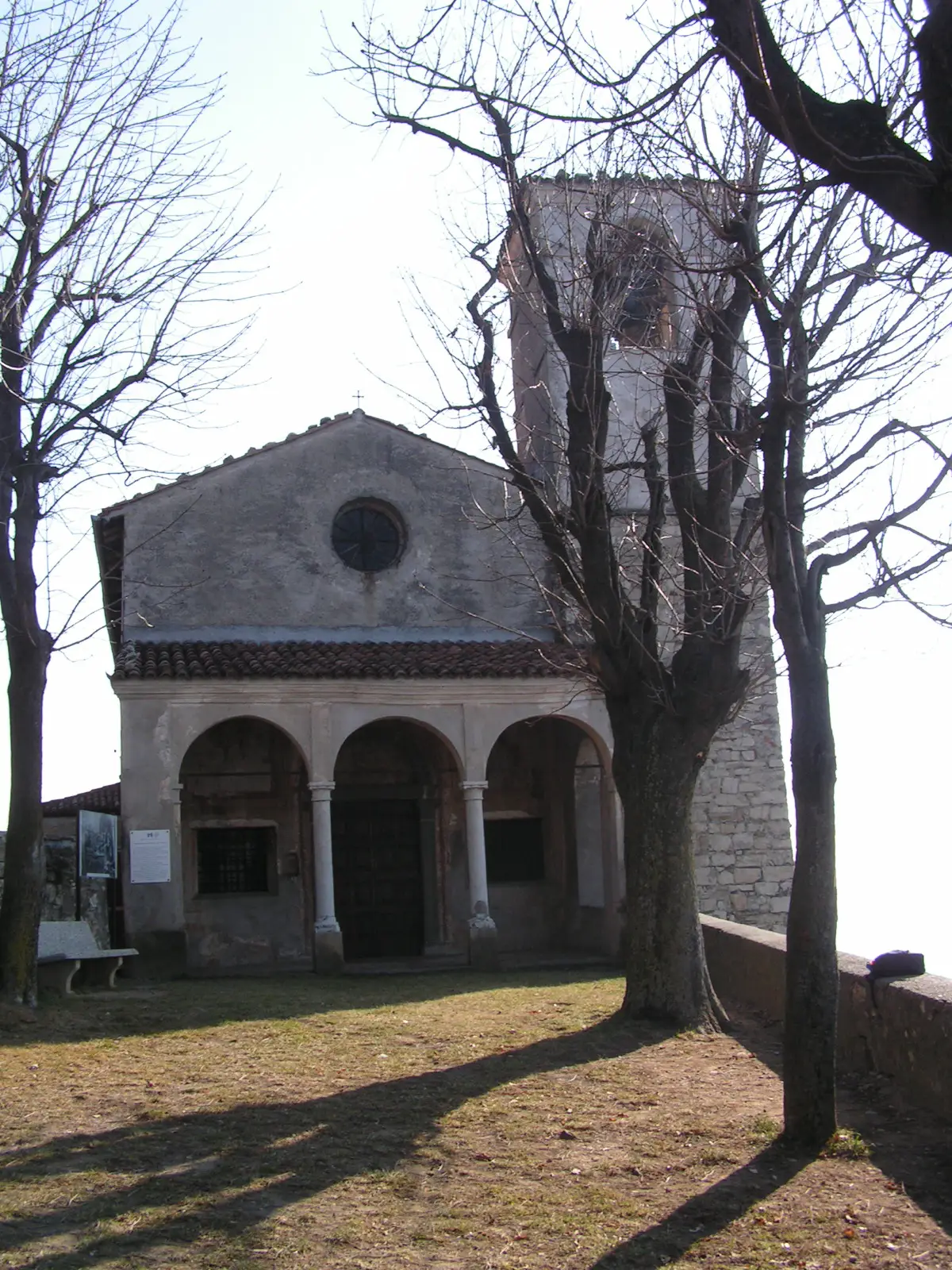
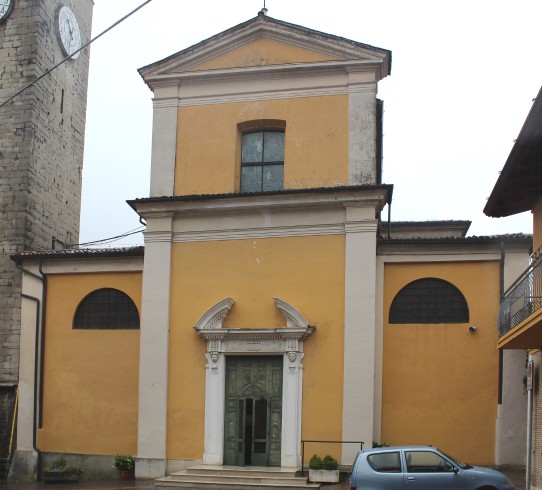
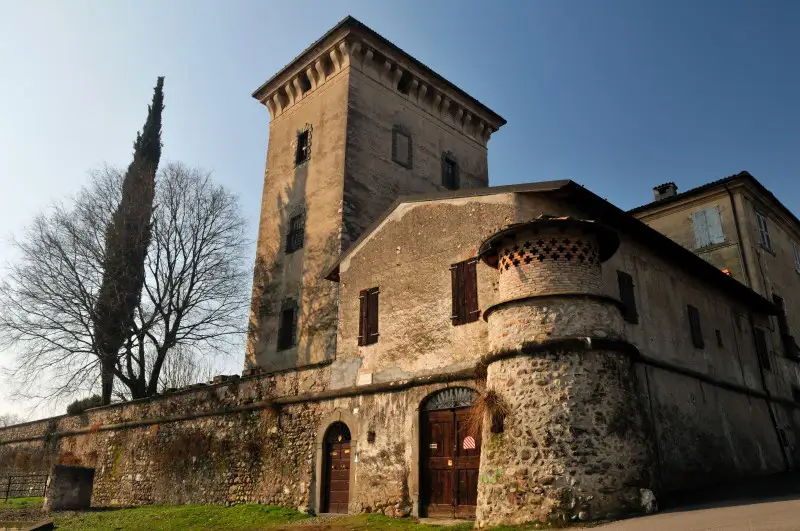
The overall structure, dating from the mid-15th century, features a hybrid layout, the result of an extension and a change in the orientation of the main axis: a layout that seems to foreshadow that of another important Marian shrine in Franciacorta, the Madonna della Stella in Gussago-Cellatica-San Vigilio. In 1567, a bell tower and the elegant pronaos that adorns the gabled façade were added to the 15th-century layout, featuring grey stone columns and fully Renaissance-style round arches.
Architectural evolution between the 16th and 17th centuries: a longitudinal nave and a side chapel
It is based on a longitudinal layout, with a single nave extending the full length of the building, ending in a square apse with a straight back wall: a design which, during the 16th century, would replace the polygonal umbrella-shaped apse typical of Lombard Gothic architecture. It later evolved into a layout featuring a side chapel, added in the 17th century, following a design similar to that adopted at the Madonna della Stella in Gussago (or Cellatica).
Interior and decorations: 15th-century frescoes, the ‘Quaternità Mariolatrica’ and Baroque additions
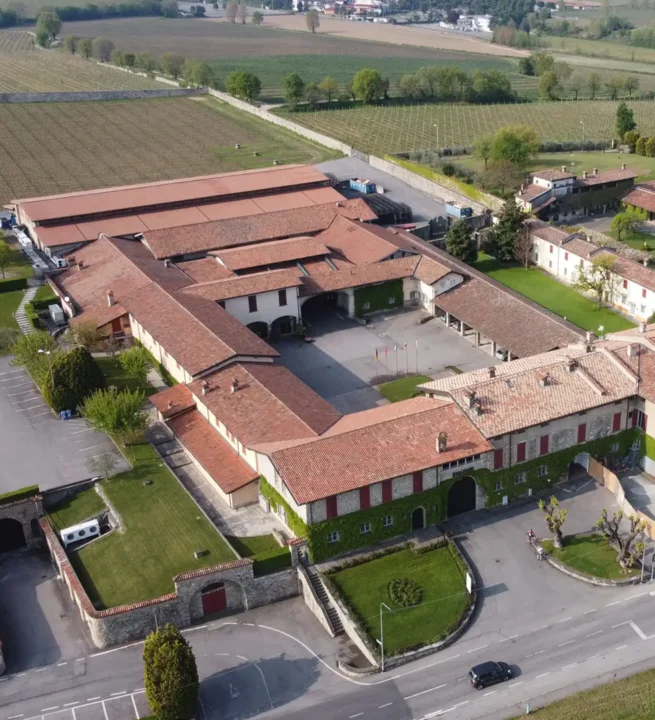
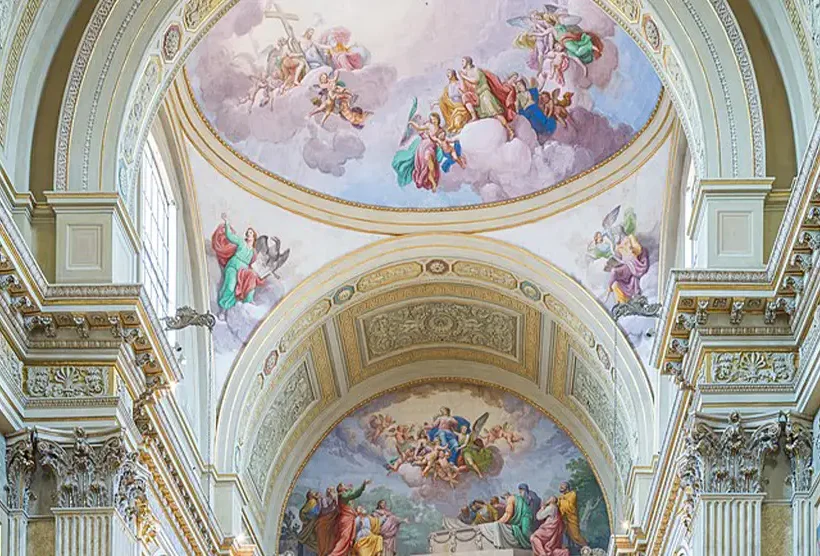
In more recent times, a number of residential rooms were added to the church, which are now used for various purposes, creating a fully-fledged complex. The interior of the nave, which has retained its 15th-century appearance as a single hall marked by pointed arches and a gabled roof, preserves fragments of the original fresco decoration on the west wall and the pillars. These are the work of a master painter of Trentino descent, who was also active in other locations between Franciacorta and the Sebino area, such as the Disciplina di S. Silvestro in Iseo. Among these, the most distinctive is the one depicting the ‘Quaternità Mariolatrica’, that is, the union of the image of the Madonna Enthroned with the Child and the Throne of Grace (Thronum Gratiae), the latter being a representation of the Trinity, in which God the Father supports the crucified Son, accompanied by the dove of the Holy Spirit. This iconography, which depicts the Virgin as both a participant in and the origin of the Trinity itself, was widespread until the late Renaissance but was abandoned with the Counter-Reformation and the new doctrine on sacred images. From the Baroque period, the exquisite 17th-century decorations of the side chapel and the trio of altars in the chancel have been preserved; these are characterised by frames of great decorative opulence, typical of the era.
Links and useful information


Free admission
Privately owned property