Church of St Giorgio the Martyr
- Home
- /
- Arte e cultura
- /
- Hidden treasures
- /
- Church of St Giorgio the Martyr
The construction of the parish church in Cellatica and the document of 1613
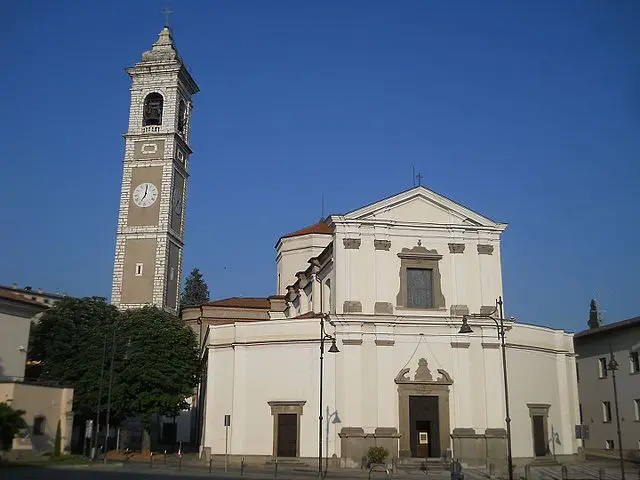
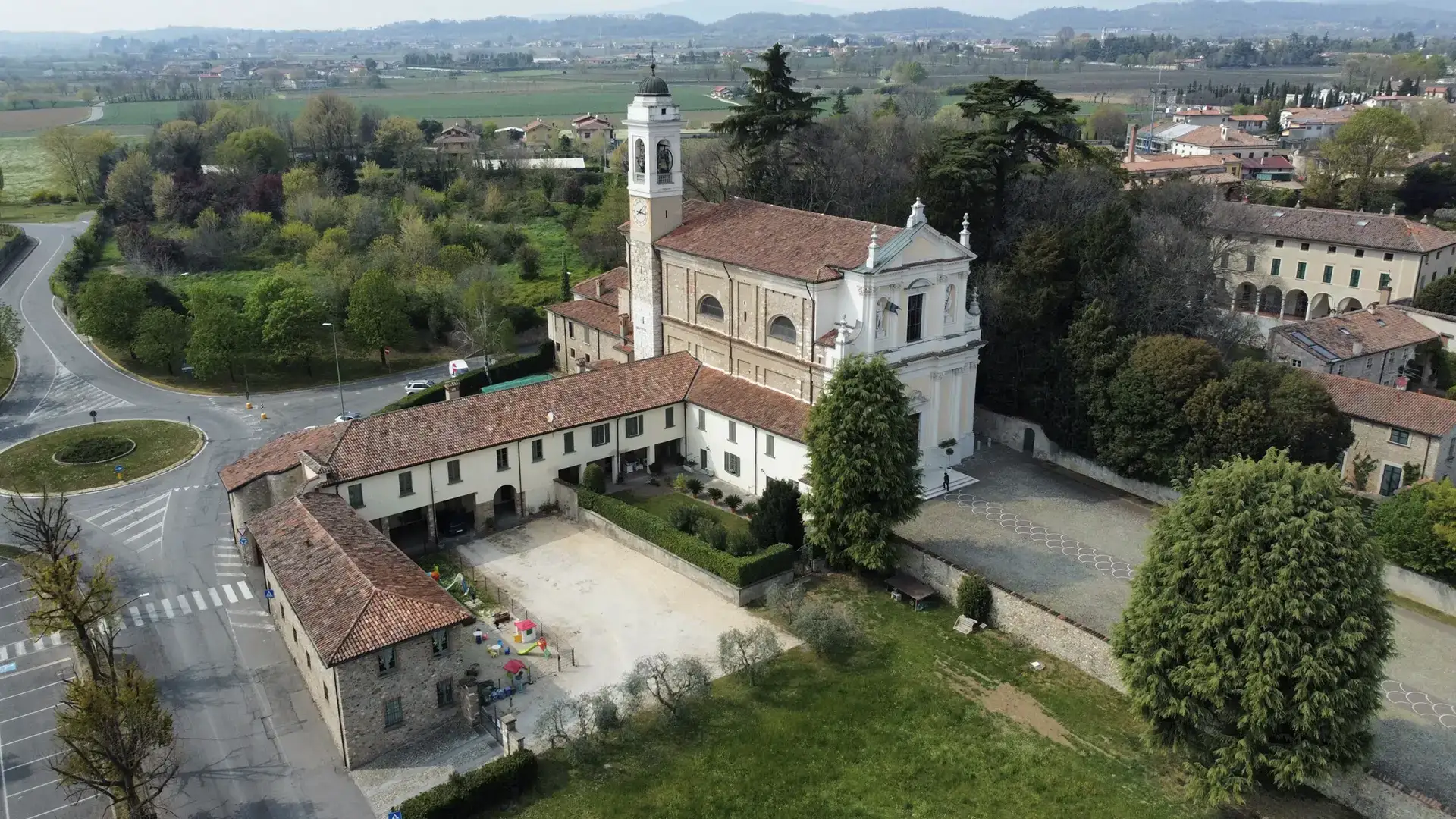
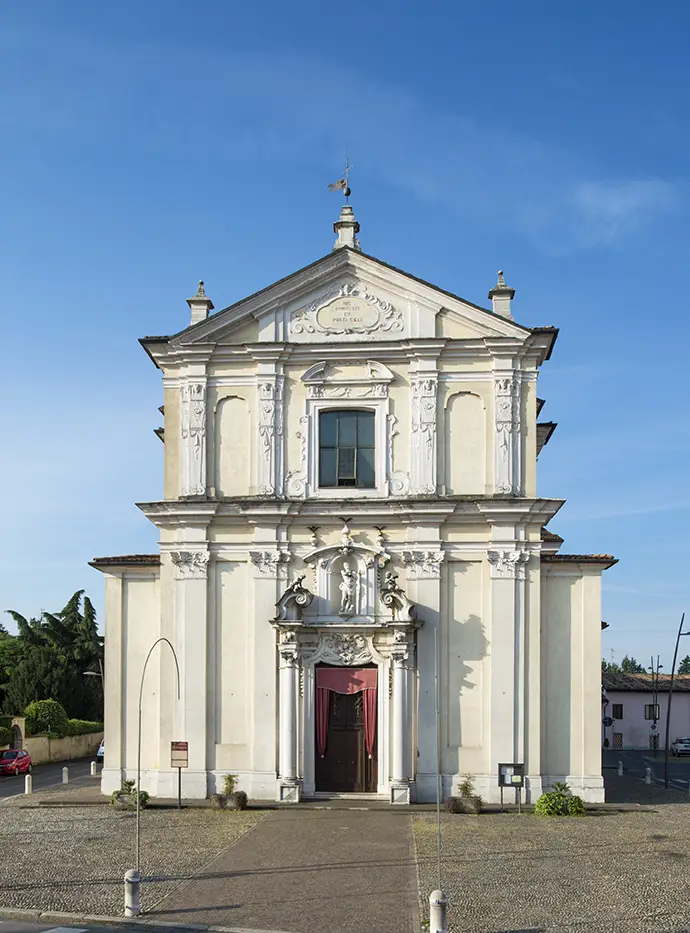
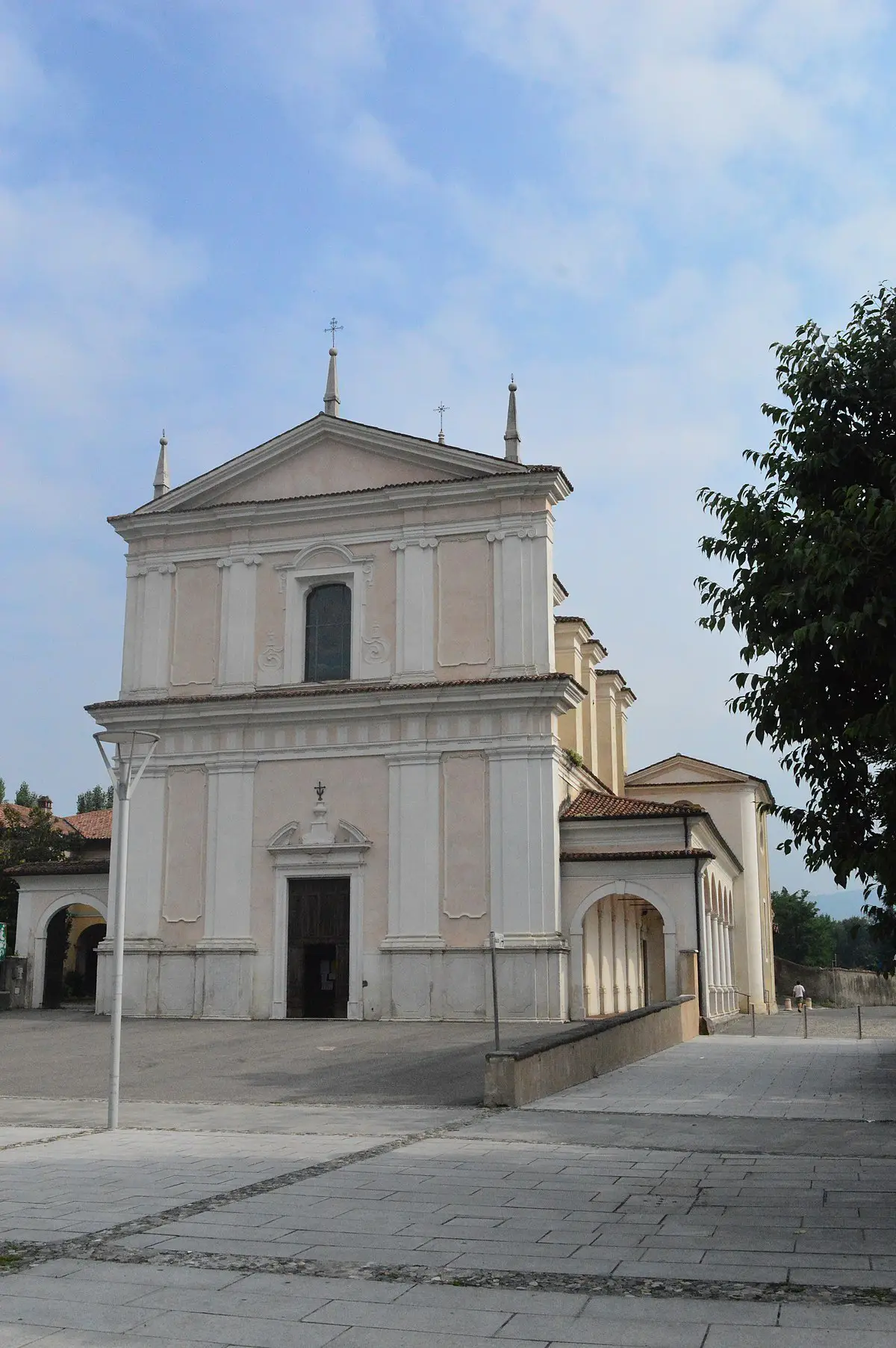
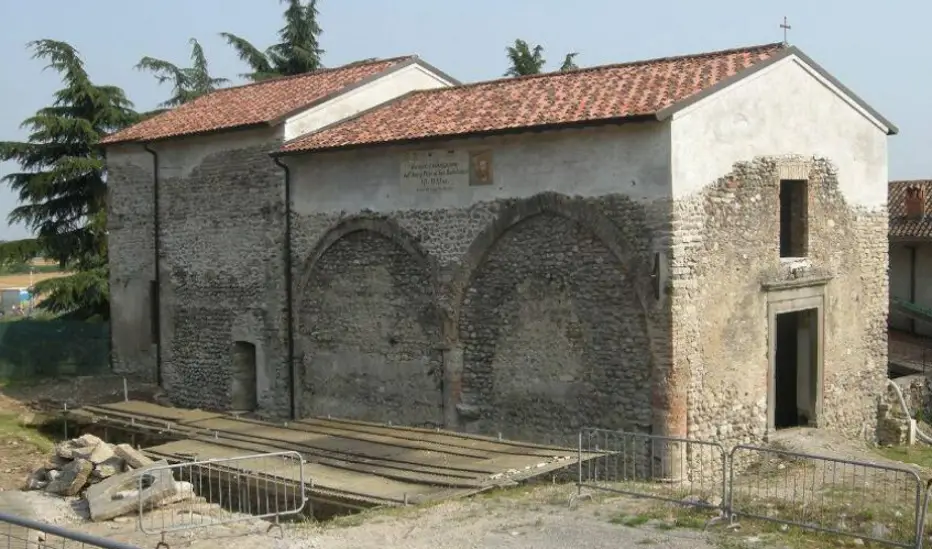
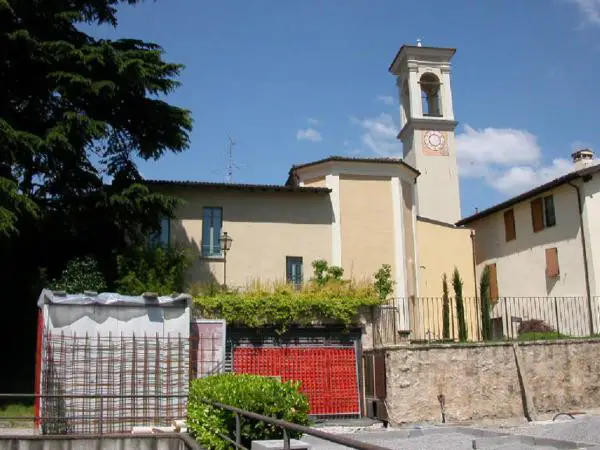
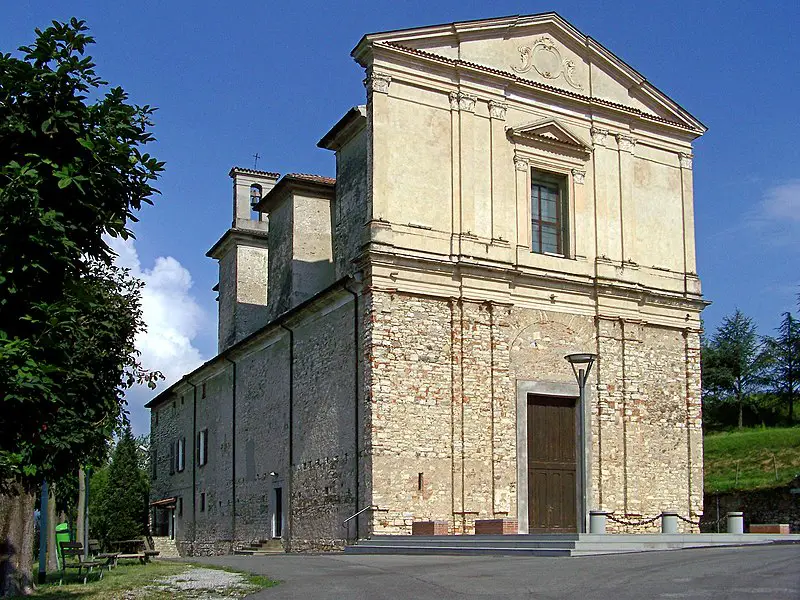
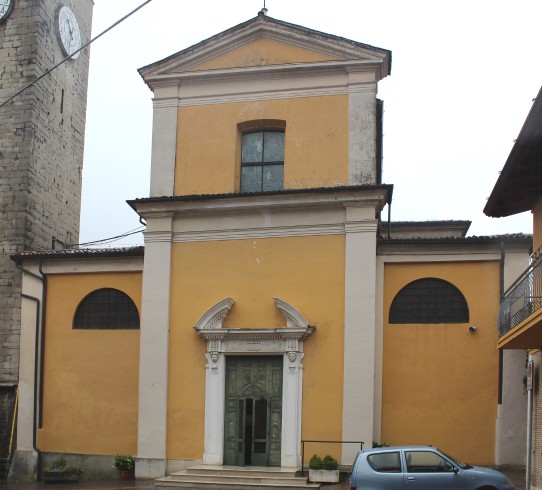
The construction of the parish church of Cellatica dates back to the early 17th century, made possible by the financial efforts of the community, which was prepared to shoulder the substantial costs of the building work, as stated in a document dated 7 July 1613. Despite the considerable number of documents recording the work on the parish church, which allow us to reconstruct its various stages and identify the patrons, the name of the architect who designed it is unfortunately never mentioned.
The plague of 1630 and the votive altar to St Nicholas of Tolentino
Work on the parish church was slowed down by the plague of 1630, a period during which, in the Brescia area, the cult of St Nicholas of Tolentino grew in popularity; an altar was dedicated to him by public vow on May 14th, 1662, an event recorded in a deed drawn up by the notary Carlo Sala.
The rear façade: the large canvas depicting the Martyrdom of St Giorgio
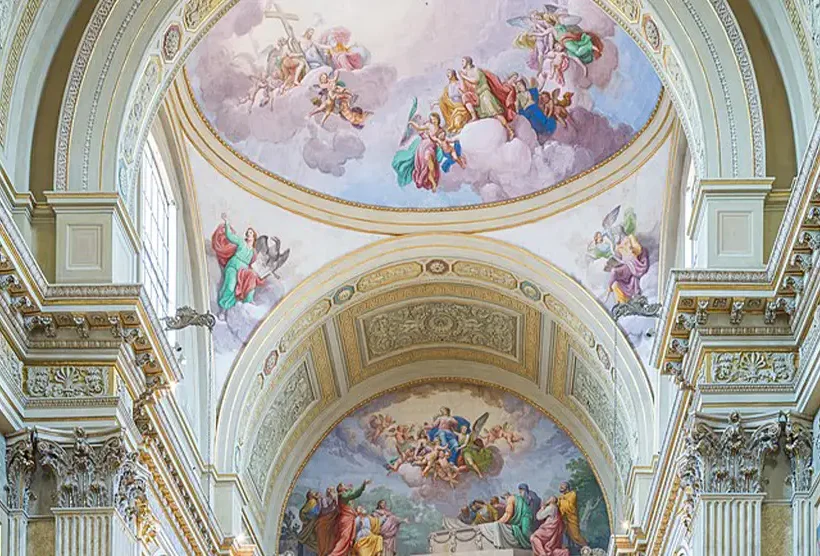
Inside the church there are numerous paintings, starting with the large 20-metre canvas hanging above the 19th-century apse, which adorns the counter-façade with a depiction of the Martyrdom of St George by an unknown artist.
Altarpieces: Francini and Paglia, between devotion and the celebration of the holy knight
Also of interest is the altarpiece of the first altar on the right, a work by the Brescian painter Pietro Francini (1819–1895), which conveys a romantic and deeply devotional vision of the moment of St Joseph’s passing, one of the rarest subjects in sacred art, with Mary and Jesus standing by the dying man’s bedside, offering him their comfort. The most significant work remains the altarpiece of the high altar, dedicated to the Triumph of St George, a painting by Francesco Paglia dated 1663 and placed on the church’s altar on 21 April 1667: the holy knight, to whom the church is dedicated, is depicted astride a horse spurred into a gallop, which is almost trampling the dying figure of the dragon beneath its hooves, whilst he turns his gaze with gratitude towards the Madonna and Child, suspended on the clouds and surrounded by angels. On the horizon, one can make out the landscape of Cellatica and its hills, one of which, on the right, is crowned by the sanctuary of the Madonna della Stella.
Renaissance sculpture: the polychrome statue of St. Rocco by Maffeo Olivieri
The church also houses an important example of Renaissance sculpture from the Brescia area: the polychrome statue of St. Roch, the work of the sculptor Maffeo Olivieri (1484–1544), which has been restored to its former glory following a recent restoration and comes from the church dedicated to the saint.
Links and useful information


Opening hours: daily 7.30am–6.30pm
Privately owned property