Church of San Giovanni Battista
- Home
- /
- Arte e cultura
- /
- Hidden treasures
- /
- Church of San Giovanni Battista
From the ‘old parish church’ of St Zenone to the new church of St Giovanni Battista
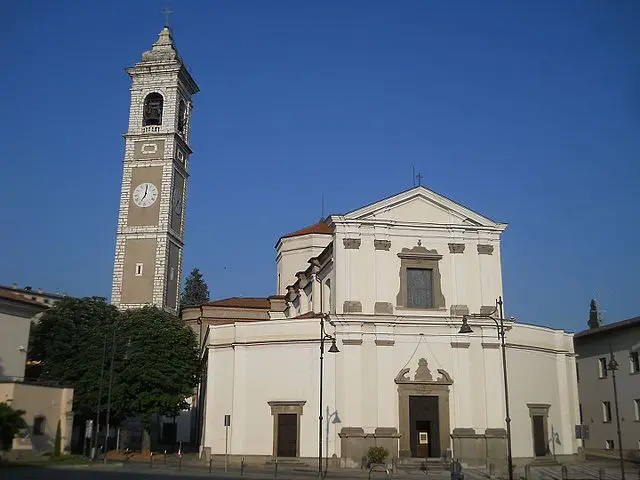
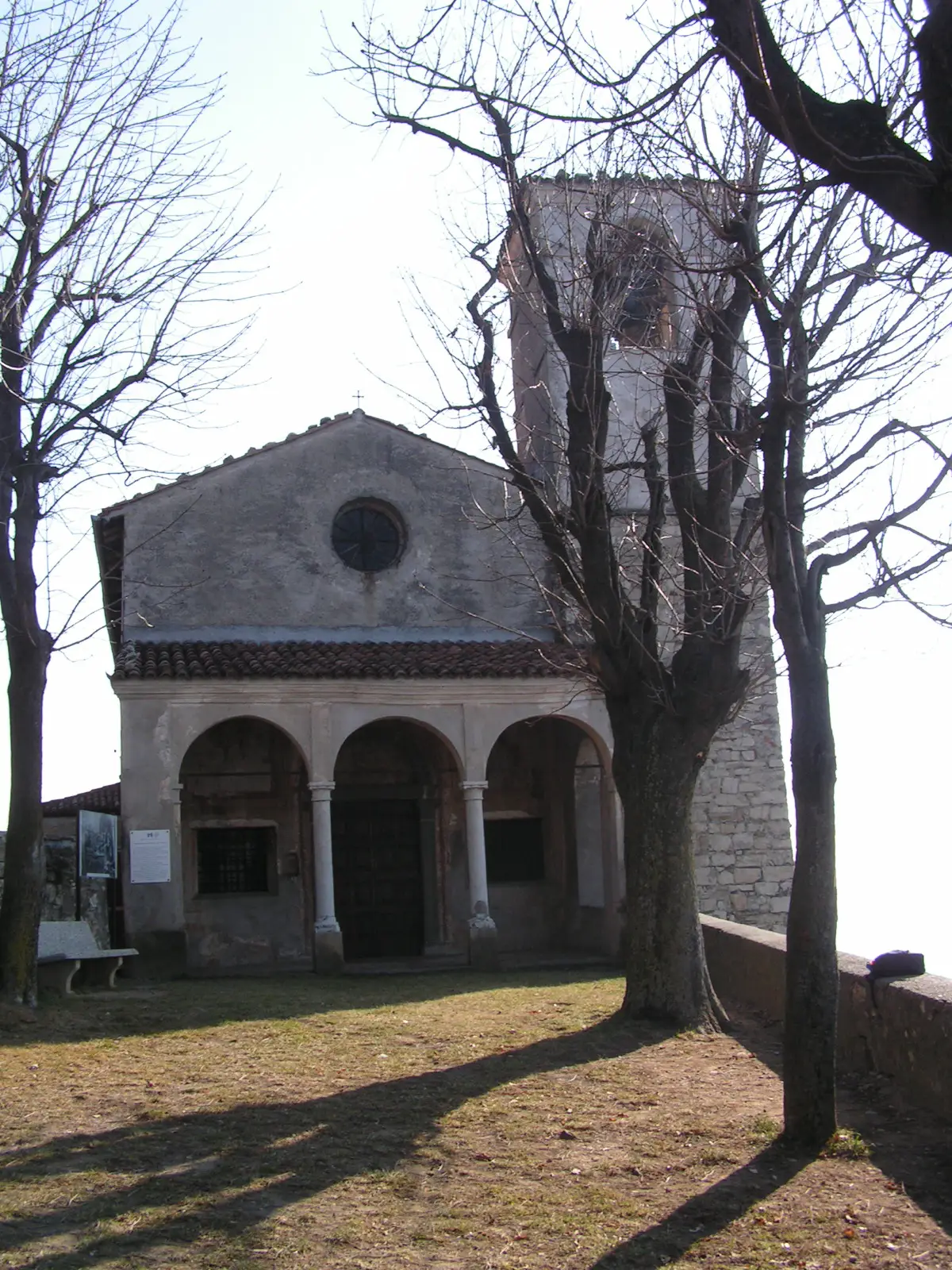
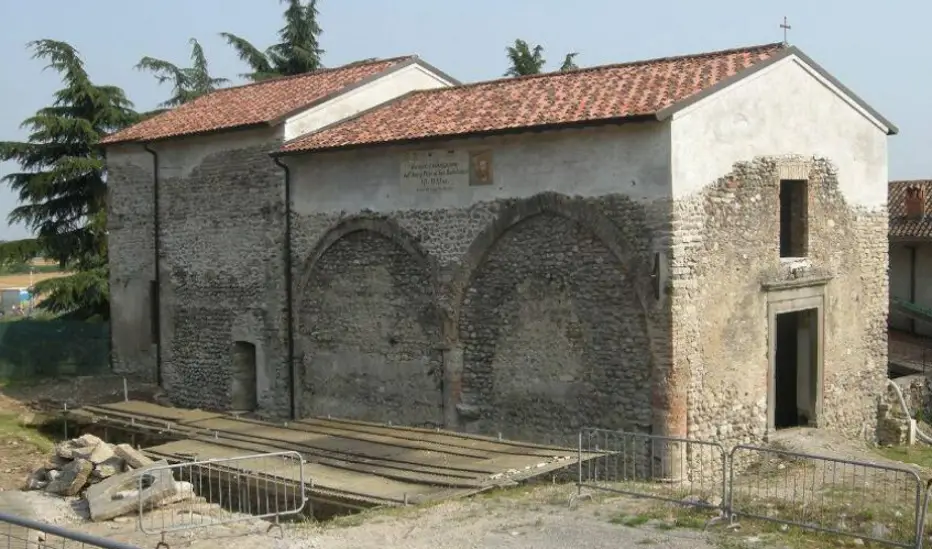
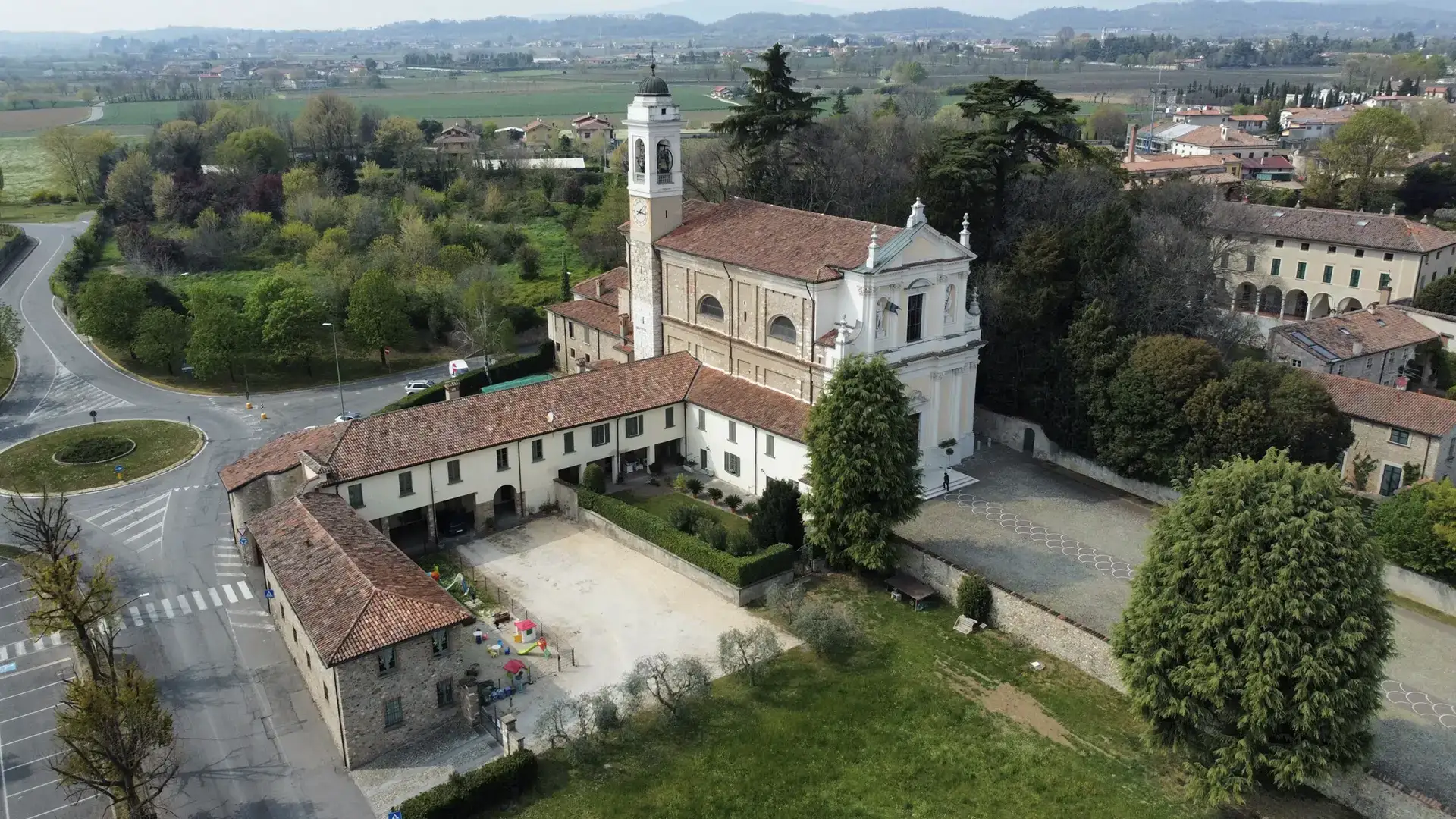
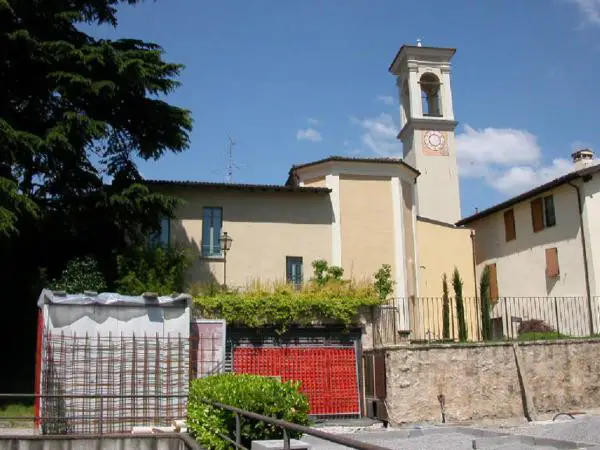
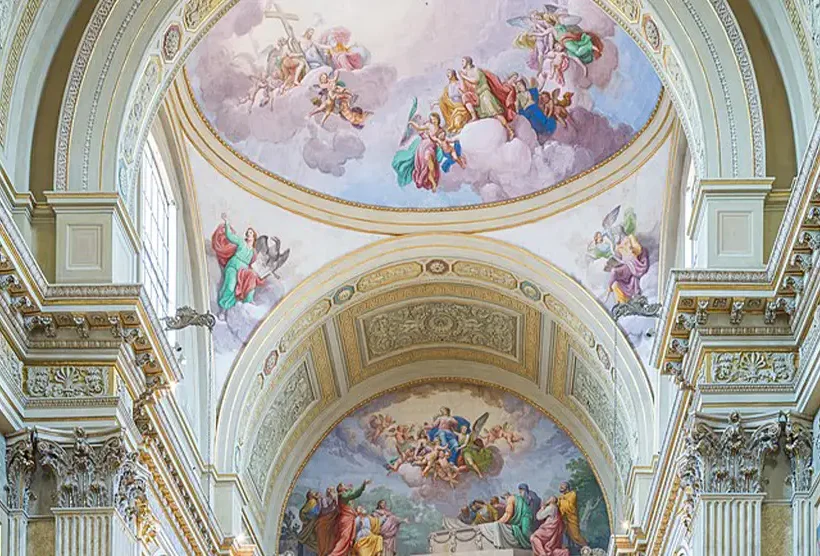
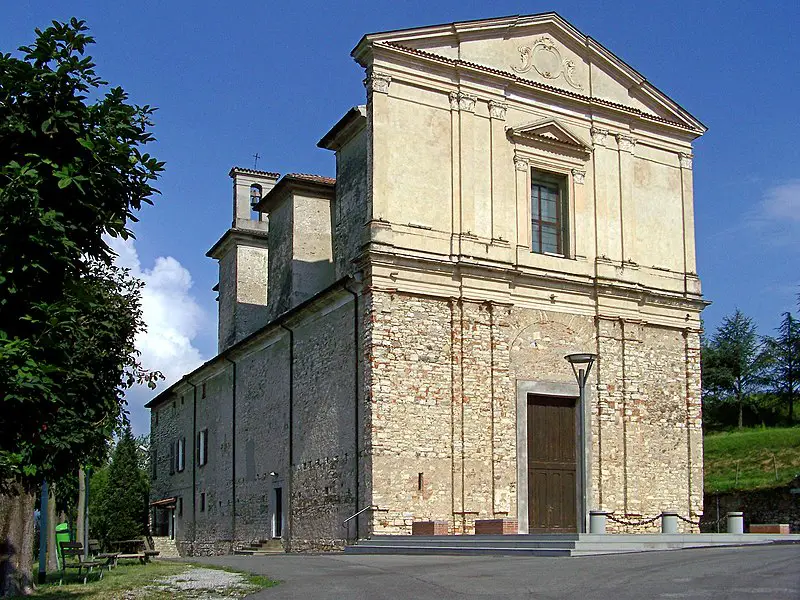
The first parish church of Castegnato is probably to be identified with the ancient church of St Zenon, which once stood in a cemetery area outside the town centre and is referred to in the reports of Bishop Domenico Bollani’s pastoral visits as the ‘old parish church’. Changing requirements of liturgical life and the growing number of worshippers led, in the final decades of the 17th century, to the commencement of work on a larger building, brought up to date with contemporary architectural standards. The new church, begun in 1682 and dedicated to St John the Baptist, was consecrated in 1692, but the decoration and completion of the building continued into the following century. The entire complex subsequently underwent further restoration work, which is responsible for the current appearance of the chancel and the dome.
Bartolomeo Spazio’s design and the one-room layout with side altars
The architect behind the original design was probably Bartolomeo Spazio, whose name appears in the payment records under the title of ‘master builder’: the church, with its simple and austere form, was laid out, in accordance with the principles of the new reformed architectural style, as a single nave ending in a rectangular apse, complete with a sacristy and bell tower. On the side walls, making use of the space provided by the buttresses, there were four altars, one of which was dedicated to St Zeno, in memory of the previous parish church that had been destroyed, the materials from which, by decree of the bishop’s authority, had been reused in the new building.
The façade: Fedrighino and the Baroque elements by Antonio Callegari
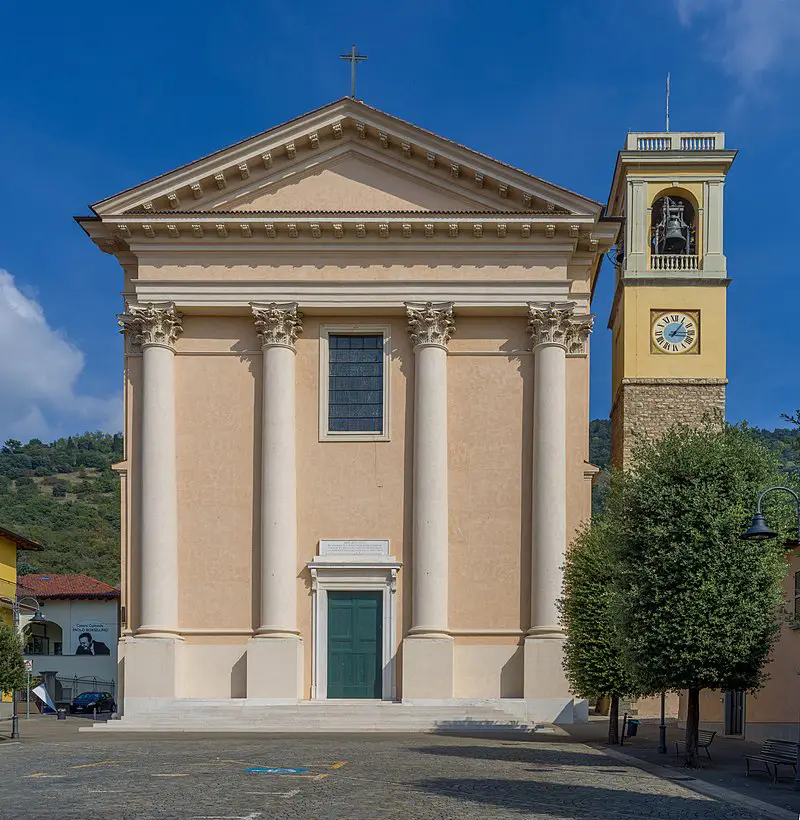
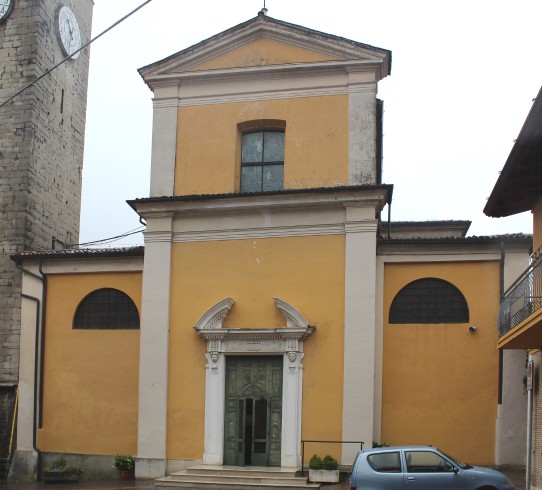
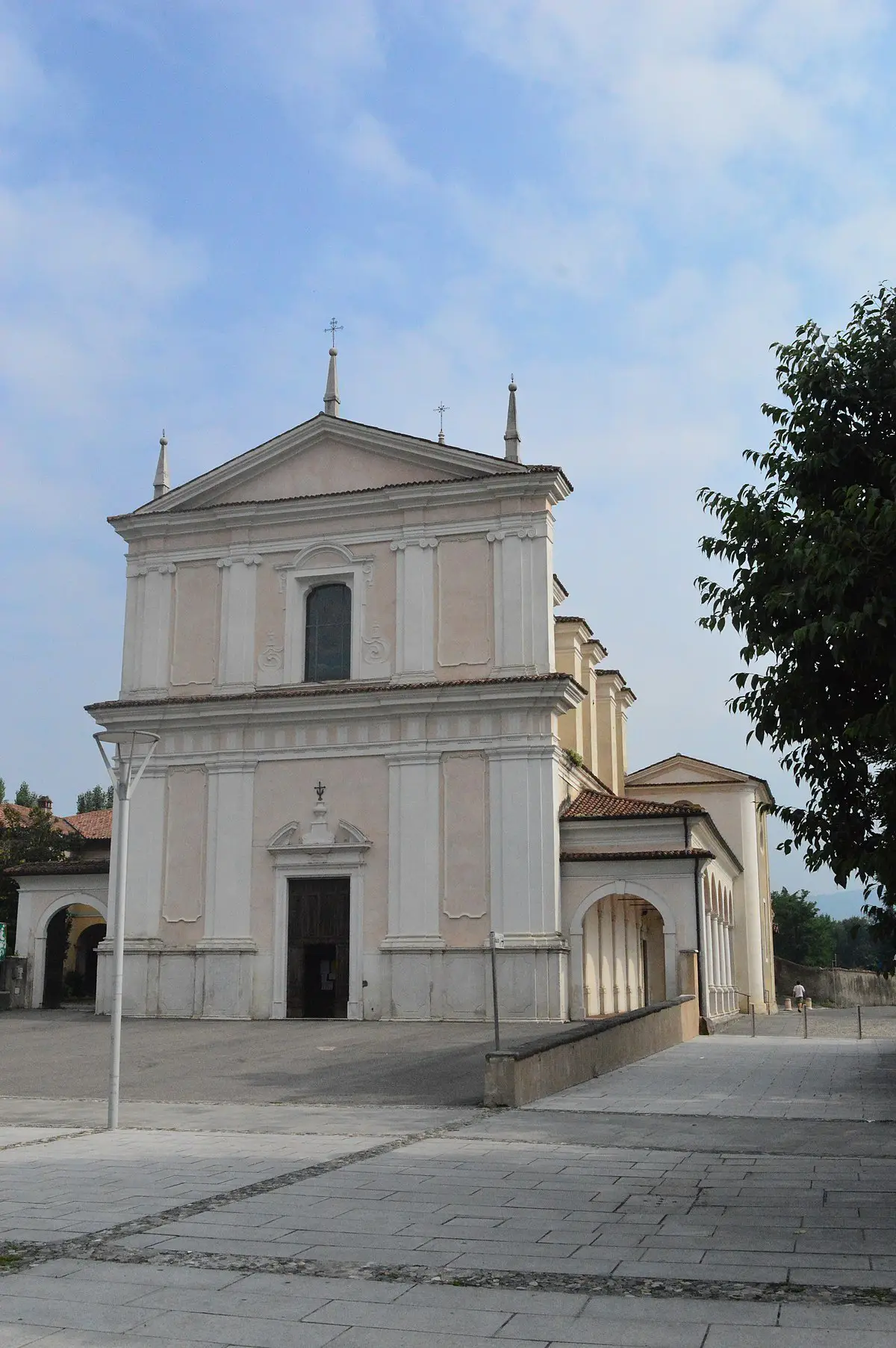
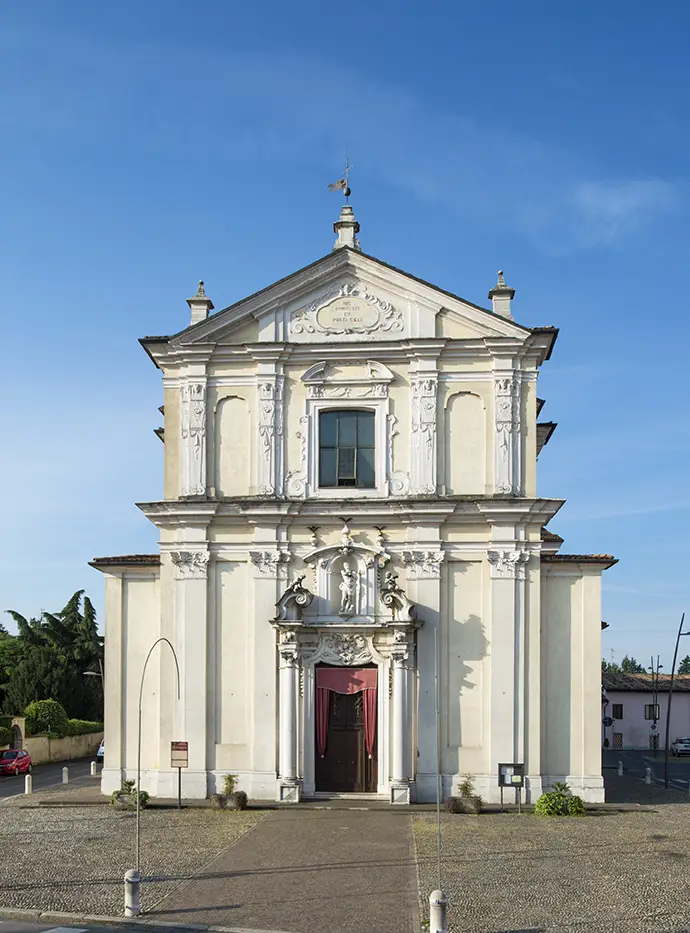
The façade, attributed to Bernardino Fedrighino, was completed in 1724 and features the classic division into two sections, marked vertically by classical pilasters with Corinthian capitals and a temple-style pediment. The simplicity of the surfaces is, however, enlivened by interesting decorative elements in the Baroque style, such as the portal with Botticino marble columns, a broken pediment and volutes, which features a central niche housing a sculptural group of St John the Baptist supported by cherubs, the work of the sculptor Antonio Callegari.
The interior works: Sante Cattaneo and the Apostles by Angelo Paglia
Inside, the church houses works of historical and artistic significance: the altarpiece above the high altar, depicting the Holy Family and Saints Anthony of Padua and Vitale, is the work of Sante Cattaneo (Salò, 8 August 1739 – Brescia, 4 June 1819), who also painted the canvas depicting the Naming of Jesus in 1804, located in the transept, whilst the nave features the full-length paintings of the Twelve Apostles by Angelo Paglia, signed by the artist and dated 1714.
Links and useful information


Opening hours: daily
Privately owned property