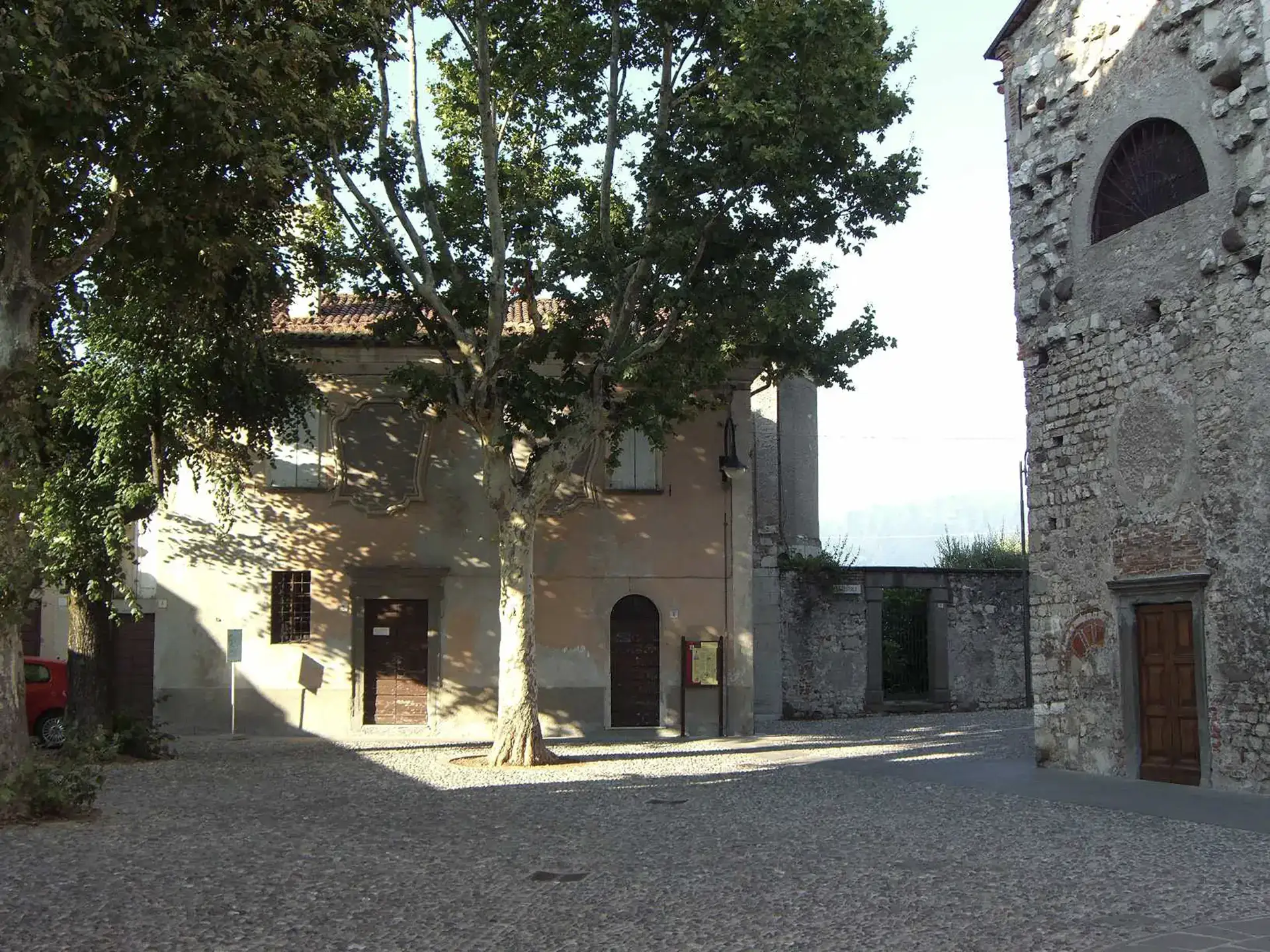
Discipline of S. Silvestro
- Home
- /
- Arte e cultura
- /
- Hidden treasures
- /
- Discipline of S. Silvestro
San Silvestro and the sacred area of the Pieve di Iseo between the 12th and 13th centuries
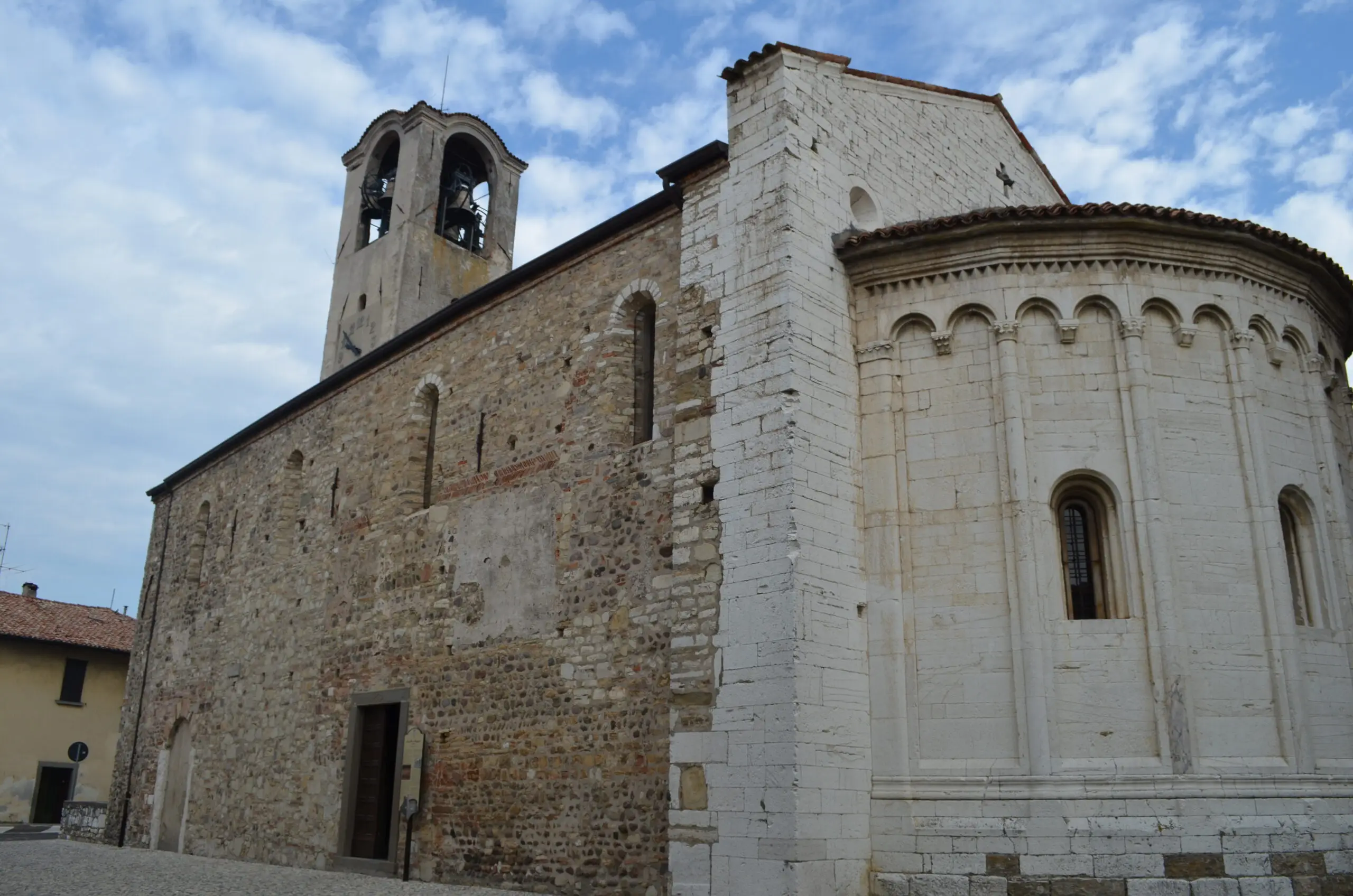
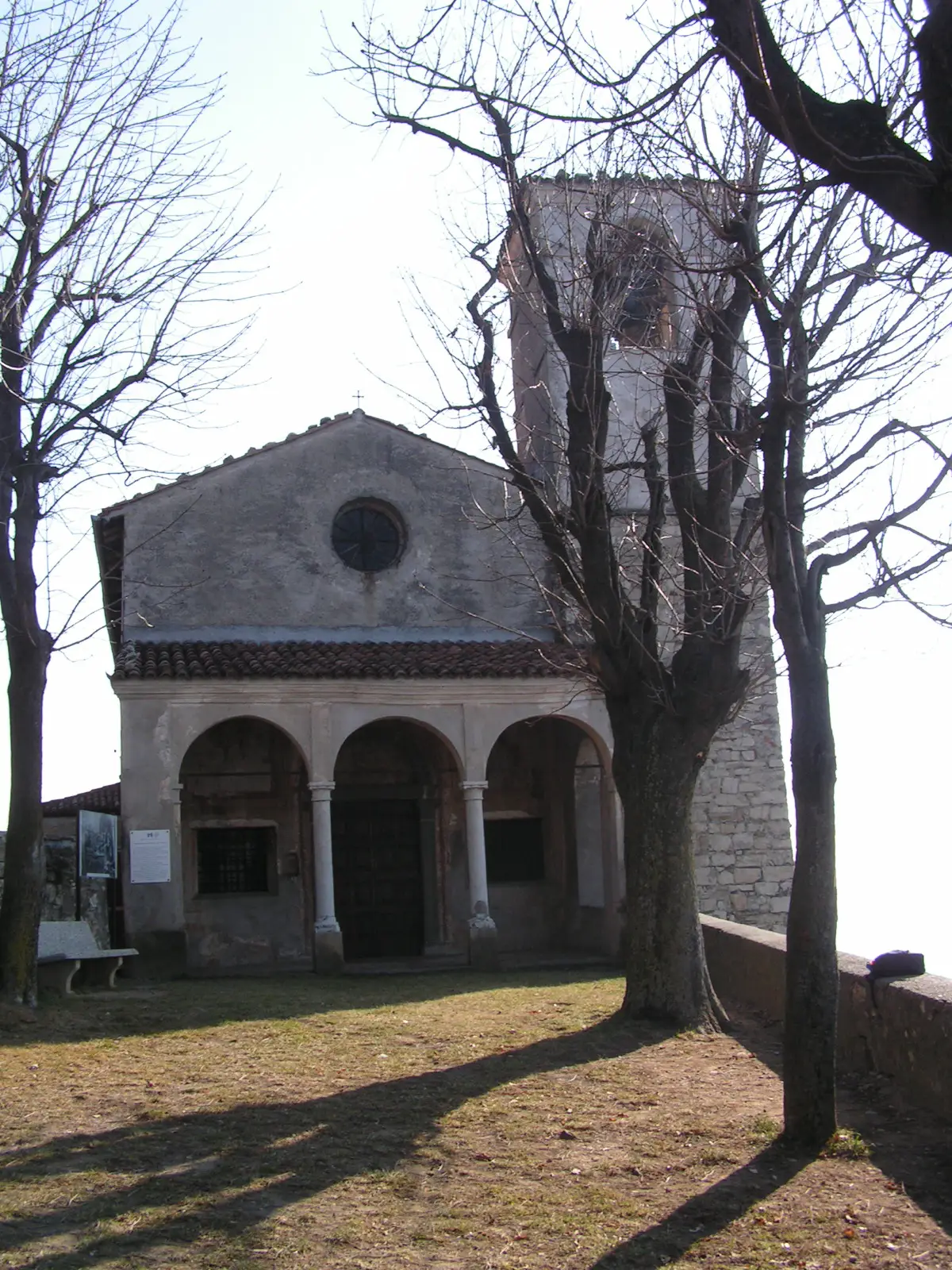
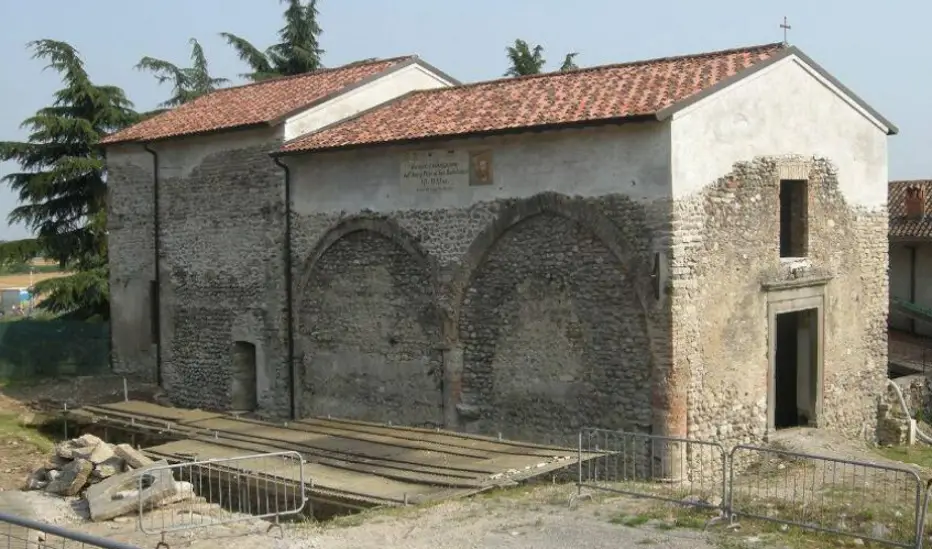
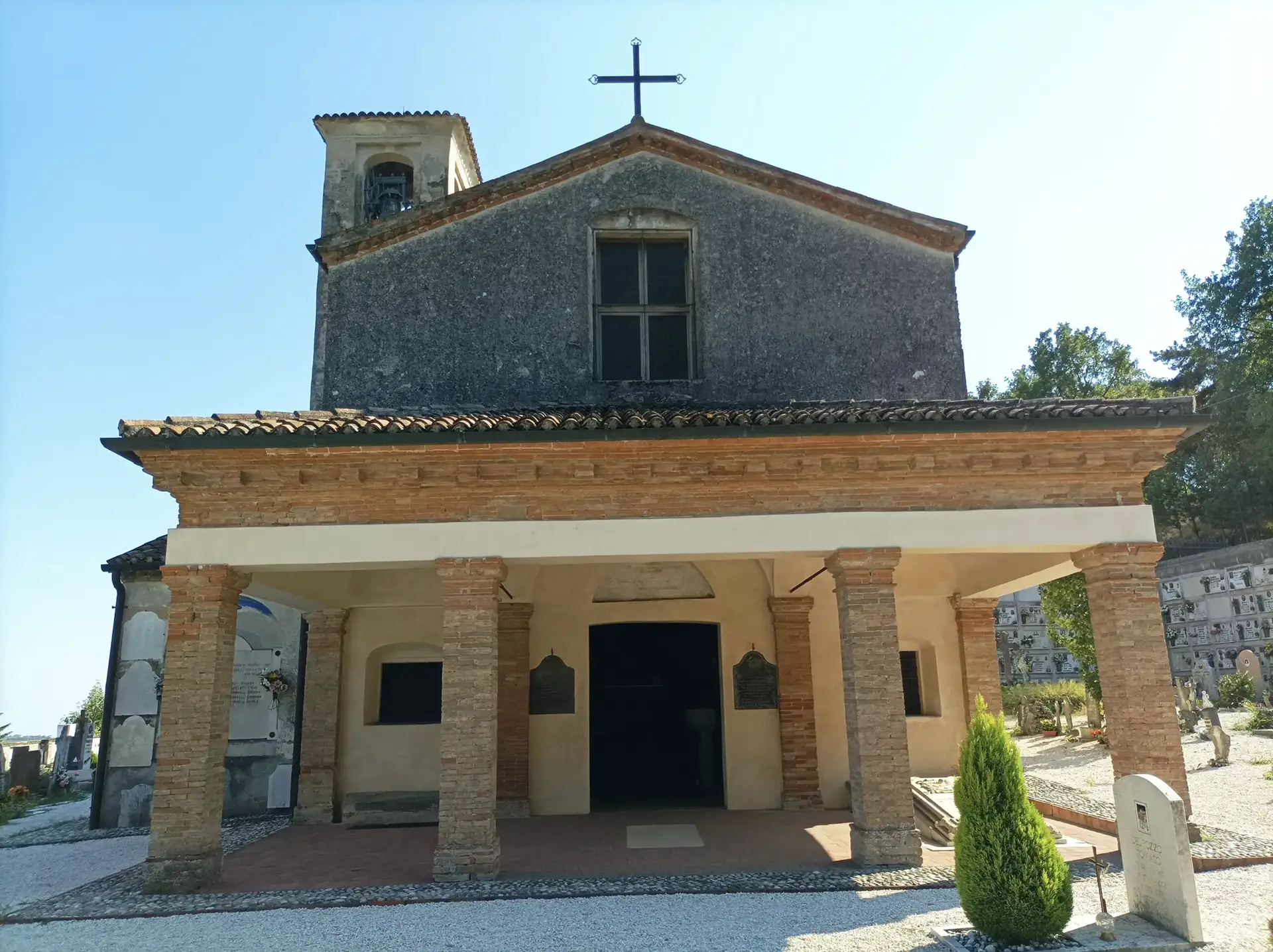
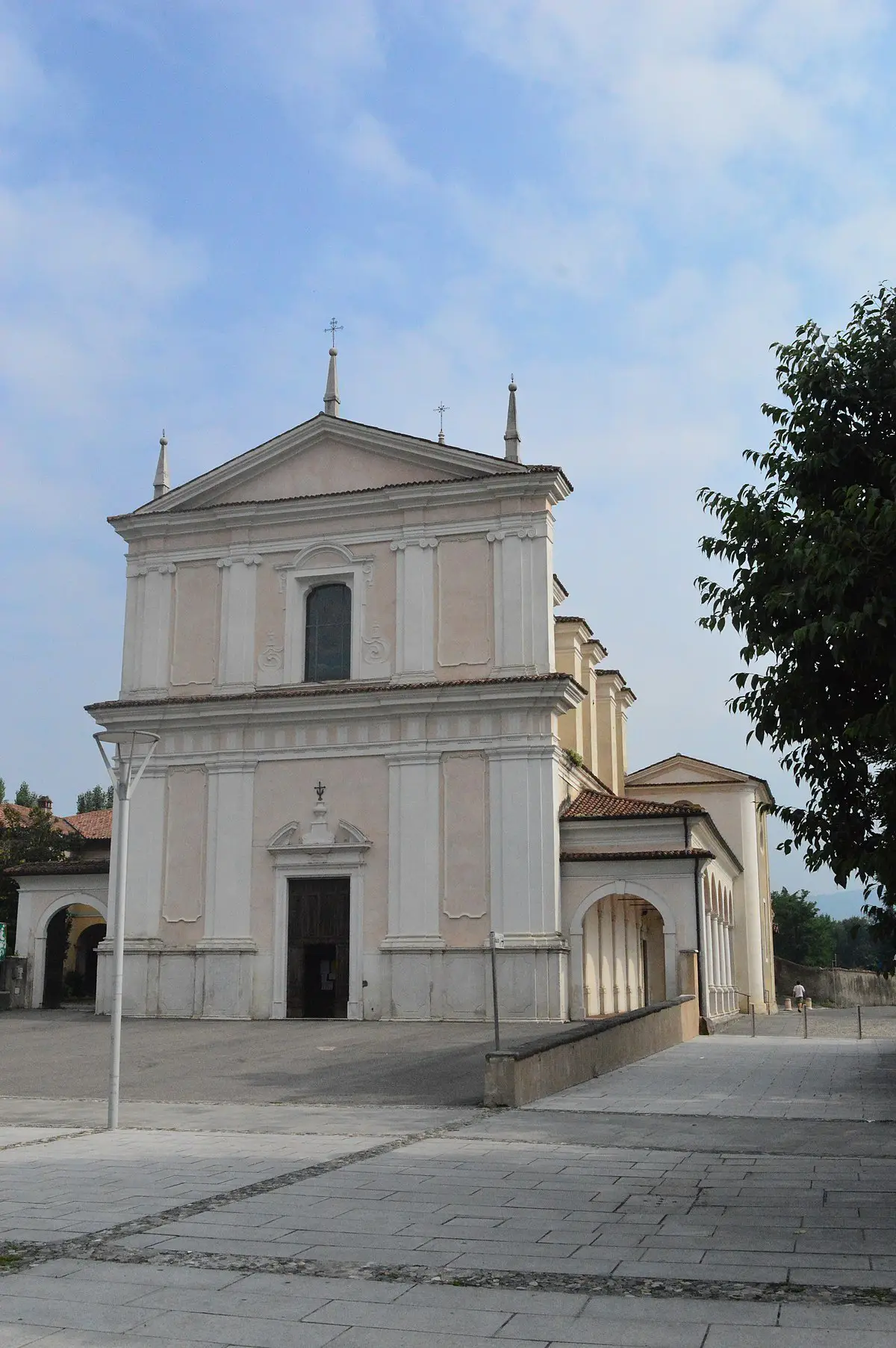
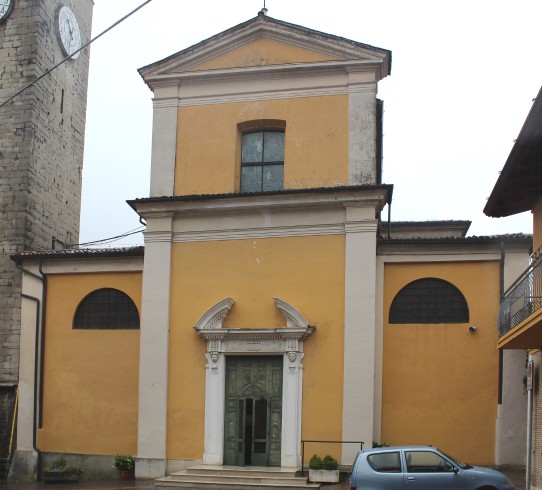
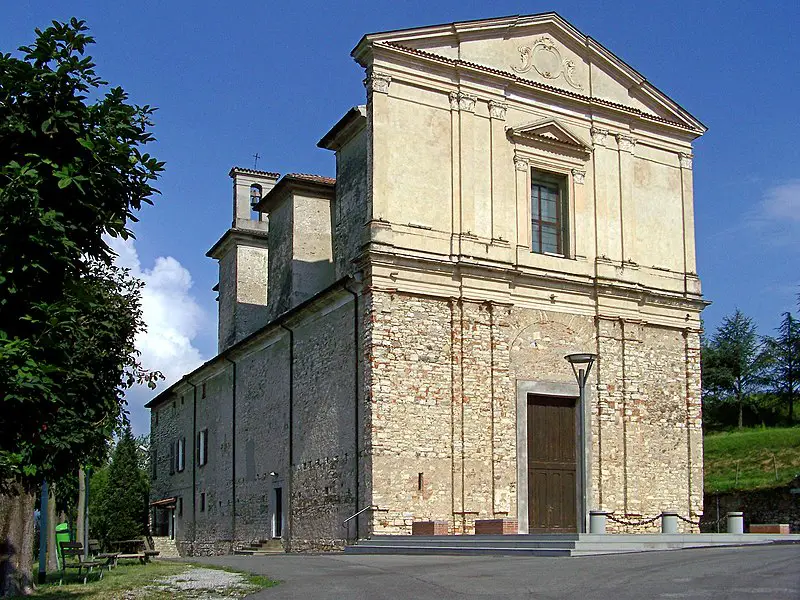
The Romanesque church of San Silvestro was built between the 12th and 13th centuries in an area of great importance in the town of Iseo: that of the Pieve and its annexed buildings, a sacred area located on the route that led from the northern Sebina coast to the urban agglomeration of Iseo, a complex that included the baptistery, cemetery area, cloister and canons’ houses.
Tradition of the Parish Church of Sant’Andrea and possible antecedent of the title to San Silvestro
According to tradition, the Parish Church of Sant’Andrea was founded in the second half of the 6th century by Bishop Vigilio, during a particularly troubled period due to the arrival of the Lombards in Brescia and the subsequent flight of the bishop from the city. The dedication to Saint Sylvester, the early Christian pope who baptized Constantine, may indicate an earlier construction, later replaced by the Romanesque building.
The Discipline of the Holy Cross and the Confraternity’s Role
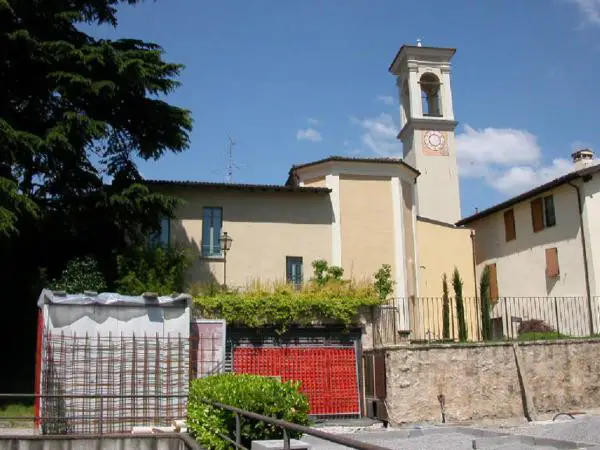
At the end of the 15th century, the church of San Silvestro became the seat of the Disciplina della Santa Croce: its proximity to the church of Sant’Andrea, first a parish church and then a parish, would have favored the active participation of the brotherhood in the religious life of the community.
18th-century alterations and frescoes from the 15th and 16th centuries: the Danse Macabre
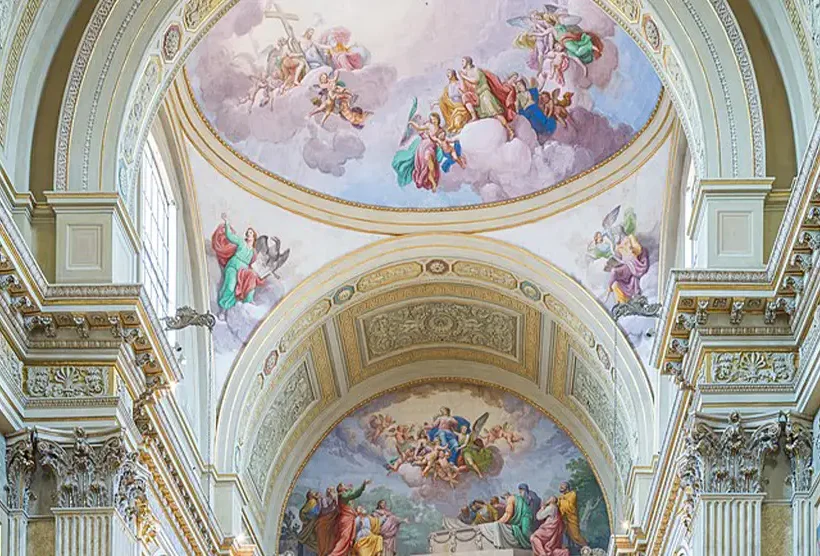
The complex was entirely remodeled in the 18th century, presenting a single-hall, barrel-vaulted space decorated with Baroque stucco. But the most interesting aspect, hidden beneath the 18th-century plaster, is a series of frescoes dating from the last decade of the 15th century to the first half of the 16th century. The apse contains a fresco of the Danse Macabre, an iconography dear to the Disciplini, which took the form of a dance between men and women of different social classes (artisans, high prelates, noblewomen, commoners, and peasants) and a skeleton, intended to remind the faithful of the transience of earthly life.
Lay brotherhoods and assistance to the dying
In fact, among the many tasks they had to carry out for the community, lay brotherhoods also took care of the faithful shortly before death, also making use of moral books specially printed and used for the comfort and consolation of the dying.
Printed models and terminus post quem: the Livres d’Heures of 1488
The fresco, as is the case with other cycles scattered throughout the area, derives its iconography from book illustration: the figures very faithfully reproduce the engravings of the Livres d’Heures à l’usage de Rome, Paris, Philippe Pigouchet for the bookseller Simon Vostre, printed in 1488, a date which constitutes a terminus post quem for the frescoes of Iseo.