Parish Church of Saints Gervasio and Protasio
- Home
- /
- Arte e cultura
- /
- Hidden treasures
- /
- Parish Church of Saints Gervasio and Protasio
The Parish Church of Saints Gervasio and Protasio: Neoclassical Reconstruction and Major Protagonists
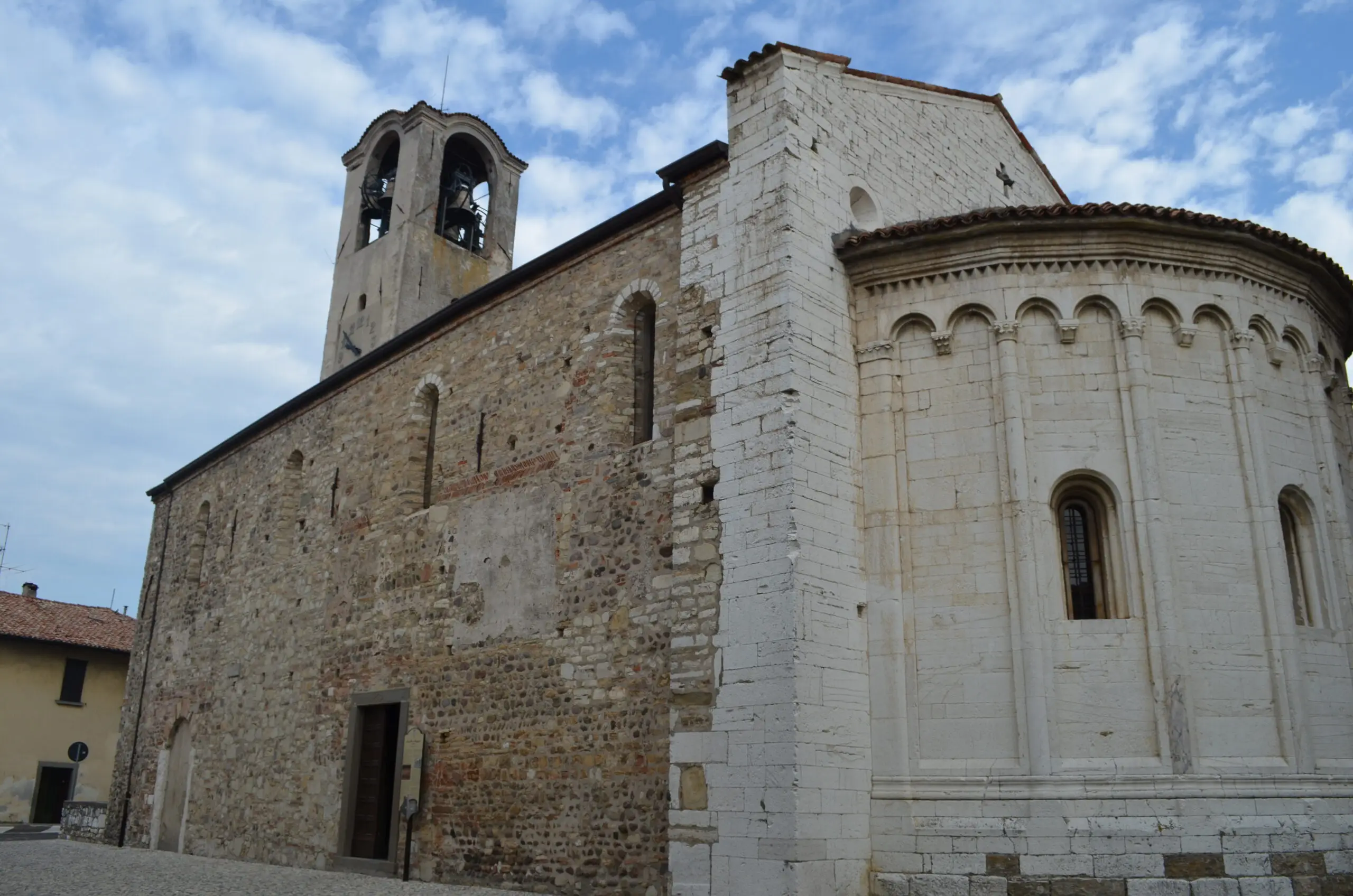
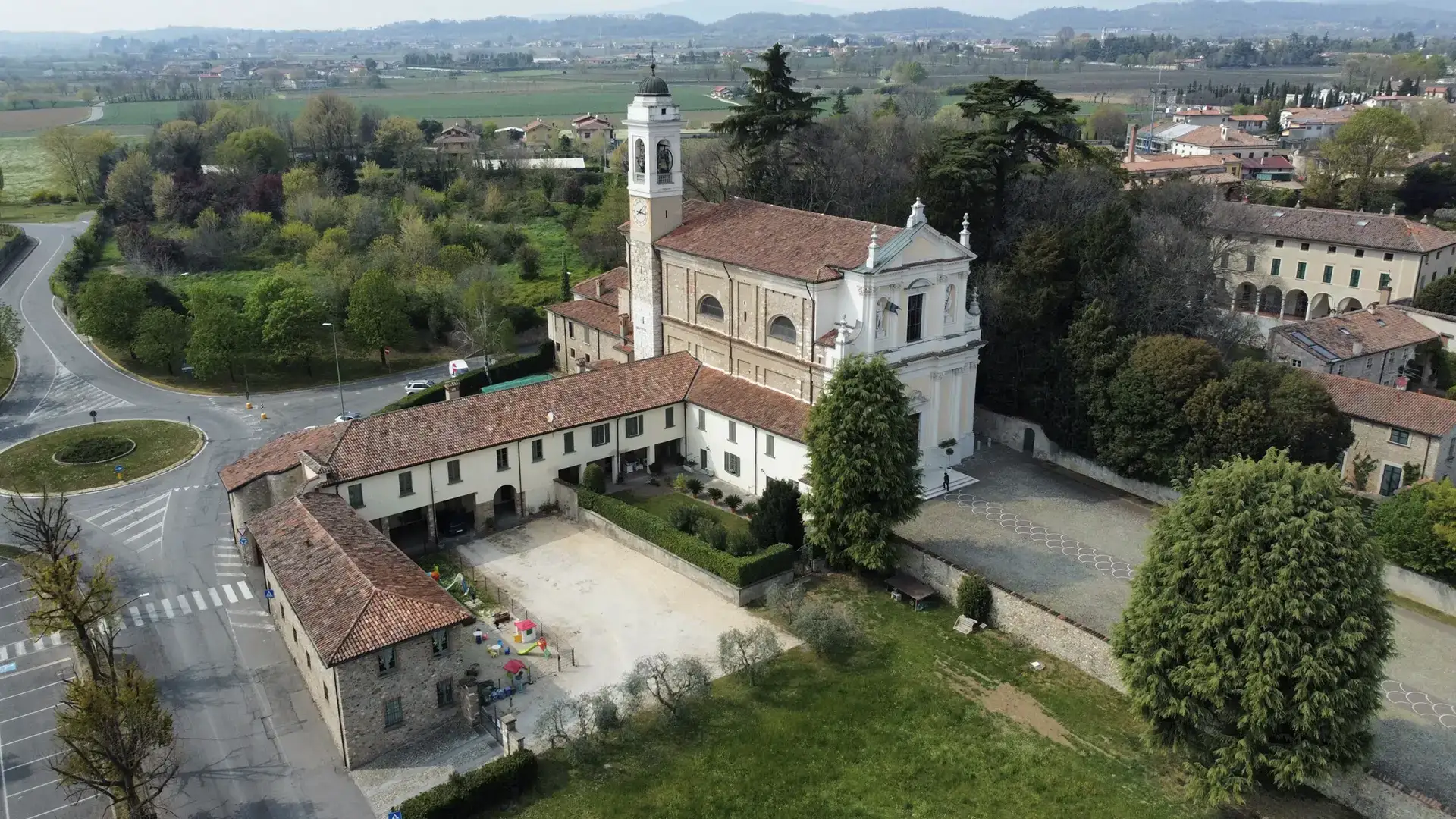
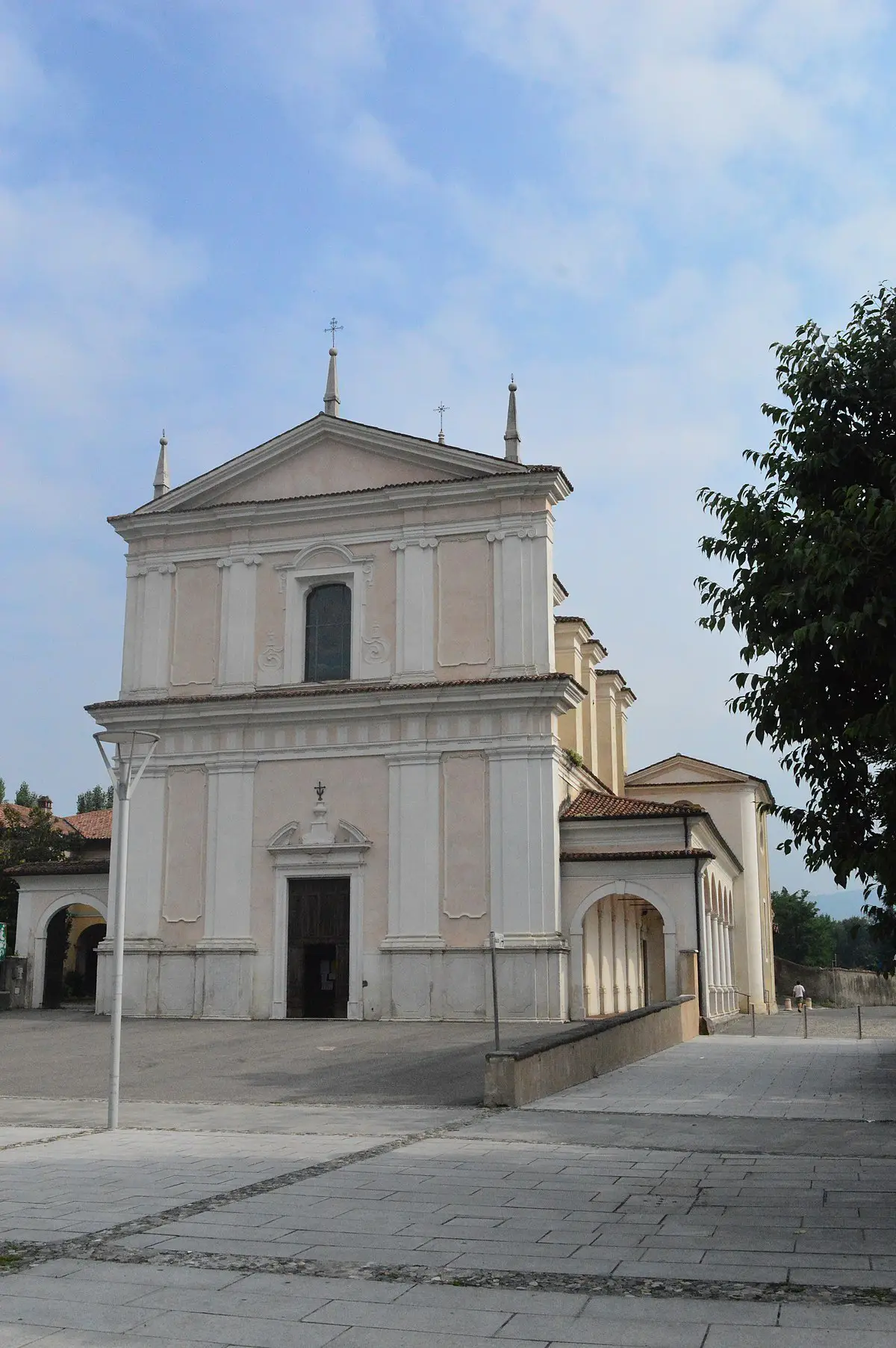
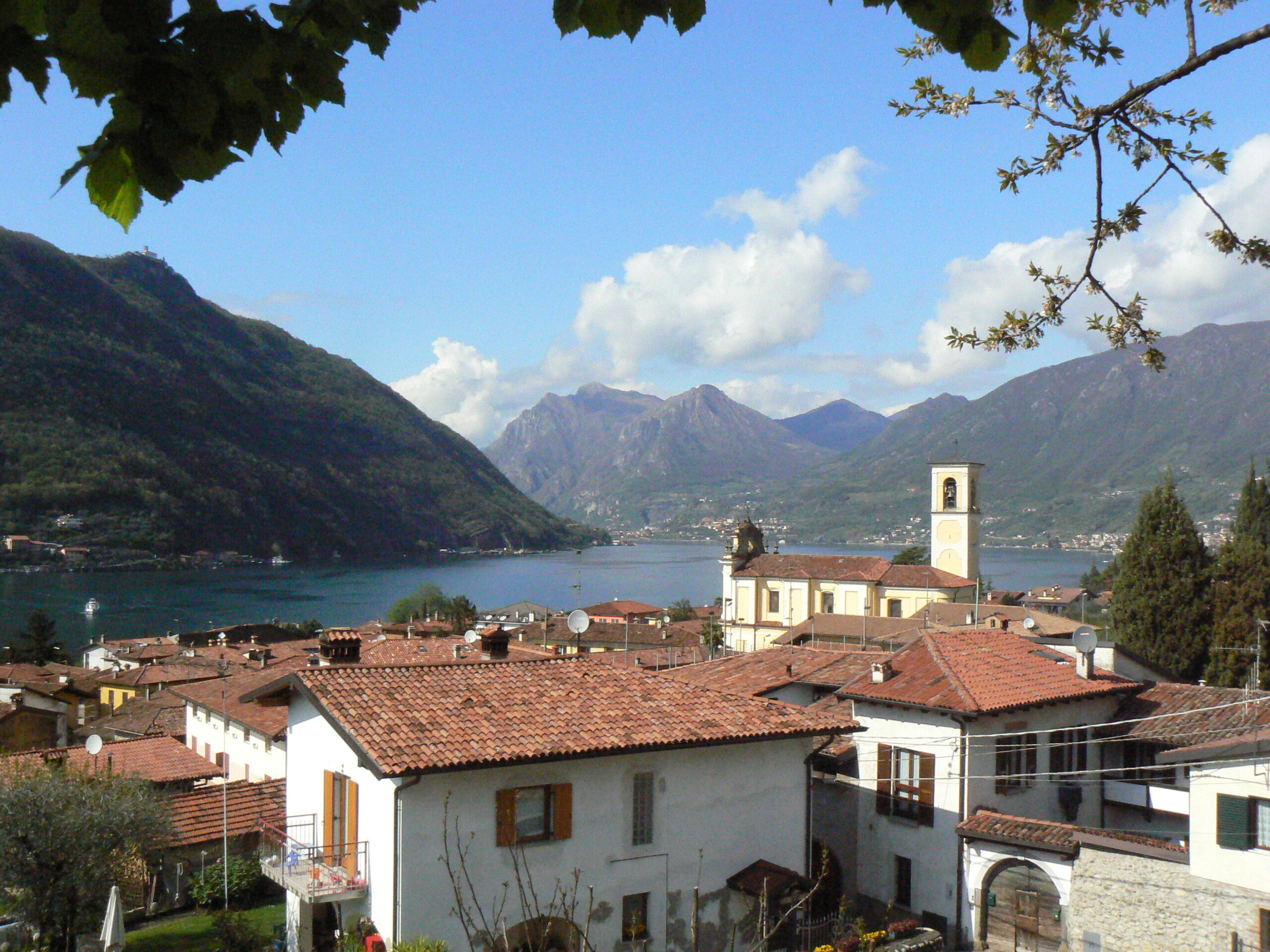
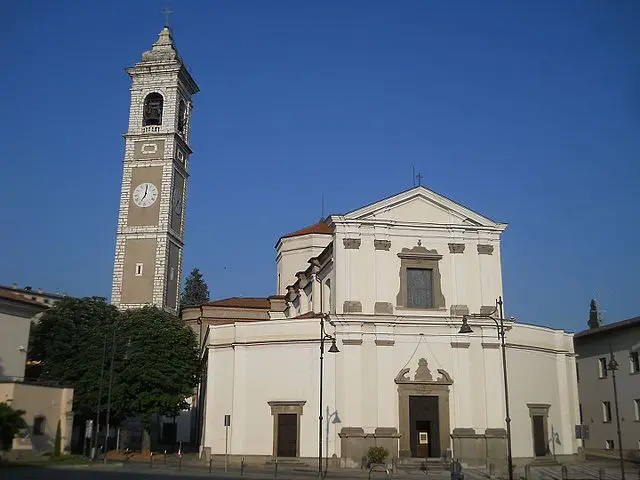
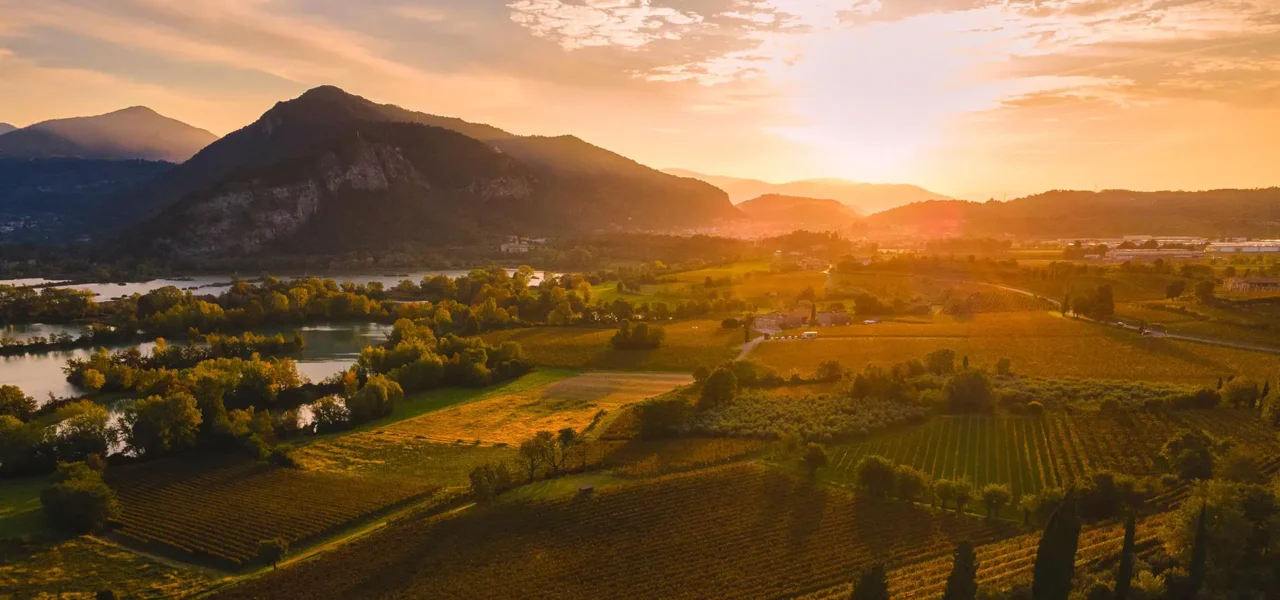
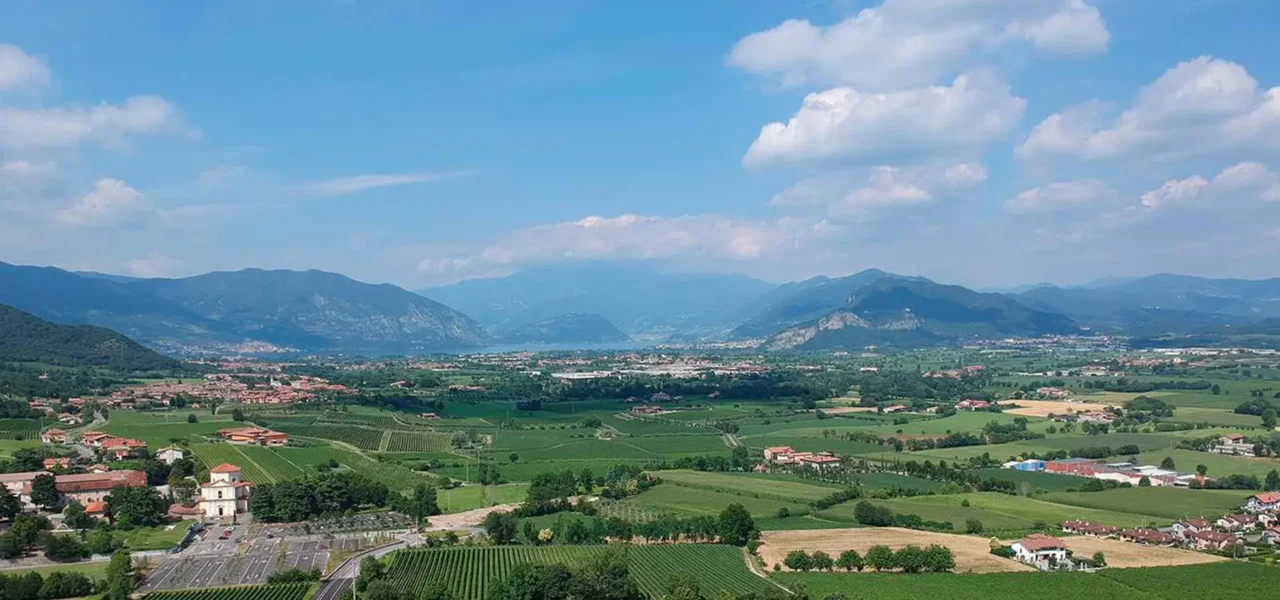
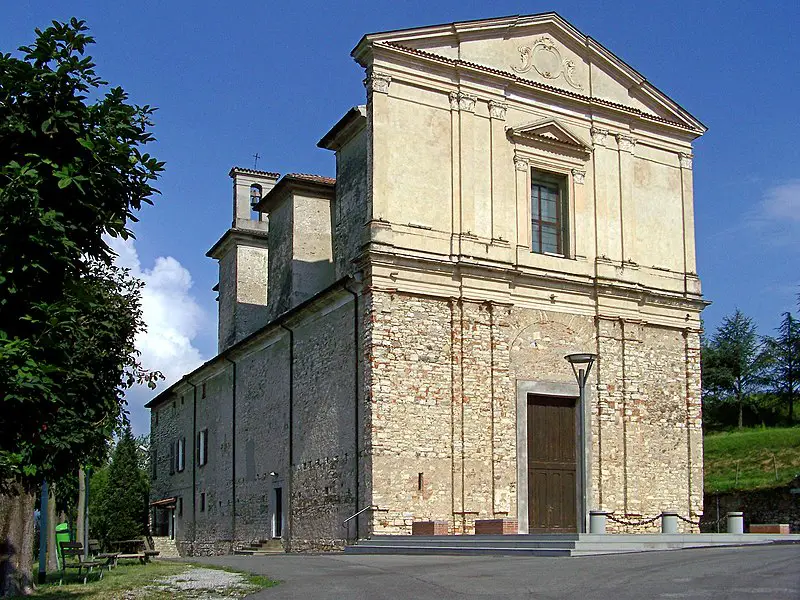
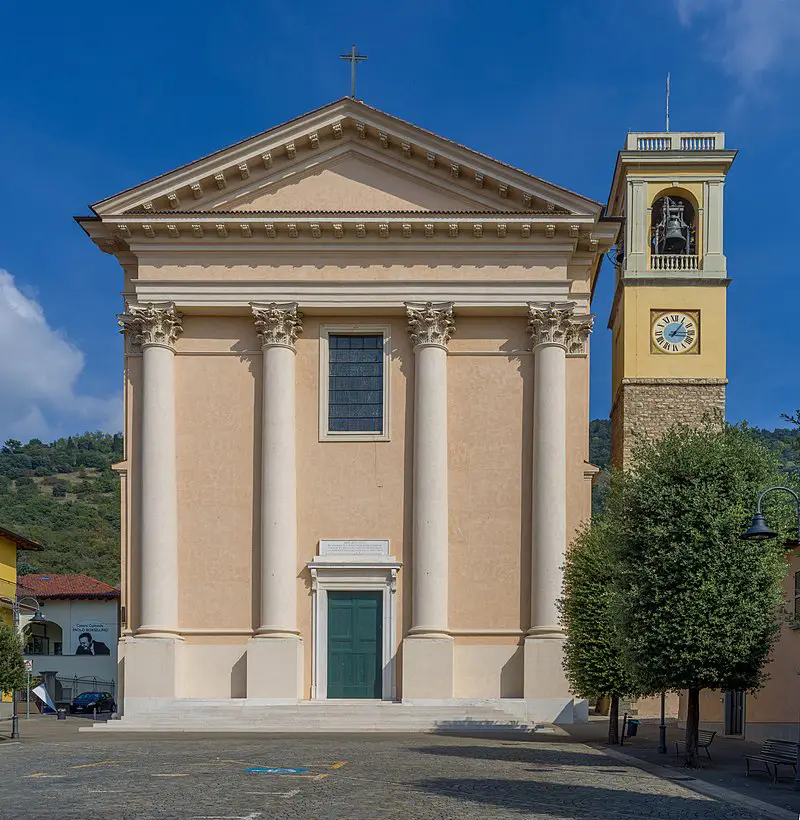
In the center of Cologne, against the backdrop of Monte Orfano, stands the parish church dedicated to Saints Gervasio and Protasio, a vanishing point in the urban landscape. Documented since the Romanesque era, the church was entirely rebuilt between the late 18th and early 19th centuries, taking on the elegant neoclassical architectural form we know today. The parish church is indeed a magnificent example of neoclassicism applied to sacred architecture. Its construction involved the involvement of important artists, including the renowned architect Rodolfo Vantini, whose diaries document frequent visits to Cologne between 1833 and 1835, and the painter Giuseppe Teosa (Chiari 1760 – Brescia 1848), an artist involved in prestigious commissions, such as the important decoration of the Teatro Grande in Brescia with the Apotheosis of Napoleon and the decoration, between 1813 and 1814, of Palazzo Gnecchi, also in Cologne.
The neoclassical façade and the single hall with monumental presbytery
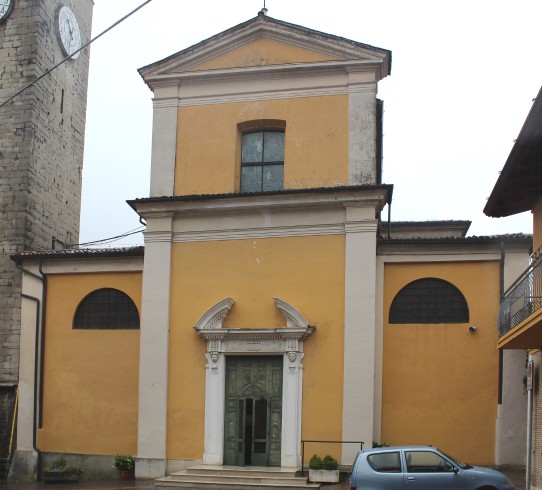
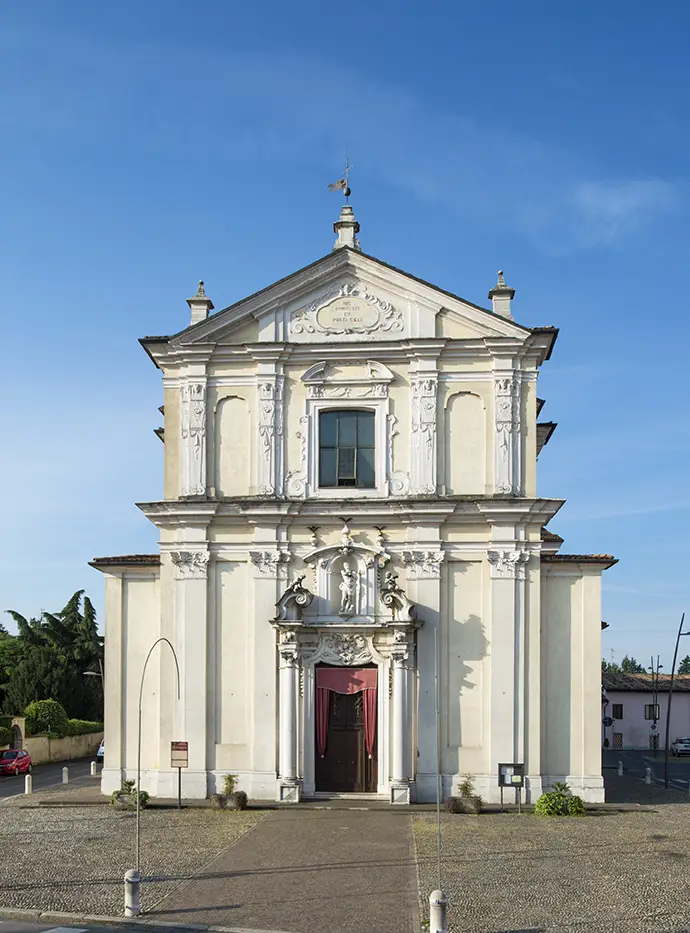
The elegant architectural volumes of the façade resemble those of a neoclassical temple, with a friezeless triangular tympanum and a denticulated entablature, supported by four imposing Corinthian columns raised on quadrangular plinths.
Inside, the church features a monumental single nave, with side altars and a deep presbytery. It is precisely in the presbytery that the work of the great artists is concentrated, who, working on architecture, sculpture, furnishings, and mural painting, created a true “temple within a temple” of sacred neoclassicism.
The presbytery, a “temple within a temple”: Vantini, Tagliani, and the altarpiece by Pietro Marone
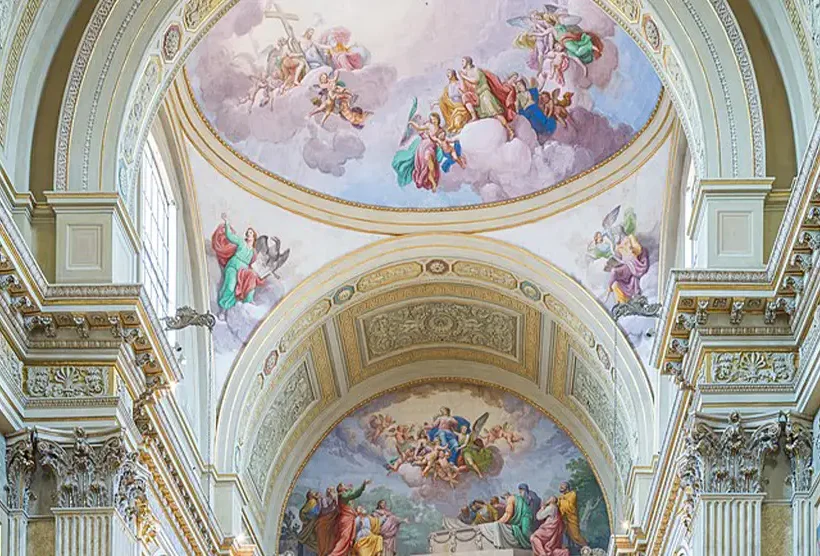
The structure, with elegant pilasters topped by a dome and featuring Corinthian capitals, centers on the altar, redesigned by Rodolfo Vantini between 1831 and 1834 and crafted from various marbles by Adamo Tagliani da Rezzato. The temple-like pediment, with four classical columns surmounted by a tympanum, encloses Pietro Marone’s 1588 altarpiece, signed Petrus de Maronibus pinxit. Vantini also designed the furnishings and decorative elements of the presbytery, particularly the cross of the high altar, the two lamps supported by wrought-iron brackets, and the choir stalls.
The frescoes by Giuseppe Teosa: the cycle of the martyrs and the Glory in the dome
On the vault, frescoes by Giuseppe Teosa da Chiari, dedicated to the cult of Saints Gervasius and Protasius, complete the overall vision: the medallions continue the narrative begun with the Martyrdom in the Marone altarpiece, Saint Ambrose, under divine inspiration, searches for the bodies of the martyrs, and the Discovery and Transport of the Relics. The ascending movement, suggested by the large lunette crowning the presbytery, with the Assumption of the Virgin, culminates in the dome, supported by corbels with the Four Evangelists, decorated with a Glory of the Martyrs Gervasius and Protasius.
Links and useful information


Visiting hours: closed from 12:00 pm to 3:00 pm
Private property.