Parish Church of St. Pancrazio
- Home
- /
- Arte e cultura
- /
- Hidden treasures
- /
- Parish Church of St. Pancrazio
A Reformed parish church, from renovations to its consecration in 1503
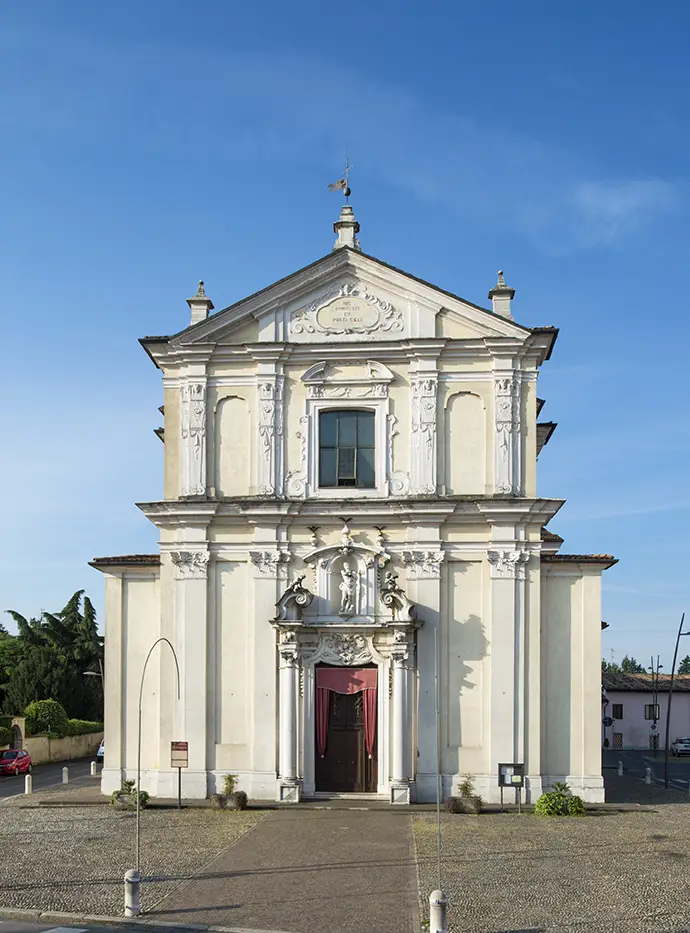
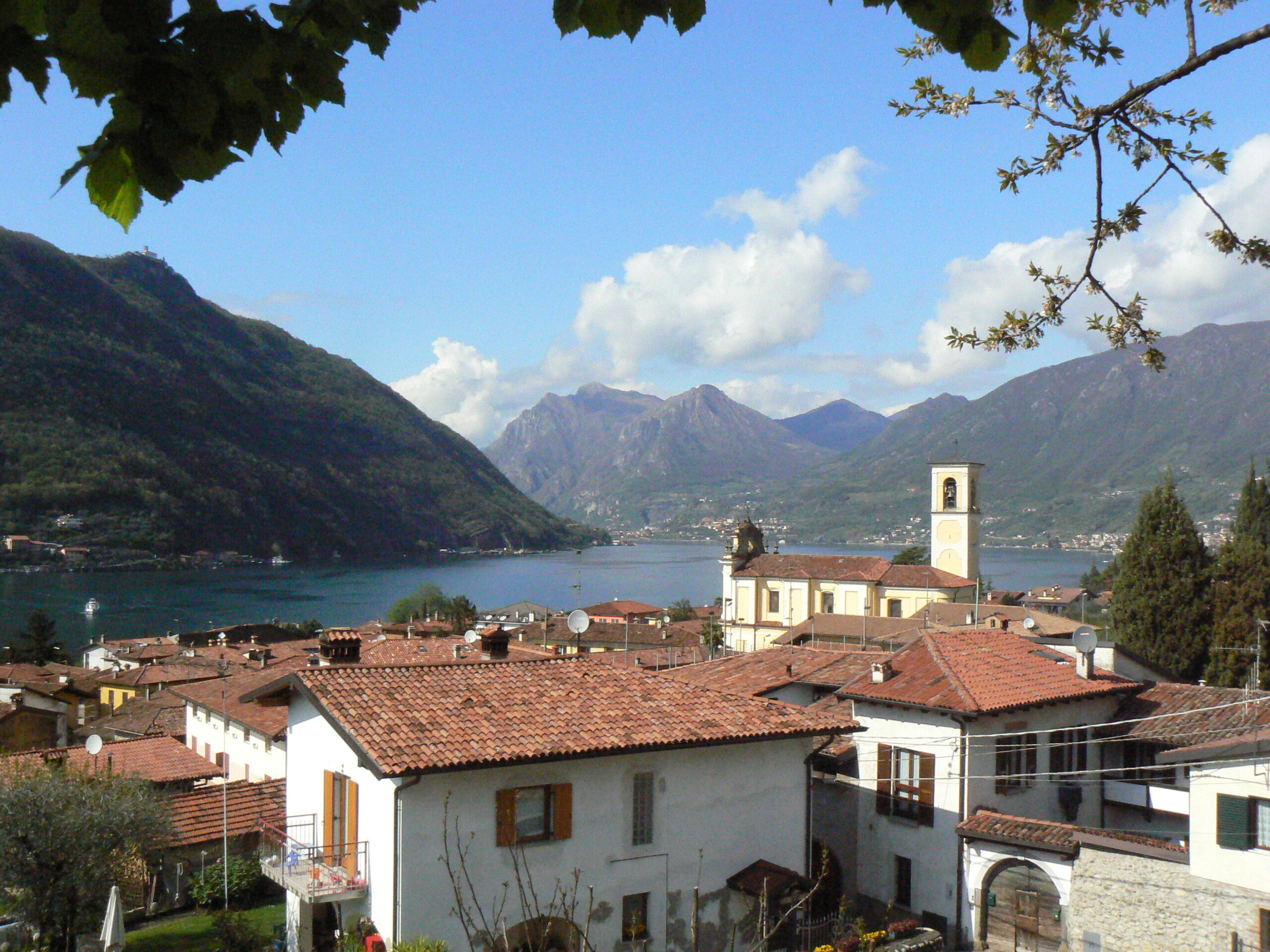
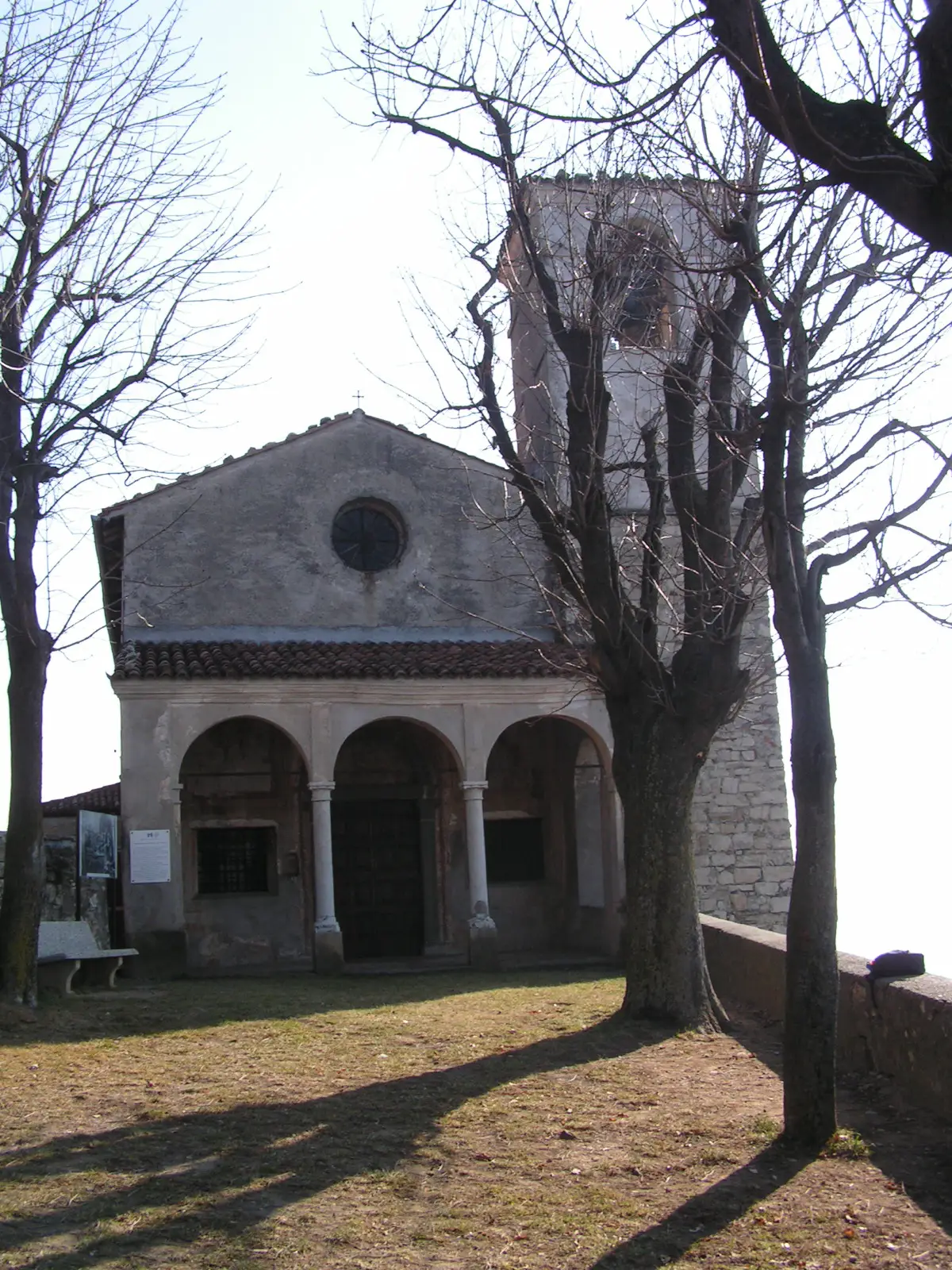
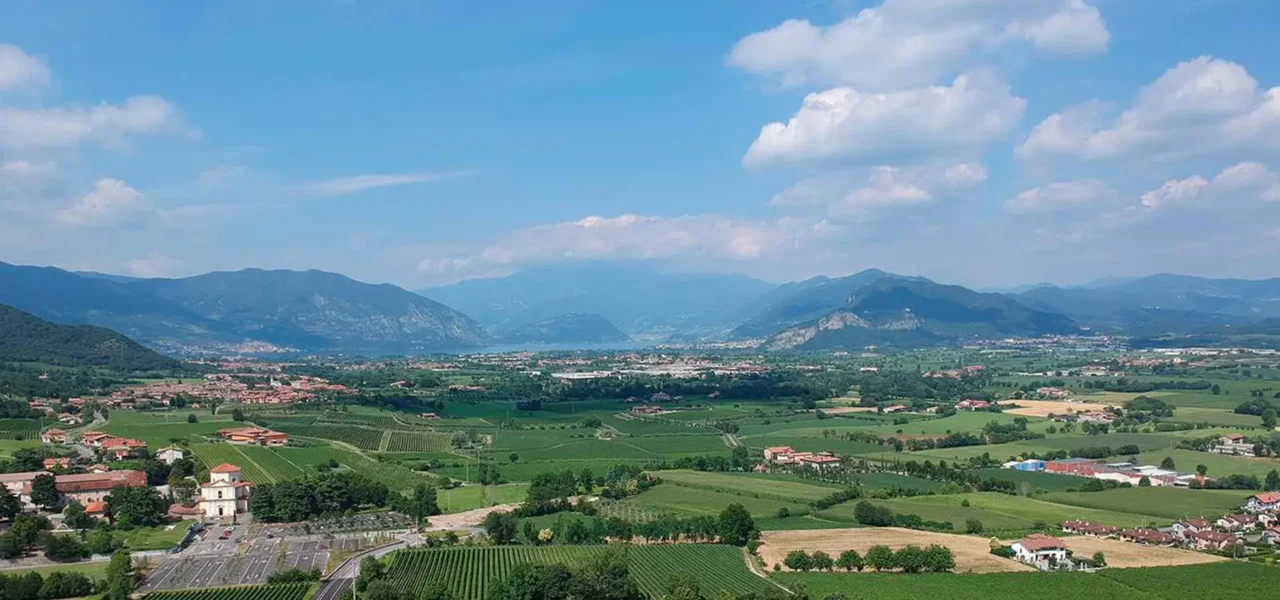
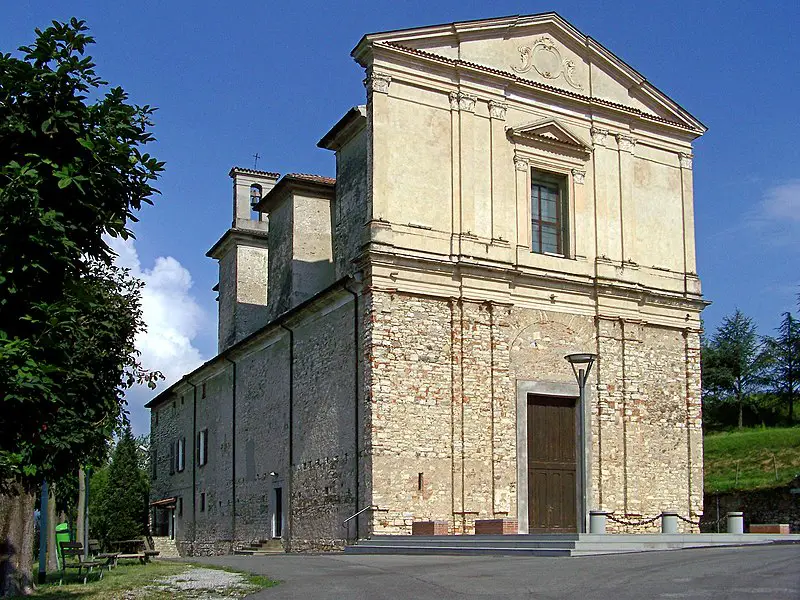
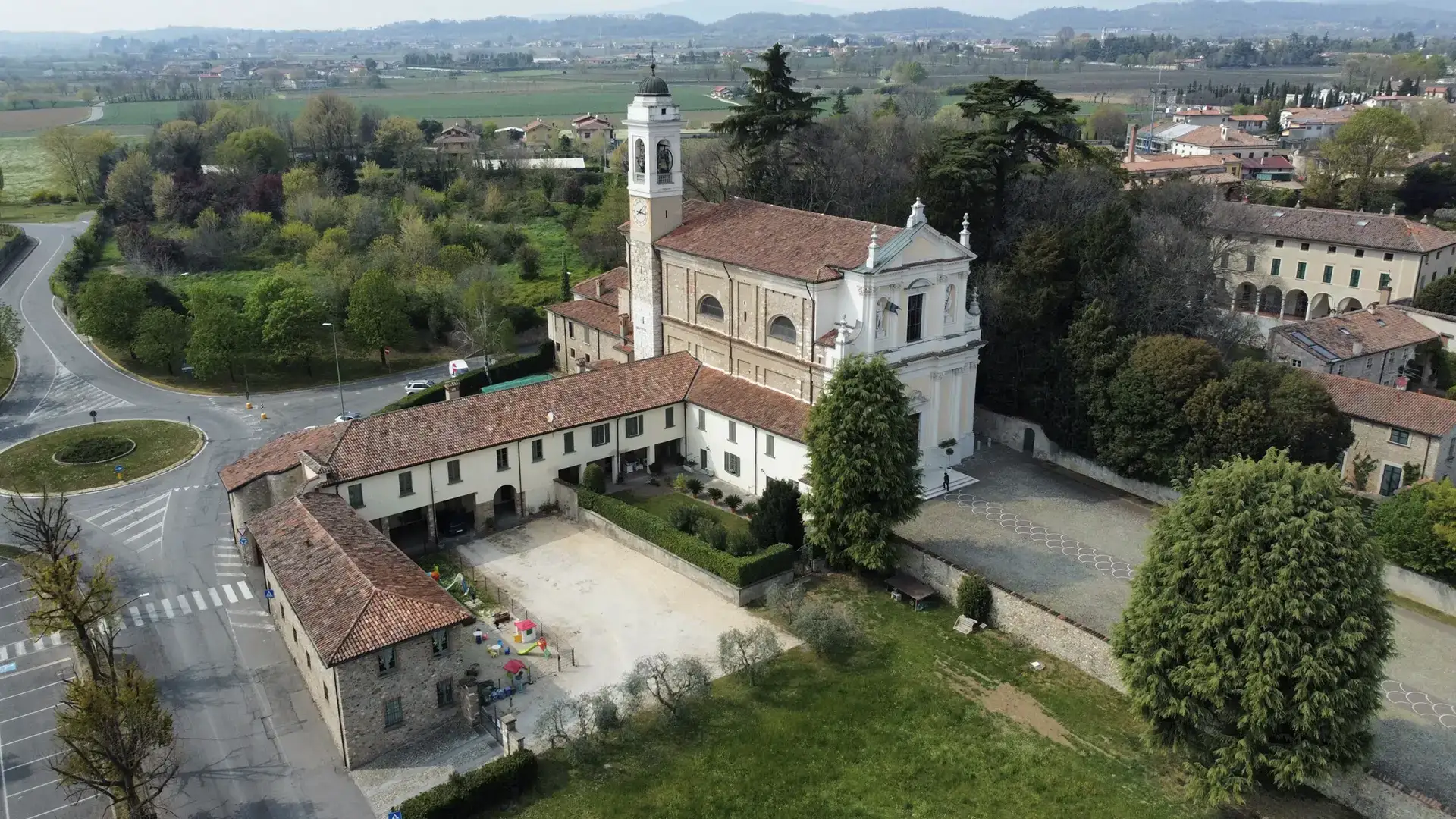
The church, a splendid example of a renovated parish church, stands some distance from the oldest part of Paderno, representing the final phase of a series of renovations that took place from 1503 until the end of the 18th century. The need to accommodate a larger number of worshippers led, in fact, to the restoration of the oldest medieval building and its replacement with a new structure, which was consecrated on October 4, 1503, as attested by a commemorative plaque mounted on the wall opposite the sacristy.
The church in 1598: ongoing restoration work and Counter-Reformation altars
A document dated September 9th, 1598, attests that the church, dedicated to Saints Pancrazio, Nereo, and Achileo, had not yet been officially consecrated, since the older structure had been demolished and the building was still undergoing restoration and expansion. The second version of the parish church featured a high altar, enclosed by balustrades, and a series of altars arranged along the sides of the nave, among which those dedicated to the new devotions promoted by the Counter-Reformation stood out: the altar of the Body of Christ, almost certainly maintained by a confraternity, and that of Our Lady of the Rosary.
The period between the 18th and 19th centuries and the consecration of 1829: façade and decorations
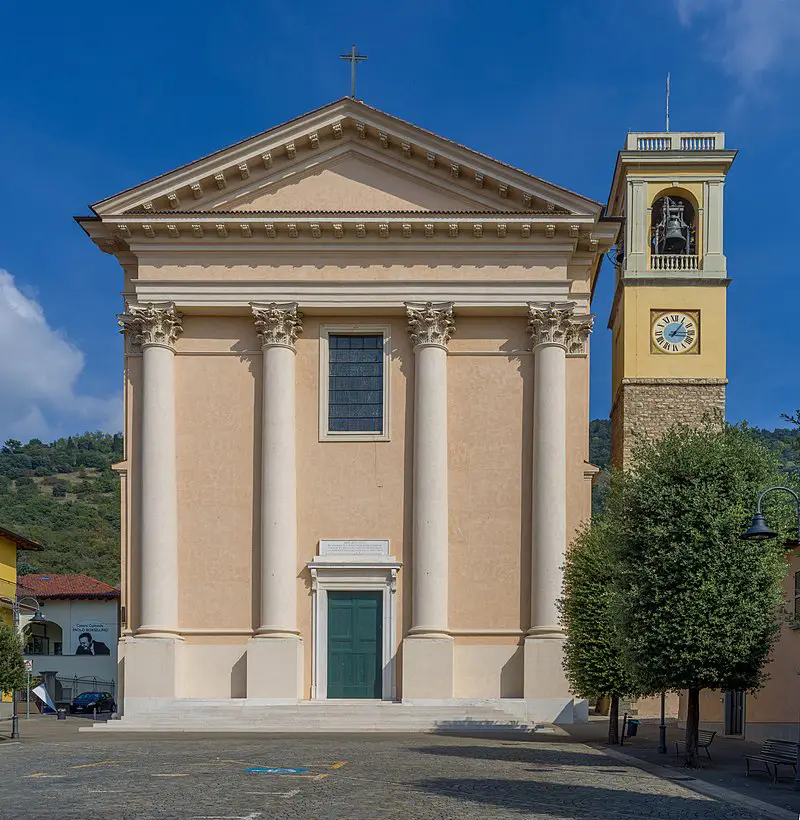
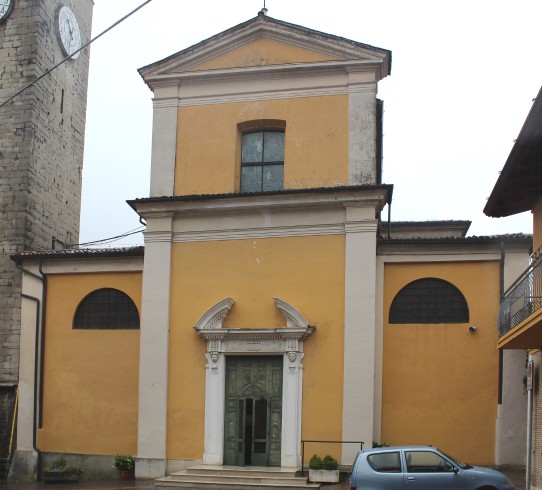
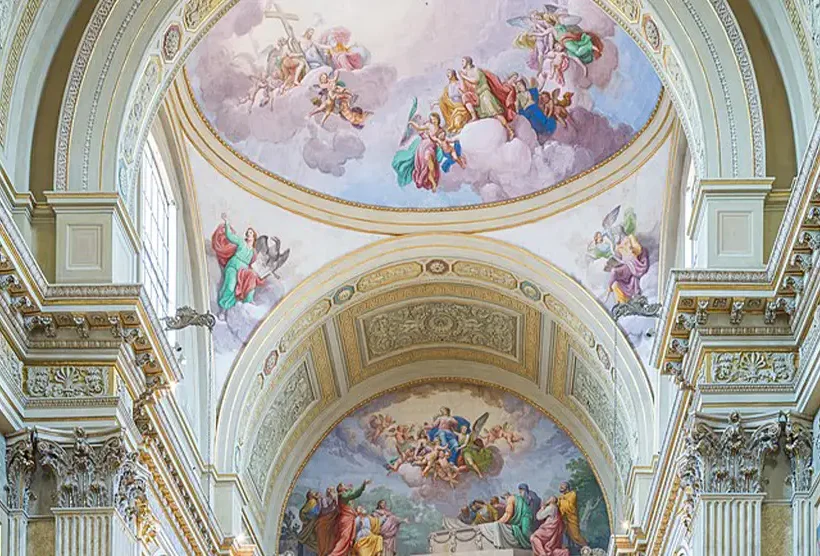
The church’s final reconstruction, which gave it the appearance we know today, took place between the second half of the 18th century and the early 19th century; the new building was consecrated in 1829: the façade, divided into two sections, still bears traces of the Baroque style, due to the dynamism created by the disruption of symmetries in the varying heights of the columns in the lower section and in the crowning element with a broken pediment, as well as a taste for ornamentation, expressed by the statues placed in the niches of the upper section and in the richly decorated portal frame. Inside, the volumes become cleaner, and the architecture interacts with pictorial decoration that involved illustrious artists such as Pietro Scalvini (Brescia, 1718 – Brescia, 1792) and Giuseppe Teosa (Chiari 1760 – Brescia 1848), who worked in Paderno at a later stage than the decoration of the parish church in Cologne.
The presbytery lunette: The Trinity by Pietro Scalvini
The altarpiece in the presbytery, depicting The Trinity, is the work of the artist—the leading figure in 18th-century painting in our region—dated 1787 and signed: against billowing clouds, the dynamic figures of the Father and the Son, along with the dove of the Holy Spirit, are positioned at the apex of an ideal pyramid, which, however, becomes an open composition thanks to the beautiful image of the flying angel at the base of the depiction.
Giuseppe Teosa: frescoes in the nave and the Expulsion of the Merchants from the Temple
Giuseppe Teosa da Chiari, a painter who marked a turning point in the production of Neoclassical art in the Brescia area, is responsible for the frescoes on the nave’s vault, depicting the Baptism of St. Pancrazio and St. Pancrazio refuses to worship Jupiter, while above the main portal the artist depicts The Expulsion of the Merchants from the Temple.
Links and useful information


Visiting hours: daily from 8 a.m. to 6 p.m.
Privately owned property