Lantieri Tower
- Home
- /
- Arte e cultura
- /
- Castles
- /
- Lantieri Tower
The Tower of Paratico and the tradition of medieval tower houses
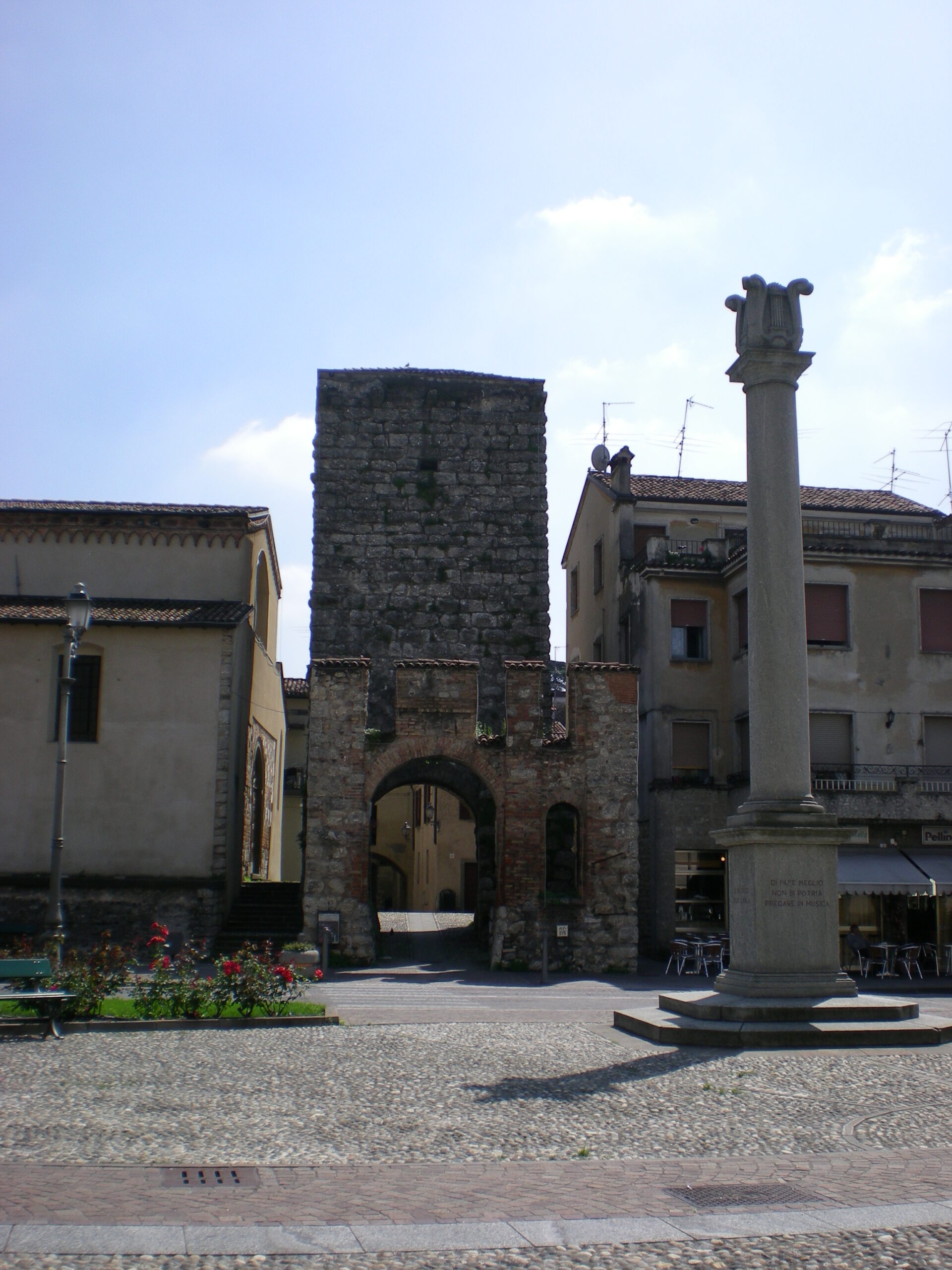
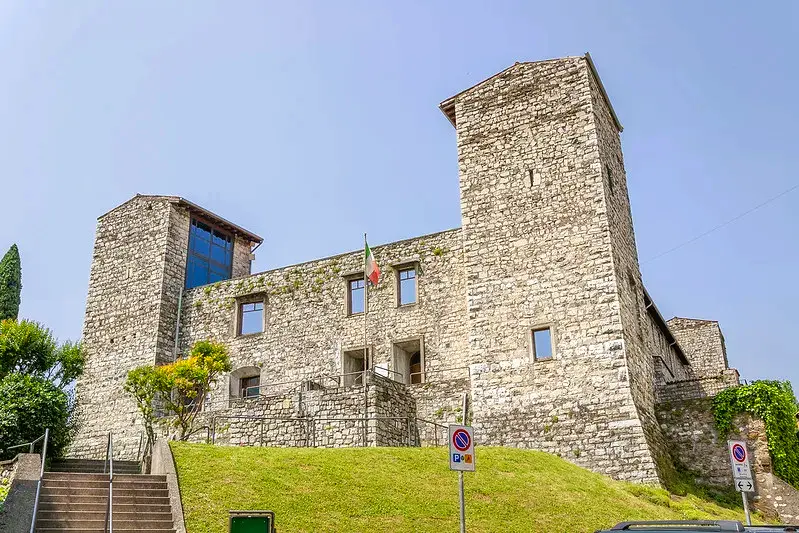
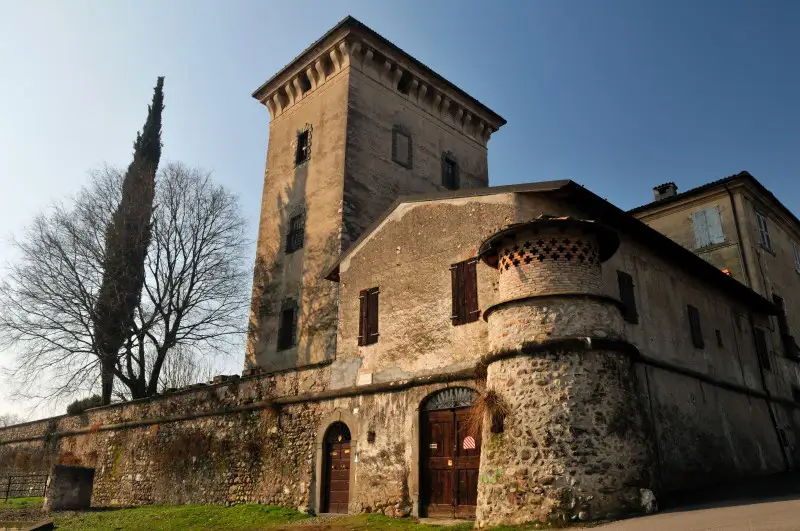
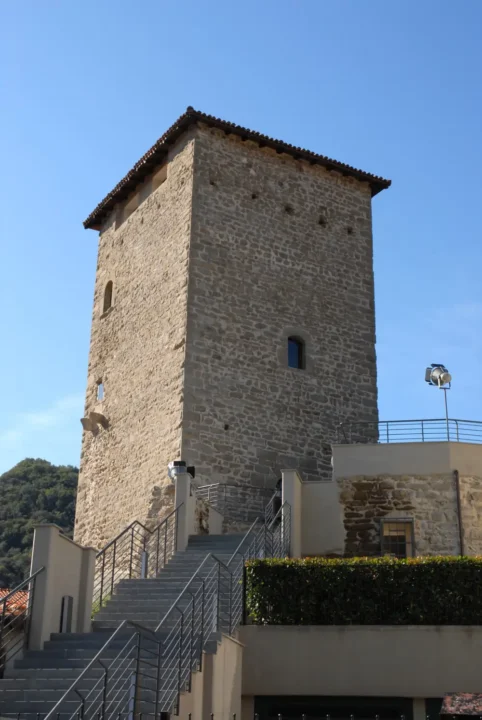
Linked to the Lantieri family and probably built in the 14th century, the Tower of Paratico is a typical defensive structure of the sort commonly found in urban areas and subsequently introduced to this region; it is a tangible reminder of a medieval landscape characterised by such architecture, which still forms a distinctive feature of cities such as Bologna, Siena and San Gimignano.
A detached building that has not been ‘pruned’
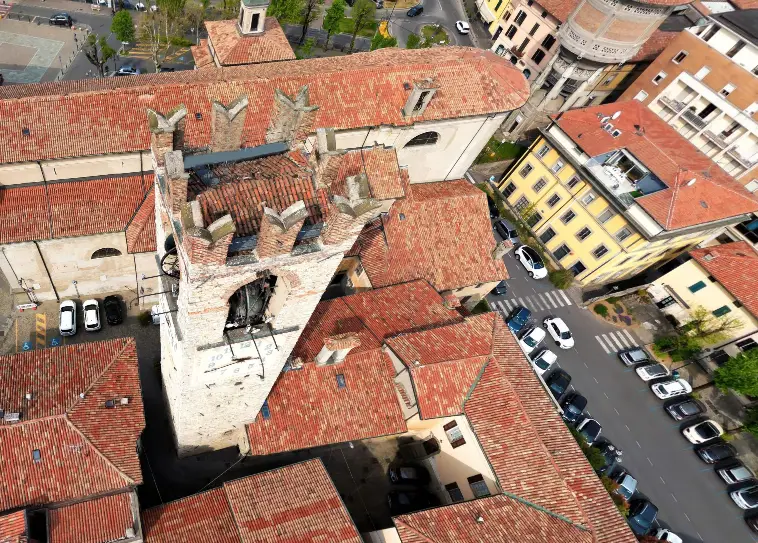
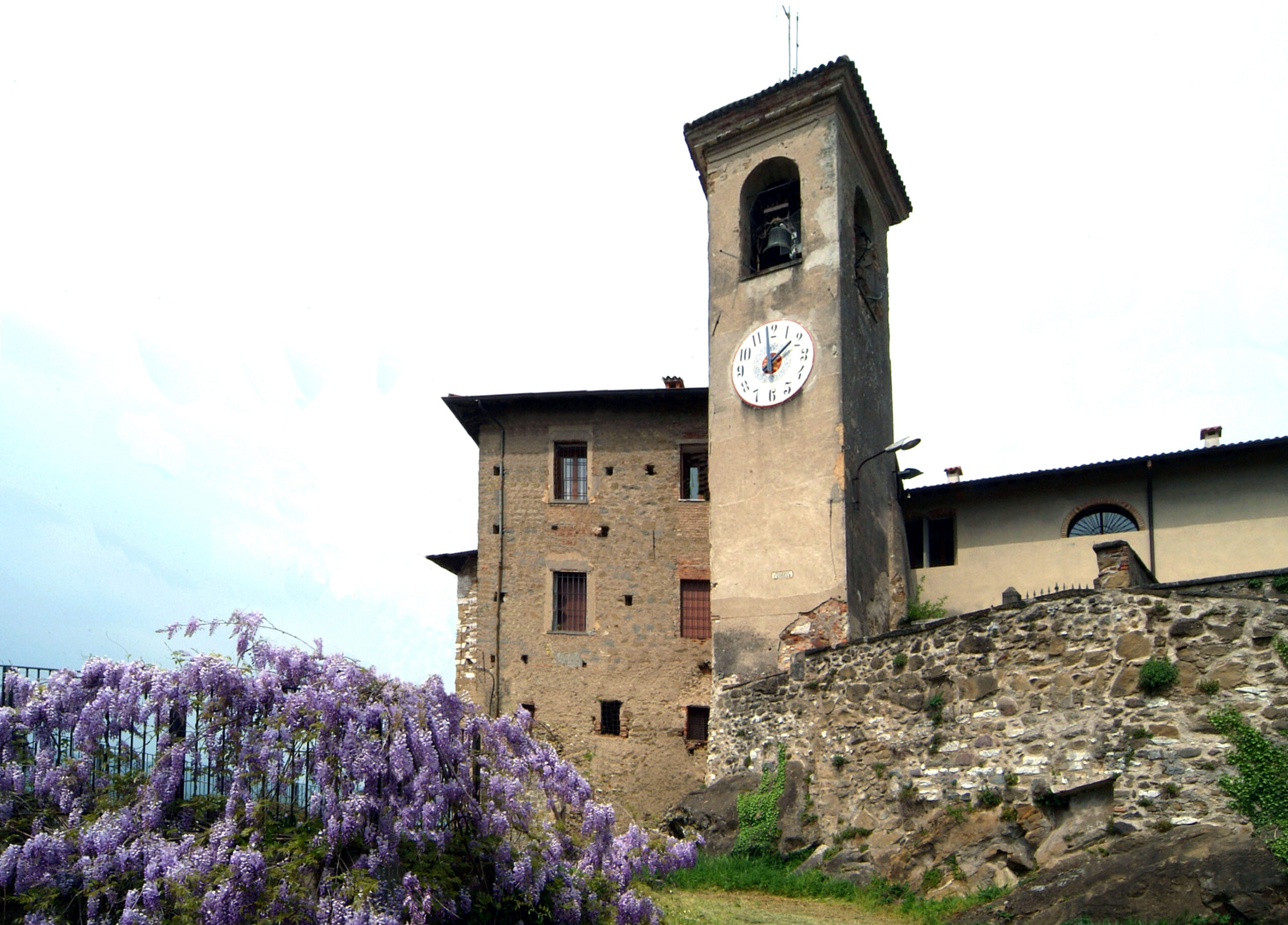
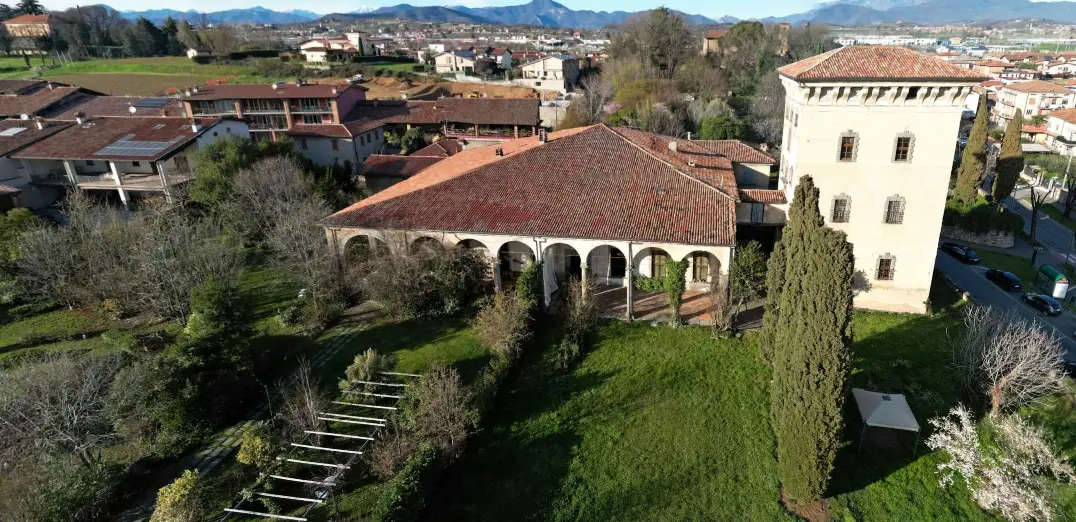
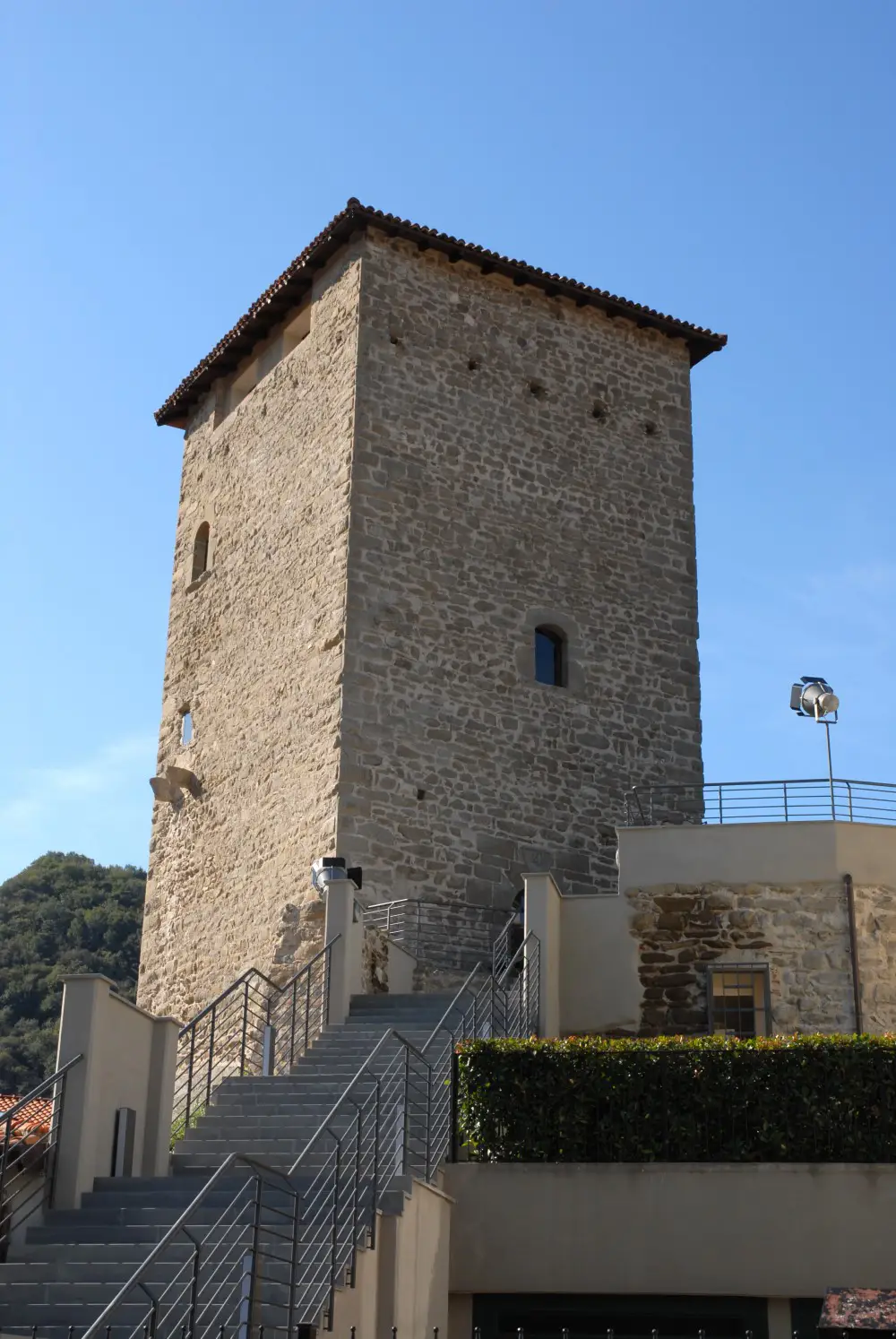
Unlike other similar structures scattered across Franciacorta and Sebino, the tower at Paratico has not been incorporated into other civil buildings, but stands as a single structure, still perfectly visible in its entirety: indeed, it was never subjected to “scapitozzamento” – that is, the levelling of its height by means of a horizontal cut, as a result of wars, clashes or, quite simply, subsequent alterations.
Building specifications, four-storey layout and defensive context
Over the centuries, the tower has thus retained a uniform masonry structure: its walls still display, in their entirety, the original medieval fabric, with very few openings and stones arranged in rows as regularly as possible along the sides, whilst the corners, the most vulnerable part of the elevation, are reinforced with massive rusticated stones. Standing approximately fifteen metres tall and comprising four storeys, it was built to take advantage of the natural defences offered by a rocky promontory, and was flanked by other fortified houses, enclosed by a defensive wall.
Oval-arched single-light windows and the Lantieri coat of arms
The massive structure, with its austere lines, is softened by the small single-lancet windows with pointed arches and the Lantieri family coat of arms, featuring a crescent moon flanked by three stars, which also appears on the jamb of the elegant main door.
Links and useful information


Opening hours: open to groups by appointment