Rovato Castle
- Home
- /
- Arte e cultura
- /
- Castles
- /
- Rovato Castle
The Castle of Rovato as a Changing Entity
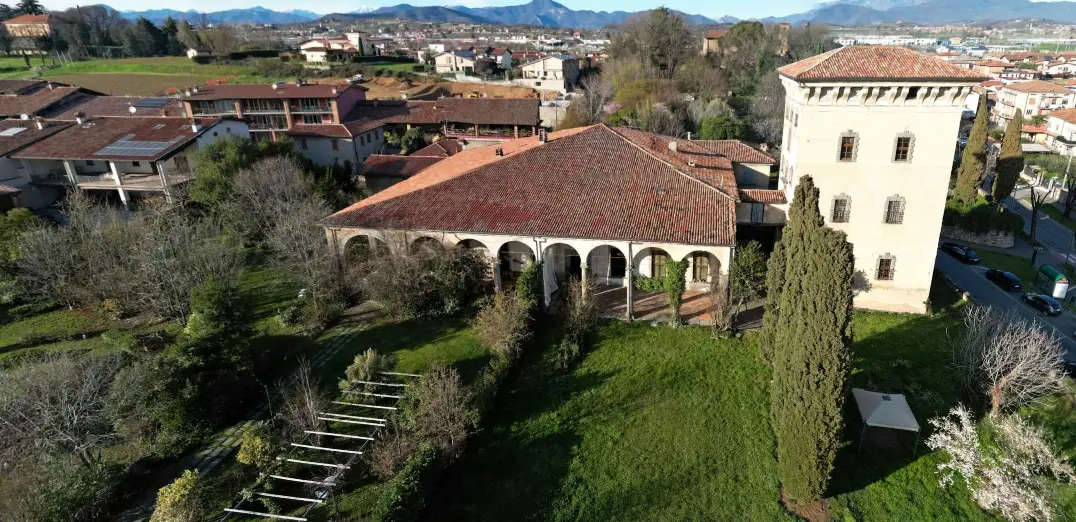
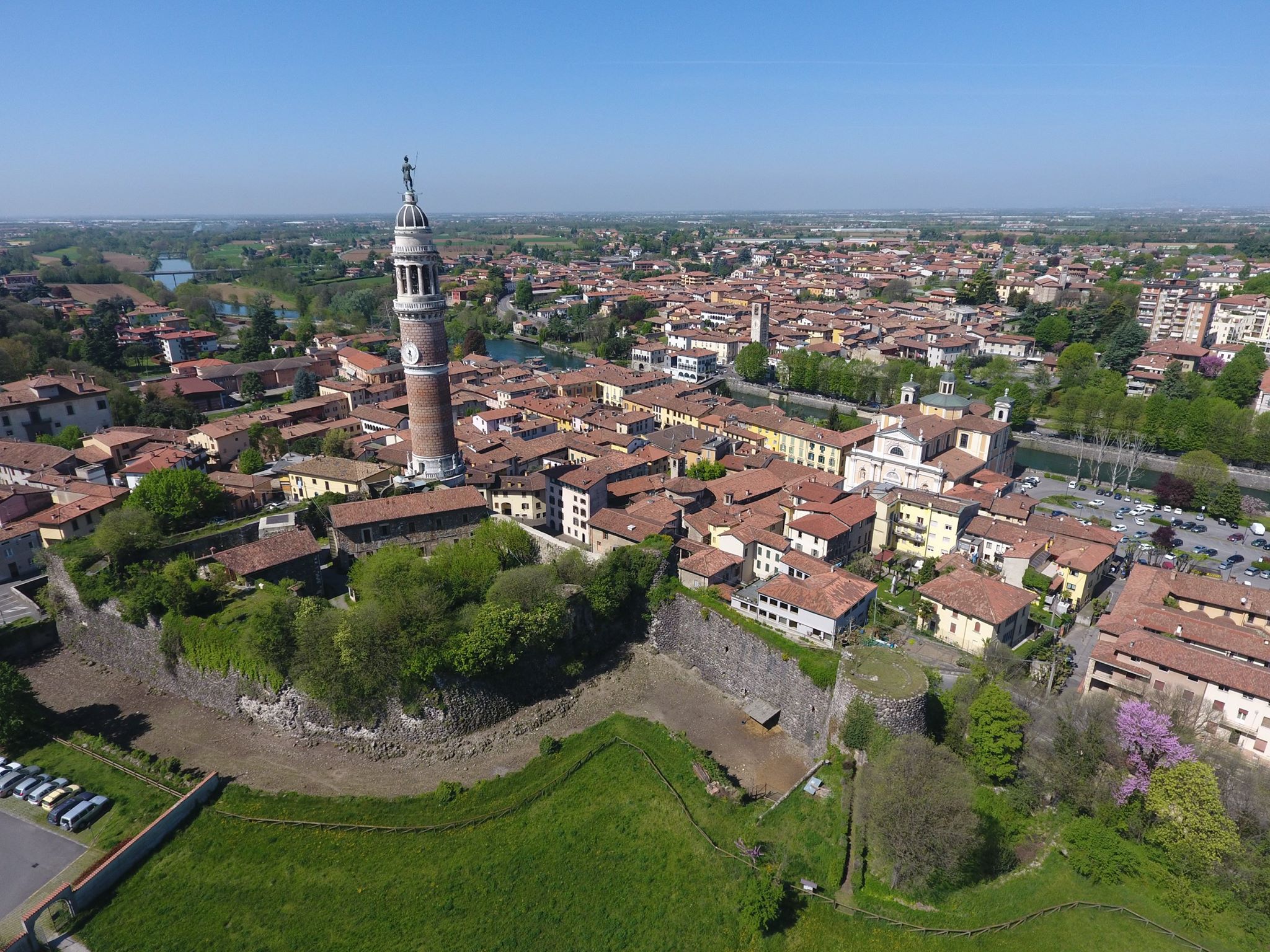
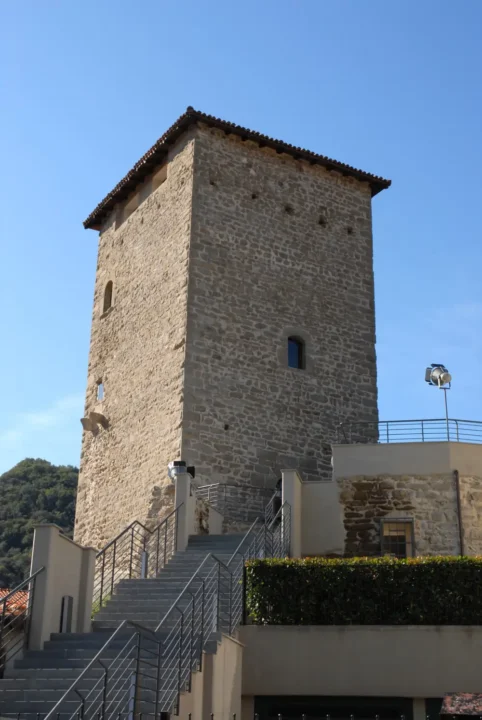
A castle is not merely a static, unchanging structure, but a living entity in constant transformation; its architecture reflects the shifts and vitality of the political dynamics of its time; Rovato Castle lends itself particularly well to this interpretation: a stronghold first under the Visconti lordship and later under Venetian rule, it originated as a “pioneering” fortification, that is, one of the earliest medieval foundations and not built on top of an older Roman settlement. In the High Middle Ages, we also witness the first fortification of the town of Rovato, which left clear traces in the layout of the urban settlement, enclosed within the perimeter marked by the defensive walls.
Conflicts between the 13th and 14th Centuries: The Angevins and the Visconti
As the stronghold of such an important center, the castle was at the center of a series of conflicts that unfolded throughout the 13th and 14th centuries: it first opposed Charles of Anjou in 1265 and Azzone Visconti in 1326.
Visconti and Venetian restorations: the Rocchetta, the pentagonal wall, and the towers
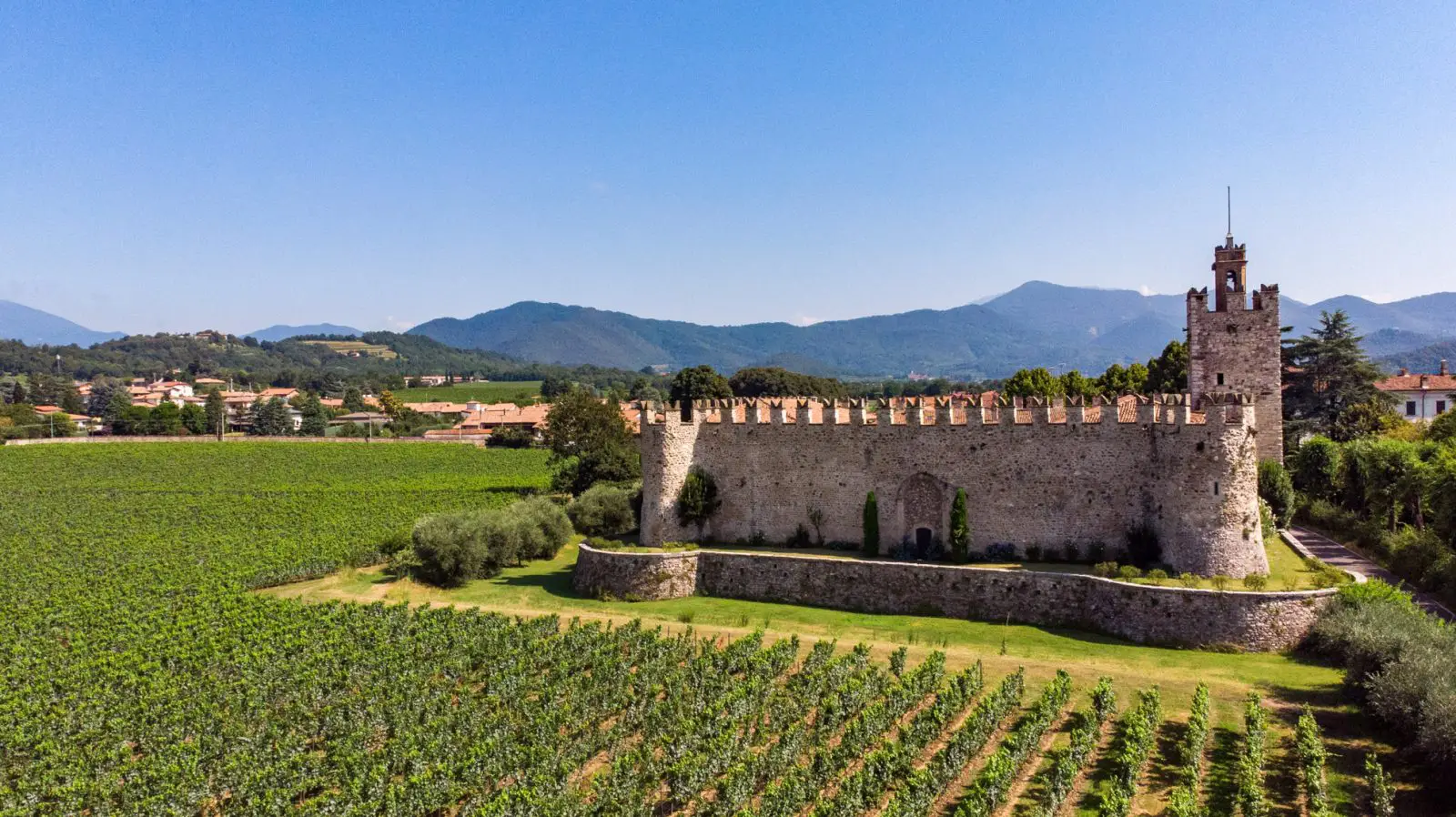
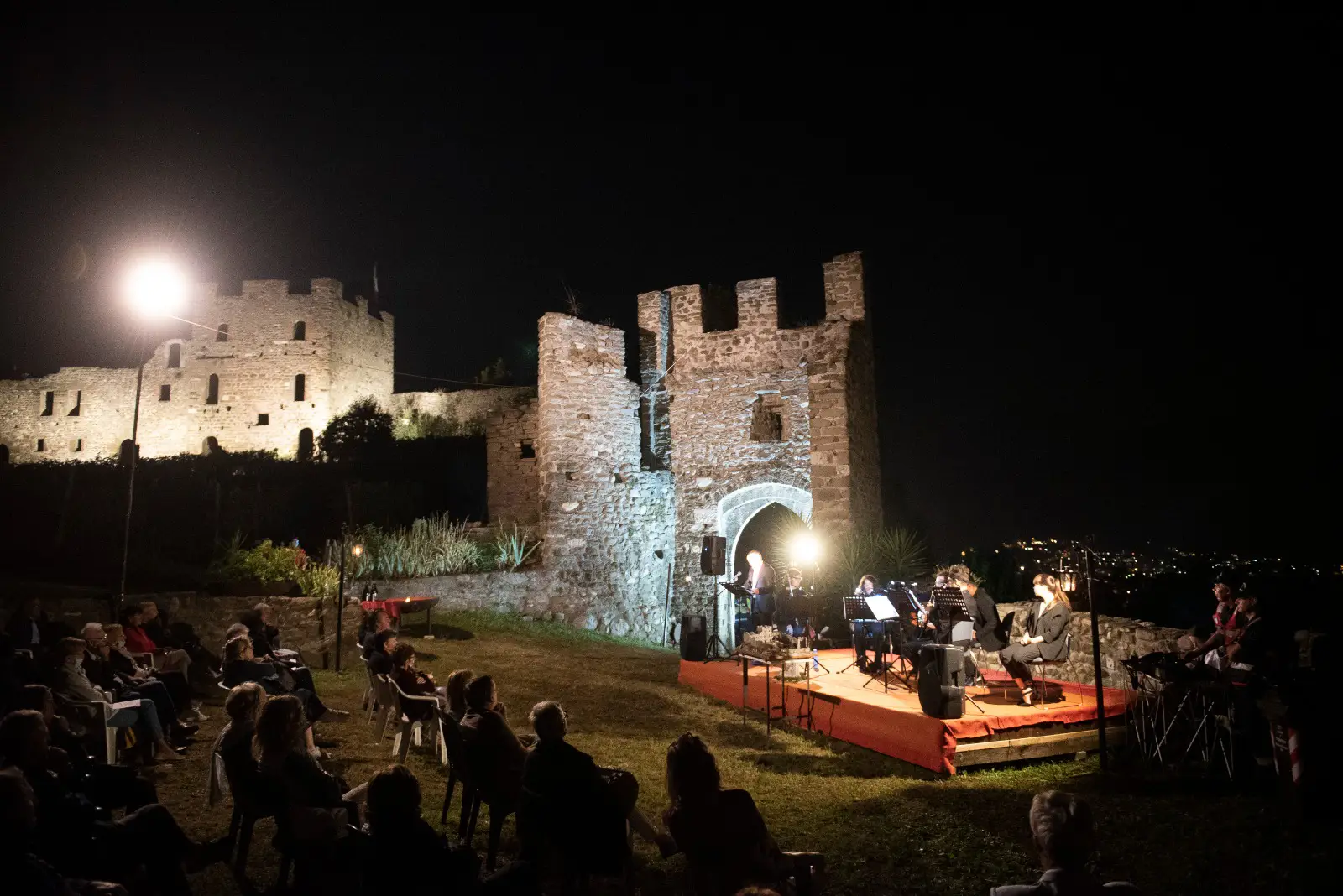
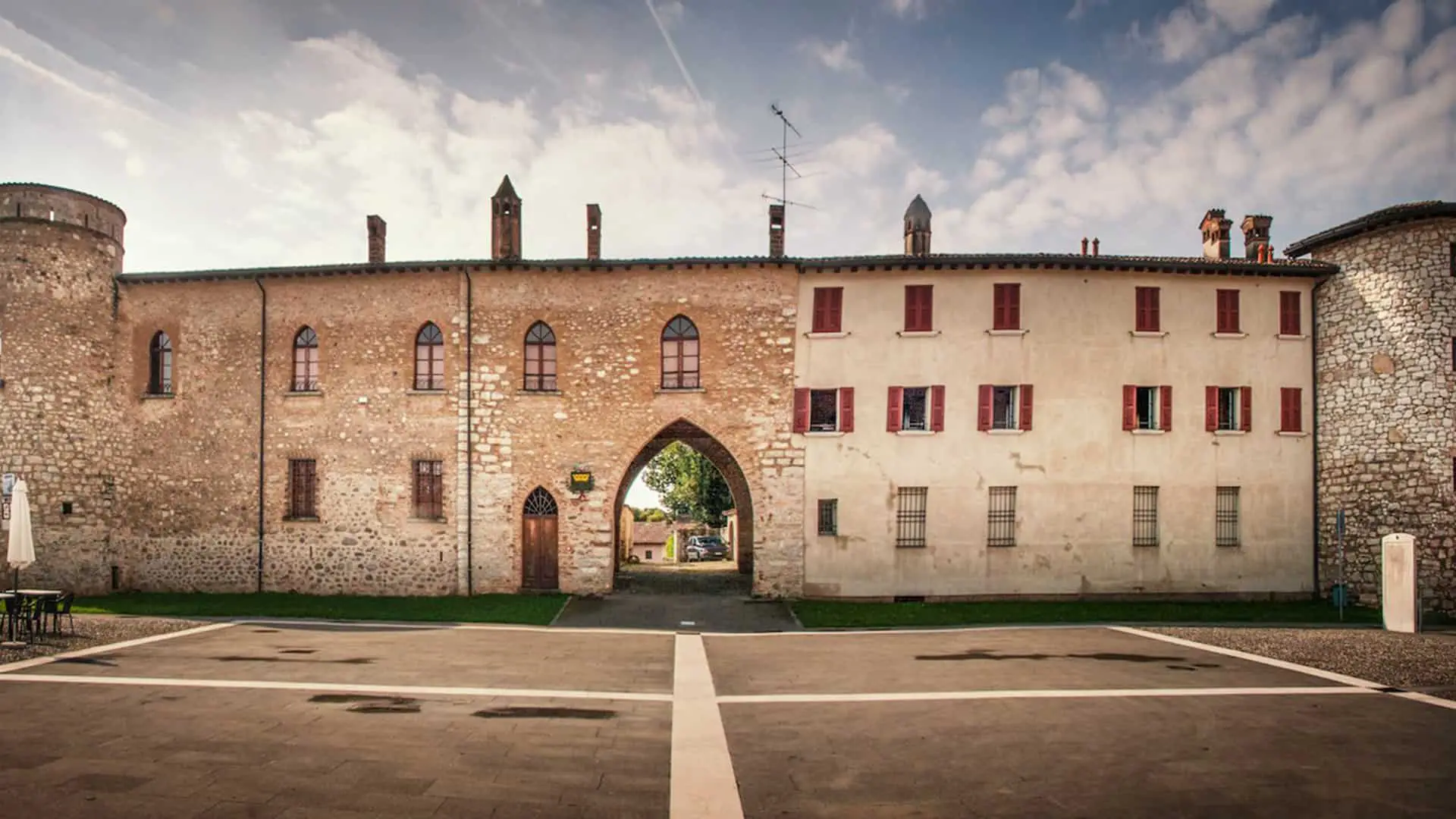
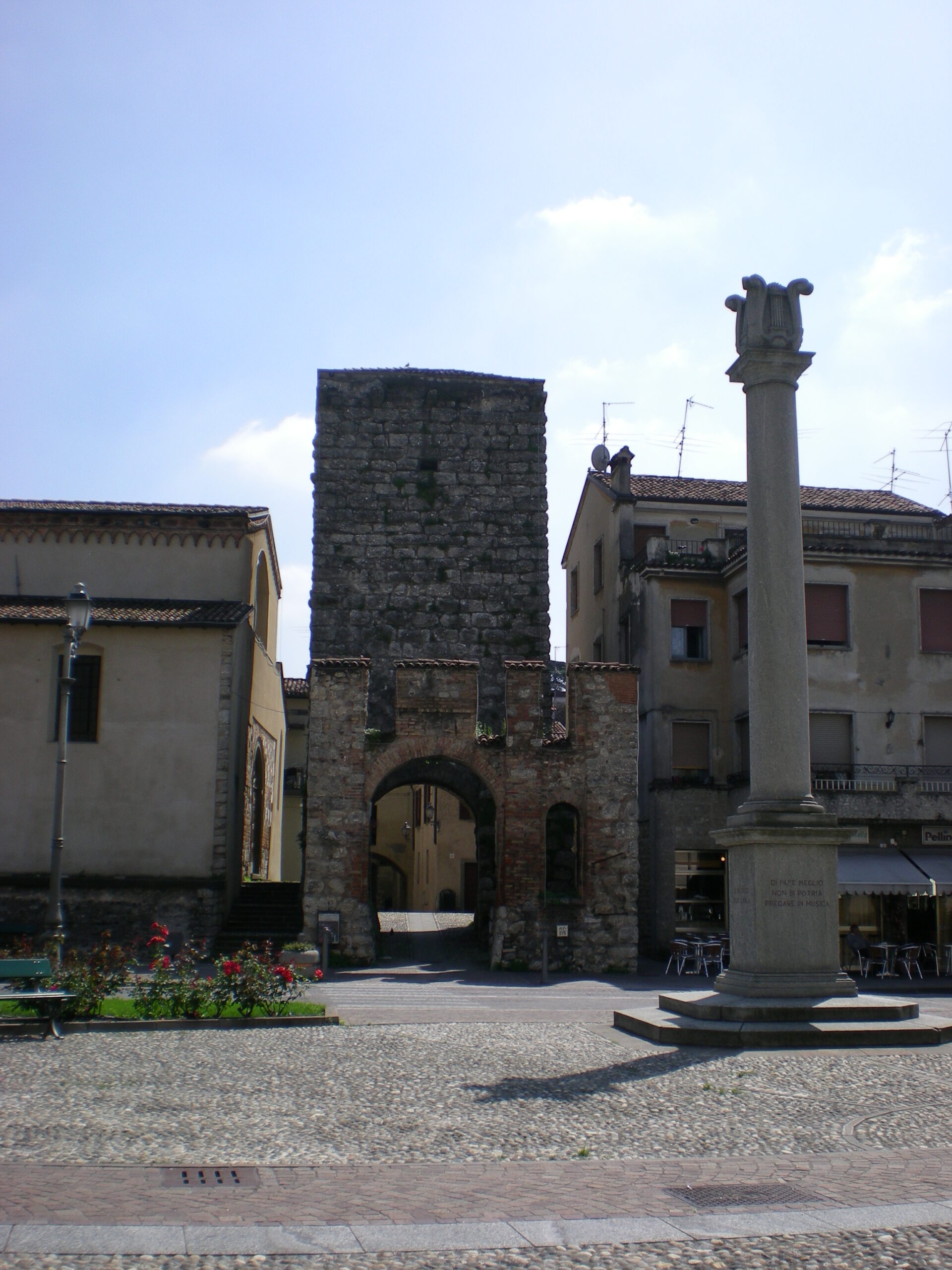
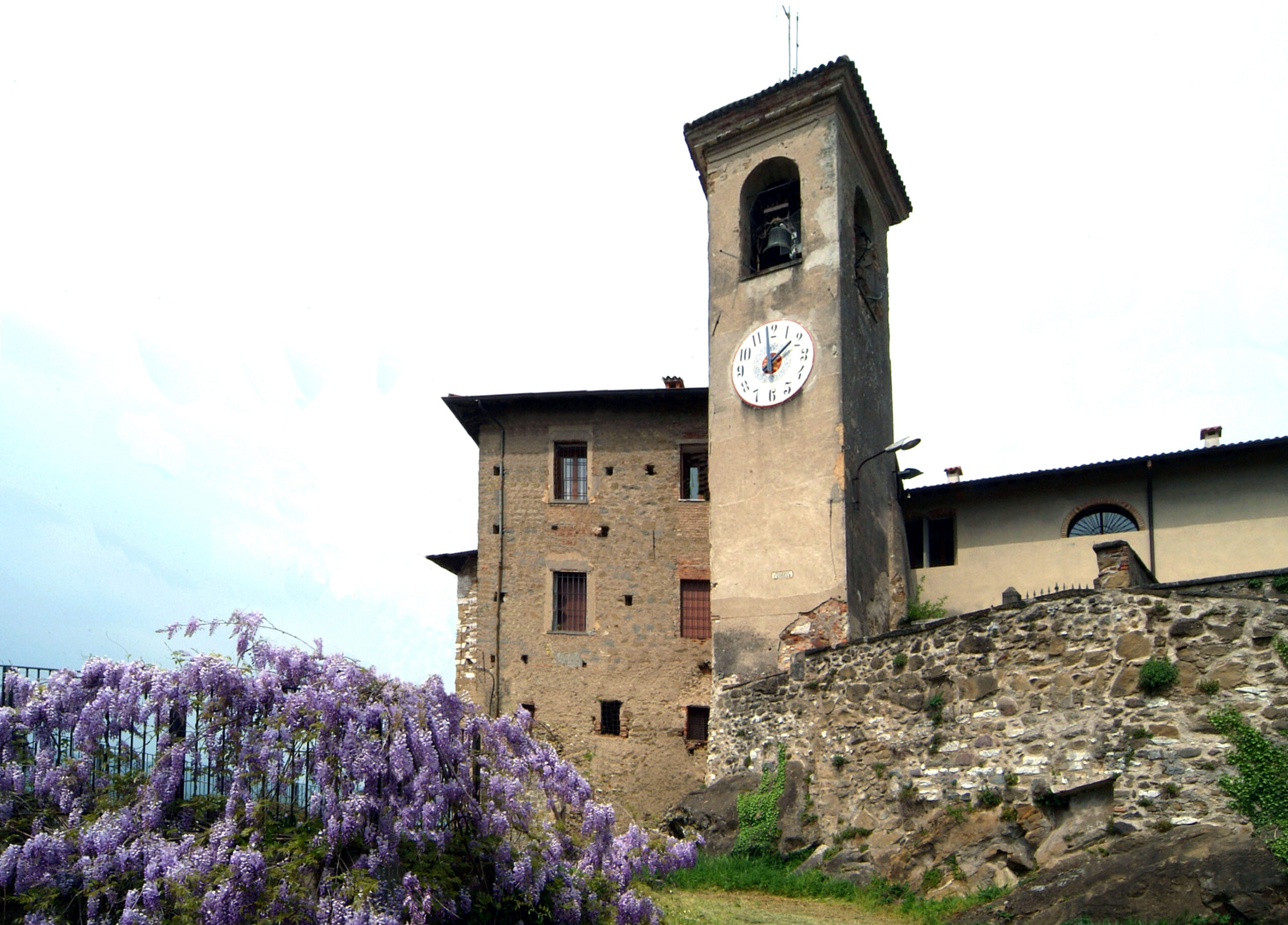
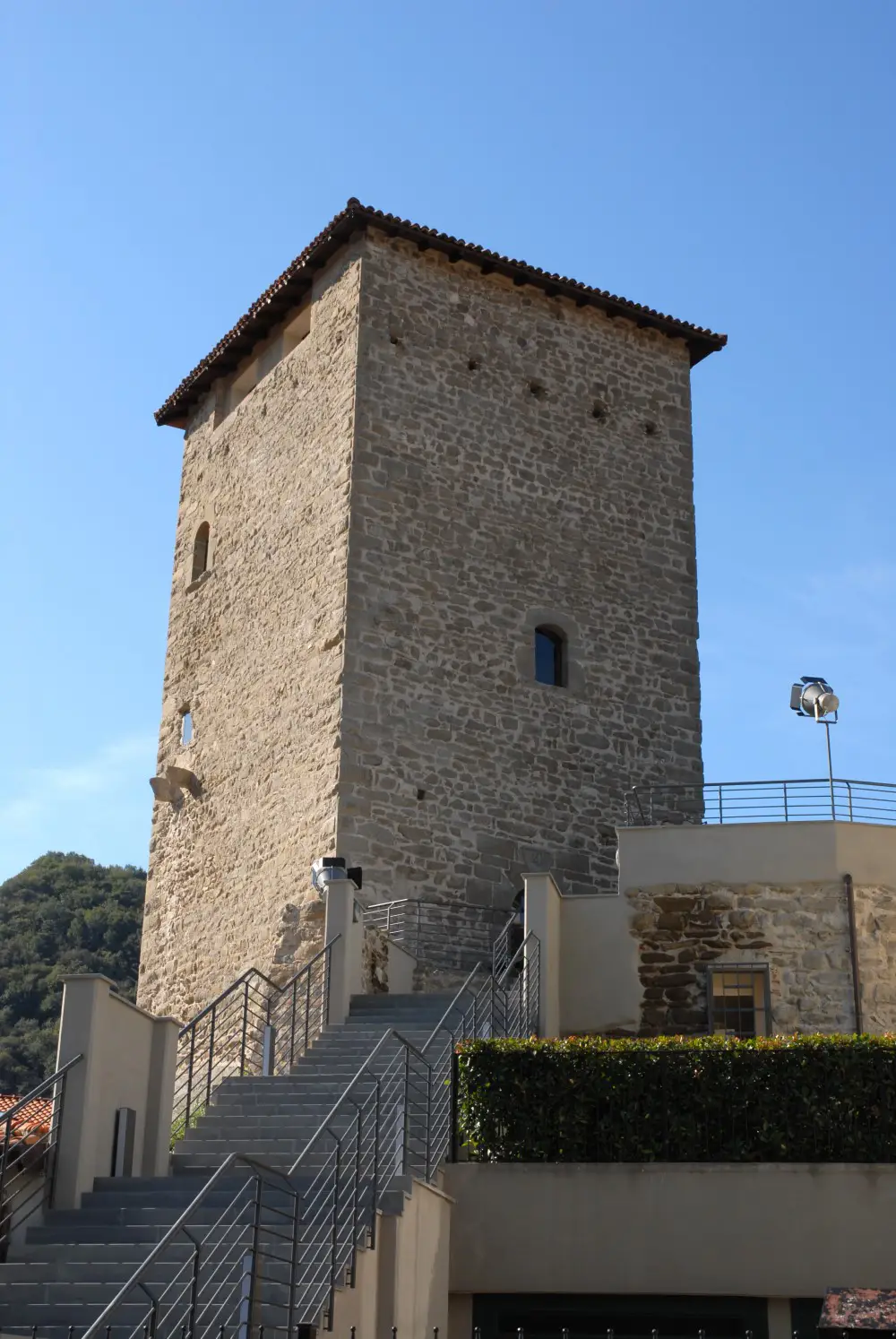
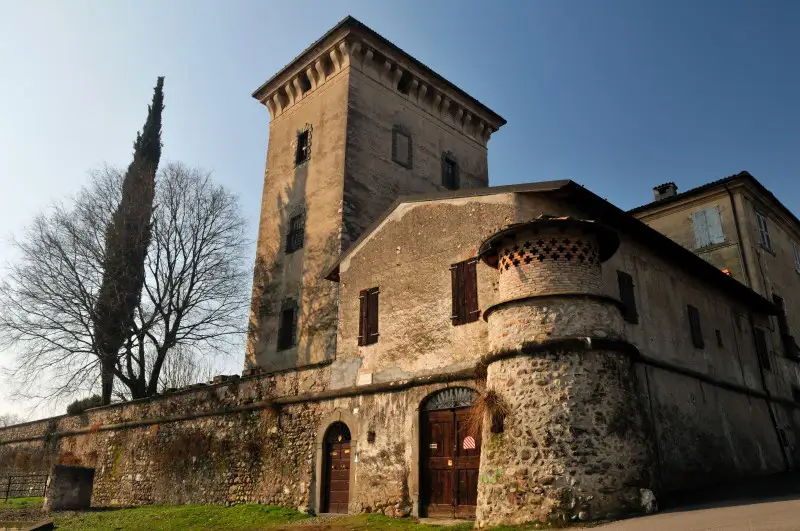
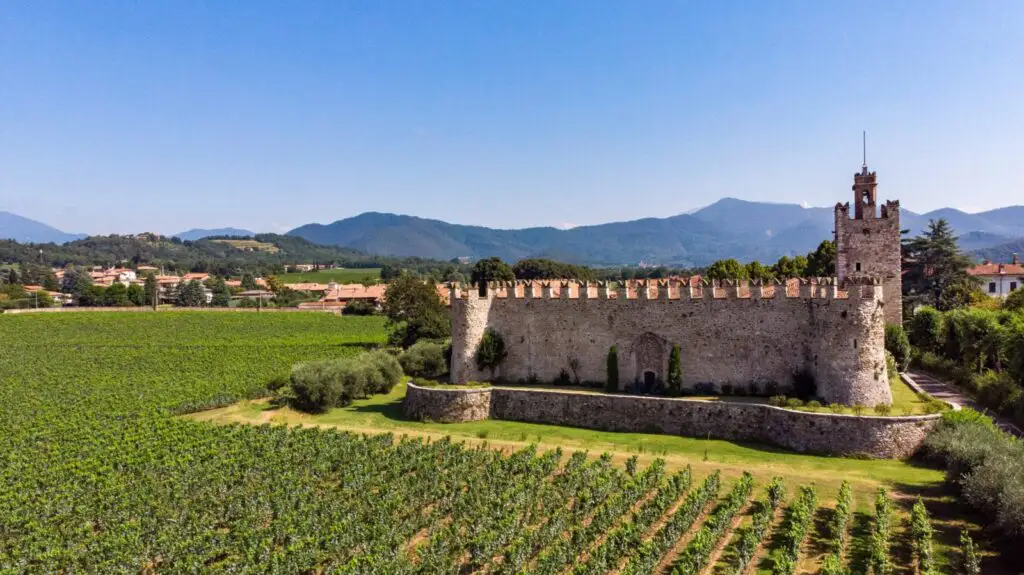
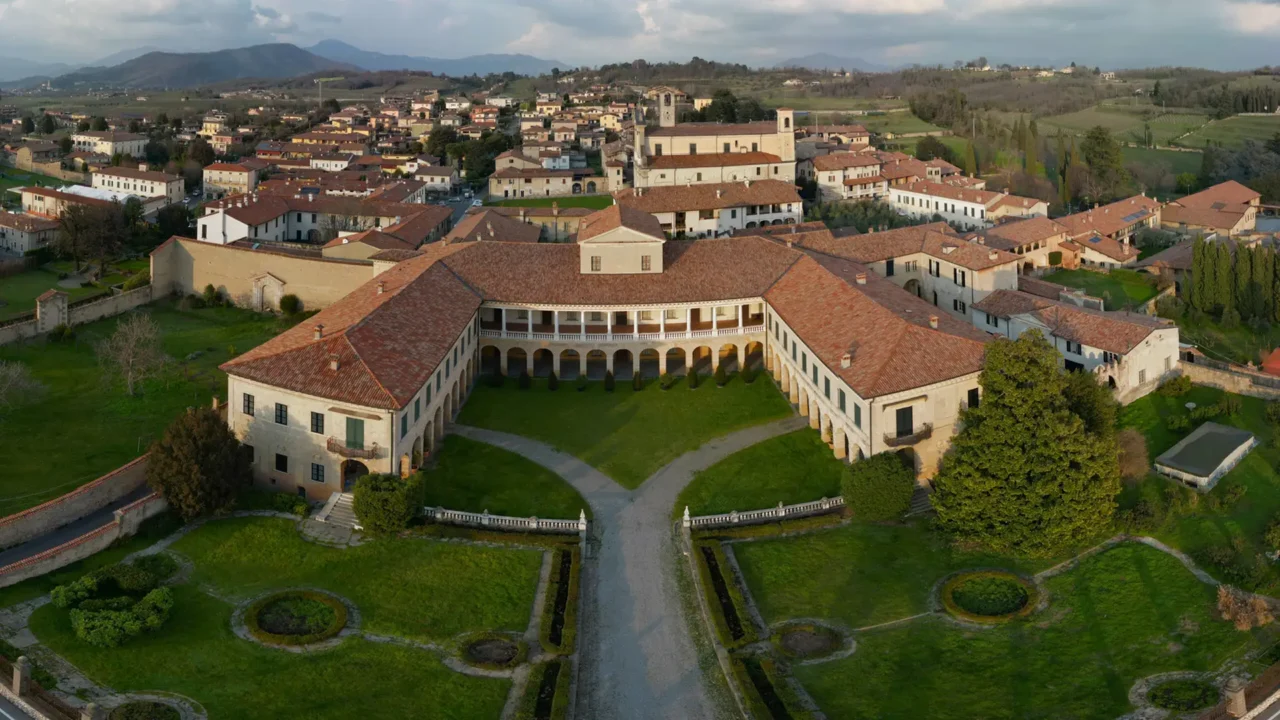
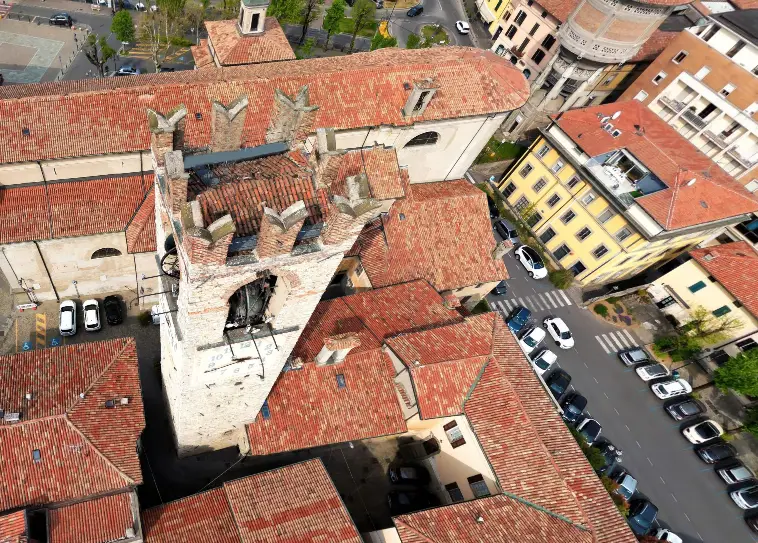
However, the appearance we see today is the result of a major restoration project initiated first by the Visconti lords by 1403—which involved expanding the fortified perimeter and adding a small fortress with a protected entrance to the keep and then by the Venetians in 1470, with the aim of updating the structures in light of new developments in military architecture. The fortress was thus equipped with a new pentagonal defensive wall to withstand the impact of firearms, and towers at each corner: today, parts of the northern and western curtain walls and the towers are still visible, displaying the typical cylindrical shape best suited to deflecting projectiles fired by the enemy.
The “city of towers” in the imagination and paintings of Santo Stefano
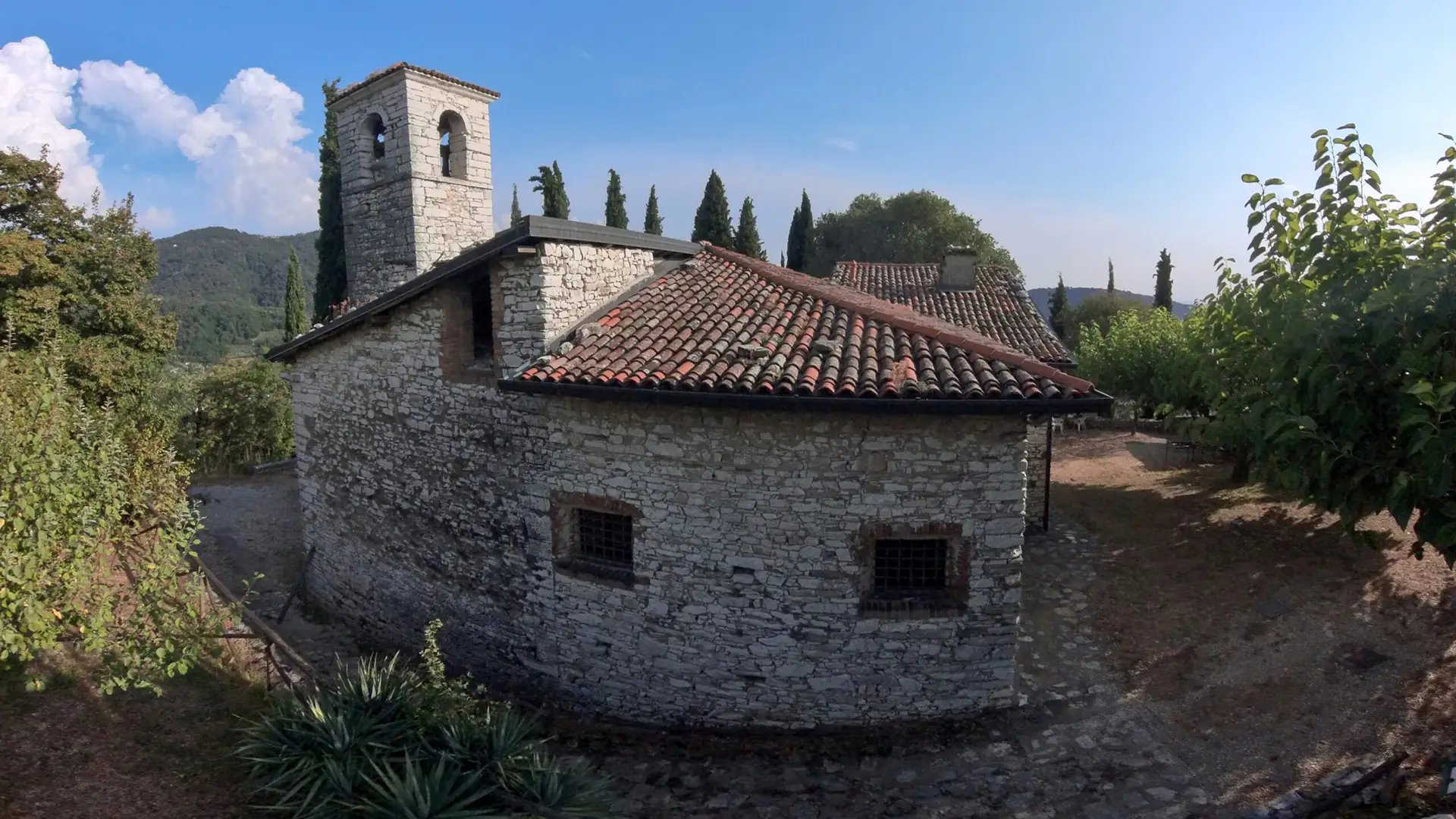
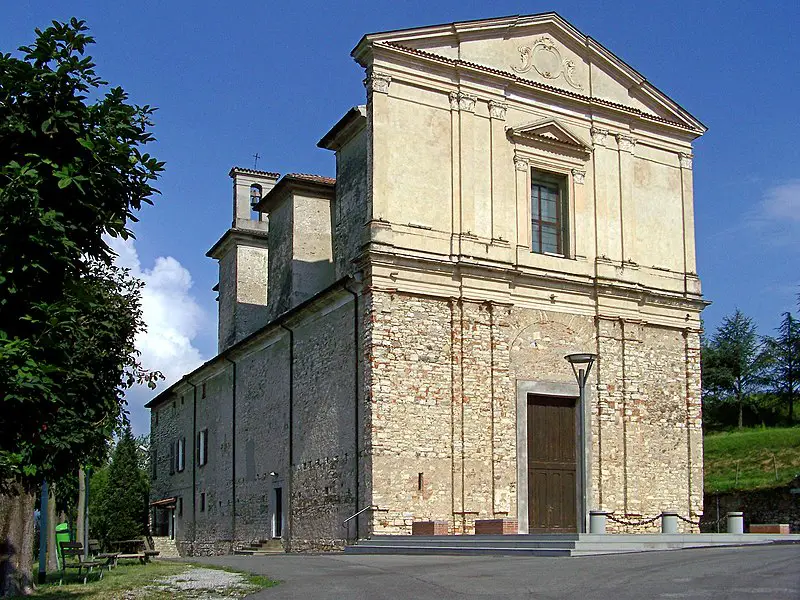
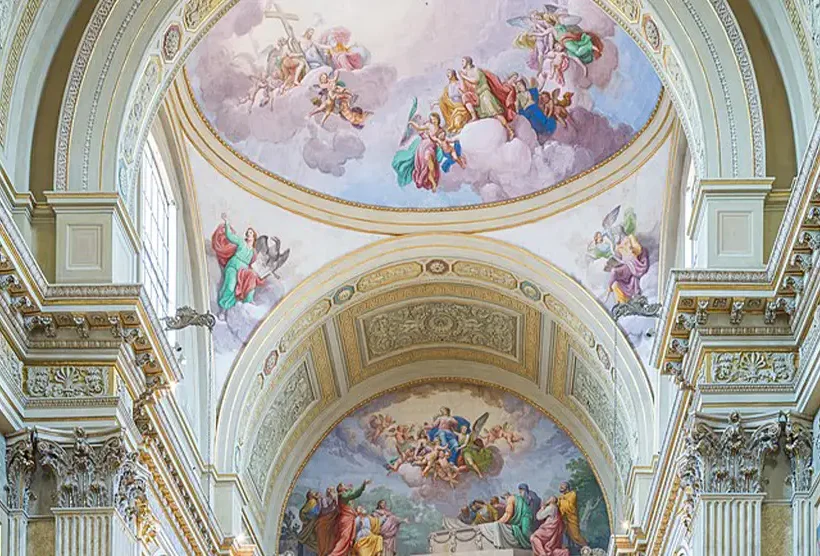
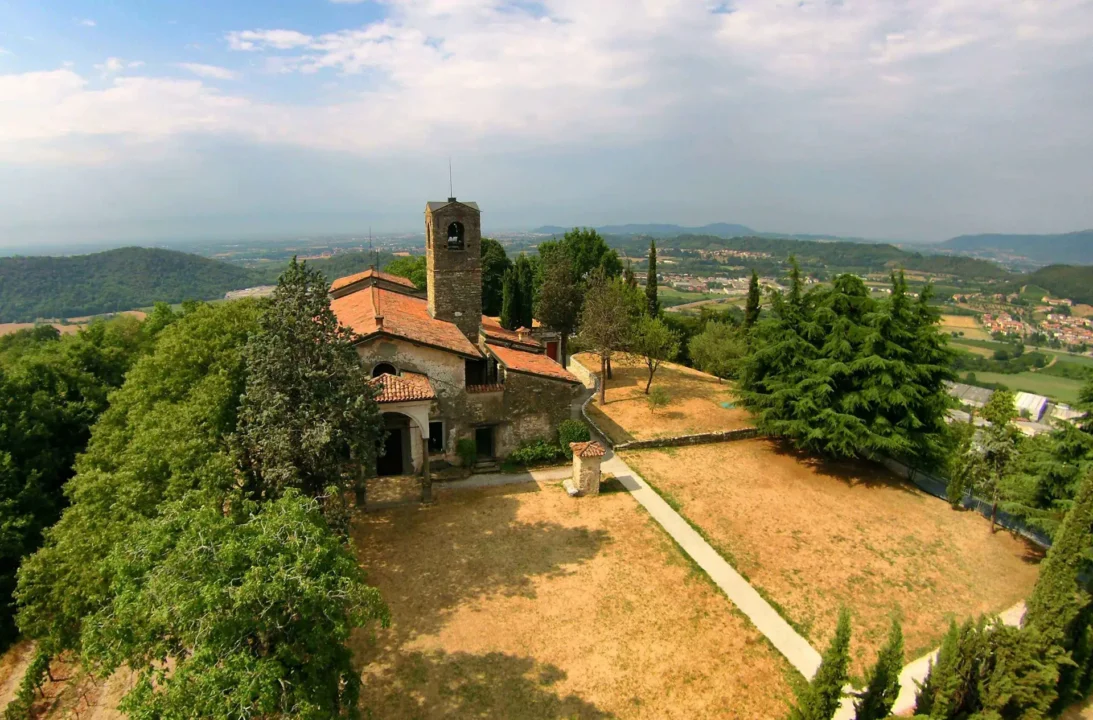
It was precisely these towers that gave the castle its distinctive appearance, so much so that they entered the collective imagination and became defining features of the town’s skyline, shaping how it was depicted: thus, Rovato appears as a town of towers in the background of “The Stoning of Saint Stephen”, part of the series of paintings that adorn the apse of the church dedicated to the saint, on the slopes of Mount Orfano.