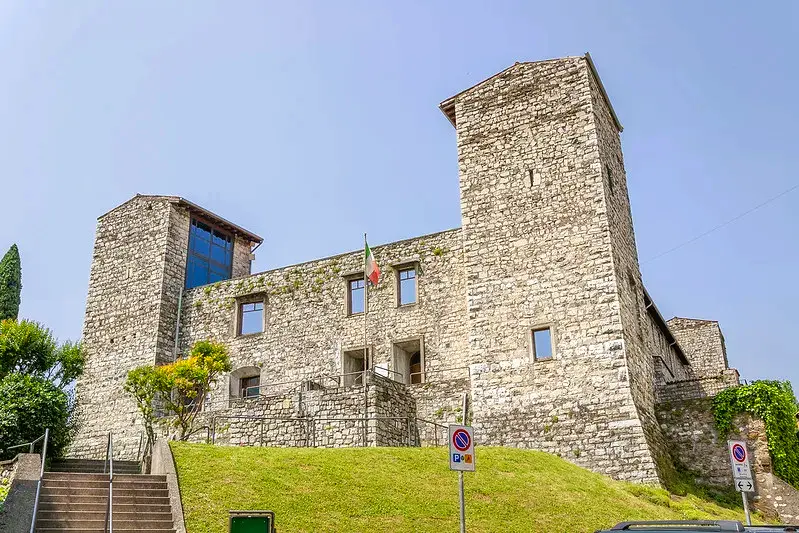
Oldofredi Castle
- Home
- /
- Arte e cultura
- /
- Castles
- /
- Oldofredi Castle
The castle of Iseo and the expansion of the town between the 11th and 12th centuries
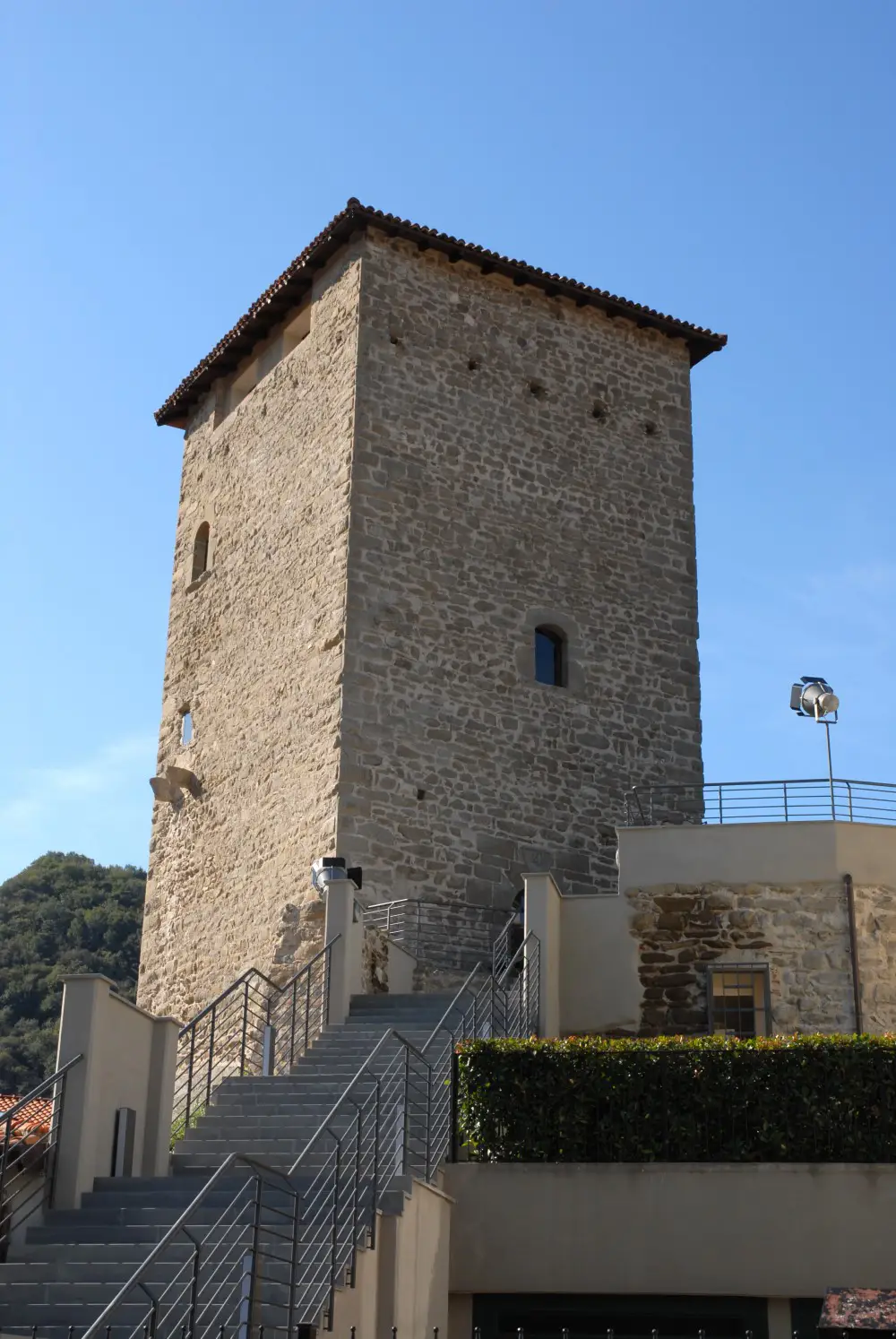
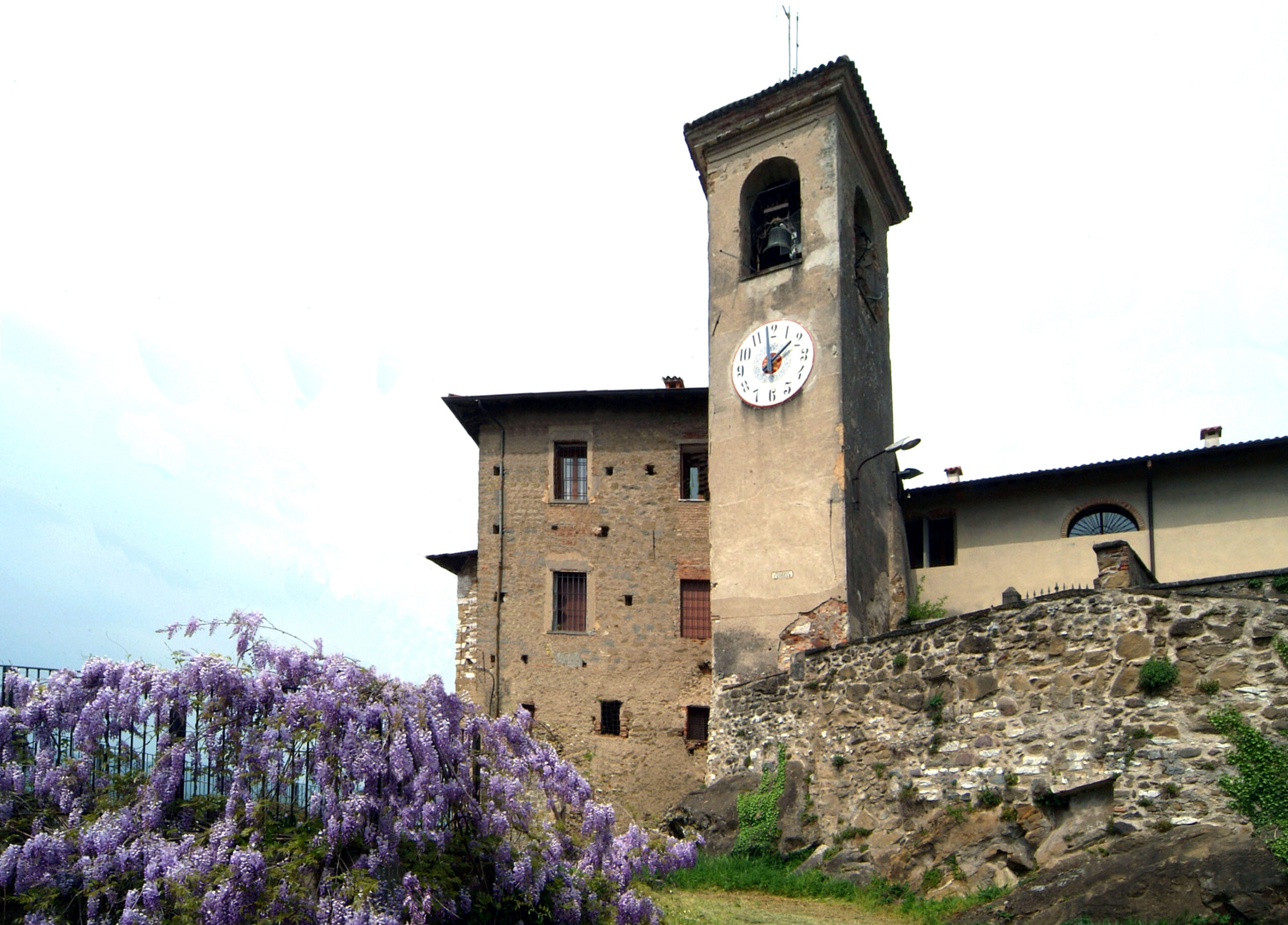
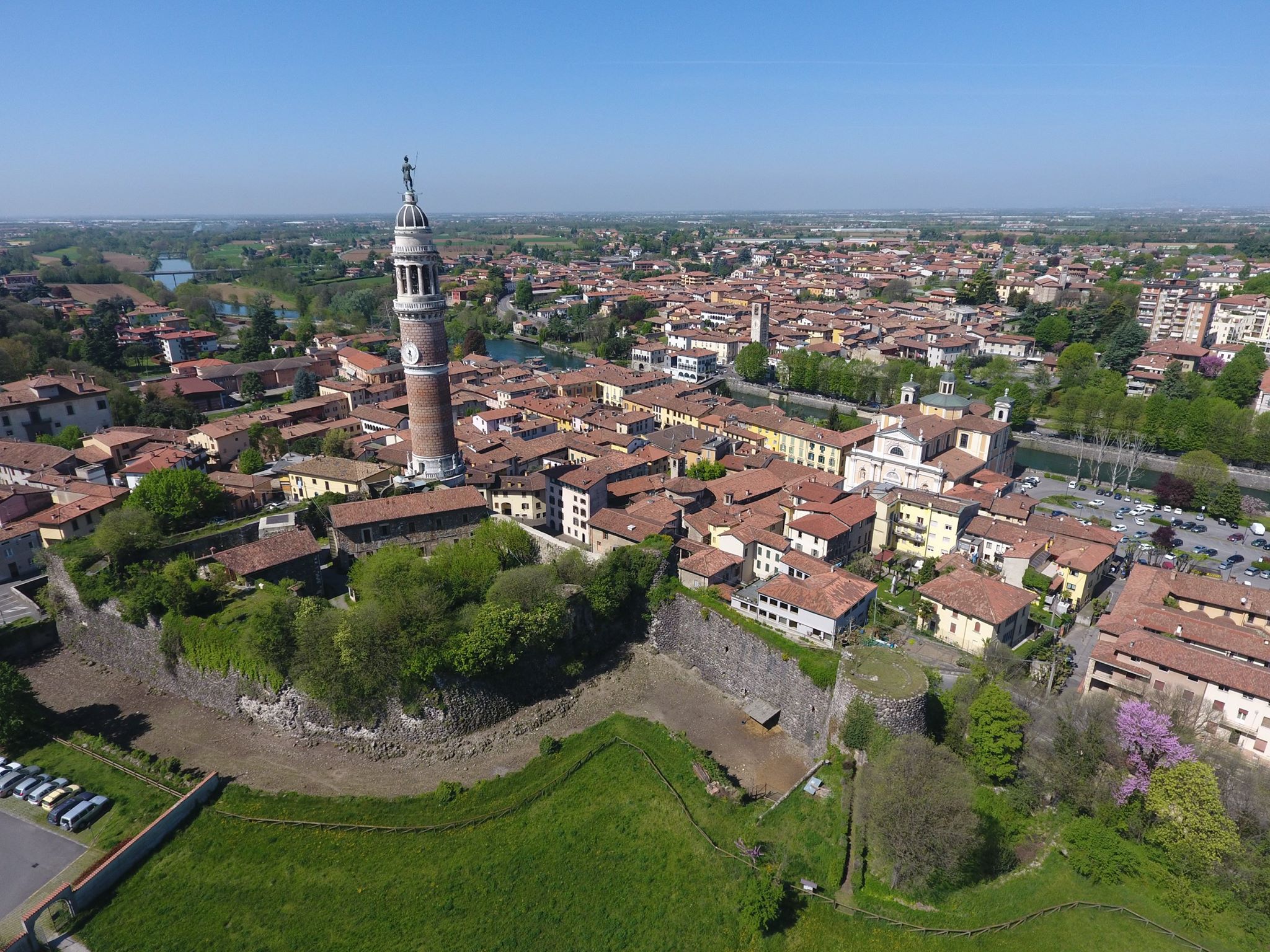
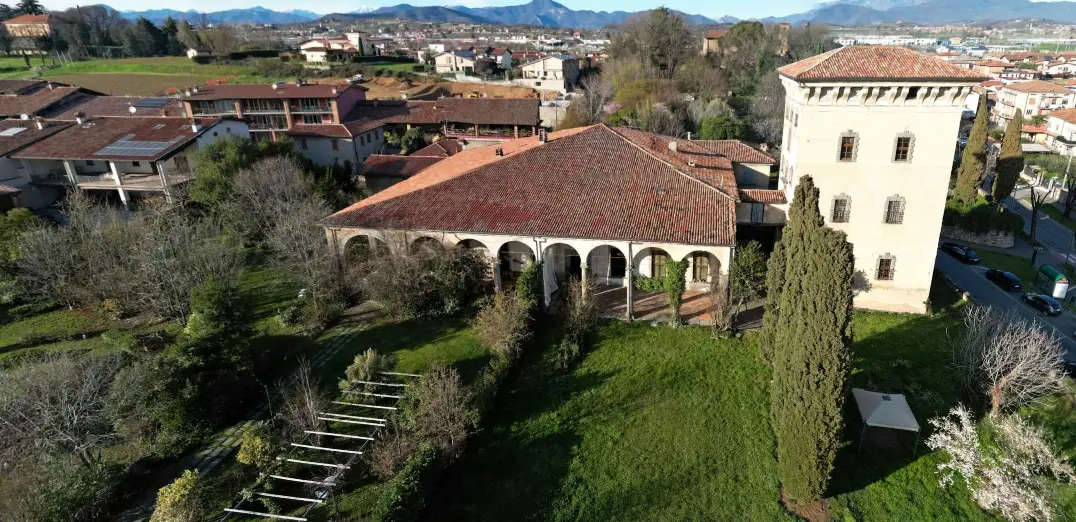
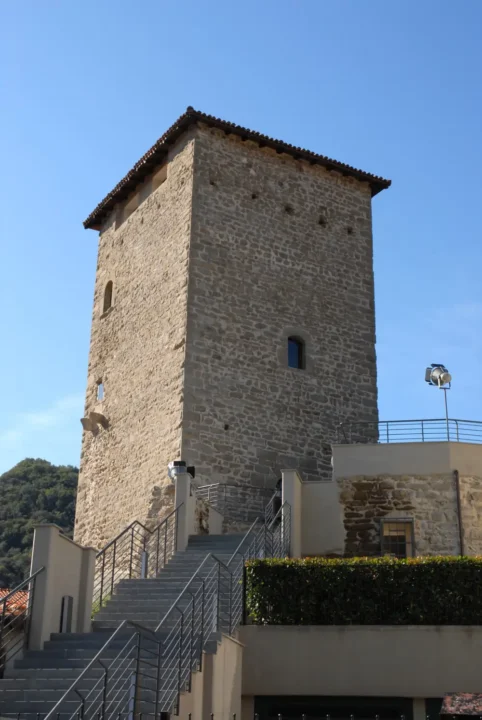
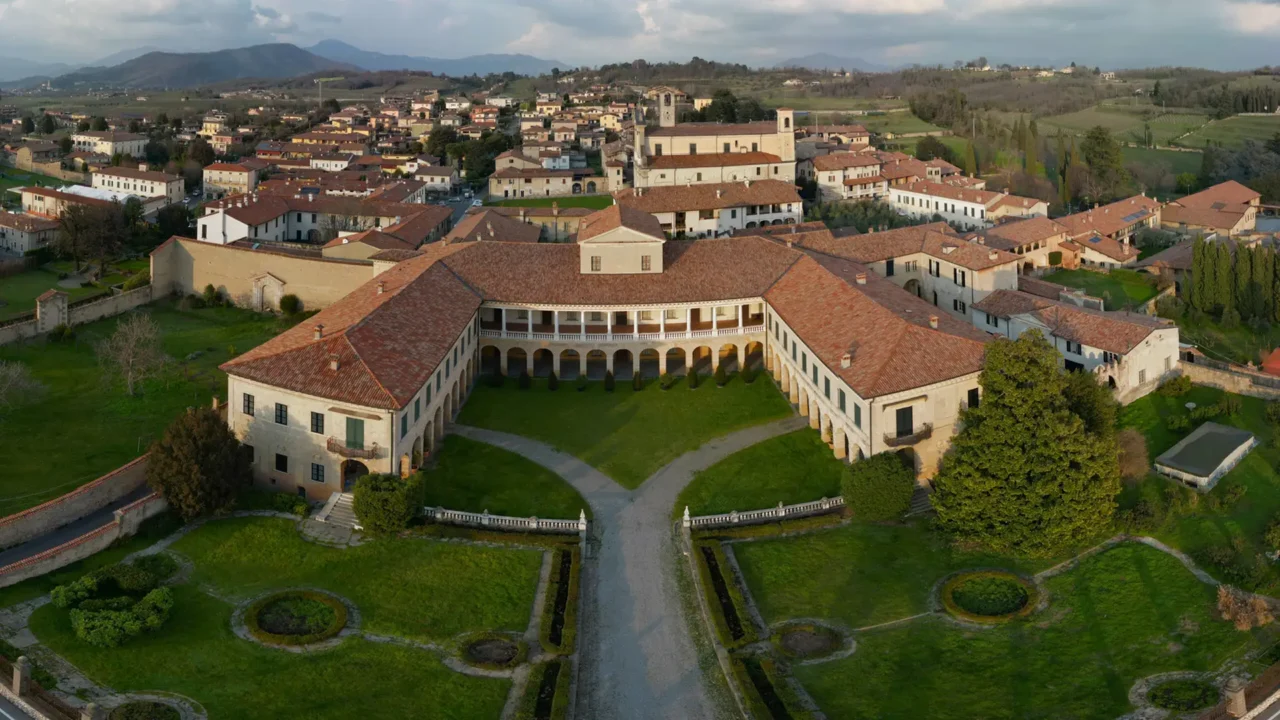
Between the 11th and 12th centuries, the important town of Iseo, situated on the Brescia side of Lake Iseo and a vital hub for trade between the Brescia and Bergamo regions, experienced renewed economic growth, which was accompanied by an expansion of the settlement: the oldest part of the castle dates back to this period; it was certainly built by the end of the 12th century as a defensive enclosure, featuring a tower of considerable size, twelve metres on each side, which served as a keep. The tower, which once stood on the southern side and is the only surviving part of the original structure, is no longer visible from the outside today, as it has been incorporated into the structures of the present-day castle.
Destroyed in 1161 and rebuilt between the 13th and 14th centuries
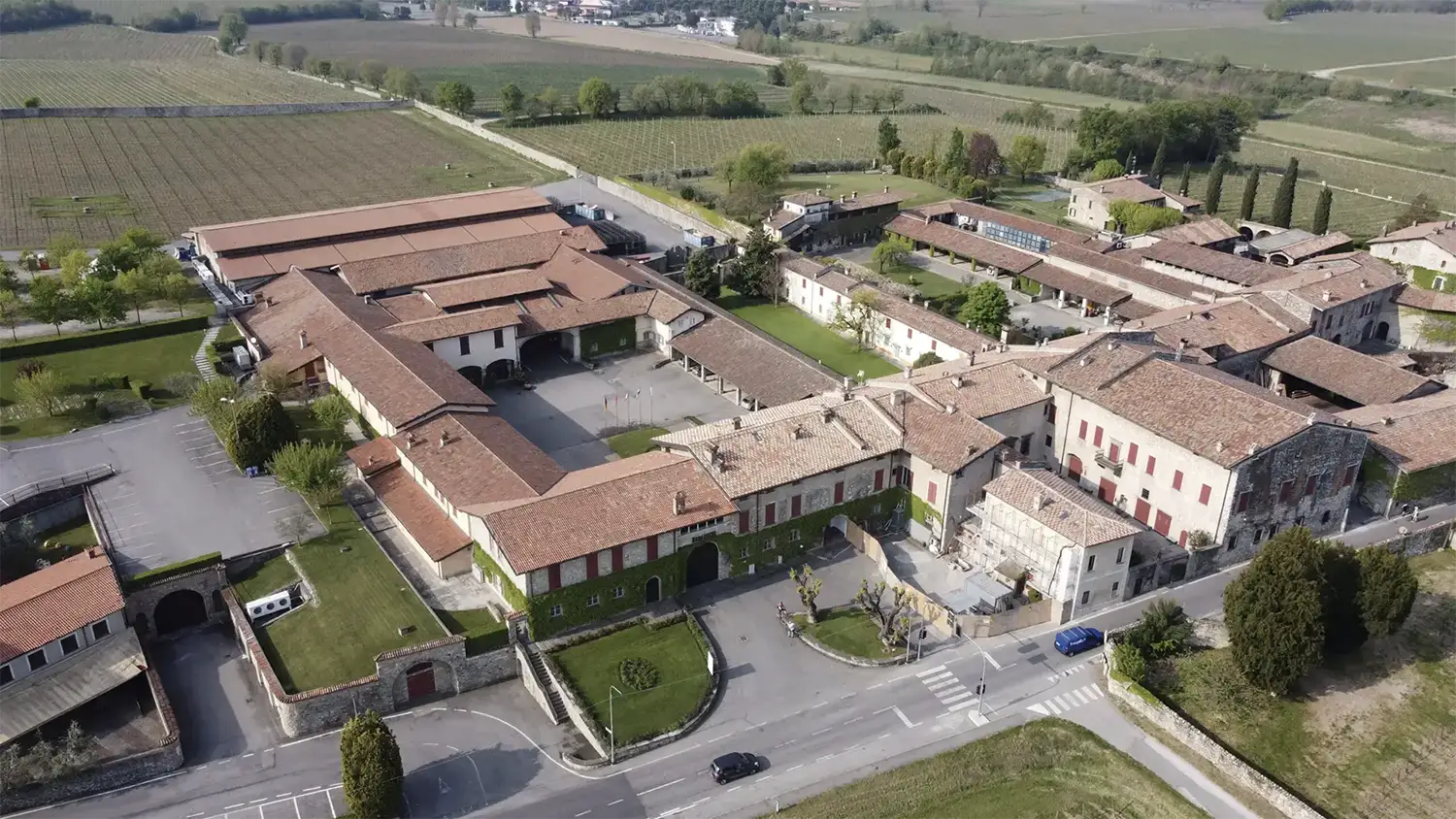
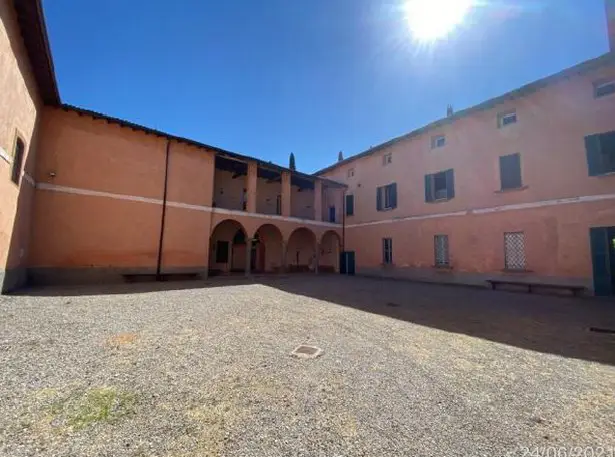
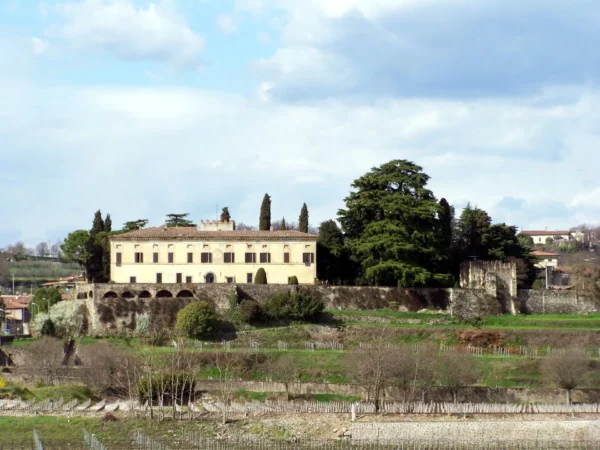
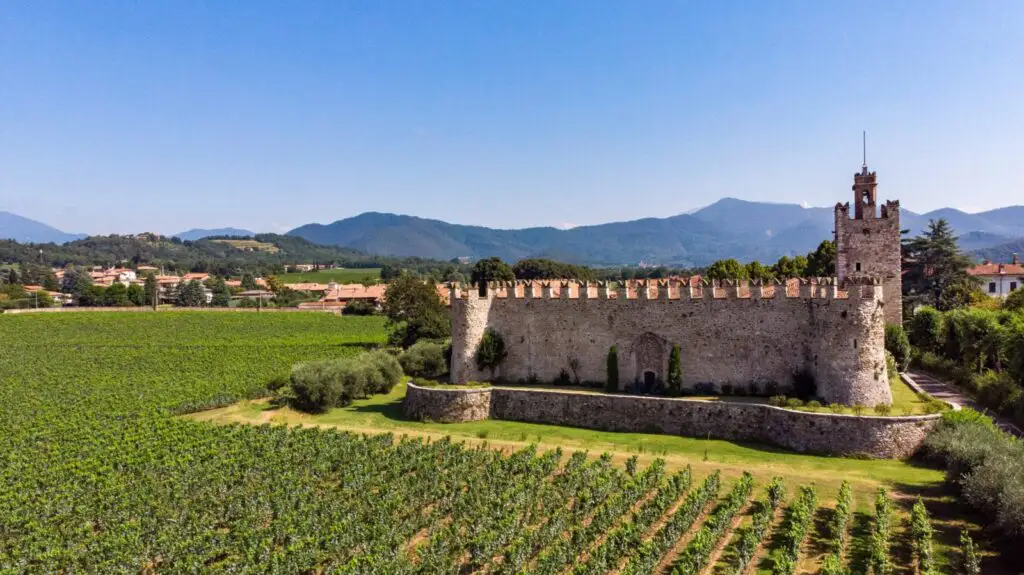
In fact, with the exception of the keep, the oldest castrum was completely destroyed during Barbarossa’s siege of 1161, which was followed by a terrible fire, also recorded in Brescia’s *Liber Potheris*. The structure we can admire today was built between the 13th and 14th centuries on the ruins of the previous one, thanks, above all, to the initiative of Giacomo da Iseo, of the Oldofredi family: the castle, with a rectangular plan, was equipped with a sturdy curtain wall, featuring four corner towers projecting significantly outwards from the perimeter of the walls, surrounded by a moat, still visible on the west and south sides. The towers were shielded, that is, composed of only three perimeter walls, facing outwards for defence, whilst the side facing the inner courtyard was equipped with walkways useful for visual surveillance of the enemy and for organising the offensive.
The sloping base as a defensive fortification
To further strengthen the castle’s defences, the towers were fitted with a scarp base: an additional sloping wall set against the main walls, designed to make them difficult for the enemy to scale.
Walls, pointed archways and the Scaliger coat of arms
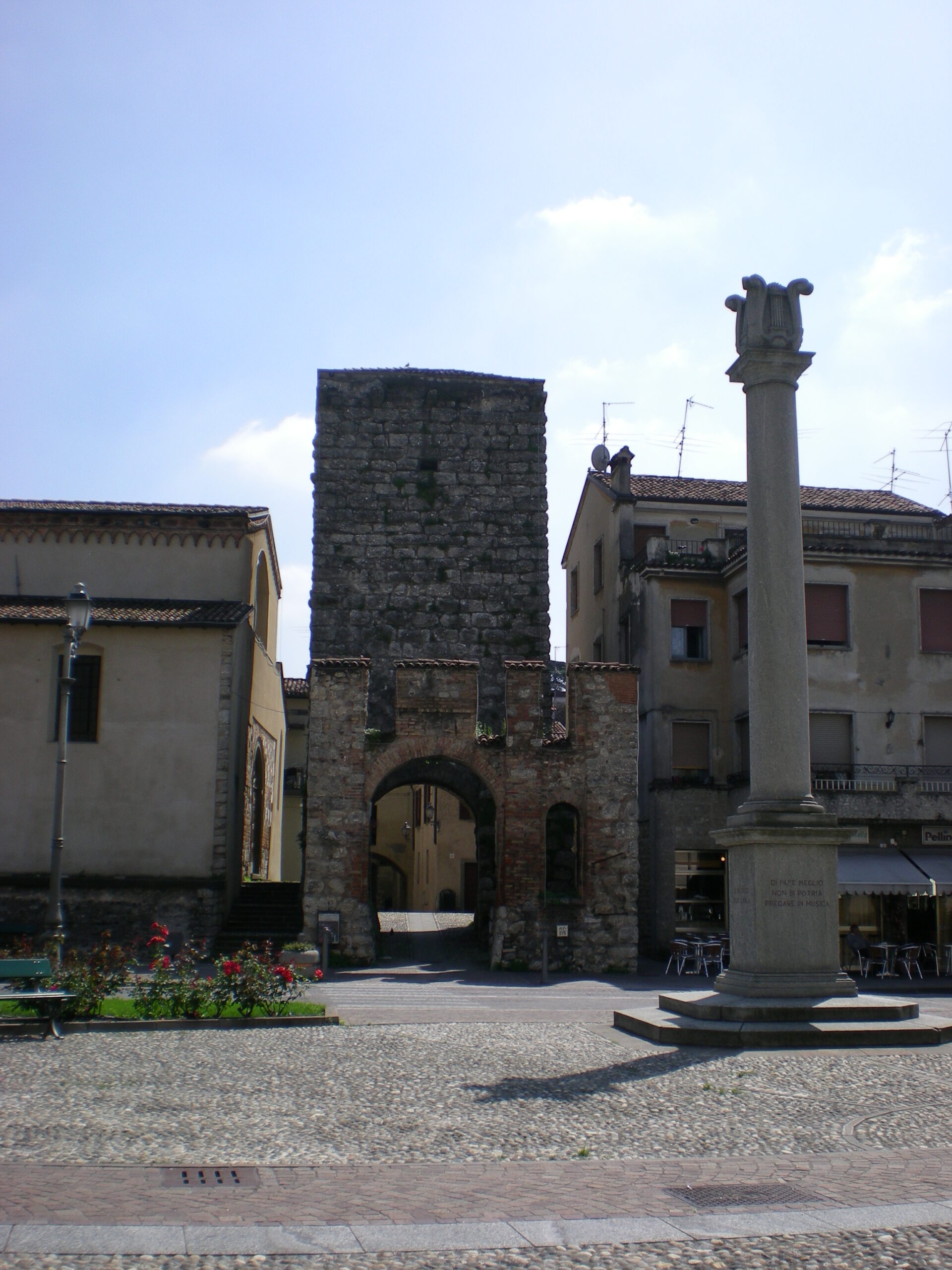
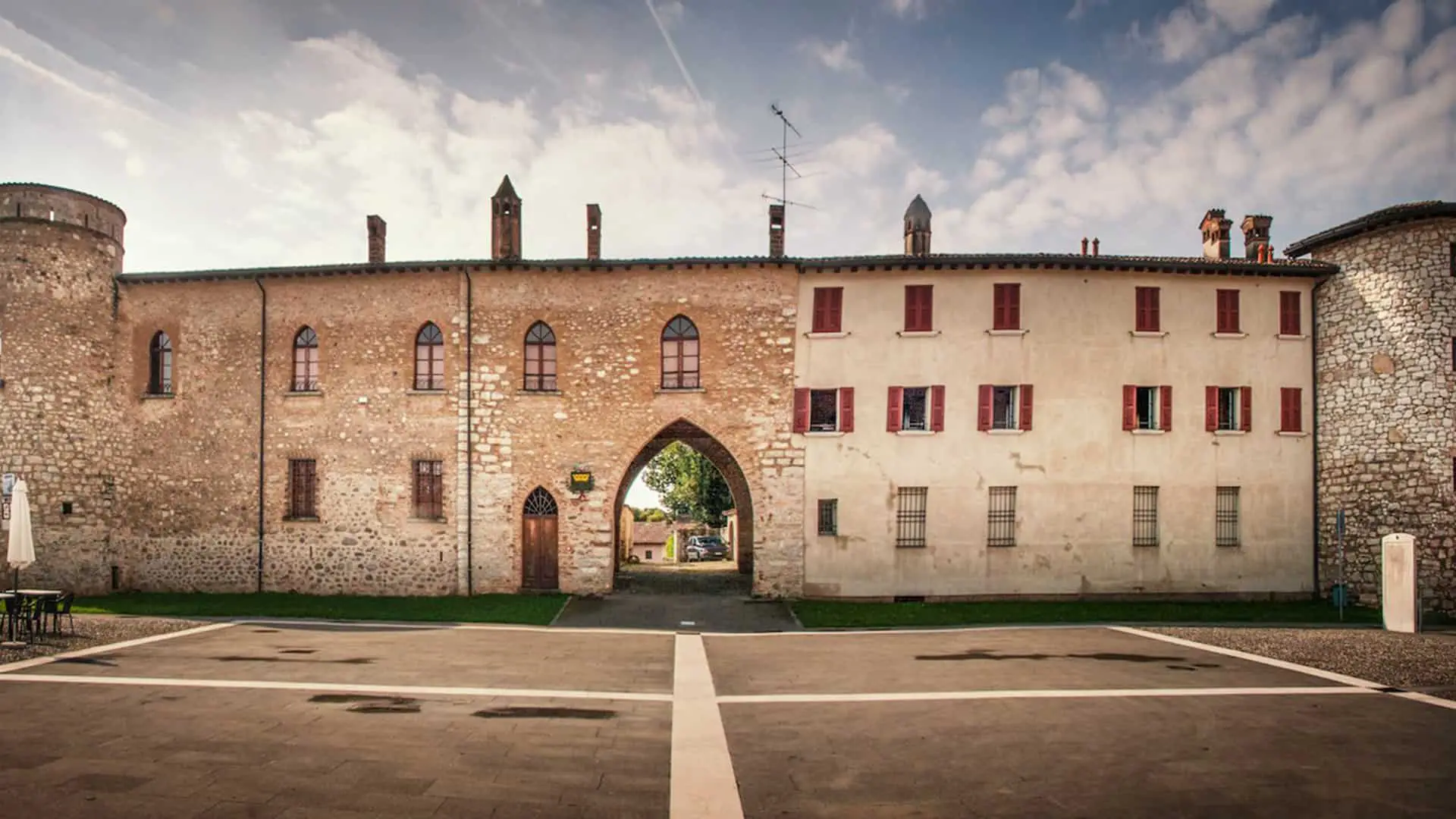
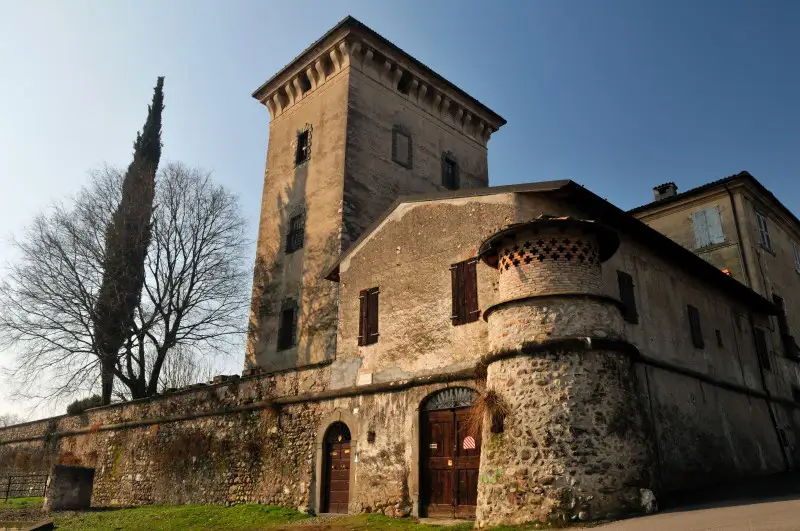
The castle walls, which today feature numerous windows added at a later date, were originally solid and devoid of openings, with the exception of a few loopholes in the towers. Access to the castle was provided from the north and south by two entrances with pointed arches, protected respectively by a tower and the keep: the keystones bear the coat of arms of the Scaligeri, lords of Verona, whose dominion, in the early decades of the 14th century, had extended to the Brescia area and with whom the Oldofredi were allied.