Bornato Castle
- Home
- /
- Arte e cultura
- /
- Castles
- /
- Bornato Castle
The municipal fortification and the remains of the castrum at Cazzago
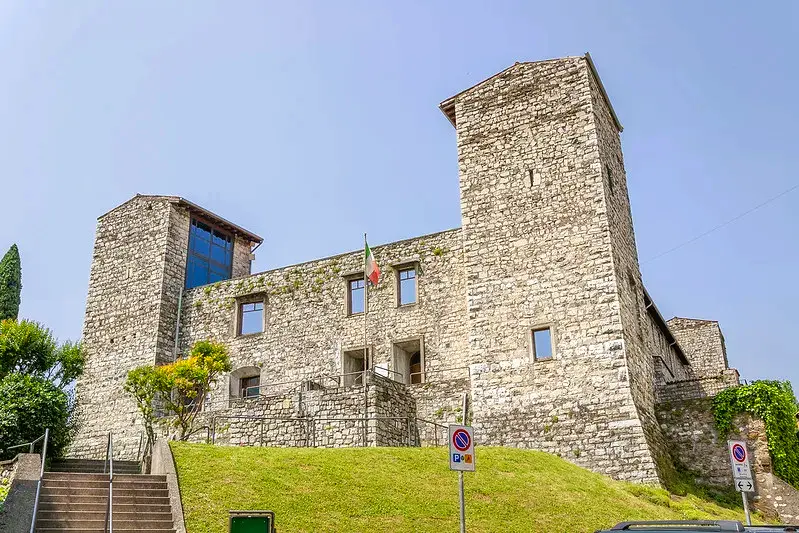
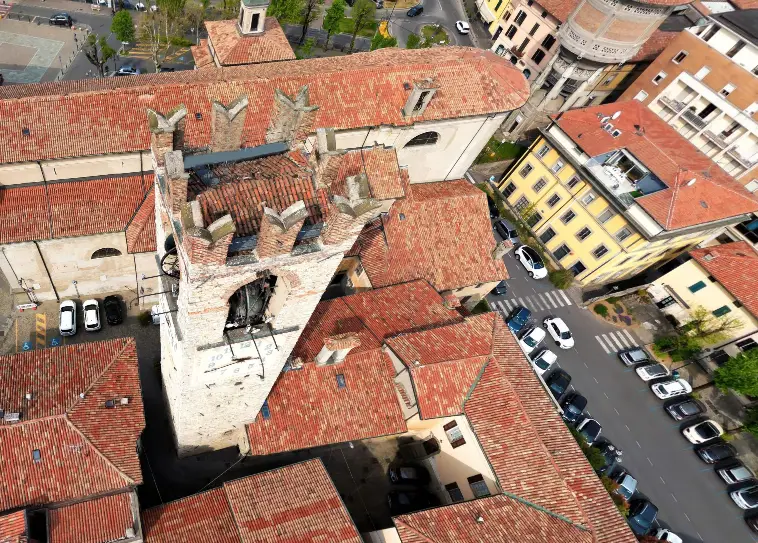
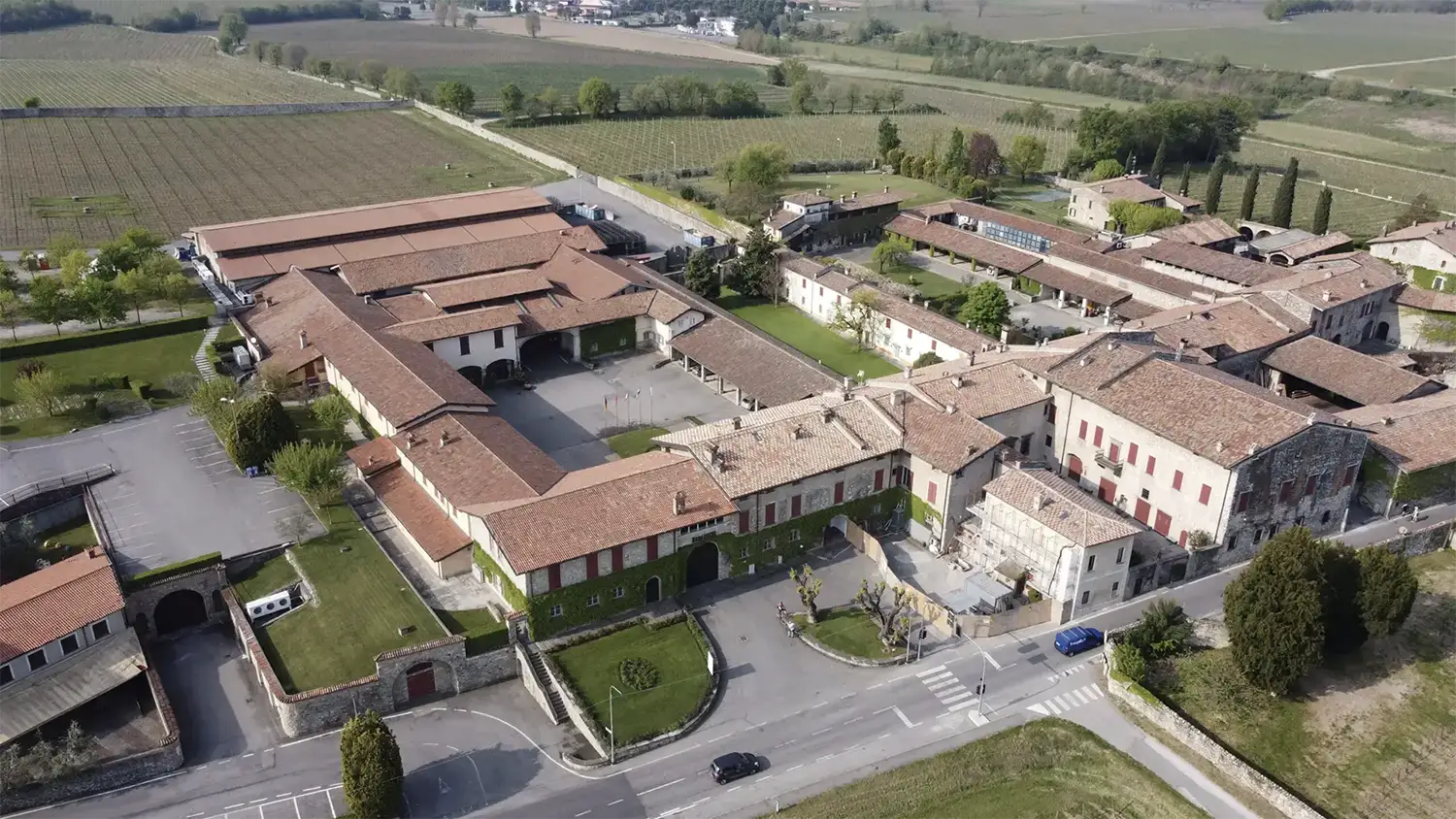
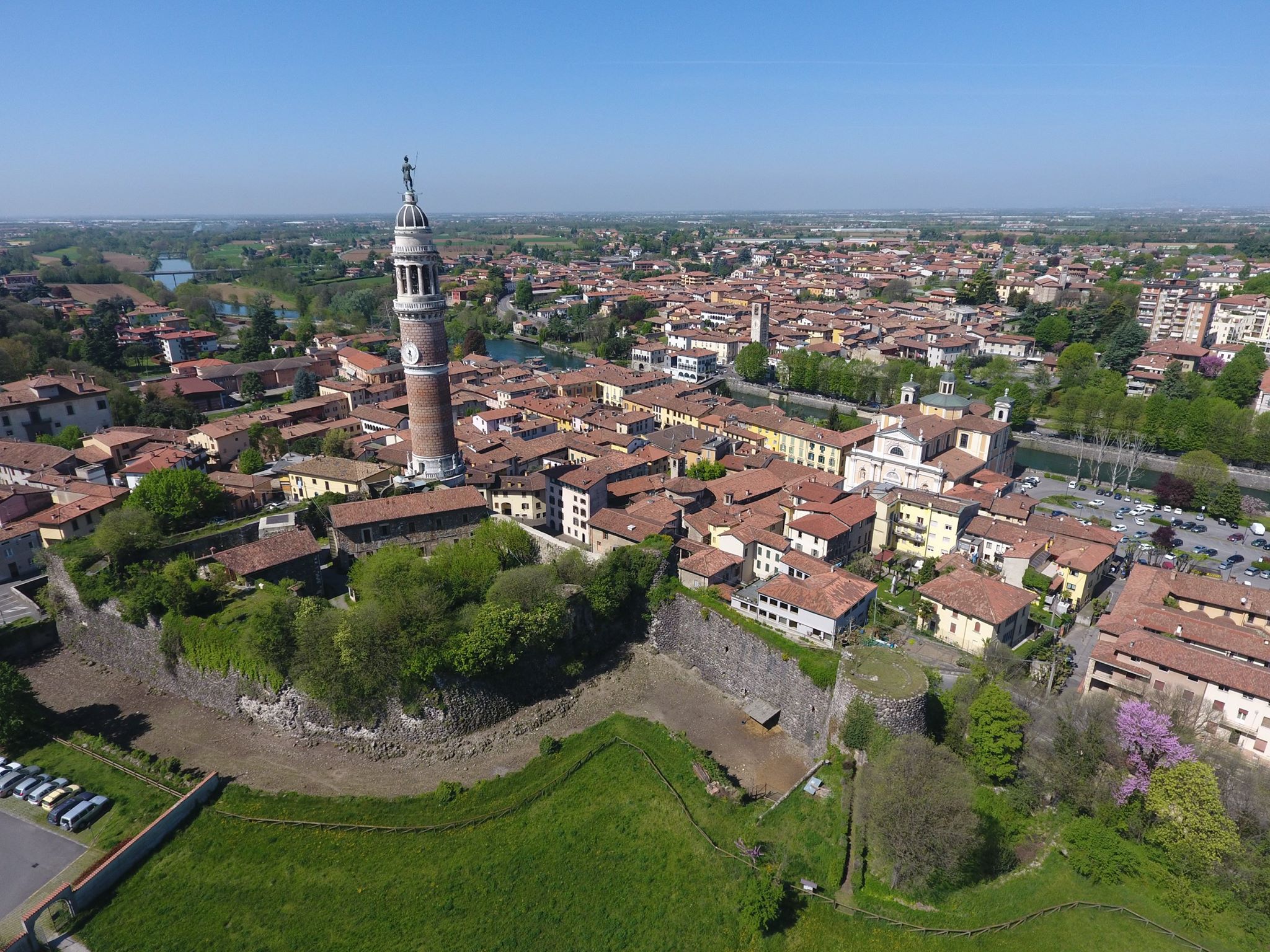
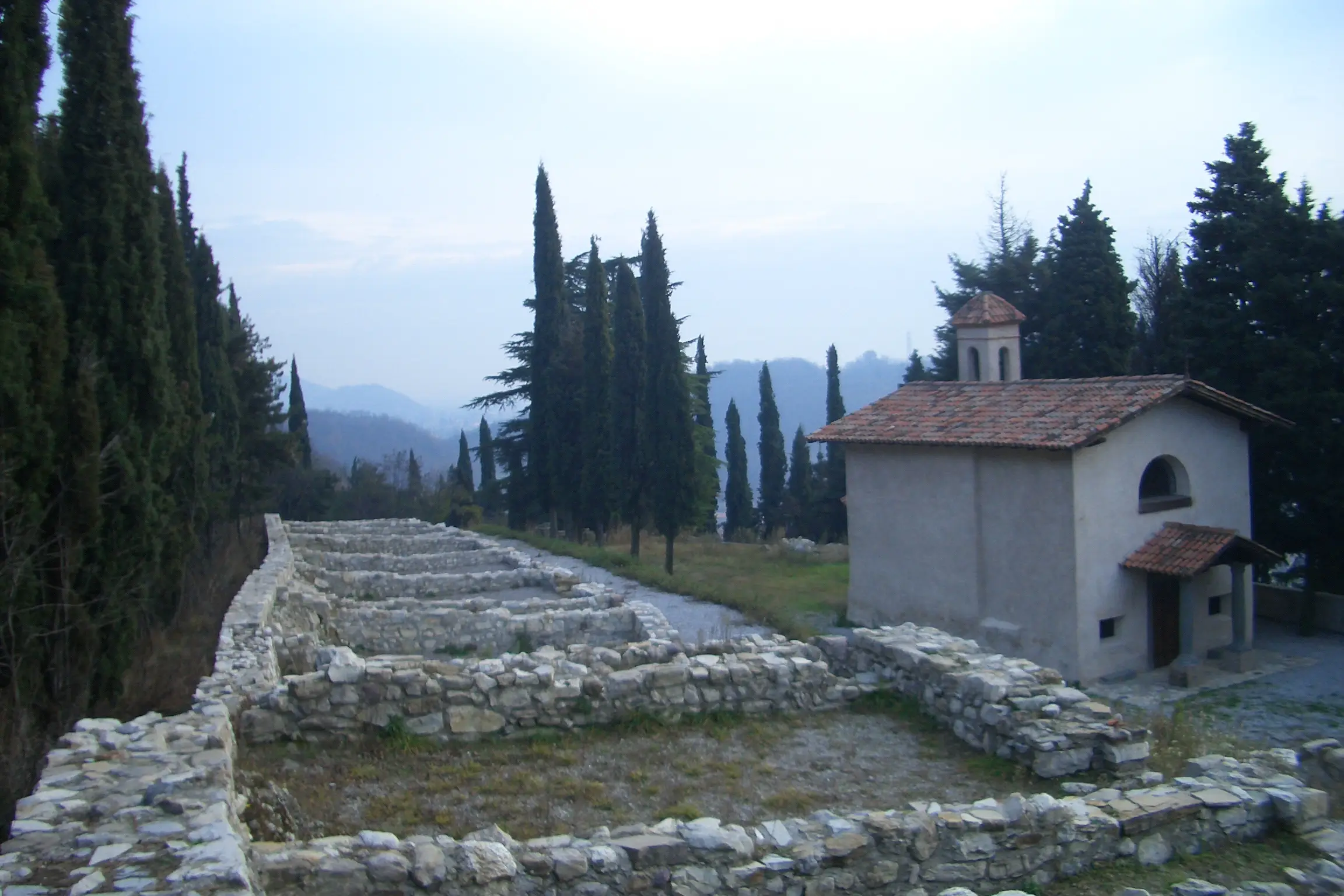
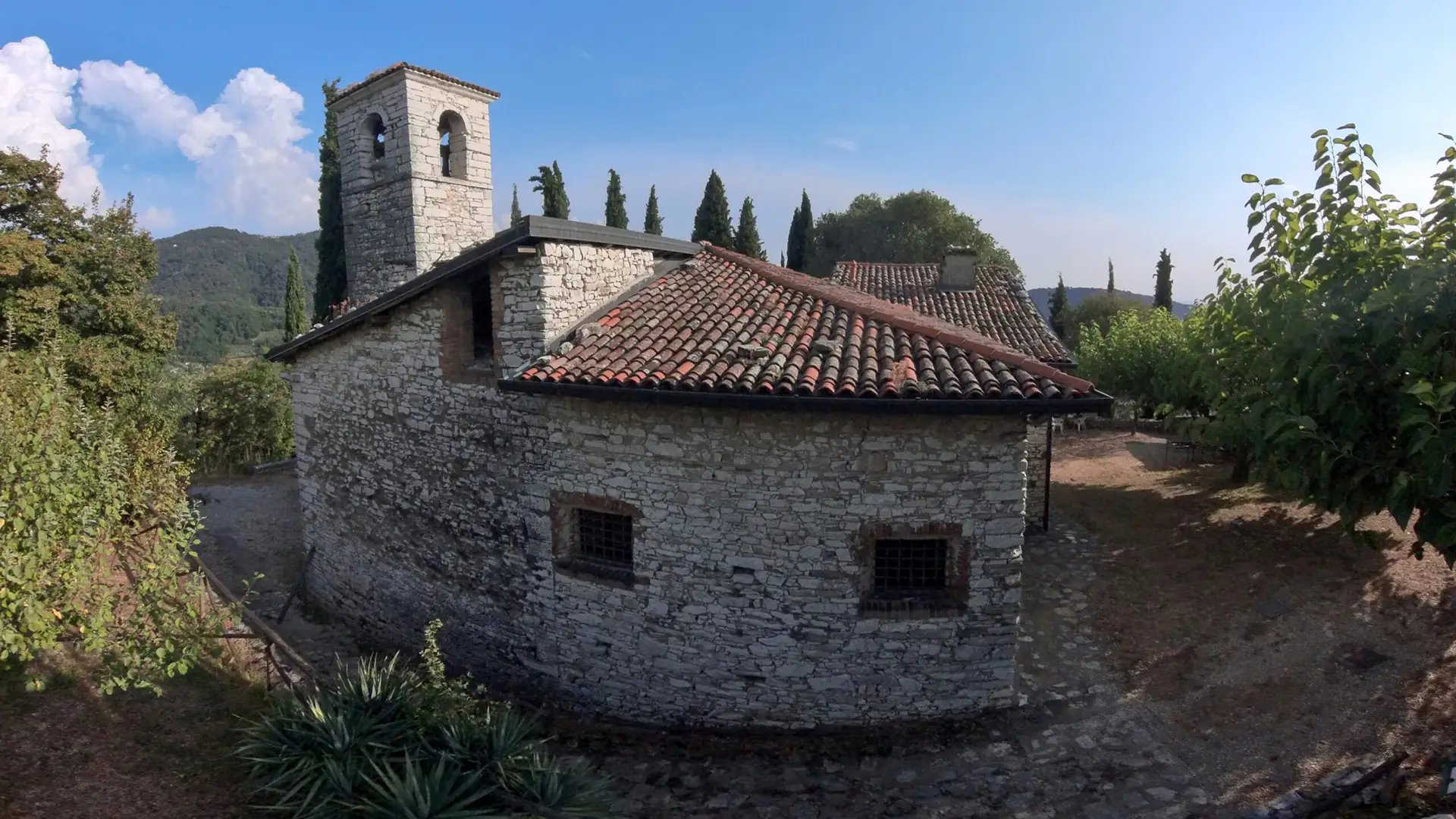
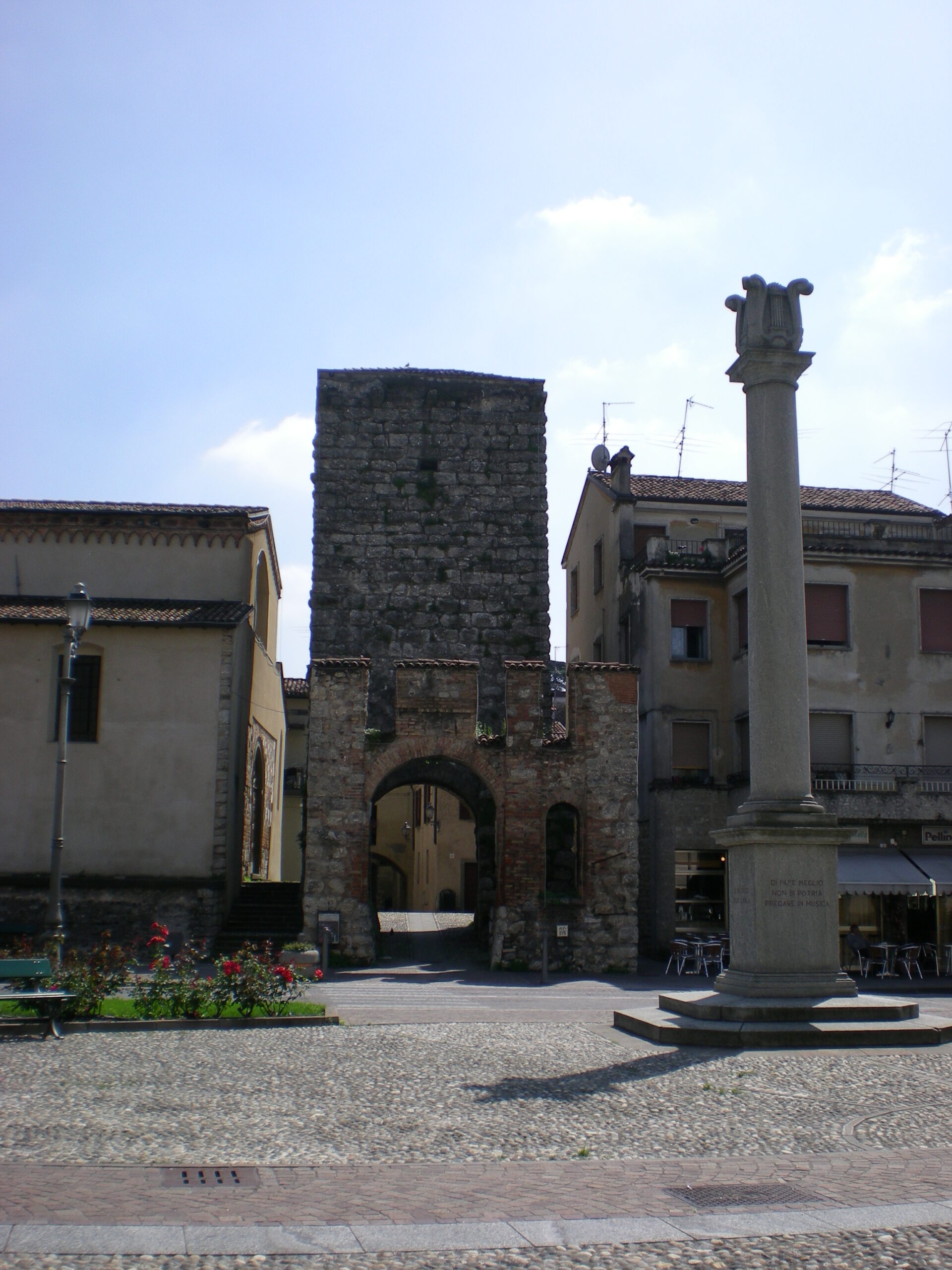
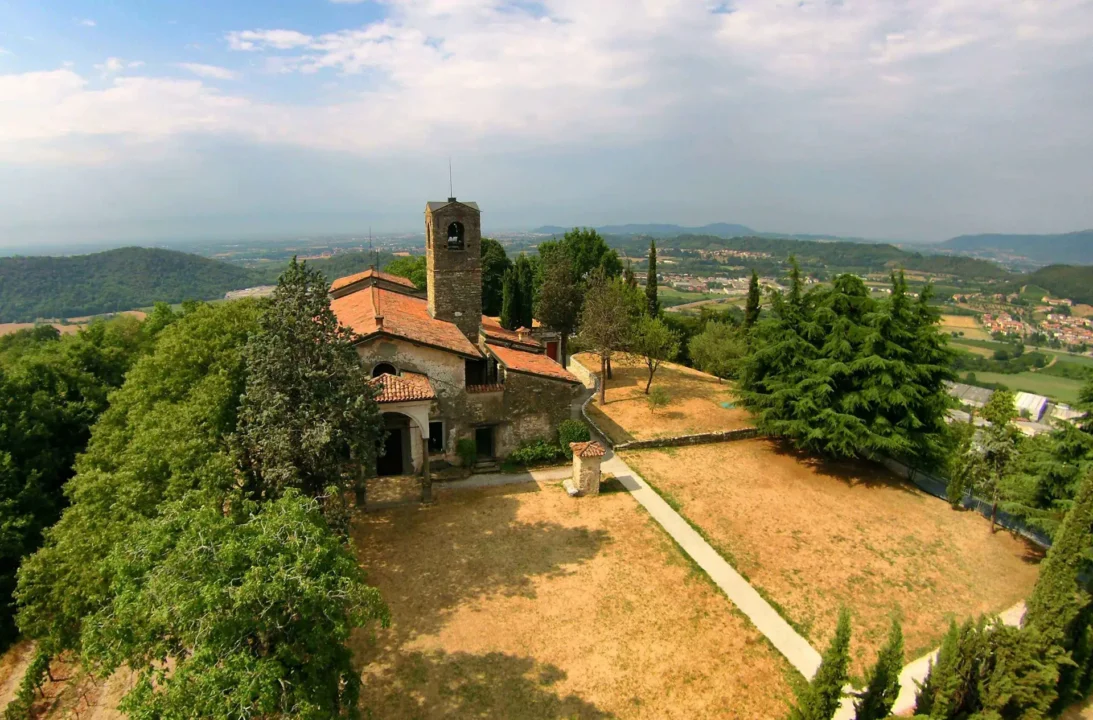
The castle, which may have been linked to the ancient Bornati family, was not, however, originally built as a stately home owned by a single lord, but as a communal defensive refuge, established through a collective initiative to meet the community’s defence needs. As is the case with other towns in Franciacorta, such as Coccaglio, Cazzago still retains, evident in the layout of its streets and houses, the imprint of the ancient castrum, whose walls, stretching from the hill, once embraced the old settlement.
Origins, medieval layout and preserved defensive structures
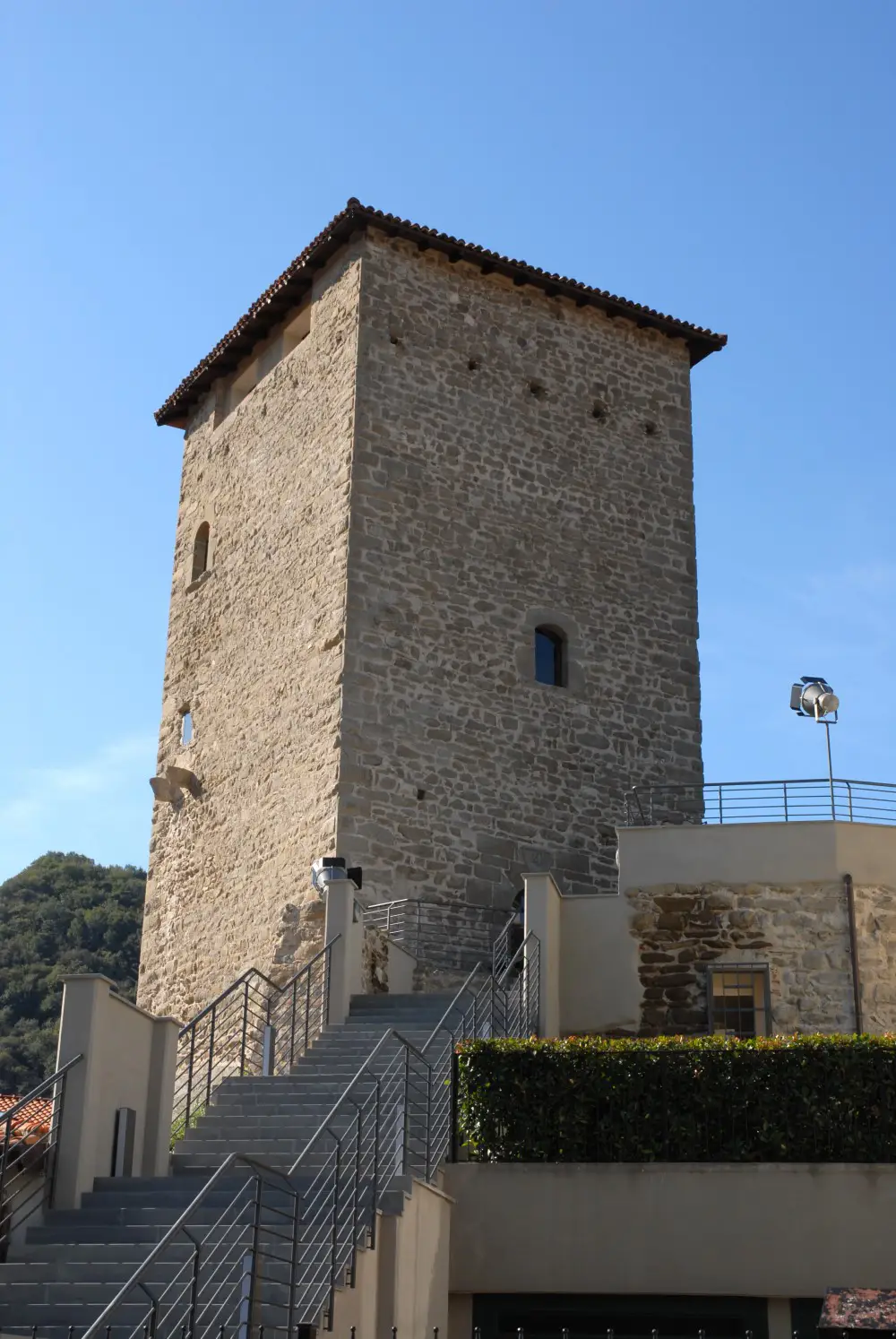
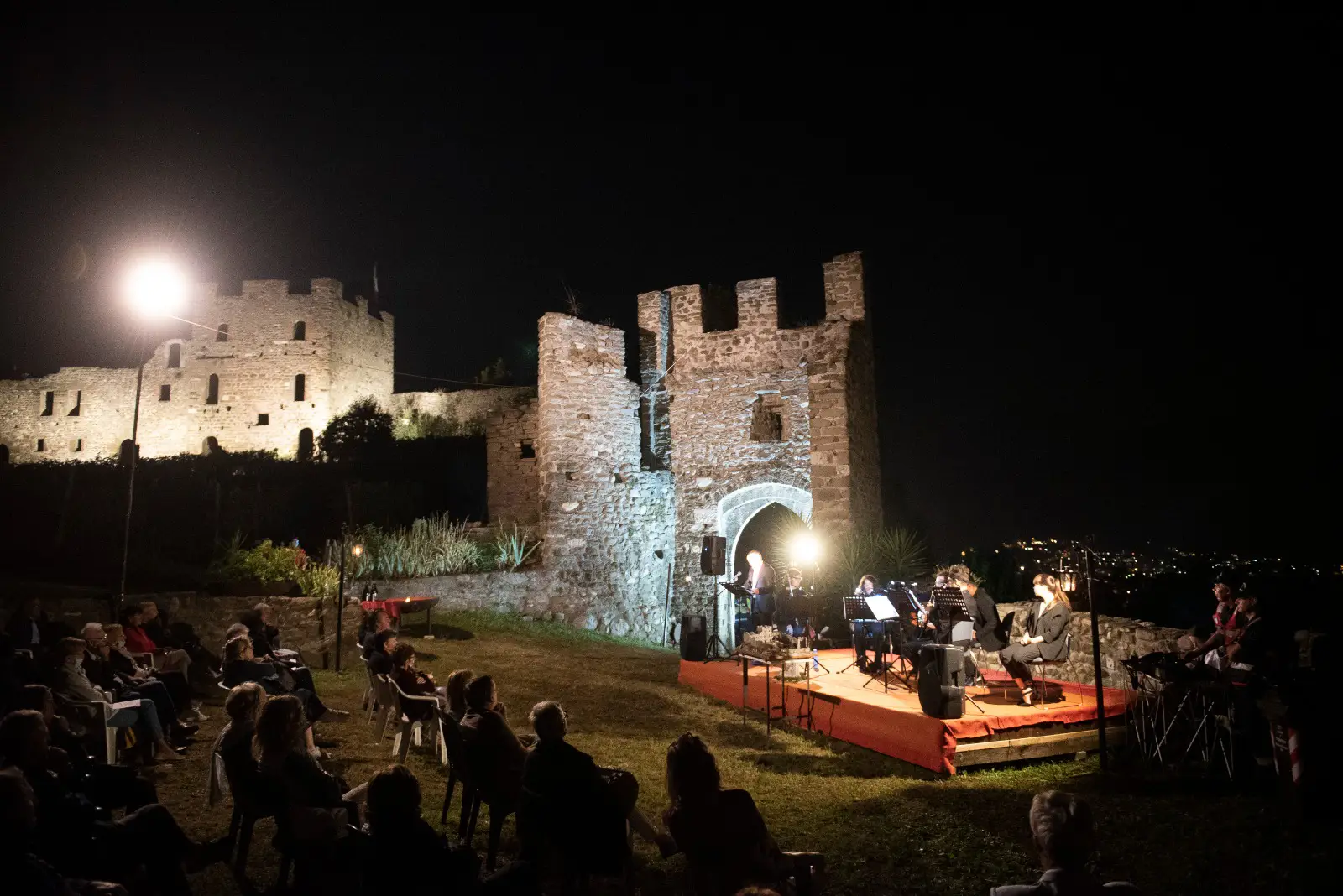
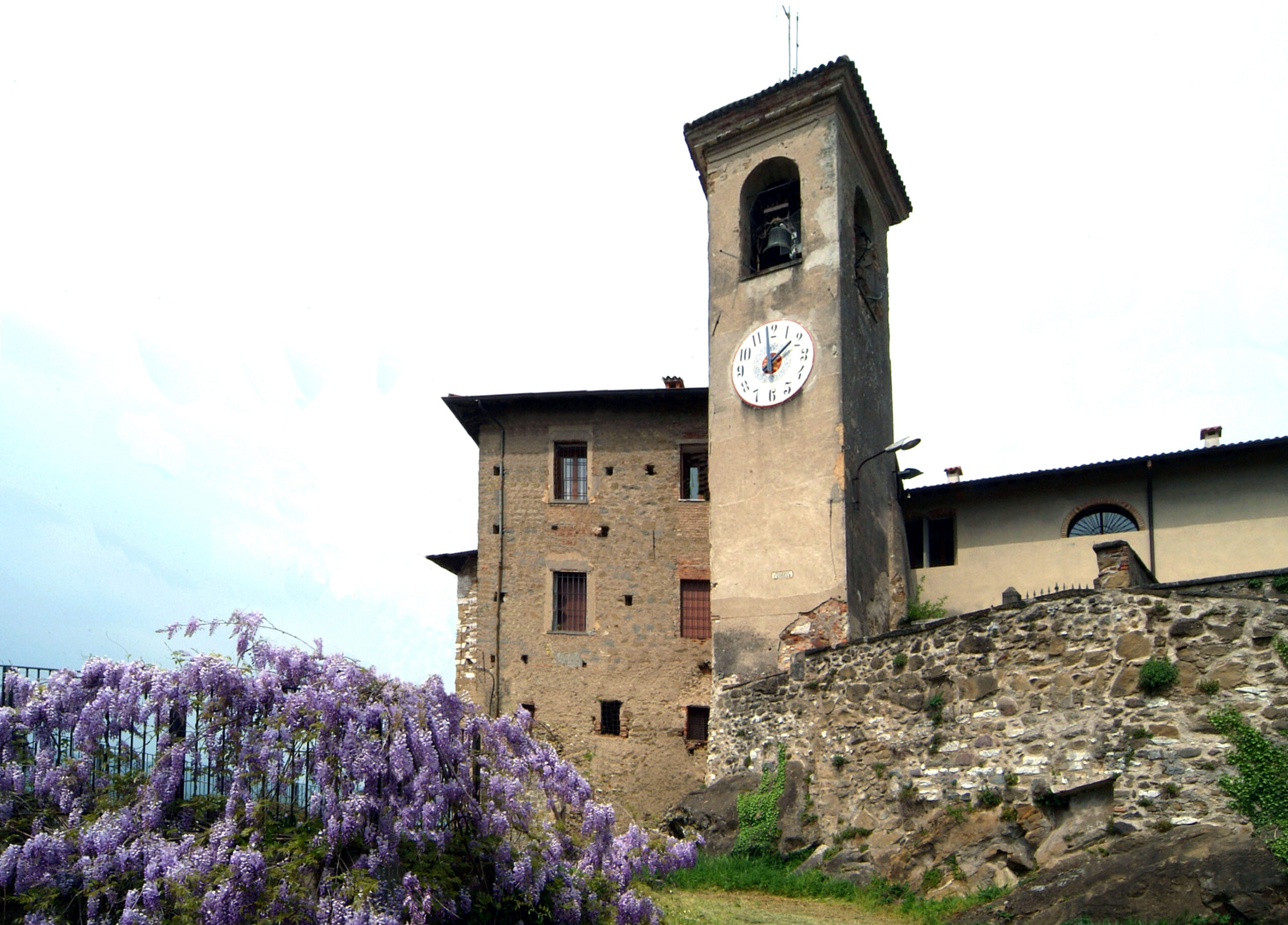
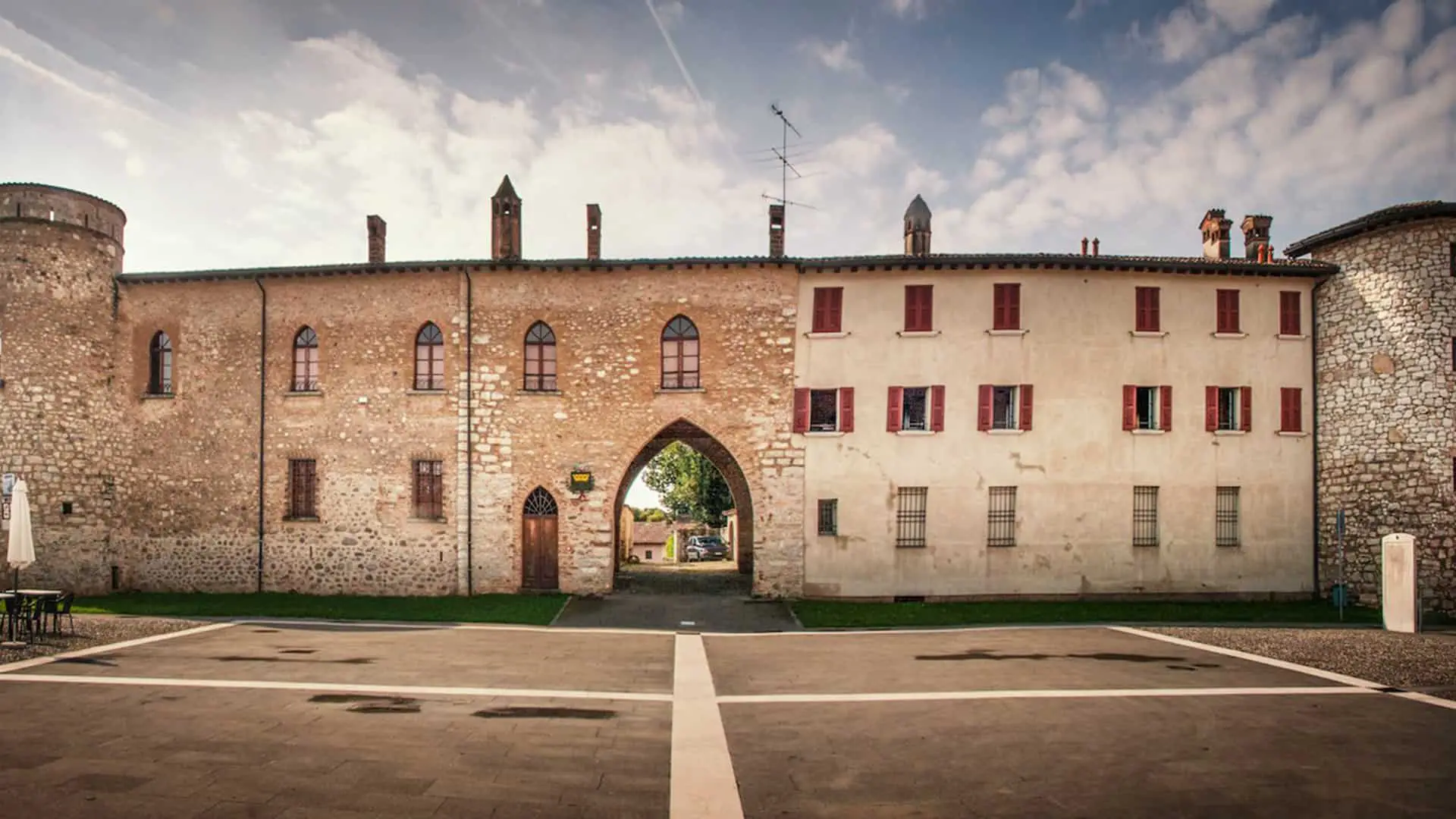
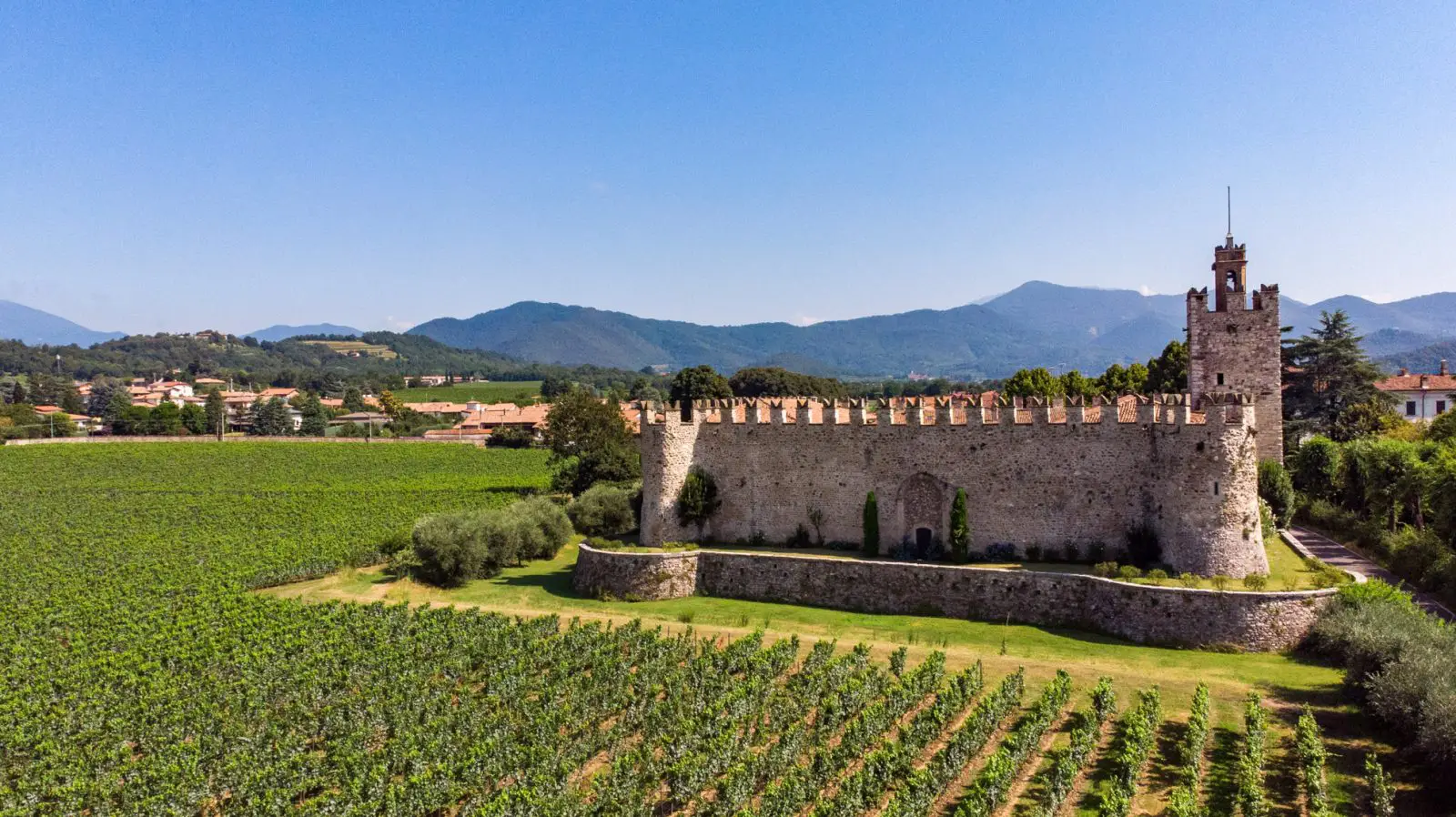
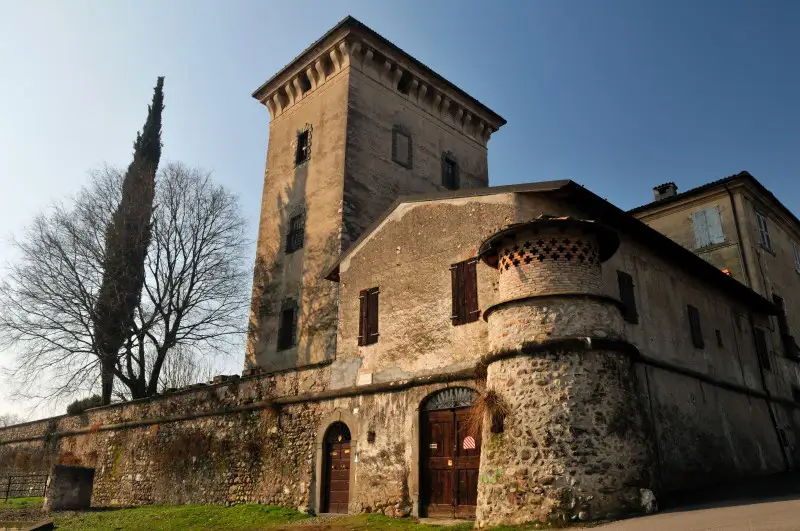
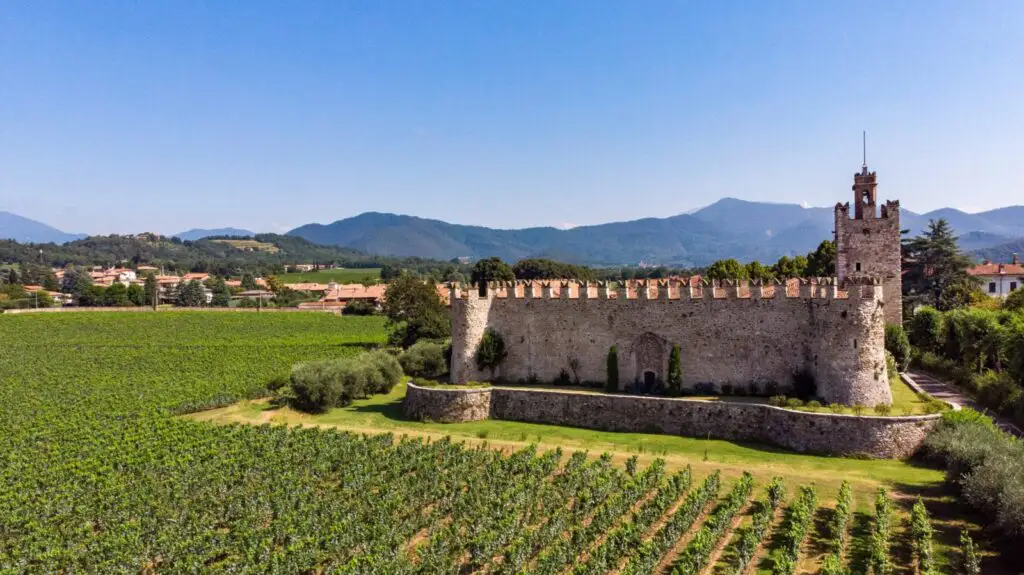
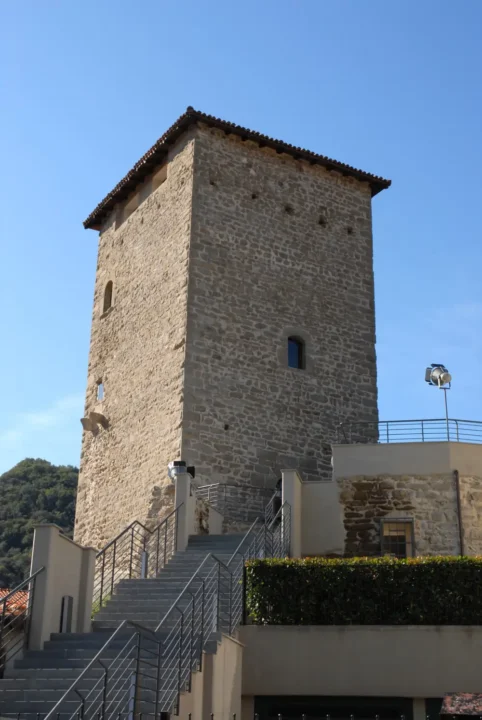
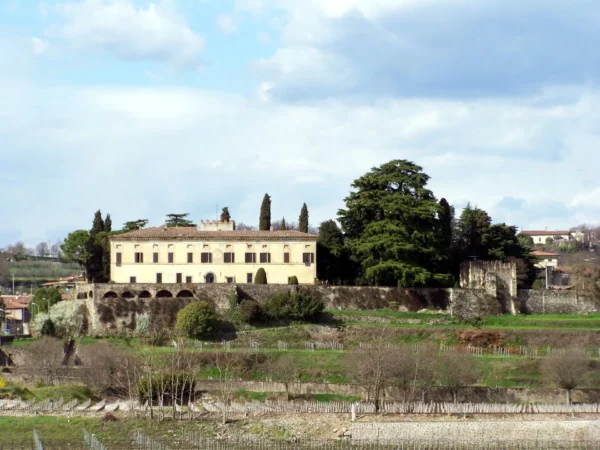
The castle, which is thought to have been founded in the 12th century and was subsequently expanded during the 13th century, formed part of a wider defensive system; today, it is the most clearly identifiable and fascinating remnant of that system: of the ancient medieval structure, the curtain wall remains, crowned with swallowtail battlements and characterised by the use of rough-hewn stones, whose rounded shapes indicate a local origin. The castle was surrounded by a moat and the defensive walls were reinforced at the corners by round, tapered towers, with a wide, massive base and a crown of smaller diameter. The entrance gate, also crowned with battlements, is flanked by a mighty square tower which originally served as a keep.
Changes in the modern era and the transition to the Gandini family
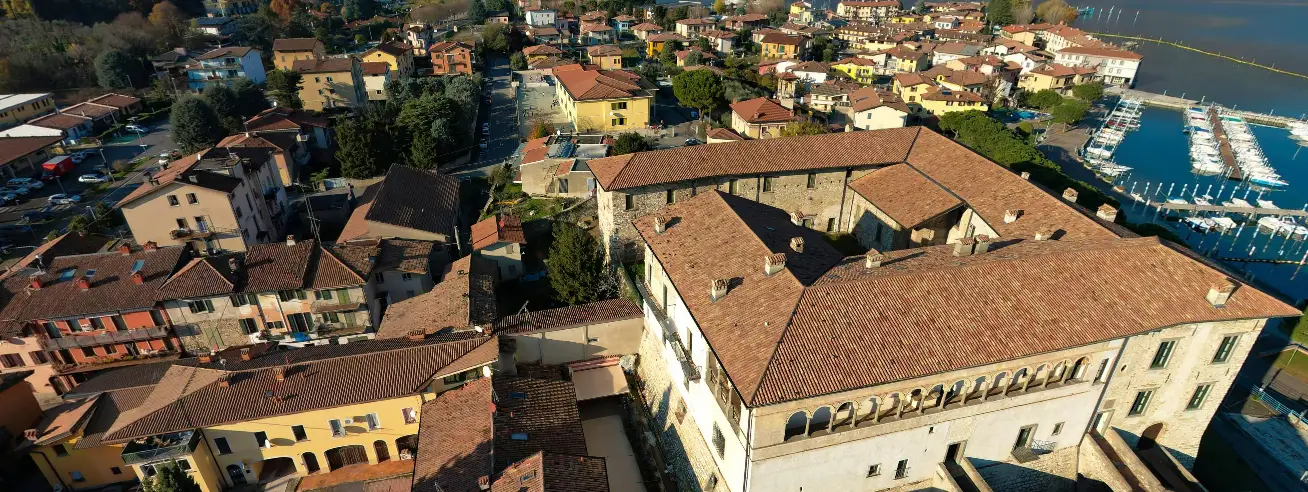
The entire complex was subsequently extensively altered over the following centuries, particularly from the second half of the 16th century onwards: a notarial deed dated 16 February 1562 records the transfer of ownership to the Gandini family, who undertook extensive alterations with a view to transforming the castle into a stately home in the hinterland, suited to the family’s needs.
The building on the east side and its decorative features
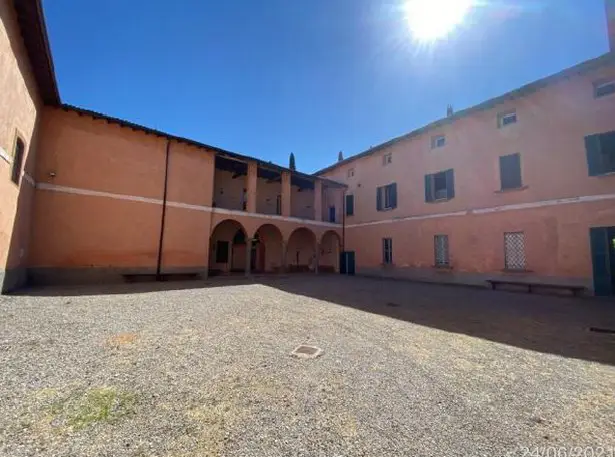
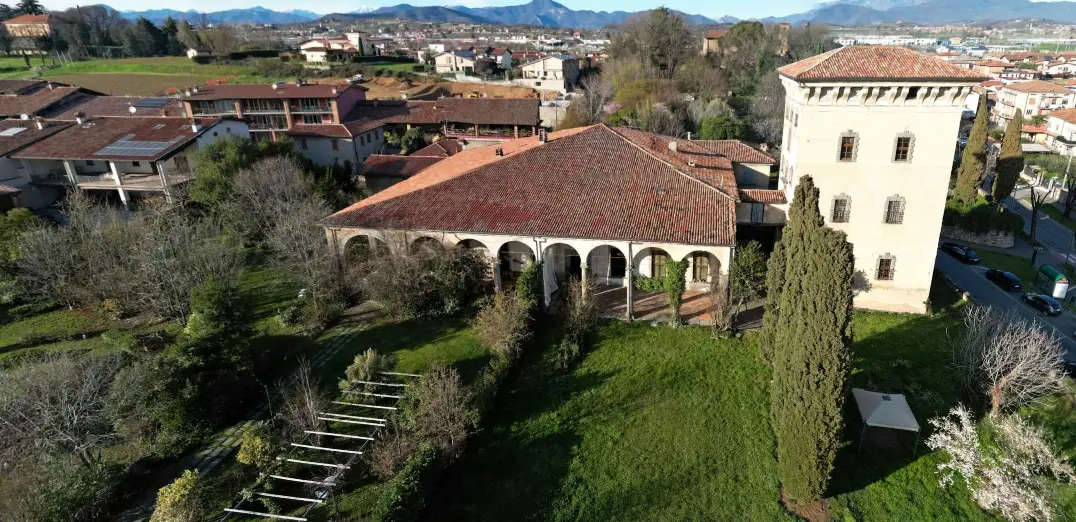
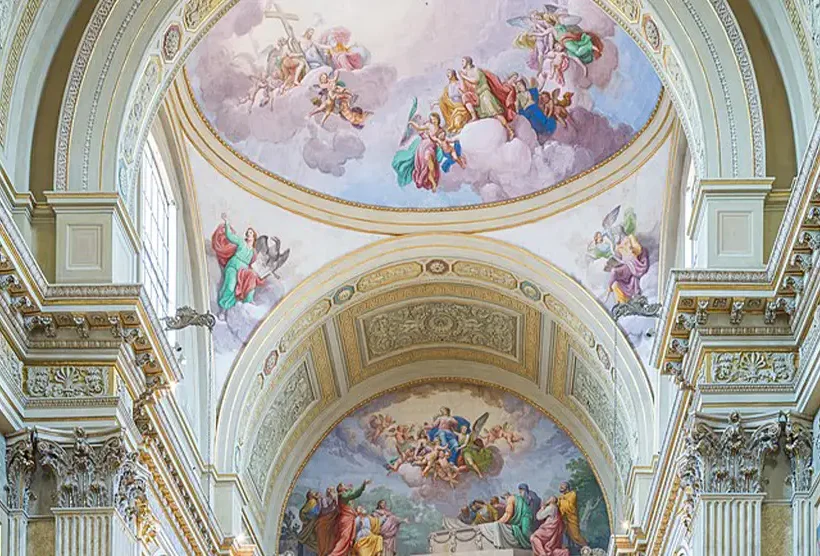
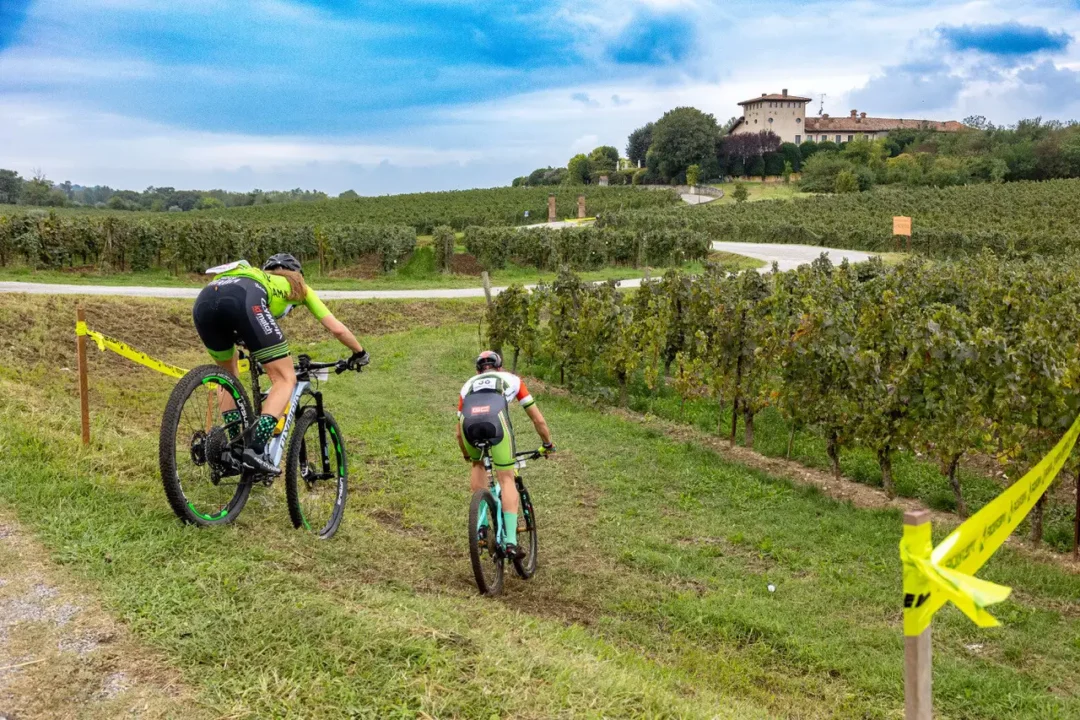
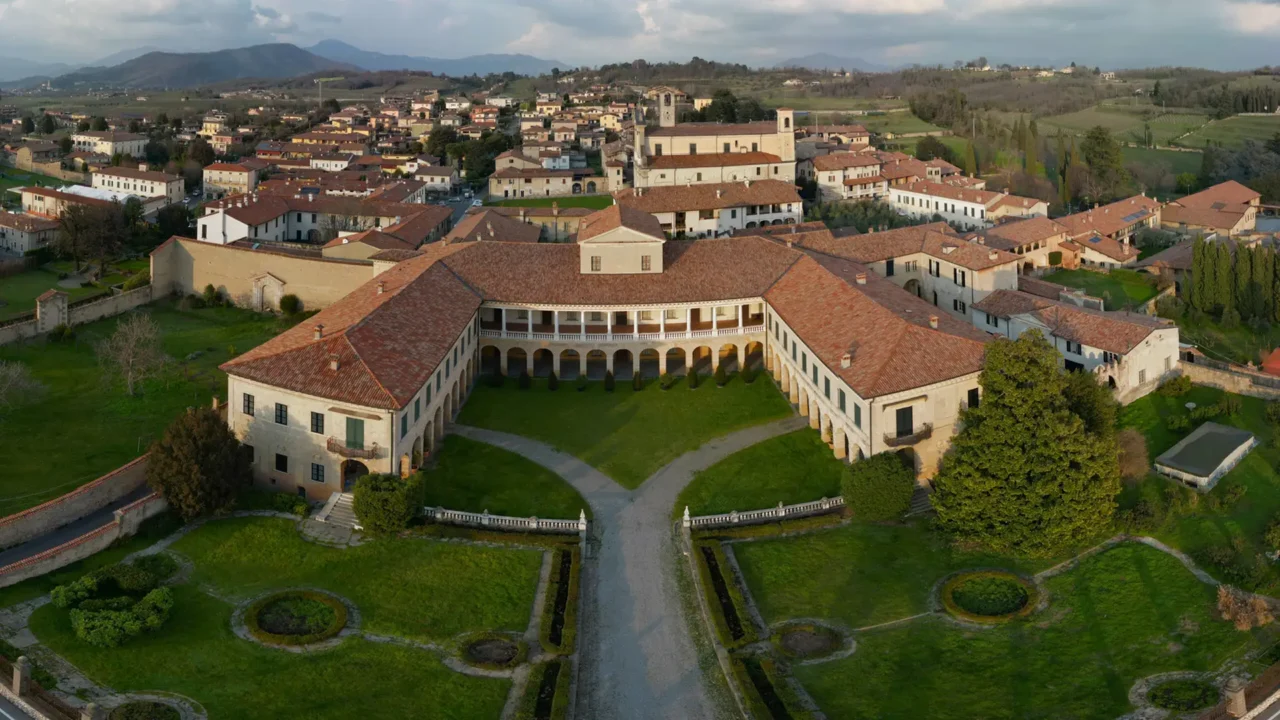
The building was constructed on the eastern side of the site, overlooking the stunning surrounding landscape. With its imposing and massive design, the building preserved the memory of the site’s former function as a castle; at the same time, it was enriched with decorative elements, both on the façades marked by numerous symmetrical windows with elegant frames, some featuring a small balustrade and in the exquisite painted decoration of the interior halls.
Links and useful information


Opening hours: March 19th to November 19th, Sundays and public holidays 10am–12pm and 2.30pm–6pm
Ticket price: €20 for a guided tour and Franciacorta wine tasting