Carmagnola Castle
- Home
- /
- Arte e cultura
- /
- Castles
- /
- Carmagnola Castle
The Carmagnola and Clusane Castle
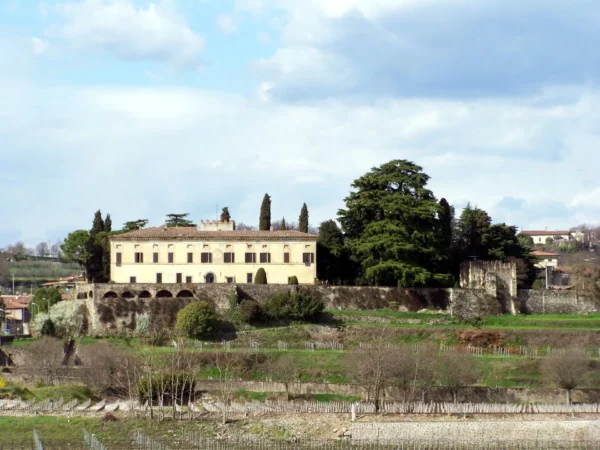
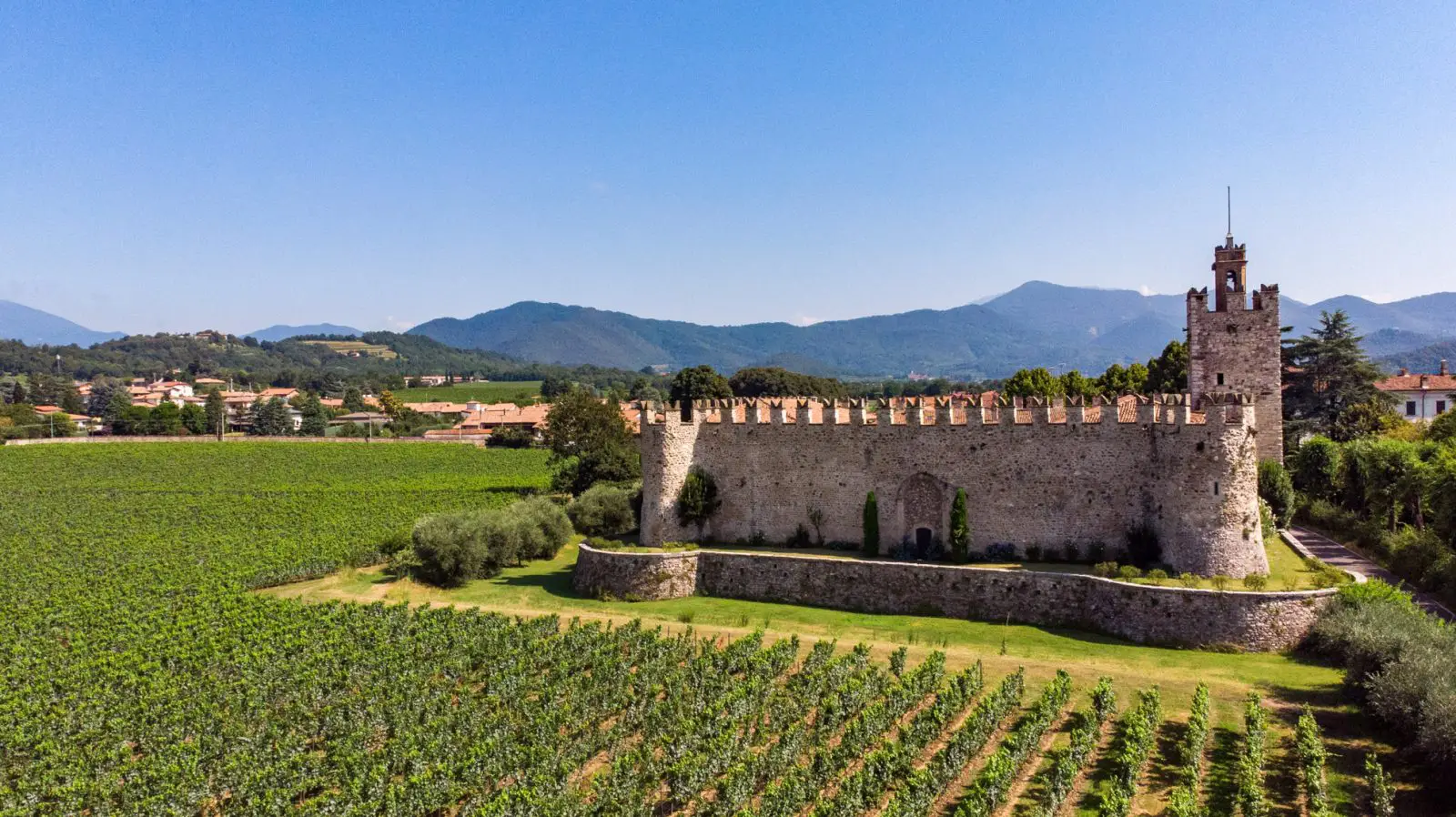
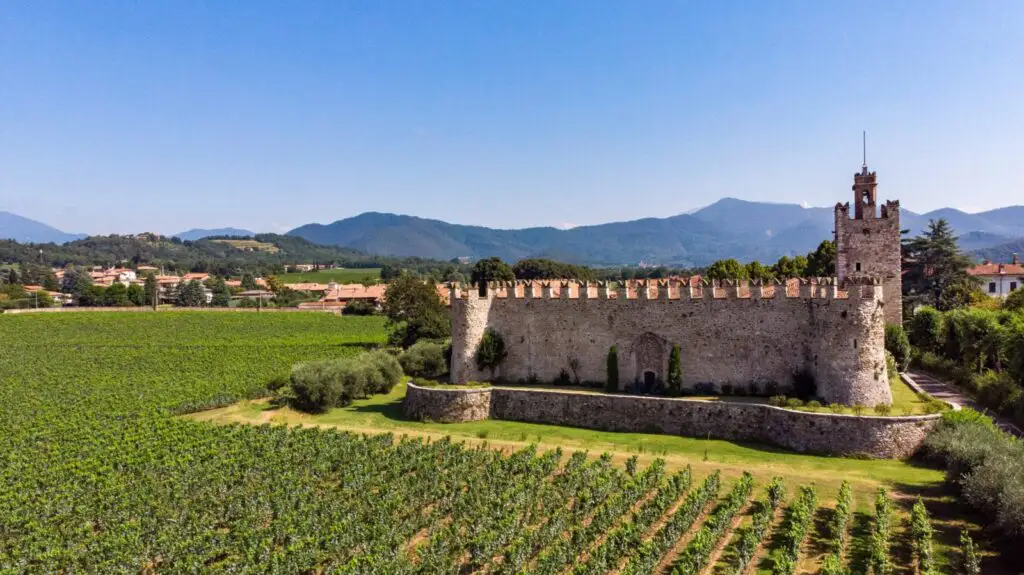
The castle of Clusane owes its name to one of the most famous figures of 15th-century Italy: Francesco Bussone, known as Il Carmagnola. Made famous by Alessandro Manzoni’s tragedy, Carmagnola was a military leader who served first the Visconti family and then the Republic of Venice. It was from the latter that he received the castle as a gift, in recognition of his service during the conflict between the Venetian Republic and the Duchy of Milan following the crushing victory at the Battle of Maclodio (12 October 1427). However, he resided there for only four years, between 1428 and 1432, the year in which he was accused of treason and executed in Venice, in St Mark’s Square. The residence then passed to the Sala family, who updated its architecture in the 15th-century style.
The medieval origins
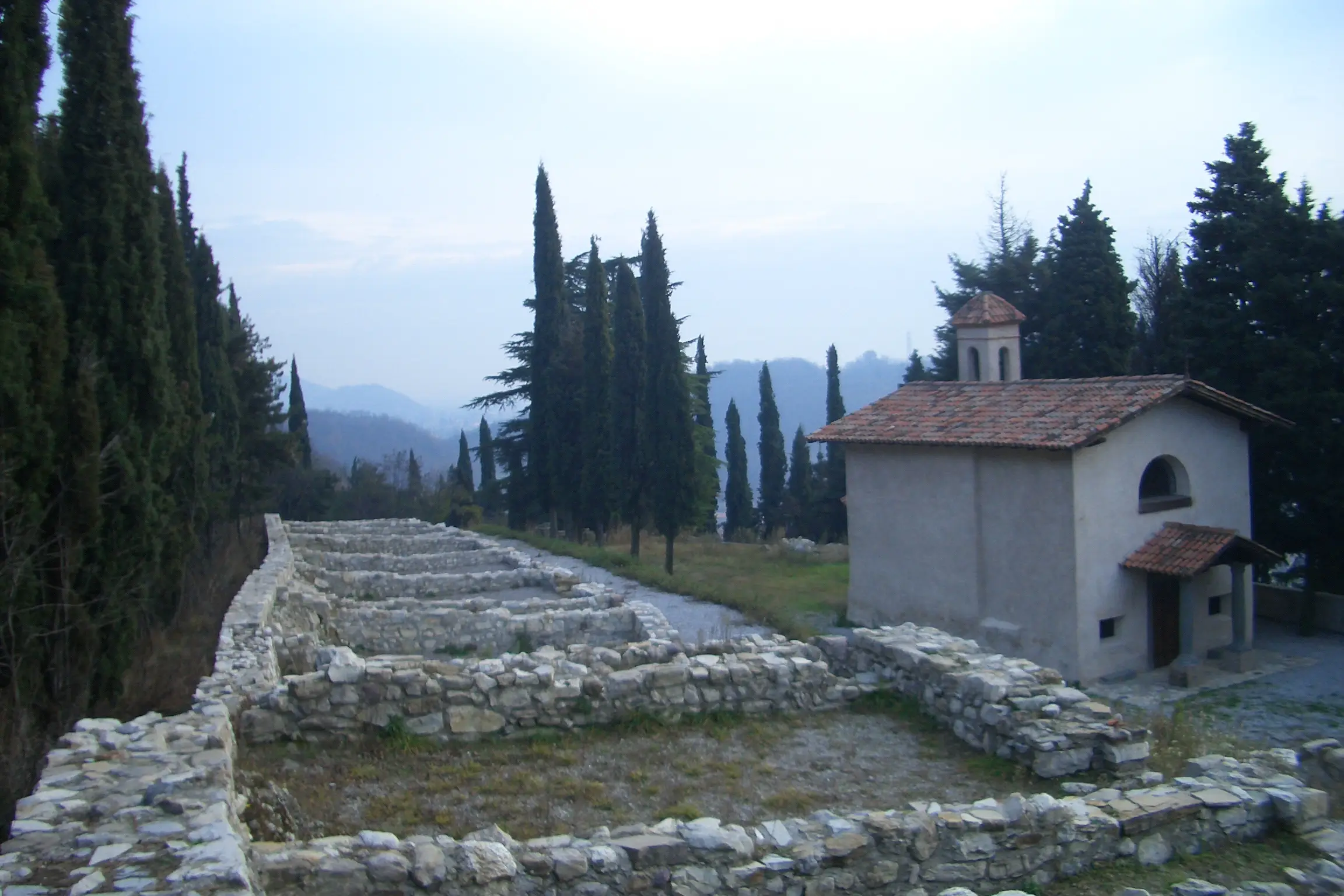
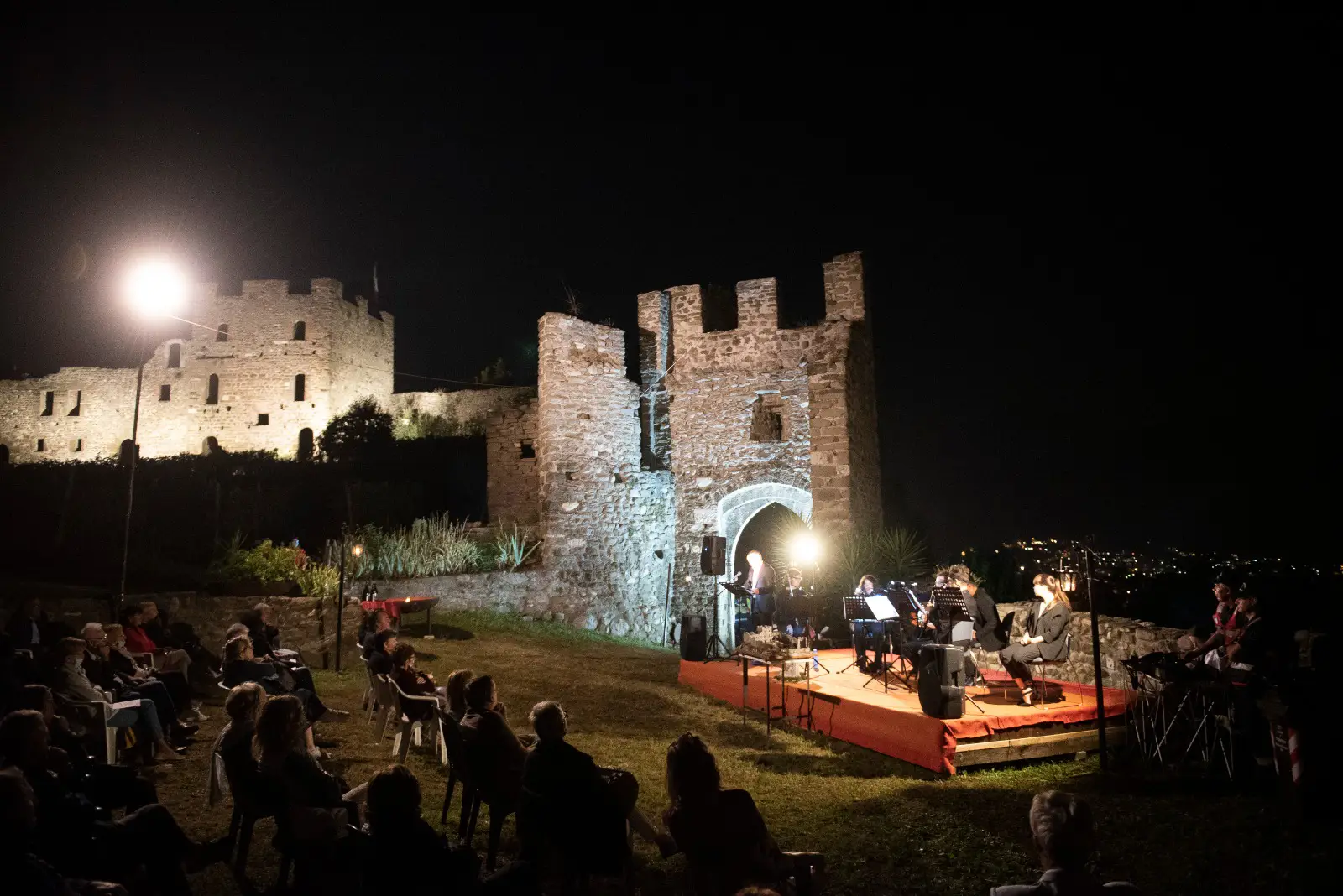
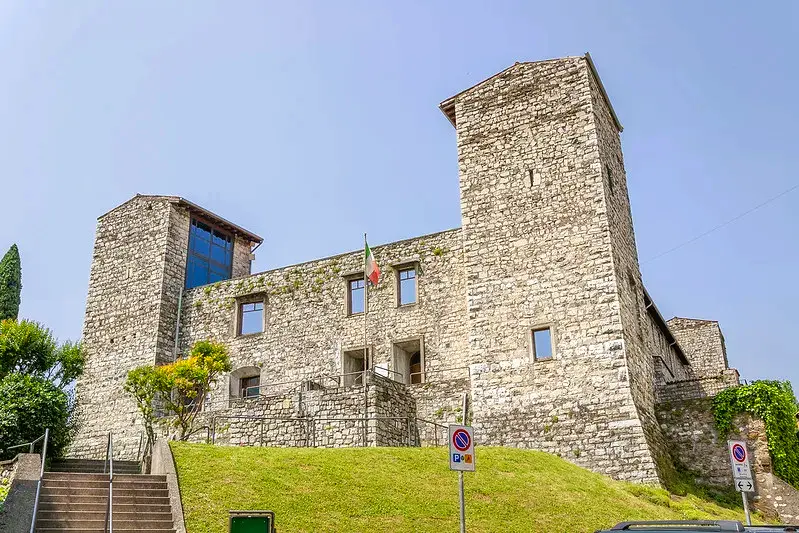
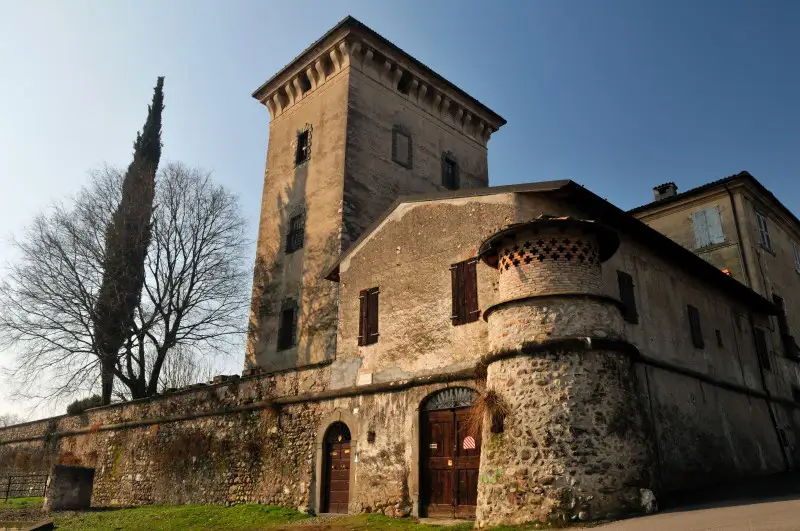
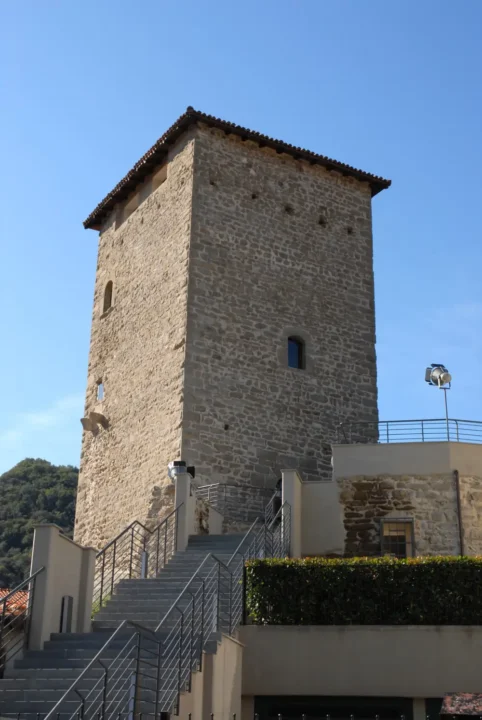
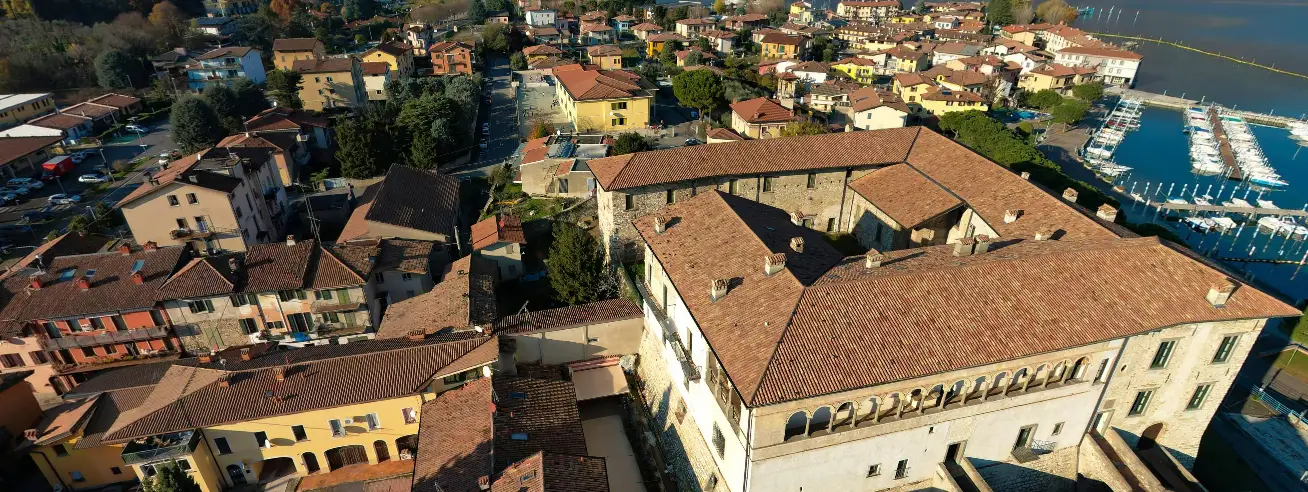
Dating back to much earlier times, probably the early Middle Ages, the castle was built on a promontory overlooking the shores of Lake Sebino as a defensive castrum, possibly on the initiative of the Isei family.
From the castle to the Renaissance mansion
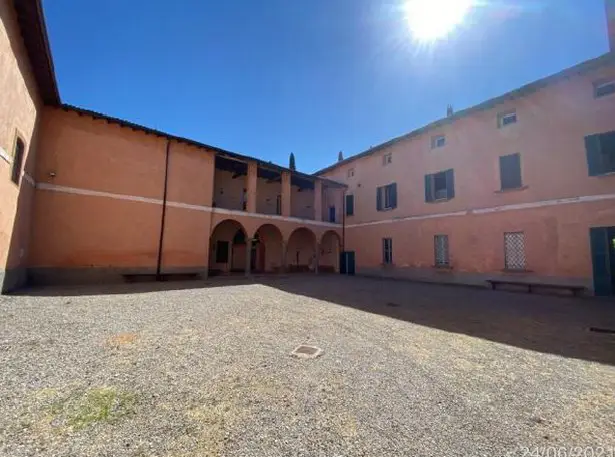
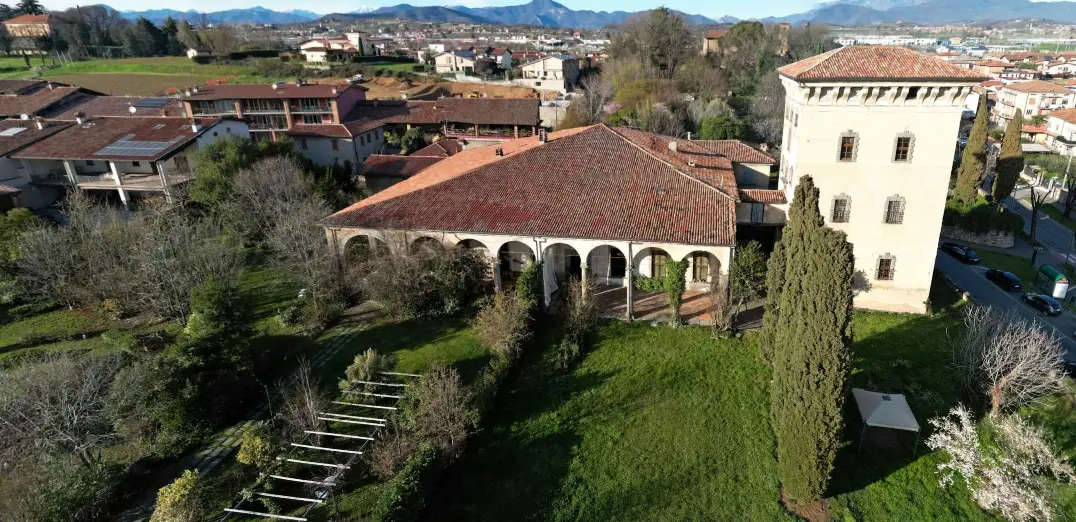
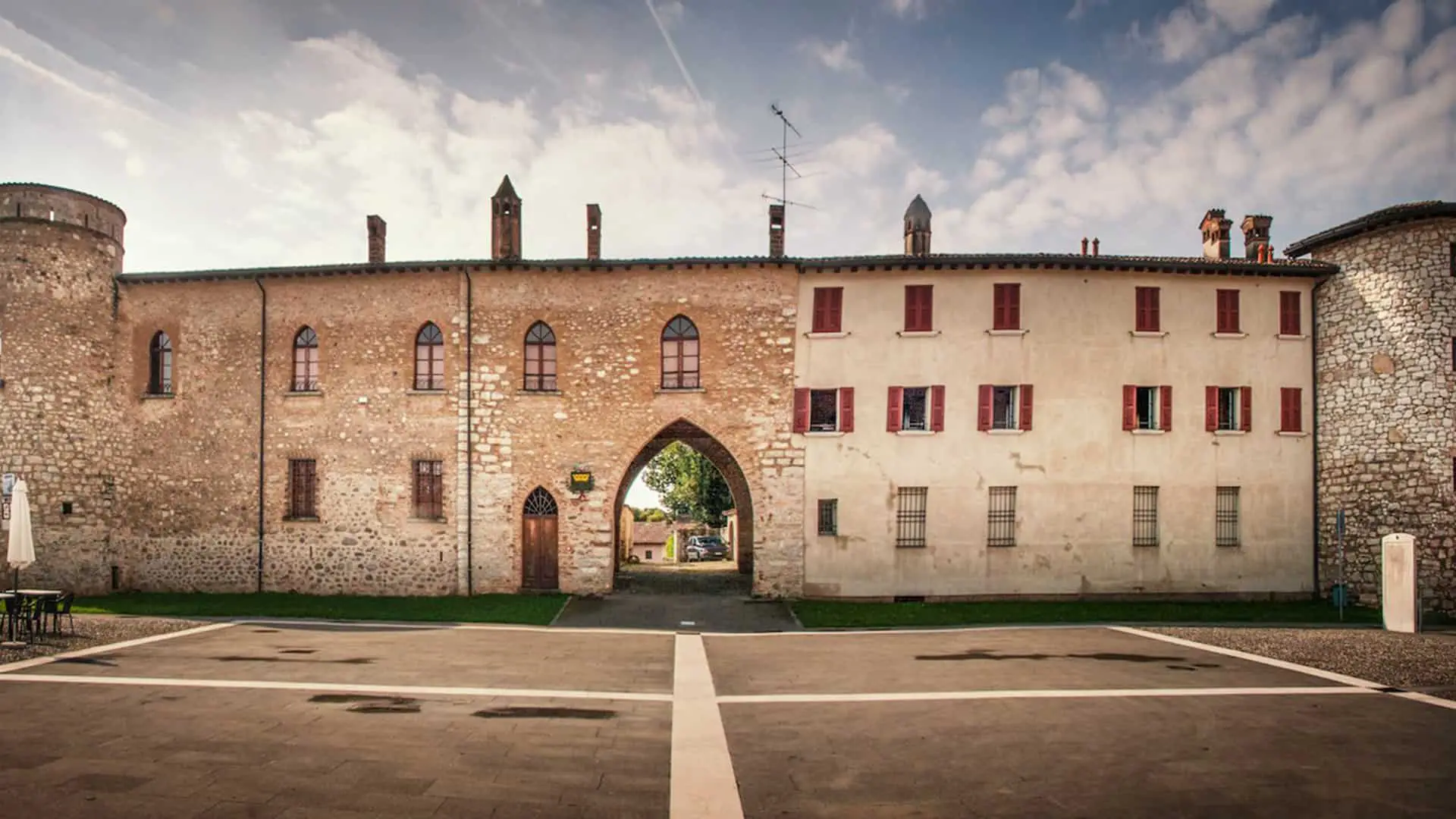
The oldest part was subsequently renovated during the Renaissance, taking on its present appearance: a style of architecture that combines the features of a fortified castle with those of a Renaissance stately home. Reminders of its origins as a defensive stronghold include the square layout, the drawbridge marking the eastern entrance, and the moat. Of the latter, traces remain only on the northern side, where small stone-arched bridges can still be seen.
The frescoed loggia
The beautiful loggia that graces the eastern façade of the residence, however, is the result of Renaissance alterations; it consists of a series of round arches resting on elegant Tuscan columns. The loggia was embellished with secular frescoes, which are unfortunately barely legible today, depicting one of the subjects most dear to courtly painting: a scene of marital union, set against a backdrop of landscapes featuring castles and towns.
The Hall of Honour
But it is in the Hall of Honour, a space that, between the late Middle Ages and the Renaissance, became the heart of the lord’s residence, that the pictorial decoration, composed of multiple layers, takes on a fundamental celebratory significance: whilst the lower section imitates the drapes of fabric that were once hung on the walls, the upper bands, featuring scrollwork with plant motifs inhabited by figures, bear coats of arms that are now faded, celebrating alliances and unions between families, whilst the Sala family emblem stands out above the fireplace.