Rocha Magna
- Home
- /
- Arte e cultura
- /
- Castles
- /
- Rocha Magna
The fortifications of Palazzolo along the River Oglio: Rocha Parva and Rocha Magna
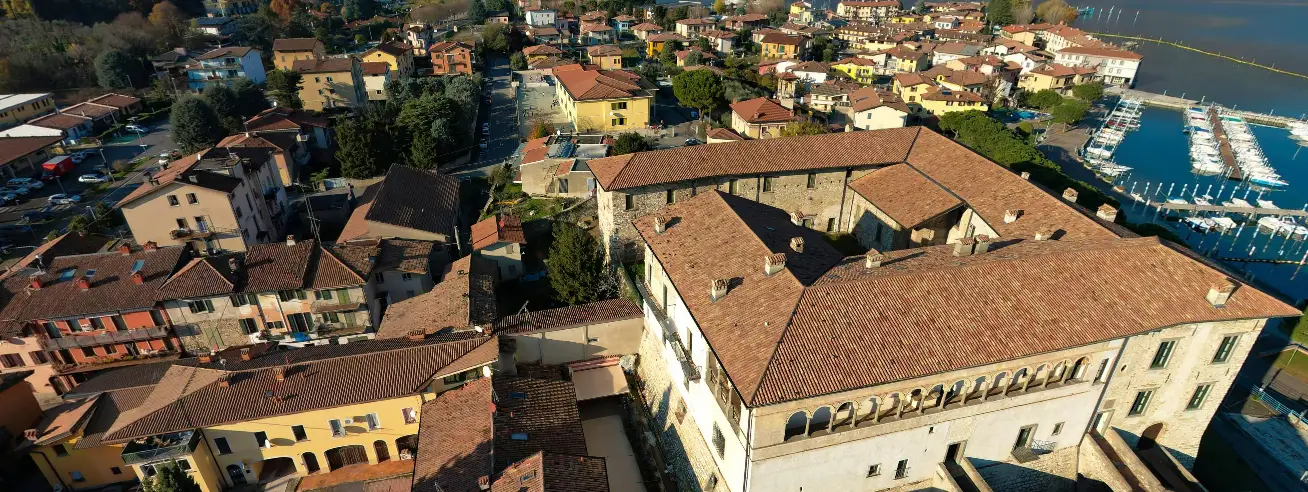
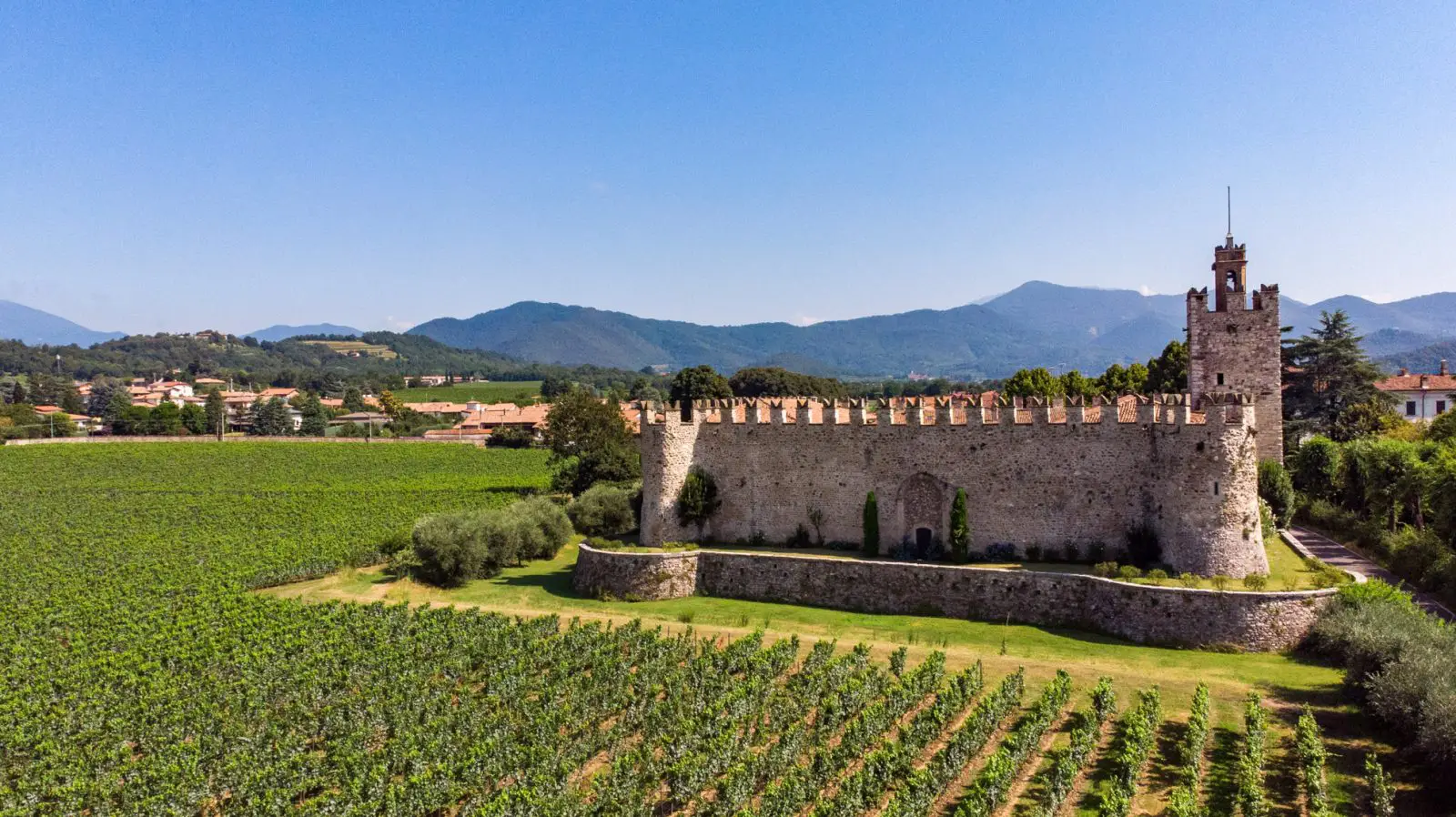
The fortifications at Palazzolo were among the most important and significant examples of fortified architecture built along the course of the River Oglio. A defensive wall encircled the entire settlement, which stretched along the banks of the river, with the Rocha Parva on the right bank and the Rocha Magna guarding the left bank.
The castle: trapezoidal layout, moat and towers
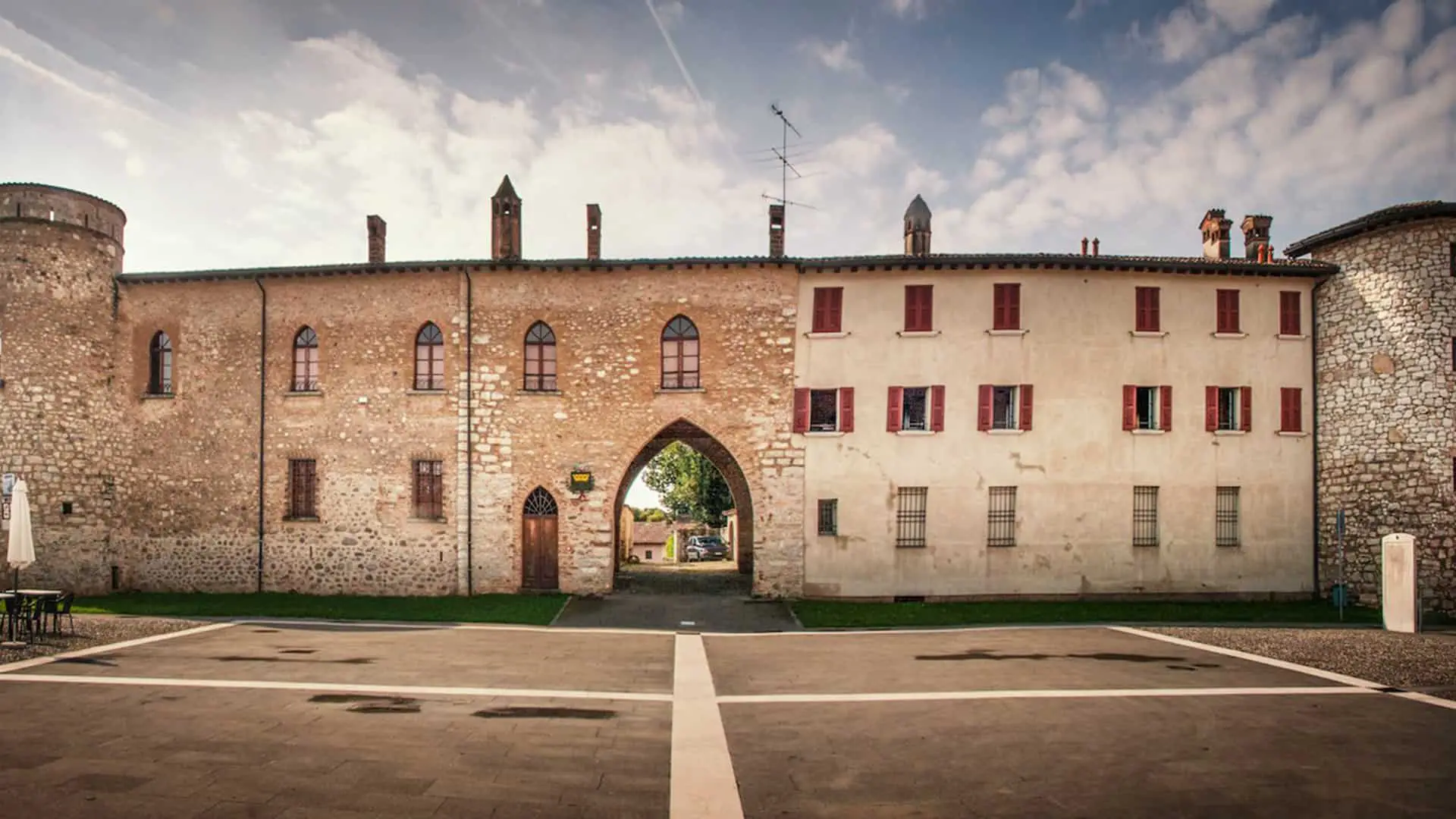
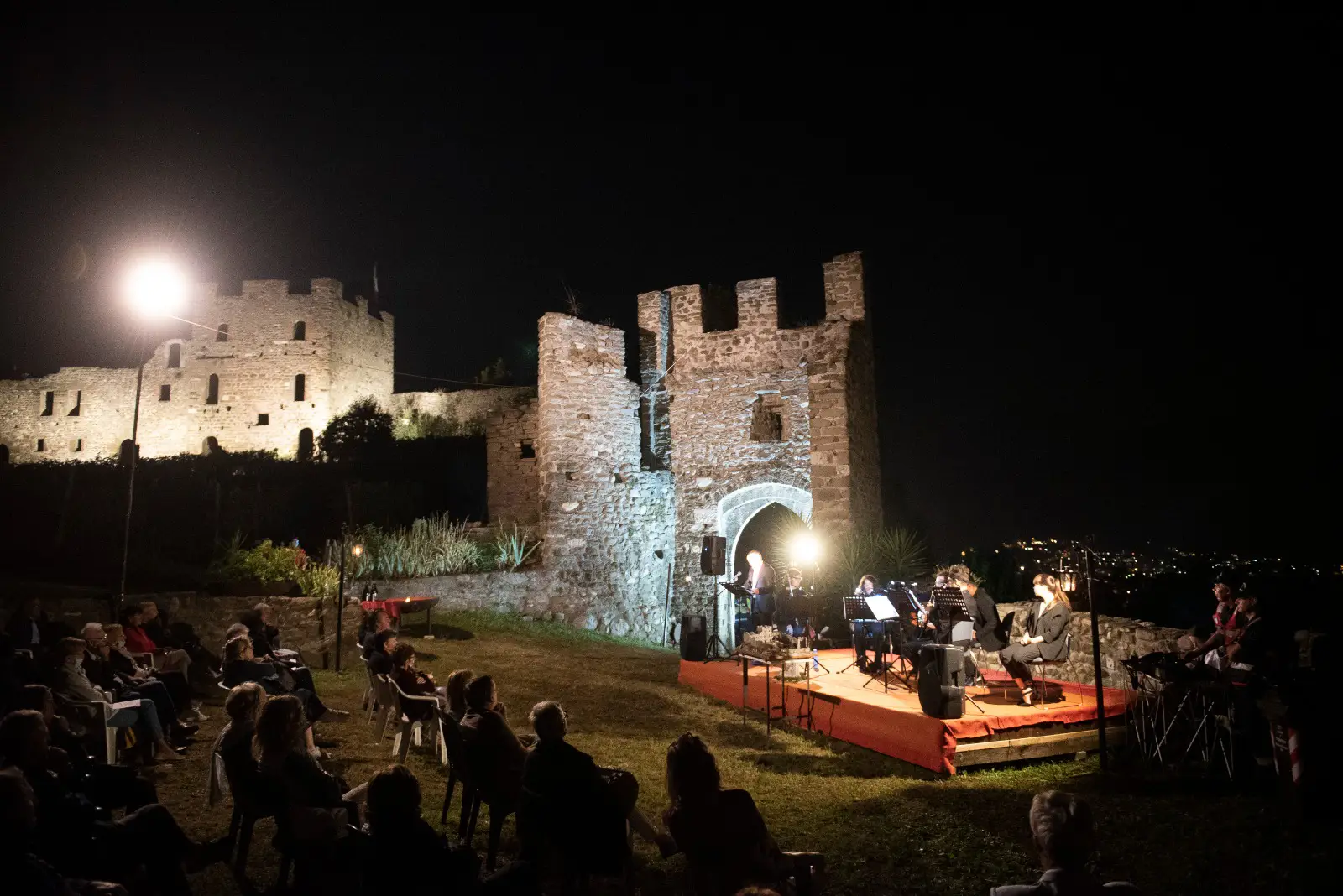
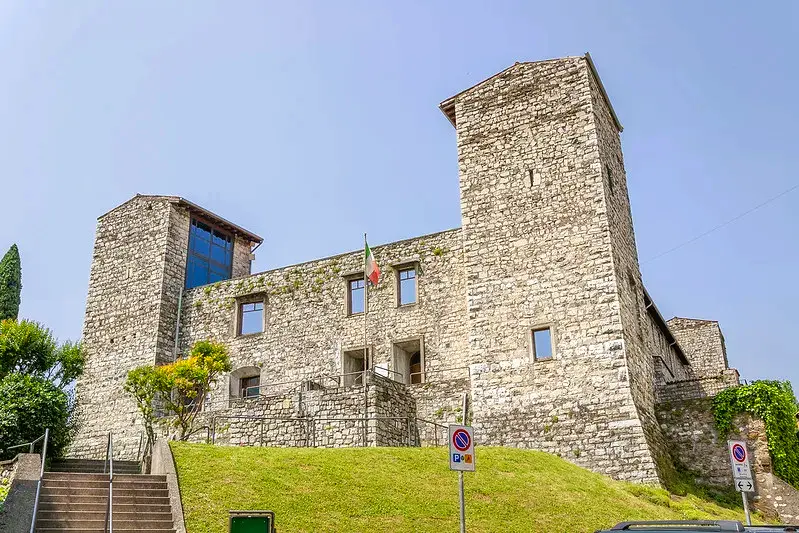
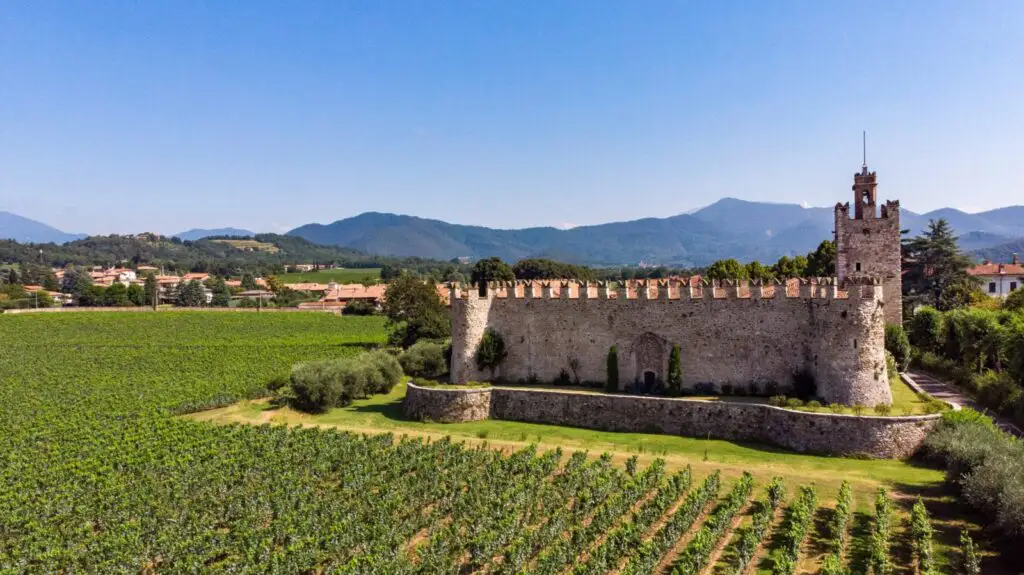
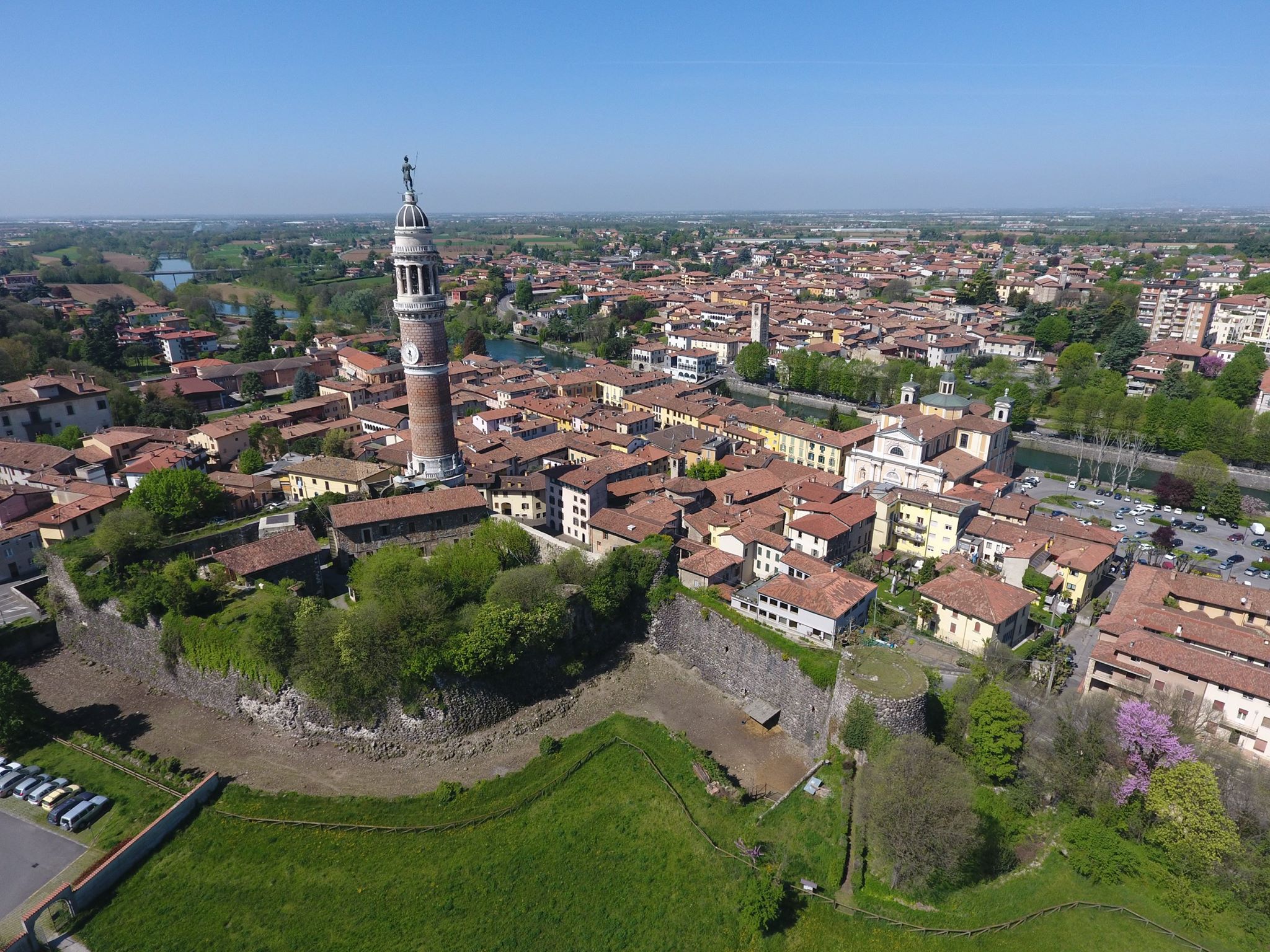
Palazzolo Castle therefore represents the most visible core of an extensive system of town fortifications; it was built as a trapezoidal-shaped fortress, characterised by high walls and featuring a deep moat. The castle’s three towers still retain their names: Mirabella, Ruellina and Torre della Porta del Soccorso, as the gate of the same name opened at that point, leading to the surrounding countryside and allowing for escape. Added to these was the keep, also known as the Torre della Salvezza, the last bastion in the event of a siege and which, at the same time, ensured visual control of the surrounding territory and the city walls.
The castle’s main entrance, fitted with a drawbridge, as well as the Porta del Soccorso, still bears the emblem of the Lion of St Mark, a symbol of Venetian rule.
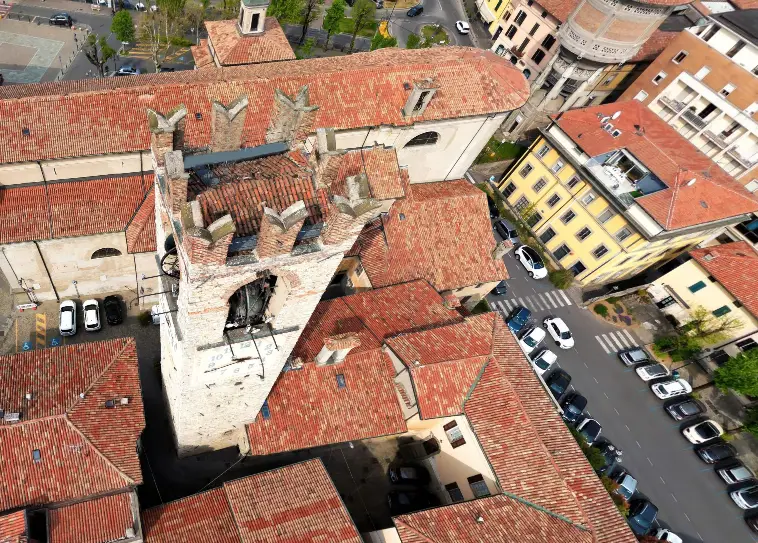
The Mura Tower or Round Tower and the restoration work carried out in 1912–13
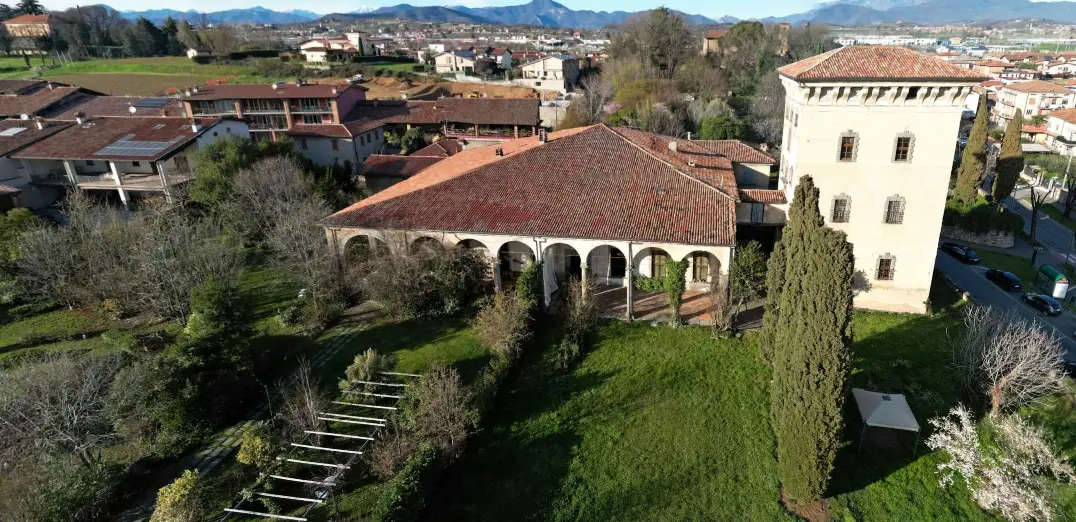
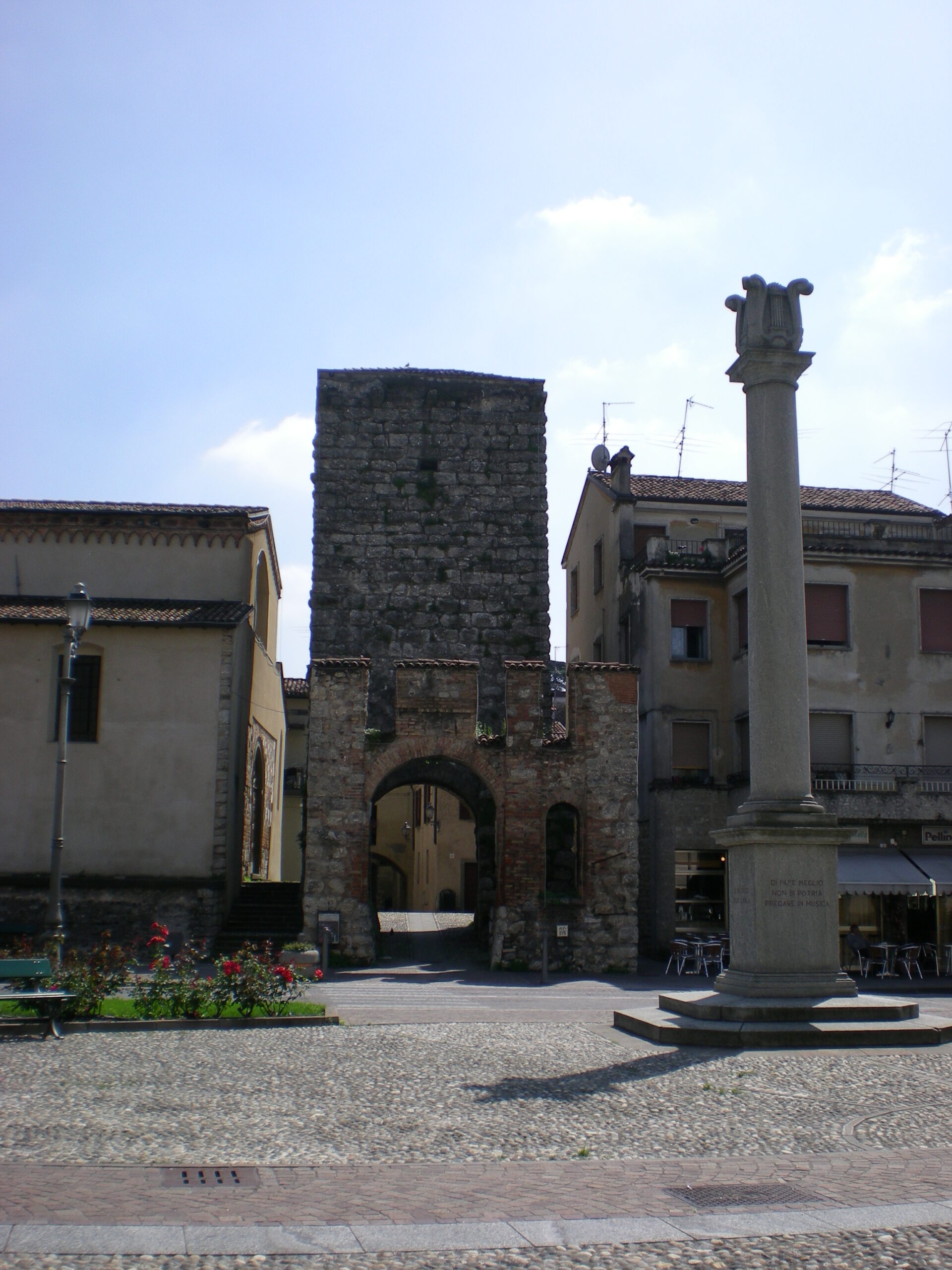
The castle is not the only remnant of Palazzolo’s complex system of fortifications: near the church of St John, at a particularly high point in the town centre, the Torre di Mura, also known as the Torre Rotonda, still stands. Despite the dismantling work carried out in the late modern period and the demolition plans proposed in the late nineteenth century to widen the present-day Via Gorini, it still retains much of its original wall structure. The roof, with its projecting crenellated brick terrace and pitched roof, although highly evocative of fifteenth-century castles, is the result of work carried out in 1912–13, when the municipal water supply reservoir was installed inside the tower.
Medieval tower houses and the significance of ‘capitozzamento’
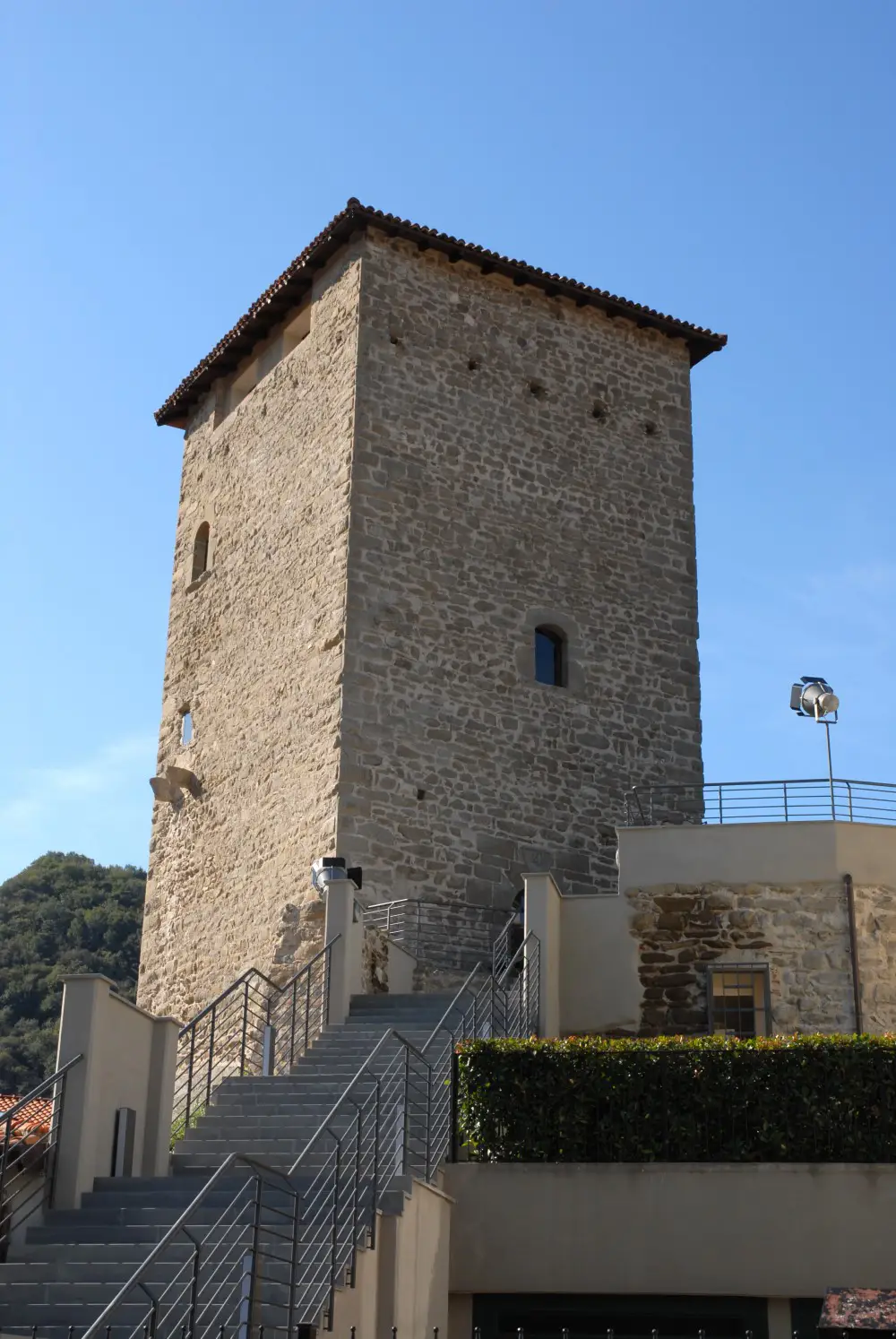
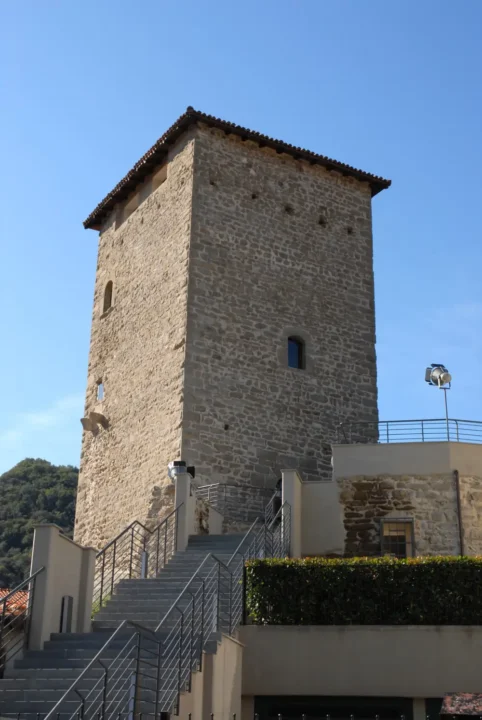
In the historic centre, there are other traces of significant and older fortifications, such as the square-based tower – undoubtedly of medieval origin – which takes us back to the conflicts between ruling families and highlights the significance of the tower-house as a symbol of a particular family’s power. The structure appears to have been ‘capitated’ – that is, its height has been drastically reduced by a striking horizontal cut – in order to leave a stark reminder of the defeat of the vanquished family and a warning to its allies.