Lana Berlucchi Castle
- Home
- /
- Arte e cultura
- /
- Castles
- /
- Lana Berlucchi Castle
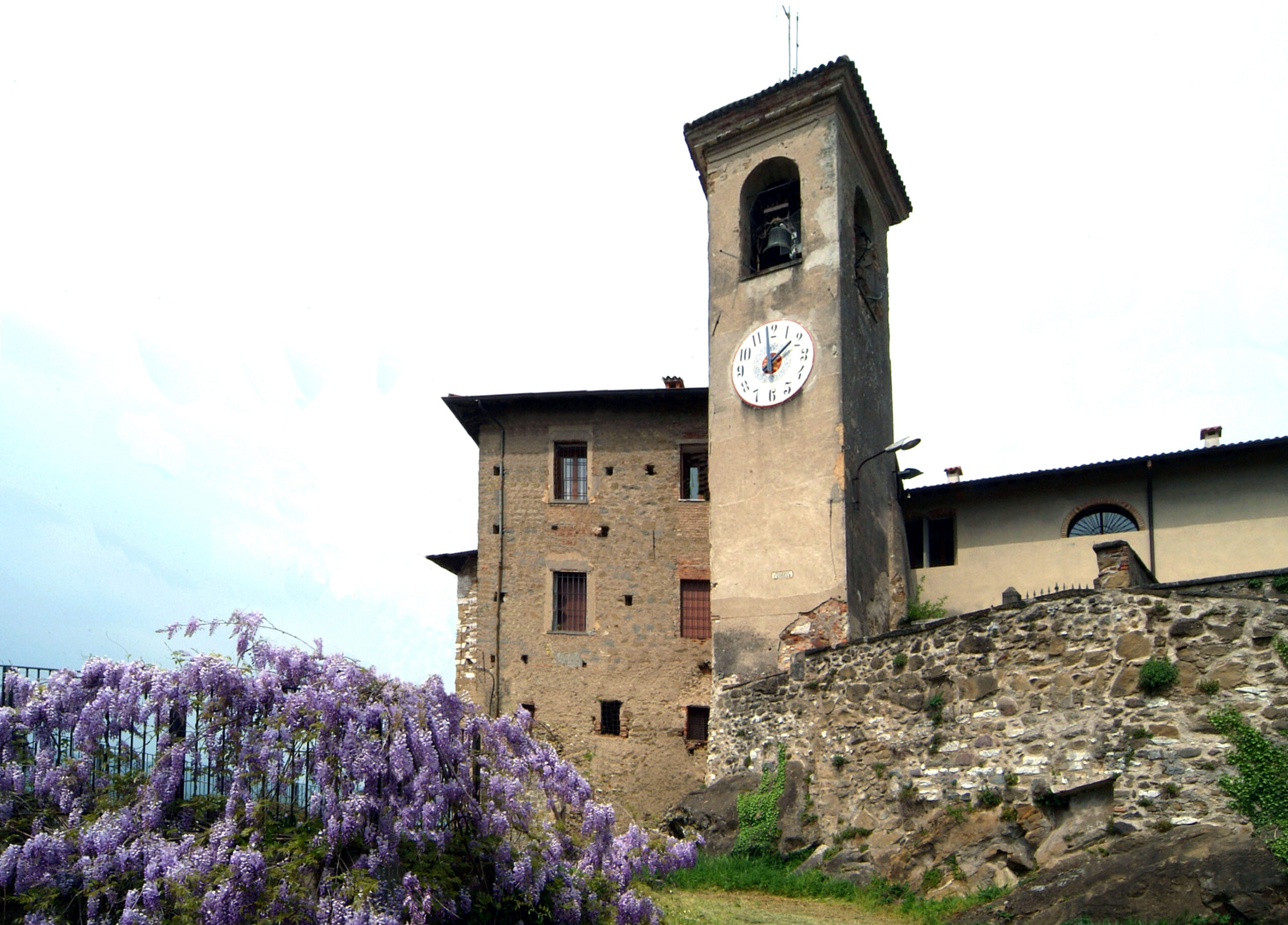
The Lana de Terzi Palace, now known as the Berlucchi Palace, and the birth of the new Borgonato
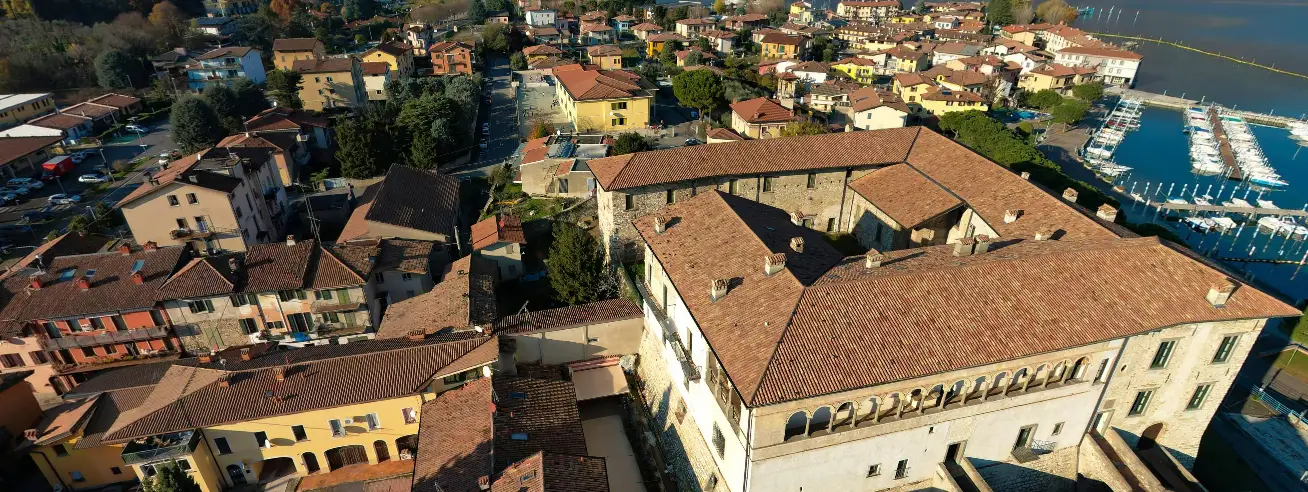
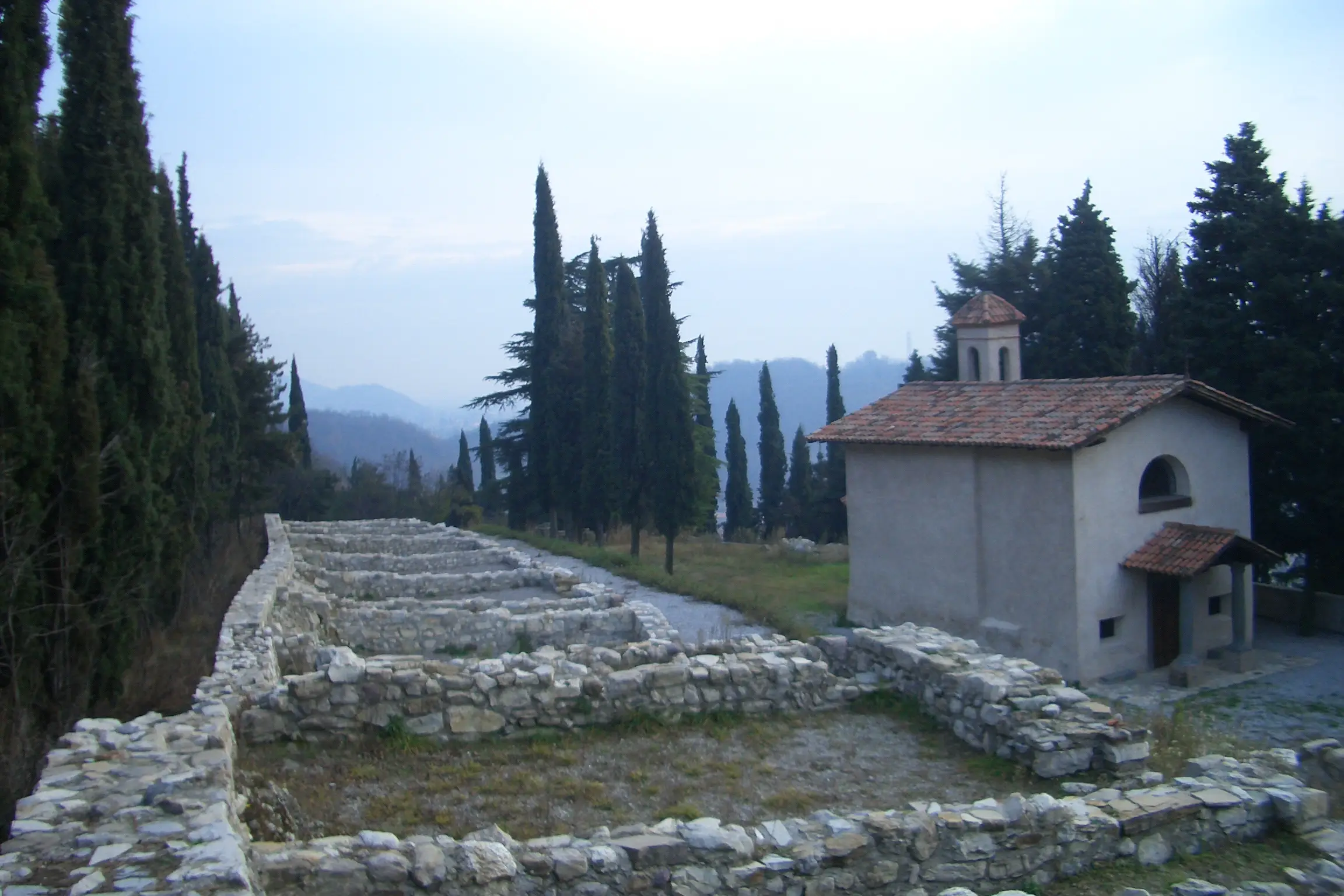
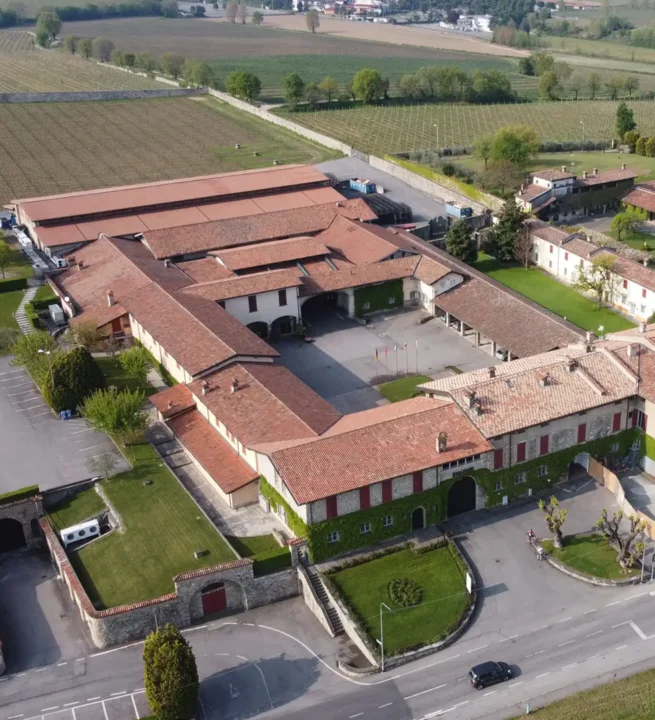
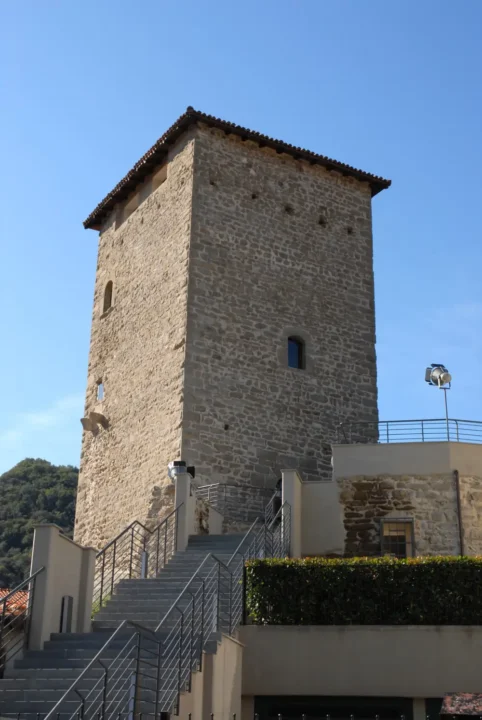
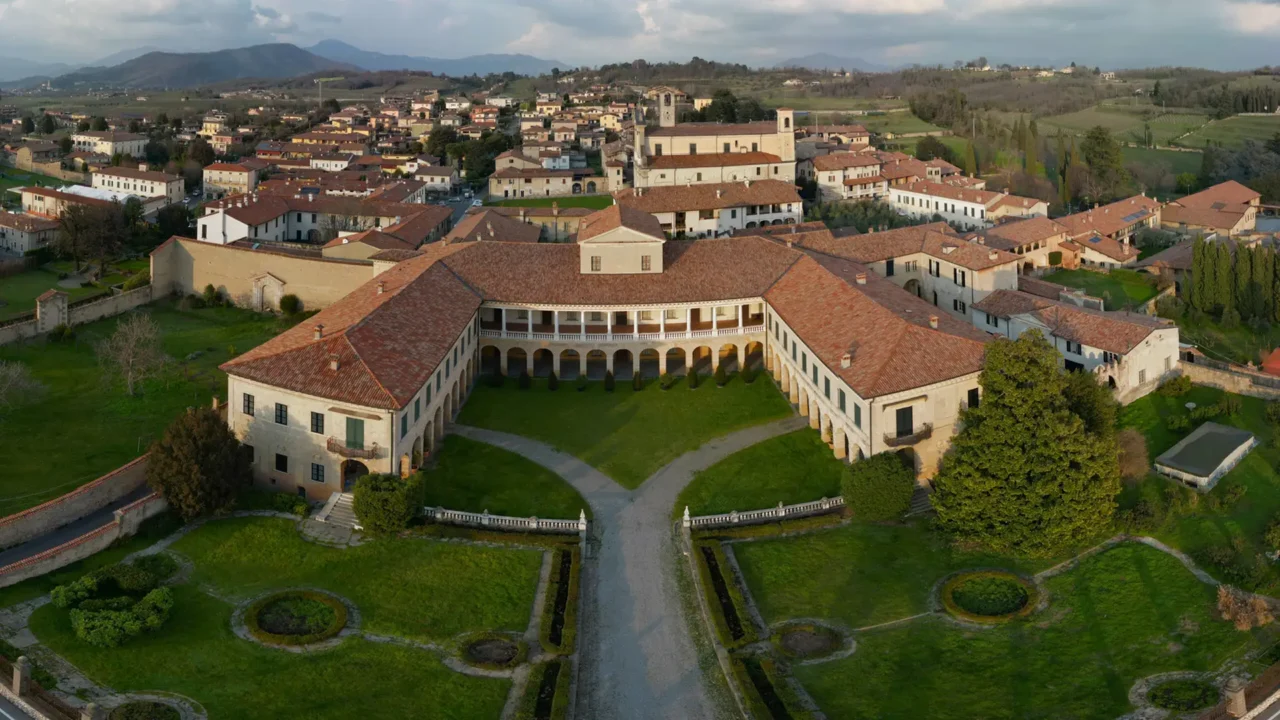
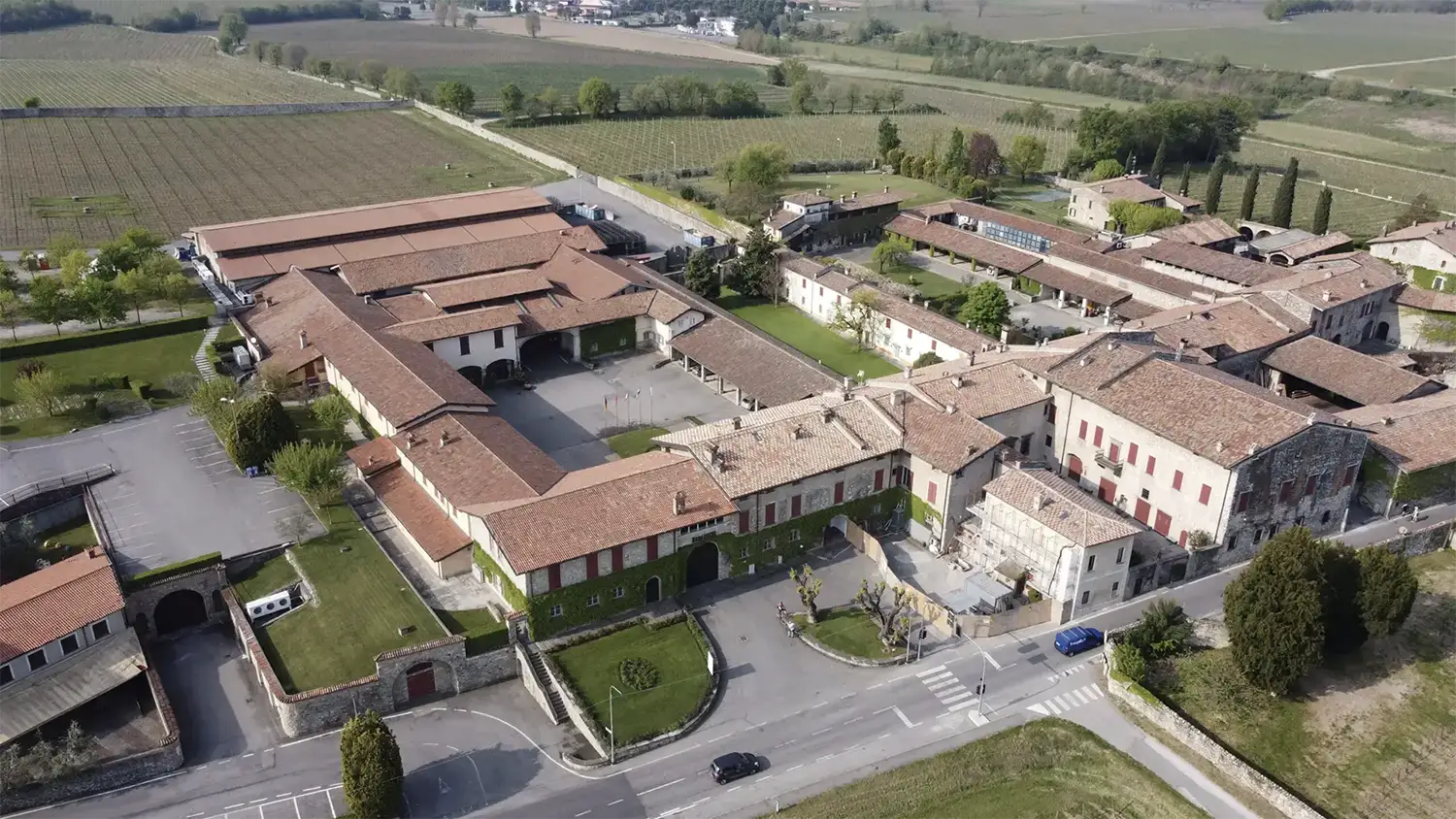
In Borgonato di Corte Franca, where historical records mention significant holdings belonging to the Lombard monastery of S. Salvatore in Brescia during the Early Middle Ages, the palace built by the Lana de Terzi family, now the Berlucchi family, during the Renaissance became the focal point of the new settlement, which, from the fortified refuge situated on the hilltop, moved downhill, clustering around the new stately home.
Origins and reconstruction between the 16th and 17th centuries
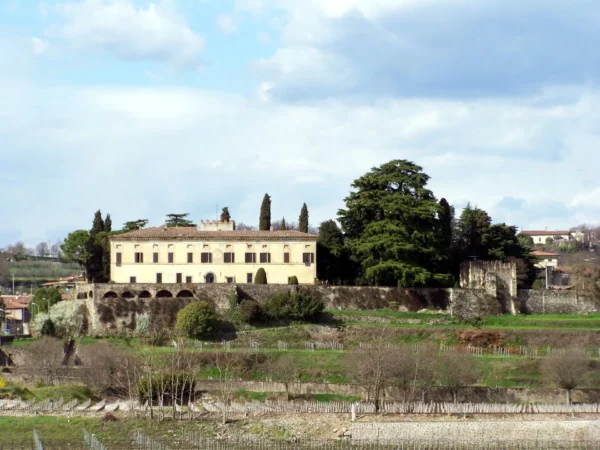
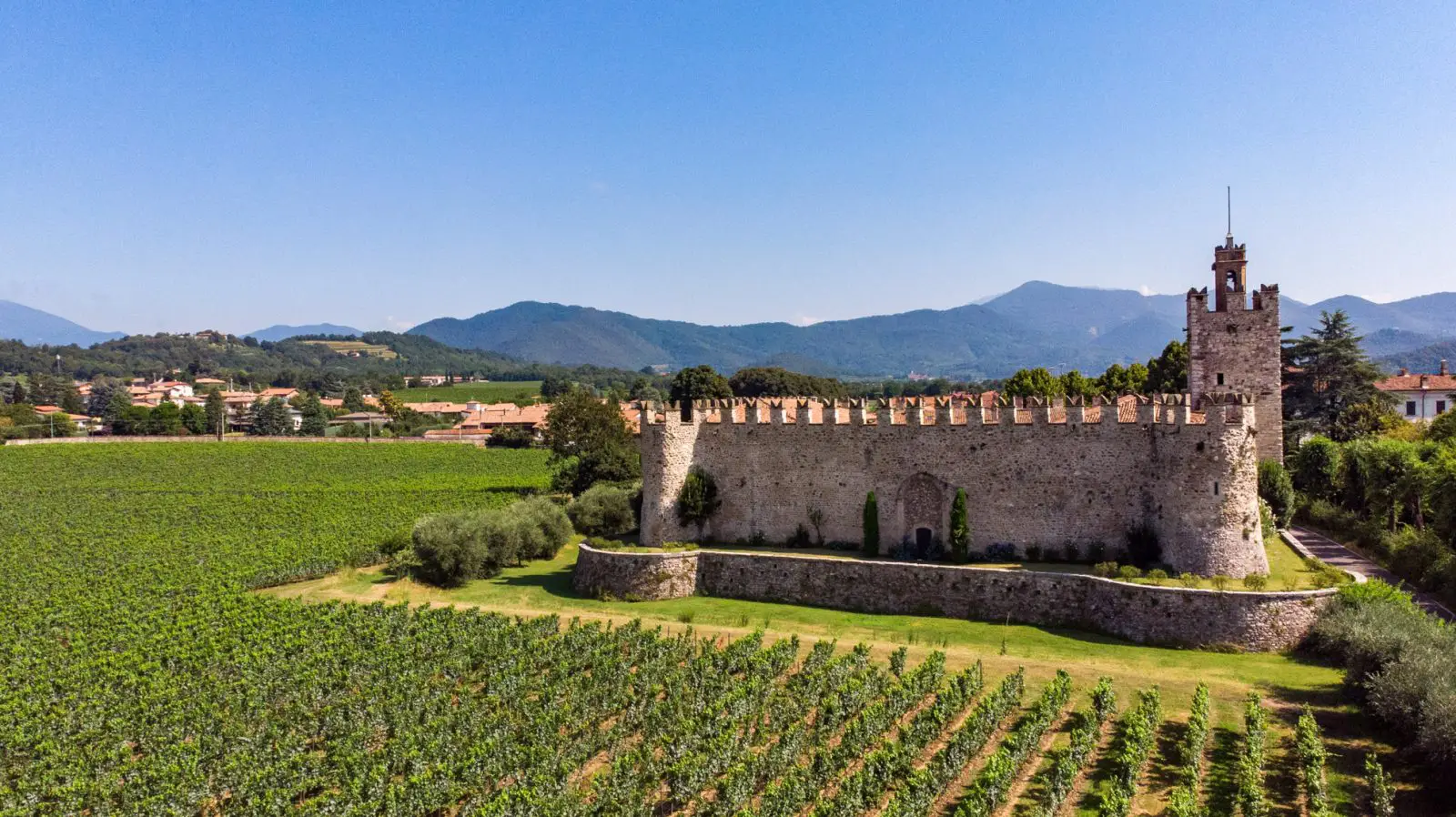
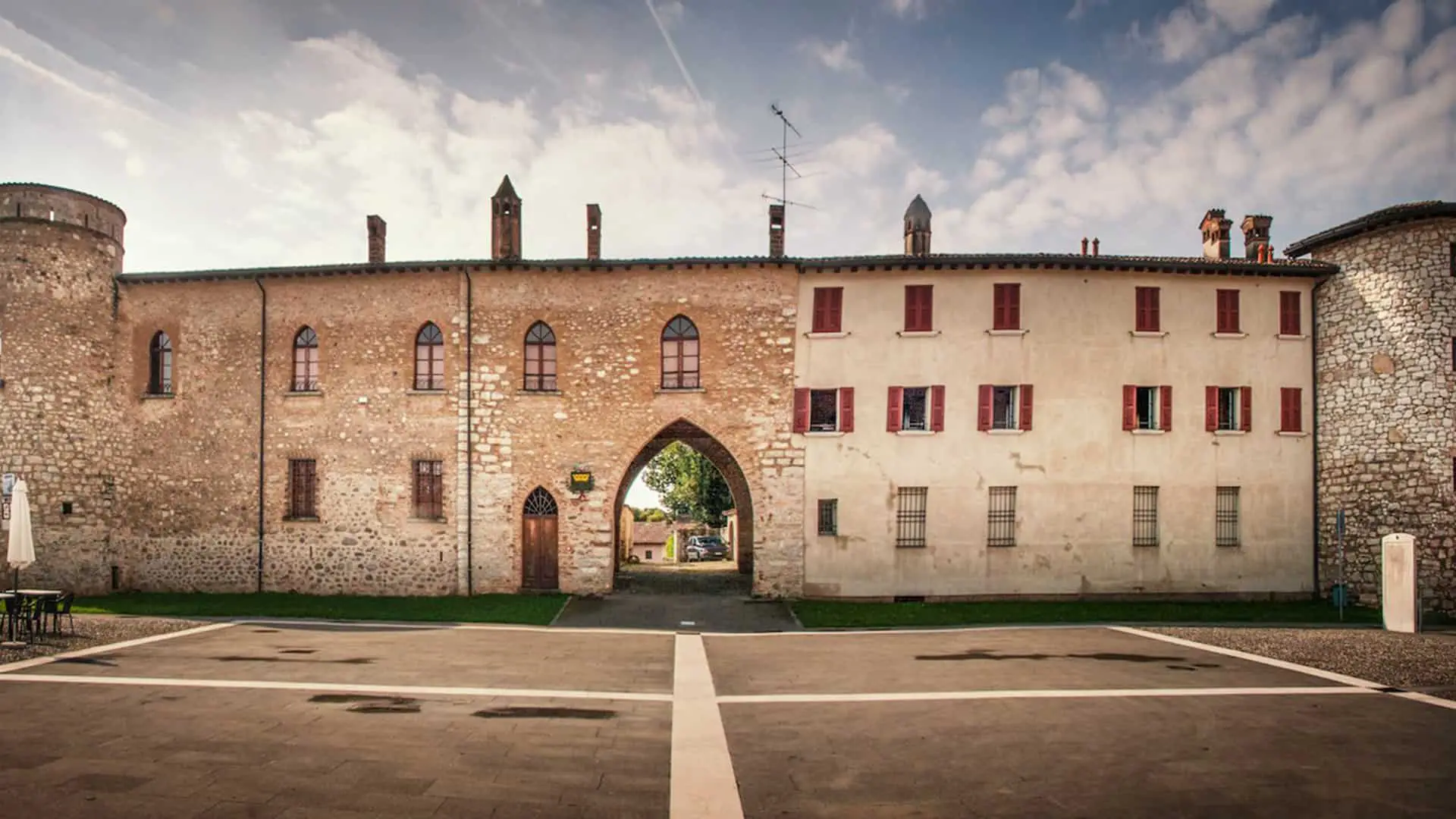
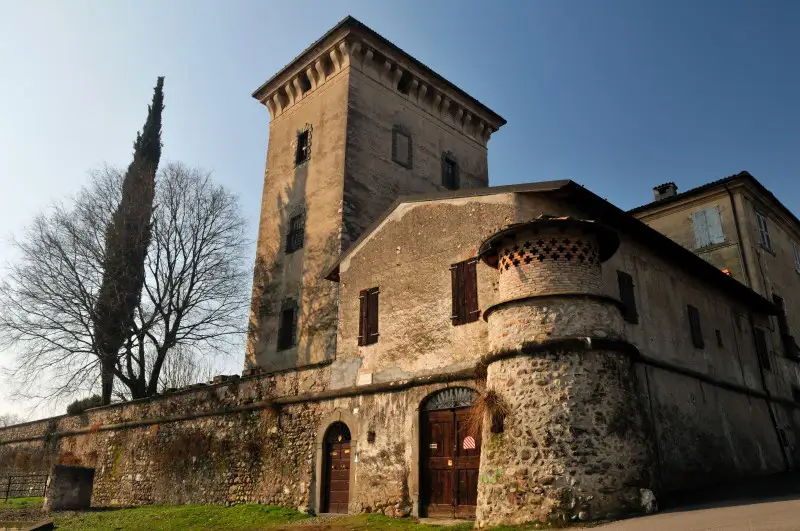
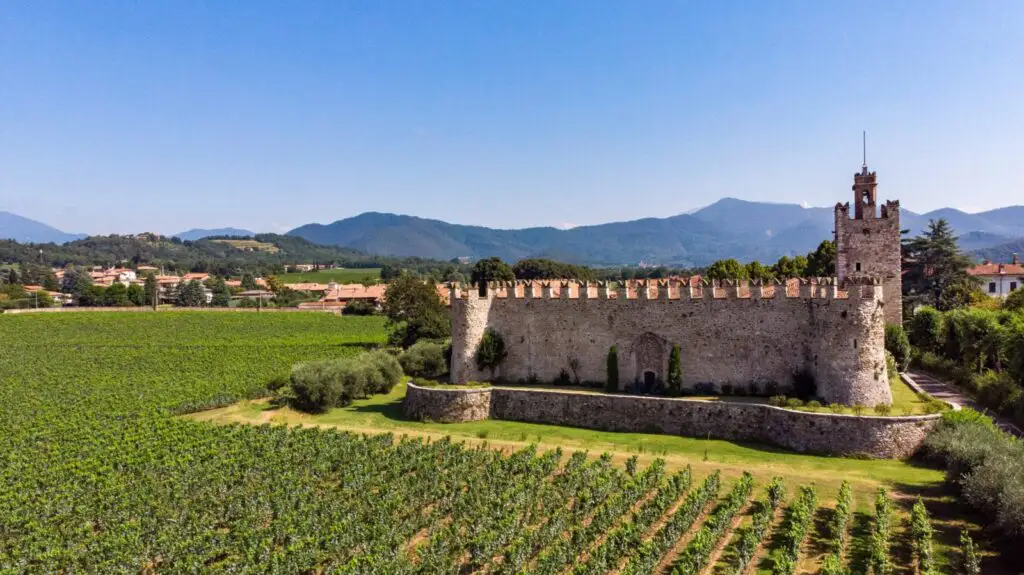
The building, whose origins probably date back to the late Middle Ages, is now a fine example of a High Renaissance palace, having been completely rebuilt between the 16th and 17th centuries. As with Palazzo Porcellaga in Rovato, now known as Castello Quistini, the palace in Corte Franca also combines features of a medieval castle with those of a stately villa.
Plant and control and protection systems
The square-shaped building had a single entrance, featuring a series of loopholes on the first floor that could be opened from the inside; as well as controlling access, these could be used for defensive purposes.
Interiors, commemorative frescoes and the path leading to the garden
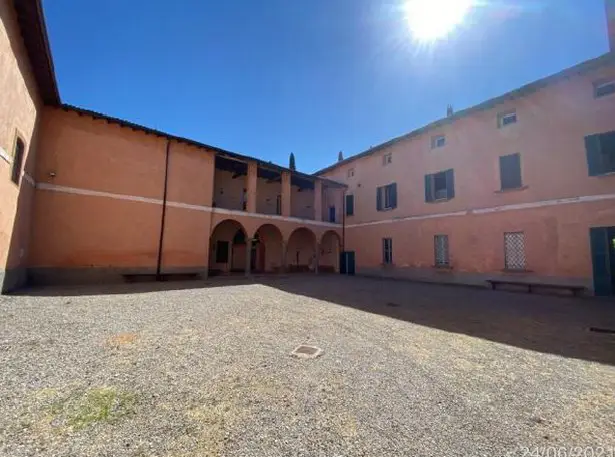
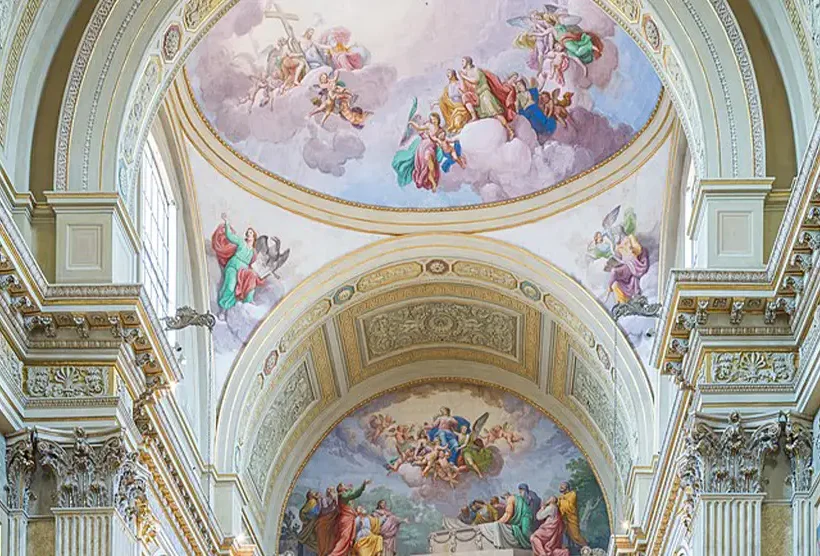
While the exterior of the palace presents a austere, unadorned façade, the interior rooms are enriched with architectural features and, above all, frescoes, the purpose of which was to celebrate the splendour of the Lana family. At the far end of the courtyard lies the palace entrance, featuring a majestic portal in Sarnico stone with rusticated columns, surmounted by a pediment, preceded by a flight of steps, and flanked by two windows that echo its frame. Upon passing through the portal, one finds oneself in the hall of honour, featuring a white marble fireplace and exquisite frescoed decoration: elegant twisted columns support a balcony, from which two peasants, a maid and two monkeys look out, echoing an iconographic motif found in many villas in the Venetian hinterland. Beyond the hall lies a Renaissance portico, with simple forms, leading to the Italian-style garden. The upper floor, meanwhile, is occupied by another reception hall, which still bears fragments of exquisite decoration, featuring rearing horses locked in combat, a trace of the entertainments and pastimes associated with the life that must once have unfolded here.
The outdoor loggia and its relationship with the landscape
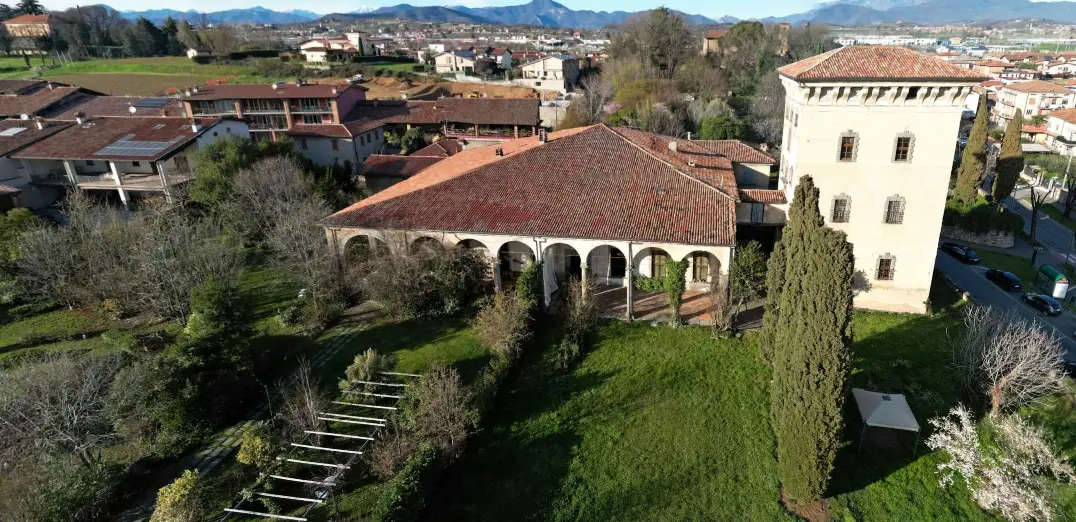
On the exterior, the austerity of the building’s lines is broken by a five-bay loggia, supported by a series of Tuscan columns and round arches, which engages with the surrounding landscape.
Links and useful information


Private property
Opening hours: open for visits and tastings