Cologne Castle
- Home
- /
- Arte e cultura
- /
- Castles
- /
- Cologne Castle
The medieval castle of Cologne and its role as a refuge
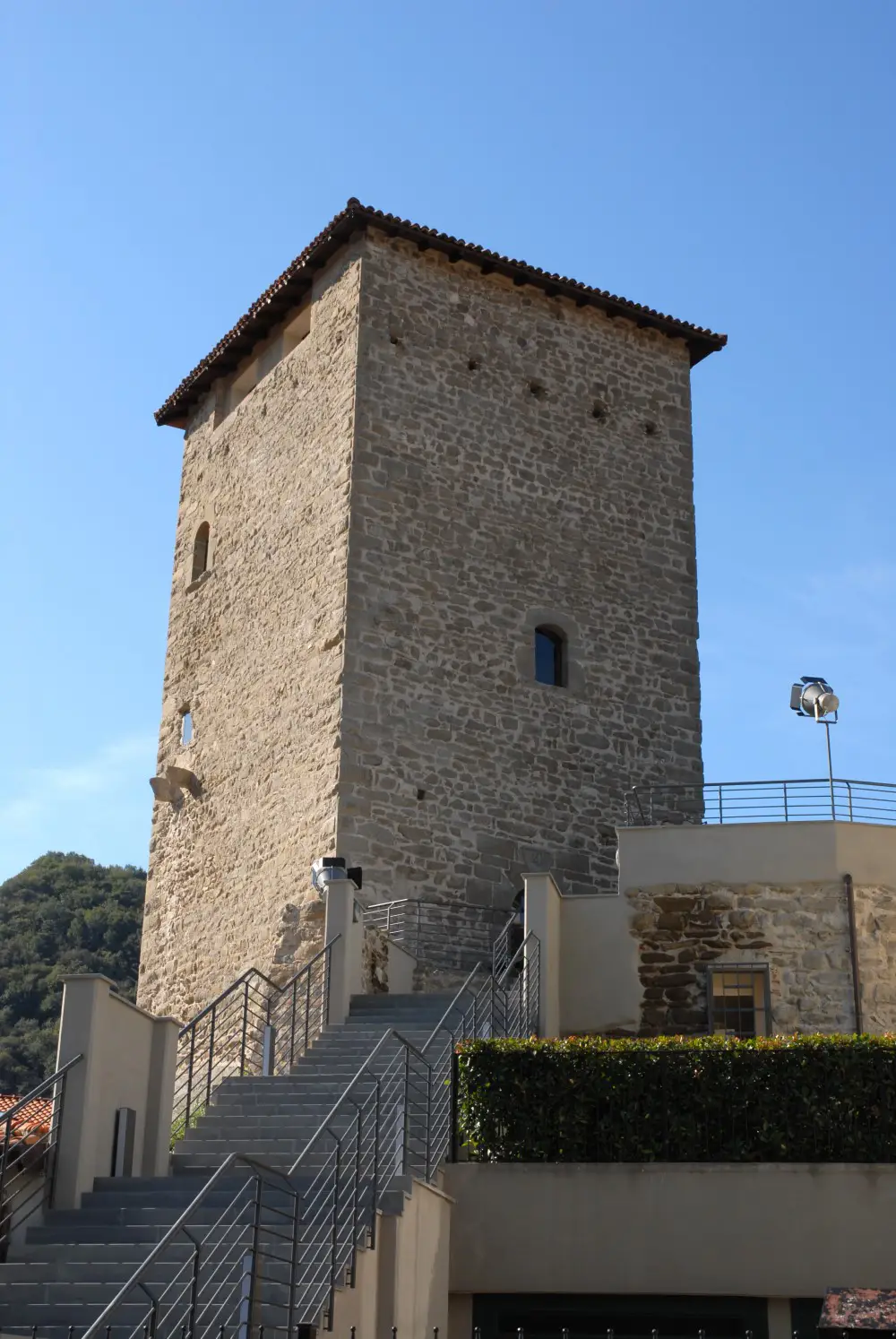
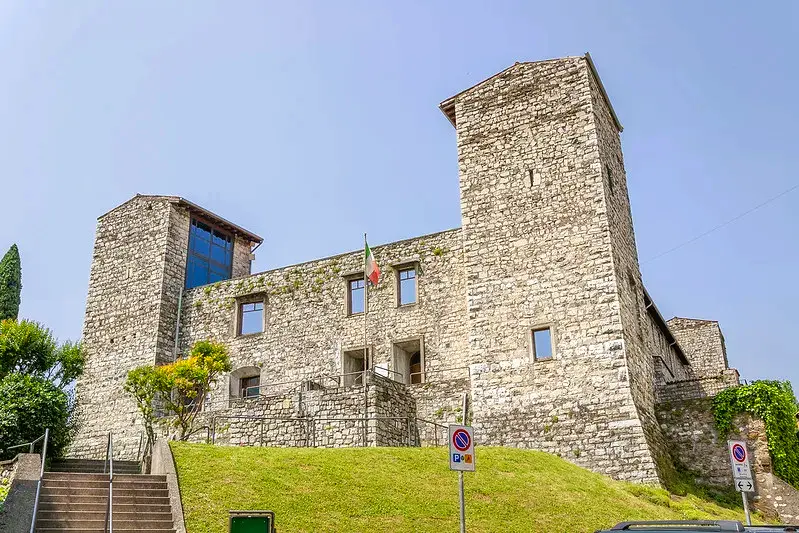
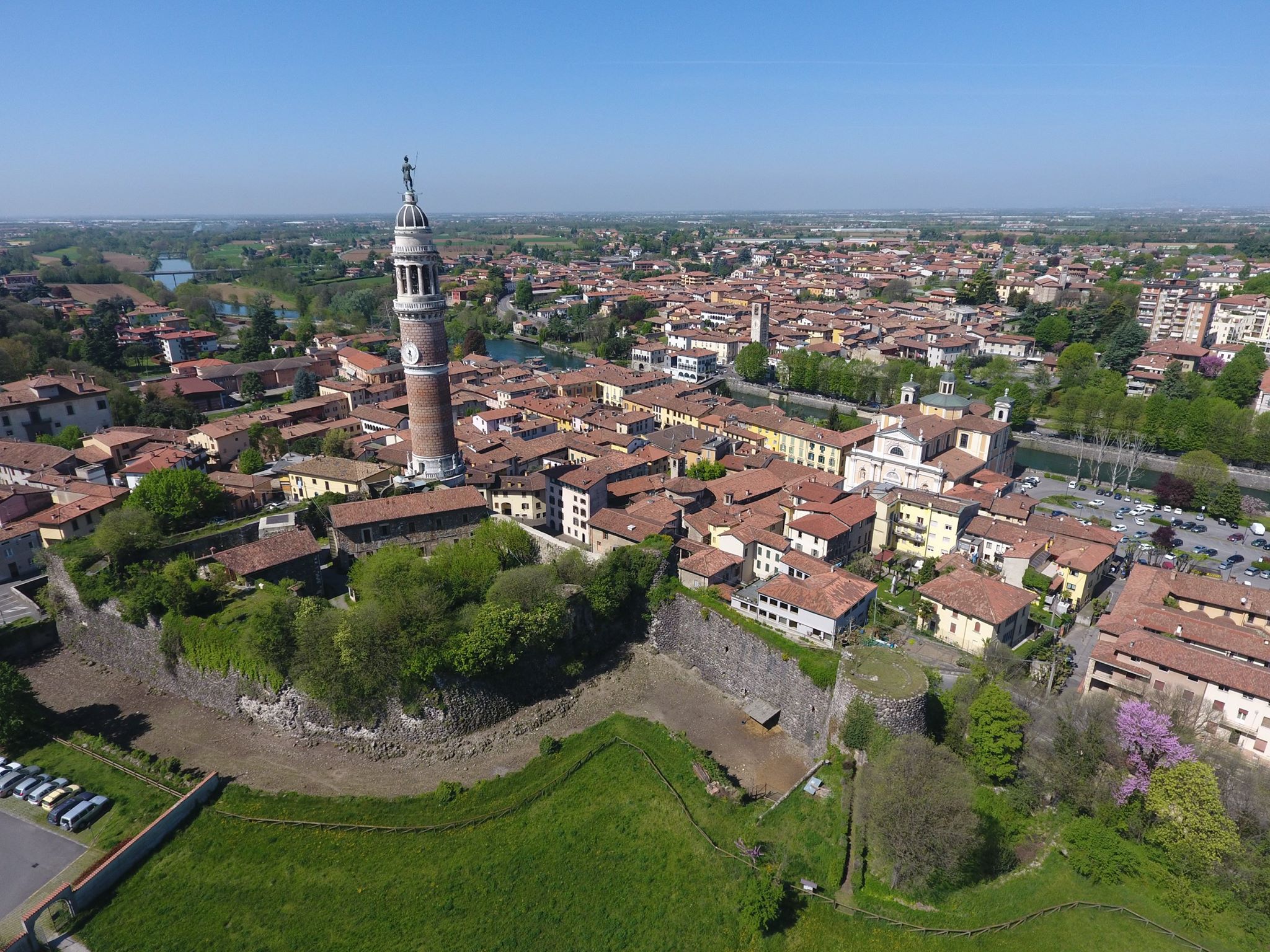
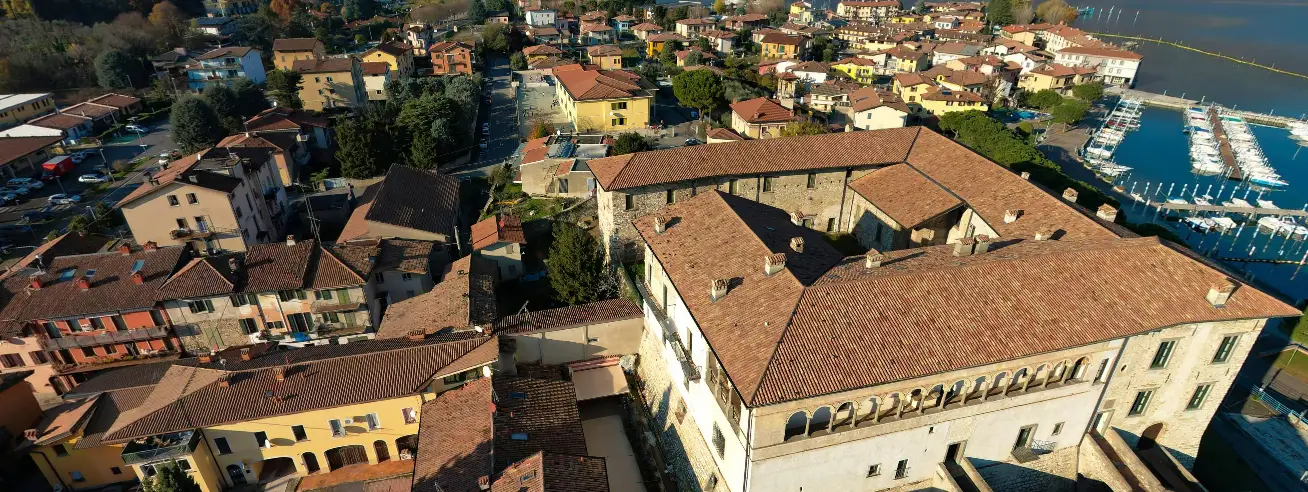
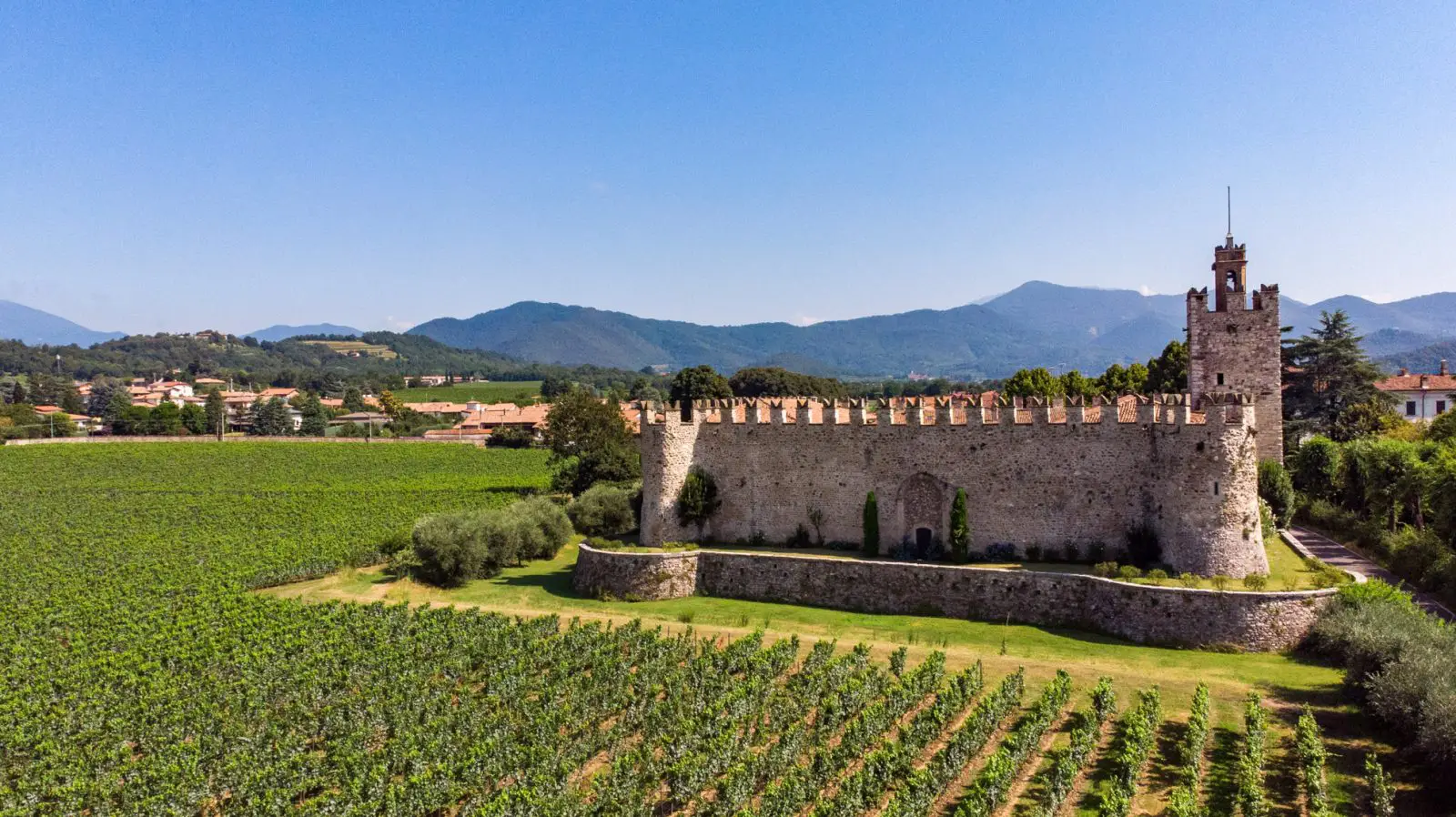
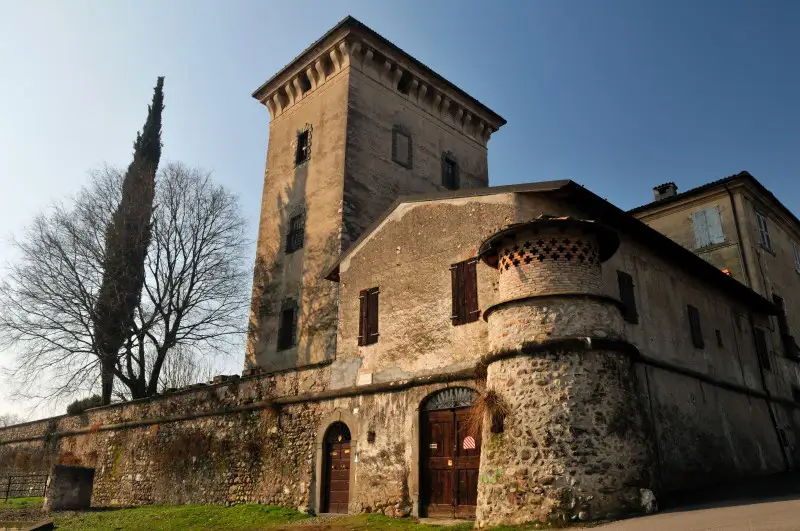
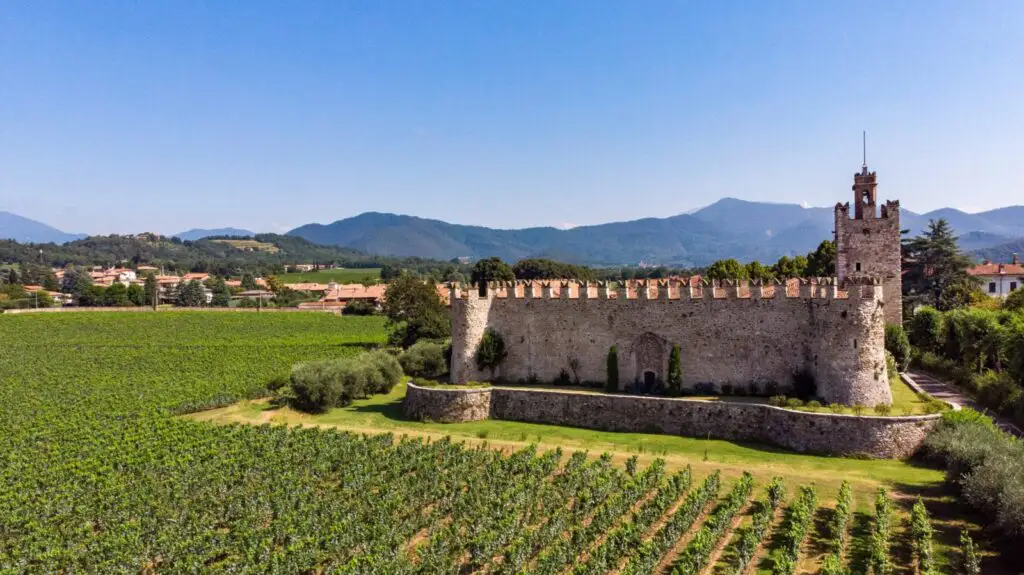
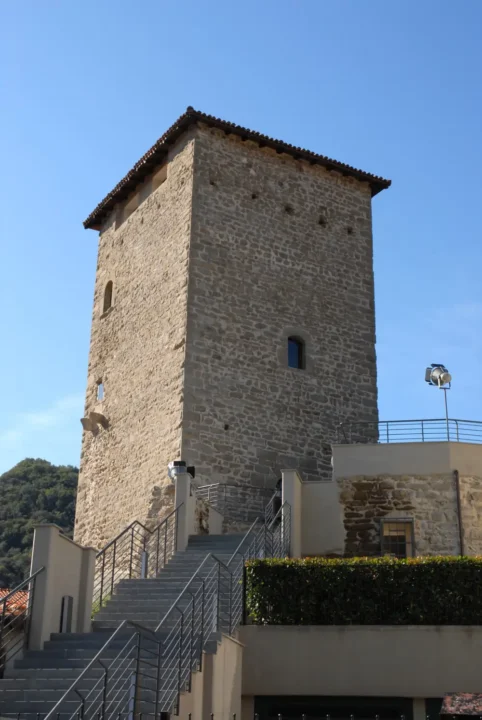
Like other towns in Franciacorta, Cologne, whose name betrays its ancient Roman origins, built its own castle in the late Middle Ages to serve as a refuge for defence against potential invasions.
From the castrum to Palazzo Gnecchi: traces between the courtyard and the cellars
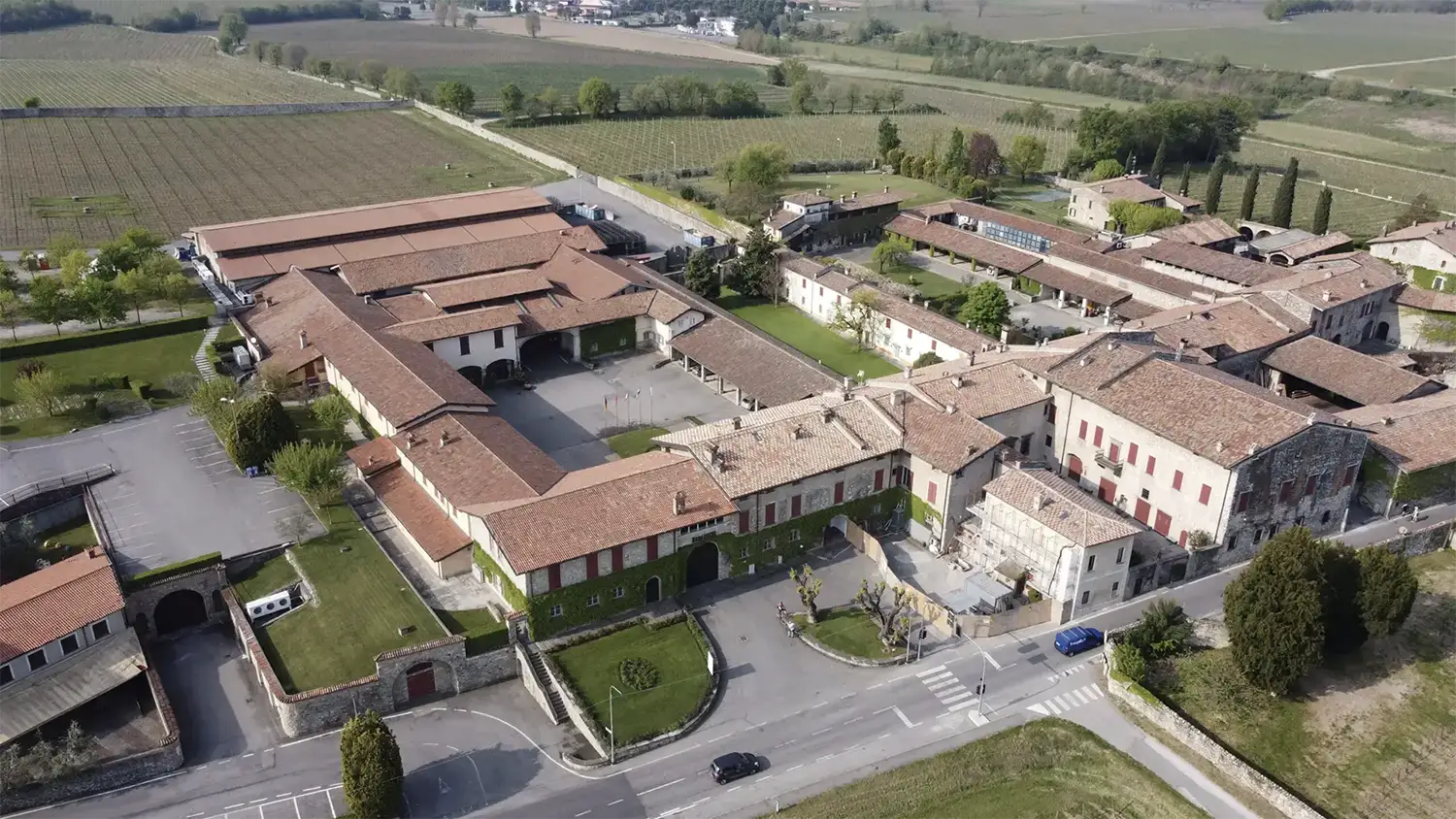
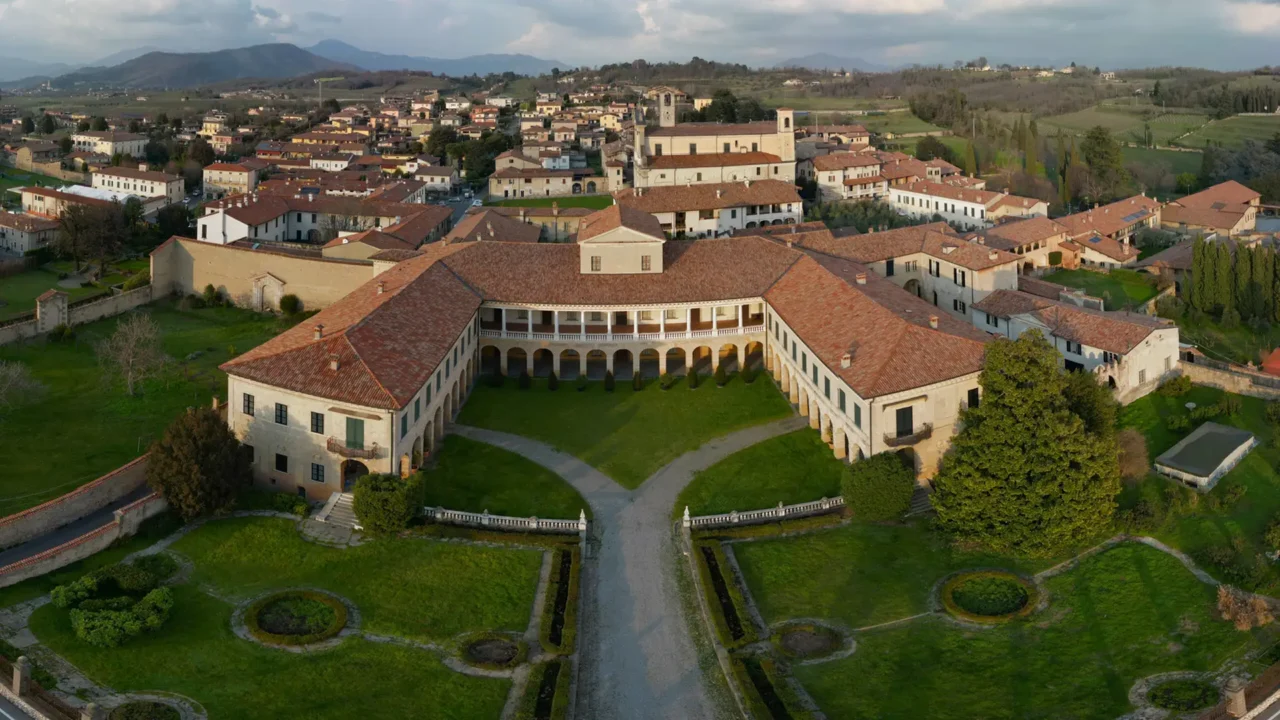
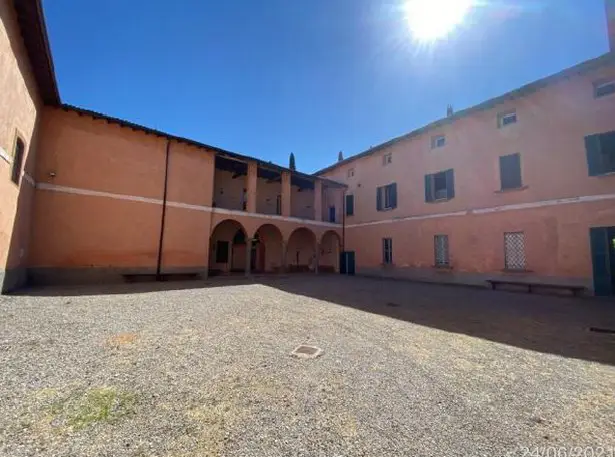
What remains of the medieval fortified structure was incorporated into the complex of buildings that made up Palazzo Gnecchi: traces of it can be found in the courtyard and cellars, which may date back to the 12th century, whilst a room for agricultural work, complete with a granary, was added in the 15th century. All that remains of the oldest part of the building are a few frescoes that have been removed and repositioned on the walls of the ground-floor hall, depicting an interesting hunting scene, a theme dear to courtly painting.
Memory in place names: Via Castello
The castrum is also commemorated in the local place names: the street on which the complex stands is still called Via Castello.
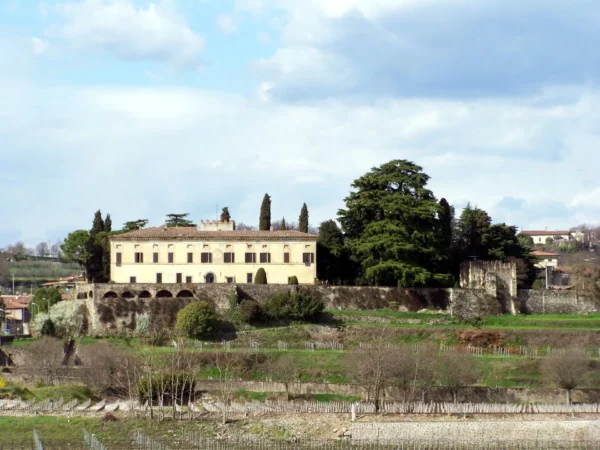
Palazzo Gnecchi: built between the 18th and 19th centuries and access to the complex
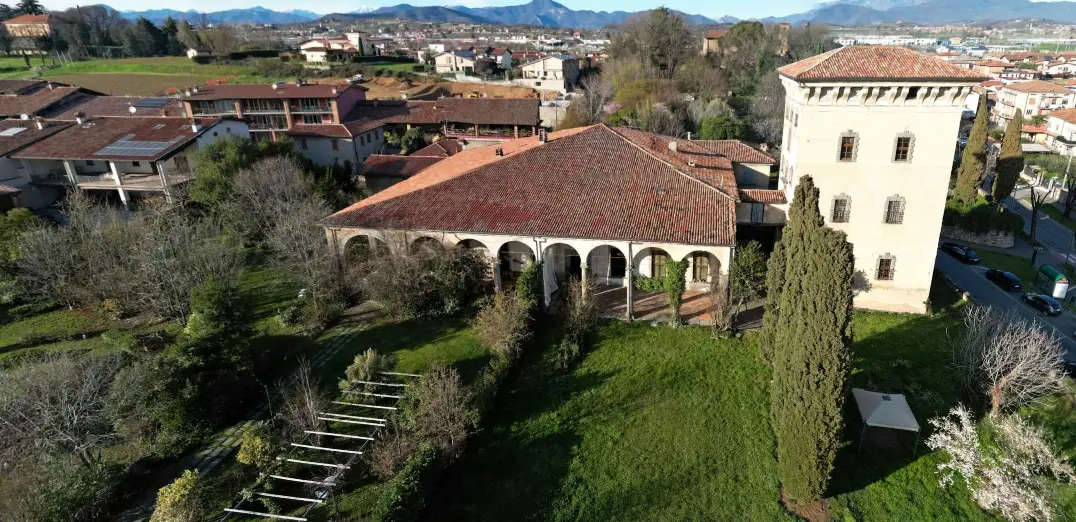
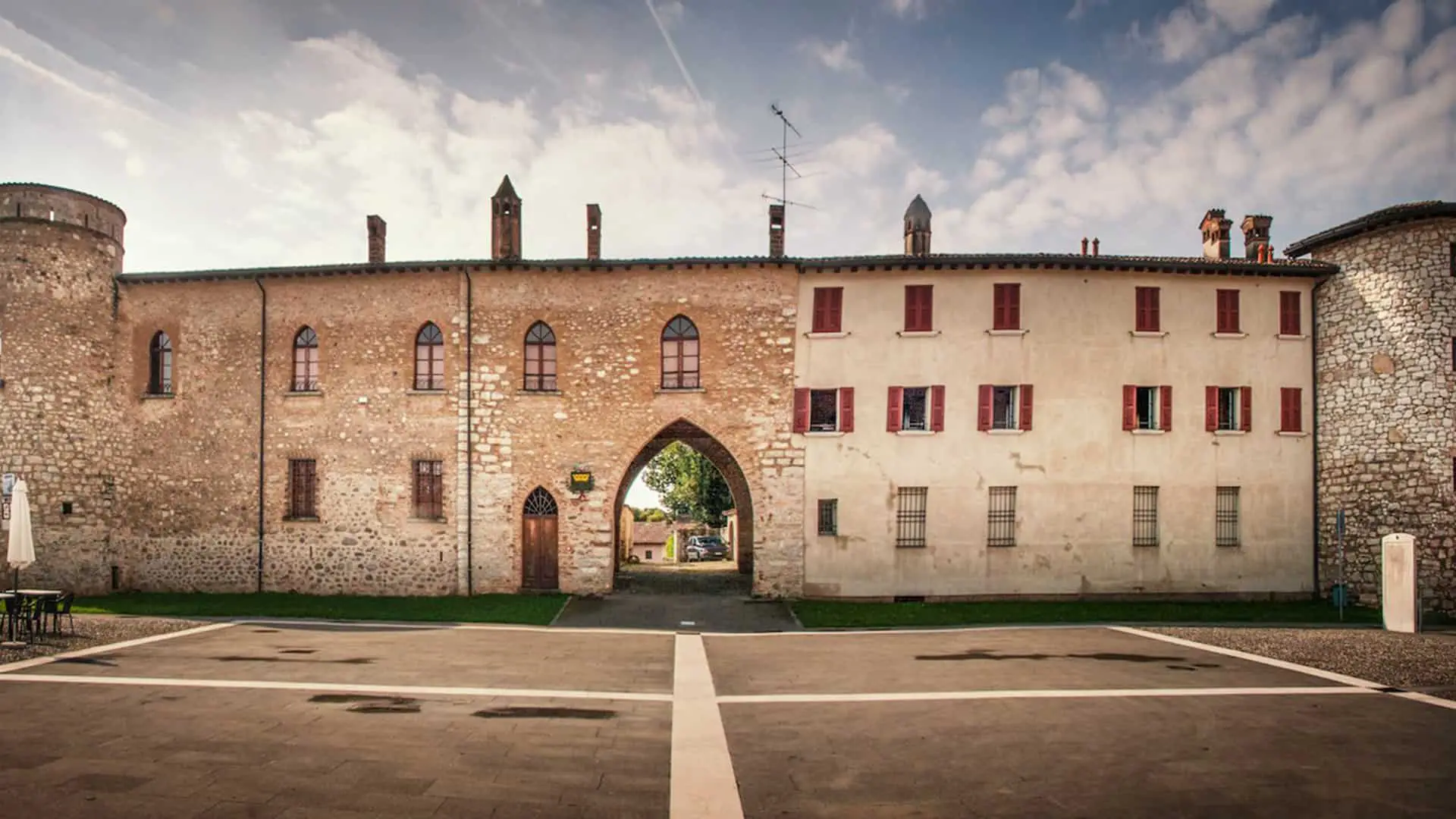
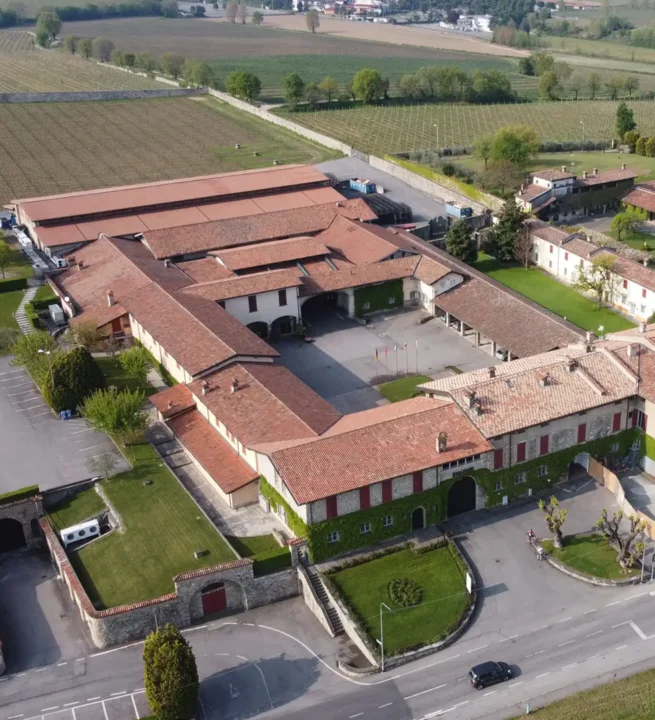
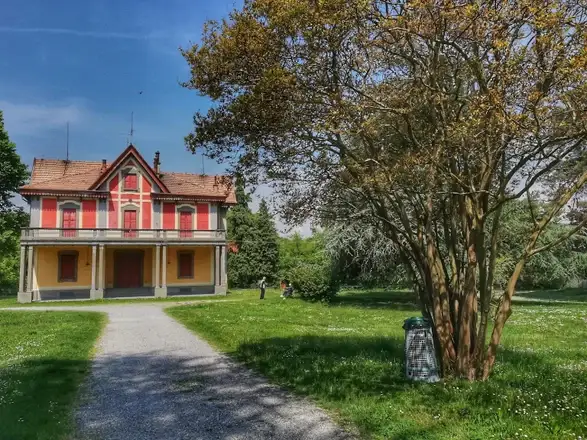
The palace is one of the most elegant buildings constructed in the Brescia area between the 18th and 19th centuries. The complex is surrounded by a boundary wall, with access through a large door with a rusticated façade. Inside, a harmonious view opens up onto the garden and the front of the building, featuring a portico with clear symmetrical lines, flanked by two slightly taller wings, both with rusticated external walls.
Neoclassicism and the decorations by Giuseppe Teosa (1813–1814)
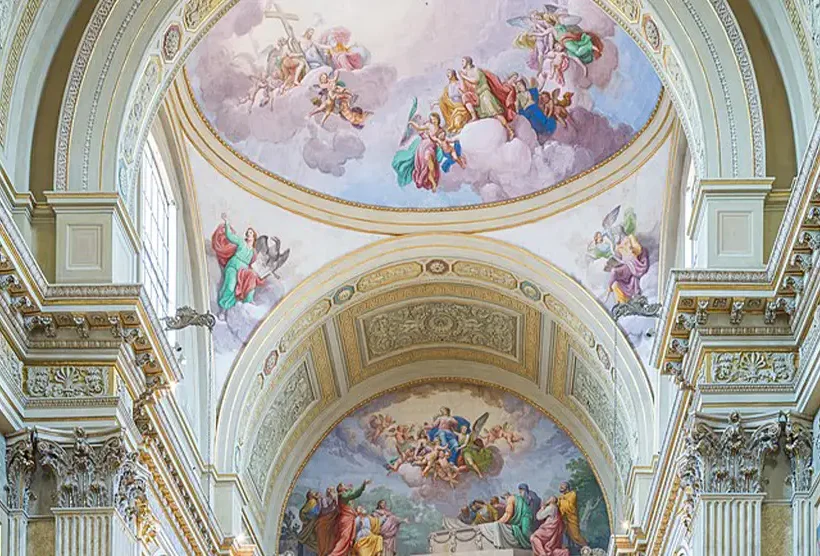
The portico, with its perfectly harmonious rhythm of classical columns, each featuring a ring in the middle of the shaft and surmounted by round arches, now displays a fully Neoclassical style, influenced by the revival of the architectural style of antiquity. The neoclassical elegance of the exterior is also reflected in the decorative choices for the interior spaces, for which the painter Giuseppe Teosa (Chiari 1760 – Brescia 1848) was commissioned; he had recently completed a prestigious work: the major decoration of the Teatro Grande in Brescia with the Apotheosis of Napoleon. Between 1813 and 1814, the artist worked on the villa in Cologne, where he frescoed the ground-floor hall with a faux portico, featuring Ionic columns in mixed marble, framing bucolic scenes, whilst on the ceiling of the hall of honour he depicted the mythological allegory of Apollo inviting Aurora to climb onto his chariot.
Links and useful information


Opening hours: open by arrangement with the local council