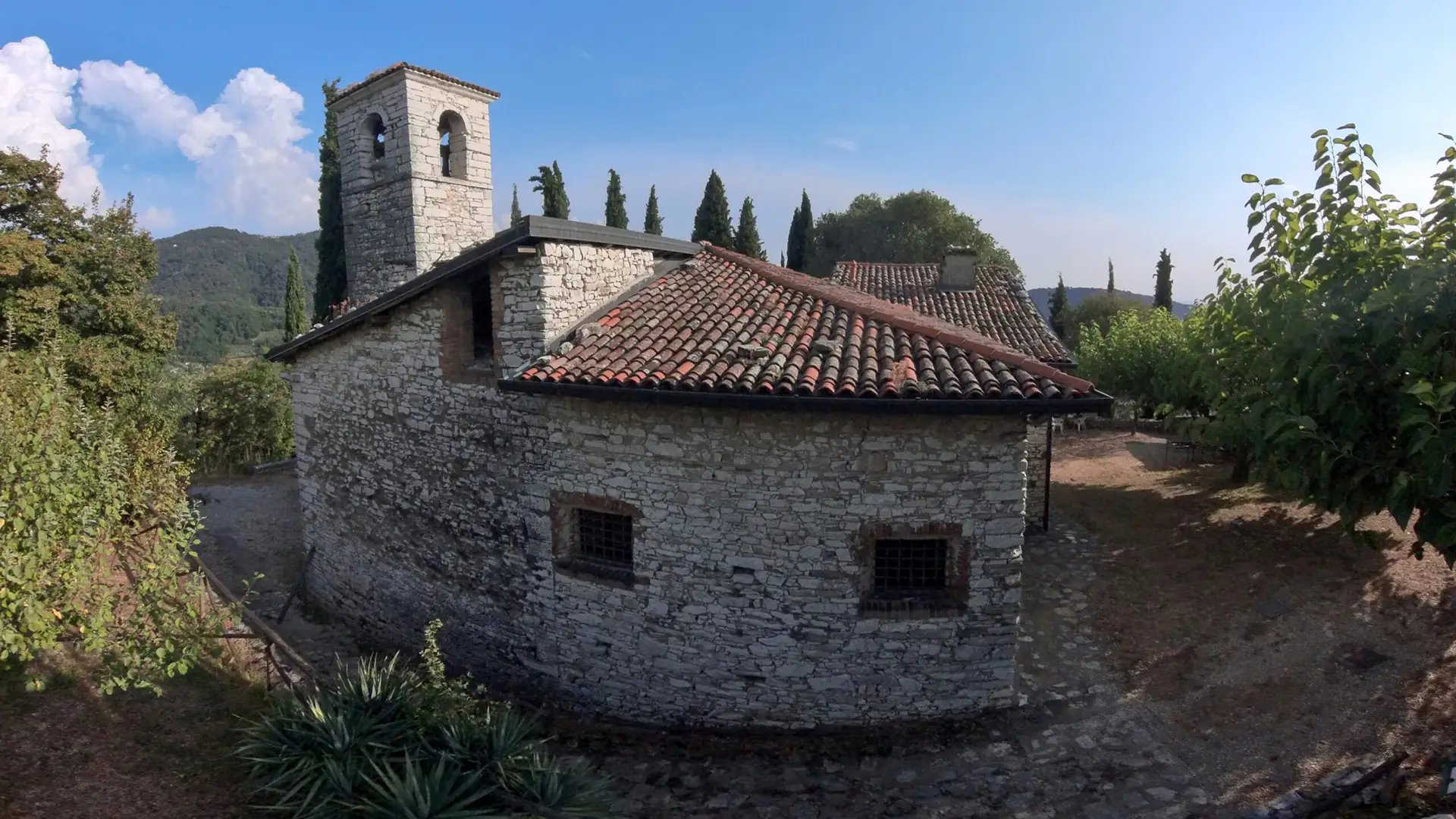
San Michele Castle
- Home
- /
- Arte e cultura
- /
- Castles
- /
- San Michele Castle
The Church of St. Michele in Goiane: Architecture and Painted Decorations
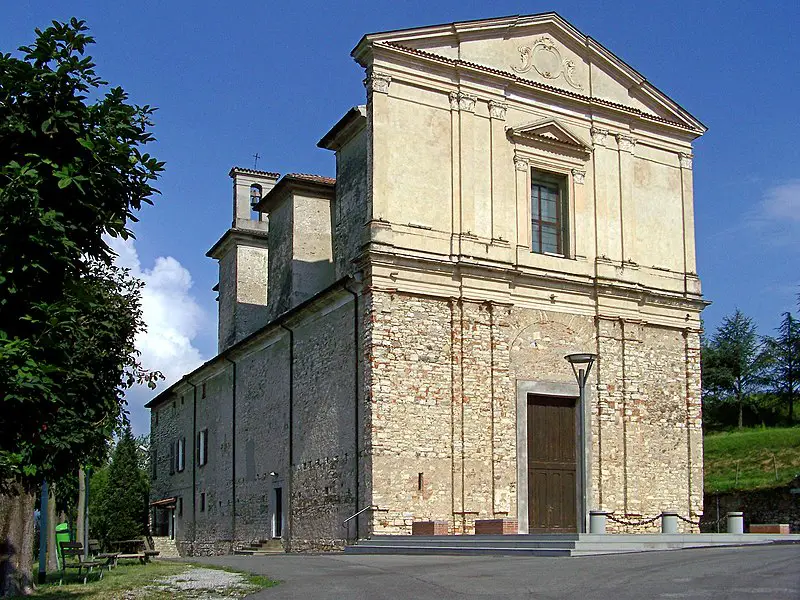
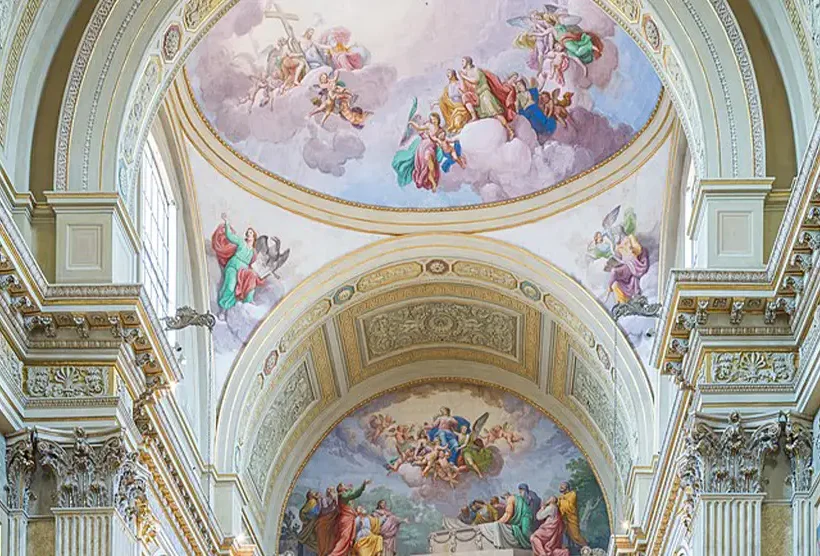
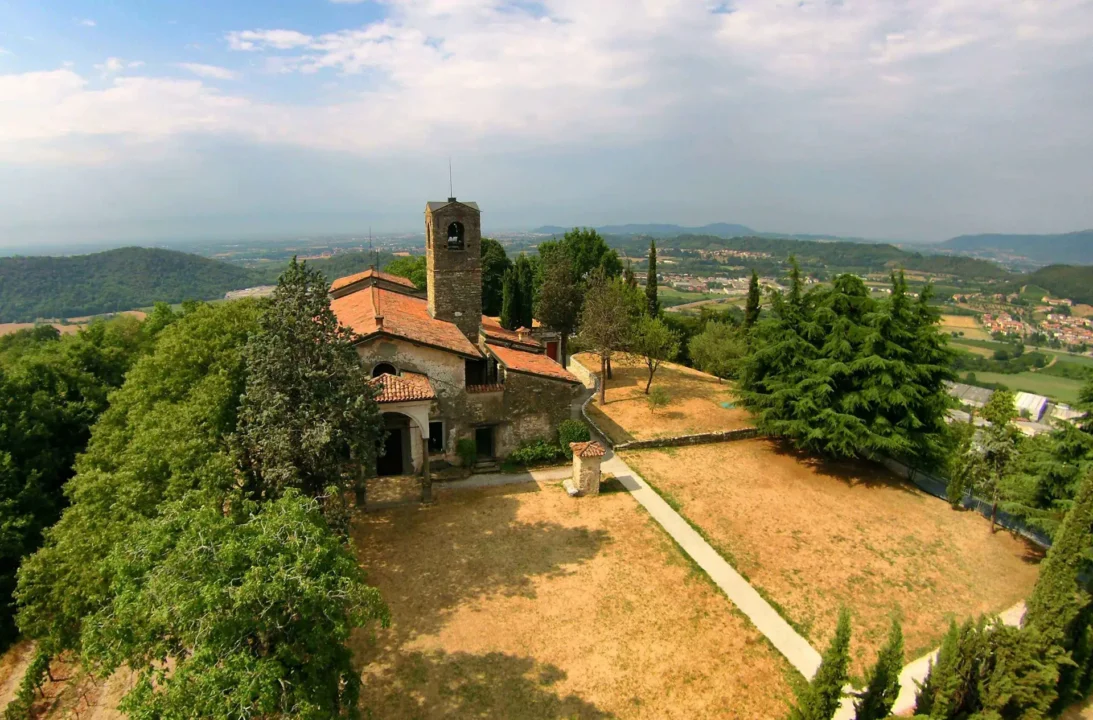
The Church of St. Michael, located in Goiane, is one of the jewels of the Brescia area: built in the style of a single-nave Lombard church, marked by majestic pointed arches and ending in a square chancel with a barrel vault, it still preserves part of its original painted decoration inside, making it, along with the Church of St. Mary of the Avello, a must-see destination.
A place of worship set within an ancient castle
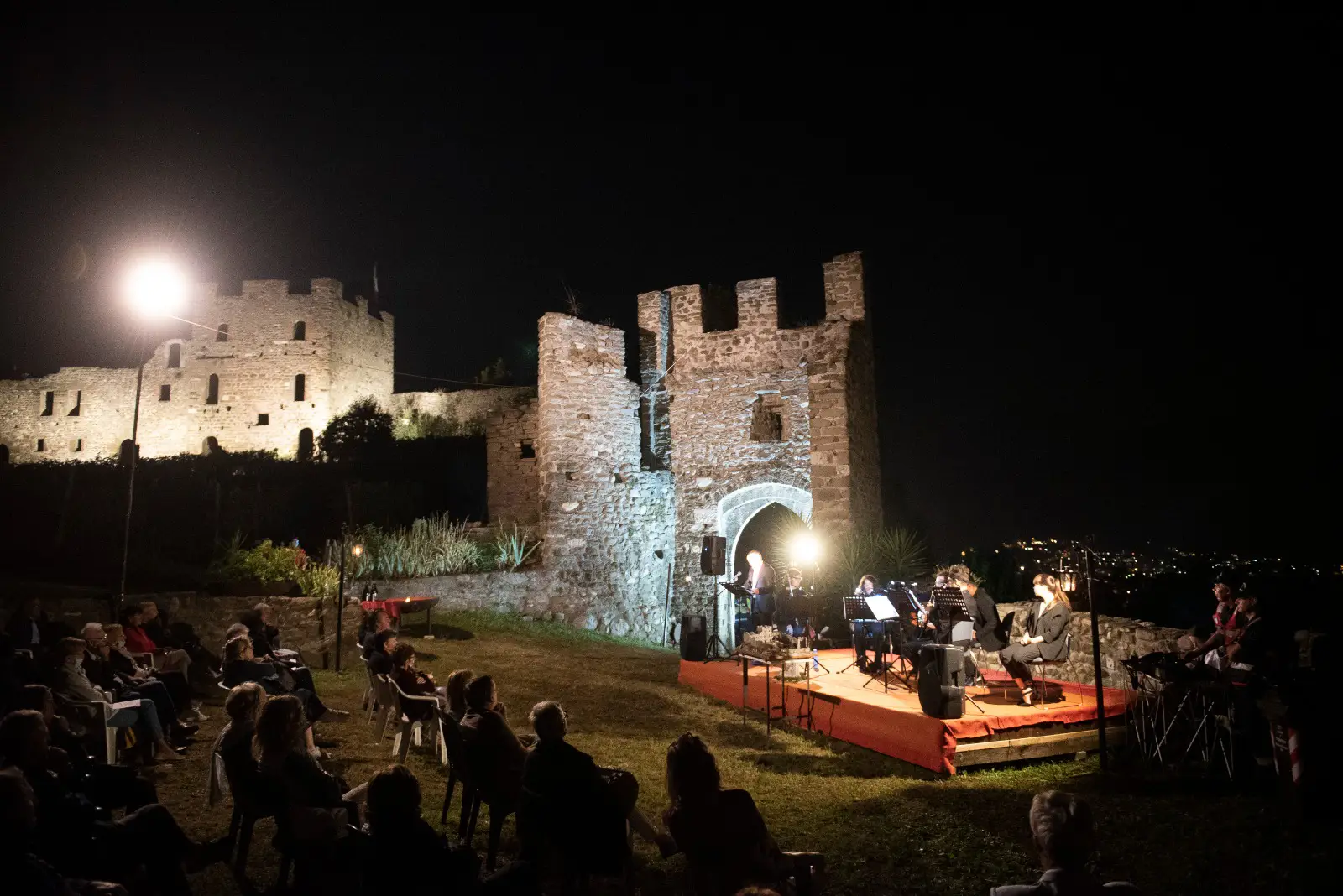
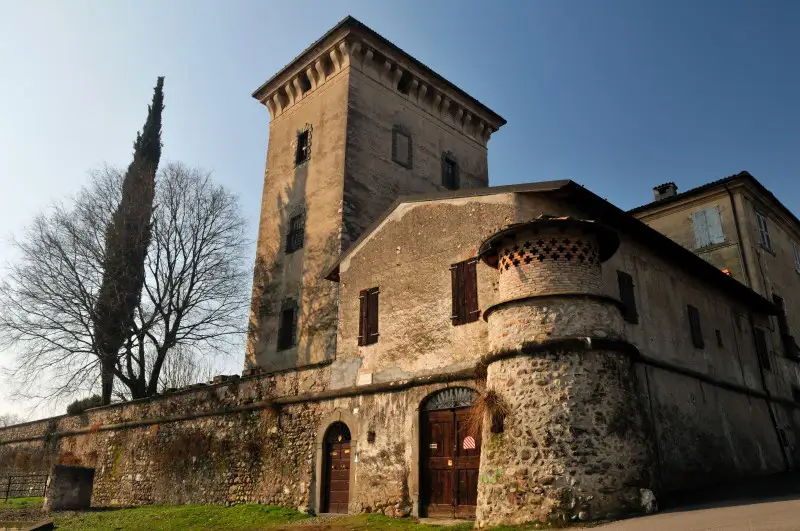
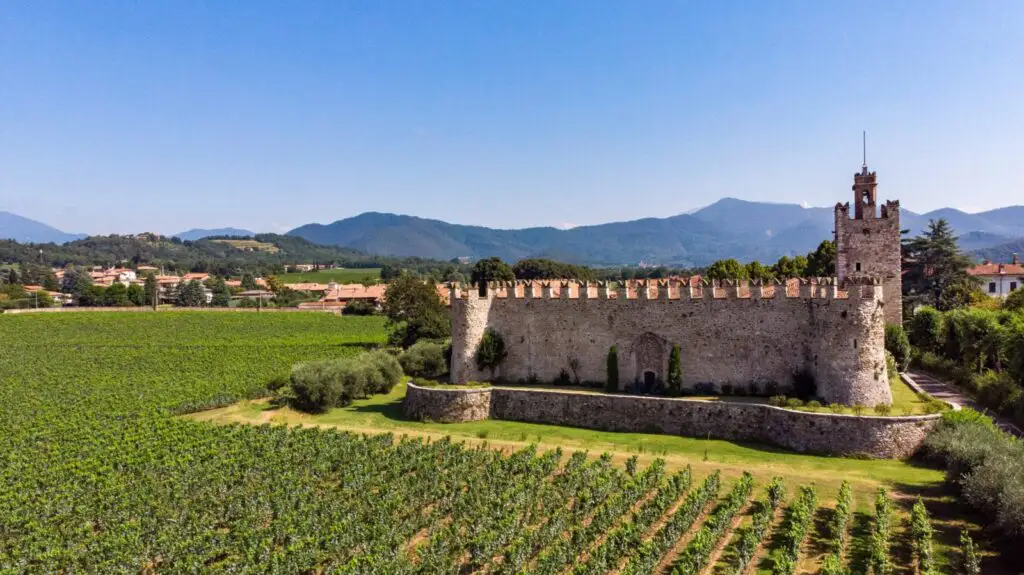
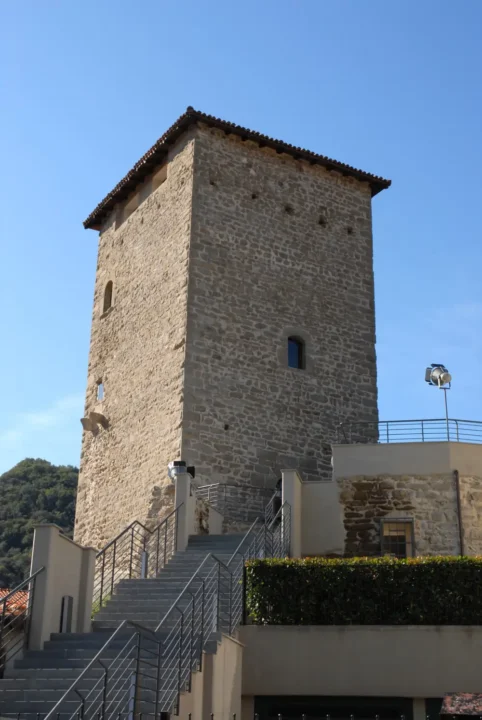
But the church is not merely a repository of artistic treasures. St. Michael’s, dedicated to the Archangel, a knight and warrior, stands as a visible reminder of a place that once housed a far more complex and fascinating structure, considered emblematic of the medieval period: a castle.
The “pioneering” castle of Ome and the de Rodingo family
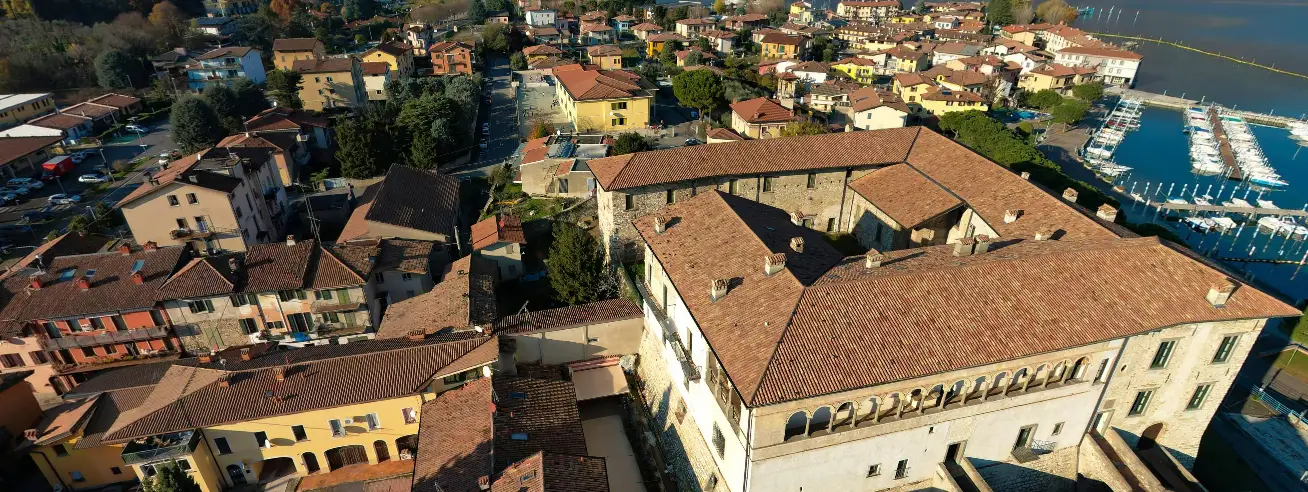
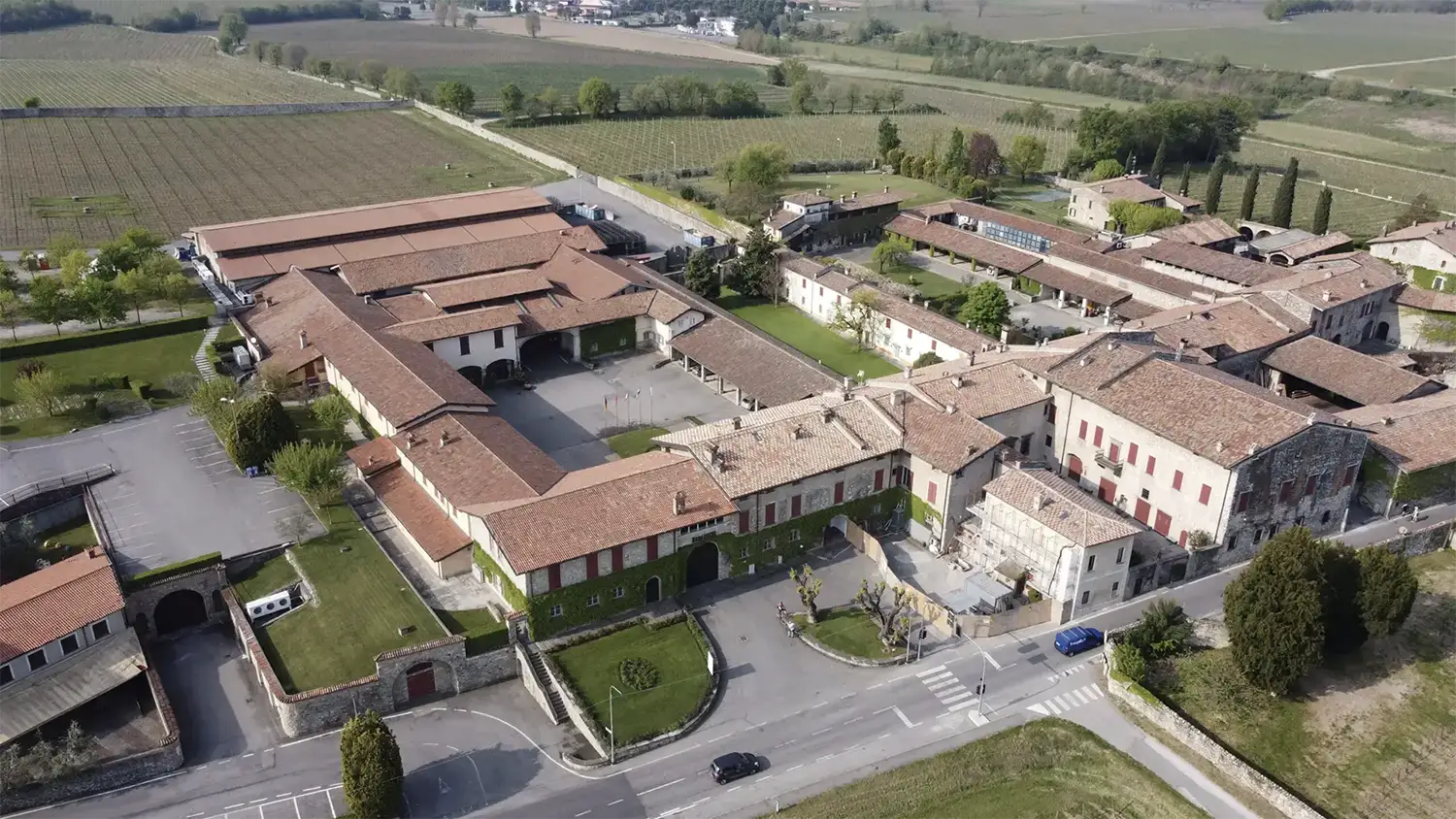
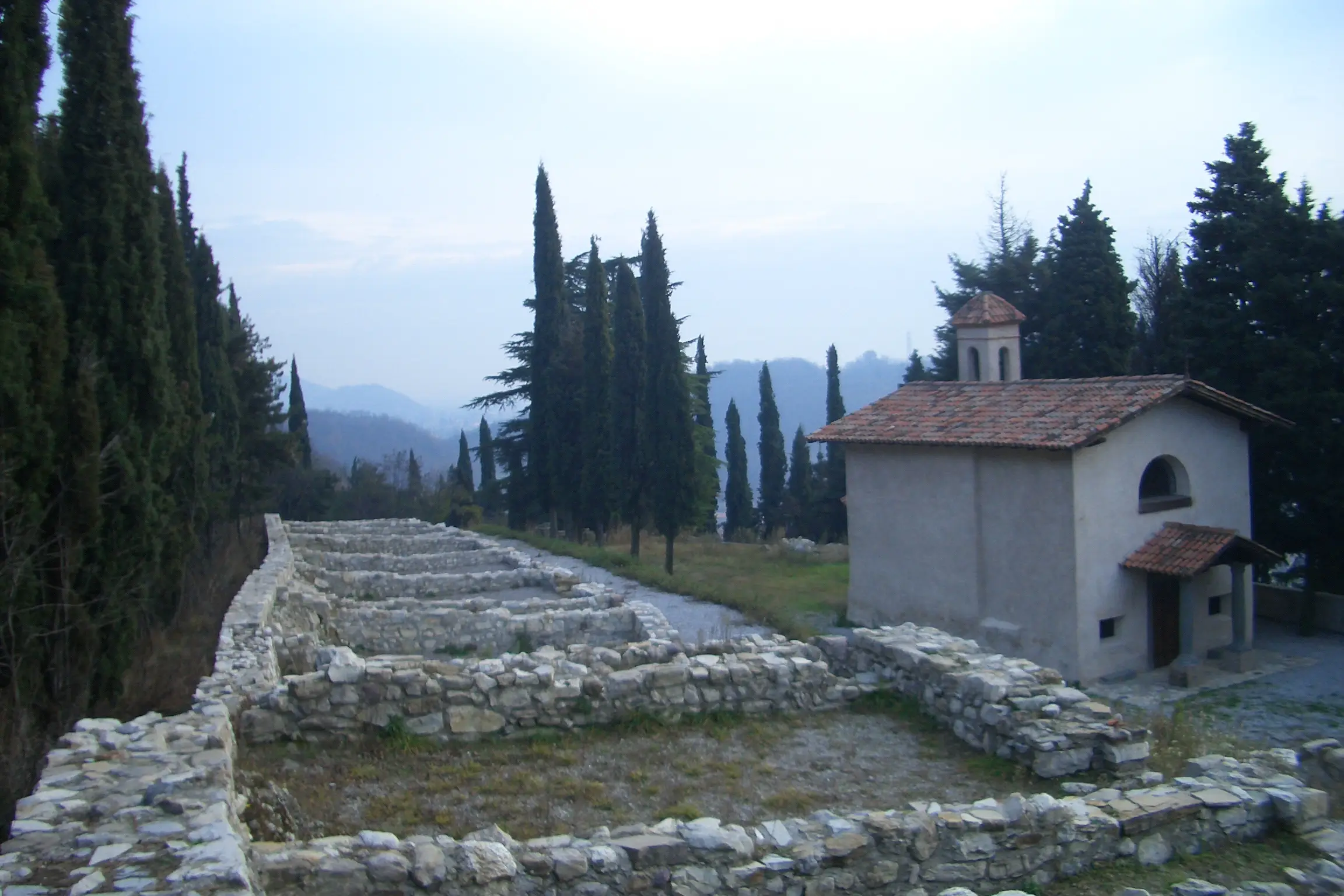
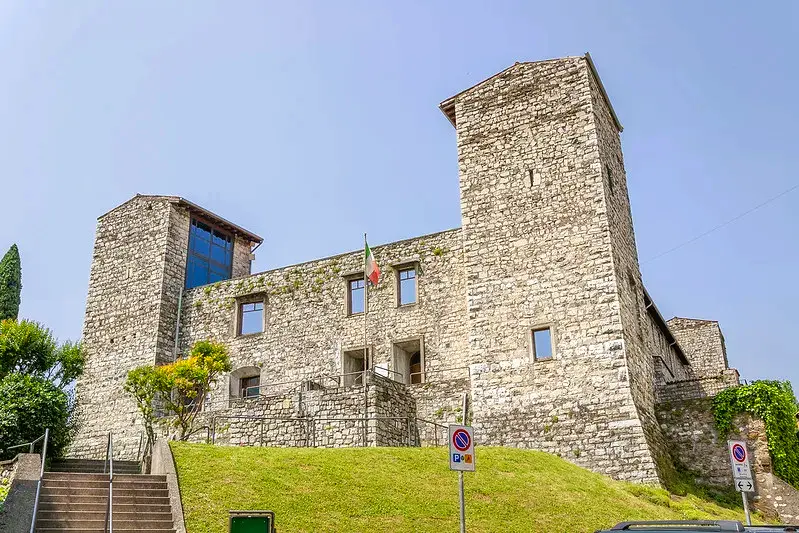
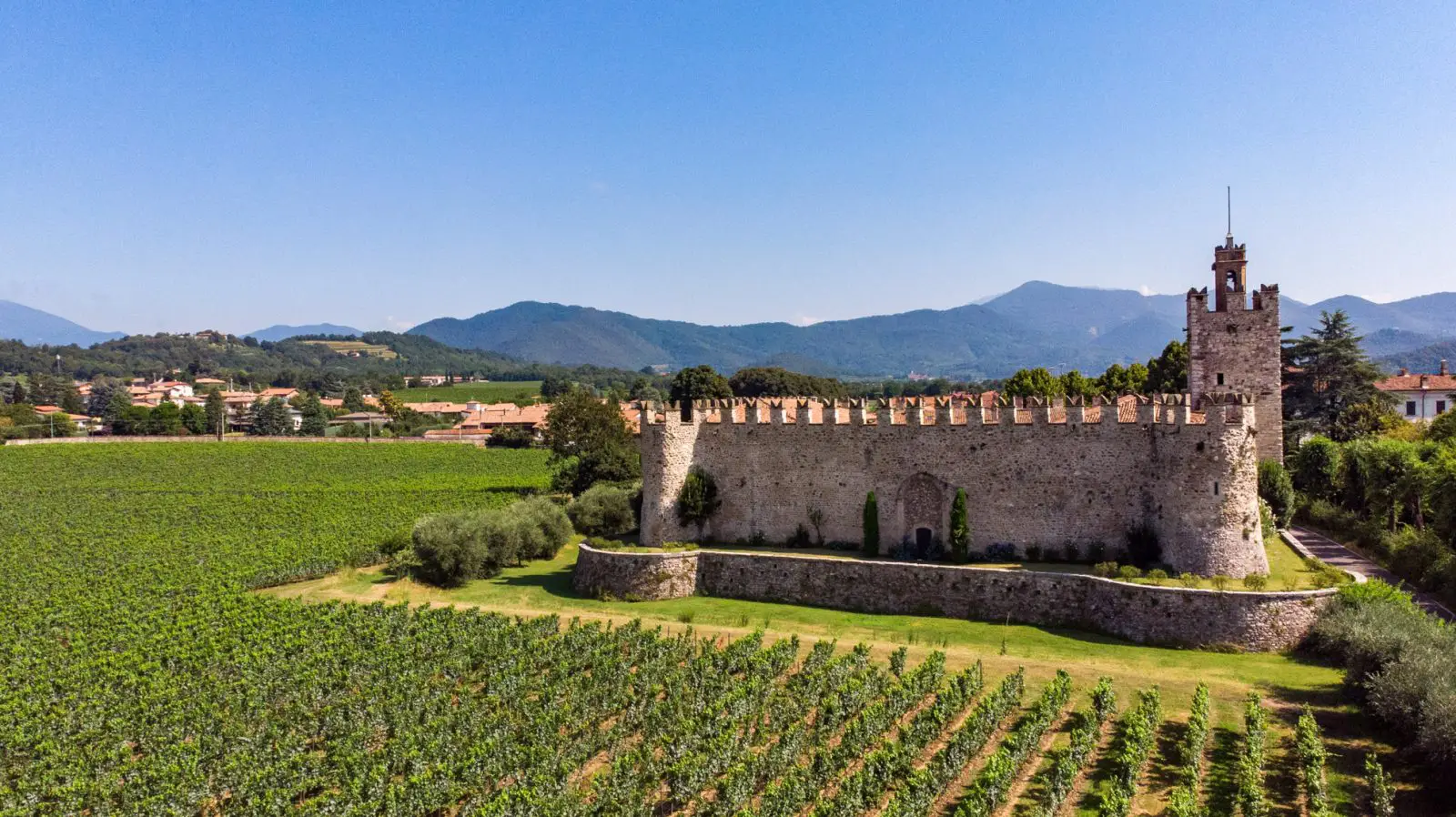
Ome Castle is an example of what might be called a “pioneering” castle, meaning one that did not originate in the early Middle Ages from the development of a Roman court, but was built at a later date, during the High Middle Ages. Only a few traces of it remain, rediscovered thanks to archaeological research, but from a document preserved at the Abbey of Rodengo Saiano, dated 1090, we know that at that time the castle was inhabited and active, and was listed among the holdings of the de Rodingo family. In 1085, the same family ceded its holdings in Rodengo Saiano, corresponding to the area where the Olivetan Abbey stands today and where a fortified structure once stood, to the monks of Cluny so that they might found a monastery there.
City walls and keep: the remains of the fortified settlement
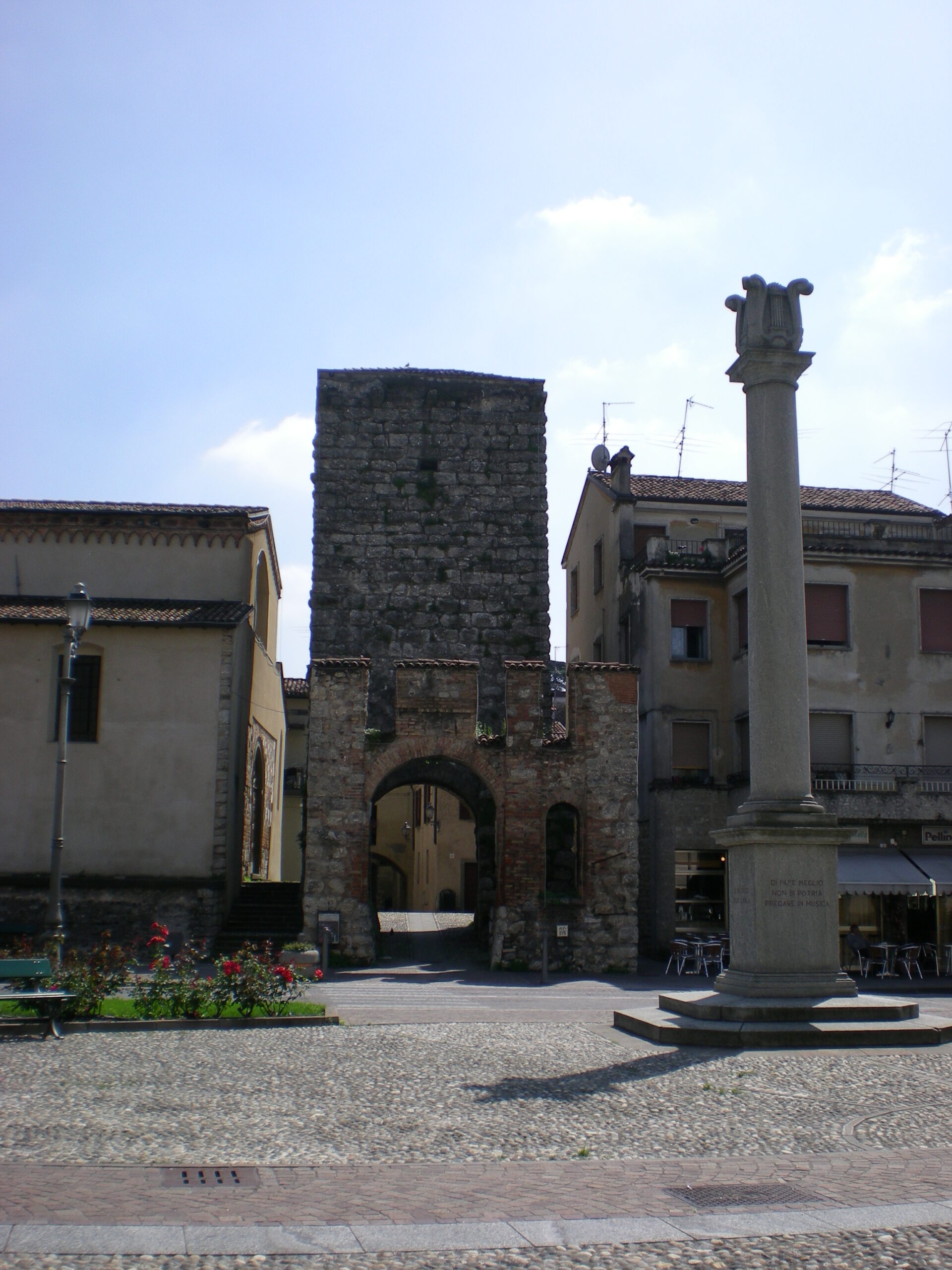
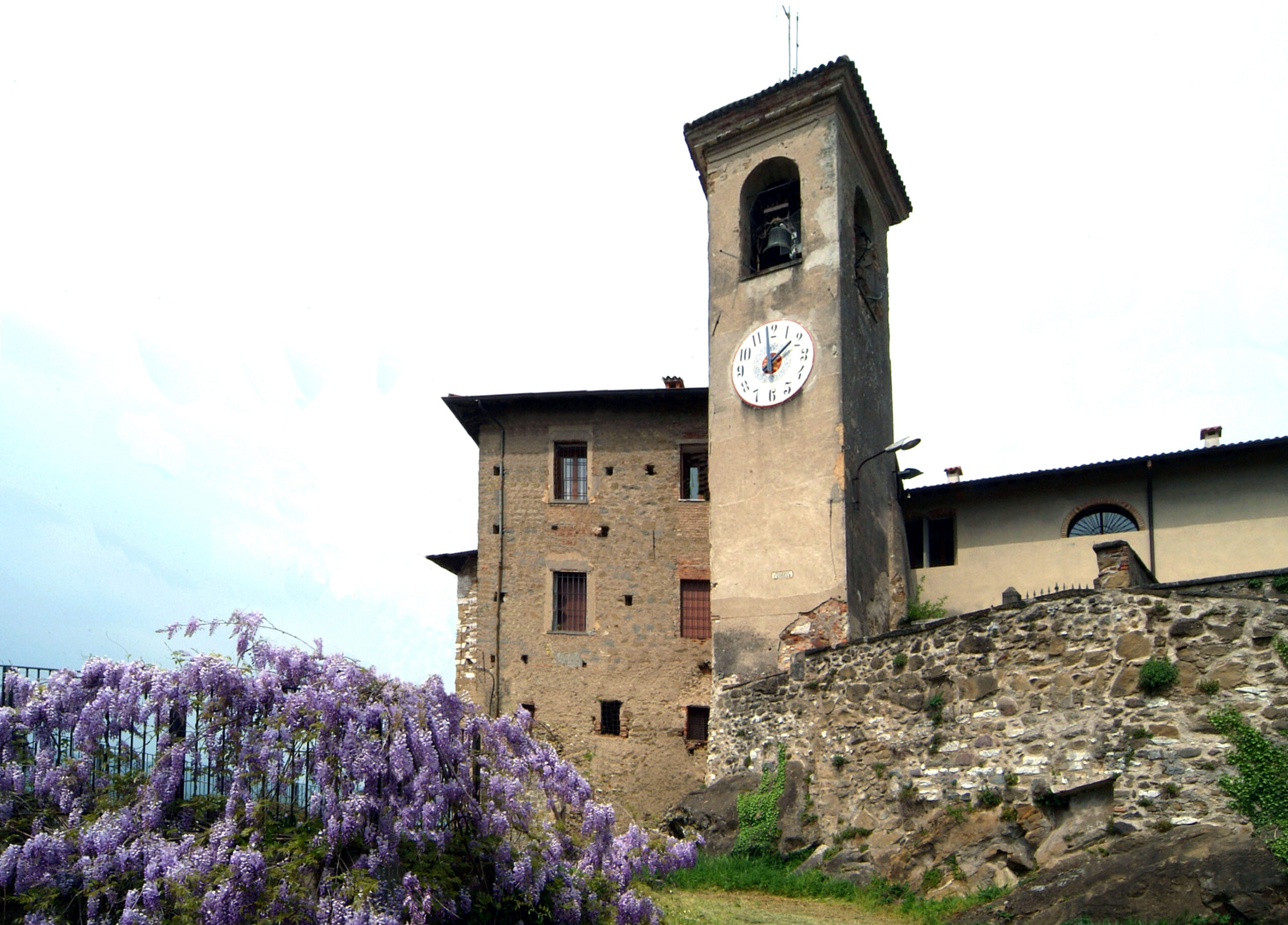
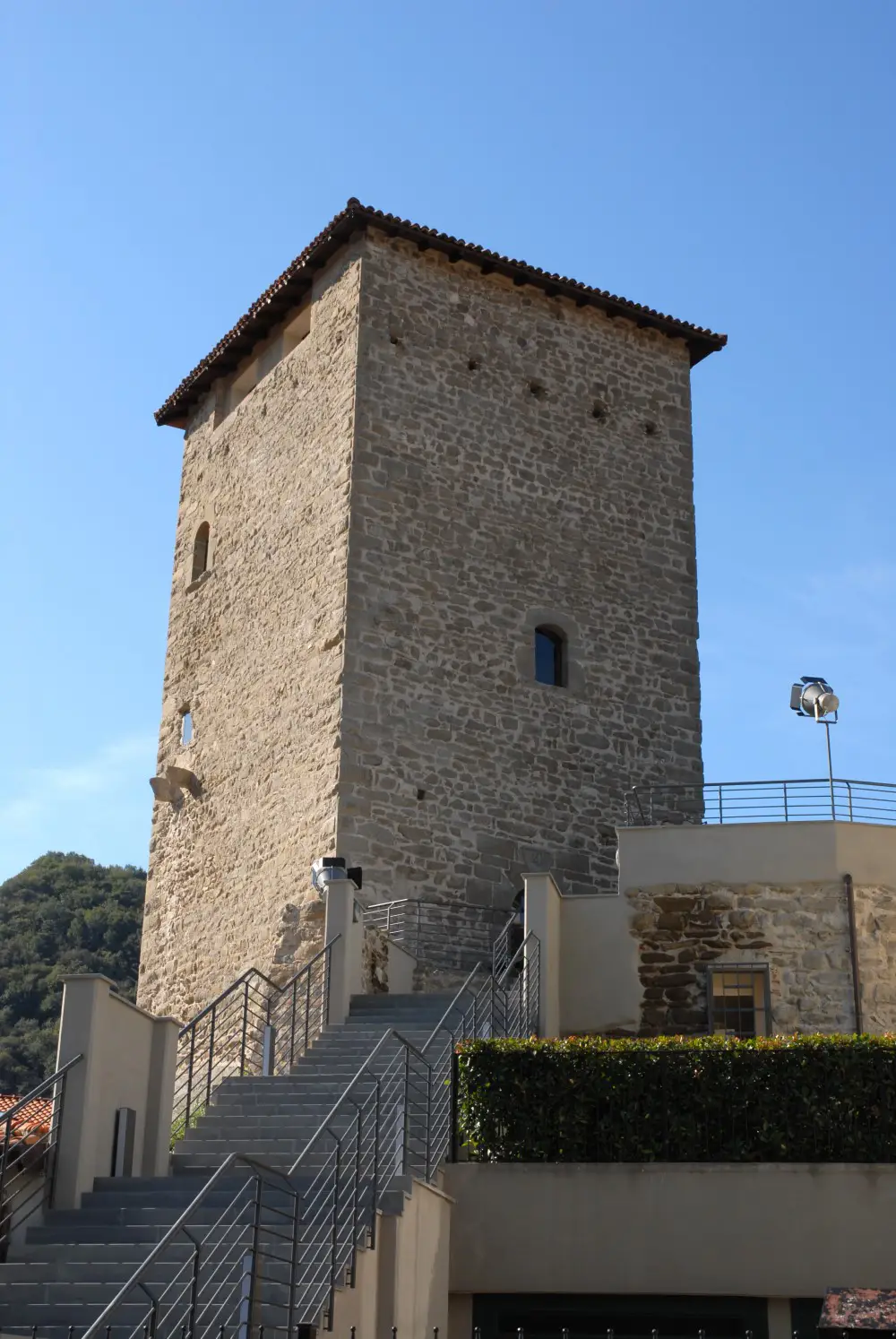
The fortified settlement of Ome was surrounded by a wall, of which only the outer perimeter remains; it featured a tower serving as a keep, which is no longer visible today but survived at least until the 17th century: it is, in fact, documented in Giovanni da Lezze’s land register of 1610.
The Romanesque church and its 15th-century reorientation
All that remains of the settlement is the church of St Michael, the original structure of which certainly dates back to the Romanesque period, probably between the 11th and 12th centuries, and which, in the second half of the 15th century, was reoriented along a south-north axis with the construction of a new single nave, rotated by 90 degrees from the original one.
Links and useful information


Opening hours: visits by appointment only
Donation-based admission