Borgonato Castle and the former Church of San Salvatore
- Home
- /
- Arte e cultura
- /
- Castles
- /
- Borgonato Castle and the former Church of San Salvatore
Church of San Salvatore and Dosso Refuge (Borgonato)
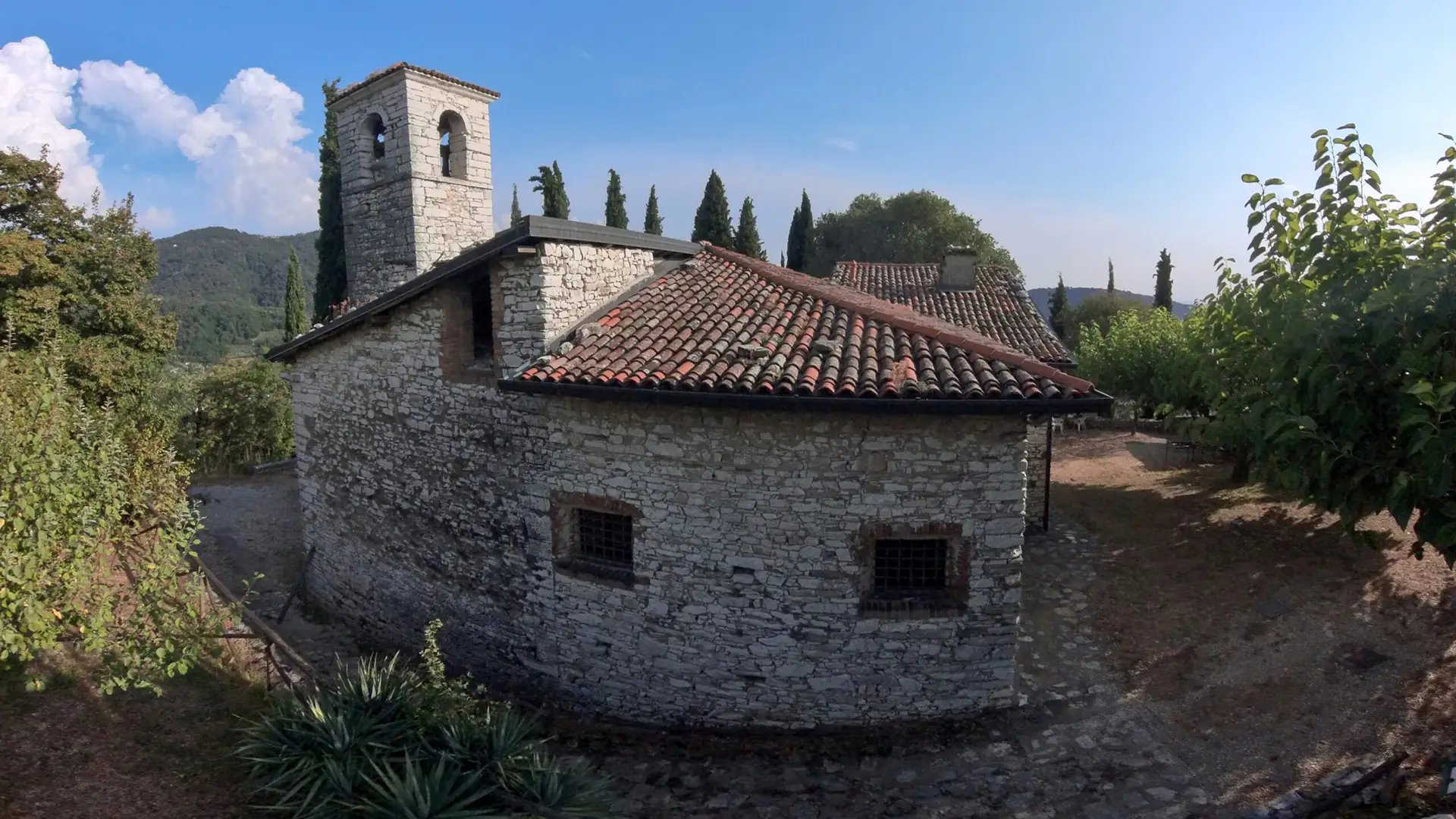
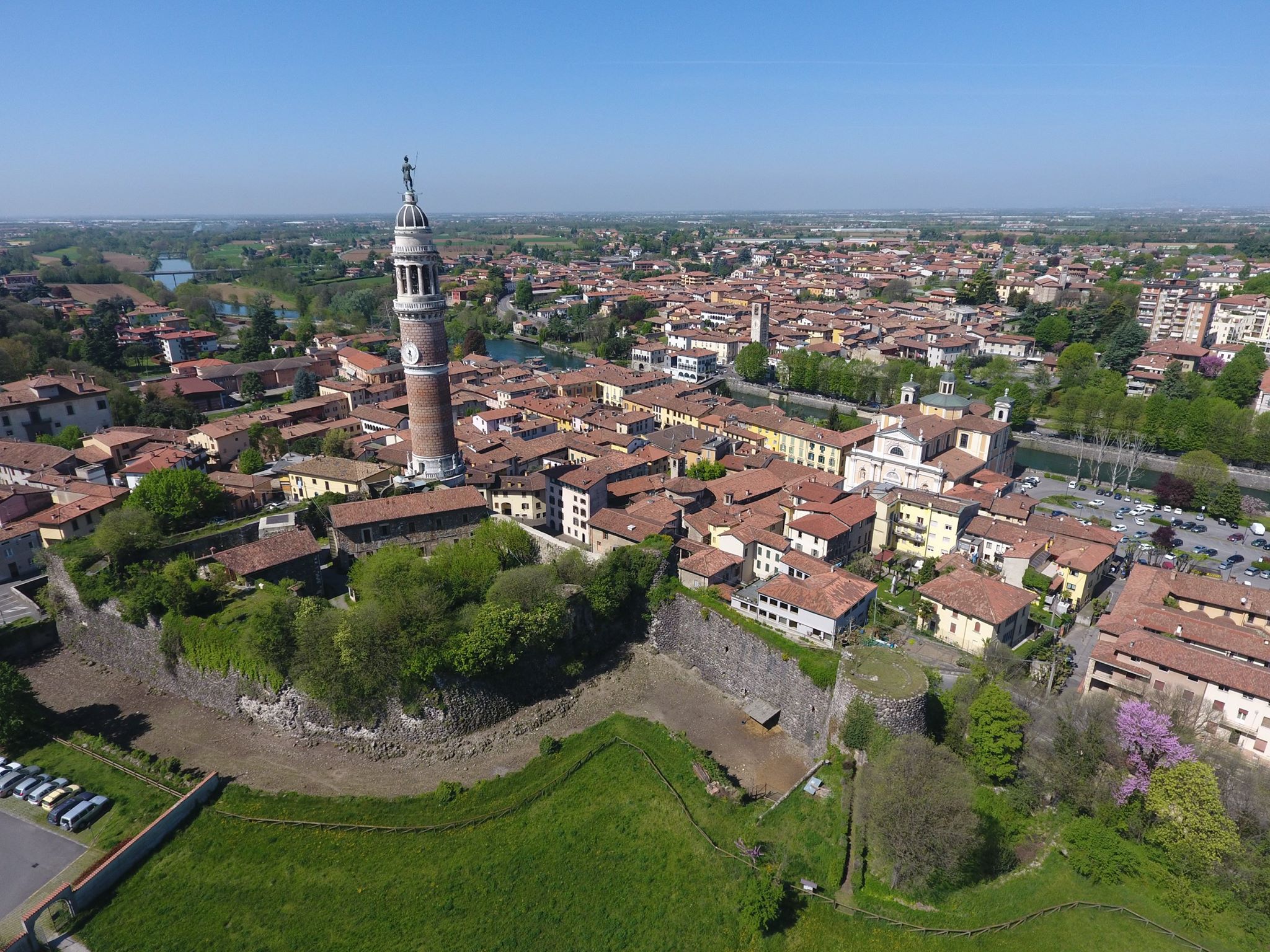
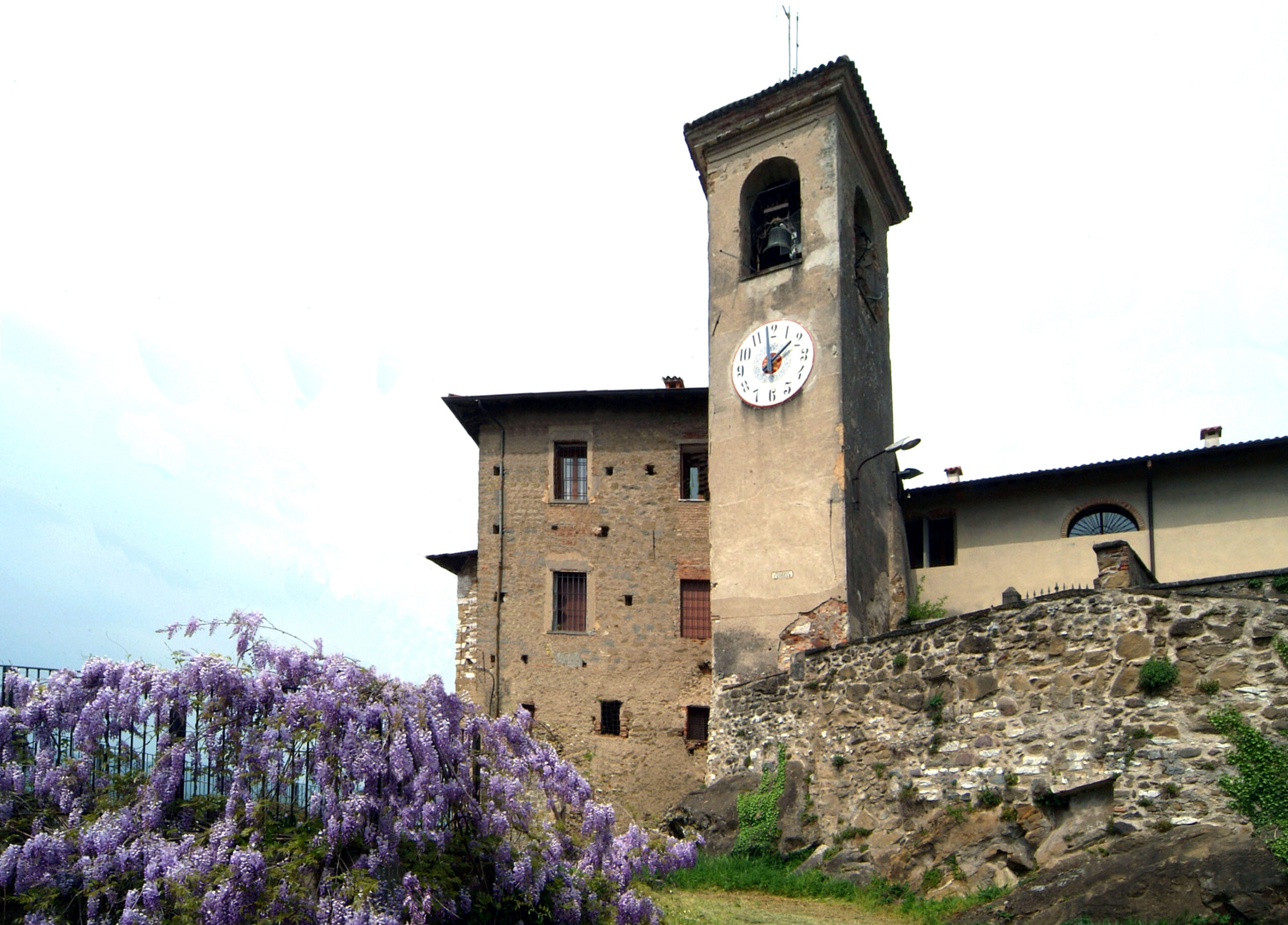
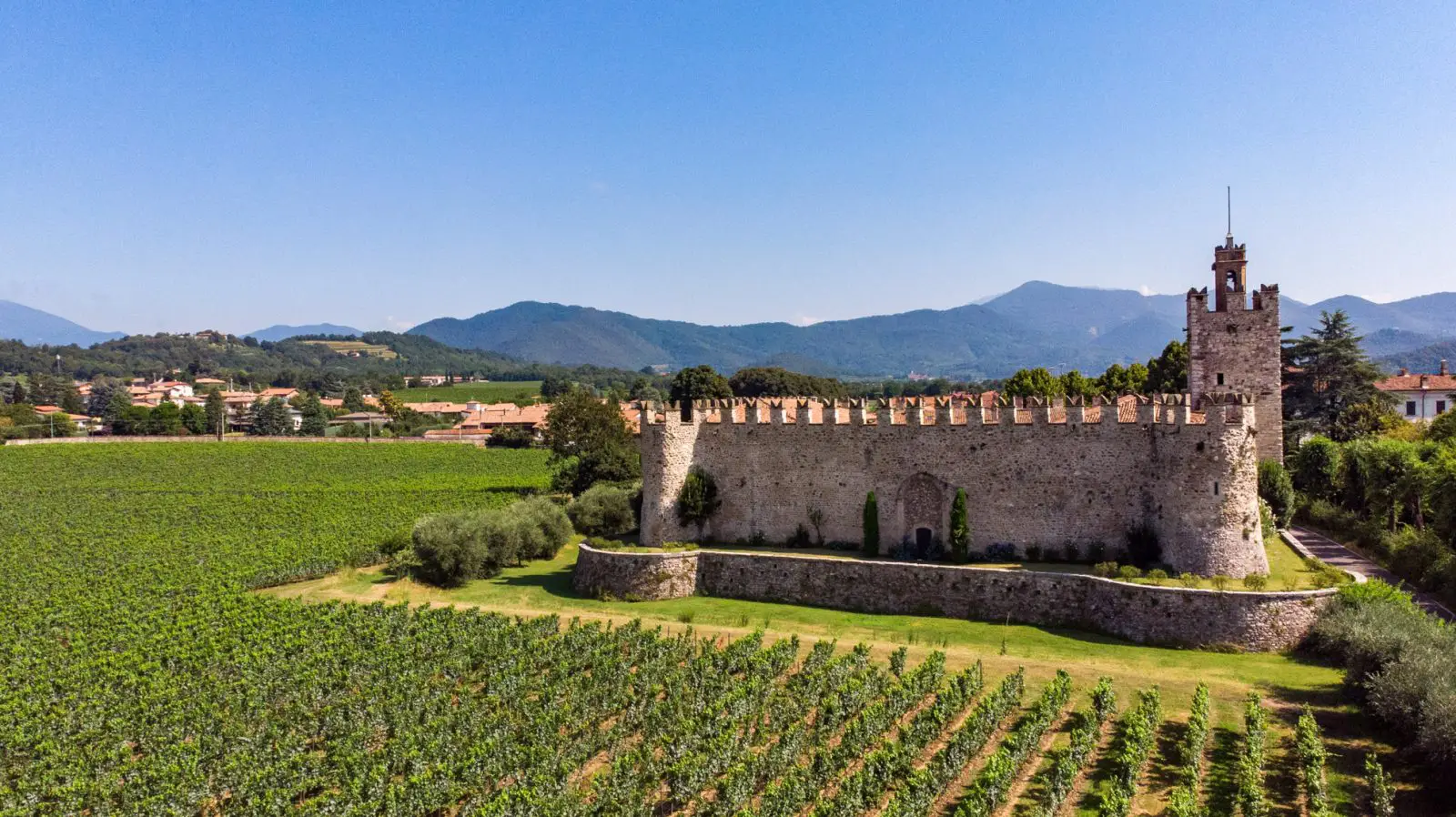
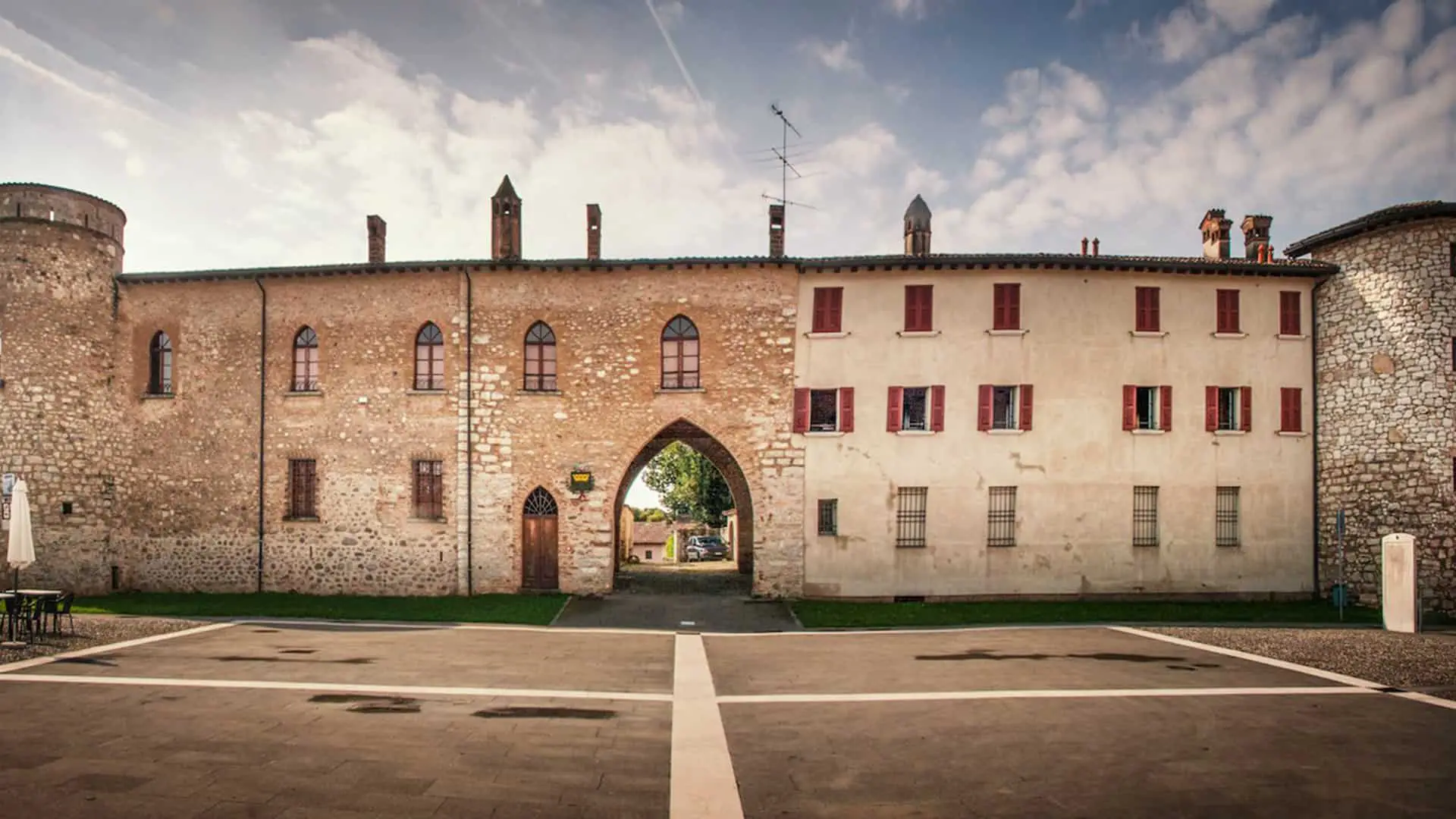
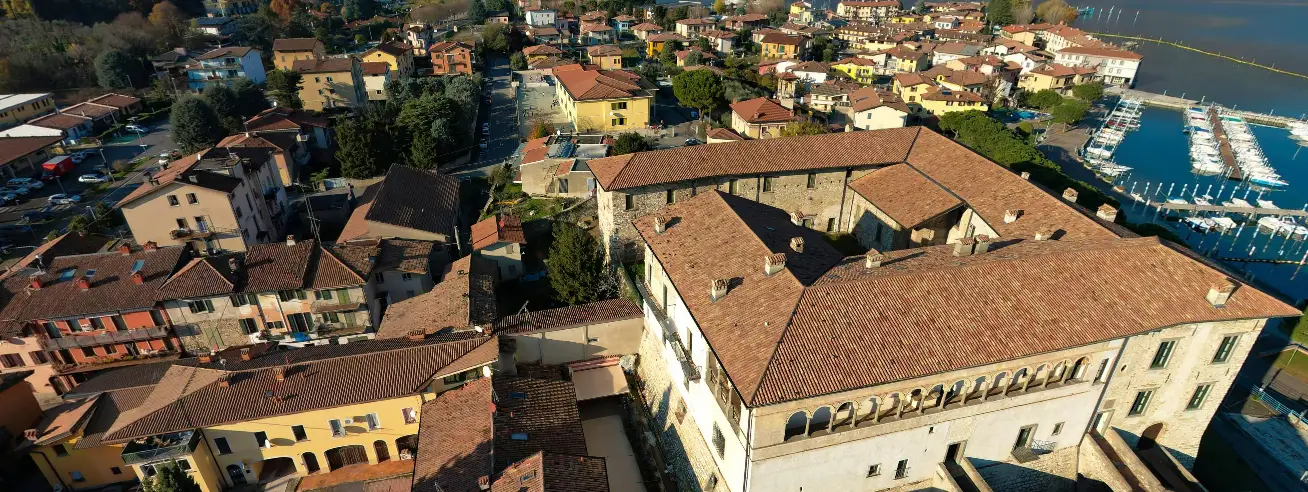
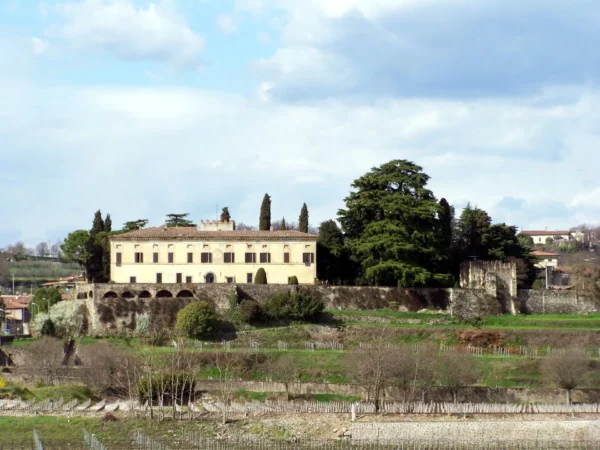
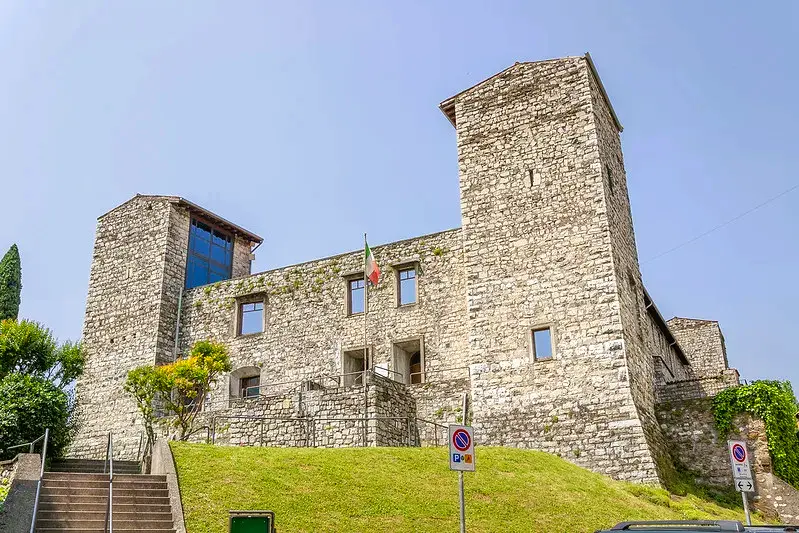
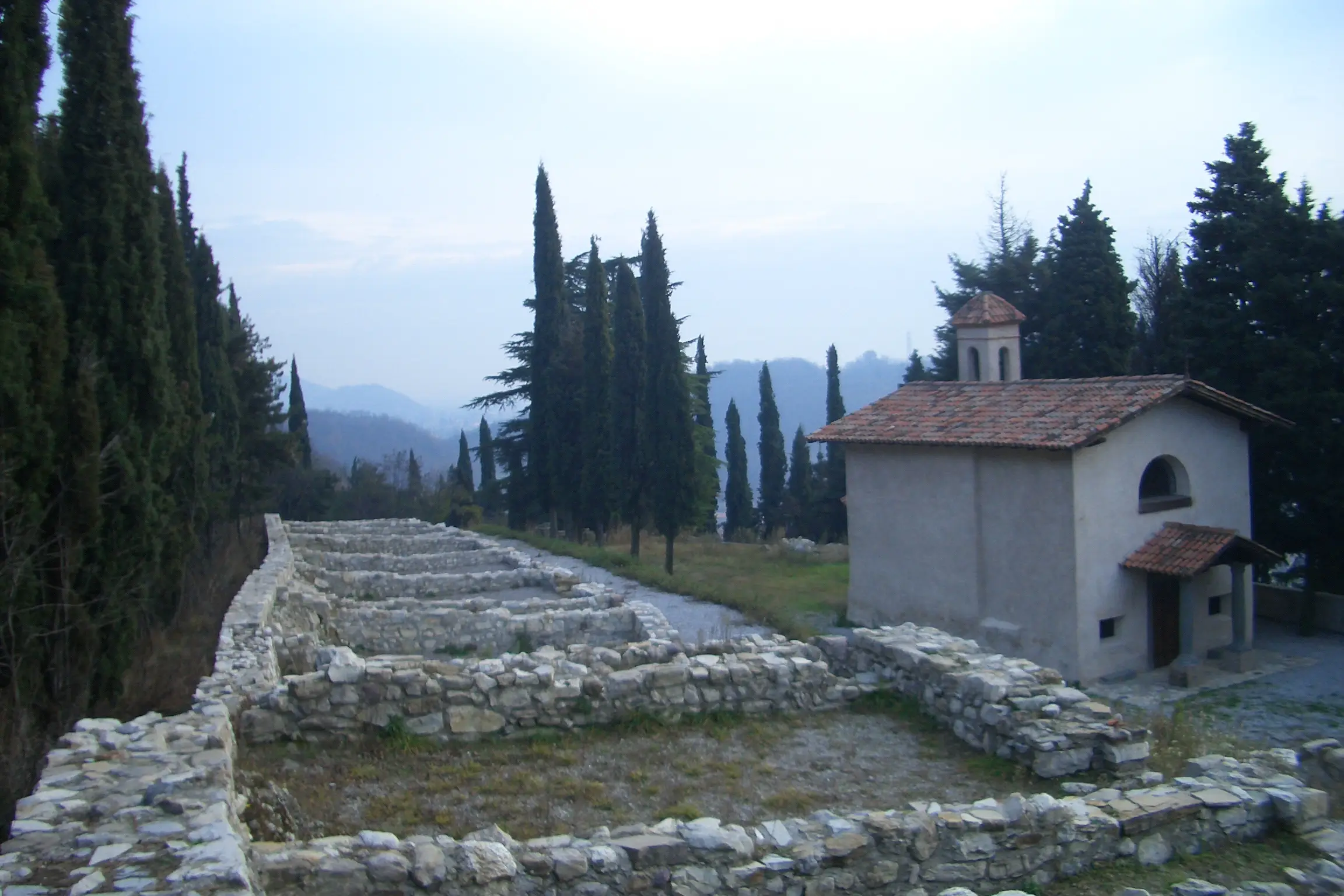
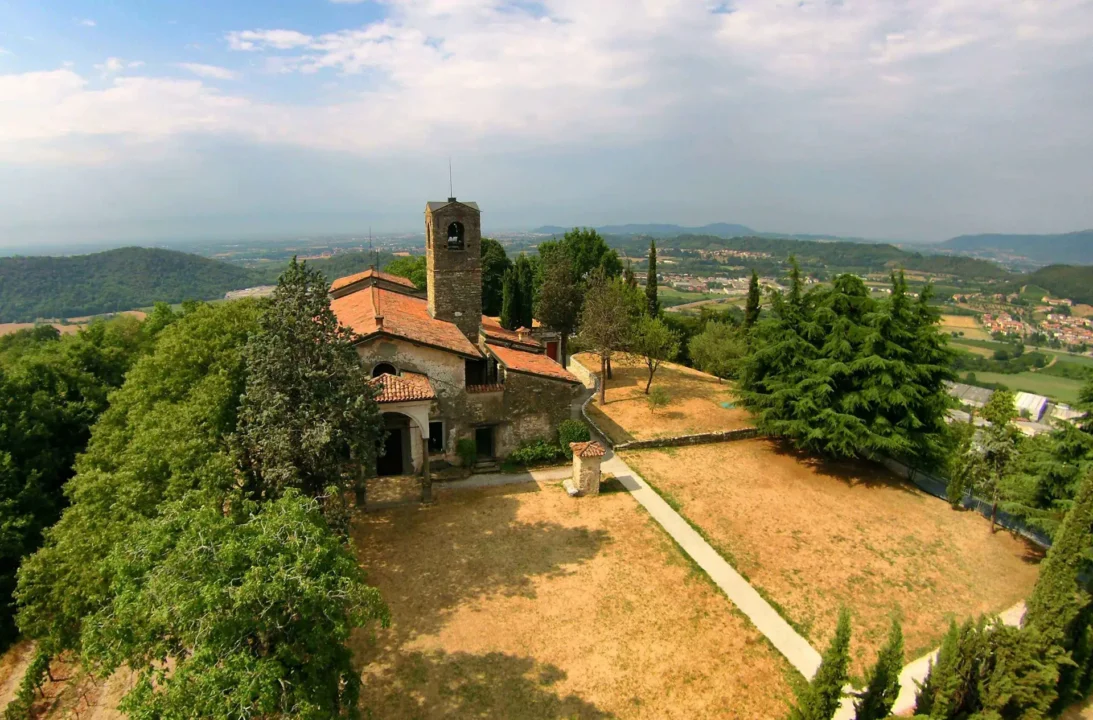
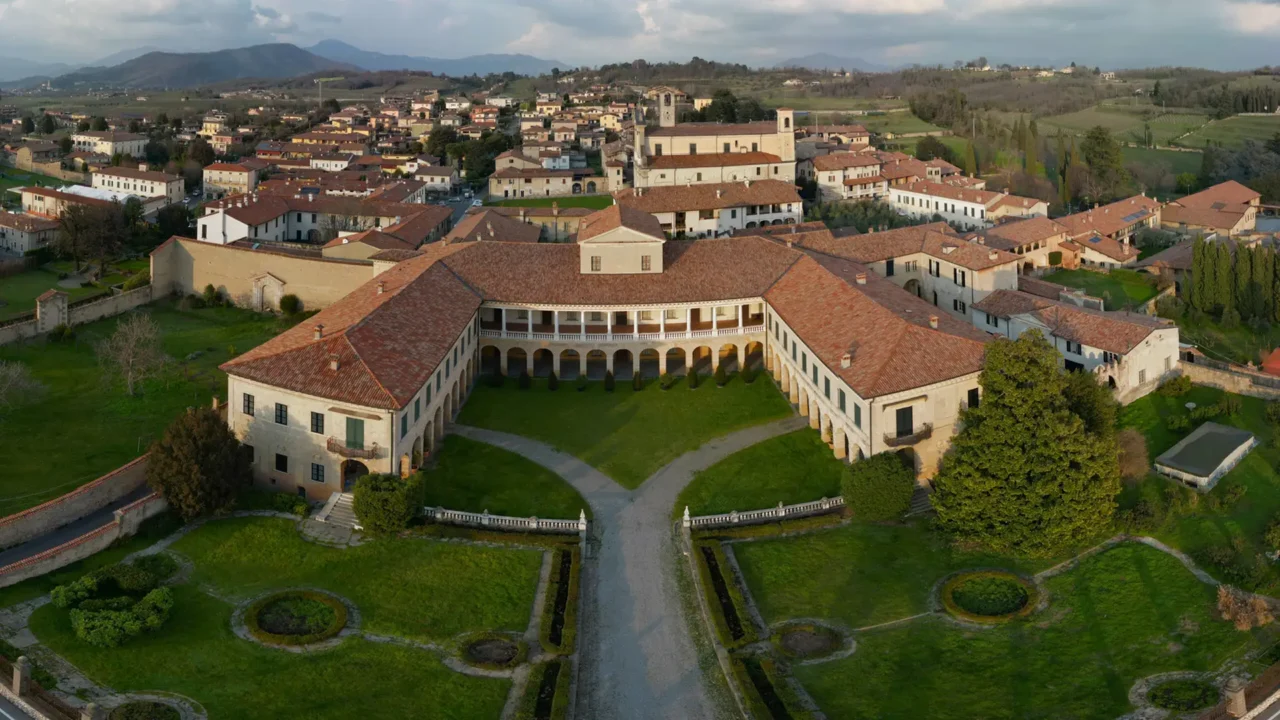
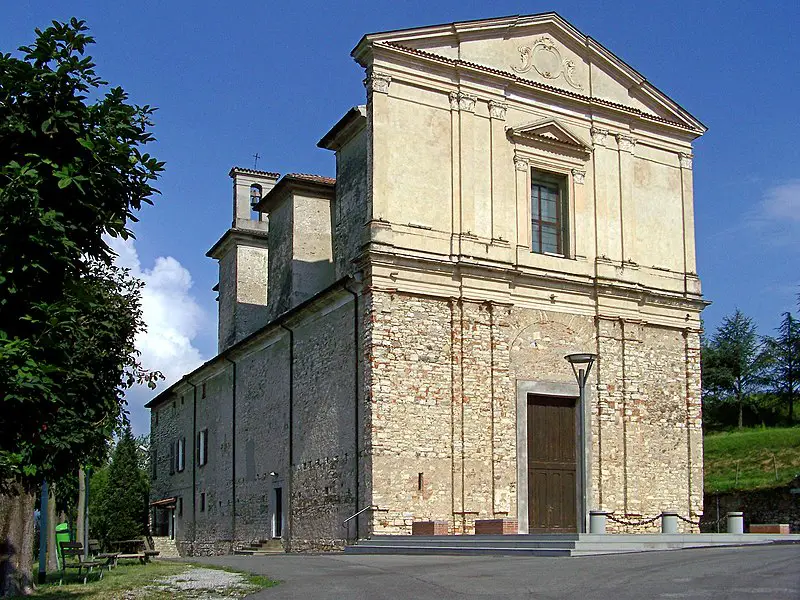
As with San Michele in Ome and San Rocco in Provaglio, the small church of San Salvatore, located on a promontory in the center of the village of Borgonato, known as Dosso, is all that remains of an ancient fortified refuge and constitutes a site of considerable interest. Thanks to archaeological investigations, it has been possible to reconstruct both the appearance of the original structure and some aspects of its material culture.
Monastic origins and early medieval documents
The church was part of the possessions of the Lombard monastery of San Salvatore in Brescia, from which it derives its name. This was an important foundation linked to the rulers Desiderio and Ansa, with extensive land holdings, including the significant curtis of Timoline di Cortefranca, which, as documents confirm, was one of the richest among those owned by the monastery in the Franciacorta region. Charles the Fat’s charter of 879 confirms that, at that time, the church and courtyard of Borgonato were still part of the assets of the Brescian monastery. Borgonato is mentioned again at the end of the 9th century in the inventory of the Polyptych of Santa Giulia.
The city walls and the watchtower
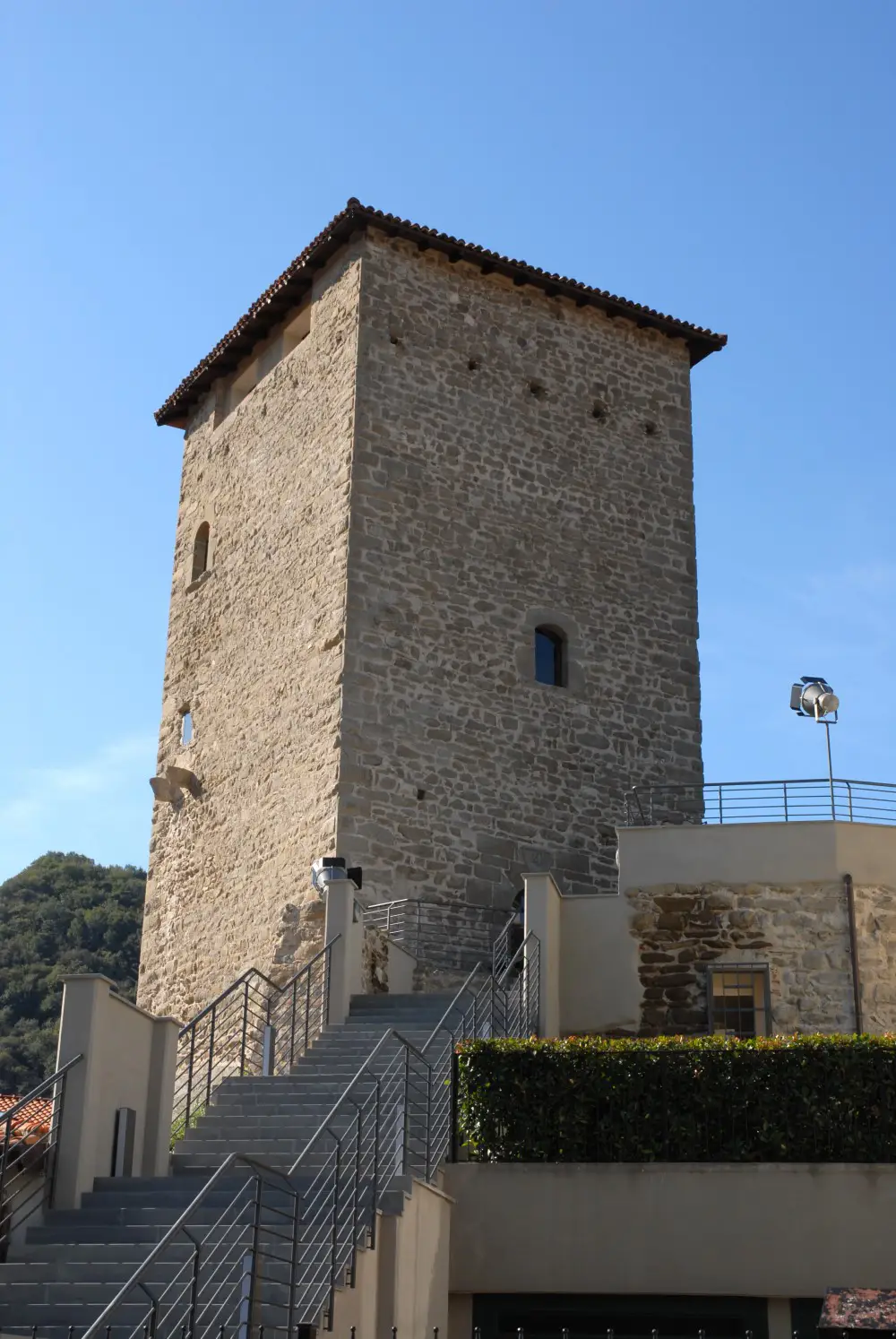
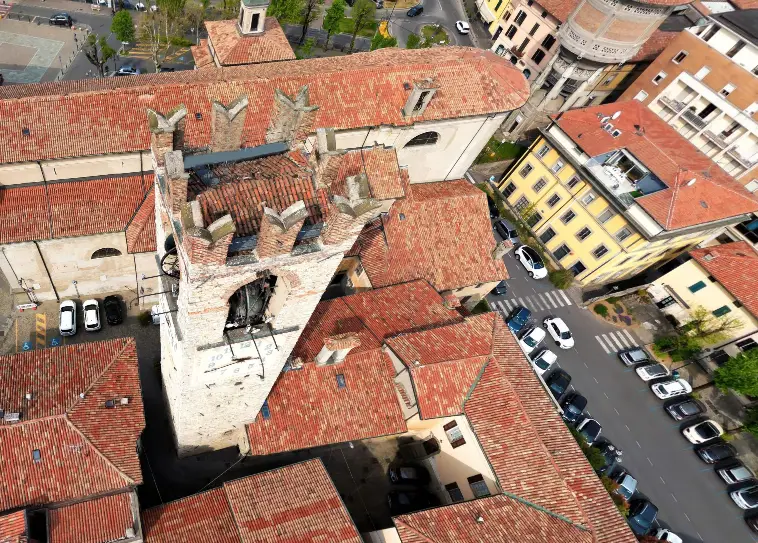
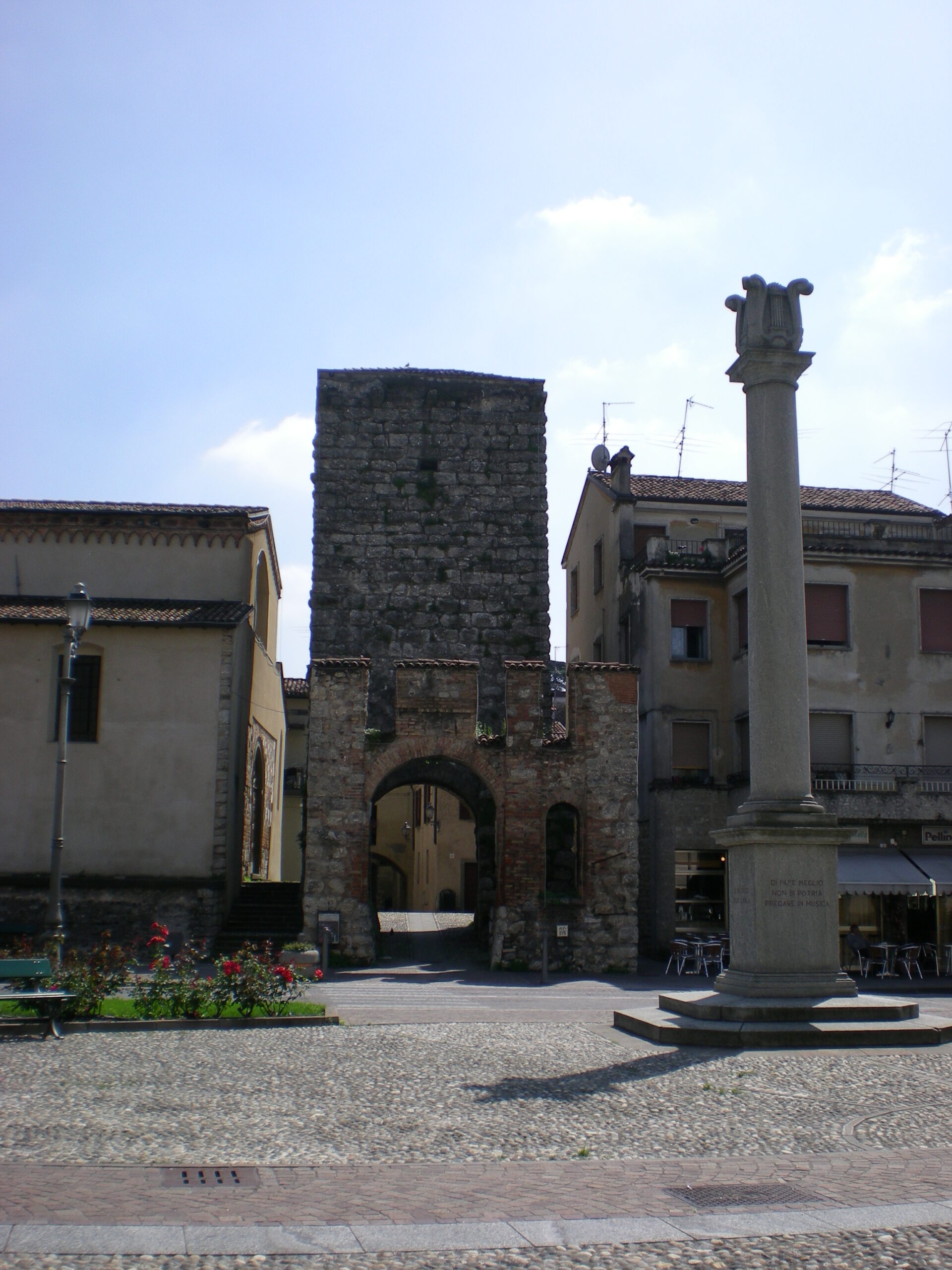
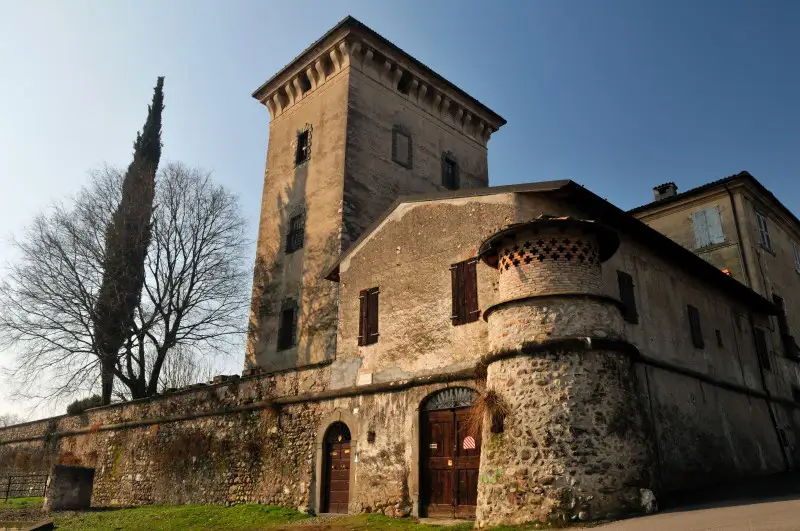
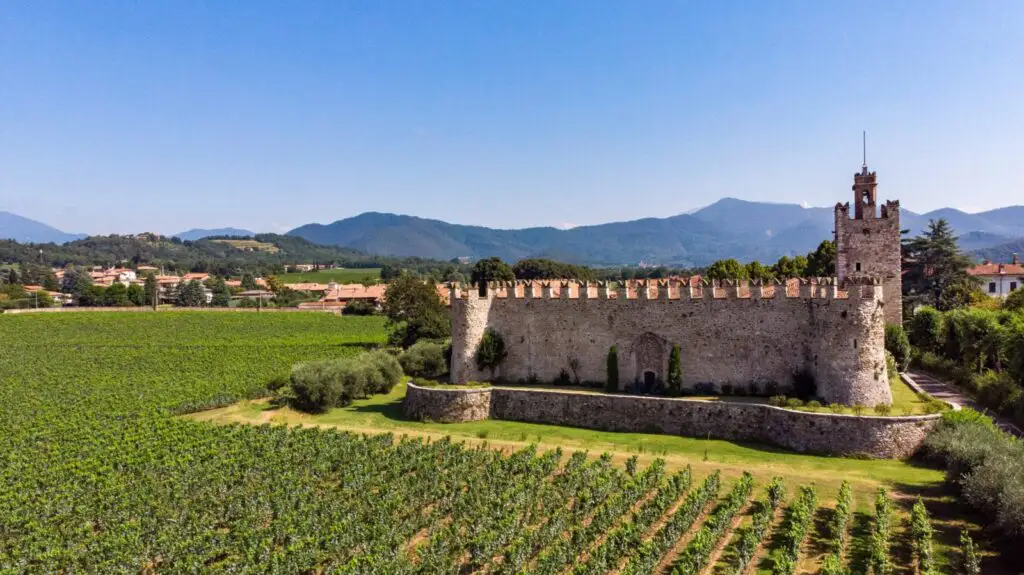
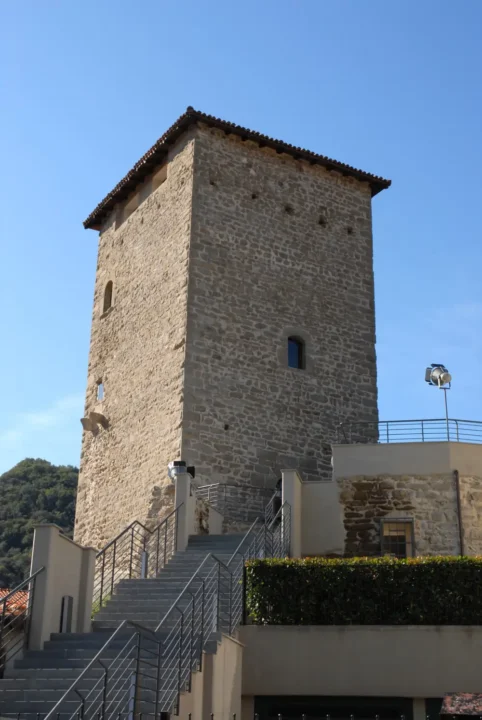
In the 12th century, likely to defend a site of such strategic importance from an economic and settlement perspective, a wall was built that surrounded the entire summit of the Dosso. It was a simple structure, but suitable for use in times of imminent danger, and featured, within it, “caneve” (typical two-story warehouses) used to store food supplies. Of the entire defensive structure, only the watchtower remains, located to the northeast, at the point where the entrance to the enclosure likely also stood.
Romanesque reconstruction, 15th-century extensions and decline
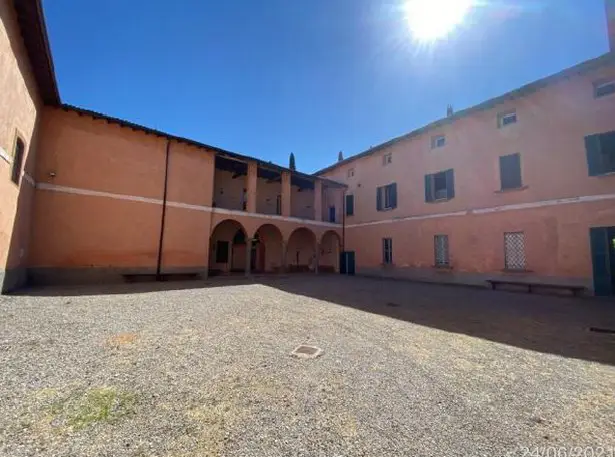
During this period, the church was also completely rebuilt, taking on the appearance that is still visible today: a small Romanesque building with extremely simple forms, ending in a single apse-shaped hall facing east. In the mid-15th century, a two-bay, cross-vaulted portico was added, and the church hall was decorated with frescoes. Among these, the eight-rayed sun with the trigram of St. Bernardine stands out, a sign of the Franciscan preacher’s influence in the Brescia area. These are the last signs of the community’s attention to the church, which gradually, with the relocation of the town downstream, gravitating around the prestigious new palazzo of the Lana family, would experience a progressive decline, which eventually led to its incorporation into the Palazzo’s possessions in 1832.
Links and useful information


Privately owned property
Visiting hours: The castle can be visited only from the outside upon request; the church of San Salvatore can also be visited from the inside.