Parish Church of San Bartolomeo in Bornato
- Home
- /
- Arte e cultura
- /
- Hidden treasures
- /
- Parish Church of San Bartolomeo in Bornato
Meaning of “pieve” and documentary history of the Pieve di S. Bartolomeo
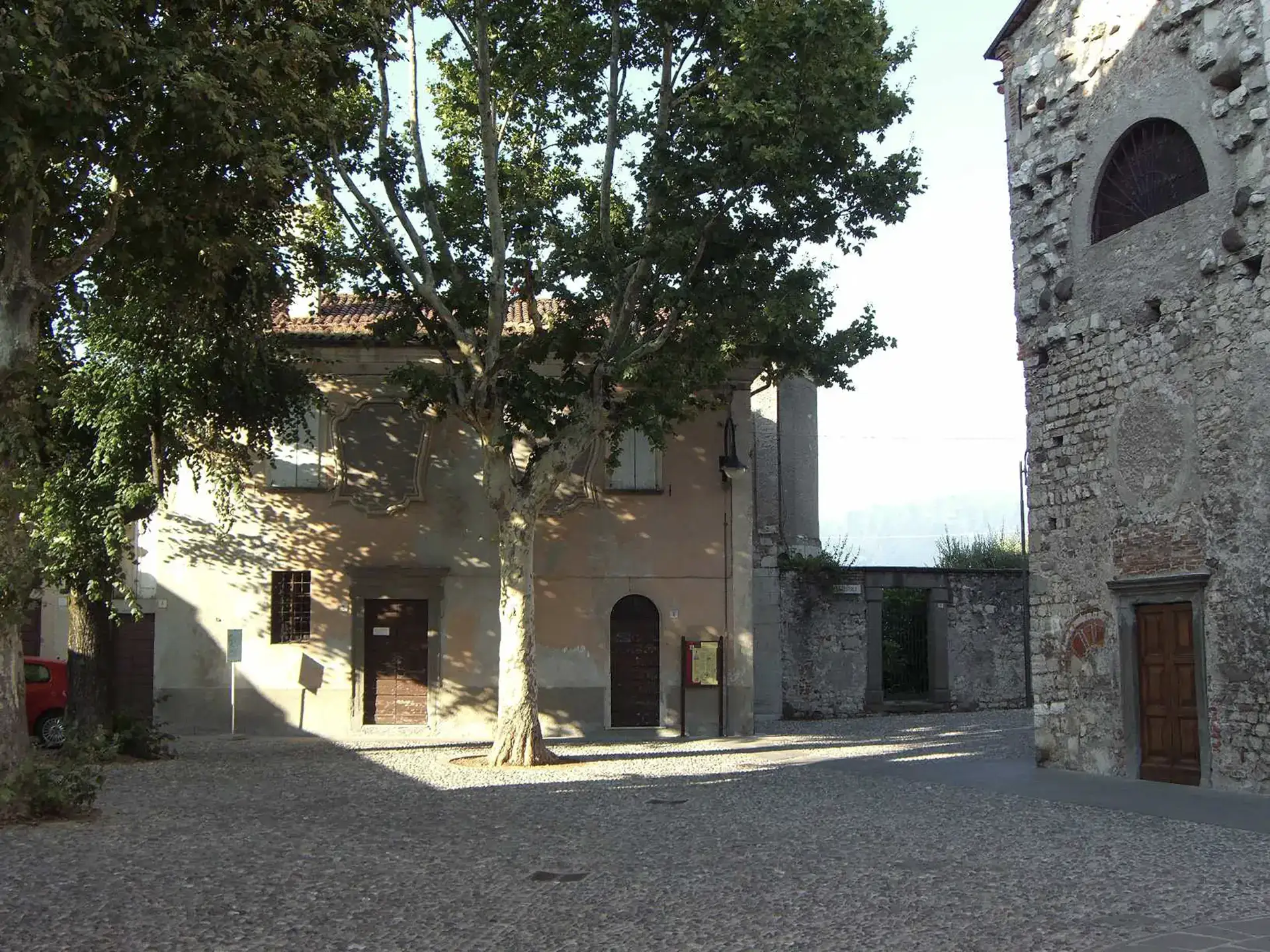
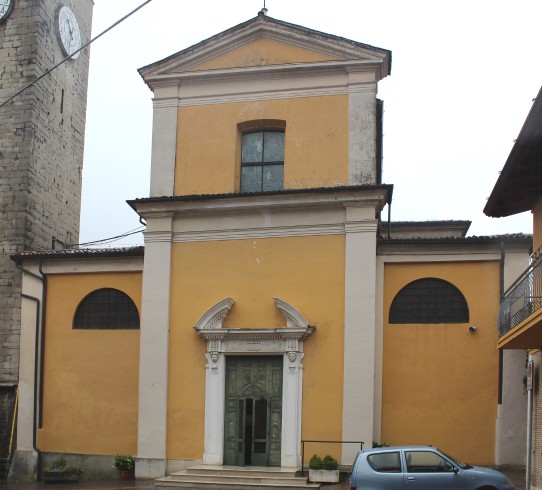
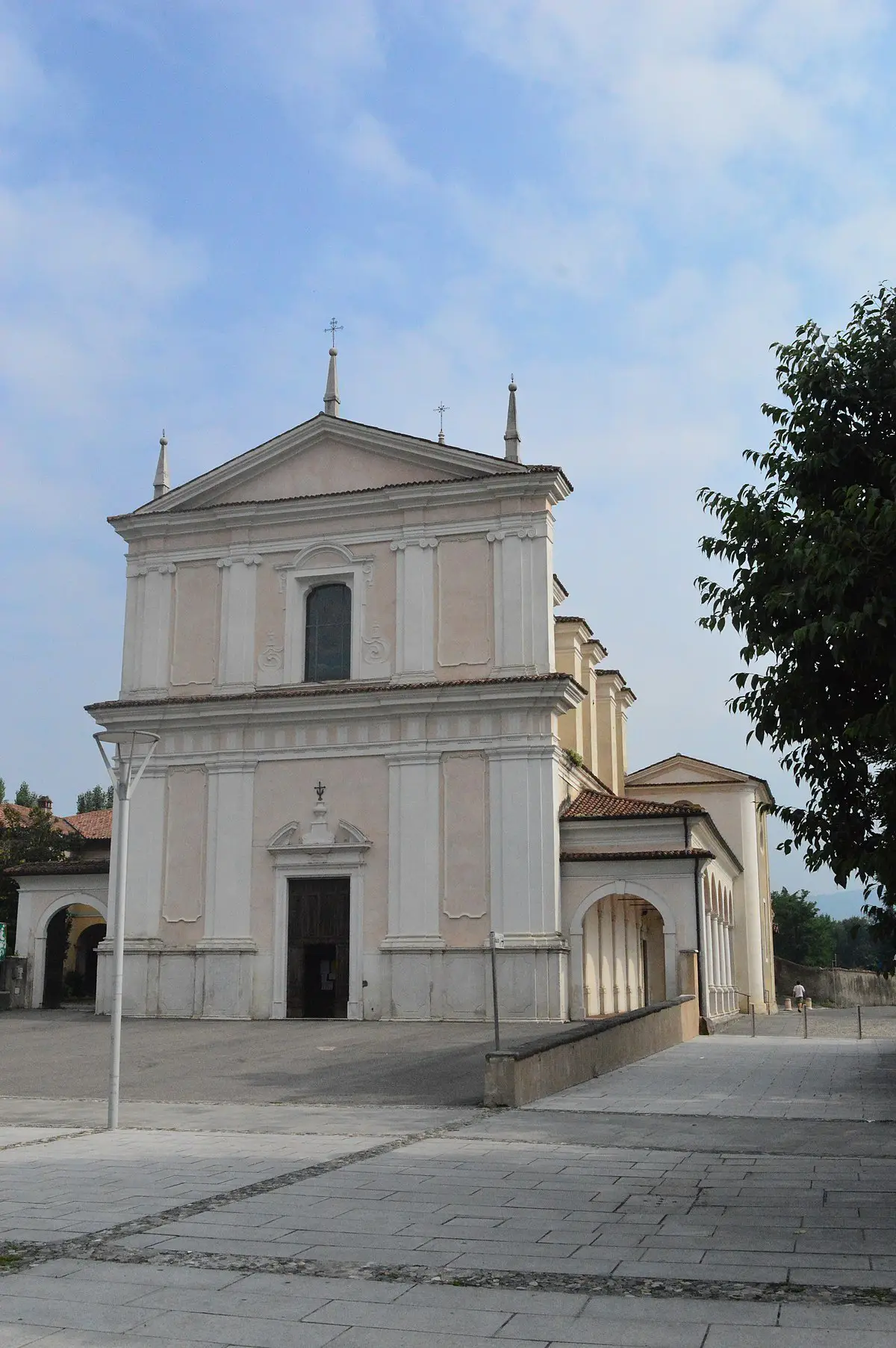
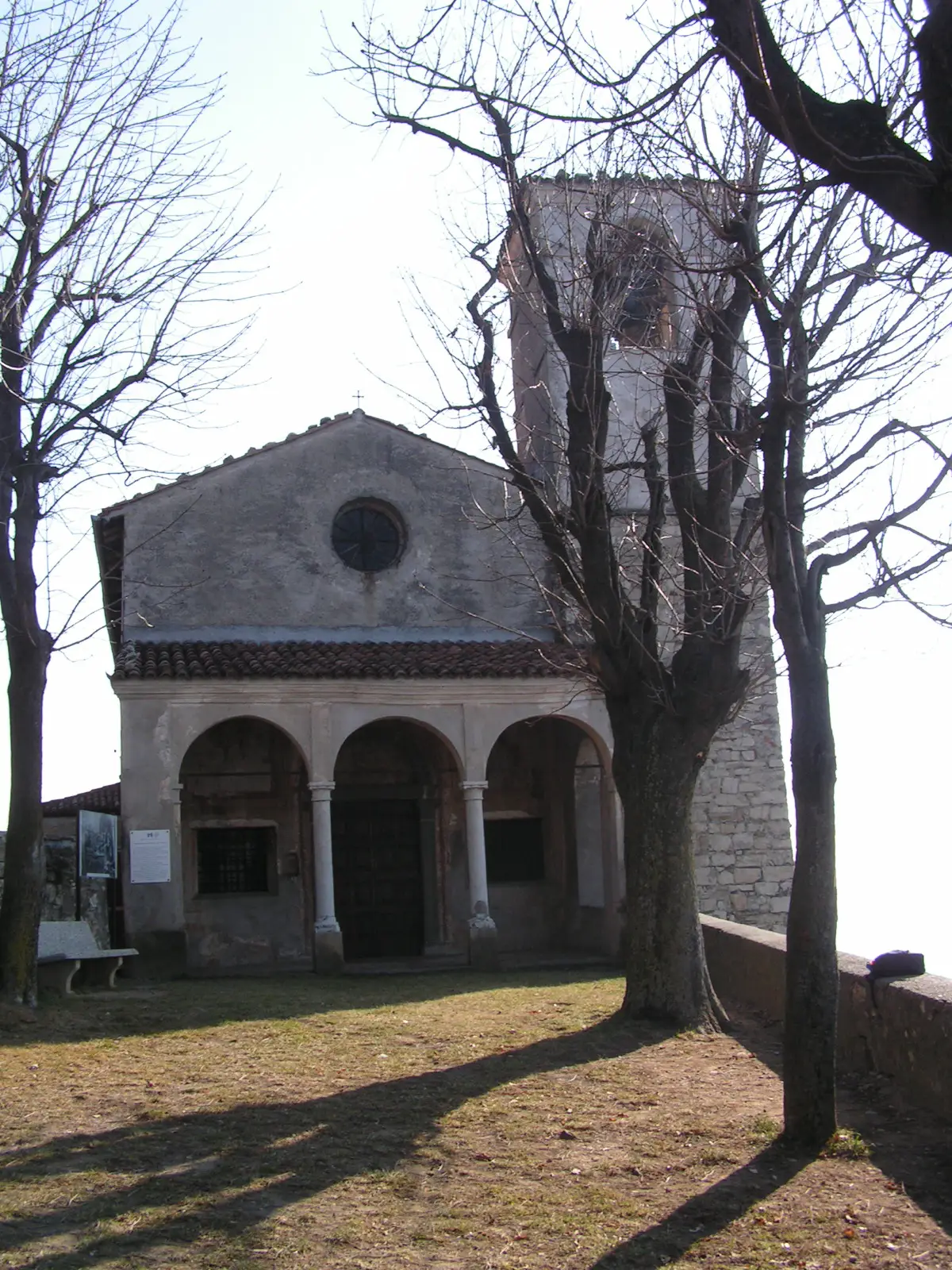
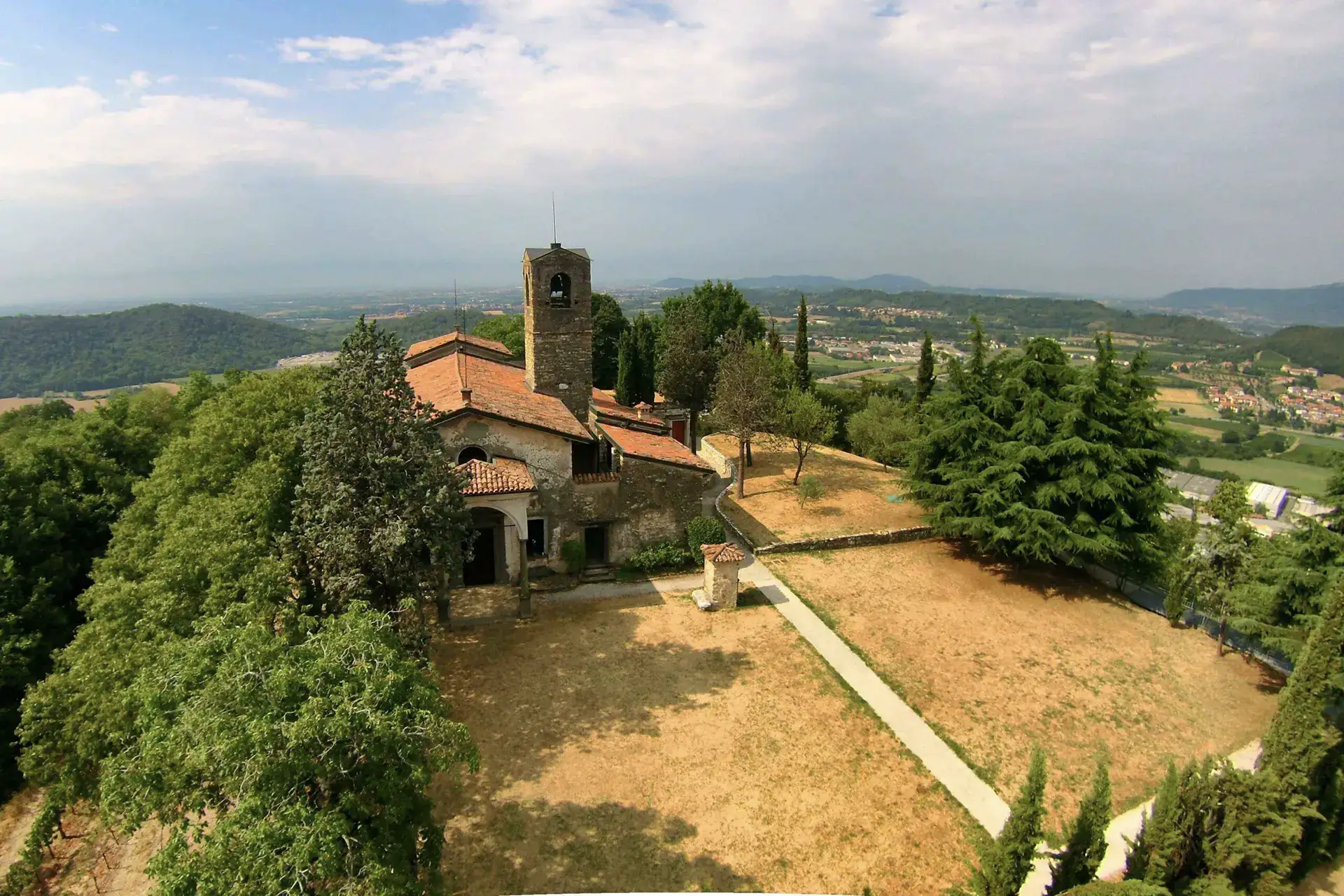
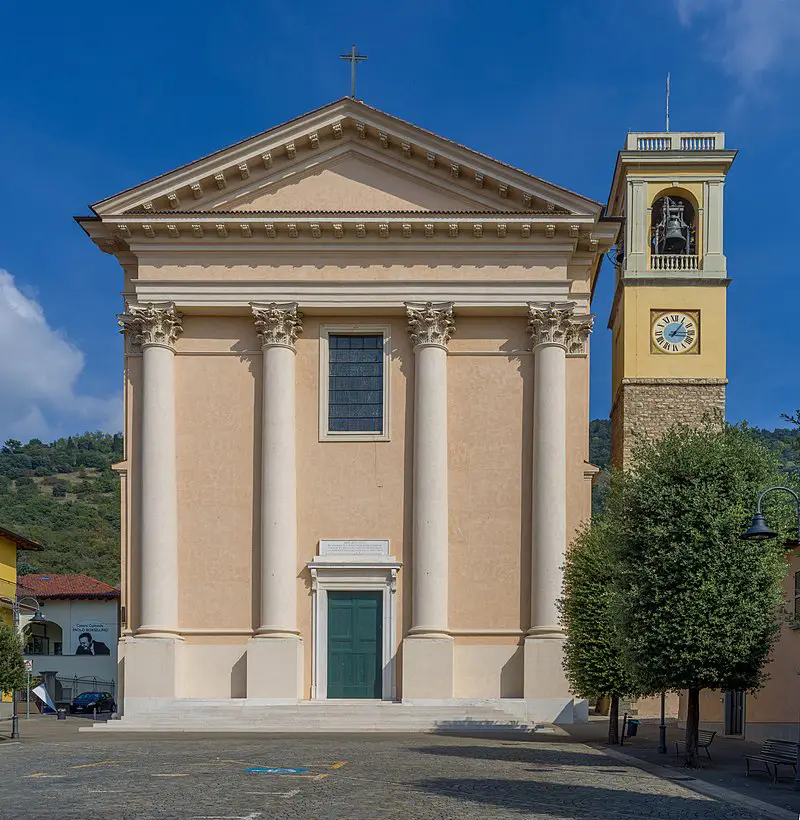
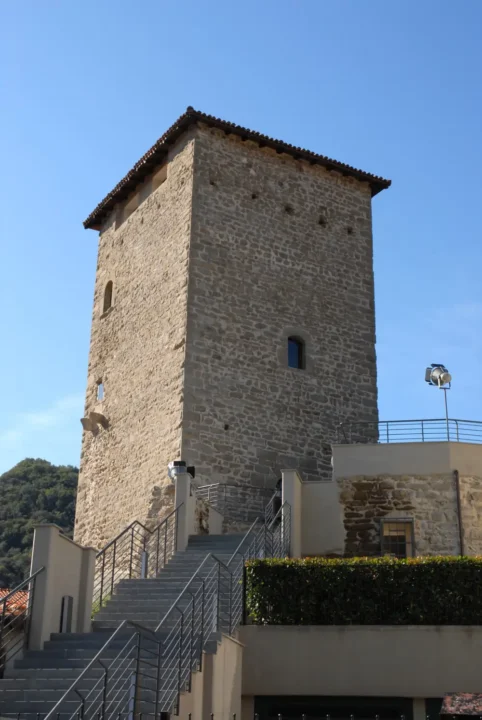
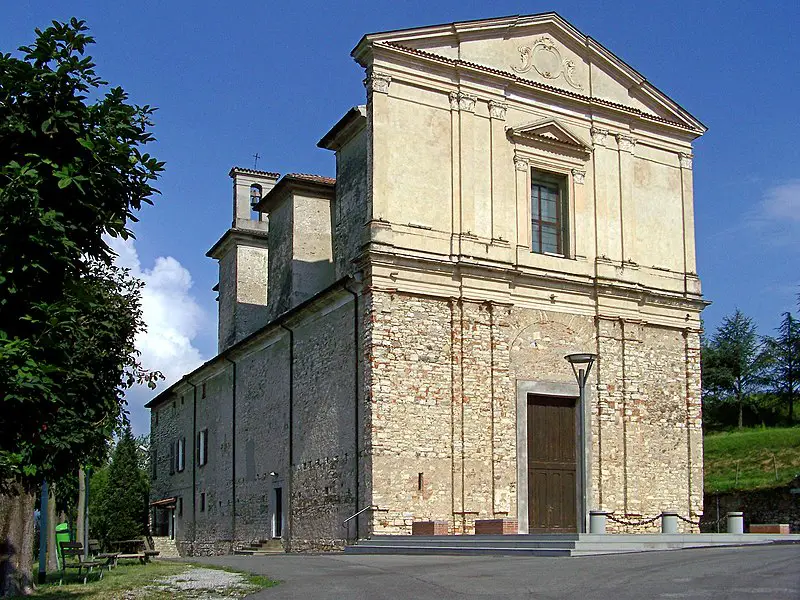
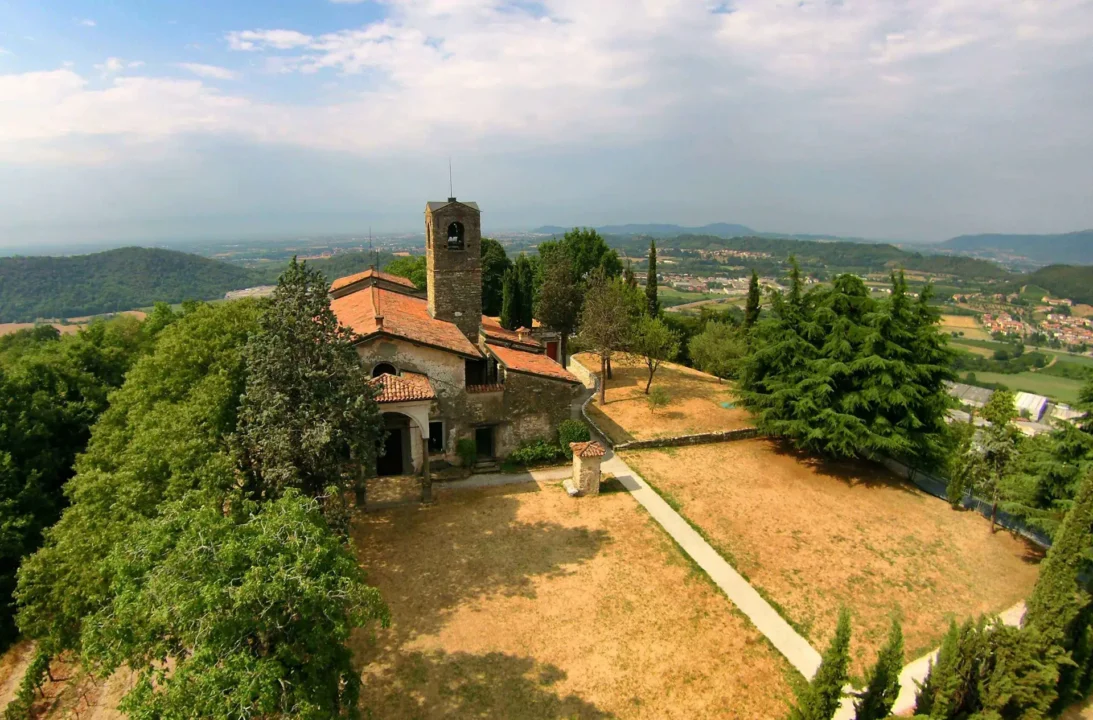
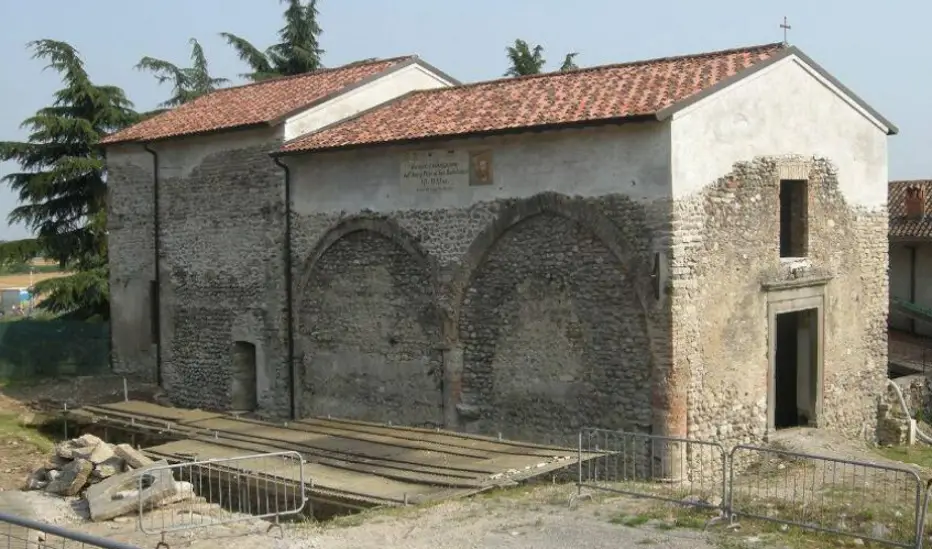
The term “pieve” derives from the Latin “plebs,” meaning “people,” referring to the people of God, identified with the community of the baptized. From the early Middle Ages, the term “pieve” came to refer to both the community of the faithful and the territorial district in which the community itself was settled, as well as the actual ecclesiastical building, with rights of burial and baptism, governed by a priest called a pievano, assisted by other clerics. The Pieve of San Bartolomeo belonged to a pagus, or rather a rather large rural territory, which included Cazzago, Paderno, and Passirano. The documentary sources are all of fairly late date: the first document that mentions its name is an episcopal act from 1058. In 1291, Pope Nicholas IV granted a privilege of one year and forty days of indulgence to those who went to pray at the parish church on the feast of San Bartolomeo. Some documents relating to the payment of tithes date back to 1334 and 1339, testifying to the vitality the parish church still enjoyed at that time. However, the origins of the Parish Church of Bornato are actually much older: the excavation campaign, concluded in August 2006, uncovered a series of early medieval and Romanesque finds.
Archaeological investigations: Romanesque, early medieval phases and traces of the Roman age
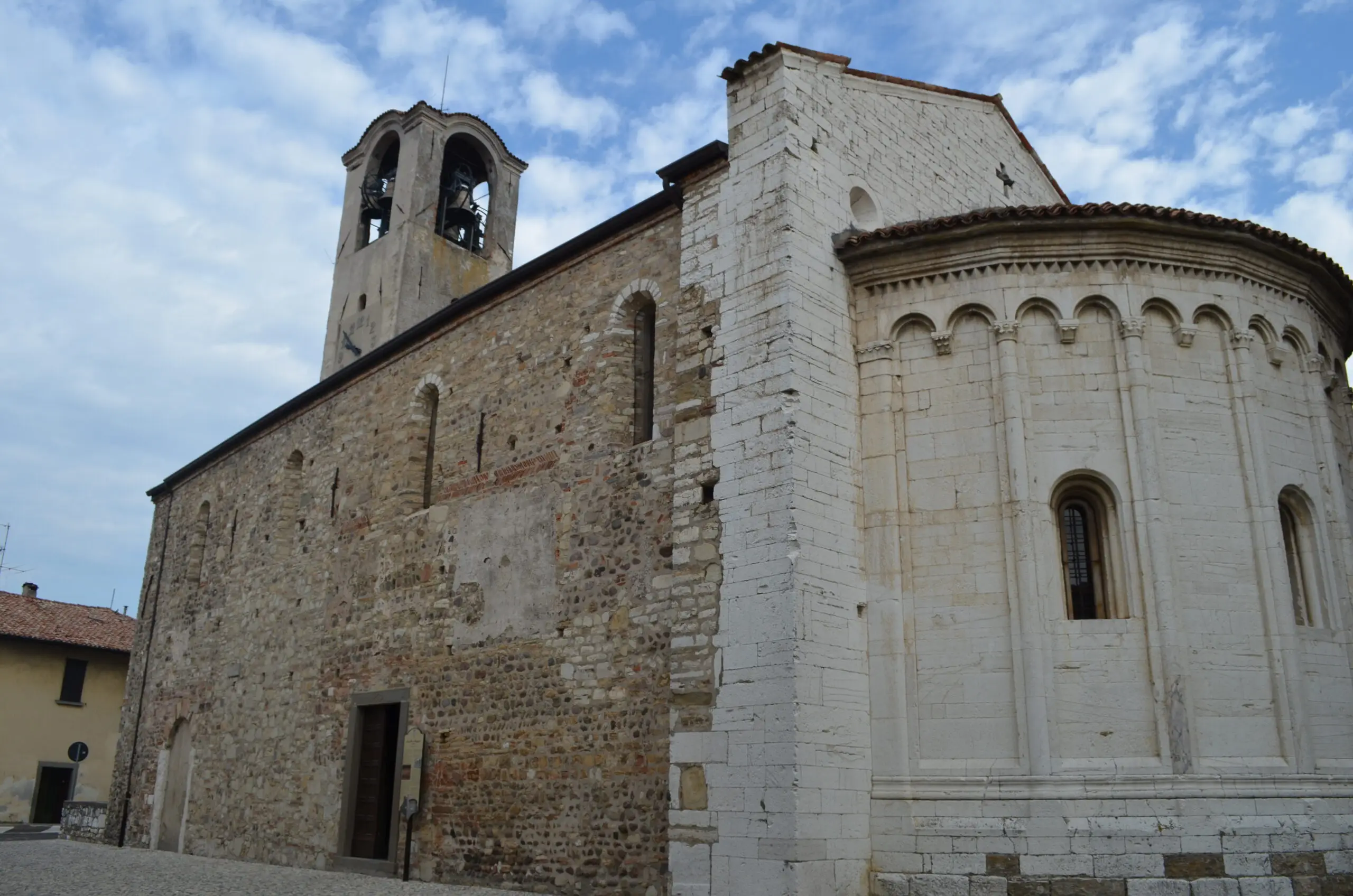
Traces of a much older building were discovered beneath the current church, perhaps the same one cited in the 1058 document, the first to mention the Pieve di San Bartolomeo. From the Romanesque period, excavations uncovered the apse and the base of the bell tower, sections of the perimeter walls, and several burials contained in stone coffins. The excavations also revealed the remains of an even older structure, dating back to the Early Middle Ages and dated between the 8th and 9th centuries. Of this building, undoubtedly identifiable as the original nucleus of the parish church, it was possible to reconstruct the plan of a single hall terminating in a single apse. To the north and south were two annexes used for funeral purposes. Opposite the hall was a large tripartite atrium, where the baptismal font was likely located. The structure of San Bartolomeo was therefore similar to that of the Pieve di Sant’Andrea in Iseo. The excavation also proved that the parish church stood on a Roman settlement: the discovery of fragments of hollow tiles, used for a wall heating system, and frescoed plasterwork indicated that the rooms beneath the parish church must have belonged to the noble part of a villa.
The fifteenth-century frescoes: Evangelists and Apostles in the left nave
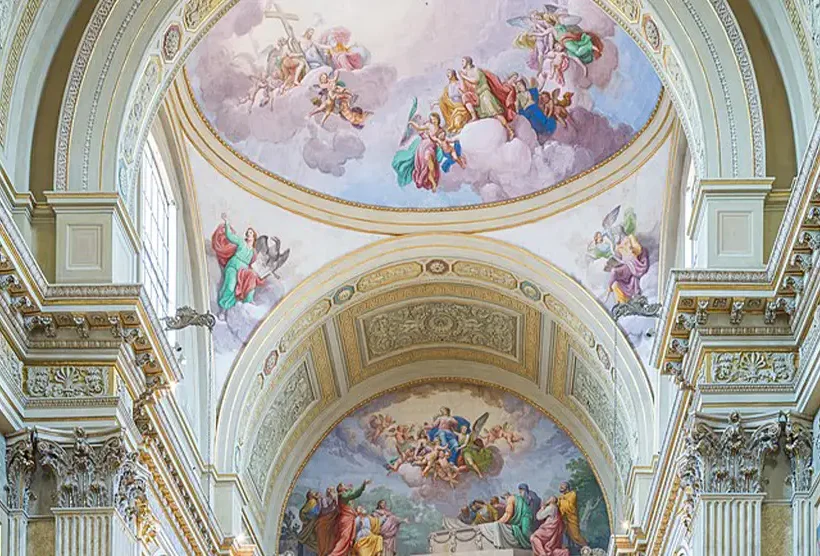
During the 15th century, the Pieve di Bornato received significant fresco decoration in two unified fresco cycles: the first, removed in several stages in the 1960s, covered the first archway of the left nave and featured the Four Evangelists; the second, removed under the direction of the Superintendency in 1989, covered the second archway of the left nave, with the figures of the Twelve Apostles. Chronologically, the first part of the decoration to be completed was that of the second archway, attributable to a Lombard master close to Paolo da Caylina the Elder, active in the first half of the 15th century.
Links and useful information


Visiting hours: Sunday 3-4 pm (until the end of September 2025). Departure from the tourist center at Via Vittorio Emanuele III 9, Bornato.
Ticket price: €5; free for children up to 12 years old.
Reservations: https://docs.google.com/forms/d/e/1FAIpQLSccKOGk8BRxzHy9mXbVHVN8ymfwH8JyRY0VDOXMLh2cZJDfgQ/viewform
Publicly owned property