Parish Church of Santa Maria Maggiore
- Home
- /
- Arte e cultura
- /
- Hidden treasures
- /
- Parish Church of Santa Maria Maggiore
The parish church on an ancient Roman road and its connection with the district of Alino
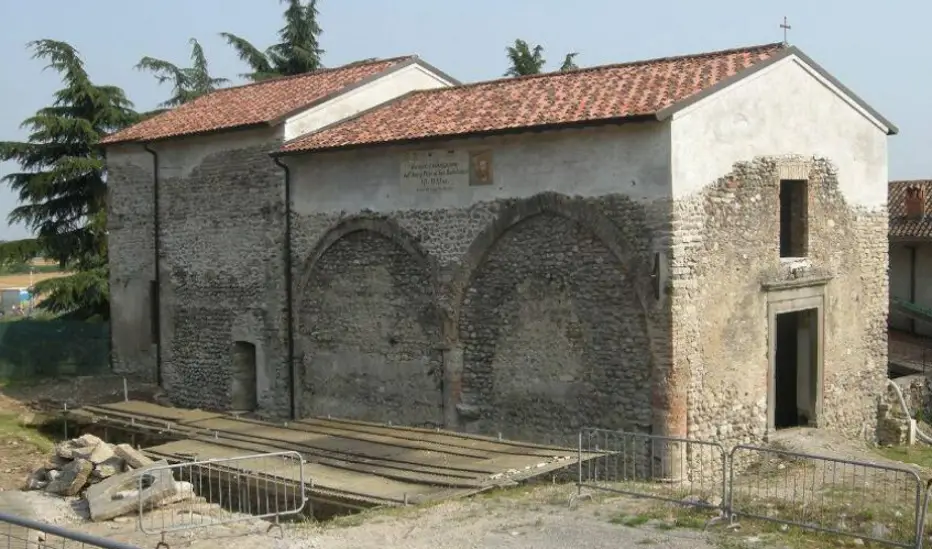
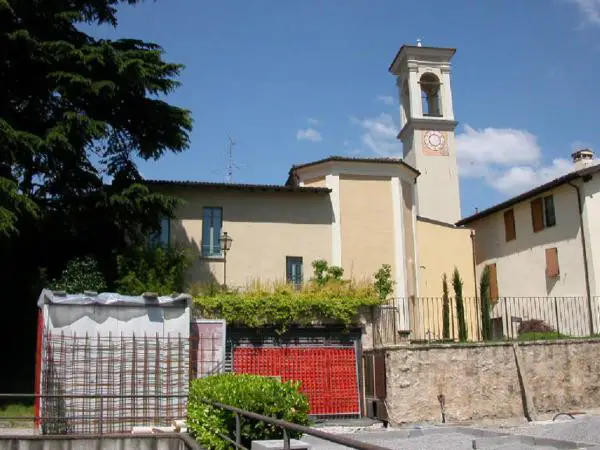
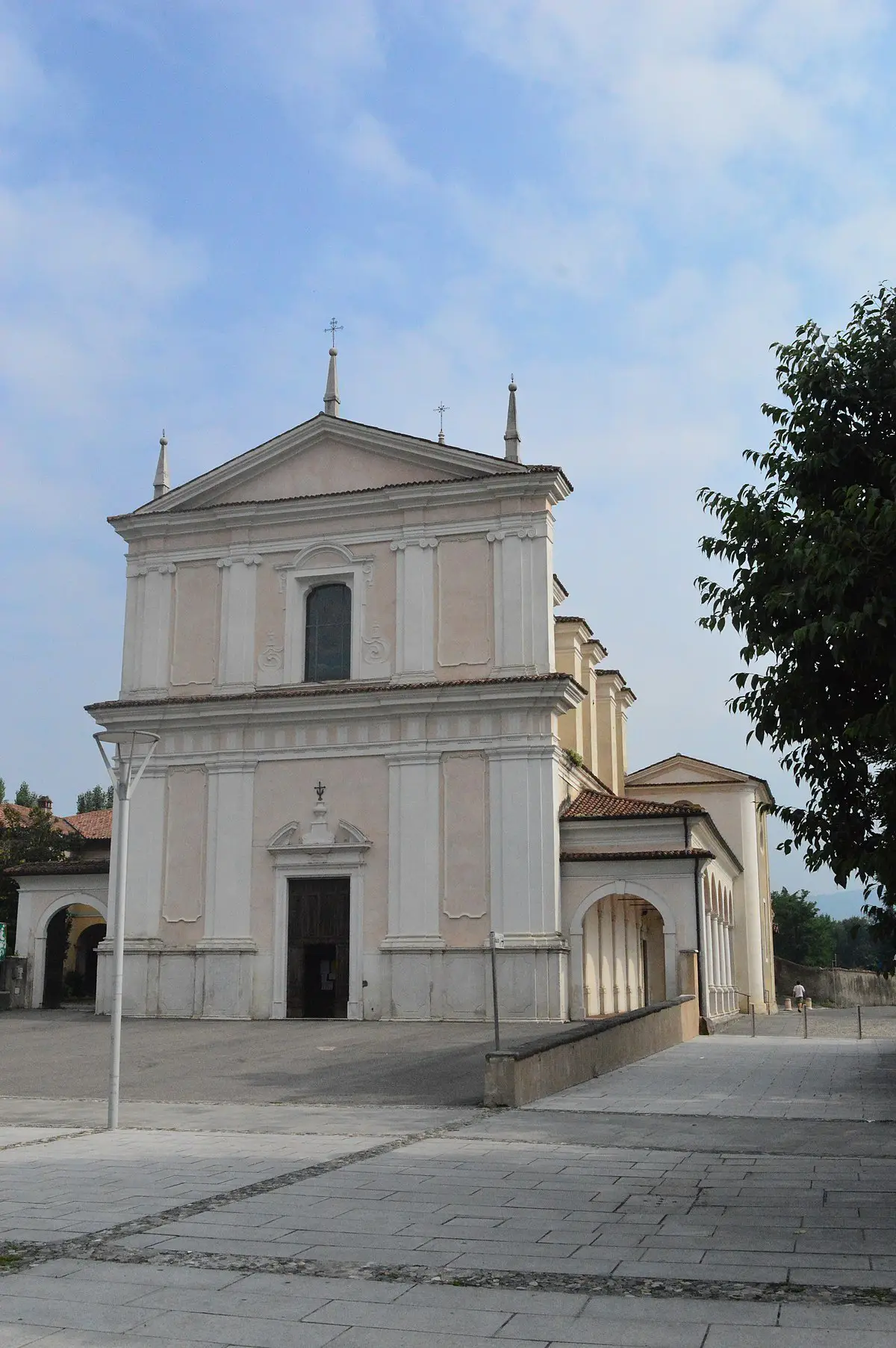
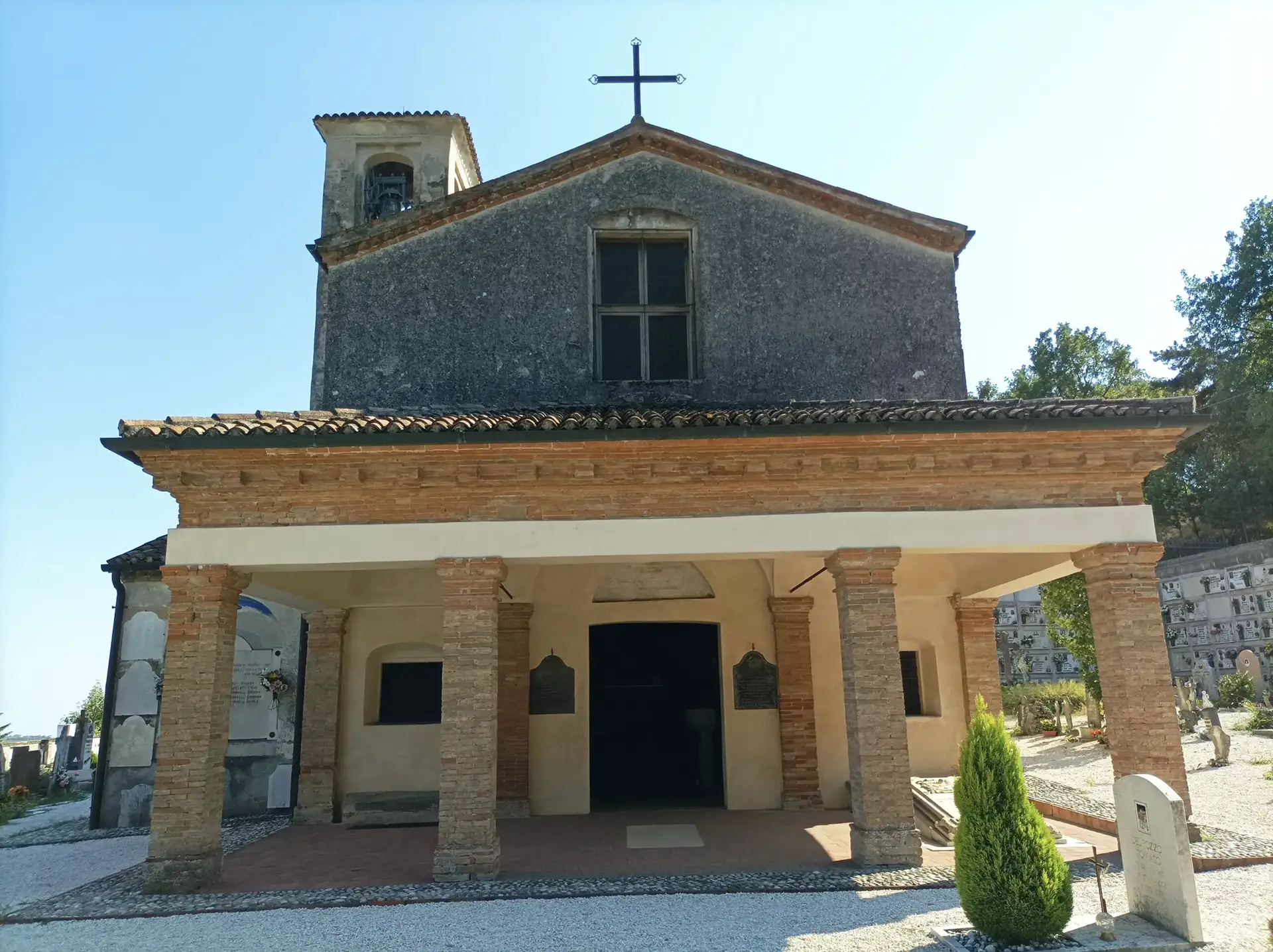
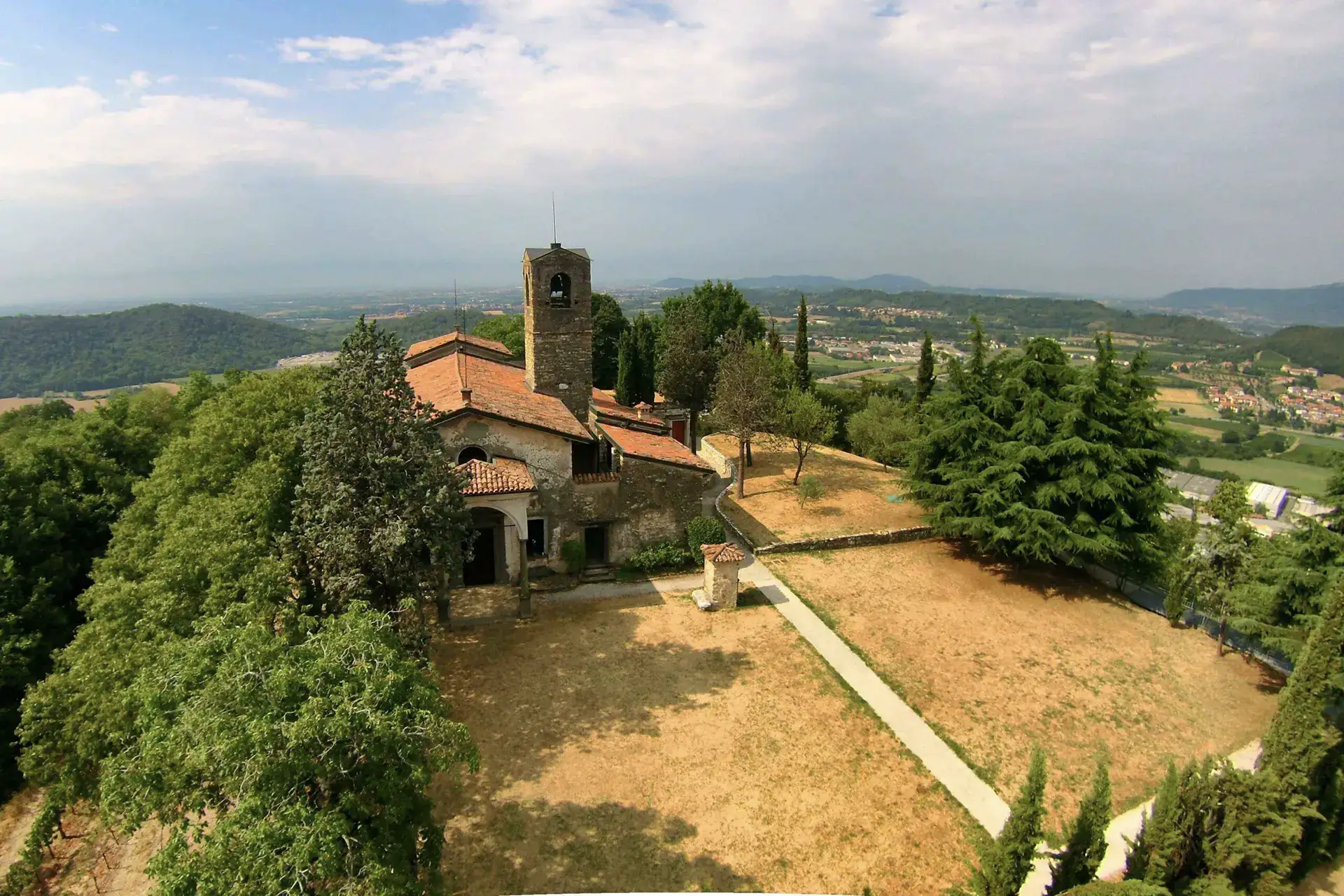
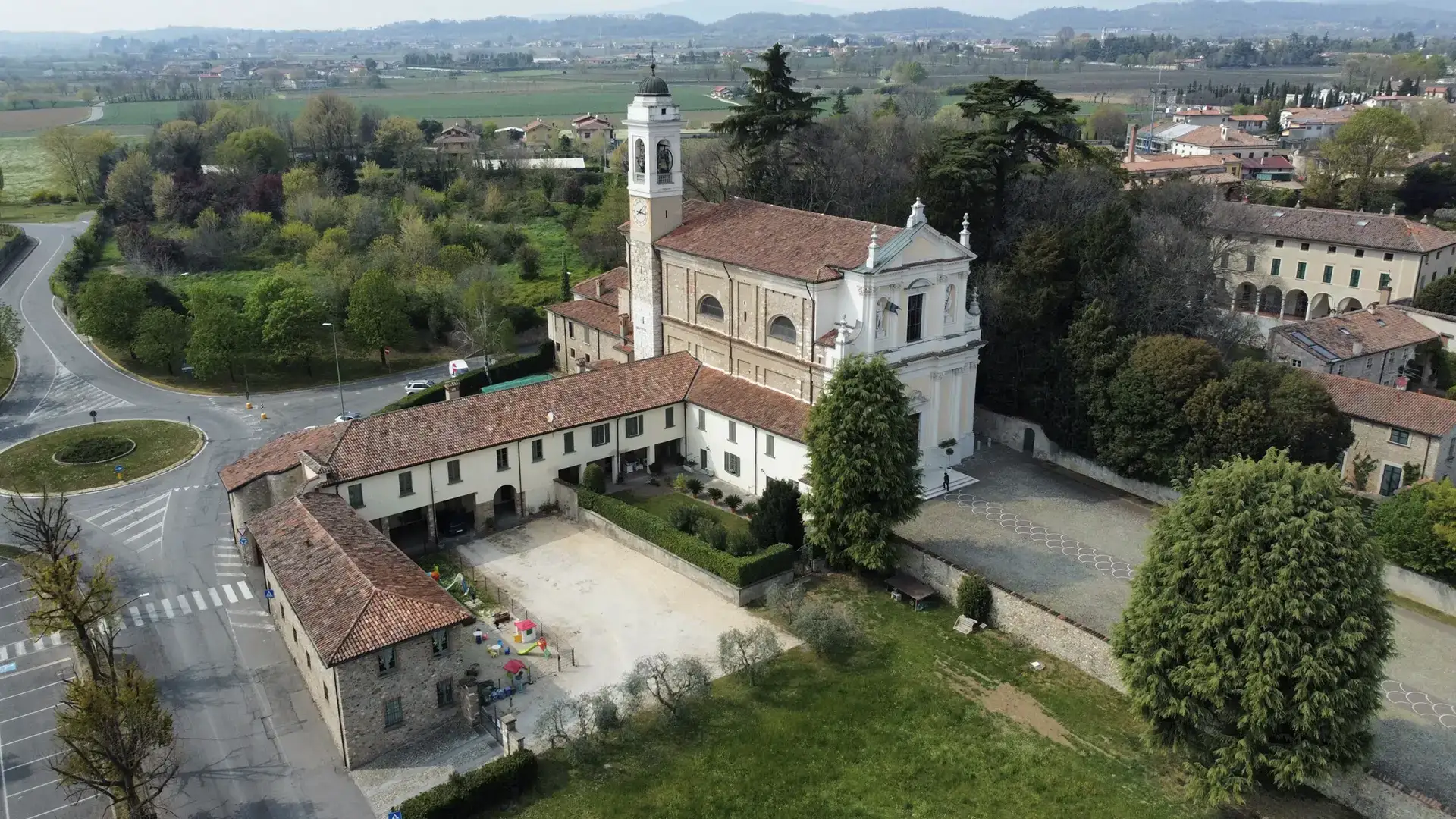
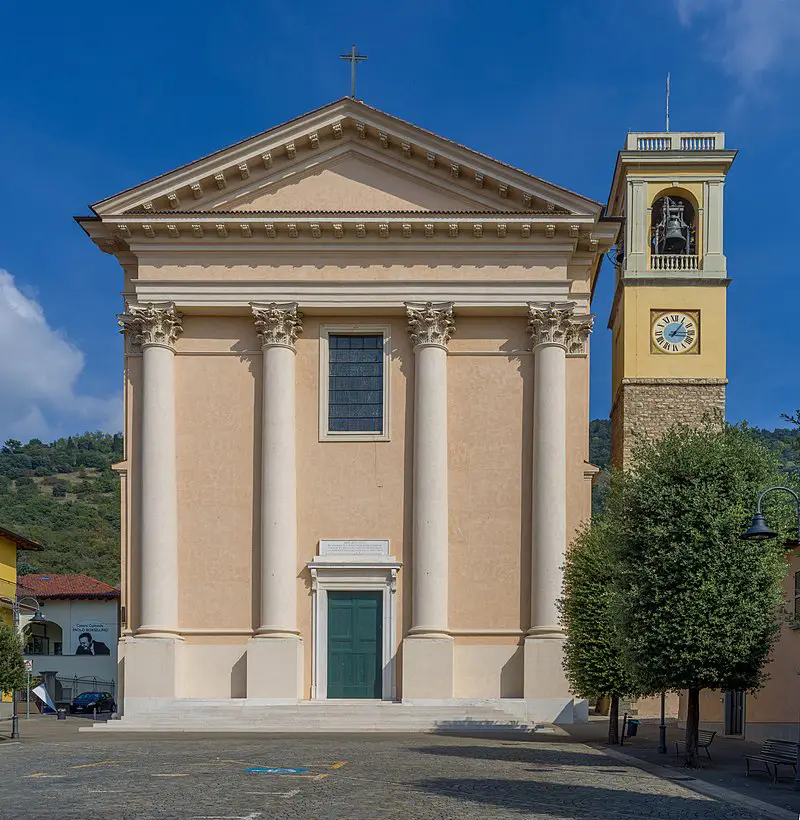
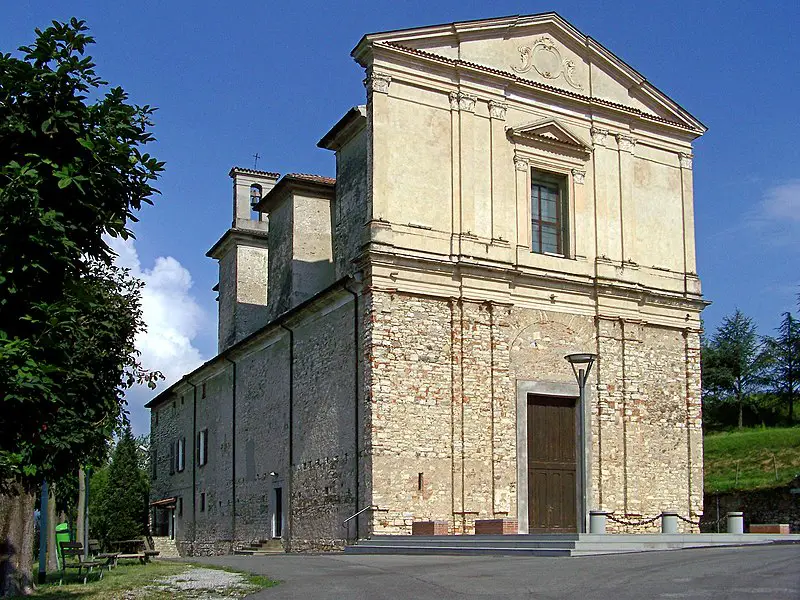
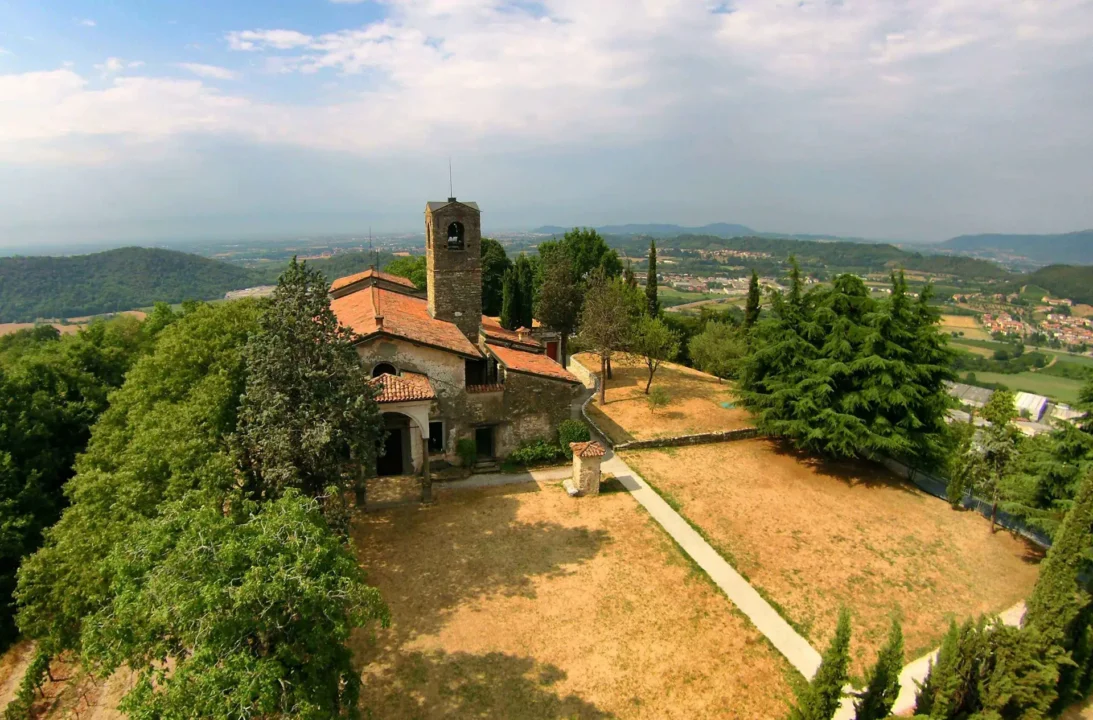
Situated on the route of an ancient Roman road, a short distance from the village, on the road linking Brescia and Milan, it was perhaps originally connected to the hamlet of Alino (in what is now Zocco di Sopra), whose existence has been documented since the 10th century.
Early medieval evidence and the first signs of settlement from archaeological excavations
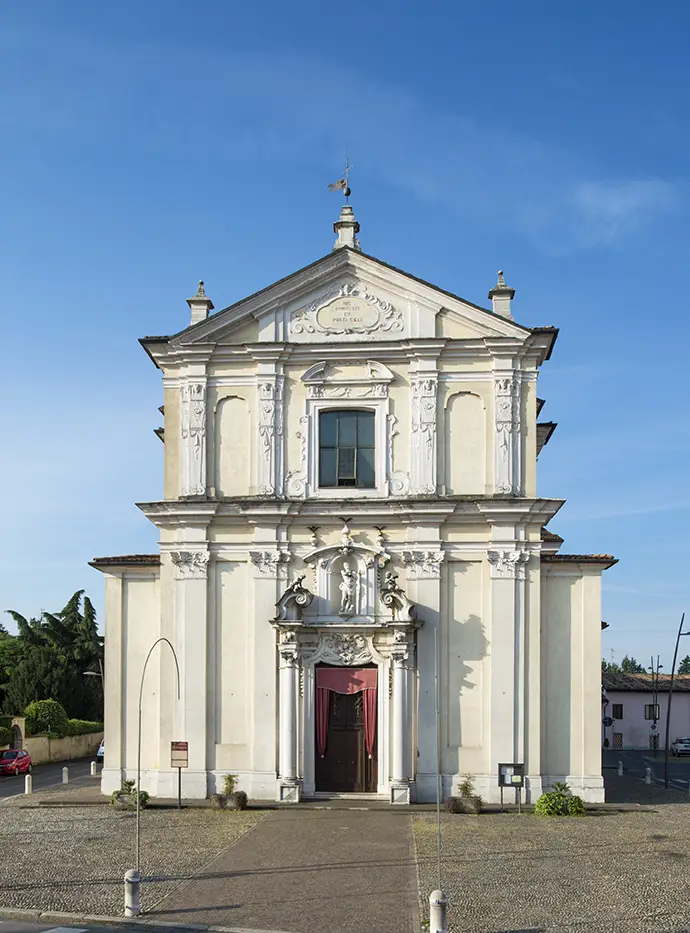
Although the building appears to date from a later period, with features ranging from the Romanesque to the Renaissance, archaeological research has uncovered evidence from the early Middle Ages, confirming the presence of a settlement as early as that historical period. The excavations revealed a floor containing ash, food remains and fragments of soapstone fire pits, alongside a cocciopesto floor, which demonstrates that the area was already inhabited during this period.
The pre-Romanesque church and its early medieval reuses in the masonry
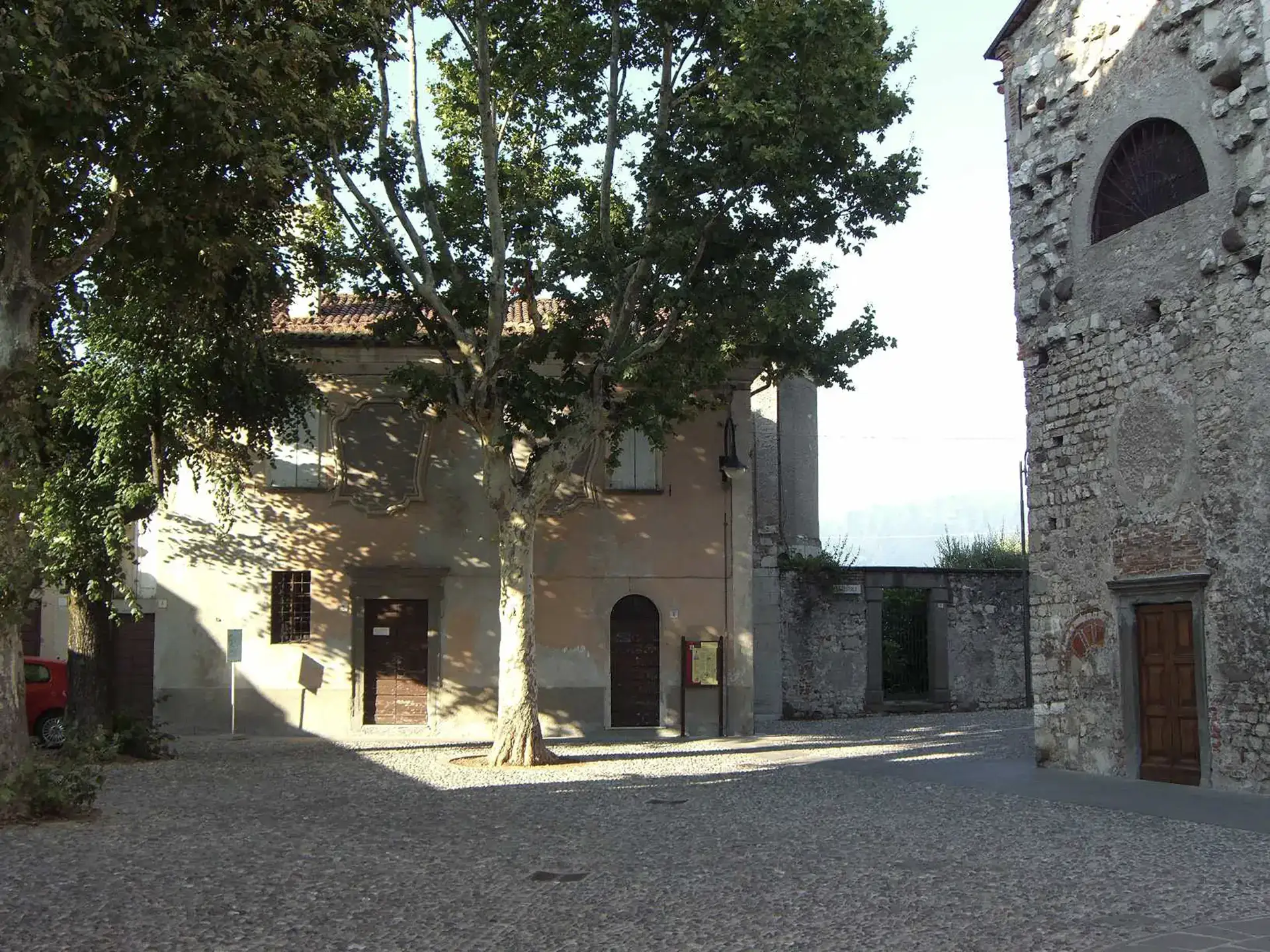
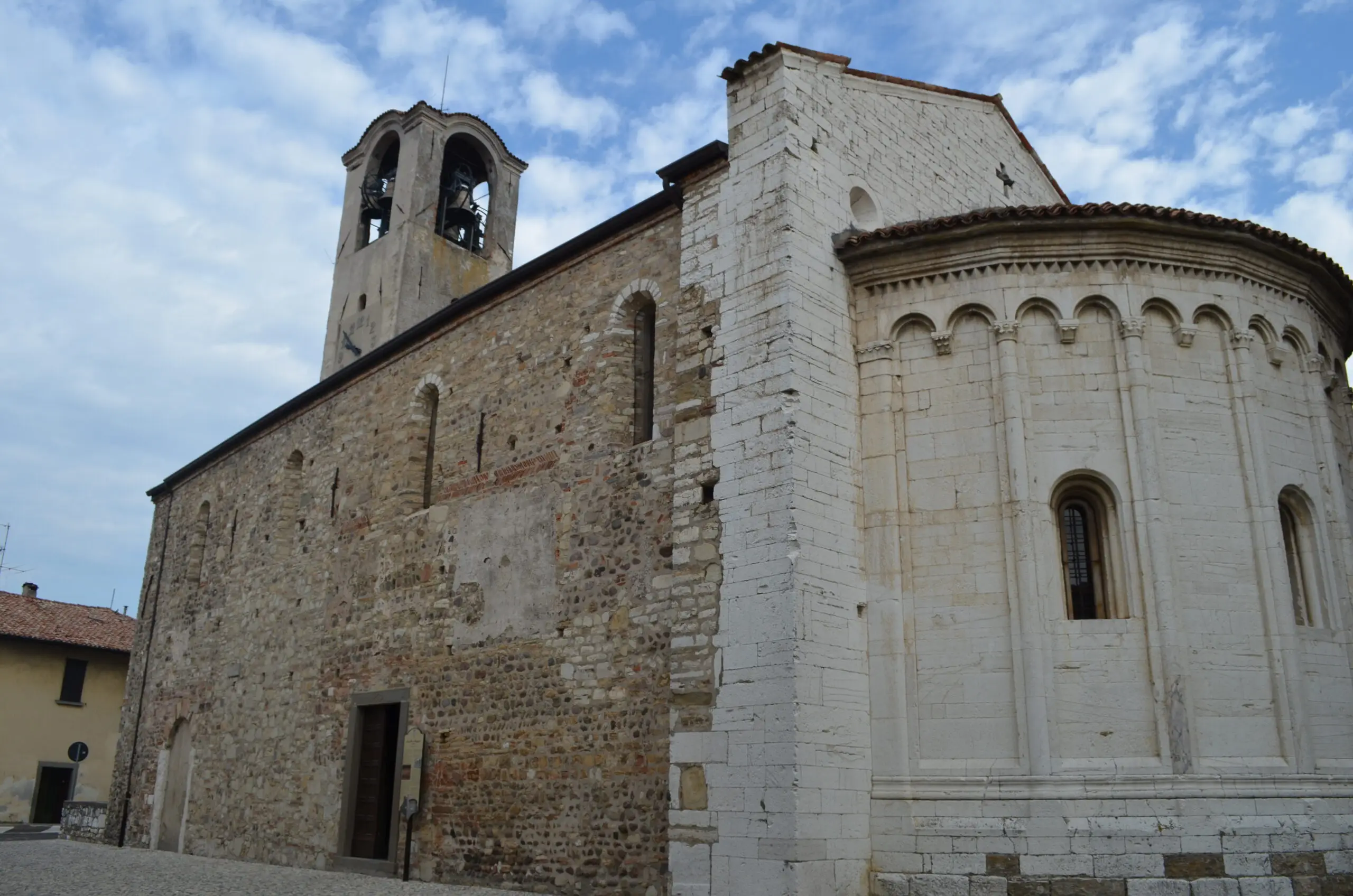
The existence of a pre-Romanesque church is evidenced by traces of a burial site associated with a place of worship. For further proof of the existence of this older church, one need only walk round the building and look at the outside of the left-hand wall: here, amongst the irregular rows of stones in the masonry, one can see fragments of early medieval sculptural decoration, reused in the Romanesque church, perhaps belonging to a pluteus, that is, the carved screen that separated the chancel from the nave: these fragments are thought to come from a structure predating the one currently visible, which is believed to date from between the 8th and 10th centuries.
The Romanesque reconstruction and the 13th-century marble apse
From the 12th century onwards, the church was rebuilt in the Romanesque style: the beautiful apse, dating from the second half of the 13th century and constructed from square-cut marble blocks, possibly from the quarries at Zandobbio, features a massive plinth surmounted by a decoration of half-columns incorporating double arches with corbels. A dentil moulding runs along the top of the apse.
The parish church within the castrum: drawbridge and fortified entrance
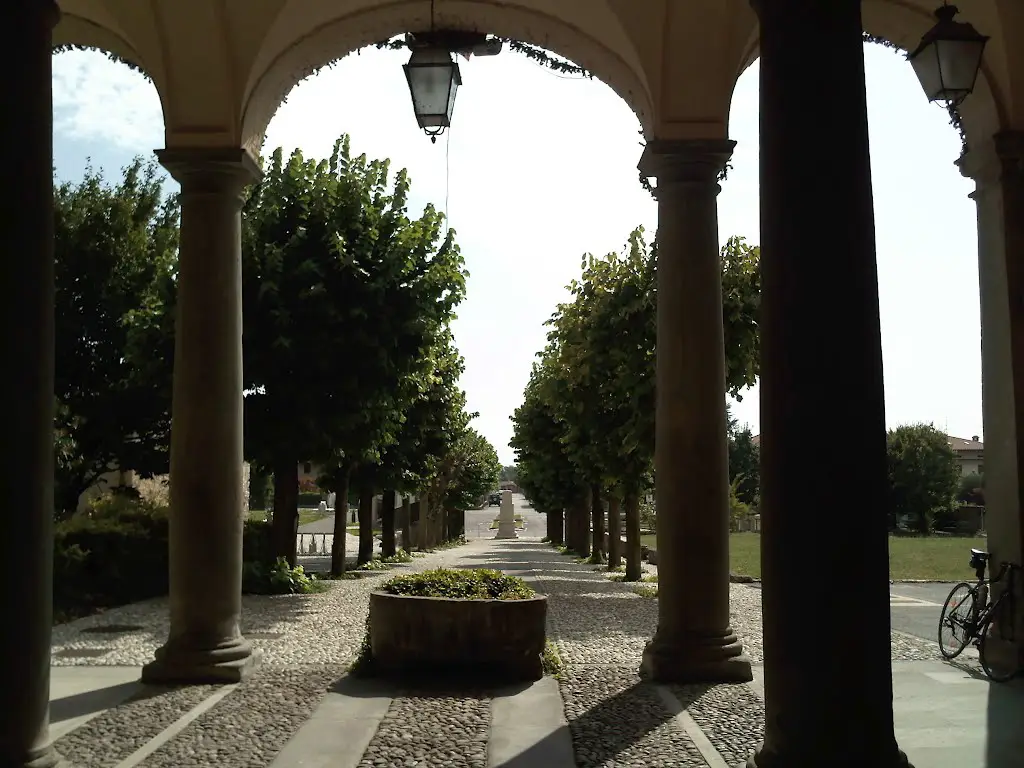
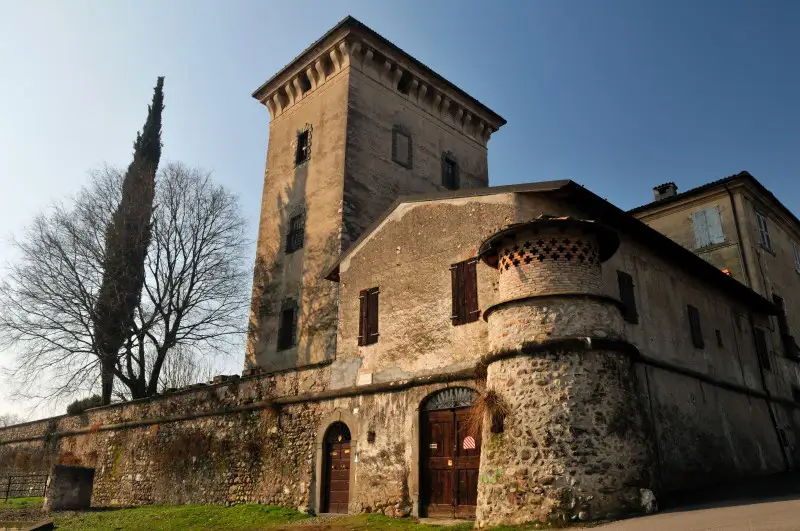
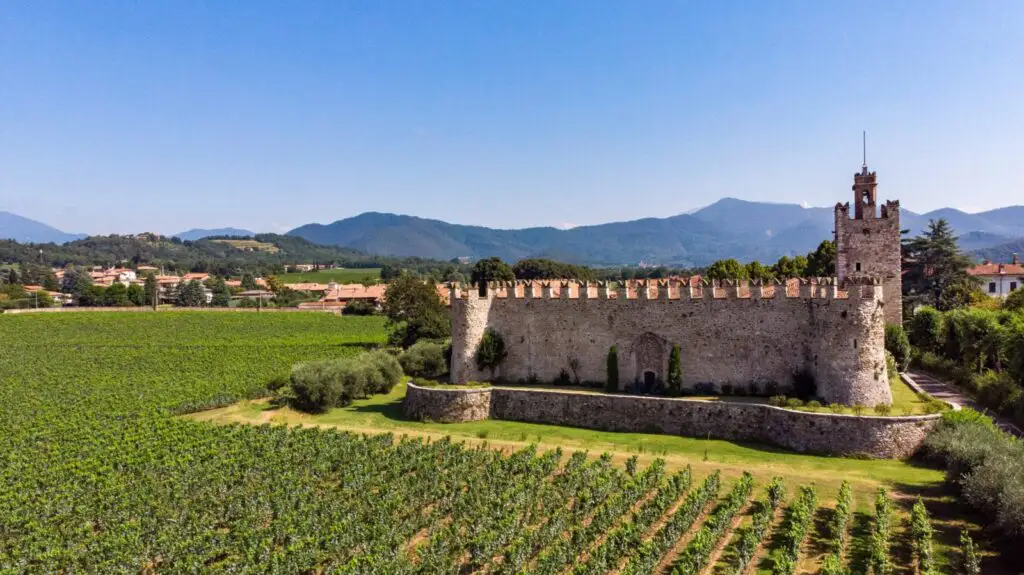
The parish church stands within a fortified castrum: its southern façade is still clearly visible, featuring the structure of the drawbridge, the central arched entrance with a lowered arch, and the bolzoni above (beams used in late medieval and modern fortifications to operate walkways and drawbridges via a system of counterweights).
15th-century extensions and the chronology of the decoration
In the 15th century, the parish church was extended and restored: the nave took on the appearance we recognise today, as a single-nave structure with pointed arches marking the bays. This work also saw the renewal of the interior decoration, which can be dated between 1430, the year given in the inscription accompanying the Annunciation in the first register, and 1524, which appears on the painting of Saint Nazarius on the left-hand wall of the apse.
The series of paintings: from the Annunciation to the Stories of the Virgin in the apse
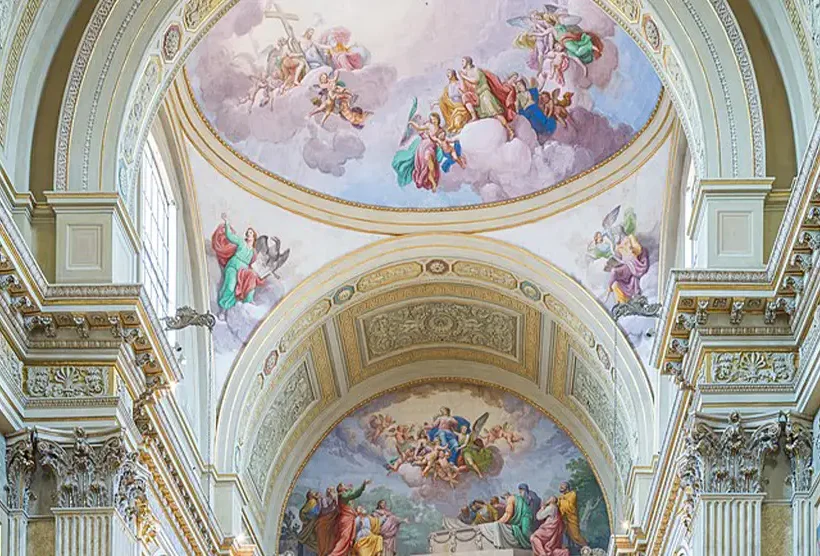
The surviving painted decoration is concentrated in the area of the apse, but fragments on the walls of the nave and on the buttresses suggest that the interior was once entirely painted. In the apse, the decoration is divided into several registers and includes both individual panels in the form of votive offerings and a full cycle of New Testament stories. In the first register, the remarkable Annunciation remains, rich in references to miniature painting and the Veronese school, as well as the Madonna and Child, which shows references to the art of the Zavattari family and Gentile da Fabriano. The Stories of the Virgin in the upper part of the apse, dating from the mid-15th century, are attributed to Gentile, one of the most important masters of the late Gothic period in Italy.
Links and useful information


Opening hours: daily from 9.30 am to 7 pm
Free admission
Privately owned property