Sanctuary of Madonna del Corno
- Home
- /
- Arte e cultura
- /
- Hidden treasures
- /
- Sanctuary of Madonna del Corno
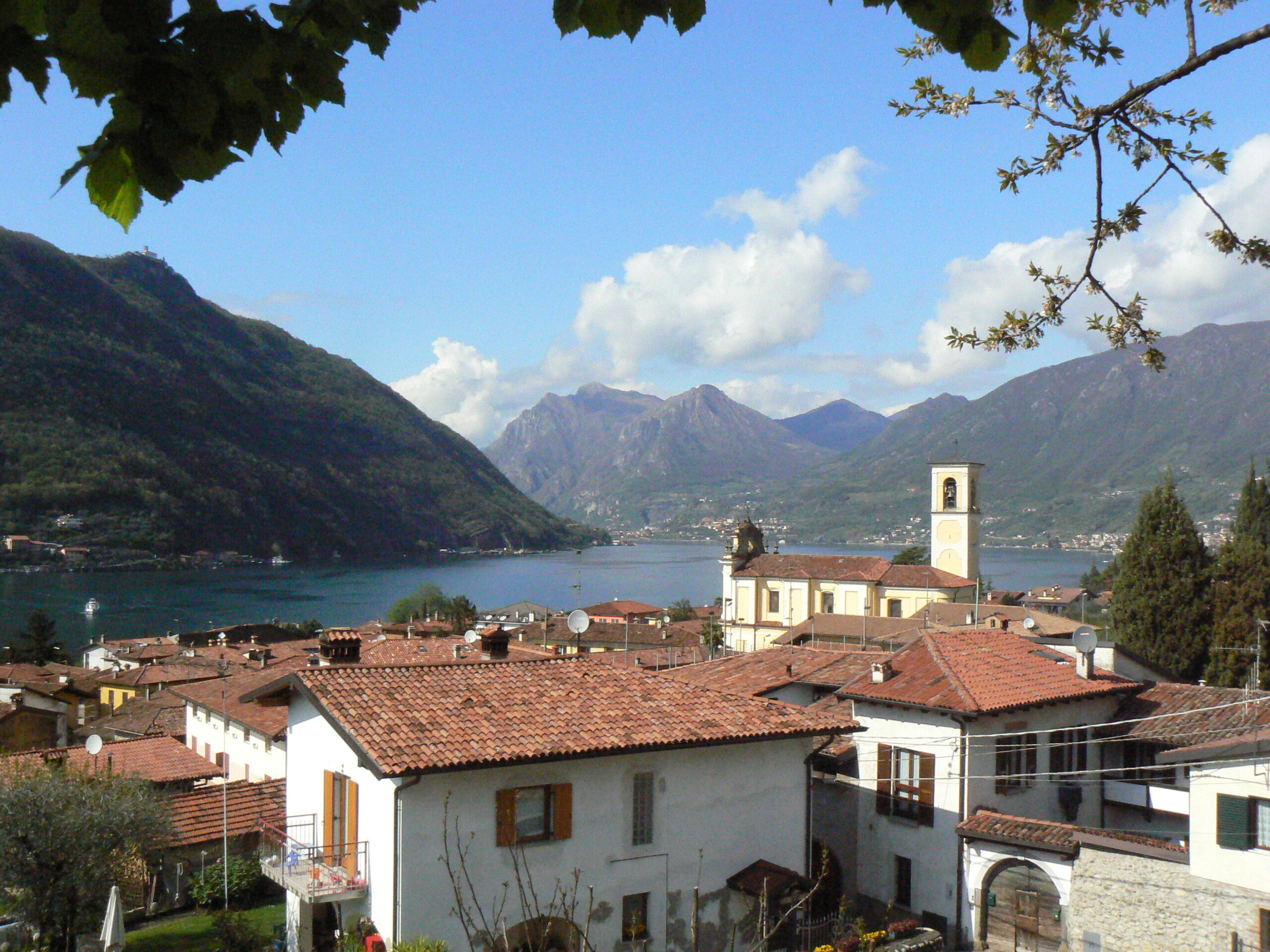
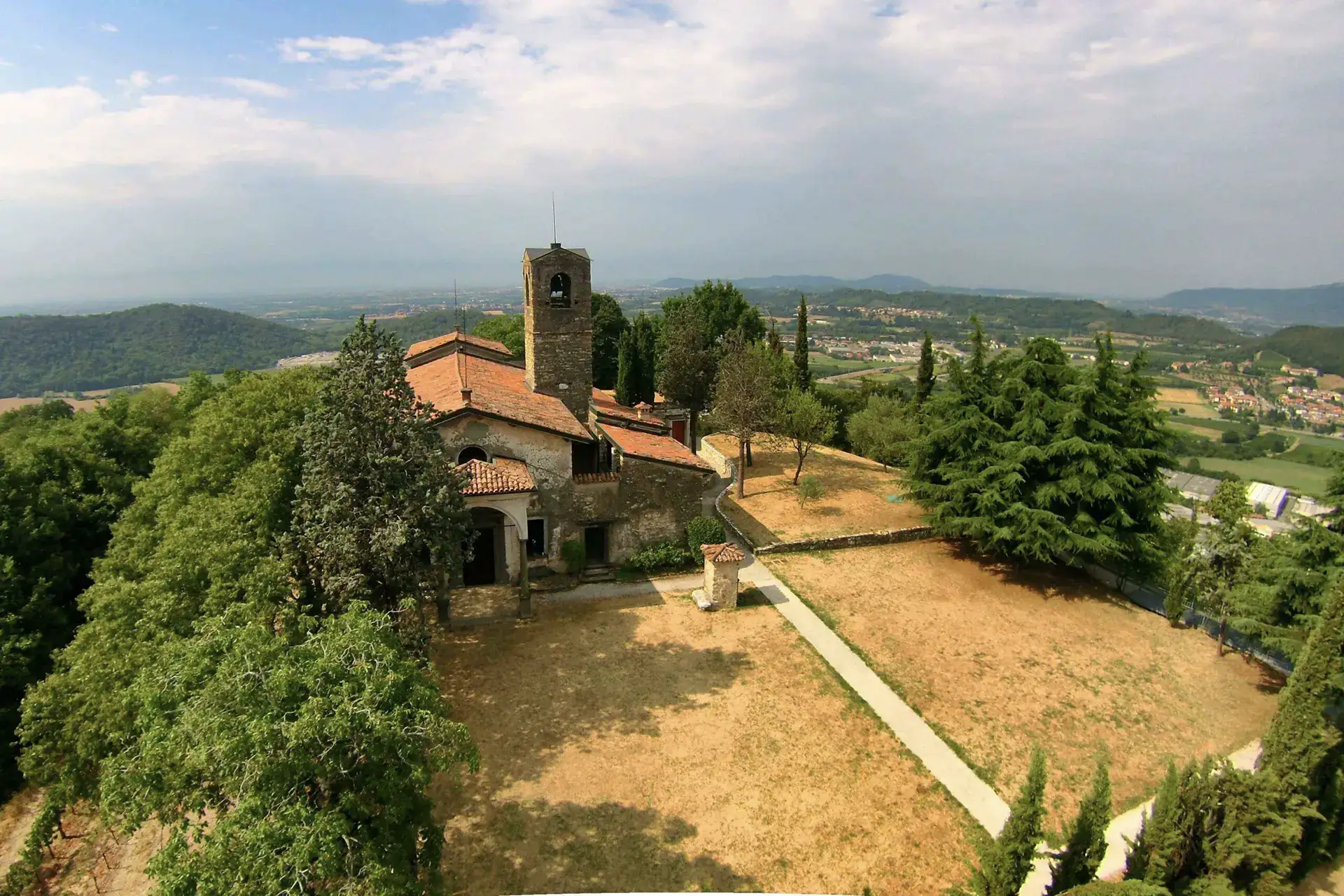
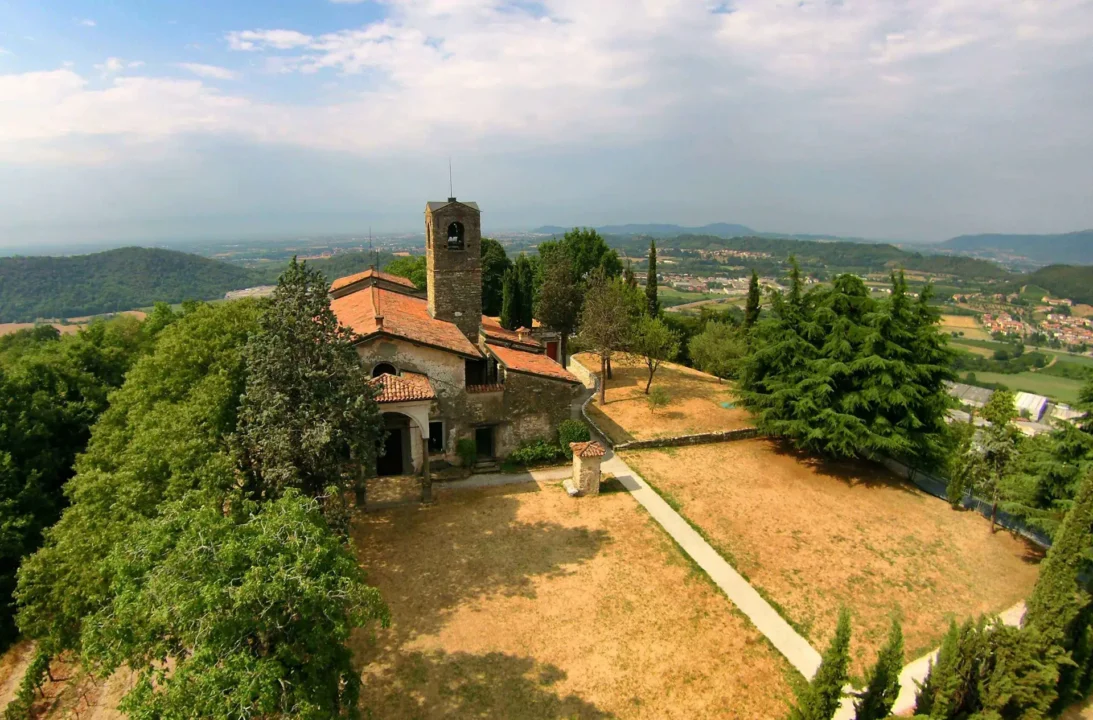
The Madonna del Corno: panoramic view of Monte Cognolo and access path
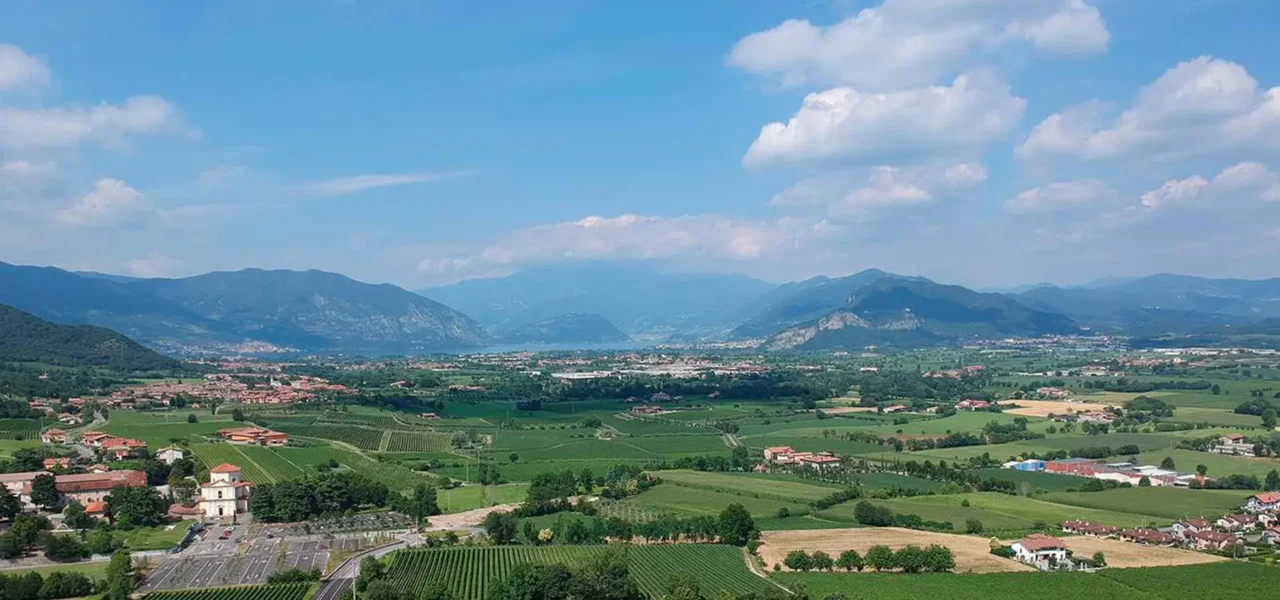
Visible from the monastery of S. Pietro in Lamosa, clinging to the limestone face of Monte Cognolo, the church dedicated to Our Lady of the Annunciation takes its name, ‘Madonna del Corno’, from the locality in which it stands: il Corno or il Ronco di Provaglio. Perched at a height of 427 metres, overlooking the village of Provaglio d’Iseo, the church stands at a spot offering particularly beautiful panoramic views, looking out over the peat bogs and the southern part of the lake. The building, which stands alongside a mountain refuge run by the CAI, can be reached on foot via a picturesque scenic path which, starting from the parish church, winds its way up to the sanctuary, passing through sites of considerable historical significance, such as the small churches of St Bernard and St Rocco in Pian delle Viti, surrounded by the ruins of the ancient castle of Provaglio.
Historical sources and dating: from the Bishop’s Table to the pastoral visit of 1567
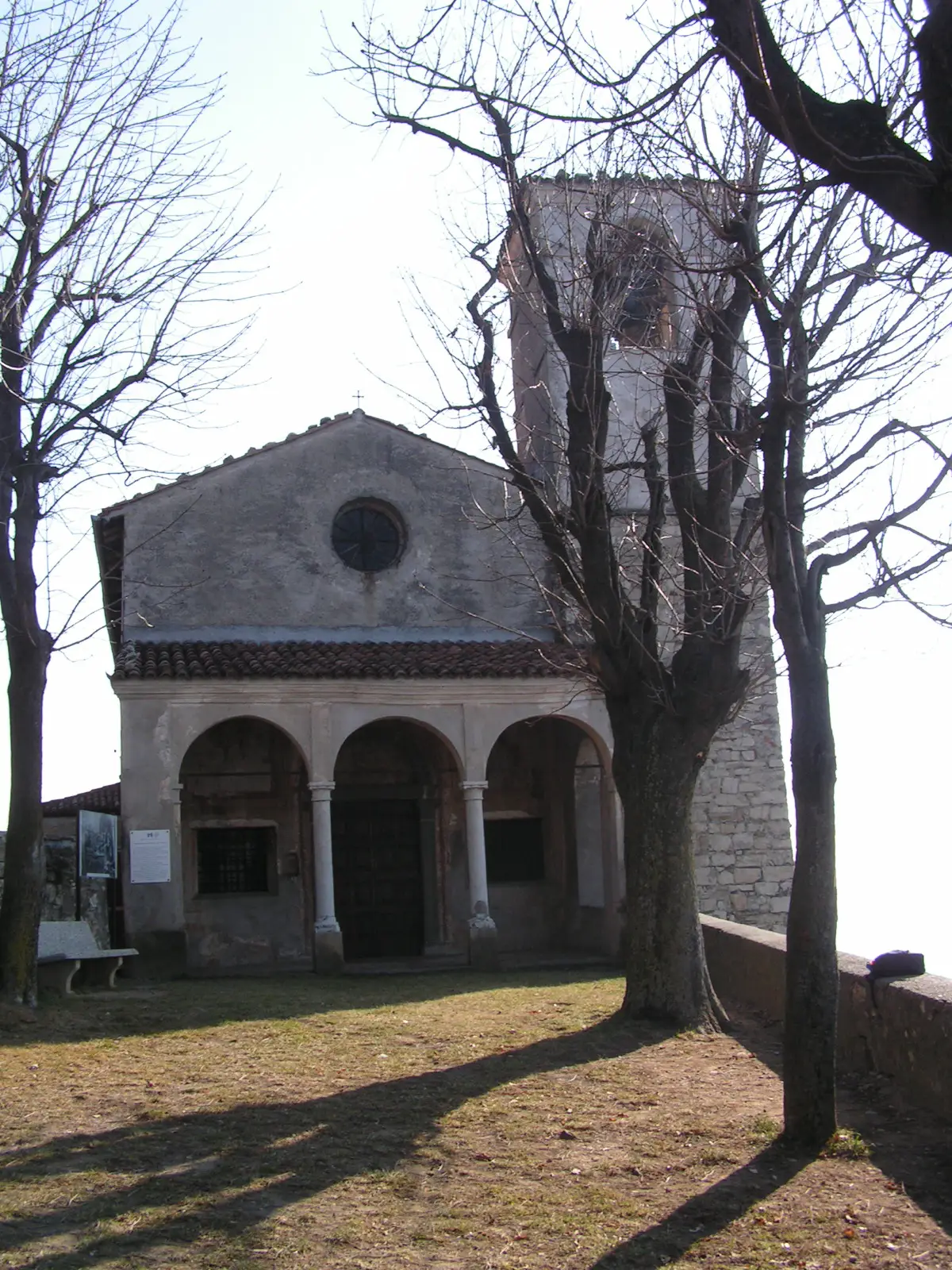
The area where the Madonna del Corno stands is recorded as one of the properties of the Bishop’s Mensa of Brescia from the 14th century onwards: however, these documents make no mention of a church, which is instead cited in Bishop Domenico Bollani’s pastoral visit of 6 October 1567. By this time, the church, associated with a Marian apparition, must therefore certainly have been built and, according to the bishop’s report, we know that it required several alterations. Based on these elements and certain stylistic features, we can date the building to between the final decades of the fifteenth century and the very early years of the sixteenth century: the sanctuary still retains the appearance of a 15th-century Lombard church, with a gabled façade adorned with a central rose window and a large wall surface suitable for painted decoration, which, until the late Middle Ages and beyond, was usually very abundant in the sacred space, preceded by a Renaissance loggia with three round-arched openings. The portal, carved from grey Sarnico stone, is beautiful, featuring pilasters with volute capitals, surmounted by a lunette set upon an architrave bearing the date 1509 in the centre and framed by a terracotta cornice with a braided motif.
Interior and restoration work: terracotta ceiling, Baroque altar and a fresco dating from 1511
The interior consists of a single nave, spanned by large pointed arches, with a square chancel featuring a straight apse, which today houses a richly decorated Baroque altar. The recent restoration, carried out in 2017, has made it possible to rediscover the original decoration of the terracotta ceiling tiles, which had been concealed by a nineteenth-century grey covering; this has revealed a coffered pattern featuring rosettes of various shapes, from which images of the sun and moon occasionally peep out.
The walls, on the other hand, are characterised by 18th-century aniconic decorations in a damask-effect style: the only and precious remnant of the original Renaissance decoration is the panel depicting the Enthroned Madonna with the Child and angelic musicians, an image deliberately left intact for the veneration of the faithful who came here on pilgrimage to ask her for miracles. The fresco, dated 1511, is the work of a learned Renaissance master, as evidenced by the ornate throne upon which the Virgin and Child are seated; this artist was active in the Franciacorta and Sebino regions in the early 16th century.
Links and useful information


Opening hours: by appointment
Free admission
Publicly owned property