Parish Church of St. Zenone
- Home
- /
- Arte e cultura
- /
- Hidden treasures
- /
- Parish Church of St. Zenone
From the medieval parish church to the modern church: the Plague of Mazzucco, the cult of St. Roch, and reconstructions
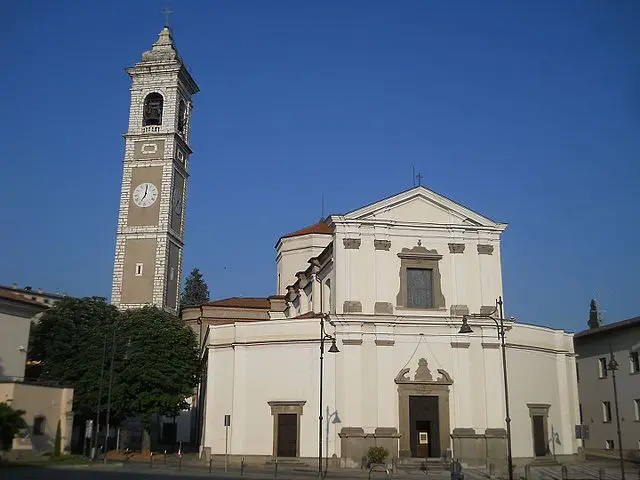
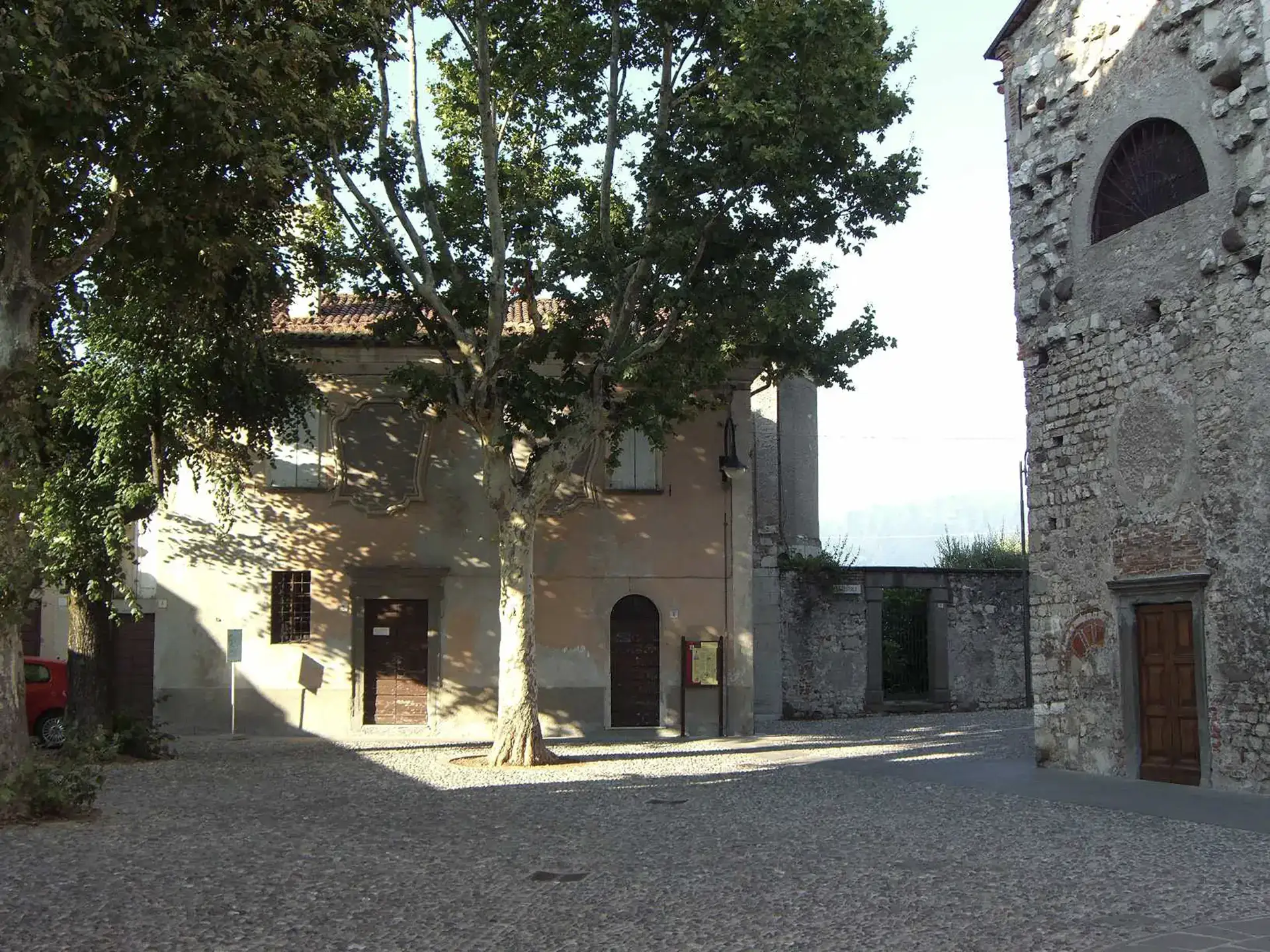
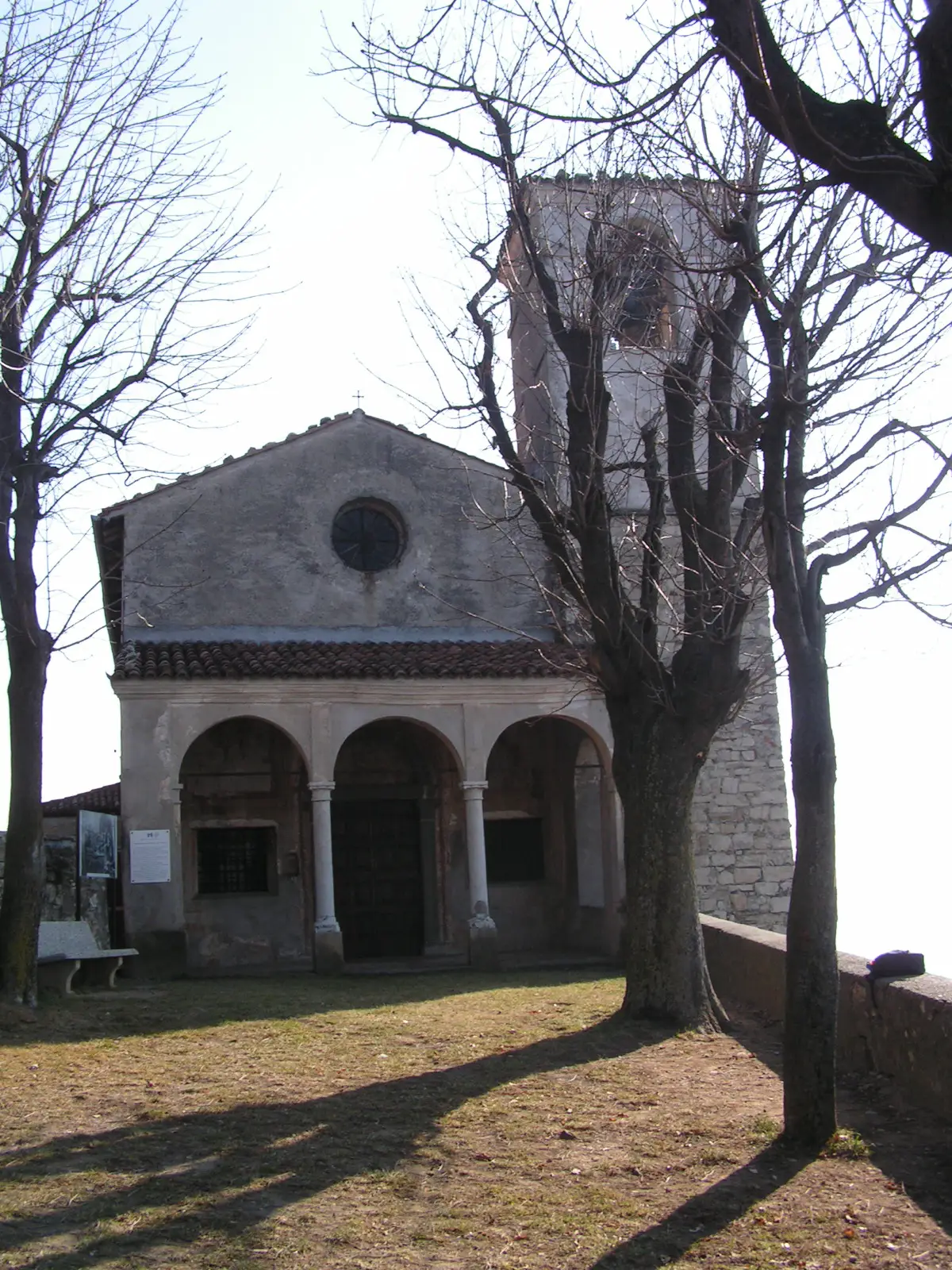
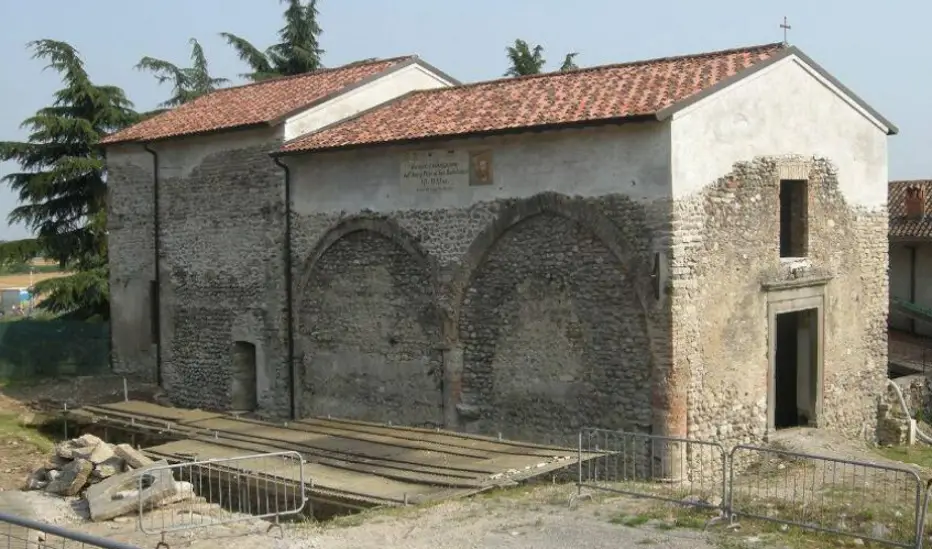
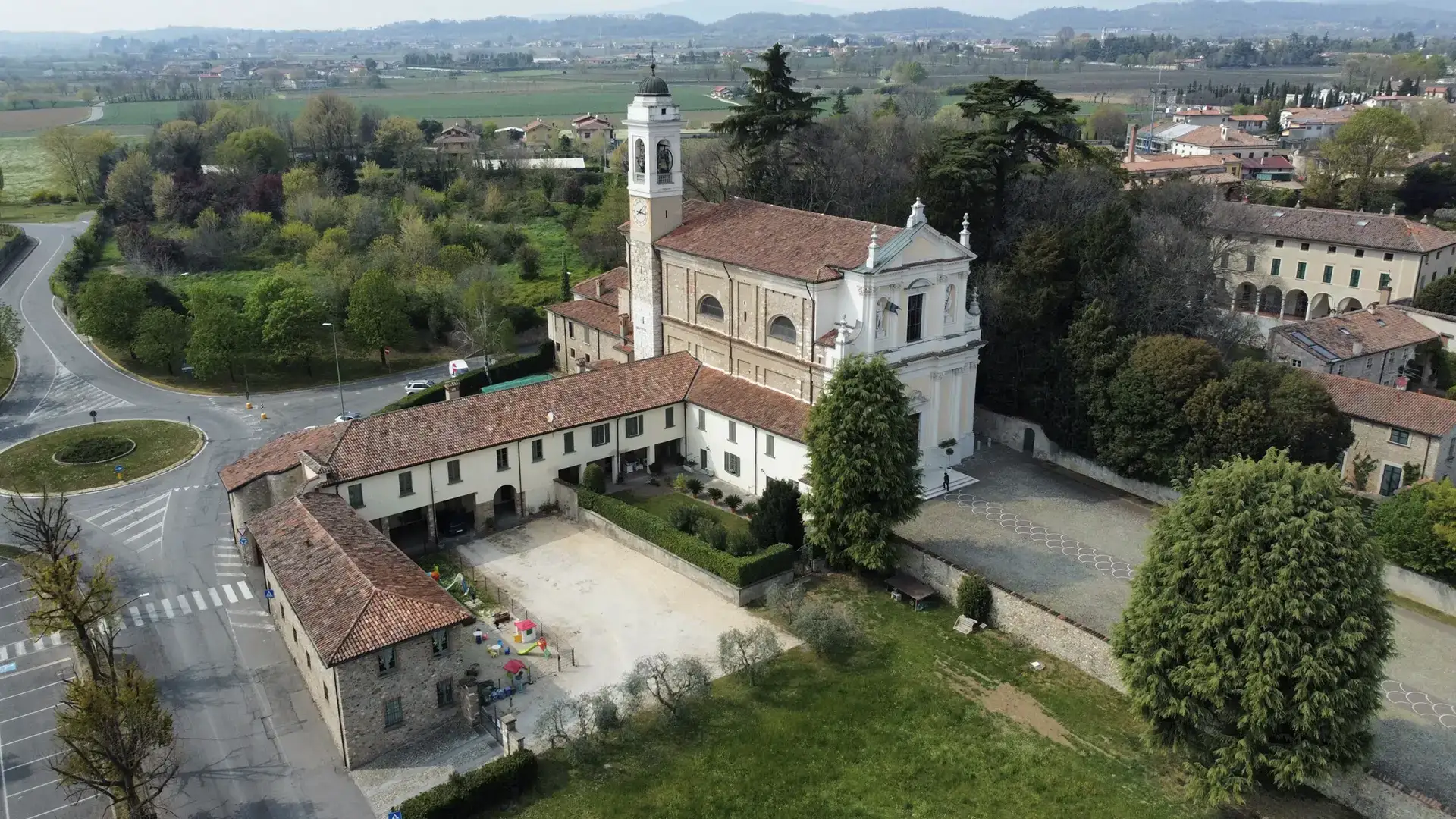
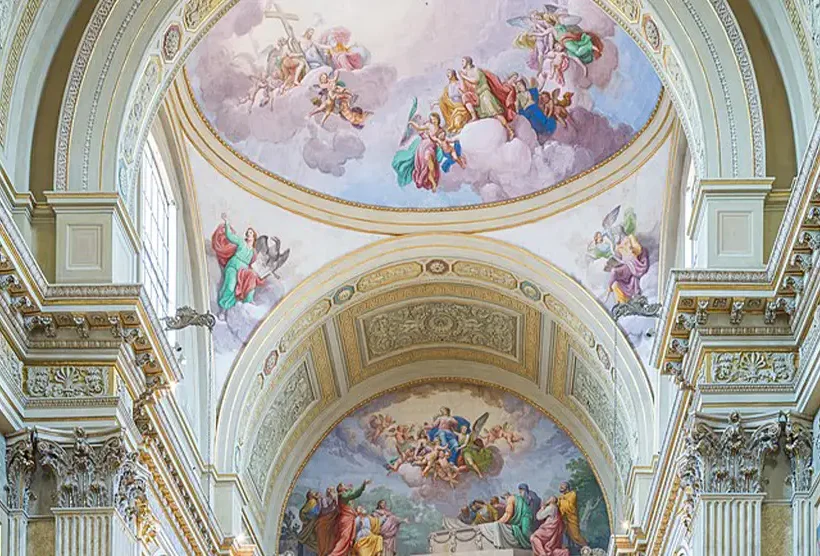
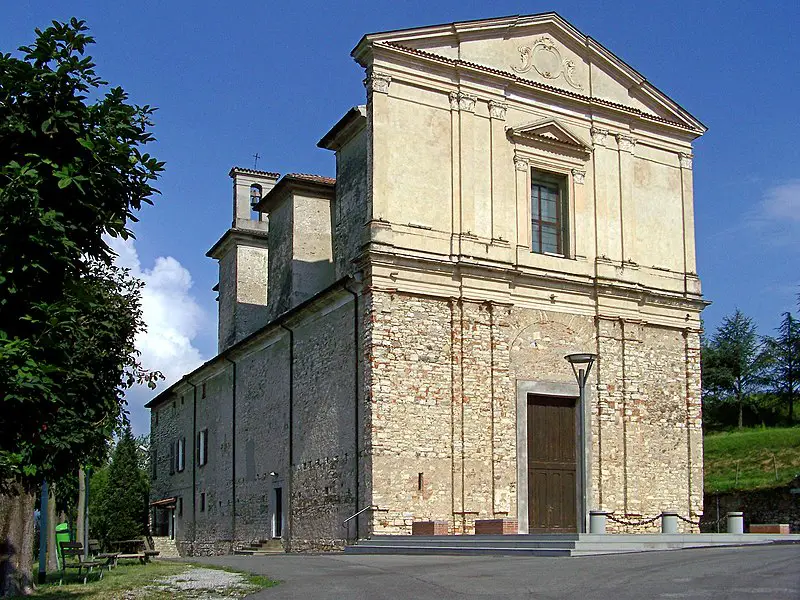
The first parish church in Passirano dates back to medieval times and is documented as part of the parish of Bornato. The history of the modern parish, however, begins in 1478, when the Brescia area was struck by a terrible epidemic remembered by chroniclers as the “Peste del Mazzucco,” or “mal del zuchòt,” because it was characterized by excruciating headaches. During this crisis, there was a great outpouring of devotion to St. Roch, the miracle-working saint par excellence: in Passirano as well, on land donated by the community to the Servite Friars of the Annunciation in Rovato, a sanctuary was dedicated to the pilgrim saint from Montpellier, which formed the first nucleus of the church we know today. The original 17th-century parish church was then completely rebuilt in 1763 and restored in the mid-19th century, a project that concluded in 1882 when the interior decoration was completed.
18th-century exterior, loggia with votive offerings and the “Madonna dell’Abito”
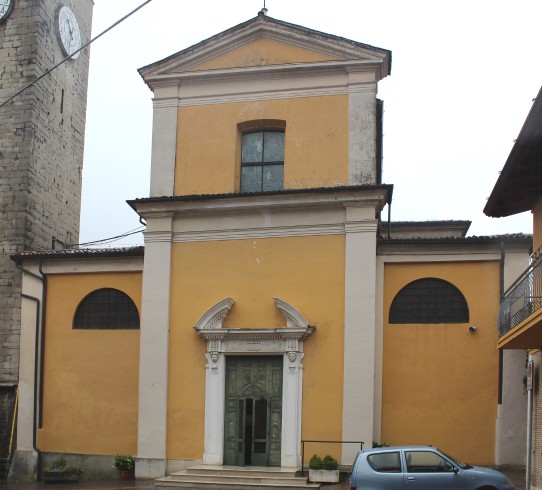
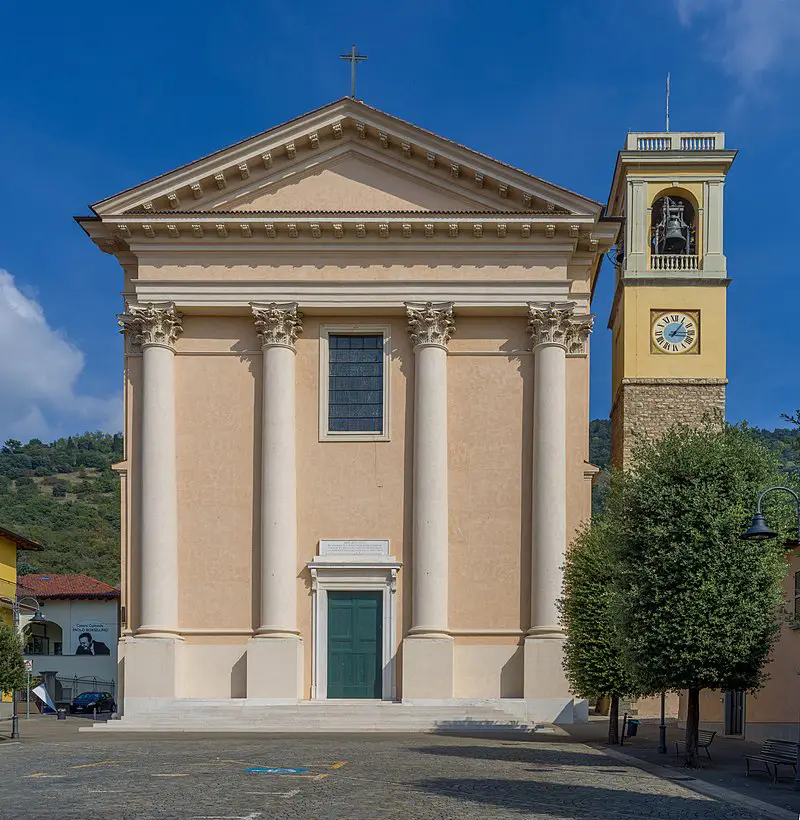
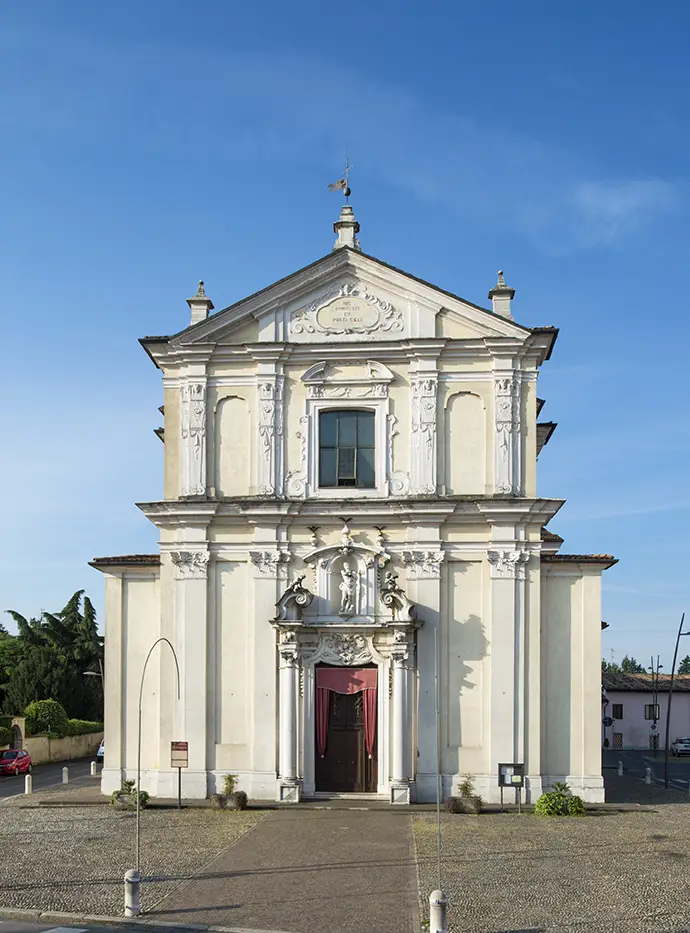
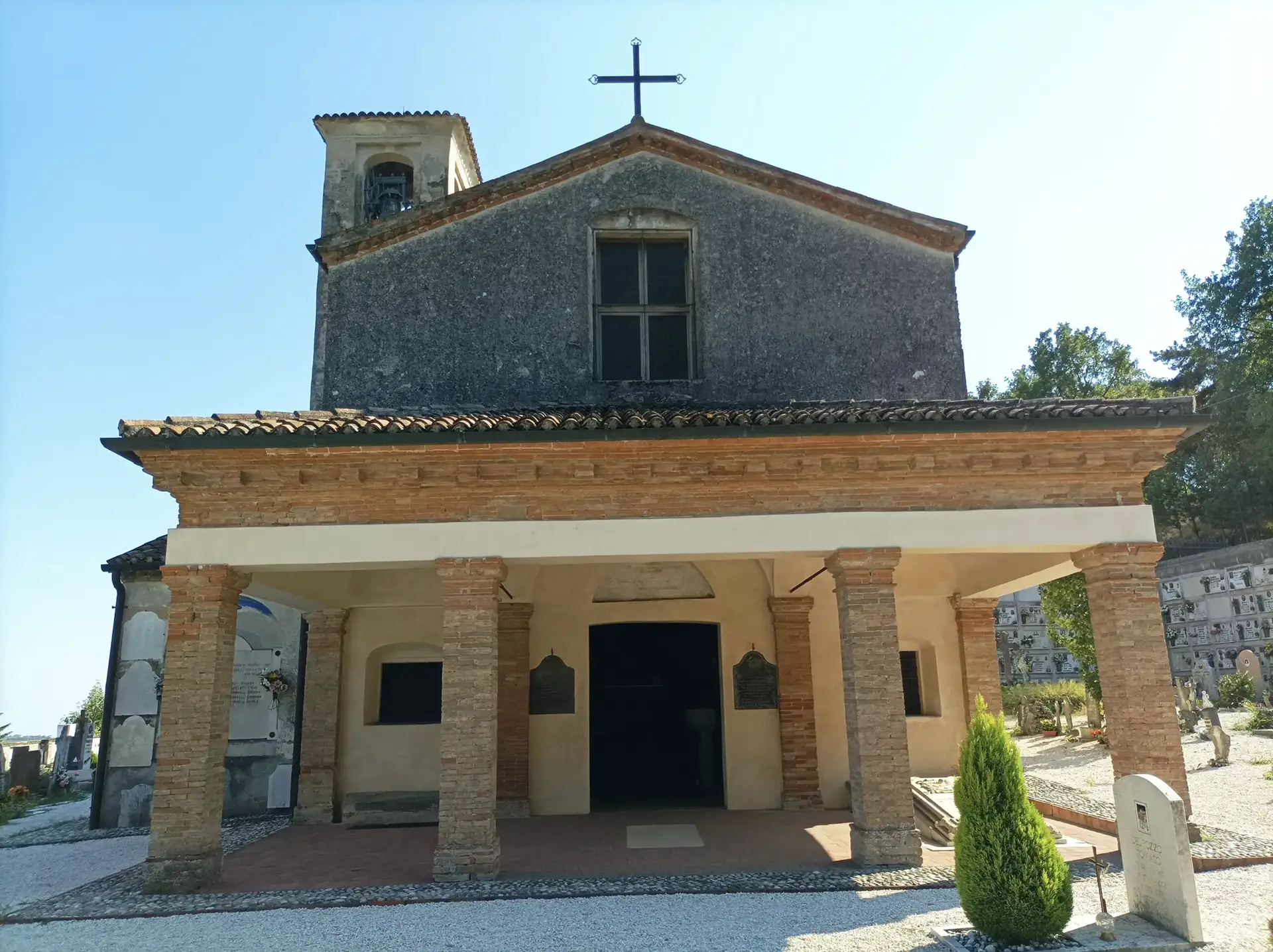
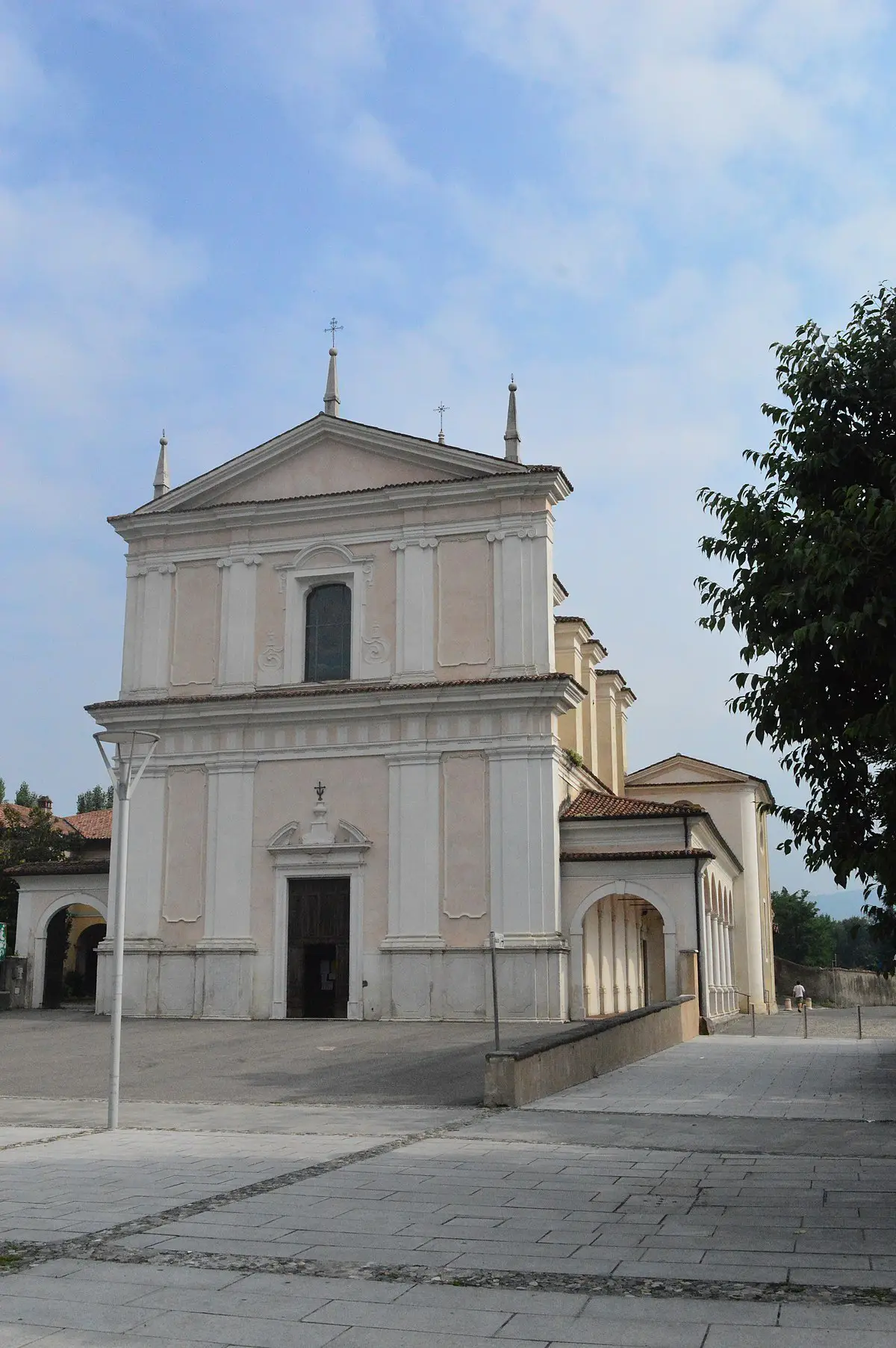
On the outside, the Church of St. Zenone still retains the appearance of an 18th-century church, as depicted by Sante Cattaneo (Salò 1739 – Brescia 1819) in the background of the altarpiece adorning the high altar: from this pictorial document we learn that the church once had a churchyard enclosed by a low wall, but the façade already featured the clean lines we know today, divided into two registers separated by a frieze with triglyphs, punctuated by four double pilasters matched by an equal number in the second register, arranged like the pediment of a classical temple. The six-arched loggia, visible on the east side, is of great historical interest in the context of devotional practices in a modern-era parish church and contains 52 votive offerings dedicated to the local cult of the “Madonna dell’Abito,” as well as other notable works, such as the altarpiece by Domenico Carretti (Bologna 1680–1719), a Bolognese painter very active in the Brescia area, featuring the Glory of Saints Borromeo, Anthony of Padua, and Gaetano of Thiene.
Artworks on display: Lamberti, Guadagnini, and Cattaneo
Inside, the altars house works of particular artistic significance, starting with the wooden Madonna by the Renaissance sculptor Stefano Lamberti (Brescia 1482–1538), who created the splendid frame for the altarpiece of the high altar of St. Francis in Brescia, the harmonious Last Supper on the altar of St. Charles, painted between 1878 and 1879 by Antonio Guadagnini, and the 18th-century altarpiece attributed to Sante Cattaneo (Salò, August 8, 1739 – Brescia, June 4, 1819), featuring The Madonna and Child with St. Zeno, a work from the last decade of the 18th century, restored to its original chromatic splendor by a recent restoration.
Links and useful information


Privately owned property