Sanctuary of Madonna dell’Avello
- Home
- /
- Arte e cultura
- /
- Parish Churches and Sanctuaries
- /
- Sanctuary of Madonna dell’Avello
The Marian miracle and the origins of the sanctuary
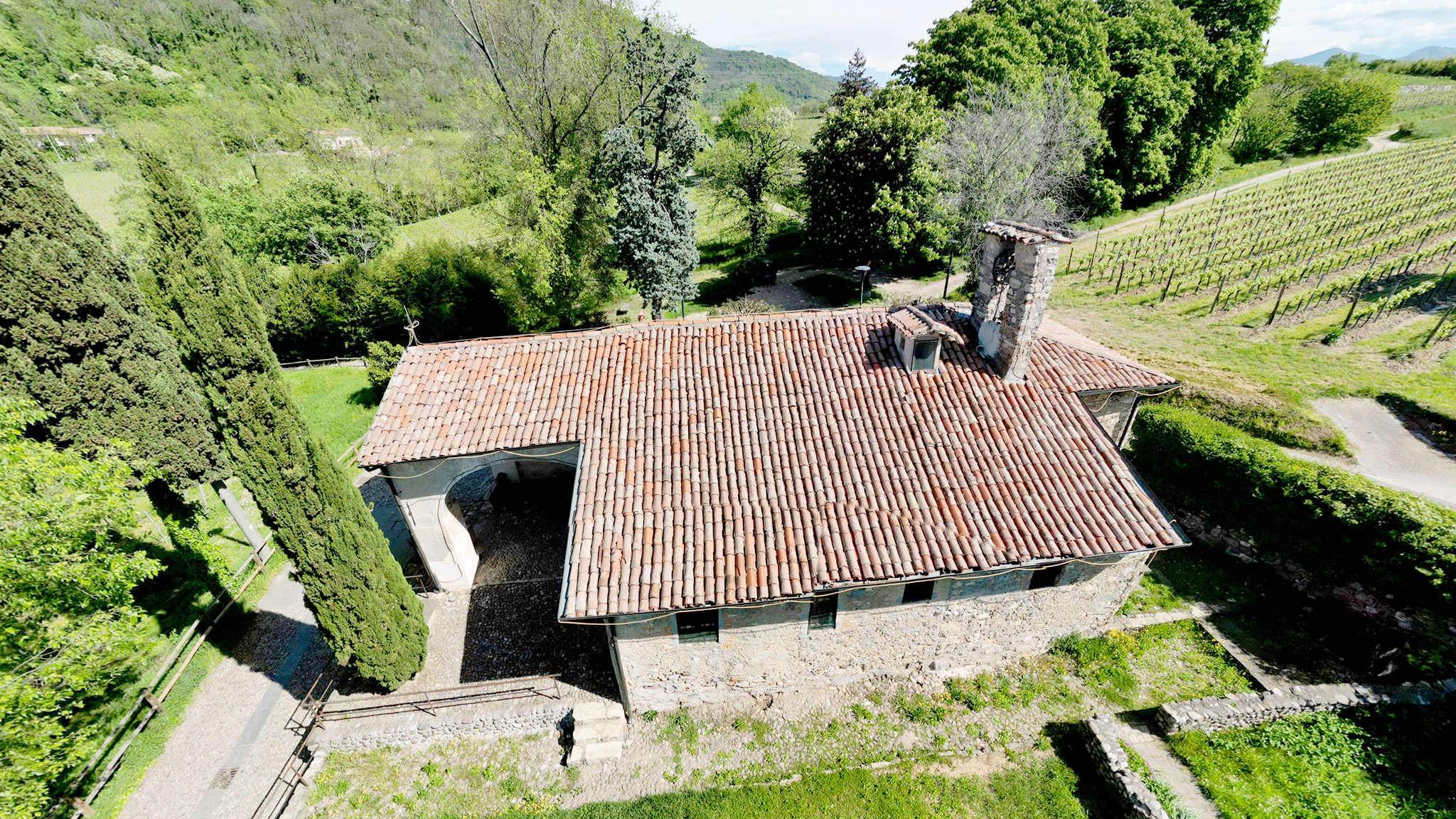
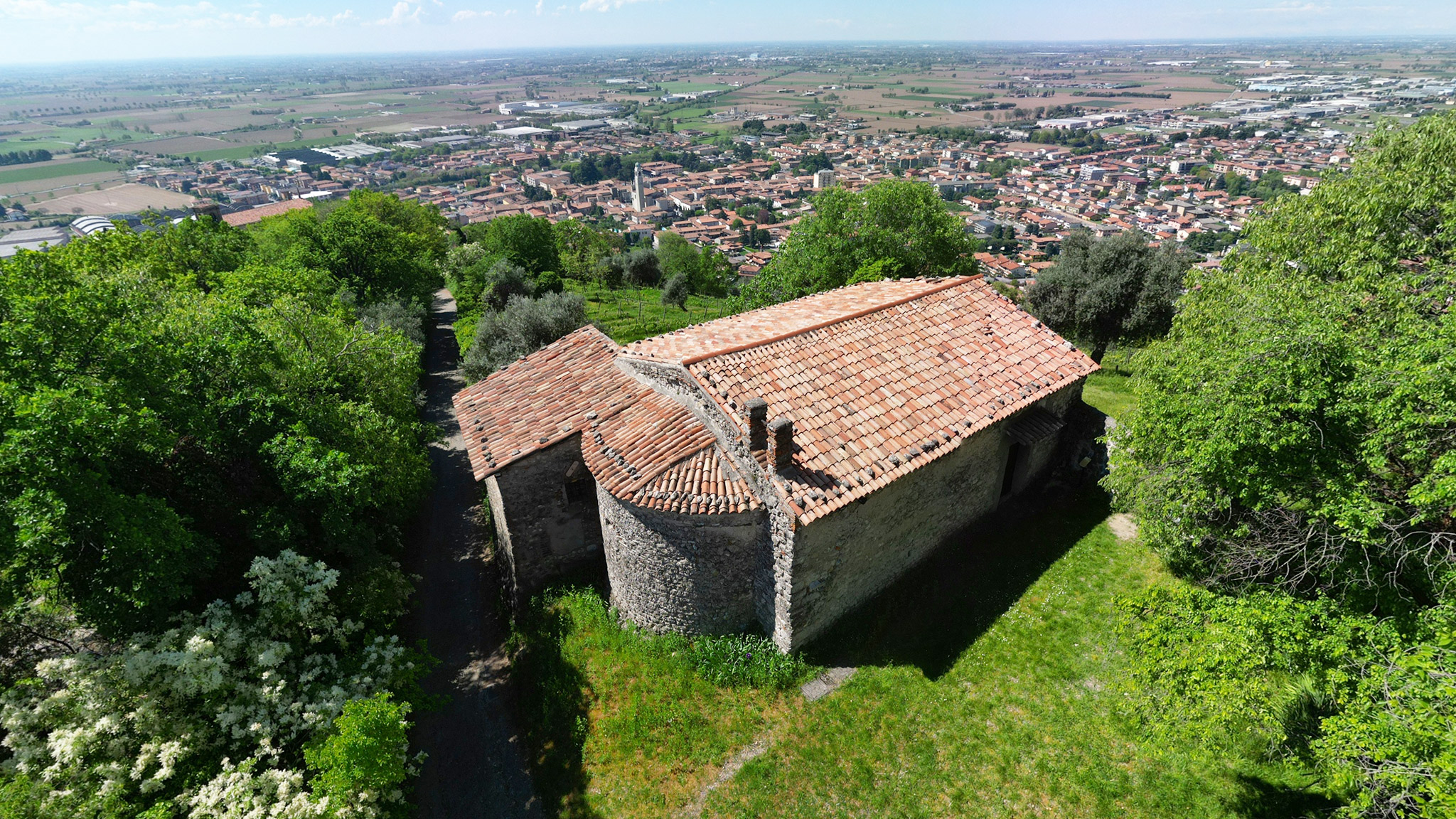
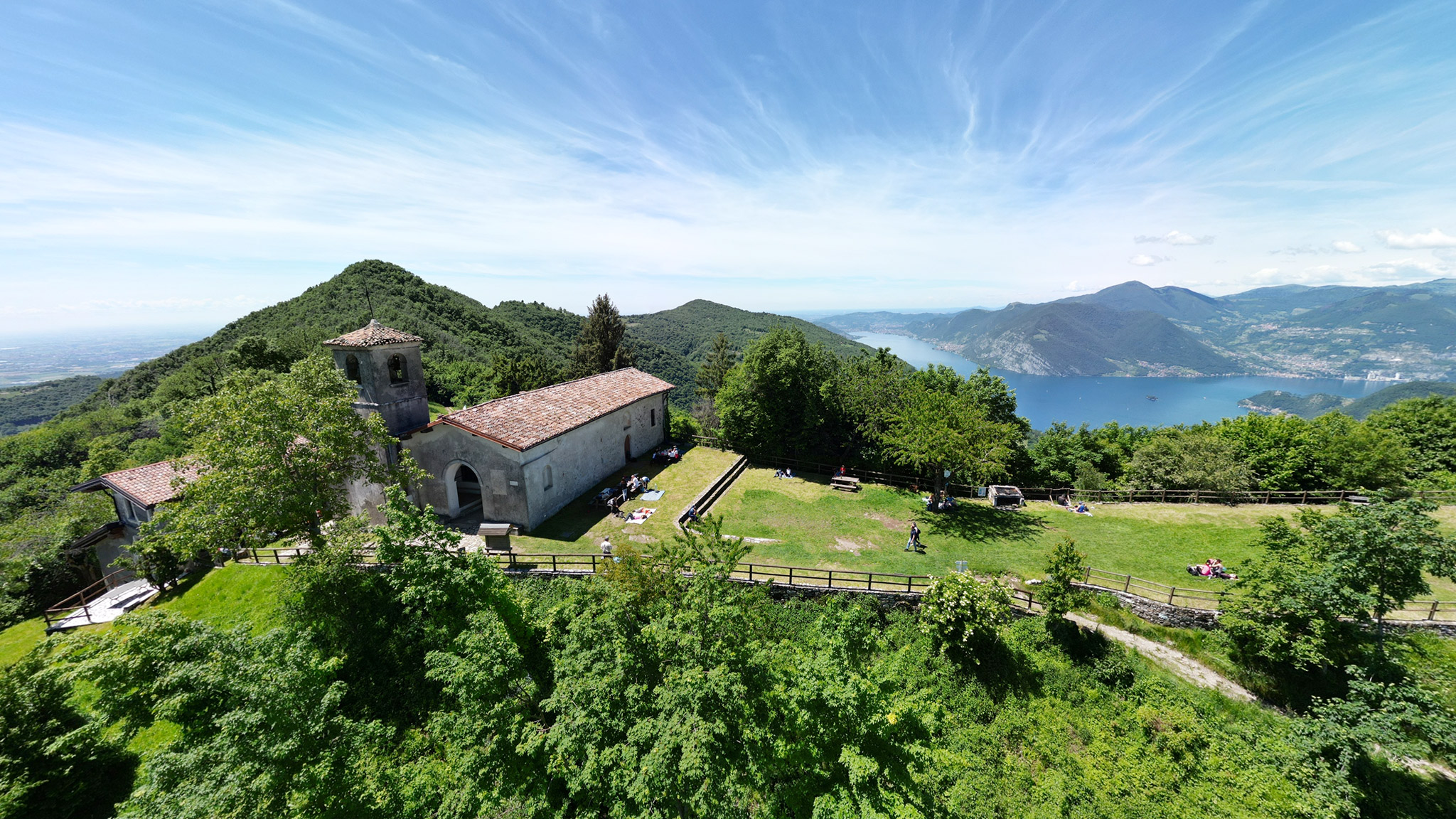
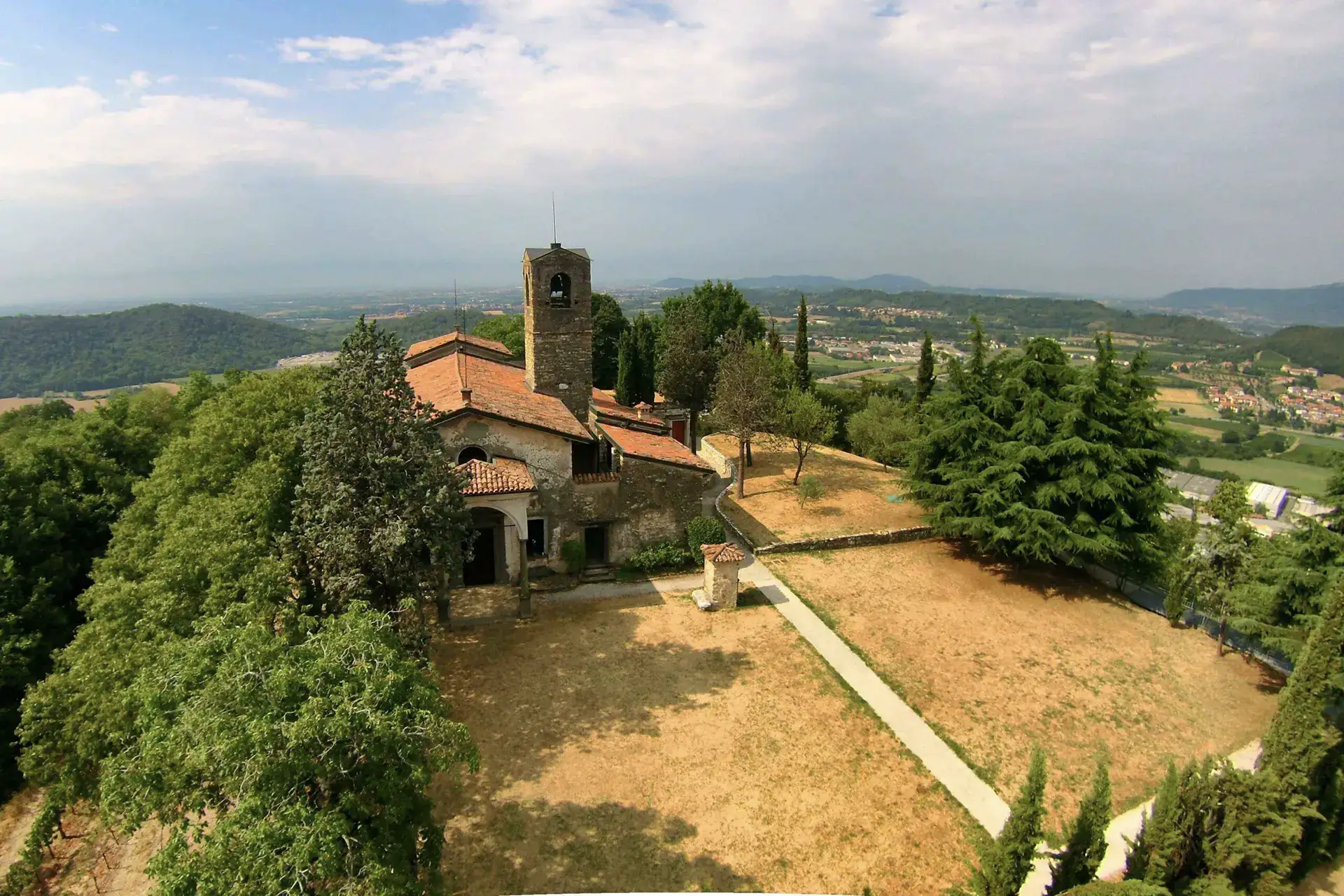
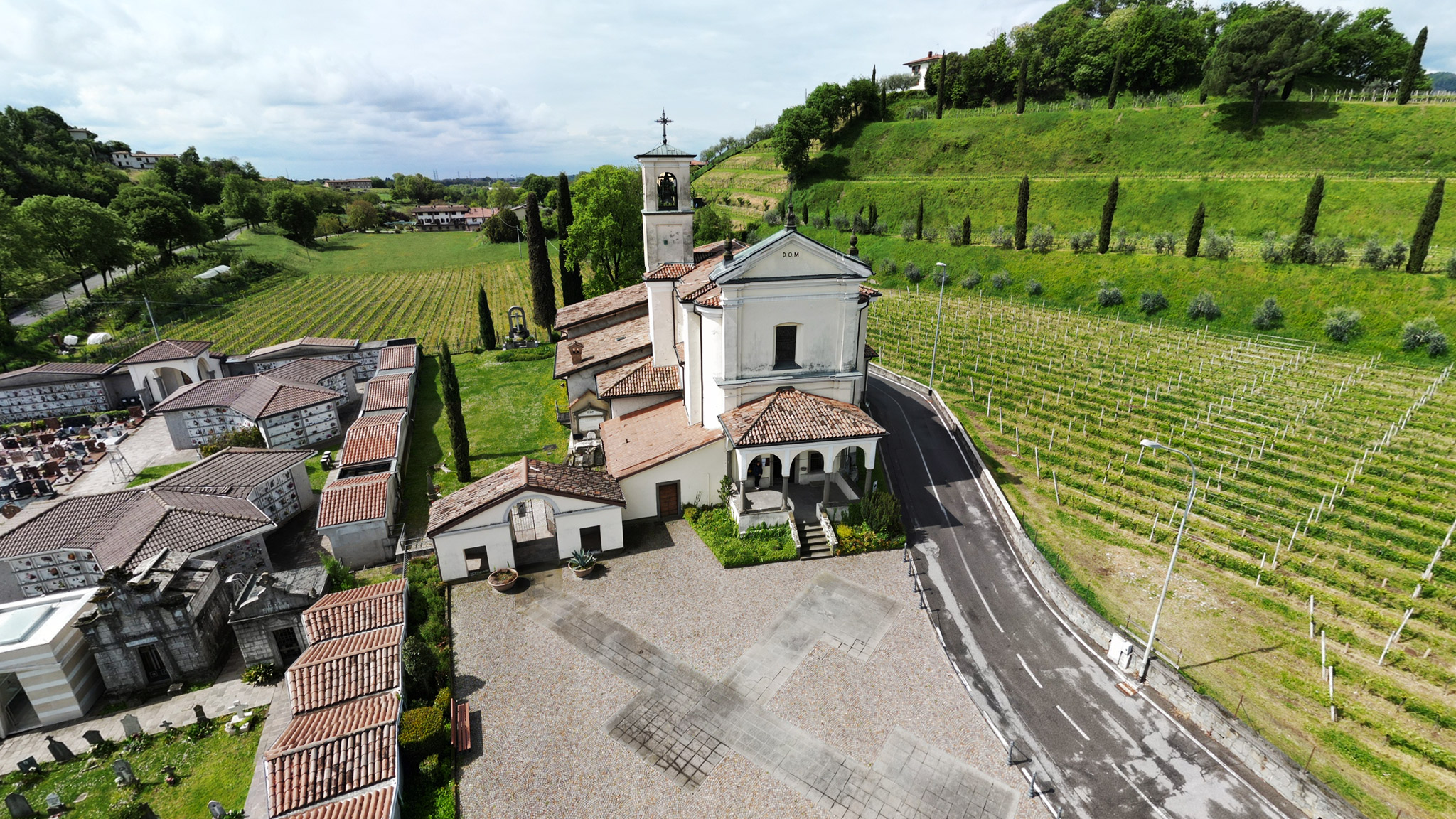
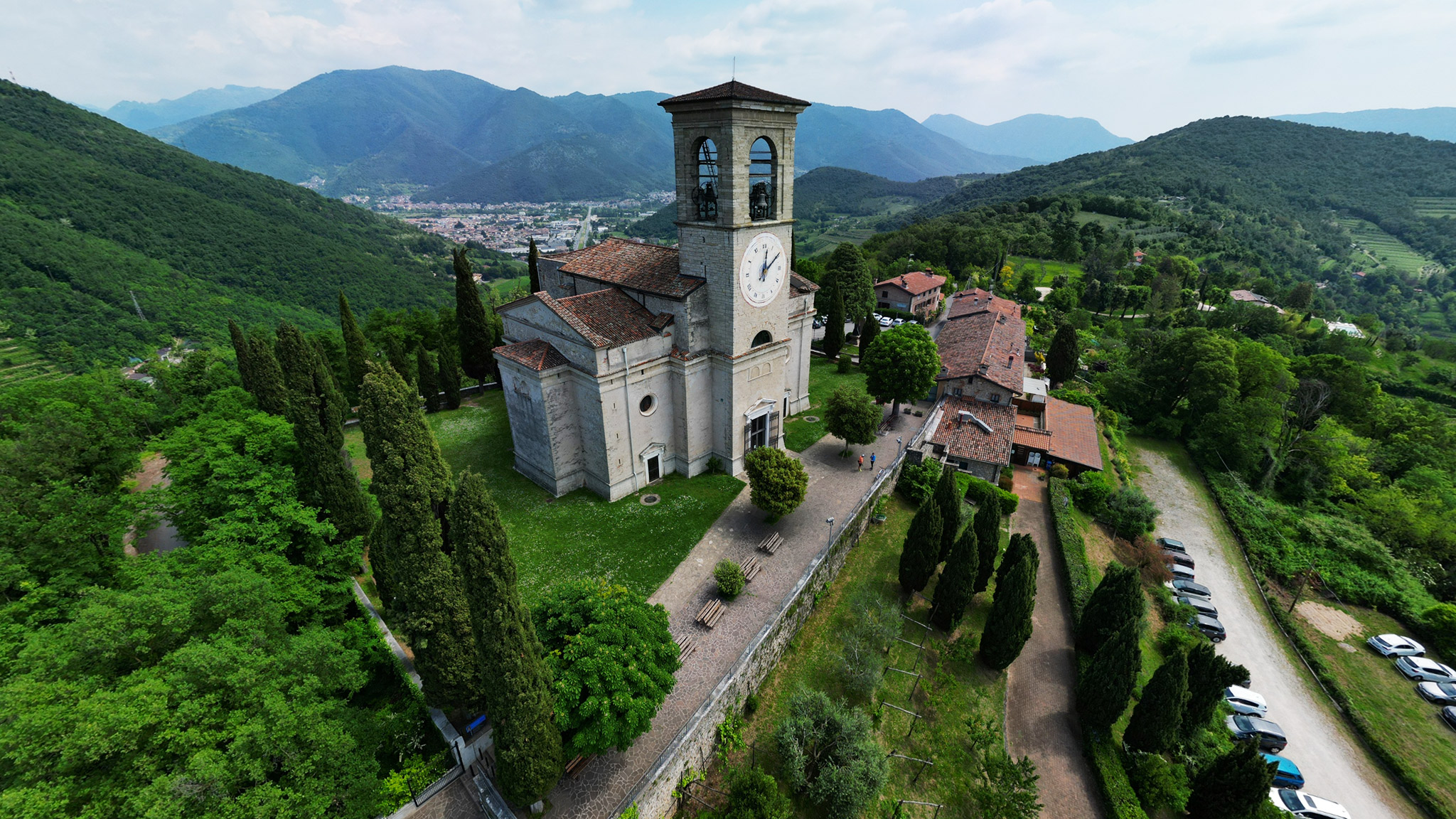
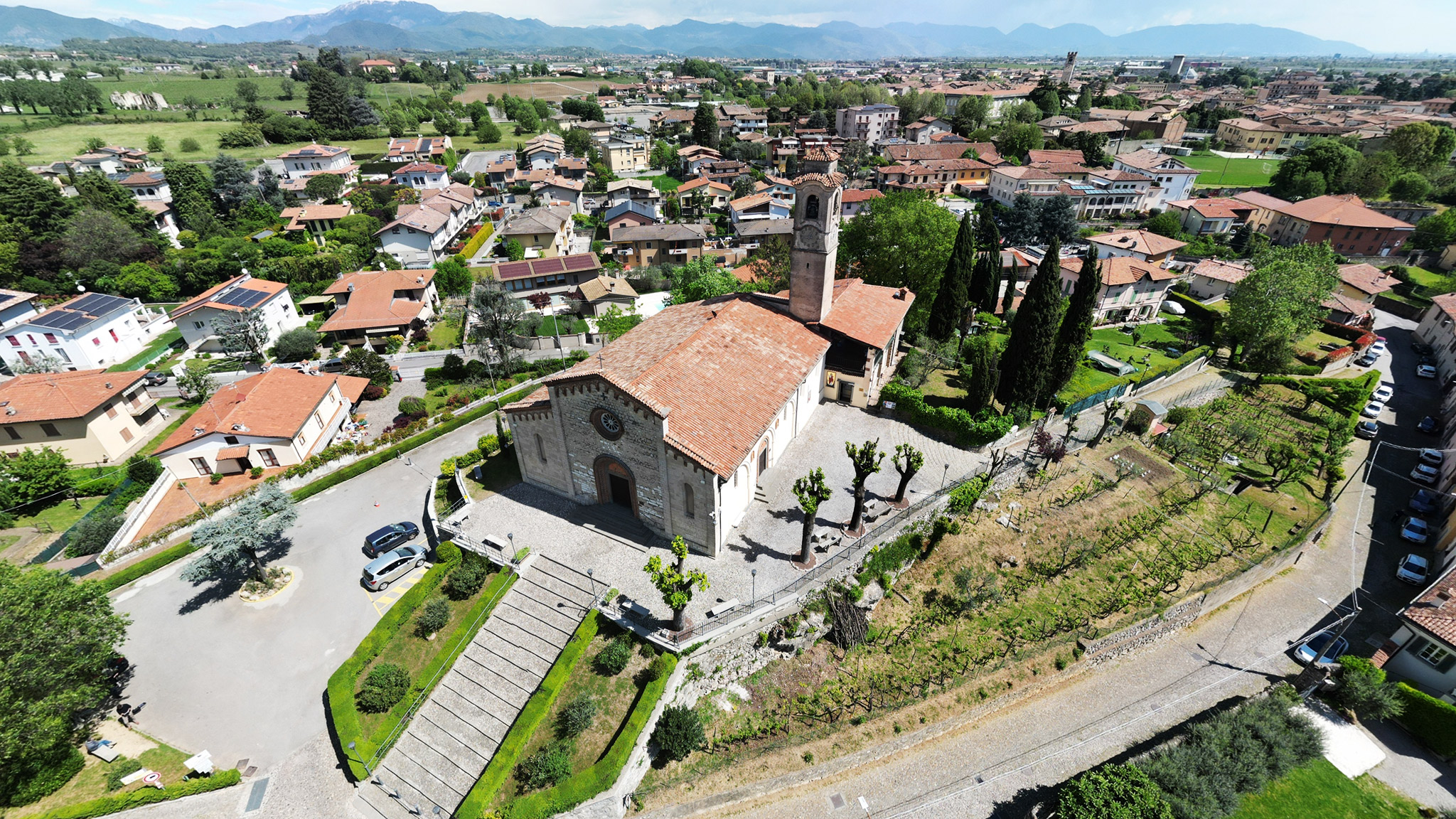
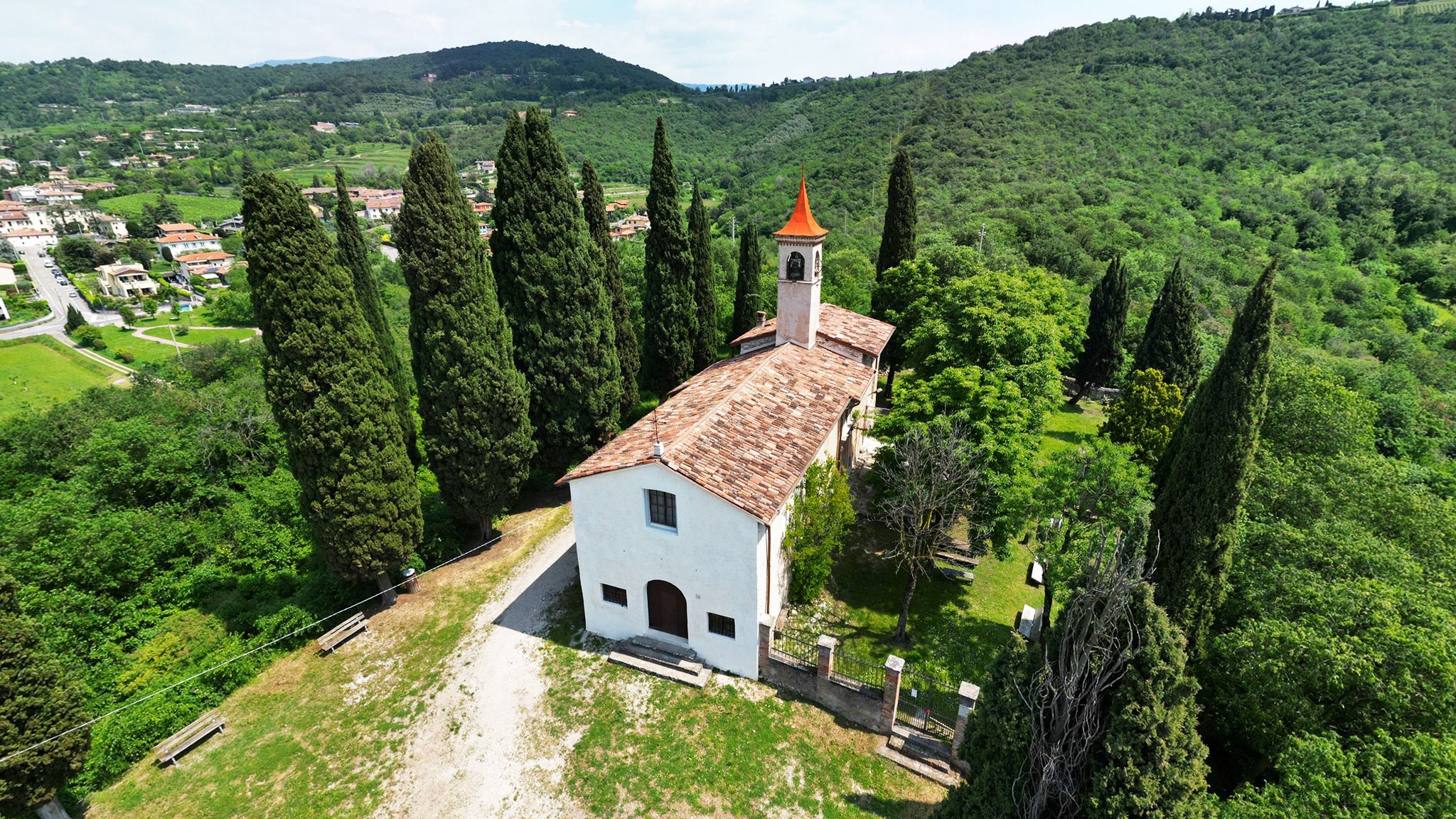
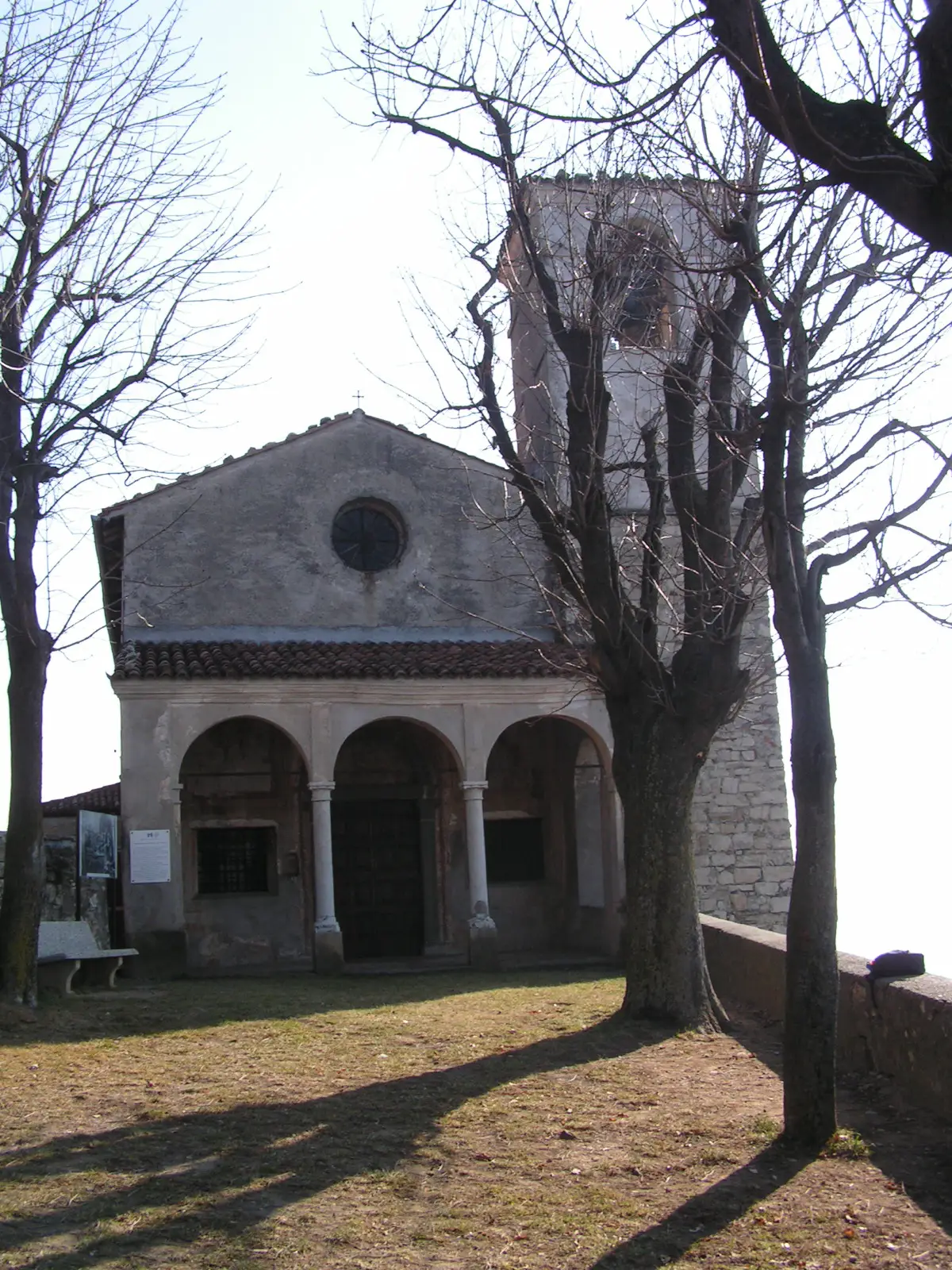
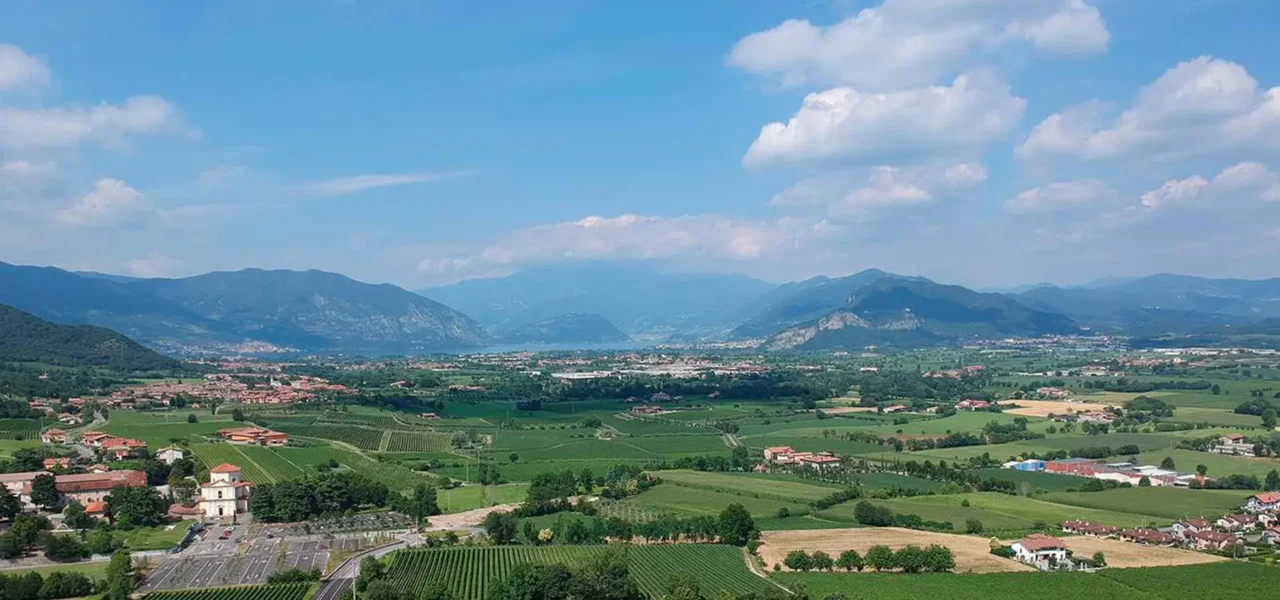
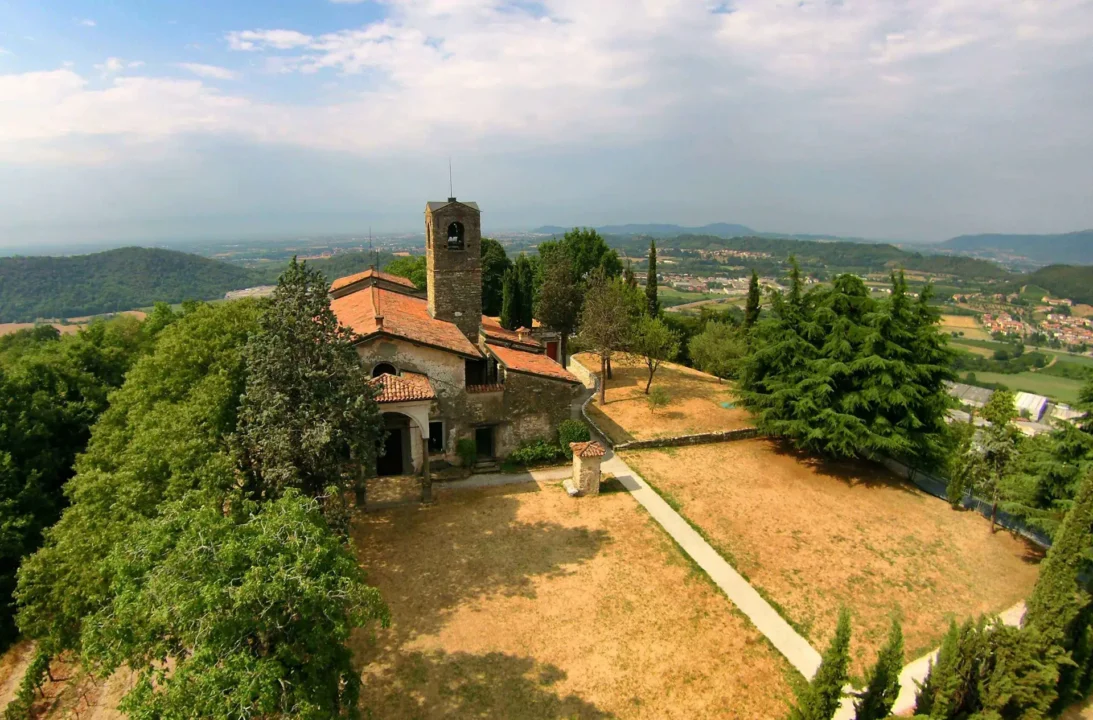
Situated on the Colle di Cerezzata, a curtis which, in the 11th century, formed part of the territories under the control of the Cluniac monks of the monastery of Rodengo, the Sanctuary of the Madonna dell’Avello owes its present-day structure to a Marian miracle: a deaf-mute shepherdess, whilst taking her flock to pasture, is said to have got her staff stuck in a rock and, whilst trying to free it, let out a cry, miraculously regaining her speech. When the local people rushed to the scene, the rock is said to have revealed a carved image of the Virgin Mary inside, identified as the one now preserved on the sanctuary’s high altar. The name ‘Avello’ probably derives from the Lavello district, where the church was built, but it cannot be ruled out that it may originate from the presence of an actual avello, a sarcophagus or stone basin, repurposed as a water trough.
The 15th-century reconstruction and the 16th-century alterations
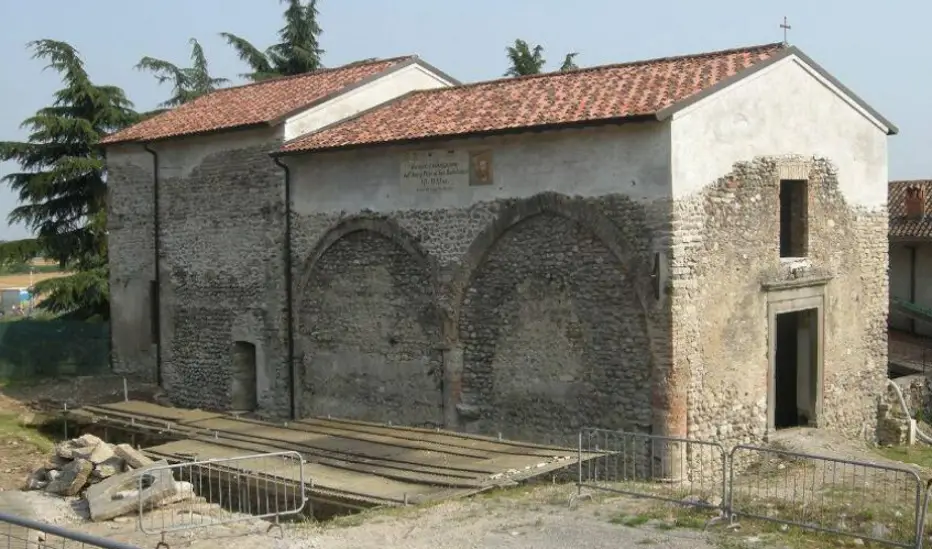
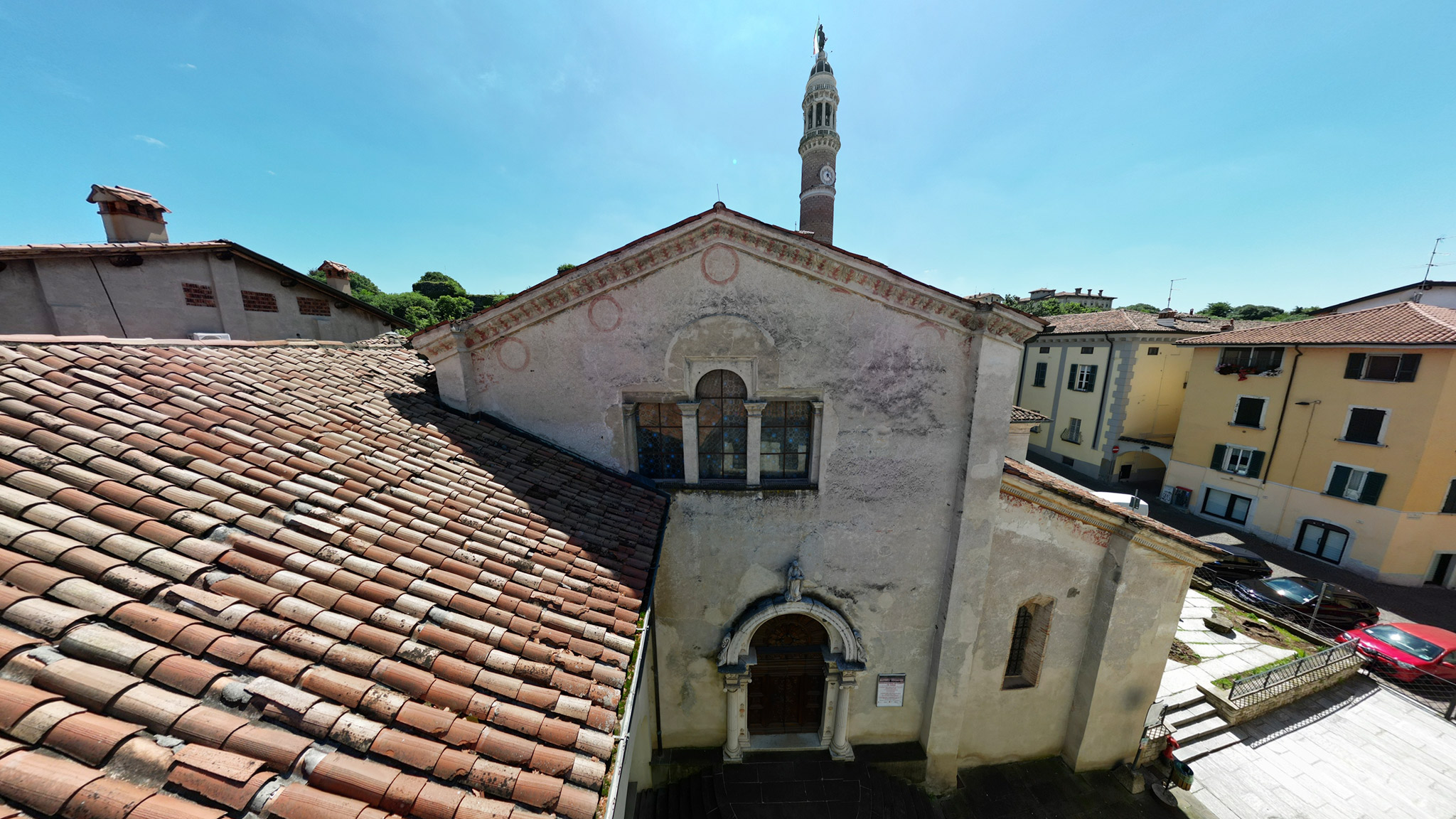
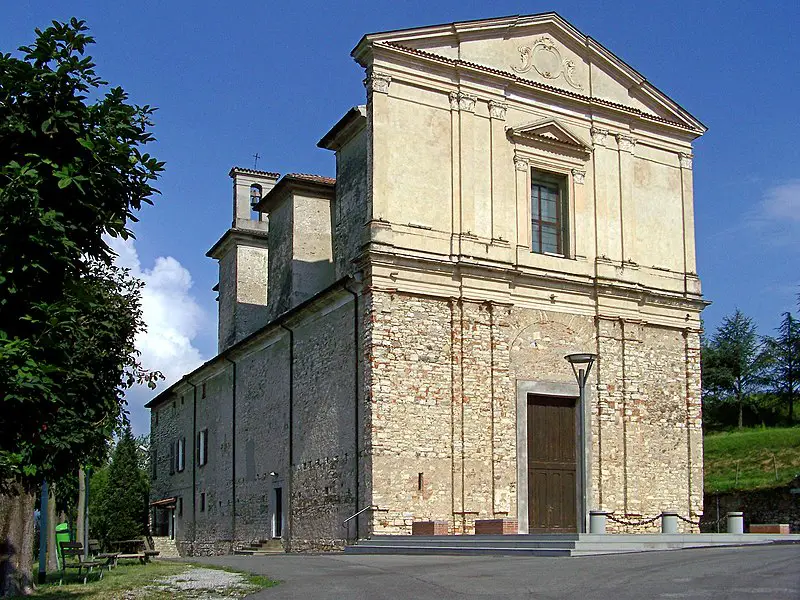
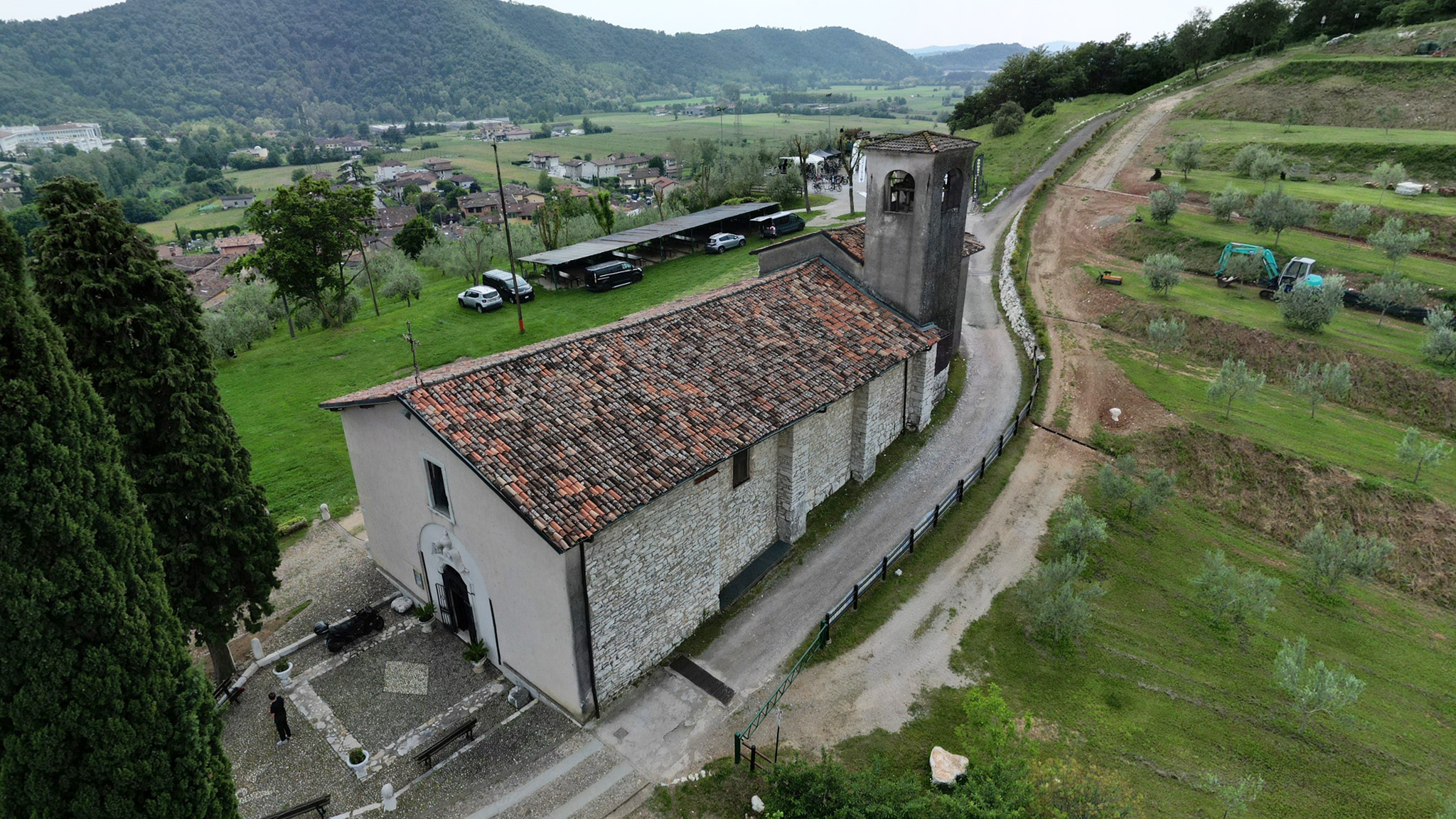
During the excavation of the floor, marble fragments of capitals and columns were discovered, belonging to an older building which, as has been reconstructed, was oriented in the opposite direction to the present one. What we see today is the church built in the 15th century, a period during which the nave was reoriented and took on its present appearance, adopting the stylistic features typical of Lombard parish churches: a wide single nave, with buttresses supporting transverse arches, ending in a small chapel serving as the chancel. Between 1511 and 1534, according to the dates recorded on the frescoes in the liturgical space, the church underwent a further extension, with the addition of the first bay and the creation of a new façade; the tripartite apse was demolished, and a long chancel was built, incorporating the pre-existing structure of the bell tower.
Traces of the original structure and 17th-century alterations
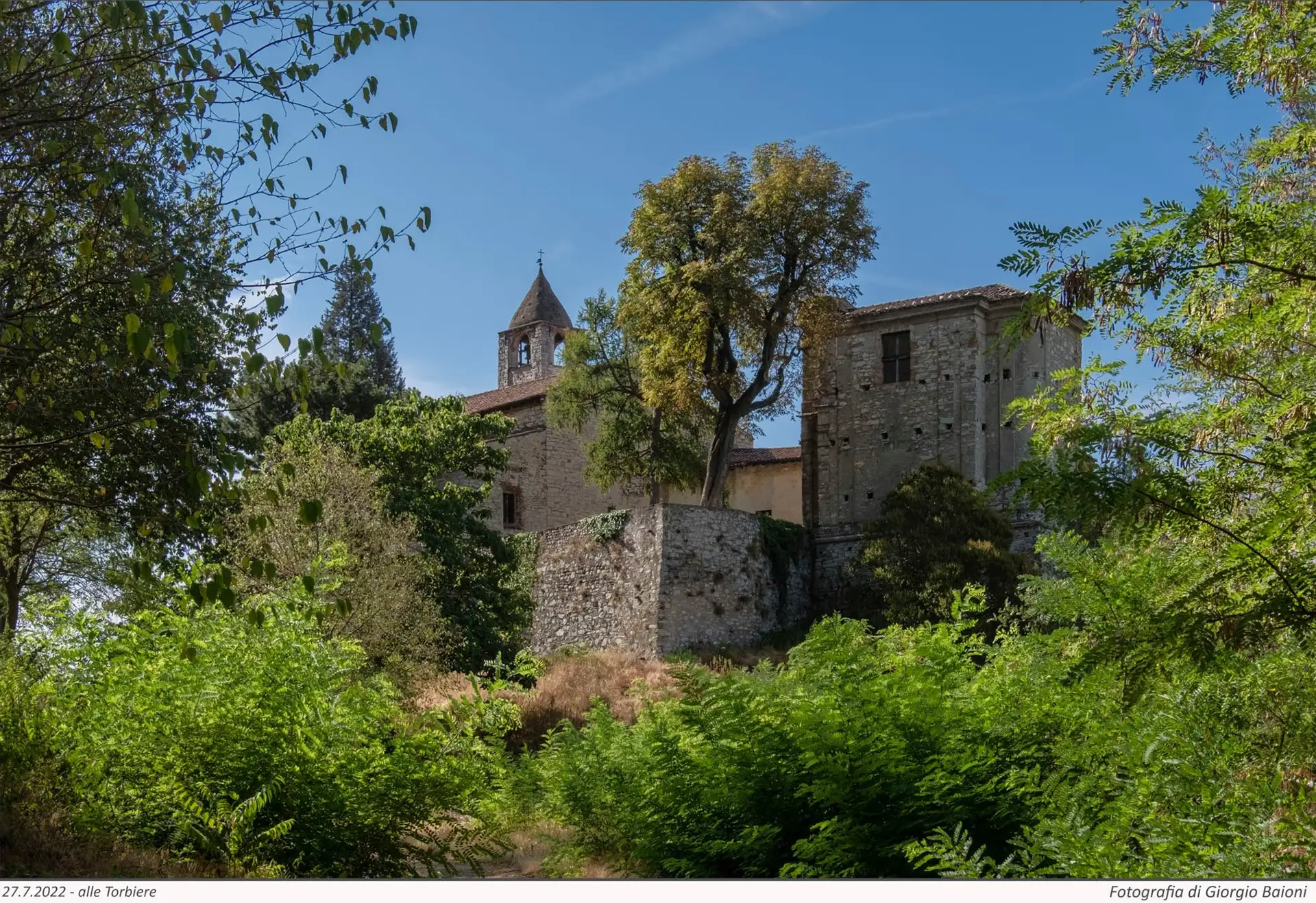
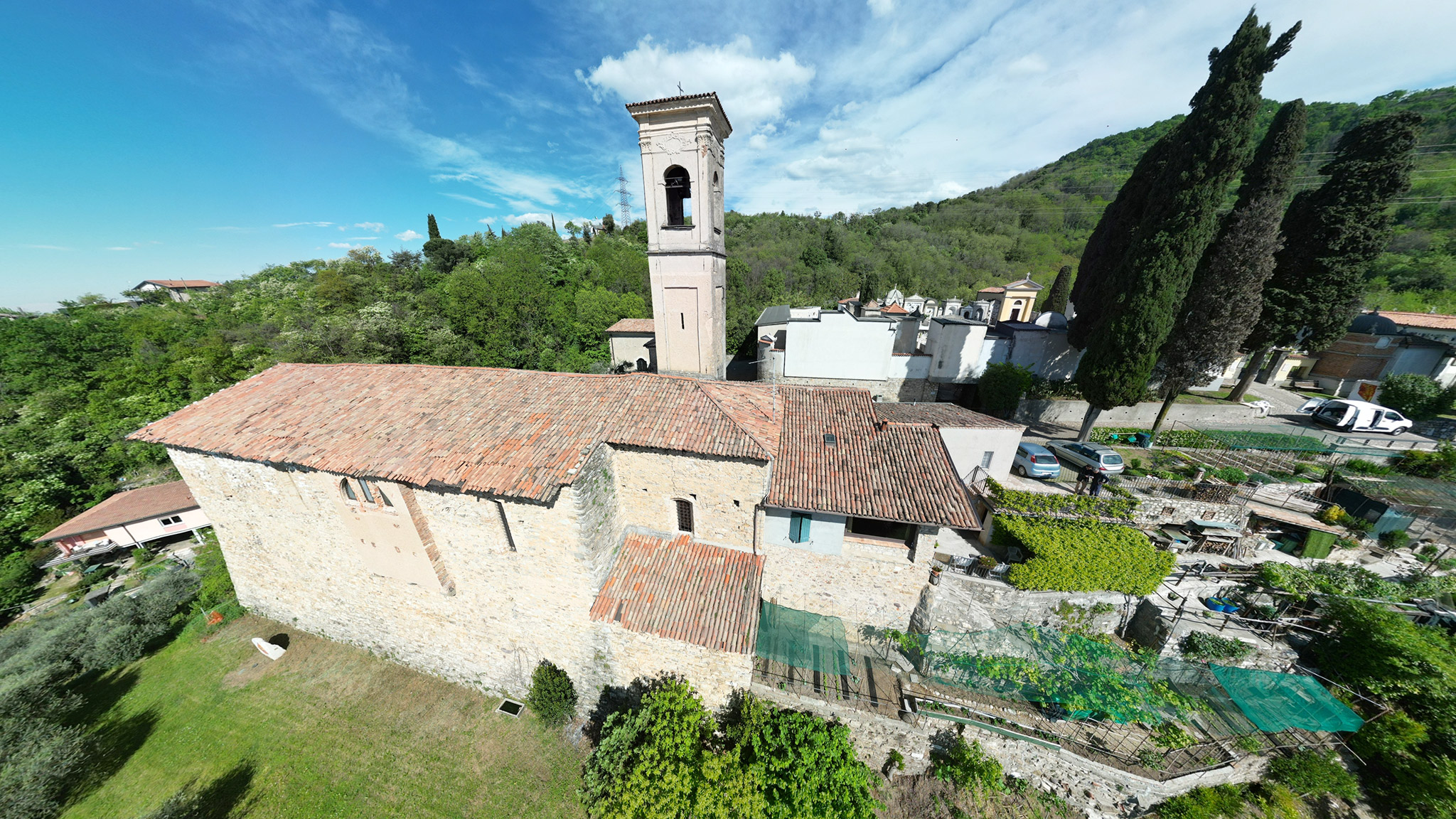
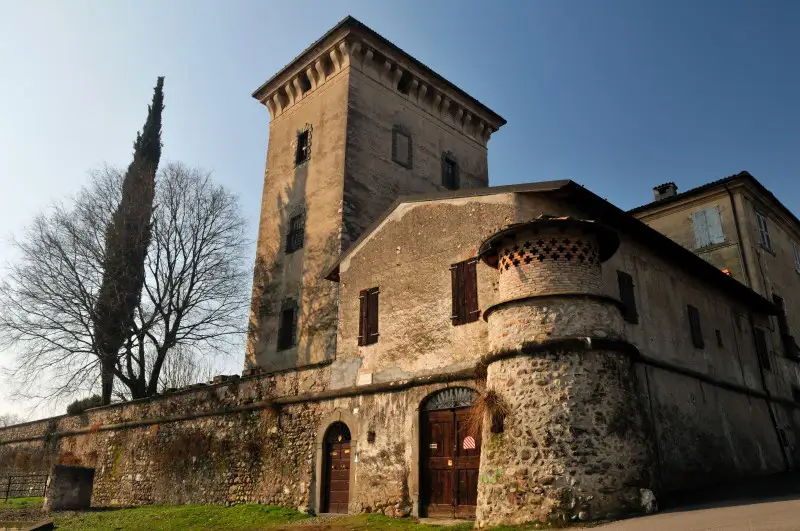
Clear traces of the original foundation still remain: the churchyard still bears traces of the perimeter of the foundations of the first apse chapel, and part of the medieval façade survives inside the bell tower. On the other hand, the ancient chancel, which opened outwards, survived until 1691, when orders were given to close off the main entrance with walls and a gate to prevent animals from entering. The entrance door is now framed by a Baroque cornice aligned with the high altar.
The faux polyptych and Lombard Renaissance culture
The nave bears traces of the community’s religious devotion, with numerous depictions dedicated to the Virgin Mary, the church’s patron saint, and to the miracle-working saints. The fresco of greatest artistic merit is the faux polyptych on the right-hand side of the counter-façade: organised as a genuine painted arched altarpiece, it is structured as a celebration of orthodoxy, through the Eucharistic symbolism expressed in the Incarnation, represented by the Madonna and Child in the central panel, and by the figure of Christ emerging from the Tomb, flanked by two angels. The work, dated 1511, is by a master influenced by Milanese Renaissance culture and, in particular, by Ambrogio Bergognone.
The fresco decoration and the patron saints
On the walls, the decoration, which involved various fresco painters from the first decade of the sixteenth century onwards, including the itinerant Master of San Cassiano, is arranged in distinct bands, with frames reminiscent of the ‘pala quadra’ style. Alongside the Madonna and Child, who is depicted numerous times, including in the iconography of the Virgo Lactans, are Saint Anthony the Abbot, patron saint of animals, and Saints Roch and Sebastian, invoked for protection against the frequent scourge of the plague.
The altarpiece, the high altar and the 15th-century statue
The liturgical space is framed by an elaborate ensemble comprising the marble altarpiece, a refined work completed in 1764 to a design by Domenico Carboni (1727–1768), a creator of liturgical machinery and ephemeral installations, and the high altar, a composition of various marbles assembled and finished by Gerolamo Ambrosi in 1739. This permanent Baroque fixture frames the statue of the Madonna and Child, a 15th-century polychrome sculpture.
Links and useful information


Opening hours: open by appointment
Donation-based admission
Privately owned property