Sanctuary of Madonna della Stella
- Home
- /
- Arte e cultura
- /
- Parish Churches and Sanctuaries
- /
- Sanctuary of Madonna della Stella
The Madonna della Stella: a scenic sanctuary between Franciacorta and Valtrompia during the Catholic Reformation
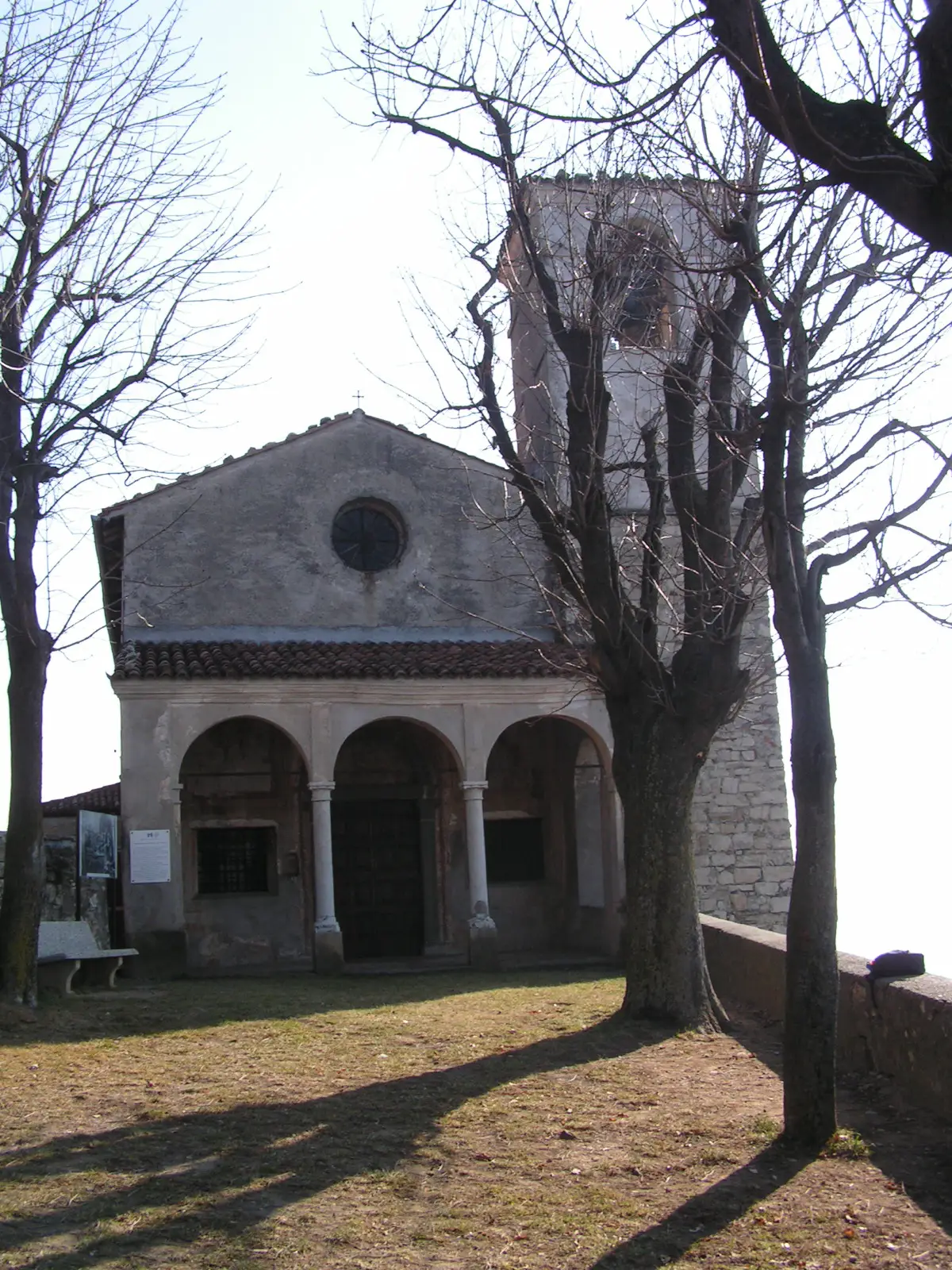
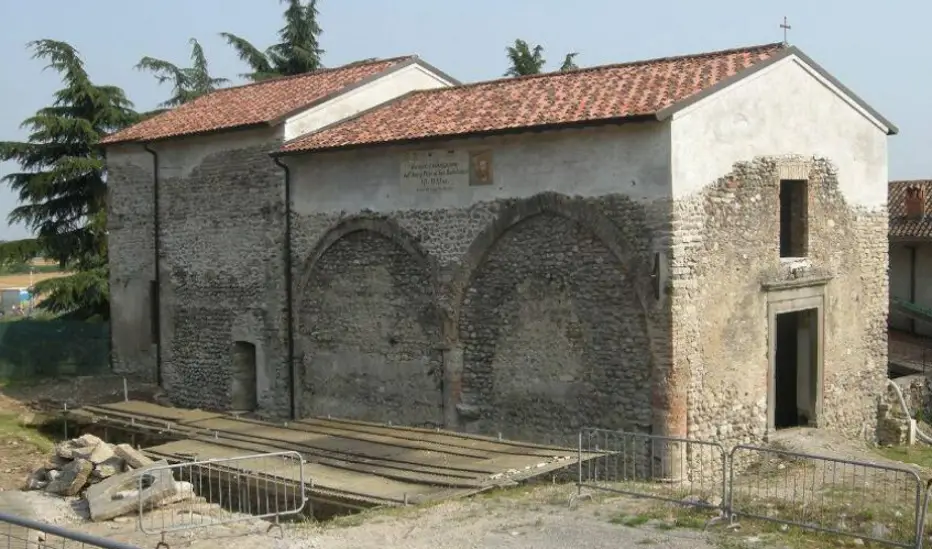
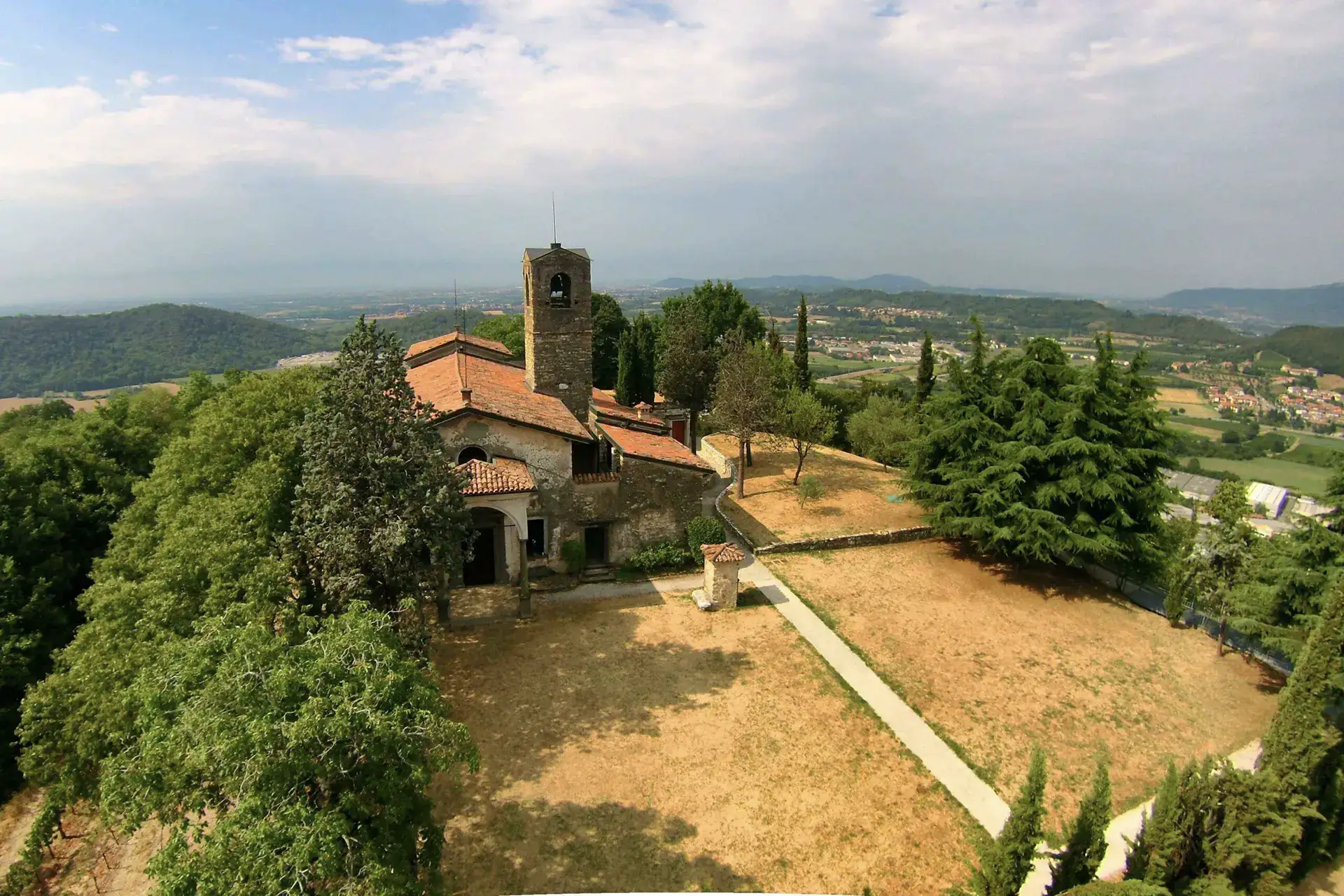
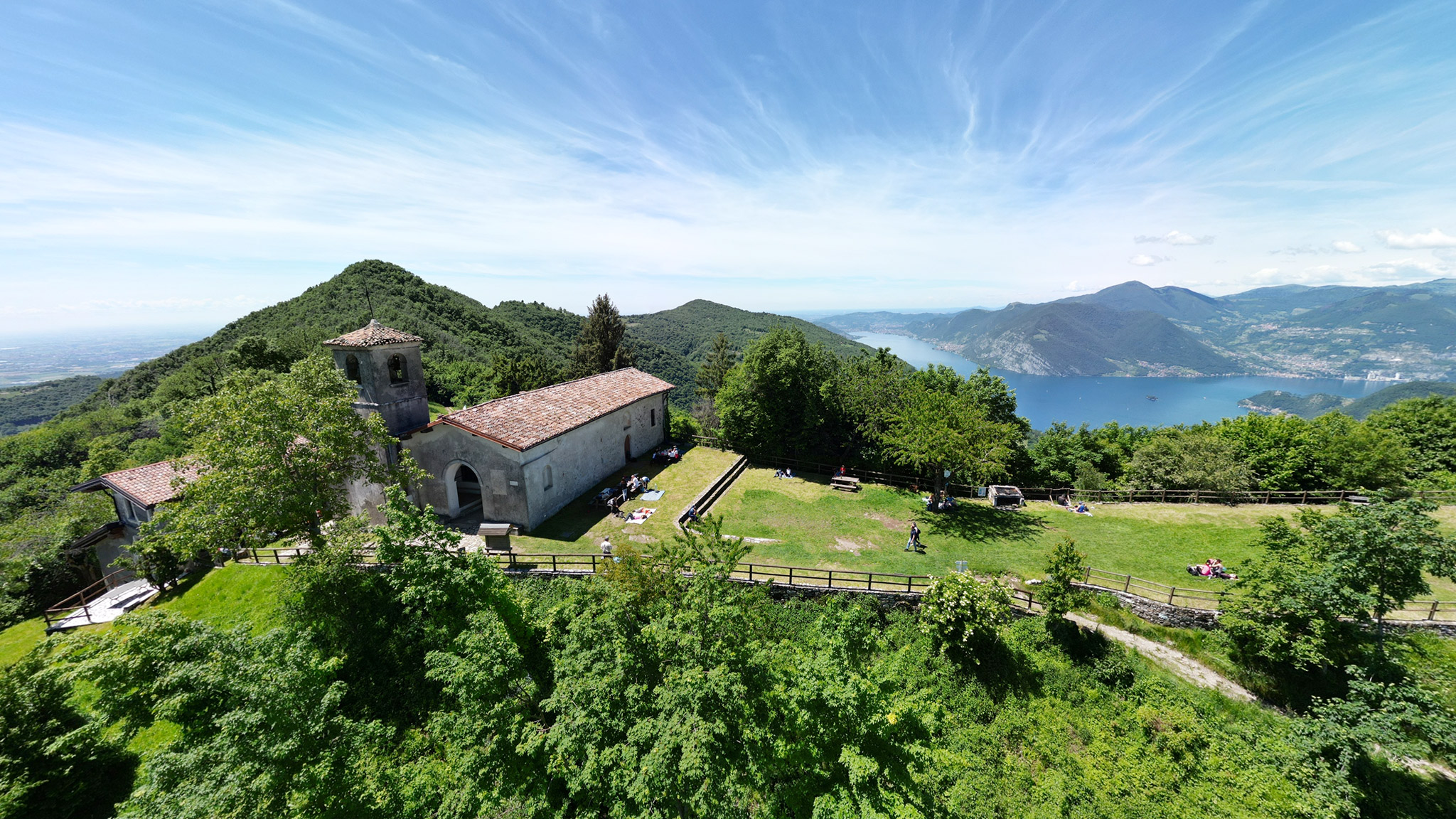
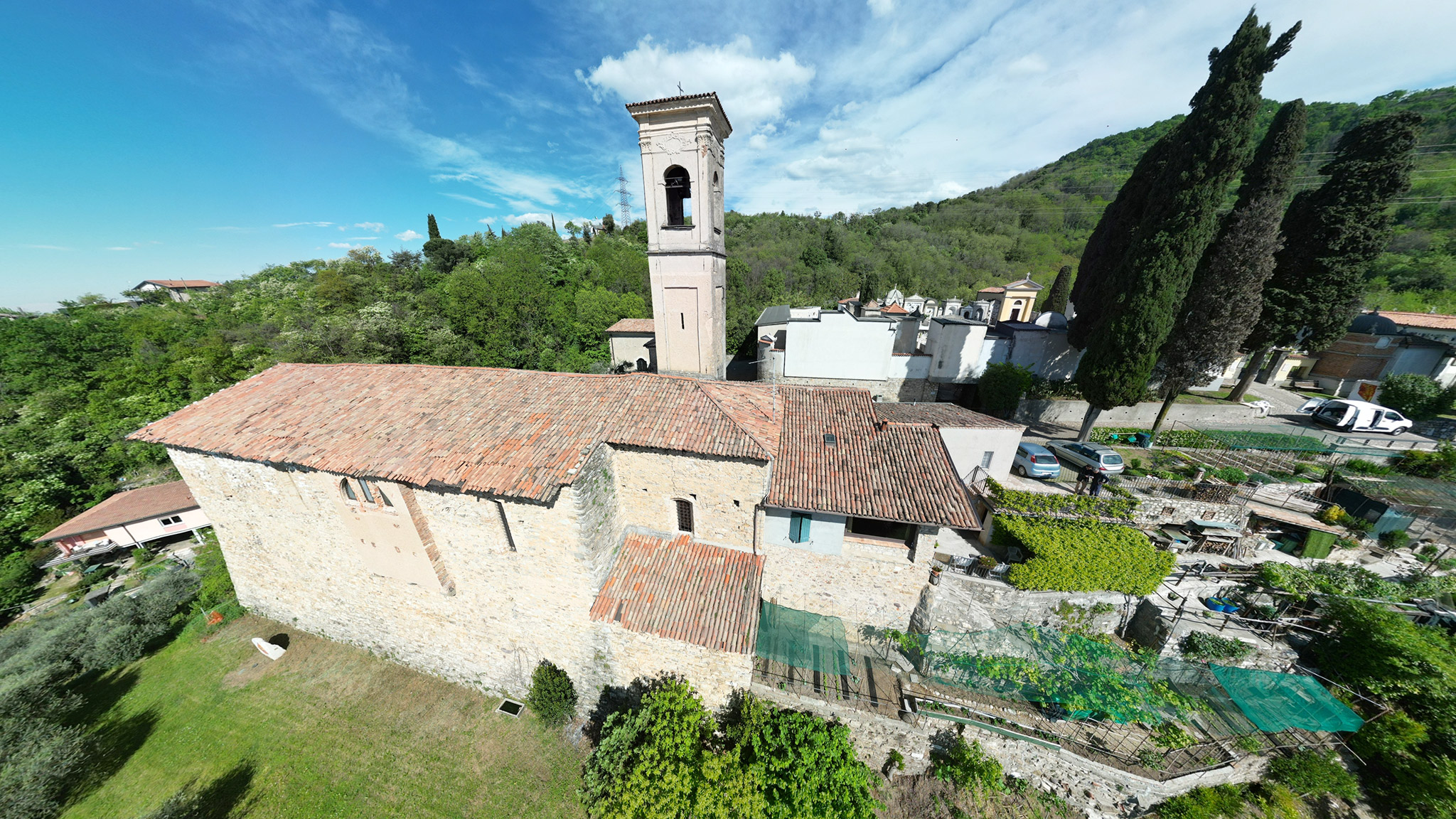
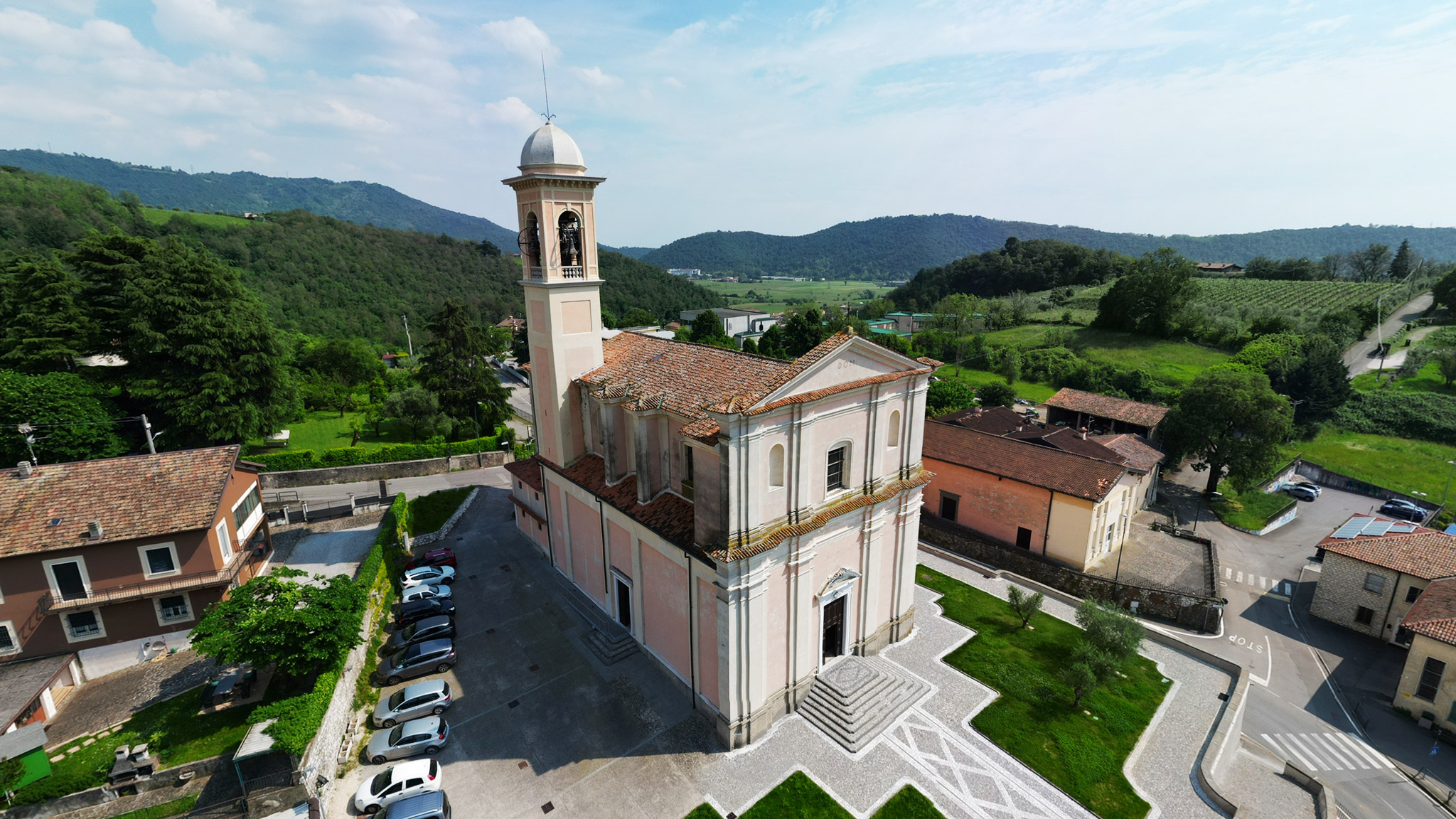
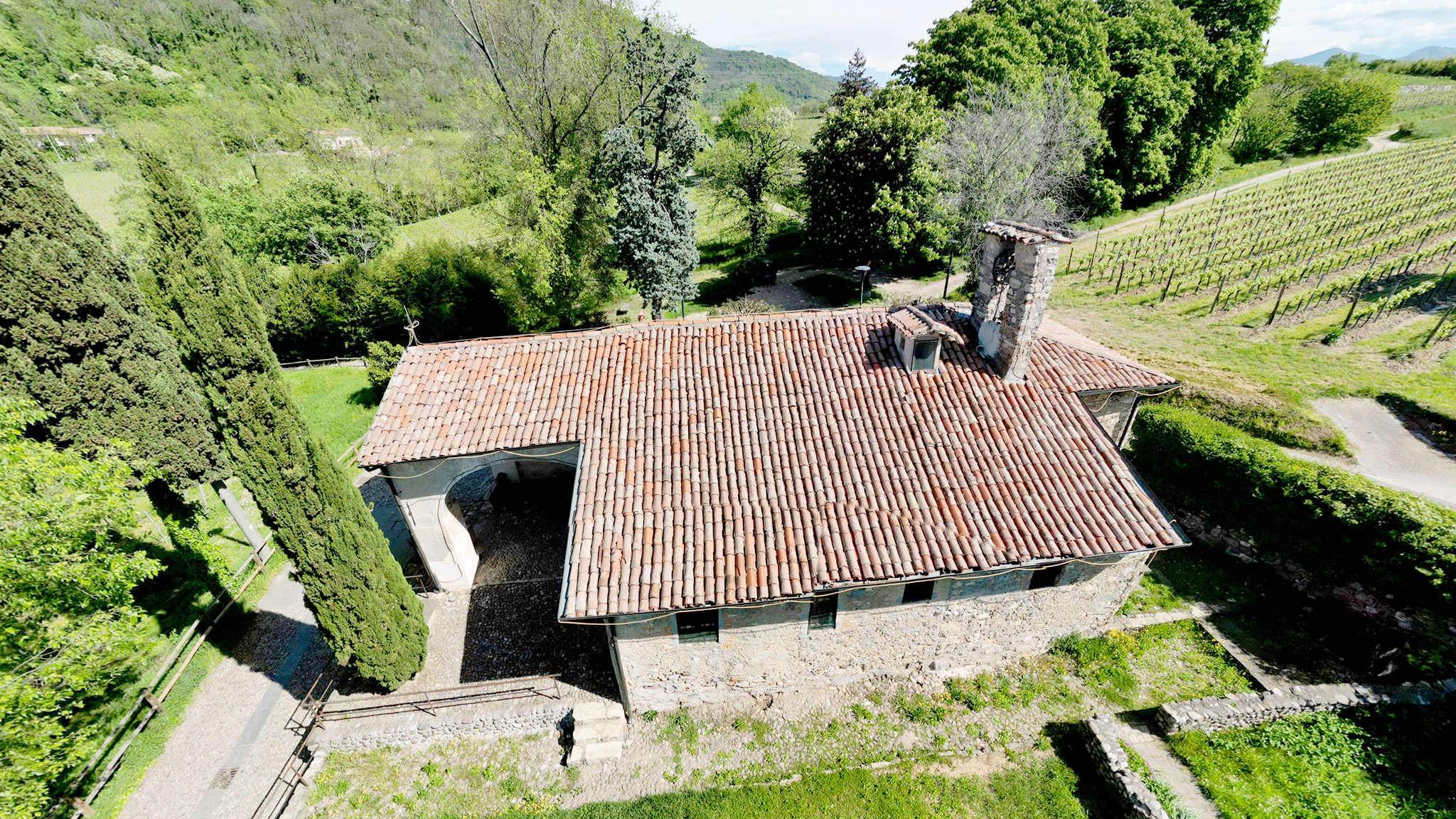
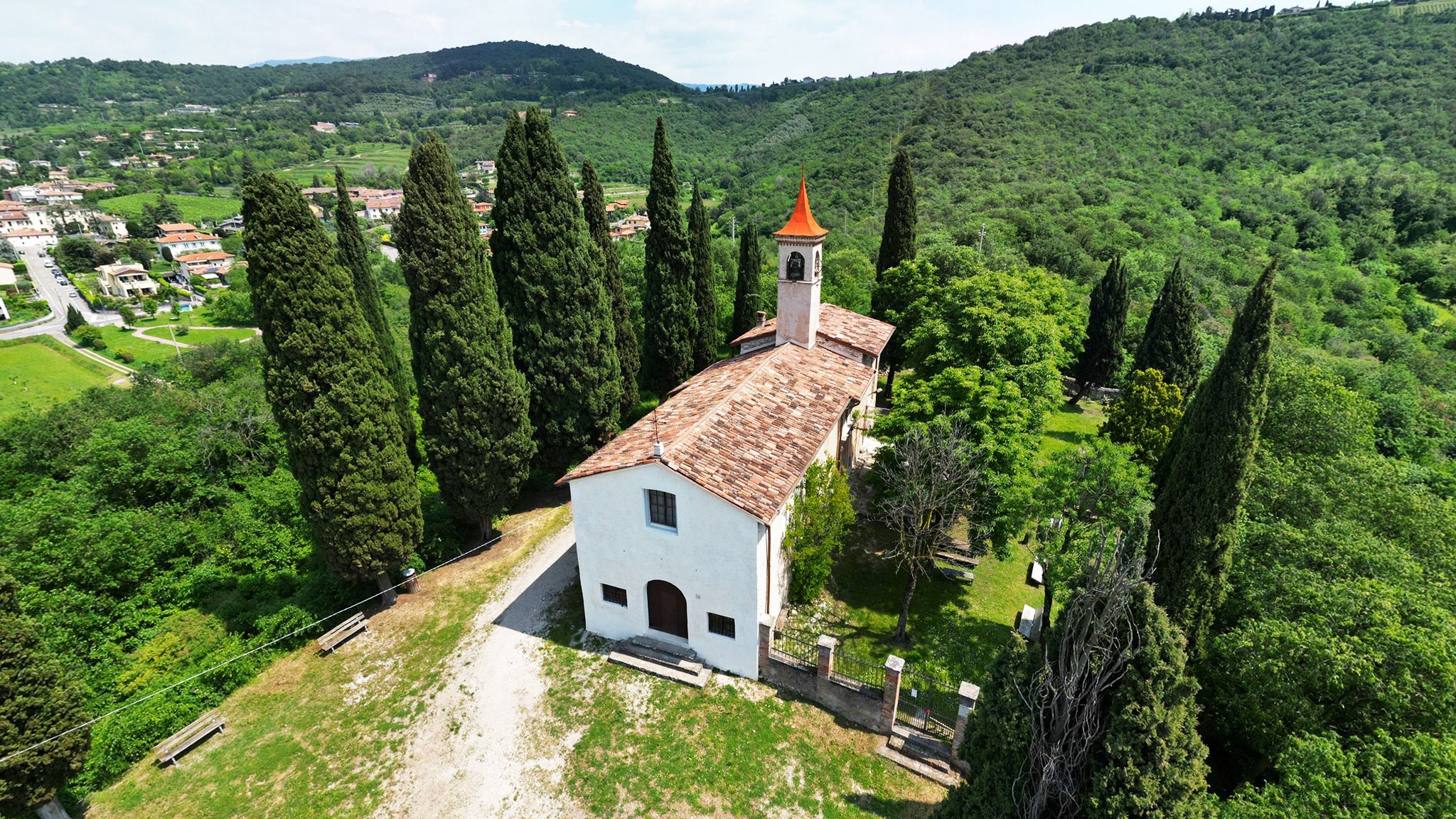
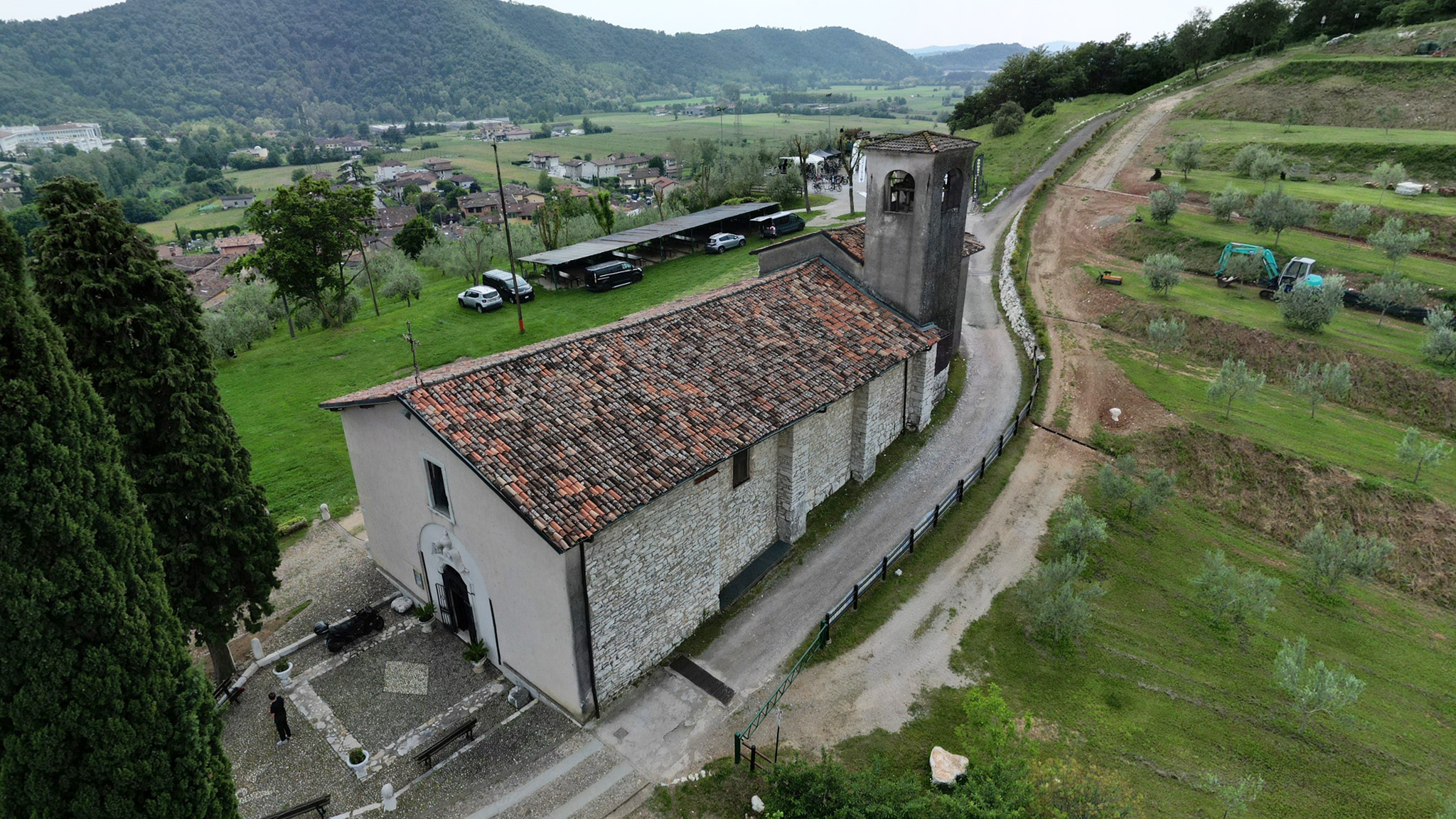
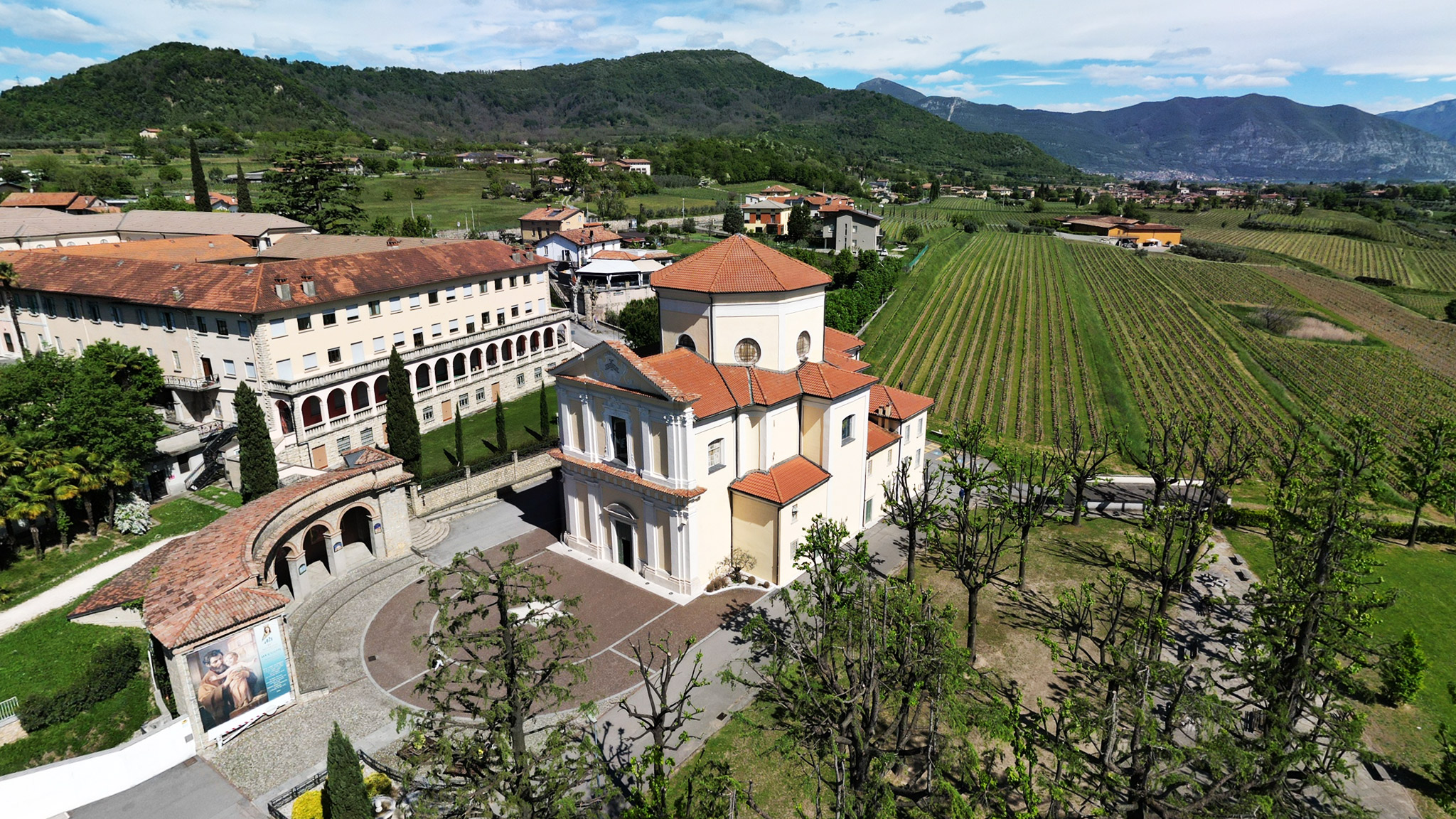
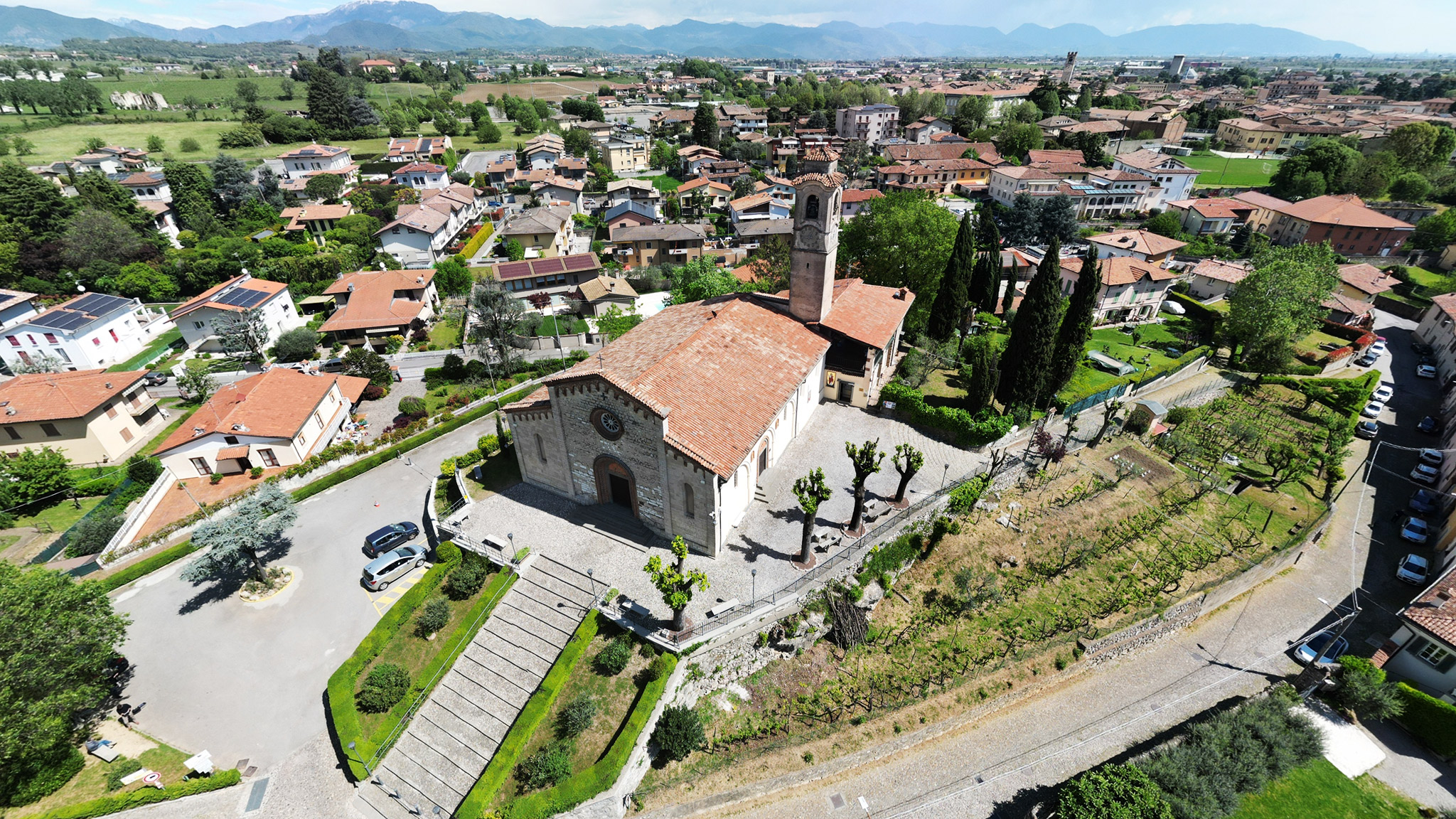
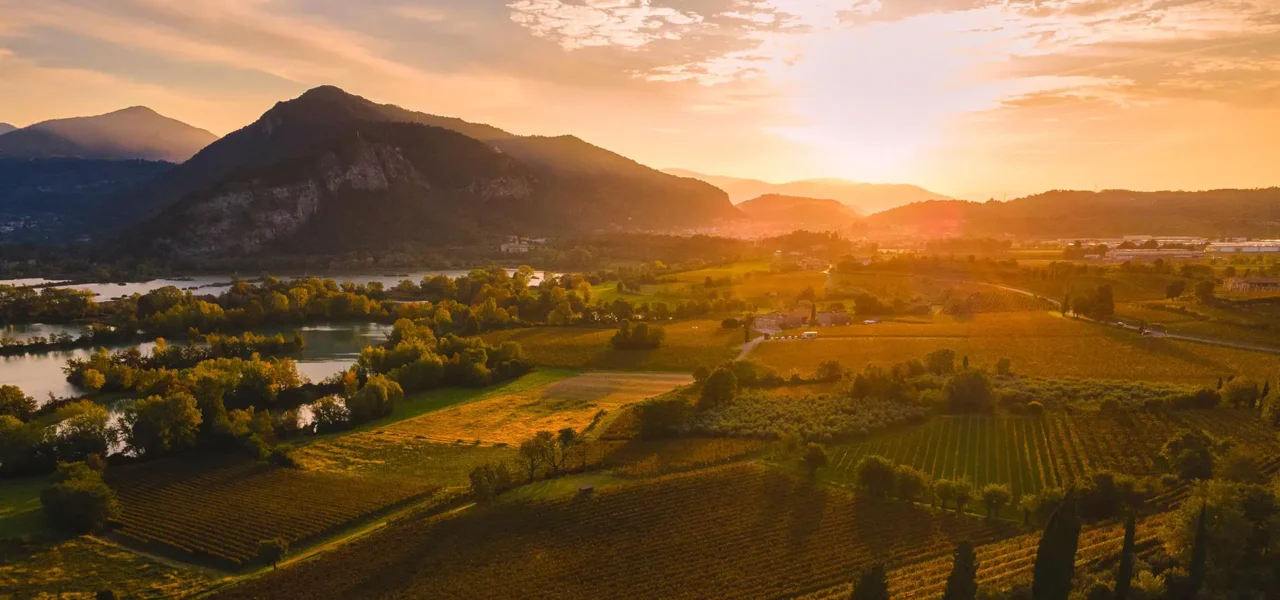
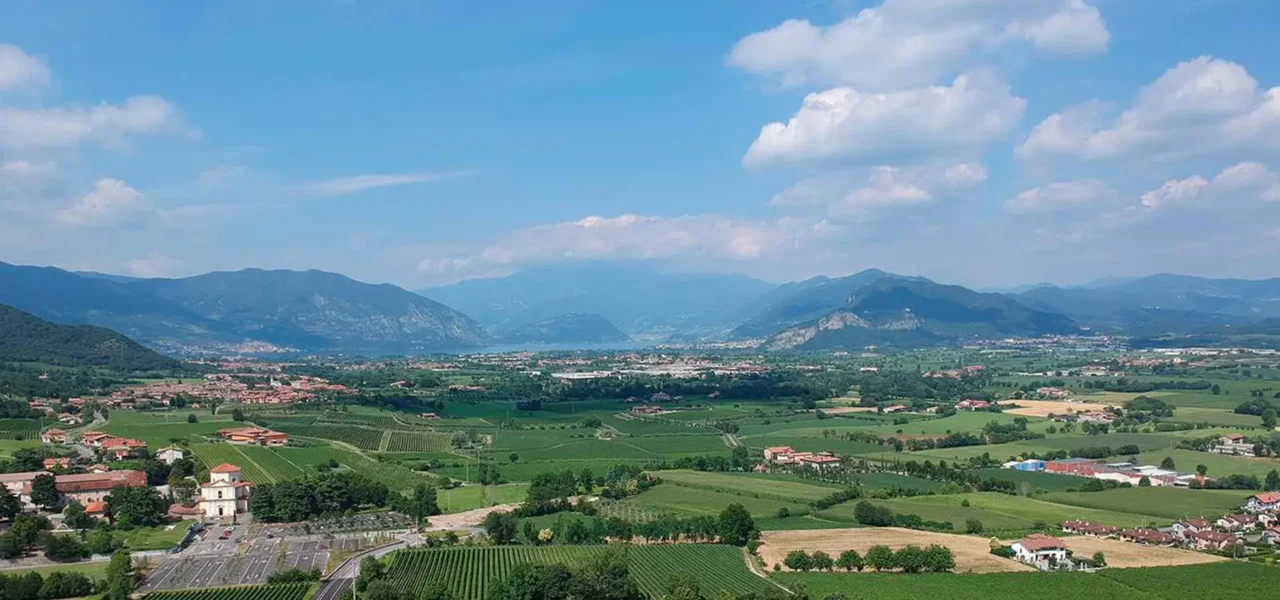
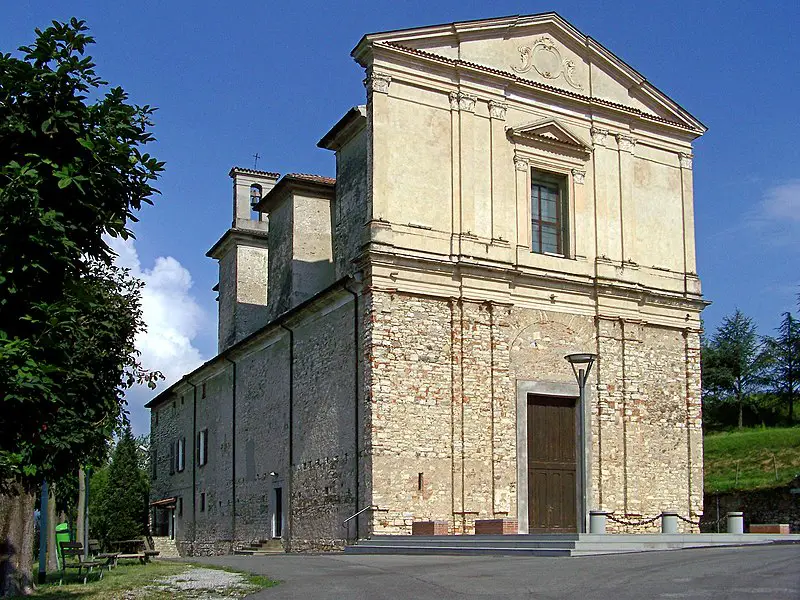
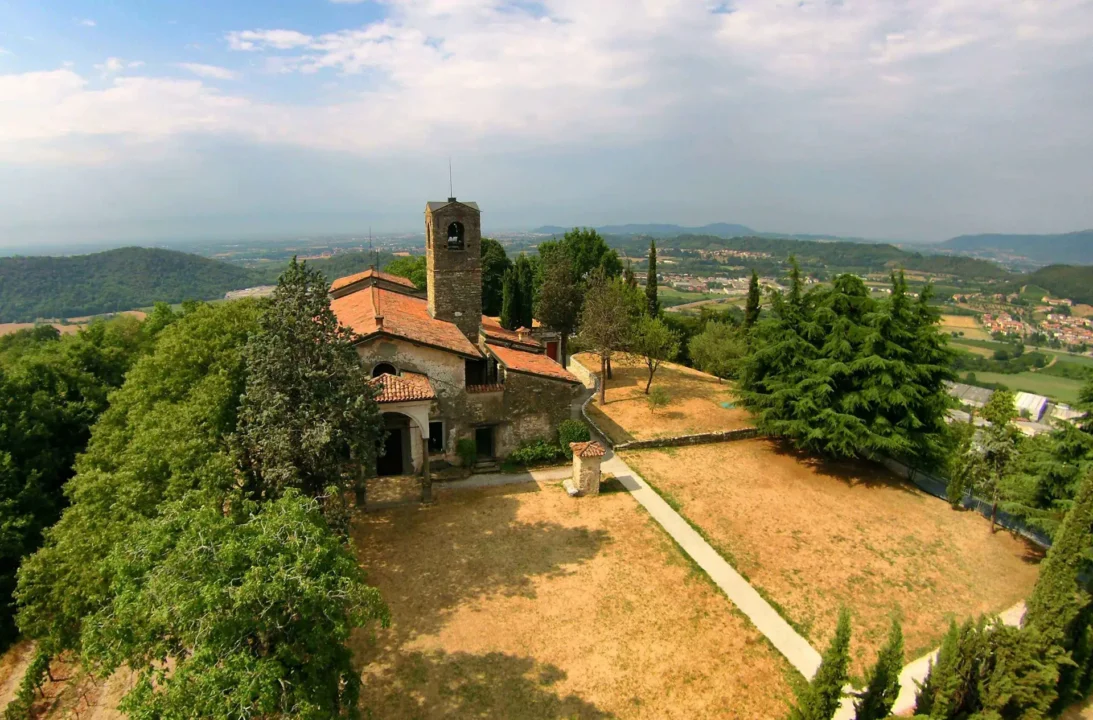
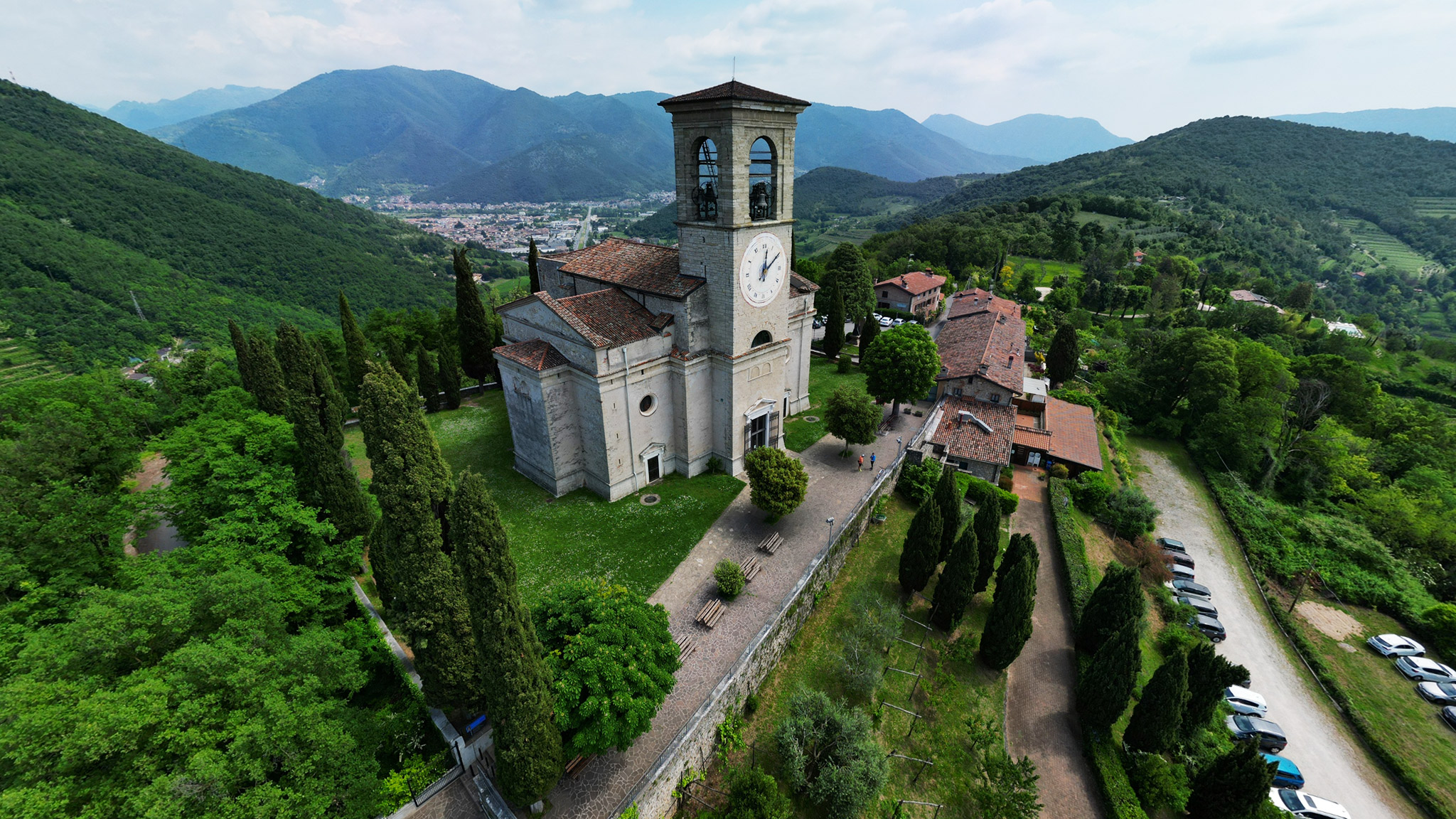
Situated in a isolated position, on the summit of a mountain overlooking the Franciacorta region and the neighbouring Valtrompia, the Sanctuary of the Madonna della Stella is perhaps, along with that of Valverde, one of the best-known and most visited in the Brescia area. It was built at a historically crucial moment, at the outset of the Council of Trent and the Catholic Reformation, a period which was accompanied by a profound rethinking of the principles governing the design of new sacred architectural spaces.
The apparition of 1536 and the start of construction: the decree and the laying of the foundation stone
On May 31st, 1536, the Virgin Mary, accompanied by a shining star, appeared at the site to a poor deaf-mute, inviting him to build a church dedicated to her. On 23 June of the same year, a decree signed by Monsignor Lorenzo Muzio, Vicar General to Bishop Francesco Cornare, granted the three municipalities of Concesio, Cellatica and Gussago permission to erect a sanctuary. Almost a year later, on 2 June 1537, construction began with the laying of the foundation stone. The building work lasted about two years, thanks to the cooperation and donations of the faithful and the involvement of the Bishop of Brescia, who carried out a thorough inspection of the site.
Central plan and Greek cross: a Marian model from the modern era
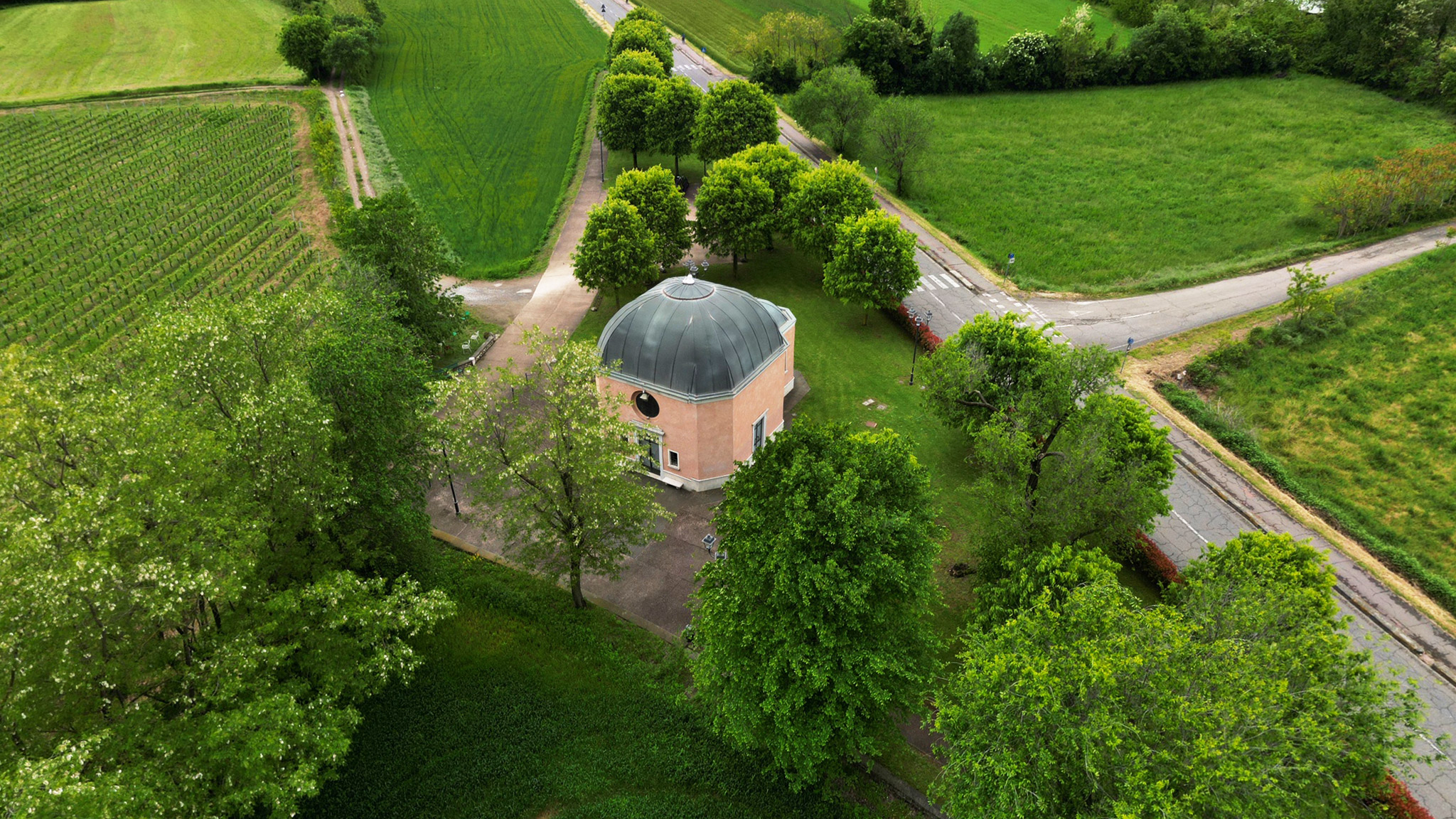
A central plan was chosen for the sanctuary, a design that would be favoured for Marian churches throughout the modern era: it is no coincidence that the sanctuary’s church features a spatial layout similar to that of the Madonna della Rosa in Monticelli Brusati, although the layout in Cellatica is much more complex. The church, surmounted by a massive bell tower, was designed in the shape of a Greek cross, but with the shorter arm at the base, so that the central nave, excluding the chancel, and the side chapels were of equal length.
An “unexpected” entrance: spatial perception and side aisles with opposing apses
The main entrance was situated not on the short side of the church, as is traditional, but on the long side, so that, upon entering the central nave, one did not immediately perceive the presence of the two side aisles: only by standing in the centre of the church can one appreciate the spatial layout of the barrel-vaulted side aisles, which are as long as the central nave and further extended by two facing apses with umbrella vaults.
A Baroque enclosure and a masterpiece by Romanino: the Madonna and Child
The central nave is closed off by a Baroque screen in polychrome marble, the work of the Calegari workshop, whilst the apse is entirely occupied by a monumental wooden frame in the style of a temple, which encloses, at its centre, the painting of the Madonna and Child, a masterpiece by Girolamo Romanino.
Other works at the sanctuary: Morone, Cossali and the cult of St Charles
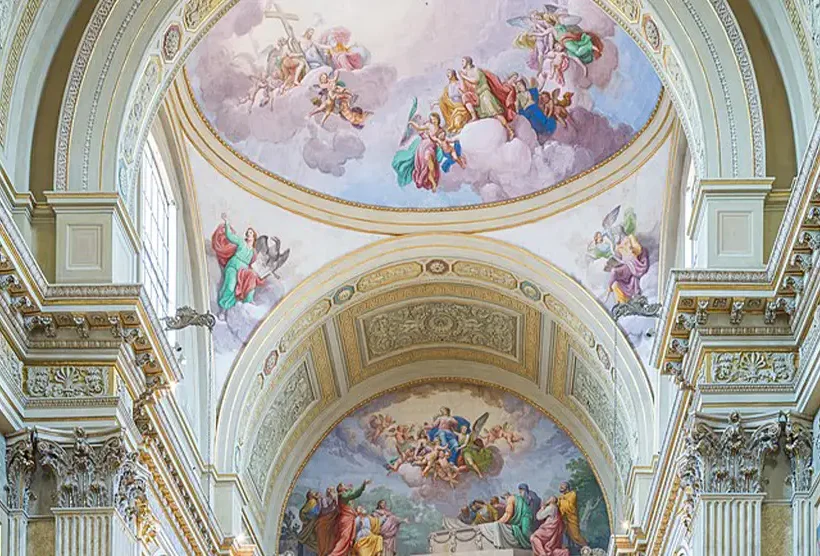
The church houses other notable works, such as the fresco of the Virgin of the Assumption painted by Morone in the lunette above, and the altarpiece dedicated to Saint Charles Borromeo, structured as a true hagiographic altarpiece, with the figure of the saint surrounded by eighteen panels depicting episodes from his life: this work by Grazio Cossali, created in 1612, bears witness to the spread of the saint’s cult; he was invoked as a miracle-working saint in the wake of the plague that struck Milan and its surrounding area in 1576–77, known as the “plague of St Charles”.
The Chapel of the Porziuncola: Pietro Marone’s “The Forgiveness of Assisi” and the 17th-century wooden altar
On the transverse axis of the church stands the Chapel of the Porziuncola, featuring a painting depicting the Pardon of Assisi by Pietro Marone, set at the centre of a remarkable 17th-century wooden altar.
Links and useful information


Opening hours: 7am-6.30pm
Free admission
Publicly owned property