S. Fedele Auditorium (Former Parish Church of Santa Maria Nascente)
- Home
- /
- Arte e cultura
- /
- Parish Churches and Sanctuaries
- /
- S. Fedele Auditorium (Former Parish Church of Santa Maria Nascente)
A thousand-year-old parish church between history and transformation
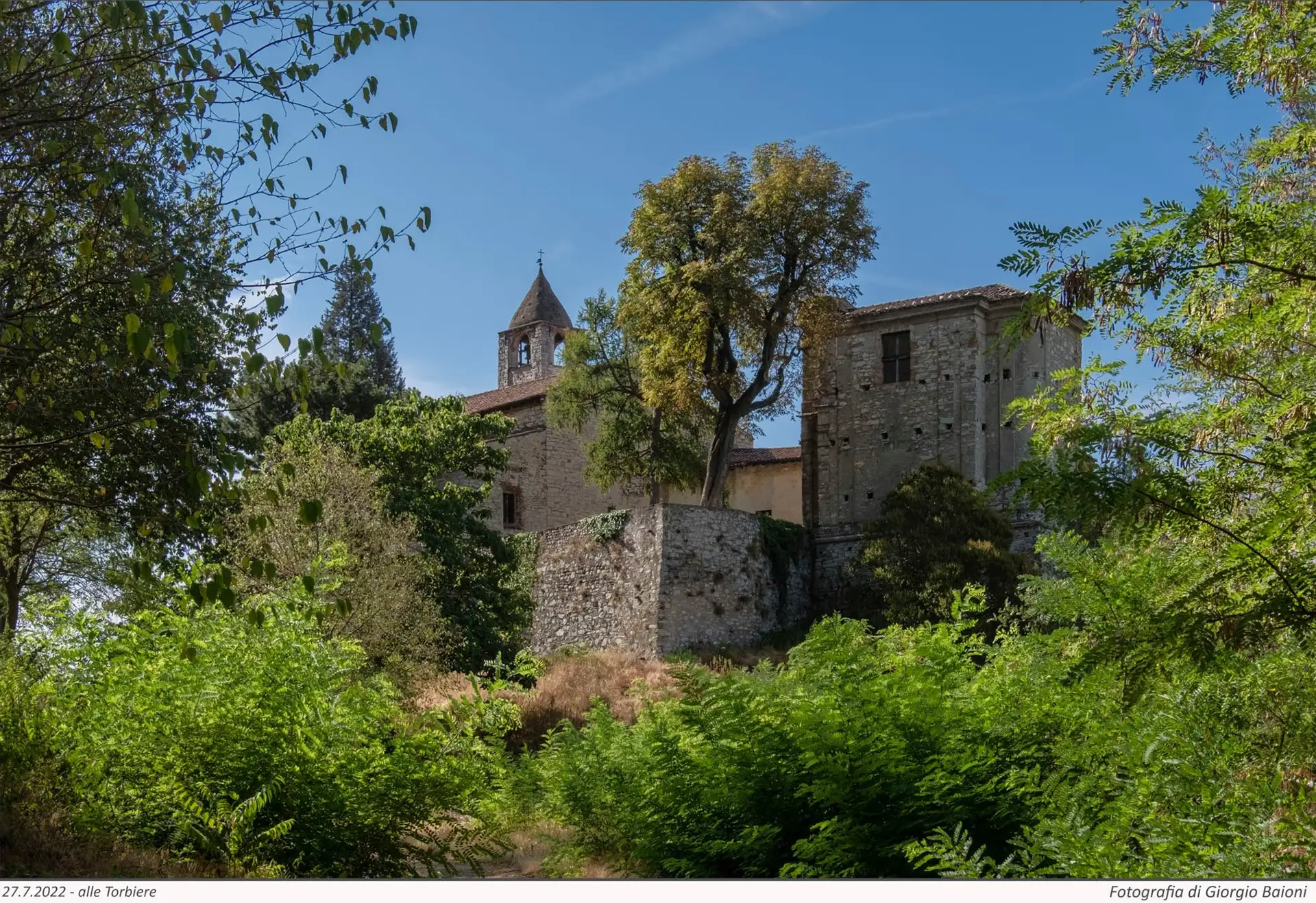
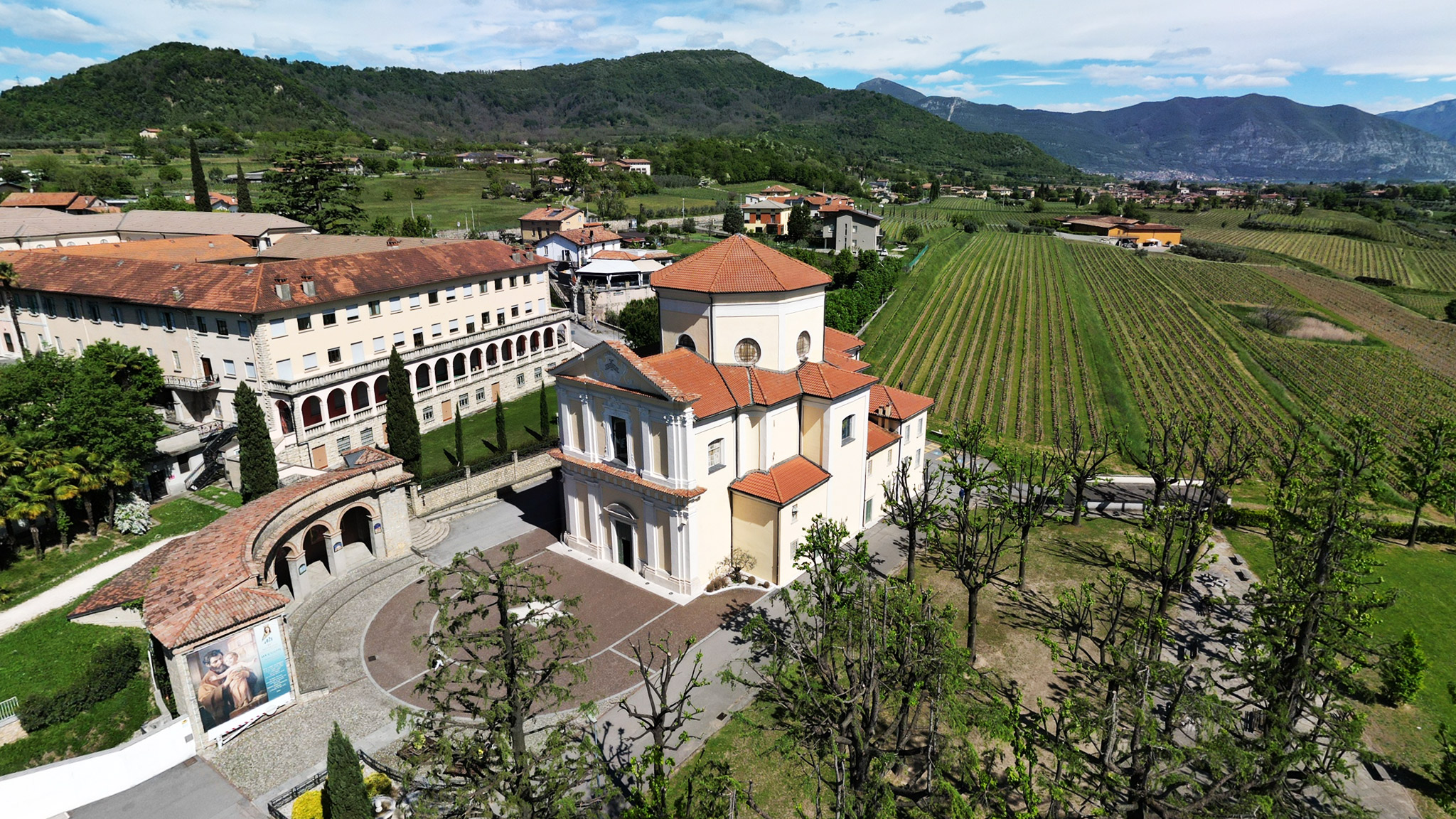
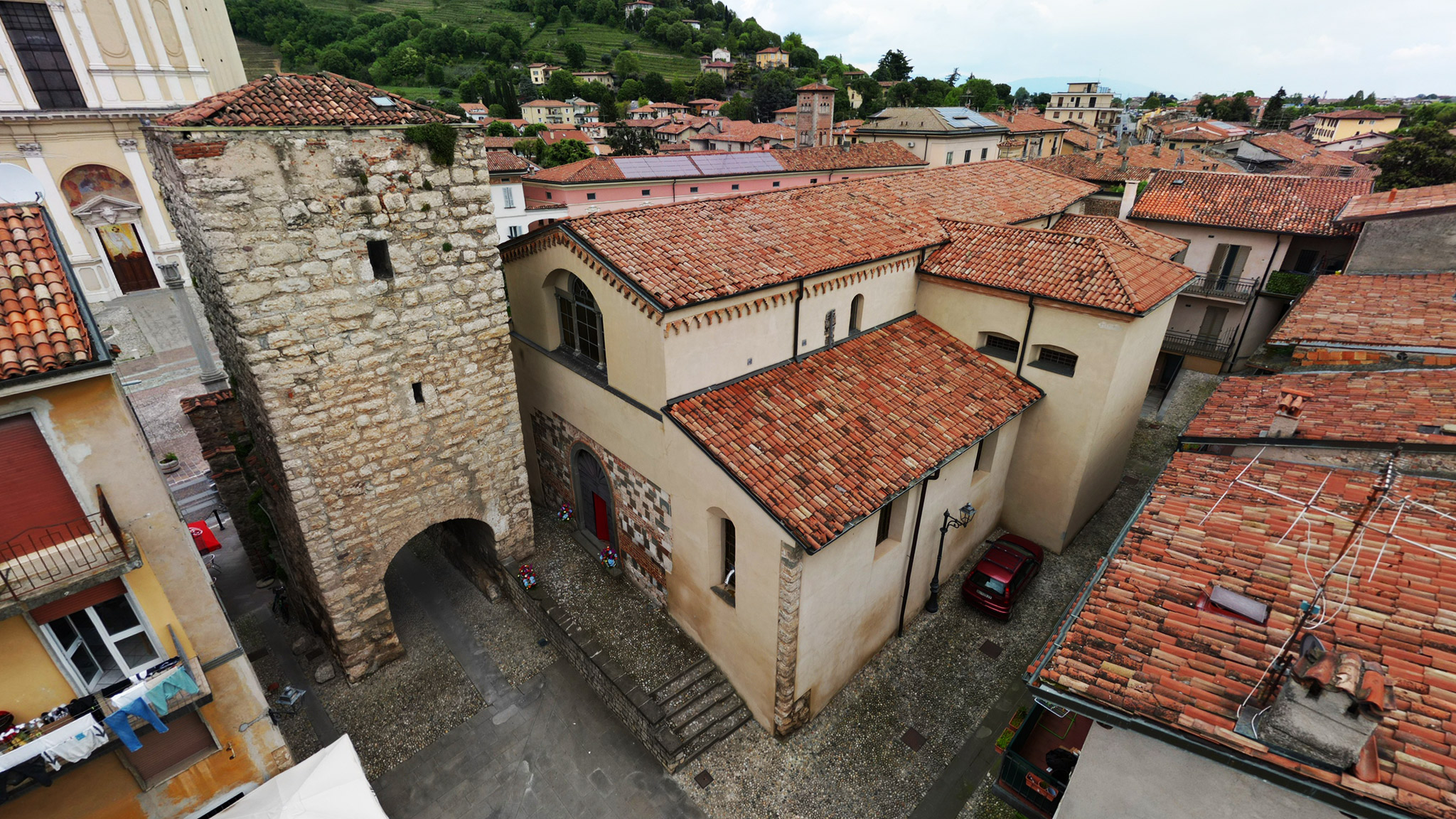
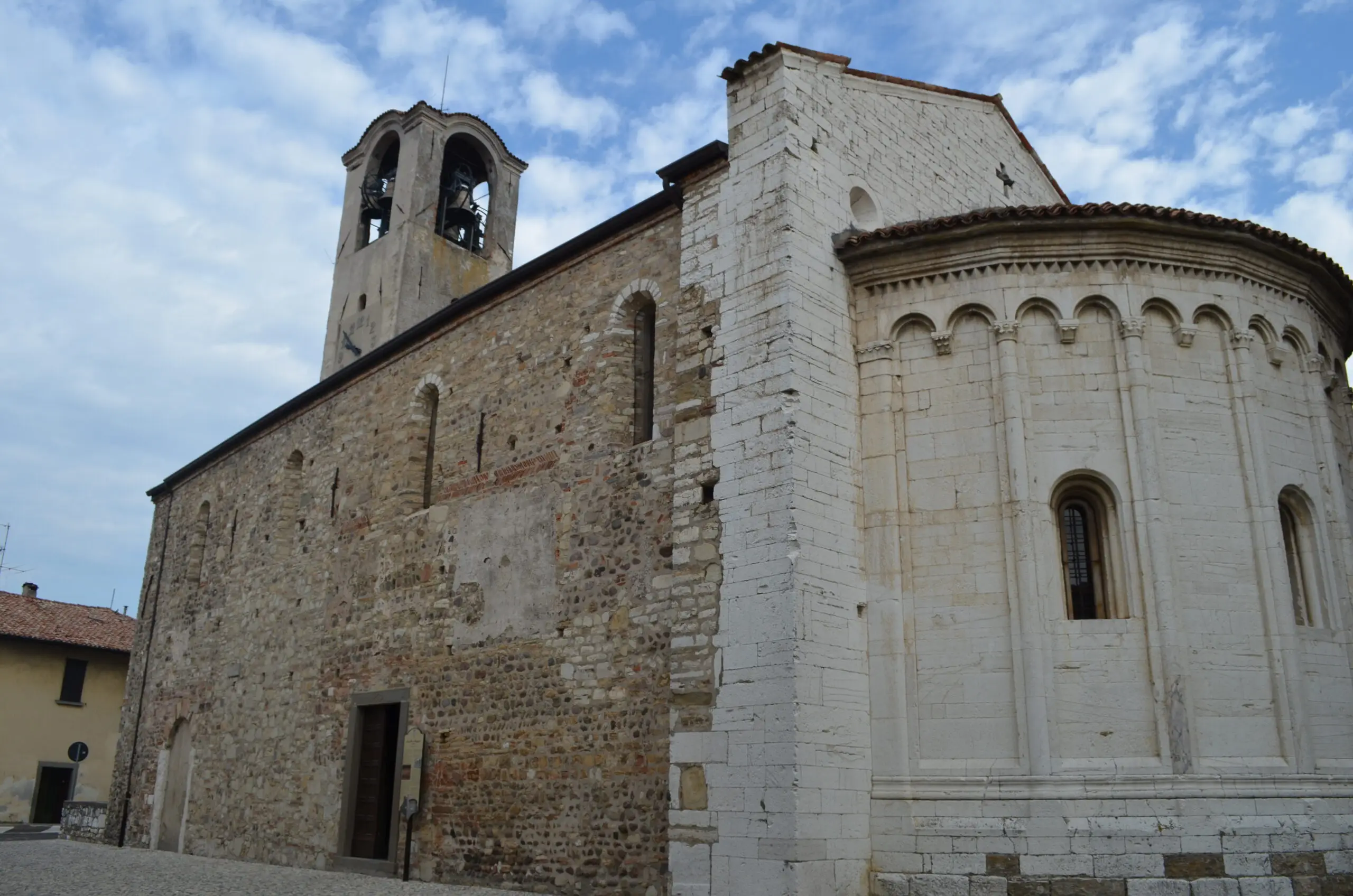
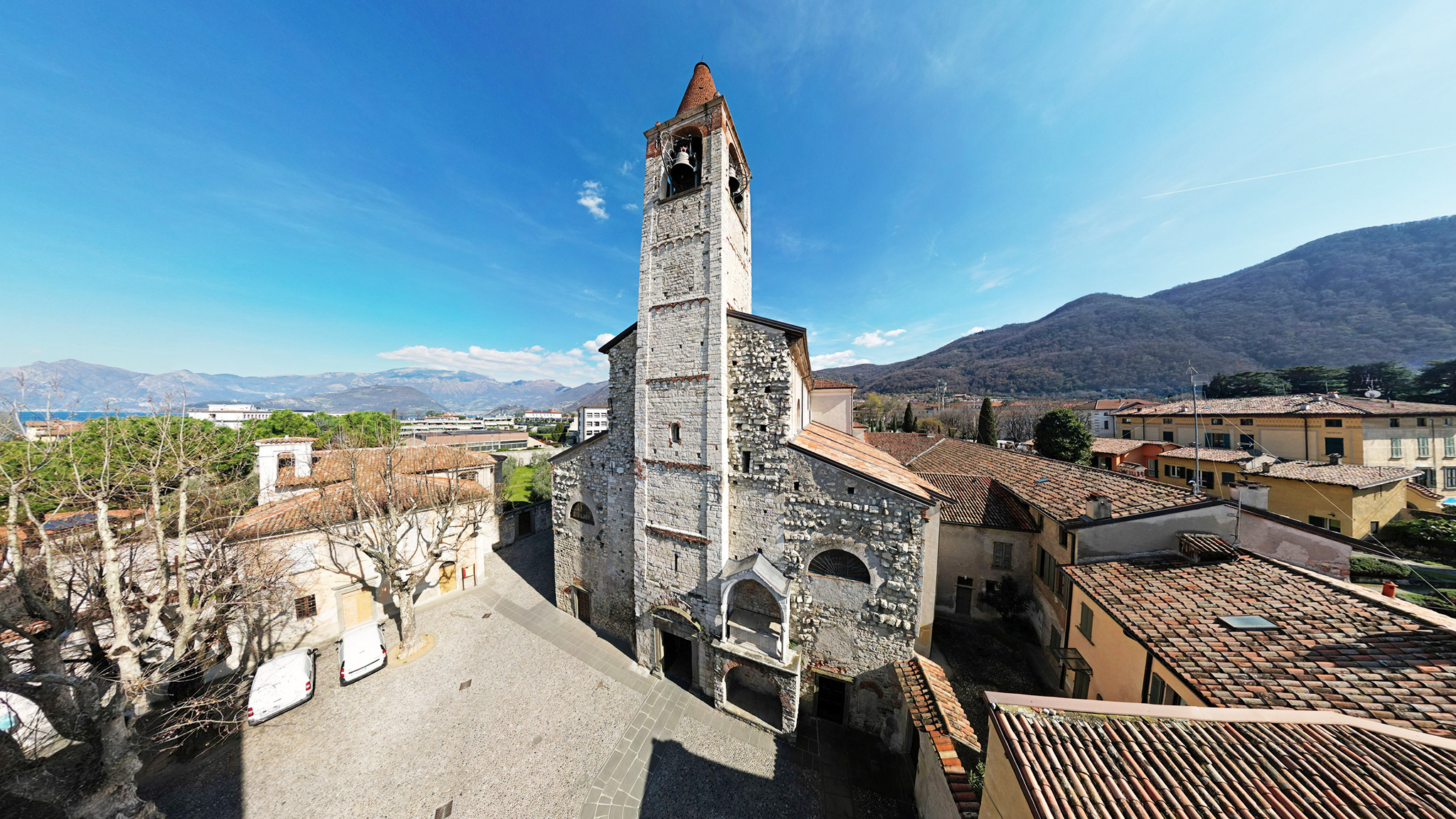
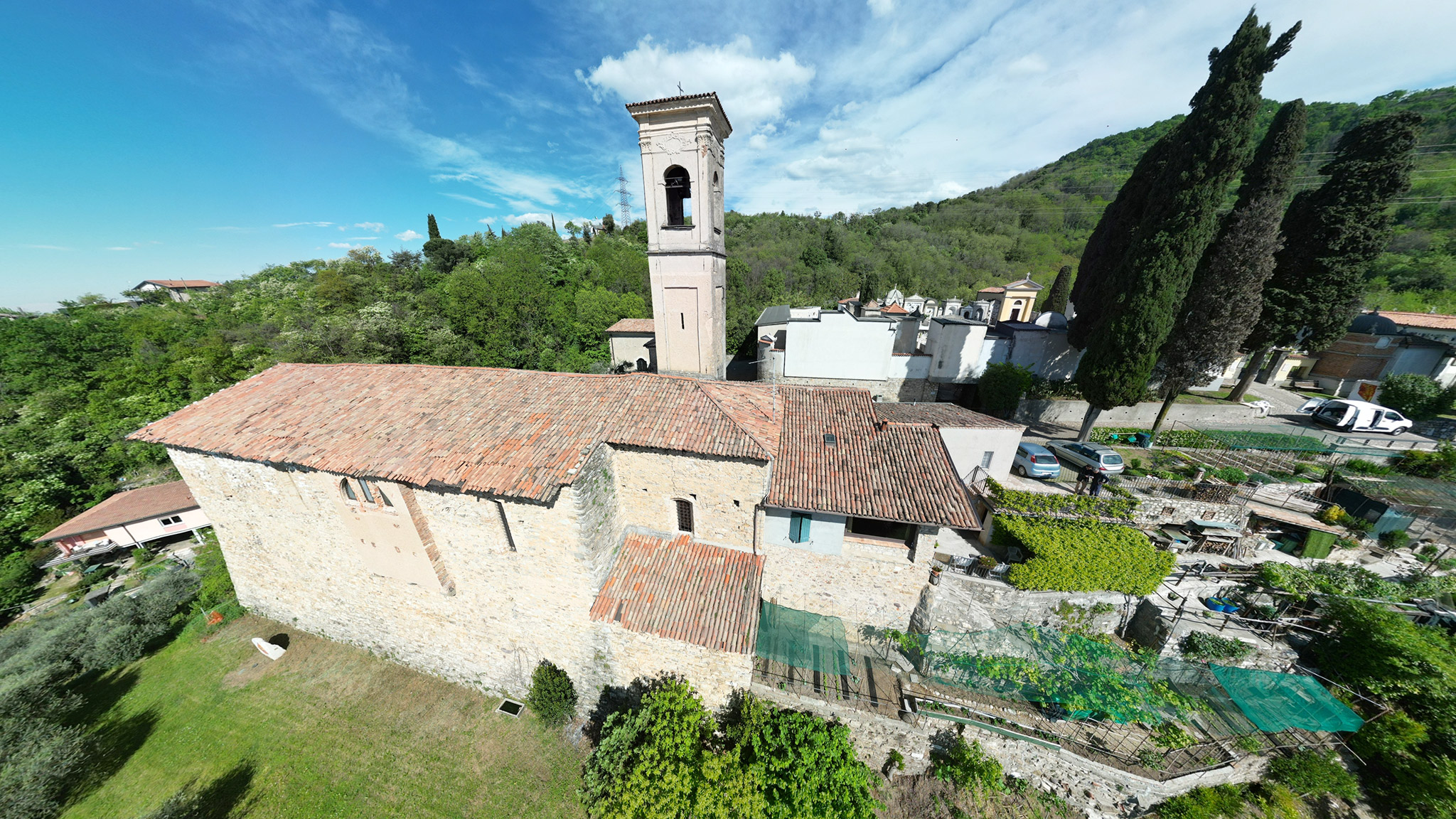
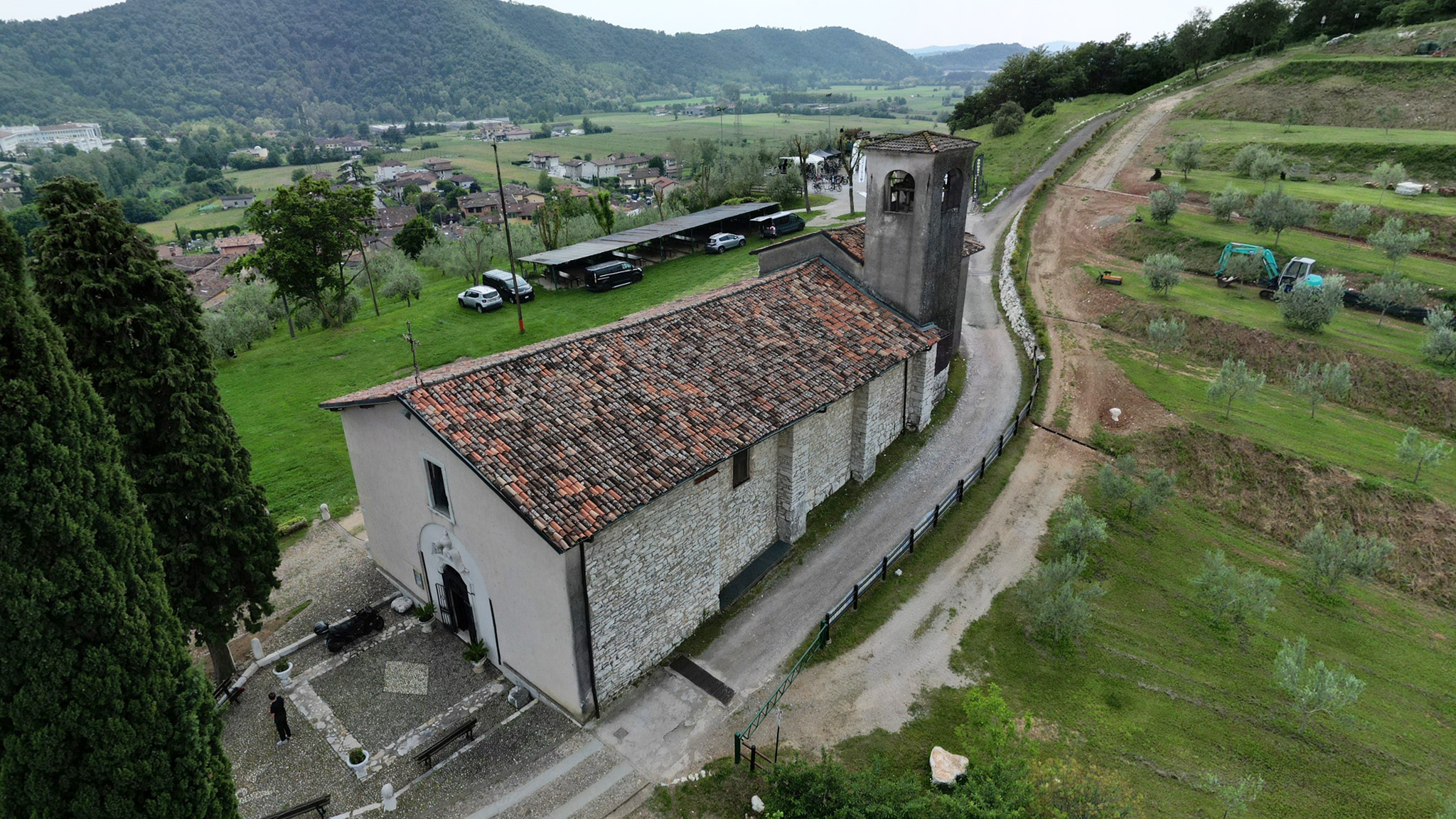
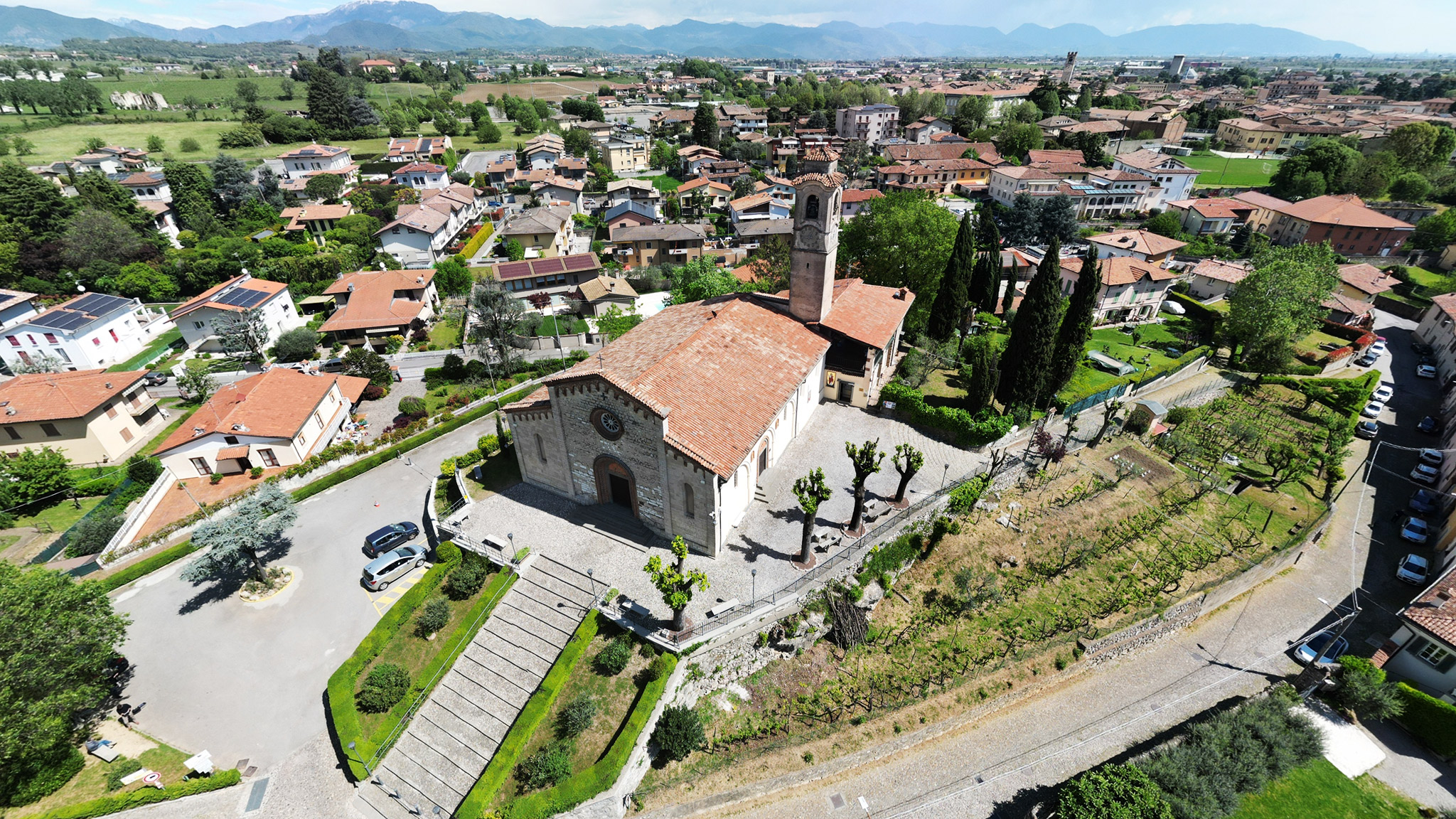
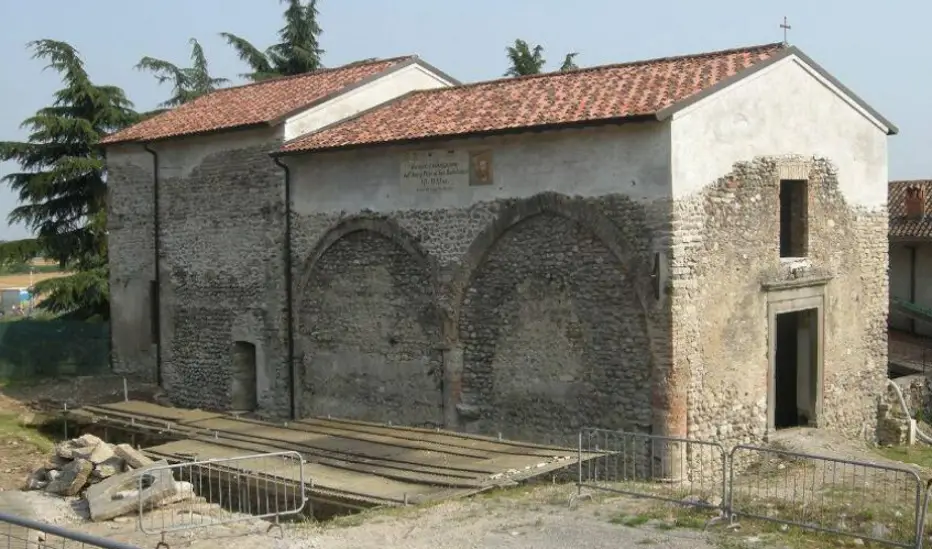
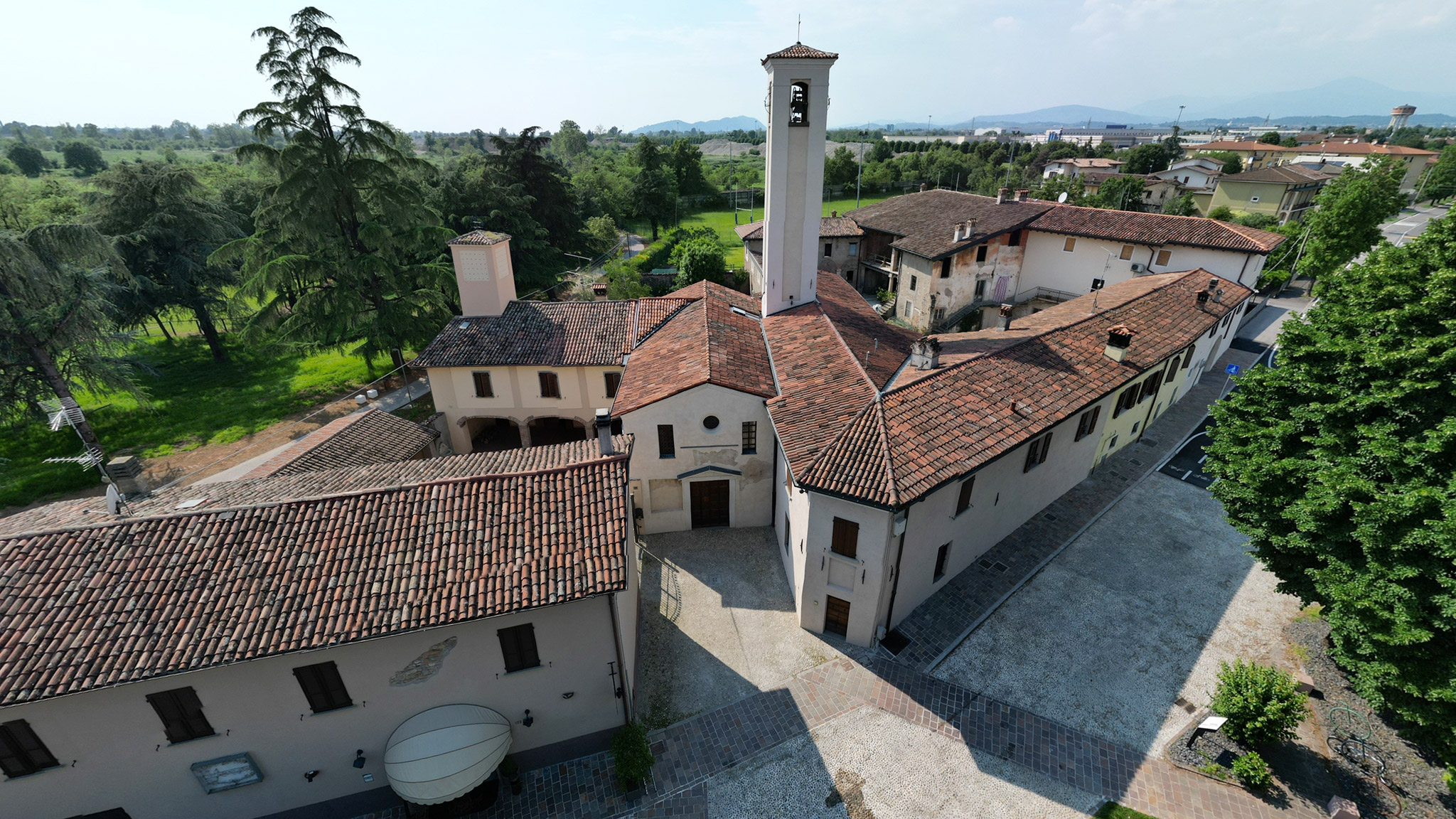
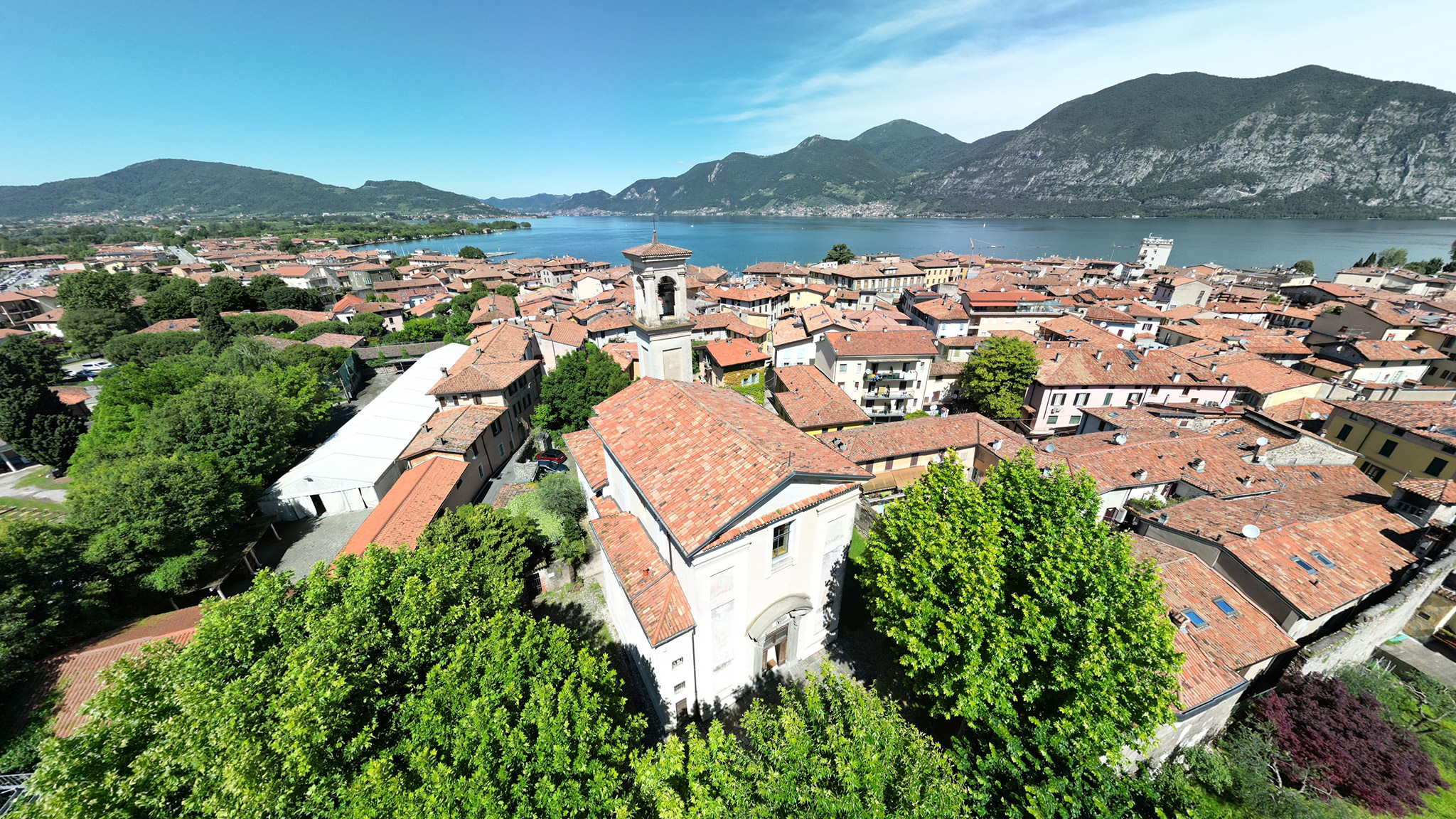
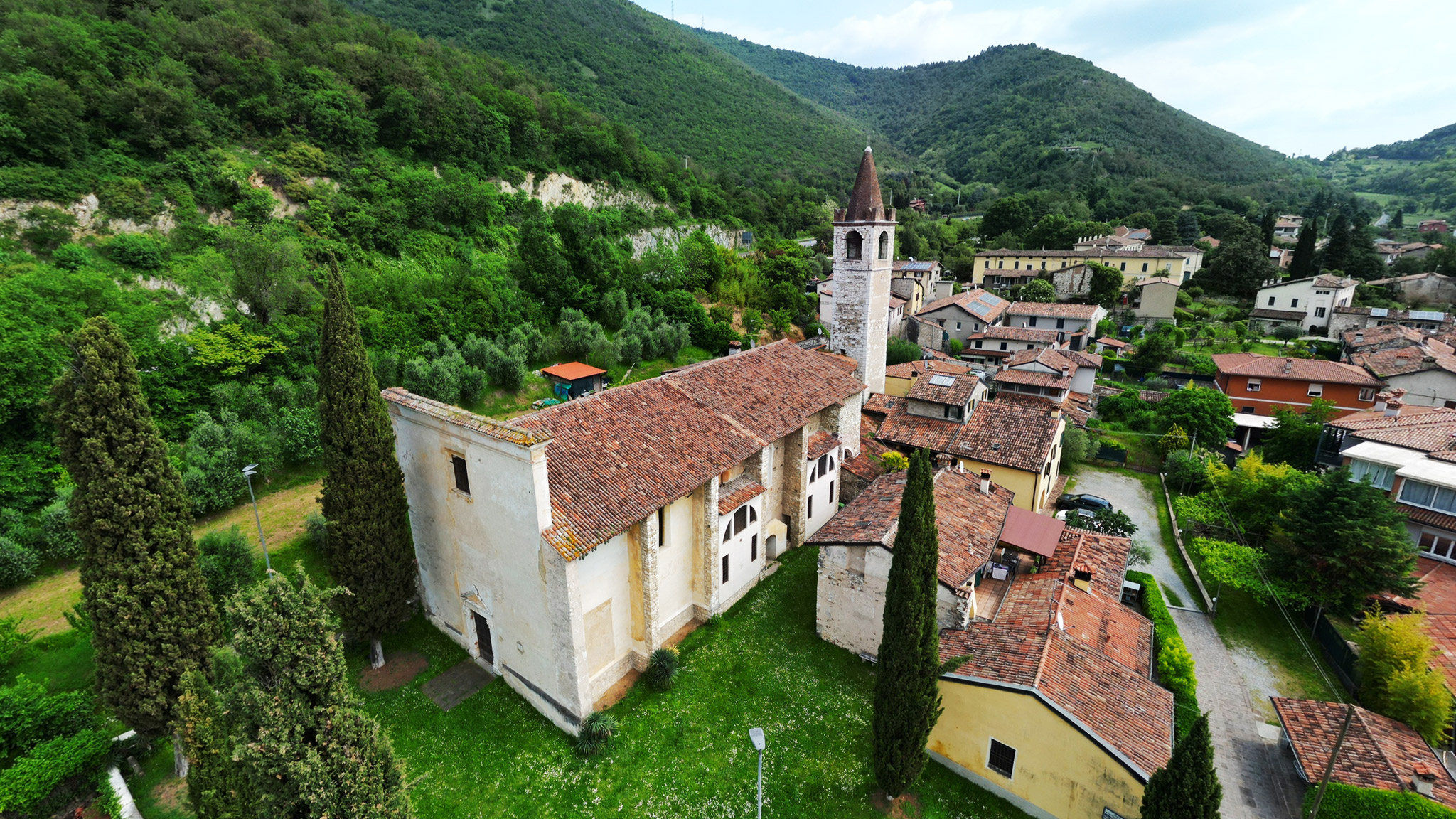
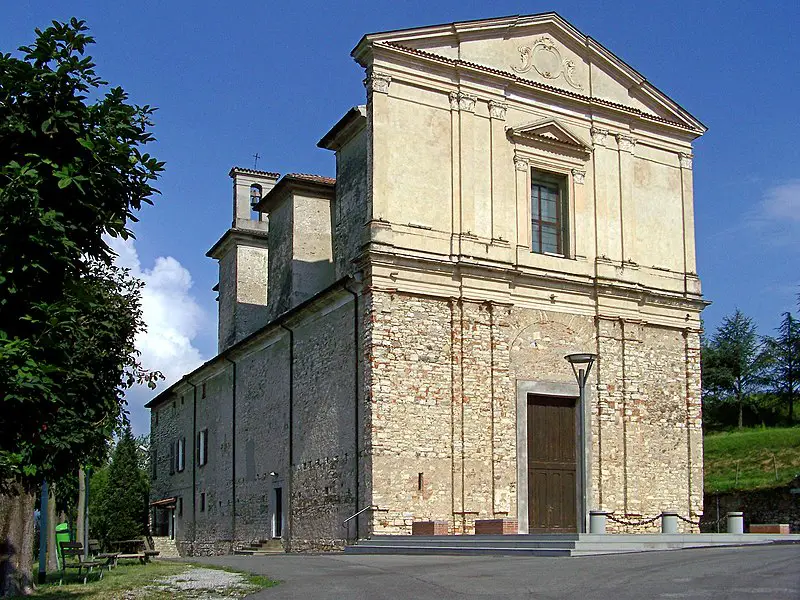
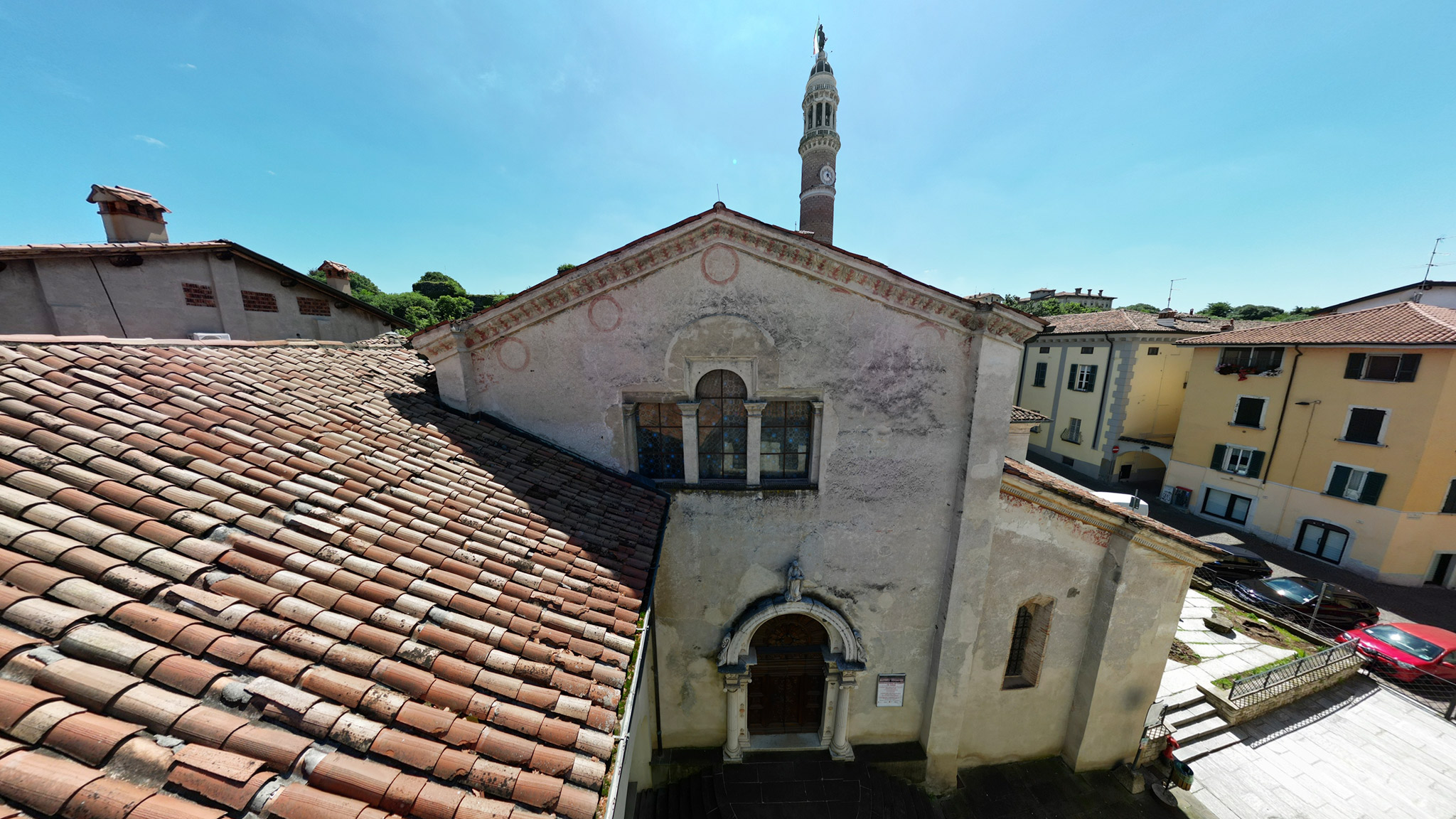
The parish church of Palazzolo sull’Oglio, now converted into an auditorium, bears the marks of a thousand-year history that spans from the Early Middle Ages through the Renaissance to the present day. The church, which served as a parish church until 1774, the year a new parish building was constructed, actually underwent three distinct phases of construction, traces of which are still visible in the elevations or have been brought to light through archaeological excavations.
The early medieval parish church and the archaeological finds
The original parish church dates back to the period between the Lombard and Carolingian eras, a time when it was essential—for both the old and new rulers—to establish as extensive territorial control as possible through the construction of buildings, particularly parish churches and monasteries, which ensured greater control over the population and the territory. The excavation campaign, carried out between 1977 and 1978, brought to light the apse-shaped semicircle, which revealed an interesting double-shell structure, with two semicircular apses situated two meters apart, creating a veritable semicircular corridor, perhaps identifiable with the chorus, but which may also have served to allow the faithful to pass around the central hemicycle, following an already established model. Fragments of paintings from the early medieval church have also survived, in particular a decorative band that ran along the base of the outer hemicycle, confirming the presence of decoration that must have covered the entire church. As was customary in parish settings, a cemetery was attached to the church, perhaps featuring a colonnade outside the building, corresponding to the northern aisle of the current structure.
The Romanesque extension and the new apsides
During the Romanesque period, in fact, the church was significantly enlarged, extending more than three meters on the chancel side and laying the foundations for a new, larger apse, flanked by two smaller apses.
The Renaissance reconstruction and the Civerchio polyptych
The present building, however, is the result of major renovations carried out beginning in the 15th century, when the old parish church and the cloister-ambulatory were demolished to make way for a large nave, corresponding to the site of the former Romanesque church. The work lasted from 1475 to 1525 and resulted in the construction of a three-nave church, connected by a series of massive round arches, featuring a large apse to house the choir and the high altar. The high altar was once adorned with a polyptych created by Vincenzo Civerchio in 1525, now preserved in the parish church of Santa Maria Assunta. The beautiful Ionic-style portal on the façade of the Renaissance church has also been preserved, featuring a double archivolt decorated on the extrados with rosette-shaped coffers.
Confraternity Altars and Devotions of the Counter-Reformation
The new church spaces were designed to accommodate altars and chapels for the numerous lay confraternities that the Counter-Reformation had approved and promoted: the church featured no fewer than five altars in addition to the high altar, dedicated to the Blessed Sacrament, the Holy Rosary, the Crucifix, Saint Charles Borromeo, and Saint Anthony of Padua.
Art Commissions in the 16th and 17th Centuries
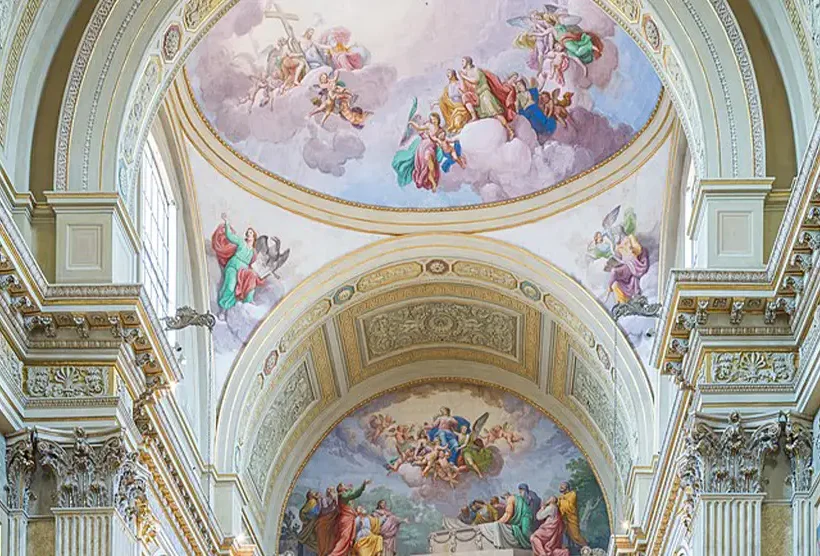
The current nave still bears the marks of a patronage that was eager to adorn the church by commissioning the most prominent Reformed artists of the time: in 1599, the Confraternity of the Most Holy Sacrament commissioned the fresco of The Last Supper from the Campi brothers, prominent painters from Cremona, who also created the large fresco depicting Saint Dominic presenting the Rosary to Pope Innocent XII, which adorns the chapel of the Confraternity of the Most Holy Rosary on the opposite side. The decoration of the presbytery, on the other hand, was entrusted in 1602 to Pietro Marone, to whom we owe the figures of Saint Peter, Saint Fidelis, Saint Paul, Saint Roch, and Saint Sebastian in the choir. The dome, dedicated to the Virgin Mary, was adorned with the figures of the four Sibyls in the pendentives, supporting the Assumption at the apex.
Links and useful information


Visiting hours: Sundays during “Le Meraviglie della Terra del Fiume” (May and early June) 2:30–6:00 pm, or contact us for special openings
Free admission
Privately owned property