Sanctuary of Madonna della Zucchella
- Home
- /
- Arte e cultura
- /
- Parish Churches and Sanctuaries
- /
- Sanctuary of Madonna della Zucchella
The rural shrine: from the wayside shrine to places of worship between the Middle Ages and the Early Modern Period
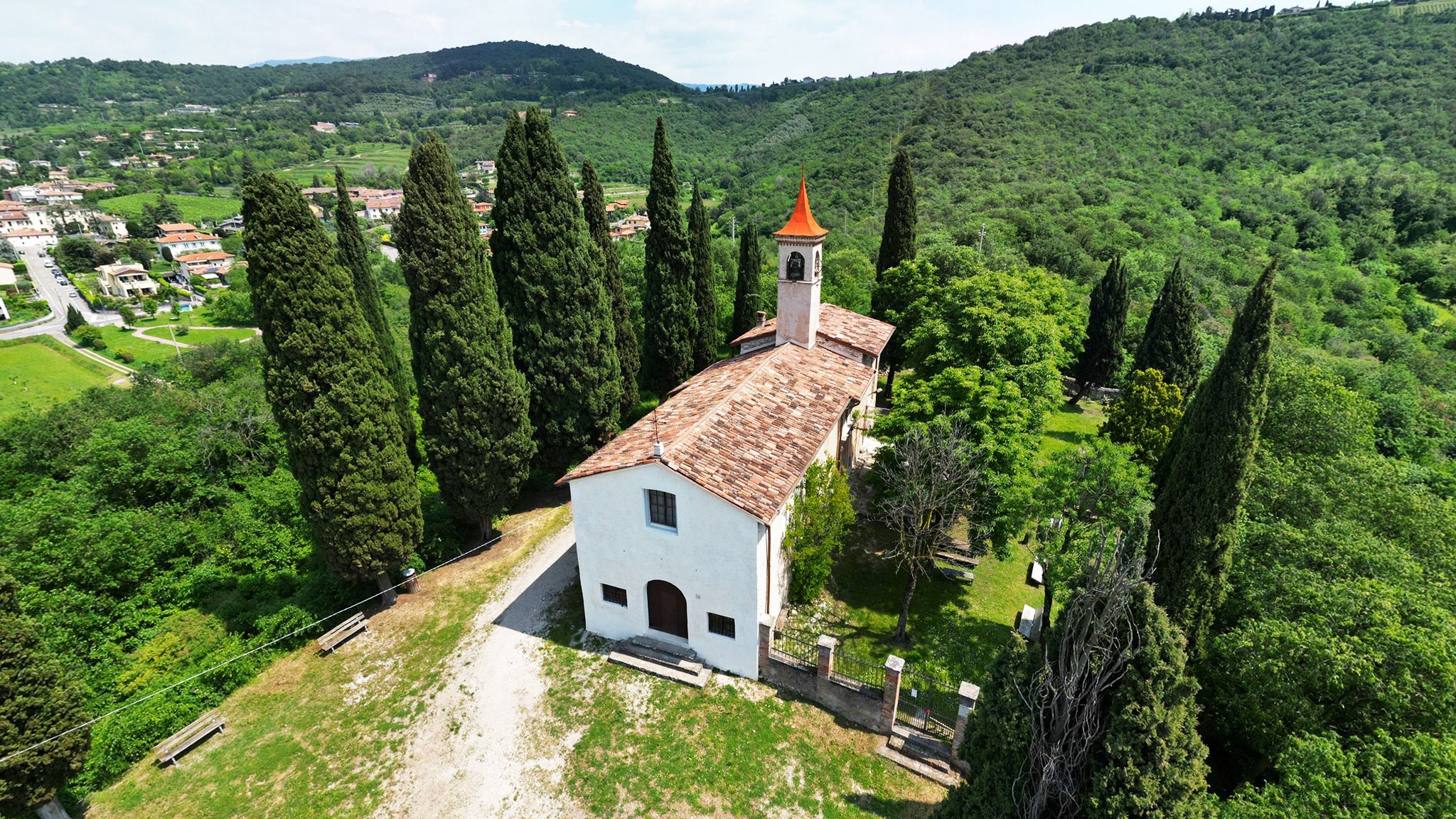
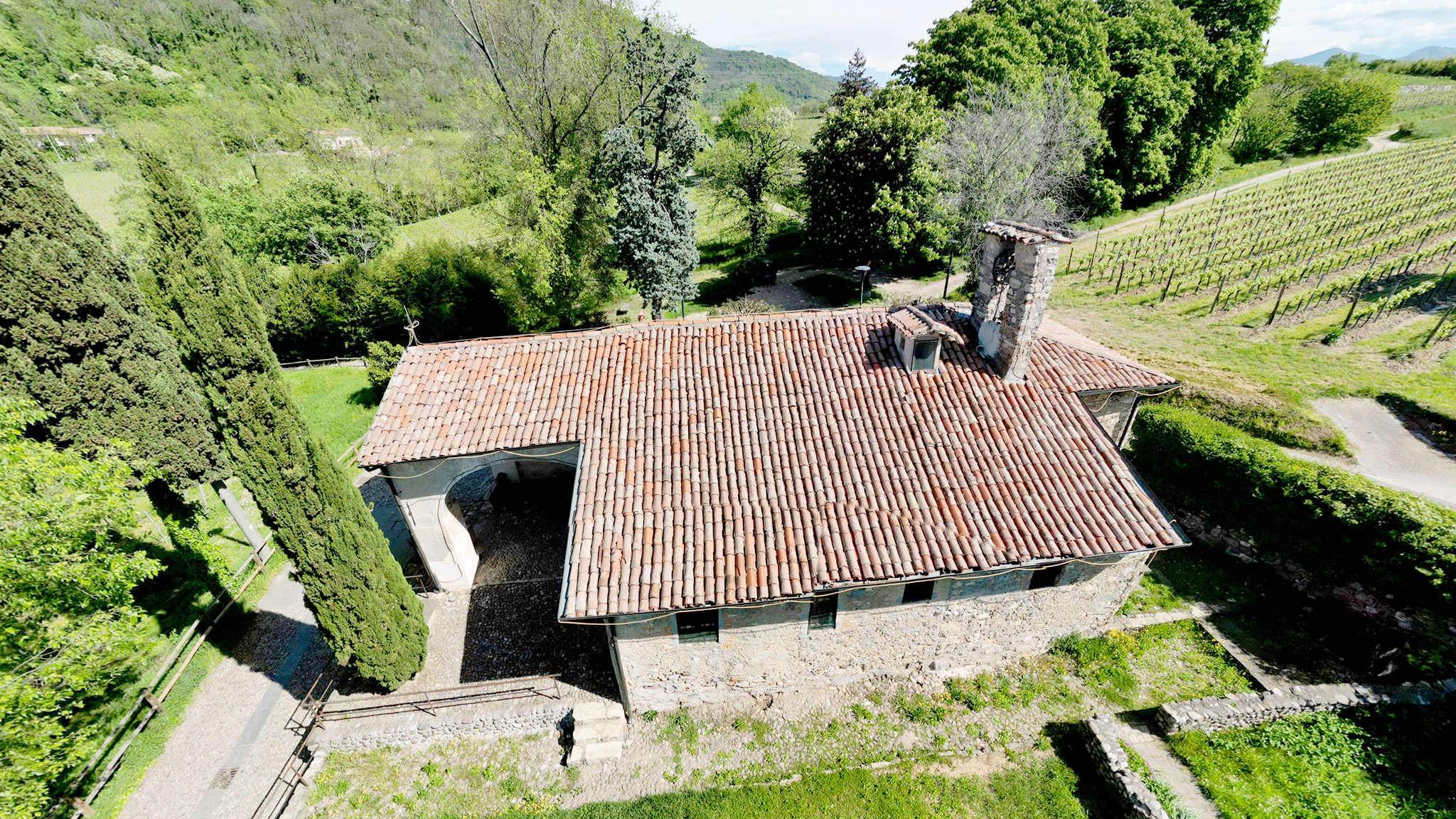
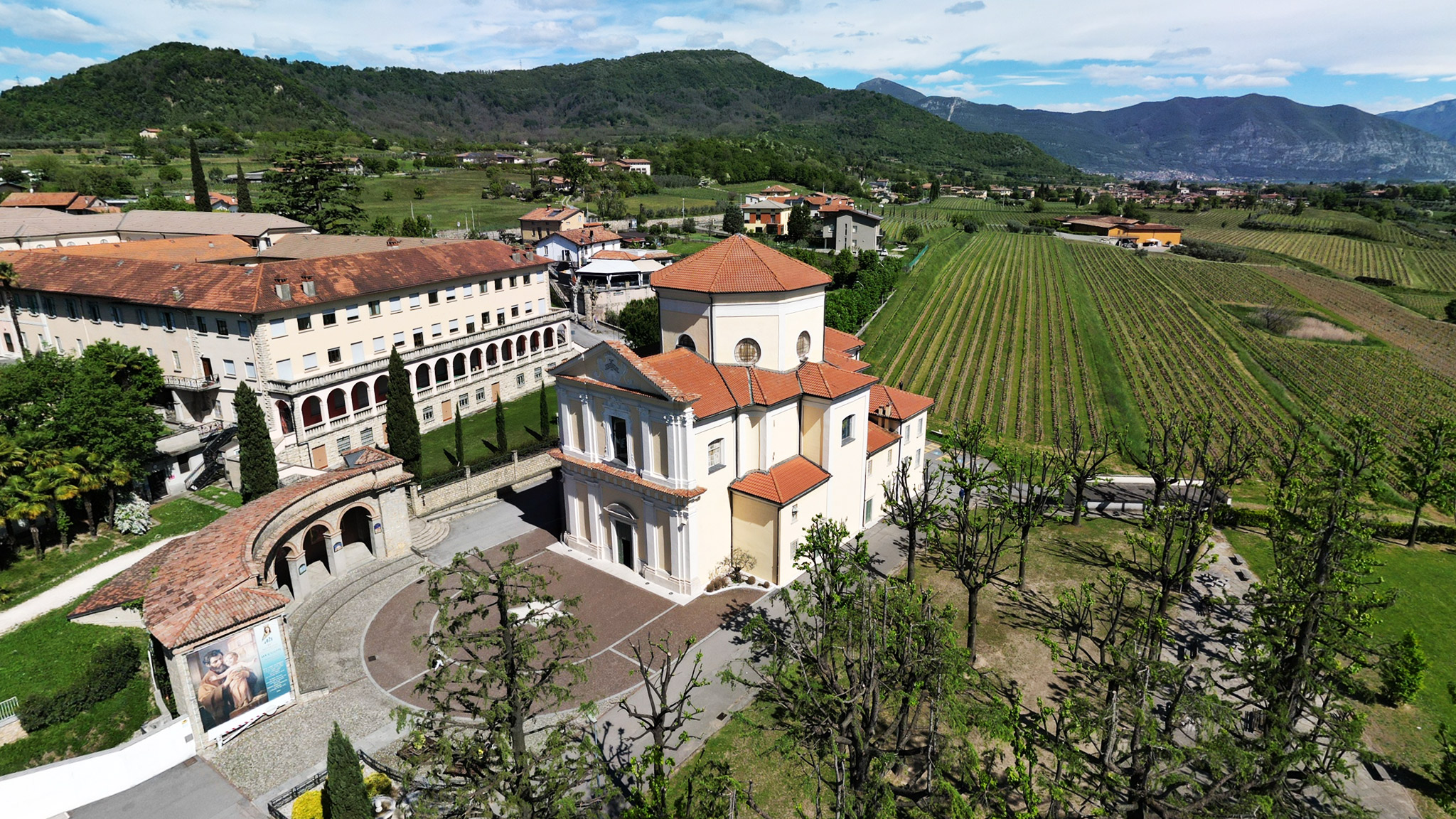
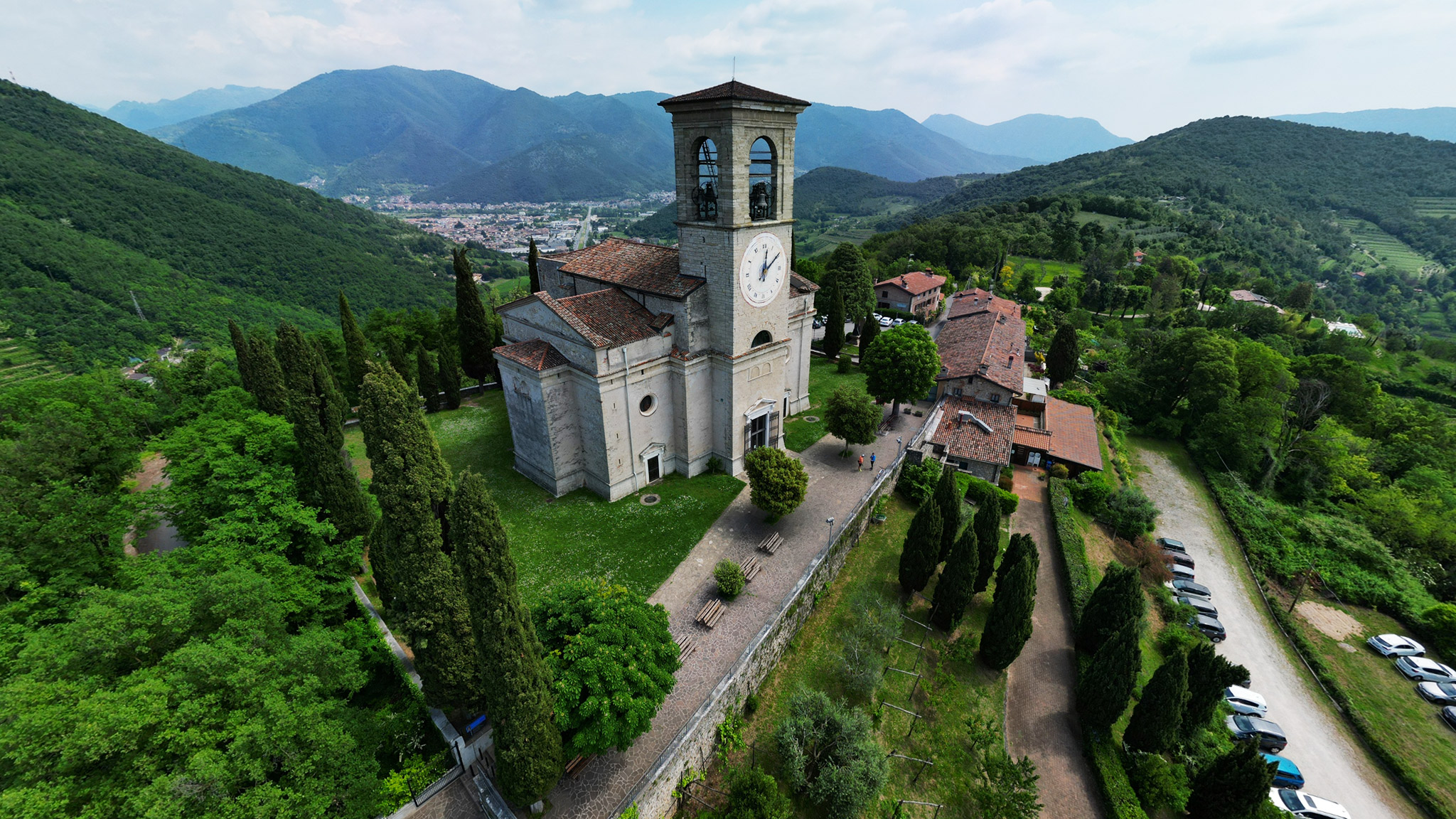
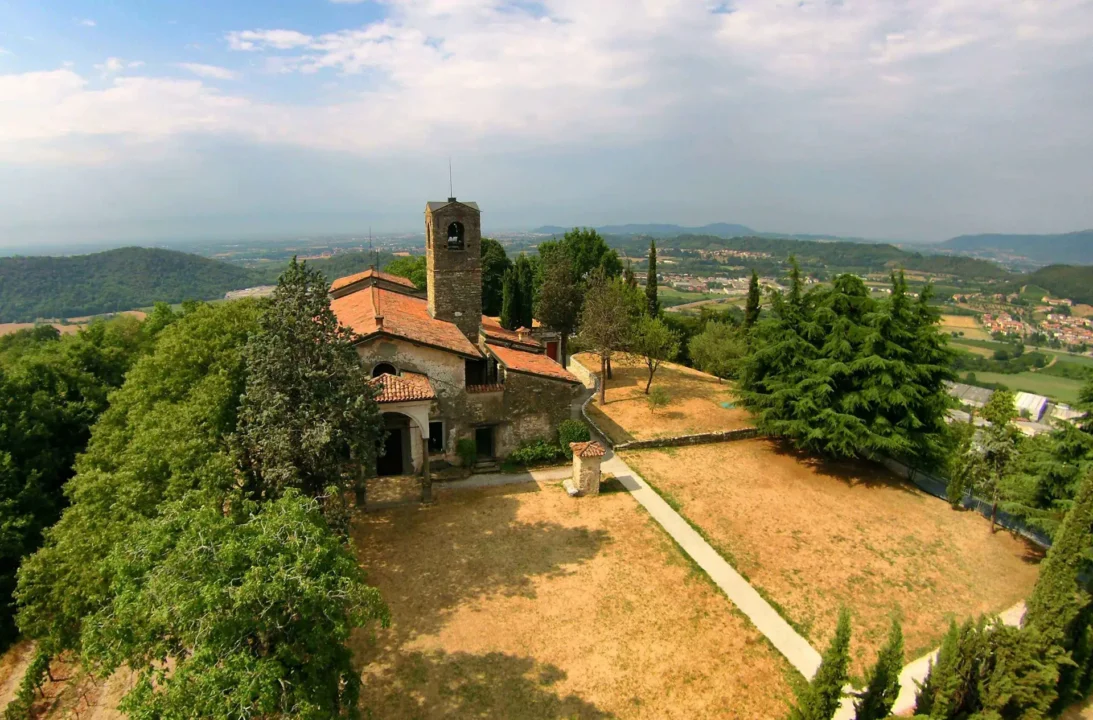
Nestled amongst greenery and surrounded by a pleasant rural landscape, the Sanctuary of the Madonna della Zucchella bears witness to a history shared by many places of worship, situated along the roads and paths travelled by the faithful between the Middle Ages and the Early Modern Period. The present-day sanctuary originated, in fact, as a ‘santella’ , a term that can refer to either a simple wayside shrine or a proper small porticoed chapel, open on three sides, built near a ‘trepöl’ , a piece of land designated for the free grazing of animals. We must therefore imagine the place as a spot for gathering and contemplation, as part of a ritual cycle that marked the different moments of the day.
The miracle of the “zucchella”: the young deaf-mute girl and the water bestowed by the Virgin
The name “zucchella” comes from the Marian miracle to which the shrine is linked: the Virgin is said to have appeared to a deaf-mute girl who, whilst on her way to fetch water for her father, who was hard at work in the fields, fell precisely at the spot where the wayside shrine now stands, breaking the jug she was carrying. The Virgin is said to have come to the girl’s aid, handing her an empty gourd filled with water, inviting her to recite the Rosary as a sign of thanksgiving and to urge her friends and family to do the same. Upon reaching her father with the gifted water, the girl regained the gift of speech.
Iconography and worship: the Virgin with the pumpkin and the quinquennial festivals in September
This tradition is the source of the iconography of the image inside the sanctuary, which depicts the Virgin in full figure, holding the Child in her arms and, tied around her waist, a small gourd, a container of good fortune frequently used by wayfarers, so much so that it has become a symbol of pilgrimage to holy sites. The venerated image is the focus of quinquennial festivals, celebrated annually in her honour in September; on these occasions, it is carried from the sanctuary to the parish church to be placed above the high altar.
The Rosary and the earliest documentary references: Lepanto and the policy of 1574
The traditional account is also linked to the recitation of the Rosary, which saw a significant increase in popularity following the Battle of Lepanto (1571), and was promoted by numerous confraternities as a daily prayer to the Virgin Mary. The historical context is chronologically consistent with the earliest confirmed document relating to the site: a deed, held at the State Archives of Brescia, drawn up on 12 February 1574, which mentions two plots of land in the ‘contrada della Zucchella’ (ASBS/ASC, Deeds, b. 357/B, no. 35).
The 20th-century sanctuary: the 1940 vote, its construction and the removable fresco
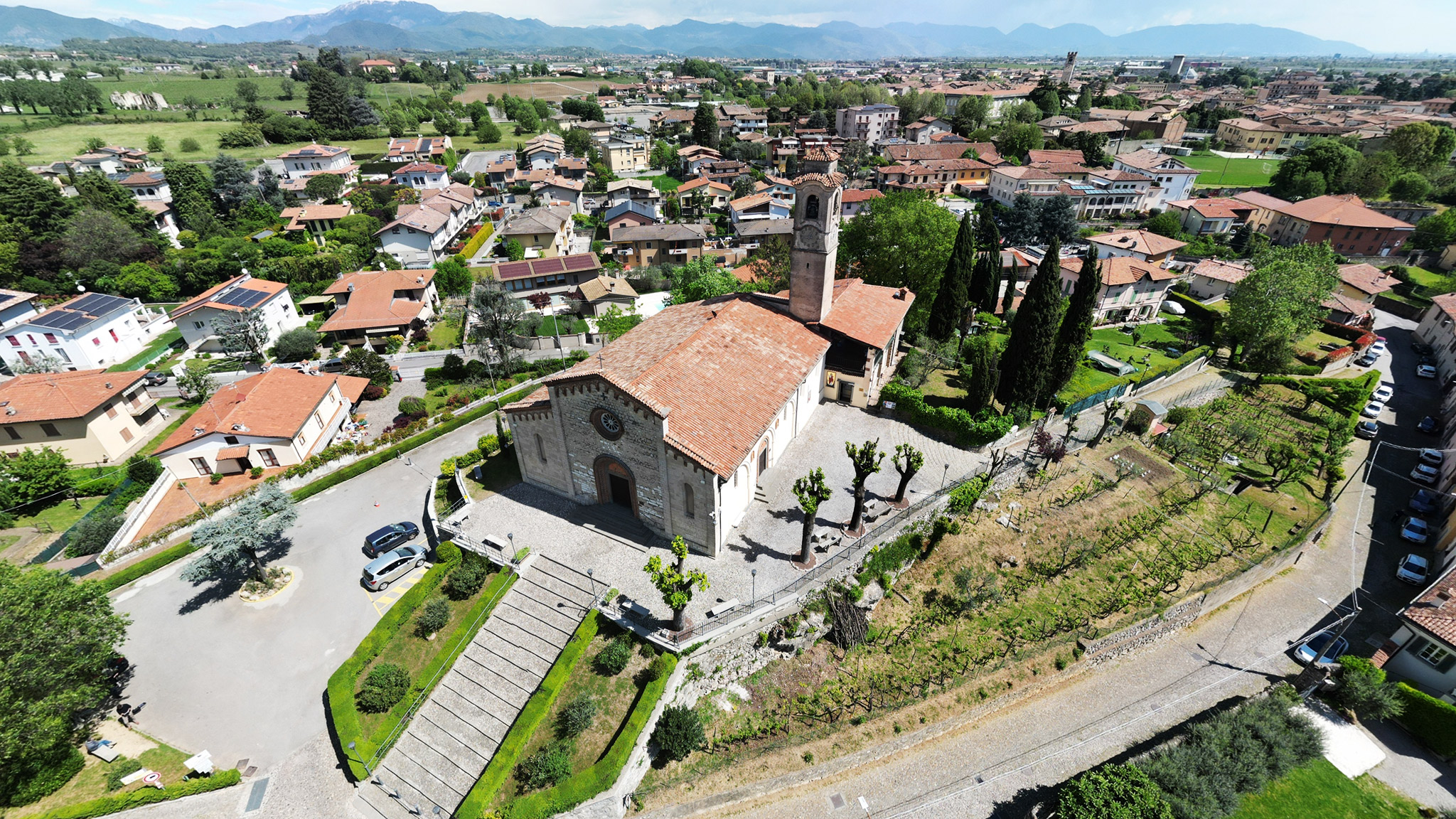
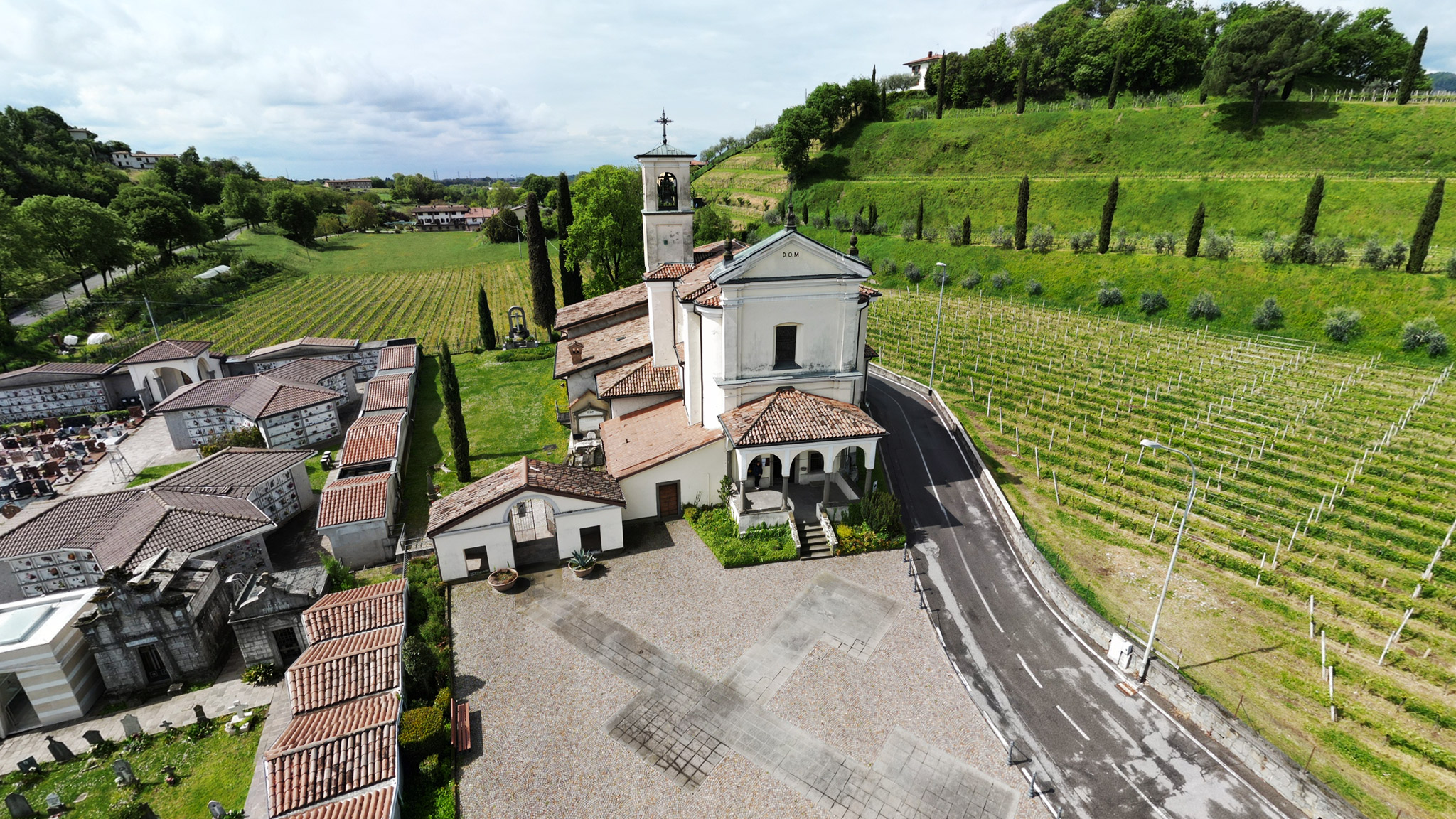
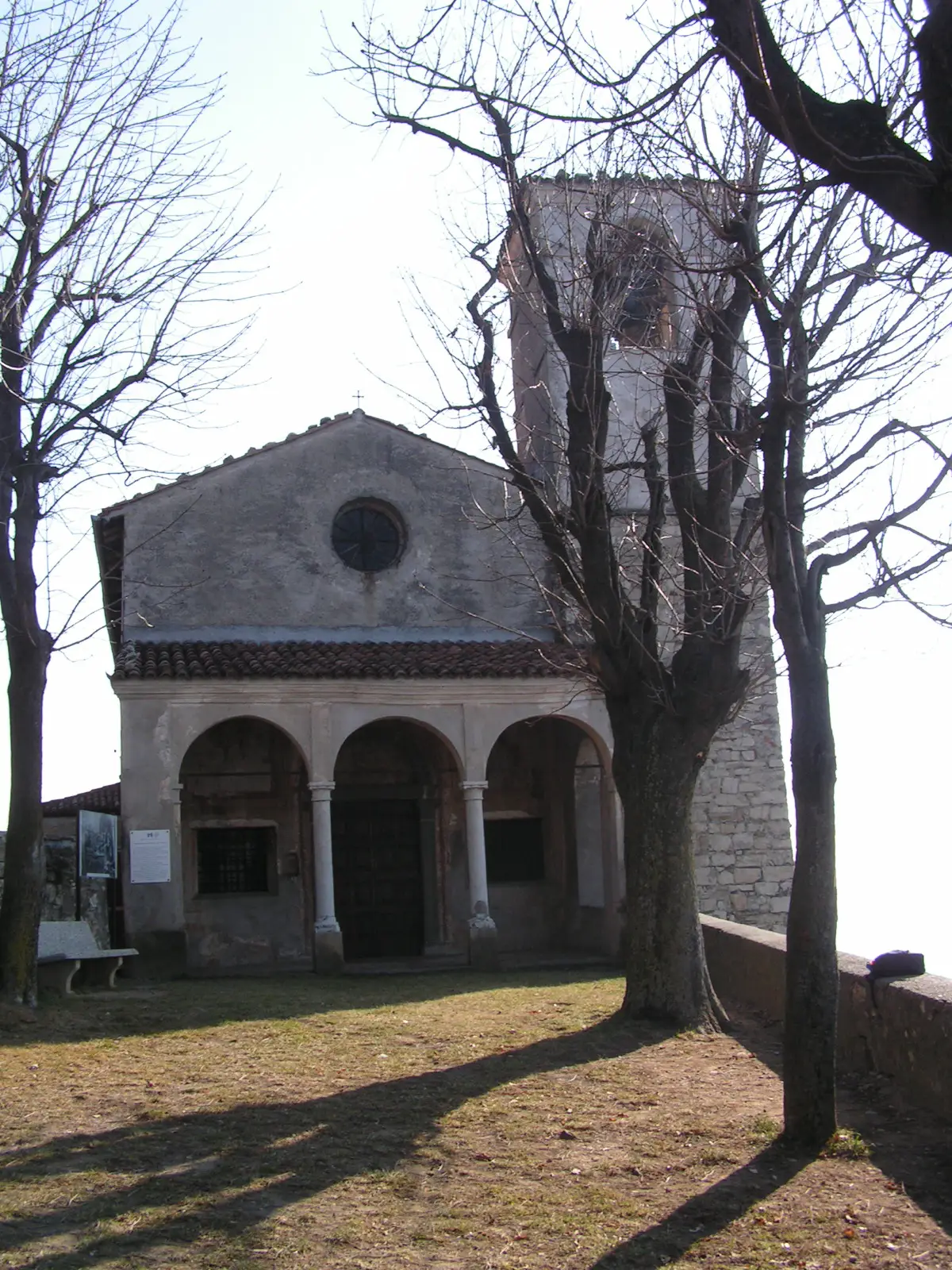
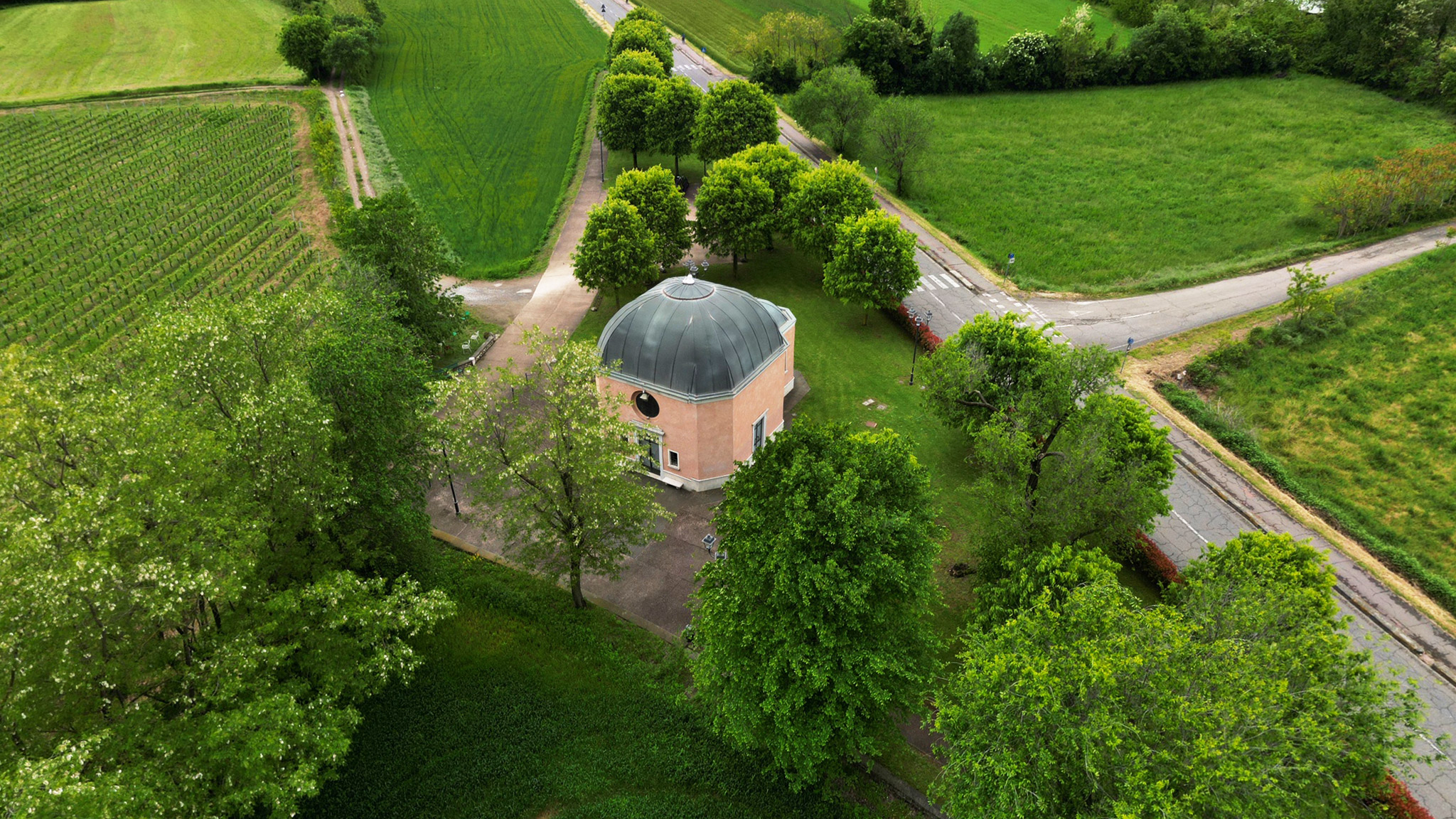
The present-day sanctuary building was erected in recent times, specifically to protect and incorporate the wall of the ancient shrine, which housed the venerated image of the Virgin Mary: its construction is linked to a vow made by the local people in 1940, at a particularly dramatic time, when the Second World War was already raging. Construction proceeded intermittently throughout the following five years, and it was not until the end of the war that the building was completed and the five-yearly celebrations in its honour were established. The new sanctuary is a centrally planned building, to which is attached the short arm of the chancel, with the venerated image at its centre, and a small side chapel used as a sacristy. The entire building is surmounted by an unusual mixed-line domed vault and is fronted by a simple façade, featuring a central oculus and two small windows which, in keeping with the tradition of rural shrines, allow the observer to glimpse the interior. In 1961, under the supervision of the restorer Bertelli and the painter Pescatori, the fresco depicting the Virgin was removed; it was mounted on a frame and made portable so that it could be easily carried in procession.
Links and useful information


Opening hours: every Wednesday from May to September at 8.30 am
Privately owned property