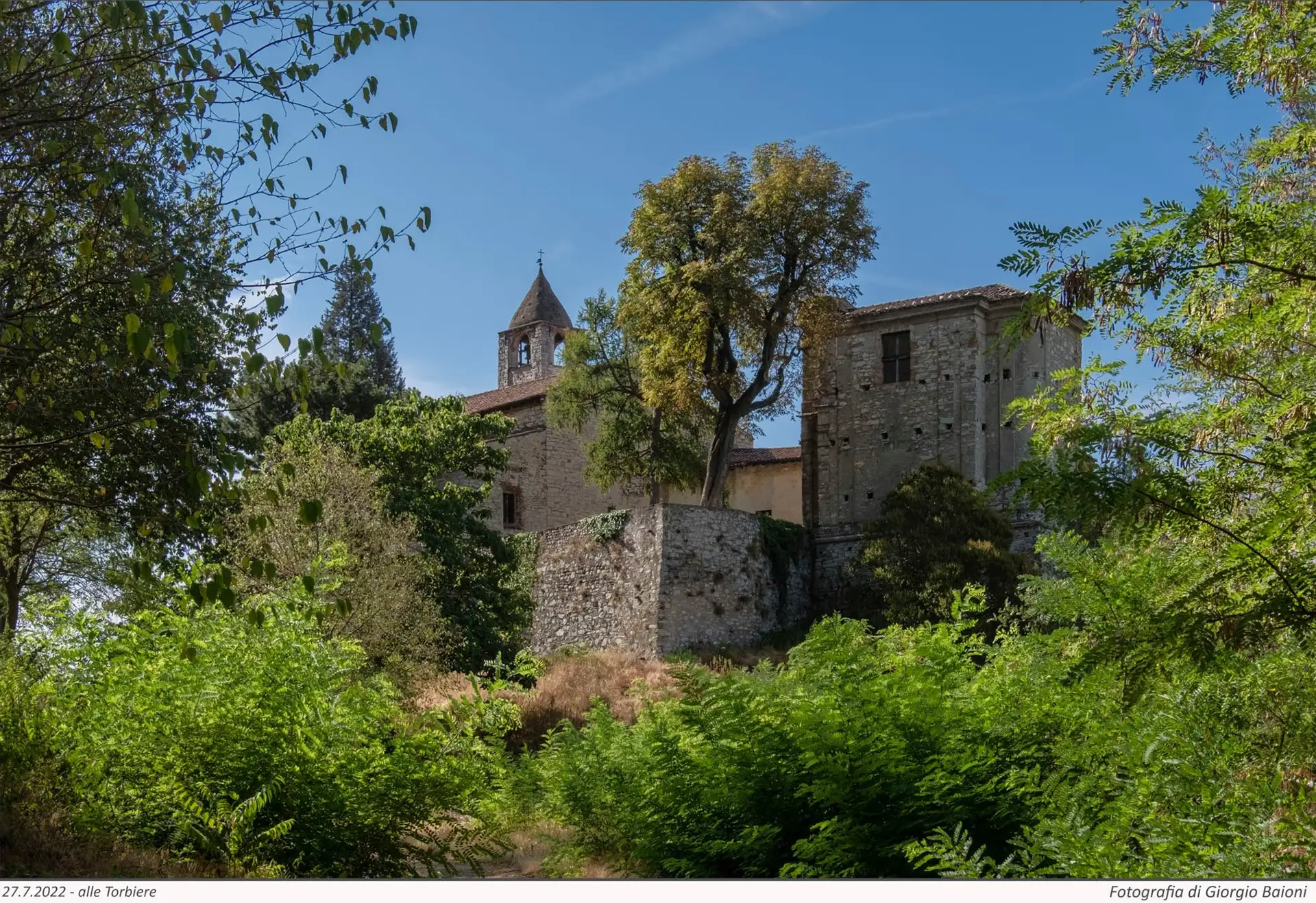
Monastery of San Pietro in Lamosa
- Home
- /
- Arte e cultura
- /
- Monasteries
- /
- Monastery of San Pietro in Lamosa
The monastery of S. Pietro in Lamosa between Monte Cognolo and the ancient “lame”
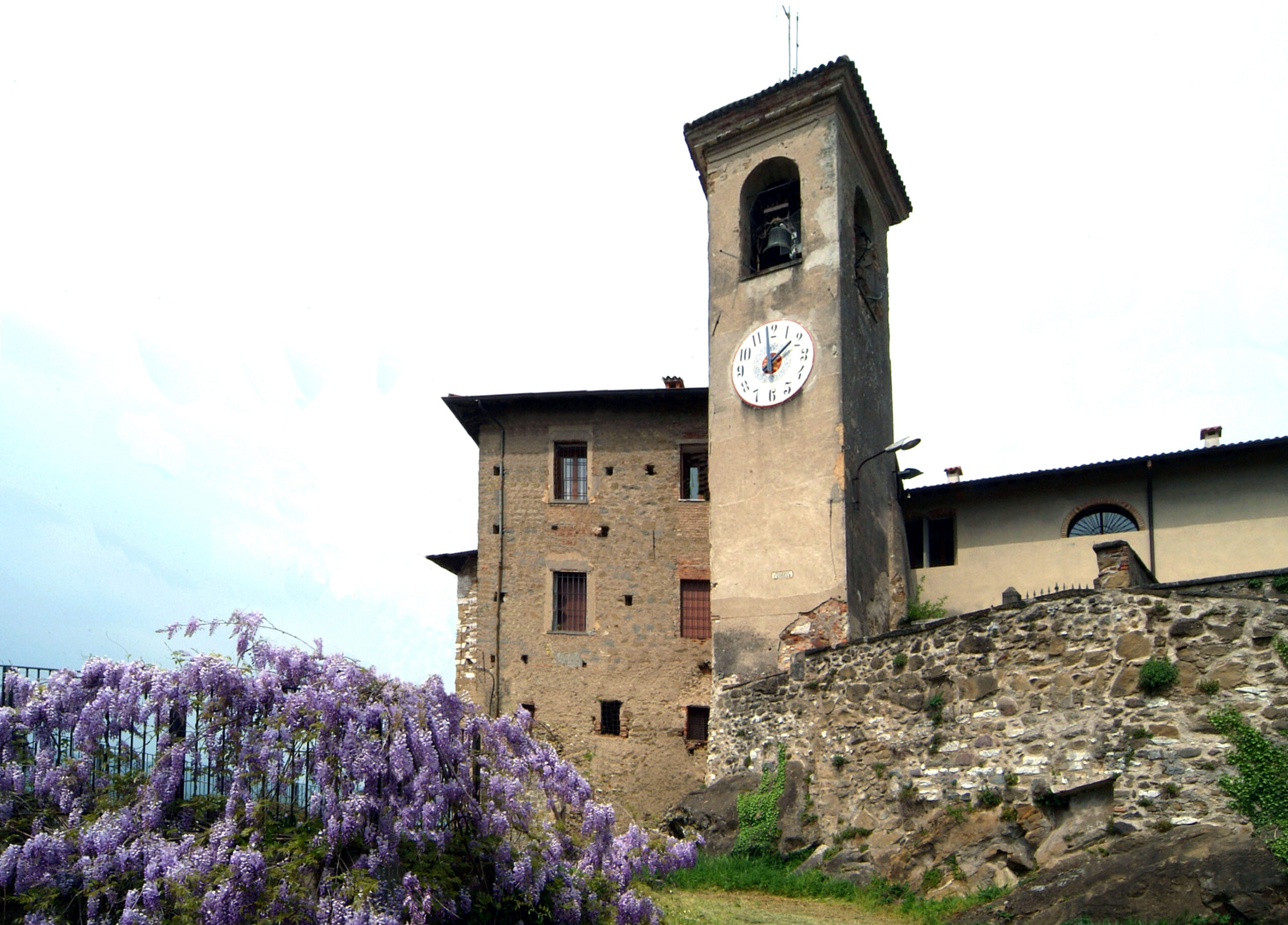
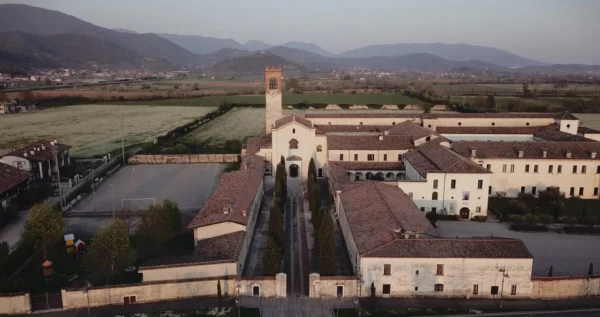
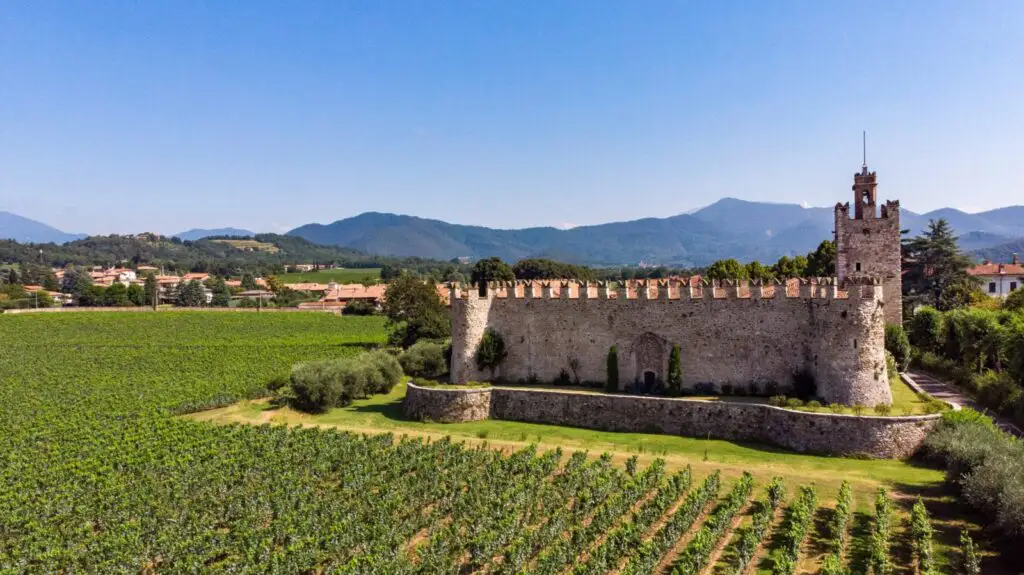
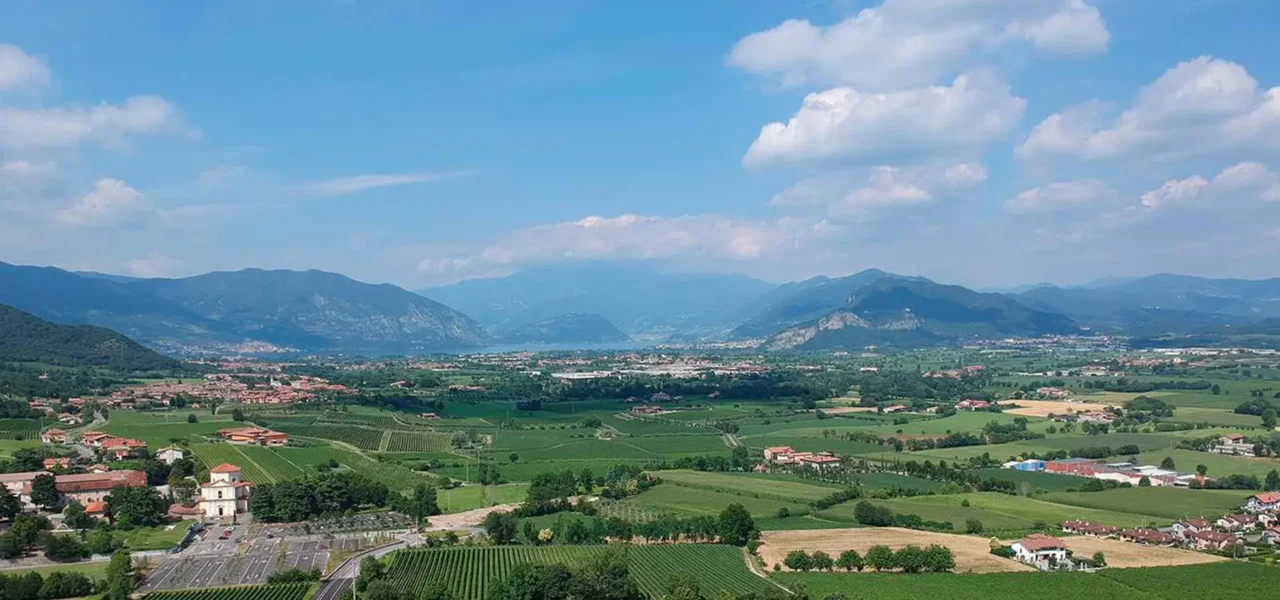
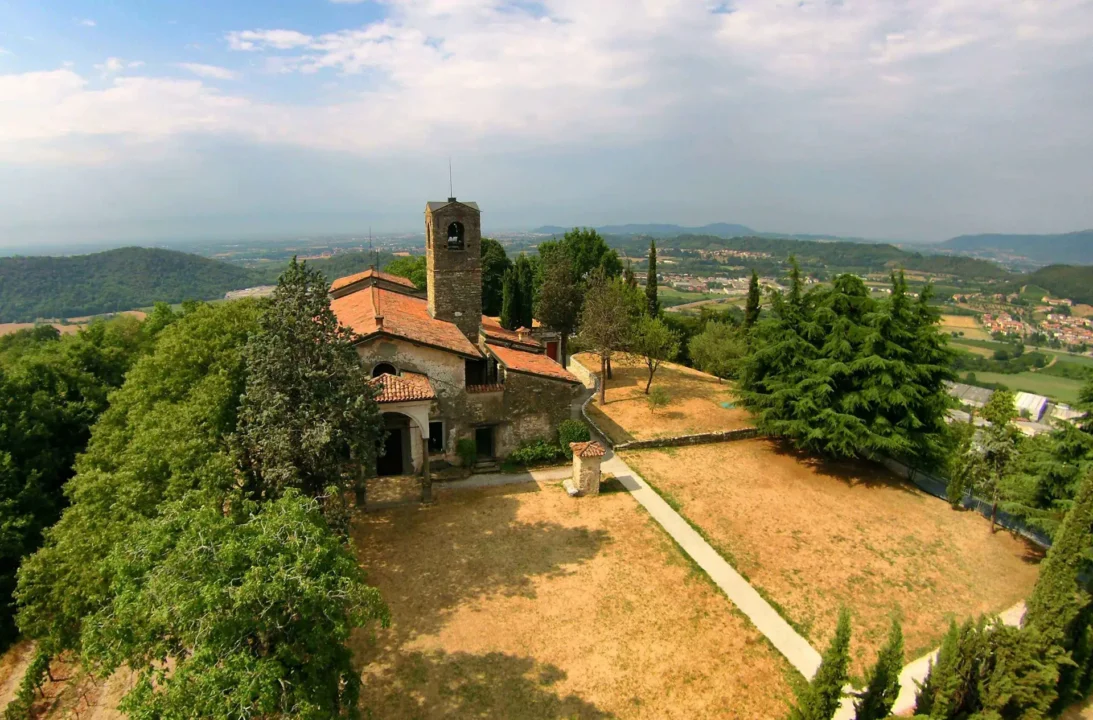
Located just below the limestone face of Monte Cognolo, the monastery of San Pietro in Lamosa takes its current name from the “lame,” the vast peaty marshes that extend all the way to Lake Iseo, and is one of the most significant monuments from the Romanesque period remaining in the area.
The first documentary attestation and the donation of 1083
The first document relating to the monastery dates back to 1083, the year in which two lay benefactors of Lombard lineage, “Ambrosius et Oprandius de loco Tocingo”, donated a church near Provaglio, consecrated to St. Peter, entrusting it to the Cluniac order.
Cluny, monastic reform and the centrality of prayer
At a time of profound renewal and reorganization of the church, shortly before the great reform of the 11th century, the monastery of Cluny was founded in Burgundy in 910, destined to be the forefather of many affiliated foundations. But how did the Cluniacs differ from the traditional Benedictines? The Ora et Labora (pray and work) contained in the Rule of Saint Benedict, in the new Rule of Cluny, focused solely on prayer, over which the monks were charged: collective, sung prayer, with ample and sumptuous liturgical apparatus, which certainly also resonated within the walls of San Pietro in Lamosa.
Walls as a story: the language of stones
The walls of a church are like a story, with their own language. Stones, bricks, layers of mortar, putt holes, windows: these are the words they use to tell their story.
The left wall as a “book” of transformations since the 11th century
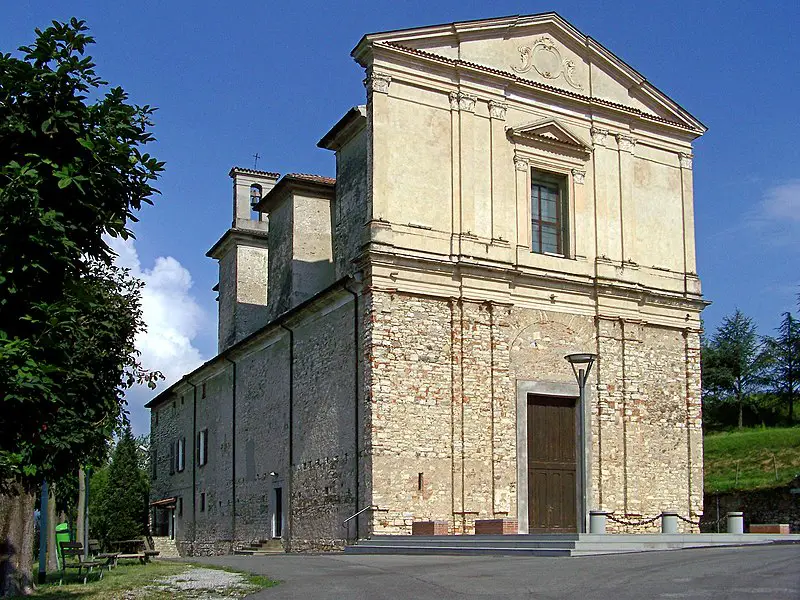
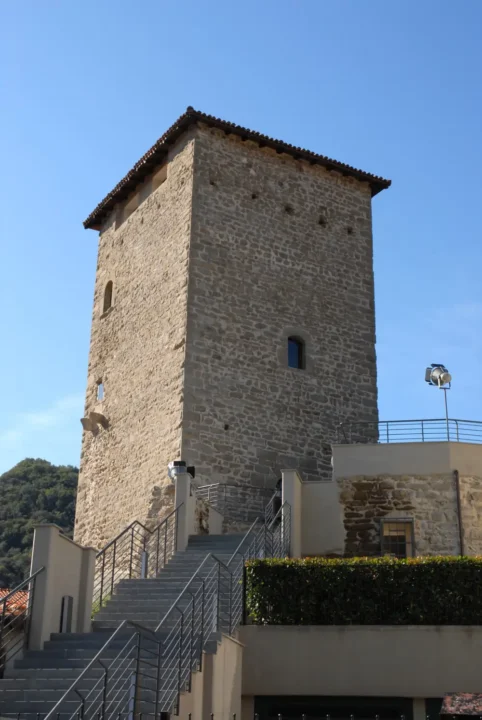
The left wall of the monastery of San Pietro is the story of a centuries-old history, and the diversity of its masonry texture tells us of the passage of time and the many transformations it has undergone. Starting from the back of the church, the small Romanesque apse, with its white, evenly spaced stones, bears witness to the very first church founded in the 11th century, which consisted of three naves ending in three apses. The façade, very different from the current one, was positioned five meters further east and featured a protruding square body, identifiable as an atrium or tower, similar to that of the parish church of Sant’Andrea in nearby Iseo.
The late Gothic extension and the single-nave church
Continuing, the stones become more densely packed and the gaps between walls become increasingly evident: from a small monastic hall with a single nave, the church expands, becoming, at the end of the 15th century, what we can admire today.
The interior: pointed arches, fresco cycles and the right nave
Crossing the threshold, the imposing hall typical of a Lombard parish church opens before us, punctuated by four-bay pointed arches and richly decorated with frescoes dating from the 13th to the 16th century. A small single-lancet window accompanied by a fresco of the Virgin Mary, on the right wall of the central nave near the presbytery, bears witness to the ancient Romanesque church. Passing under the arch, one enters the right nave, punctuated by chapels that still retain their painted decoration. Among the most notable and ancient frescoes is a monochrome vermilion vine with swirls that, in one corner, produces a fearsome lion’s head, linked to the demonic or animal representations of medieval illuminated bestiaries.
Links and useful information


Opening hours: Tuesday–Friday 3.00 pm–6.00 pm, Saturday and Sunday 10.00 am–12.00 pm and 3.00 pm–6.00 pm
Without a local guide, Tuesday to Sunday including public holidays: €2.00 per person;
With a local guide, from Tuesday to Sunday, including public holidays: €5.00 per person (€2.00 admission + €3.00 guided tour).
Tours for schools: 25€ per class without local guide; 50€ per class with local guide.
Free admission for residents of the municipality of Provaglio d’Iseo, for children aged 0 to 12 and for people with disabilities accompanied by a carer.
Publicly owned property