Sanctuary of Santo Stefano
- Home
- /
- Arte e cultura
- /
- Parish Churches and Sanctuaries
- /
- Sanctuary of Santo Stefano
Origins, extensions and the 20th-century façade
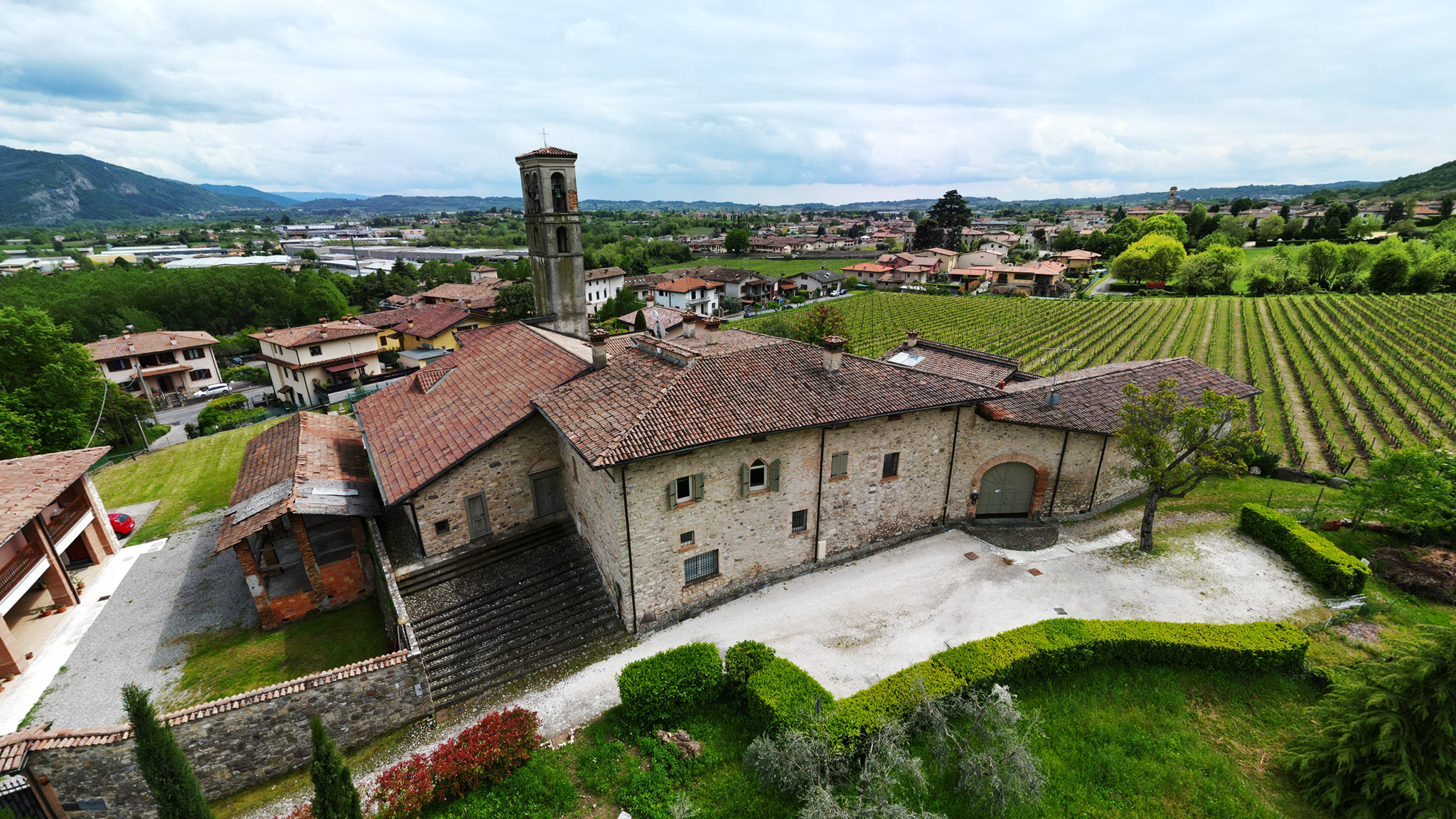
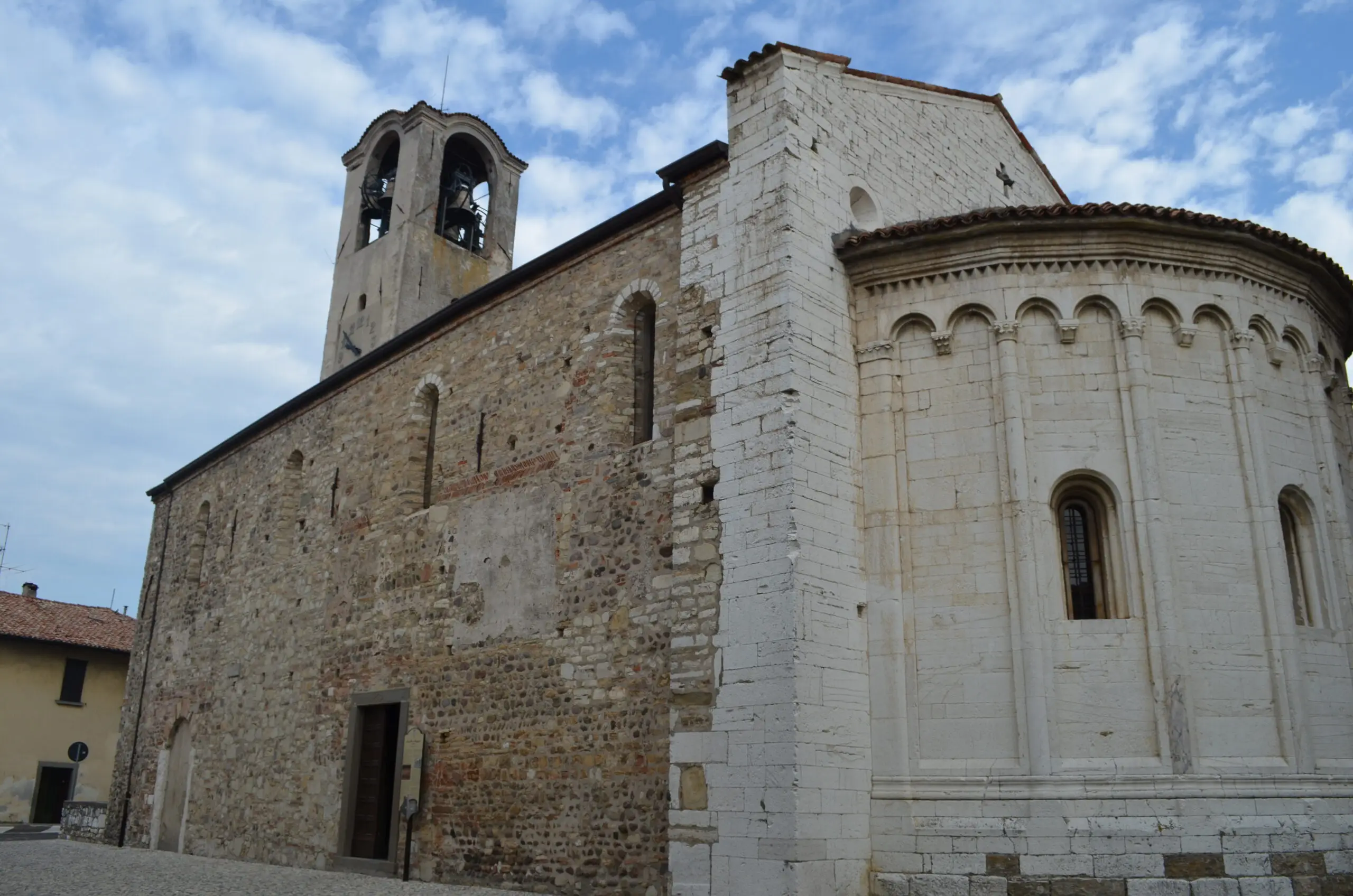
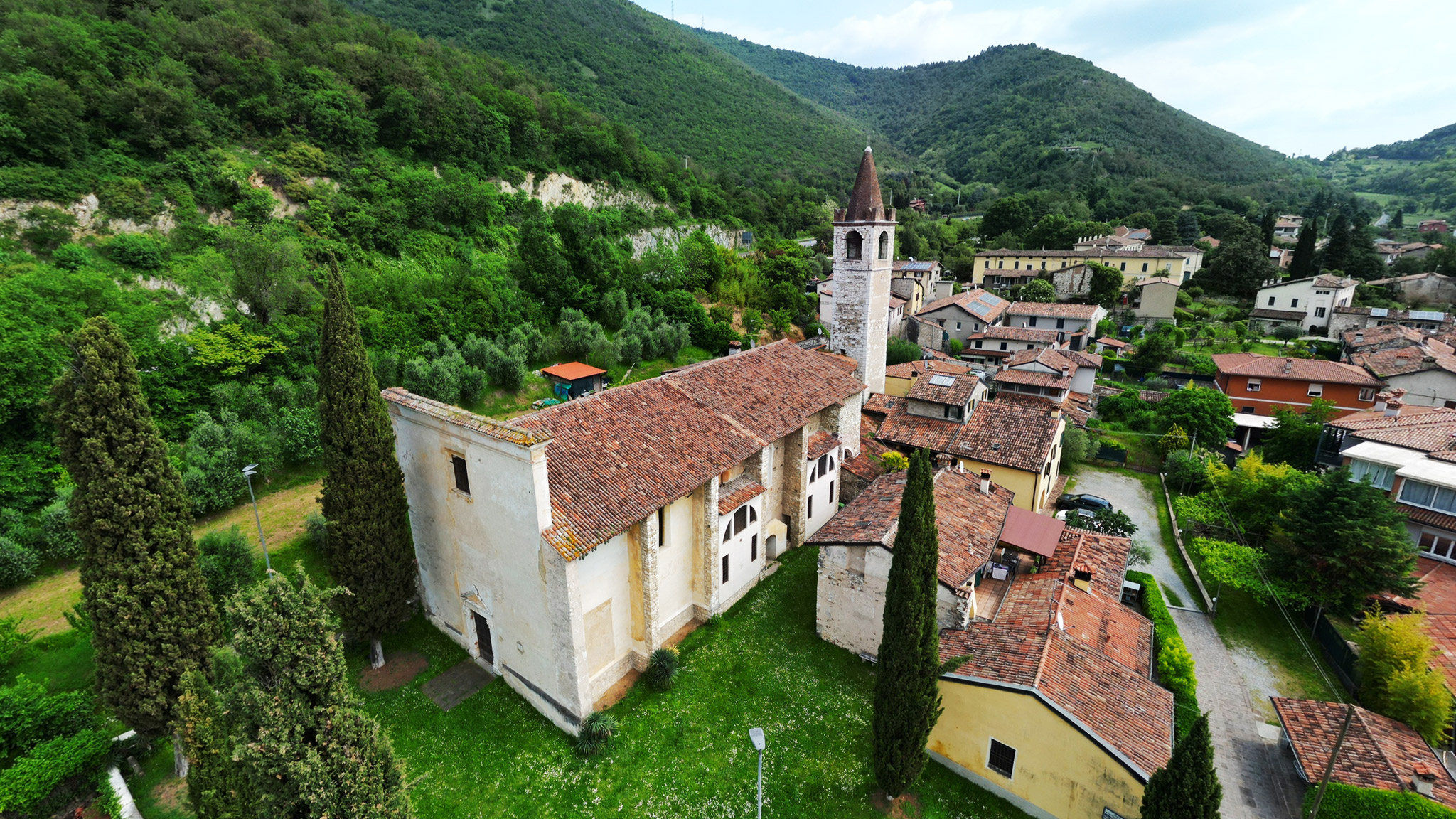
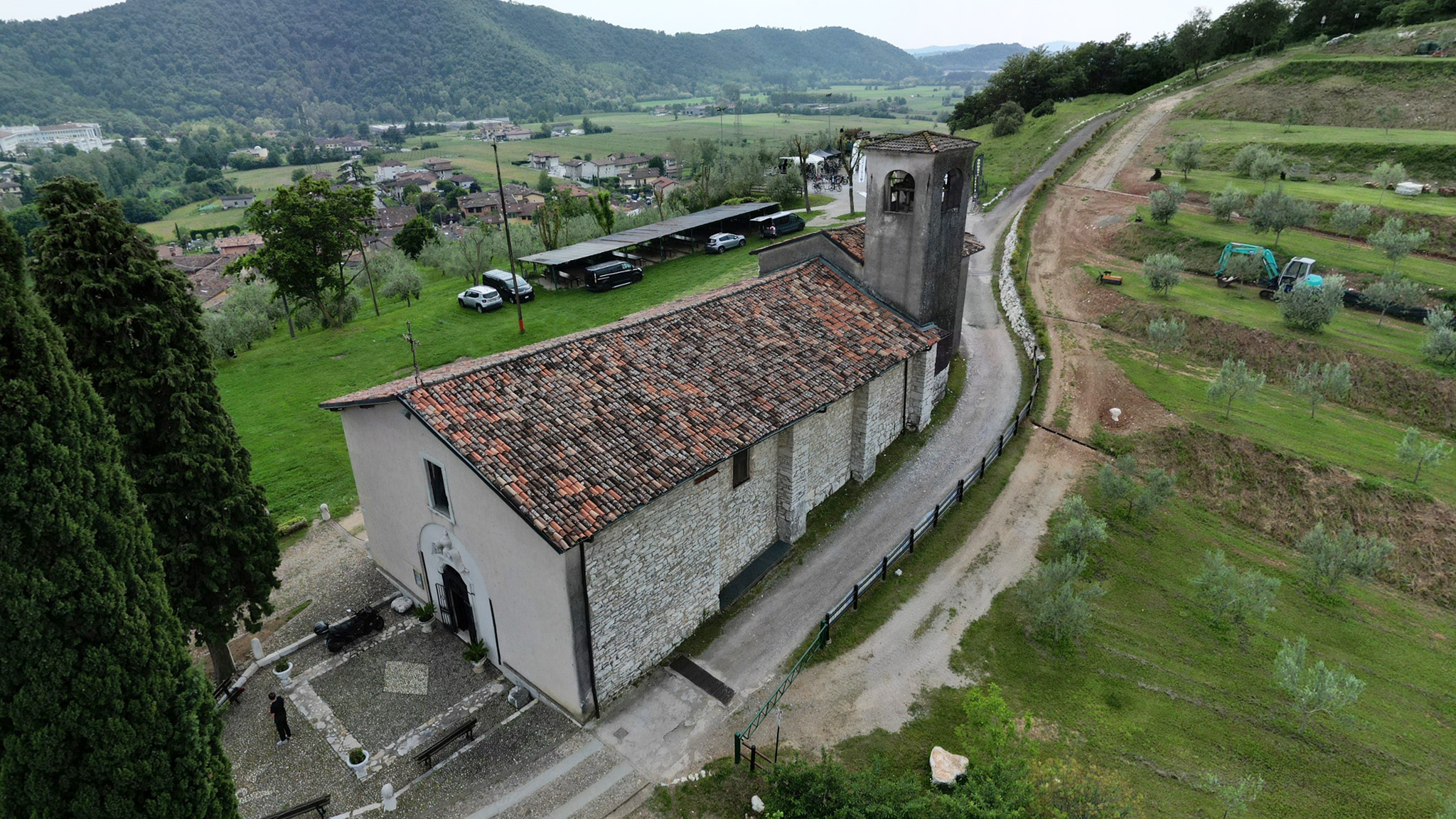
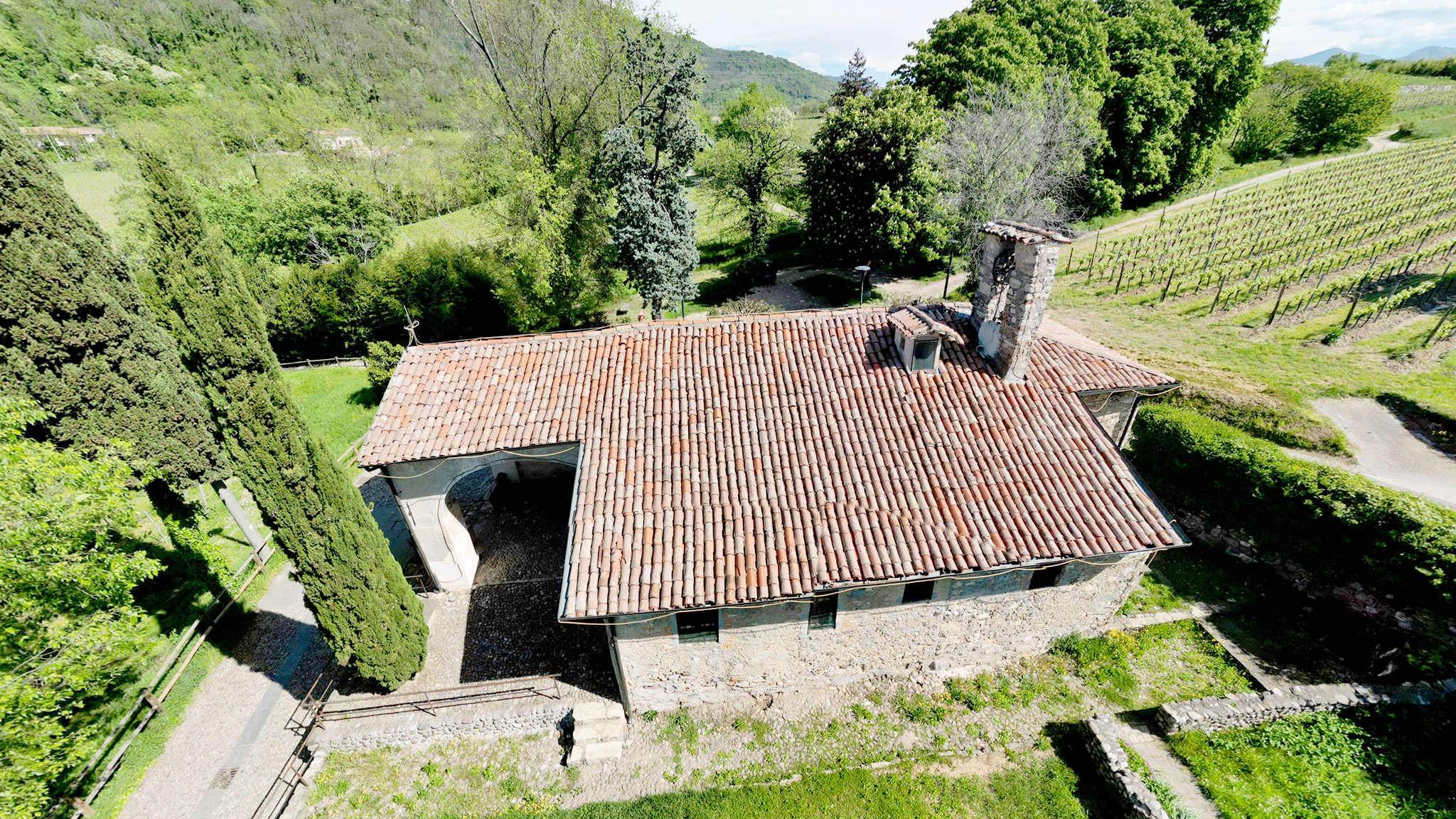
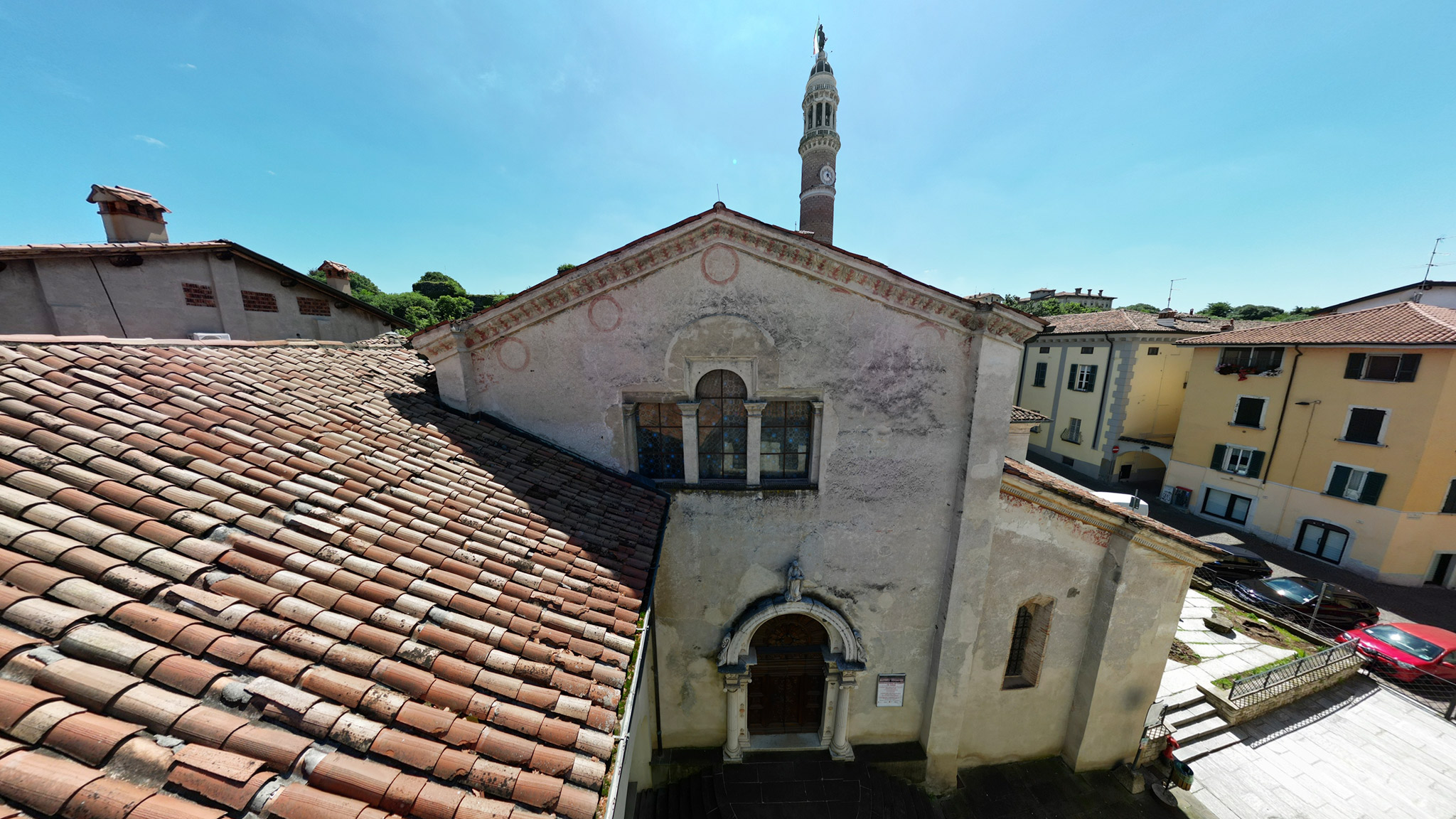
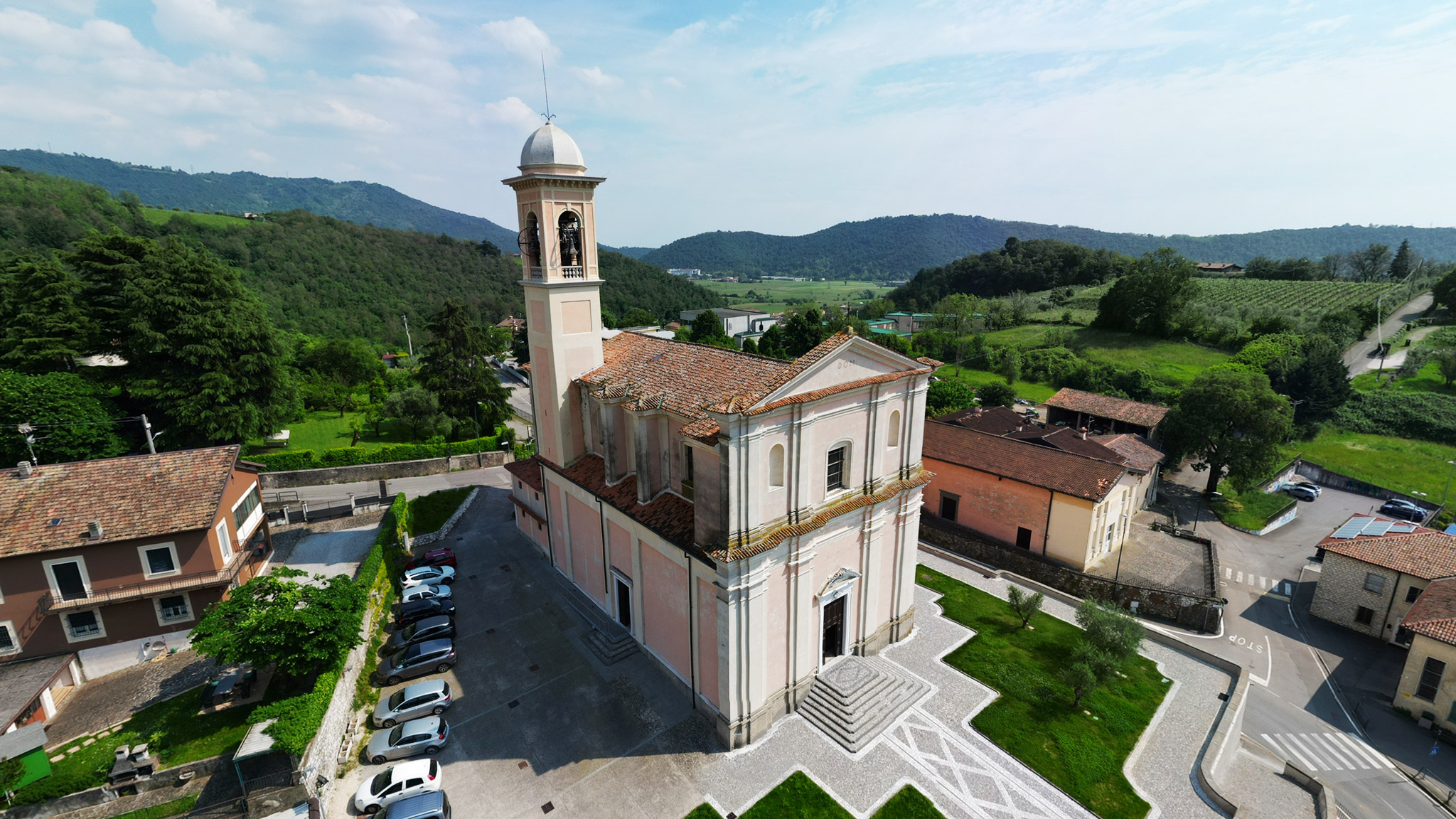
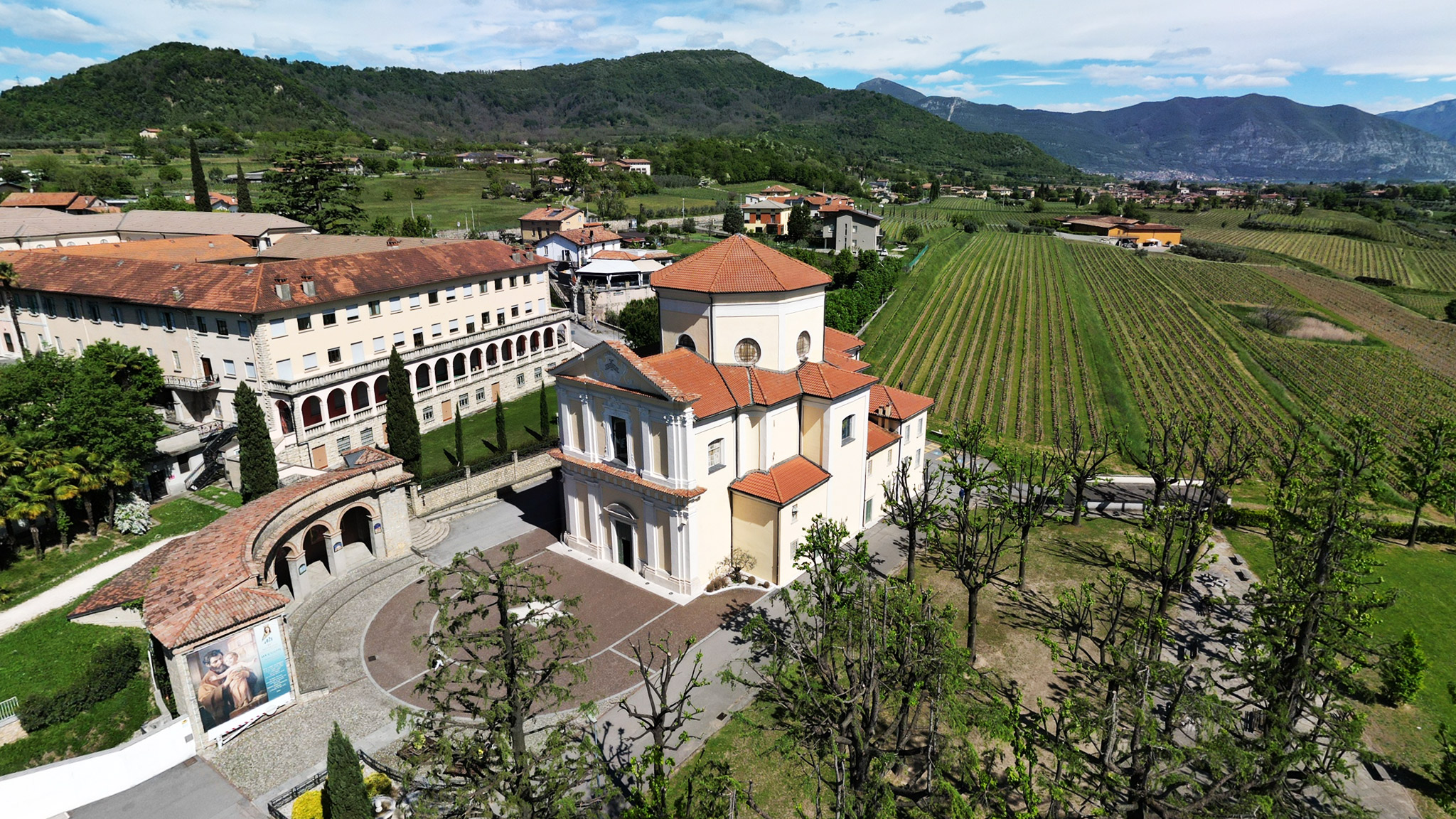
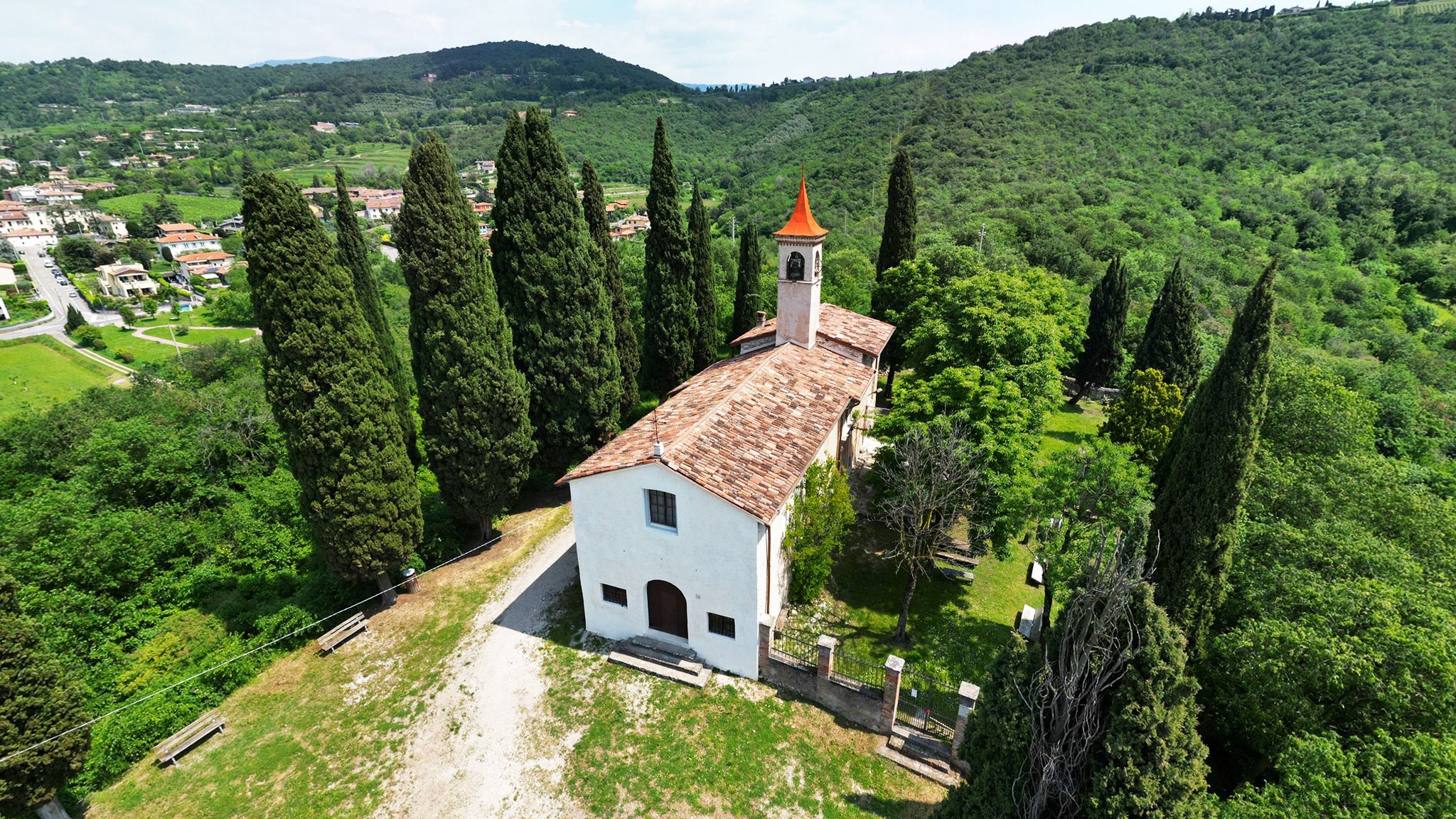
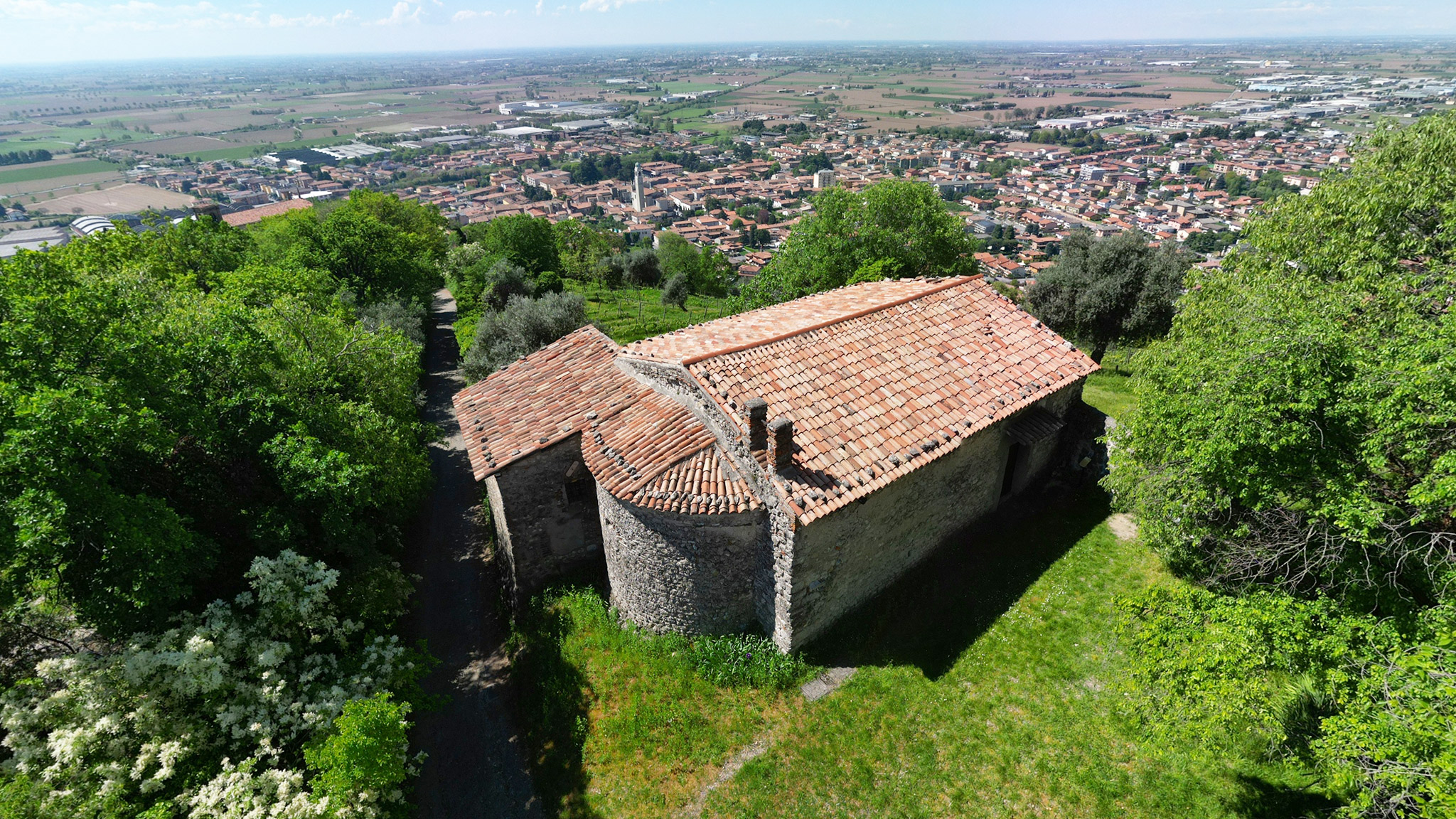
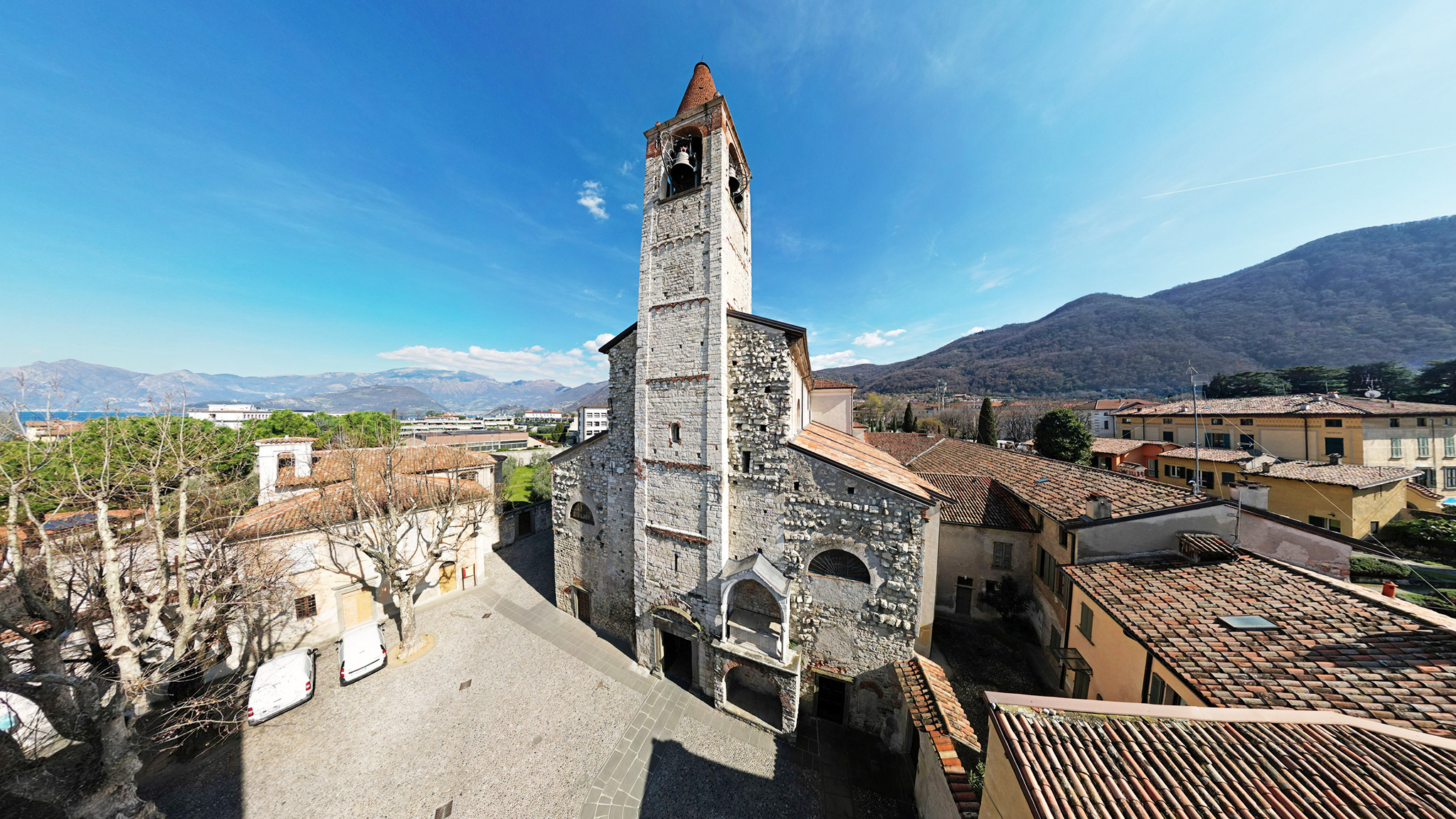
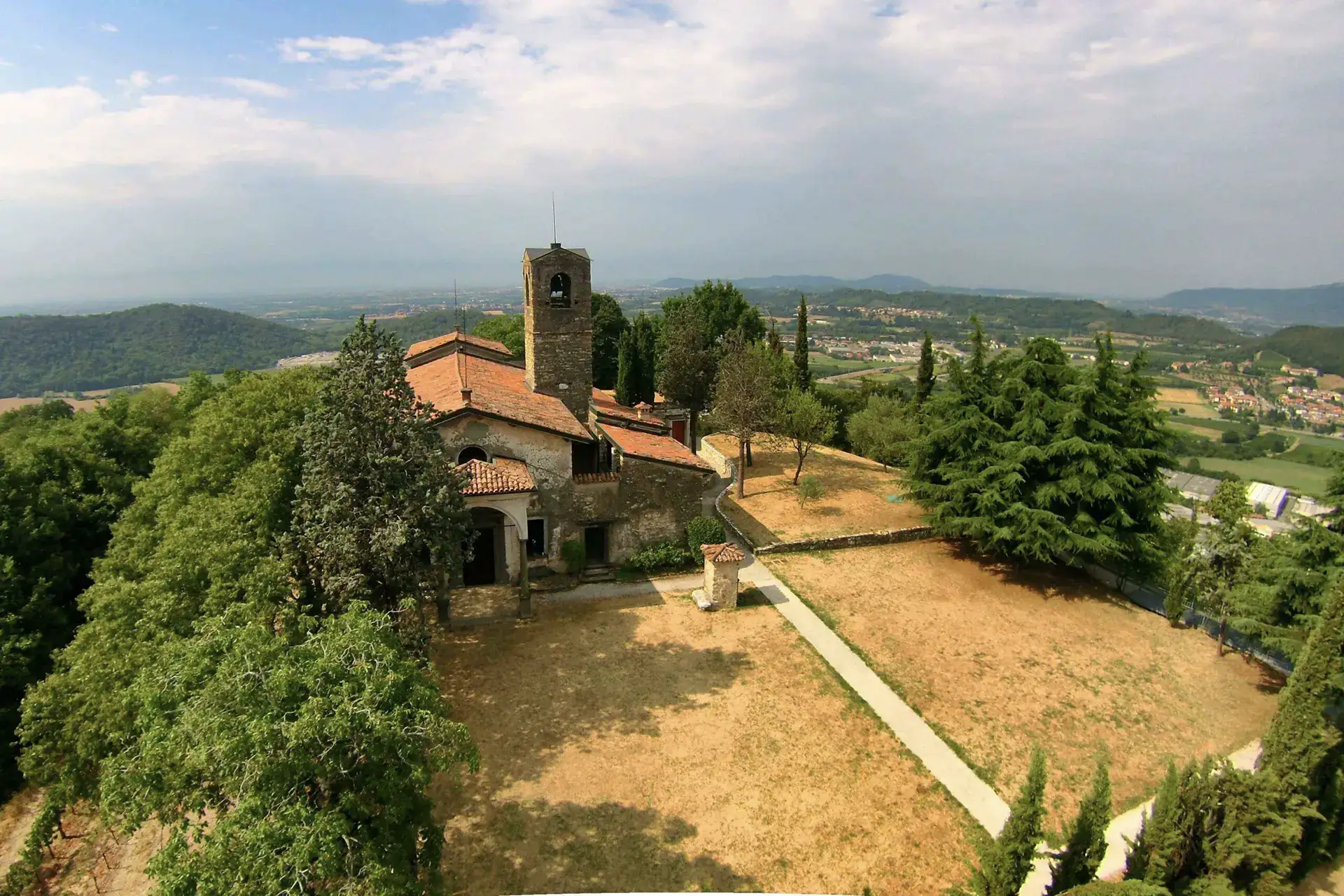
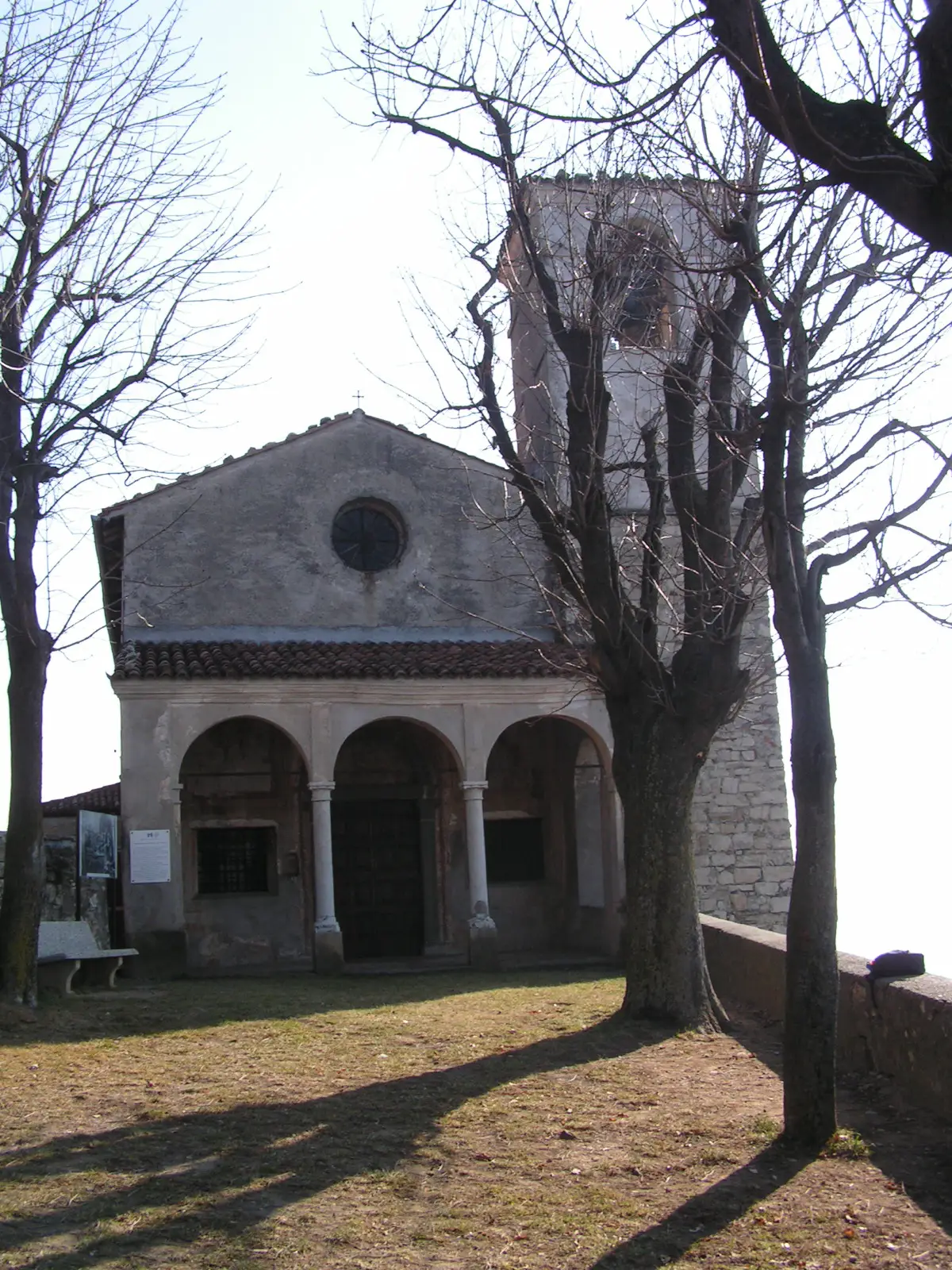
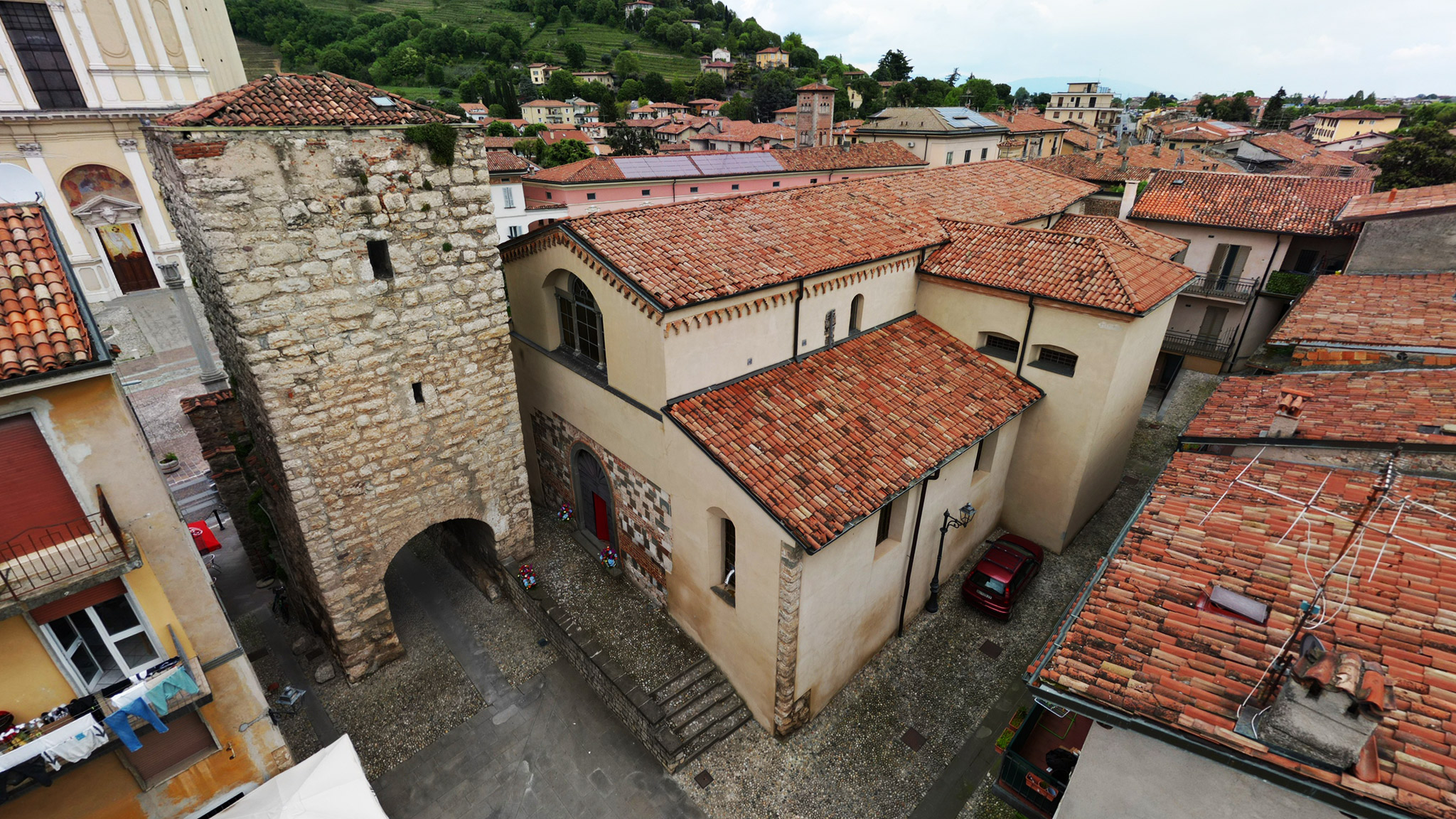
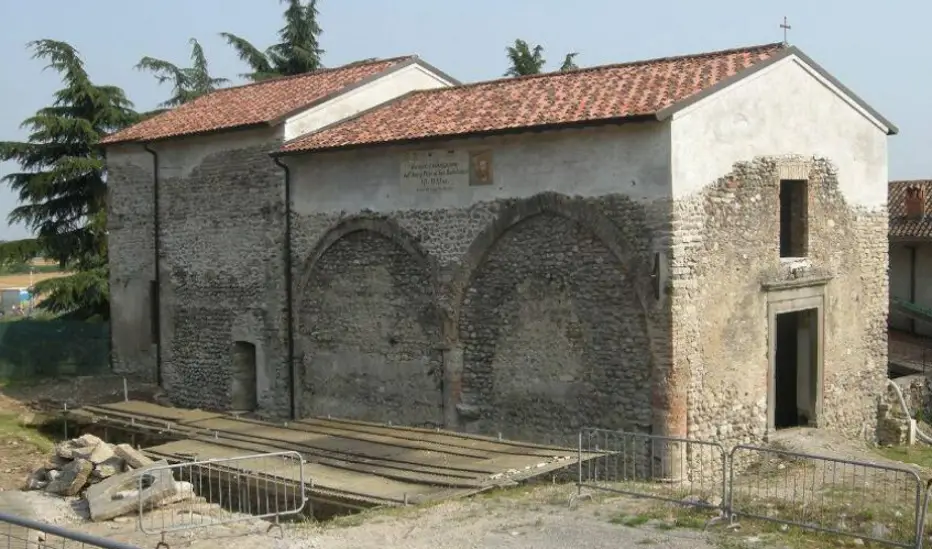
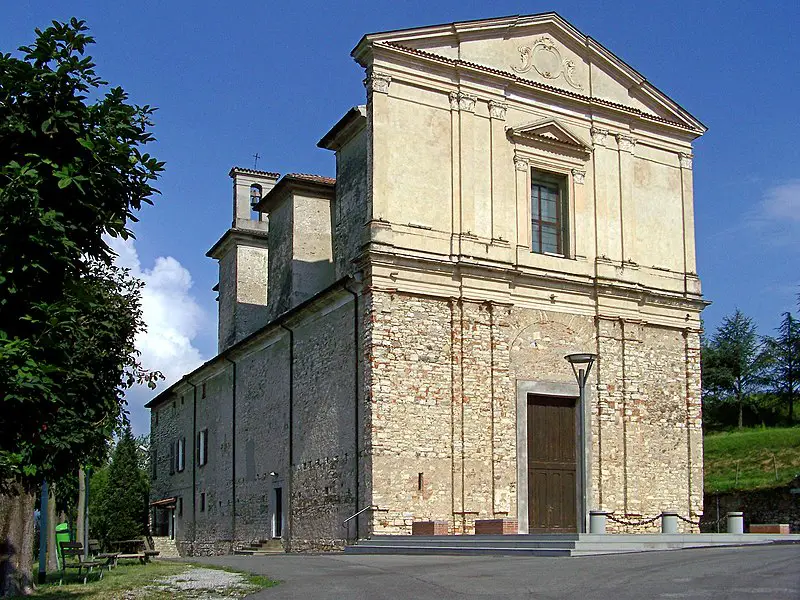
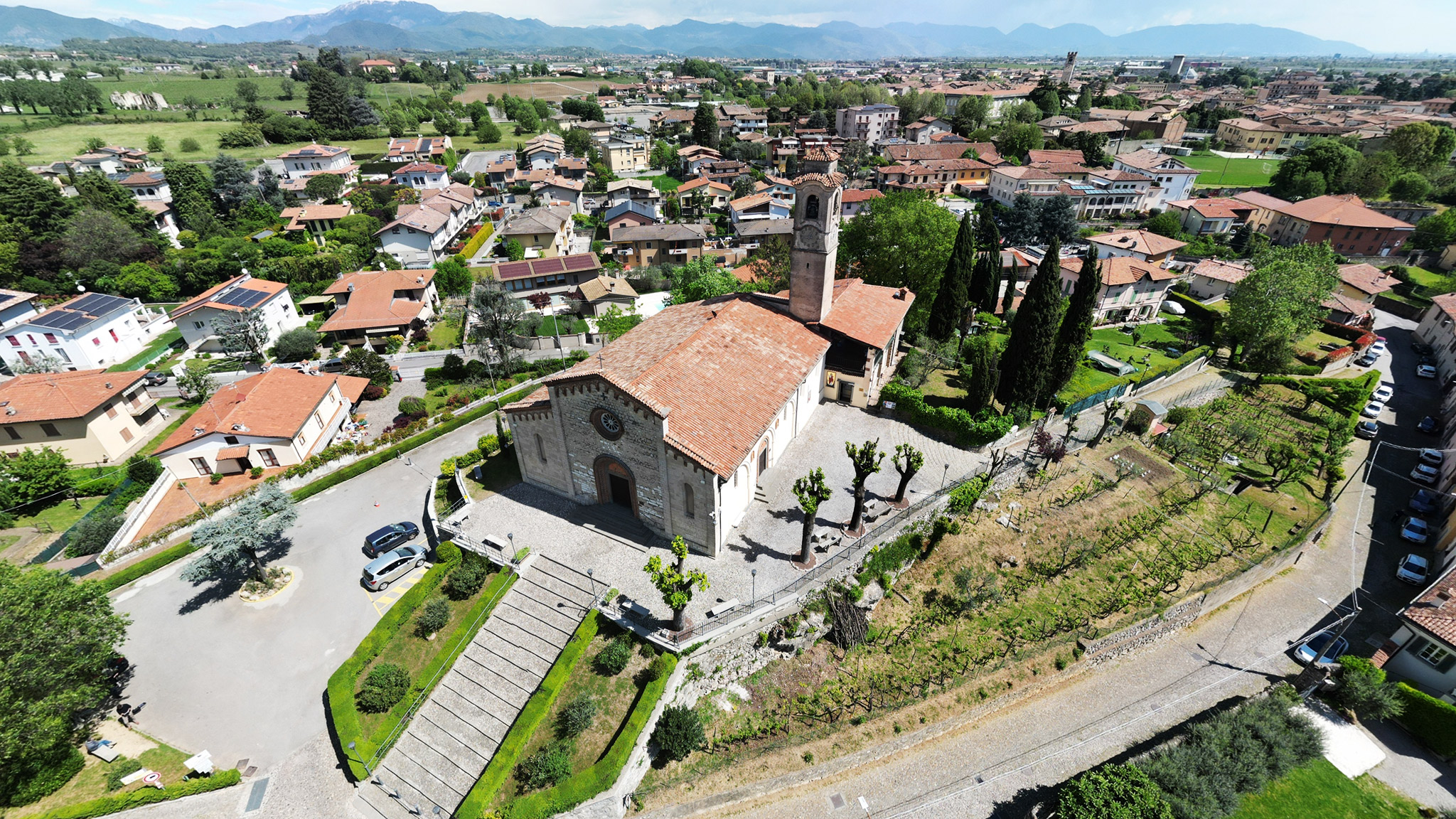
Possibly of Lombard origin, like the nearby Church of San Michele al Montorfano, the Church of Santo Stefano, situated on the slopes of the hill, underwent a series of significant alterations over the centuries. These involved the enlargement of the main nave, to which two side aisles were added, and a consequent redesign of the façade, which took on the classic gabled shape. The present façade, with its projecting sections and large central rose window, strongly reminiscent of the medieval façade of San Francesco in Brescia, is in fact the result of a recent restoration dating from the 1940s.
The 15th-century renovation and the three-nave layout
As part of a period of intense building activity that swept through Brescia and its surrounding area in the mid-15th century, the Church of Santo Stefano underwent a radical renovation, beginning in the fourth decade of the 15th century, and was transformed into a longitudinal structure with three naves, the exact date of which remains unclear. The naves, in fact, feature supporting elements that reflect distinct architectural styles: the northern nave displays a series of pointed arches, still adhering to Gothic principles, whilst the southern nave features a single large arch of a more contemporary style. The nave is closed off to the east by the tripartite chancel, vaulted with a cross vault, which opens into the central nave through a large round-arched opening.
The pictorial programme from the 14th to the 16th century
The entire sacred space preserves a rich collection of wall paintings: on the walls of the naves and even on the supporting structures, there are numerous devotional panels dating from the 14th century to the first quarter of the 16th century, which guide the visitor along a route whose visual focal point is the chancel, with the figure of the Pantocrator surrounded by the Tetramorph.
St Martin and the legacy of the medieval church
A 14th-century fresco is still preserved on the counter-façade, bearing witness to the fact that the extension of the building made good use of the existing walls of the medieval church: the panel, depicting St Martin in the act of cutting a fine cloak lined with ermine and giving it to a poor man, against a backdrop of crenellated walls, still bears strong echoes of Guariento’s style in Padua.
The Presbyteral Cycle and the Life of Saint Stefano
But the real focal point of the painted space is the chancel, a veritable kaleidoscope of vivid colours, created by an artist who was well versed in the styles of the 15th-century Brescian masters, in particular Paolo da Caylina the Elder and Vincenzo Foppa, and influenced by the architectural culture of the great Renaissance building sites, foremost among them the Palazzo Loggia. In the lower register, beneath a portico supported by classical columns, scenes from the life of Saint Stephen, the church’s patron saint, are depicted alongside scenes from the Passion of Christ. Of particular significance is the scene of the stoning, which shows, in the background, a view of Rovato Castle following the renovations of 1470.
The Pantocrator and the landscape of Lake Sebino
In line with the Crucifixion, the apse basin is dominated by the Pantocrator in the apse niche, surrounded by the symbols of the Four Evangelists and set against a landscape that appears to evoke that of Franciacorta and the nearby Lake Sebino.
Our Lady of the Rose and Marian devotion
Inside the sanctuary, a Marian image is venerated; it is housed in the vaulted chapel at the end of the church’s right-hand aisle: this is a Madonna della Rosa, an iconographic type that was widely prevalent in the Brescia area during the 15th century, stylistically similar to a comparable panel in the Church of Santa Maria in Favento in Adro.
Links and useful information


Opening hours: open to the public during special opening days
Free admission
Privately owned property