Sanctuary of Santa Maria del Giogo
- Home
- /
- Arte e cultura
- /
- Parish Churches and Sanctuaries
- /
- Sanctuary of Santa Maria del Giogo
The mountain monastery and the legacy of Teofilo Folengo
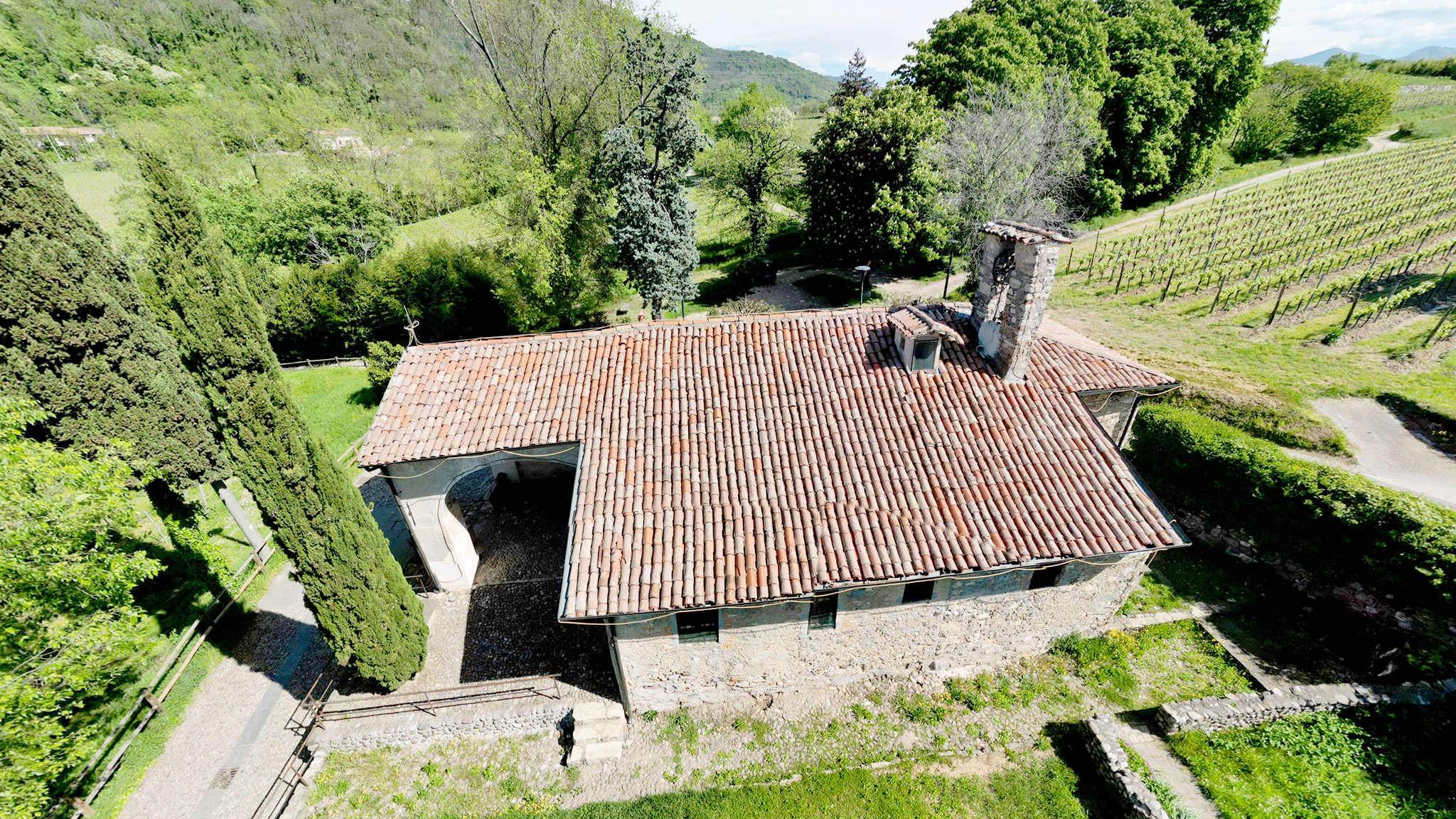
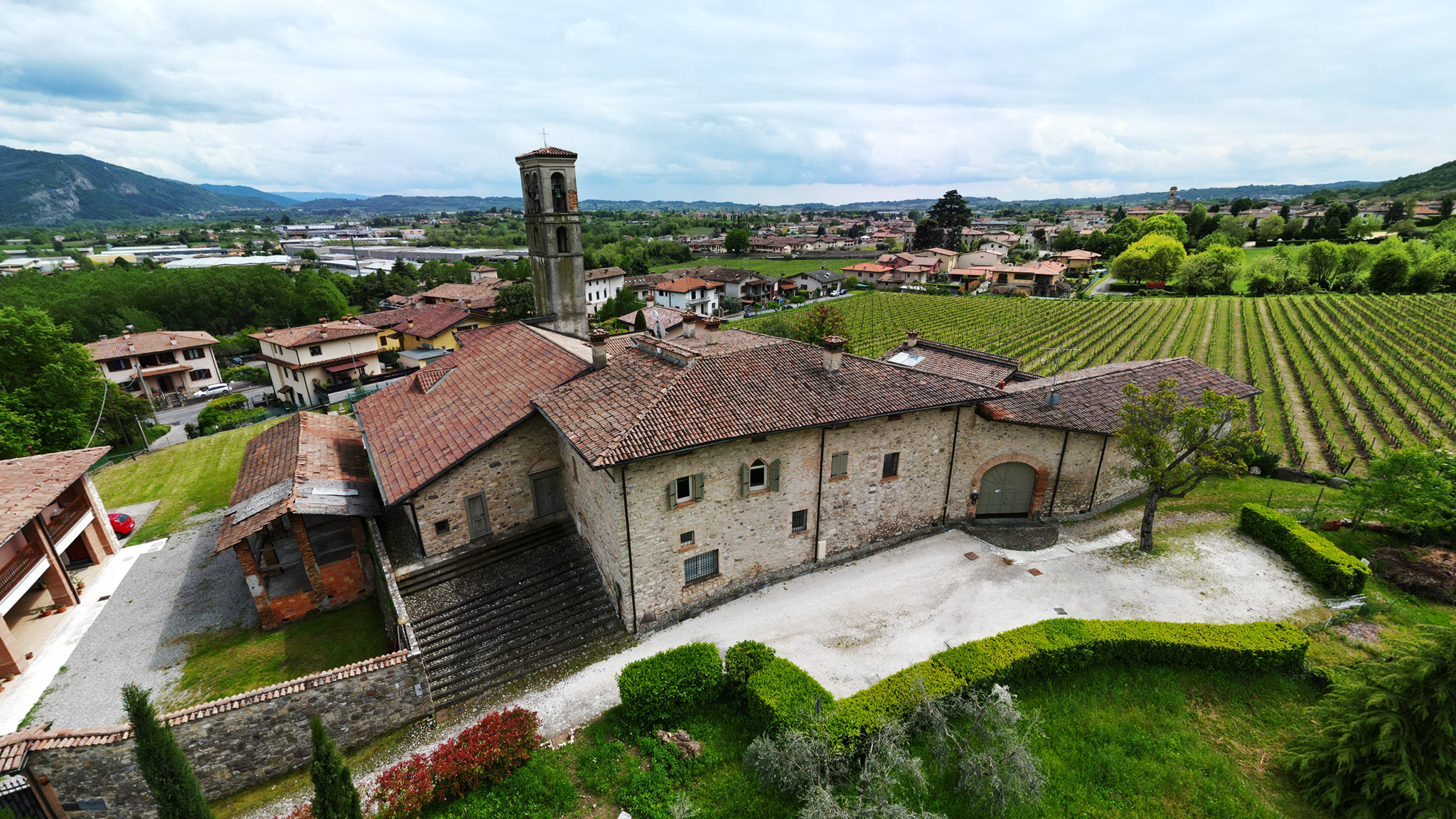
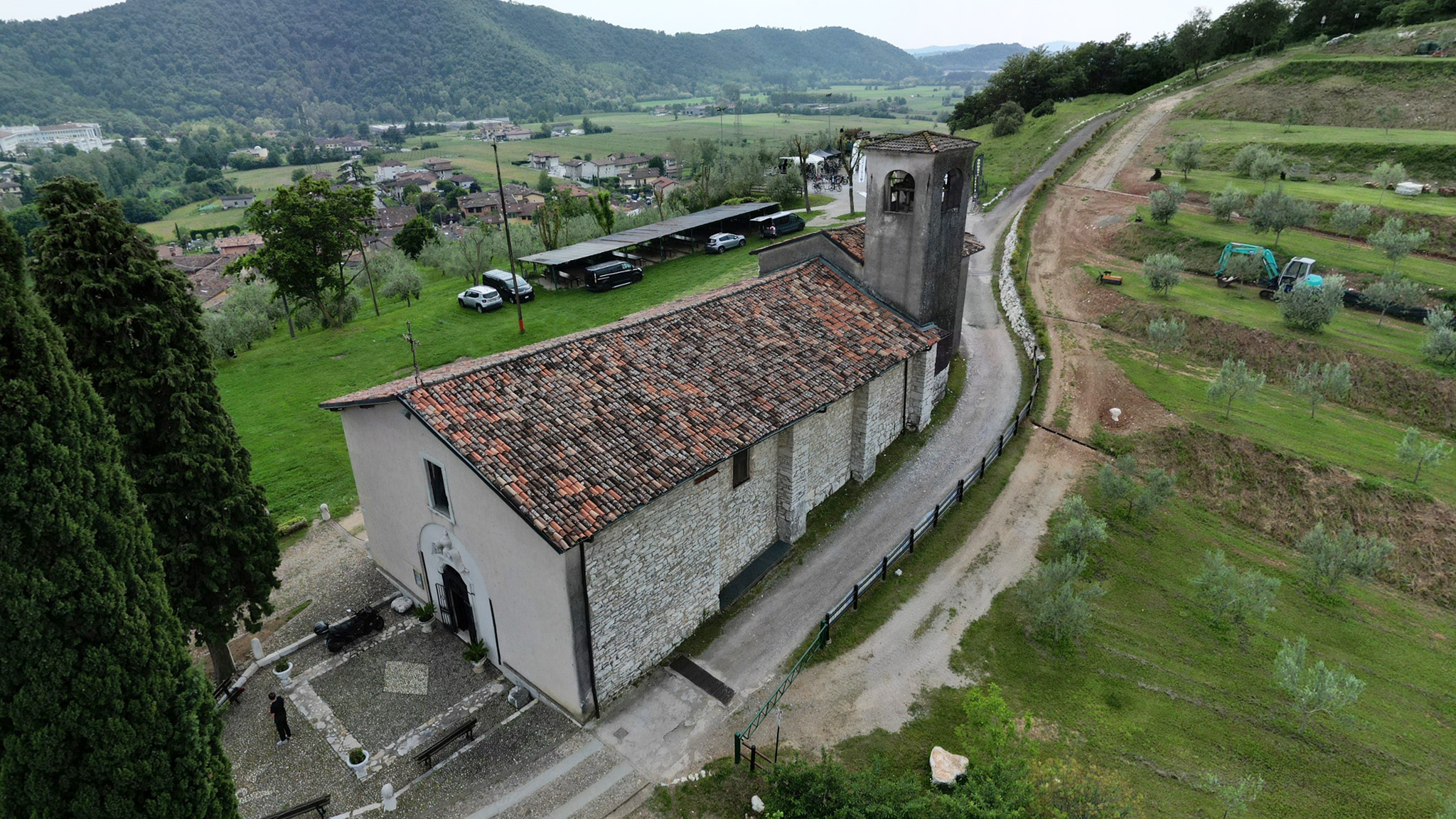
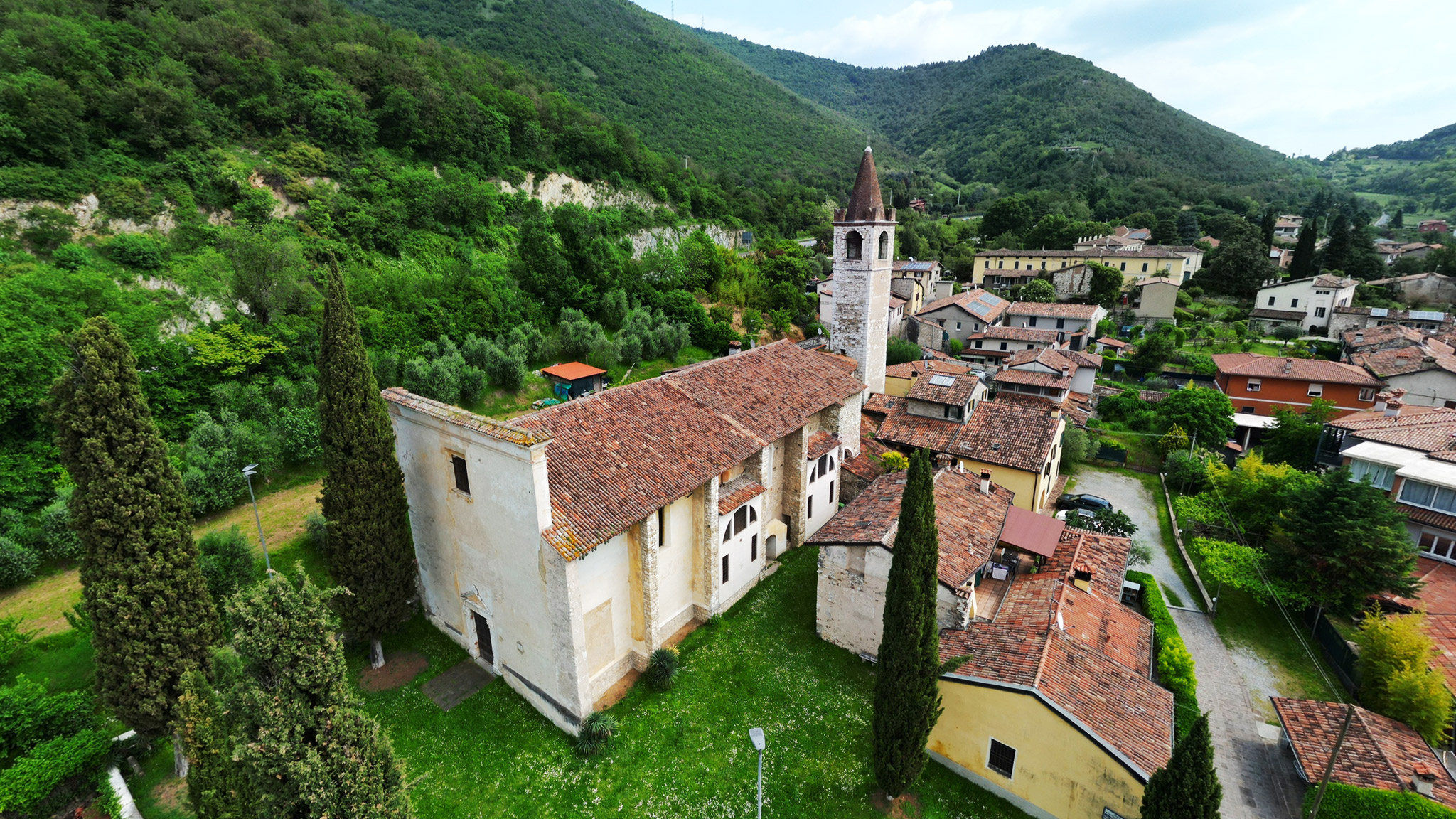
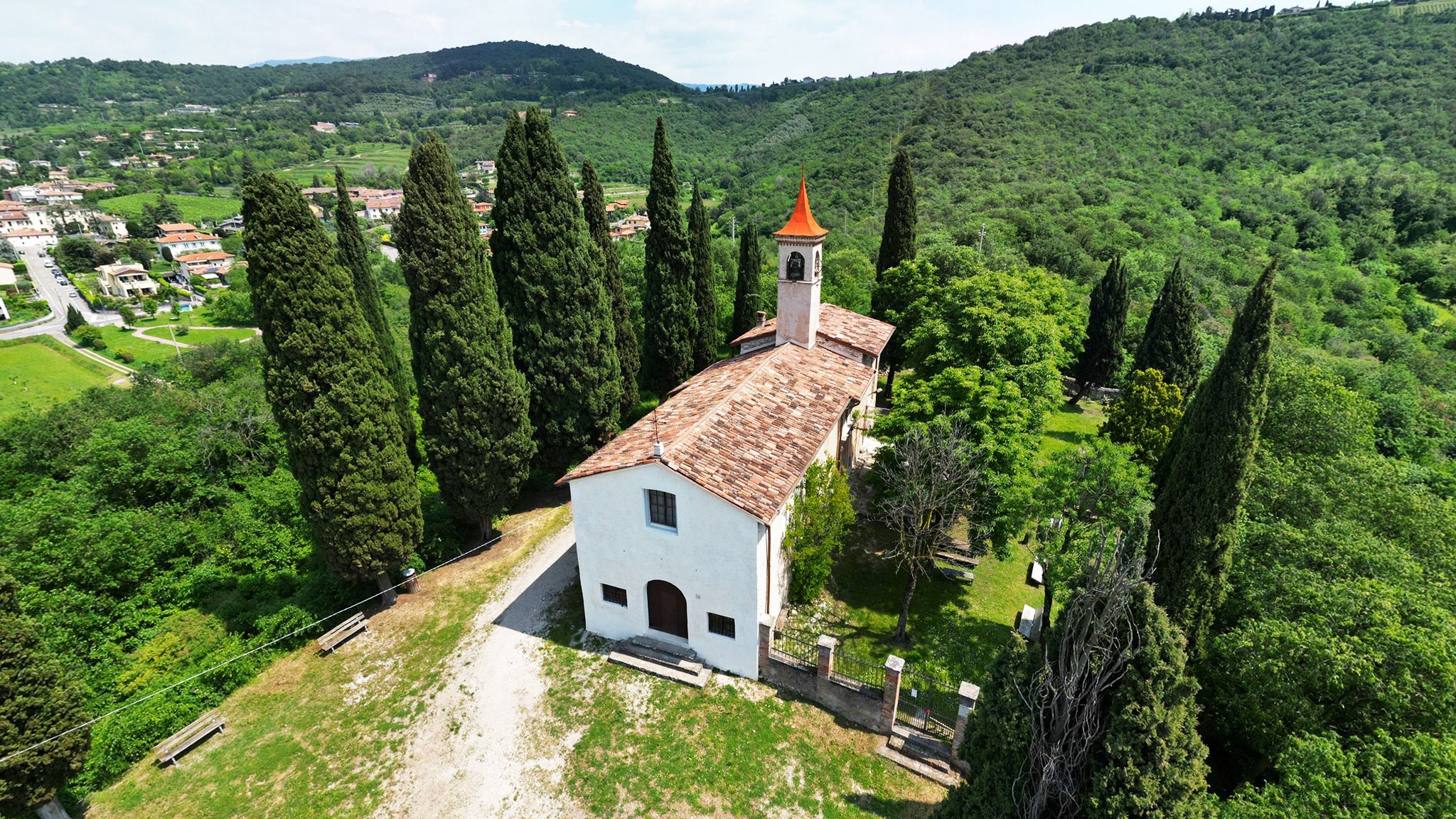
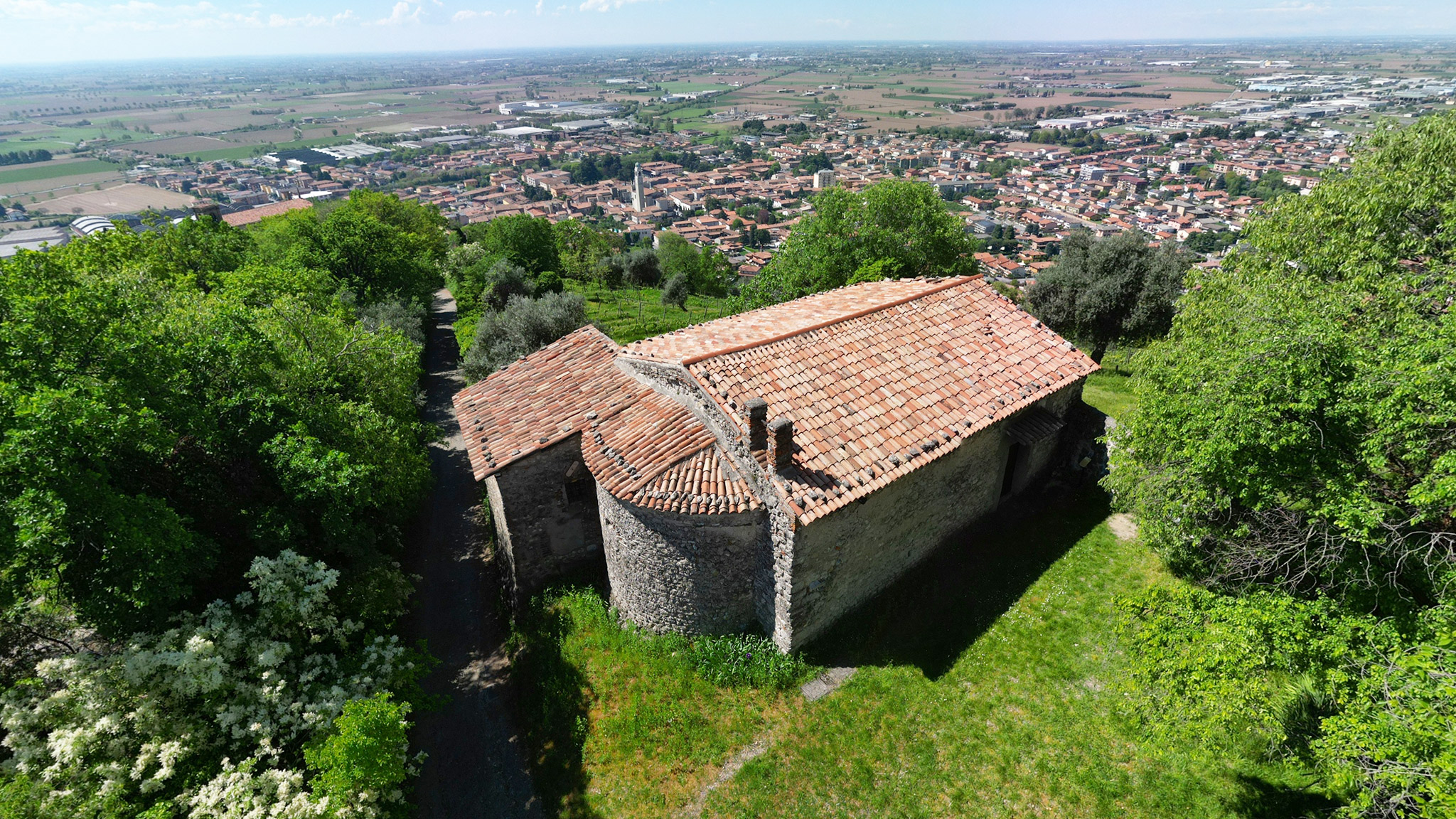
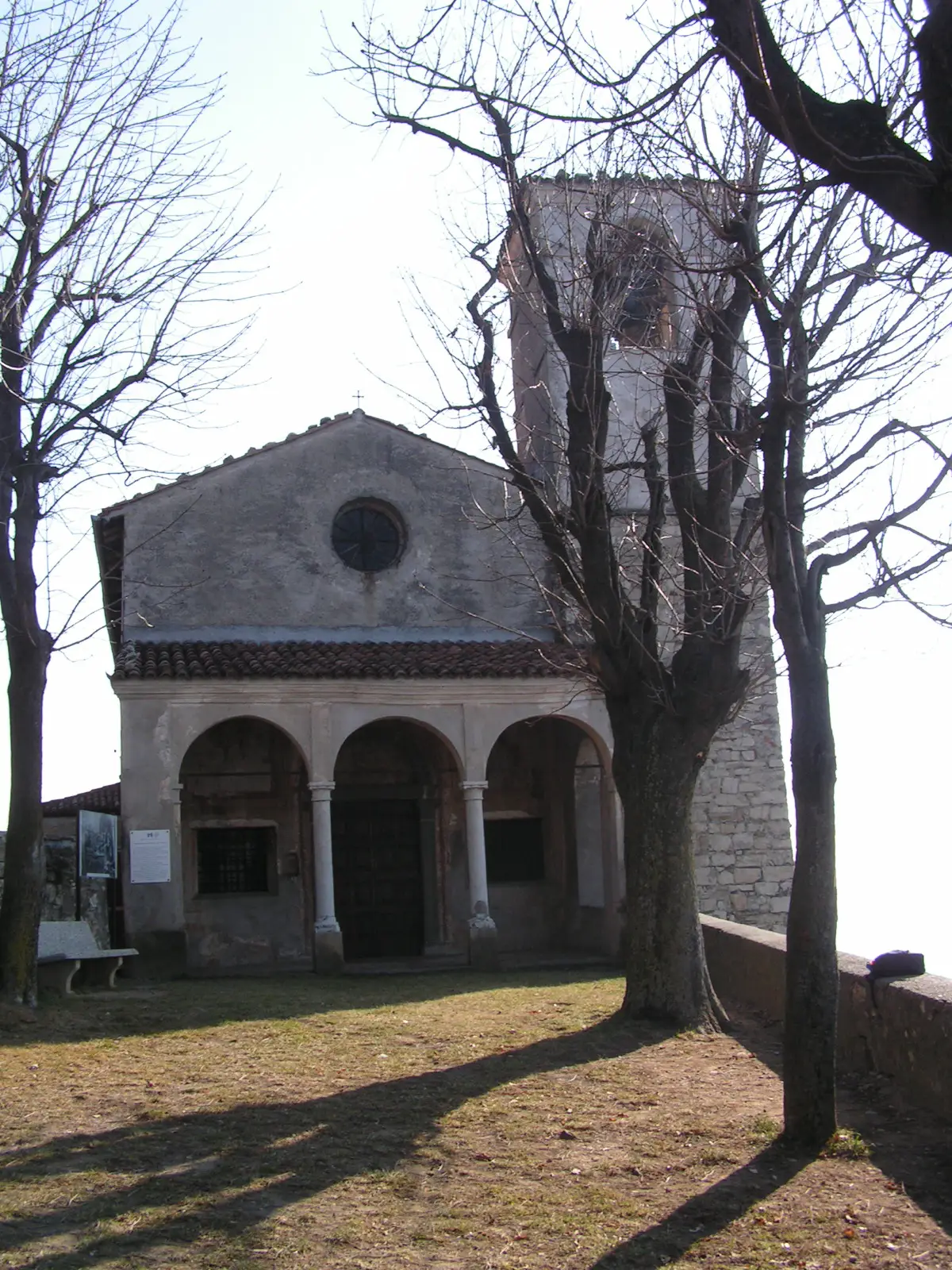
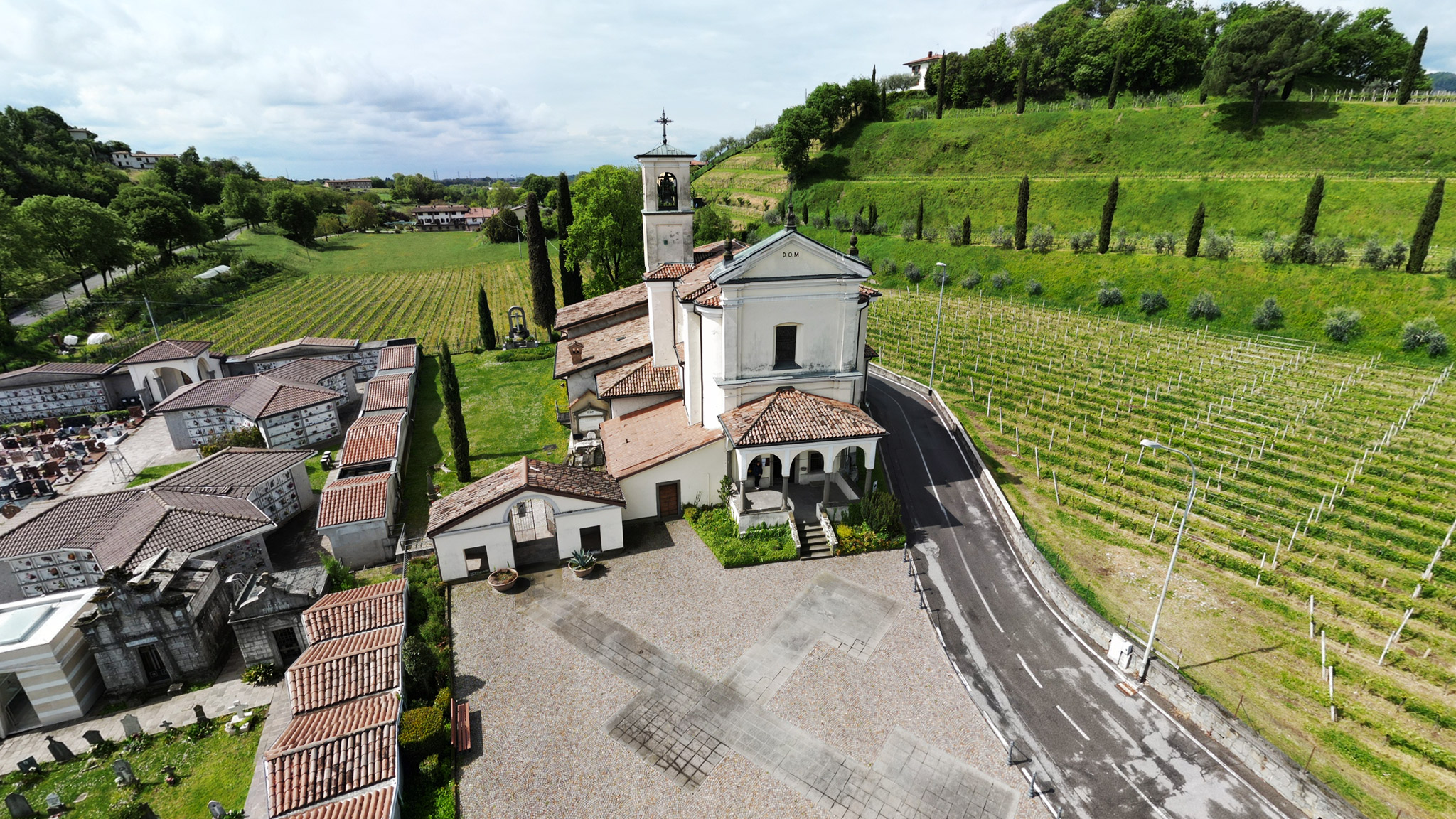
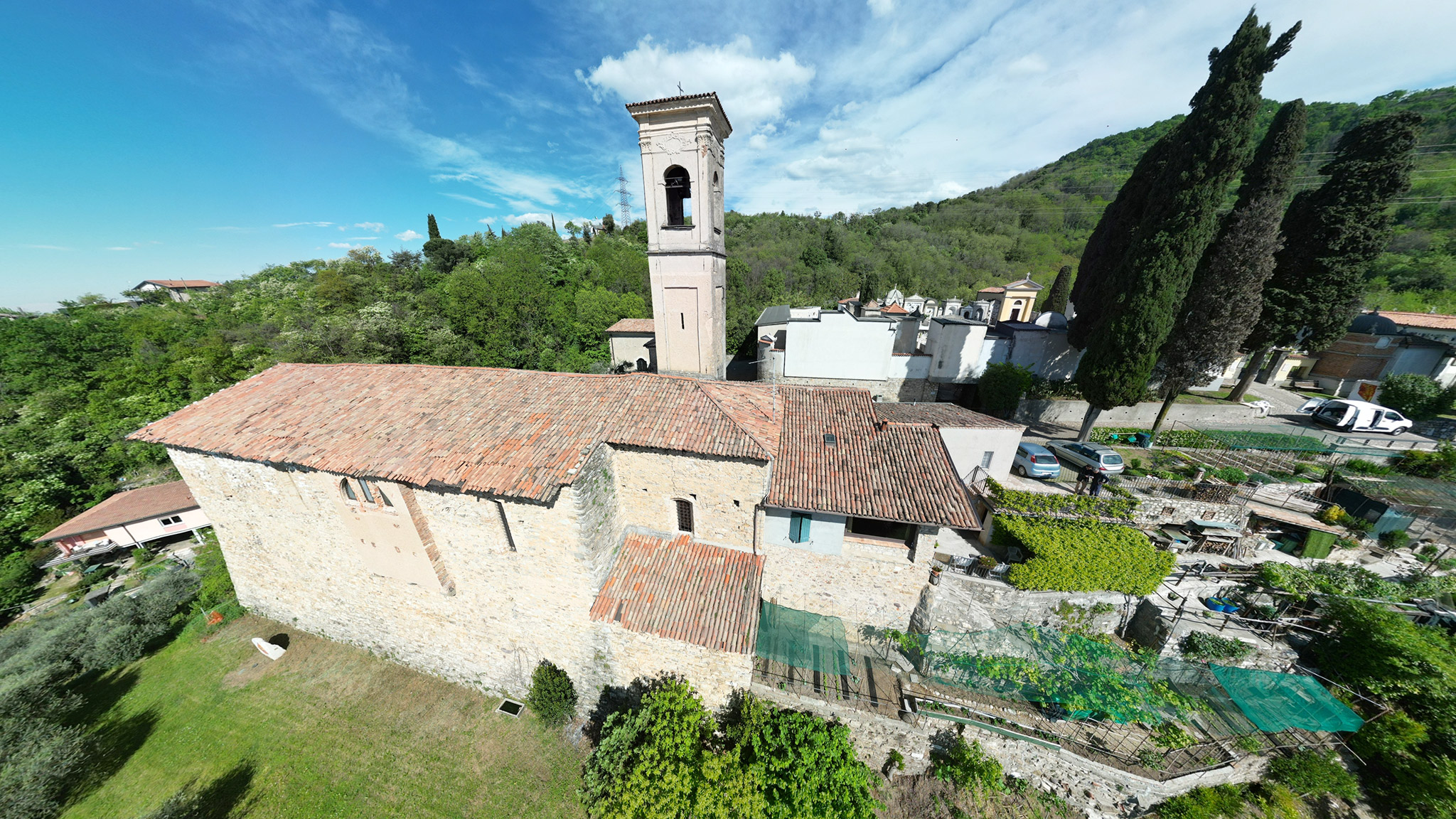
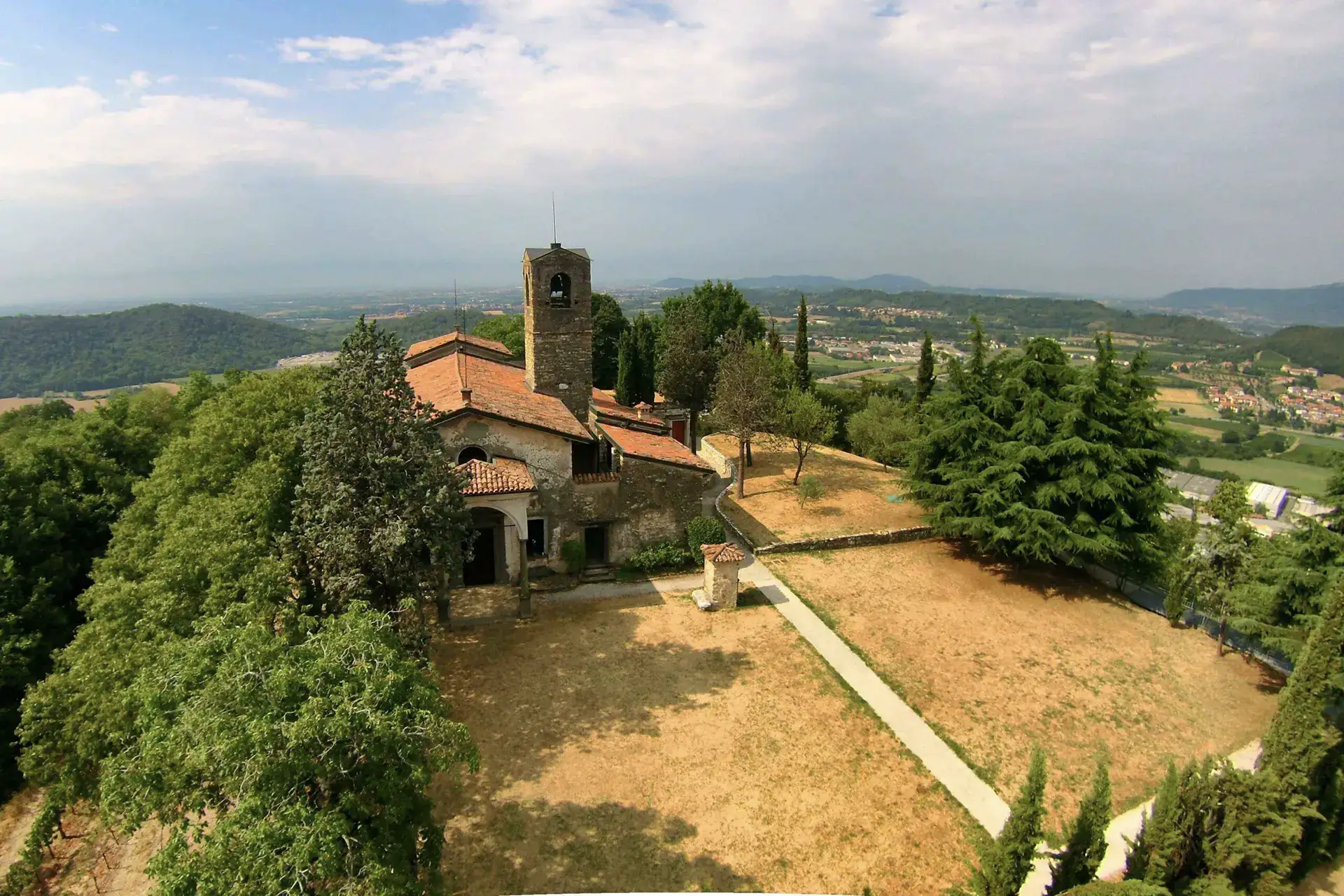
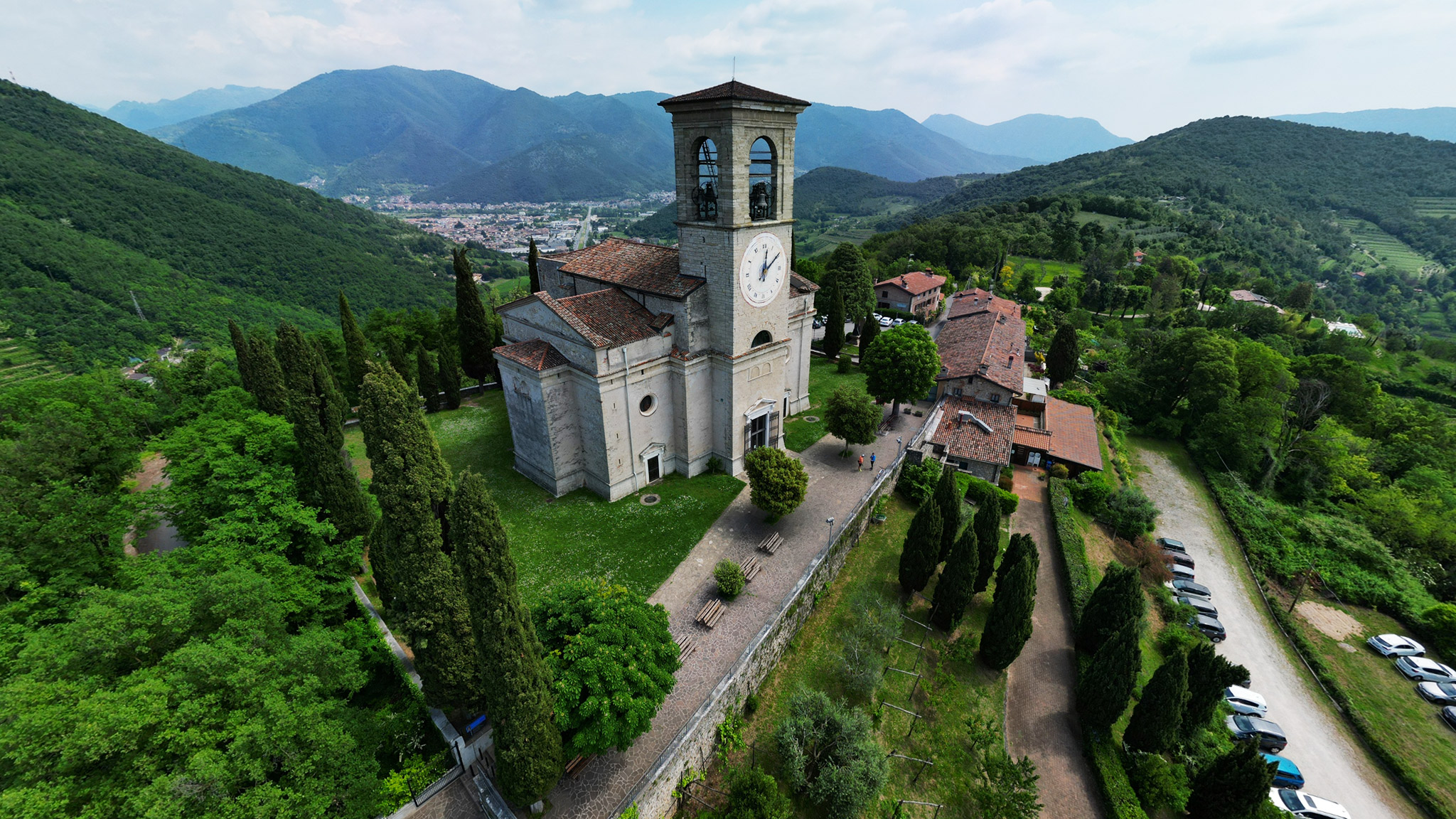
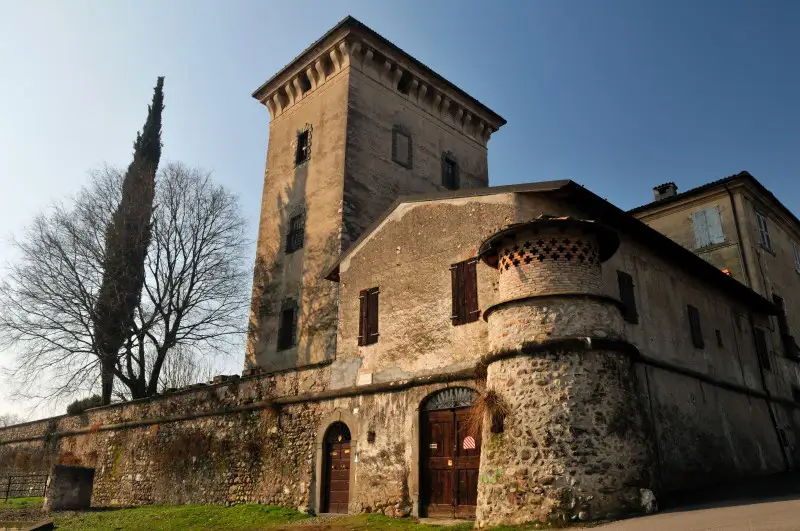
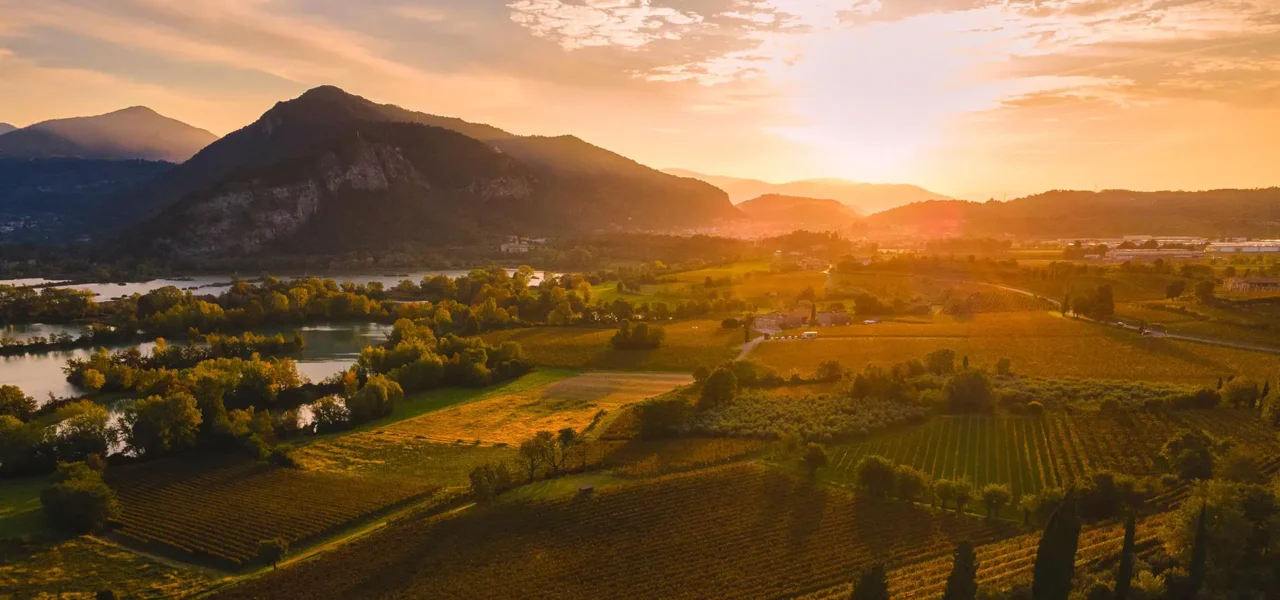
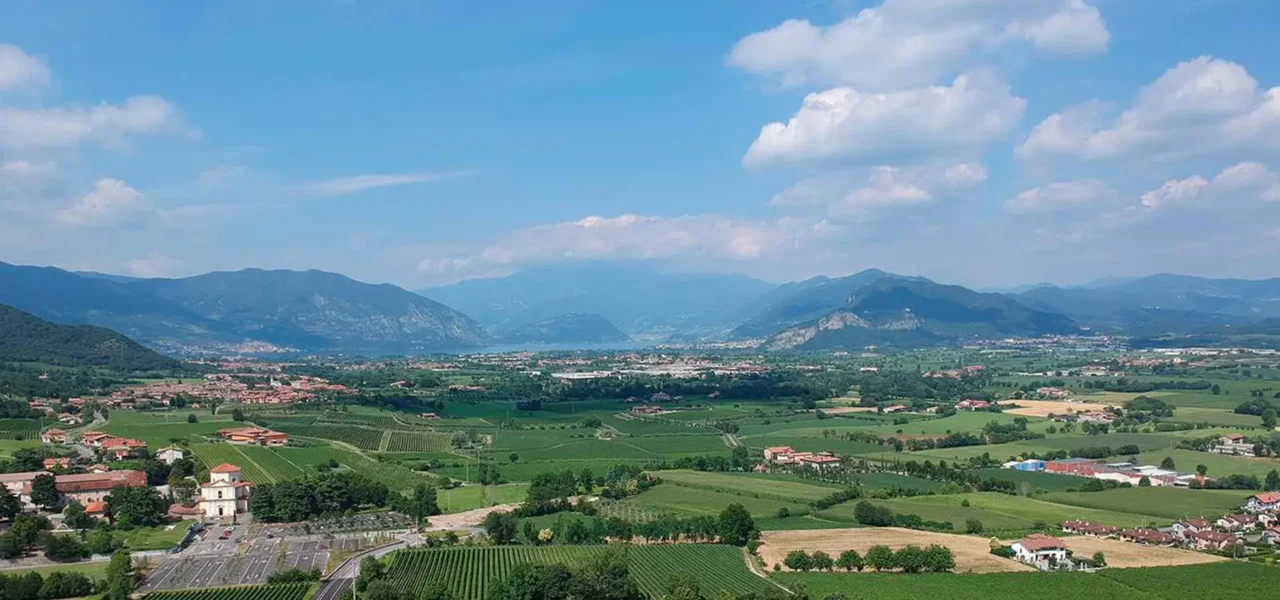
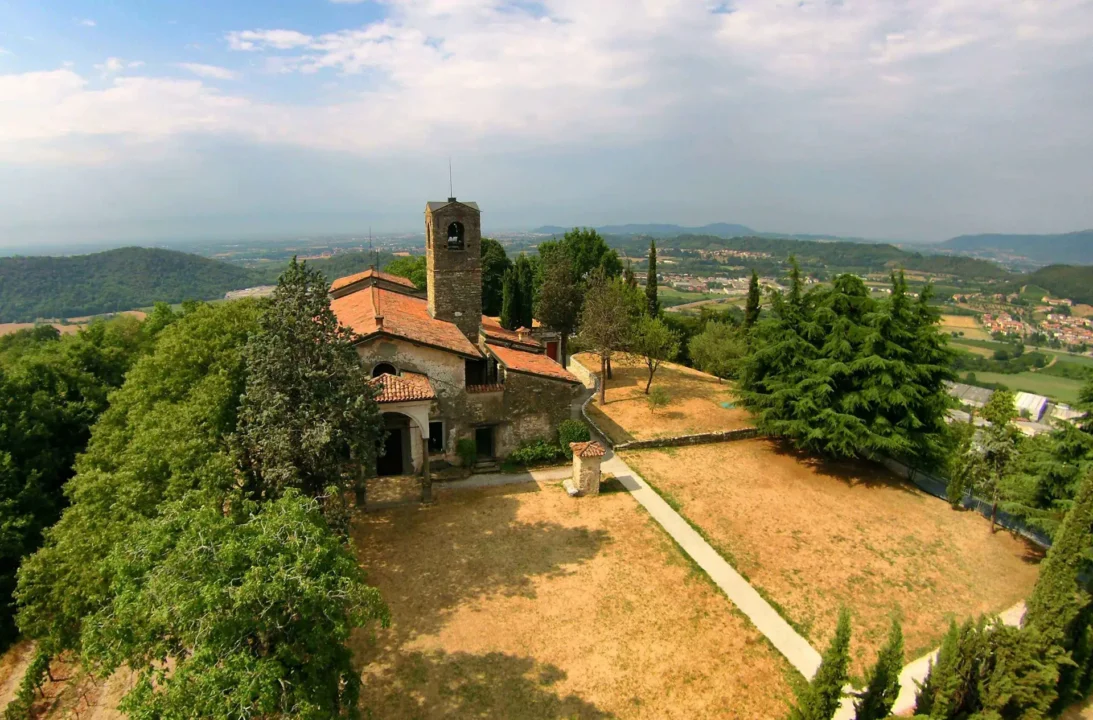
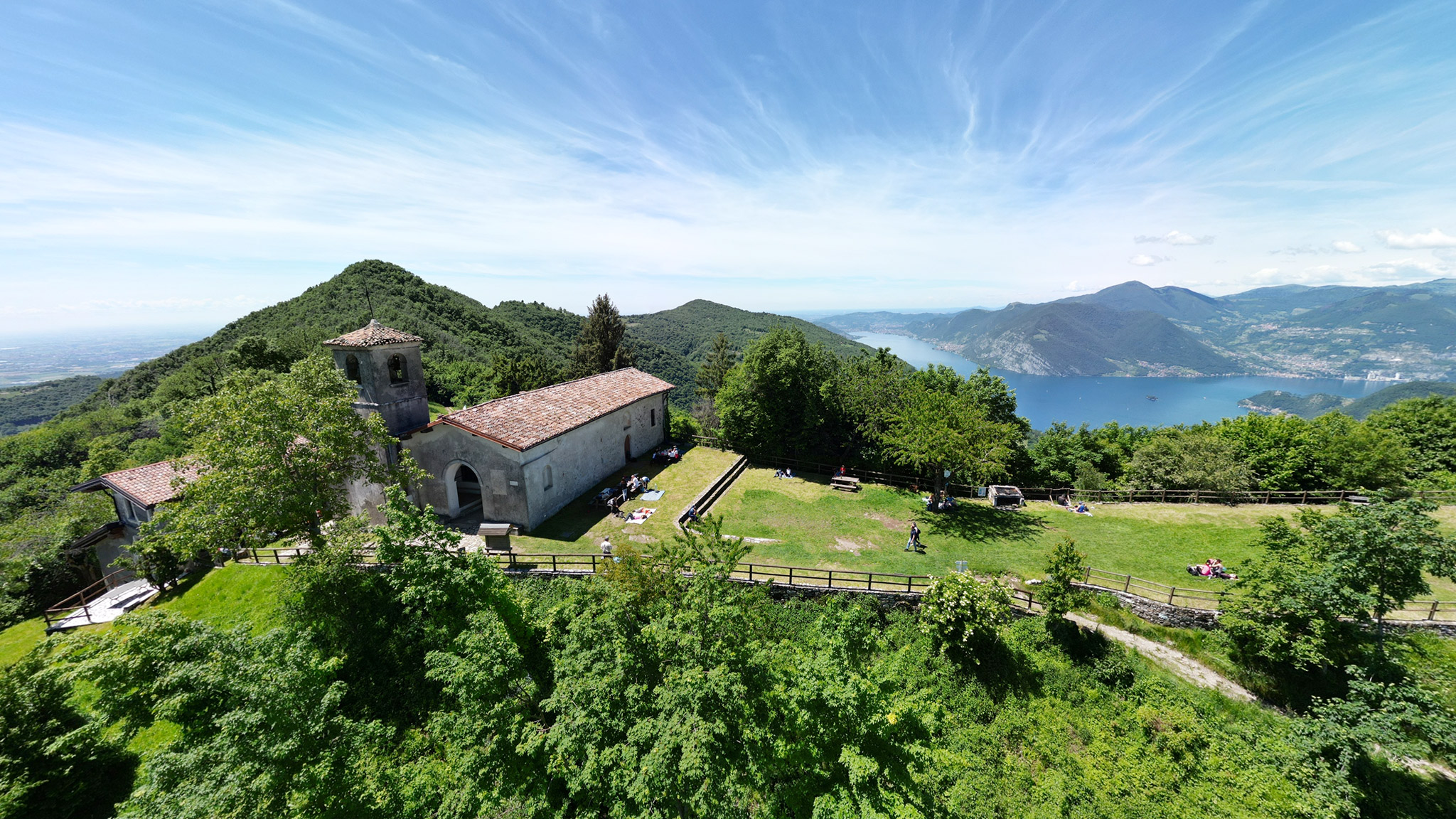
Perched on the ridge of the hills marking the border between Polaveno and Sulzano, with sweeping views of Lake Iseo to the west and the Val Trompia to the east, stands the complex of buildings known as the Madonna del Giogo, a former monastic settlement first mentioned in 1386 as the property of the Monastery of Sant’Eufemia in Brescia. It was at Sant’Eufemia, in 1508, that the seventeen-year-old Girolamo Folengo took his vows and assumed the name Teofilo; and between 1537 and 1538, having already written numerous works in macaronic Latin, he spent a period in retreat at the dependency of Santa Maria del Giogo.
Late medieval architecture and the reorientation of the building
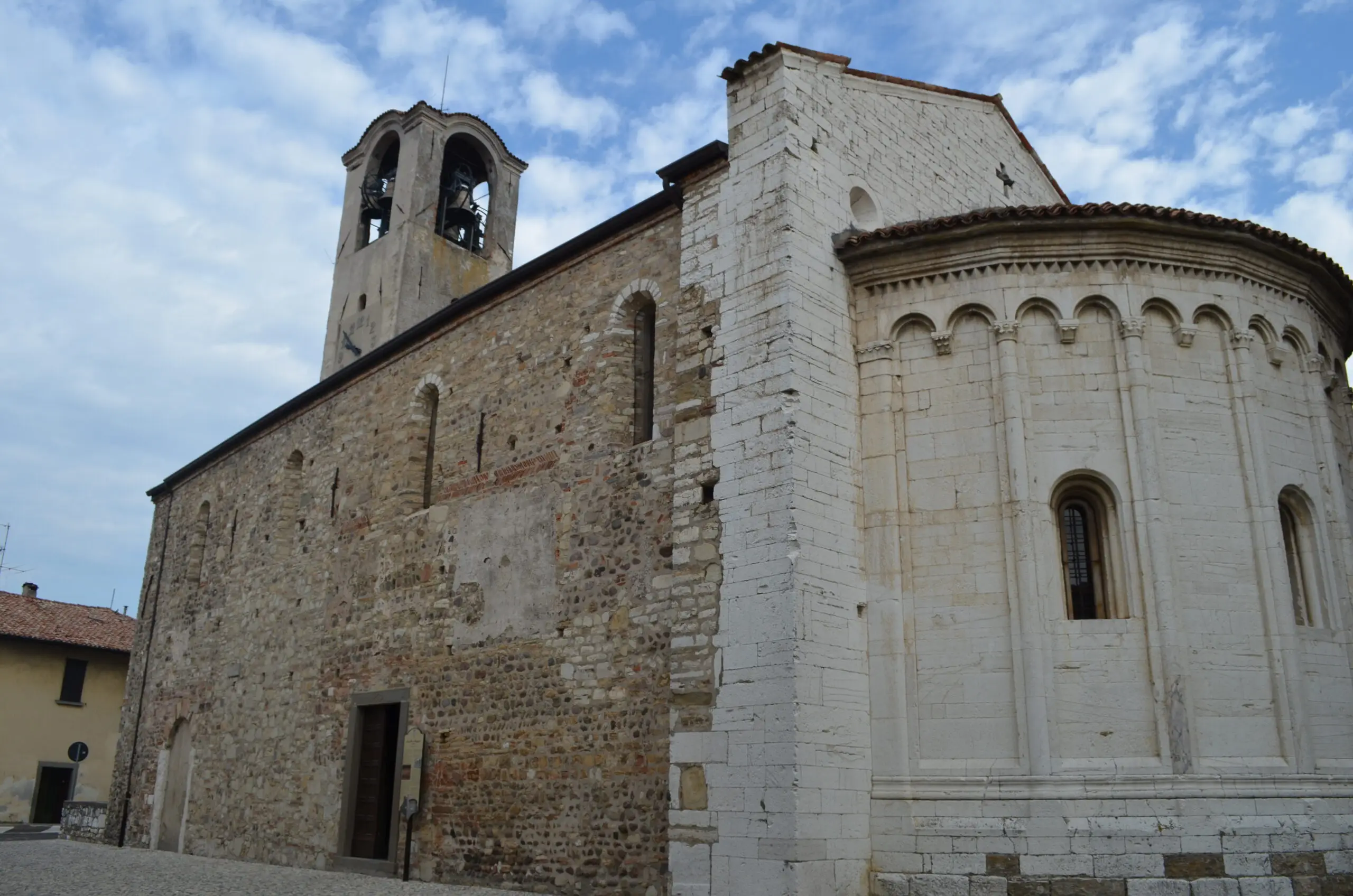
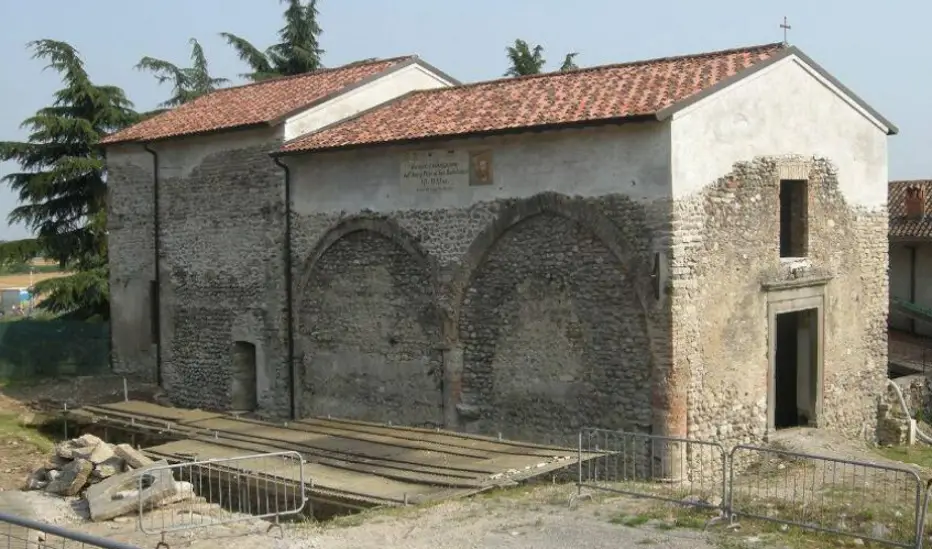
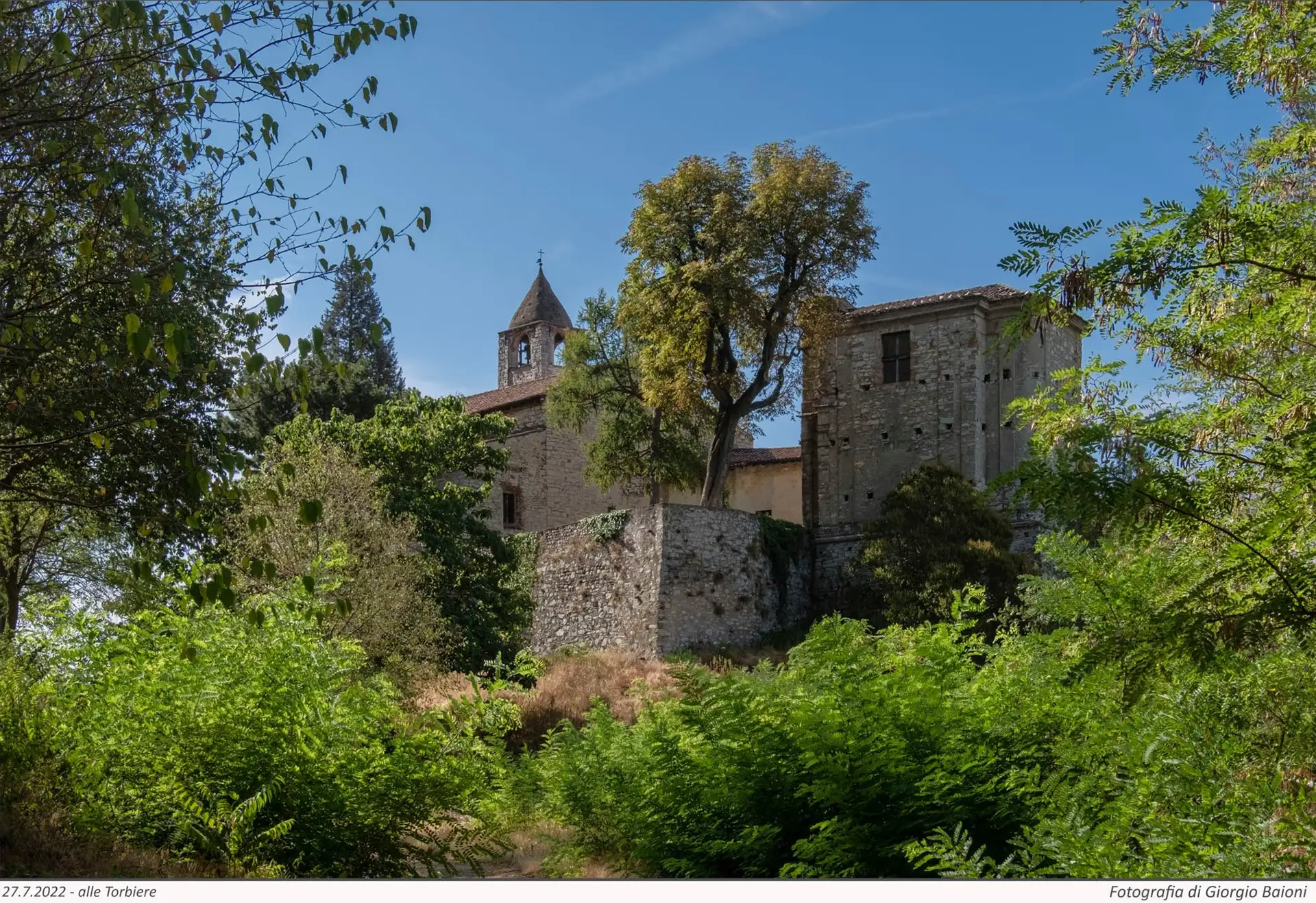
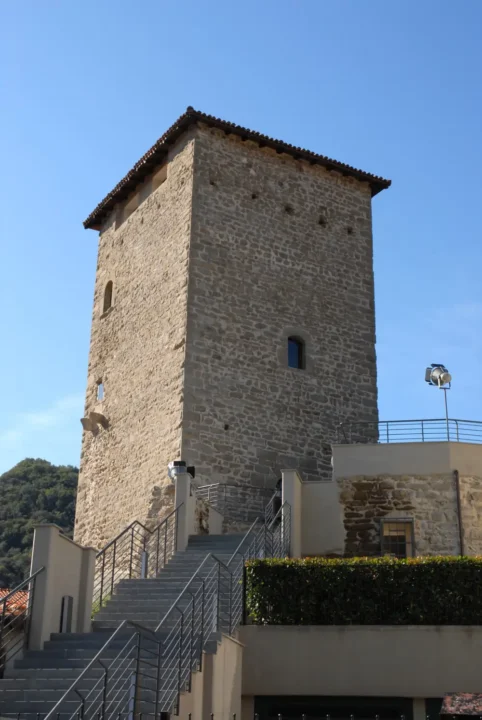
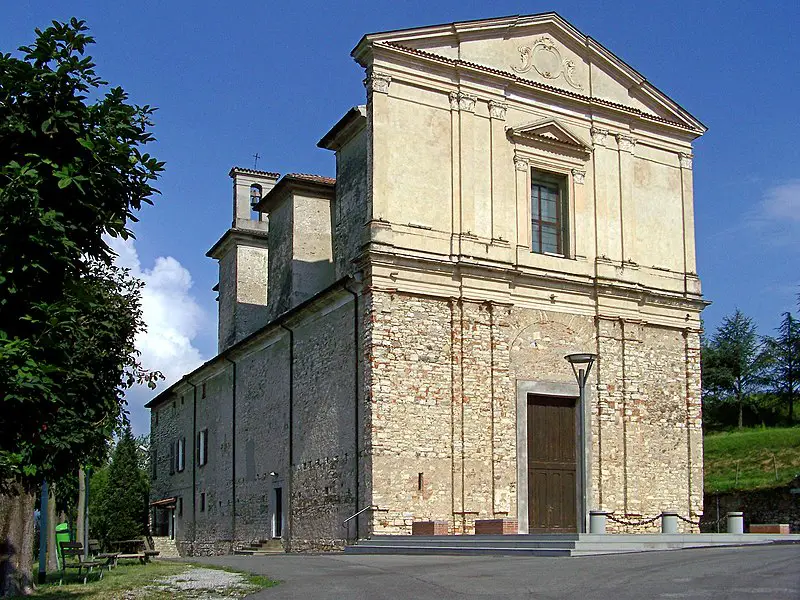
The present church probably dates from the final decades of the 14th century and is a simple building comprising a single, longitudinal nave, punctuated by buttresses supporting large transverse arches which, unlike those of a typical parish church, have a slightly pointed and markedly lowered arch. The original roof, now extensively restored, would have consisted of wooden beams and terracotta tiles, in keeping with the local late medieval tradition of religious architecture. The façade is characterised by a vaulted entrance flanked by two side chapels, which frames the main entrance and prepares the faithful for contemplation within the sacred space. The complex is completed by the massive, square and squat structure of the bell tower; its unusual position, combined with the singularity of the single-arch portico, suggests that the church was reoriented and that the original chancel was situated where the present façade stands. Such reorientation works were by no means unusual and formed part of the adaptation of medieval sacred spaces, as is also demonstrated by the nearby example of the Sanctuary of the Madonna dell’Avello in Ome.
The arrangement of frescoes between the 15th and 16th centuries
The entire surface of the church must have been completely covered in frescoes, which must also have adorned the external walls, now entirely covered by a thick layer of plaster. The interior frescoes have been preserved and are most prominent on the left-hand wall of the first bay, where various interventions, carried out between the late 14th and 16th centuries, have been superimposed upon one another, creating a veritable pictorial palimpsest spread across several overlapping layers. Alongside the images of the Virgin Mary, to whom the church is dedicated, are saints invoked for their miraculous powers, such as Saint Lucy, Saint Bartholomew and Saint Roch, a relatively new saint invoked against the plague. Of all the surviving panels, the one depicting the Last Supper is particularly interesting; situated on the second register and belonging to an older layer of painting, it was overlaid in the early 16th century with a sacred conversation. It displays a particular liveliness in the depiction of the laid table, complete with jugs, plates and cutlery that stand out against the snow-white tablecloth. But the most significant panel is the Madonna and Child, the first panel of the second register: the Virgin, a slender and elegant figure, seated on a Gothic throne and surrounded by angels who are unfurling a ceremonial drape behind her, bears a strong resemblance to the San Siro (Cemmo) polyptych attributed to the so-called Maestro Paroto, a cultured and prominent exponent of late Gothic art.
The Baroque church and the wooden statues
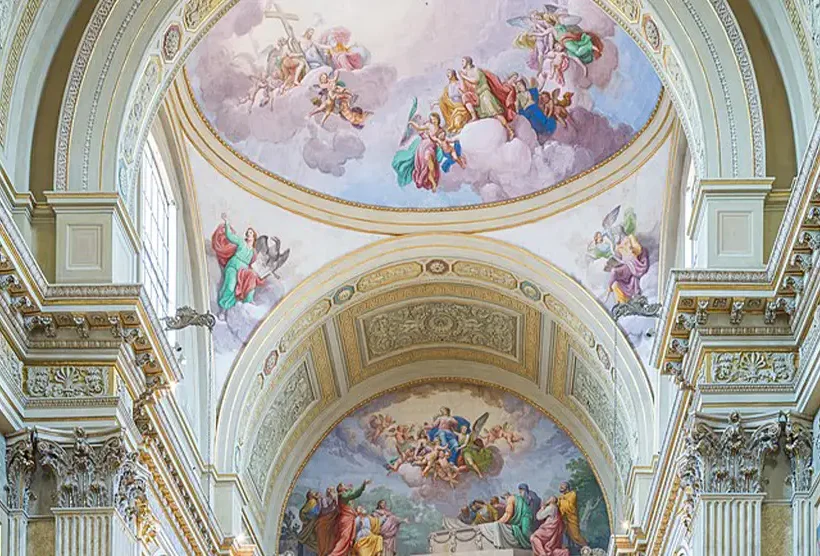
At the far end of the chancel, the altar is surmounted by a classical-style awning, now completely plastered over, featuring a curved pediment supported by a pair of columns, with a richly ornamented frieze, which frames, in the centre, three niches housing wooden statues: the central image of the Virgin is a recent work, a 20th-century piece from the Poisa workshop, but the two saints flanking her, Benedict and Bartholomew, although heavily restored, are products of 17th-century sculptural tradition.
Links and useful information


Opening hours: open every Sunday
Free admission
Publicly owned property