Church of St. Maria in Zenighe
- Home
- /
- Arte e cultura
- /
- Parish Churches and Sanctuaries
- /
- Church of St. Maria in Zenighe
Santa Maria a Zenighe: Early Medieval Origins and 9th-Century Sculptural Reuse
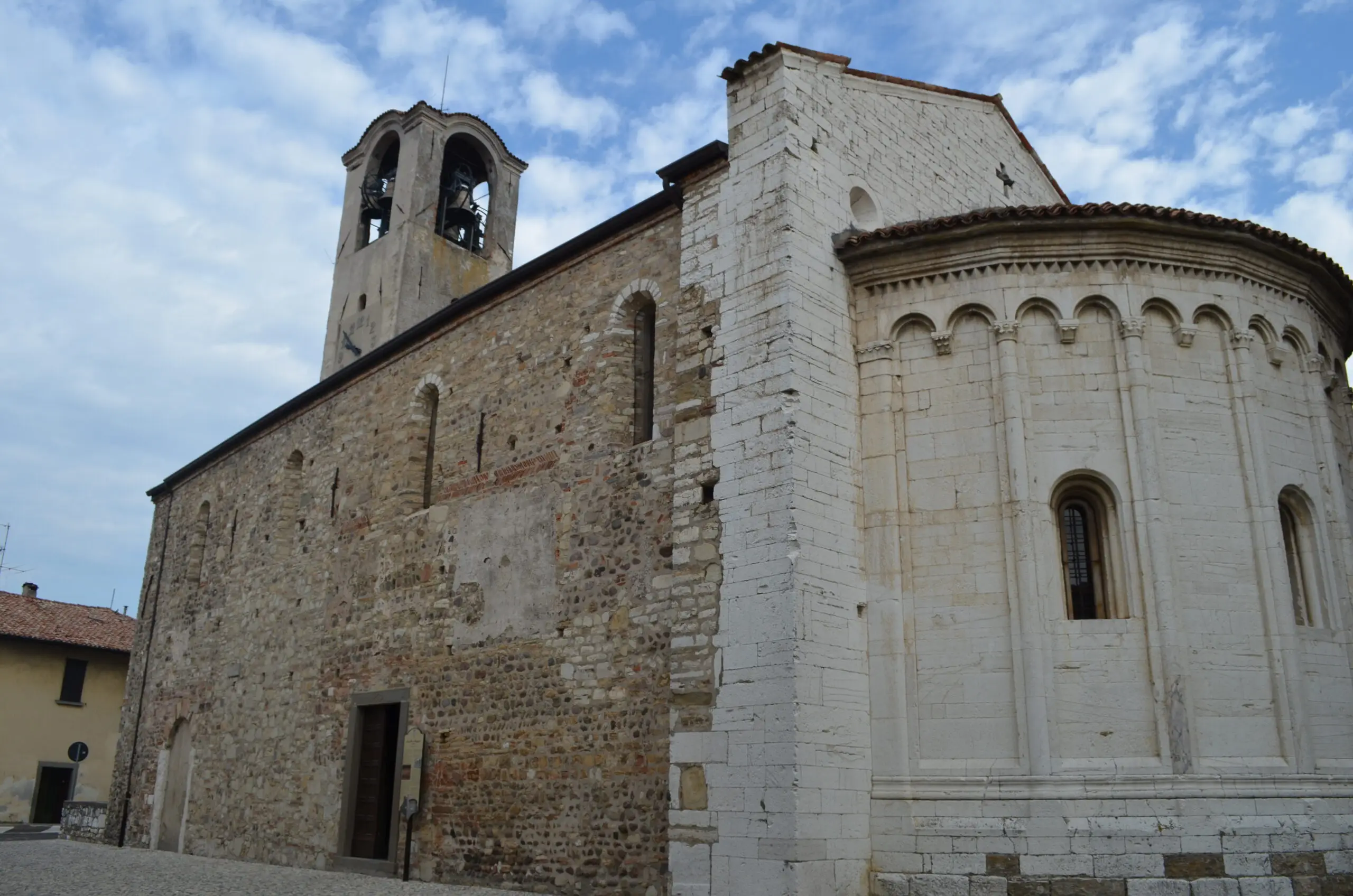
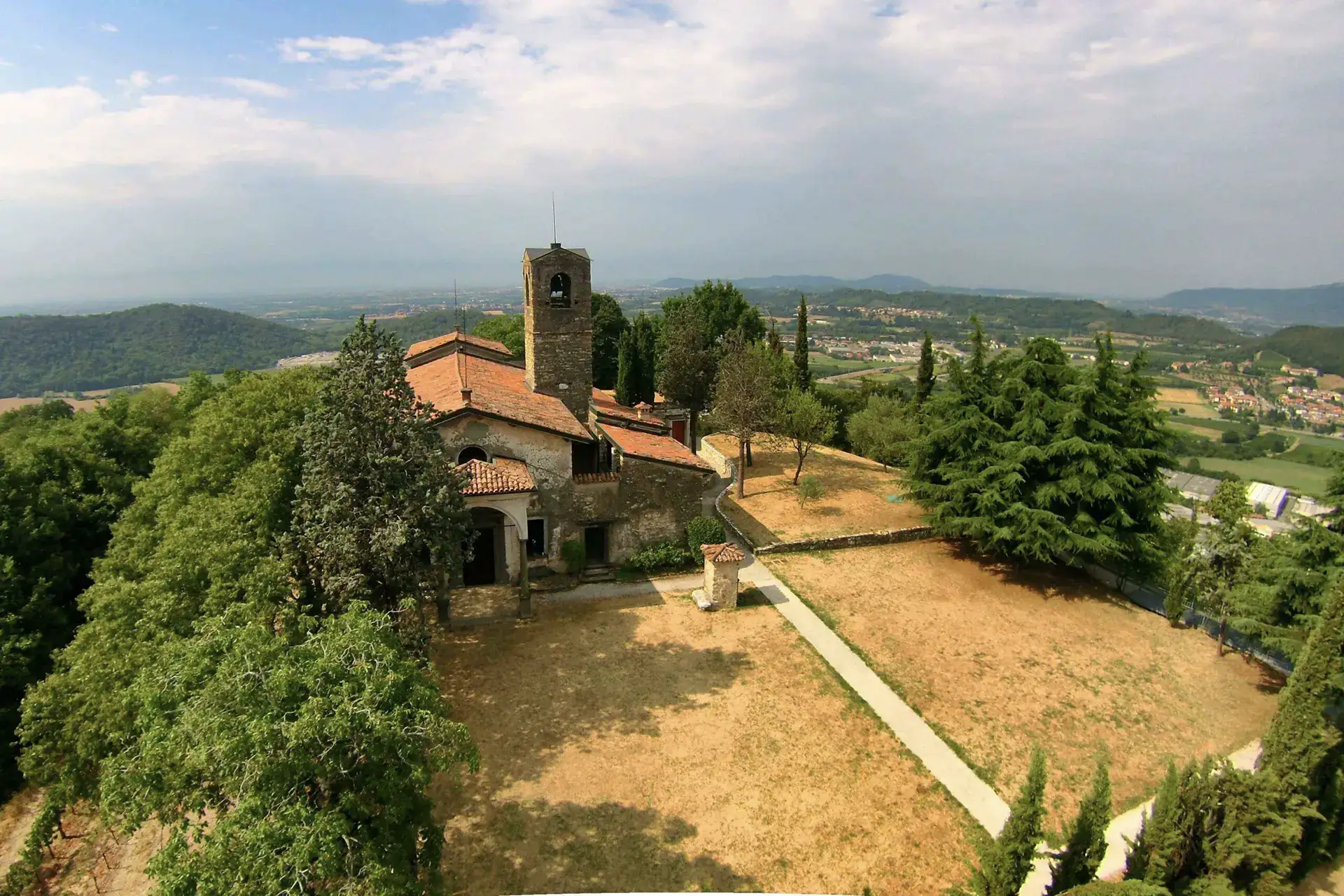
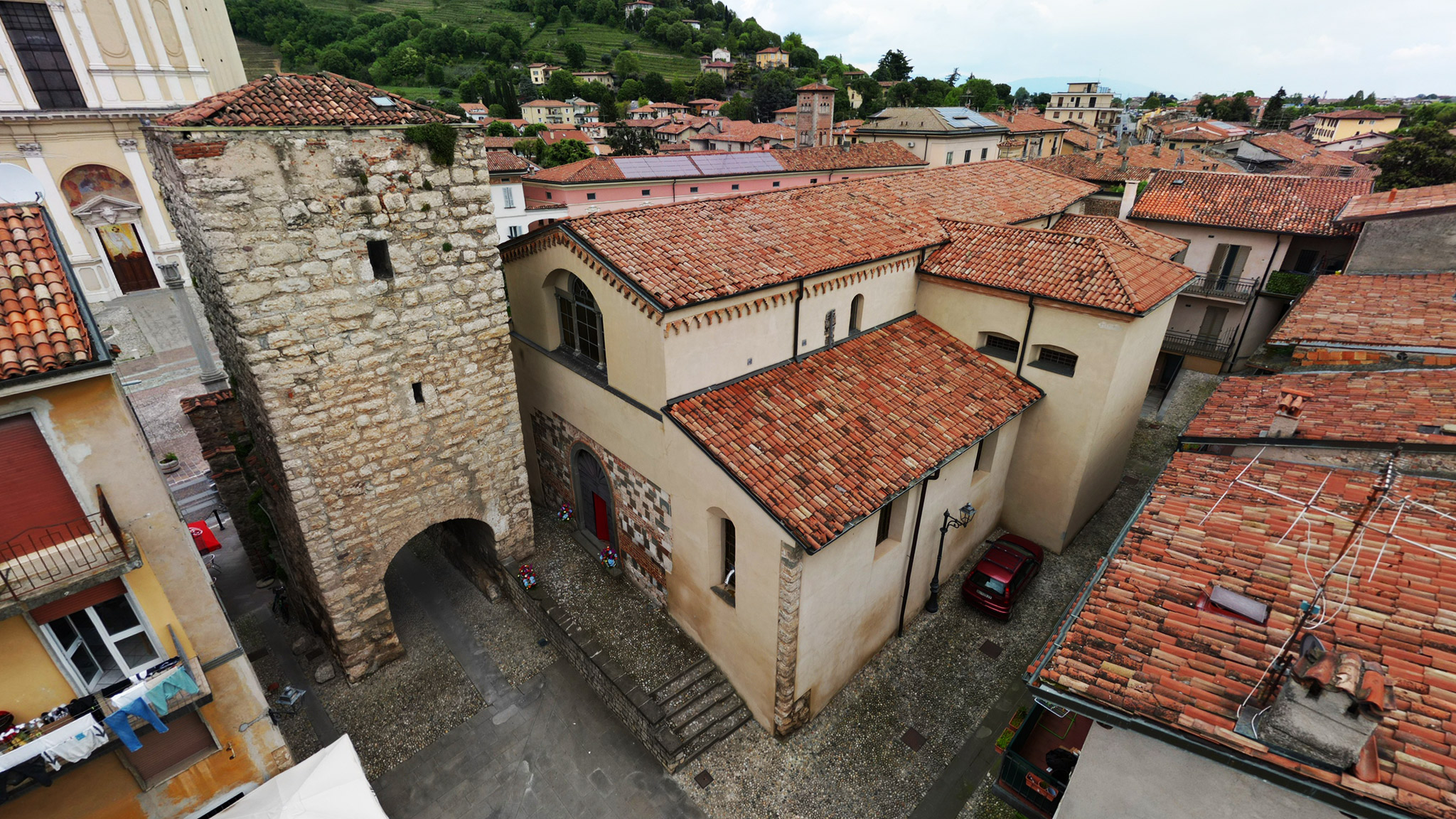
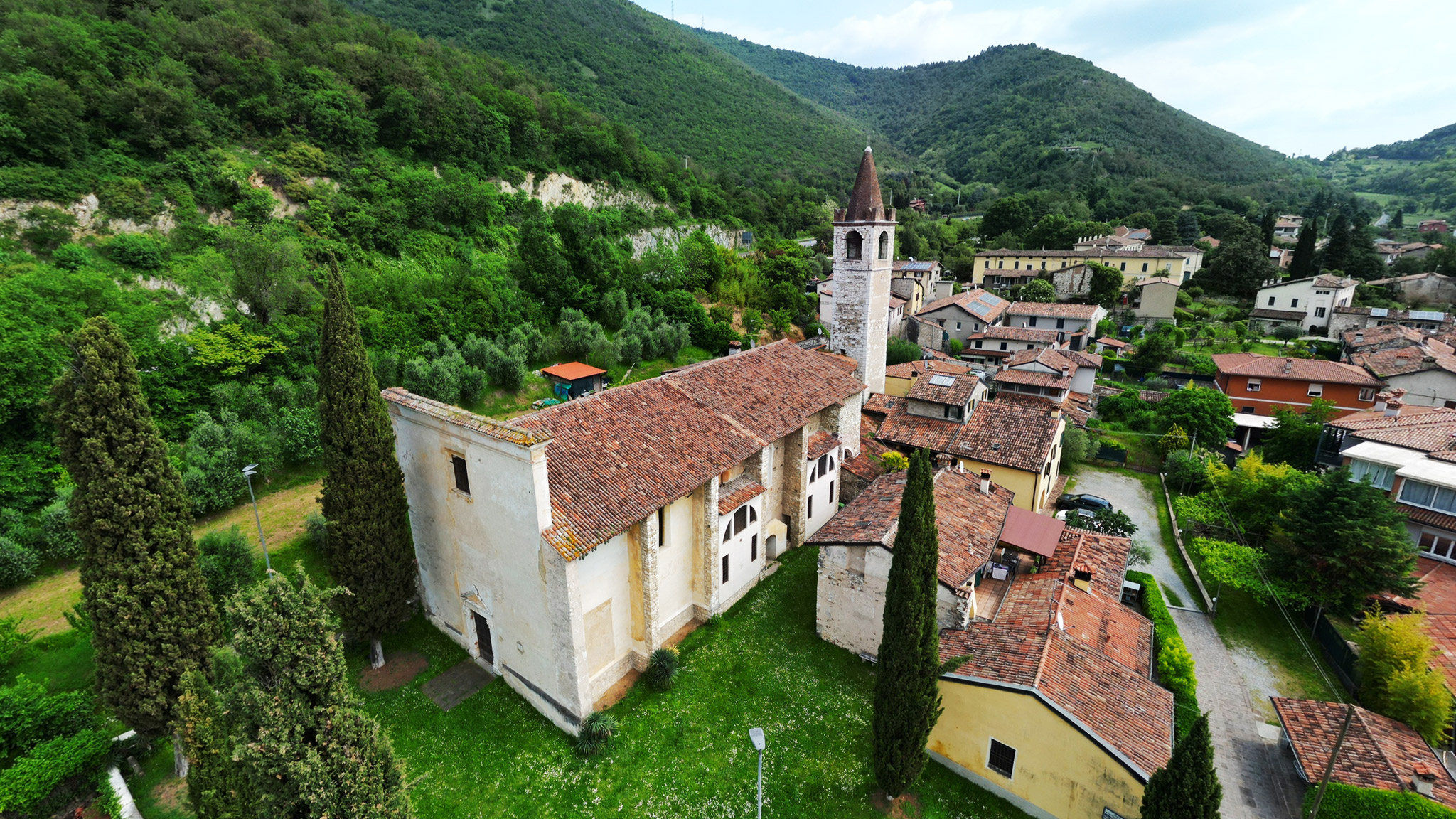
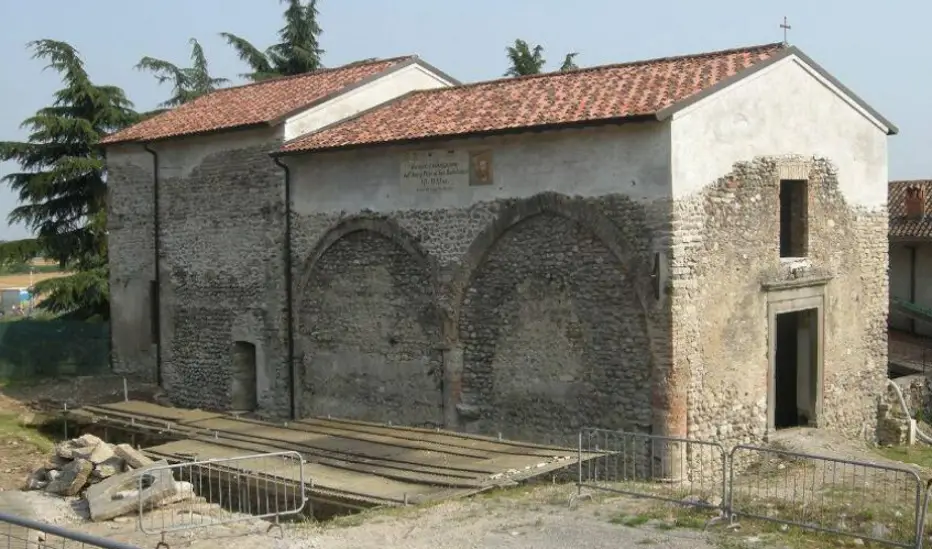
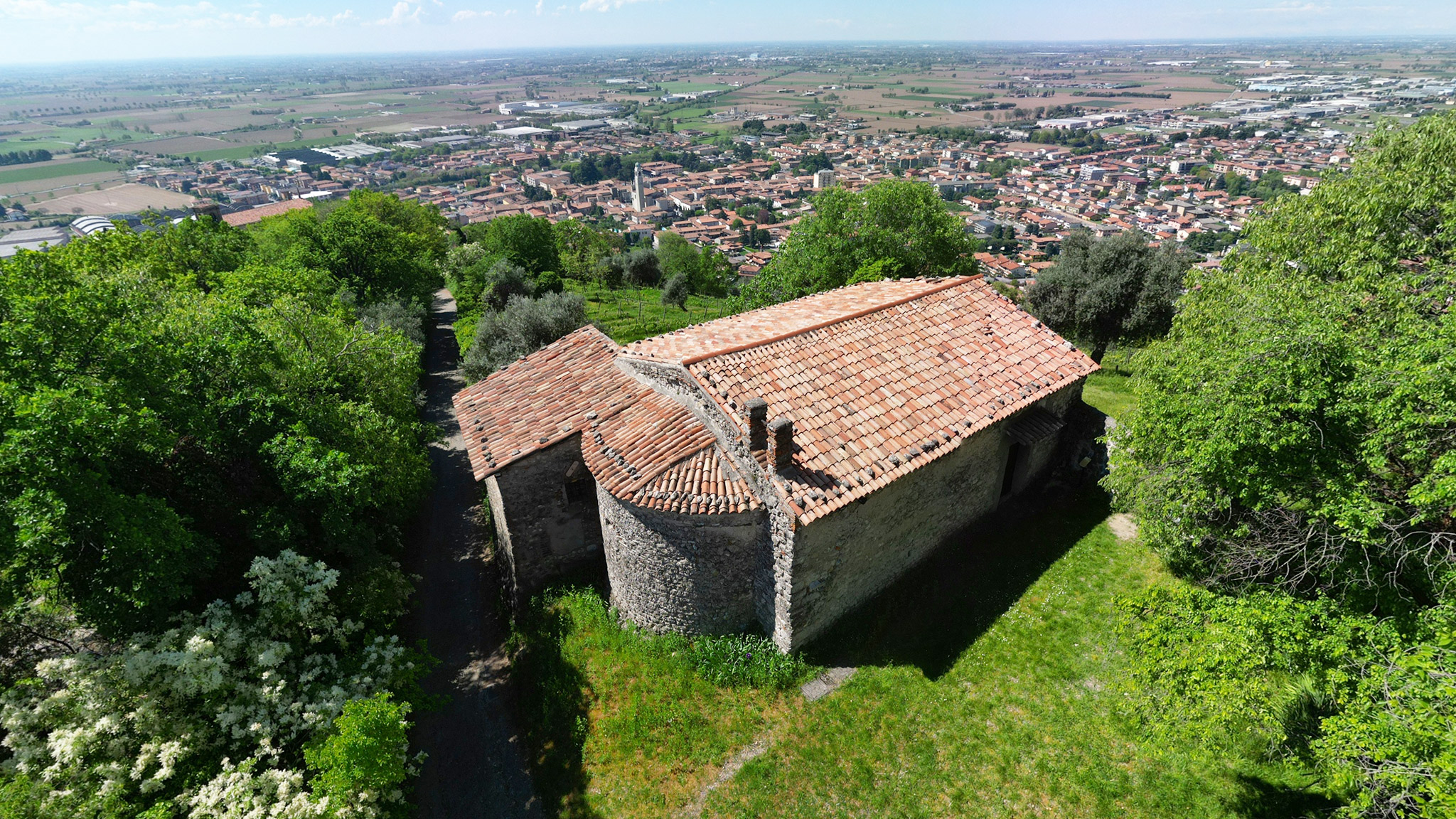
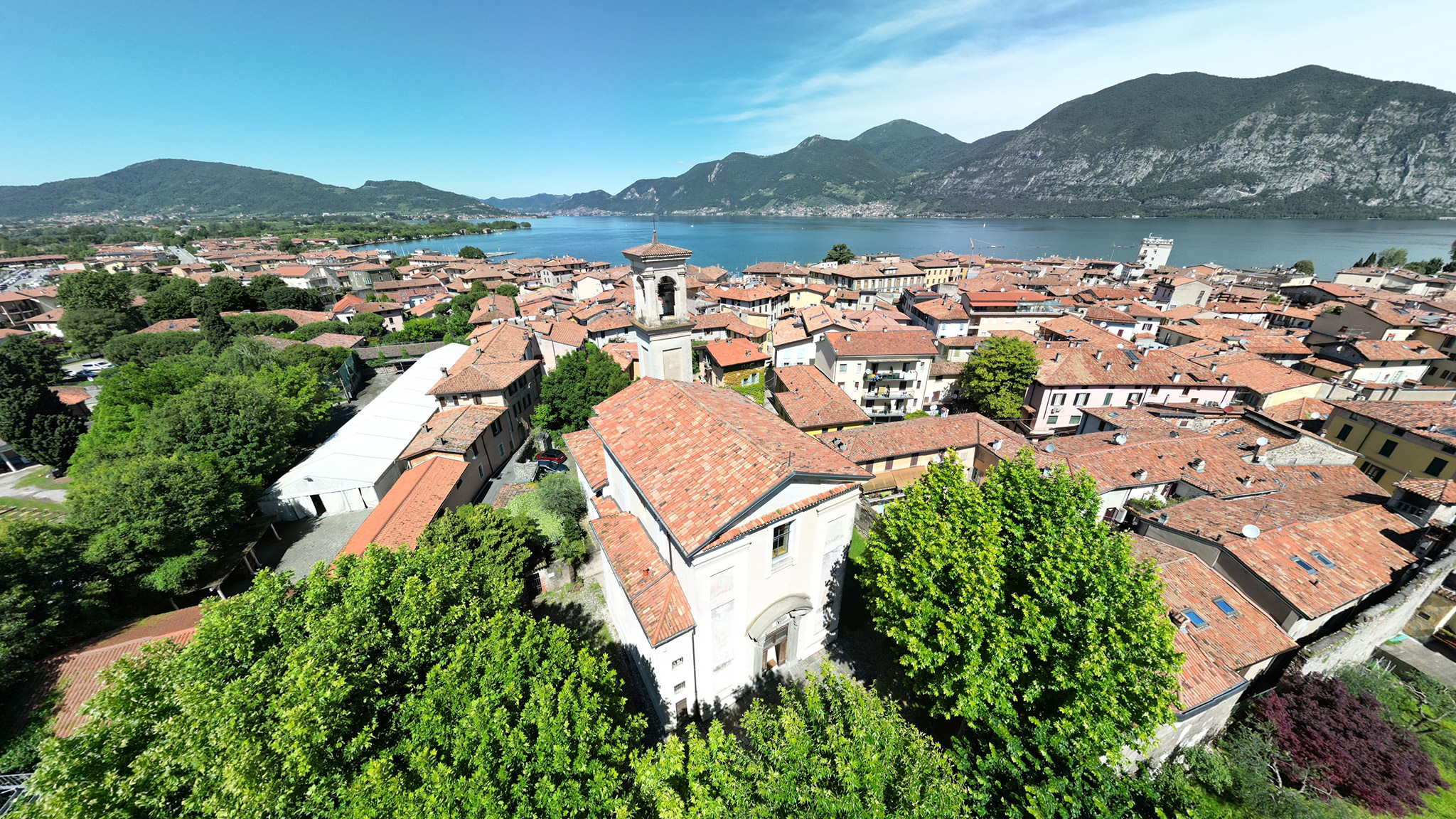
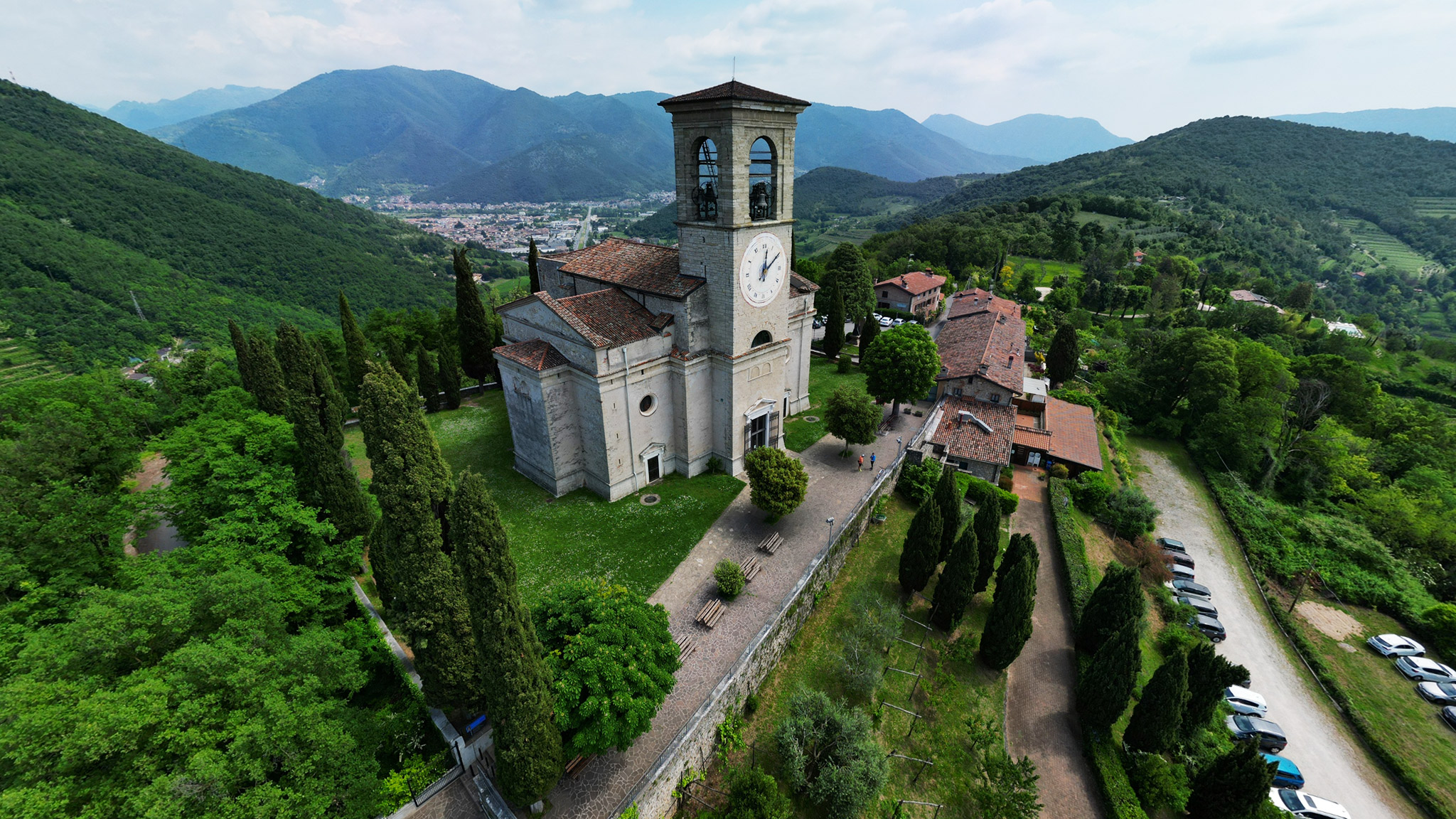
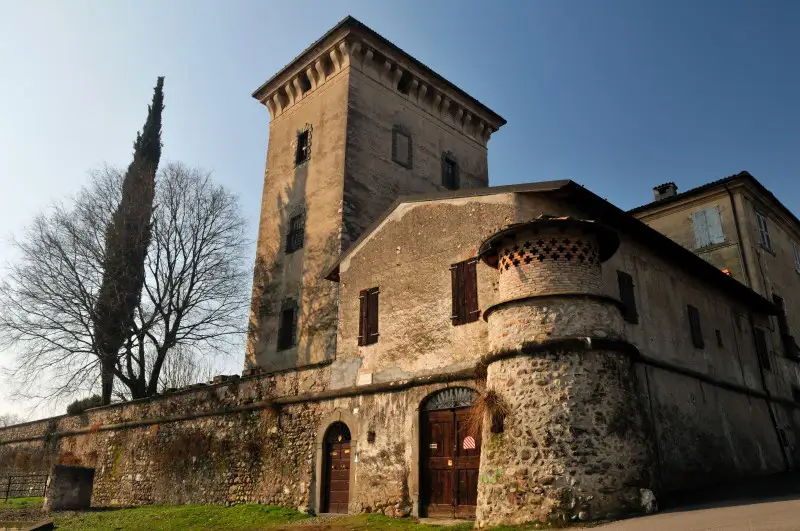
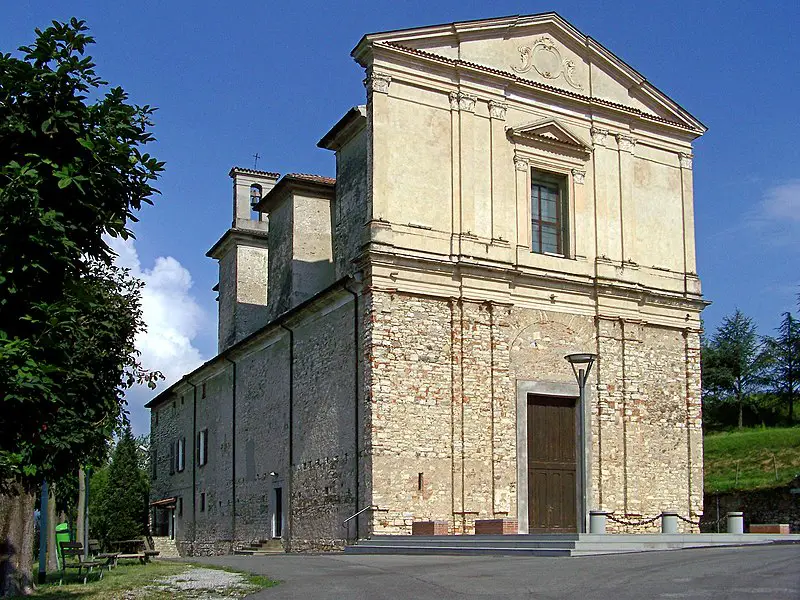
Located in the village of Zenighe, a short distance from Colombaro, on the road that once connected Clusane and Lake Iseo to Franciacorta, the Church of Santa Maria is the result of an architectural history that dates back to the Early Middle Ages. The masonry of the current structure has, in fact, preserved some sculptural fragments of plutei and small pillars dating back to the 9th century, evidence of an older foundation equipped with carved liturgical furnishings, the remains of which were later reused.
Archival sources and the “Monasteriolo”: taxes, appurtenances, and the built environment
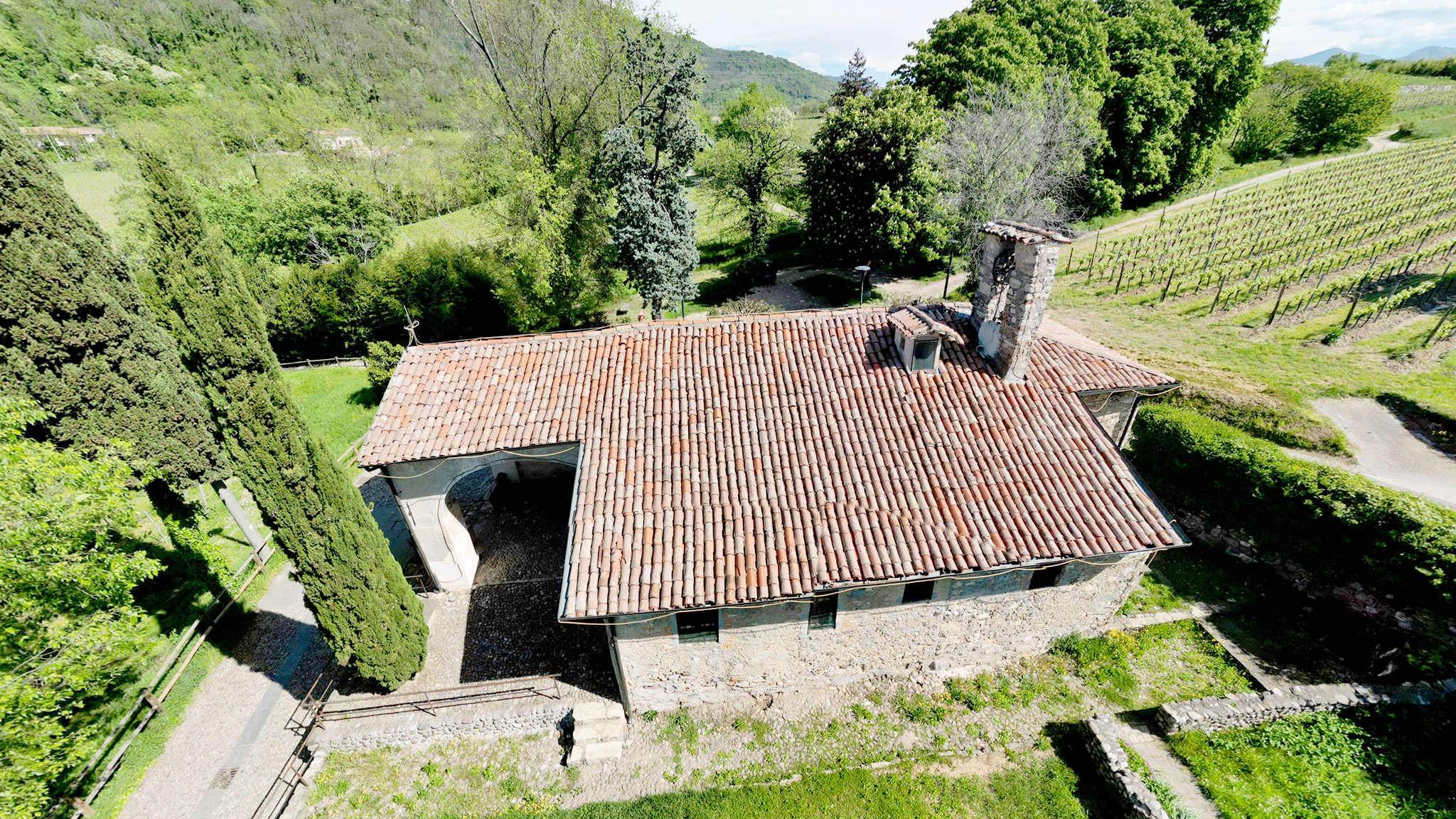
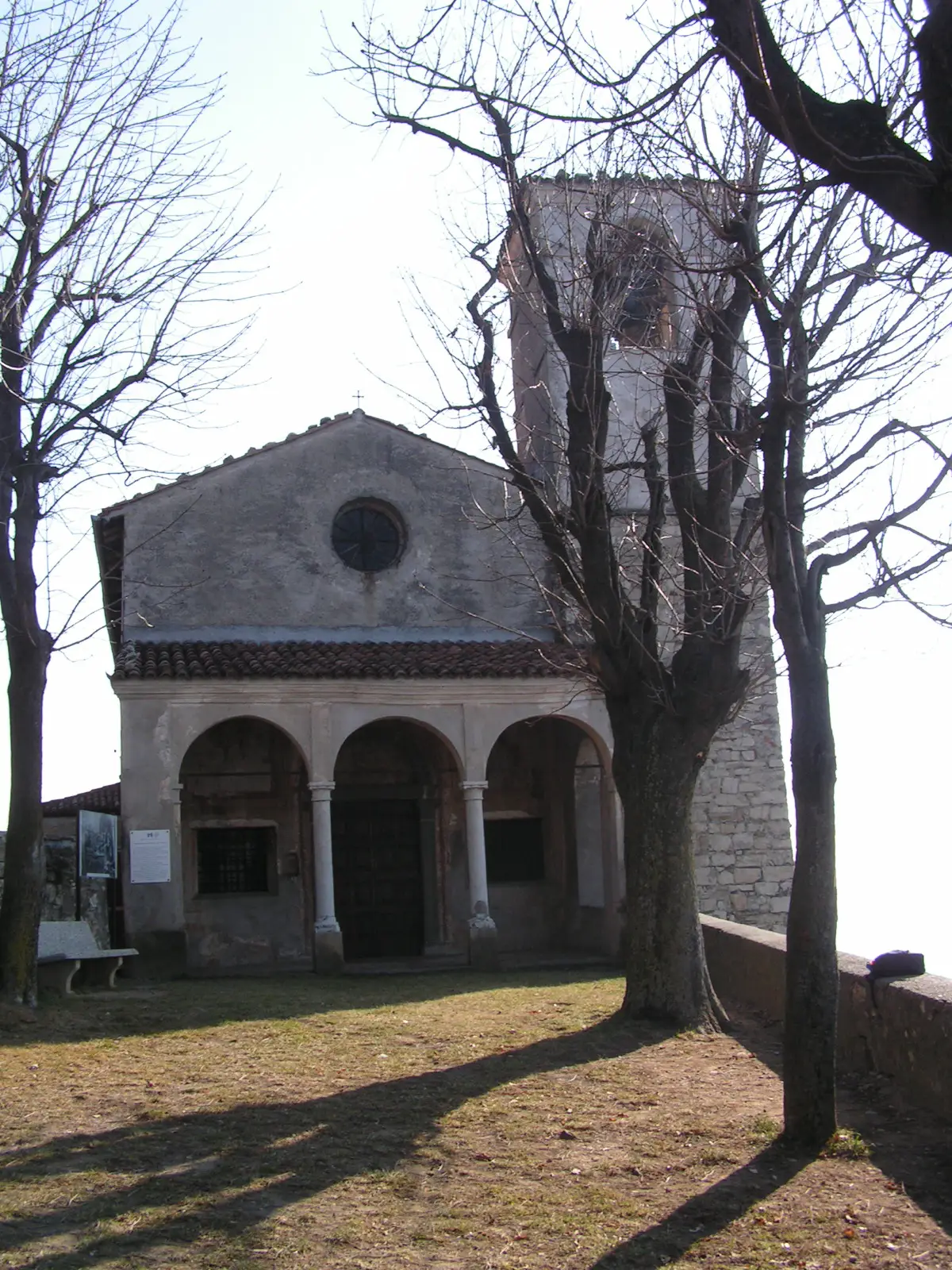
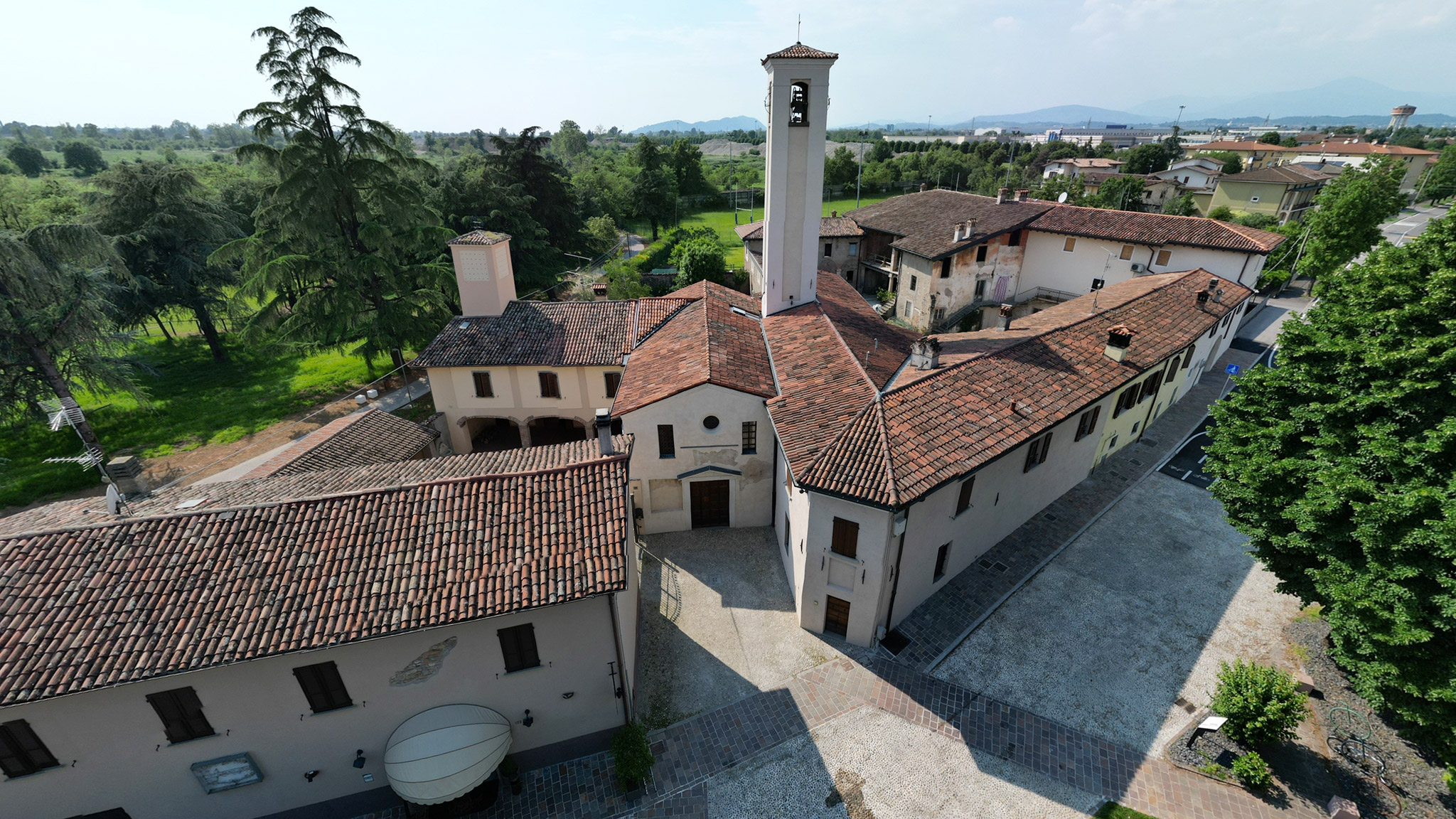
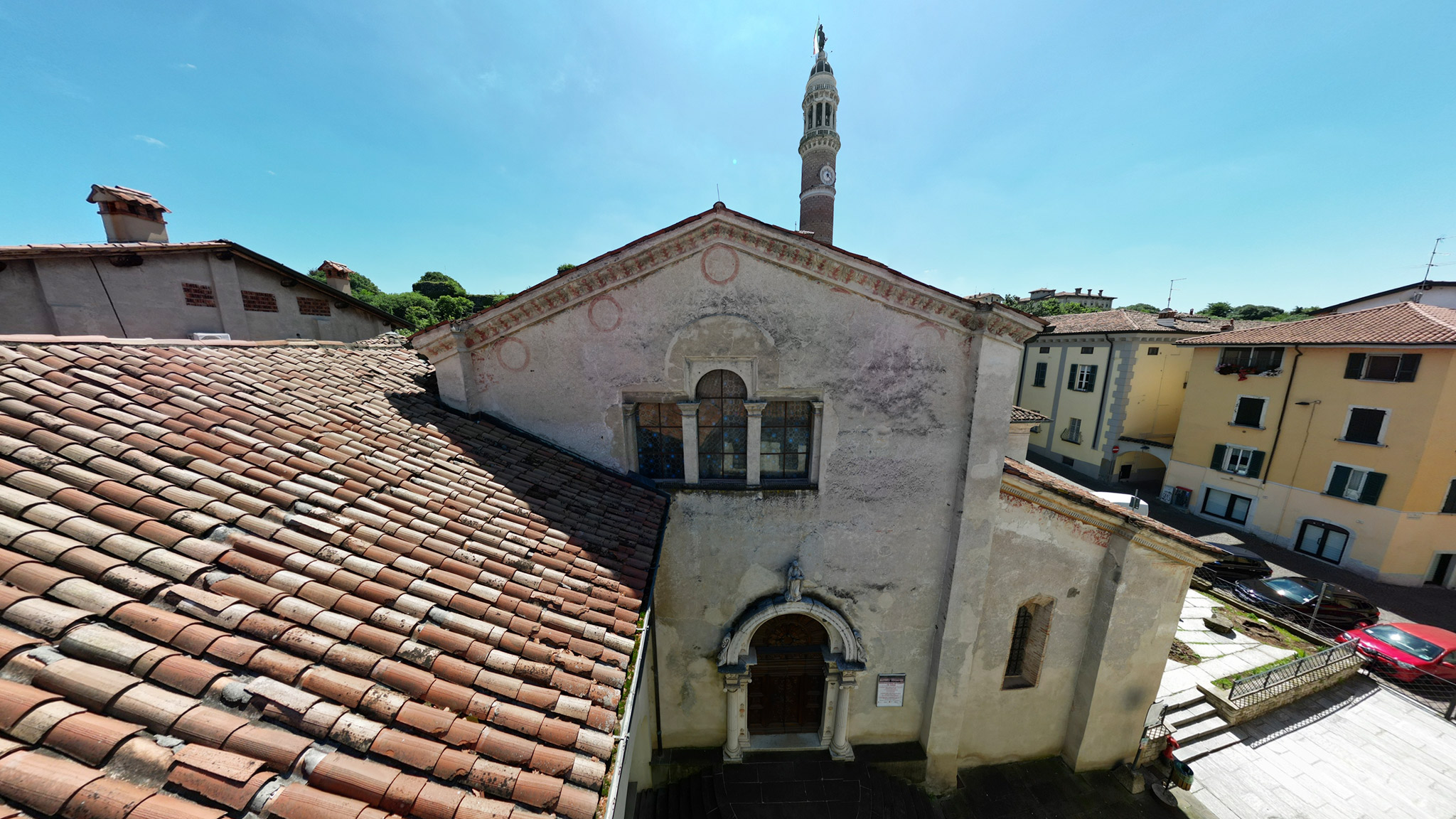
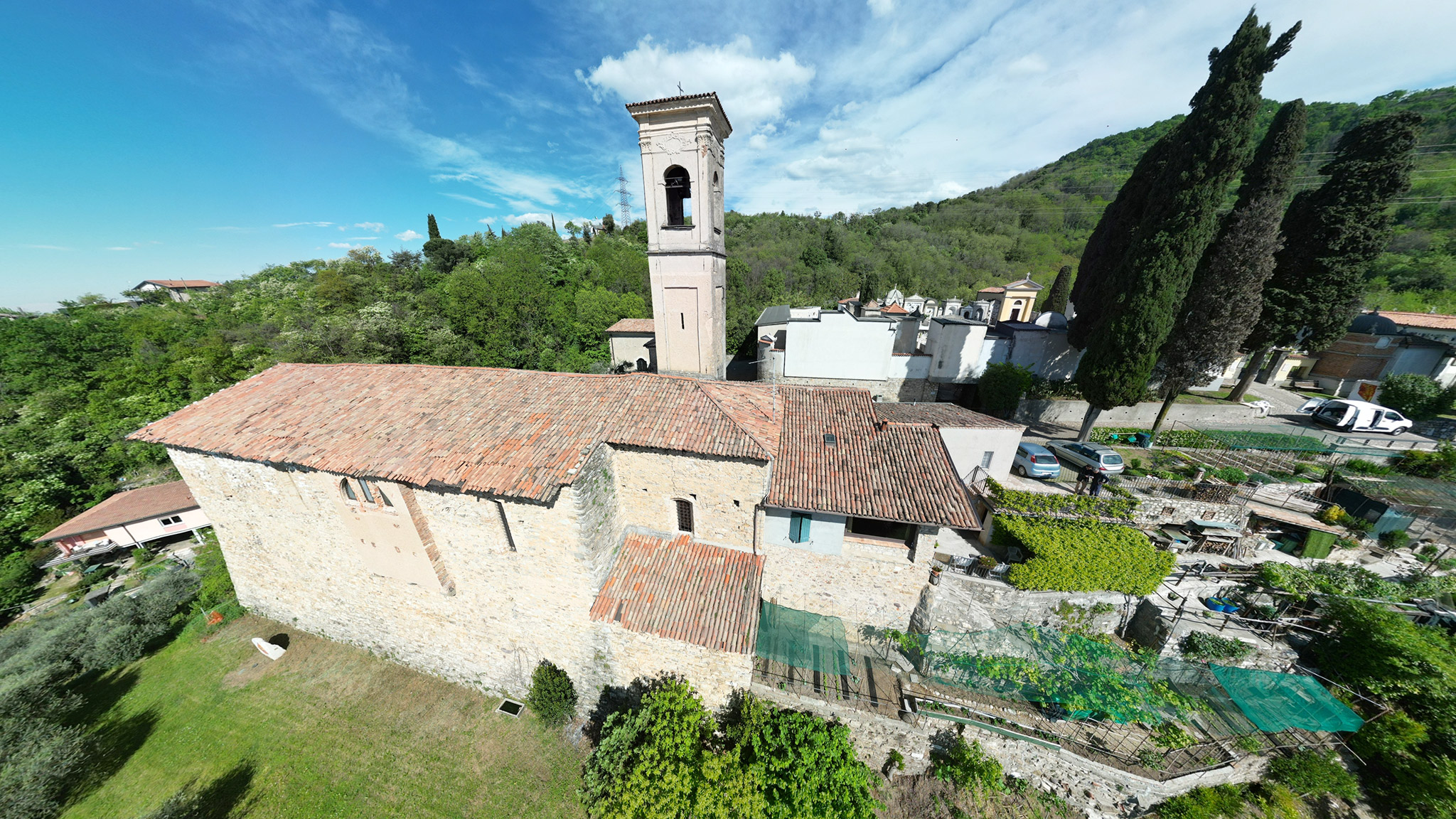
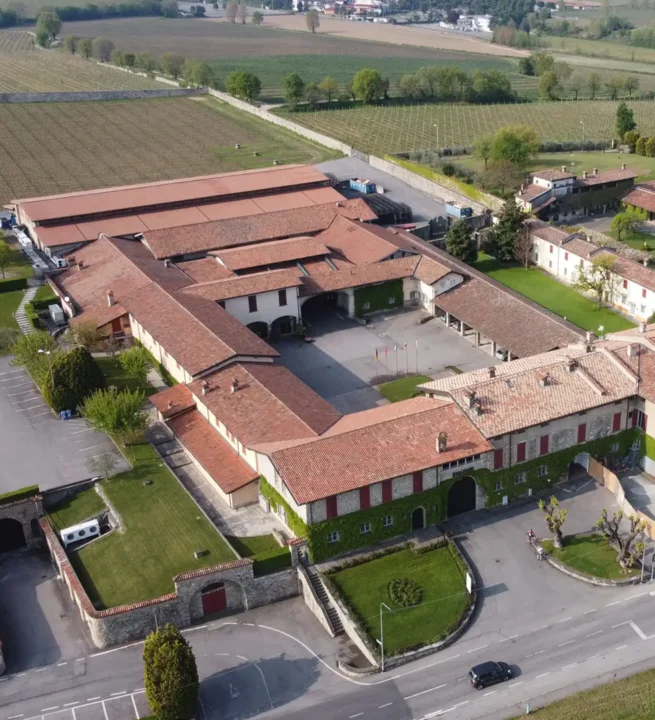
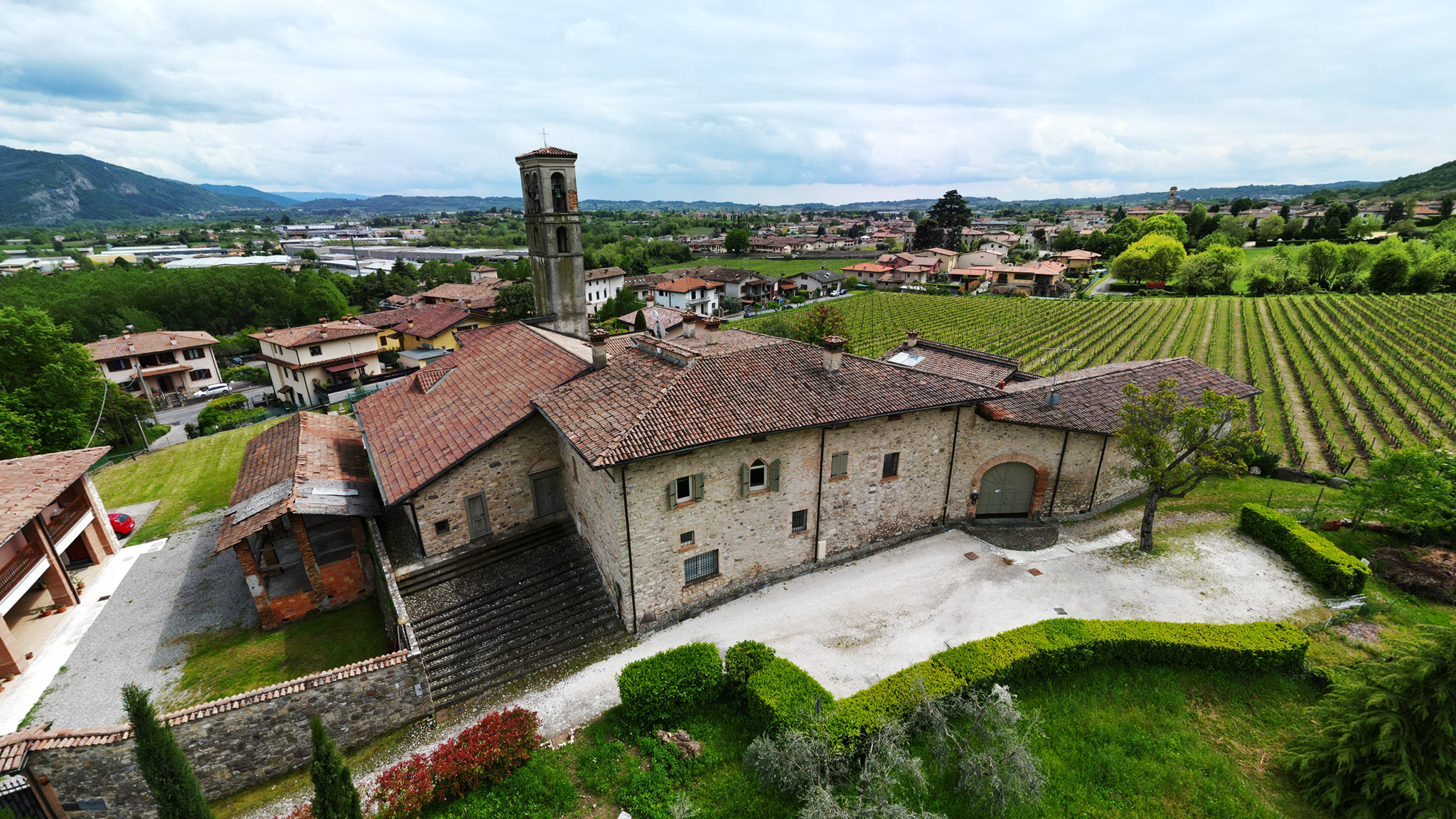
The church is mentioned in various archival documents that allow us to reconstruct its history: from a document in the Brescia State Archives, we know that in 1284 it was required to pay twenty soldi to the bishop as a tax on the novali—that is, the newly cultivated lands, it owned in Clusane, while in 1366 it was part of the holdings of the Parish of Iseo. The site still bears the name Santa Maria del Monasteriolo, in memory of an ancient monastery that once stood there: the church is, to this day, situated within a complex of functional buildings that abut the façade, breaking up its simple gabled profile.
From the 11th century to the modern era: expansions, its role as a parish church, and new naves
An analysis of the masonry has made it possible to reconstruct the building history of the site, which underwent a series of expansions from the 11th century through the early modern period. The church, in fact, played a pivotal role for the community of Colombaro, serving as a parish church until the construction of the new parish church dedicated to the Assumption in 1734. The original core, from which the archaeological excavation has yielded fragments of painted decoration, was surrounded by a cemetery and consisted of a single nave ending in a semicircular apse: an extension was added to the north side of this first building, which became part of the new 15th-century church. The new building, whose basic form is essentially preserved in the current church, featured a straight-ended apse and was constructed as a traditional Lombard parish church, with a single nave divided into two bays by transverse arches. Between the 16th and 17th centuries, a further addition was made with the construction of the north aisle, which accommodated new chapels, such as that of the School of the Most Holy Sacrament, adorned with a fresco of the Crucifix.
Neglect in the 20th century and restoration: 1970s restoration and torn frescoes from the early 15th century
Unfortunately, over the course of the 20th century, the church fell into gradual disrepair, leading to the loss of much of its historical and artistic heritage; the restoration and renovation efforts of the 1970s made it possible to reconstruct, at least in part, its original appearance. Several torn frescoes have been recovered from the intrados of the triumphal arch, depicting saints wearing phylacteries inscribed in Gothic script: among them are John the Baptist and several prophets, framed within ornate Gothic architectural elements, indicating a date of creation in the early decades of the 15th century and a strong affinity with certain pictorial fragments from the same period, preserved in the storage facilities of the Tosio Martinengo Art Gallery.
Links and useful information


Visiting hours: Visits are by appointment only and at scheduled times during the summer season
Free admission
Privately owned property