Sanctuary of San Pietro and of the Beata Vergine del Buon Consiglio
- Home
- /
- Arte e cultura
- /
- Parish Churches and Sanctuaries
- /
- Sanctuary of San Pietro and of the Beata Vergine del Buon Consiglio
Ancient origins and a 15th-century fresco
Although the sanctuary is in the 18th-century style, inside there is a surviving fresco depicting the Sorrowful Christ, dating from the 15th century, which confirms its much older origins.
Dual title and a revered image
The sanctuary is dedicated to two saints: Saint Peter and Our Lady of Good Counsel, to whom the fresco above the high altar is dedicated. The fresco, the work of an anonymous 16th-century master, has been heavily repainted over the centuries, a sign of a strong and renewed devotion to the image.
The 18th-century architectural renewal
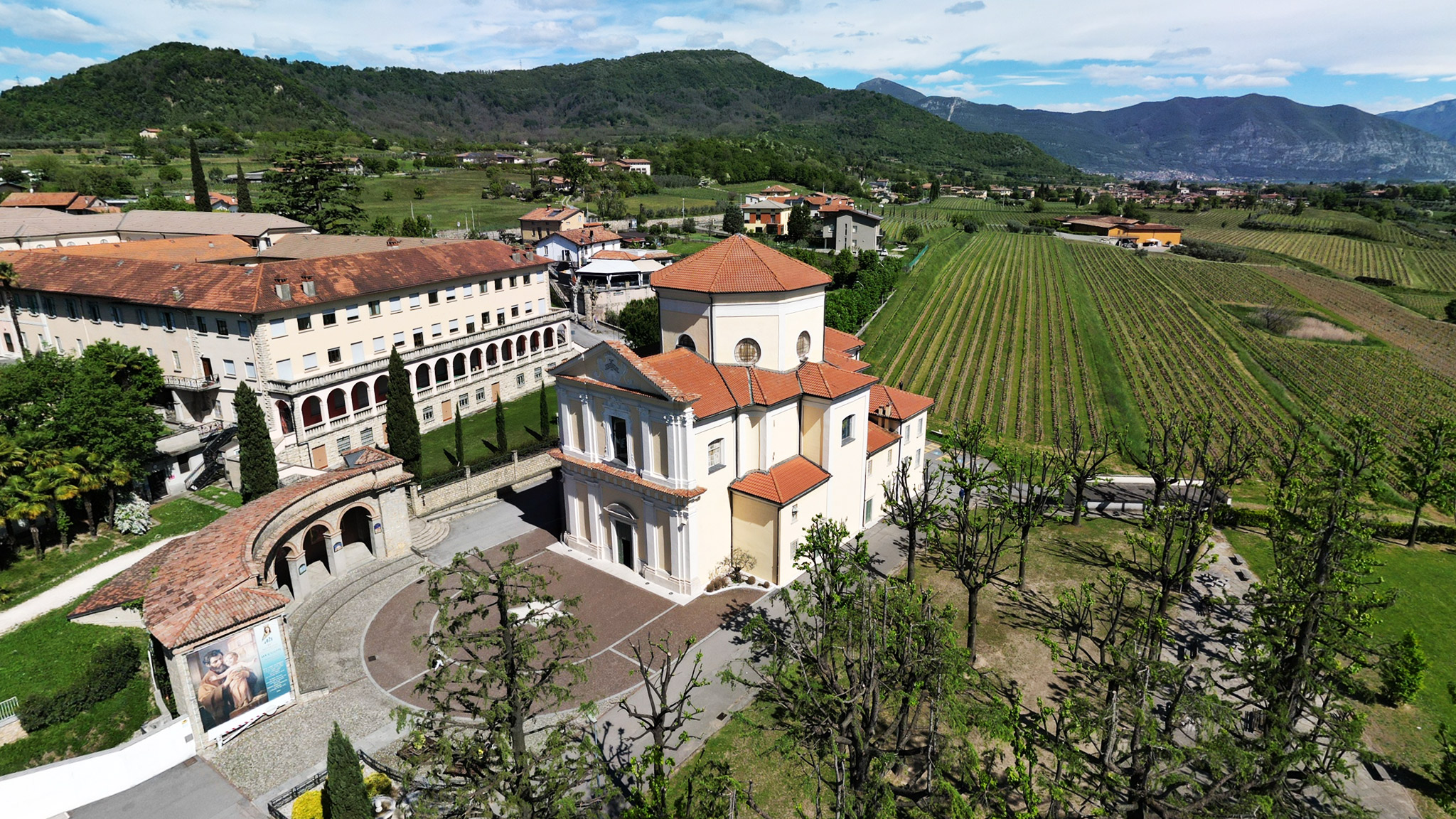
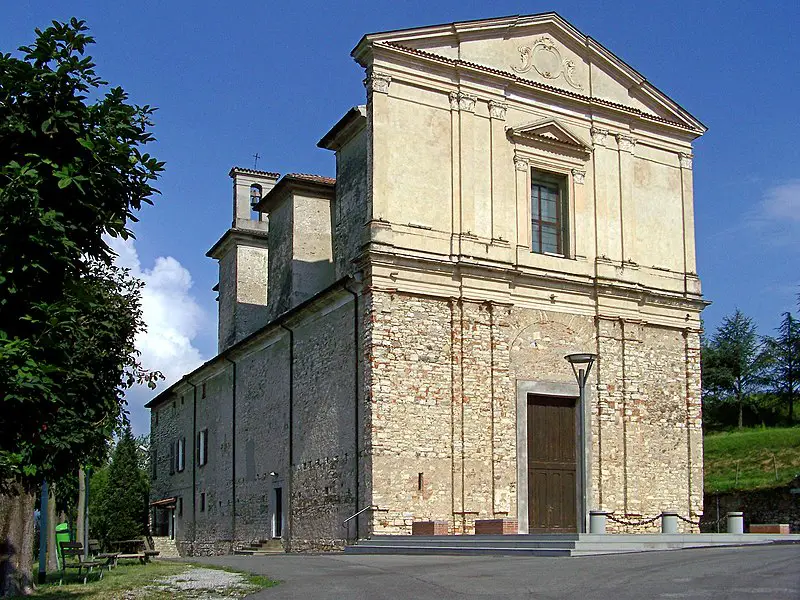
The church’s current architectural appearance is the result of major refurbishment works carried out between 1730 and 1740, a period of particularly intense building activity in the area, which led to the launch of numerous building projects and the construction of new parish churches and shrines.
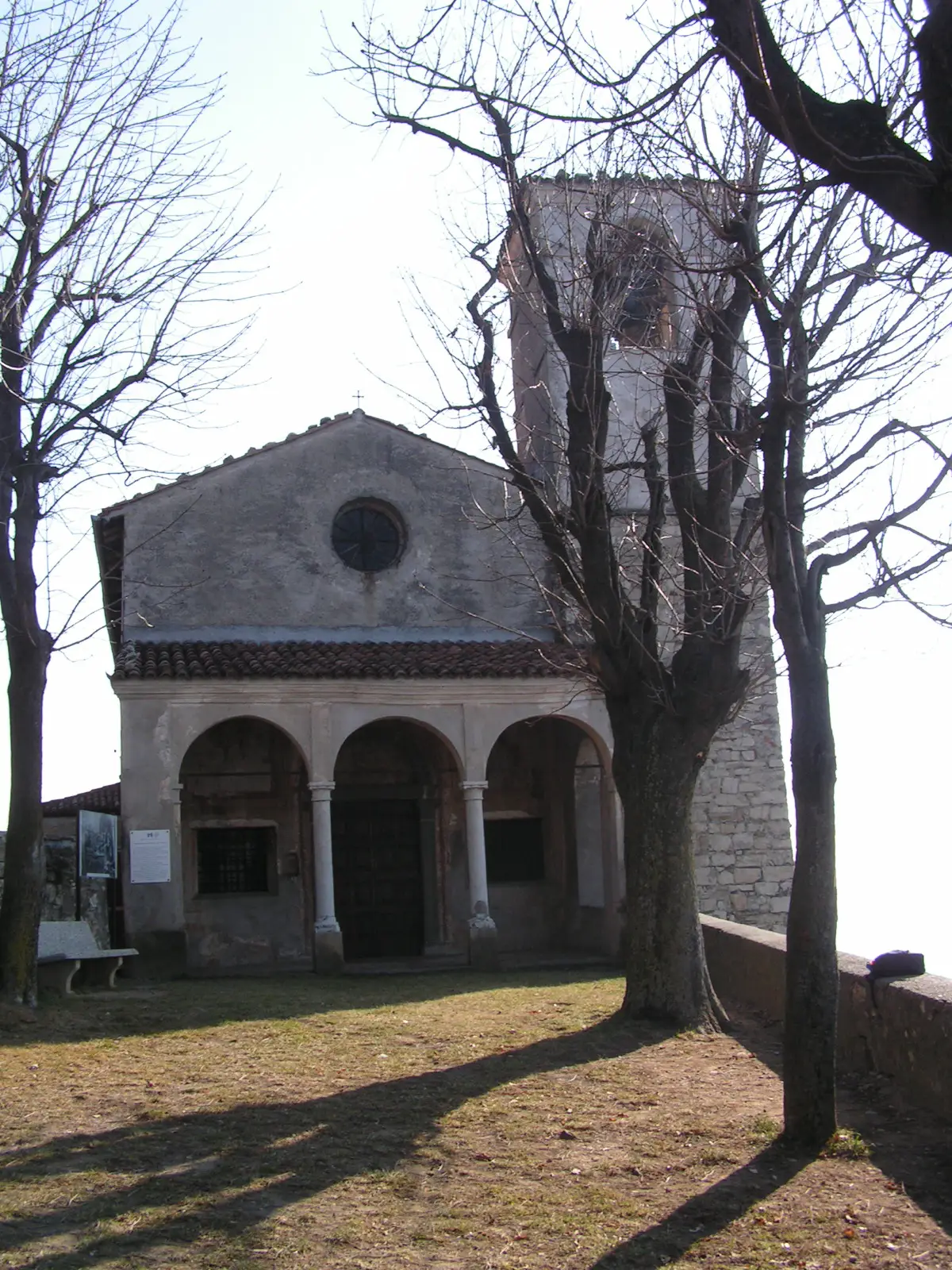
Portico, staircase and classical-style façade
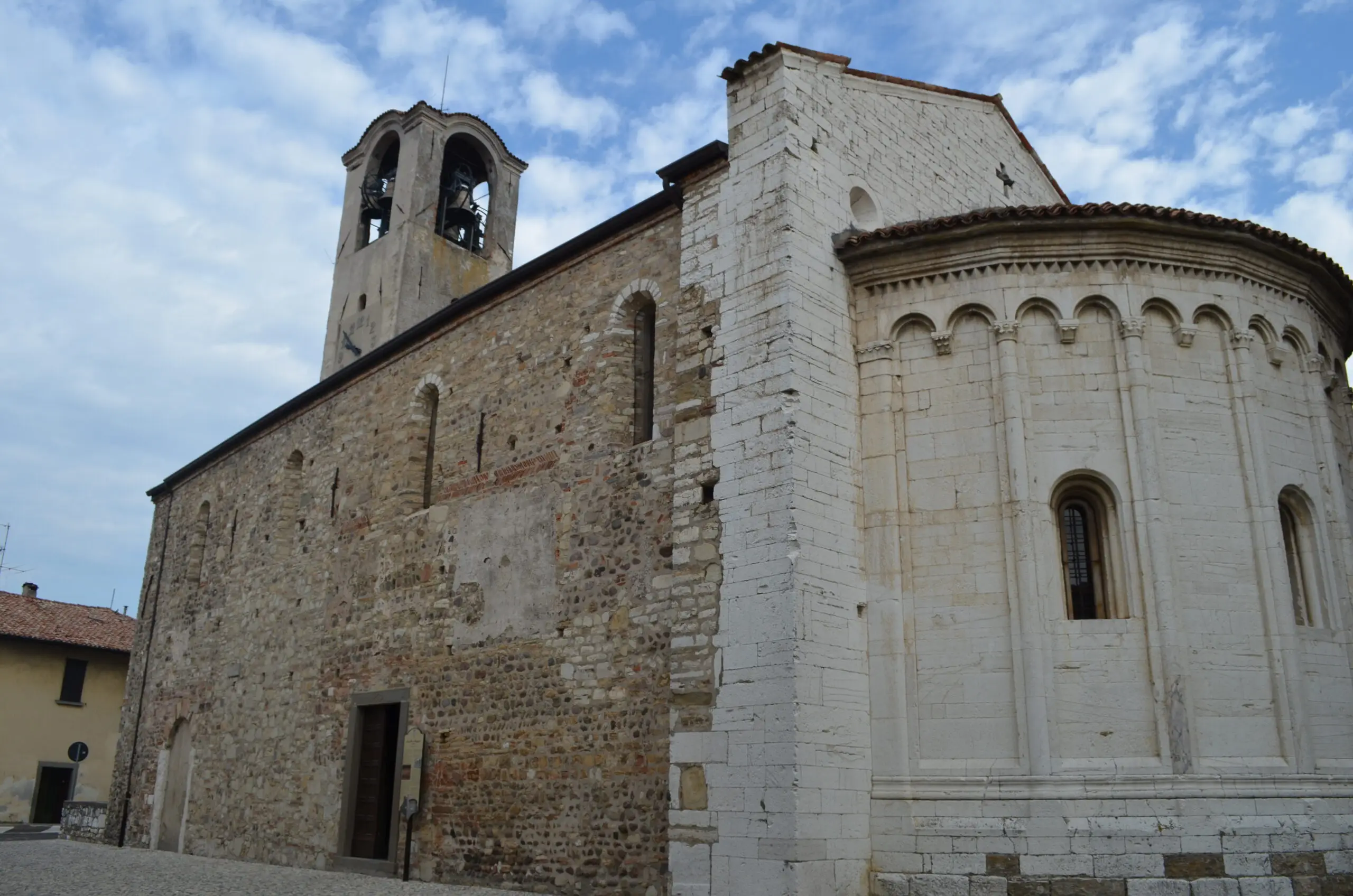
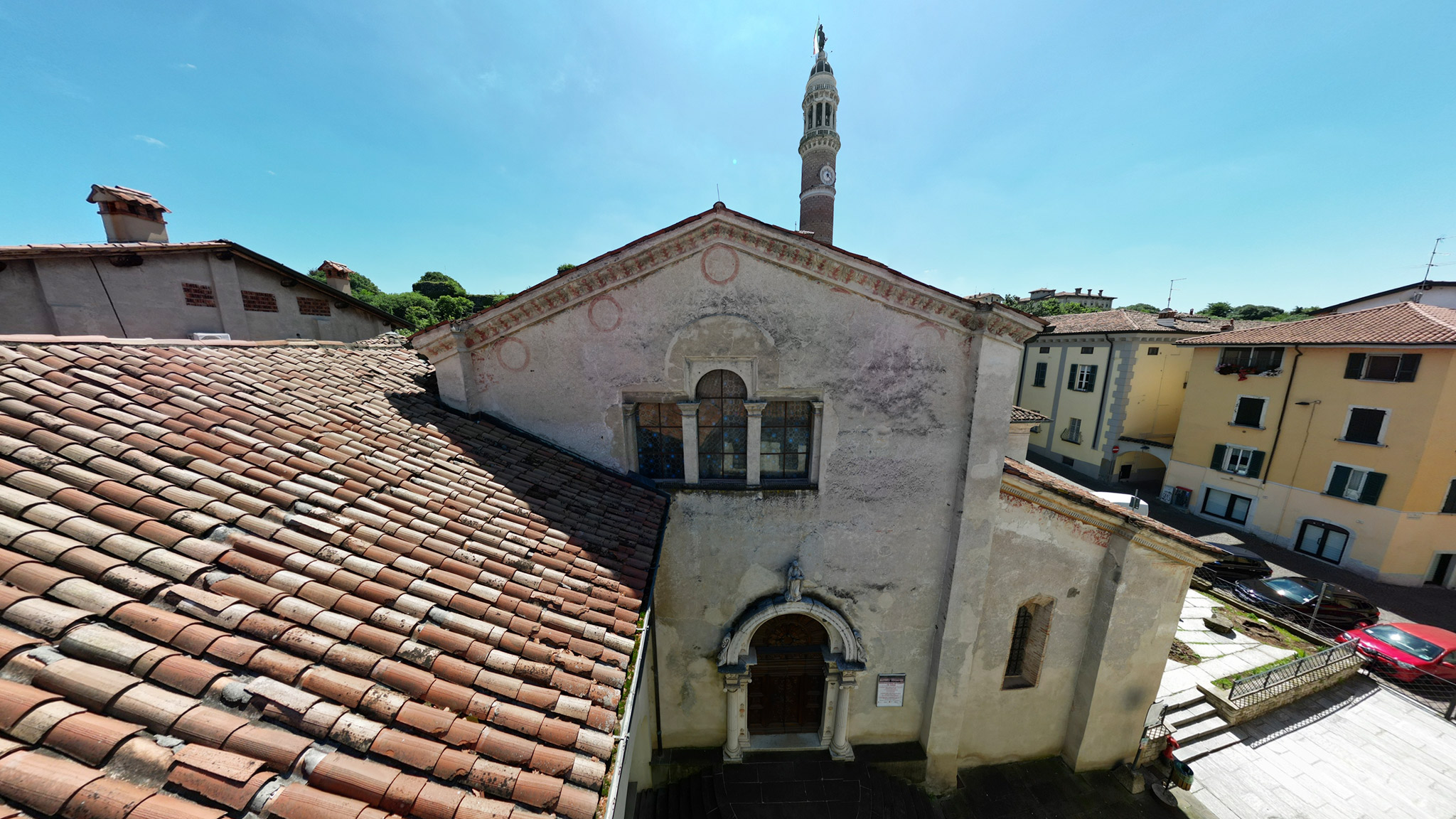
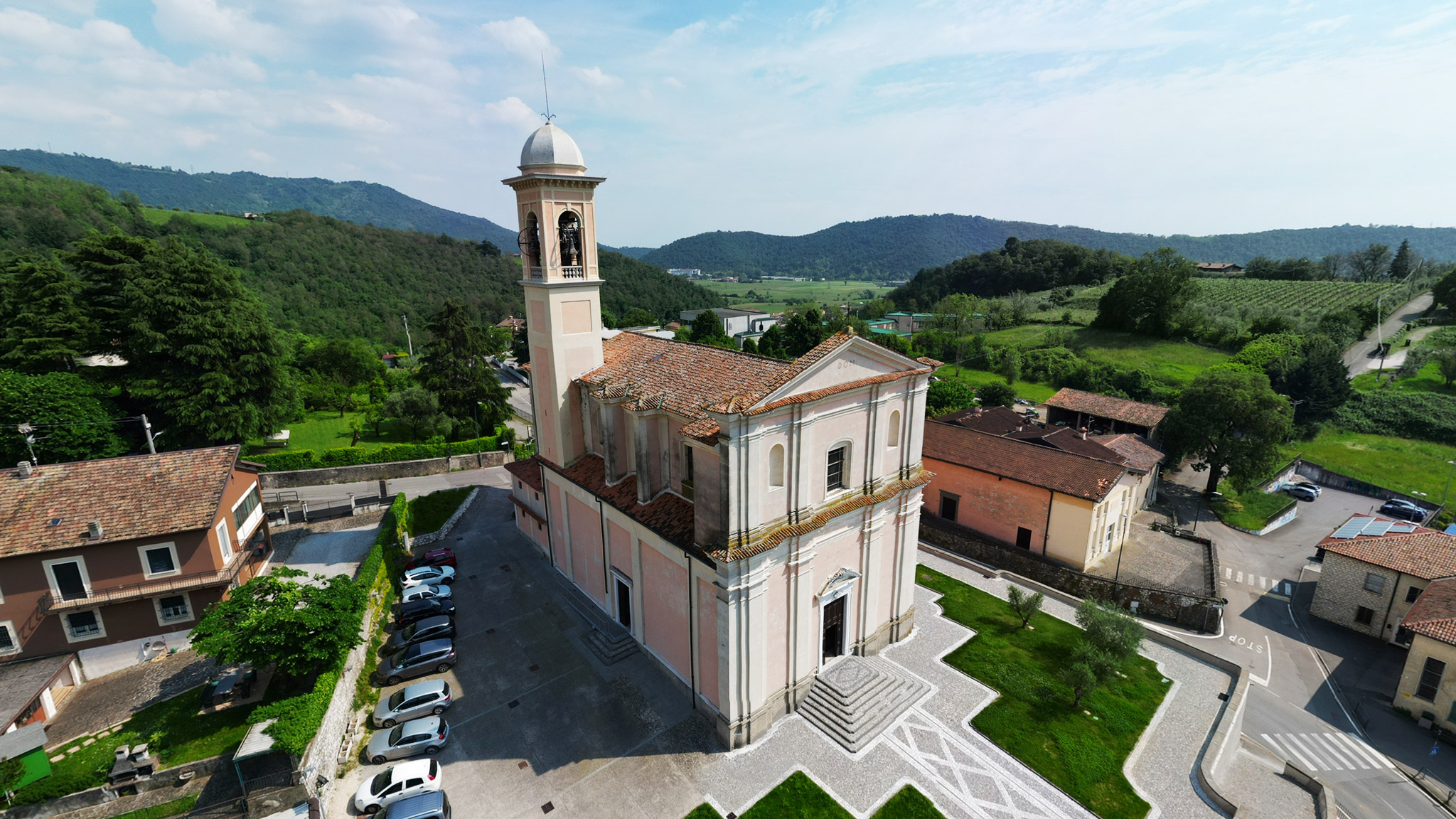
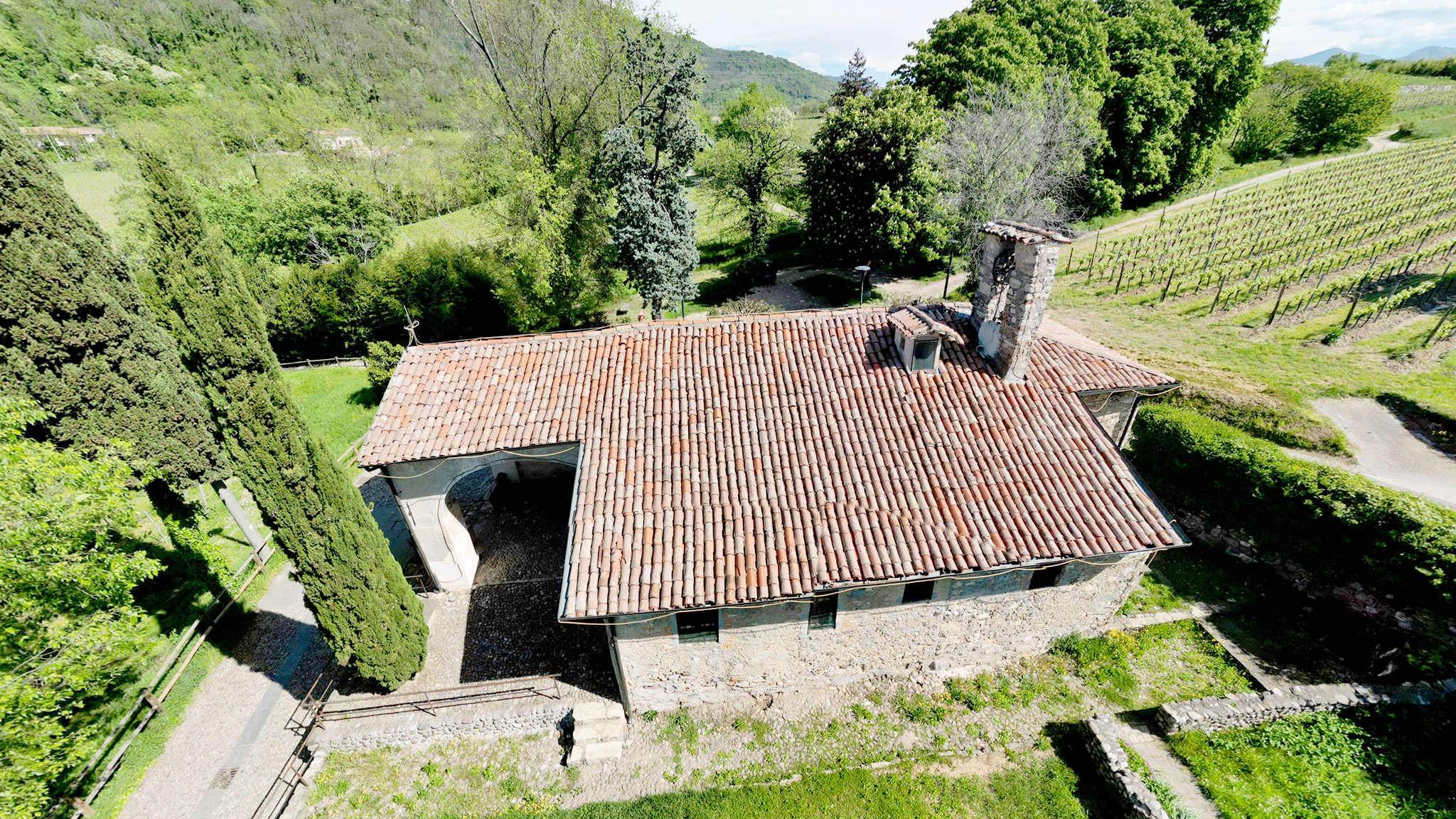
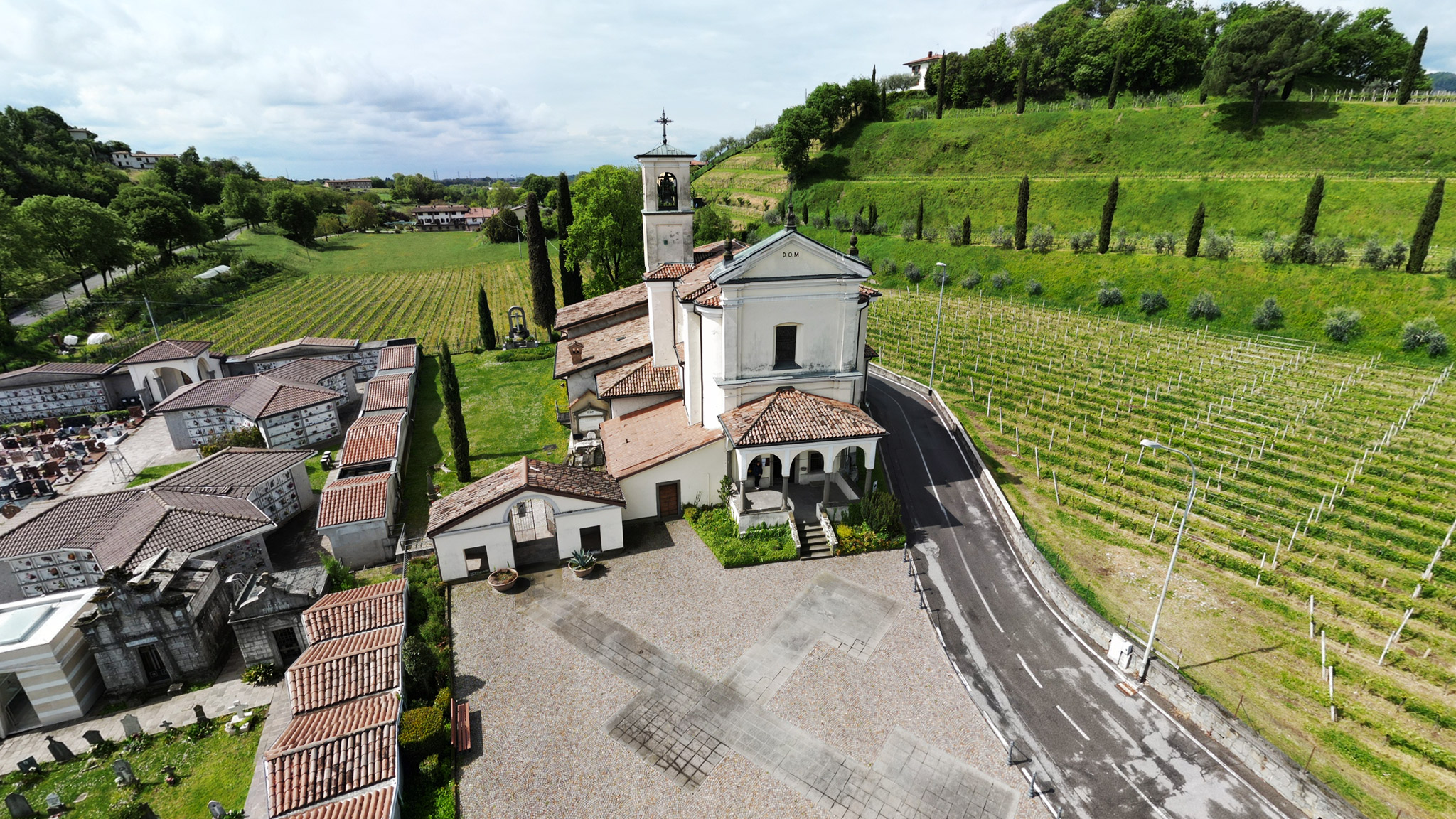
The complex is preceded by a flight of steps and an enclosed portico with three arches, a traditional feature of architecture in the Sebino area, with six columns of grey Sarnico stone supporting three round arches at the front and two arches on either side. The façade, with its simple forms, is structured like the front of a classical temple but, unlike other buildings of the period, eschews Rococo excess in favour of clean lines, devoid of ornamentation except for two smooth pilasters supporting the pediment.
Longitudinal layout and 19th-century extensions
Unlike other Marian shrines in the area, the shrine was not designed with a central plan but with a longitudinal layout, comprising a single nave divided into two bays and featuring a deep chancel. The side chancel bays were added to this main structure at a later date, having been built in the 1850s.
The contrast between external simplicity and internal opulence
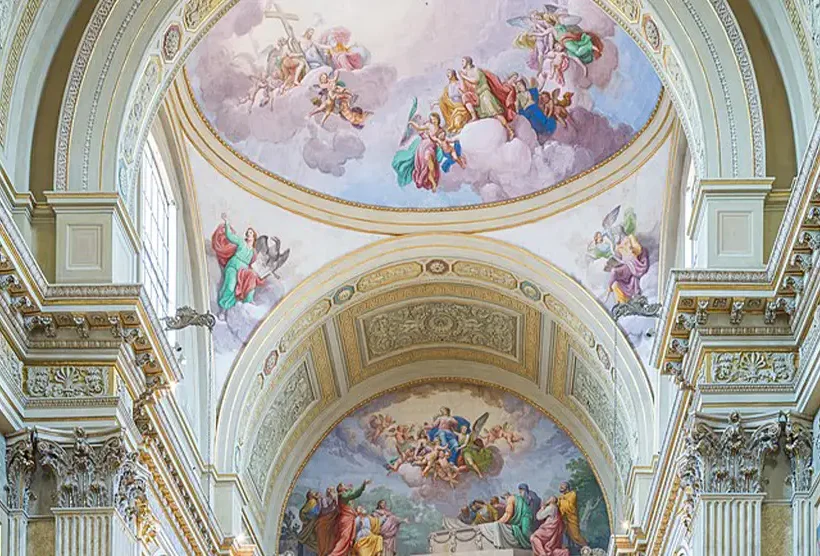
While the exterior is characterised by a restrained decorative style, the interior reveals a lively decorative flair in the altars, the use of stucco and the vibrancy of the frescoes.
The Stories of Saint Pietro on the vault
The vault is adorned with mixed-line medallions depicting scenes from the life of Saint Peter, to whom the church is dedicated: the frescoes, dating from the second half of the 18th century, display a rich and dynamic style, with a light and luminous colour palette, reflecting an awareness of the innovations introduced by Venetian painters.
The side altars and the statues of the Evangelists
The predominantly decorative nature of the interior is most clearly evident in the side altarpieces, the work of an anonymous sculptor from the height of the 18th century: both altars are rendered in shades of white and gilded stucco and enclose, within imposing architectural frames, the statues of the Evangelists.
Links and useful information


Opening hours: daily 8.30am-5pm
Free admission
Privately owned property