Sanctuary of Madonna della Neve
- Home
- /
- Arte e cultura
- /
- Parish Churches and Sanctuaries
- /
- Sanctuary of Madonna della Neve
Origins and the revered fresco
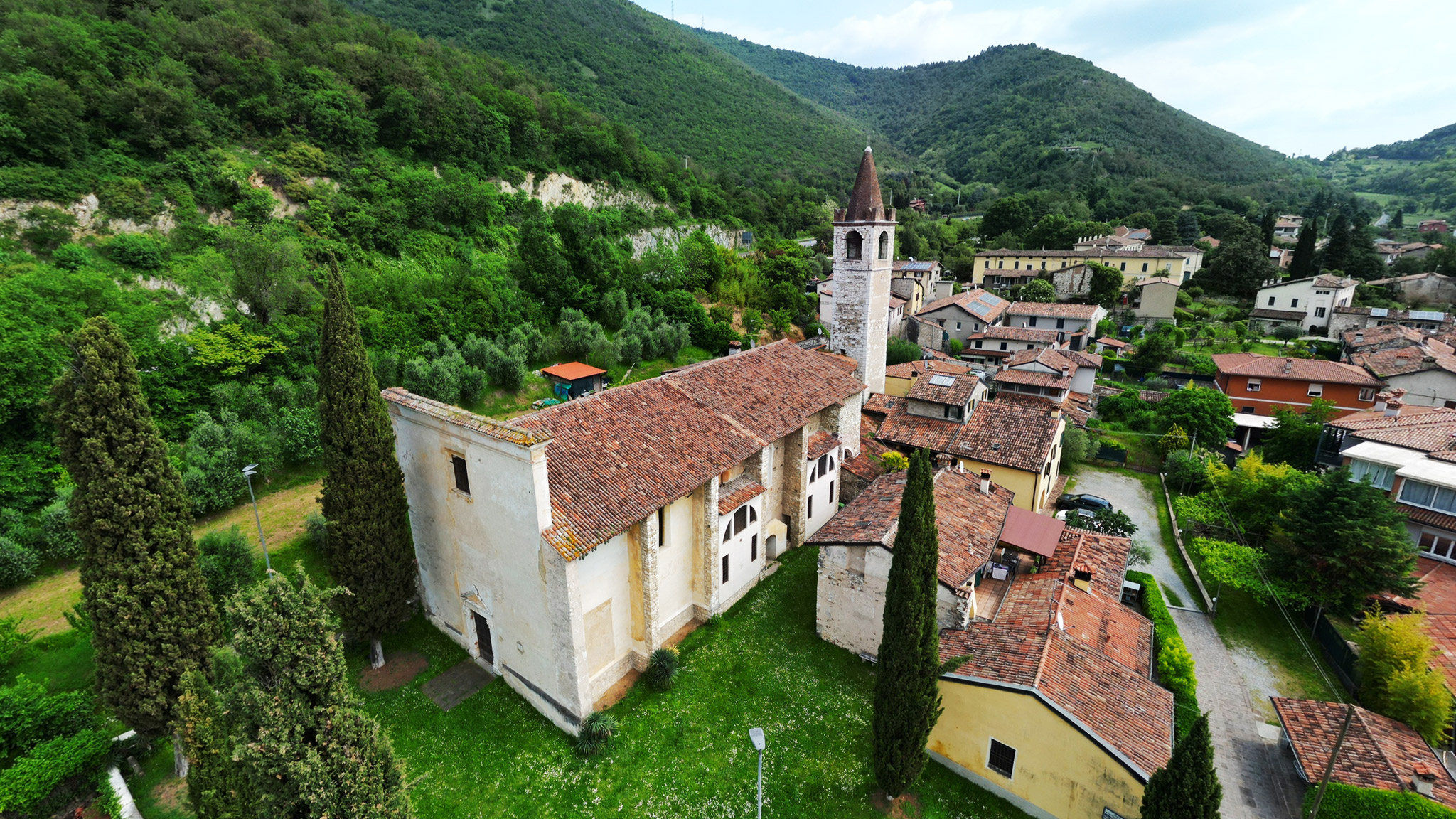
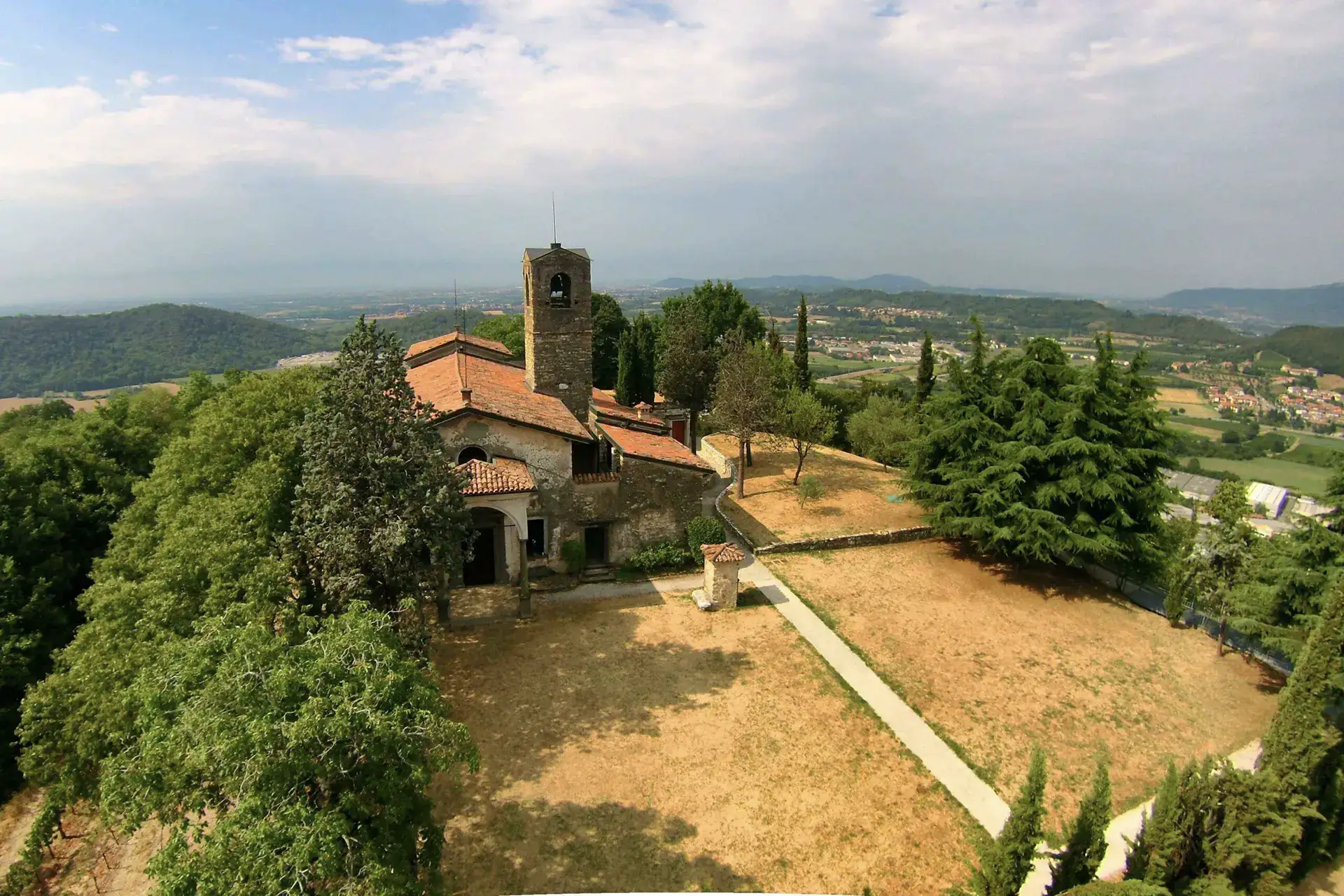
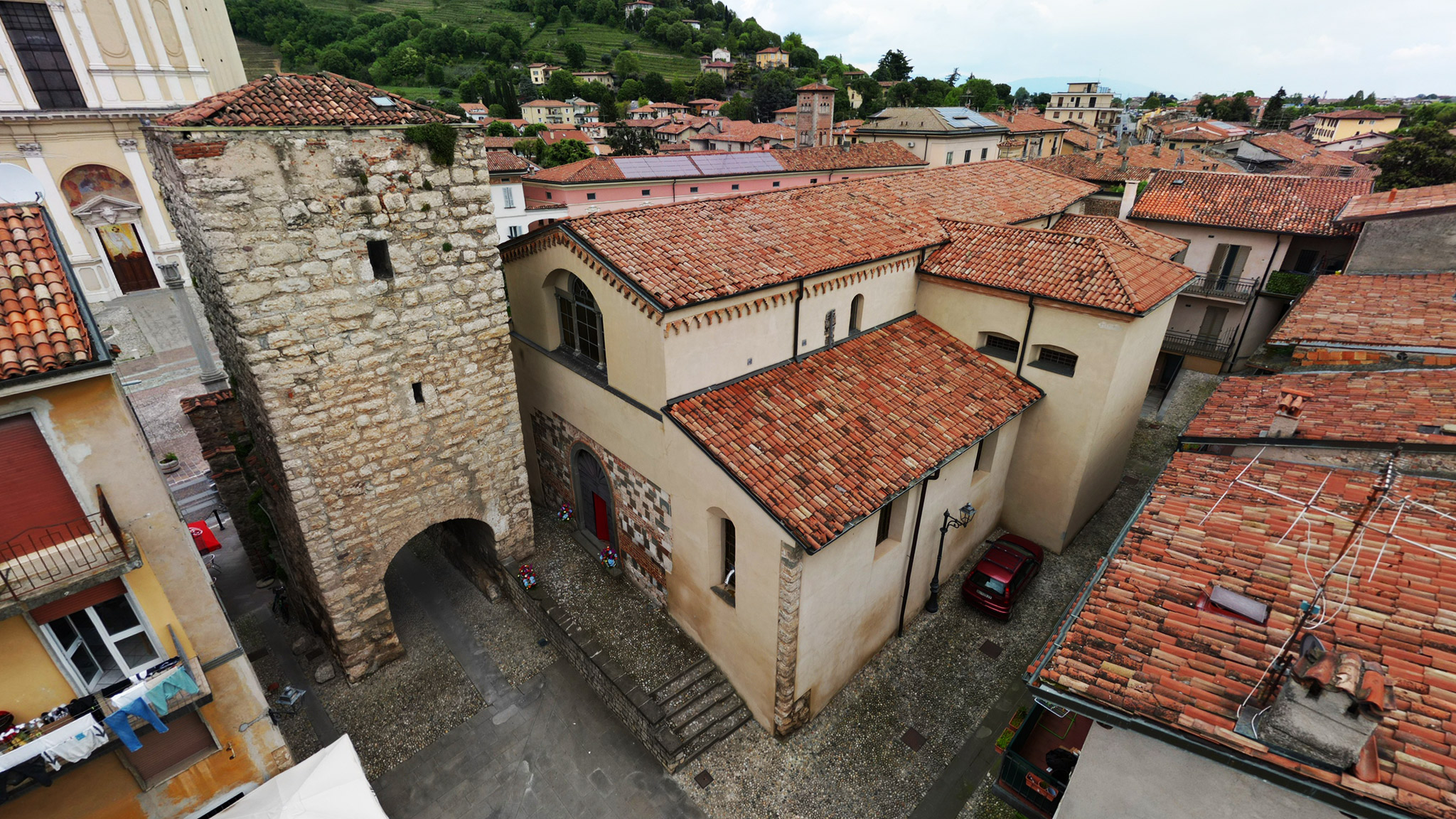
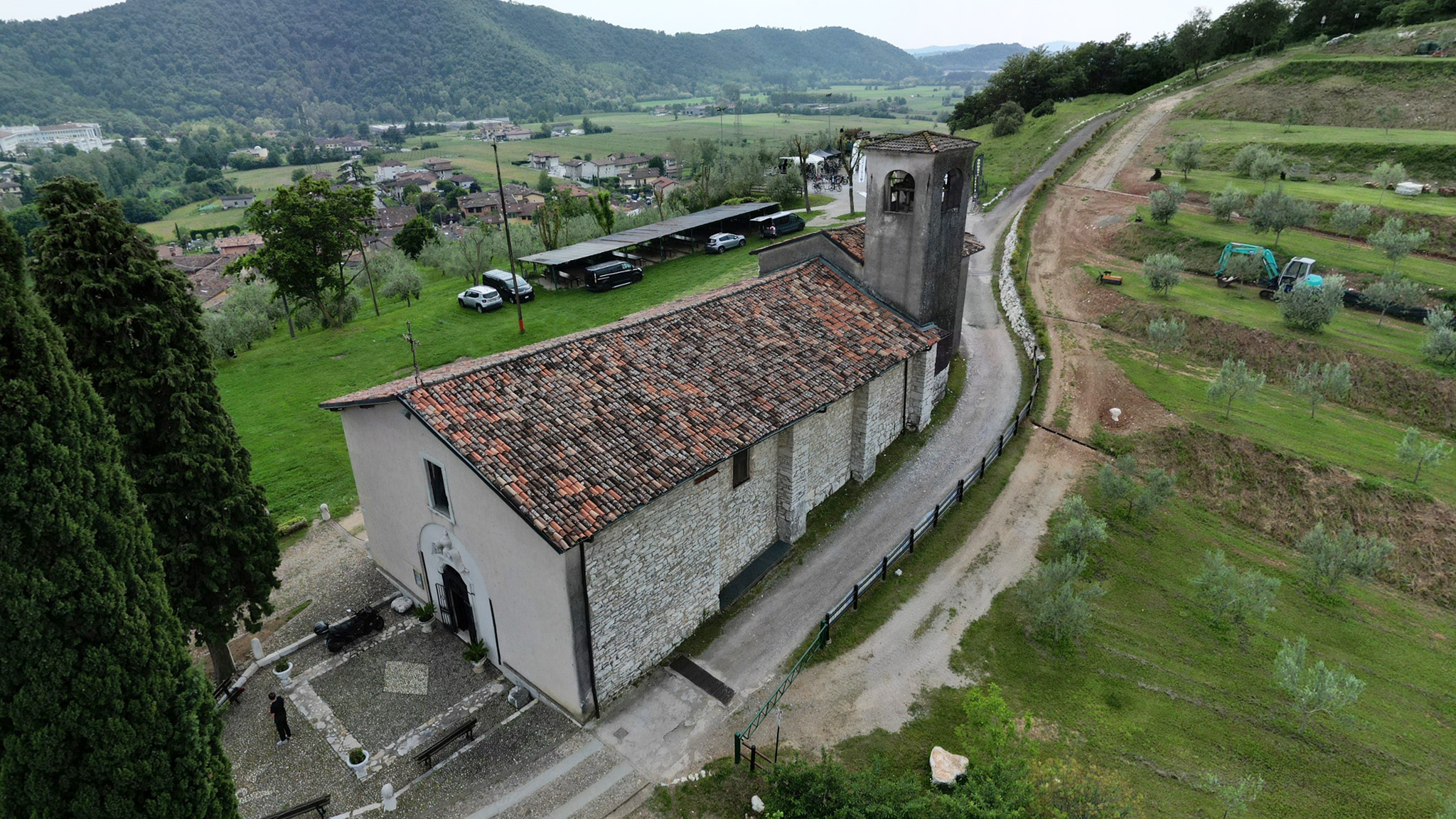
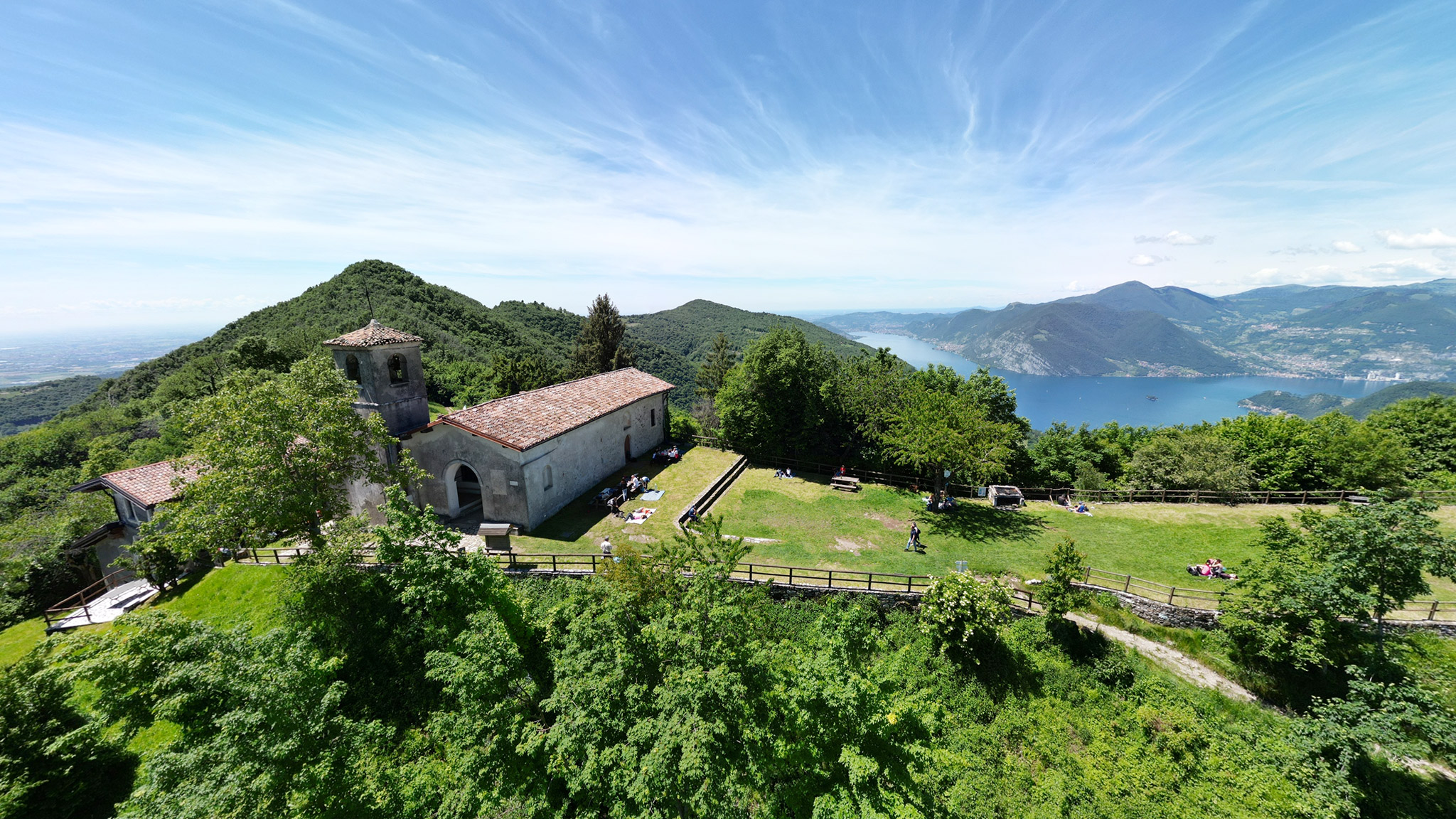
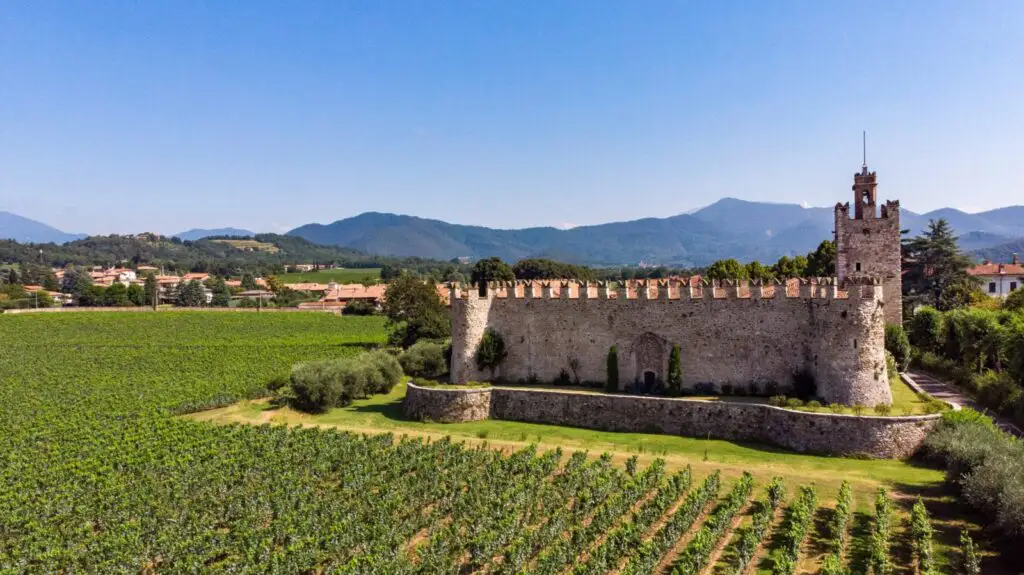
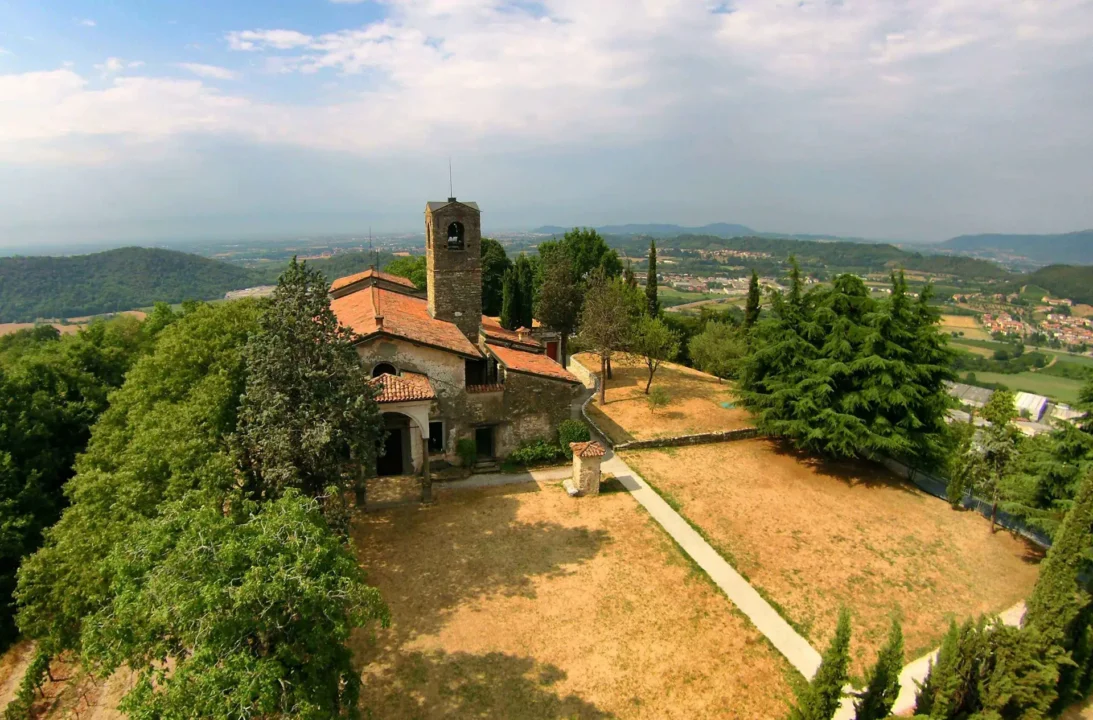
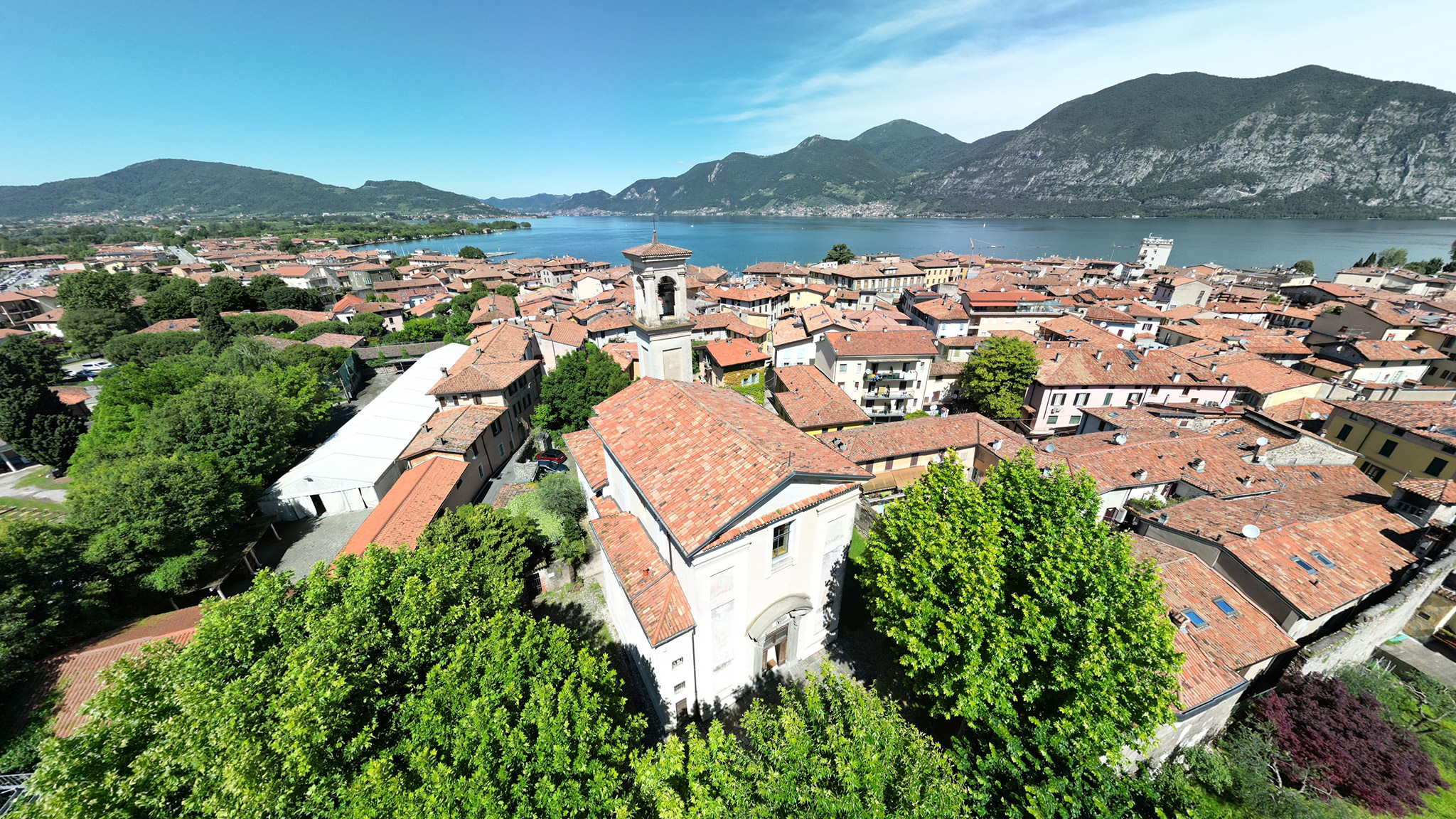
A short distance from the picturesque Oldofredi Castle, in the centre of the town of Iseo, on a hilltop, the Sanctuary of the Madonna della Neve bears witness to a history of devotion centred on an ancient image: the fresco depicting the Madonna and Child with Saint Anthony the Abbot, which was most likely part of the wall decoration of an older building dedicated to Saint Stephen. The fresco dates back to the early decades of the 16th century and is the work of a painter from Trentino, known by the conventional name of the Master of San Cassiano: an itinerant artist who created numerous votive panels in locations scattered between Franciacorta and Sebino.
The restoration of the fresco and the sanctuary’s new focal point
During the renovation work on the ancient sanctuary, the fresco was saved from certain destruction; it was removed from its original wall and placed in a new frame above the high altar, becoming the focal point of the new sacred space.
The construction of the church and its Baroque façade
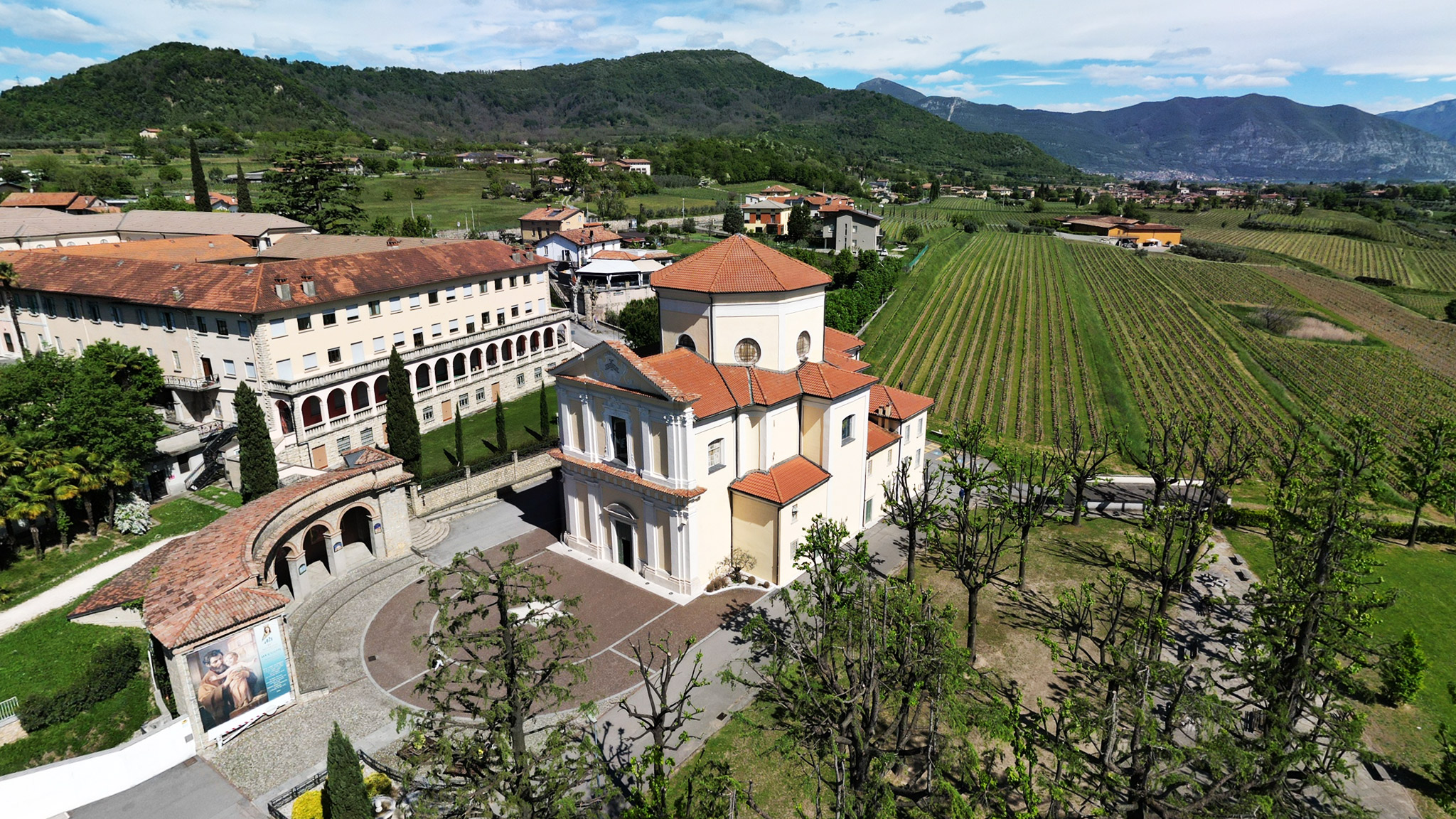
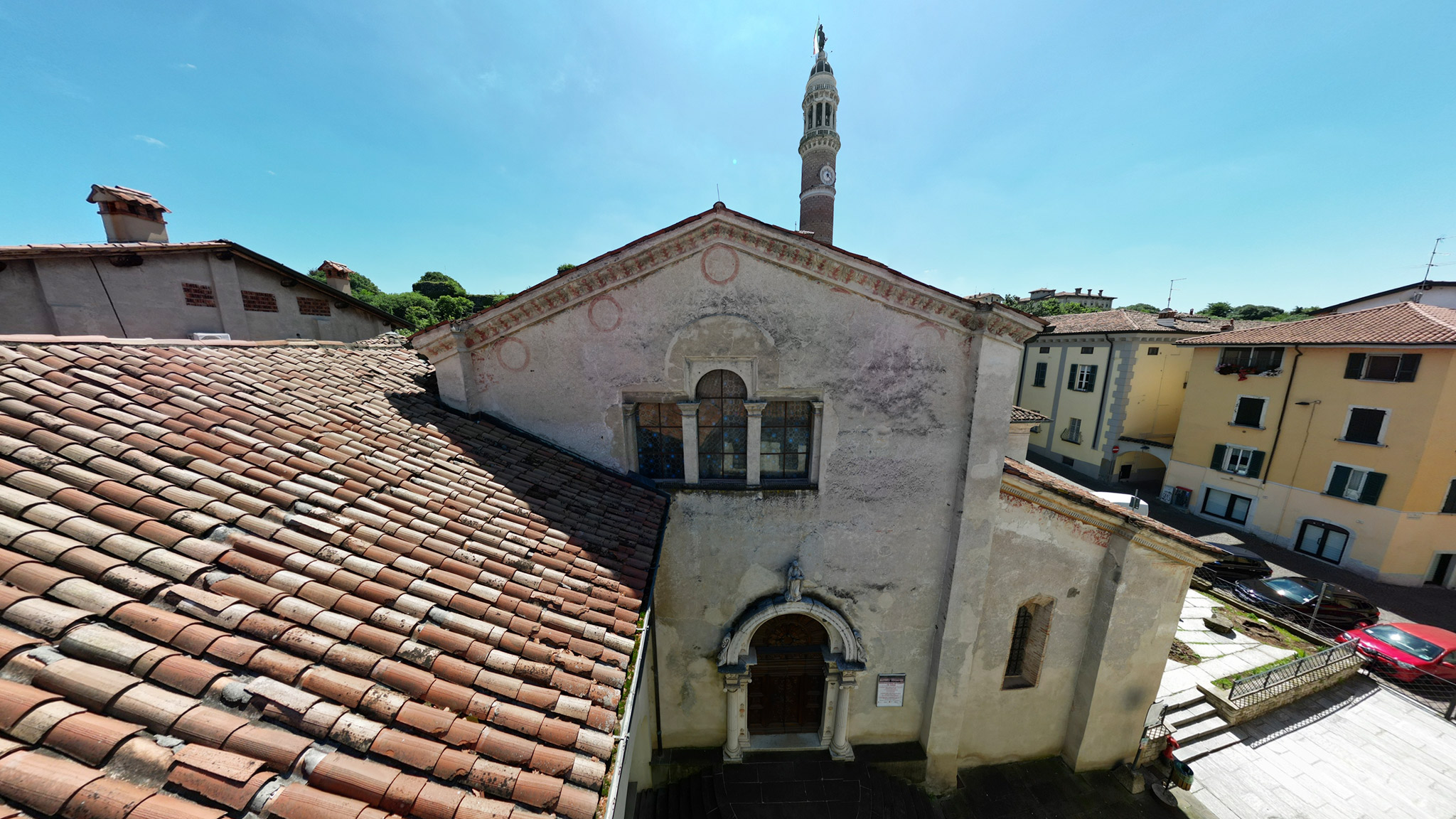
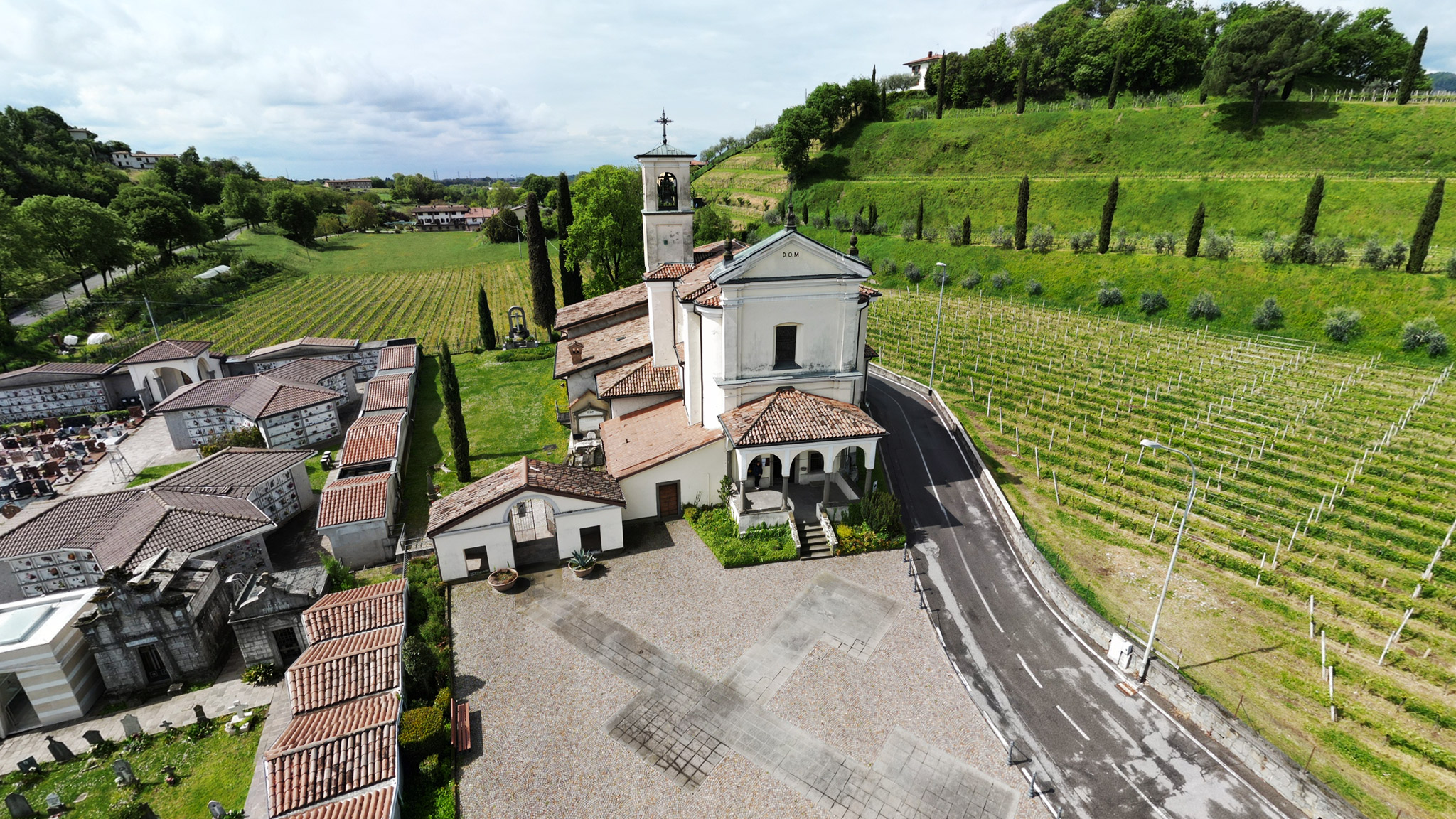
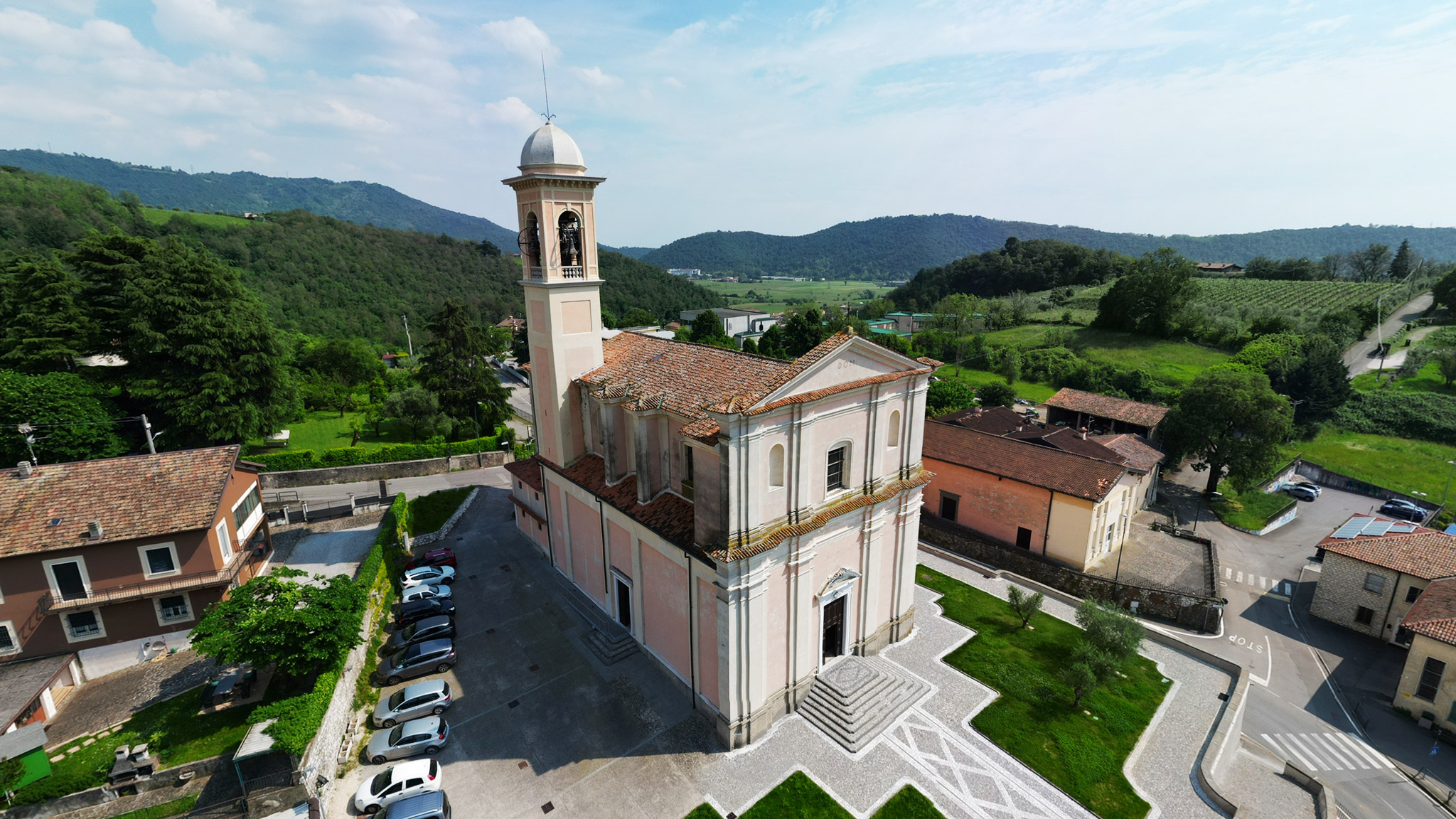
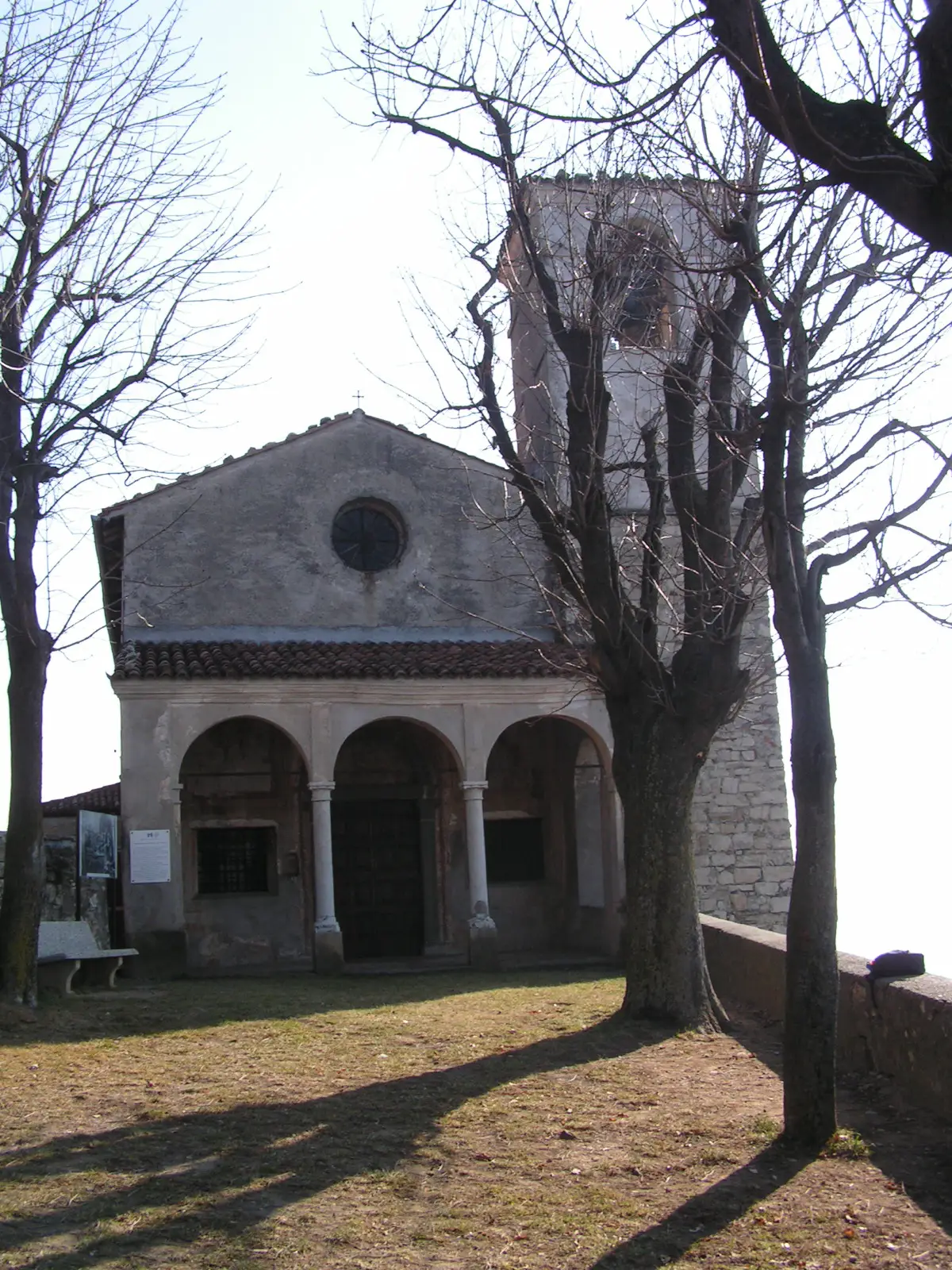
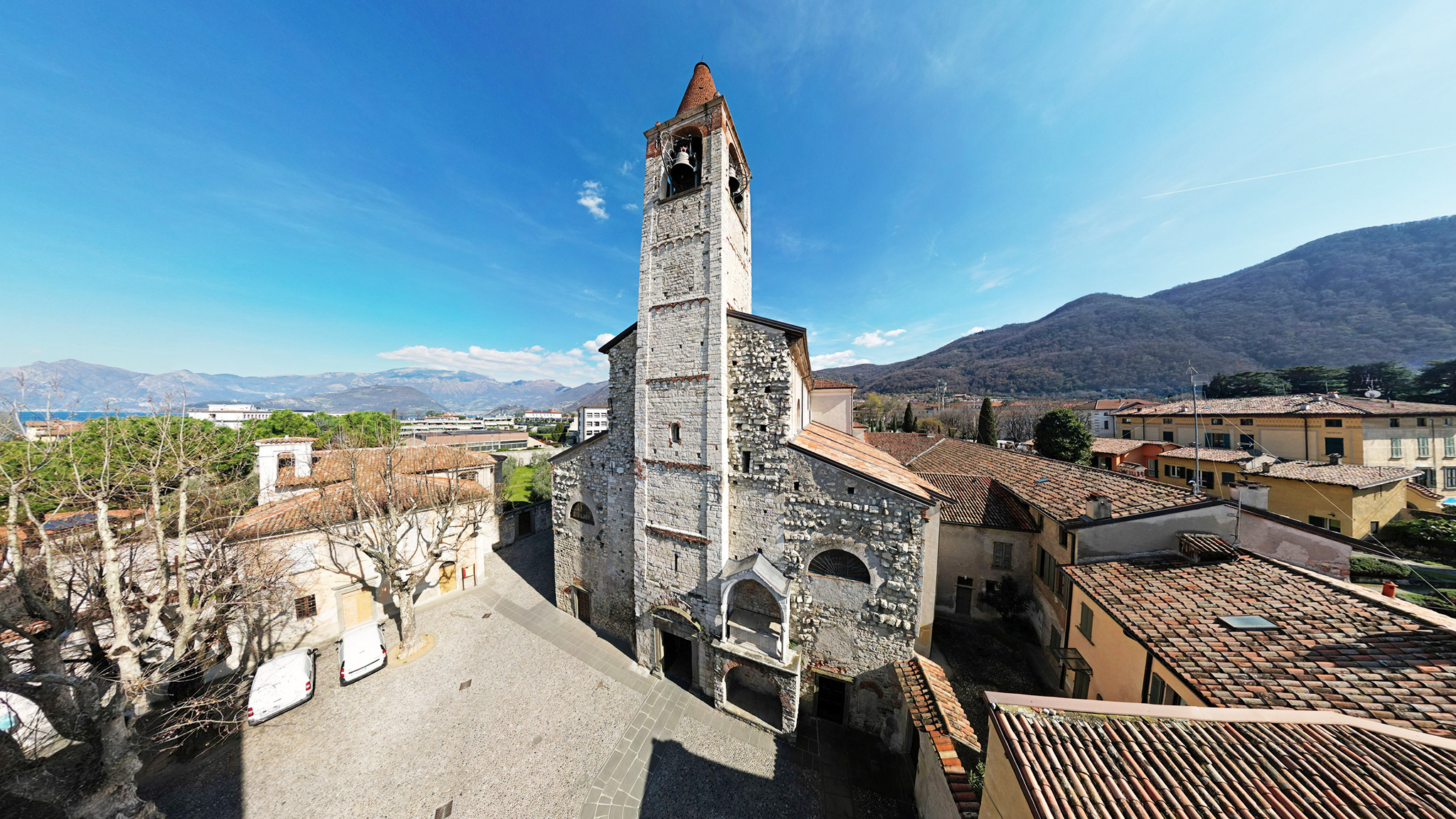
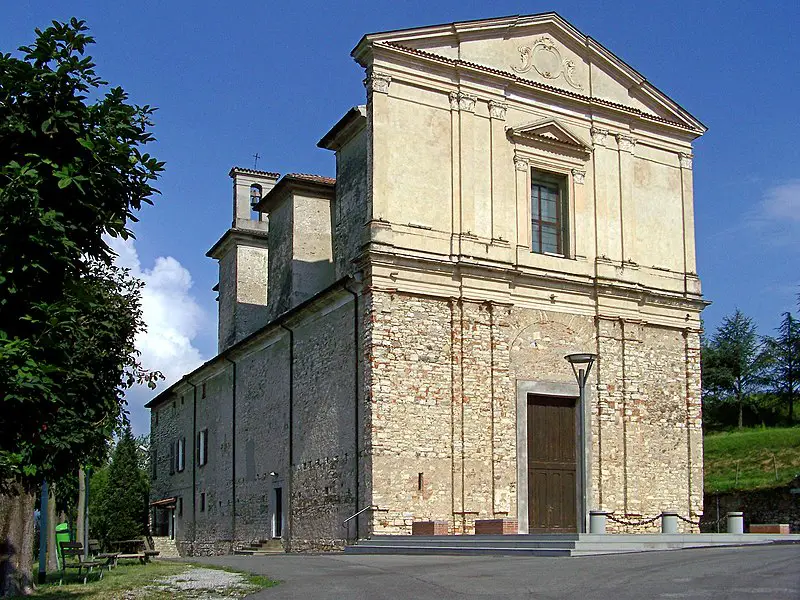
Construction of the new church began in 1655 and it was built in a modernised style typical of the austere Lombard Baroque. The façade, with its strong vertical thrust, features a tripartite front, with the side panels adorned with relief squares designed to accommodate paintings. The central section, on the other hand, is dominated by the portal in Sarnico stone, with its complex and refined forms, featuring projecting pilasters at the centre, topped by the heads of two telamons supporting the broken lintel in the centre, and the semi-circular pediment.
The interior hall and the decorative elements
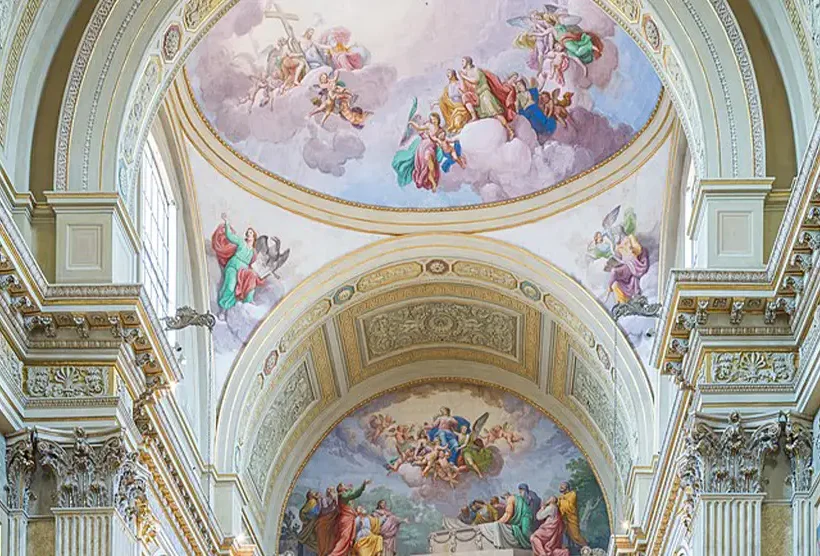
The interior is designed as a single barrel-vaulted hall: the elevations, in a sober classical style, are punctuated by tall fluted pilasters, with Corinthian capitals and a composite string course, upon which rests the barrel vault decorated with hexagonal coffers. Between each pilaster, the wall space is left clear to accommodate painted panels, whilst between each capital there is an elegant stucco cornice featuring garlands laden with fruit and flowers. The same decorative refinement is evident in the side altars, dedicated to Saint Stephen and Saint Anthony of Padua, which are framed by round arches.
The chancel, the 18th-century cornice and Pompeo Ghitti
At the far end of the nave lies the presbytery chapel, situated on a raised platform and accessed through a large round-arched doorway. The chapel, which, like the nave, has a quadrangular plan and a barrel vault, preserves the venerated fresco, around which a complex 18th-century multi-material frame is arranged: the architecture and statues are, in fact, crafted from polychrome marble and enclose, above the fresco, an arched oil painting, the work of Pompeo Ghitti (Marone, 1631–1703). The altars, too, bear witness to the great skill of 18th-century marble craftsmen, who employed the technique of ‘commesso marmoreo’ (marble inlay), that is, the inlaying of different types of marble, a practice that spread throughout the Brescia area from the late 17th century onwards, thanks to the Florentine Corbarelli family, who were active in Lombardy and Veneto.
The 18th-century Serassi organ
The church boasts one final important feature: on the rear façade, where the choir loft is situated, there is an 18th-century organ, still fitted with its original wooden case, the work of the Serassi family, a renowned family of organ builders active for six generations, from the 1720s until 1895.
Links and useful information


Opening hours: 7.30–21 during the summer, 7.30–19.30 during the winter
Free admission
Privately owned property