Castle and Church of St Rocco
- Home
- /
- Arte e cultura
- /
- Castles
- /
- Castle and Church of St Rocco
The Church of St Rocco and the ancient refuge at Provaglio d’Iseo
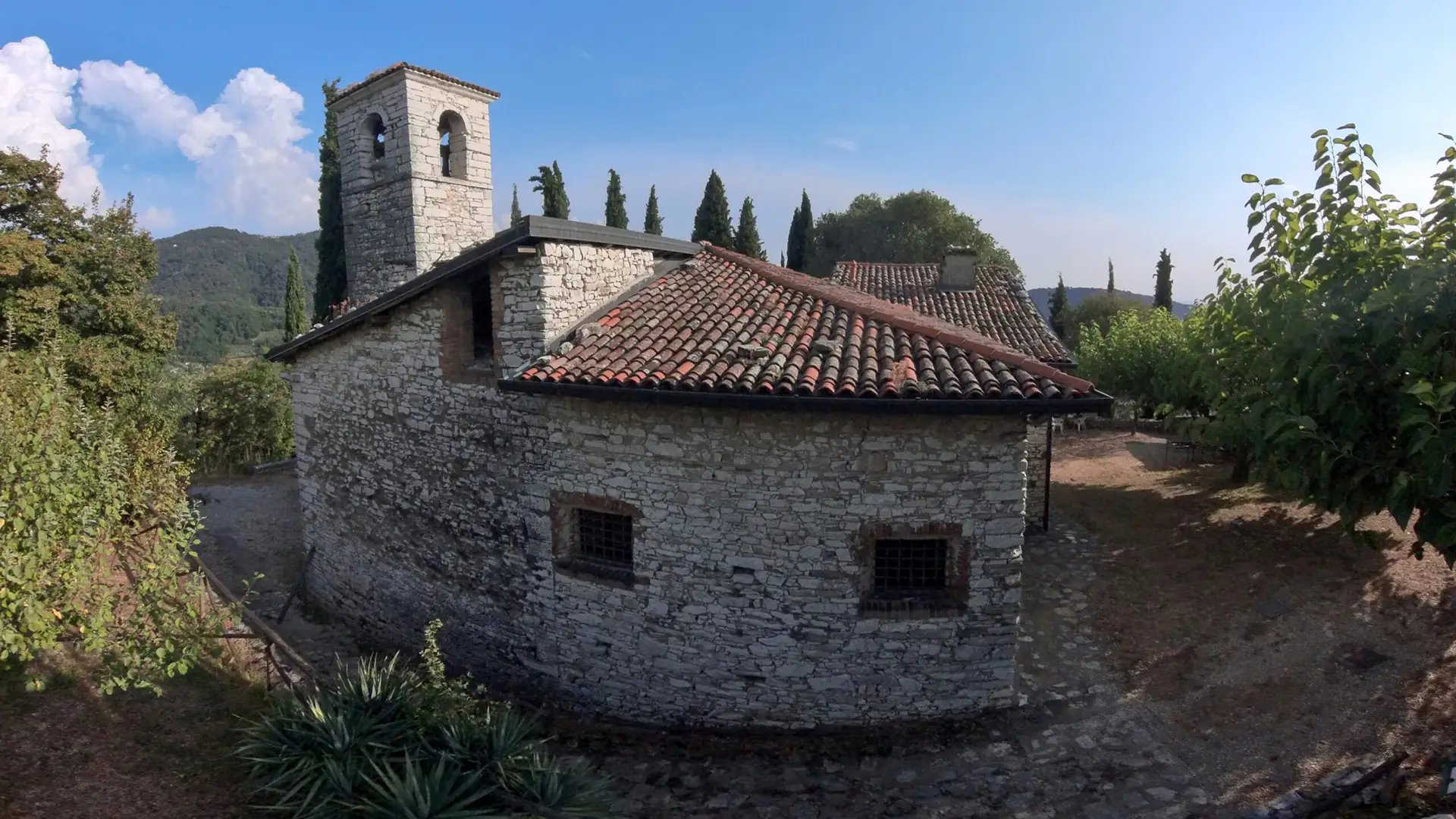
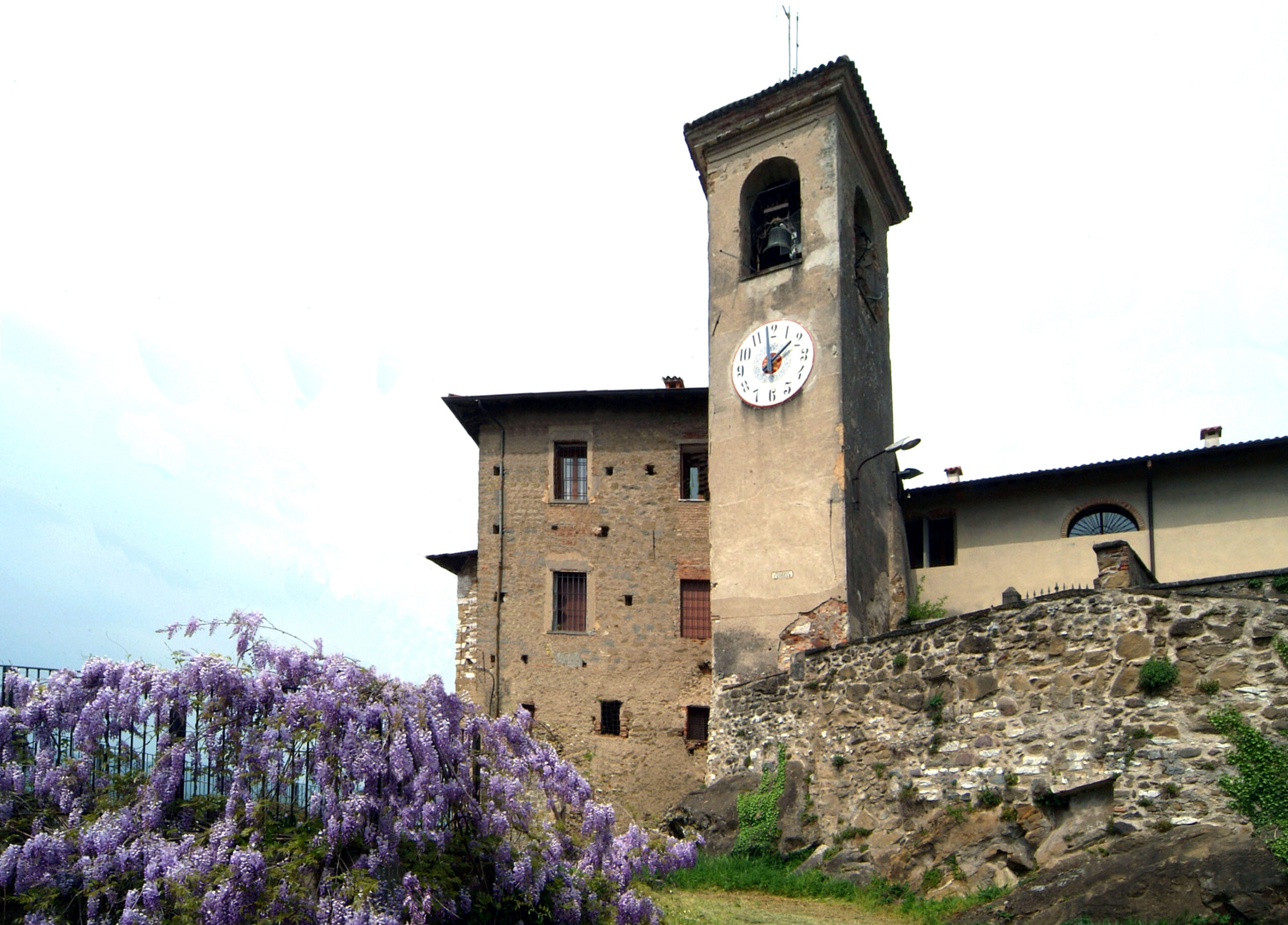
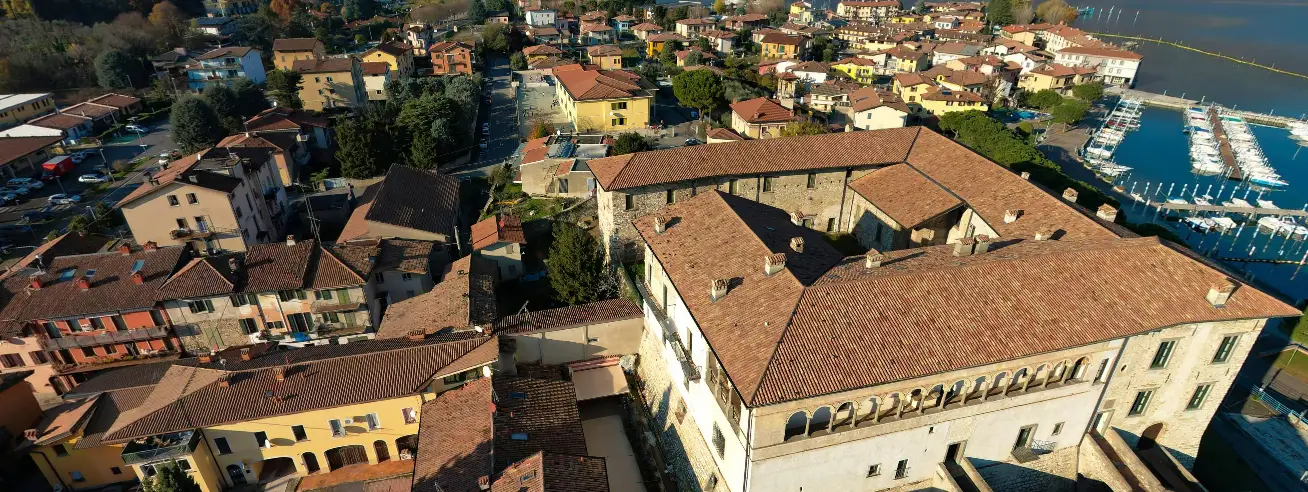
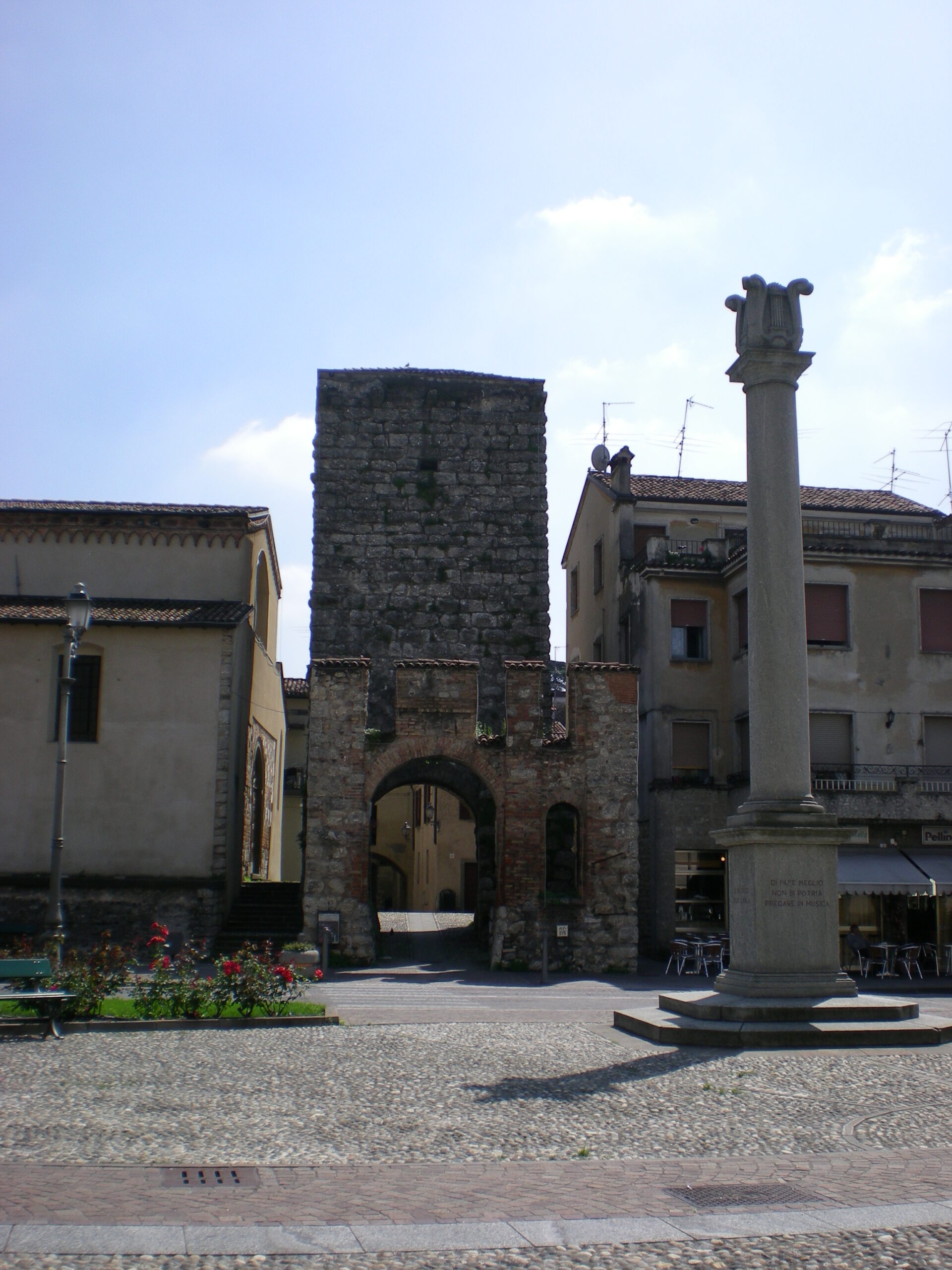
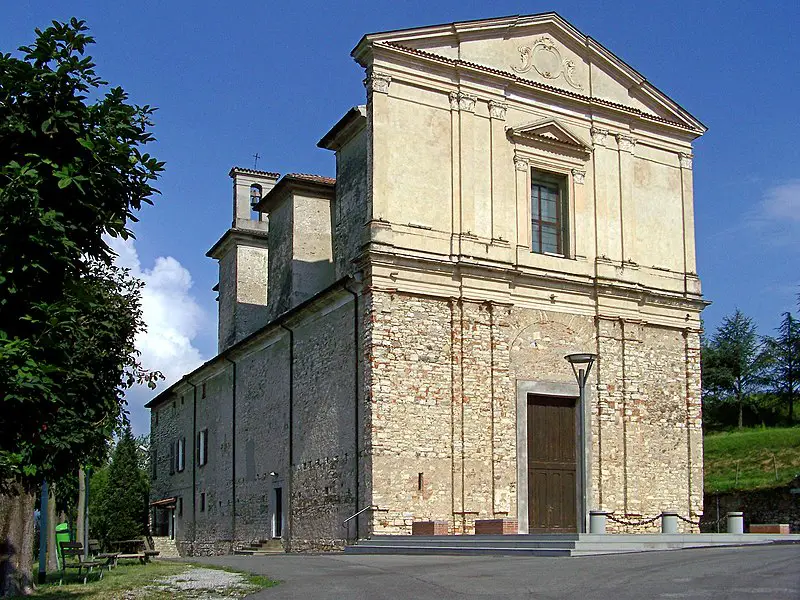
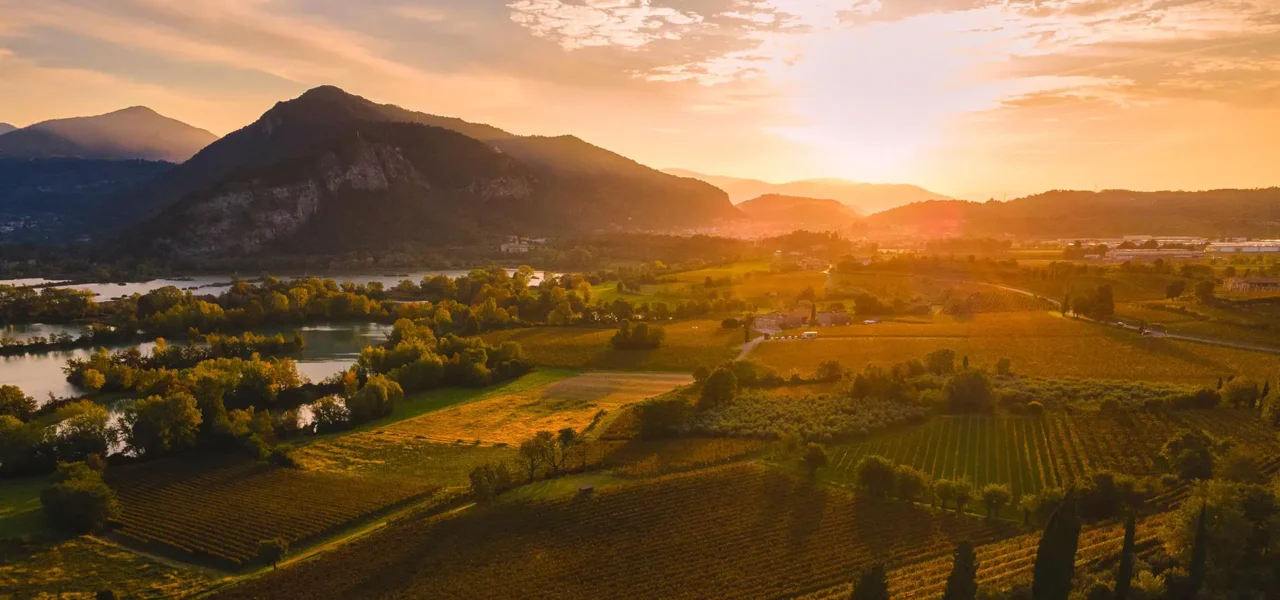
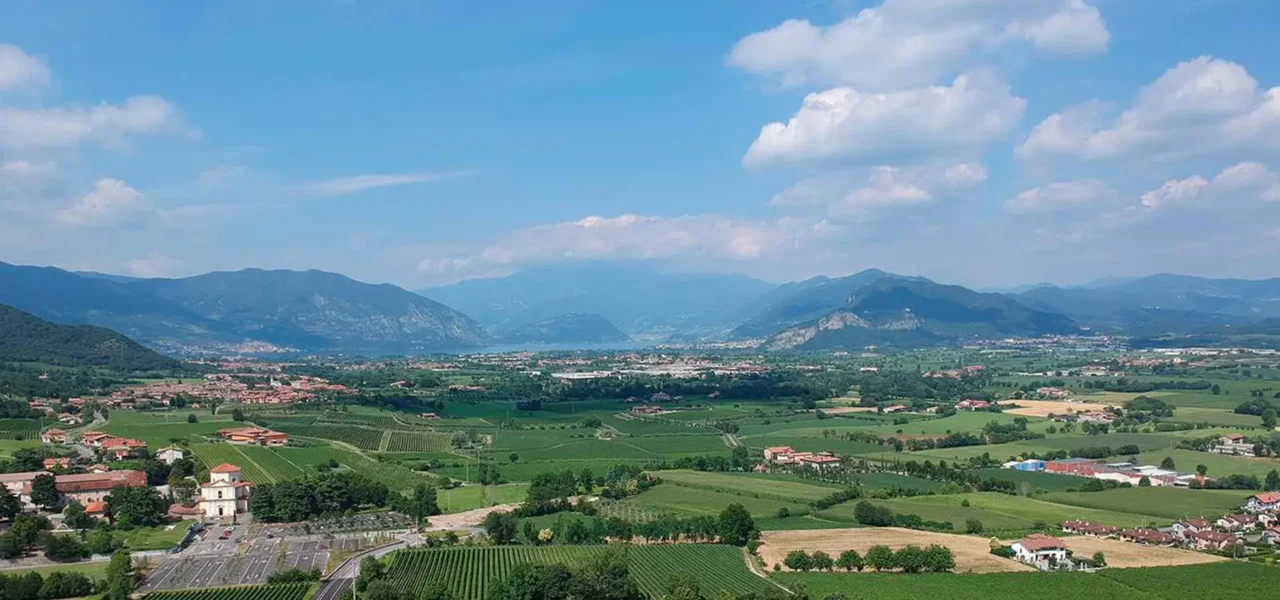
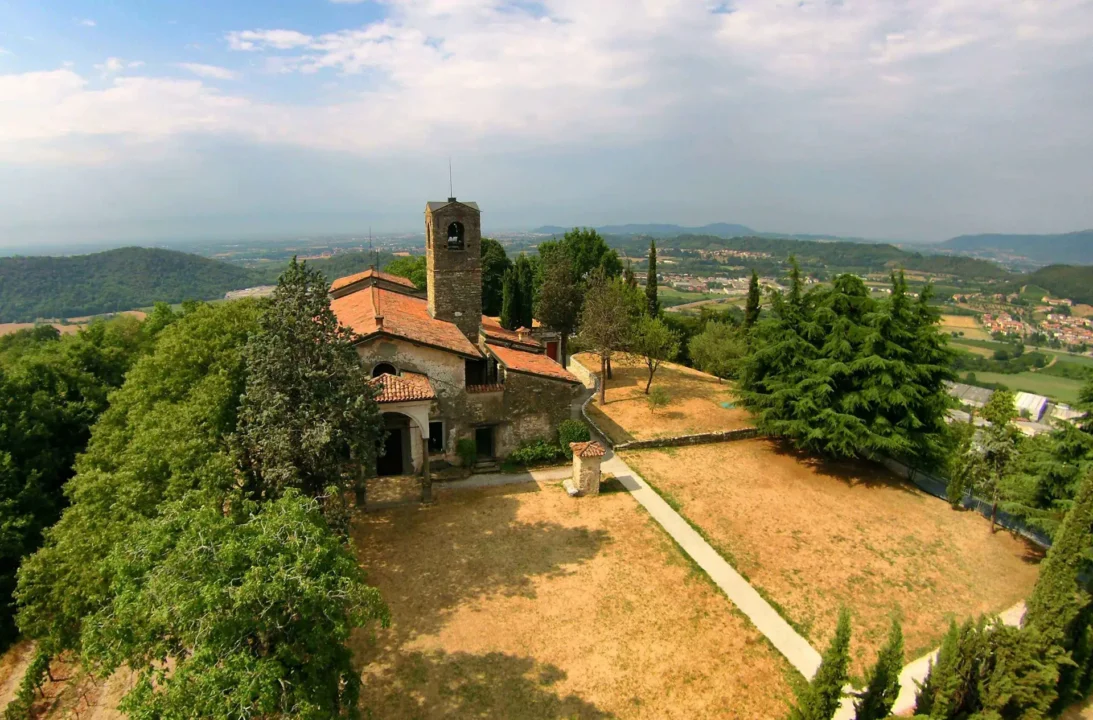
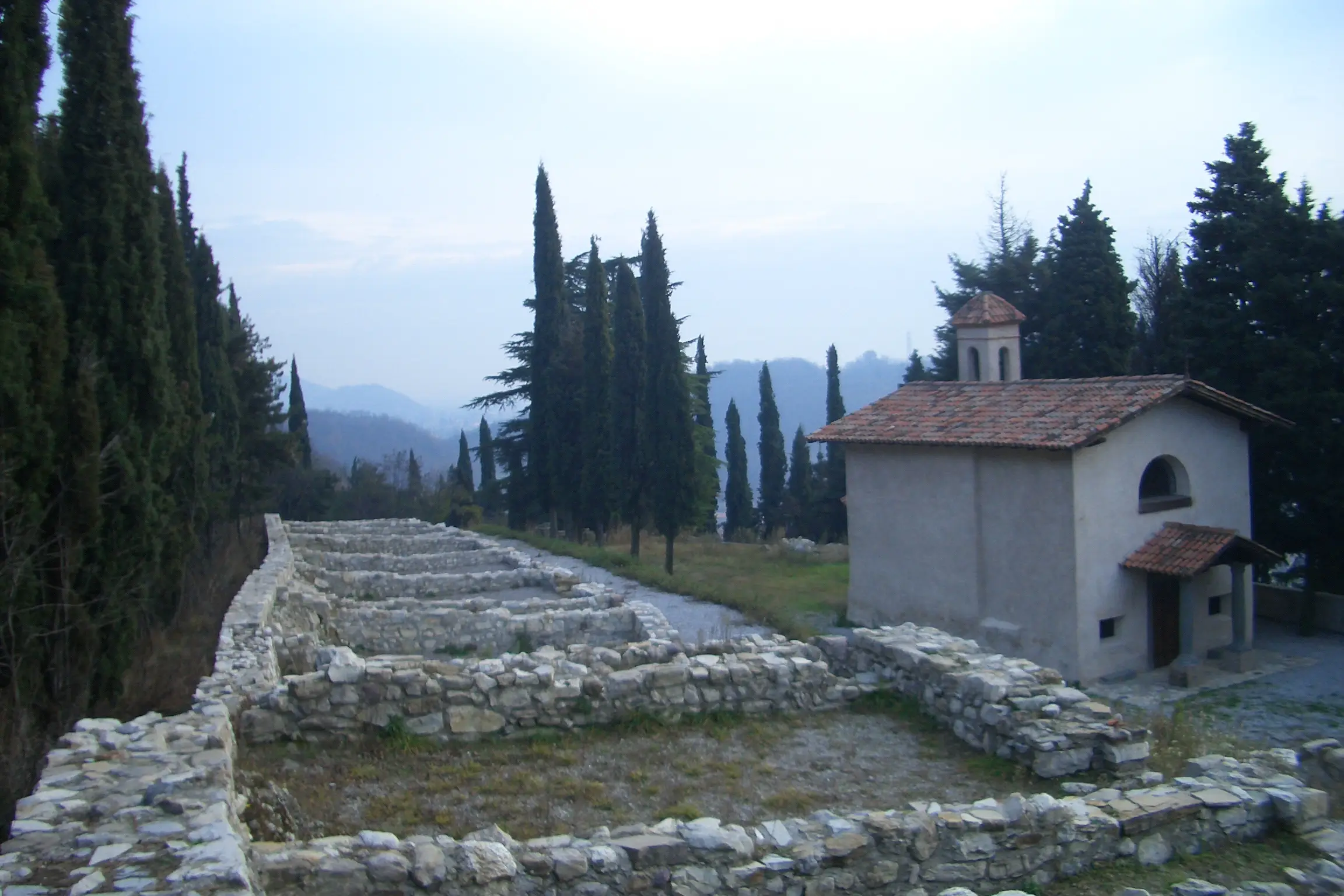
Perched on top of a promontory above the hamlet of Gresine, in Provaglio d’Iseo, and surrounded by magnificent cypress trees, the small church dedicated to St Rocco is the most visible part of an ancient fortified refuge dating back to the early Middle Ages: a situation similar to that found in other Franciacorta villages, such as Ome or Borgonato, where the link between a castle and a place of worship that is still visible has been confirmed.
Lack of written sources and archaeological investigations (1999–2000)
In the case of Provaglio, no records have survived that could recount the history of the settlement; however, the site has been the subject of extensive archaeological investigations, including a large-scale excavation carried out between 1999 and 2000, which fully uncovered the entire surface of the fortified settlement, revealing its immense historical significance.
Architectural stratification and chronology from the Middle Ages to the 15th century
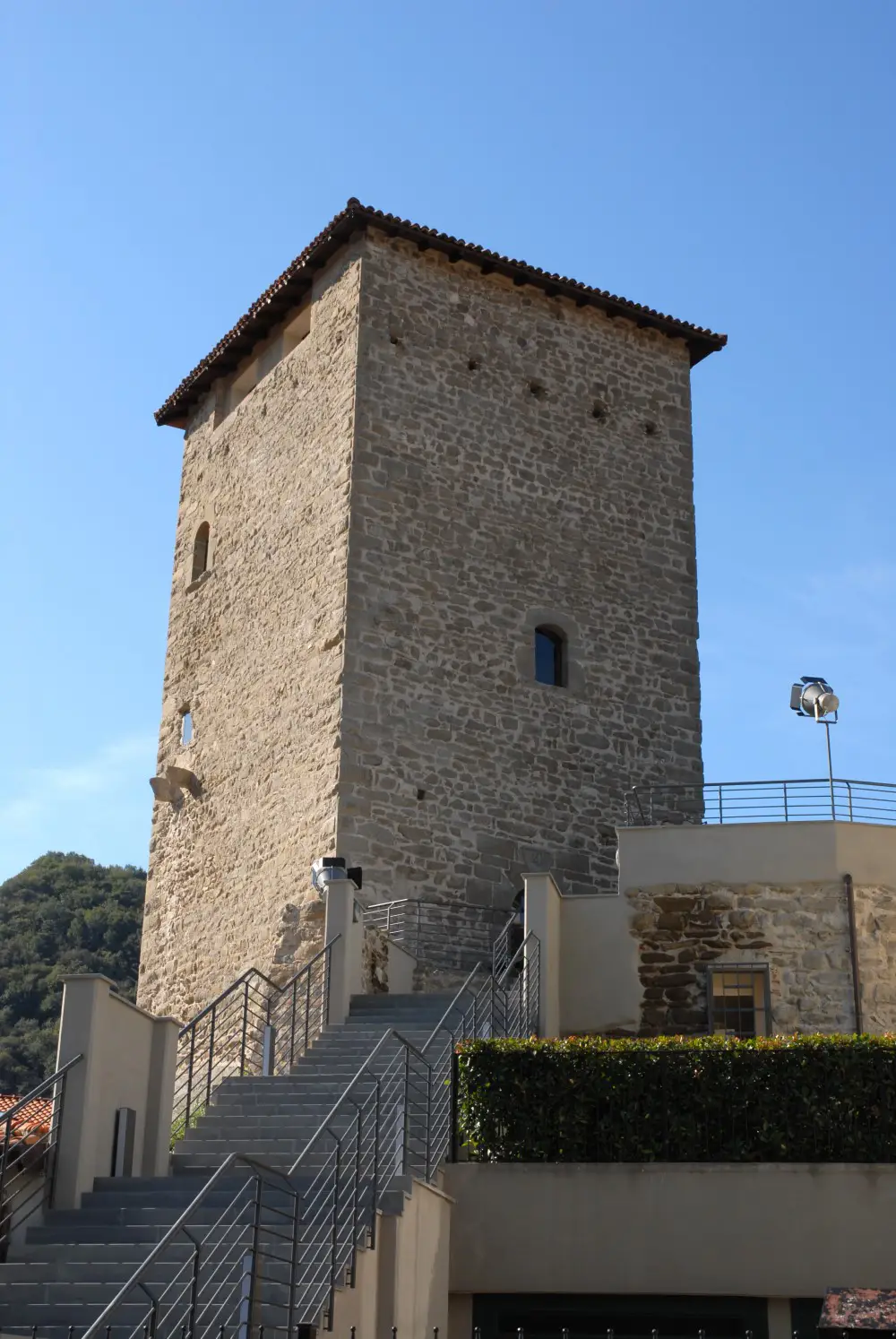
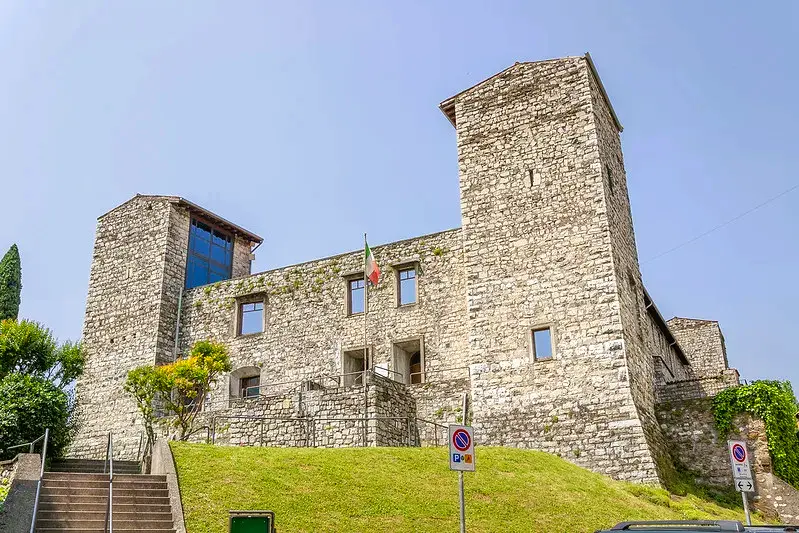
Although no structures remain standing today, with the exception of the church of San Rocco, the site offers an interesting insight into the stratification of buildings resulting from various construction phases, spanning a period from the early Middle Ages to the 15th century. It is not, therefore, a castle that evolved from a pre-existing Roman curtis, but one built from scratch during the Middle Ages.
The construction phases: early medieval core, 12th–13th-century defences and burial ground
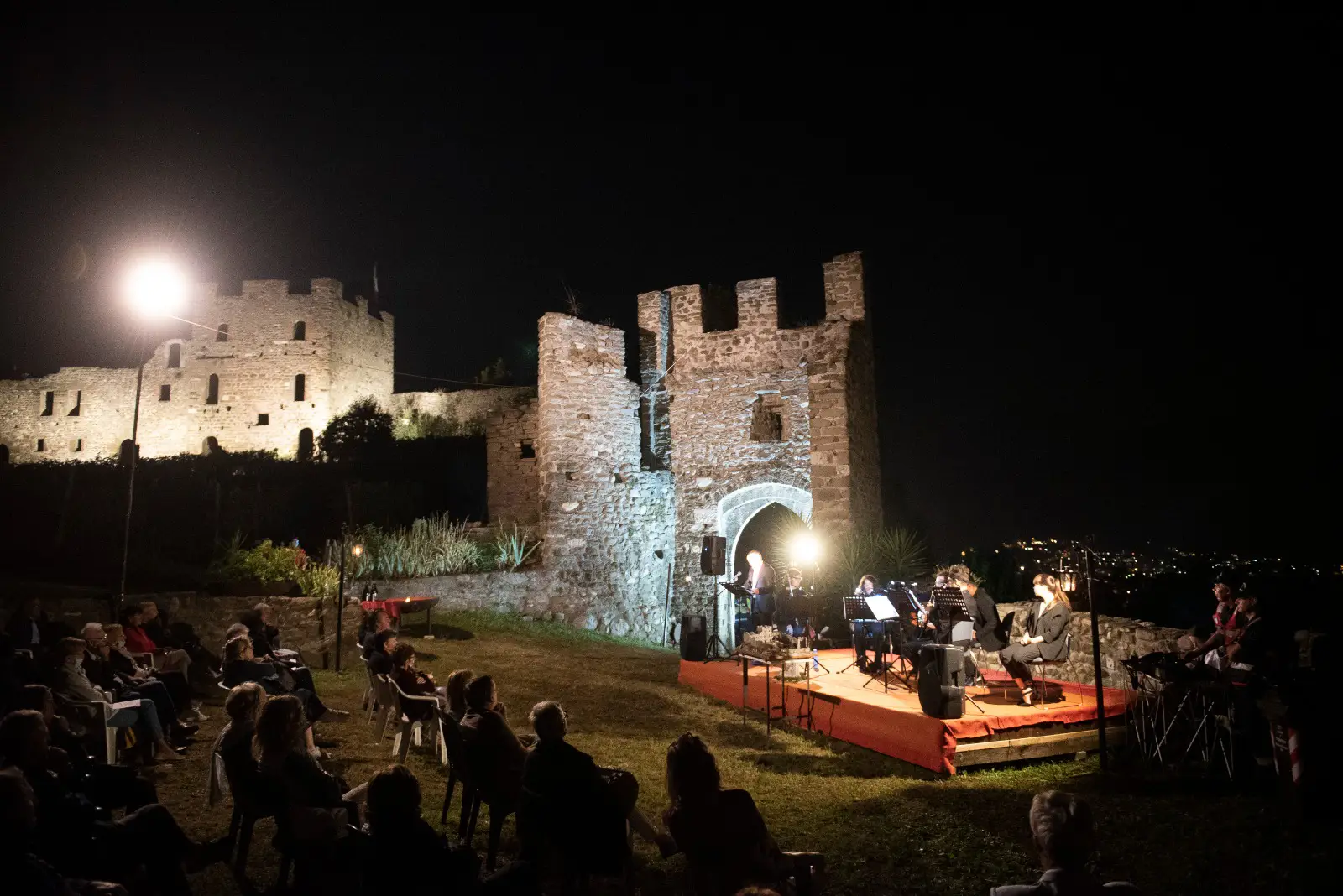
The archaeological excavation has revealed the site’s various construction phases: the oldest section, dating back to the early Middle Ages, developed around the church of San Rocco – formerly dedicated to Saint Ambrose, near which a burial ground was discovered. Around this first settlement, masonry defences were erected, dating from the 12th to the 13th century, whose elliptical perimeter is still perfectly visible thanks to the excavation.
The caneve: two-storey storehouses in the ricetto
Looking around, one can see the remains of a series of square-plan rooms, of which only a section of wall remains: these are the ‘caneve’, small two-storey storehouses, with the lower level used as a cellar, whilst the upper level, accessible via a raised entrance, may have served as a barn.
The destruction in the 15th century and the end of the refuge
The 15th century marked the end of the Provaglio fortified settlement, which, after centuries of existence, was destroyed by Pandolfo Malatesta and never rebuilt.
Links and useful information


Opening hours: free entry to the castle ruins; entry to the church is by booking only