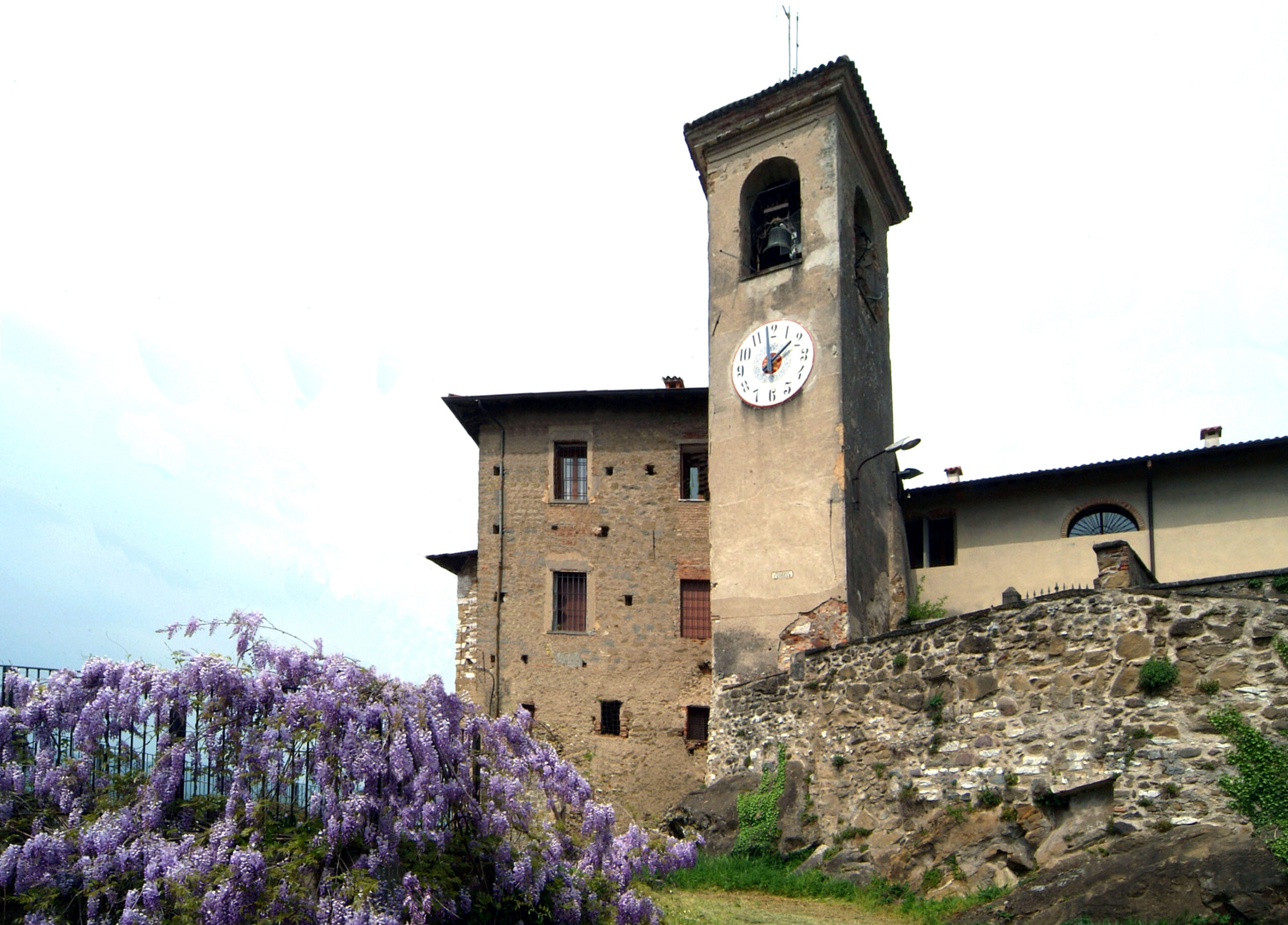
Castle – Monastery of St Mary of the Angels
- Home
- /
- Arte e cultura
- /
- Castles
- /
- Castle – Monastery of St Mary of the Angels
The fortified monastic complex on the summit of Capriolo
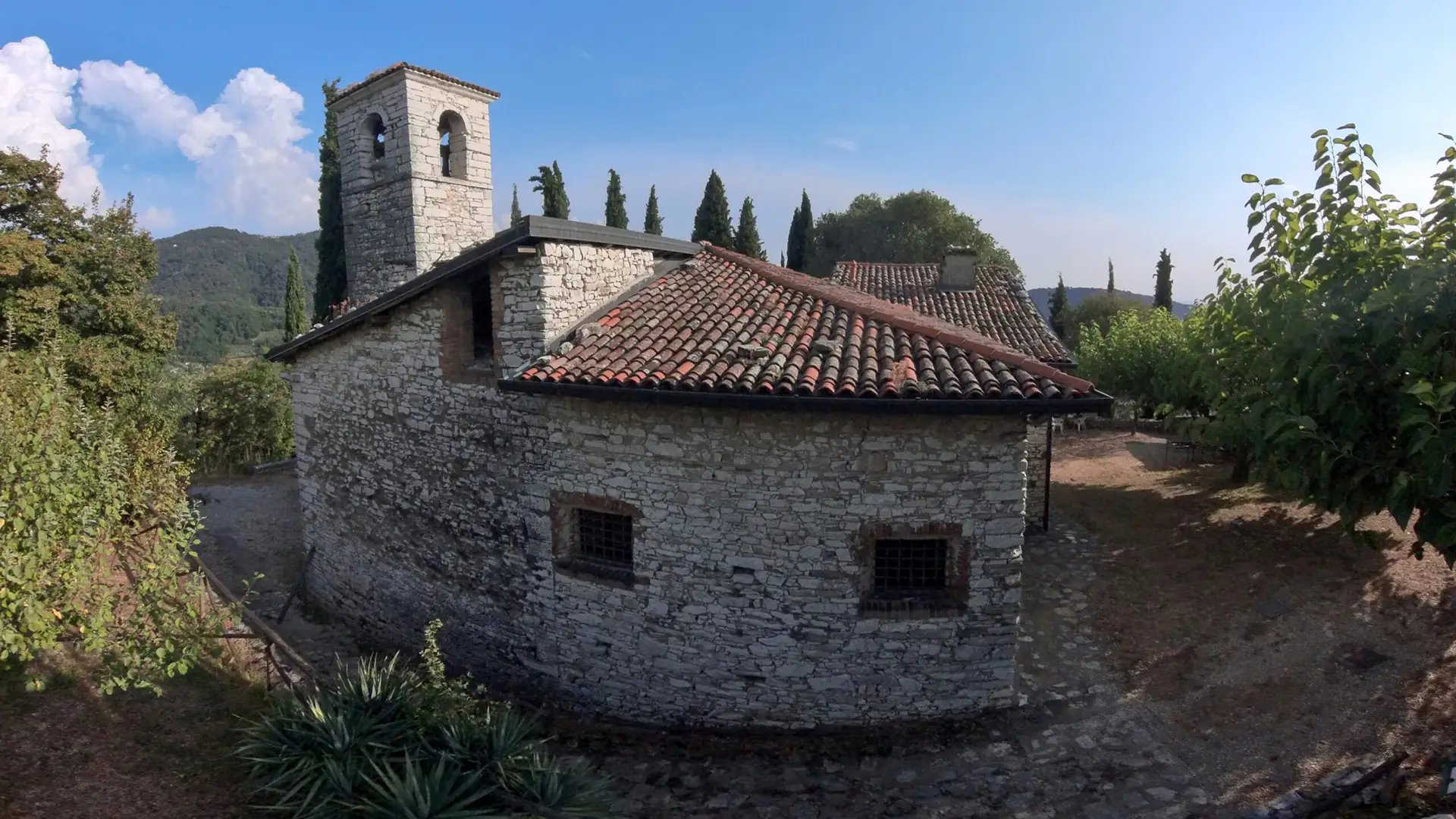
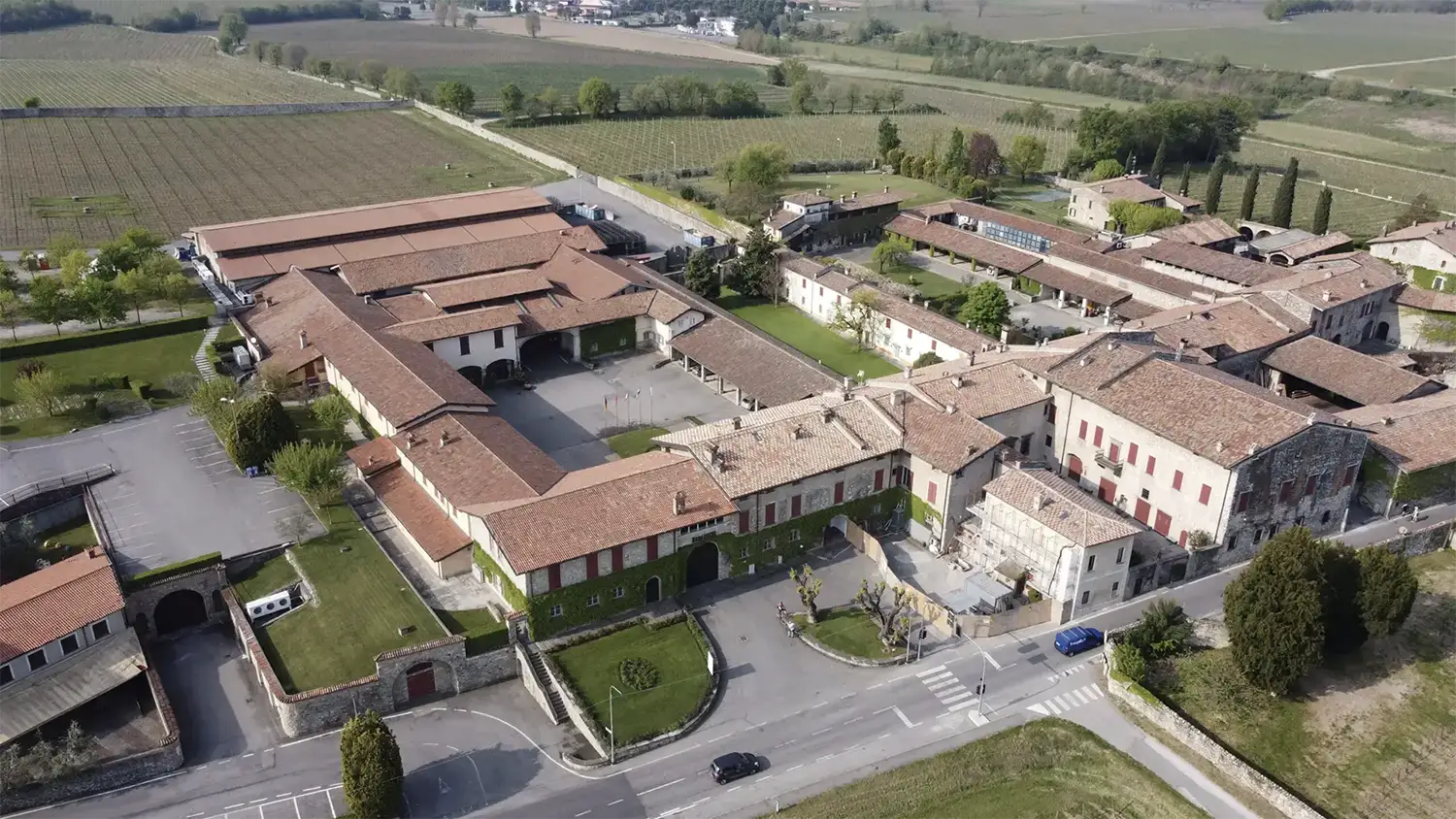
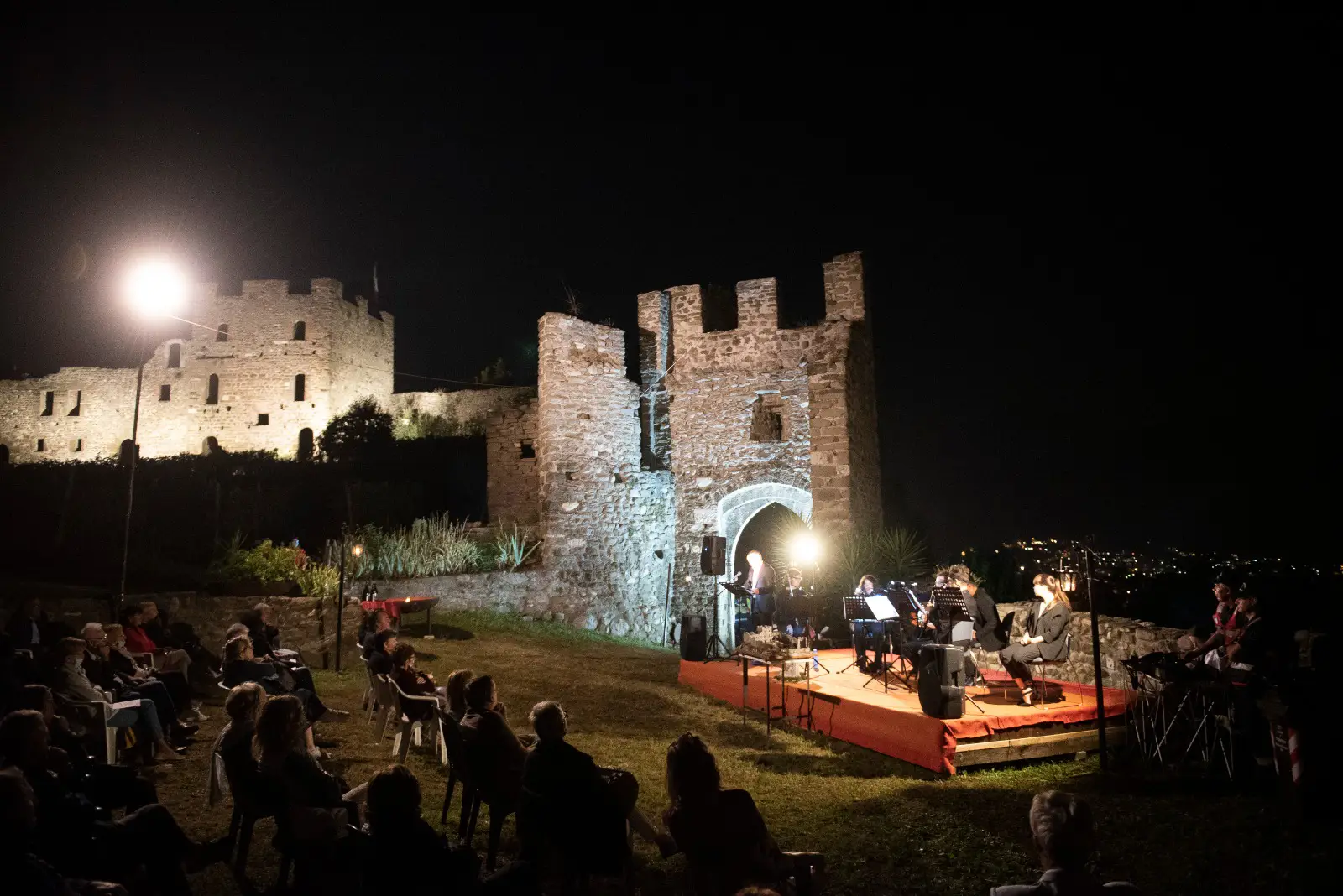
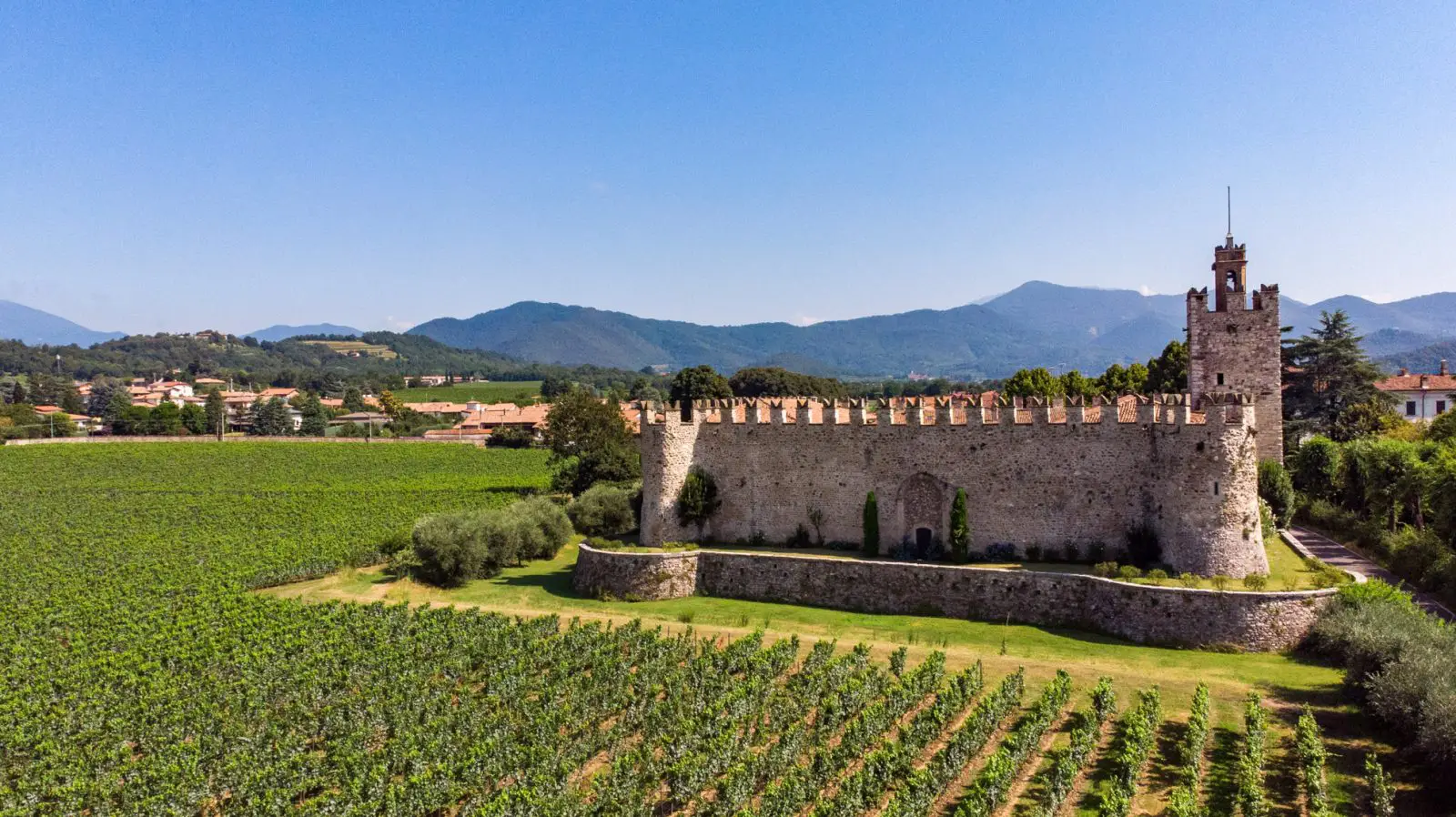
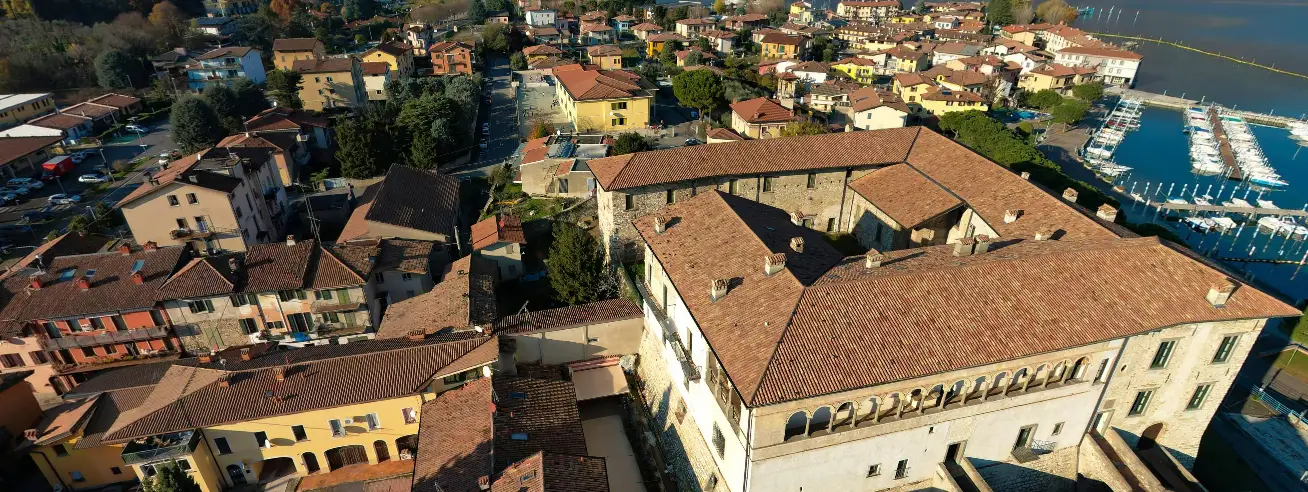
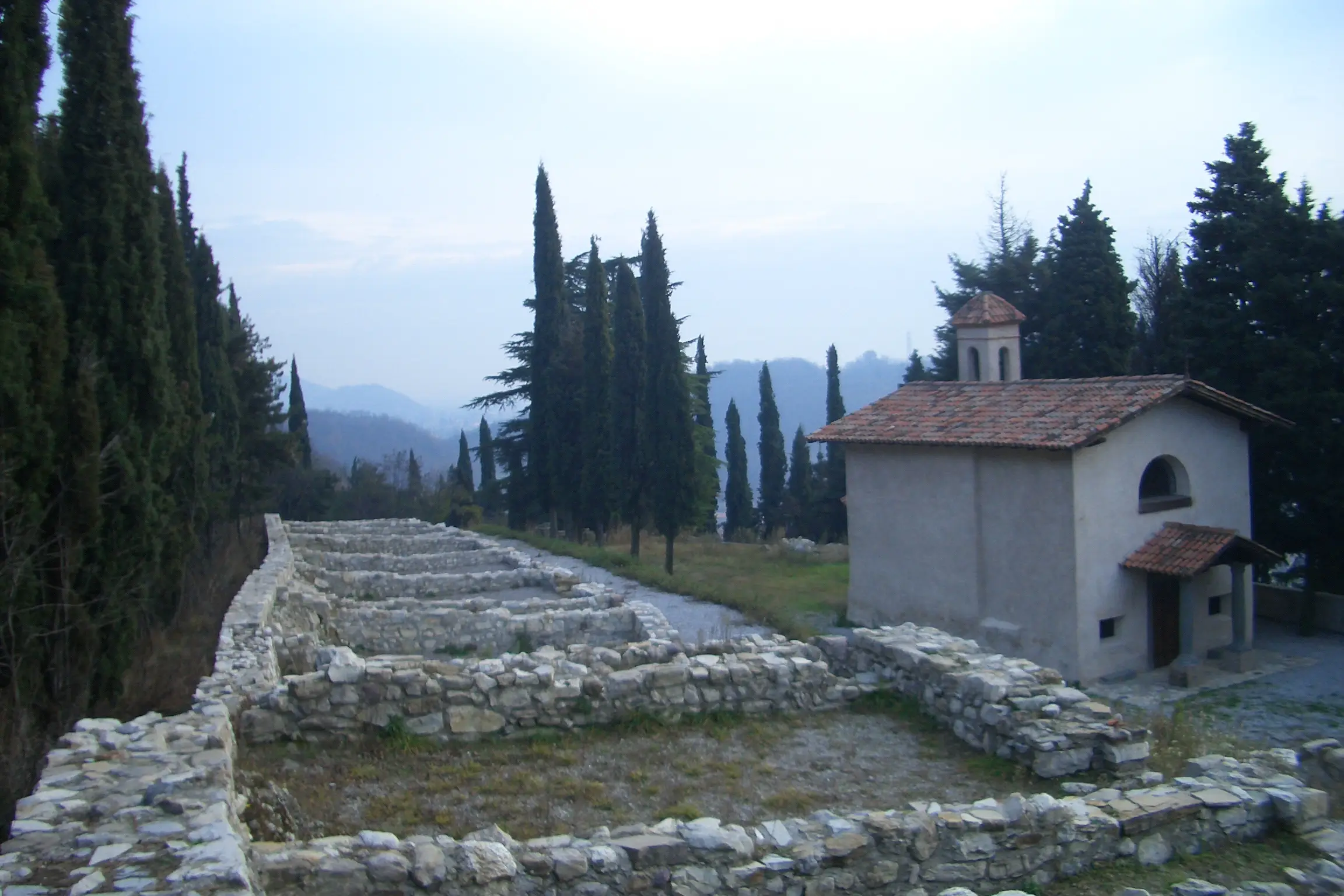
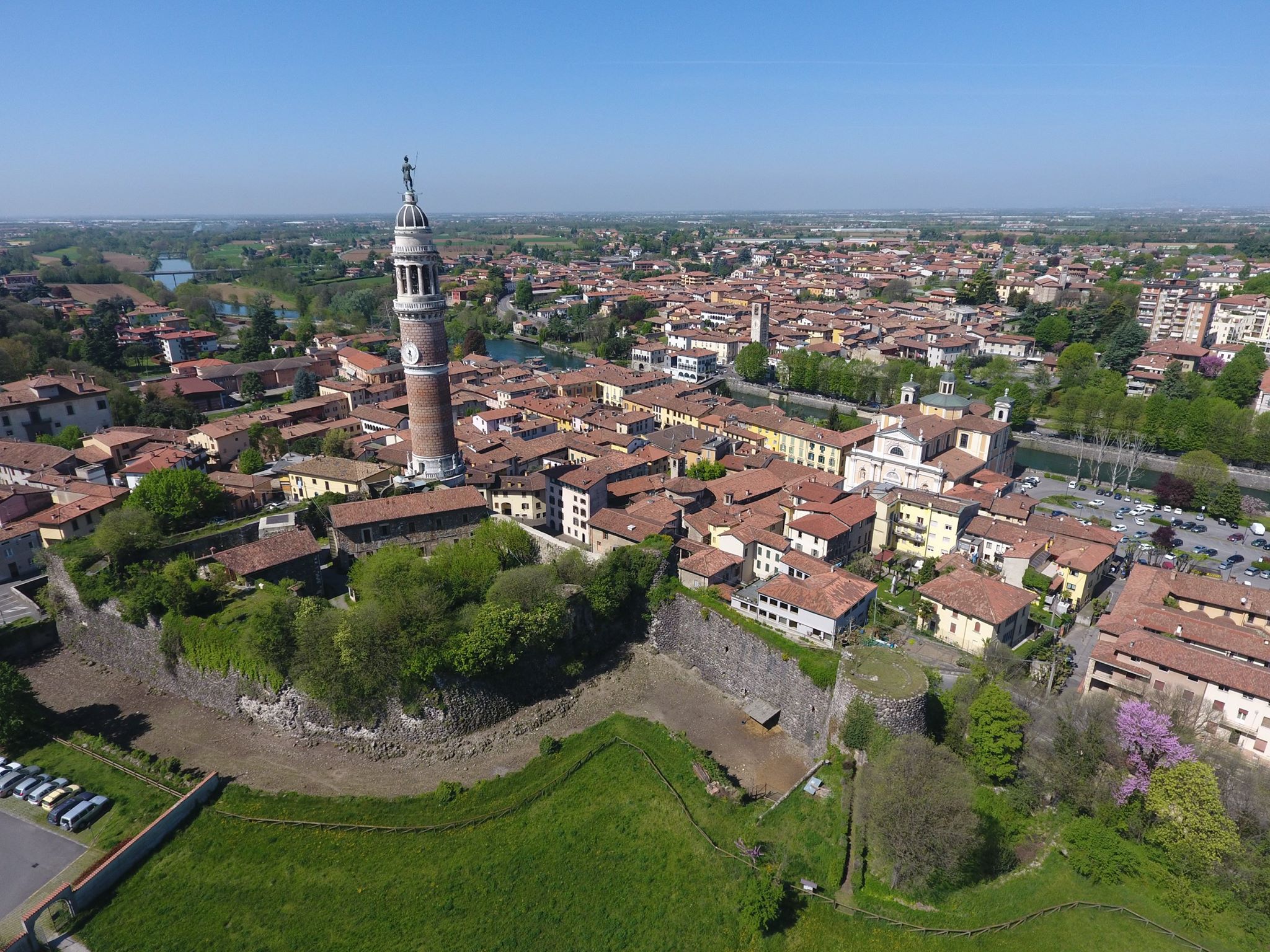
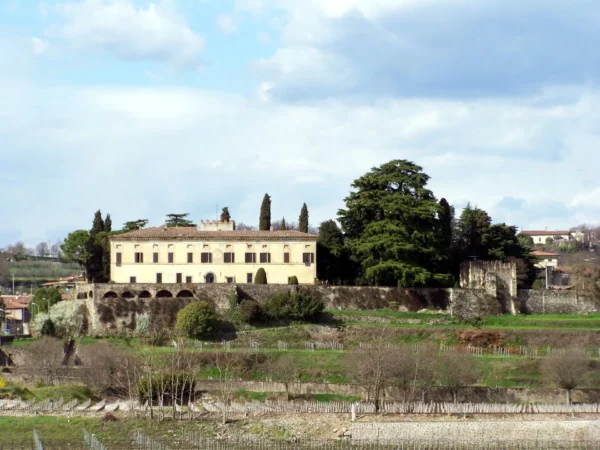
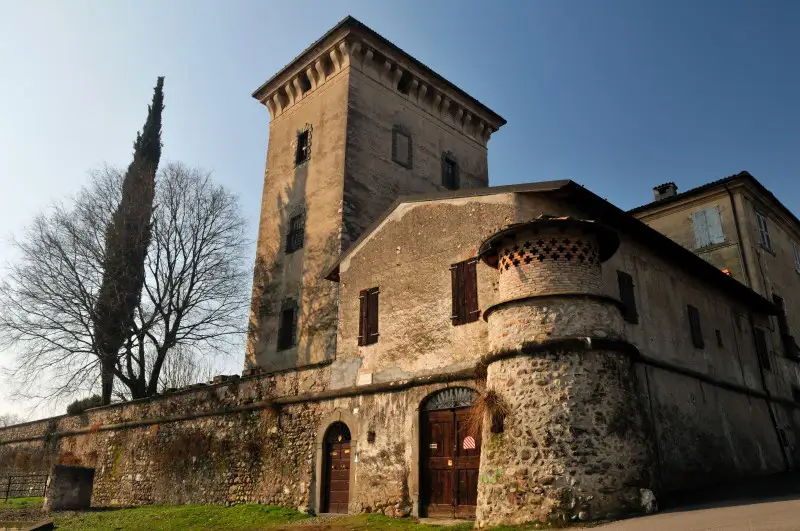
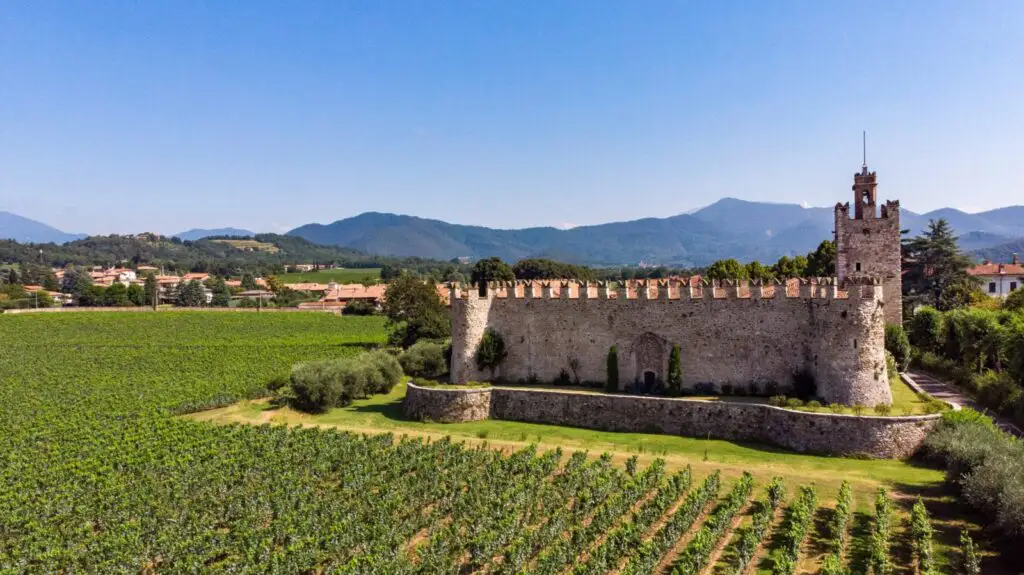
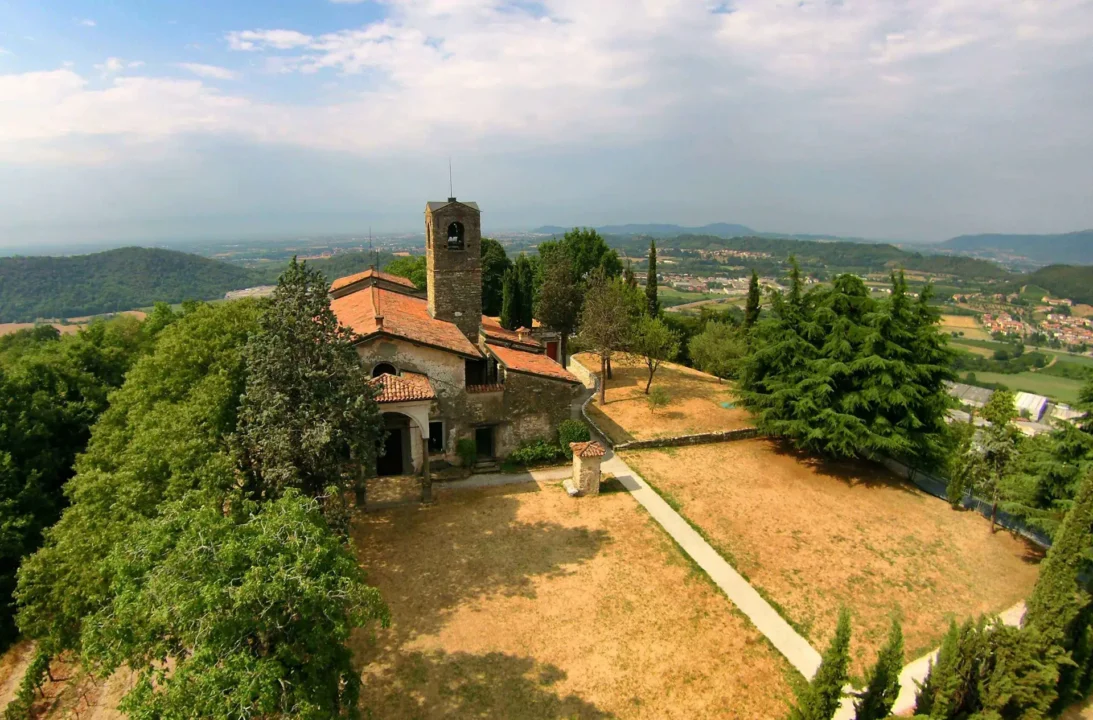
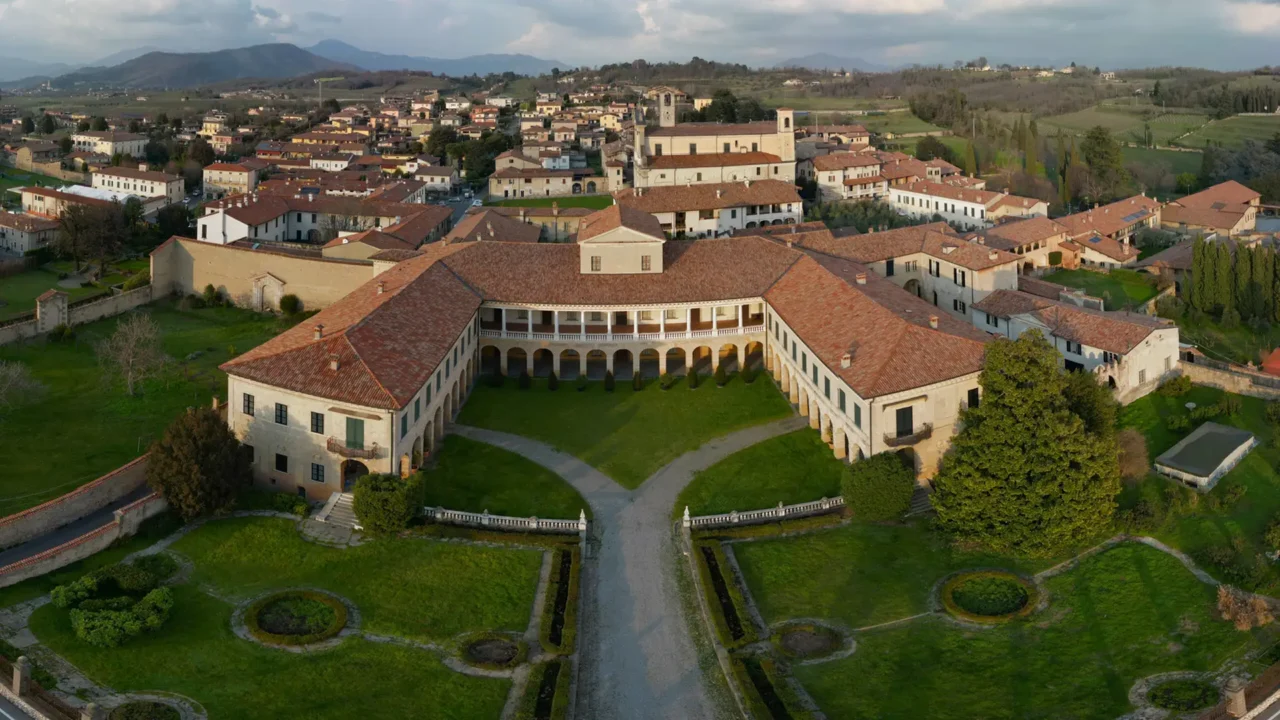
At first glance, the complex situated atop the village of Capriolo appears as a fascinating combination of two buildings: a castle at the base and a monastery at the highest point. Built in a position suitable for defence, the castrum of Capriolo was not originally the property of a single lord, but of the entire community, which built it as a refuge to be used in times of need, in accordance with a practice widespread in Northern and Central Italy and one that has also left a significant mark in Franciacorta.
Early medieval origins and the architecture of the castrum
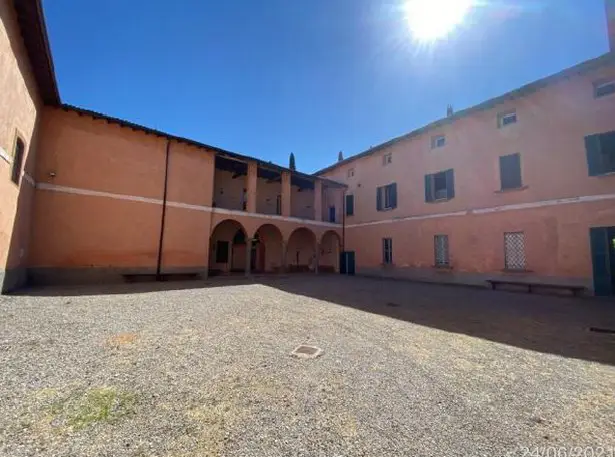
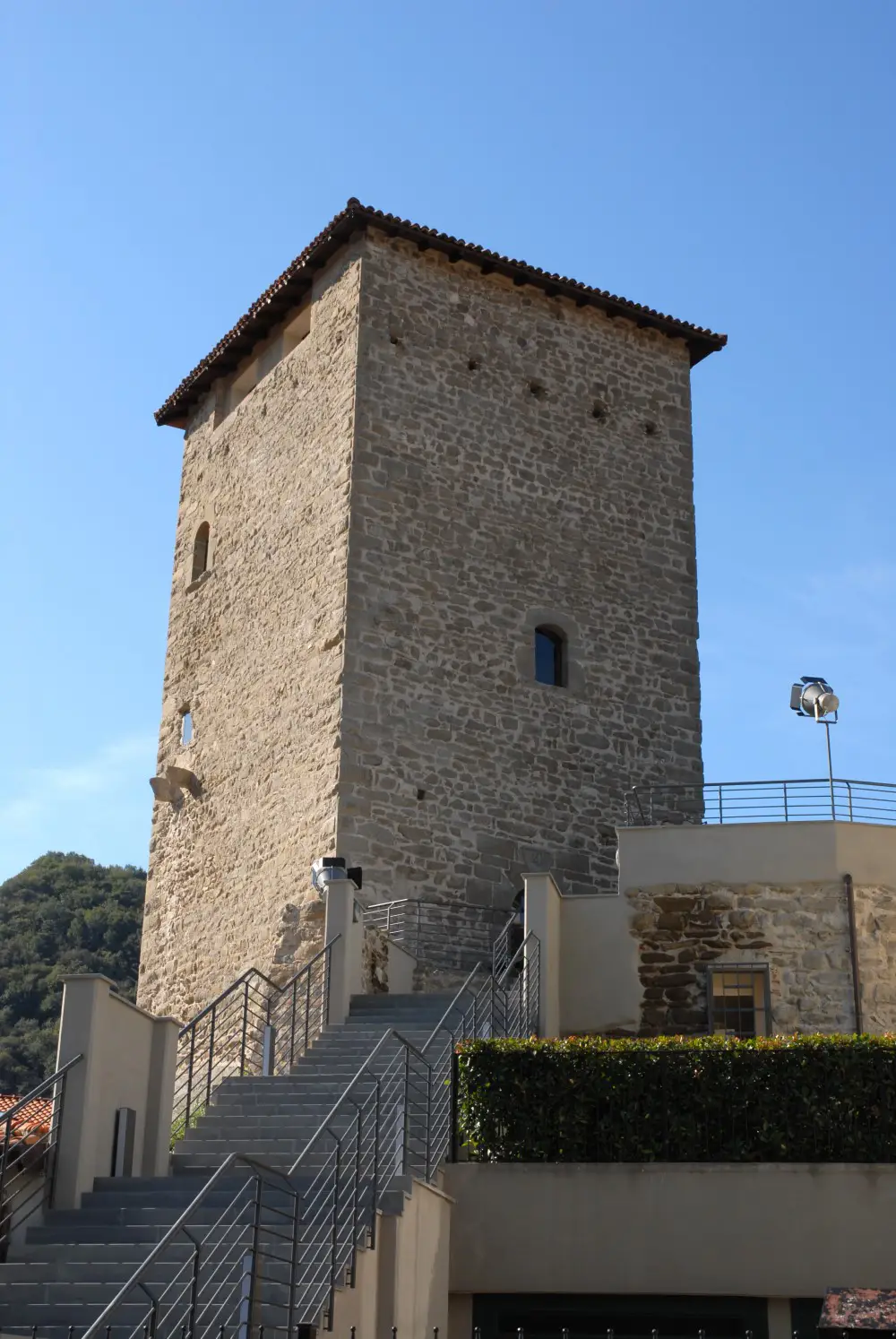
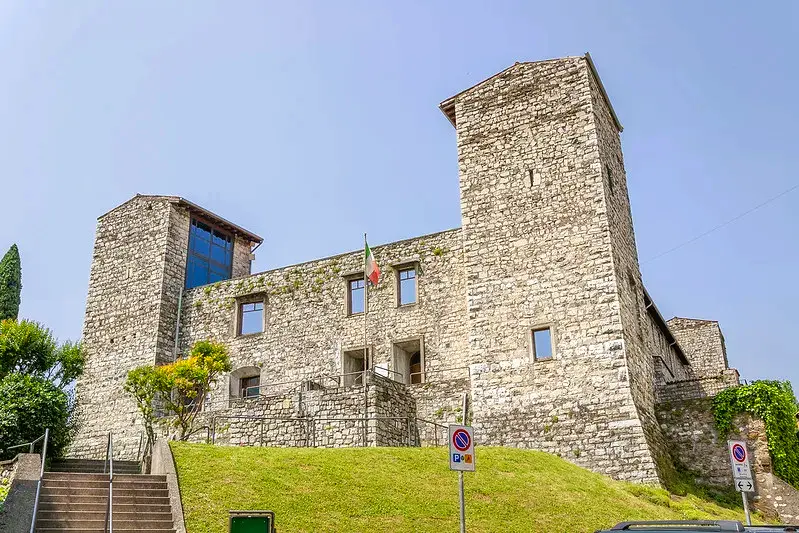
It was probably founded towards the end of the Early Middle Ages, when a process of fortification took place throughout the region, driven by the recent Hungarian invasions. The complex as a whole still retains the characteristics of fortified architecture, presenting a compact structure with an irregular trapezoidal plan, featuring a central courtyard surrounded by walls of considerable height. The base of the walls, for a length of about eight metres, dates back to the medieval construction phase and features a continuous profile without openings; a pointed-arch window remains on the western side.
Wars and Decline between the 15th and 17th Centuries
The castle was at the centre of the military conflicts that affected the Franciacorta region between the late Middle Ages and the early modern period: in 1438, during the events surrounding the siege of Brescia, it was occupied by Nicolò Piccinino, a soldier fighting for the Visconti of Milan, before being recaptured by the forces of the Venetian Republic. In the 16th century, it fell into decline: in the Catastico Bresciano of 1610, Giovanni da Lezze conveys its state of neglect, describing it as ‘a fortress atop a barren hill, ancient and ruined, with its walls in ruins’.
Conversion into a convent and 17th-century restoration of the walls
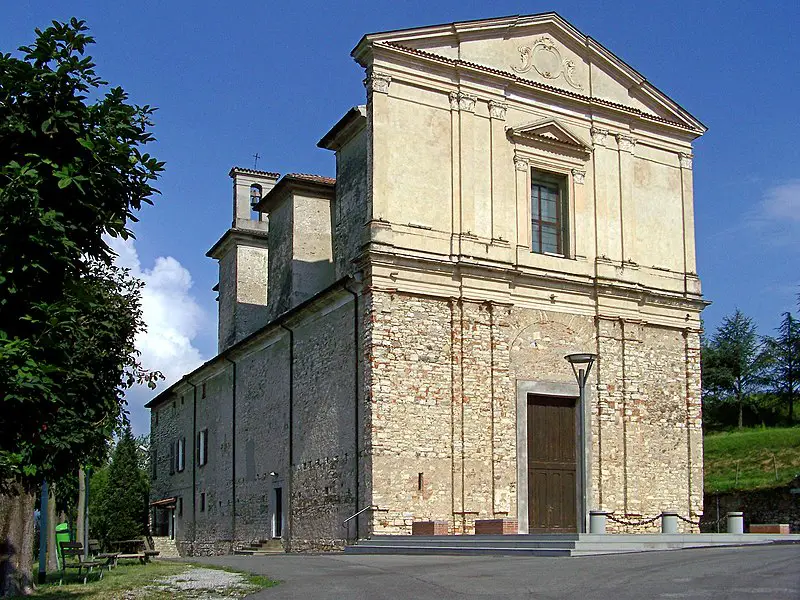
The period of neglect came to an end in the late 17th century, when, in 1692, the site was reoccupied and converted into a convent to house the female congregation of the Capuchin nuns from the Venetian church of S. Maria dell’Isola delle Grazie in Venice. On this occasion, the castle underwent restoration, as can be deduced from the upper part of the walls, which differs significantly in style from the medieval base: at the top, one can still make out all the post holes, arranged in rows at regular intervals, evidence of a construction site that progressed rapidly and without interruption.
Links and useful information


Opening hours: guided tours organised by Pro Loco Capriolo