Path of the Crosses
- Home
- /
- Arte e cultura
- /
- Hidden treasures
- /
- Path of the Crosses
From the origins of the Via Crucis to the Path of the Crosses in Gussago
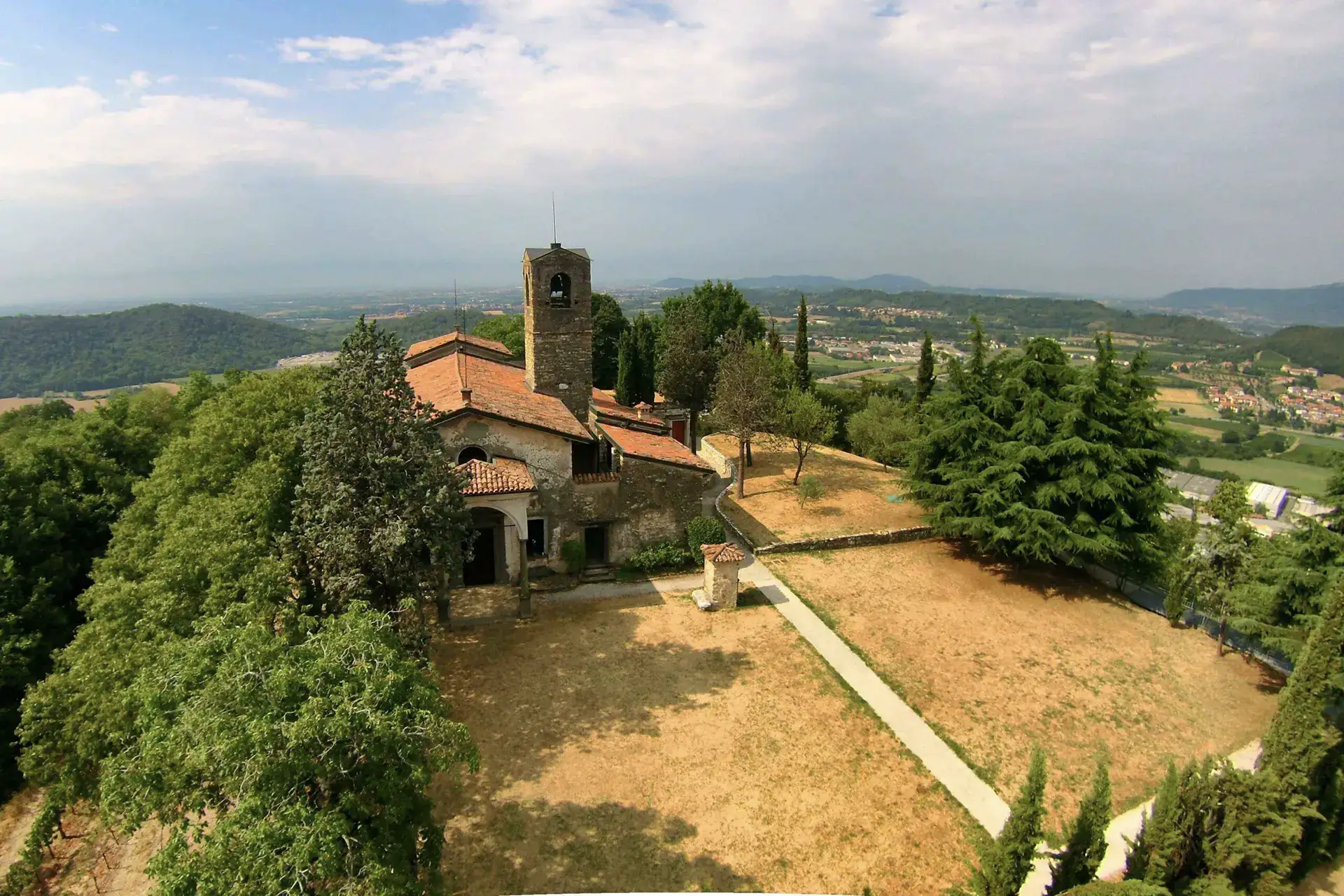
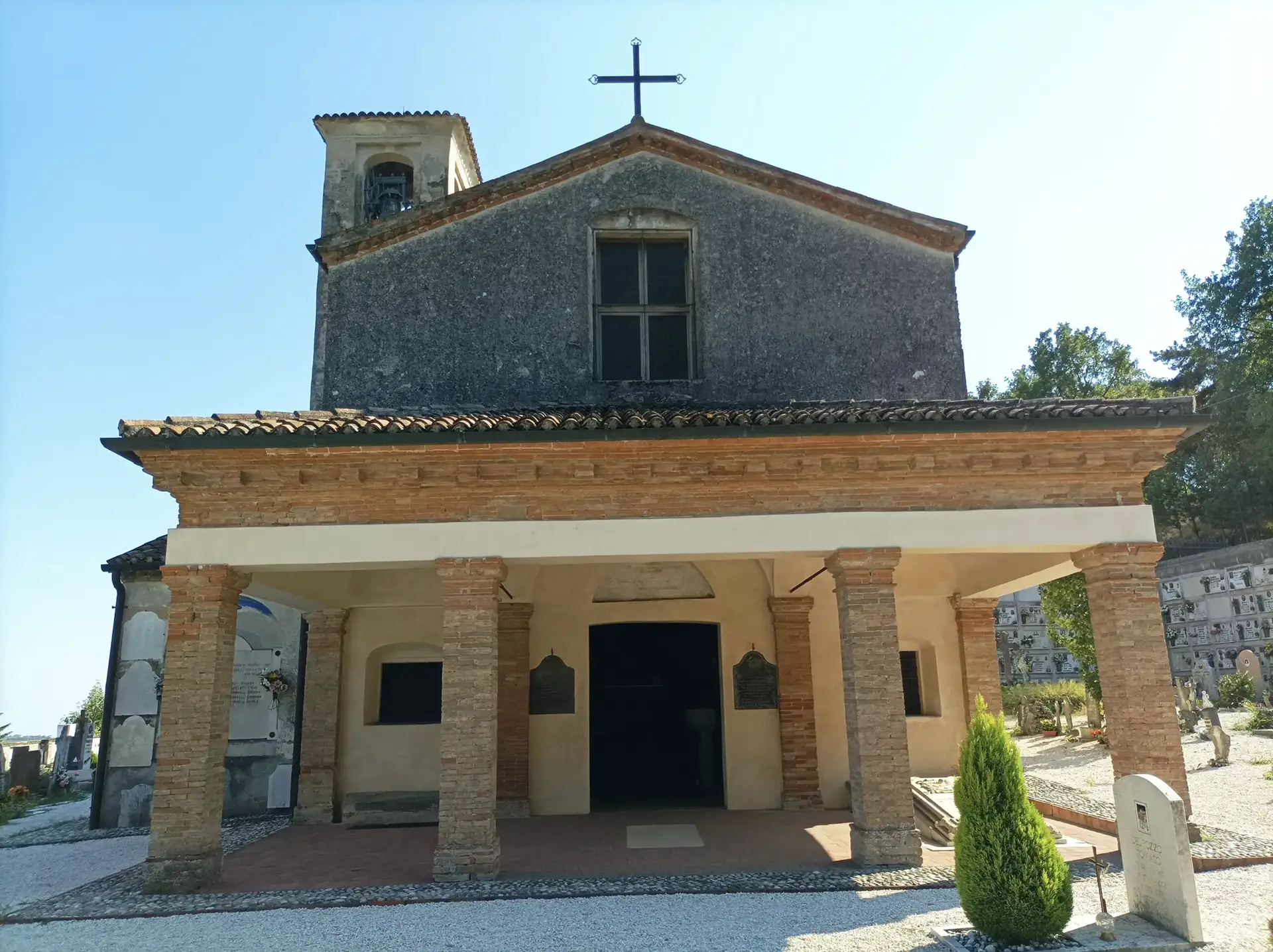
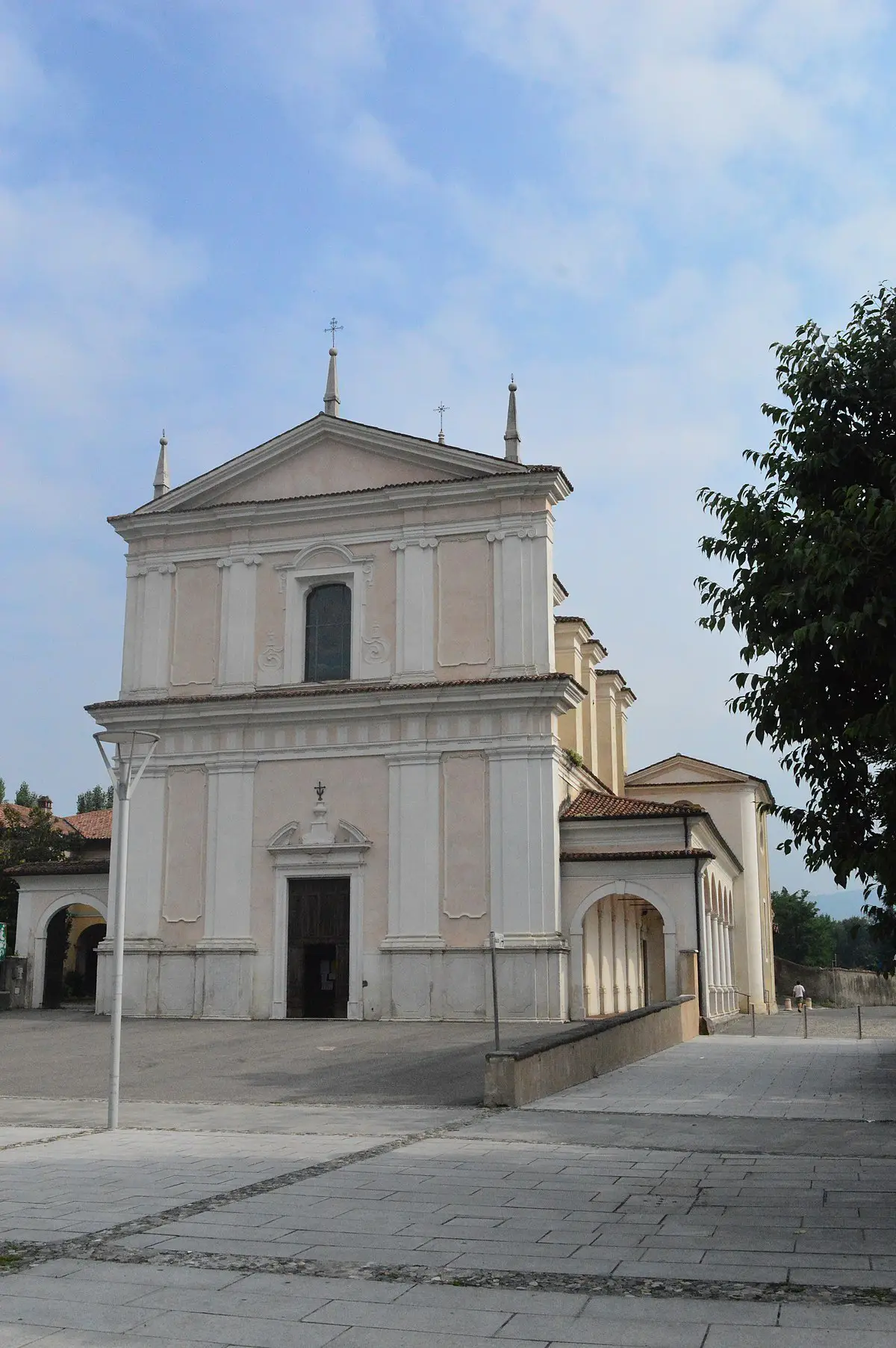
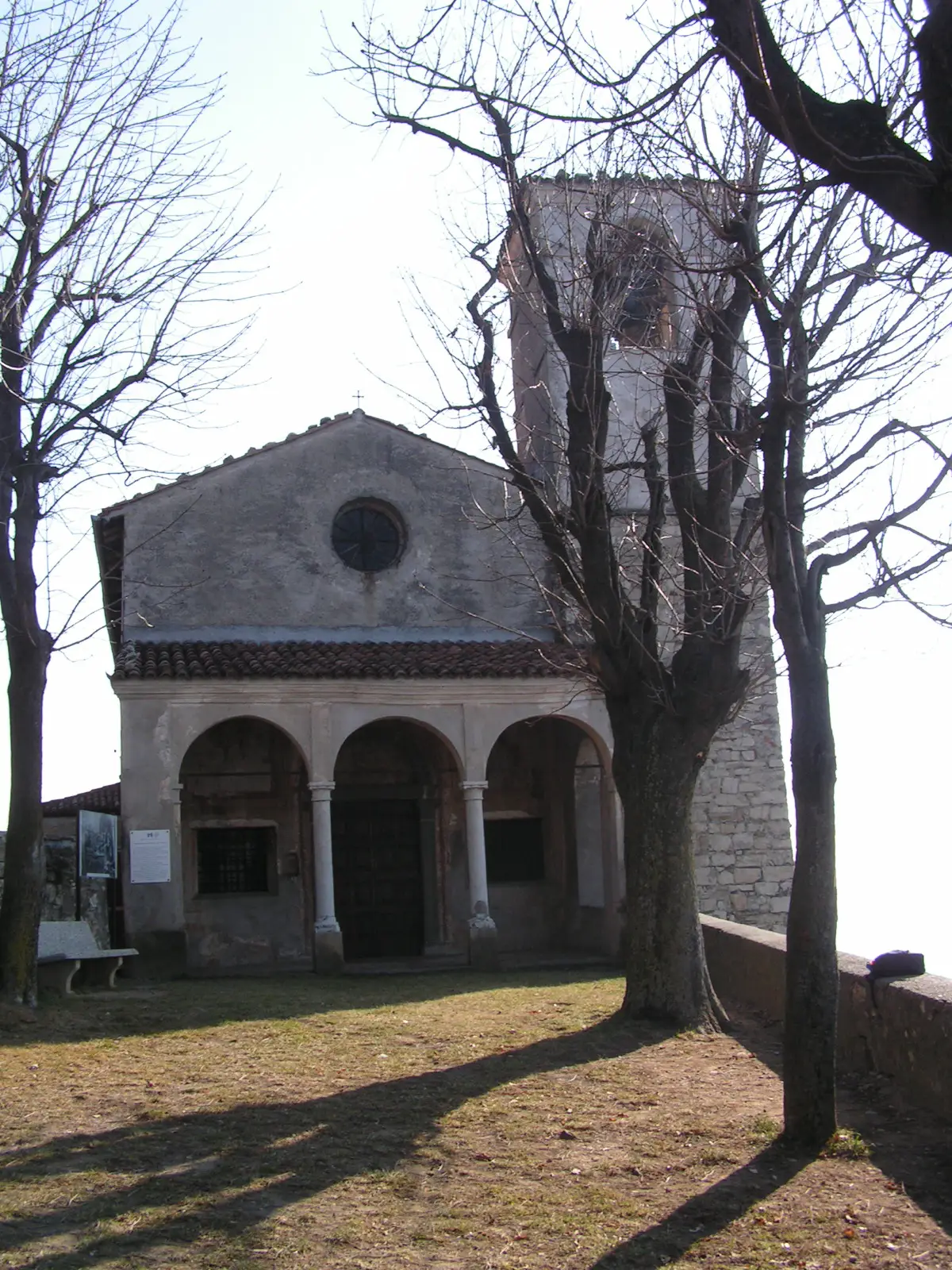
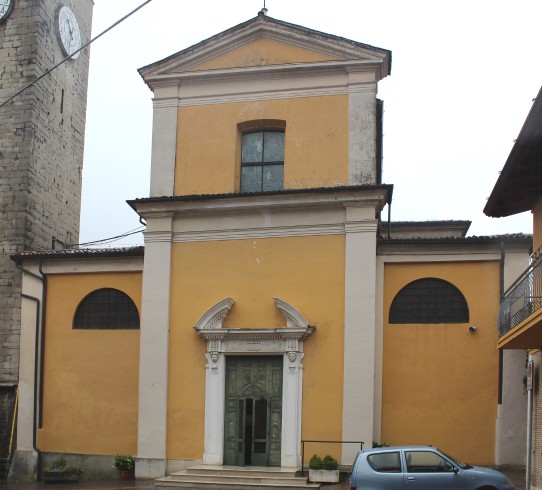
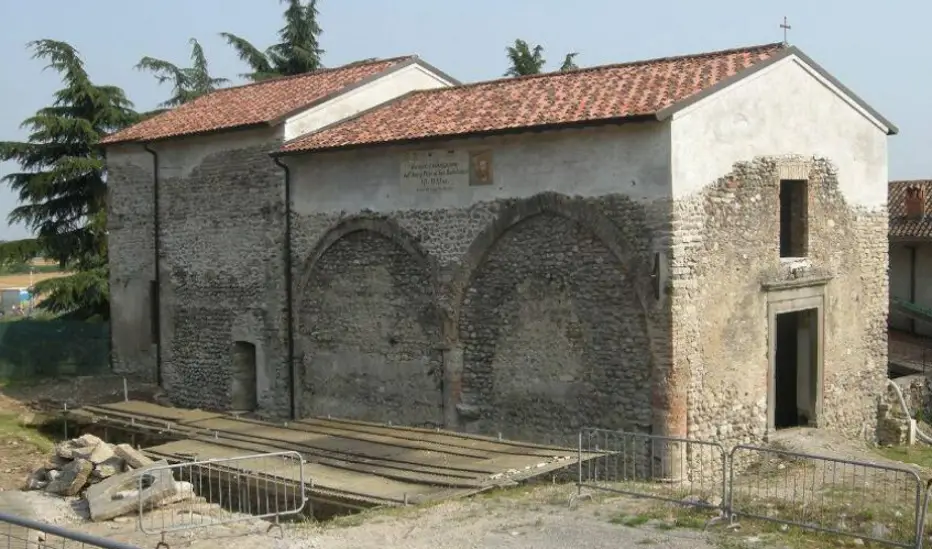
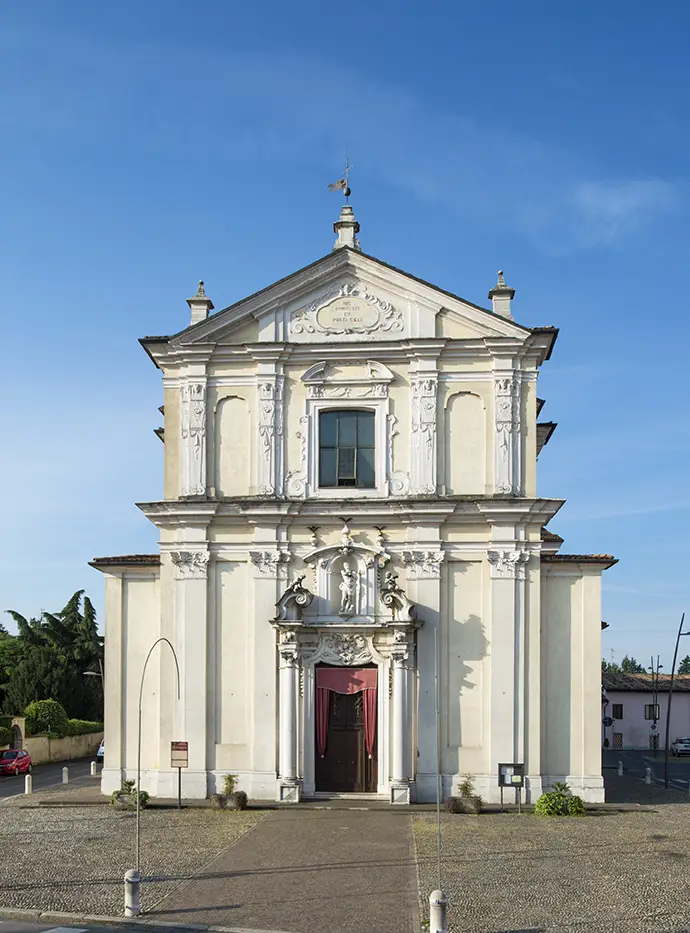
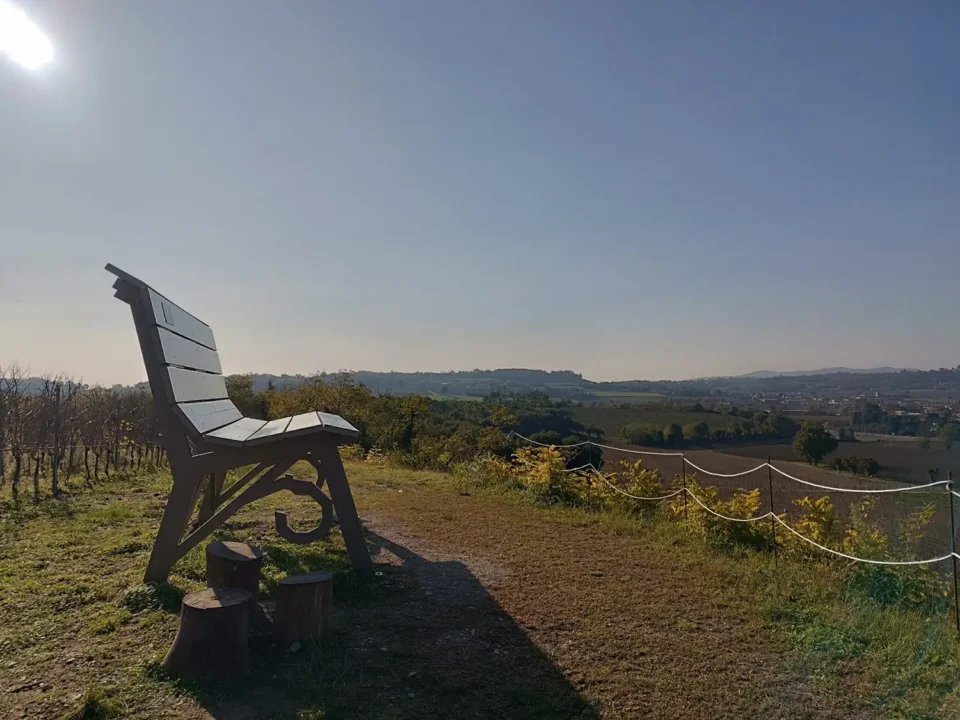
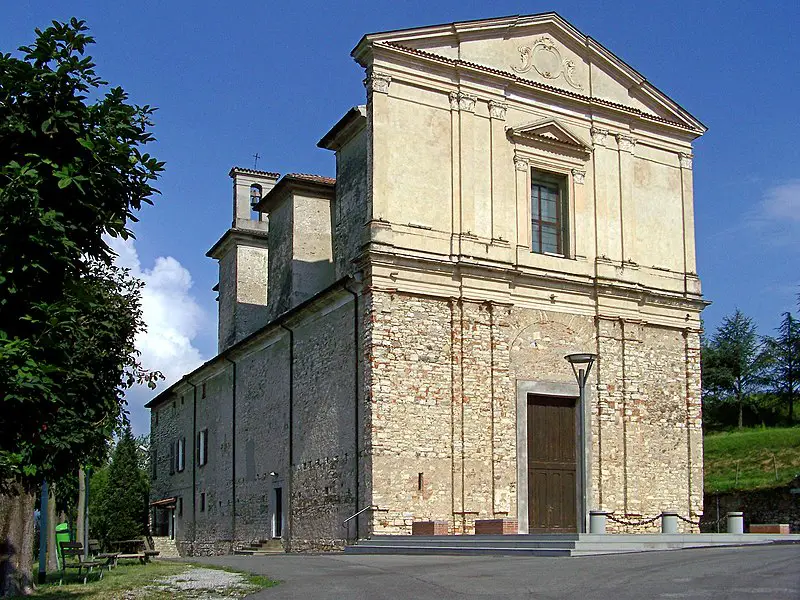
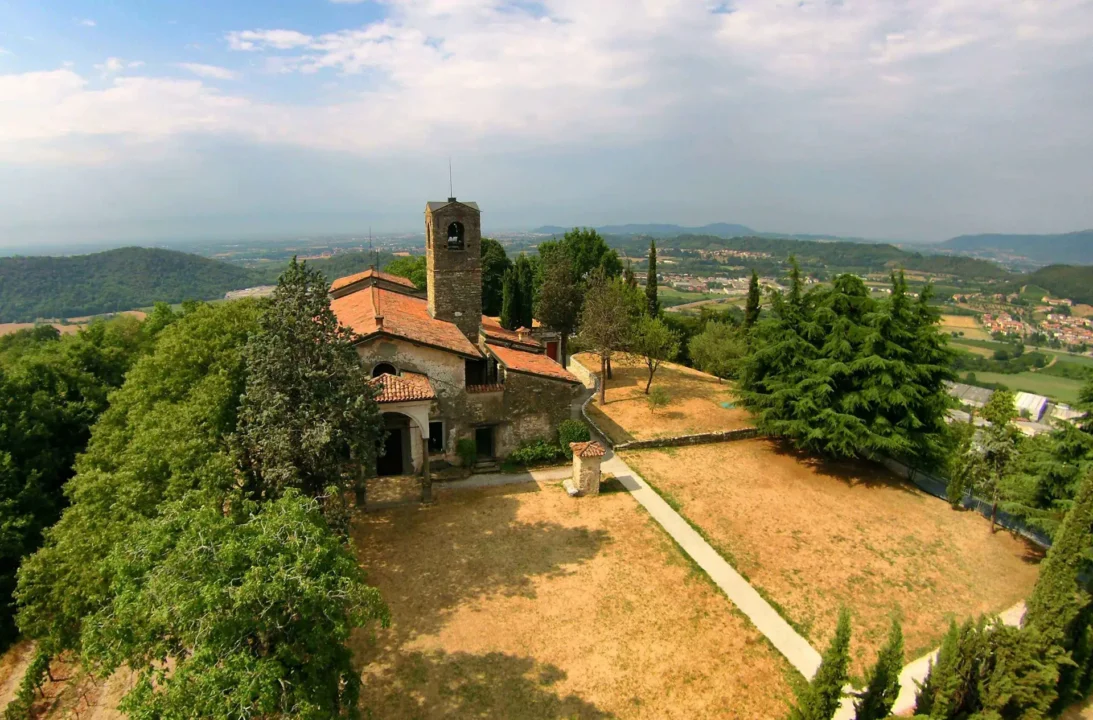
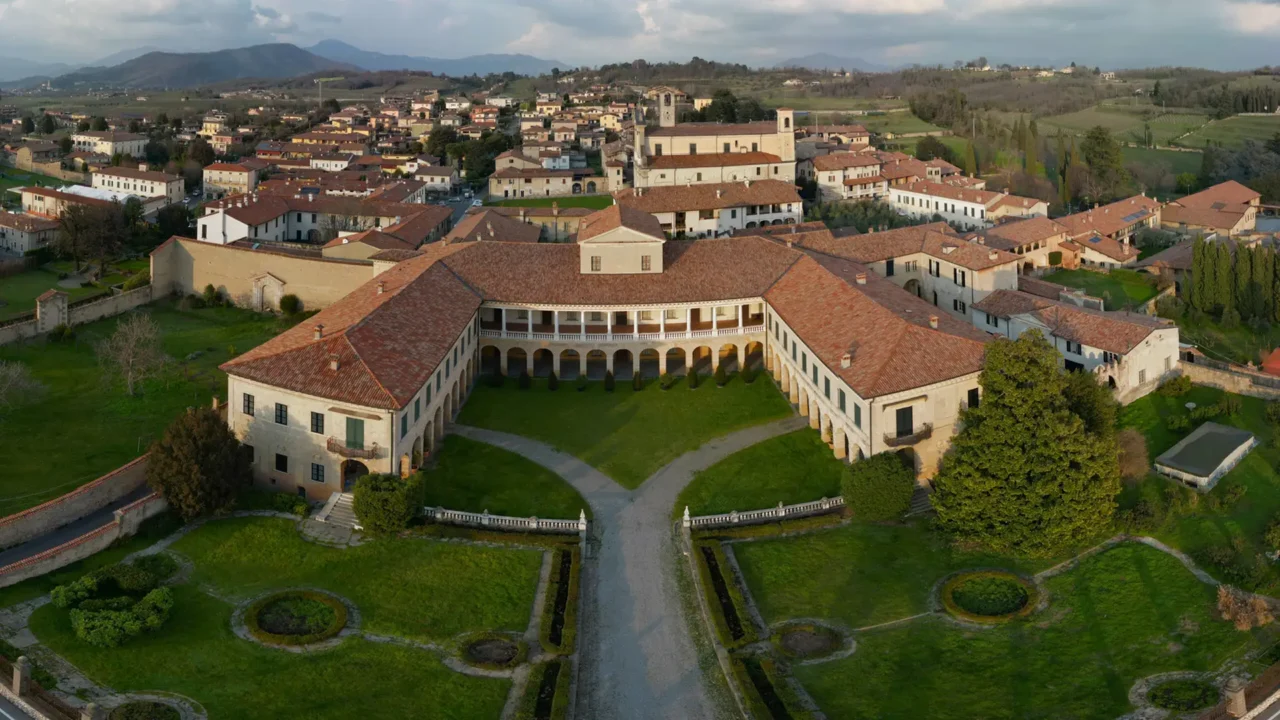
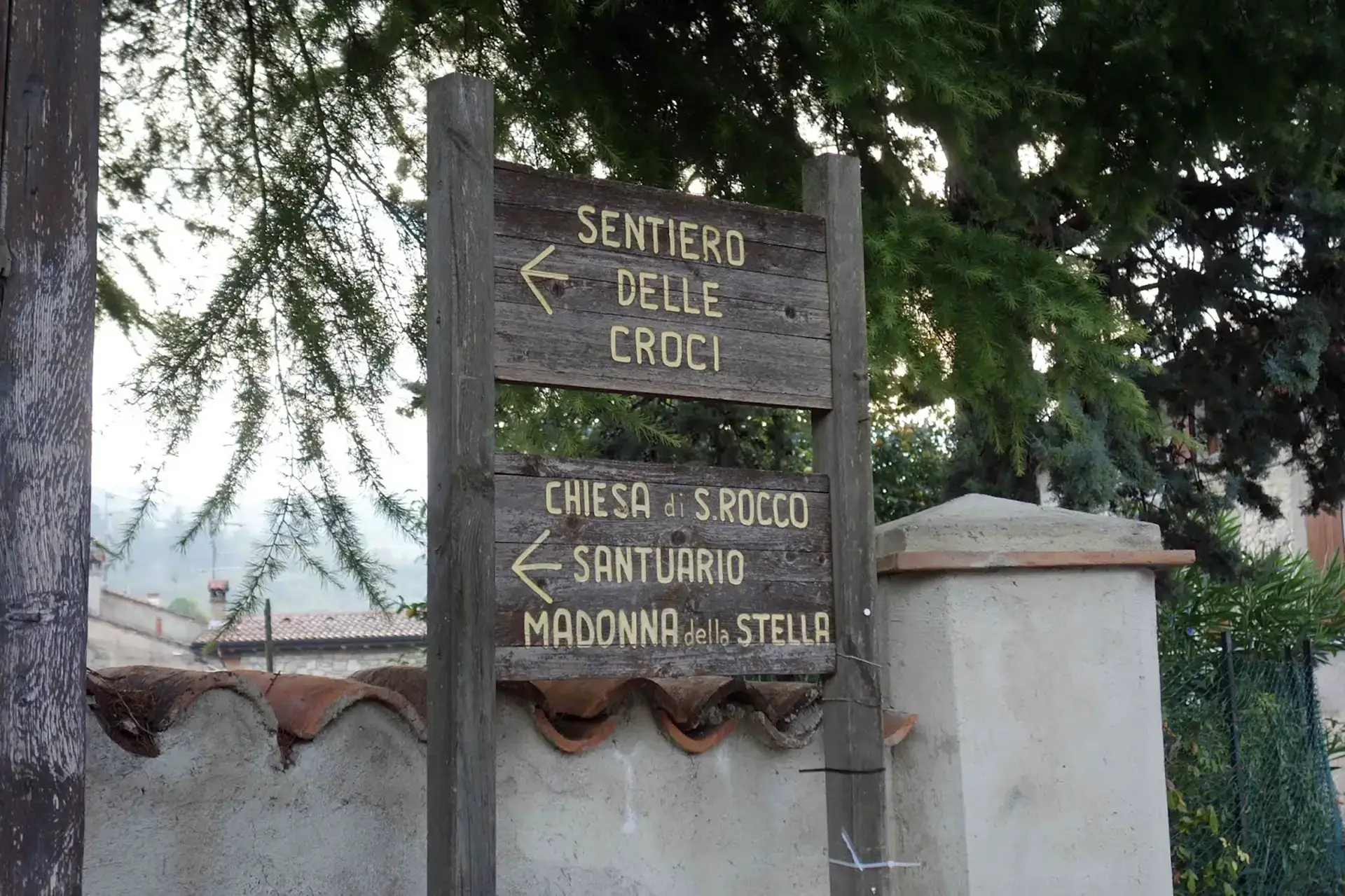
The origins of the Stations, stages that retrace the story of Christ’s ascent to Calvary, can already be traced back to medieval sacred dramas, to the Christological cycles adorning the walls of the Disciplini oratories between the Middle Ages and the early modern period, or to the monumental Sacri Monti, which sprang up in the Lombardy-Piedmont region, where episodes from the Passion are depicted by intricate and expressive sculptural groups. The Path of the Crosses in Gussago stands apart from the ‘theatres of suffering’ of the past, offering a Way of the Cross characterised by the essential geometric forms of contemporary art: starting from the ancient church of St Rocco, the route follows the path leading from Casaglio di Gussago to the sanctuary of the Madonna della Stella, the ideal destination for a silent pilgrimage, marked by fifteen sculptures, works by contemporary artists. Although the various creations interpret the episodes of the Ascent to Calvary in different ways, a unifying element is provided by the choice of a common medium: wooden railway sleepers discarded during the refurbishment of railway lines: a symbolic choice, involving the reuse of waste material to create the Cross, the form upon which all the works are based and which is interpreted through the use of different materials and varied artistic expressions.
The beginnings of the movement and the diversity of languages in contemporary art
The route begins with “L’Inizio” by Giuseppe Bonometti, a concise depiction of the Way of the Cross which, through its steps and vertical ascent, foreshadows the painful climb. As well as being a spiritual pilgrimage, the Way of the Cross is also an open-air exhibition of contemporary art produced in the local area. In this major collective work, the artists explore the paths of abstraction or figuration, using textural elements and favouring either polychrome or monochrome. Carla Gasparini’s “L’incontro con le donne” (The Encounter with the Women) depicts the consolation that Christ offers to the women of Jerusalem through geometric forms reminiscent of Paul Klee’s work and primitivism, where the semicircles represent the women surrounding the cross-bearer.
Imagery, materials and symbols in the stations: Cagna, Gigola, Conde and Mottinelli
Others opt for a figurative approach, incorporating details linked to the representation of reality, as in Emiliano Cagna’s Jesus Meets His Mother, where the iconic element, a terracotta panel from which the faces of Christ and Mary emerge, is contained within the embrace of the wood’s rigid geometries; or in Roberto Gigola’s “Spartizione delle Vesti”, which entrusts the narration of the episode to the small sculptural group in the central panel, transforming his cross into a liturgical object through the inclusion of polychrome stained-glass inserts. The use of different materials characterises “La condanna” by Silvana Maria Conde, where pieces of coloured ceramic fill the core of the wood, culminating in the representation of the world as the eye of God at the top of the Cross, and Giulio Mottinelli’s Terza Caduta, where the triangular figure, a symbol of divine perfection, is inhabited by a metallic interweaving of lines and tools that imprisons a vermilion heart.