Former Franciscan Convent
- Home
- /
- Arte e cultura
- /
- Monasteries
- /
- Former Franciscan Convent
Rodengo between Cluny and the arrival of the mendicant orders
In the important town of Rodengo, a Cluniac monastery had already emerged in the 11th century, later becoming the prestigious Olivetan Abbey complex we know today. During the 13th century, the new mendicant orders, the Franciscans and Dominicans, spread throughout Northern Italy. They began to establish themselves in the town centers and, little by little, in the surrounding area, alongside or entirely replacing the Benedictine monks.
Foundation of the Convent of Calvary and early stages
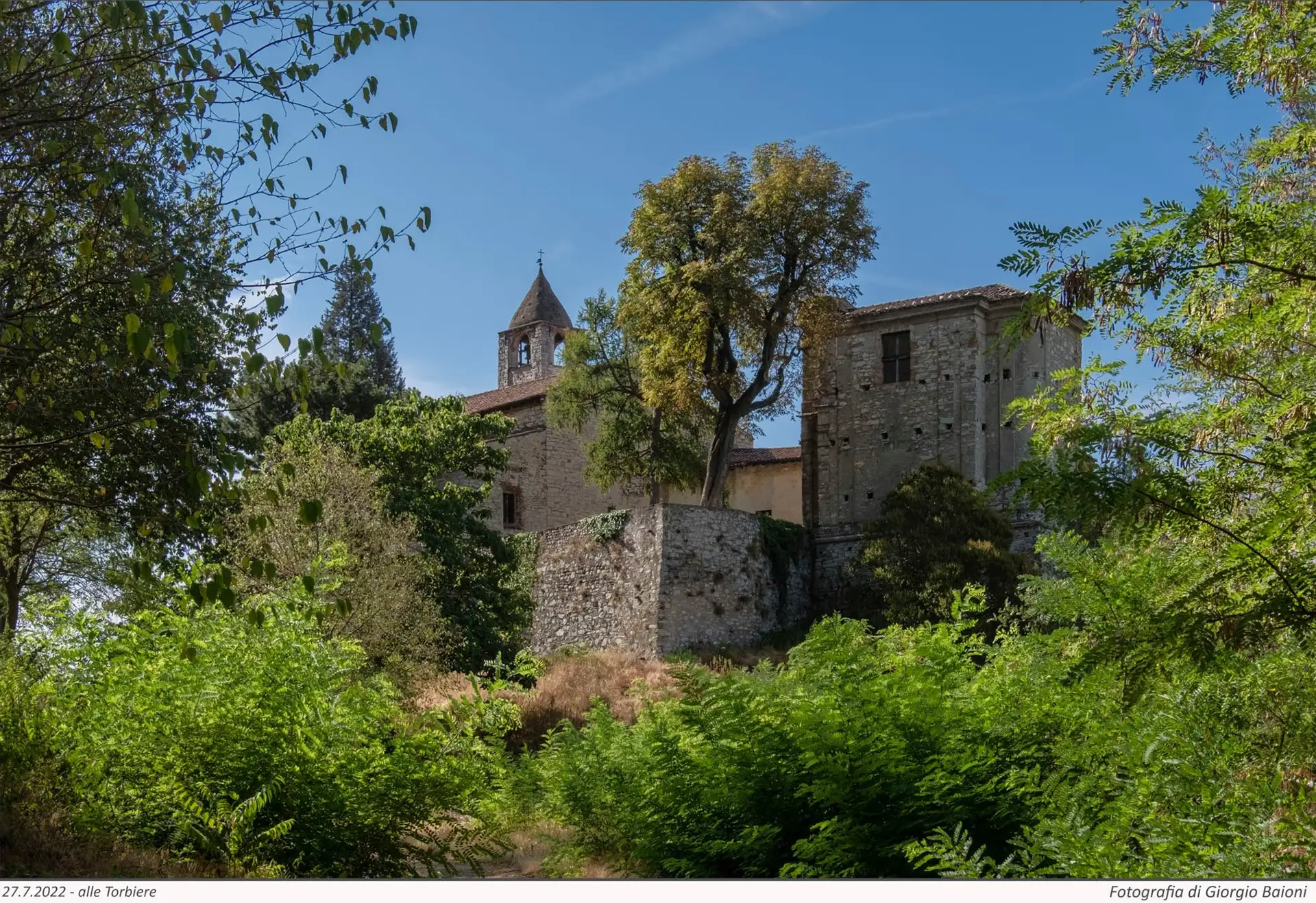
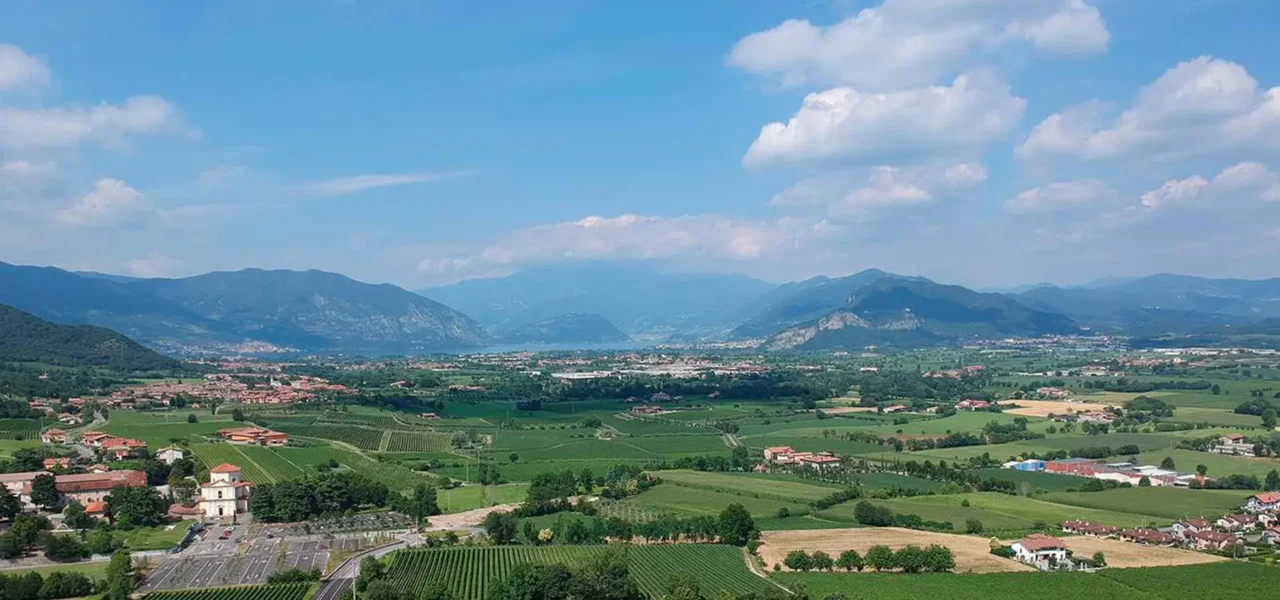
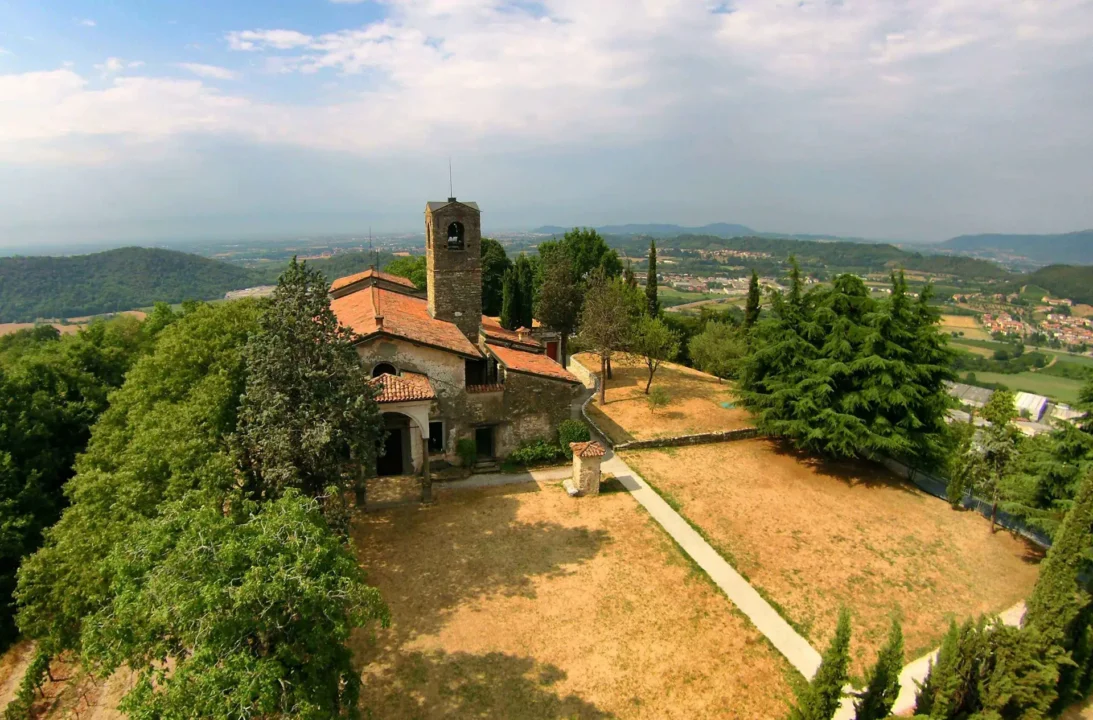
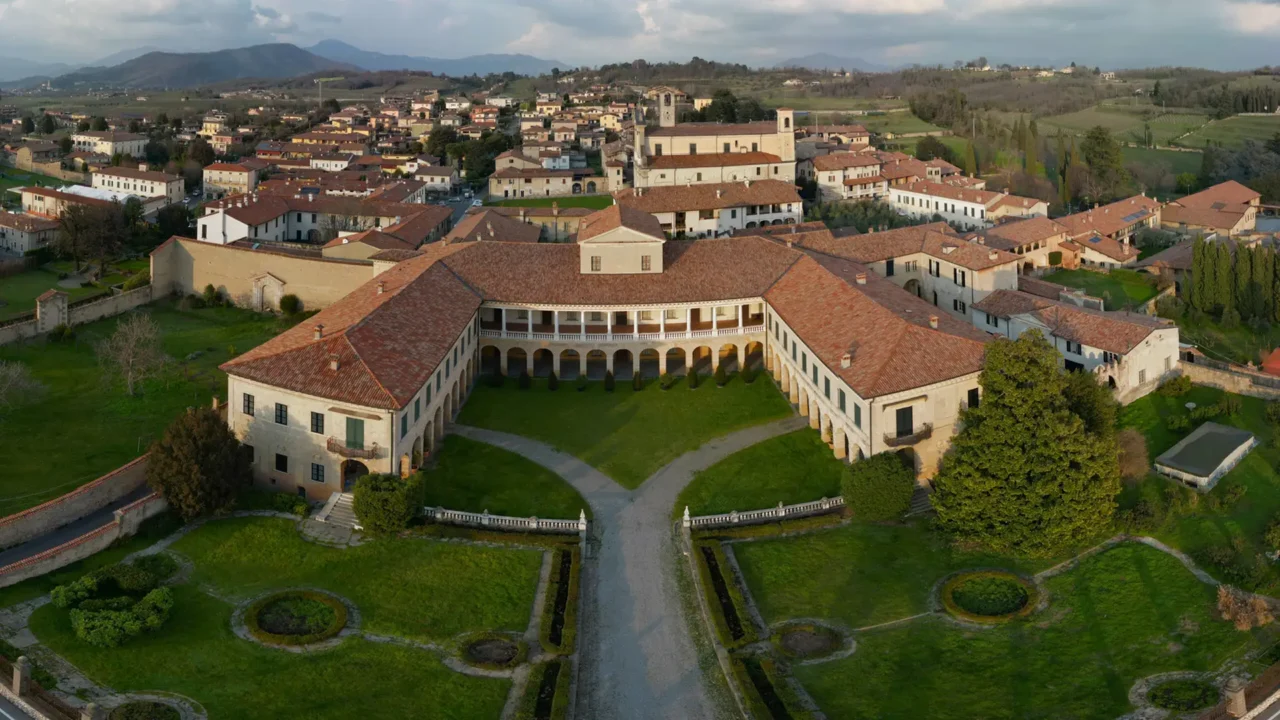
The Convent of Calvary in Rodengo Saiano, though founded late, was, along with the Annunciata in Rovato, one of the order’s most important seats in Franciacorta. Situated in a panoramic position on the slopes of the Delma hill, the site, once home to a small church dedicated to Santa Maria in Colle, was entrusted in 1589 to a community of Franciscan Tertiaries, who built an initial small convent. The complex was then expanded starting in 1671 with the arrival of the Friars Minor Observant: it is to them that we owe the dedication of the Convent to Calvary, in perfect harmony with the cult of the Passion that the Franciscan order had promoted since its foundation.
The expansion of the convent and the new naming of the church
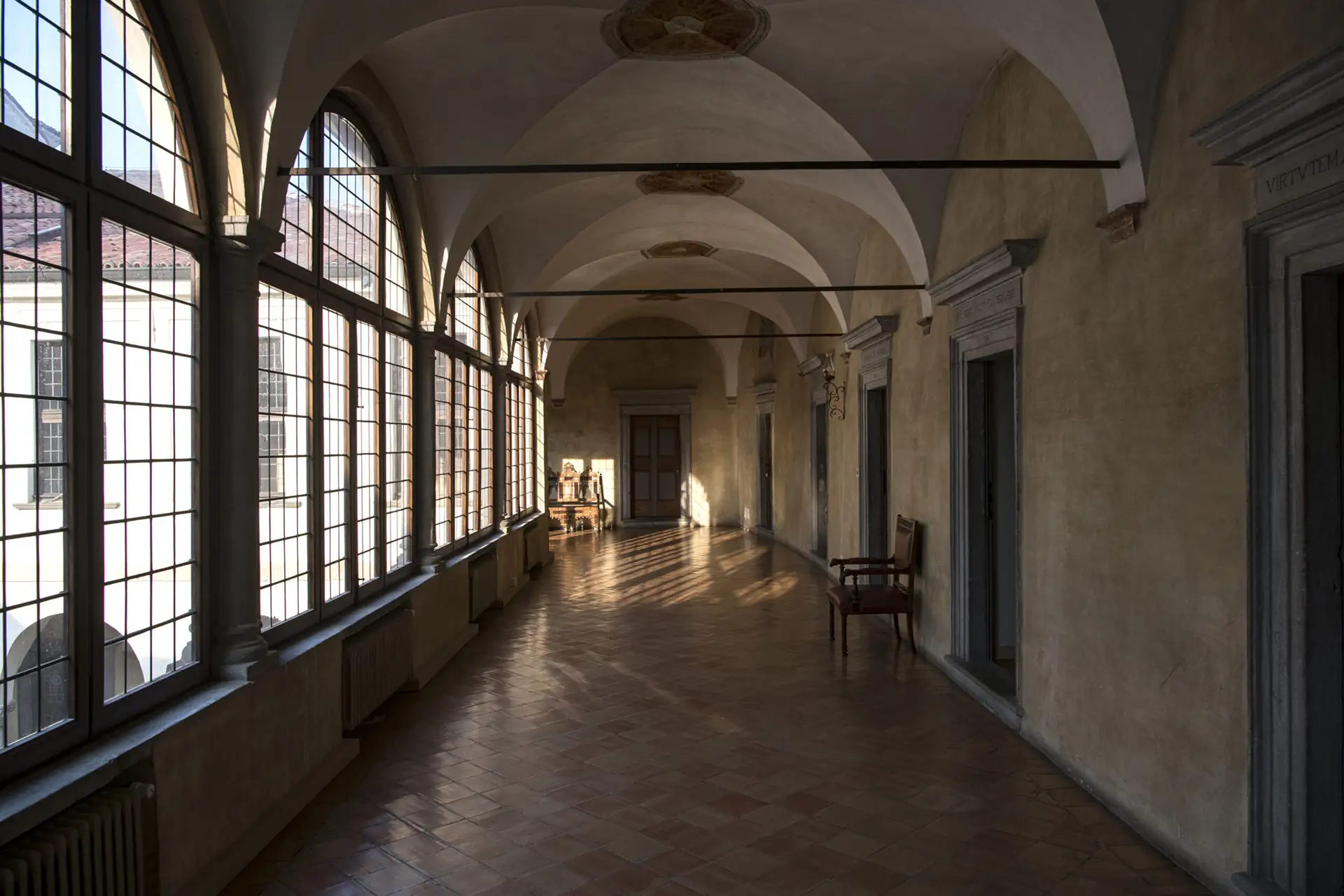
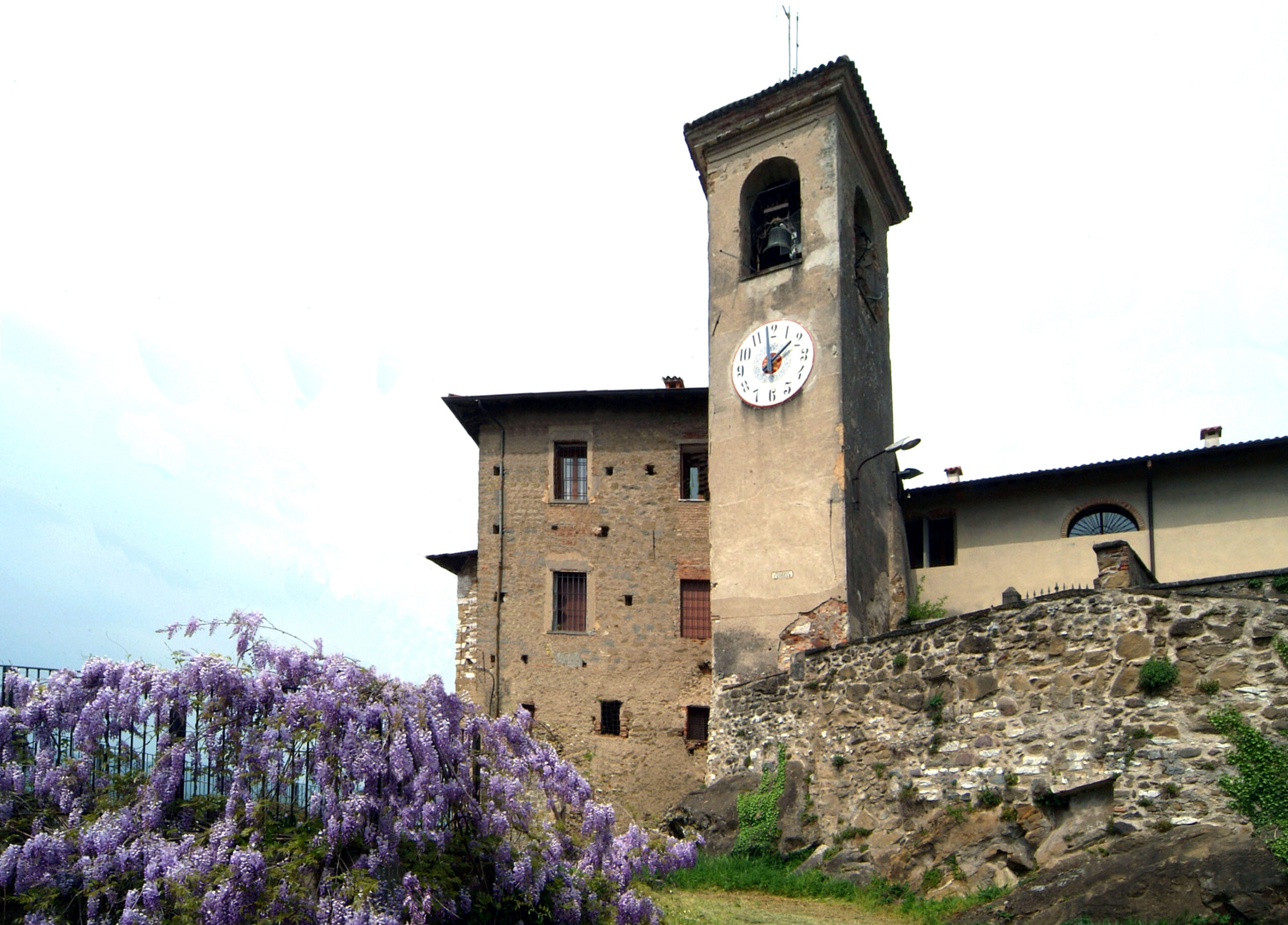
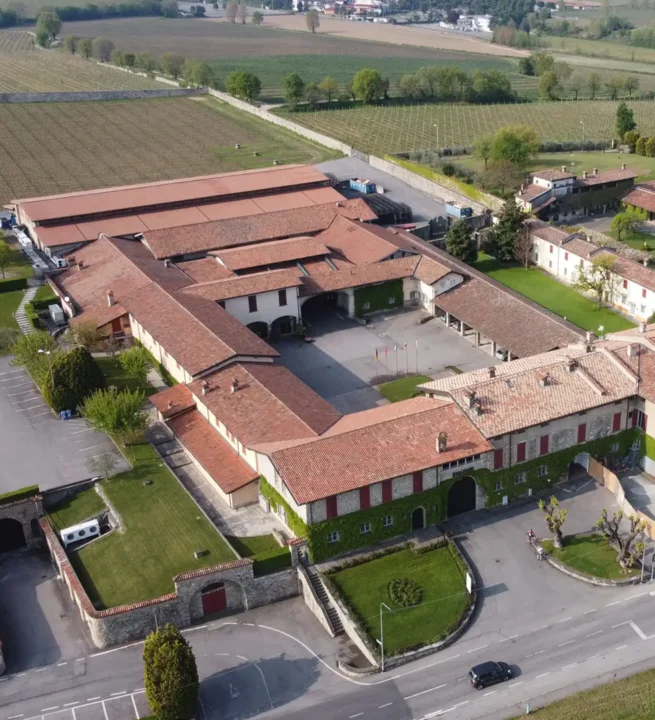
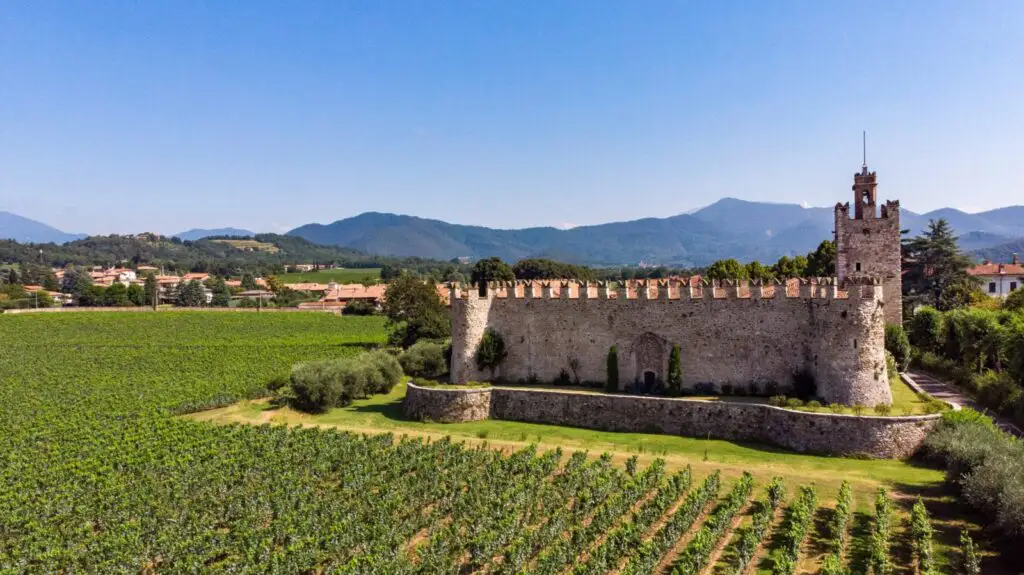
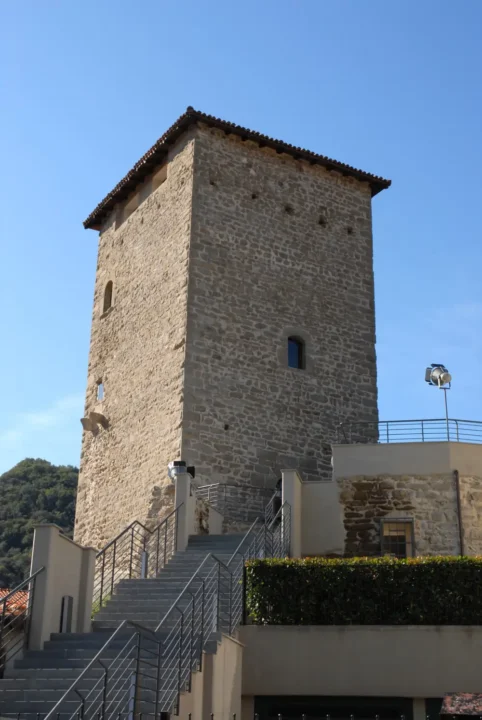
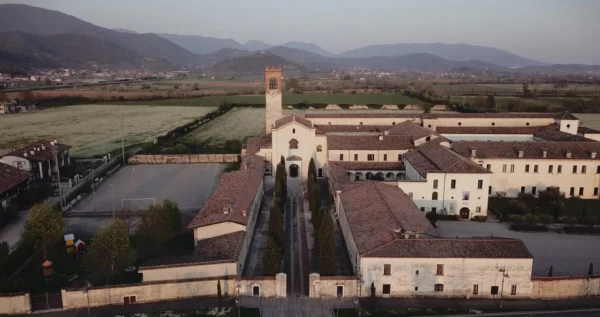
The convent was then equipped with all the necessary facilities for community life, with expansion and renovation works that gave it the imposing appearance that distinguishes it today: an aerial view reveals an expansive layout, with buildings of strong vertical thrust and a large cloister. Even the small church of Santa Maria in Colle took on a name dear to the order: Santa Maria degli Angeli, among the most venerated Franciscan sites in Assisi, as it contained the Porziuncola.
The church: Renaissance façade, Counter-Reformation interior and dome
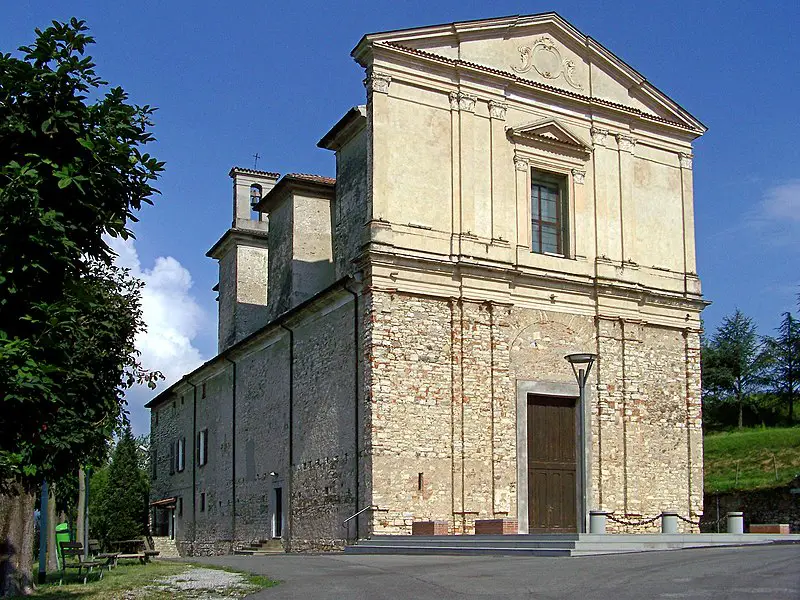
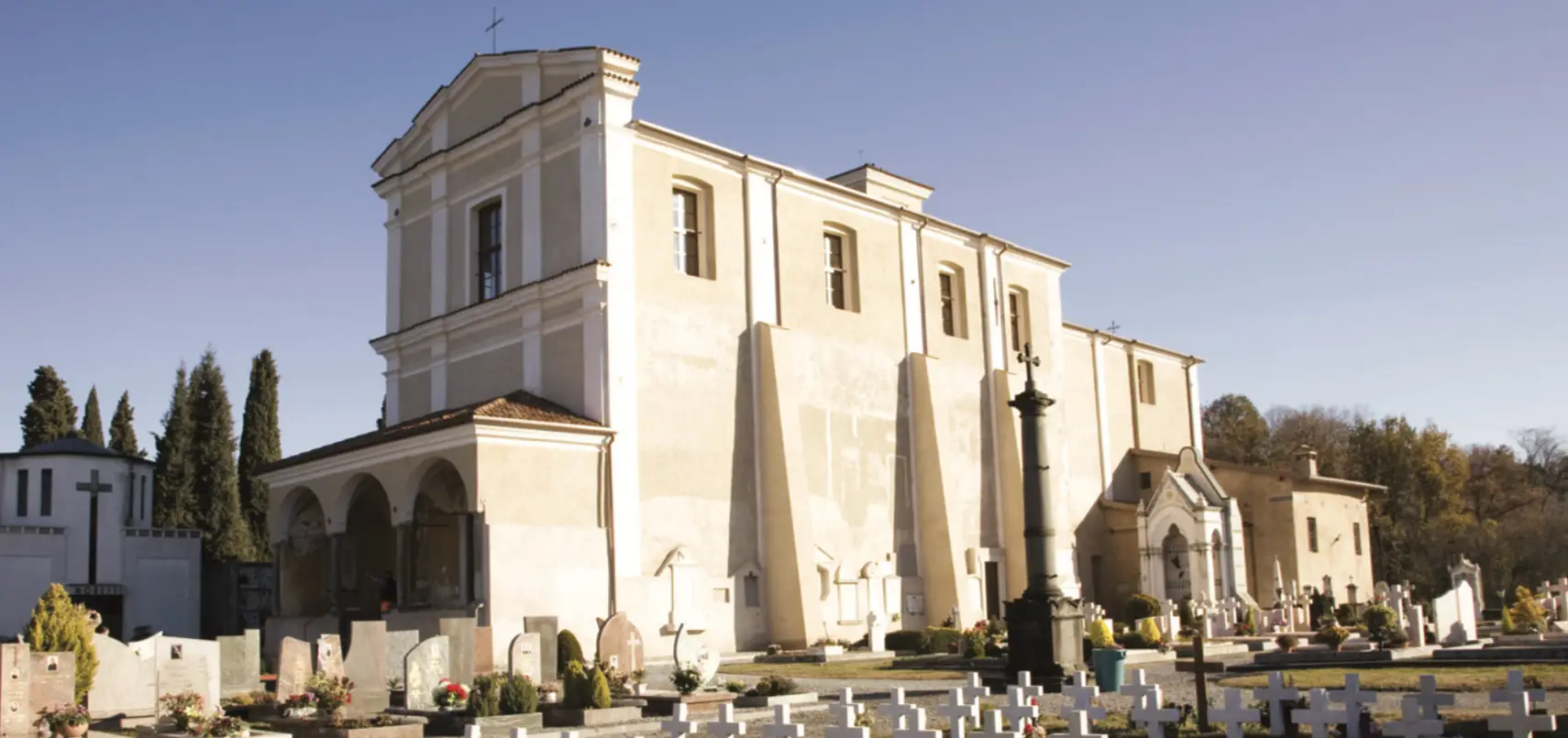
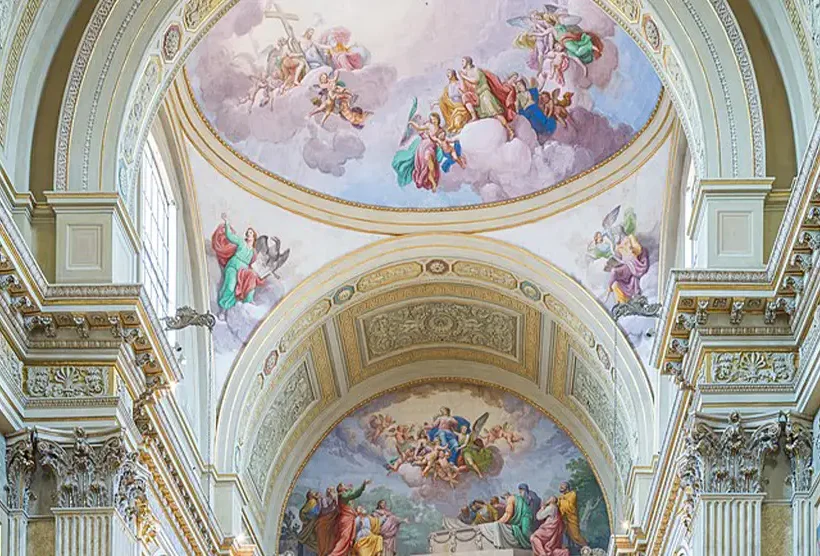
Although restored, the church has retained its Renaissance character, with a gabled façade and a porch in front, consisting of a portico with a pair of columns and round arches. The interior presents a unified space between the nave and the presbytery, in accordance with the dictates of the Counter-Reformation; the single nave is barrel-vaulted and preserves, in addition to the wall decorations, an interesting Renaissance canvas depicting the Virgin, Child, and the Infant Saint John, located in the presbytery. The exterior of the church enhances the austere profile of the monastery with a dome with a very high lantern, crowned with bricks.
After the Suppression: Ludovico Pavoni and the Via Crucis
After its suppression, the complex was acquired by Ludovico Pavoni in 1841, who made it the headquarters of his congregation and a craft school for the deaf and dumb: he is responsible for the fourteen stations of the Via Crucis located on the edge of the Via del Calvario, the climb that leads to the convent.