Olivetan Abbey of St. Nicholas
- Home
- /
- Arte e cultura
- /
- Monasteries
- /
- Olivetan Abbey of St. Nicholas
The Abbey of St. Nicholas: a large monastic complex in the Rodengo area
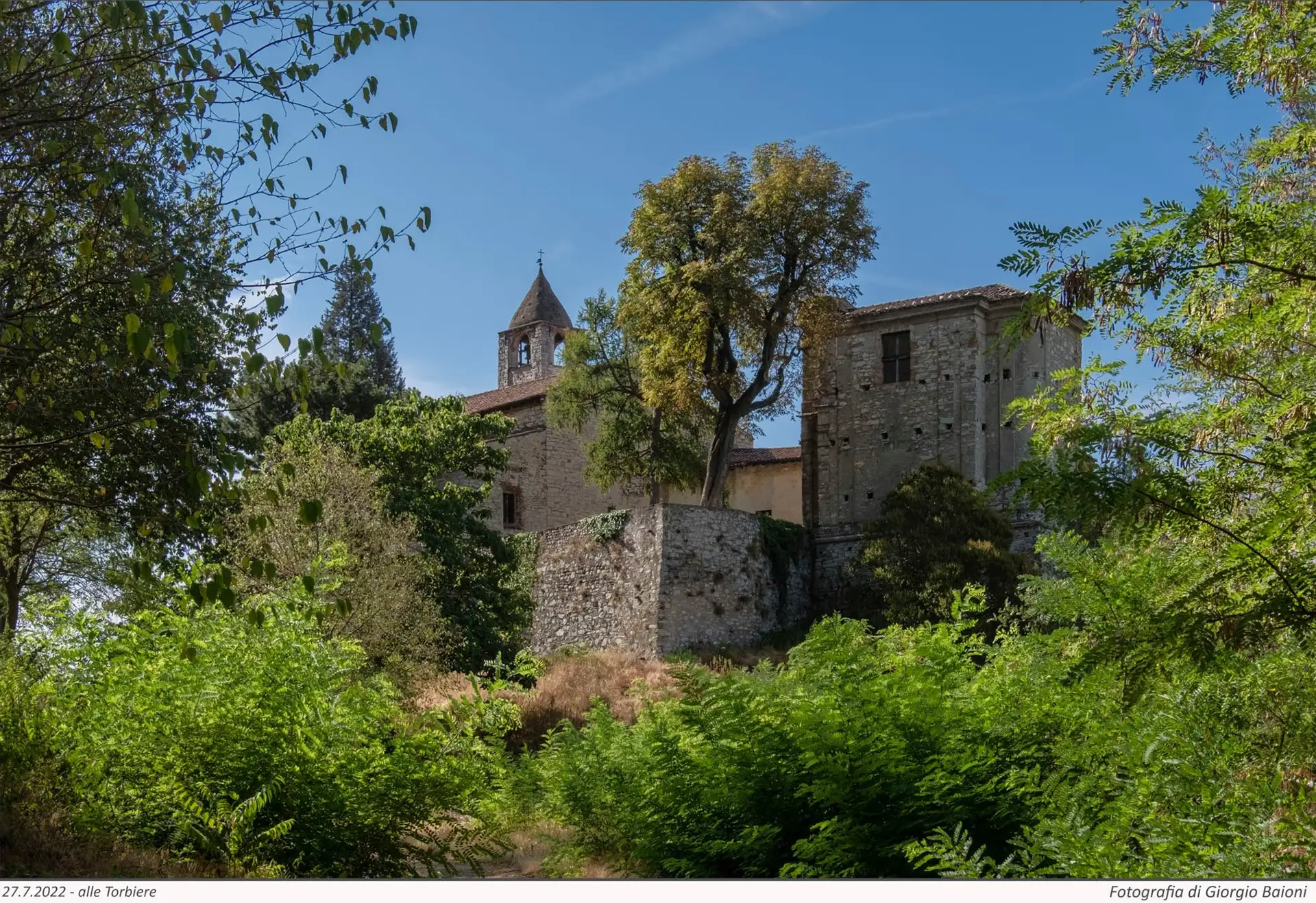
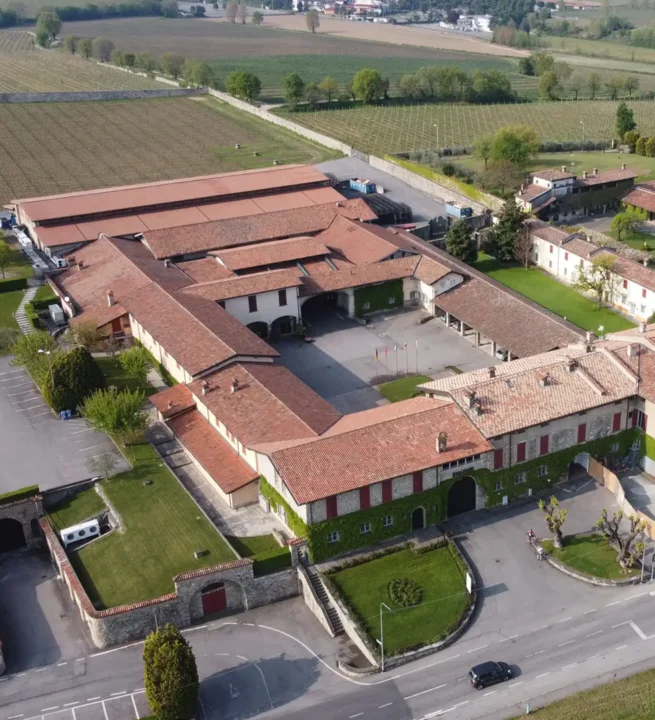
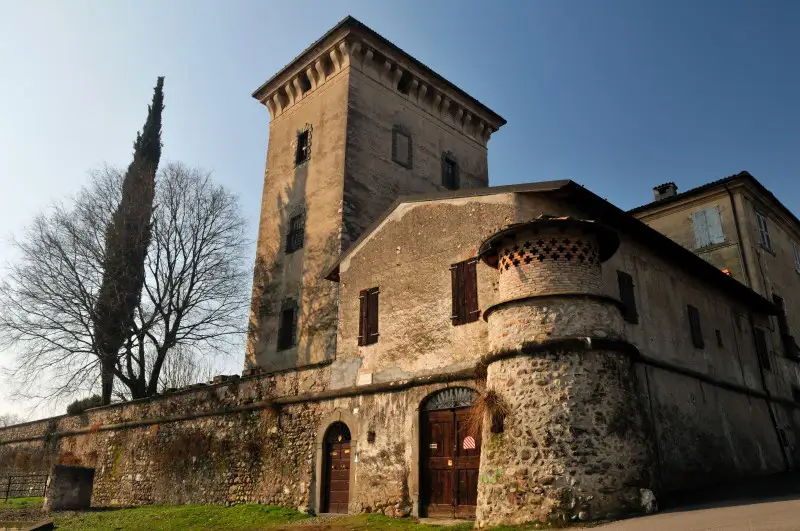
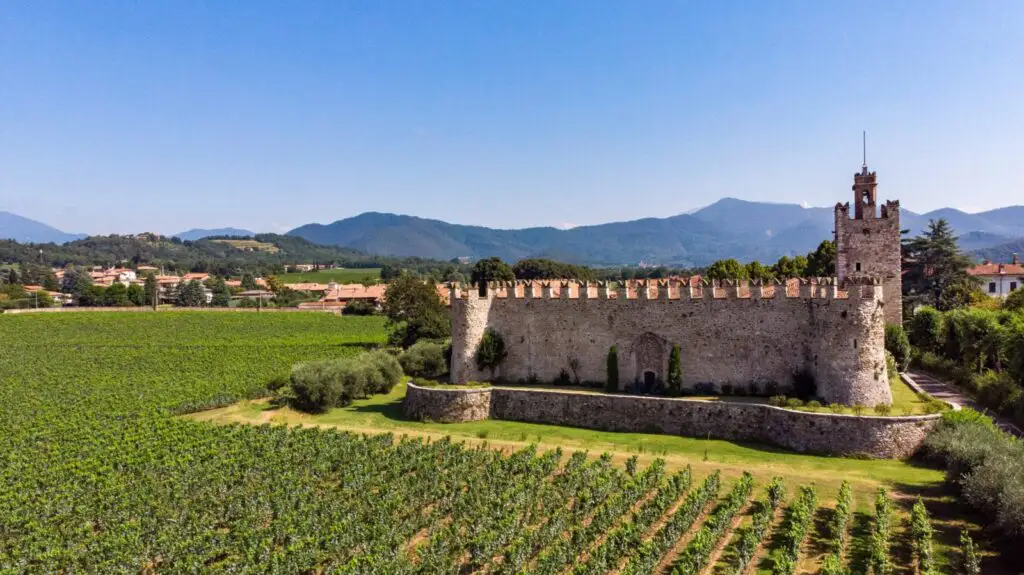
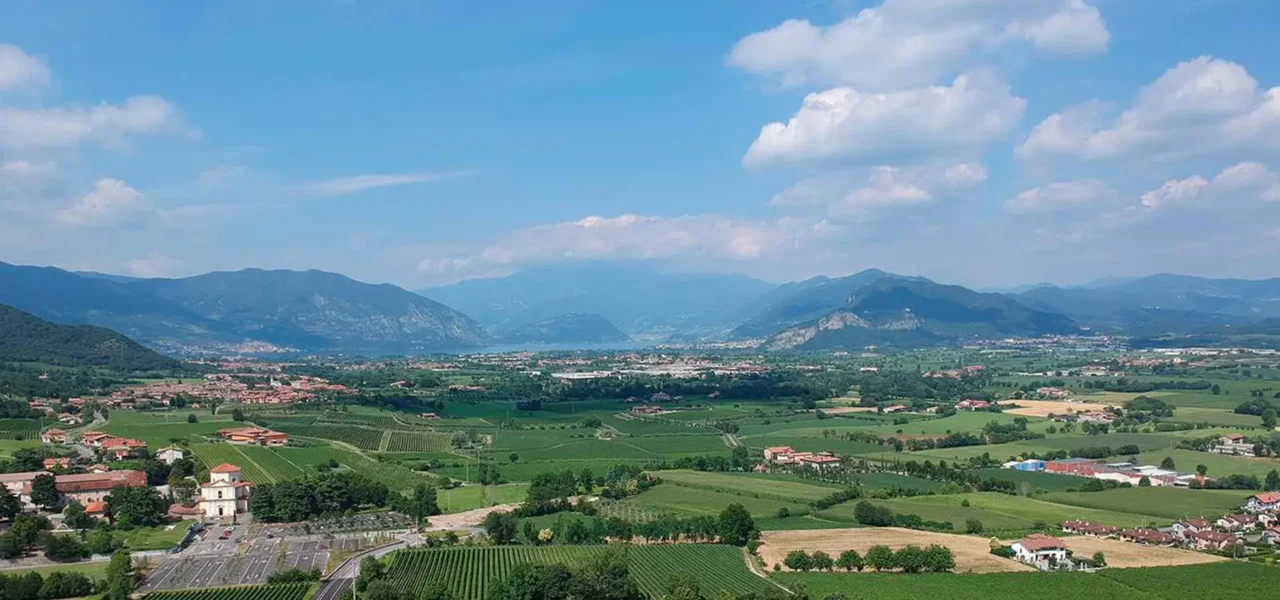
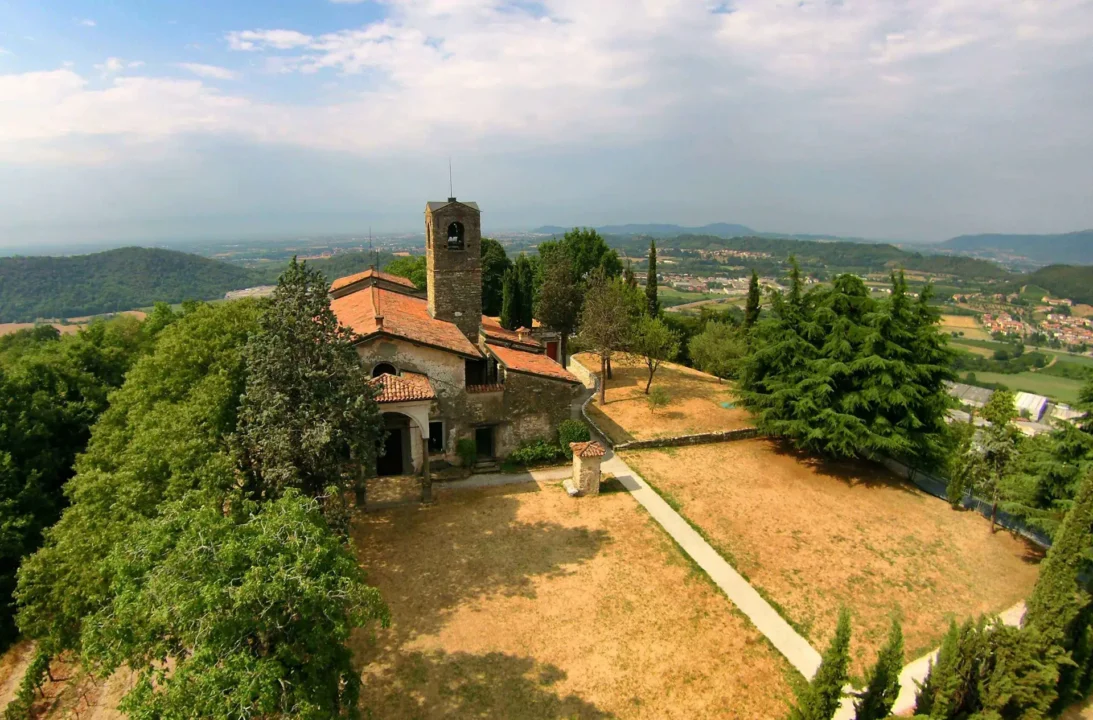
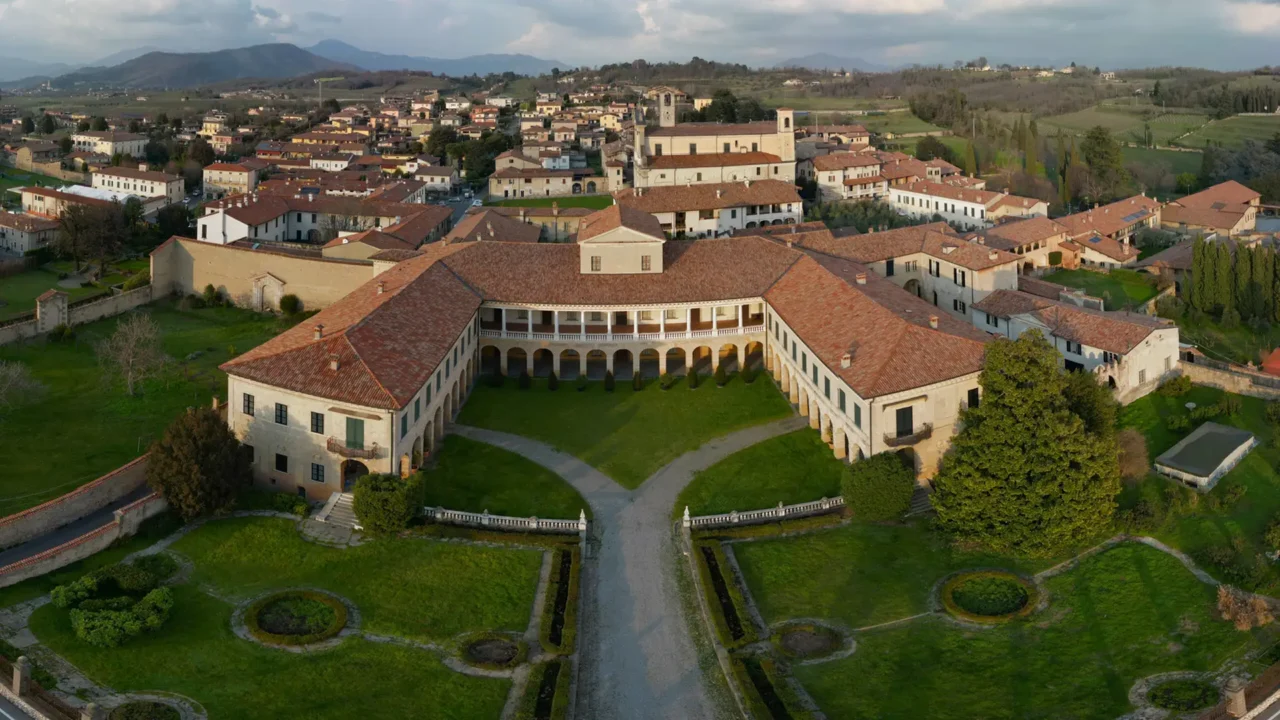
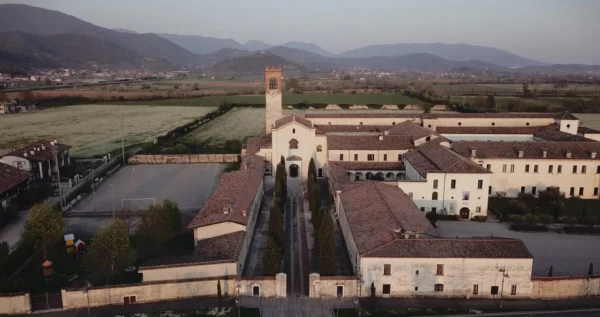
Located in an isolated spot, in the center of a flat area on the south side of the town of Rodengo, the Abbey of St. Nicholas is one of the most impressive monastic complexes in the Franciacorta region.
From the Cluniac foundation to the Olivetan Renaissance reconstruction
Originally founded as a Cluniac monastery on the site of an ancient castle belonging to the de Rodingo family, it now stands as it was restored during the Renaissance, a project that began in 1446 when, at the behest of Pope Eugene IV, the complex was entrusted to the Olivetan monastic order.
The spaces of monastic life: the church, cloisters, and service areas
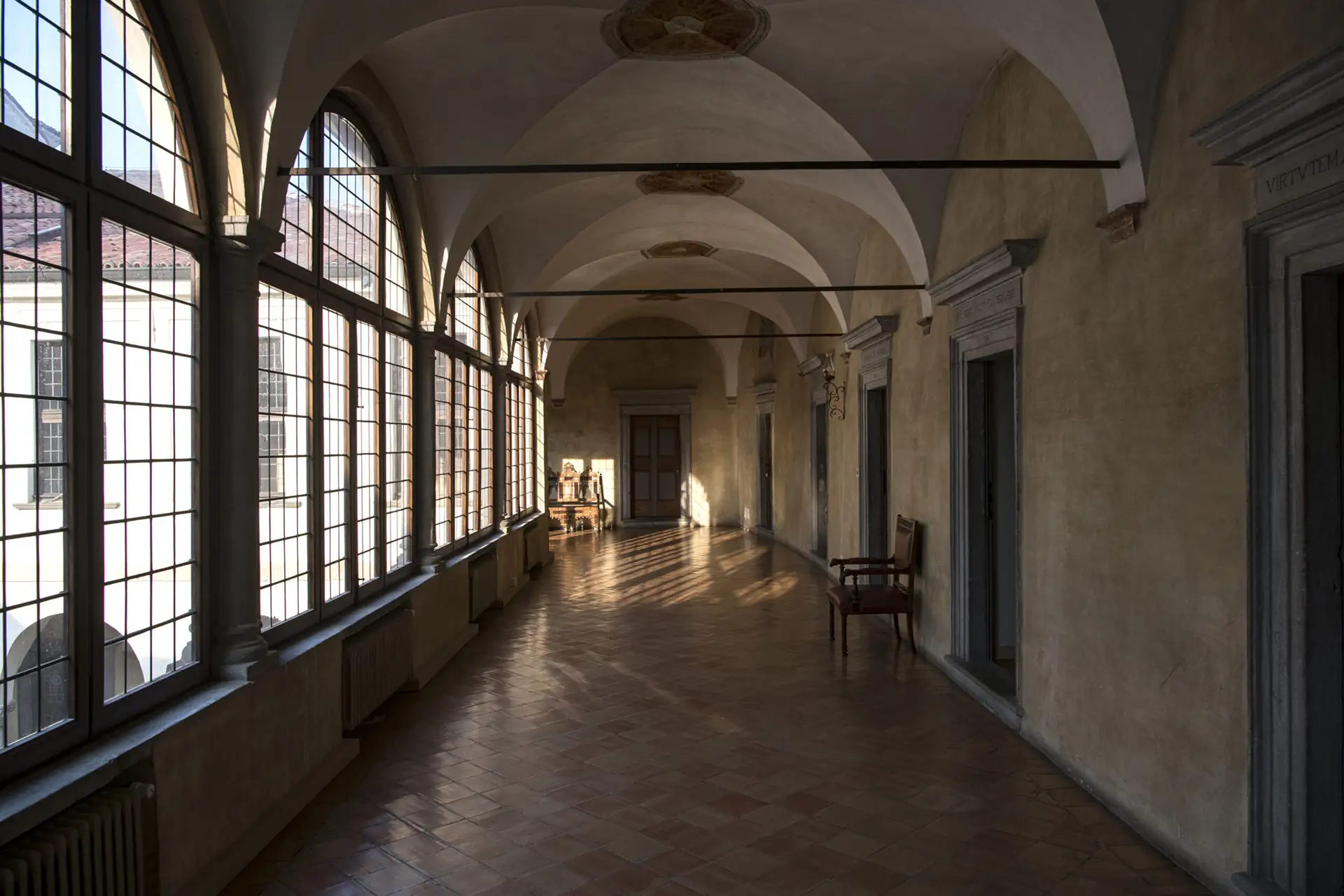
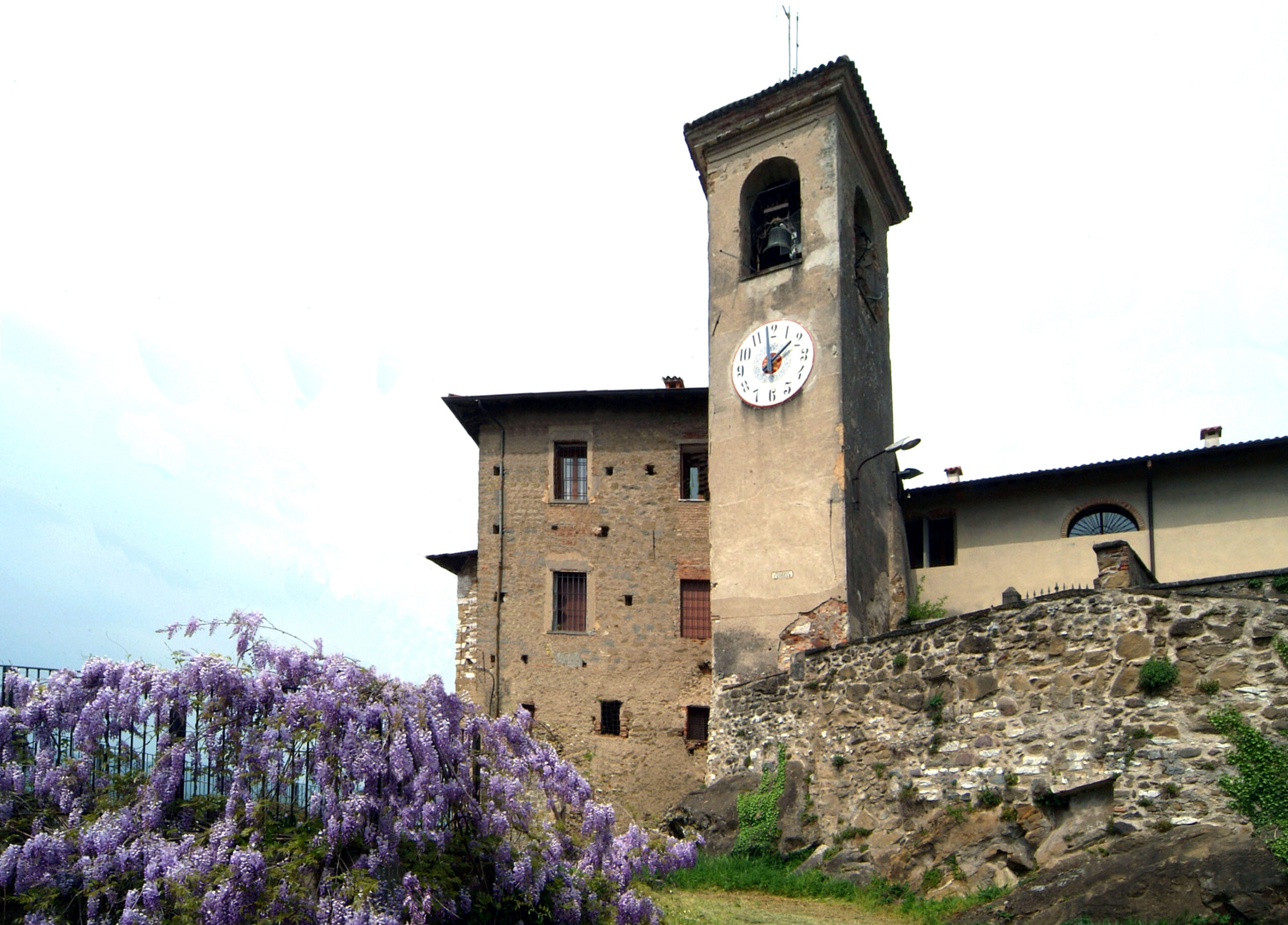
Although no traces remain of the original Romanesque structure, the current architectural layout still includes all the spaces characteristic of monastic life: the church, three cloisters, the refectory and the chapter house, a guesthouse, and various storerooms and warehouses.
15th-century façade, Simona stone portal, and Baroque paintings
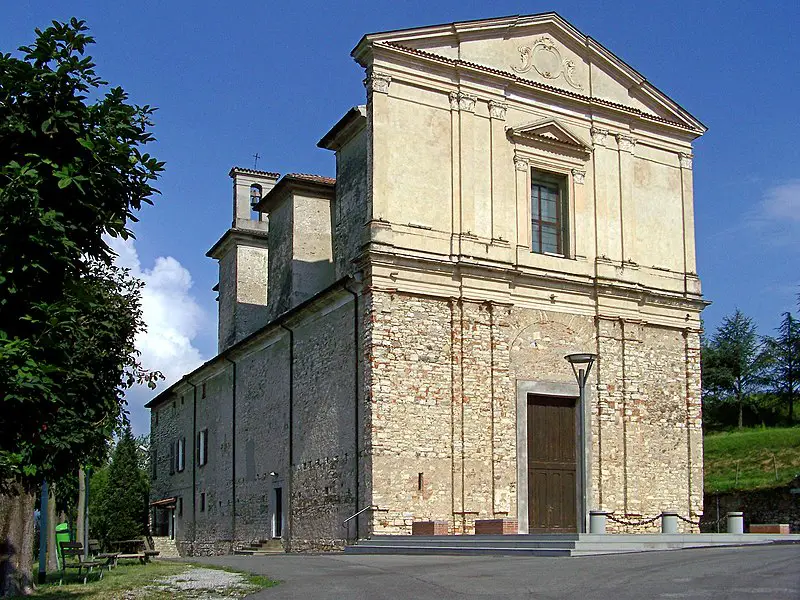
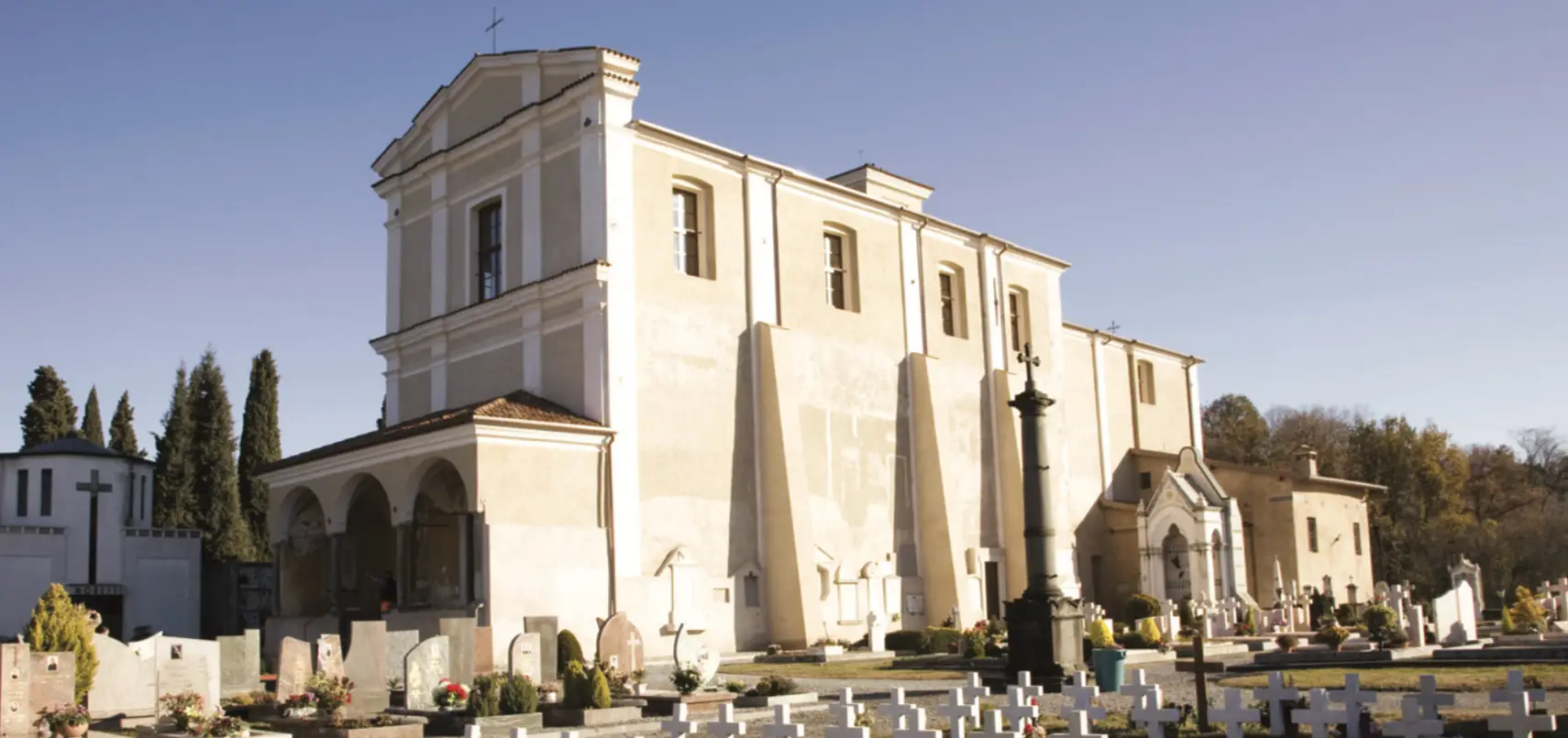
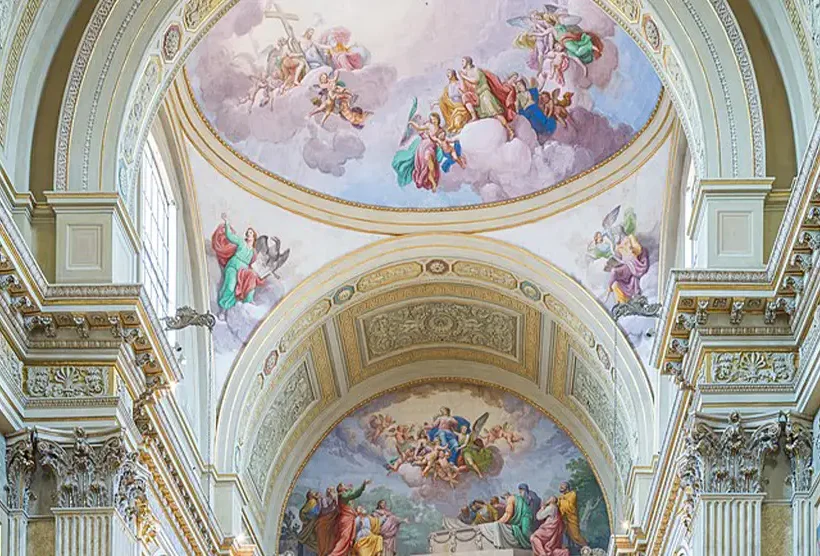
Entering from the courtyard, the eye is drawn to the 15th-century gabled façade, with its terracotta cornice and pinnacles. The portal, sheltered by an elegant portico, was built using a local stone known as “pietra simona,” characterized by its distinctive reddish hue. This stone has been quarried, perhaps as early as the 14th century, in the Simone or Cimone area of the Camonica Valley, from which it takes its name. The interior of the Church of St. Nicholas, on the other hand, is a triumph of Baroque art, contrasting with the Renaissance simplicity of the architecture, adorned with paintings created in the 1720s by various artists from the Milan area: Giovan Battista Sassi, Giuseppe Castellini, and Giacomo Lecchi.
Renaissance masterpieces and cloisters from the 15th century to the Mannerist period
Bearing witness to the 15th-century past are, in the apse, the magnificent inlaid wooden choir by Cristoforo Rocchi, dating from 1480, and, in the second chapel, the altarpiece depicting the Handing Over of the Keys to St. Peter and the Doctrine to St. Paul, painted by Moretto. The “main” cloister and the “sacristy” cloister display the same formal perfection, reflecting a Renaissance at its zenith, now entering the Mannerist phase. The main cloister is characterized by a sense of harmony and formal purity, expressed in the double row of superimposed round arches and the use of antique-style capitals with fluted bells. The cloister known as the “church” or “sacristy” cloister (1580–90), on the other hand, is marked by serlianas, that is, paired columns surmounted by a lintel with triglyphs, which in the early decades of the sixteenth century were described in treatises as “in the Venetian style.”
Painted Decorations: A Catalog of 16th-Century Brescia
The painted decoration of the monastery’s rooms offers a veritable compendium of 16th-century Brescian art, beginning with the Crucifixion in the Great Refectory, attributed to Ferramola, followed by works by Romanino, dating from around 1528–31, in the Refectory of the Guest Quarters, and the frescoes by Lattanzio Gambara in the ante-refectory (1561), inspired by the Book of Revelation and the Old Testament, featuring bold perspectives and a dynamism already fully mannerist in style, accompanied by corbels, medallions, and frames created by the stucco artist Francesco Oselli of Mantua.