Cultural Centre (former Church of St. Salvatore)
- Home
- /
- Arte e cultura
- /
- Hidden treasures
- /
- Cultural Centre (former Church of St. Salvatore)
The former church of S. Salvatore: from a medieval ‘castle’ to the cultural centre of Rodengo Saiano
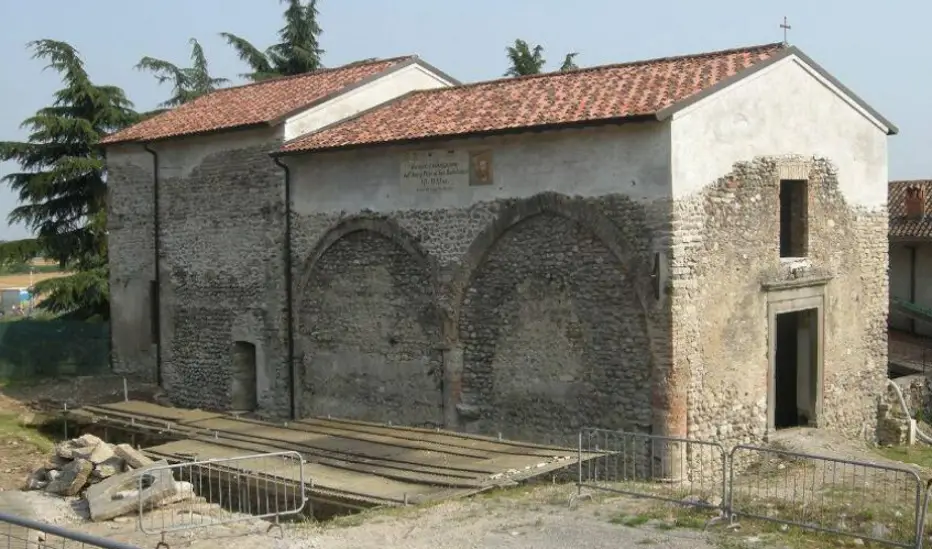
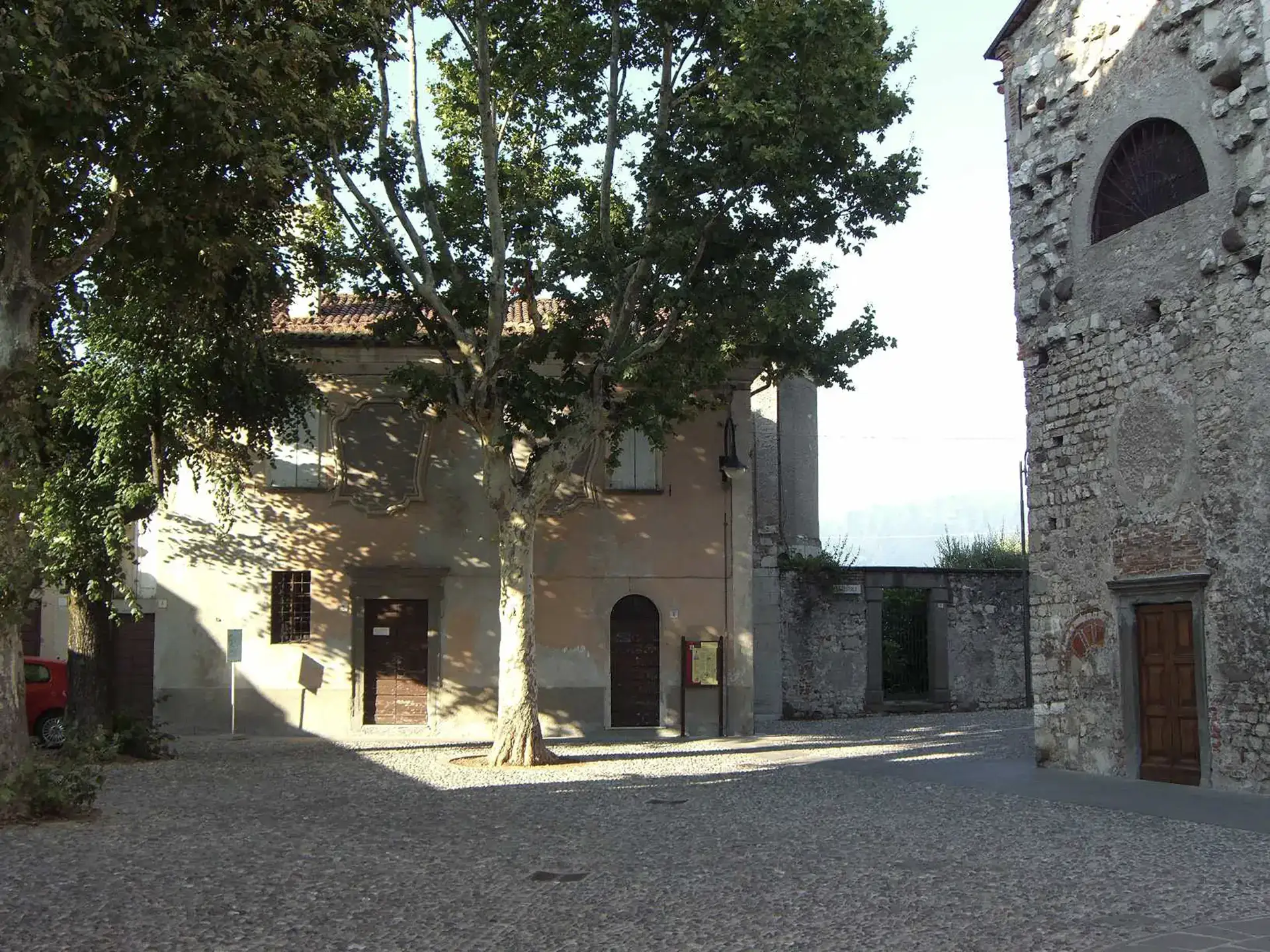
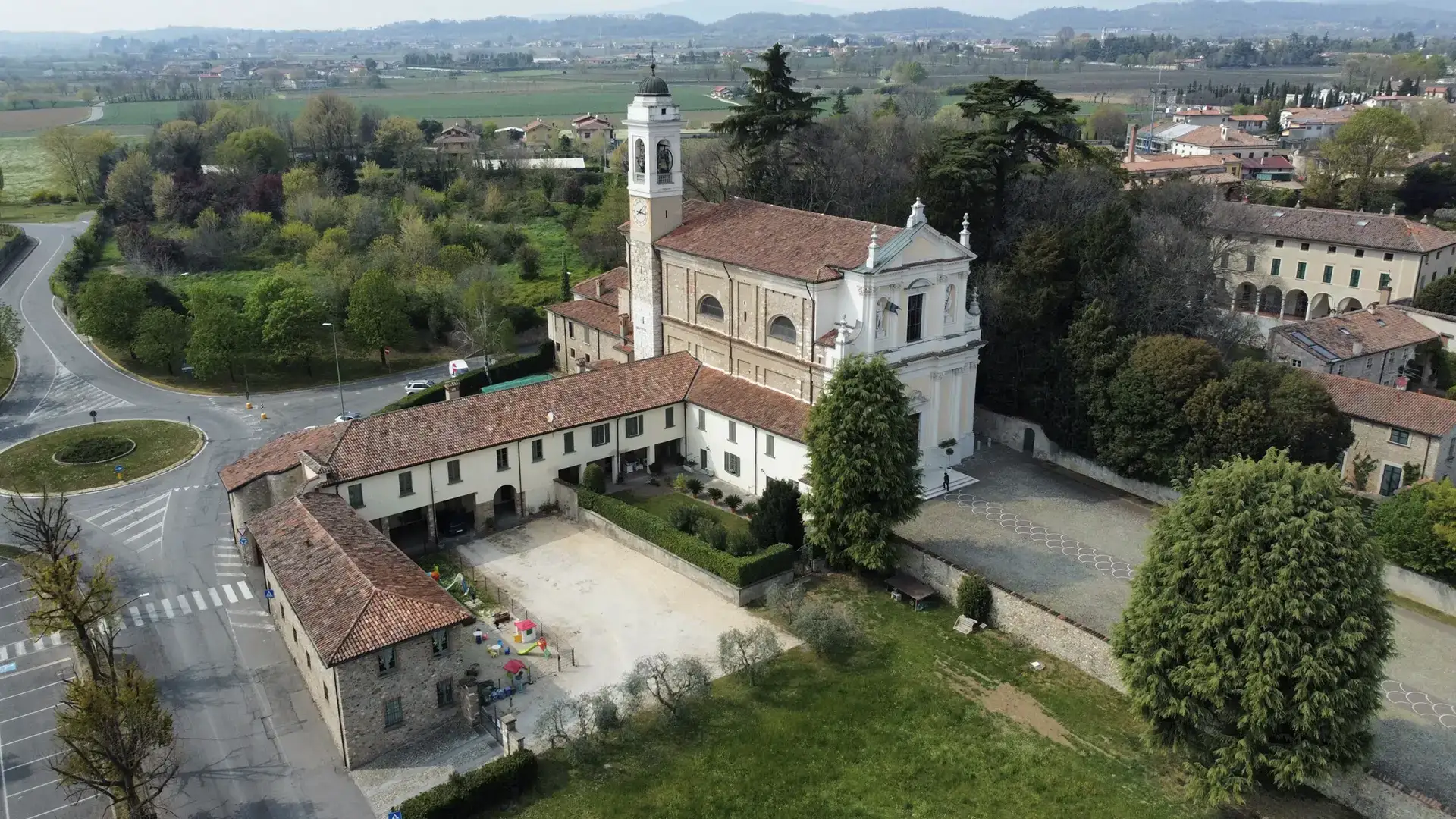
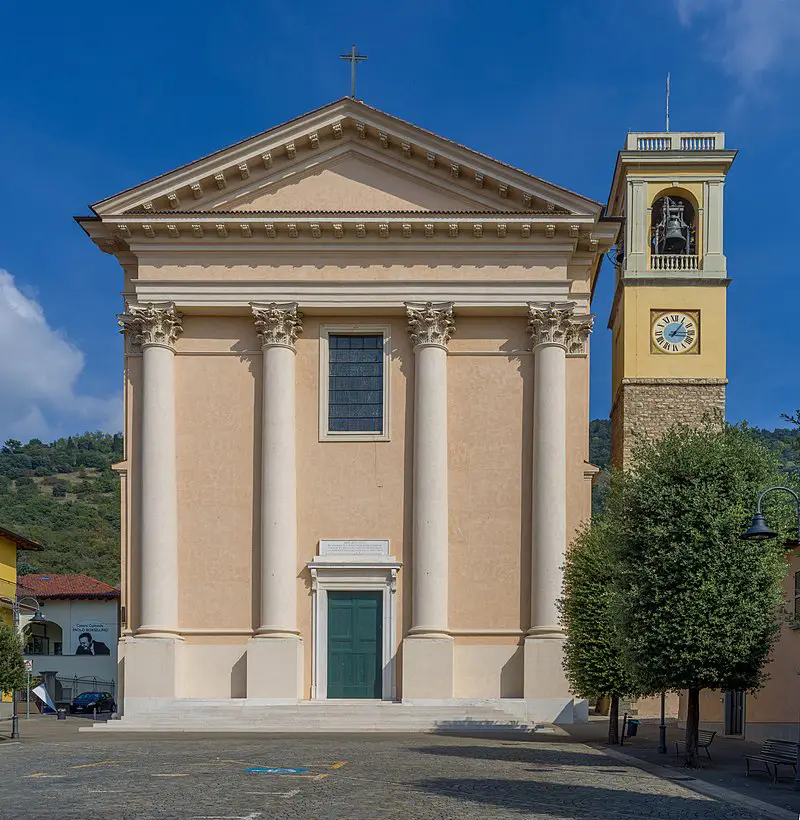
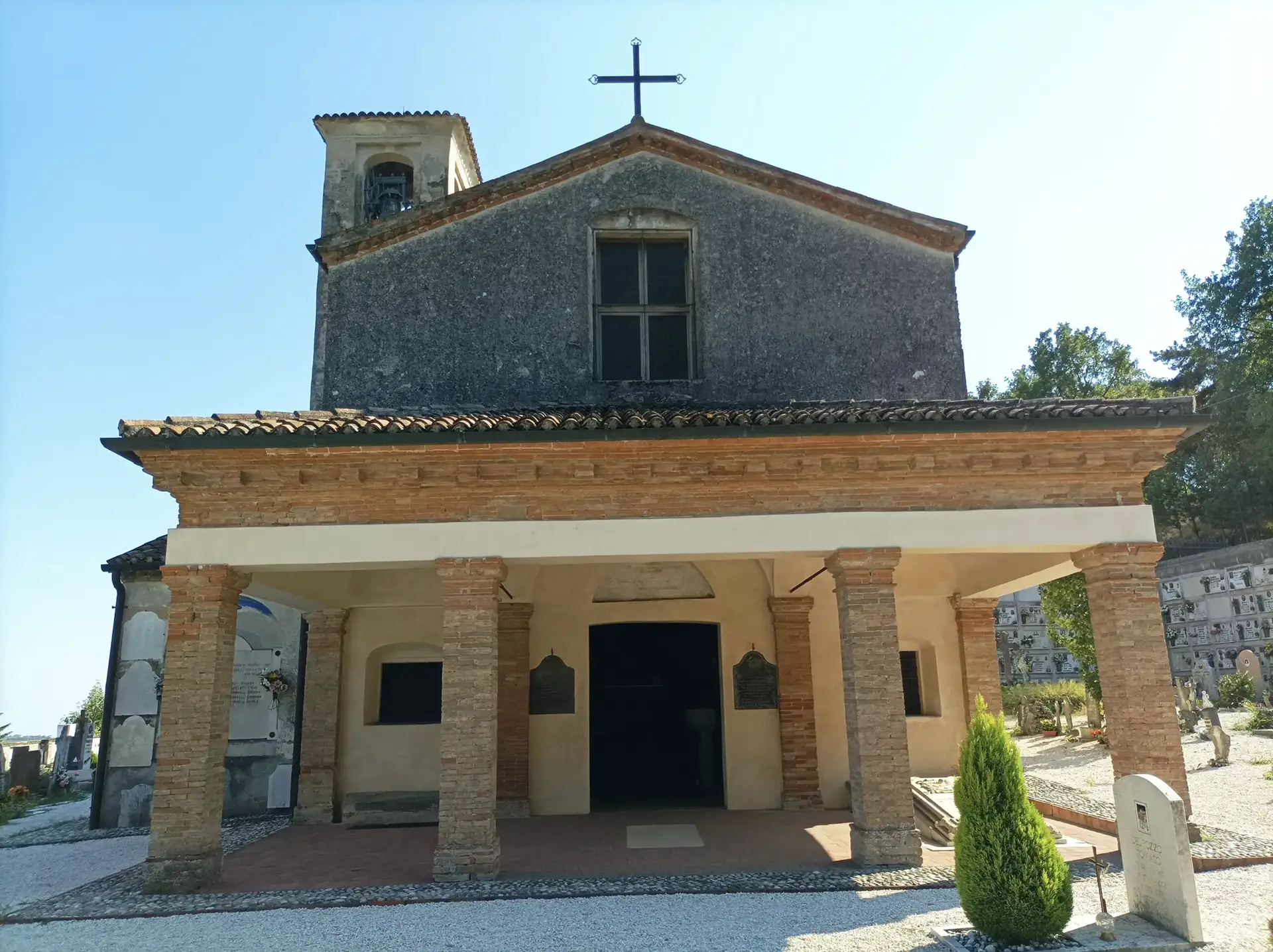
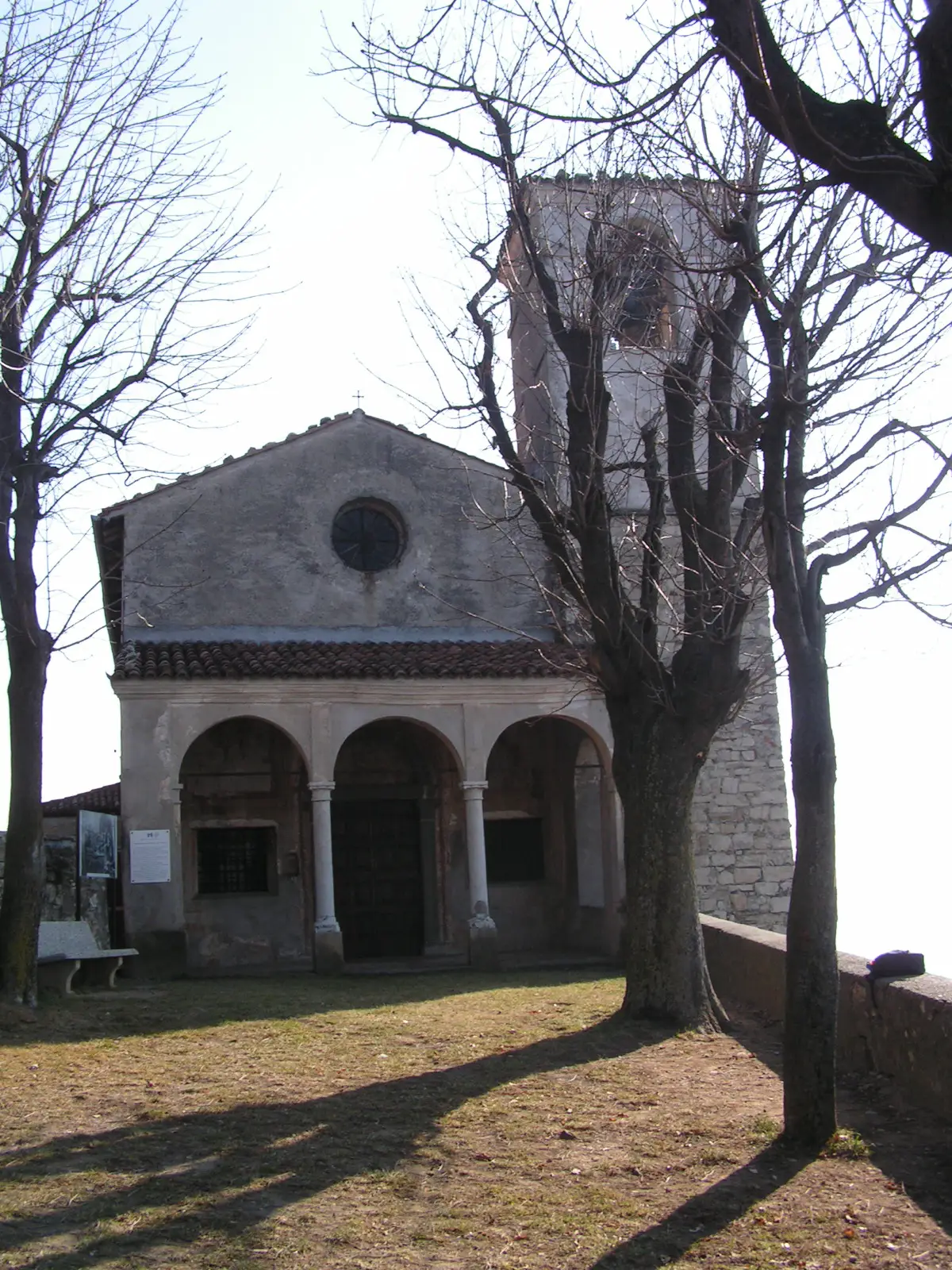
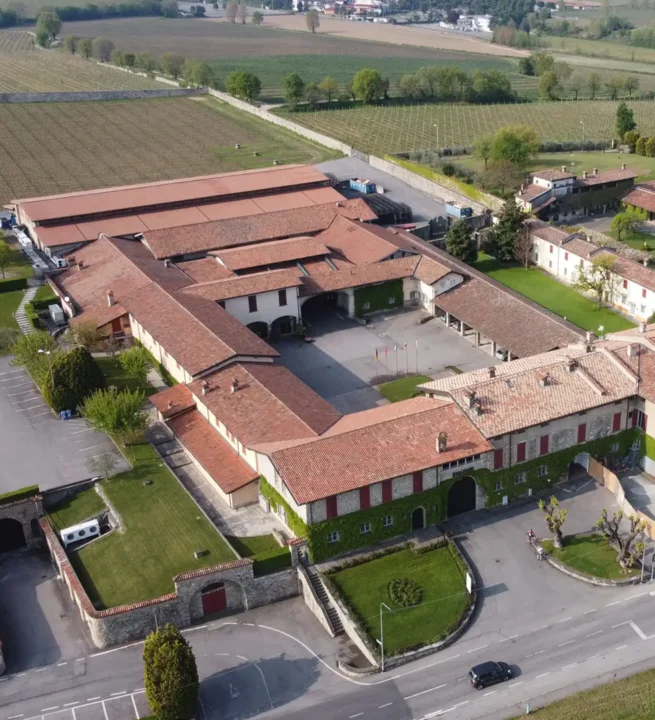
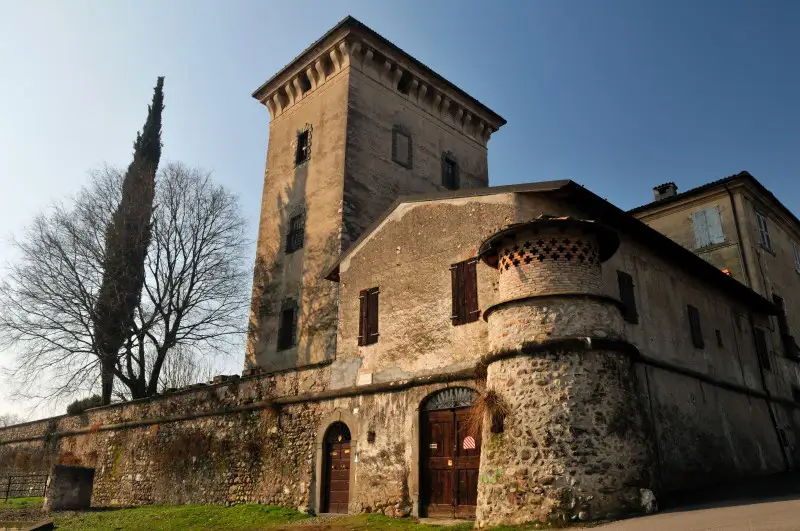
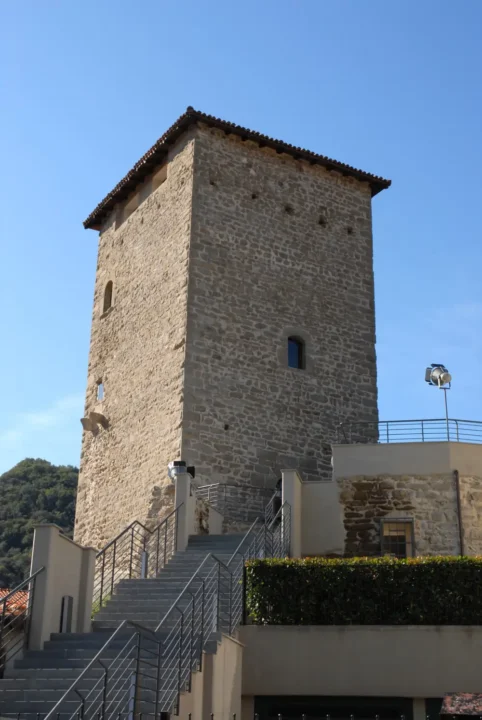
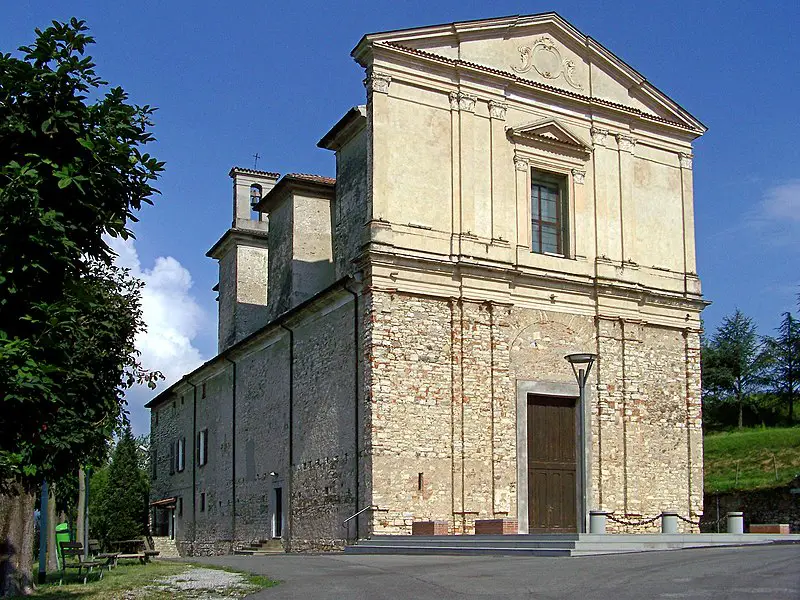
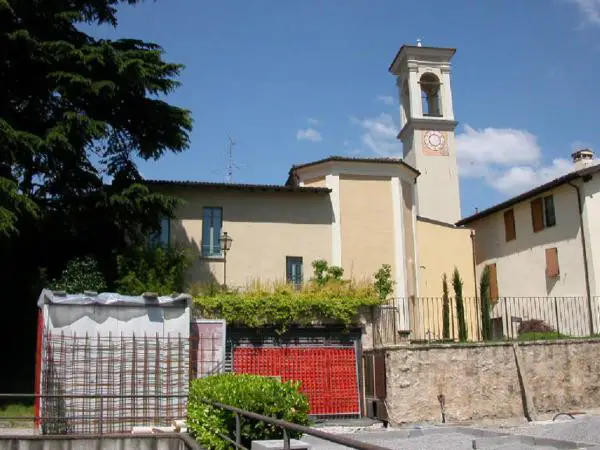
Located in the part of the village still known today as the ‘castle’ area, in memory of the defensive role it once played, the cultural centre and former church of S. Salvatore preserves, beneath its current elegant, restored structure used as an auditorium, traces of a thousand-year history linked to the medieval past of Rodengo Saiano.
The 2000 excavations: a late antique dwelling, a necropolis (4th–6th centuries) and a church dating from the 9th to the 10th centuries
The excavation campaign carried out in 2000 confirmed, in fact, an early medieval origin, bringing to light the remains of a late antique dwelling, upon which a burial ground was built, dating from the 4th to 6th centuries and characterised by numerous burials (around forty of those excavated, out of a total of one hundred presumed) and the foundations of a church dating from between the 9th and 10th centuries.
The fortified castrum: extent, surviving features and theories regarding its affiliation with Leno Abbey
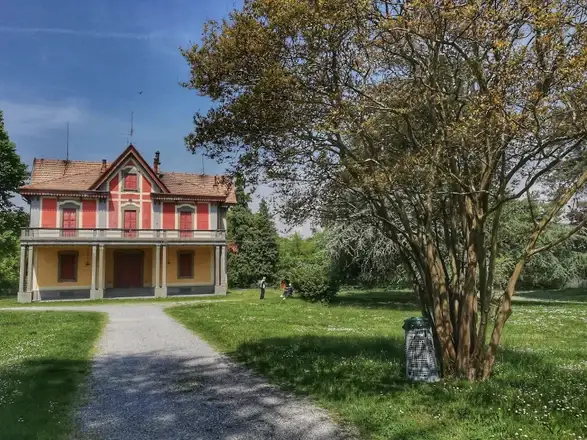
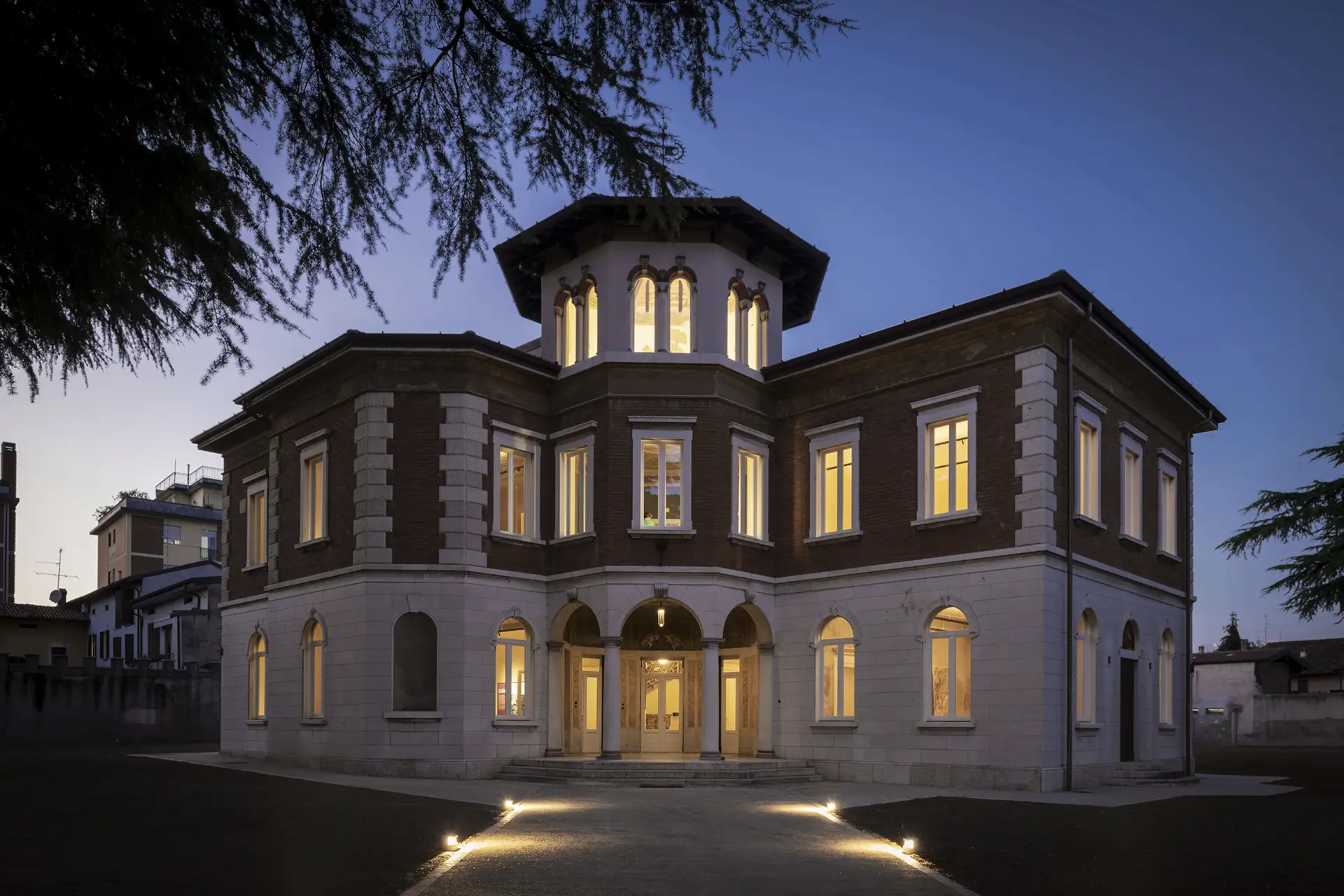
The church stood within a fortified complex which, as is also evident from the Napoleonic land register, must have included the area of the nineteenth-century villa and the former parish church with its outbuildings. The castrum, probably consisting merely of a simple fortified enclosure, equipped with palisades and earthworks, must still have been in use at the end of the Middle Ages and was still visible at the beginning of the 17th century. Since the castle is not mentioned amongst the dependencies of the priory of Rodengo, it has been suggested that it may have belonged to the important and powerful Abbey of Leno, founded by the Lombard king Desiderius.
From an early medieval church to a late medieval parish church and a Baroque reconstruction restored in 2002
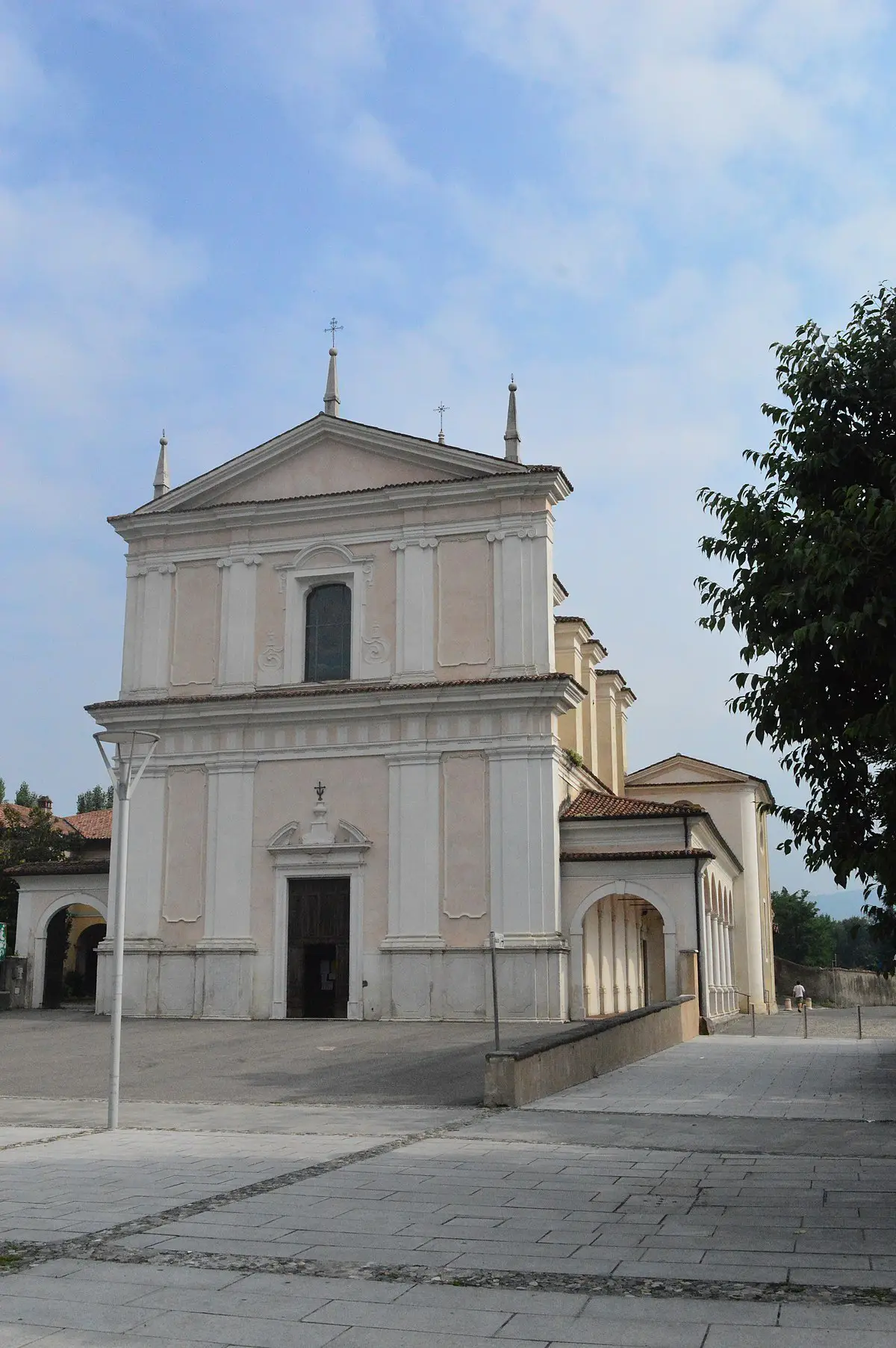
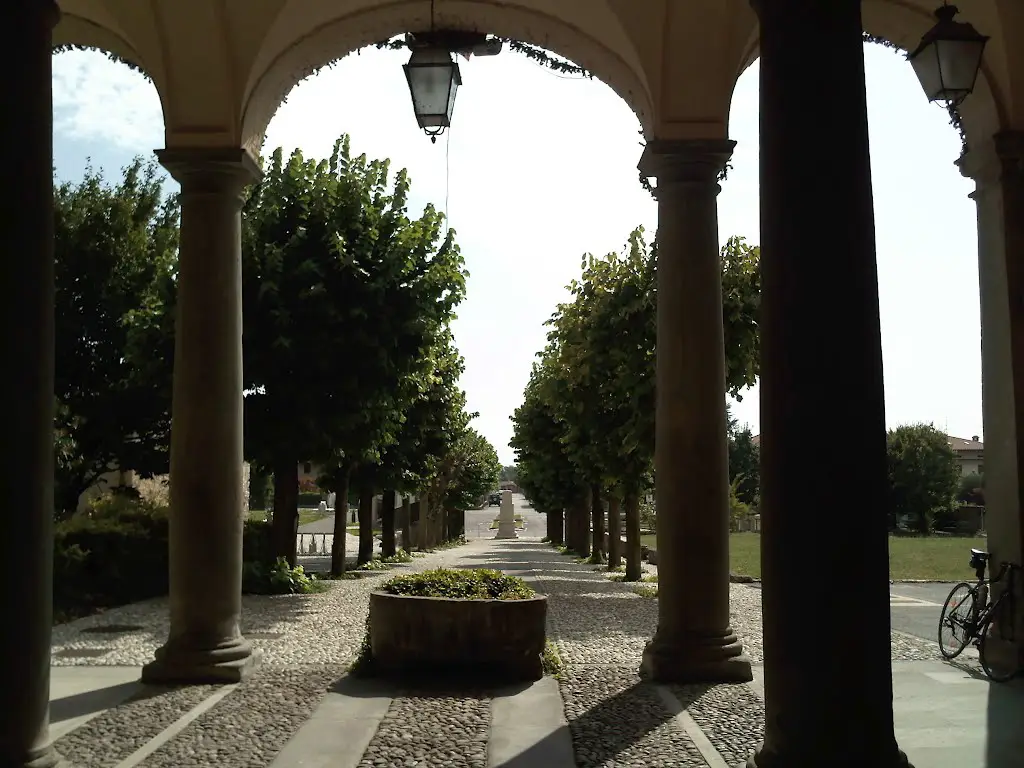
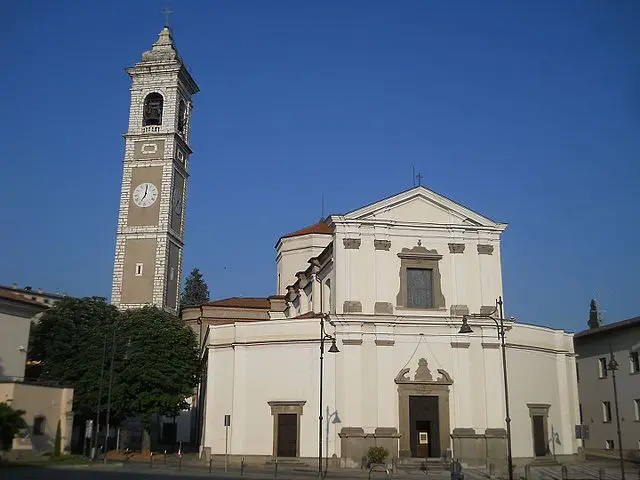
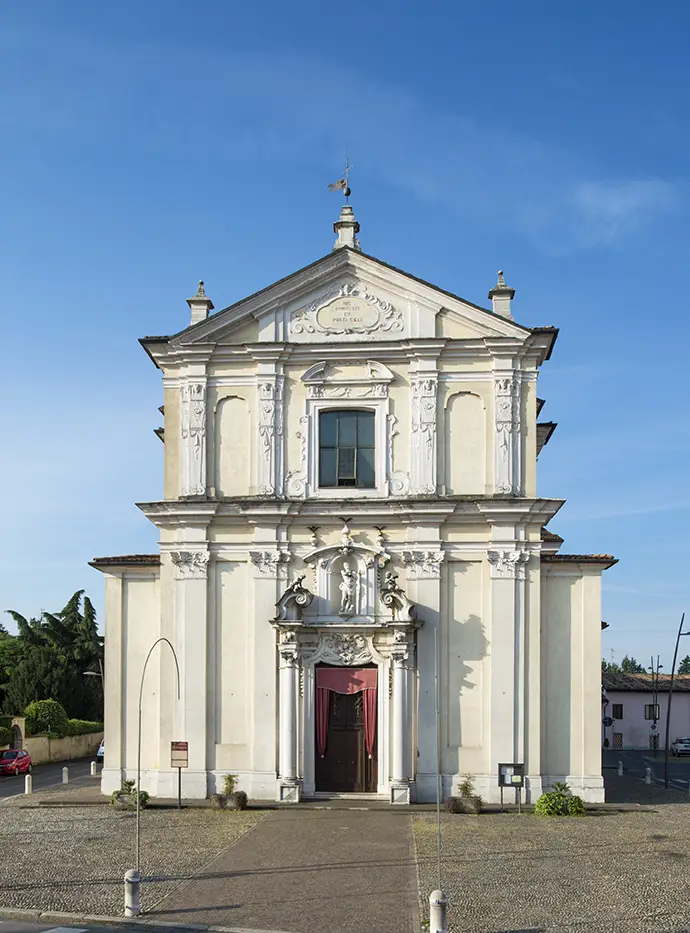
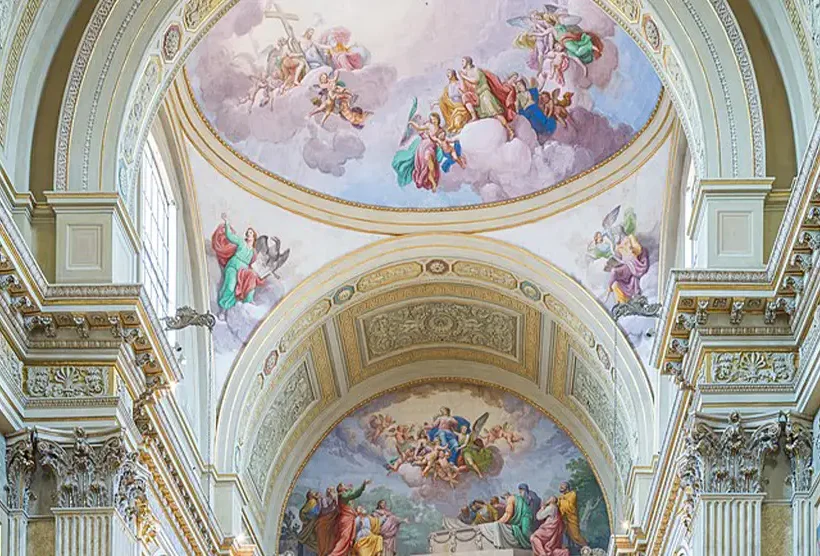
The early medieval church, consisting of a single column-free nave ending in a semicircular apse, was later replaced in the late Middle Ages by a larger church, suitable for use as a parish church, a role which S. Salvatore fulfilled until it was replaced by the parish church of Cristo Re in Rodengo. The recent restoration, completed in 2002, has transformed the complex into a centre for cultural events, whilst preserving its Baroque appearance intact: a spacious and airy nave, divided into three aisles by undecorated columns, already of a neoclassical style, supporting round arches that guide the eye towards the chancel. The side aisles were characterised by a series of chapels, in which various altars were arranged: the paintings that adorned the interior are now preserved in the old parish church, whilst an interesting fresco depicting St Anthony the Abbot remains visible; it can be dated to the first half of the 15th century and thus documents the late medieval church, prior to the Baroque renovation.