Ome
- Home
- /
- Territorio
- /
- Ome
- /
- Ome
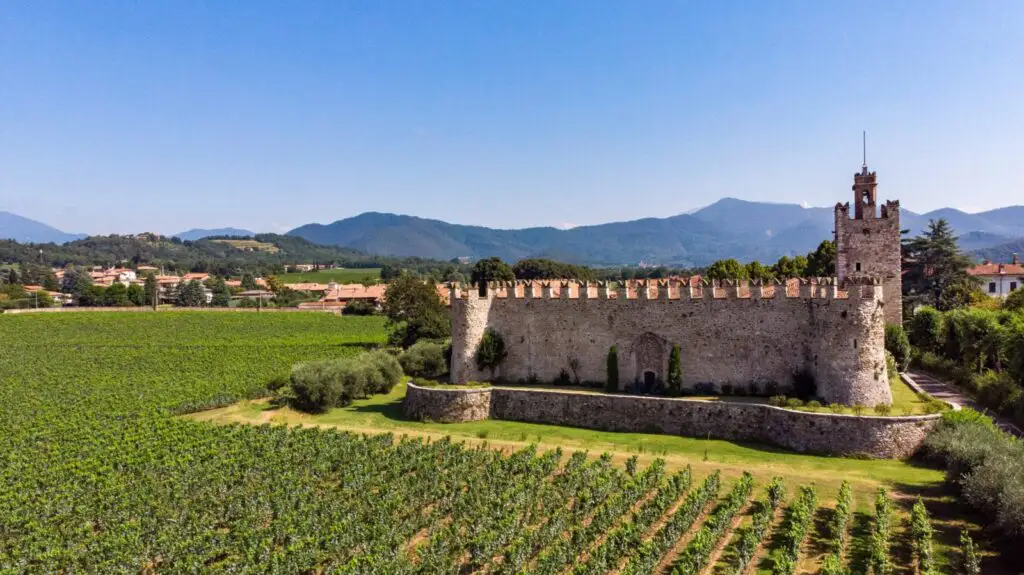
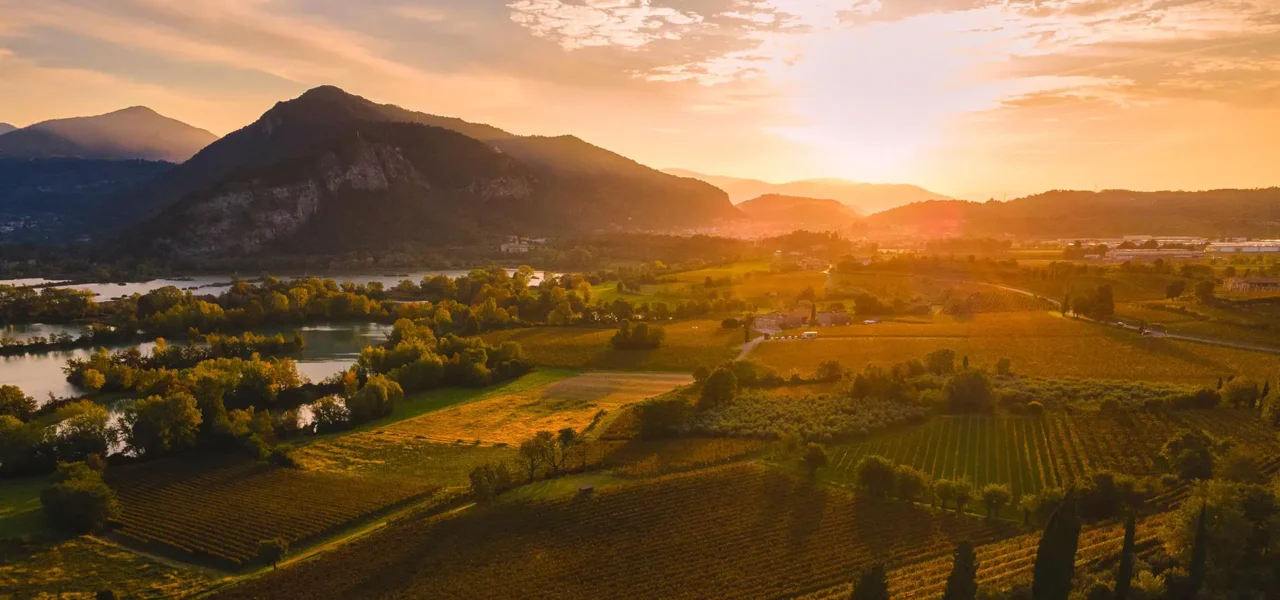
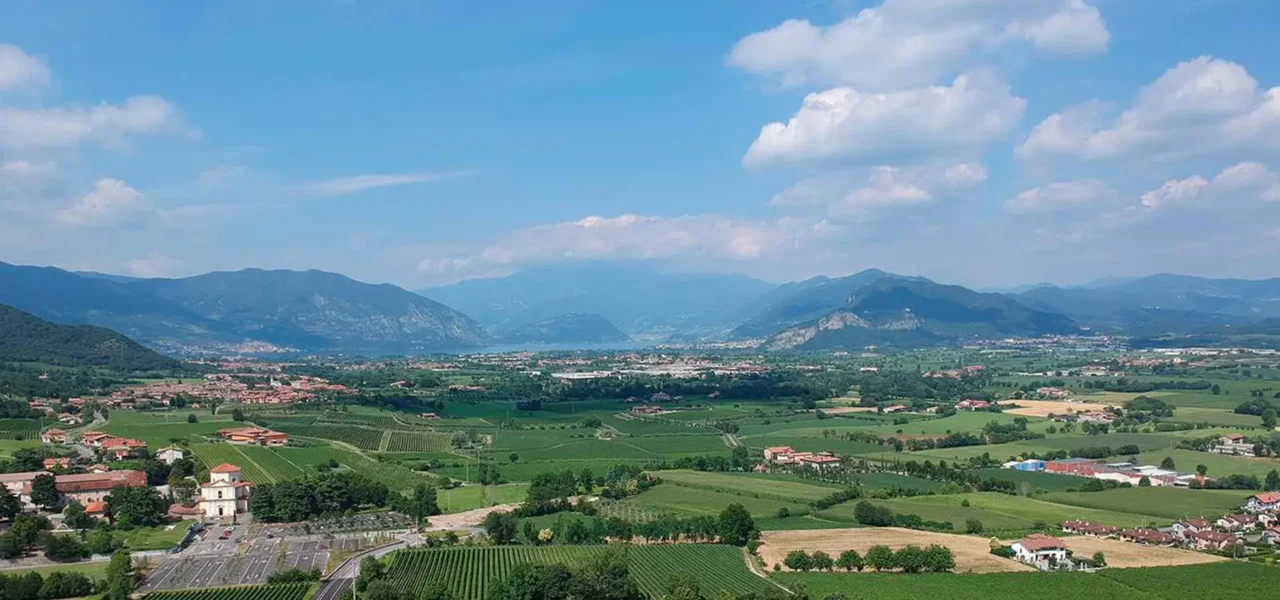
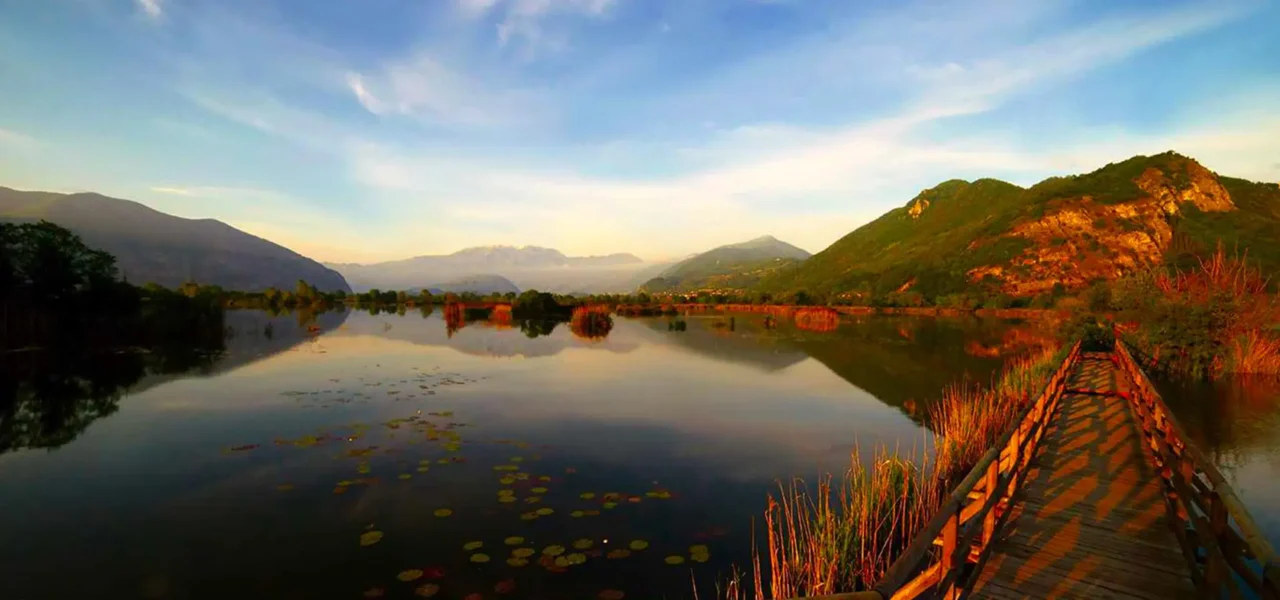
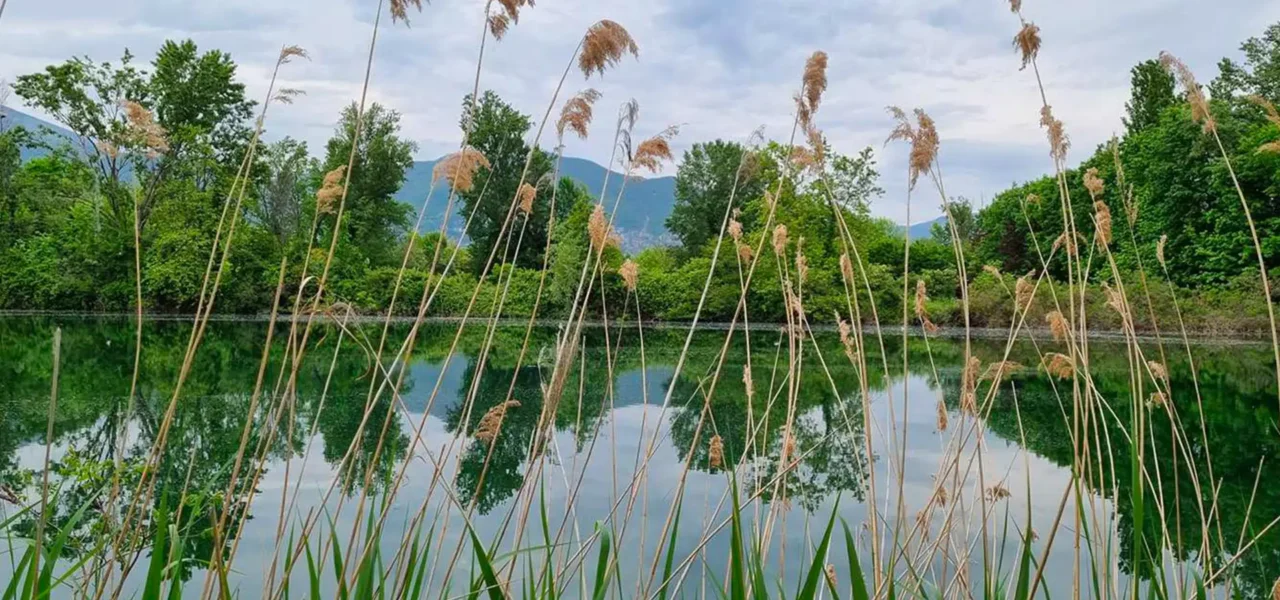
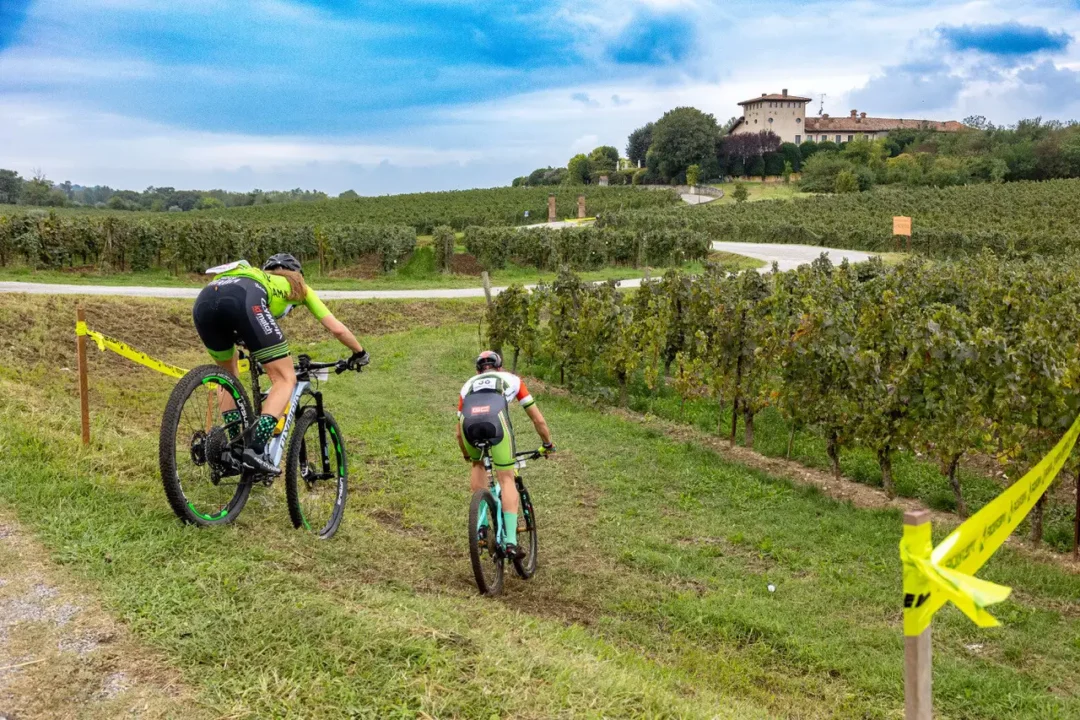
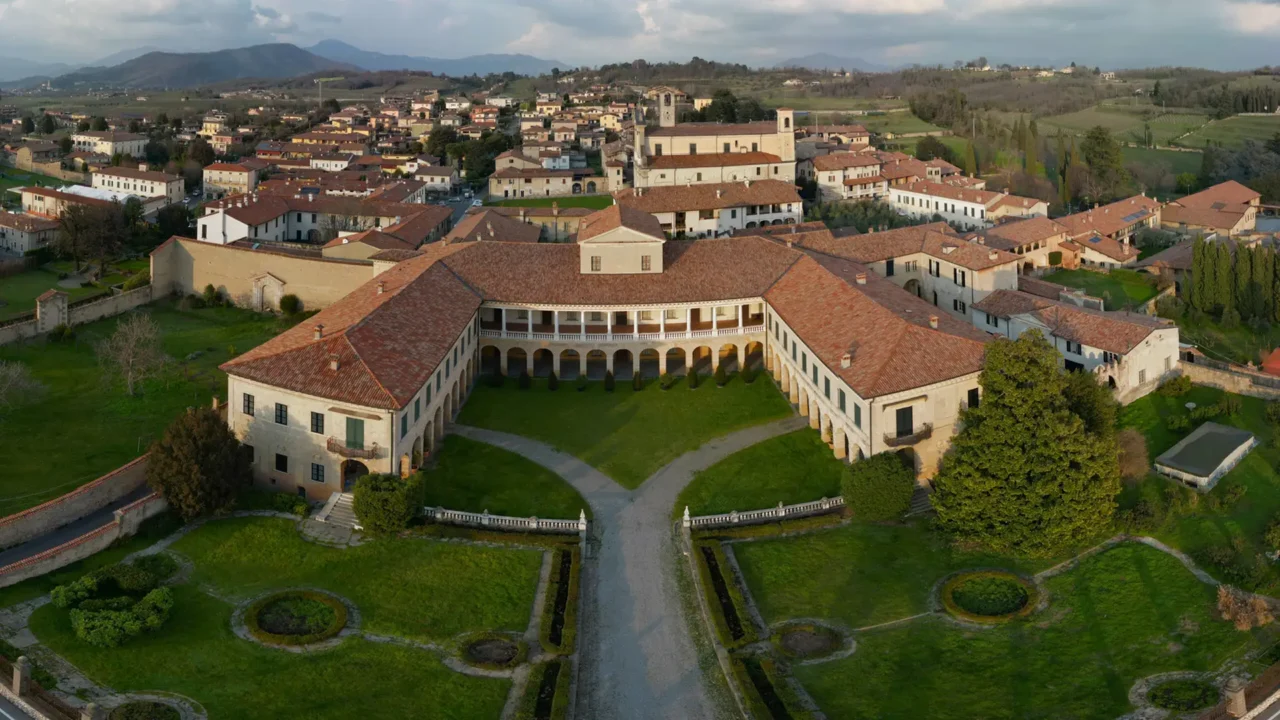
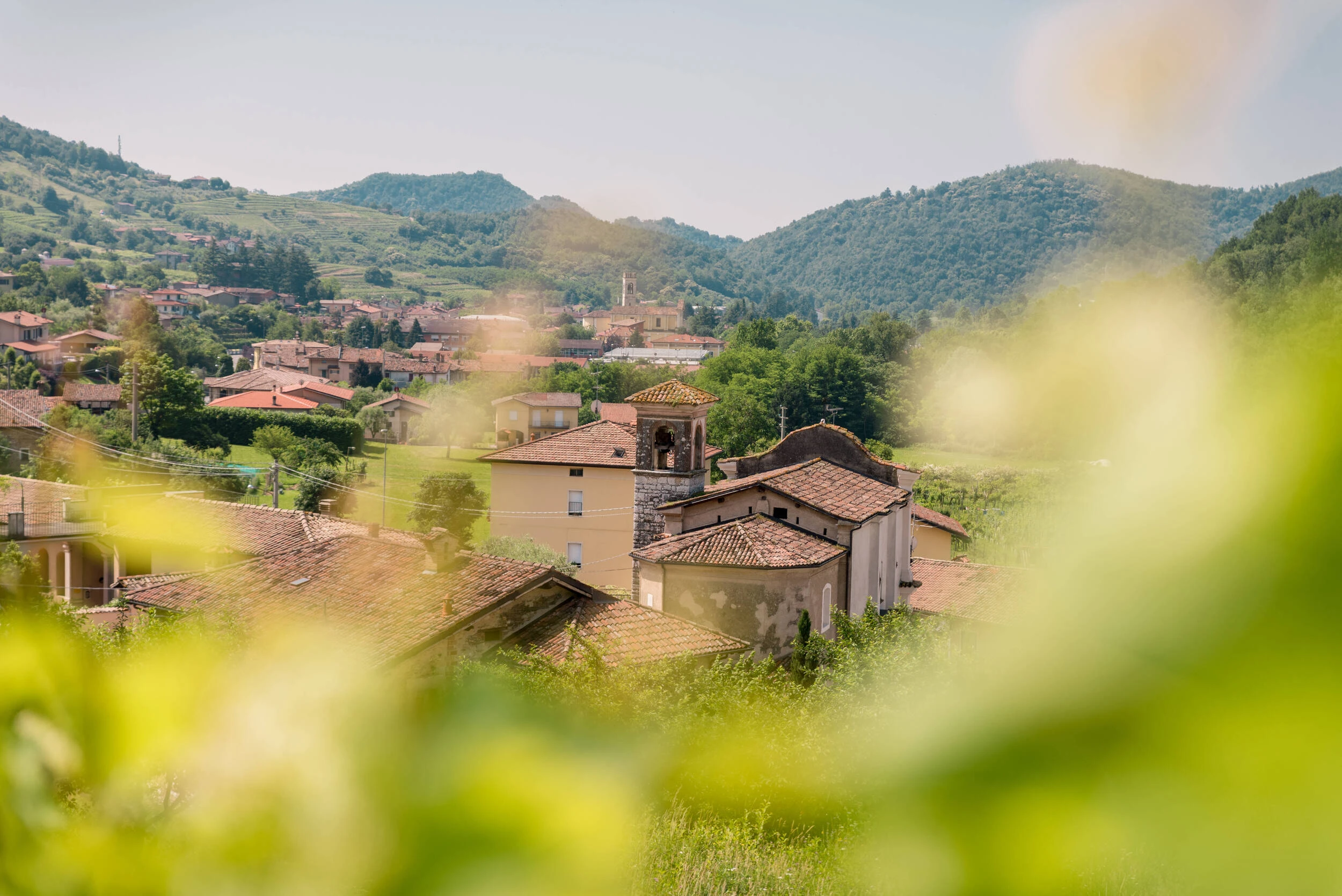
Surrounded by woods, vineyards, and olive groves, the municipality of Ome is made up of districts featuring various stone dwellings in a distinctly medieval style. The town’s name comes from Home or Hometum, a Germanic term meaning “stone house”— a material that was common here while wooden structures prevailed elsewhere.
WHAT TO SEE
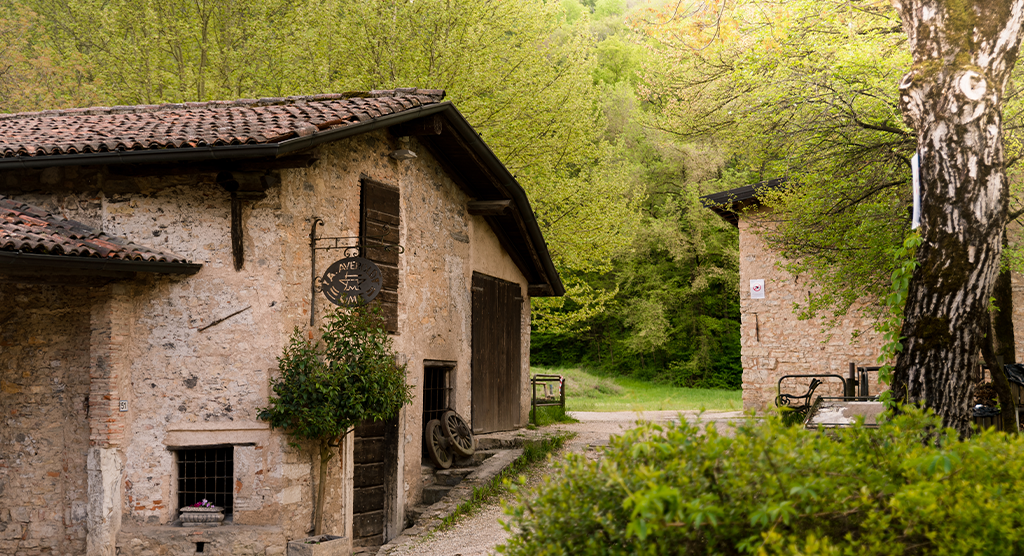
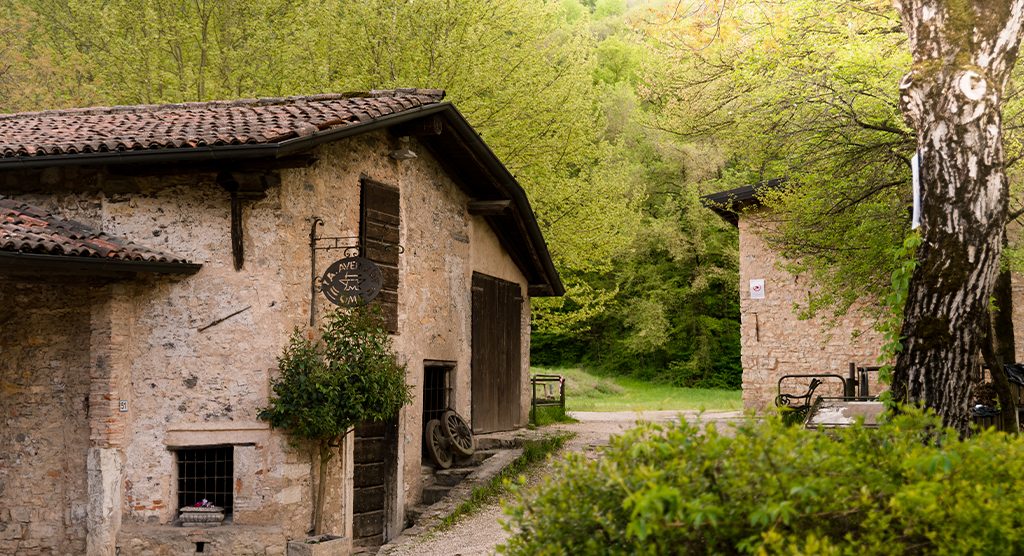
Borgo del Maglio – Consisting of a charming cluster of rural buildings on the slopes of Monte Delma, it houses two museums of great historical value: the Maglio Averoldi, a 15th-century forge featuring a still functioning water wheel, and the Pietro Malossi House Museum, a large and varied collection of cultural goods, including weapons, furniture, prints, and paintings by the engraver and antique dealer to whom it is dedicated. From March to November, on weekends, it is possible to visit the village and attend demonstrations of ironworking.
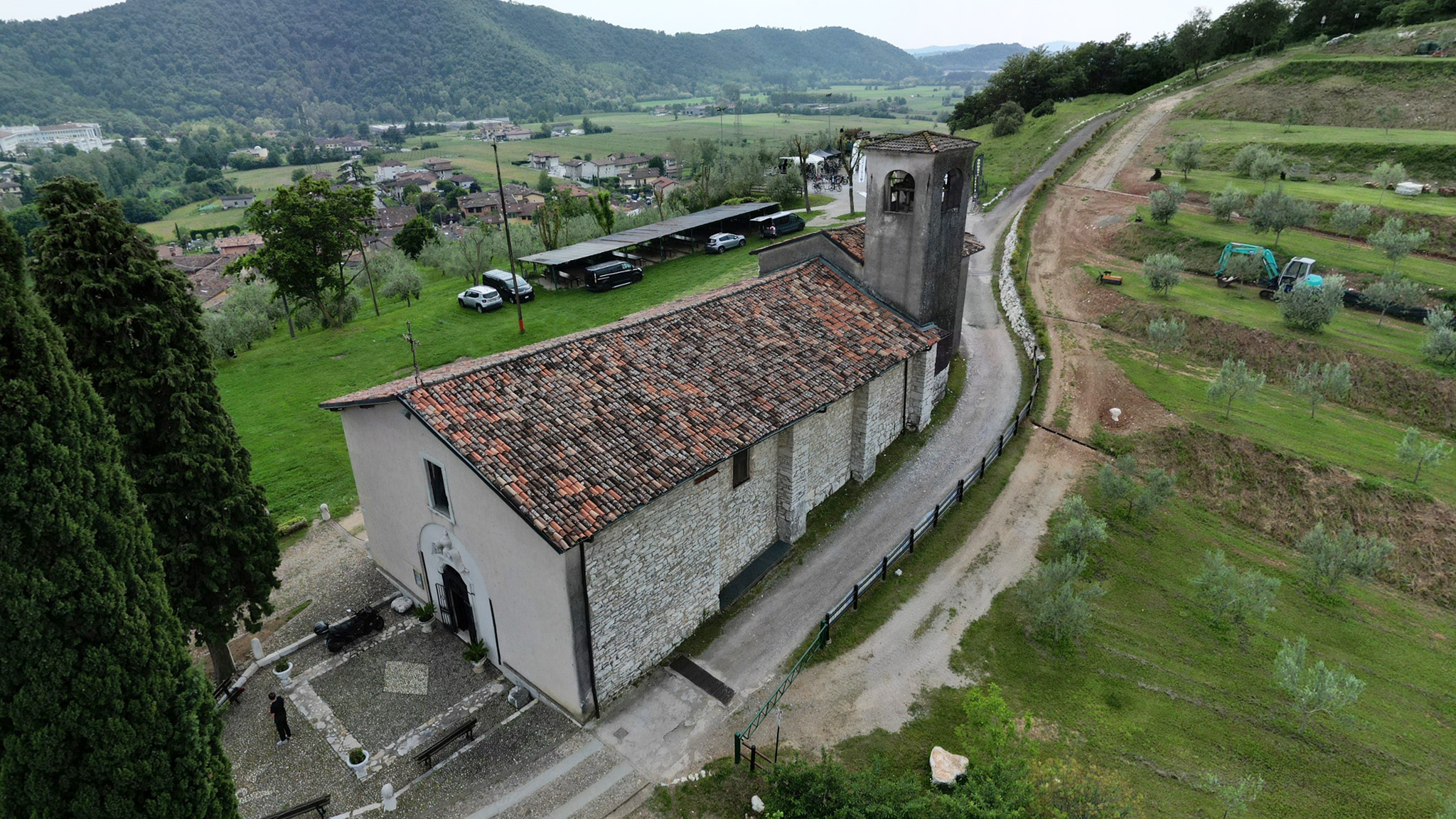
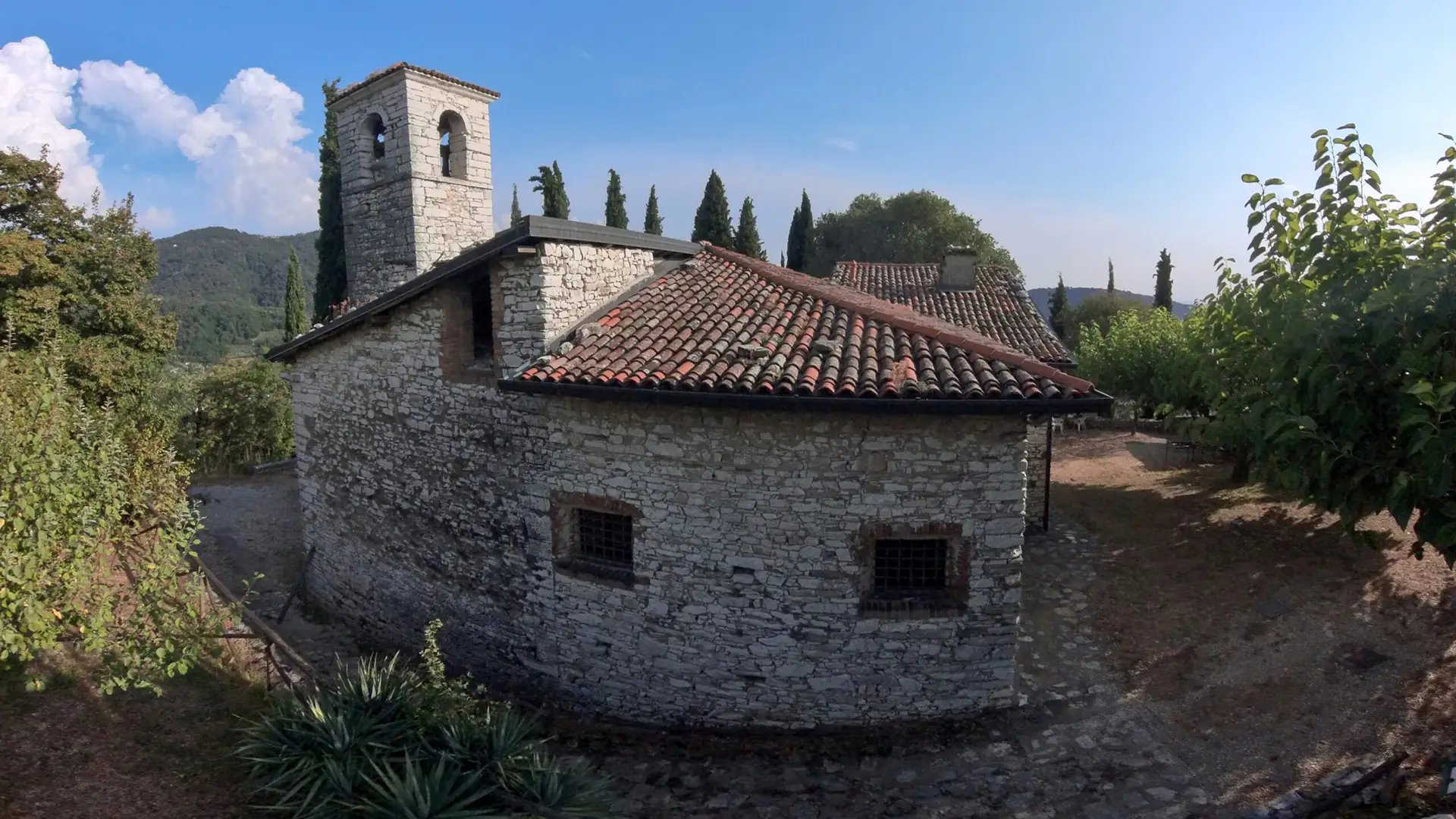
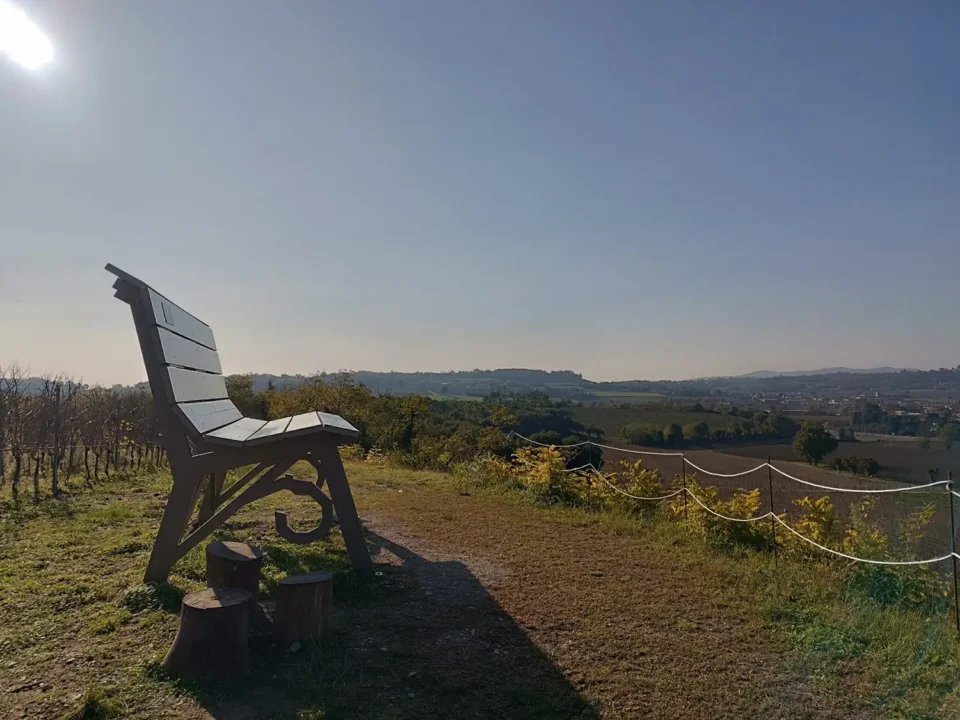
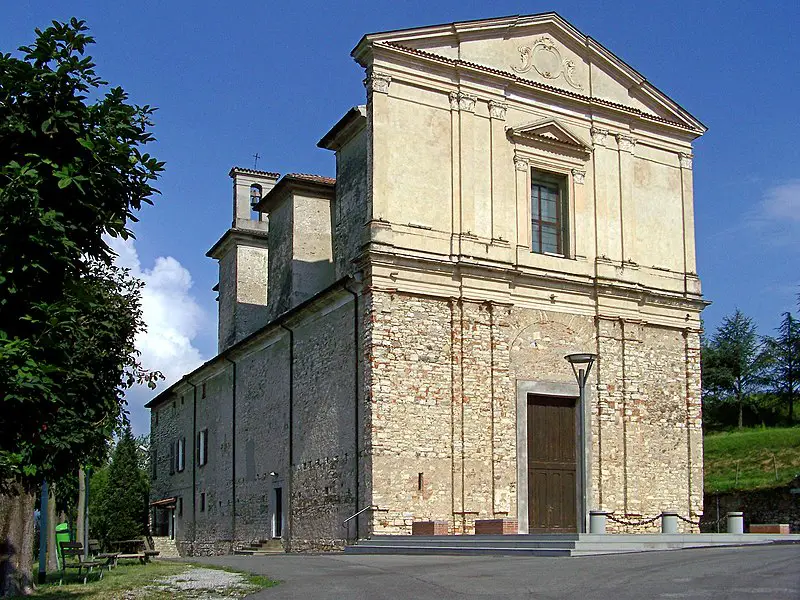
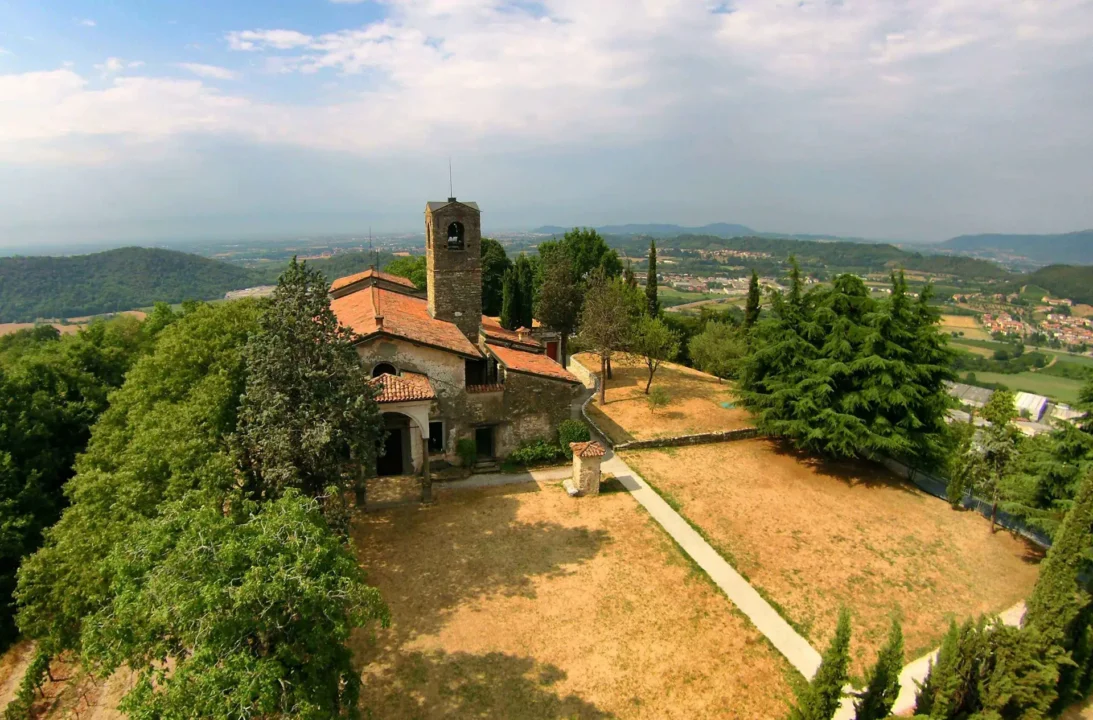
Church of San Michele – Of the medieval Castle of Ome, located on the hill of San Michele, all that remains is this small church, whose first construction dates back to the Romanesque period. It has the form of a Lombard single-hall church and houses some pictorial treasures. Behind the church, a park with tables and benches represents the ideal spot for a picnic and to enjoy the panoramic view.
Sanctuary of Madonna dell’Avello – Built in the 16th century to celebrate the Nativity of Mary on September 8th, the sanctuary has undergone several transformations over the centuries. Its statue of the Virgin is the oldest depiction of the Mother of God in the Brescia area, while the interior walls preserve a remarkable fresco cycle featuring 159 figures of Madonnas and Saints revered in popular devotion.
HIGHLIGHTS
Conifer Botanical Garden – Reachable from the hamlet Valle with a pleasant walk of about 20 minutes, it preserves 8 families and 82 species of shrubs and is part of a project to reintroduce into the wild plants at risk of extinction.
Oak Botanical Garden – Located in the area in front of the Borgo del Maglio, it preserves a priceless plant heritage, which includes more than 135 species from all over the world.
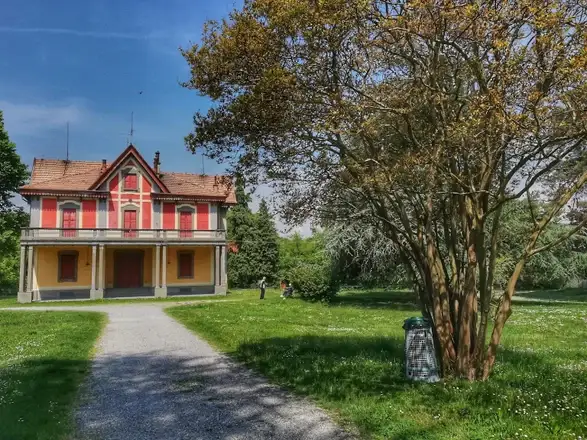
Japanese Garden – This place enchants visitors not only in spring, when the cherry blossoms are in bloom, but throughout the year with the elegance of its paths, the presence of a Toriigate, a purification fountain, and a brazier for lighting incense.
The Grove of the Survivors – It preserves second- and third-generation trees grown from the seeds of specimens that survived the atomic bombings of Hiroshima and Nagasaki; among them is the Diospyros kaki.
WALKS AND EXCURSIONS
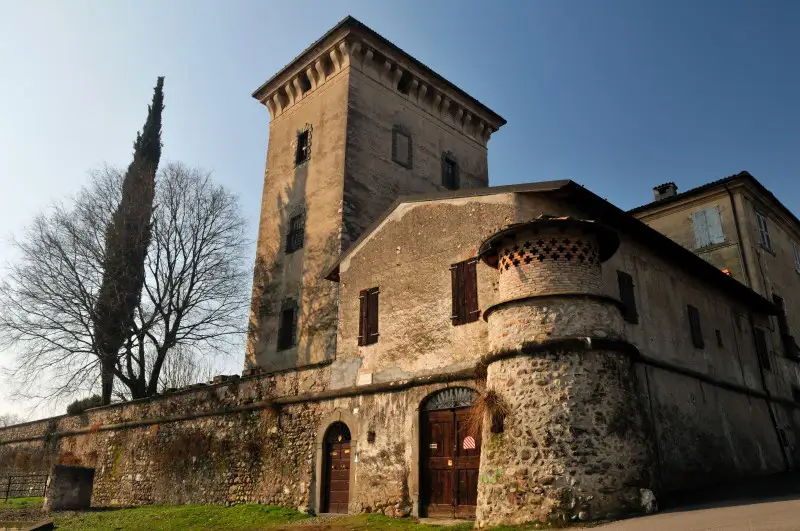
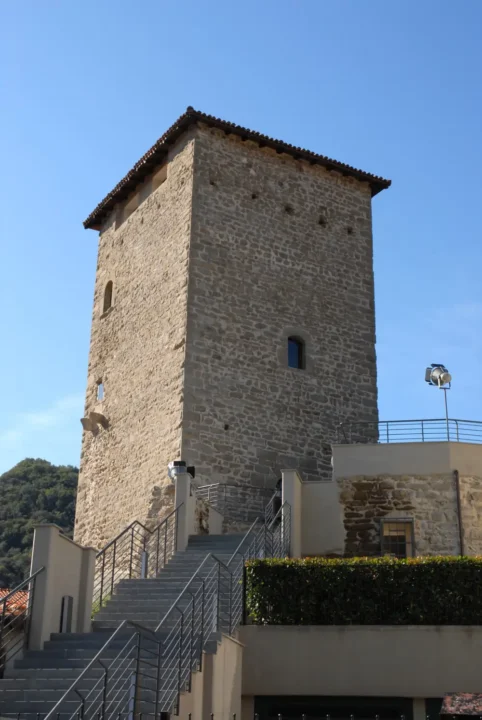
Gandovere Stream Trail – After parking the car at the beginning of the hamlet Valle, cross the small village, passing in front of the 17th-century Church of San Lorenzo and following the signs for the Conifer Botanical Garden. After passing the houses, continue to the right and follow the Gandovere Stream until you reach a small bridge; we recommend a short detour to the Ertina Tower (a significant example of medieval architecture) and, further on, to the Ertina Mill, which remained in operation until the 1930s. Returning to the main route, you reach the entrance to the Botanical Garden and, subsequen-ly, the Paradiso Park with a picnic area. The route is suitable for families and runs entirely on a short, comfortable road with minimal elevation gain.
From the Borgo del Maglio to the Oil Mill in Rodengo Saiano – After passing the characteristic Borgo del Maglio, turn left and follow the path through the woods that runs alongside and crosses the Gandovere Stream, until you reach the first cluster of houses in Rodengo Saiano. Continue straight on Via Corneto, skirting the long perimeter wall of the 17th-century Villa Fenaroli, until you reach and cross the provincial road at a small concrete bridge. On the opposite side, a lovely cycle and pedestrian path leads in about 10 minutes to Rodengo’s Oil Mill Park, with sports facilities, children’s playgrounds and picnic tables. The walk is flat and suitable for everyone, especially families.
Antica Strada Valeriana e Via delle Sorelle – The two paths pass through Ome and are easily accessible from the Borgo del Maglio, choosing the direction you want. The first is an ancient route that once connected the city of Brescia to the Camonica Valley. Today, this path winds largely along the scenic shores of Lake Iseo, offering spectacular views and unforgettable natural glimpses. The second, more recent (completed in 2023 for the Italian Capital of Culture year), is a route that unites Bergamo and Brescia, crossing the green heart of Franciacorta, among hills dotted with vineyards and small, charming villages. Differing in history and landscape, both ways offer a unique opportunity to immerse yourself in the nature, culture, and authentic beauty of the area.
INFO SHOPPING
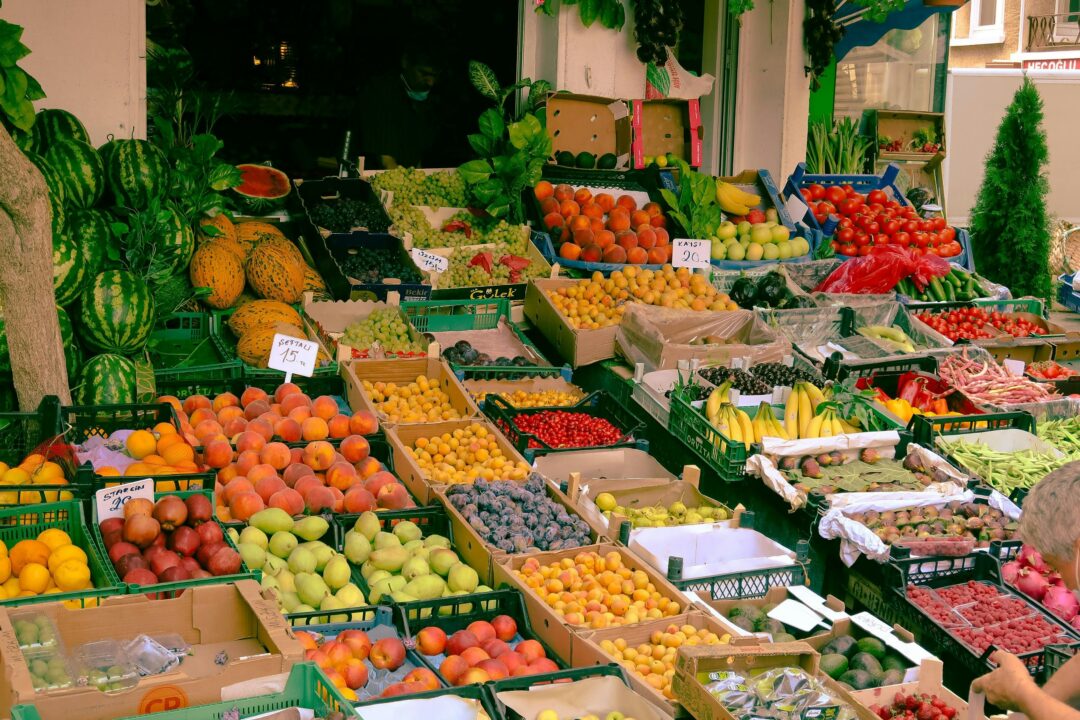
The weekly market takes place every Tuesday from 08:00 to 12:00 in Piazza Aldo Moro.
HOW TO GET THERE
By bus – Ome is served by the FNMA company, particularly the F27 line (L62 during school terms) from Iseo to Brescia, which also passes through Provaglio d’Iseo and Corte Franca, and the ARRIVA company, which connects the town to Brescia, Gussago, Rodengo Saiano, and Monticelli Brusati. The main stops are located in Via Provinciale and Via Fonte. Info and timetables: FNM Autoservizi and Arriva Italia
WINERY VISITS AND TASTINGS
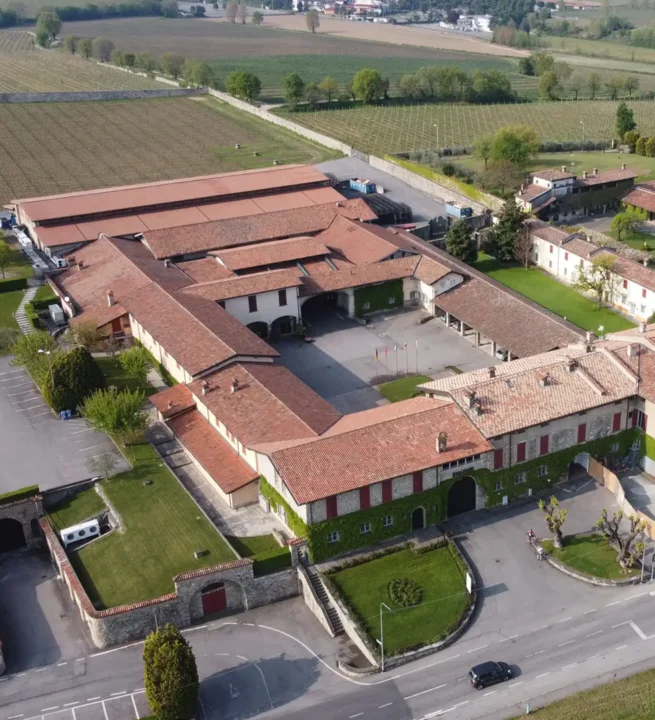
Ome is home to numerous and diverse wineries, nestled between the hills and the plains. Discover the experience that’s right for you!
- Al Rocol
- Bonzoni
- Fabio Peli
- La Costa di Ome
- La Fiorita
- Le Panische
- Majolini
- Plozza