Church of Santa Maria in Favento
- Home
- /
- Arte e cultura
- /
- Parish Churches and Sanctuaries
- /
- Church of Santa Maria in Favento
Santa Maria in Favento: origins, late medieval records and links with the parish church of Erbusco
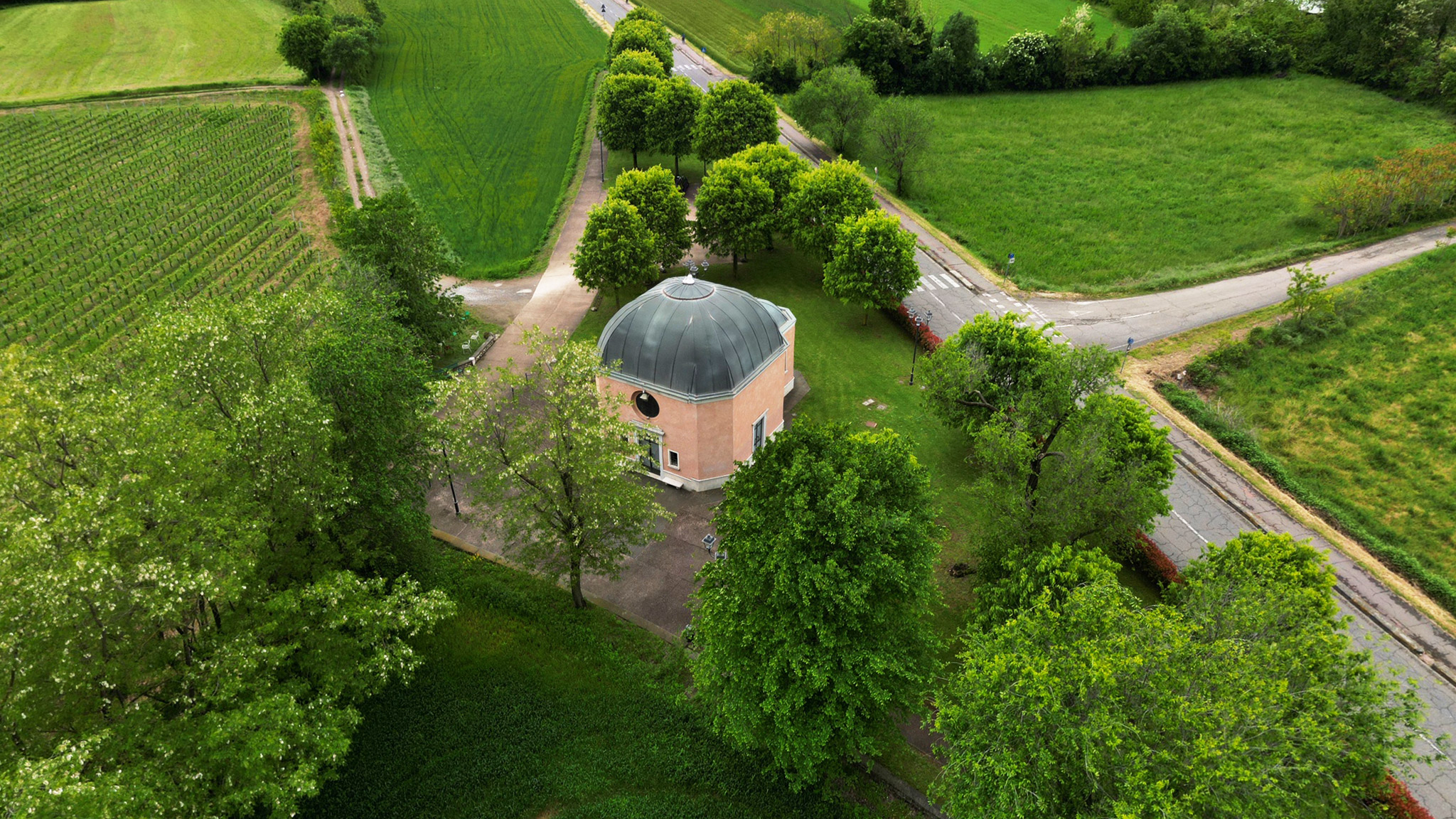
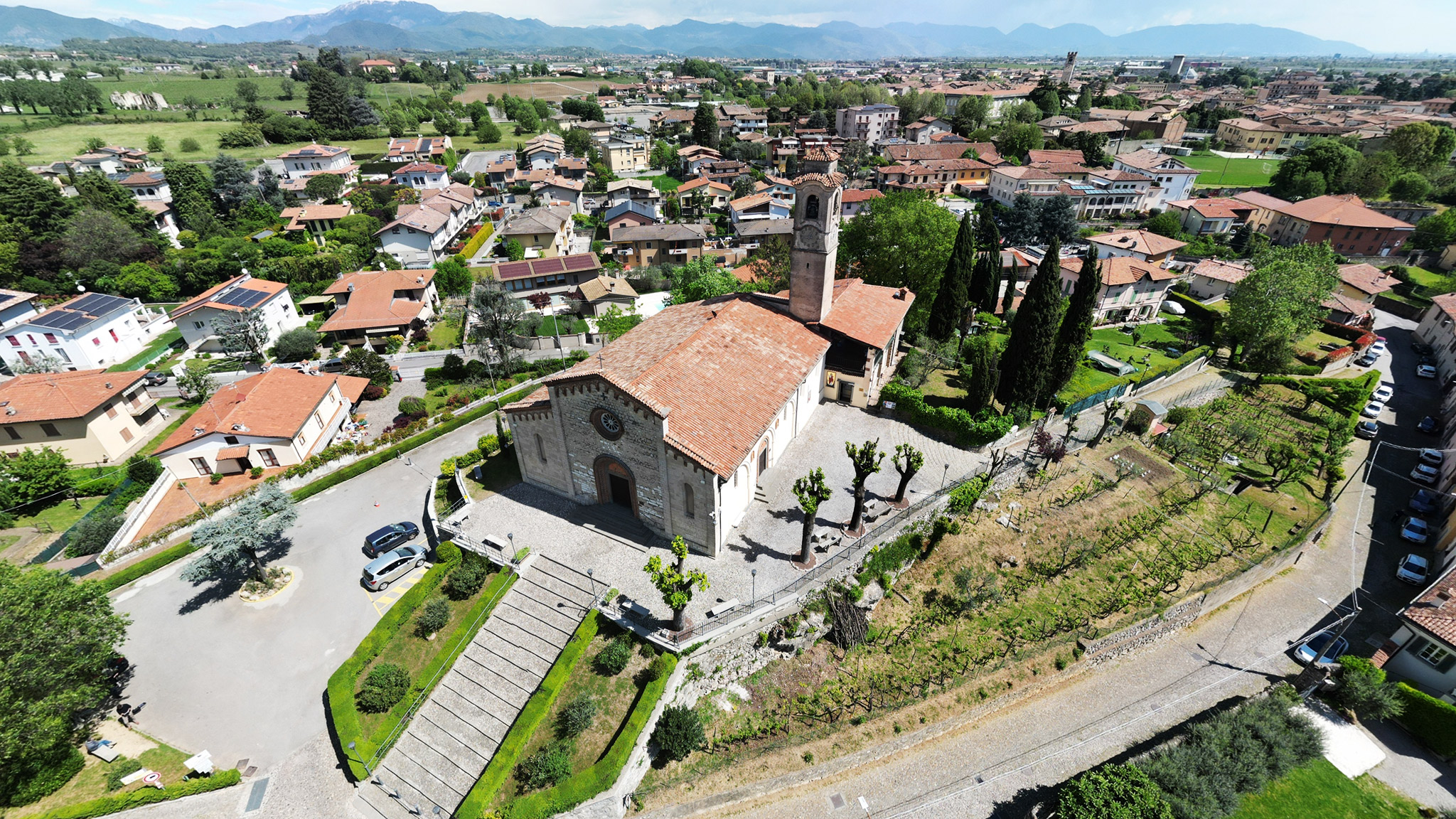
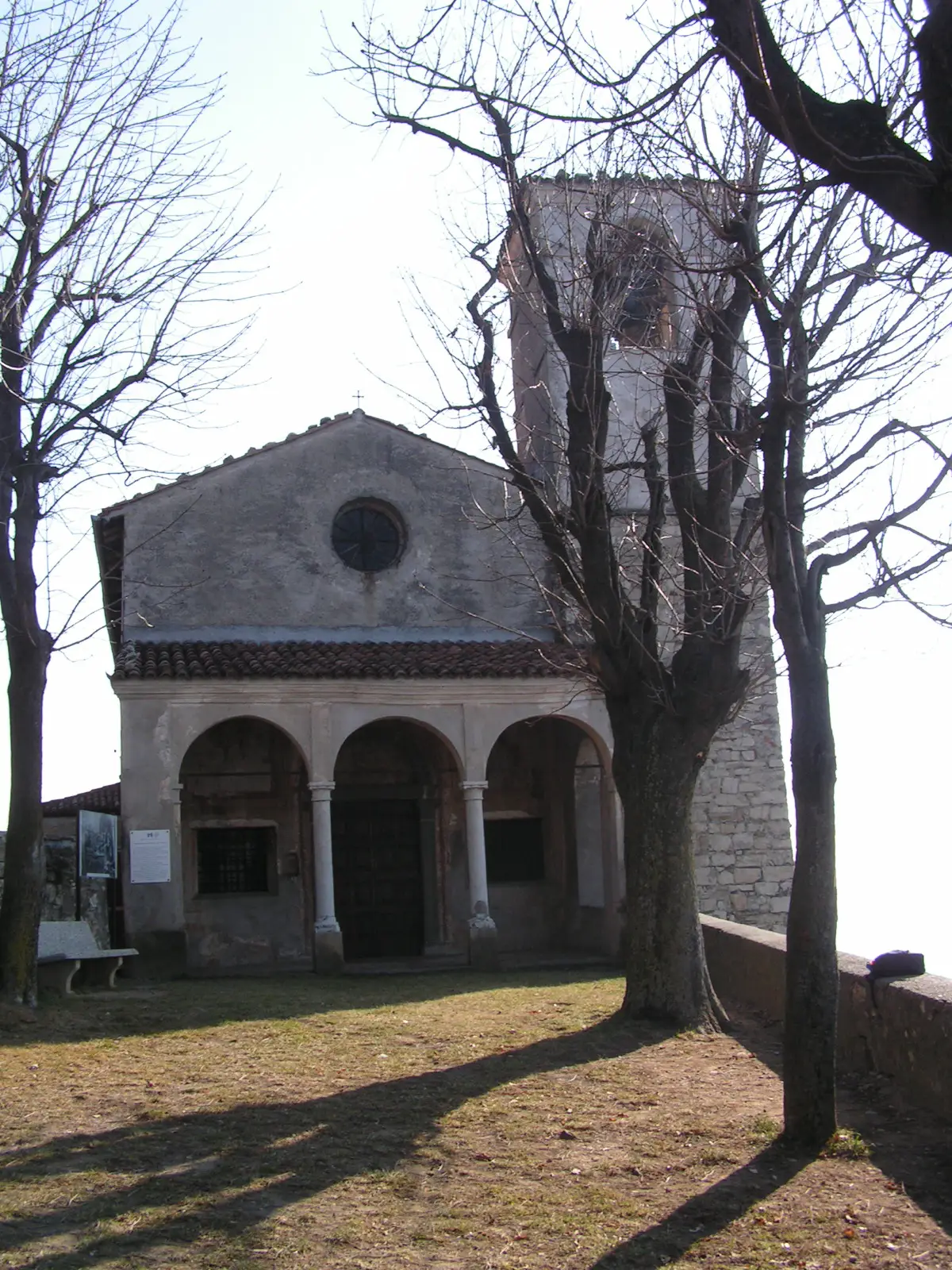
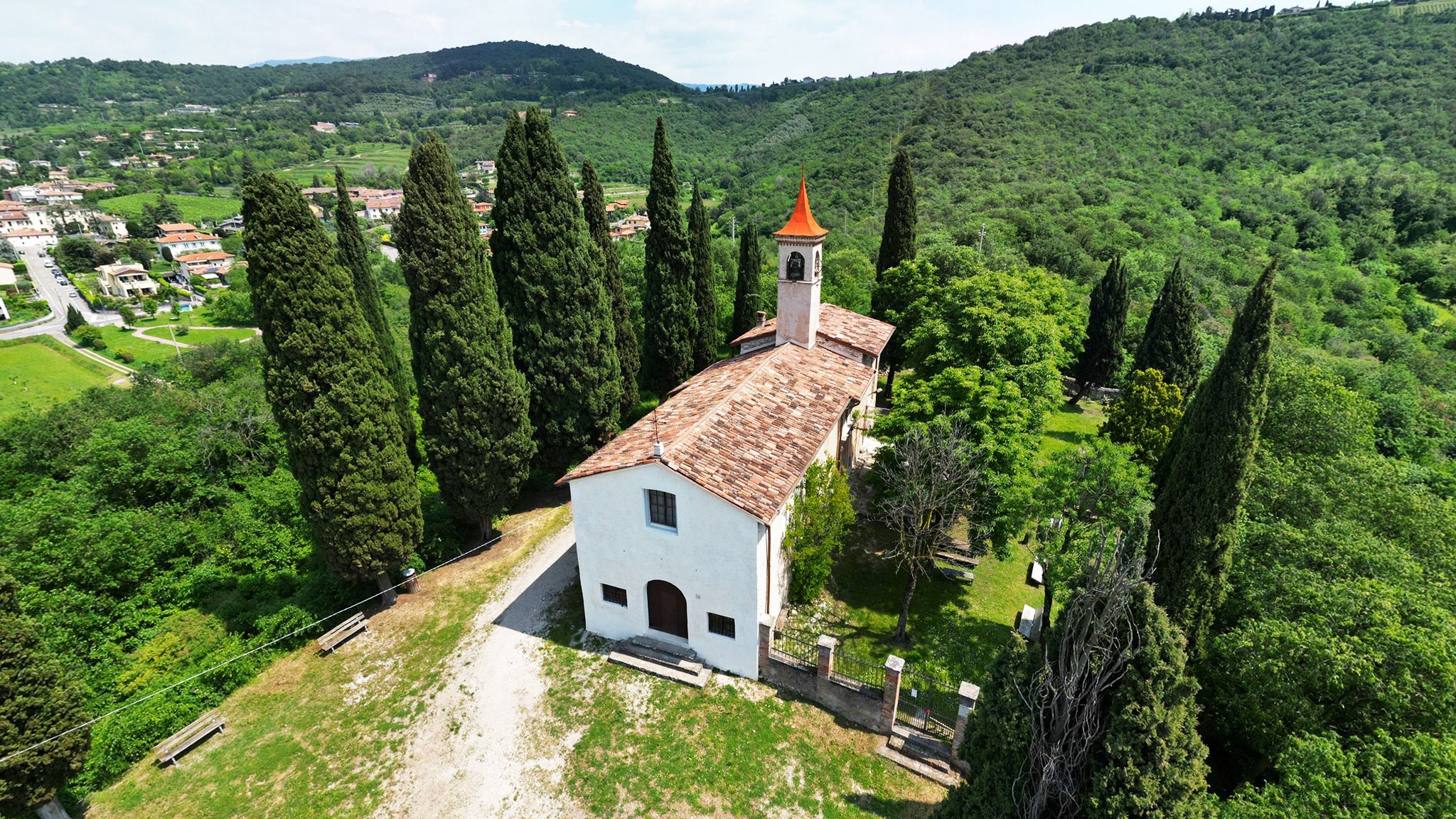
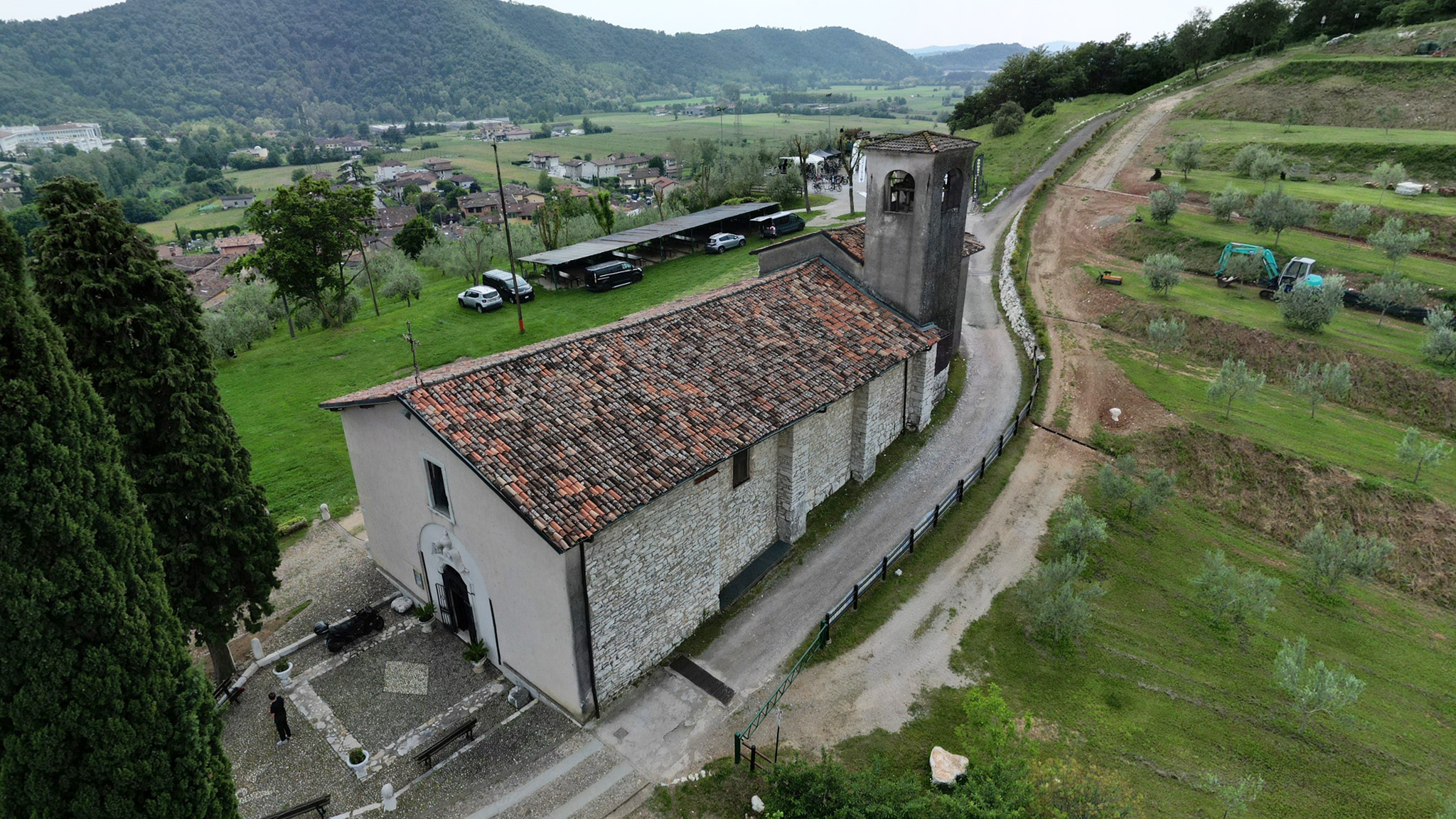
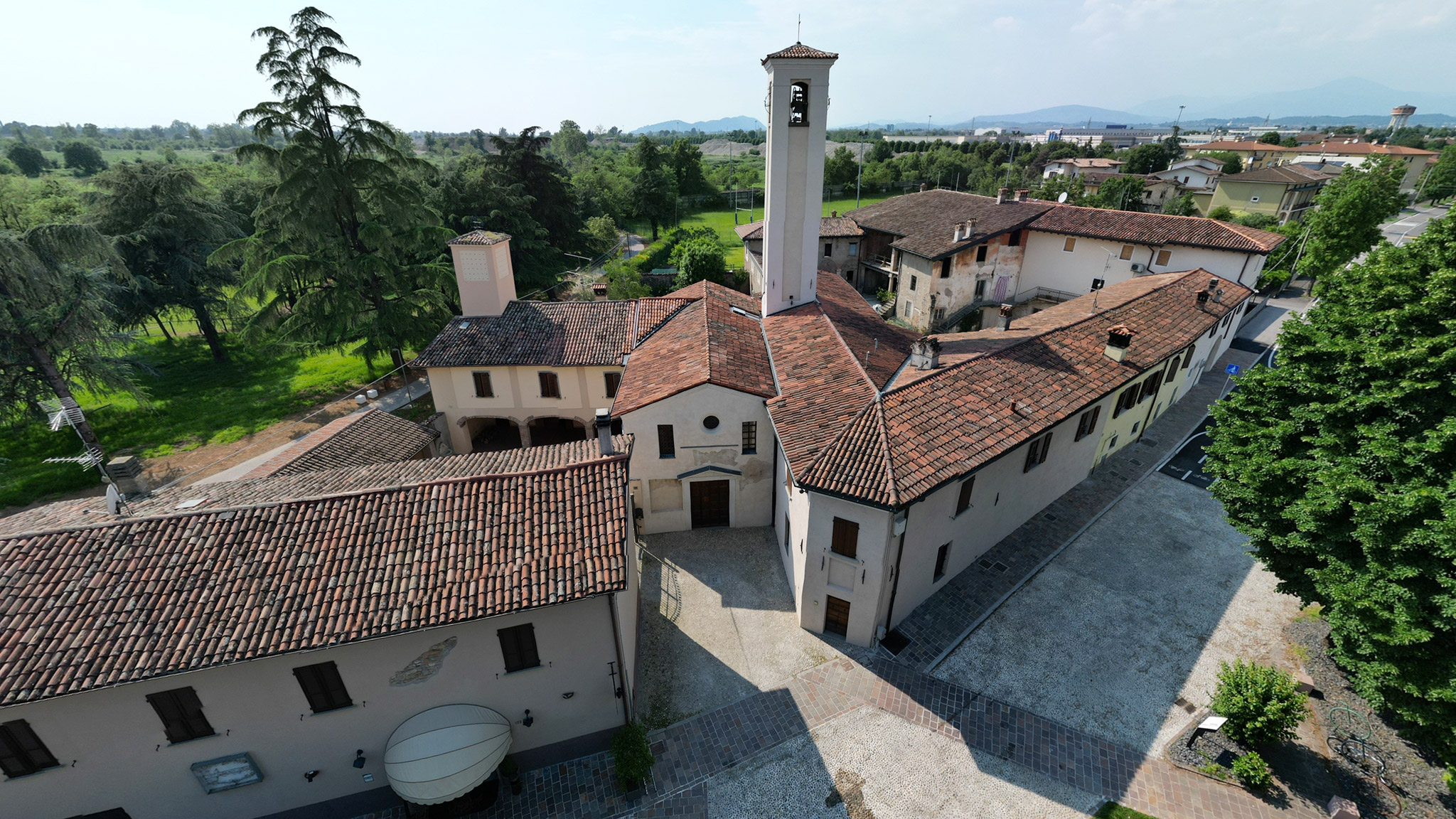
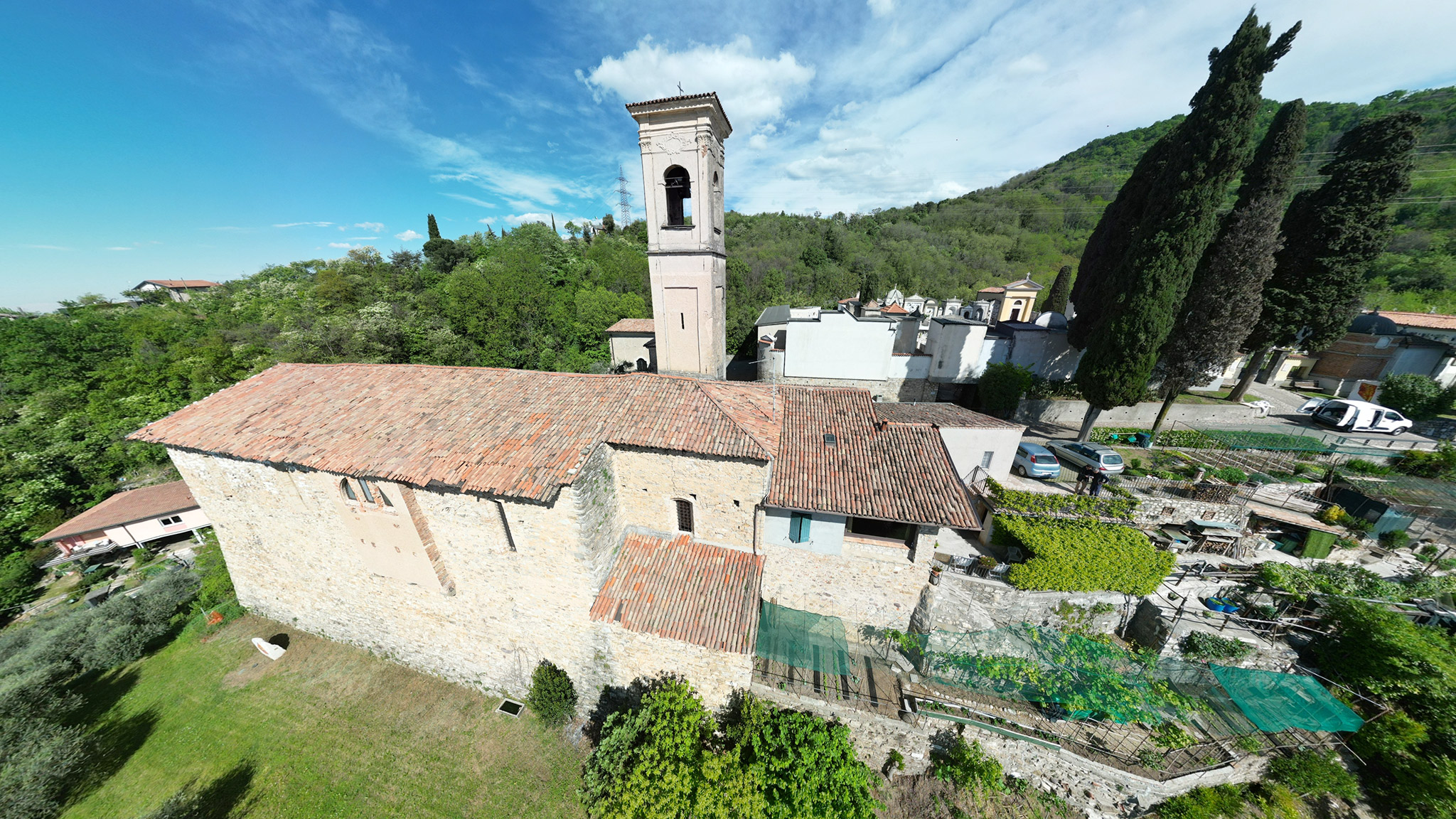
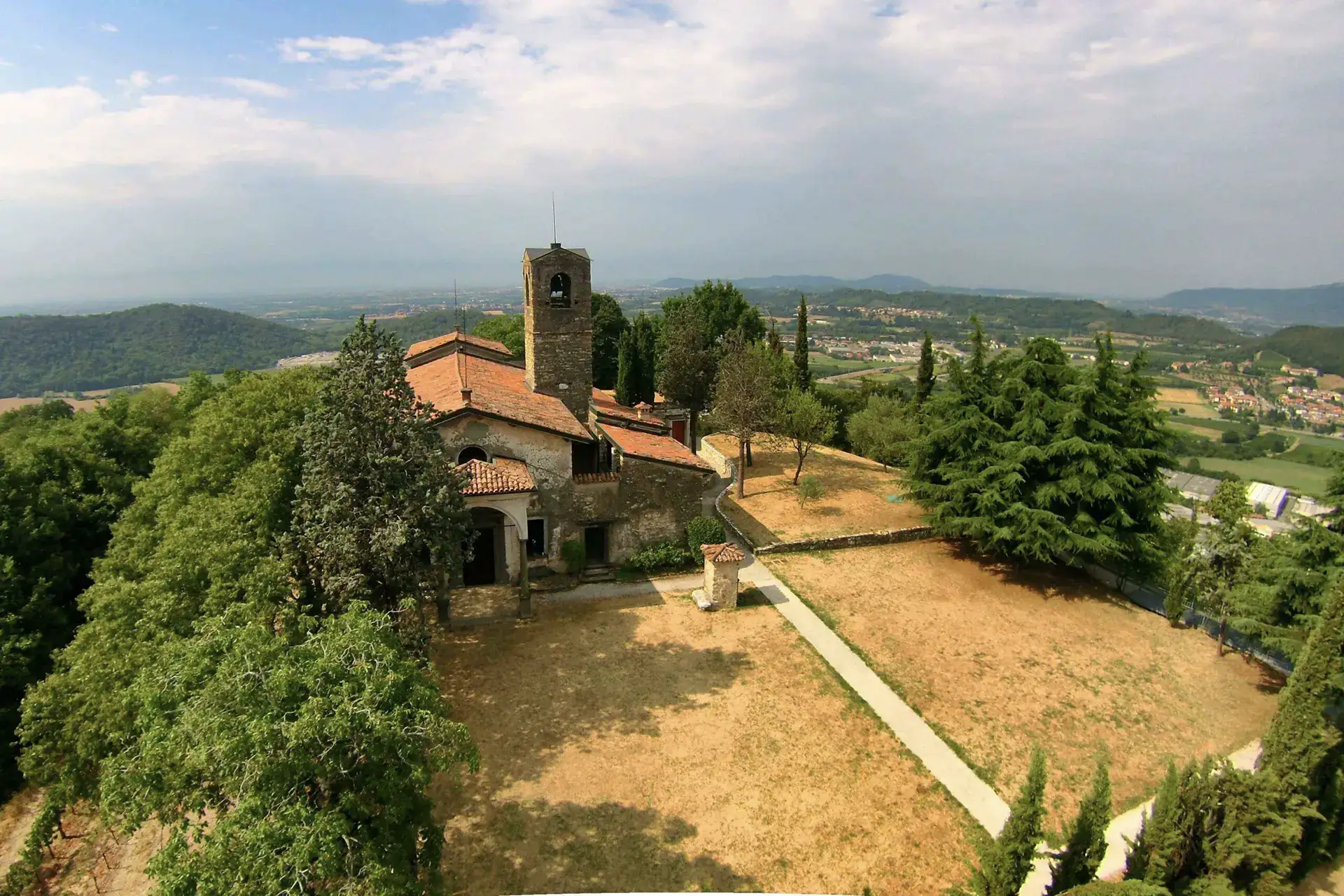
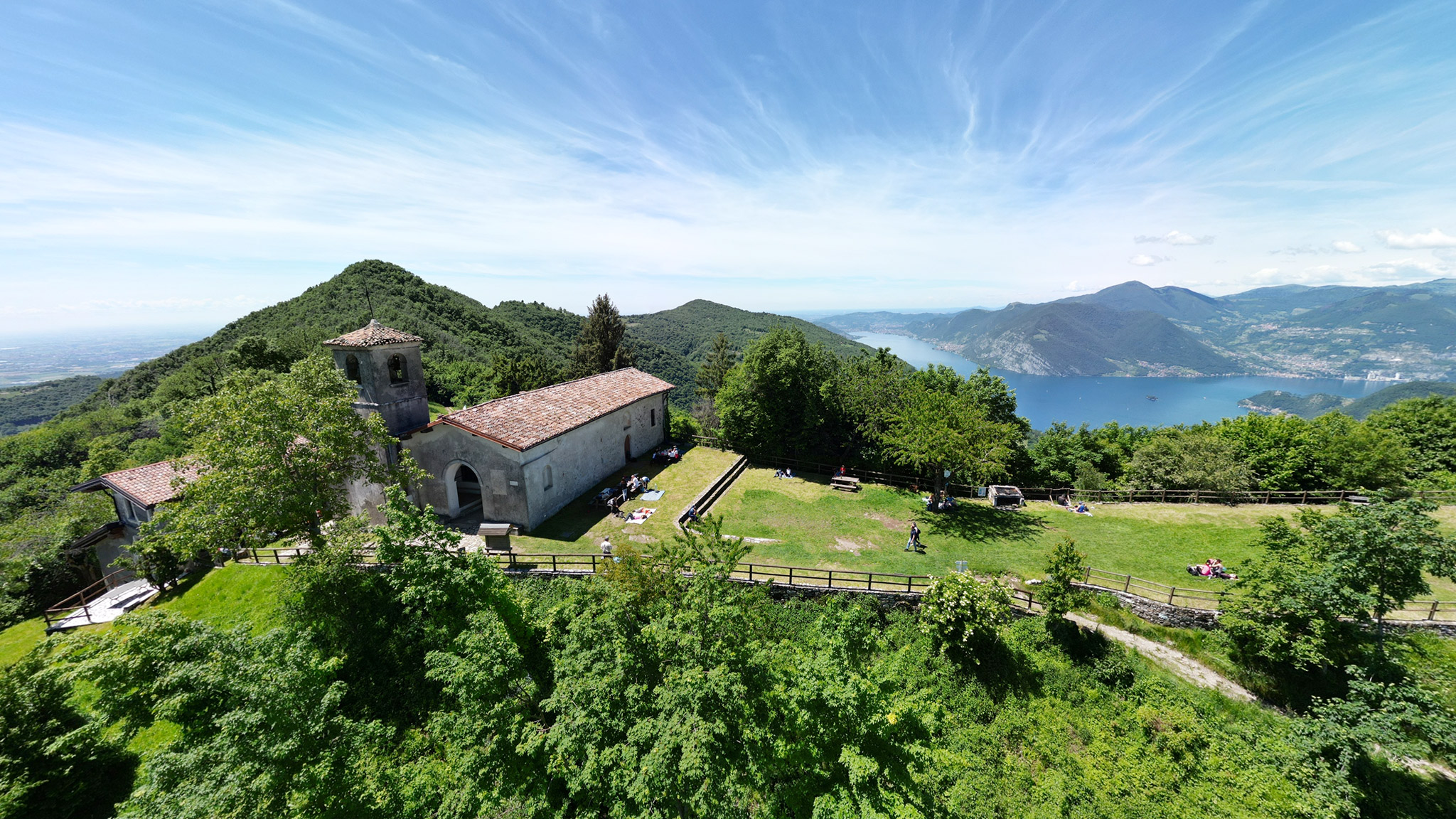
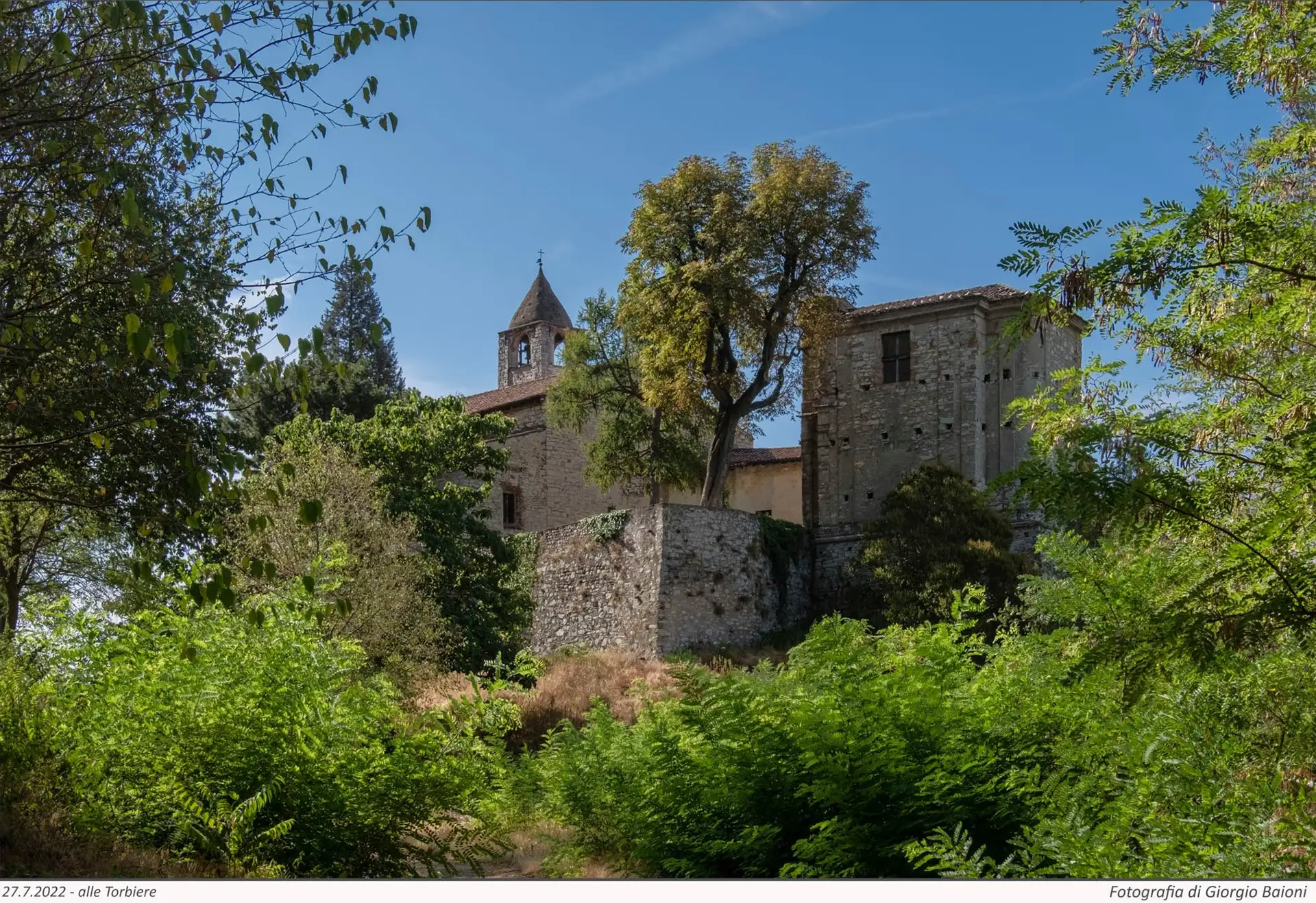
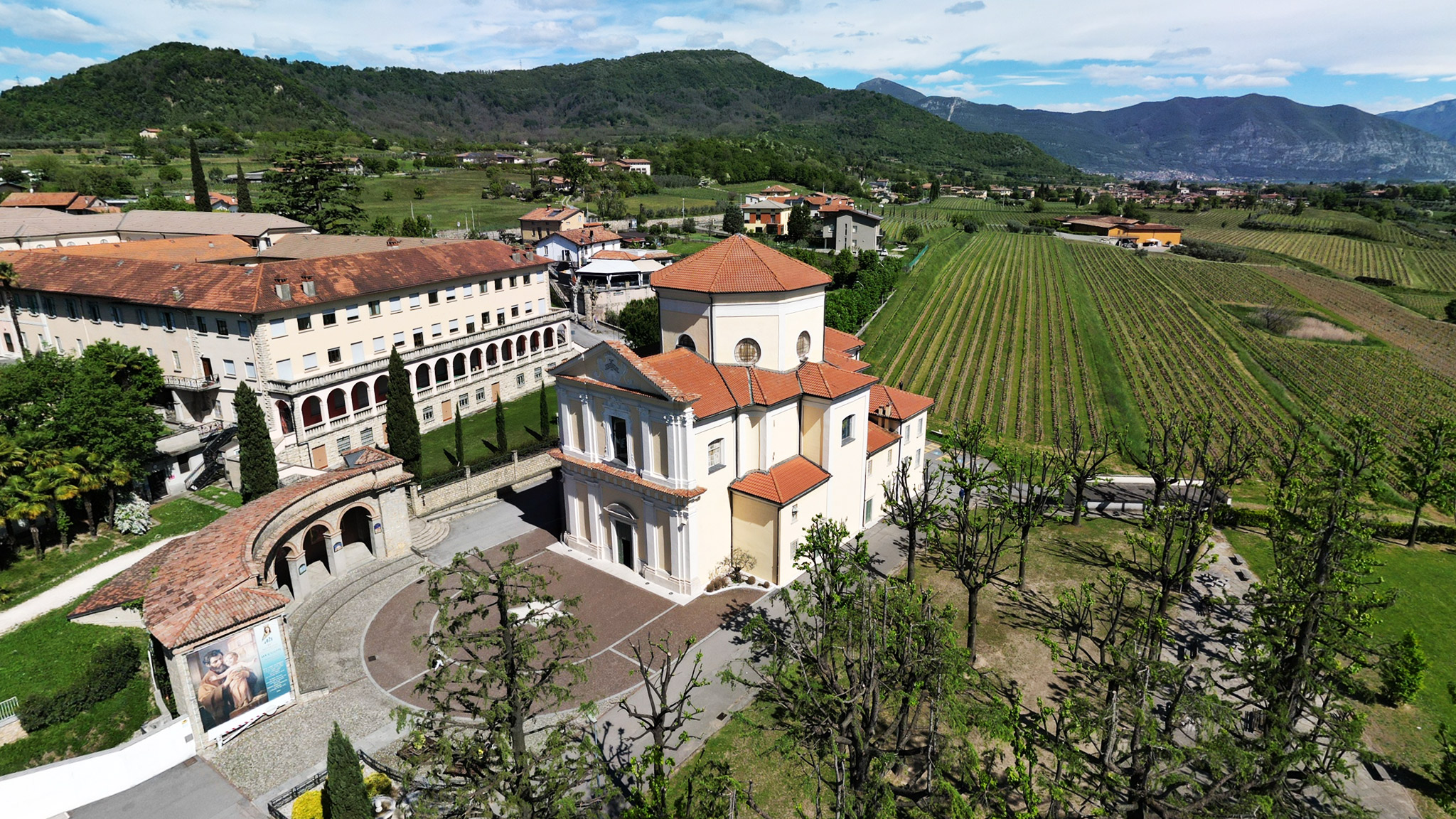
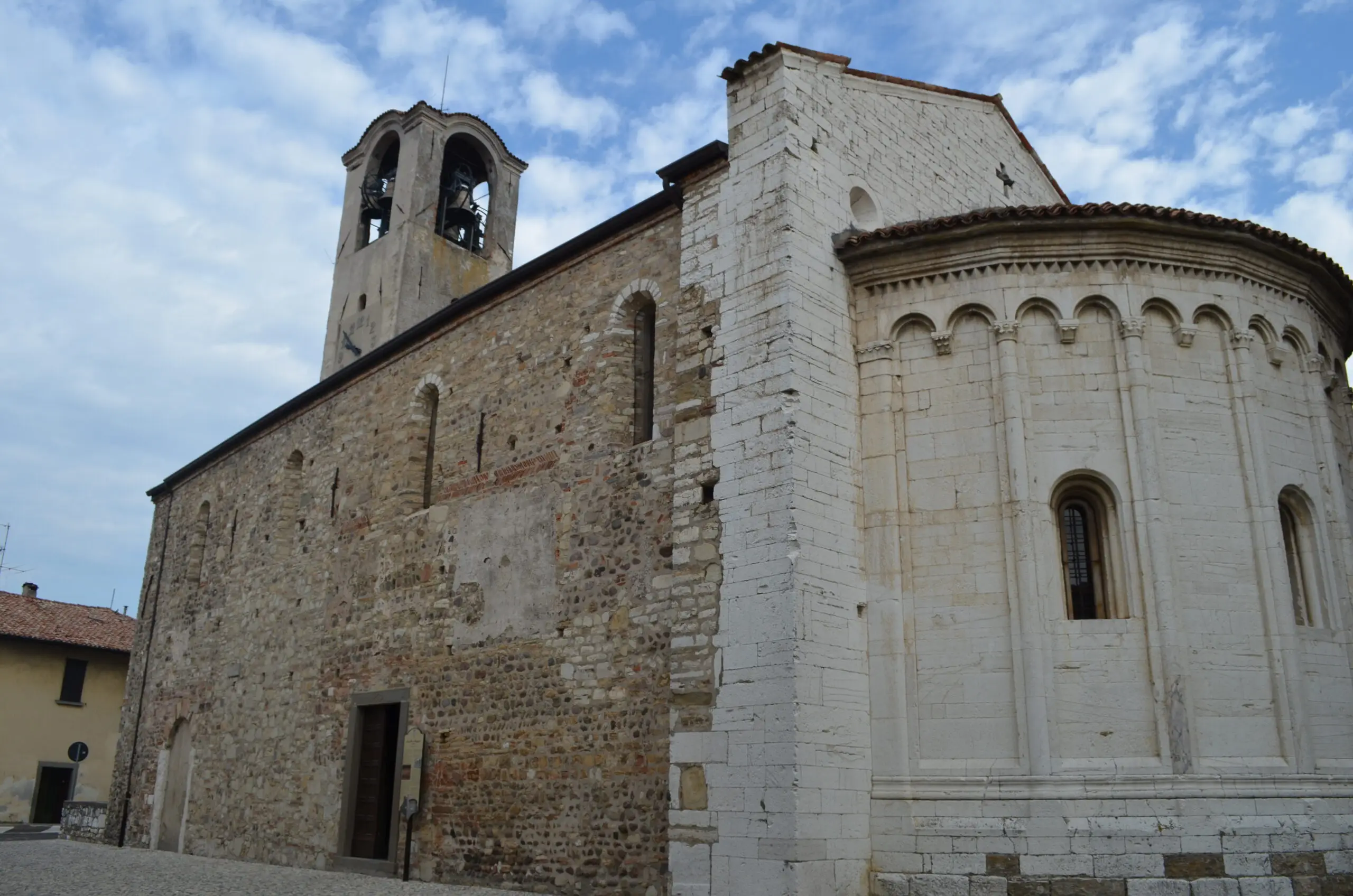
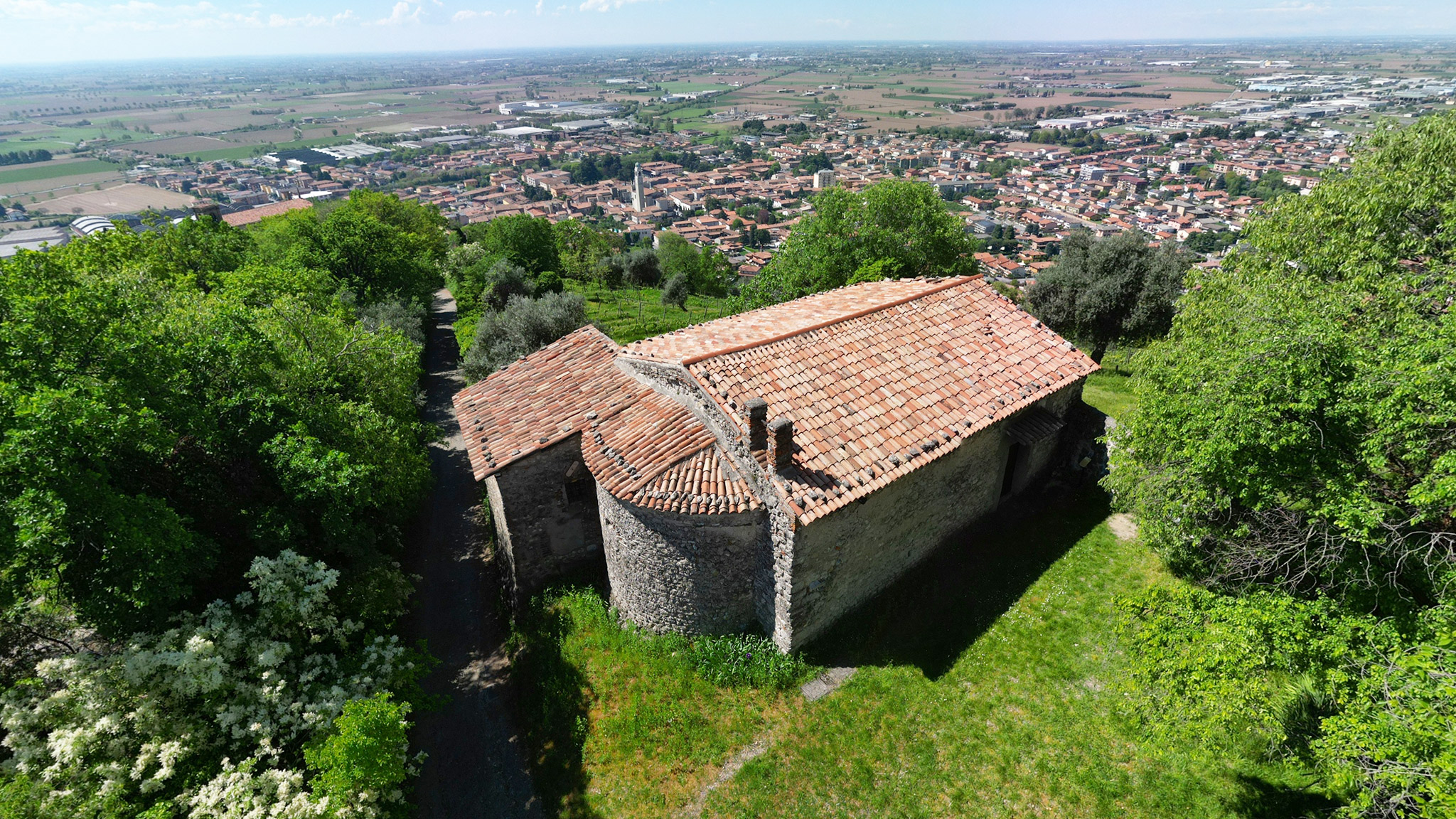
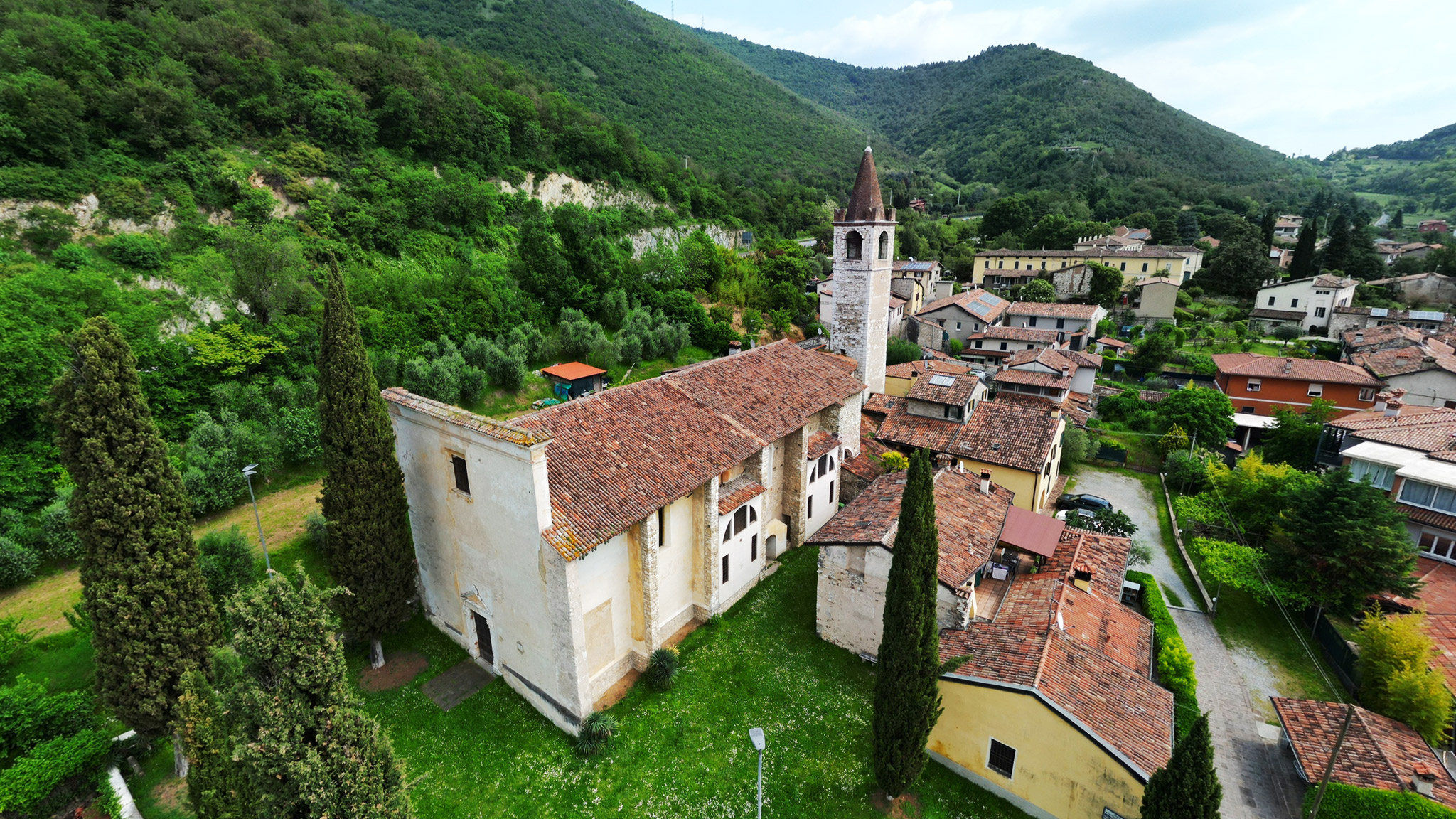
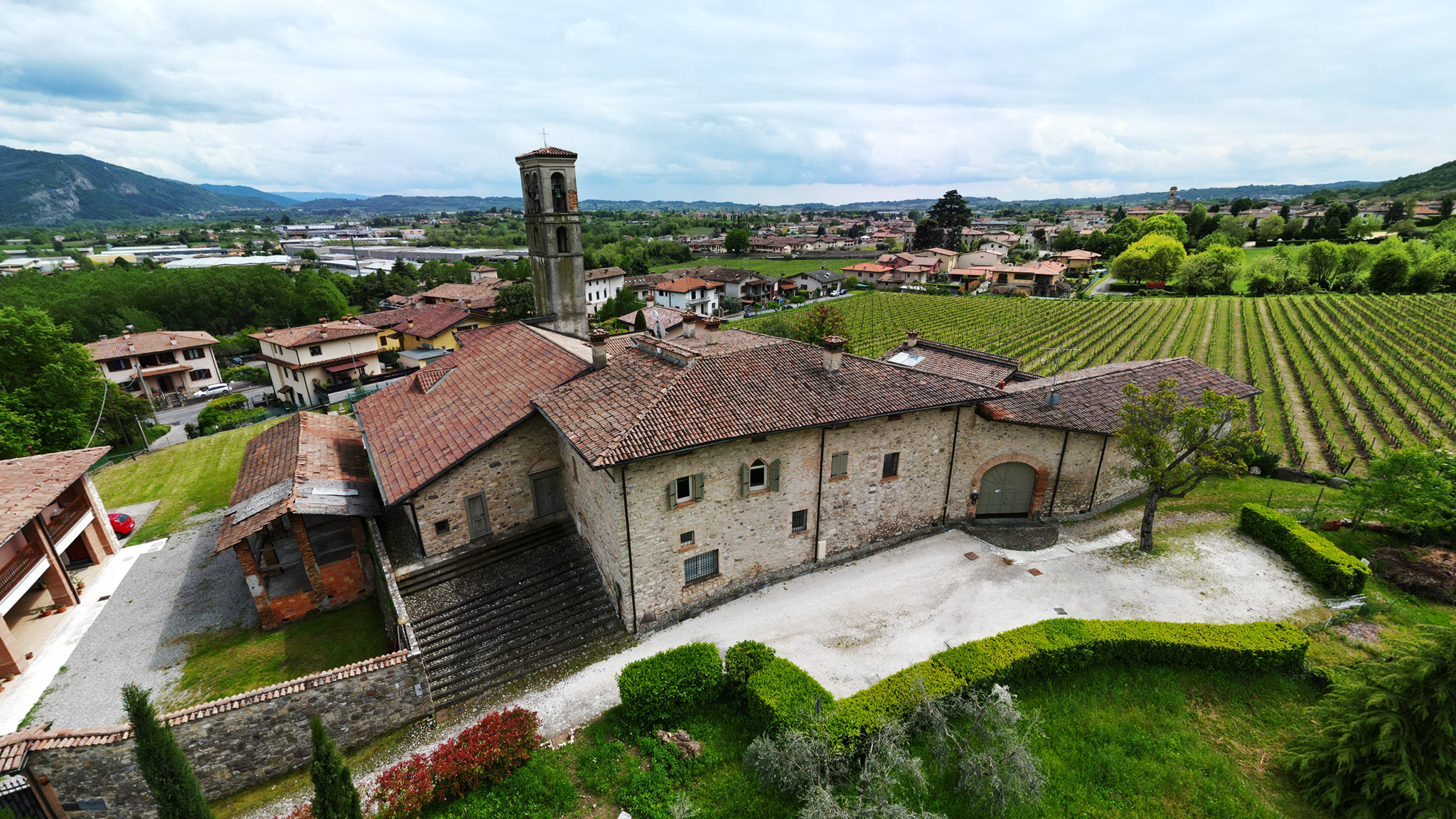
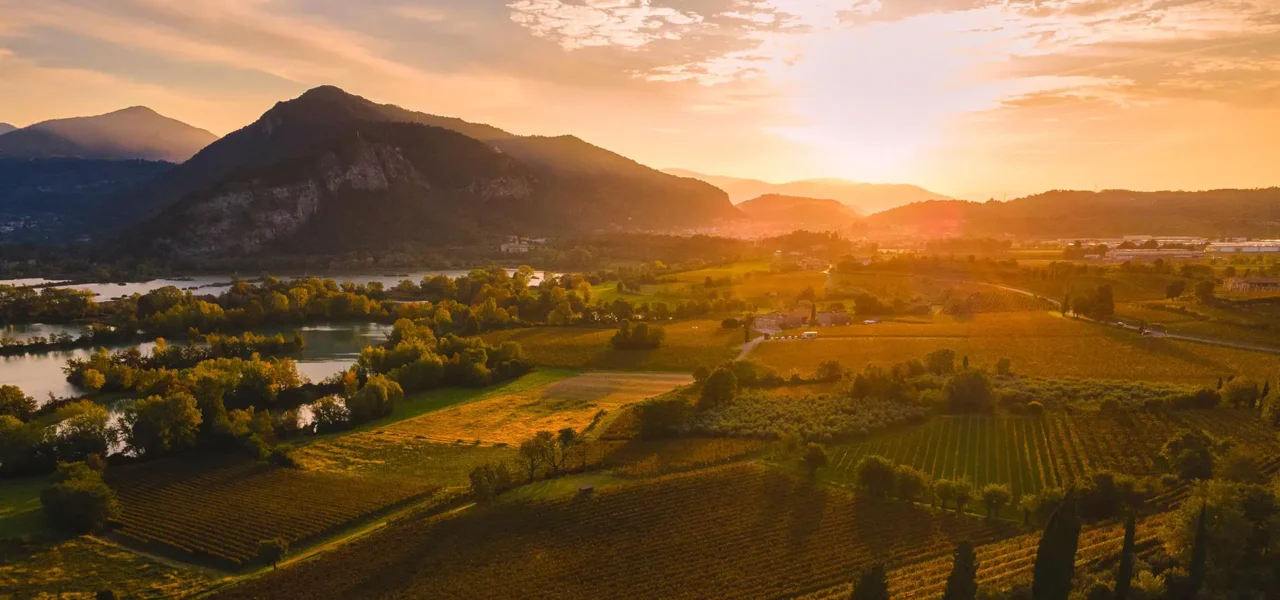
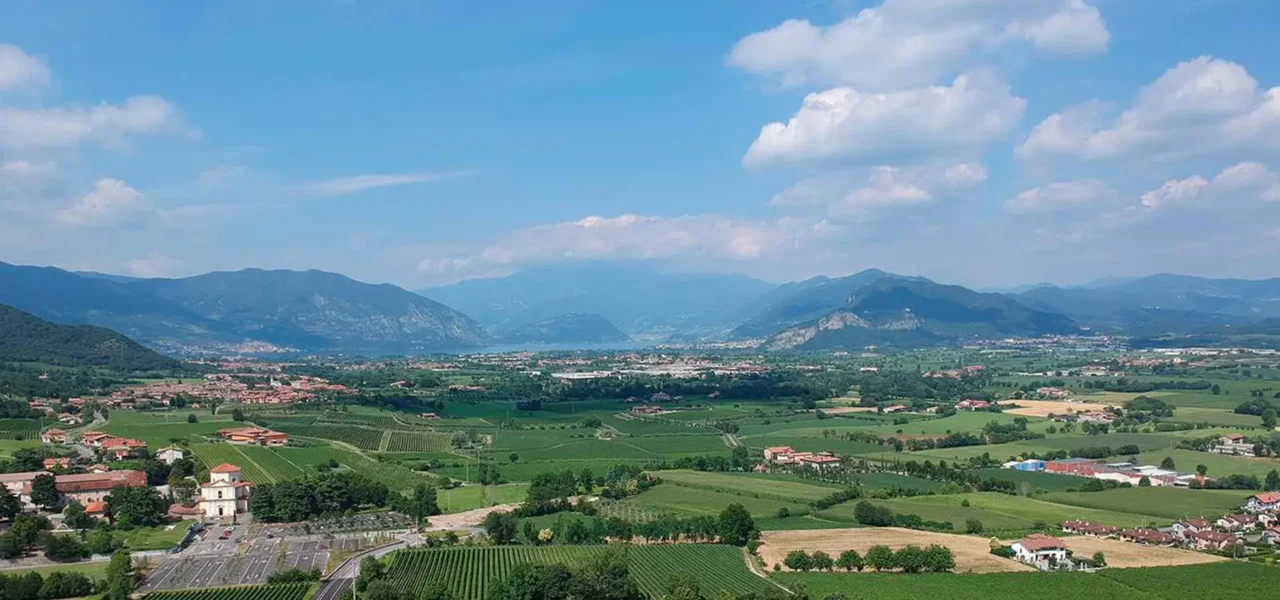
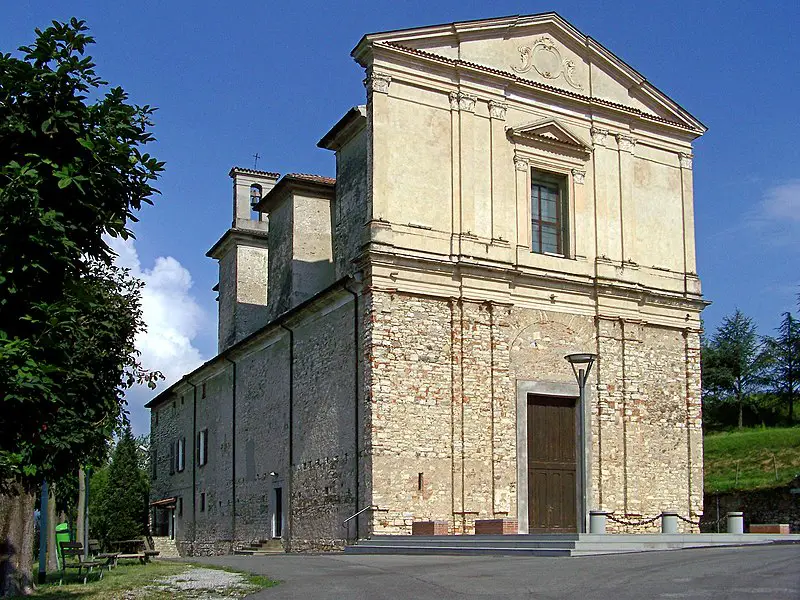
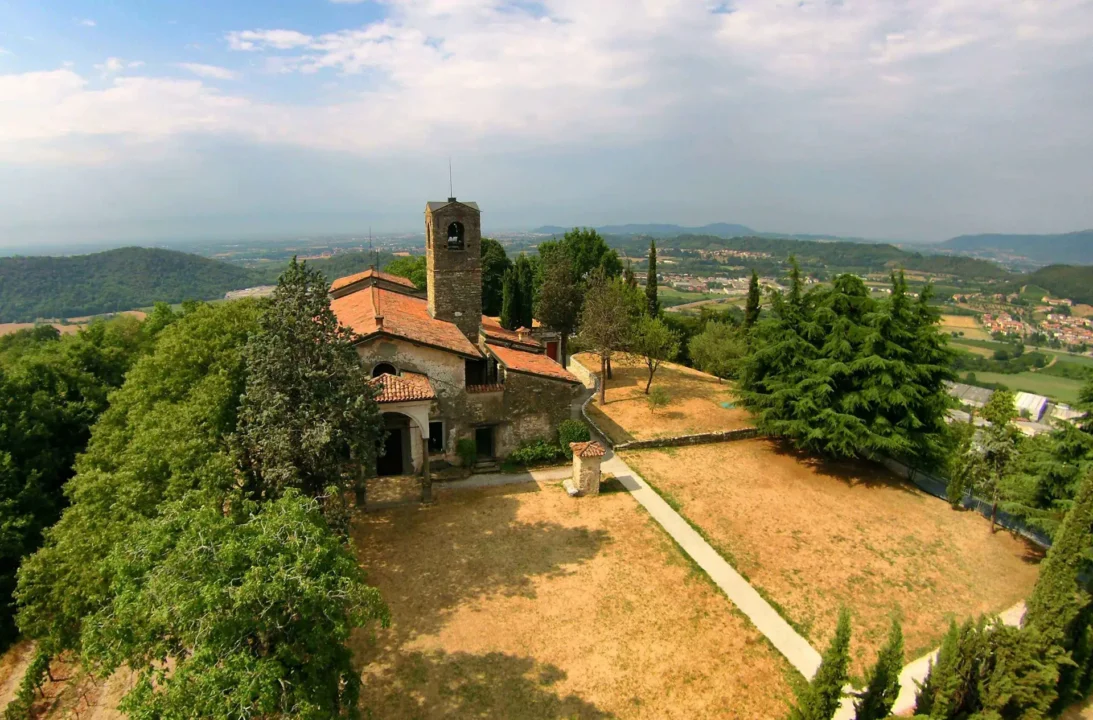
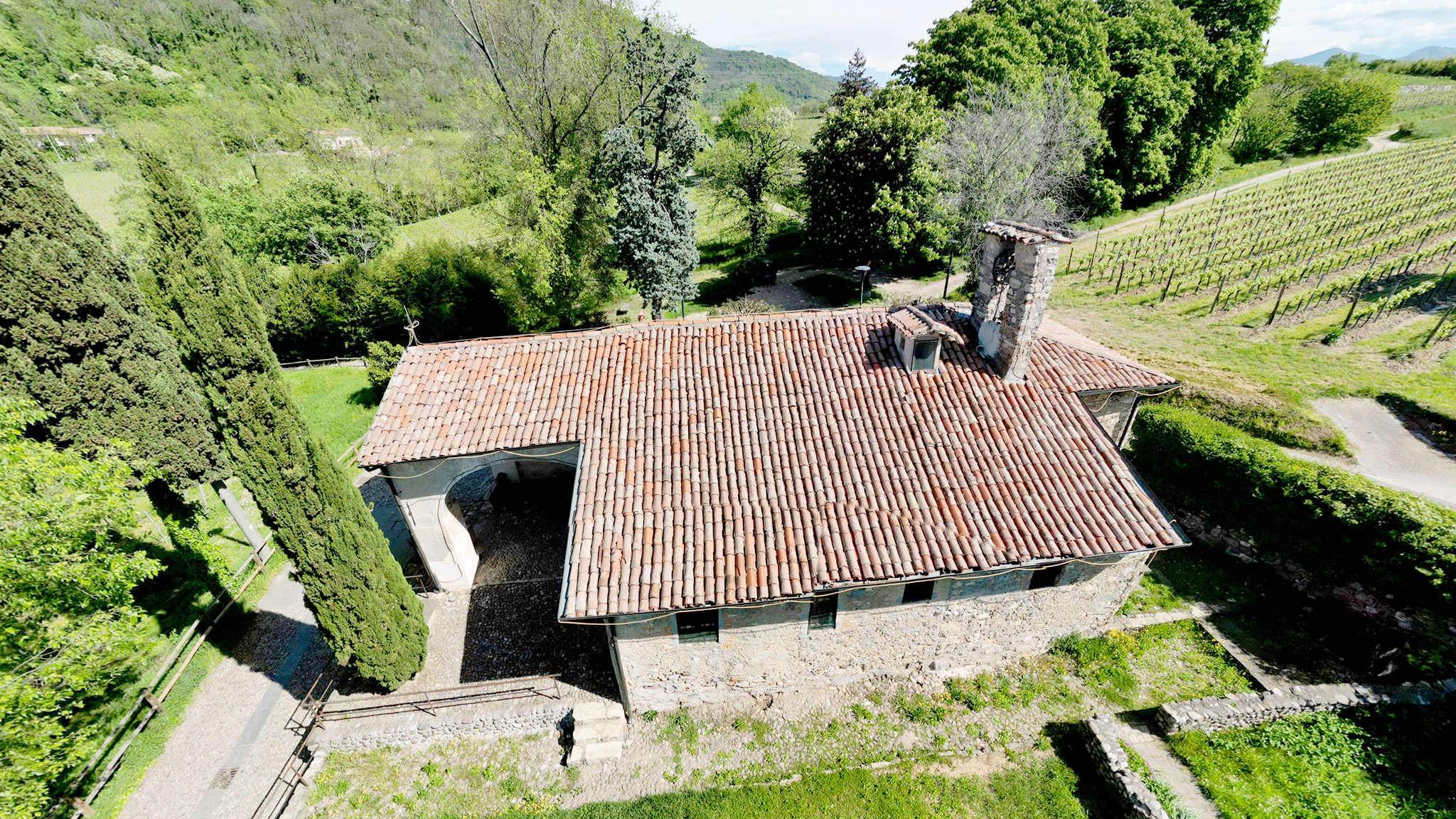
Just over a kilometre north-east of the village of Adro stands the small Church of Santa Maria in Favento, whose origins may date back to the early Christian era, though documentary evidence of it first appears in the late Middle Ages, when it is recorded as belonging to the parish church of Erbusco, a status it retained until the early 16th century. The name “Favento” probably derives from “Faggeto” and reflects the rural setting and the pleasant agricultural landscape that surrounds it.
Exterior architecture: gabled façade and decorated portico
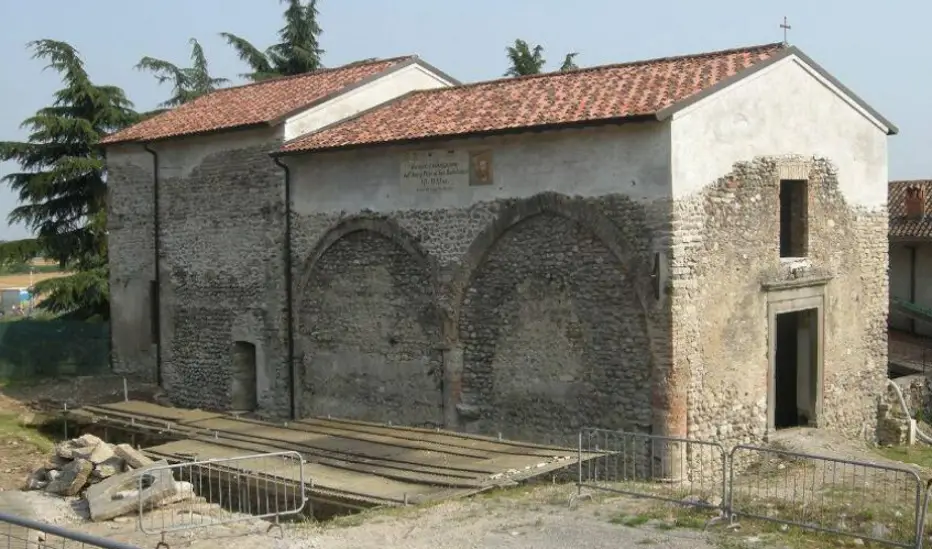
The building is modest in size, with a gabled façade, preceded by a portico open on two sides, which has retained its rich painted decoration.
A series of frescoes dating from the 14th to the 16th century: Adro’s oldest church
Whilst the exterior of the building is unremarkable, the interior is a treasure trove of paintings, a series of panels added one after another from the early 14th century right through to the mid-16th century, serving as veritable records of a devotional history spanning centuries. It is precisely on the basis of the dating of the frescoes that we can be certain the church was built at least in the 13th century, confirming it as the oldest surviving sacred building in Adro.
The oldest paintings: Saint Cristoforo, Maddalena and Saint Giorgio
The three oldest paintings represent Saint Christopher, Mary Magdalene and Saint George slaying the dragon. Although reduced to fragments, the Saint Christopher displays the characteristics of a high-quality painting, influenced by the style of Giotto and Giusto de’ Menabuoi in Padua: the saint, depicted on a monumental scale in keeping with tradition, is dressed in a refined blue robe and his image, with its strong three-dimensionality, is surrounded by an elegant Cosmatesque frame.
The Great Saint George: a frescoed altarpiece and a comparison with Guarienten’s fresco
But the largest and most interesting painting is that of St George, which occupies a large part of the right-hand wall; this may once have featured an altar, with the fresco serving as its altarpiece: the saint, who, under the gaze of an extremely elegant princess, lunges at the dragon, bears a striking resemblance to the fresco by Guarienti on the same subject, now held in the storerooms of the Pinacoteca Tosio Martinengo in Brescia.
The second decorative phase: The Enthroned Madonna and the iconography of the Madonna of the Rose
The patrons continued to adorn the walls of the small church throughout the following century: among the many frescoes from this second phase of decoration, the Madonna Enthroned with the Child, dated 1485, is particularly noteworthy, as it attests to the spread of the iconography of the Madonna della Rosa throughout the Franciacorta region: the same style, characterized by the pointed contours of the Gothic throne, can also be found in the Madonna with the Child venerated in the Church of Santo Stefano in Rovato.
Triumphal Arch and Presbytery: The Annunciation, The Majesty, and The Pantocrator
The nave is closed off by a triumphal arch, decorated with a scene of the Annunciation, which leads into the small chancel, featuring a significantly lowered cross vault: the back wall is dominated by the figure of the Majesty, seated on a perspectival throne and surmounted by the figure of the Pantocrator, which occupies one of the ribs of the vault.
Devotion in the 16th Century: The Master of San Cassiano and the Two Saints Rocco
The deep devotion that the faithful felt for this place persisted well into the 16th century, as evidenced by several panels attributed to an itinerant painter who was very active in the Franciacorta and Sebino regions: the Master of San Cassiano, recognizable by his archaic style, bright colors, and strong decorative flair. On the counter-façade, the anonymous artist painted a panel featuring no fewer than two Saint Roches, reflecting the urgent need for as many images as possible to ward off the plagues that regularly afflicted the region.
Links and useful information


Visiting hours: Open by appointment
Free admission
Privately owned property